Reserve · Ratnapura, Galle and Matara · Sri Lanka
Sinharaja Forest Reserve Wildlife Checklist

Sinharaja Forest Reserve is Sri Lanka's last large lowland rainforest and a UNESCO World Heritage Site, best known for mixed flocks of endemic birds such as the Sri Lanka blue magpie, red-faced malkoha and orange-billed babbler. Purple-faced langurs, giant squirrels and green pit vipers live here too. This checklist covers 119 animals. January to April is the driest and best season.
Tick off all 119 animals in Sinharaja on your phone, even offline. Launching soon. Free A4 PDF, no sign-up.
You can only walk the trails with a local guide, which is a good thing: the guides know the calls and can pick out a flock long before you hear it. Most visitors enter at Kudawa in the north or at Pitadeniya near Deniyaya in the south.
- Animals to find
- 119
- Where
- Sri Lanka
- Best time
- Jan to Apr
- Endemic birds
- More than 20 species
Popular animals in Sinharaja
-
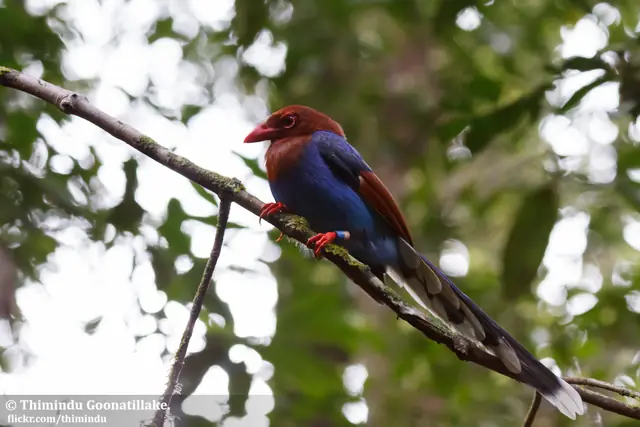
Sri Lanka Blue Magpie
Urocissa ornata
Bright blue with a chestnut head and a long white-tipped tail. Family parties travel noisily, often at the front of the mixed flocks.
-
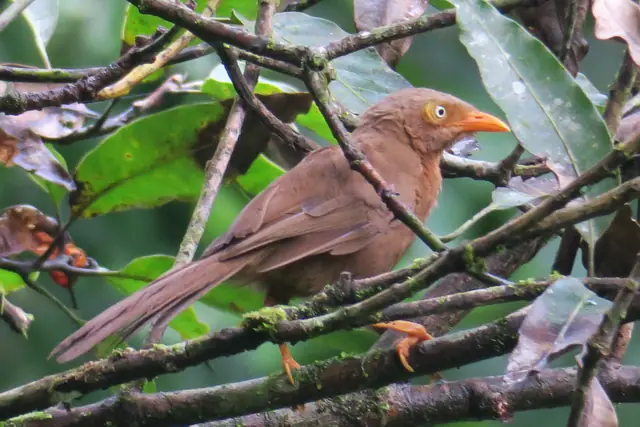
Orange-billed Babbler
Argya rufescens
Gingery, loud and always in groups. With the Sri Lanka drongo, it leads the famous mixed feeding flocks that sweep through the forest.
-
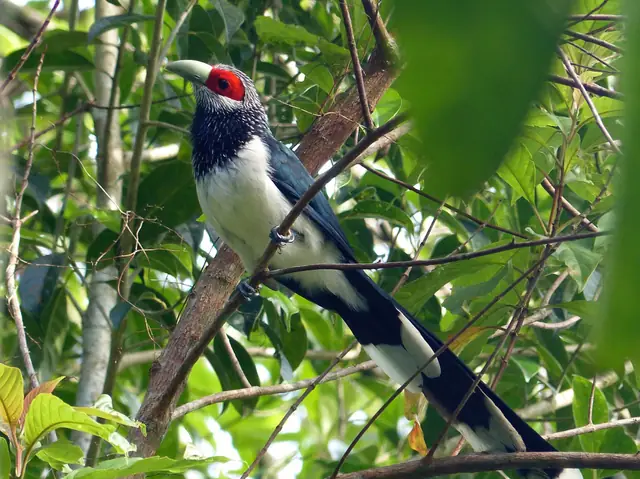
Red-faced Malkoha
Phaenicophaeus pyrrhocephalus
A big, quiet cuckoo with a red face patch, moving slowly through the mid canopy. One of the hardest endemics, so give each flock time.
-
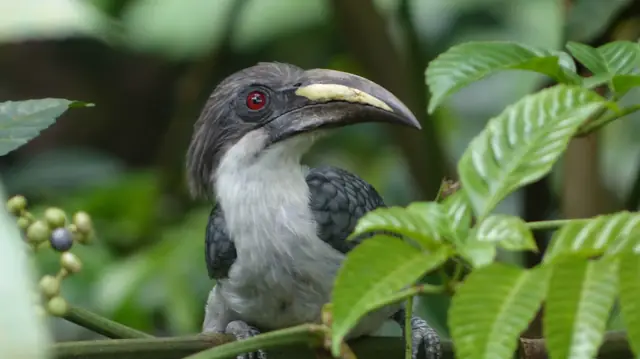
Sri Lanka Grey Hornbill
Ocyceros gingalensis
A small endemic hornbill, often heard cackling before it is seen in fruiting trees.
-
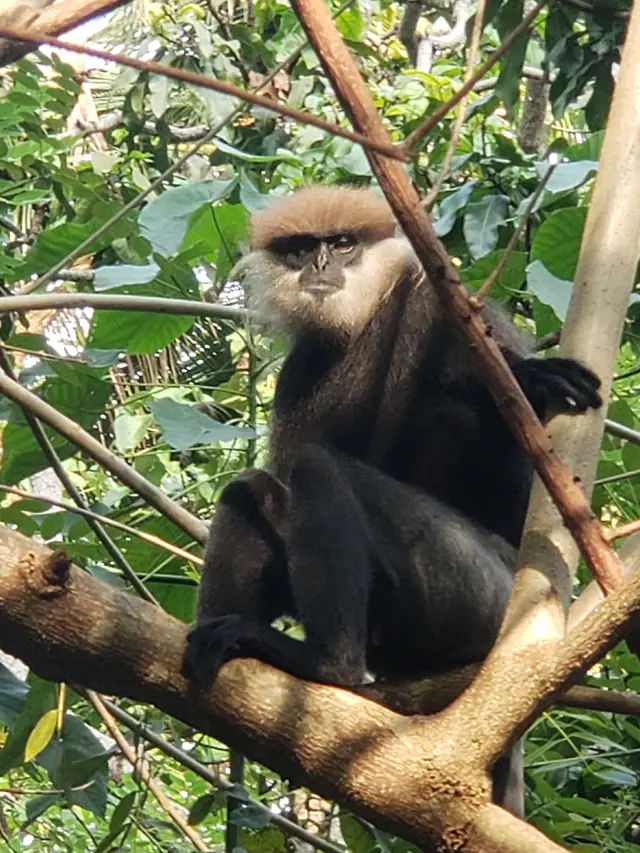
Purple-faced Langur
Semnopithecus vetulus
An endemic leaf monkey with a pale beard. Listen for loud barking calls from the canopy.
-
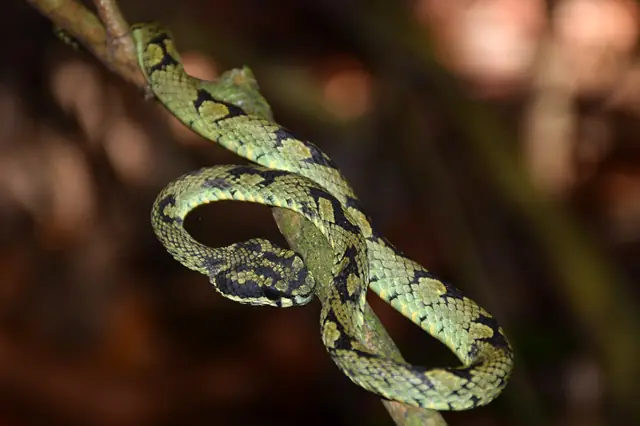
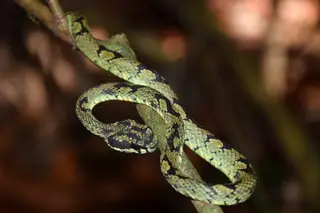
Sri Lankan Green Pit Viper
Craspedocephalus trigonocephalus
Often sits motionless on low branches beside the trail. Watch from a step back and never touch.
-
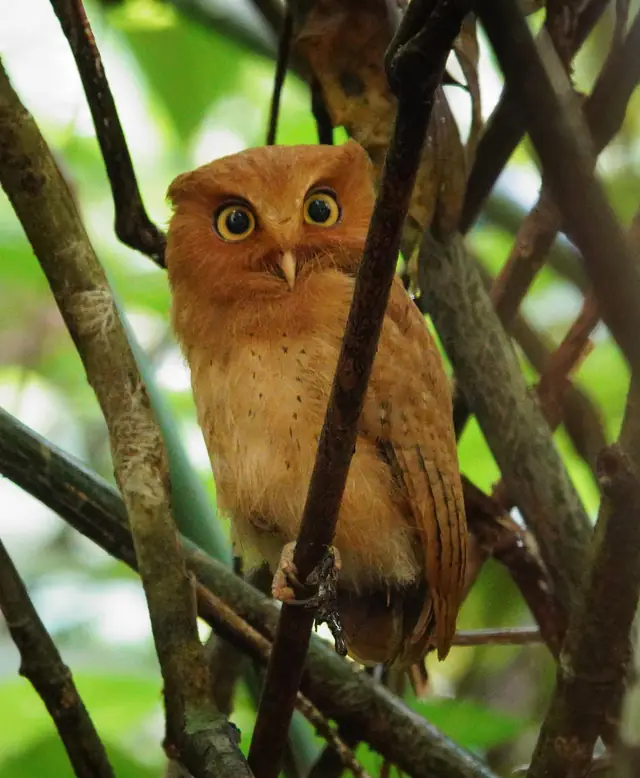
Serendib Scops Owl
Otus thilohoffmanni
Only described by science in 2001. It is known mostly by its call; a quiet night walk with a guide gives the only real chance.
-
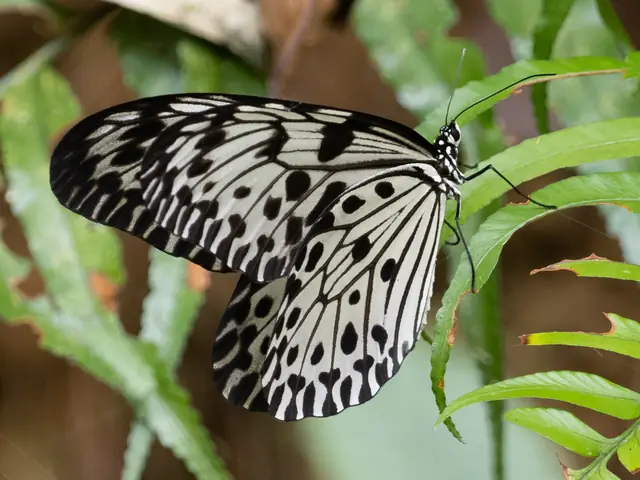
Ceylon Tree Nymph
Idea iasonia
A large black-and-white endemic butterfly that floats slowly through the forest like a scrap of paper.
All 119 animals in Sinharaja
Endemic birds 27
-
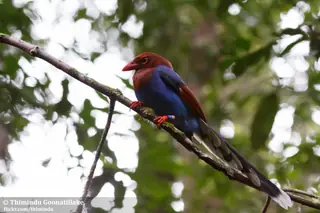 Sri Lanka Blue Magpie
-
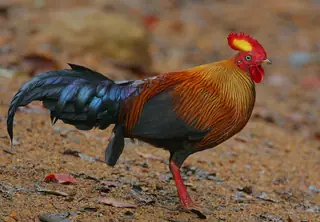 Sri Lanka Junglefowl
-
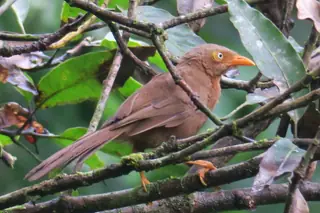 Orange-billed Babbler
-
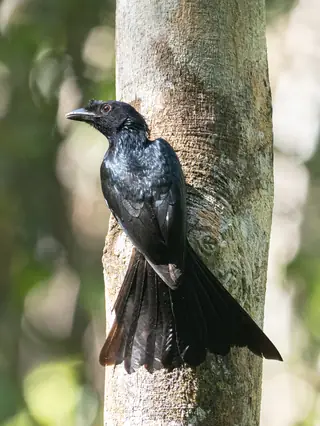 Sri Lanka Drongo
-
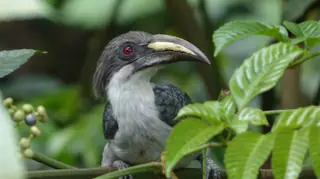 Sri Lanka Grey Hornbill
-
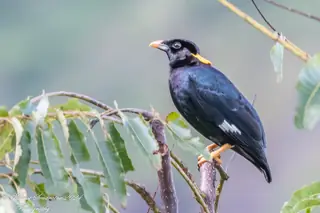 Sri Lanka Hill Myna
-
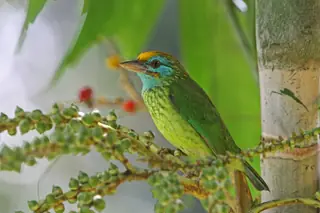 Yellow-fronted Barbet
-
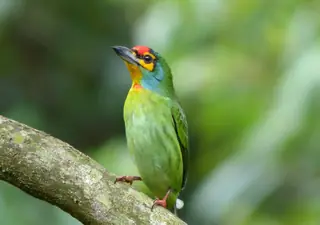 Crimson-fronted Barbet
-
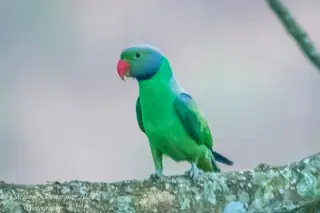 Layard's Parakeet
-
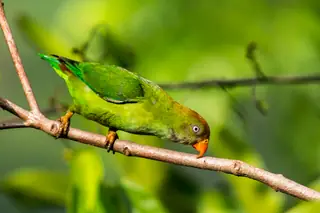 Sri Lanka Hanging Parrot
-
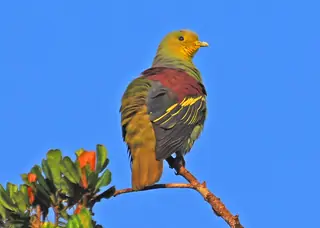 Sri Lanka Green Pigeon
-
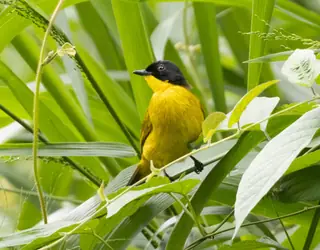 Black-capped Bulbul
-
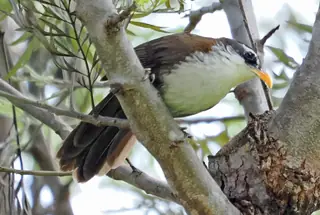 Sri Lanka Scimitar Babbler
-
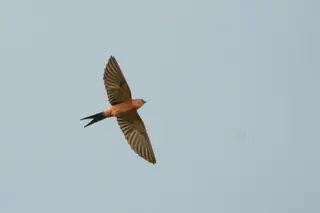 Sri Lanka Swallow
-
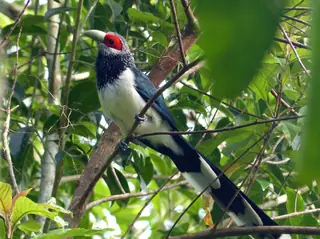 Red-faced Malkoha
-
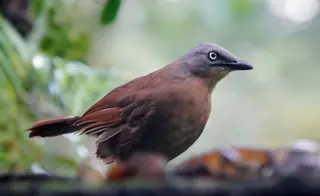 Ashy-headed Laughingthrush
-
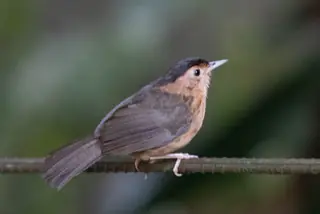 Brown-capped Babbler
-
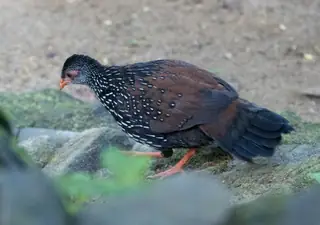 Sri Lanka Spurfowl
-
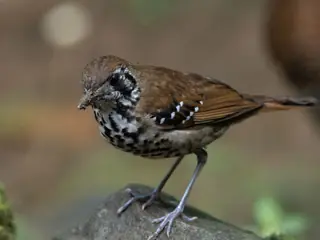 Spot-winged Thrush
-
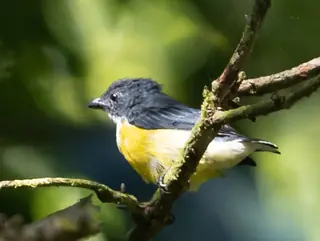 Legge's Flowerpecker
-
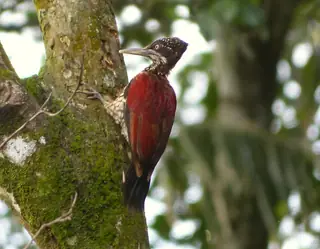 Crimson-backed Flameback
-
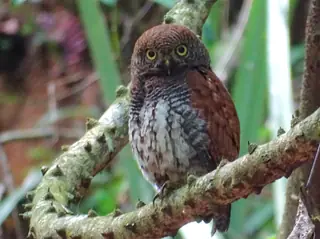 Chestnut-backed Owlet
-
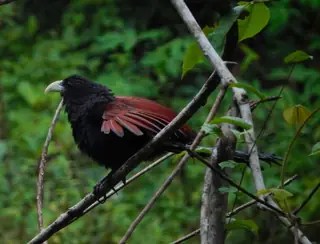 Green-billed CoucalRare
-
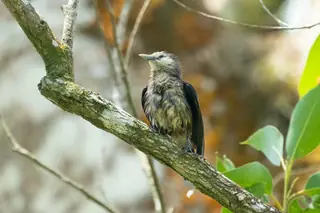 White-faced StarlingRare
-
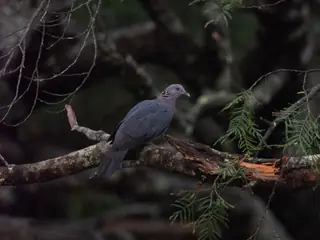 Sri Lanka Wood PigeonRare
-
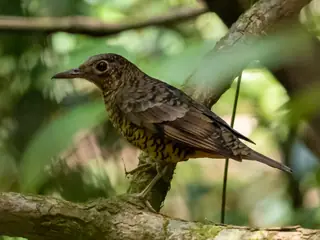 Sri Lanka ThrushRare
-
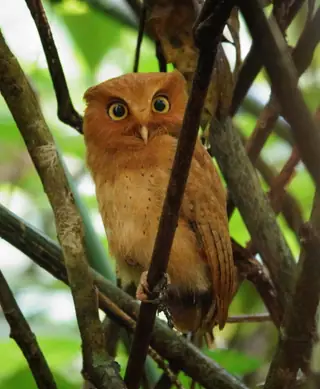 Serendib Scops OwlRare
Forest birds 36
-
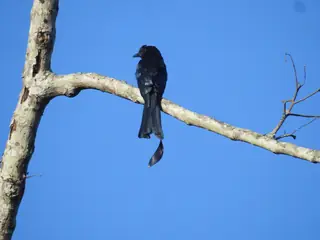 Greater Racquet-tailed Drongo
-
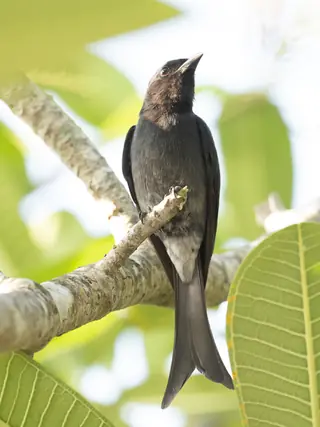 White-bellied Drongo
-
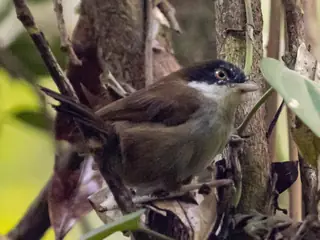 Dark-fronted Babbler
-
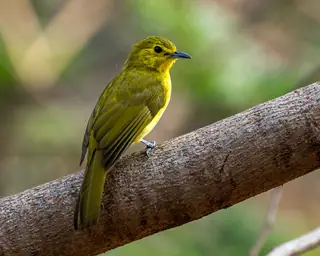 Yellow-browed Bulbul
-
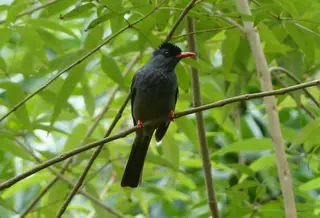 Square-tailed Bulbul
-
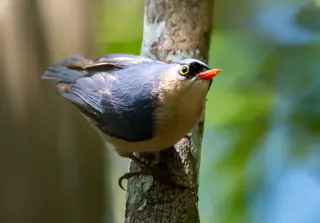 Velvet-fronted Nuthatch
-
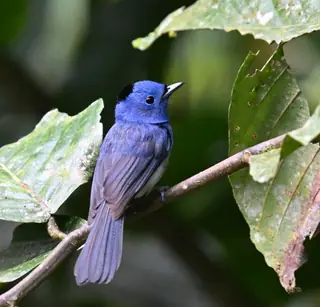 Black-naped Monarch
-
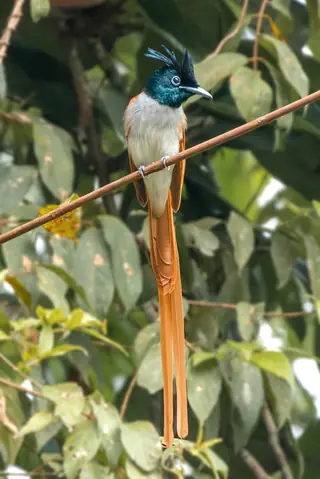 Indian Paradise Flycatcher
-
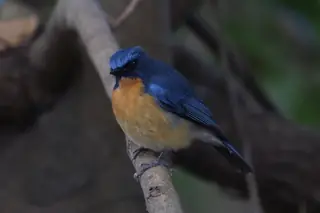 Tickell's Blue Flycatcher
-
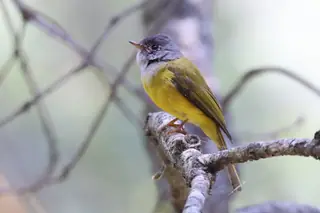 Grey-headed Canary-flycatcher
-
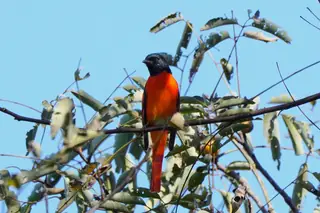 Scarlet Minivet
-
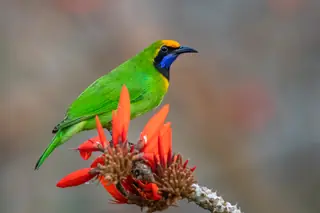 Golden-fronted Leafbird
-
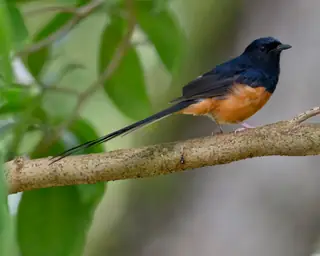 White-rumped Shama
-
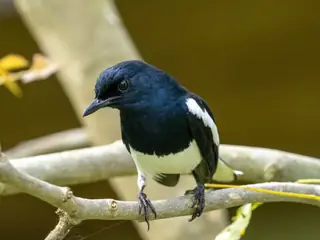 Oriental Magpie-Robin
-
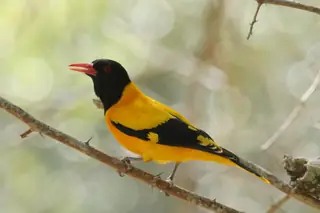 Black-hooded Oriole
-
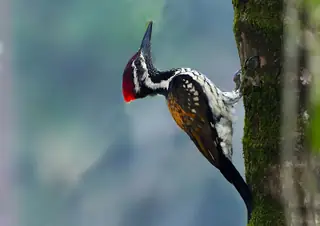 Black-rumped Flameback
-
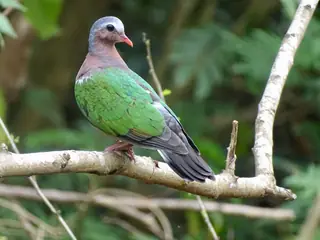 Common Emerald Dove
-
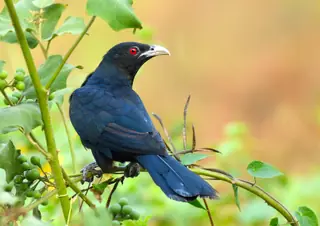 Asian Koel
-
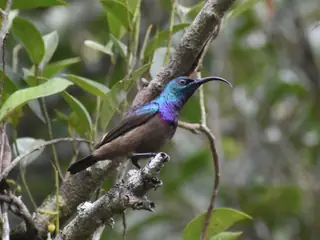 Loten's Sunbird
-
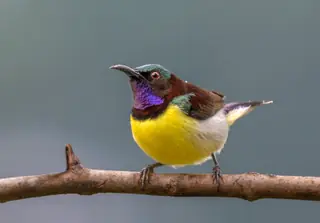 Purple-rumped Sunbird
-
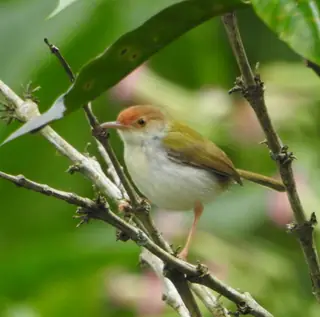 Common Tailorbird
-
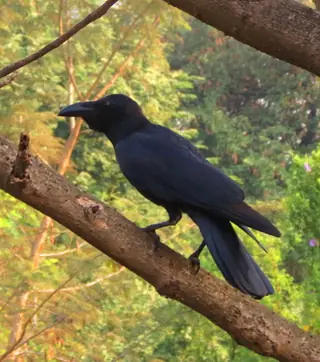 Large-billed Crow
-
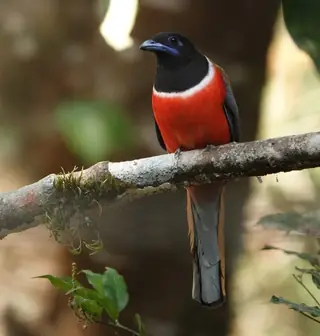 Malabar Trogon
-
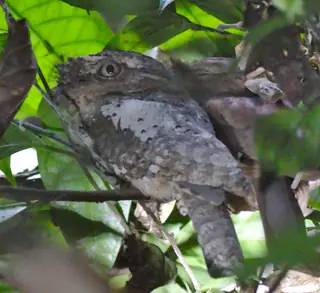 Sri Lanka Frogmouth
-
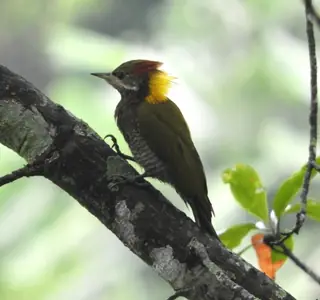 Lesser Yellownape
-
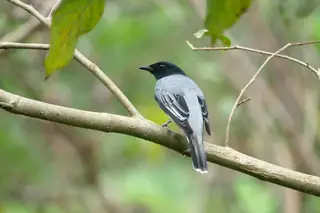 Black-headed Cuckooshrike
-
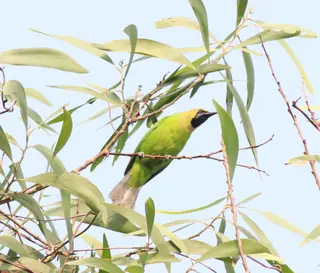 Jerdon's Leafbird
-
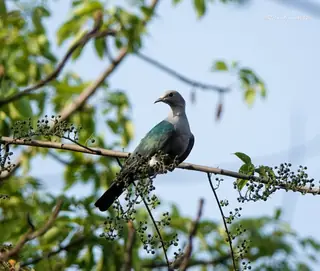 Green Imperial Pigeon
-
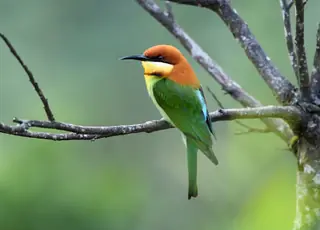 Chestnut-headed Bee-eater
-
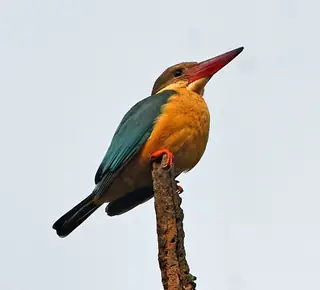 Stork-billed Kingfisher
-
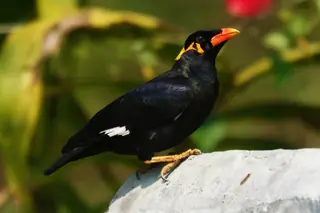 Common Hill Myna
-
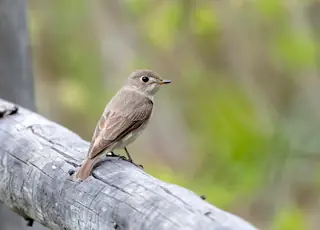 Asian Brown Flycatcher
-
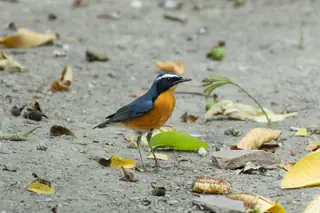 Indian Blue Robin
-
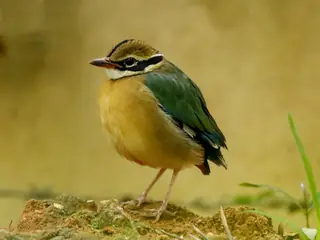 Indian Pitta
-
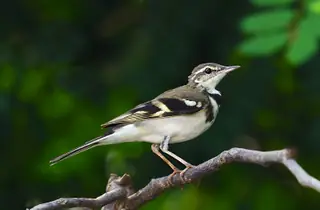 Forest Wagtail
-
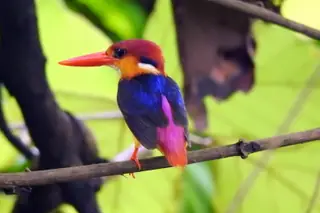 Black-backed Dwarf KingfisherRare
Birds of prey and owls 9
-
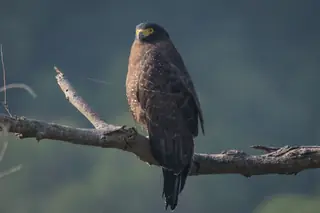 Crested Serpent Eagle
-
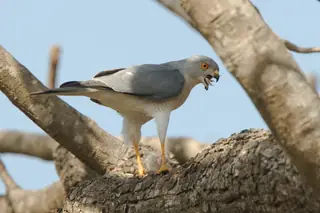 Shikra
-
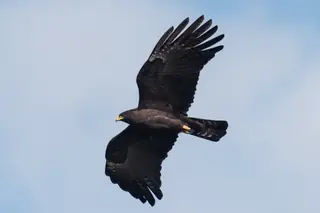 Black Eagle
-
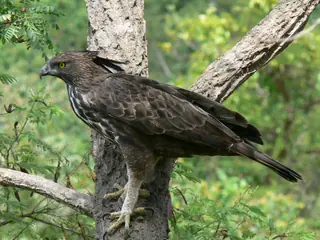 Changeable Hawk-Eagle
-
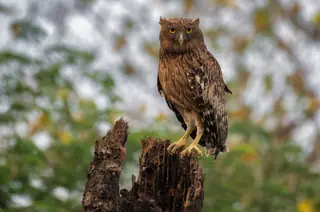 Brown Fish Owl
-
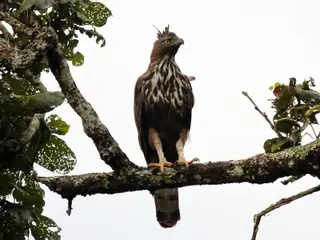 Legge's Hawk-EagleRare
-
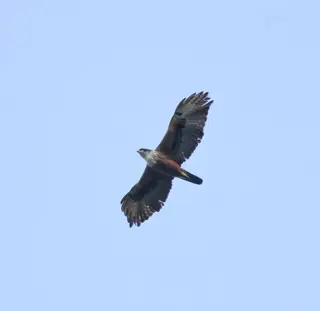 Rufous-bellied EagleRare
-
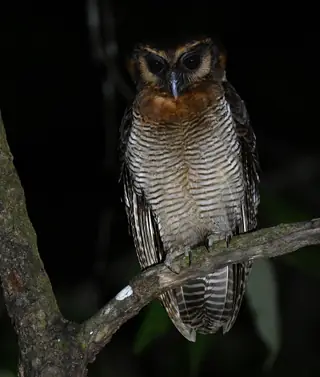 Brown Wood OwlRare
-
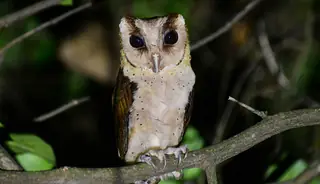 Sri Lanka Bay OwlRare
Monkeys and mammals 21
-
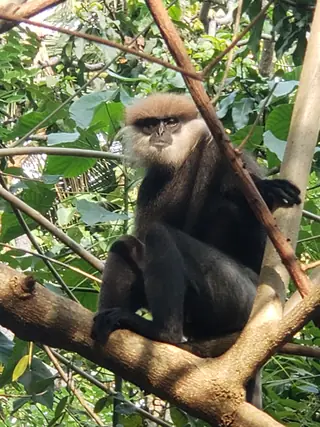 Purple-faced Langur
-
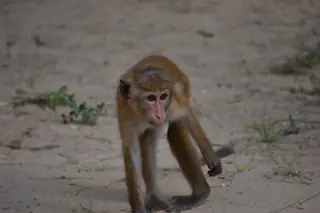 Toque Macaque
-
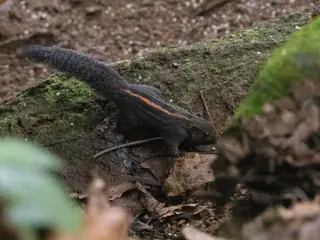 Layard's Palm Squirrel
-
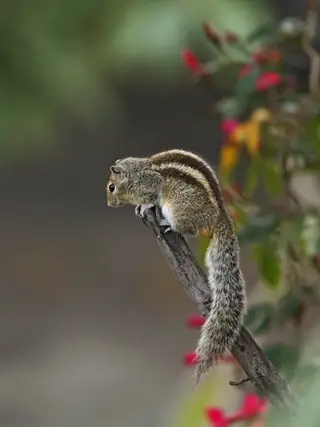 Common Palm Squirrel
-
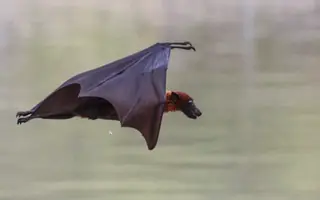 Indian Flying Fox
-
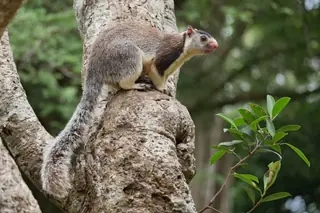 Sri Lankan Giant Squirrel
-
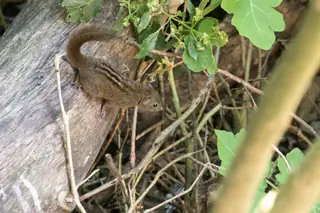 Dusky-striped Squirrel
-
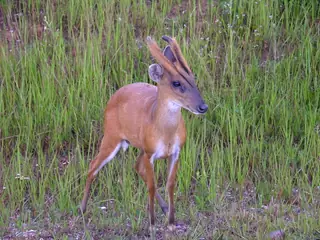 Northern Red Muntjac
- Yellow-striped Chevrotain
-
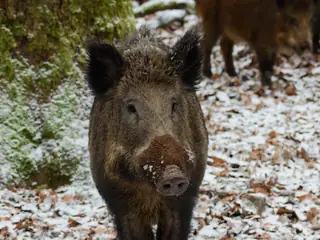 Wild Boar
-
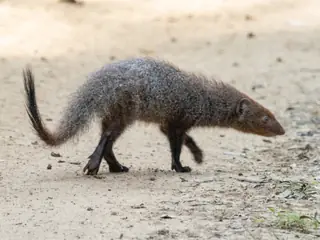 Ruddy Mongoose
-
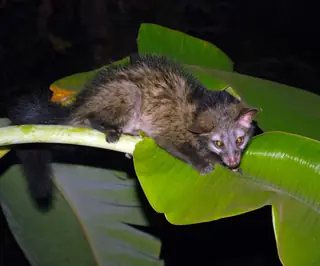 Common Palm Civet
-
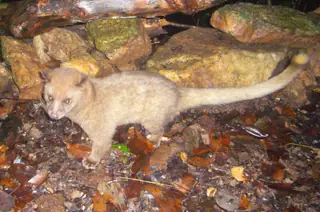 Golden Palm CivetRare
-
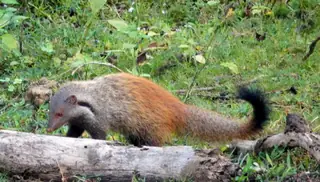 Stripe-necked MongooseRare
-
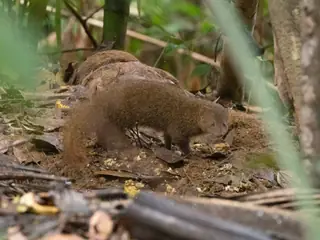 Indian Brown MongooseRare
-
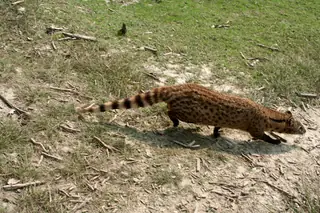 Small Indian CivetRare
-
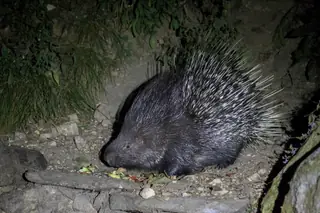 Indian Crested PorcupineRare
-
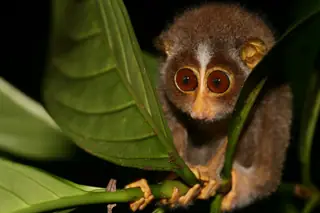 Red Slender LorisRare
-
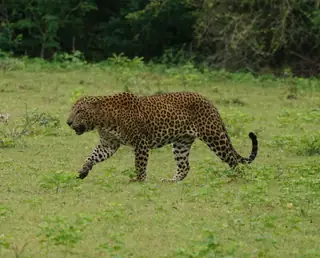 LeopardRare
-
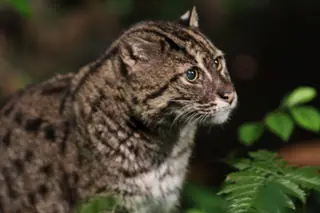 Fishing CatRare
-
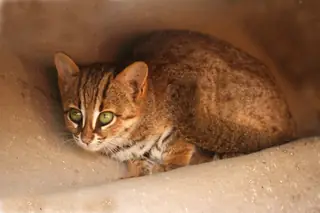 Rusty-spotted CatRare
Reptiles 13
-
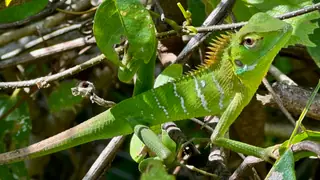 Common Green Forest Lizard
-
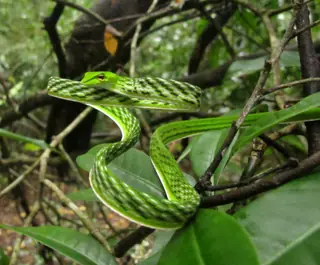 Sri Lankan Green Vine Snake
-
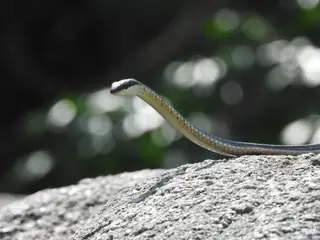 Common Bronzeback
-
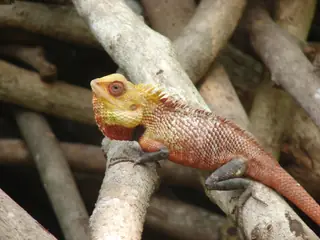 Oriental Garden Lizard
-
 Sri Lankan Green Pit Viper
-
 Hump-nosed Lizard
-
 Sri Lankan Kangaroo Lizard
-
 Kandyan Gecko
-
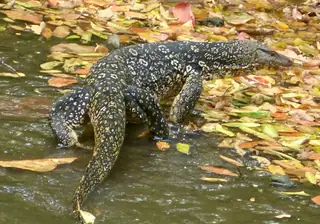 Asian Water Monitor
-
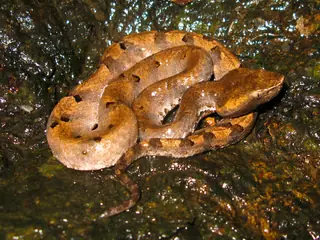 Hump-nosed Viper
-
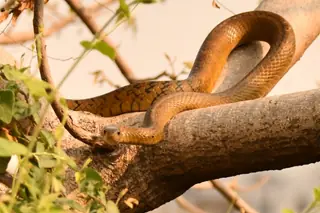 Common Rat Snake
-
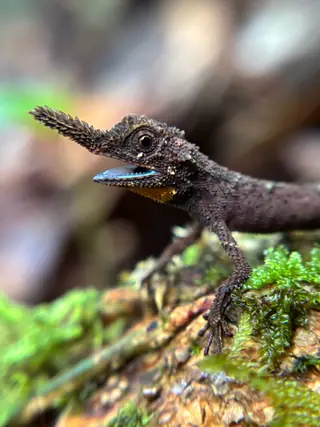 Rough-nosed Horned LizardRare
-
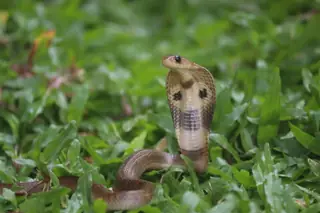 Indian CobraRare
Frogs and toads 6
-
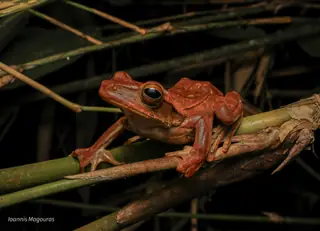 Common Hourglass Tree Frog
-
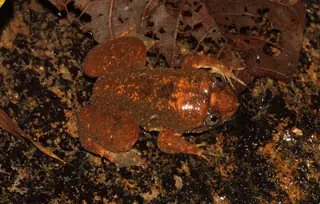 Corrugated Water Frog
-
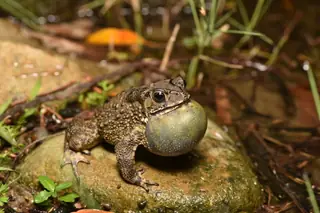 Asian Common Toad
-
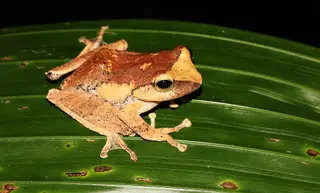 Reticulated Shrub Frog
-
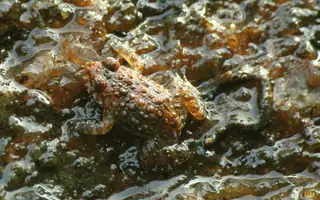 Sri Lanka Rock Frog
-
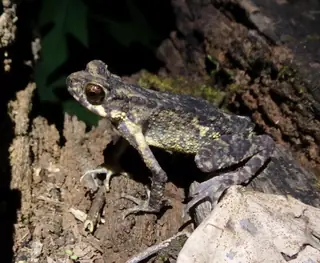 Kelaart's Dwarf Toad
Butterflies and dragonflies 7
-
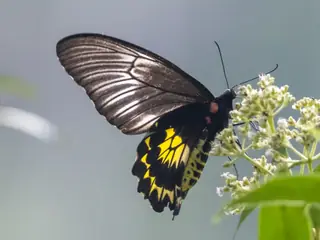 Sri Lankan Birdwing
-
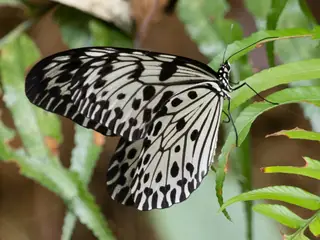 Ceylon Tree Nymph
-
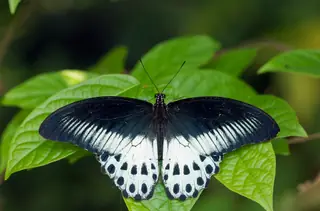 Blue Mormon
-
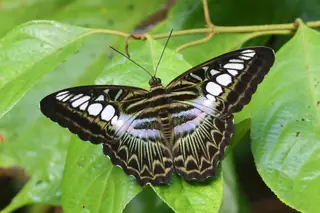 Clipper
-
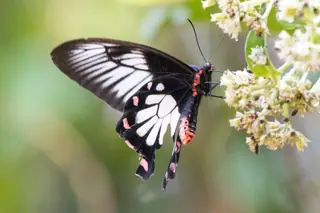 Ceylon Rose
-
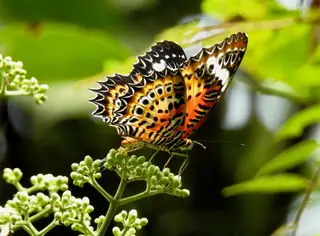 Tamil Lacewing
-
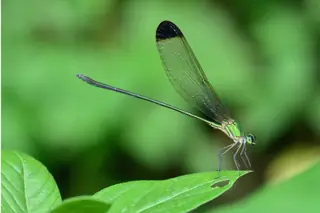 Black-tipped Flashwing
Best time to see wildlife in Sinharaja
Sightings by month in Sinharaja
Most records: All yearRecords from GBIF.org, adjusted for how many people record wildlife each month. 100% is the busiest month.
Sinharaja is wet all year, but it has two drier spells. January to April is the most reliable, with the most sunshine and active bird flocks. August and September can also be good between the two monsoons. The south-west monsoon, roughly May to July, brings heavy rain and swollen streams, and the north-east monsoon adds more from about October to December. Leeches are out whenever it is damp, which is most of the time. Flocks are busiest in the morning, so start as soon as the gate opens, at about 6.30am.
- Jan to AprDriest season; best for flocks and walking
- May to JulSouth-west monsoon; very wet
- Aug to SepA drier gap; worth a try
- Oct to DecNorth-east monsoon rain
Tips for spotting wildlife in Sinharaja
- 01
Hire a birding guide
Entry to the trails is with a local guide only. Ask at the gate for one who knows birds; they find flocks and endemics by call.
- 02
Wait for the flock
Long quiet spells are normal. When a mixed flock arrives, led by drongos and babblers, stand still and let it pass around you.
- 03
Wear leech socks
Leeches are common after rain. Leech socks are sold near the Kudawa entrance; wear them over long trousers with closed shoes.
- 04
Keep the forest quiet
Talk softly, stay on the trail and never use call playback. For owls and frogmouths, let your guide keep the group well back and keep visits short.
- 05
Look down as well as up
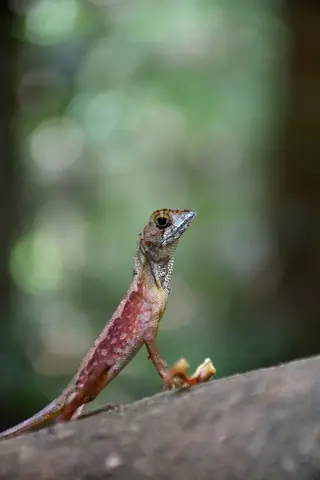
Pit vipers, kangaroo lizards and frogs live near the ground along the trail and streams. Watch where you put your hands.

Take Sinharaja with you
Birding Sinharaja? Tick off the endemics as the flocks come through, even offline in the forest. Wilder is free to start.

Sinharaja wildlife FAQ
What animals can you see in Sinharaja Forest Reserve?
You can see endemic birds such as the Sri Lanka blue magpie, junglefowl and grey hornbill, plus purple-faced langurs, giant squirrels, lizards, frogs and big butterflies. This checklist covers 119 animals. Leopards and fishing cats live here but are very rarely seen.
Do you need a guide for Sinharaja?
Yes. You can only enter the Sinharaja trails on foot with a local guide, arranged at the entrance. A guide who knows birds is worth asking for, because most endemics are found by their calls.
Which entrance to Sinharaja is best?
Kudawa, in the north, is the most popular entrance and is close to most guesthouses used by birders. Pitadeniya, near Deniyaya in the south, is a good choice if you are coming from the south coast. Both lead into similar rainforest.
Are there leeches in Sinharaja?
Yes, leeches are common in Sinharaja, especially after rain. They are harmless but annoying. Leech socks, long trousers and closed shoes keep most of them off.
Sources
- UNESCO World Heritage Centre: Sinharaja Forest Reserve
- IUCN World Heritage Outlook: Sinharaja Forest Reserve
- Birdingplaces: Sinharaja Forest, northern entrance
- Sightings by month: GBIF.org
Animal photos are from the Wilder catalogue; photo credits.
Similar checklists
All Asia-
 National park102animals Udawalawe National Park Ratnapura and Monaragala, Sri Lanka Open grassland and scrub around a big reservoir, where herds of Asian elephants feed in the open all year, with crocodiles, water birds and eagles. Best time All year
-
 National park112animals Yala National Park Southern and Uva Provinces, Sri Lanka Dry scrub, lagoons and great rock outcrops on Sri Lanka's south-east coast, with one of the world's densest leopard populations, elephants, sloth bears and crocodiles. Best time Feb to Jul
-
 Region70animals Mirissa and the south coast Southern Province, Sri Lanka Whale-watching boats from Mirissa head out to deep water off Sri Lanka's southern tip, one of the most reliable places in the world to see a blue whale, with spinner dolphins and sea turtles closer in. Best time Dec to Apr
-
 Reserve124animals Periyar Tiger Reserve Thekkady, Idukki, Kerala, India Evergreen hills of the Western Ghats around a winding reservoir, where elephants, gaur and sambar graze the shores and Malabar hornbills, giant squirrels and Nilgiri langurs fill the forest. Best time Oct to Apr