Reserve · Thekkady, Idukki, Kerala · India
Periyar Tiger Reserve Wildlife Checklist

Periyar Tiger Reserve at Thekkady, in Kerala's Western Ghats, is best known for boat trips on its forest-fringed reservoir, where elephants, gaur and sambar come to the shore, and for guided walks among Nilgiri langurs, Malabar giant squirrels and hornbills. Tigers live here but are rarely seen. This checklist covers 124 animals. October to April is the best season.
Tick off all 124 animals in Periyar on your phone, even offline. Launching soon. Free A4 PDF, no sign-up.
The reserve covers 777 sq km of hills, evergreen forest and grassland. Visitors stay in Kumily and Thekkady, just outside the gate, and explore by forest department boat, on foot with tribal guides, or on longer treks and bamboo rafting trips.
- Animals to find
- 124
- Where
- India
- Best time
- Oct to Apr
- Elephants
- Watched from the lake
Popular animals in Periyar
-
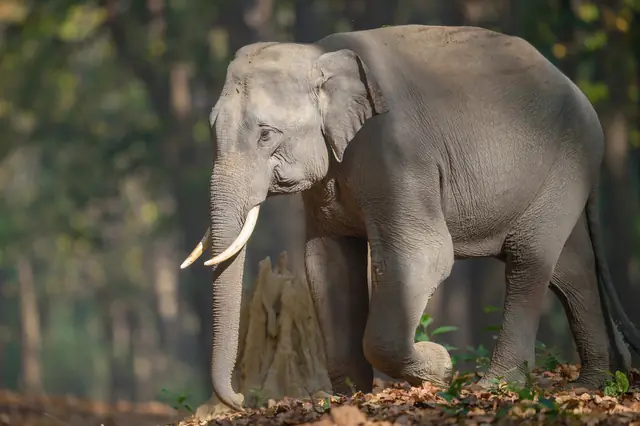
Asian Elephant
Elephas maximus
Family herds come out on the grassy shores and forest edges, often best seen from the boat. Keep voices low and give them room.
-
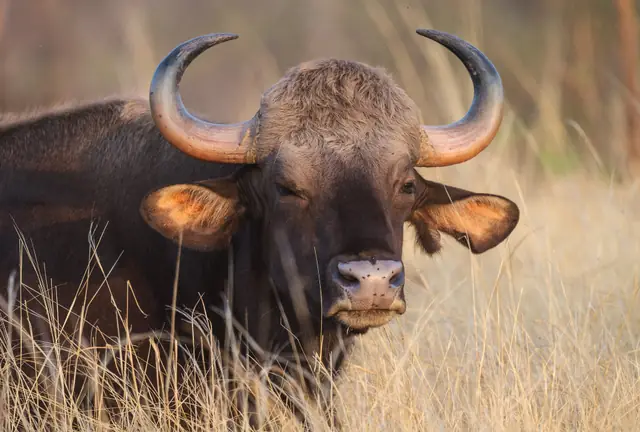
Gaur
Bos gaurus
The world's largest wild cattle, with white stockings and a high shoulder ridge. Small herds graze the open banks early and late in the day.
-
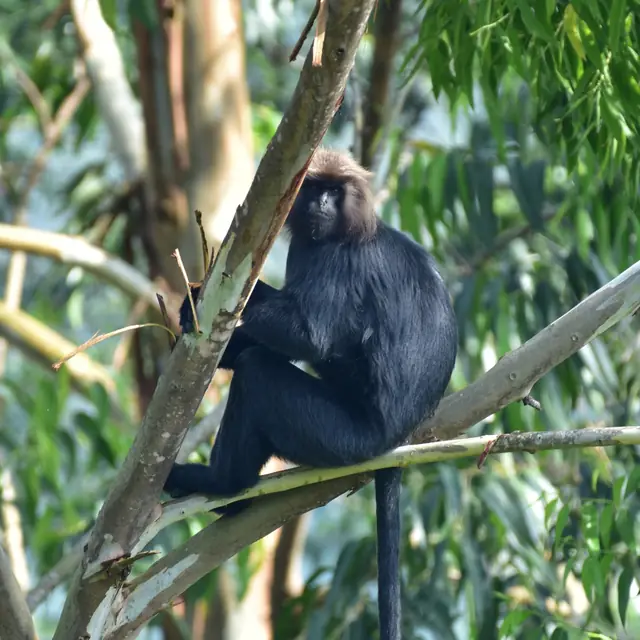
Nilgiri Langur
Semnopithecus johnii
Glossy black with a golden-brown cap, found only in the Western Ghats. Troops feed in the tall trees along the walking trails.
-
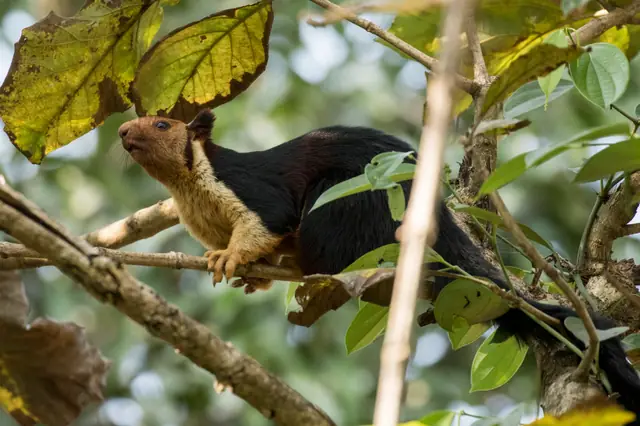
Indian Giant Squirrel
Ratufa indica
The Malabar giant squirrel, maroon and cream and as long as a cat, bounding through the canopy around Thekkady.
-
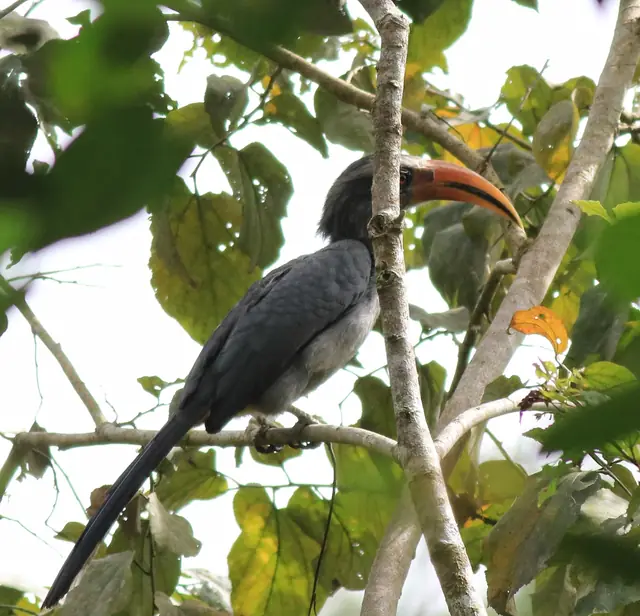
Malabar Grey Hornbill
Ocyceros griseus
A Western Ghats endemic that gathers in noisy groups in fruiting fig trees.
-
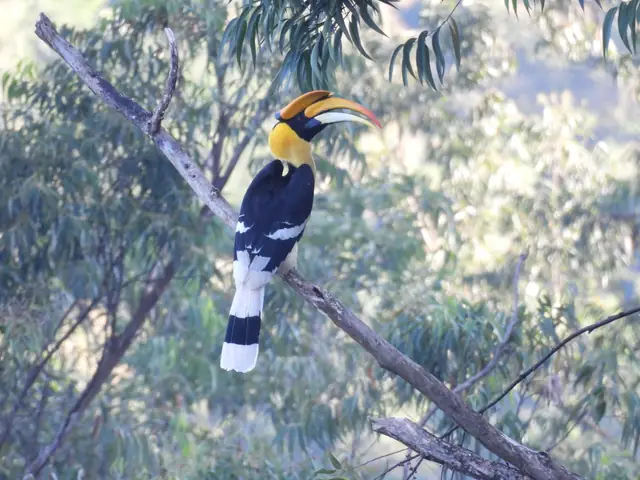
Great Hornbill
Buceros bicornis
Listen for the loud whoosh of its wingbeats as pairs cross the valleys.
-
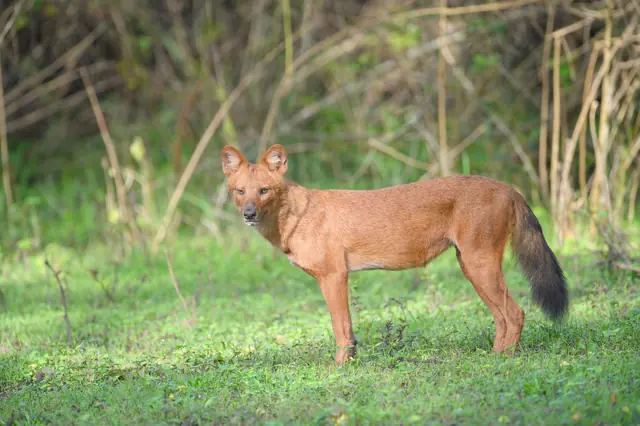
Dhole
Cuon alpinus
Packs of Asian wild dogs sometimes hunt along the shores, mostly in the early morning.
-
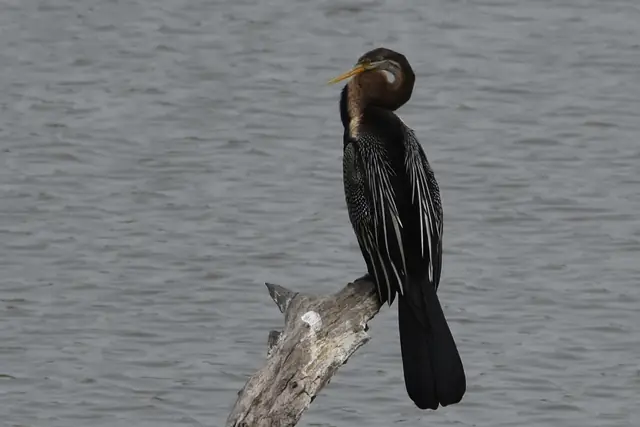
Oriental Darter
Anhinga melanogaster
The snake-bird dries its wings on the dead tree stumps that still stand in the water.
All 124 animals in Periyar
Elephants and big mammals 11
-
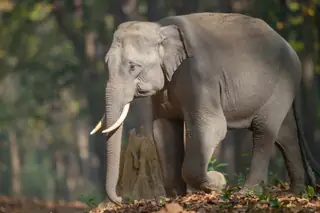 Asian Elephant
-
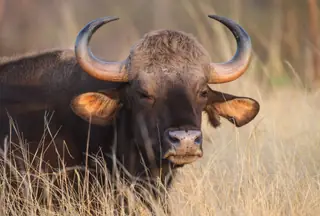 Gaur
-
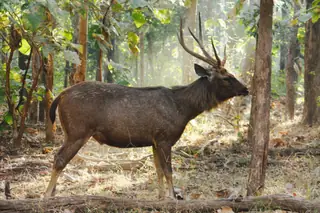 Sambar Deer
-
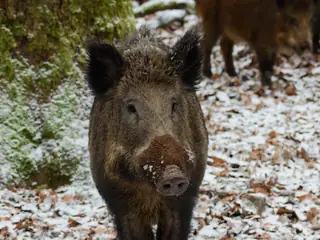 Wild Boar
-
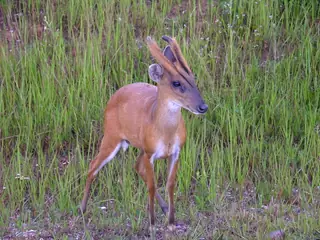 Northern Red Muntjac
-
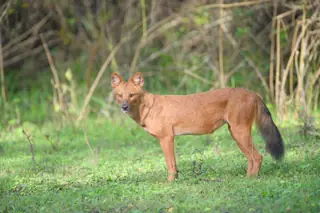 Dhole
-
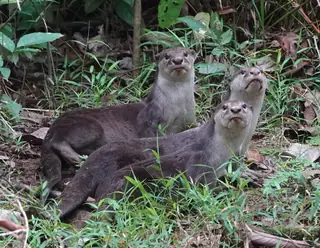 Smooth-coated Otter
-
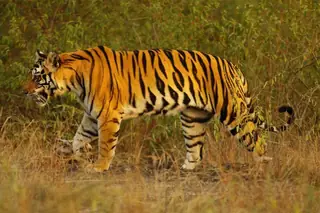 TigerRare
-
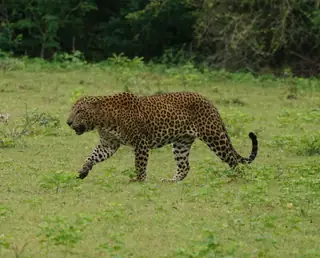 LeopardRare
-
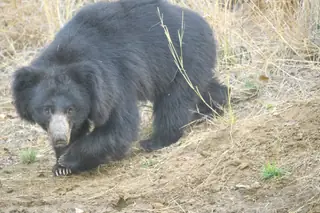 Sloth BearRare
-
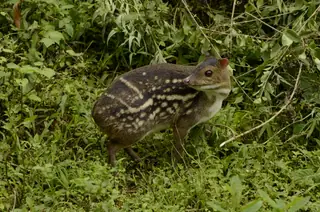 Indian ChevrotainRare
Monkeys and squirrels 9
-
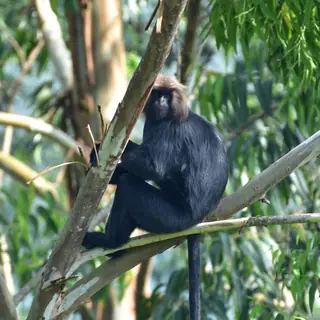 Nilgiri Langur
-
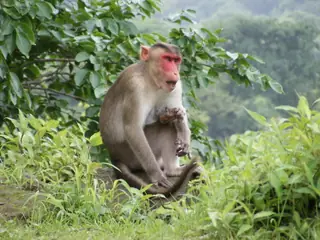 Bonnet Macaque
-
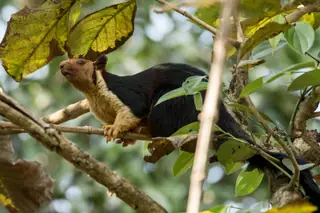 Indian Giant Squirrel
-
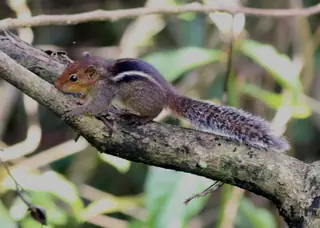 Western Ghats Striped Squirrel
-
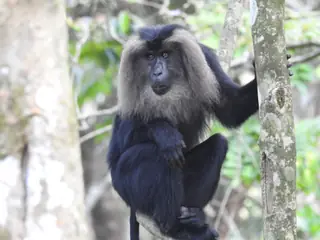 Lion-tailed Macaque
-
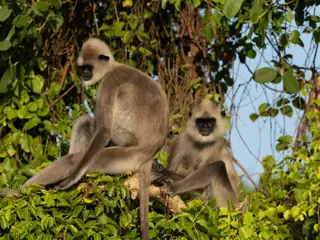 Tufted Grey Langur
-
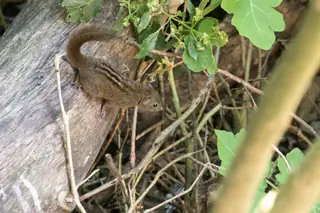 Dusky-striped Squirrel
-
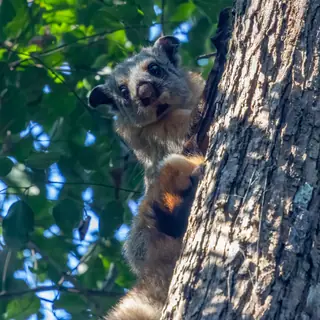 Indian Giant Flying Squirrel
-
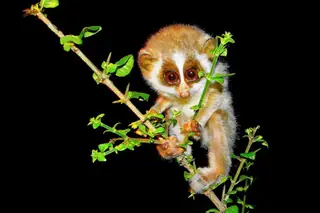 Grey Slender LorisRare
Smaller mammals 10
-
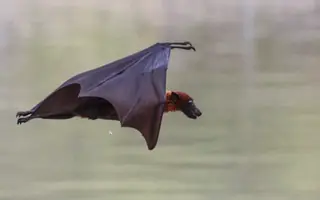 Indian Flying Fox
-
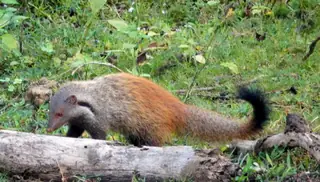 Stripe-necked Mongoose
-
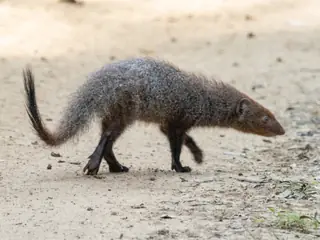 Ruddy Mongoose
-
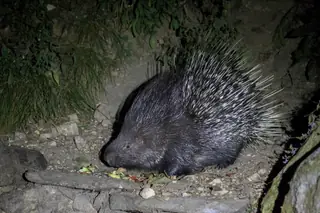 Indian Crested Porcupine
-
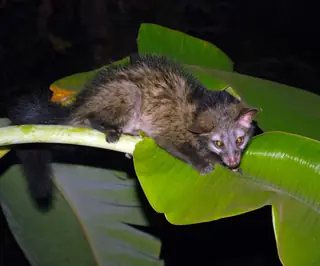 Common Palm Civet
-
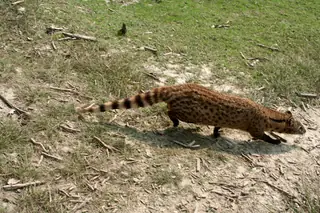 Small Indian Civet
-
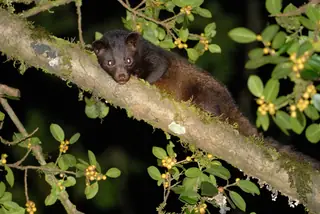 Brown Palm CivetRare
-
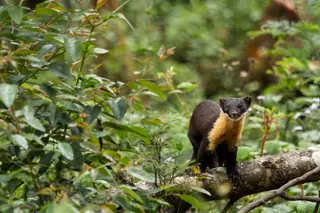 Nilgiri MartenRare
-
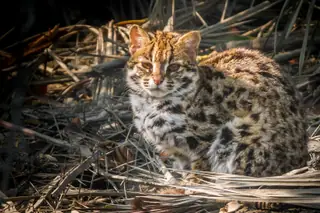 Leopard CatRare
-
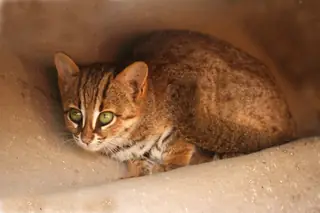 Rusty-spotted CatRare
Hornbills and forest birds 41
-
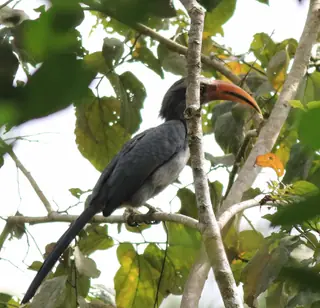 Malabar Grey Hornbill
-
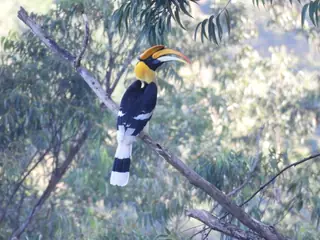 Great Hornbill
-
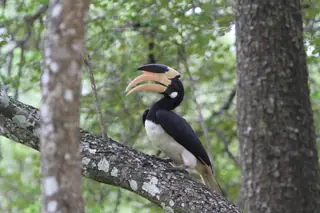 Malabar Pied HornbillRare
-
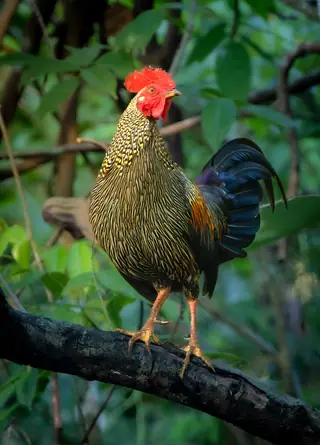 Grey Junglefowl
-
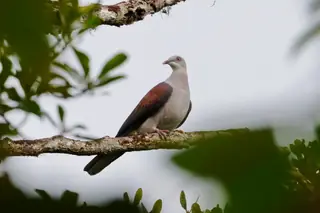 Mountain Imperial Pigeon
-
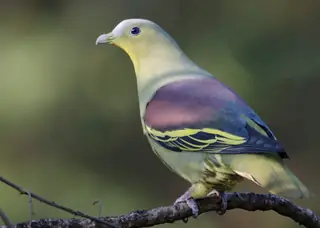 Grey-fronted Green Pigeon
-
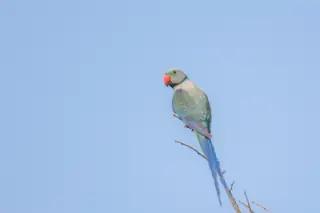 Blue-winged Parakeet
-
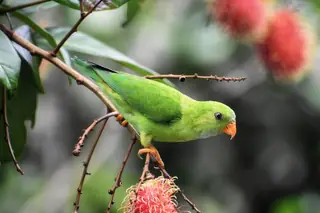 Vernal Hanging Parrot
-
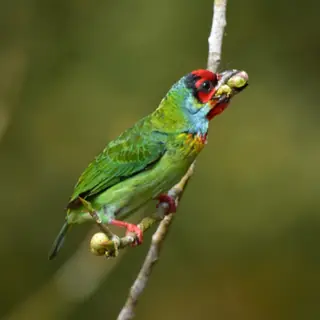 Malabar Barbet
-
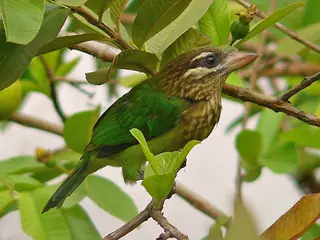 White-cheeked Barbet
-
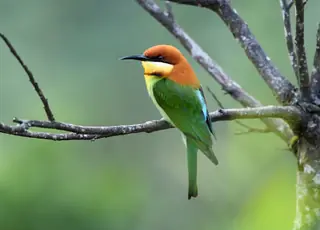 Chestnut-headed Bee-eater
-
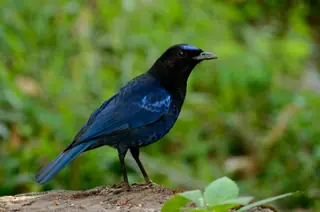 Malabar Whistling Thrush
-
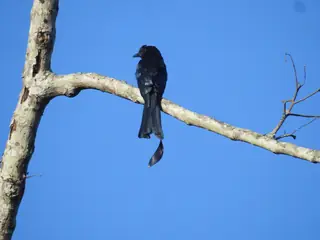 Greater Racquet-tailed Drongo
-
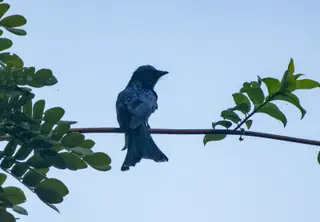 Bronzed Drongo
-
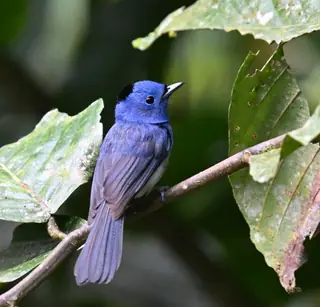 Black-naped Monarch
-
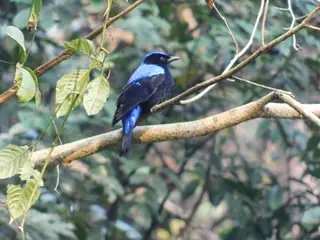 Asian Fairy-bluebird
-
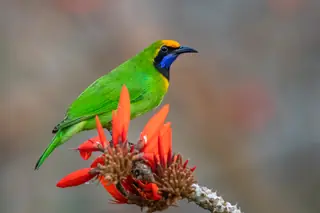 Golden-fronted Leafbird
-
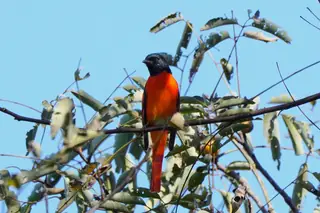 Scarlet Minivet
-
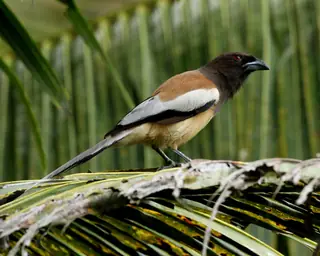 Rufous Treepie
-
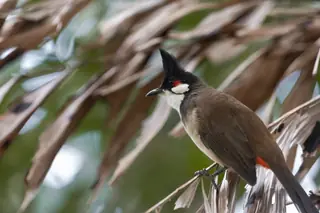 Red-whiskered Bulbul
-
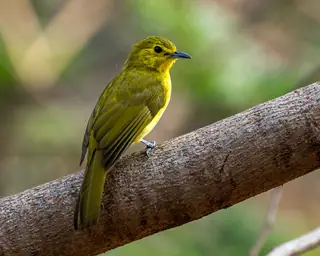 Yellow-browed Bulbul
-
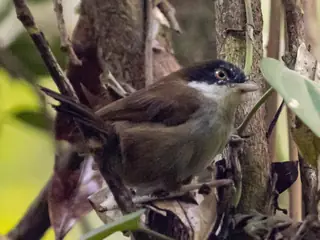 Dark-fronted Babbler
-
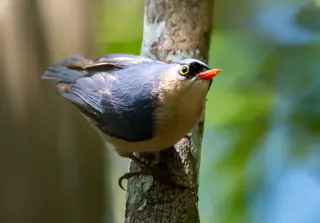 Velvet-fronted Nuthatch
-
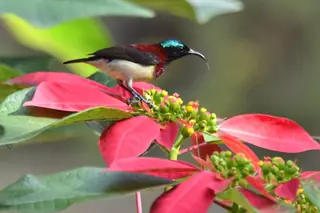 Crimson-backed Sunbird
-
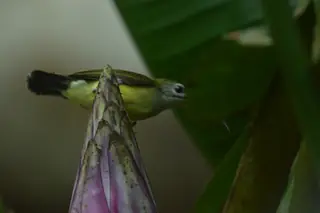 Little Spiderhunter
-
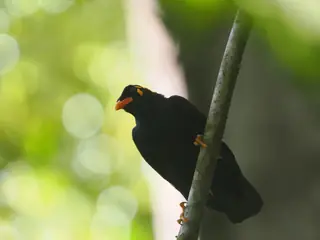 Southern Hill Myna
-
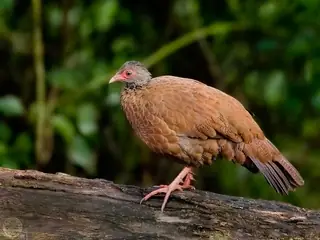 Red Spurfowl
-
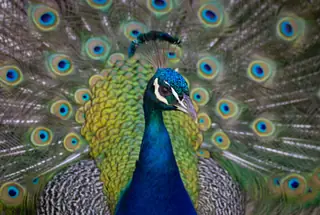 Indian Peafowl
-
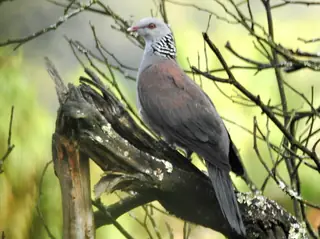 Nilgiri Wood Pigeon
-
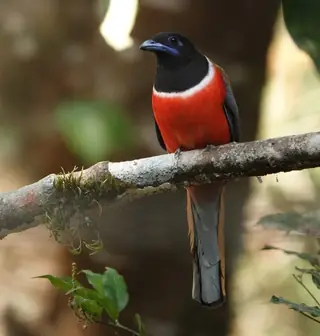 Malabar Trogon
-
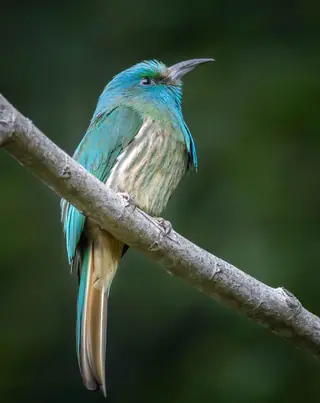 Blue-bearded Bee-eater
-
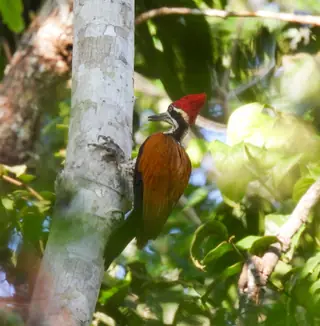 Greater Flameback
-
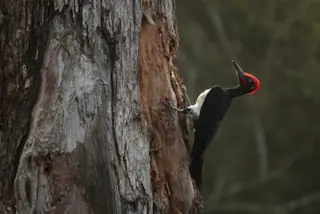 White-bellied Woodpecker
-
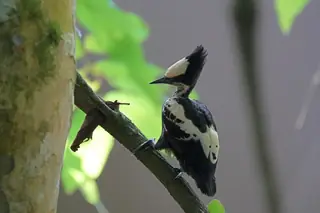 Heart-spotted Woodpecker
-
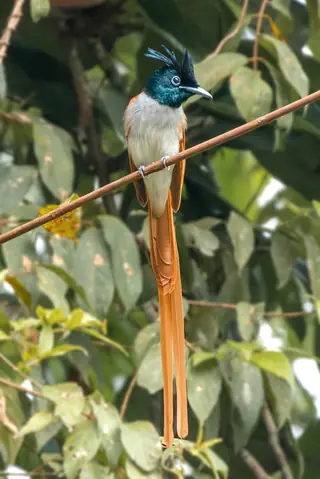 Indian Paradise Flycatcher
-
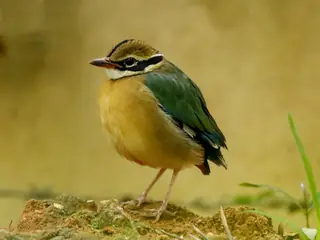 Indian Pitta
-
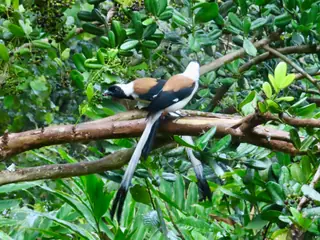 White-bellied Treepie
-
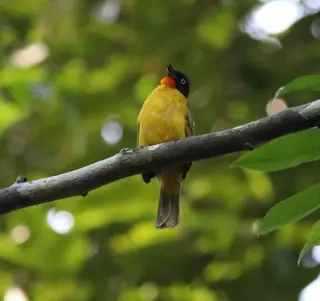 Flame-throated Bulbul
-
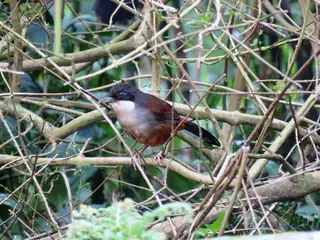 Wayanad Laughingthrush
-
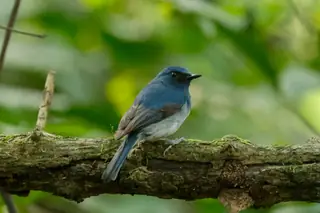 White-bellied Blue Flycatcher
-
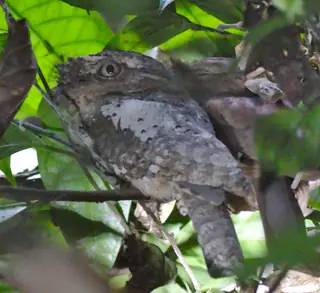 Sri Lanka FrogmouthRare
Water birds and birds of prey 24
-
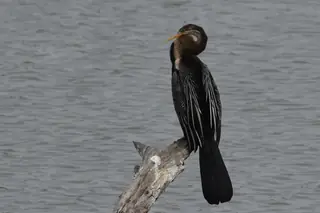 Oriental Darter
-
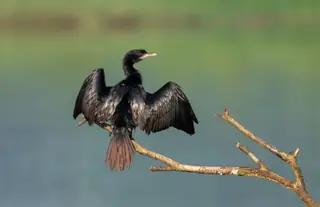 Little Cormorant
-
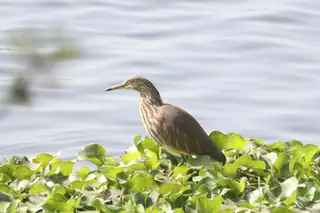 Indian Pond Heron
-
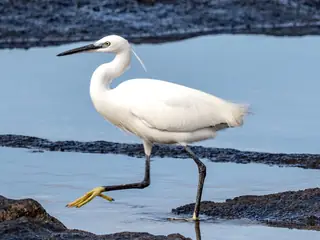 Little Egret
-
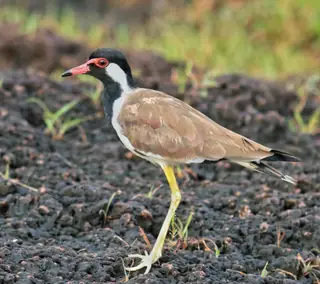 Red-wattled Lapwing
-
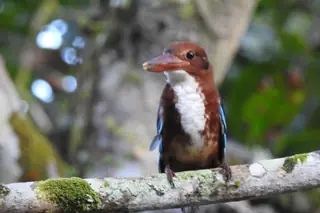 White-throated Kingfisher
-
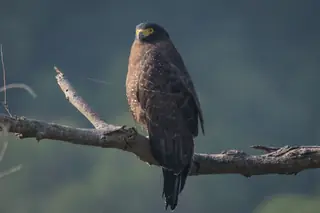 Crested Serpent Eagle
-
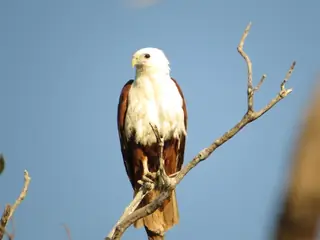 Brahminy Kite
-
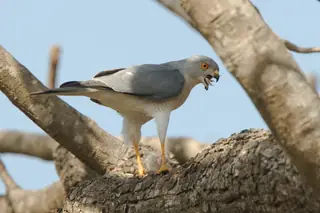 Shikra
-
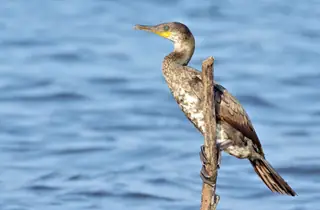 Indian Cormorant
-
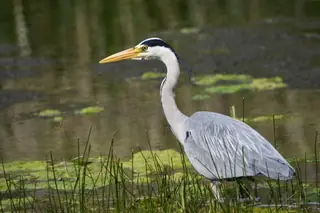 Grey Heron
-
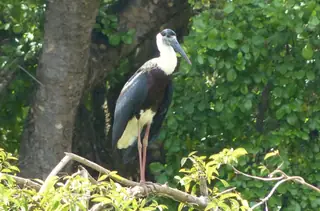 Asian Woolly-necked Stork
-
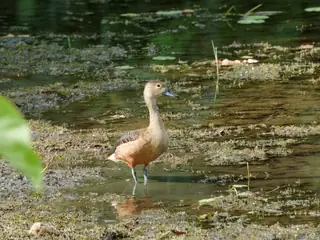 Lesser Whistling Duck
-
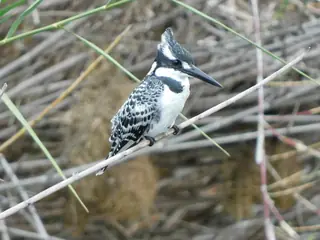 Pied Kingfisher
-
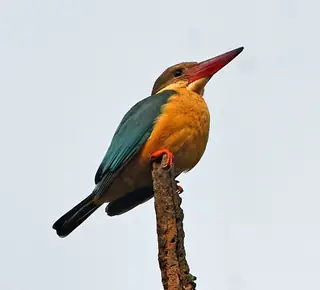 Stork-billed Kingfisher
-
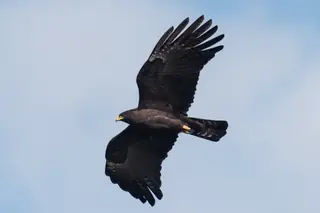 Black Eagle
-
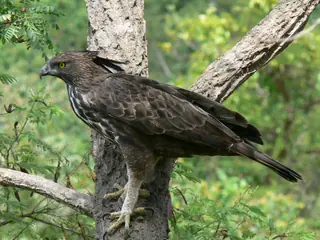 Changeable Hawk-Eagle
-
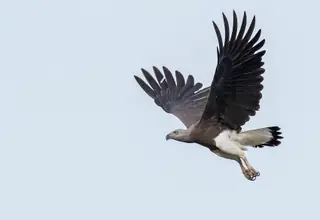 Grey-headed Fish Eagle
-
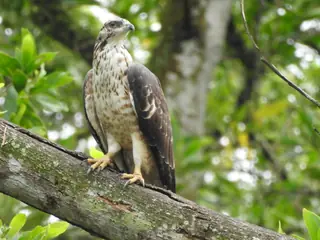 Oriental Honey Buzzard
-
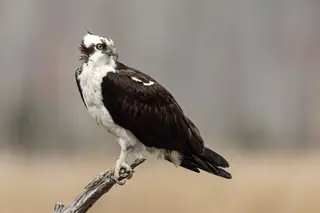 Osprey
-
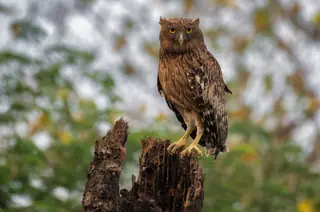 Brown Fish Owl
-
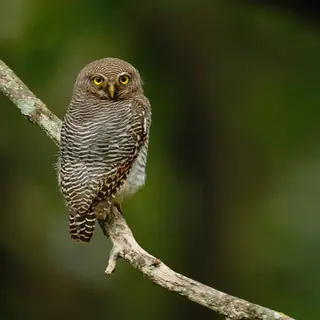 Jungle Owlet
-
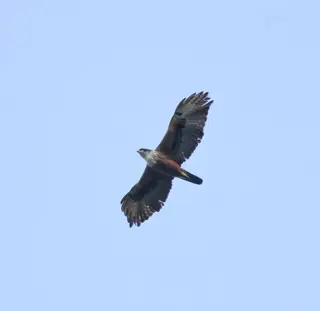 Rufous-bellied EagleRare
-
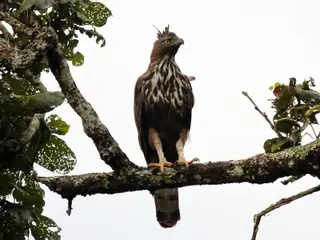 Legge's Hawk-EagleRare
Reptiles 16
-
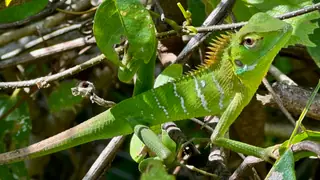 Common Green Forest Lizard
-
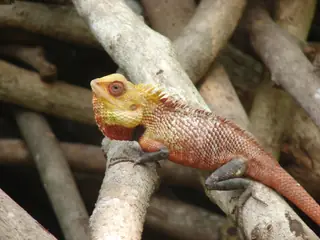 Oriental Garden Lizard
-
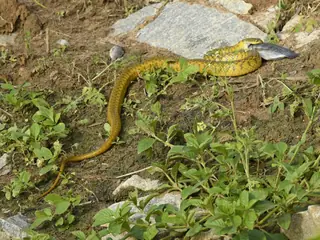 Chequered Keelback
-
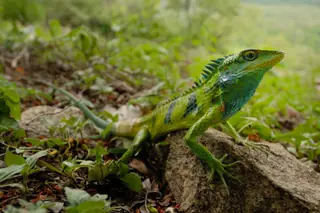 Large-scaled Forest Lizard
-
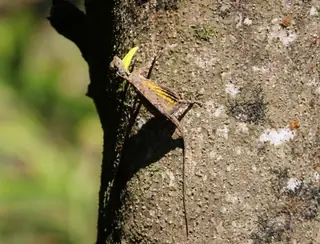 Southern Flying Lizard
-
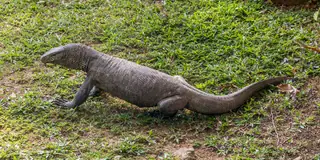 Bengal Monitor
-
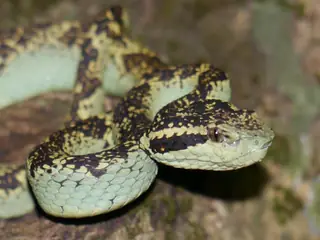 Malabar Pit Viper
-
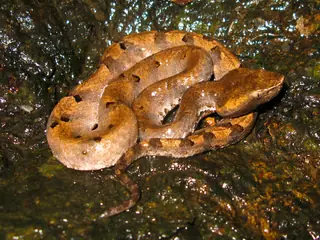 Hump-nosed Viper
-
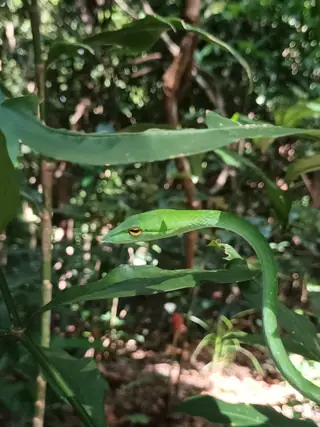 Southern Green Vine Snake
-
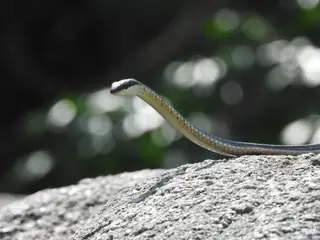 Common Bronzeback
-
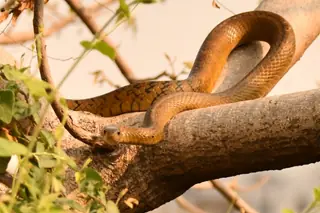 Common Rat Snake
-
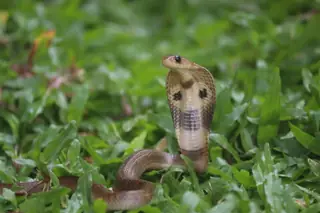 Indian Cobra
-
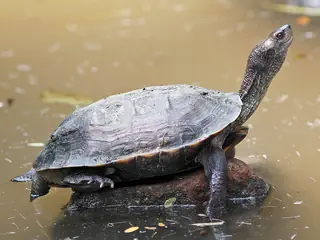 Indian Black Turtle
-
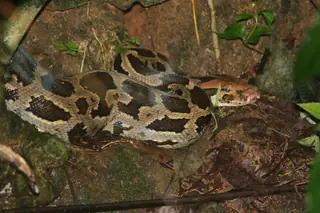 Indian Rock PythonRare
-
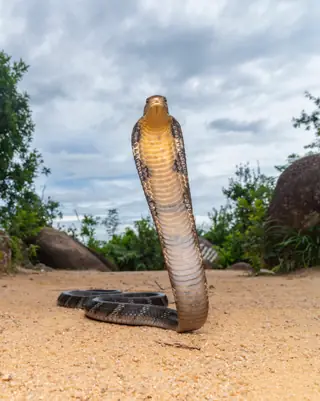 King CobraRare
-
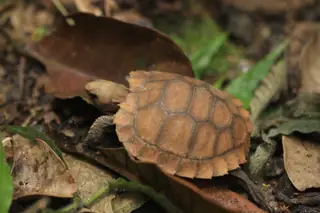 Travancore TortoiseRare
Frogs 6
-
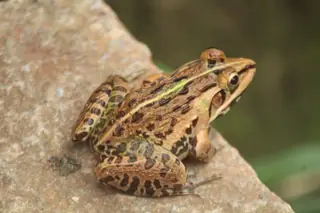 Indian Bullfrog
-
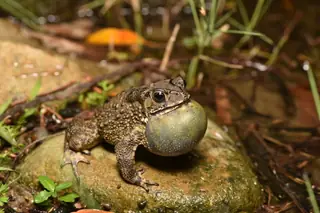 Asian Common Toad
-
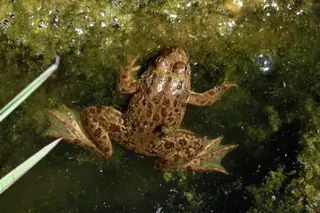 Skipper Frog
-
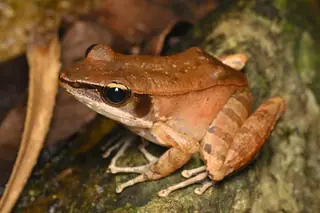 Common Bronzed Frog
-
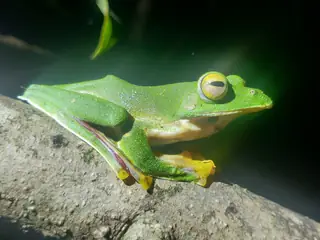 Malabar Gliding Frog
-
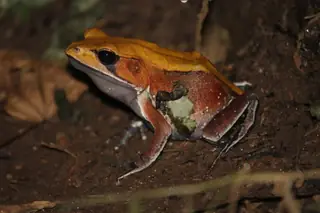 Bicoloured Frog
Butterflies 7
-
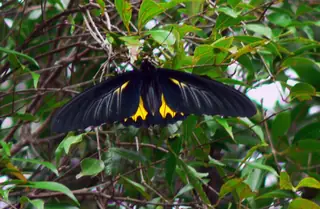 Southern Birdwing
-
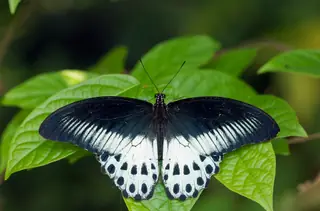 Blue Mormon
-
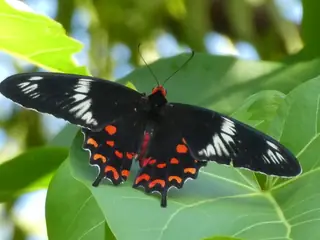 Crimson Rose
-
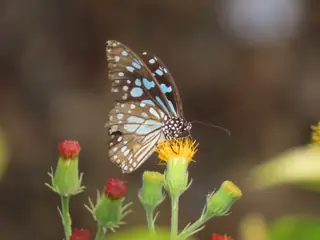 Blue Tiger
-
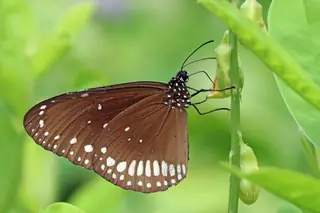 Common Crow
-
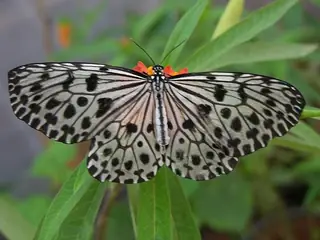 Malabar Tree Nymph
-
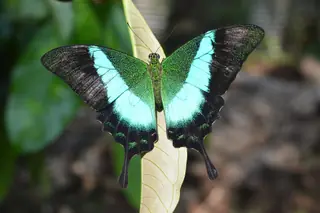 Malabar Banded Peacock
Best time to see wildlife in Periyar
Sightings by month in Periyar
Most records: Oct to JunRecords from GBIF.org, adjusted for how many people record wildlife each month. 100% is the busiest month.
Periyar is open all year, but Kerala's monsoons shape the seasons. The south-west monsoon brings heavy rain from about June to September, and the north-east monsoon adds more in October and November. The forest is lush and frogs are at their best then, but trails are leechy and some activities may stop. From December to April the weather is pleasant and dry, and as the forest dries, elephants, gaur and sambar come to the water more, making the hot months of March to May the best for big mammals at the shore. Birding is good from November to March, when winter visitors join the resident species.
- Oct to NovLate rains; green and fresh
- Dec to FebCool and dry; good for walks and birds
- Mar to MayHot; animals come to the water
- Jun to SepMonsoon; frogs and leeches
Tips for spotting wildlife in Periyar
- 01
Take the first boat
Boats run several times a day and each trip lasts about 90 minutes. The first departure, around 7.30am, has the softest light and the most animals at the shore. Book through the official Periyar Tiger Reserve or KTDC sites.
- 02
Walk with a tribal guide
The reserve's nature walks and longer treks are led by trained local guides from forest communities. They are the best way to see langurs, squirrels and forest birds.
- 03
Stay quiet on the boat
Elephants and gaur on the shore move off if people shout or stand up. Sit still, keep voices low and let the animals stay where they are.
- 04
Try a night walk
Guided night programmes may show flying squirrels, civets and frogs. Keep torch beams low and off animals' eyes.
- 05
Pack for leeches
After rain the trails have plenty of leeches. Leech socks, long trousers and closed shoes help.

Take Periyar with you
Exploring Periyar? Tick off elephants, giant squirrels and hornbills from the boat or the trail, even offline. Wilder is free to start.

Periyar wildlife FAQ
Can you see tigers in Periyar?
Tigers live in Periyar, but sightings are rare because the forest is dense and the reserve is hilly and large. Visitors come for elephants, gaur, langurs and birds, and treat a tiger as a bonus. Pugmarks on a walk are more likely than the cat itself.
What animals can you see on the Periyar boat ride?
On the Periyar boat ride you can often see elephants, gaur, sambar and wild boar on the shores, plus darters, cormorants, kingfishers and otters. This checklist covers 124 animals. Mornings and the dry months give the best chances.
What is the best time to visit Periyar?
The best time to visit Periyar is from October to April, when the weather is pleasant. March to May is hotter but brings more animals to the water. June to September is the monsoon, with heavy rain and leeches.
What is bamboo rafting in Periyar?
Bamboo rafting is a guided half-day or full-day programme run by the reserve, combining a forest trek with a slow raft trip on the reservoir. Groups are small and led by local guides, so it is quieter than the boat cruise.
Sources
- Kerala Tourism: Periyar Tiger Reserve eco-tourism programmes
- Kerala Tourism: Tiger Reserve Periyar, Thekkady
- Abad Green Forest: Periyar boating timings
- Sightings by month: GBIF.org
Animal photos are from the Wilder catalogue; photo credits.
Similar checklists
All Asia-
 Reserve119animals Sinharaja Forest Reserve Ratnapura, Galle and Matara, Sri Lanka Sri Lanka's last big lowland rainforest, a World Heritage Site where noisy mixed flocks of endemic birds, purple-faced langurs and green pit vipers fill the trails. Best time Jan to Apr
-
 National park103animals Kanha National Park Mandla and Balaghat, Madhya Pradesh, India Sal forest and wide meadows in the Maikal hills, home to tigers, dhole, gaur and the hard-ground barasingha that was saved from extinction here. Best time Oct to Jun, Mar to Jun for tigers
-
 National park105animals Bandhavgarh National Park Umaria, Madhya Pradesh, India Rocky hills, sal forest and an ancient hilltop fort, with one of the highest densities of tigers in India and a herd of wild elephants that settled here in recent years. Best time Oct to Jun, Mar to Jun for tigers
-
 National park112animals Yala National Park Southern and Uva Provinces, Sri Lanka Dry scrub, lagoons and great rock outcrops on Sri Lanka's south-east coast, with one of the world's densest leopard populations, elephants, sloth bears and crocodiles. Best time Feb to Jul