National park · Southern and Uva Provinces · Sri Lanka
Yala Wildlife Checklist

Yala National Park on Sri Lanka's south-east coast is one of the best places in the world to see a wild leopard, often in daylight, among dry scrub, lagoons and huge rock outcrops. Elephants, sloth bears, mugger crocodiles and hundreds of birds live here too. This checklist covers 112 animals. February to July is the best season, and June and July are best for sloth bears.
Tick off all 112 animals in Yala on your phone, even offline. Launching soon. Free A4 PDF, no sign-up.
Yala is divided into blocks, and most safaris run in Block 1 and Block 5. Since 2024, visitors may only enter with safari jeeps driven by drivers licensed by the Department of Wildlife Conservation.
- Animals to find
- 112
- Where
- Sri Lanka
- Best time
- Feb to Jul
- Famous for
- Leopards by day
Popular animals in Yala
-
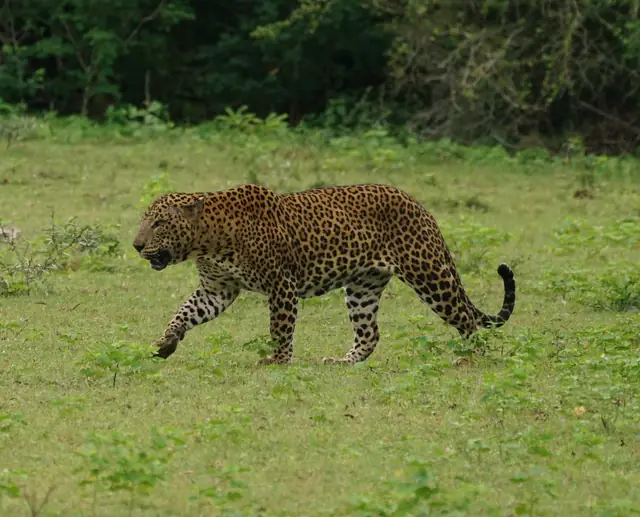
Leopard
Panthera pardus
The Sri Lankan leopard is the top predator here, with no tigers or lions to avoid, so it is often active by day. Scan rock outcrops and big trees.
-
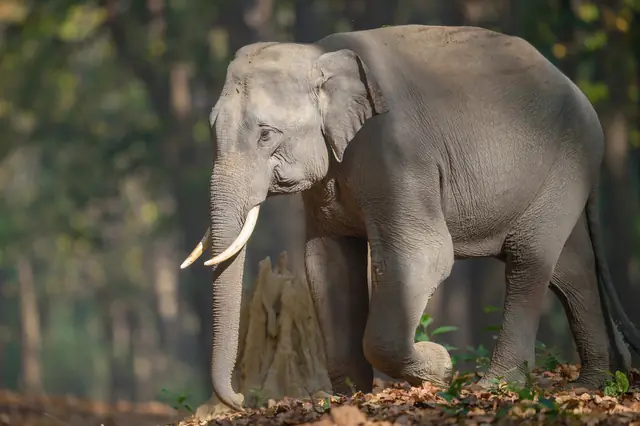
Asian Elephant
Elephas maximus
Herds feed in the scrub and come to waterholes, often in the late afternoon. Tuskers are rare in Sri Lanka. Keep well back and never block an elephant's path.
-
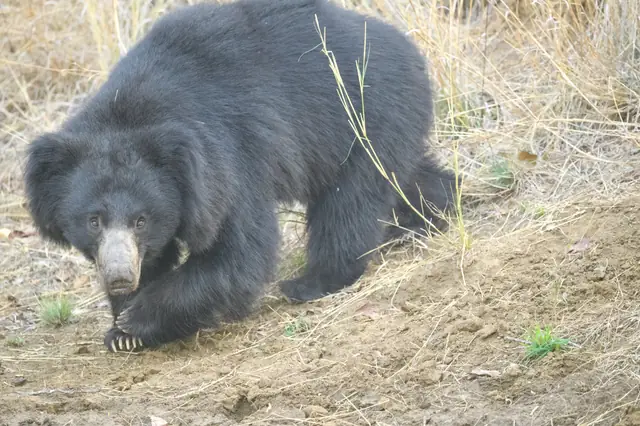
Sloth Bear
Melursus ursinus
Shy and hard to find for most of the year. In June and July bears climb the palu trees to feed on the ripe fruit, which gives the best chance.
-
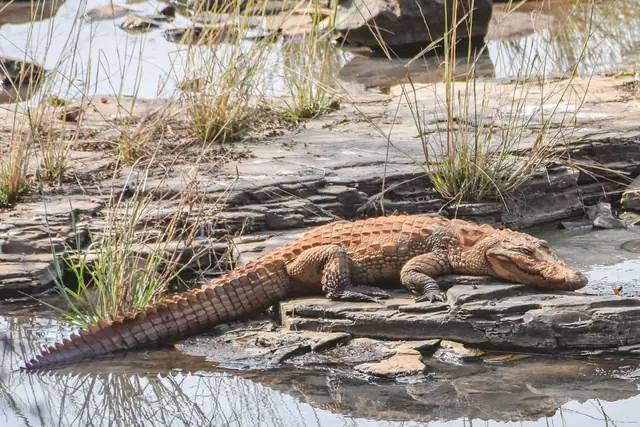
Mugger Crocodile
Crocodylus palustris
Marsh crocodiles bask around the lakes and waterholes, sometimes dozens together in the dry season.
-
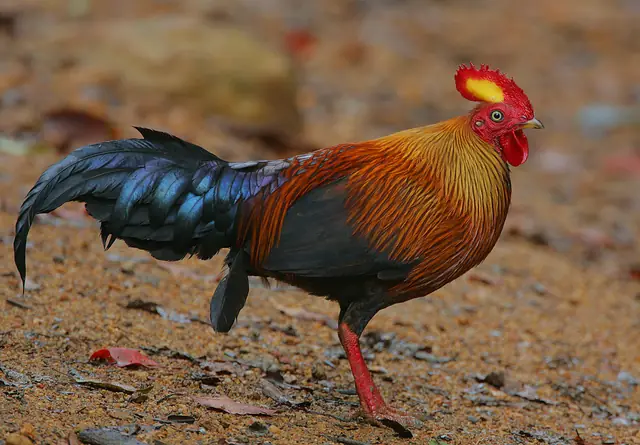
Sri Lanka Junglefowl
Gallus lafayettii
Sri Lanka's national bird, found nowhere else. Males strut along the tracks in the early morning.
-
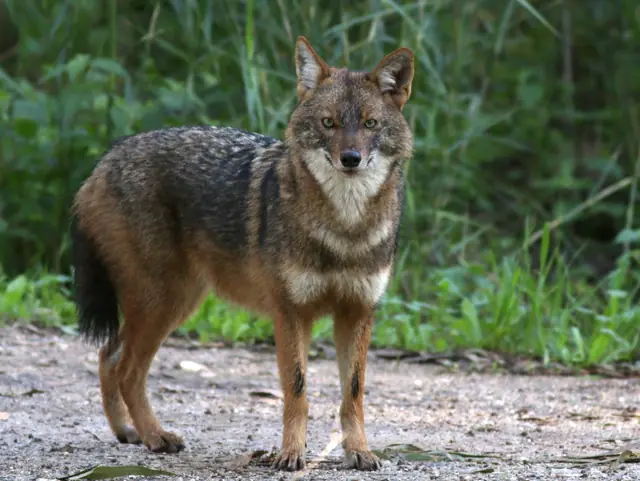
Golden Jackal
Canis aureus
Often trotting along the tracks and the lagoon edges, especially early and late in the day.
-
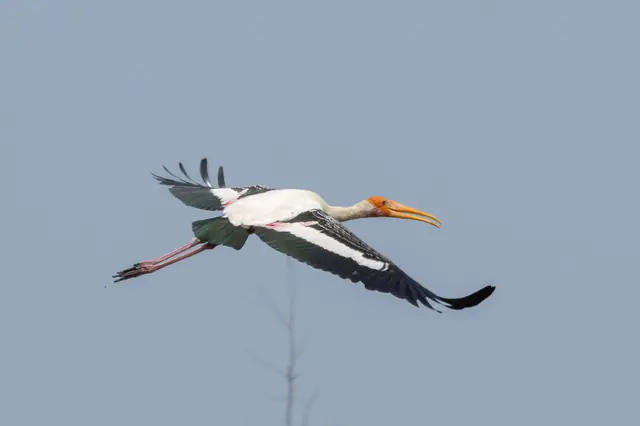
Painted Stork
Mycteria leucocephala
Flocks of these pink-tinged storks feed in the shallow lakes and lagoons, often with spoonbills and pelicans.
-
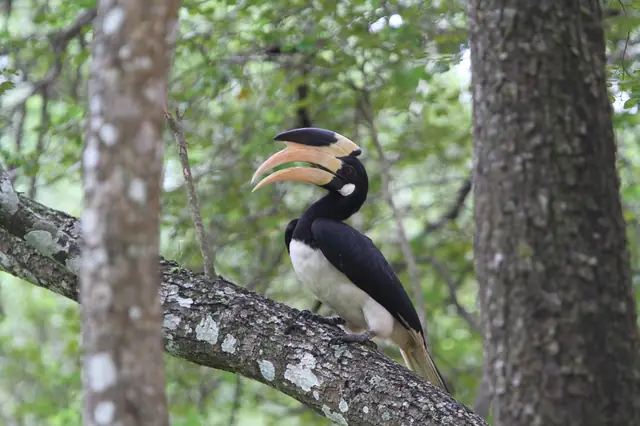
Malabar Pied Hornbill
Anthracoceros coronatus
A big black-and-white hornbill with a huge casque. Look in fruiting trees along the rivers.
-
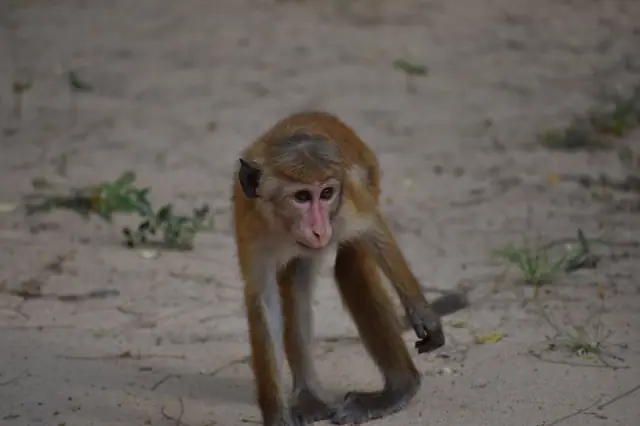
Toque Macaque
Macaca sinica
A Sri Lankan endemic monkey with a whorl of hair like a cap. Troops are common near water.
All 112 animals in Yala
Big mammals 9
-
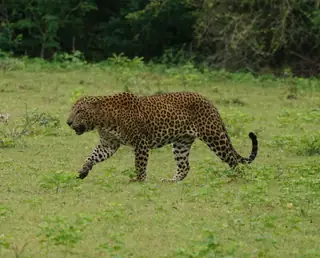 Leopard
-
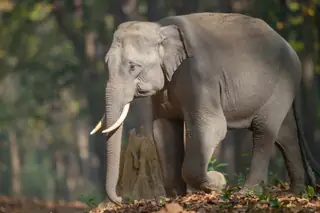 Asian Elephant
-
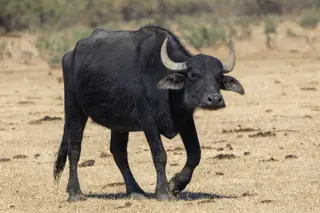 Feral Water Buffalo
-
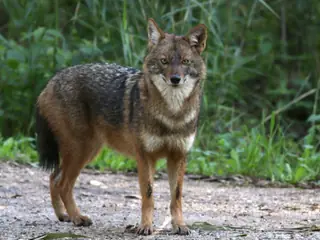 Golden Jackal
-
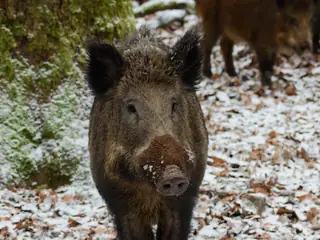 Wild Boar
-
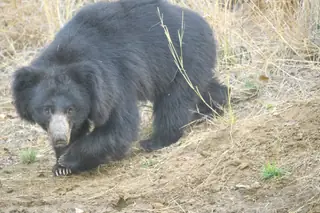 Sloth Bear
-
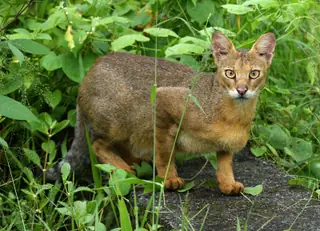 Jungle Cat
-
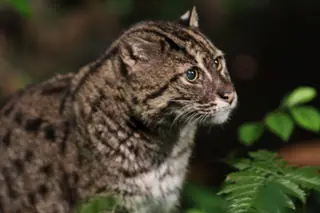 Fishing CatRare
-
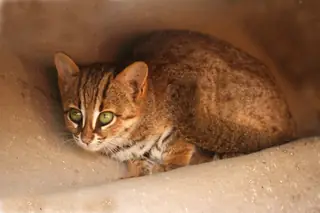 Rusty-spotted CatRare
Deer 4
-
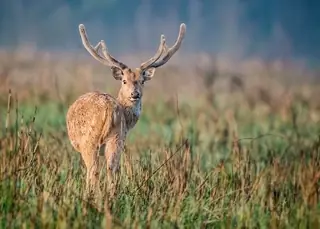 Chital (Spotted Deer)
-
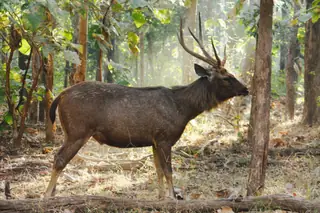 Sambar Deer
-
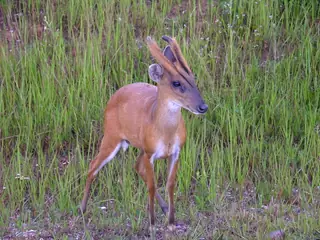 Northern Red Muntjac
- Sri Lankan Mouse-deerRare
Primates and smaller mammals 14
-
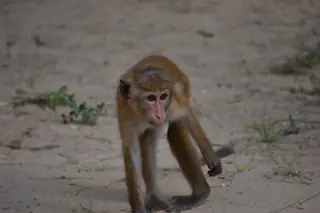 Toque Macaque
-
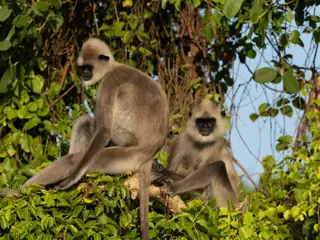 Tufted Grey Langur
-
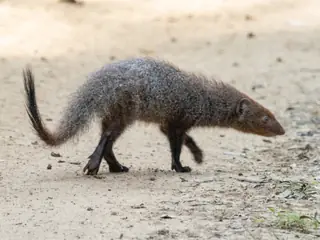 Ruddy Mongoose
-
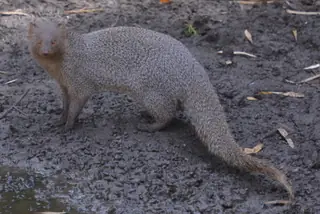 Indian Grey Mongoose
-
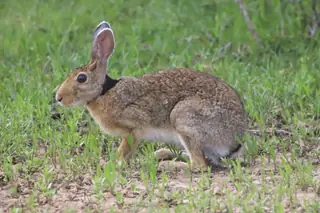 Indian Hare
-
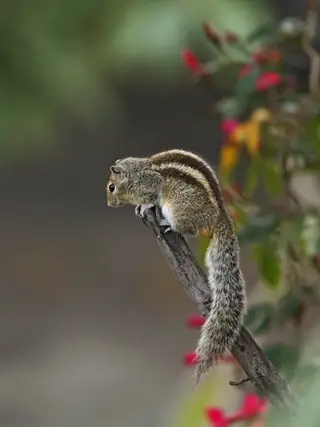 Common Palm Squirrel
-
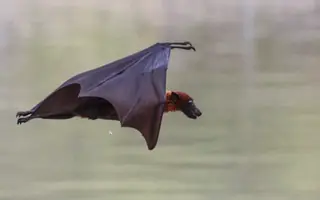 Indian Flying Fox
-
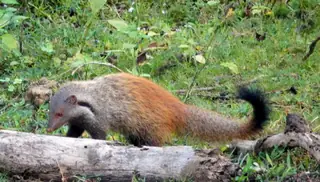 Stripe-necked Mongoose
-
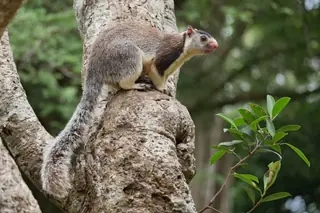 Sri Lankan Giant Squirrel
-
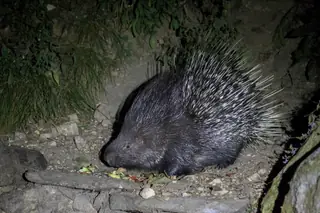 Indian Crested Porcupine
-
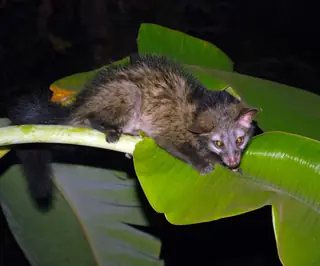 Common Palm Civet
-
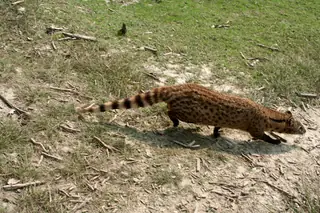 Small Indian Civet
-
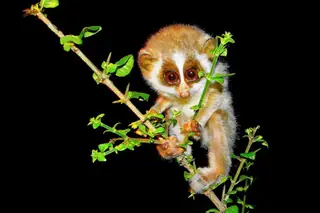 Grey Slender LorisRare
-
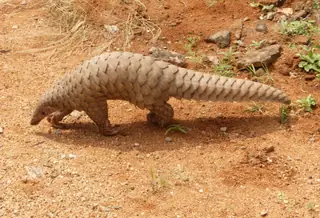 Indian PangolinRare
Crocodiles and reptiles 12
-
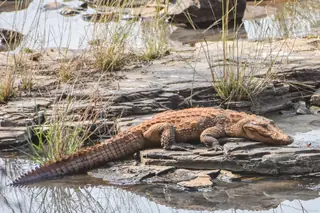 Mugger Crocodile
-
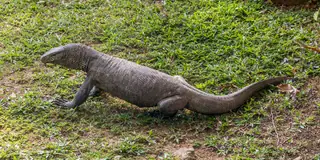 Bengal Monitor
-
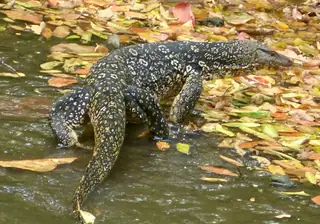 Asian Water Monitor
-
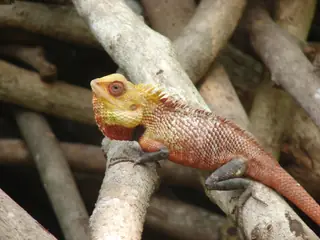 Oriental Garden Lizard
-
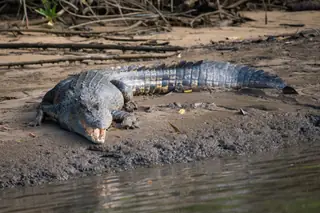 Saltwater Crocodile
-
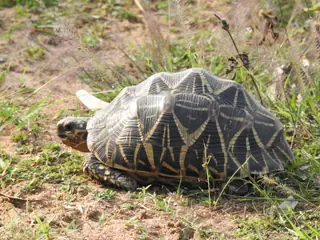 Indian Star Tortoise
-
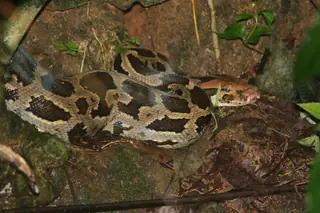 Indian Rock Python
-
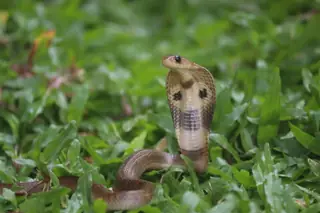 Indian Cobra
-
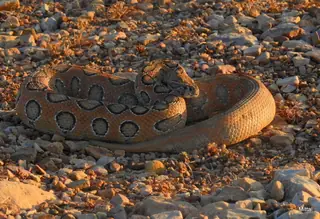 Russell's Viper
-
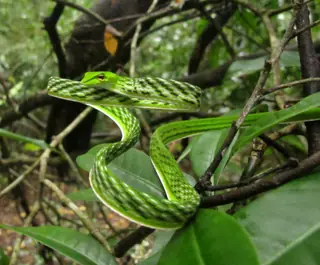 Sri Lankan Green Vine Snake
-
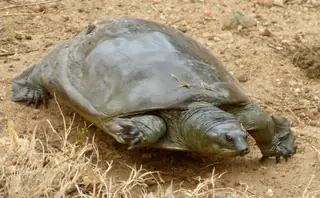 Sri Lankan Flapshell Turtle
-
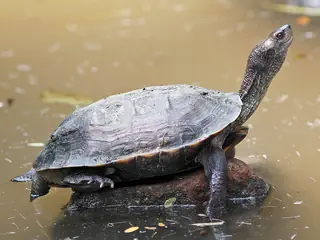 Indian Black Turtle
Big water birds 14
-
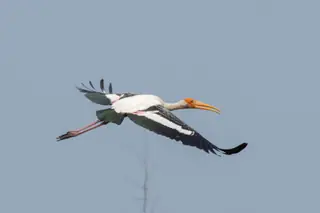 Painted Stork
-
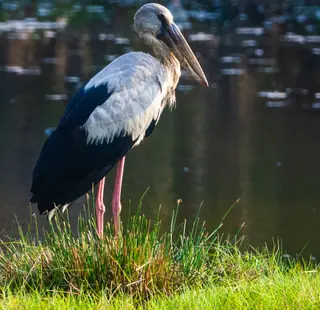 Asian Openbill
-
 Spot-billed Pelican
-
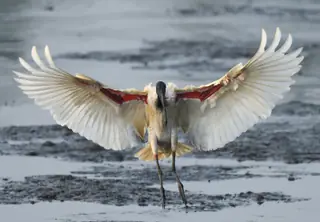 Black-headed Ibis
-
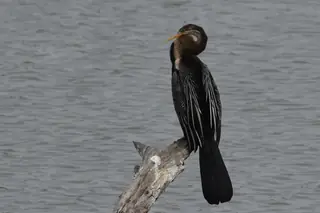 Oriental Darter
-
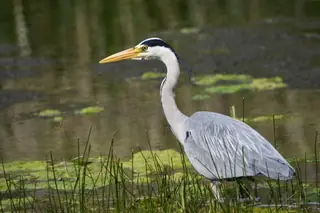 Grey Heron
-
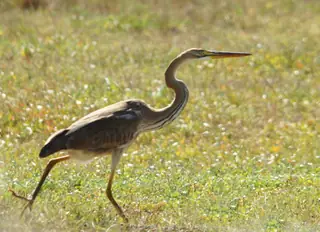 Purple Heron
-
 Great Egret
-
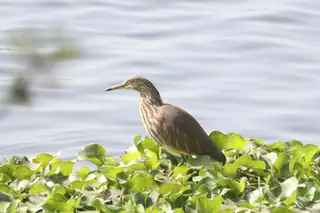 Indian Pond Heron
-
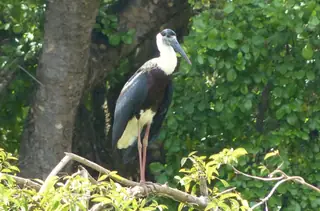 Asian Woolly-necked Stork
-
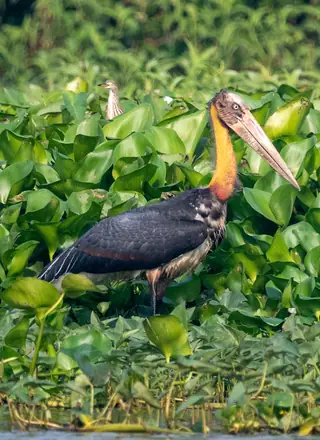 Lesser Adjutant
-
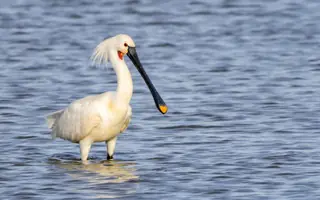 Eurasian Spoonbill
-
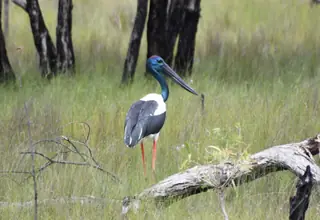 Black-necked StorkRare
-
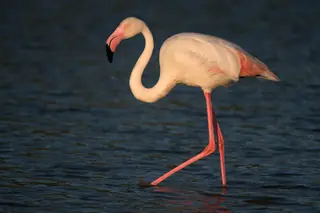 Greater FlamingoRare
Birds of prey and owls 8
-
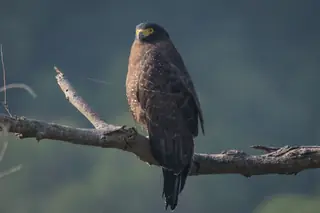 Crested Serpent Eagle
-
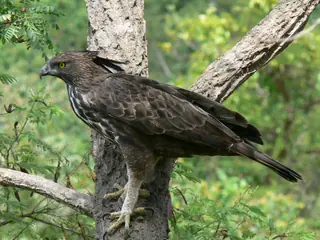 Changeable Hawk-Eagle
-
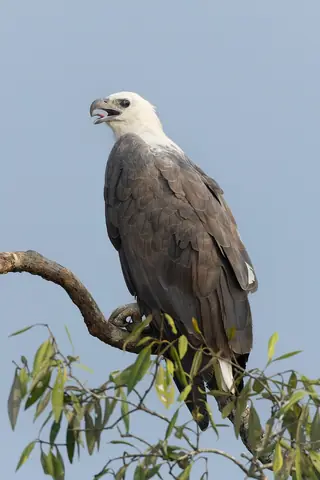 White-bellied Sea Eagle
-
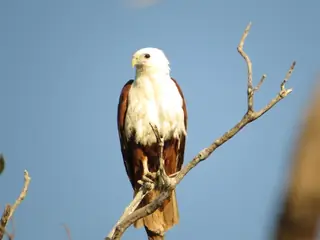 Brahminy Kite
-
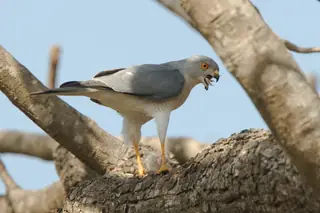 Shikra
-
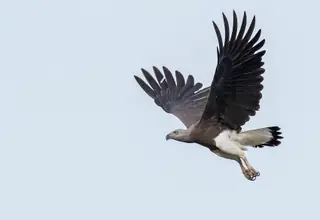 Grey-headed Fish Eagle
-
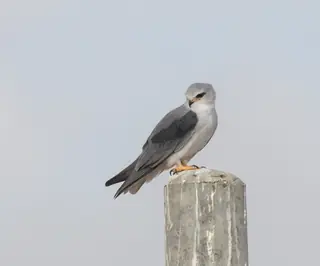 Black-winged Kite
-
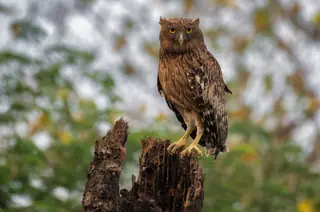 Brown Fish Owl
Ground and forest birds 29
-
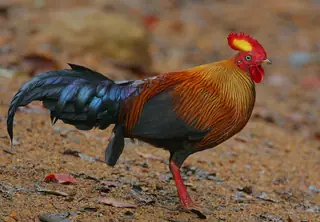 Sri Lanka Junglefowl
-
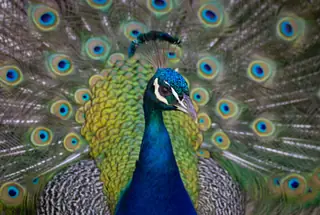 Indian Peafowl
-
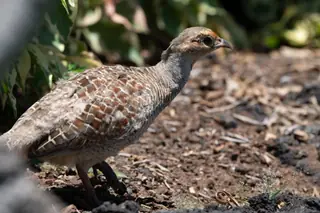 Grey Francolin
-
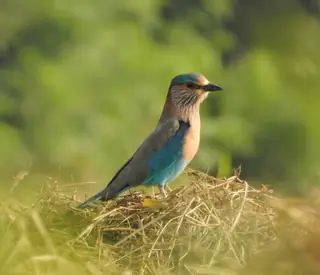 Indian Roller
-
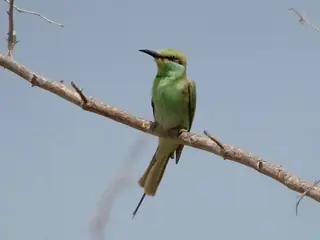 Asian Green Bee-eater
-
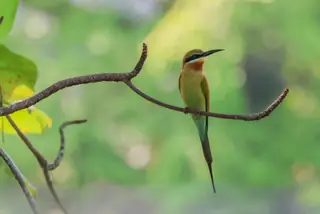 Blue-tailed Bee-eater
-
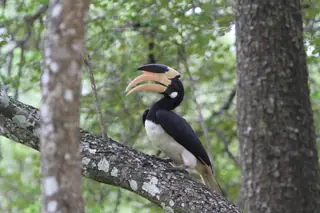 Malabar Pied Hornbill
-
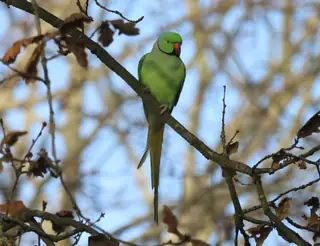 Ring-necked Parakeet
-
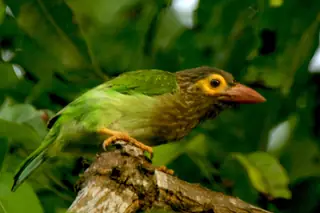 Brown-headed Barbet
-
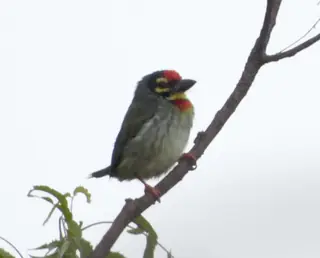 Coppersmith Barbet
-
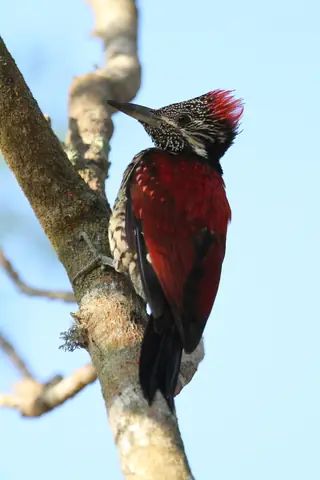 Red-backed Flameback
-
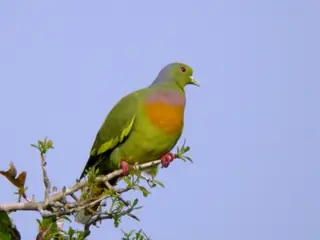 Orange-breasted Green Pigeon
-
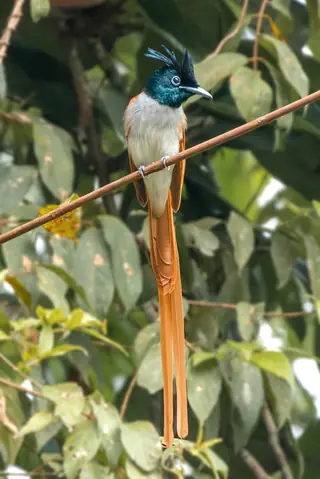 Indian Paradise Flycatcher
-
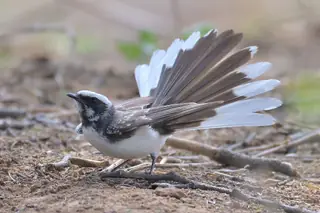 White-browed Fantail
-
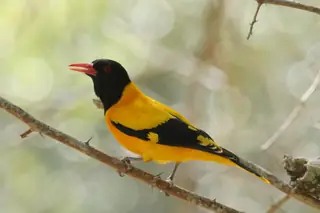 Black-hooded Oriole
-
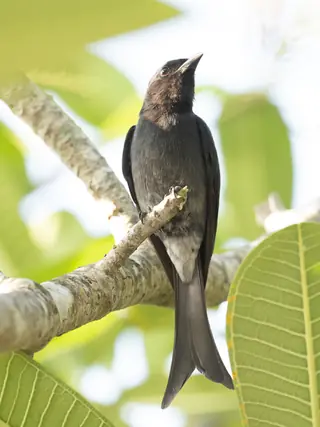 White-bellied Drongo
-
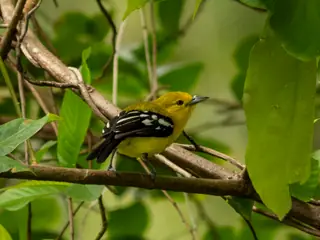 Common Iora
-
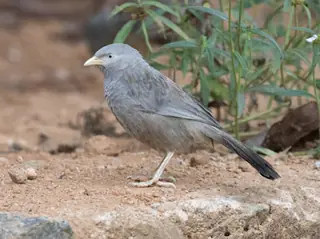 Yellow-billed Babbler
-
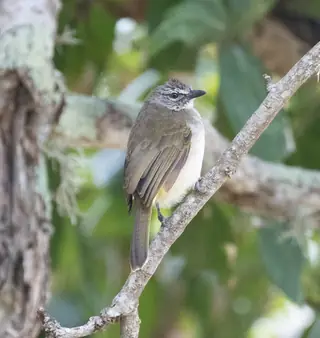 White-browed Bulbul
-
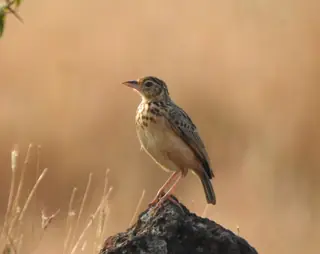 Jerdon's Bush Lark
-
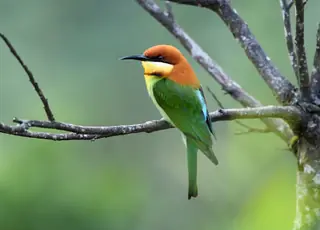 Chestnut-headed Bee-eater
-
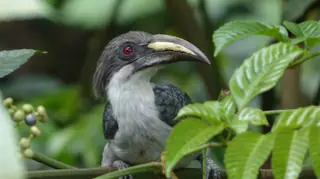 Sri Lanka Grey Hornbill
-
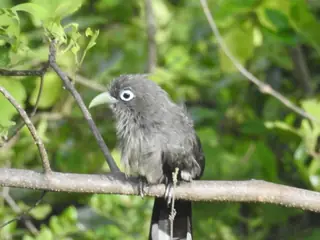 Blue-faced Malkoha
-
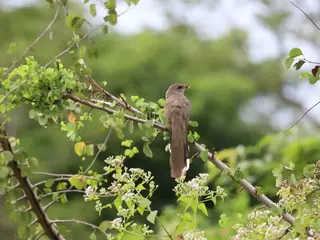 Sirkeer Malkoha
-
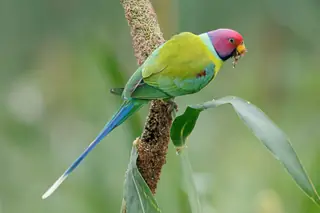 Plum-headed Parakeet
-
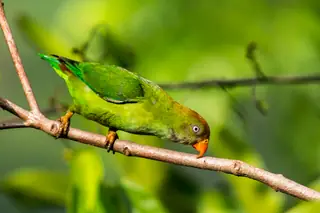 Sri Lanka Hanging Parrot
-
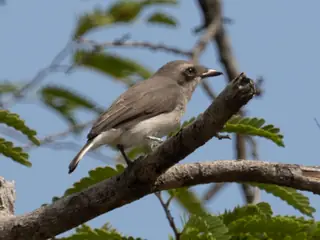 Sri Lanka Woodshrike
-
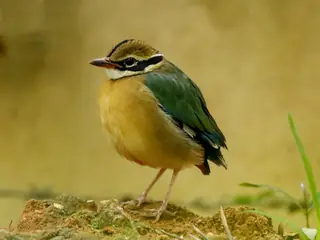 Indian Pitta
-
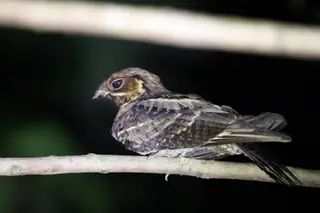 Jerdon's Nightjar
Shore birds and terns 22
-
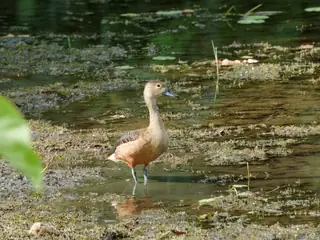 Lesser Whistling Duck
-
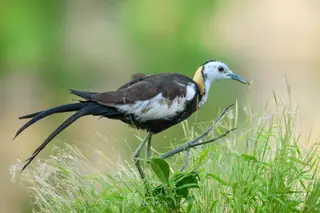 Pheasant-tailed Jacana
-
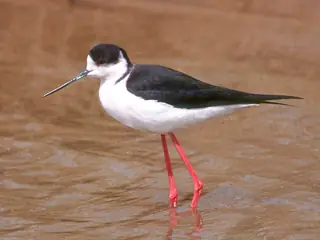 Black-winged Stilt
-
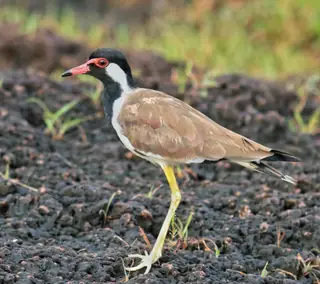 Red-wattled Lapwing
-
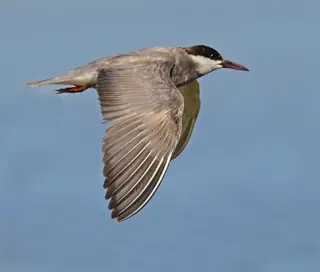 Whiskered Tern
-
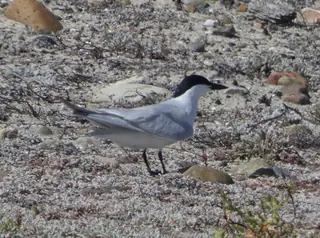 Gull-billed Tern
-
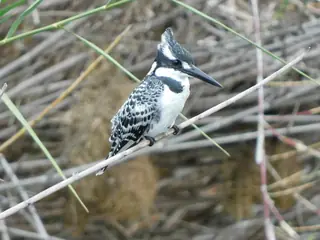 Pied Kingfisher
-
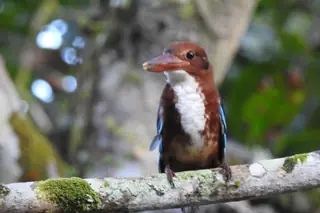 White-throated Kingfisher
-
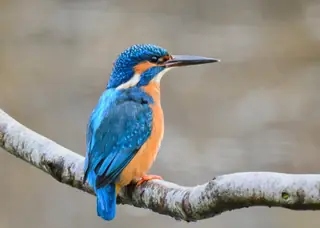 Common Kingfisher
-
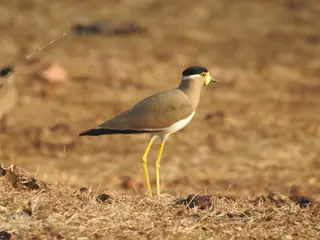 Yellow-wattled Lapwing
-
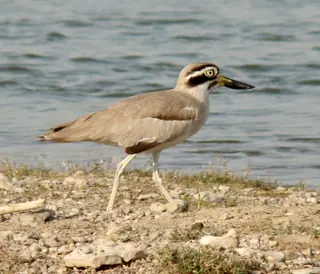 Great Stone-curlew
-
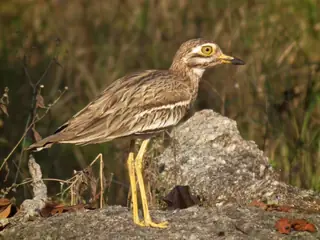 Indian Thick-knee
-
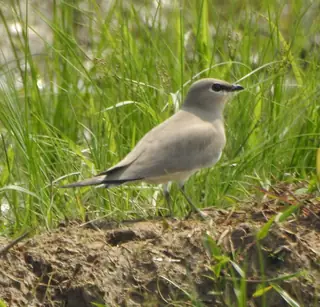 Little Pratincole
-
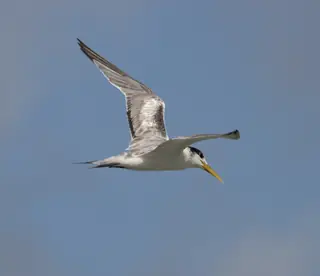 Greater Crested Tern
-
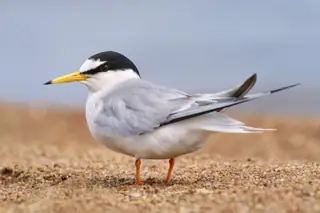 Little Tern
-
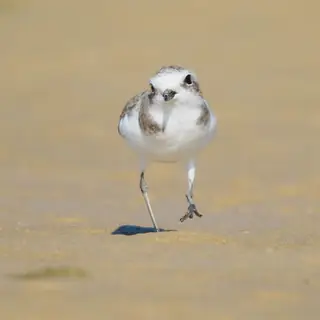 Kentish Plover
-
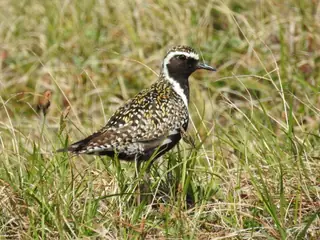 Pacific Golden Plover
-
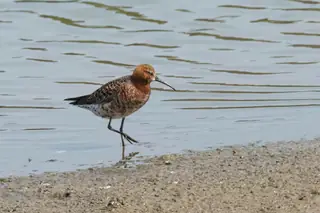 Curlew Sandpiper
-
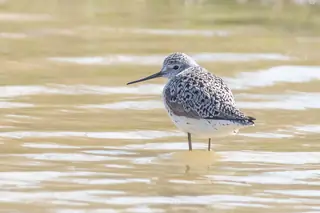 Marsh Sandpiper
-
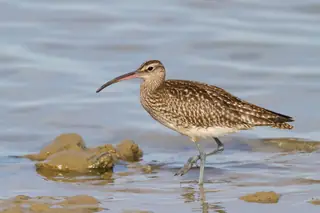 Whimbrel
-
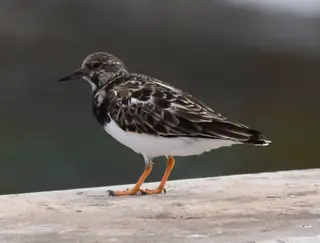 Ruddy Turnstone
-
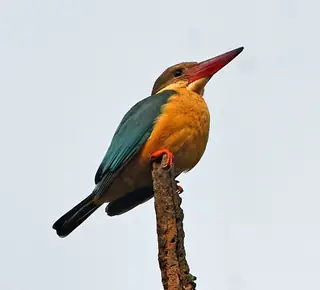 Stork-billed Kingfisher
Best time to see wildlife in Yala
Sightings by month in Yala
Most records: All yearRecords from GBIF.org, adjusted for how many people record wildlife each month. 100% is the busiest month.
Yala is dry for most of the year, with the main rains from the north-east monsoon around October to January. February to July is the best season: the scrub thins out, water shrinks to a few lakes and waterholes, and leopards, elephants and bears are easier to find. June and July are the classic months for sloth bears feeding on palu fruit. The driest weeks, around August and September, are hot and dusty, and Blocks 1 and 2 usually close for several weeks to let the wildlife rest: in 2026 they closed from 14 September to 15 October. Migrant birds crowd the lagoons from September to April. Check the Department of Wildlife Conservation for current closures before you book.
- Feb to AprDrying out; good leopard and elephant viewing
- May to JulDry season; sloth bears at fruiting palu trees in June and July
- Aug to SepVery dry; Blocks 1 and 2 usually close for several weeks
- Oct to JanNorth-east monsoon rains; green, with migrant birds
Tips for spotting wildlife in Yala
- 01
Use a licensed safari jeep
Only safari jeeps with drivers licensed by the Department of Wildlife Conservation may enter. Book through your hotel or a reputable operator, and choose a full-day or early-morning safari.
- 02
Ask your driver not to crowd
Leopard sightings can draw dozens of jeeps. Ask your driver to keep back, switch off and leave the leopard room to move. You will often get a better view by waiting quietly.
- 03
Be at the gate early
The park opens at dawn, and leopards are most active in the first hours of daylight. Gates are at Palatupana and Katagamuwa; check which is in use.
- 04
Look at the water
Lakes and lagoons hold crocodiles, storks, pelicans and waders, and elephants and buffalo come to drink. A quiet stop at a waterhole often pays off.
- 05
Stay in the vehicle
You may only leave the jeep at marked points such as the beach rest area. Never feed animals, and keep noise down.

Take Yala with you
Leopard safari in Yala? Take this list on your phone and tick off leopards, elephants and junglefowl from the jeep, offline. Wilder is free to start.

Yala wildlife FAQ
What animals can you see in Yala National Park?
You can see leopards, Asian elephants, water buffalo, spotted deer, mugger crocodiles, peafowl and many water birds in Yala. Sloth bears are seen mainly in June and July. This checklist covers 112 animals. Most visitors see elephants and crocodiles, and leopards are seen on many, but not all, safaris.
What are the chances of seeing a leopard in Yala?
Your chances of seeing a leopard in Yala are good, because Yala has one of the highest leopard densities in the world and leopards here are often active by day. A full-day safari or two morning drives gives the best odds. The dry months, February to July, are most reliable.
When is Yala National Park closed?
Blocks 1 and 2 of Yala usually close for several weeks in the dry season, around September, to let wildlife recover. In 2026 they closed from 14 September to 15 October, while other blocks stayed open. Dates change each year, so check with the Department of Wildlife Conservation.
Where is the best place to stay for Yala?
Most visitors stay in Tissamaharama or Kirinda, about 30 to 45 minutes from the Palatupana gate, or in lodges along the park boundary. Colombo is about four to five hours away by road.
Sources
- Newsfirst: Yala National Park Blocks 1 and 2 to close temporarily
- Sunday Times: Yala partially closes to protect wildlife
- Ada Derana: Notice issued to guests visiting Yala National Park
- Sightings by month: GBIF.org
Animal photos are from the Wilder catalogue; photo credits.
Similar checklists
All Asia-
 National park71animals Ranthambore National Park Sawai Madhopur, Rajasthan, India Dry forest, lakes and a thousand-year-old fort, and one of the best places in India to see a wild tiger by day. Best time Oct to Jun, Mar to May for tigers
-
 National park112animals Kaziranga National Park Golaghat and Nagaon, Assam, India Floodplain grassland on the Brahmaputra with the world's largest population of greater one-horned rhinos, wild water buffalo, swamp deer and a high density of tigers. Best time Nov to Apr
-
 National park103animals Kanha National Park Mandla and Balaghat, Madhya Pradesh, India Sal forest and wide meadows in the Maikal hills, home to tigers, dhole, gaur and the hard-ground barasingha that was saved from extinction here. Best time Oct to Jun, Mar to Jun for tigers
-
 National park105animals Bandhavgarh National Park Umaria, Madhya Pradesh, India Rocky hills, sal forest and an ancient hilltop fort, with one of the highest densities of tigers in India and a herd of wild elephants that settled here in recent years. Best time Oct to Jun, Mar to Jun for tigers