National park · Golaghat and Nagaon, Assam · India
Kaziranga Wildlife Checklist

Kaziranga National Park in Assam is home to the world's largest population of greater one-horned rhinos, grazing tall grass and wetlands. Wild water buffalo, swamp deer, elephants and a dense tiger population share the park. This checklist covers 112 animals. Safaris run from October or November to May, and February to April is the best time to visit.
Tick off all 112 animals in Kaziranga on your phone, even offline. Launching soon. Free A4 PDF, no sign-up.
Kaziranga is a UNESCO World Heritage Site, inscribed in 1985. Jeep safaris run in four ranges: Kohora (central), Bagori (western), Agaratoli (eastern) and Burapahar (far west). Each feels different, so it is worth trying more than one.
- Animals to find
- 112
- Where
- India
- Best time
- Nov to Apr
- Safari season
- Oct to May
Popular animals in Kaziranga
-
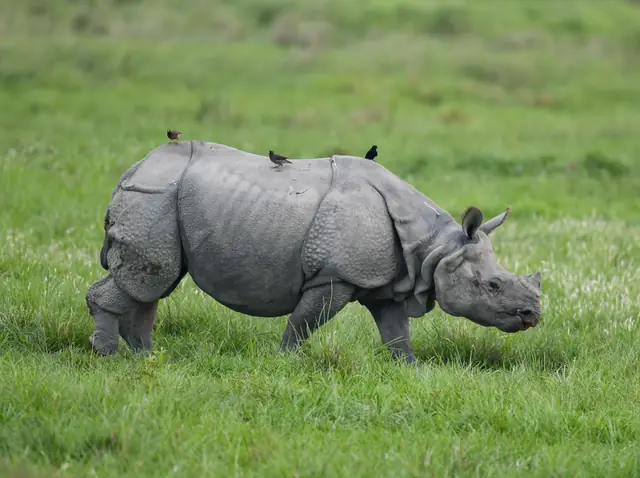
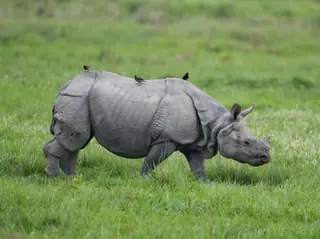
Indian Rhinoceros
Rhinoceros unicornis
Kaziranga's rhinos are easy to see in the open grassland and around the wetlands, often in every range on a single drive. Poaching remains a threat, so please do not share locations or post geotagged photos.
-
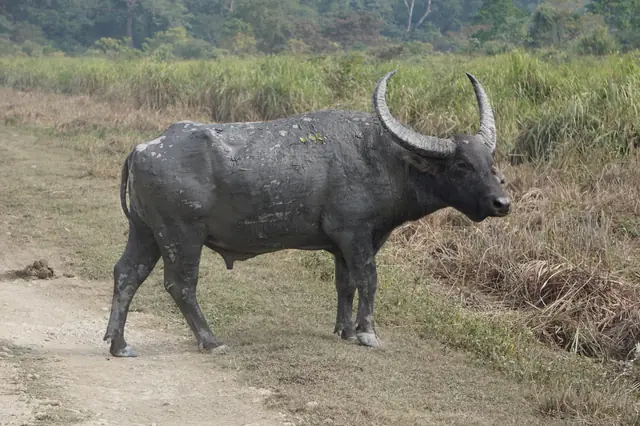
Wild Water Buffalo
Bubalus arnee
Truly wild buffalo, much bigger than the farm kind, with huge swept-back horns. Look for them wallowing in the beels, the shallow lakes scattered across the park.
-
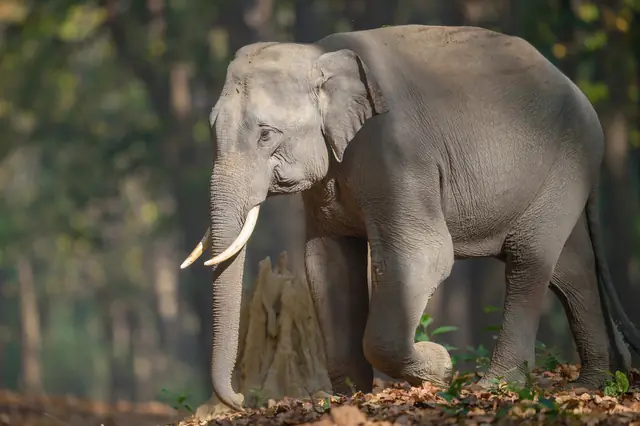
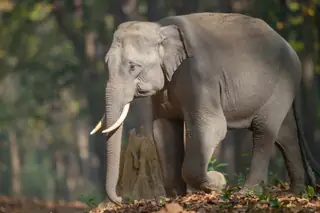
Asian Elephant
Elephas maximus
Herds move between the grassland and the woodland, and family groups often cross the tracks. Keep well back and let them pass in their own time.
-
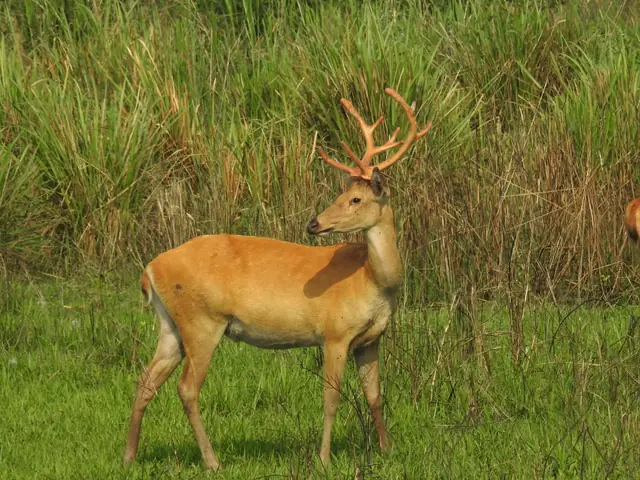
Barasingha
Rucervus duvaucelii
The eastern swamp deer lives on wet grassland here in herds. Stags carry wide, many-pointed antlers in the winter months.
-
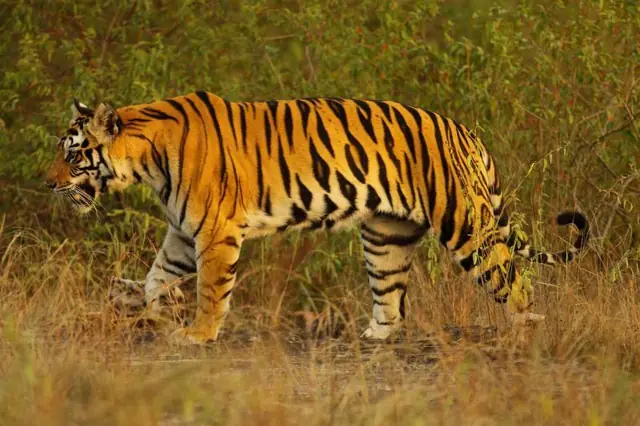
Tiger
Panthera tigris
Kaziranga has one of the highest tiger densities anywhere, but the tall elephant grass hides them well. Chances improve from February to April, after the grass has been burnt back.
-
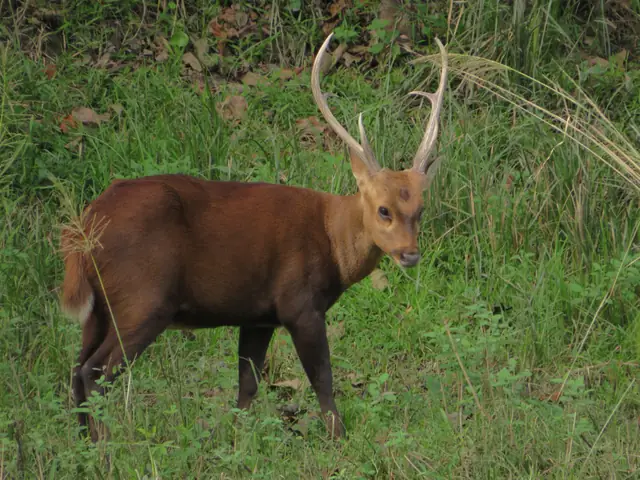
Hog Deer
Axis porcinus
A small, low-slung deer of the short grass, and one of the most common animals on any drive.
-
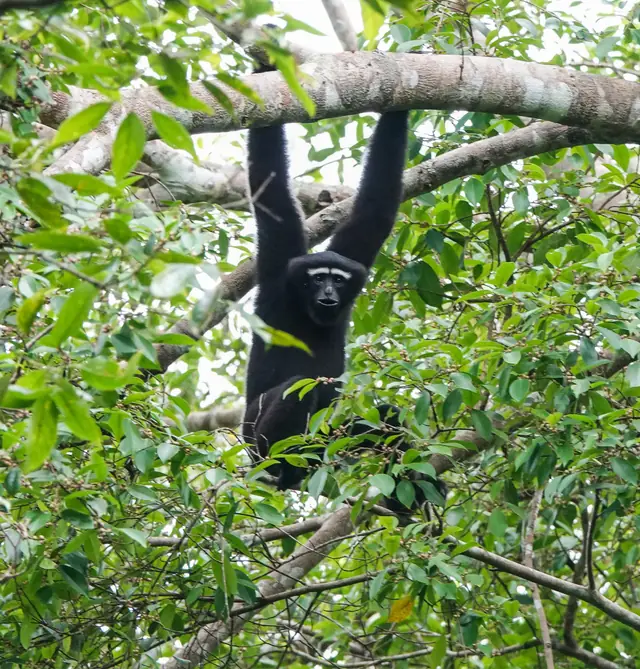
Western Hoolock Gibbon
Hoolock hoolock
India's only ape lives in the patches of evergreen forest. You are far more likely to hear its loud whooping song in the early morning than to see it.
-
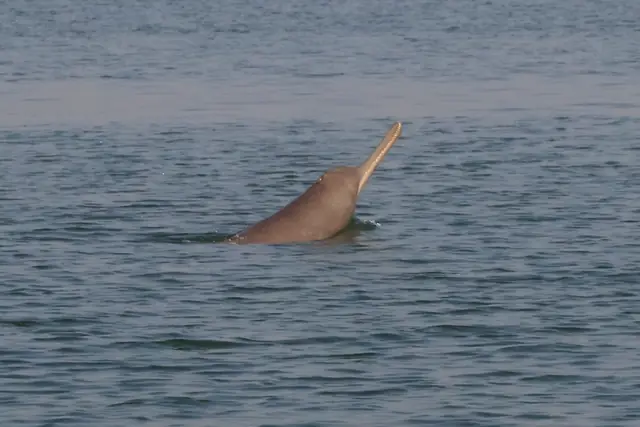
Ganges River Dolphin
Platanista gangetica
An endangered, nearly blind river dolphin. Watch for its brief, rolling surfacings.
-
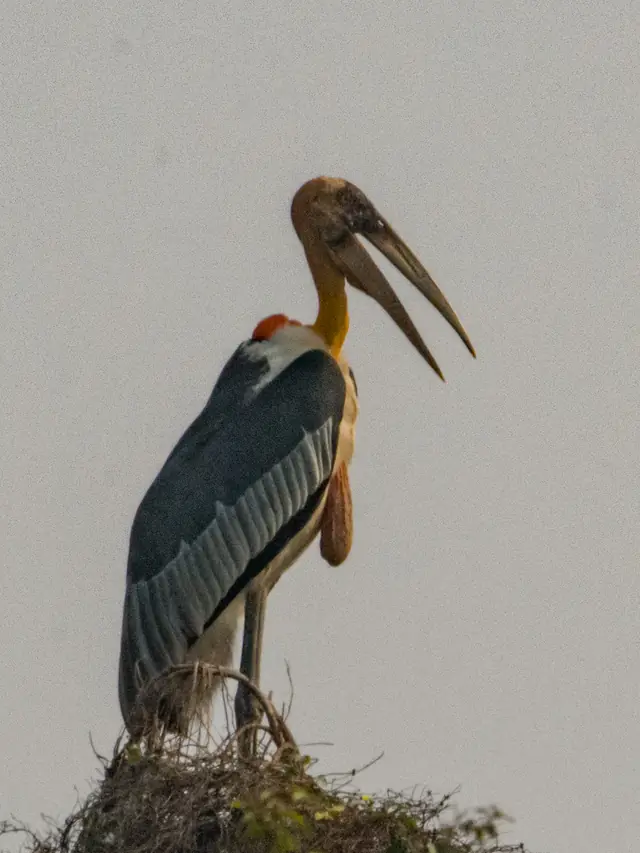
Greater Adjutant
Leptoptilos dubius
A huge, bald-headed stork and one of the rarest in the world. Assam holds most of the remaining population.
-
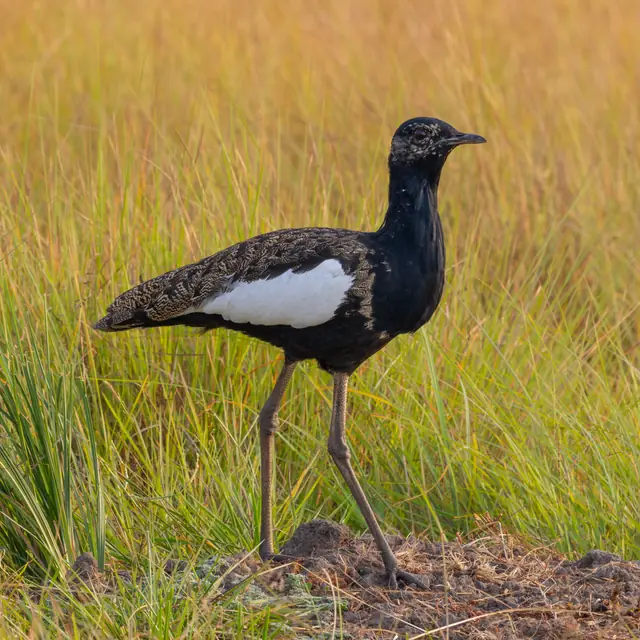
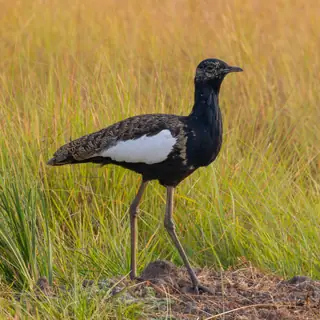
Bengal Florican
Houbaropsis bengalensis
A critically endangered bustard of the short grassland. Males are most visible in spring, when they show off in short display flights.
All 112 animals in Kaziranga
Big mammals 13
-
 Indian Rhinoceros
-
 Asian Elephant
-
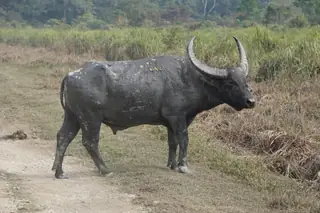 Wild Water Buffalo
-
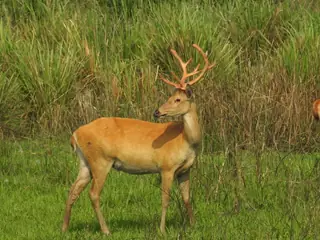 Barasingha
-
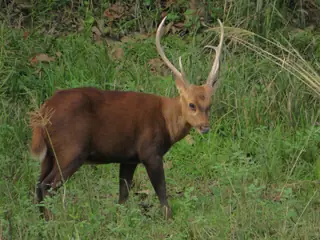 Hog Deer
-
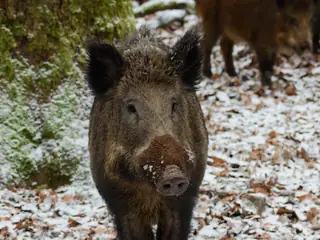 Wild Boar
-
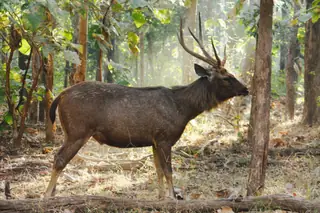 Sambar Deer
-
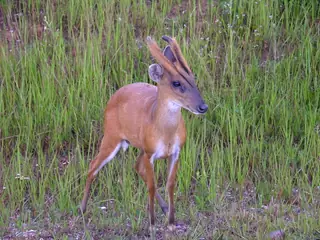 Northern Red Muntjac
-
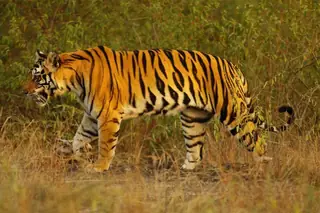 Tiger
-
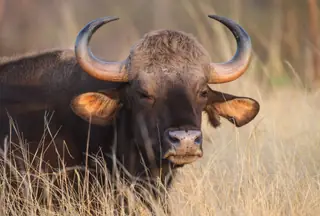 GaurRare
-
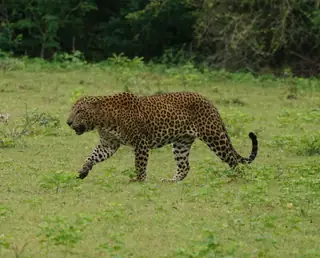 LeopardRare
-
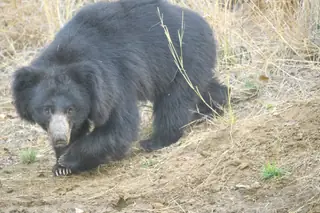 Sloth BearRare
-
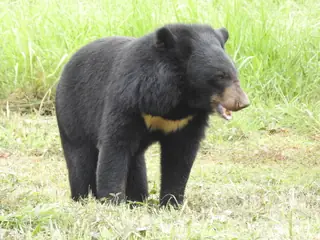 Asiatic Black BearRare
Primates 5
-
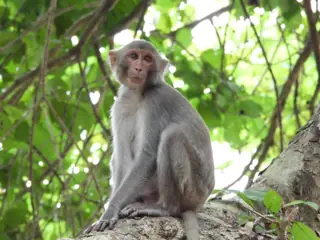 Rhesus Macaque
-
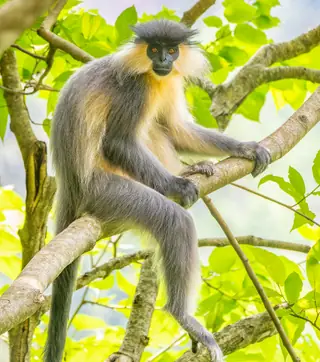 Capped Langur
-
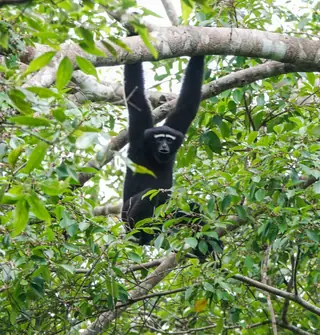 Western Hoolock Gibbon
-
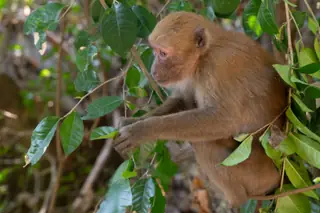 Assamese Macaque
-
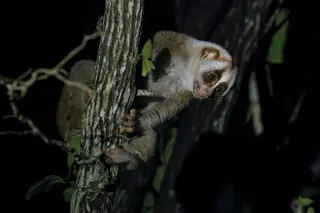 Bengal Slow LorisRare
Other mammals 14
-
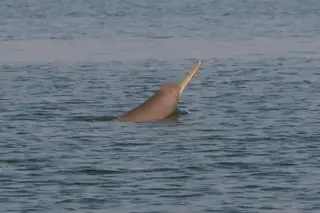 Ganges River DolphinRare
-
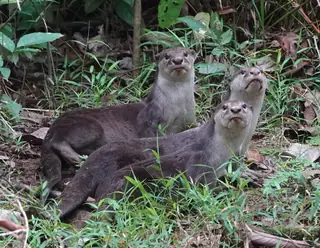 Smooth-coated Otter
-
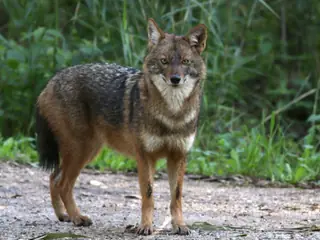 Golden Jackal
-
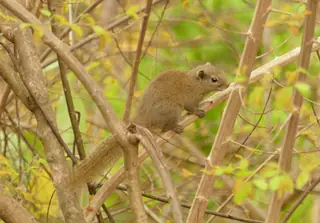 Hoary-bellied Squirrel
-
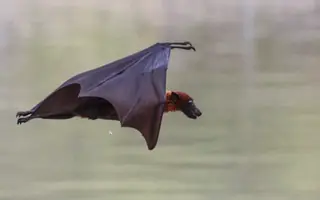 Indian Flying Fox
-
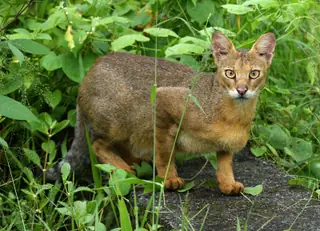 Jungle CatRare
-
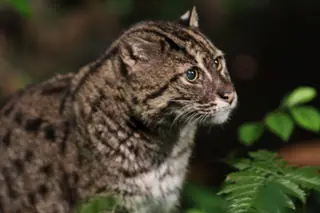 Fishing CatRare
-
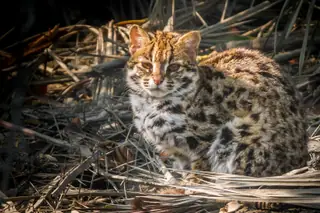 Leopard CatRare
-
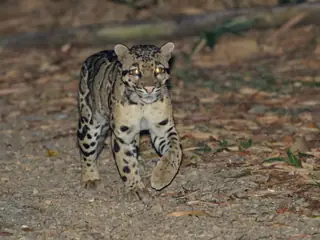 Mainland Clouded LeopardRare
-
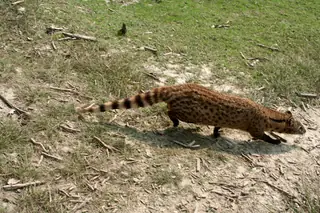 Small Indian CivetRare
-
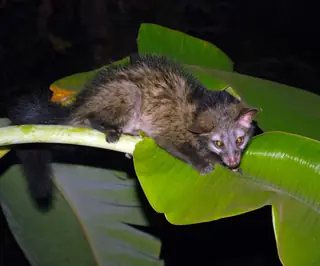 Common Palm CivetRare
-
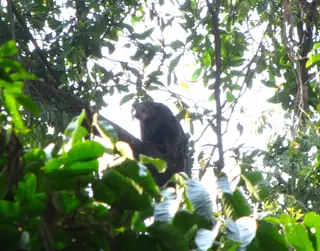 BinturongRare
-
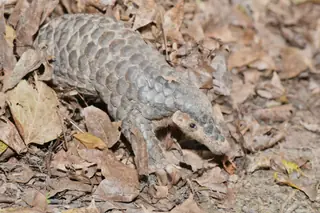 Chinese PangolinRare
-
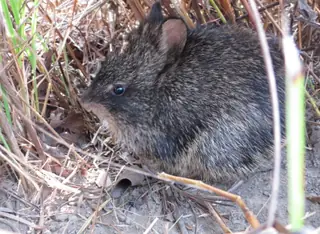 Hispid HareRare
Big birds and birds of prey 17
-
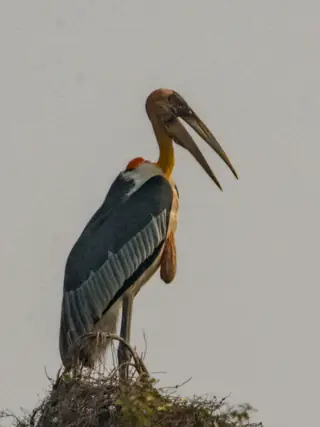 Greater Adjutant
-
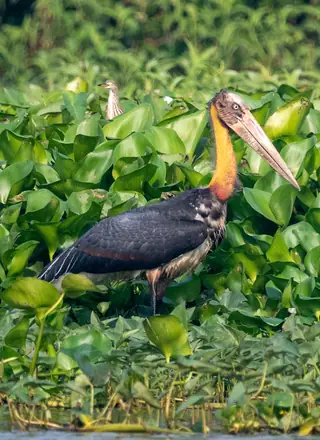 Lesser Adjutant
-
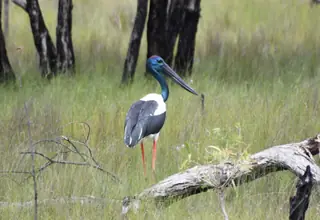 Black-necked Stork
-
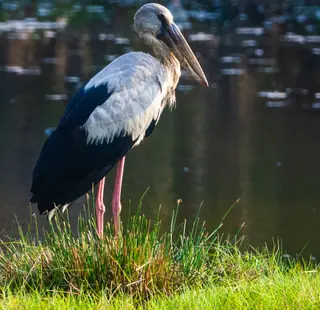 Asian Openbill
-
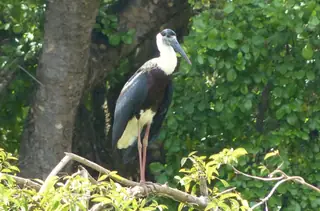 Asian Woolly-necked Stork
-
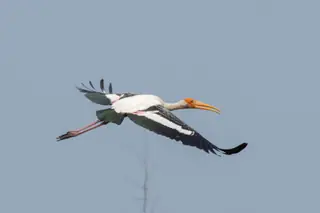 Painted Stork
-
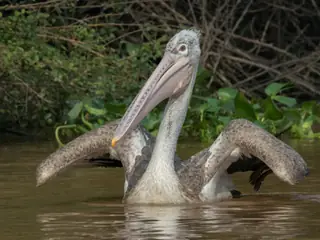 Spot-billed Pelican
-
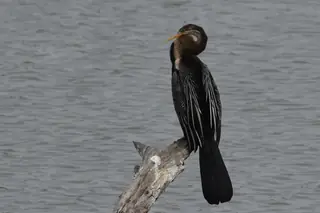 Oriental Darter
-
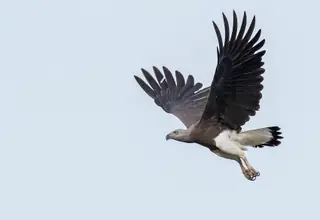 Grey-headed Fish Eagle
-
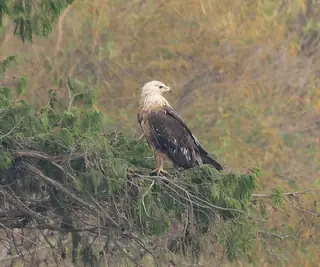 Pallas's Fish Eagle
-
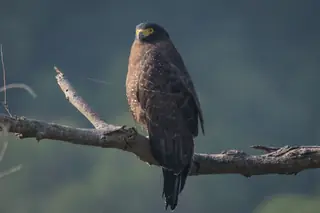 Crested Serpent Eagle
-
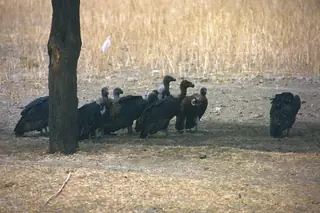 White-rumped Vulture
-
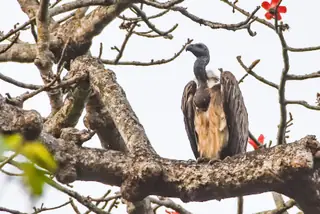 Slender-billed Vulture
-
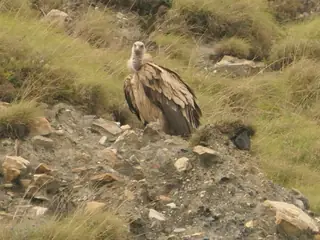 Himalayan Vulture
-
 Bengal FloricanRare
-
 Great Hornbill
-
 Oriental Pied Hornbill
Water birds 21
-
 Bar-headed Goose
-
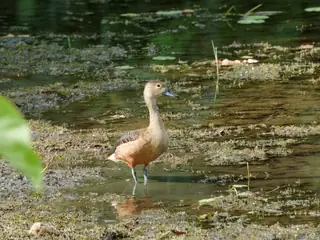 Lesser Whistling Duck
-
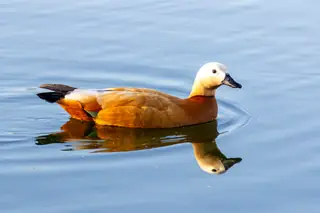 Ruddy Shelduck
-
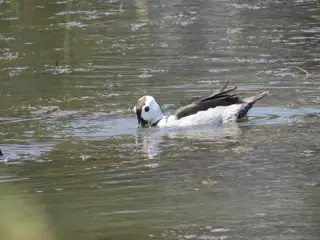 Cotton Pygmy Goose
-
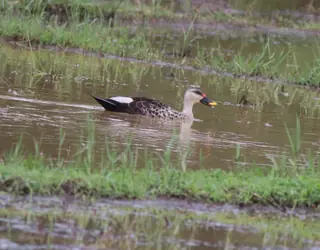 Indian Spot-billed Duck
-
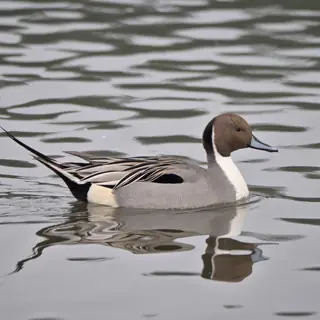 Northern Pintail
-
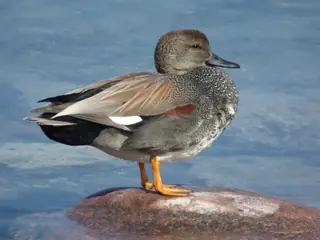 Gadwall
-
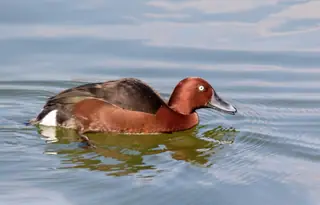 Ferruginous Duck
-
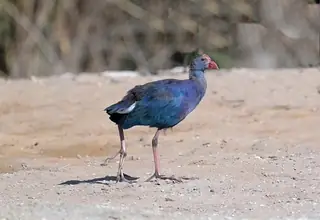 Grey-headed Swamphen
-
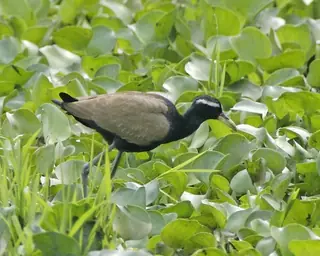 Bronze-winged Jacana
-
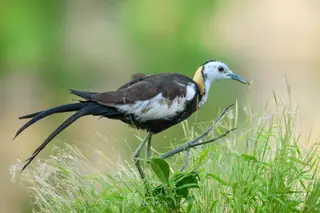 Pheasant-tailed Jacana
-
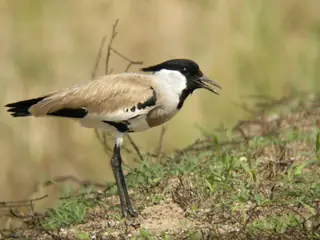 River Lapwing
-
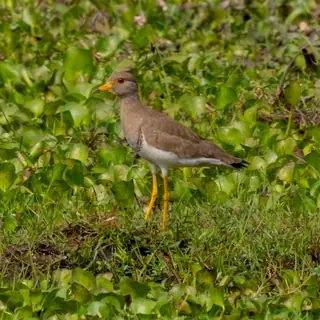 Grey-headed Lapwing
-
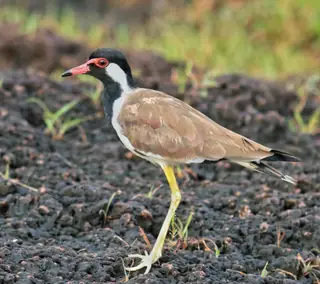 Red-wattled Lapwing
-
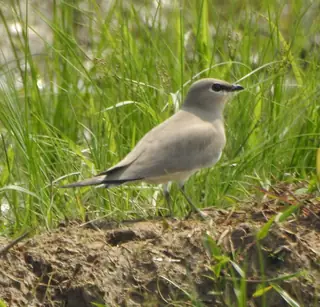 Little Pratincole
-
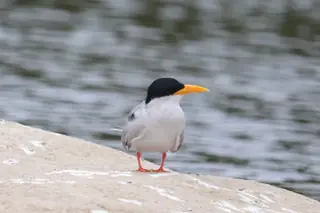 River Tern
-
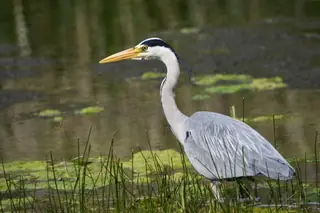 Grey Heron
-
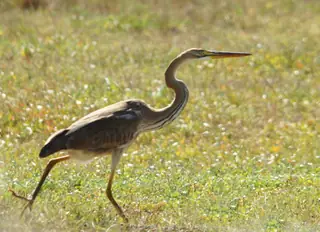 Purple Heron
-
 Great Egret
-
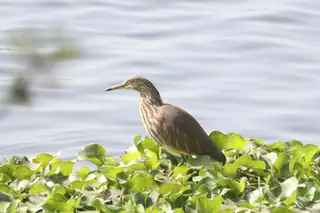 Indian Pond Heron
-
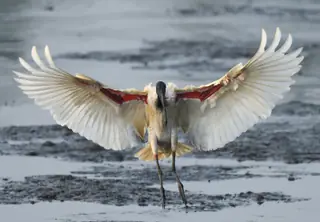 Black-headed Ibis
Forest and grassland birds 31
-
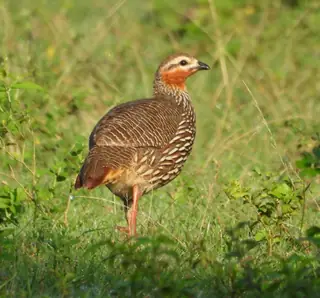 Swamp Francolin
-
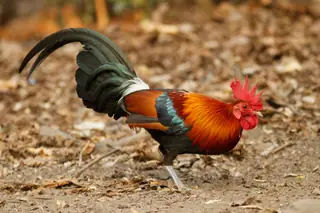 Red Junglefowl
-
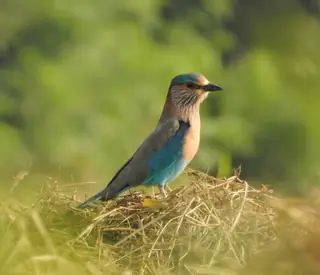 Indian Roller
-
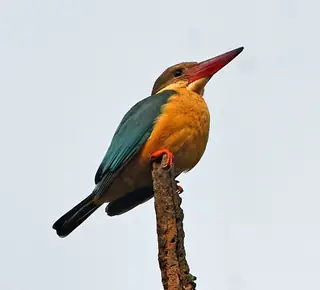 Stork-billed Kingfisher
-
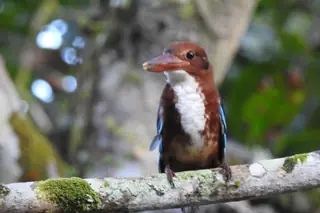 White-throated Kingfisher
-
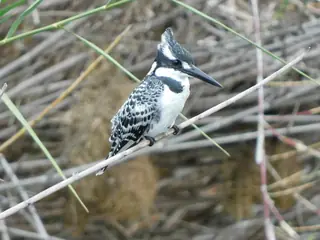 Pied Kingfisher
-
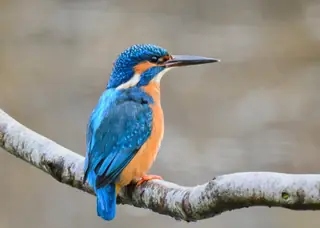 Common Kingfisher
-
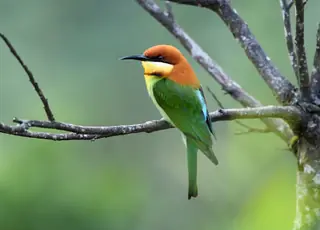 Chestnut-headed Bee-eater
-
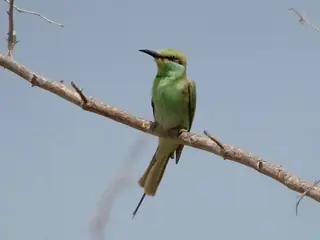 Asian Green Bee-eater
-
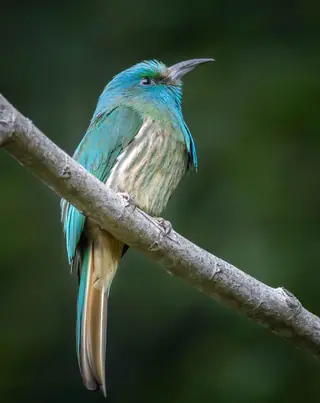 Blue-bearded Bee-eater
-
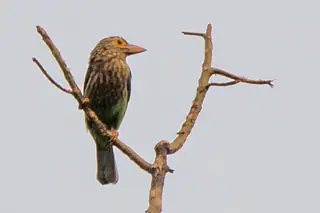 Lineated Barbet
-
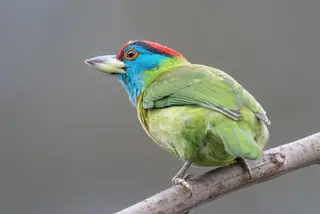 Blue-throated Barbet
-
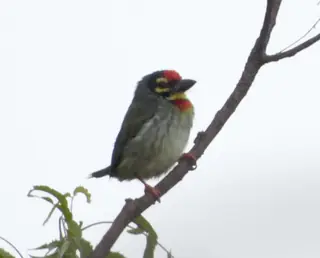 Coppersmith Barbet
-
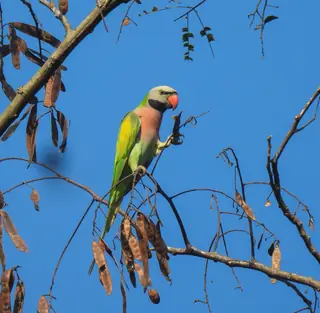 Red-breasted Parakeet
-
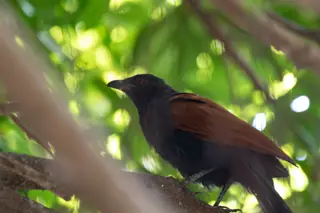 Greater Coucal
-
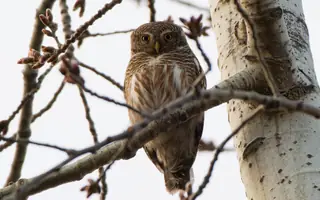 Asian Barred Owlet
-
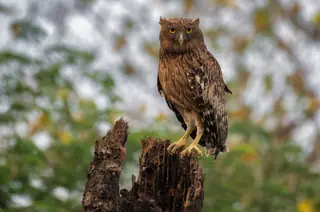 Brown Fish Owl
-
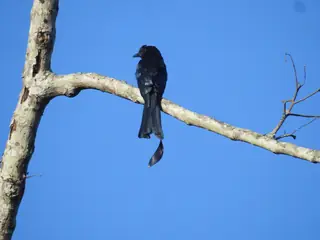 Greater Racquet-tailed Drongo
-
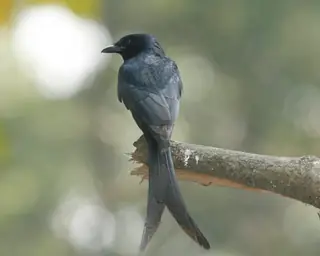 Black Drongo
-
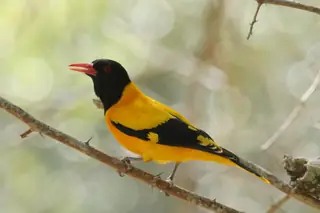 Black-hooded Oriole
-
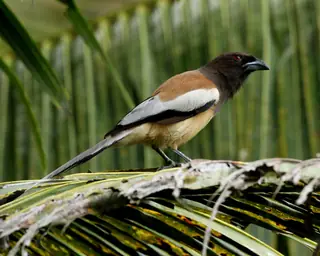 Rufous Treepie
-
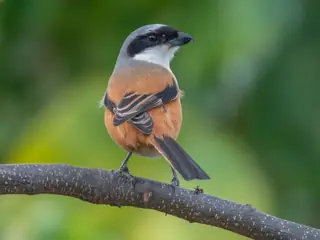 Long-tailed Shrike
-
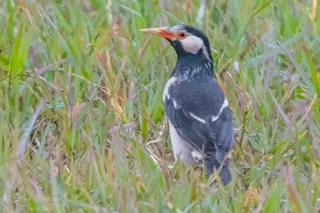 Indian Pied Starling
-
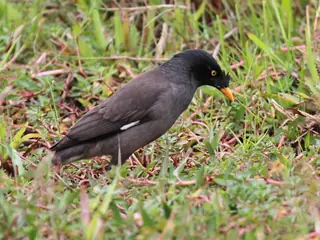 Jungle Myna
-
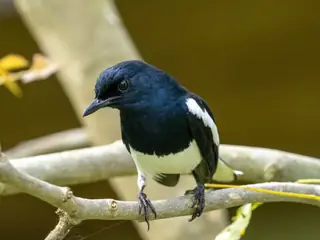 Oriental Magpie-Robin
-
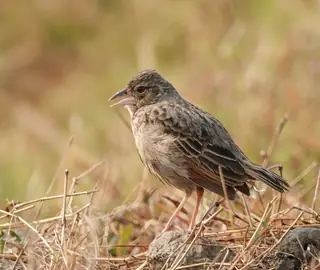 Bengal Bush Lark
-
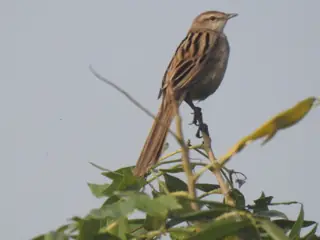 Striated Grassbird
-
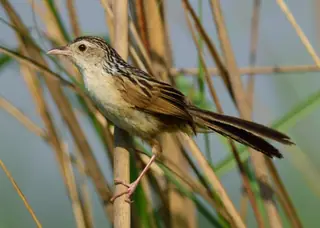 Indian GrassbirdRare
-
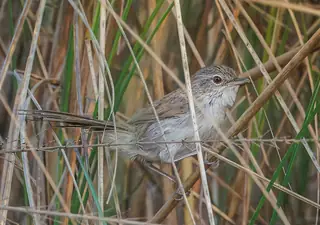 Swamp Grass BabblerRare
-
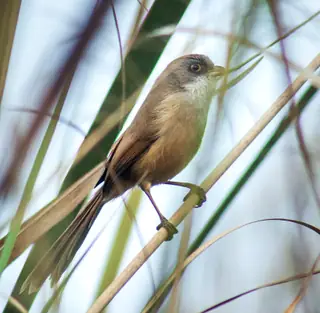 Jerdon's BabblerRare
-
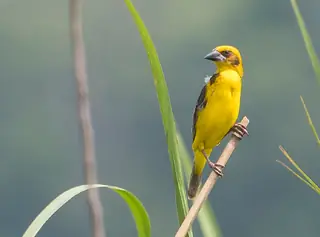 Finn's WeaverRare
Reptiles and amphibians 11
-
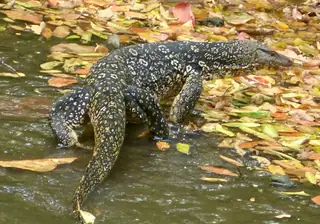 Asian Water Monitor
-
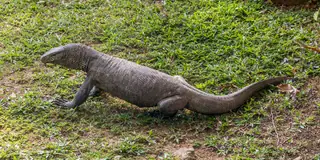 Bengal Monitor
-
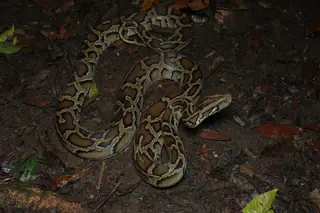 Burmese Python
-
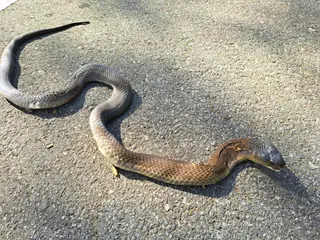 Monocled Cobra
-
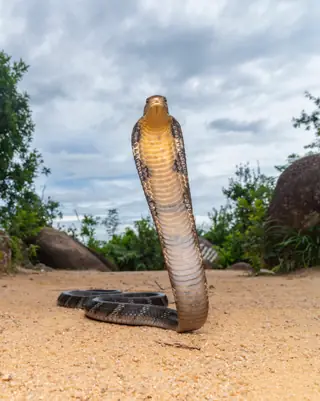 King CobraRare
-
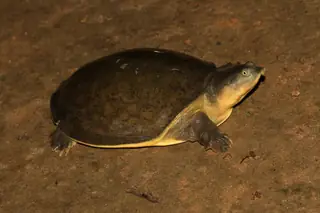 Indian Flapshell Turtle
-
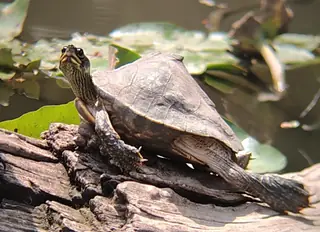 Indian Roofed Turtle
-
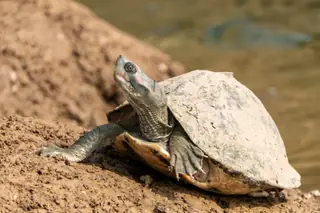 Indian Tent Turtle
-
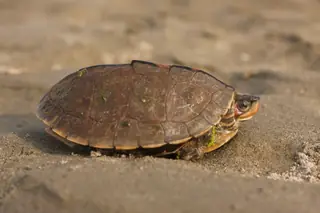 Brown Roofed Turtle
-
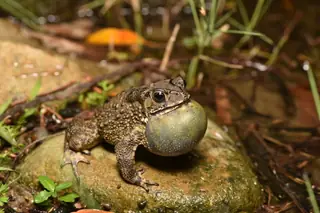 Asian Common Toad
-
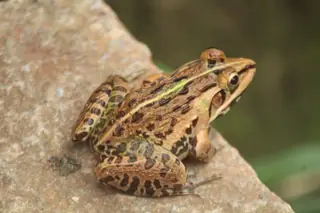 Indian Bullfrog
Best time to see wildlife in Kaziranga
Sightings by month in Kaziranga
Most records: Dec to MarRecords from GBIF.org, adjusted for how many people record wildlife each month. 100% is the busiest month.
Kaziranga lies on the floodplain of the Brahmaputra, and the monsoon floods much of it every year, so the park closes to safaris from about June to September. Ranges reopen in stages from early October once the tracks are repaired, though some open later after a big flood year. November to January is cool and often misty in the mornings, with migrant ducks, geese and waders on the beels. From February the grass is burnt back in patches, which opens up the view, and animals gather at shrinking water: February to April is the best time for tigers and big herds. By May it is hot and humid, with storms building before the monsoon. Check opening dates for each range with the Assam Forest Department before you travel.
- OctRanges reopen in stages after the floods
- Nov to JanCool, misty mornings; winter ducks and geese on the beels
- Feb to AprGrass burnt back; best visibility and tiger chances
- MayHot and humid; the season closes towards the end of the month
- Jun to SepMonsoon floods; safaris closed
Tips for spotting wildlife in Kaziranga
- 01
Drive more than one range
Agaratoli is the best range for water birds, and Burapahar is quieter. Book morning and afternoon drives in different ranges.
- 02
Take the first morning slot
Mist often lies over the grassland at dawn in winter, and buffalo and deer graze in the open before the heat. Bring warm layers for an open jeep.
- 03
Wait at the beels
The shallow lakes pull in elephants, buffalo, otters and storks. Watchtowers beside some beels are good places to stop, stay quiet and let animals come to you.
- 04
Let elephants and rhinos have the road
Never ask a driver to push closer to a rhino or an elephant herd. Keep well back, switch off the engine, and give animals a clear path to cross.
- 05
Mix jeeps, boats and walks
Jeep drives are the main way to see the park, and boat trips on the Brahmaputra and guided walks around its edge add river life and forest birds.
- 06
Keep rhino sightings to yourself
Poaching for horn is still a threat in Assam. Enjoy every rhino, but do not share locations or post geotagged photos online.

Take Kaziranga with you
Heading to Kaziranga? Take this list on your phone and tick off rhinos, wild buffalo and adjutant storks from the jeep, even without signal. Wilder is free to start.

Kaziranga wildlife FAQ
What animals can you see in Kaziranga National Park?
You can see greater one-horned rhinos, wild water buffalo, Asian elephants, swamp deer, hog deer and wild boar on almost every safari in Kaziranga. Tigers, gibbons, capped langurs and river dolphins take more luck. This checklist covers 112 animals, including storks, fish eagles and grassland birds found in few other places.
How many rhinos are there in Kaziranga?
Kaziranga's 2022 census counted about 2,600 greater one-horned rhinos, roughly two thirds of the world's population. Numbers have risen steadily thanks to strict protection. Rhinos are seen on nearly every drive, but poaching is still a risk, so visitors are asked not to share sighting locations or post geotagged photos.
When is Kaziranga National Park open?
Kaziranga opens for jeep safaris in early October and closes towards the end of May, when the monsoon floods the park. Ranges reopen in stages as the tracks dry out, so some may open later in October. The best time to visit is November to April, and February to April gives the clearest views.
Can you see tigers in Kaziranga?
Yes, but sightings are less reliable than in central Indian parks. Kaziranga has one of the highest tiger densities in the world, but the tall grass hides them well. Your best chance is from February to April, after the grass is burnt back and animals come to water.
How do you get to Kaziranga?
The nearest airport is Jorhat, about two hours' drive from the park. Guwahati has more flights but is around four to five hours away by road. Most lodges sit near the Kohora range on the main highway along the park's southern edge.
Sources
- UNESCO World Heritage Centre: Kaziranga National Park
- Outlook Traveller: Kaziranga to reopen for the season on October 1
- Organiser: Kaziranga rhino census 2022
- Sightings by month: GBIF.org
Animal photos are from the Wilder catalogue; photo credits.
Similar checklists
All Asia-
 National park111animals Chitwan National Park Chitwan, Bagmati Province, Nepal Sal forest, tall grassland and wide rivers in Nepal's lowlands, with greater one-horned rhinos, tigers, gharials and a huge bird list. Best time Oct to Apr
-
 National park103animals Kanha National Park Mandla and Balaghat, Madhya Pradesh, India Sal forest and wide meadows in the Maikal hills, home to tigers, dhole, gaur and the hard-ground barasingha that was saved from extinction here. Best time Oct to Jun, Mar to Jun for tigers
-
 National park105animals Bandhavgarh National Park Umaria, Madhya Pradesh, India Rocky hills, sal forest and an ancient hilltop fort, with one of the highest densities of tigers in India and a herd of wild elephants that settled here in recent years. Best time Oct to Jun, Mar to Jun for tigers
-
 National park71animals Ranthambore National Park Sawai Madhopur, Rajasthan, India Dry forest, lakes and a thousand-year-old fort, and one of the best places in India to see a wild tiger by day. Best time Oct to Jun, Mar to May for tigers