National park · Umaria, Madhya Pradesh · India
Bandhavgarh Wildlife Checklist

Bandhavgarh National Park in Madhya Pradesh has one of the highest densities of tigers in India, in a compact landscape of sal forest, grassy valleys and sandstone hills crowned by an ancient fort. Leopards, sloth bears, gaur and a herd of wild elephants live here too. This checklist covers 105 animals. The park opens from mid October to June, and March to June is best for tigers.
Tick off all 105 animals in Bandhavgarh on your phone, even offline. Launching soon. Free A4 PDF, no sign-up.
Safaris run in three core zones, Tala, Magadhi and Khitauli, and in buffer zones such as Panpatha, Dhamokhar and Johila. The buffer zones are easier to book.
- Animals to find
- 105
- Where
- India
- Best time
- Oct to Jun, Mar to Jun for tigers
- Tigers
- One of India's highest densities
Popular animals in Bandhavgarh
-
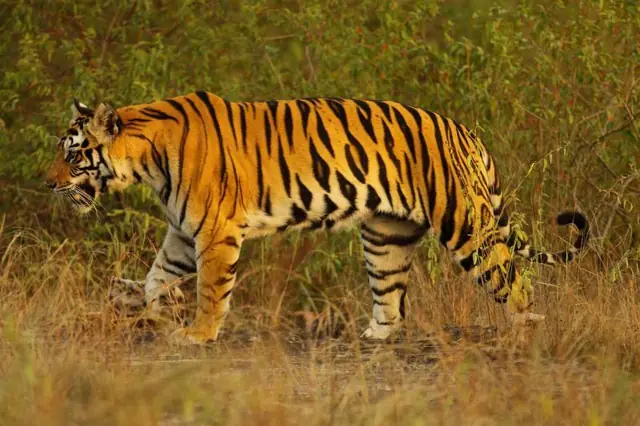
Tiger
Panthera tigris
Bandhavgarh is famous for tigers seen in the open. The hot months from March to June give the best chances.
-
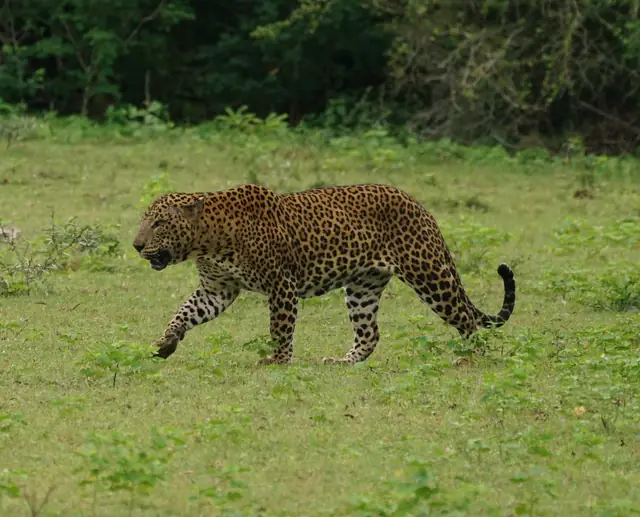
Leopard
Panthera pardus
Leopards keep to rocky outcrops, where they can avoid tigers. Early morning drives give the best chance.
-
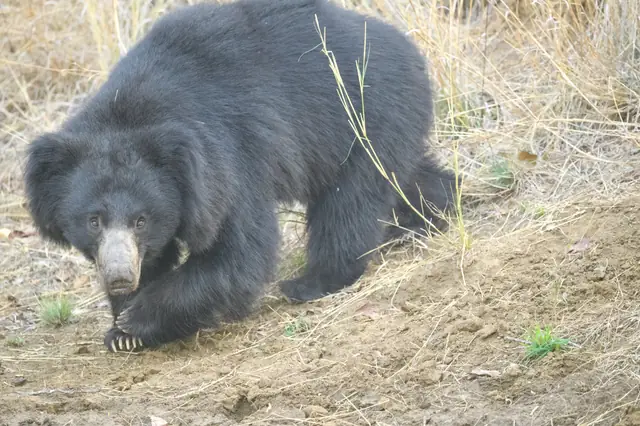
Sloth Bear
Melursus ursinus
Look on rocky hillsides early in the morning. Mothers sometimes carry cubs on their backs in spring.
-
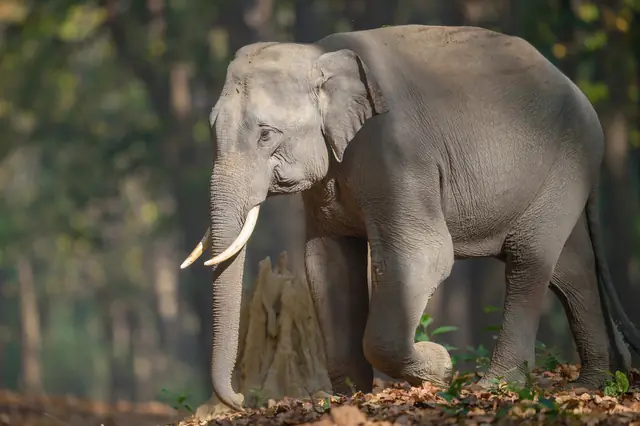
Asian Elephant
Elephas maximus
Wild elephants wandered into Bandhavgarh in recent years and have stayed. Give them plenty of room if you meet them on a track.
-
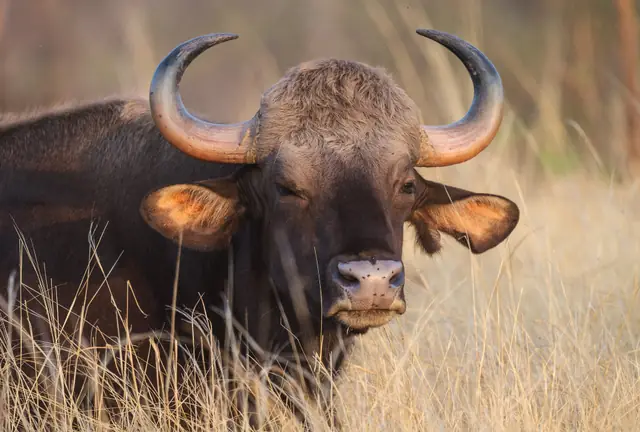
Gaur
Bos gaurus
Gaur died out here and were brought back from Kanha in 2011 and 2012. Look on the hill slopes and in the meadows.
-
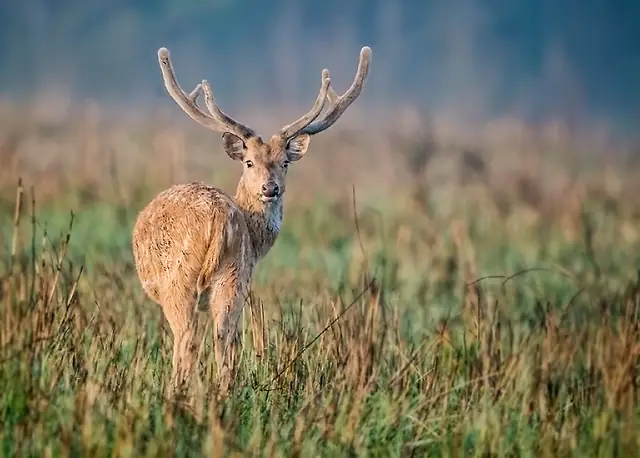
Chital (Spotted Deer)
Axis axis
Herds of chital graze the grassy valleys. Their alarm barks are one of the surest signs that a tiger or leopard is close.
-
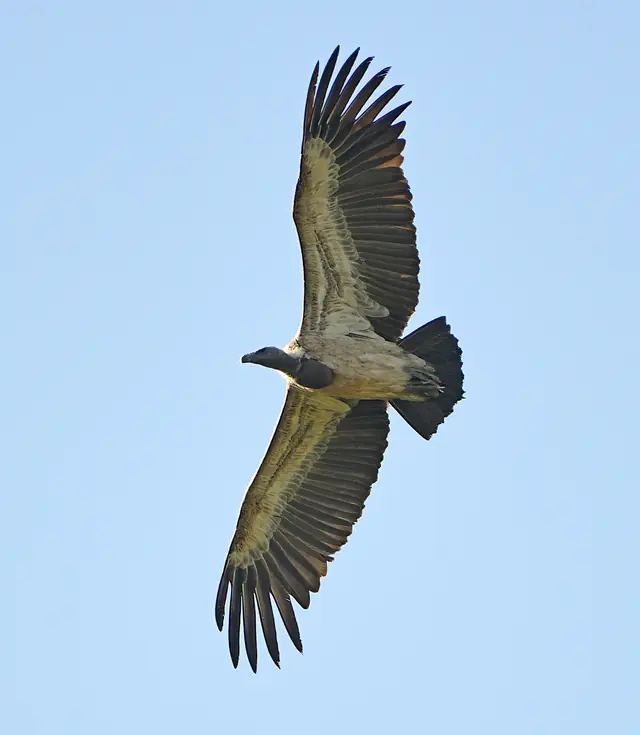
Indian Vulture
Gyps indicus
Critically endangered across India, but still seen soaring over the sandstone hills here.
-
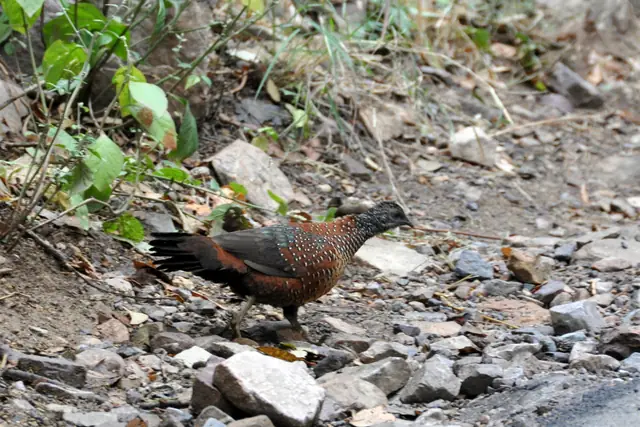
Painted Spurfowl
Galloperdix lunulata
A shy, beautifully marked Indian endemic of rocky, scrubby hills. Watch the edges of tracks early in the day.
All 105 animals in Bandhavgarh
Big cats and predators 11
-
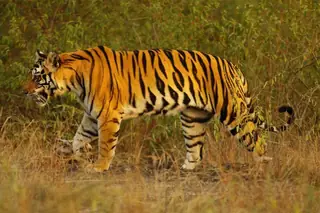 Tiger
-
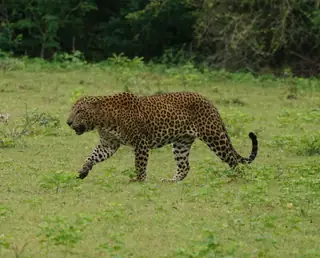 Leopard
-
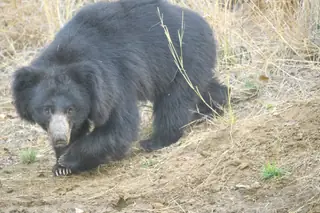 Sloth Bear
-
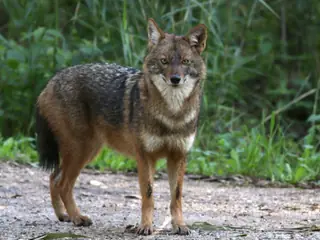 Golden Jackal
-
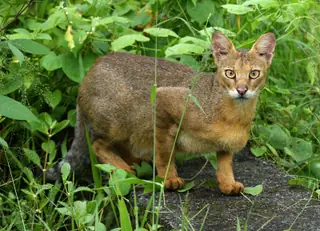 Jungle Cat
-
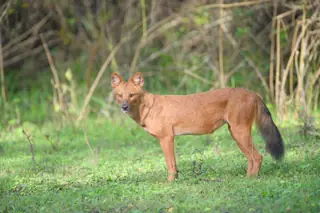 DholeRare
-
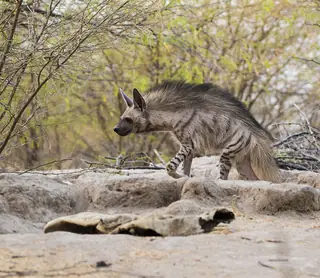 Striped HyenaRare
-
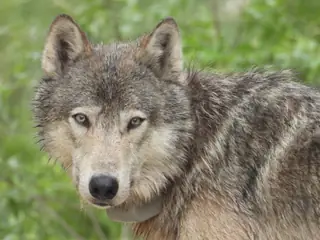 Grey WolfRare
-
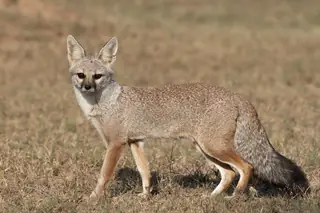 Bengal FoxRare
-
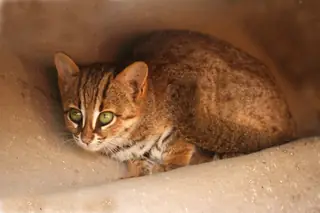 Rusty-spotted CatRare
-
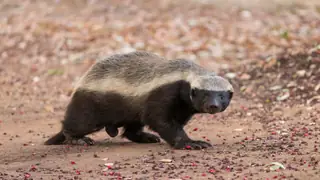 Honey BadgerRare
Elephants, deer and wild cattle 10
-
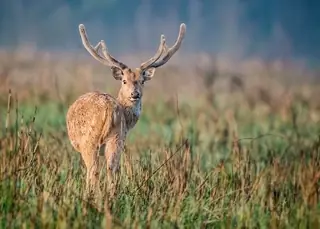 Chital (Spotted Deer)
-
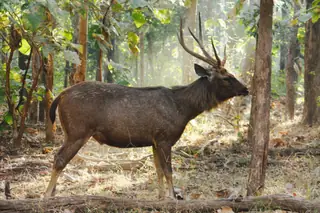 Sambar Deer
-
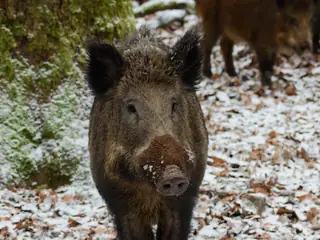 Wild Boar
-
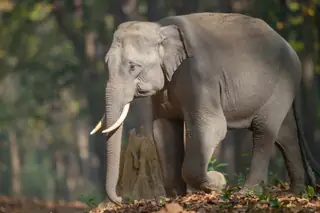 Asian Elephant
-
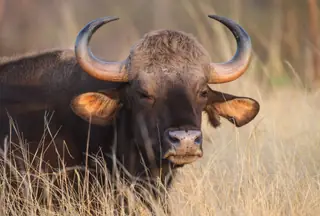 Gaur
-
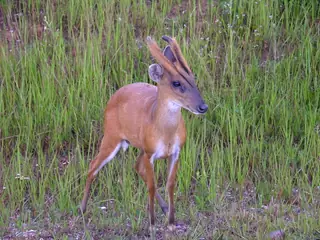 Northern Red Muntjac
-
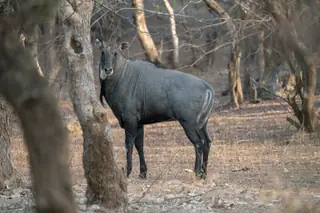 Nilgai
-
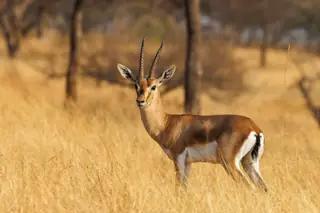 Chinkara (Indian Gazelle)Rare
-
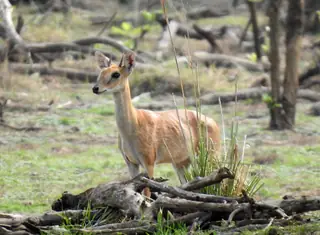 Four-horned AntelopeRare
-
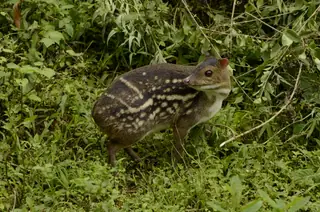 Indian ChevrotainRare
Smaller mammals 10
-
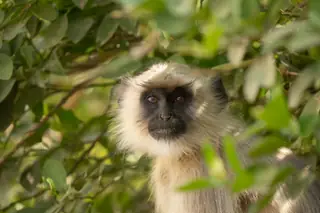 Hanuman Langur
-
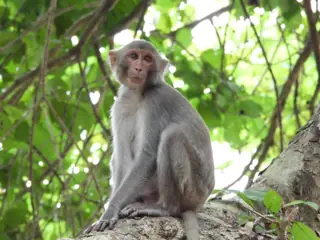 Rhesus Macaque
-
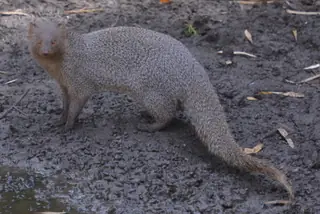 Indian Grey Mongoose
-
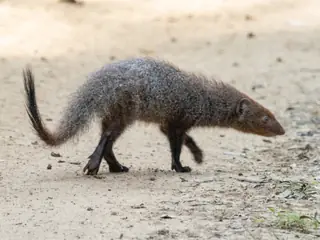 Ruddy Mongoose
-
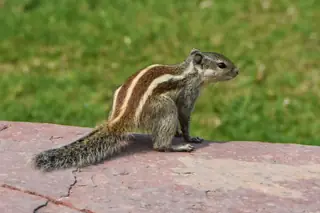 Northern Palm Squirrel
-
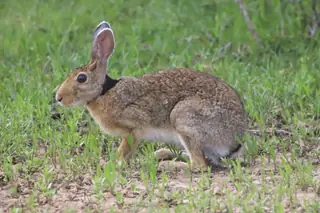 Indian Hare
-
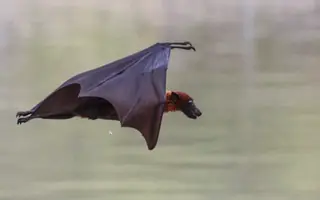 Indian Flying Fox
-
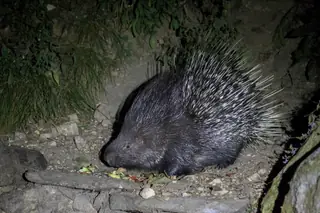 Indian Crested PorcupineRare
-
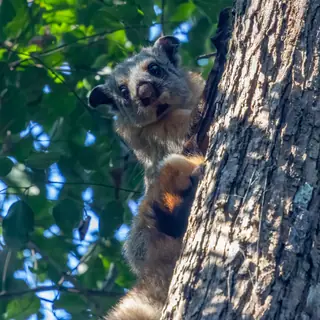 Indian Giant Flying SquirrelRare
-
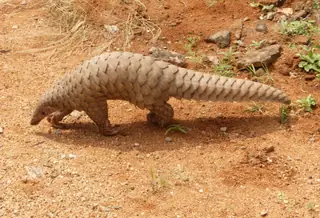 Indian PangolinRare
Birds of prey and owls 15
-
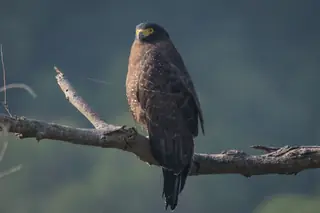 Crested Serpent Eagle
-
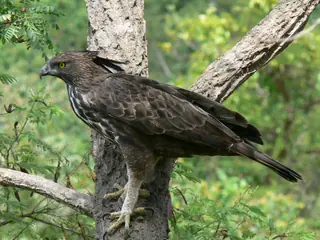 Changeable Hawk-Eagle
-
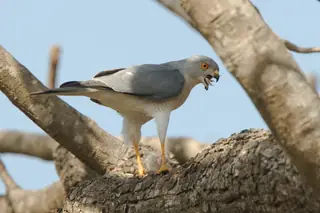 Shikra
-
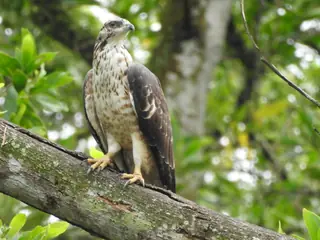 Oriental Honey Buzzard
-
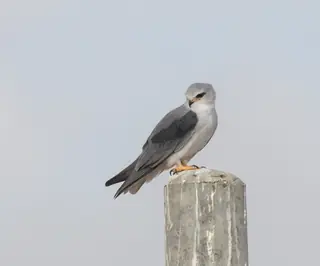 Black-winged Kite
-
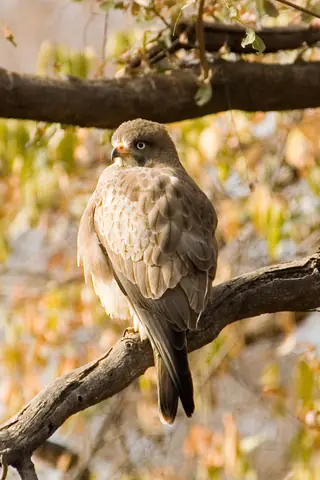 White-eyed Buzzard
-
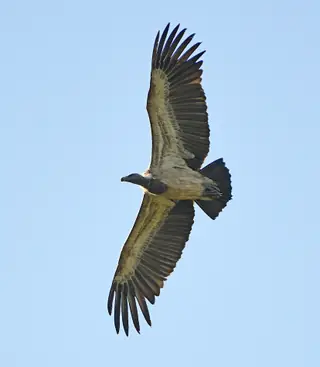 Indian Vulture
-
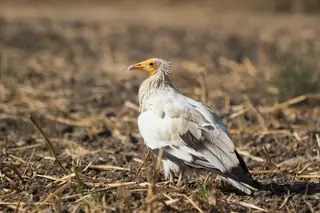 Egyptian Vulture
-
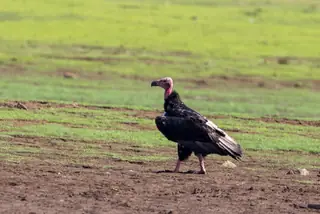 Red-headed VultureRare
-
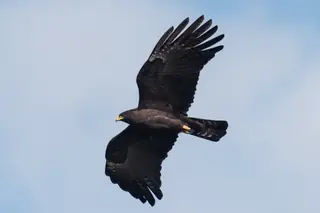 Black EagleRare
-
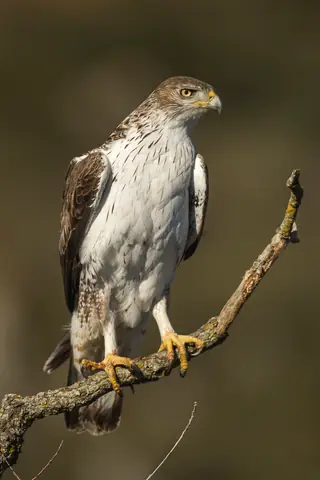 Bonelli's EagleRare
-
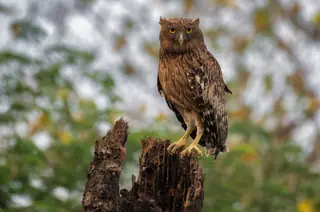 Brown Fish Owl
-
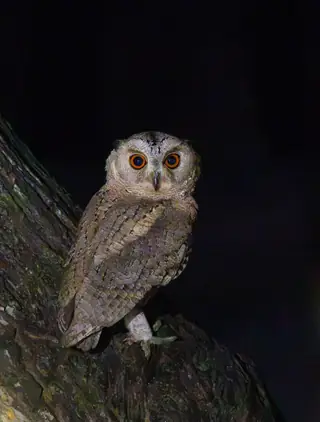 Indian Scops Owl
-
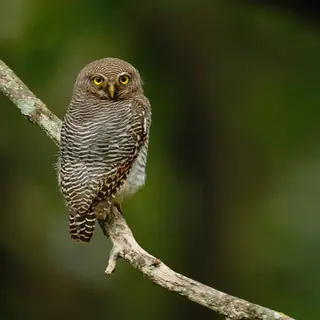 Jungle Owlet
-
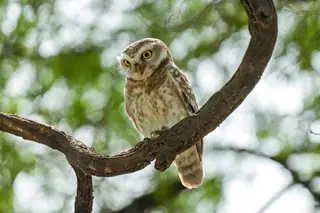 Spotted Owlet
Forest birds 34
-
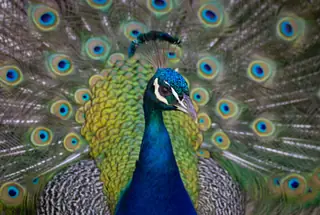 Indian Peafowl
-
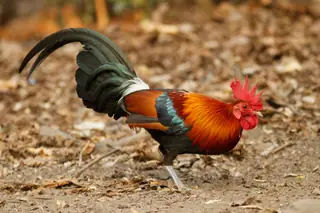 Red Junglefowl
-
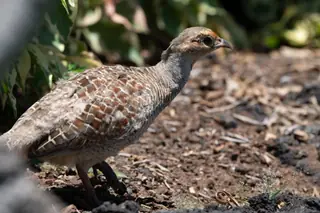 Grey Francolin
-
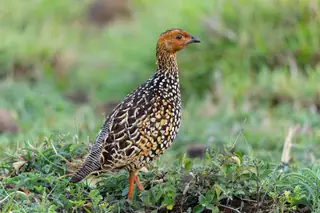 Painted Francolin
-
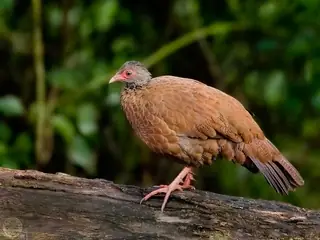 Red Spurfowl
-
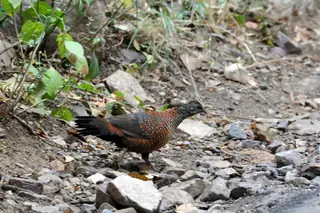 Painted SpurfowlRare
-
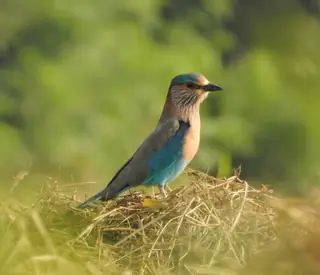 Indian Roller
-
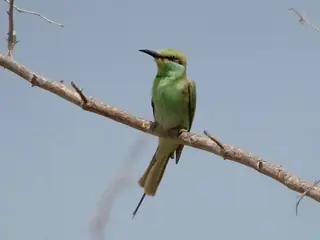 Asian Green Bee-eater
-
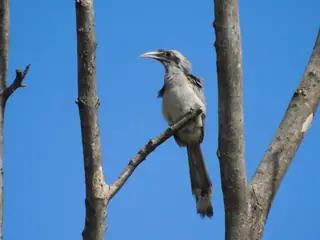 Indian Grey Hornbill
-
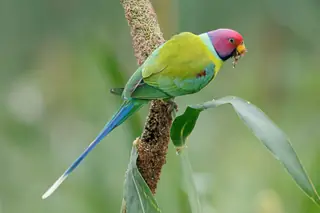 Plum-headed Parakeet
-
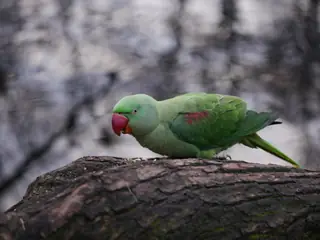 Alexandrine Parakeet
-
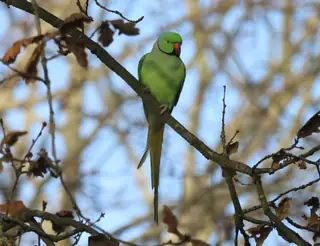 Ring-necked Parakeet
-
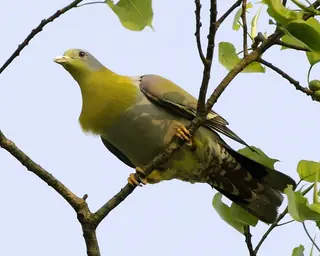 Yellow-footed Green Pigeon
-
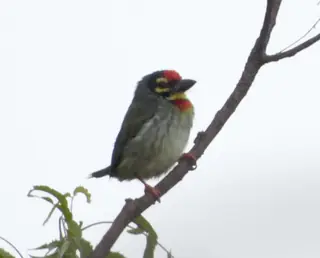 Coppersmith Barbet
-
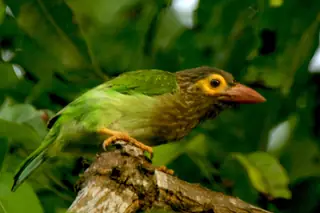 Brown-headed Barbet
-
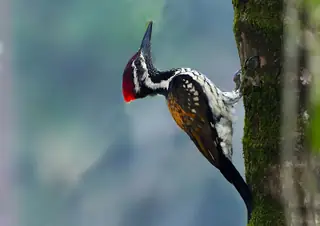 Black-rumped Flameback
-
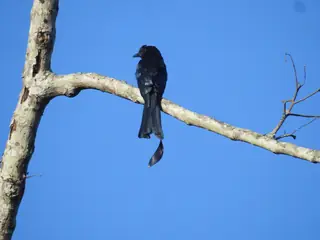 Greater Racquet-tailed Drongo
-
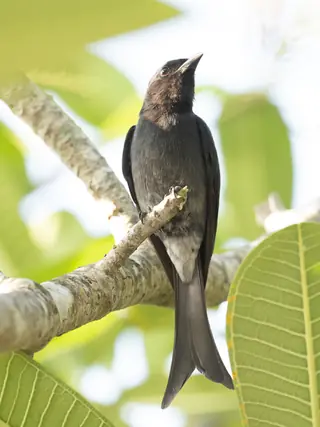 White-bellied Drongo
-
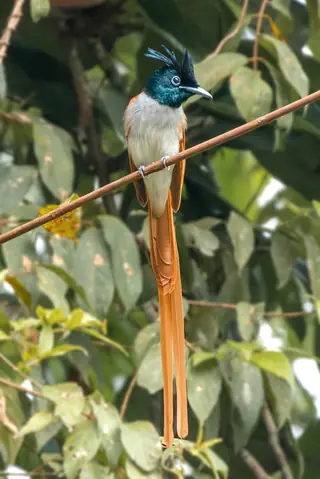 Indian Paradise Flycatcher
-
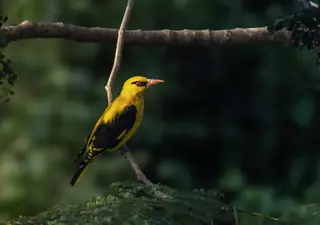 Indian Golden Oriole
-
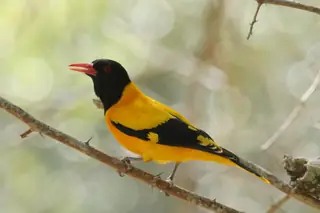 Black-hooded Oriole
-
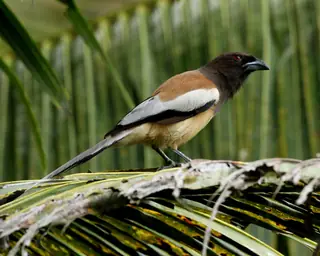 Rufous Treepie
-
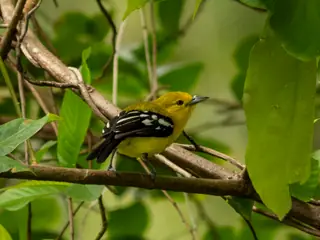 Common Iora
-
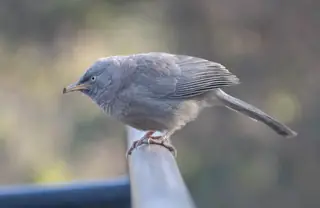 Jungle Babbler
-
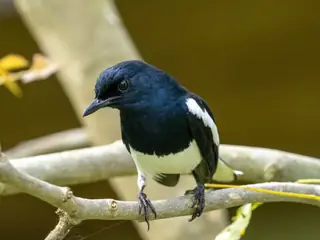 Oriental Magpie-Robin
-
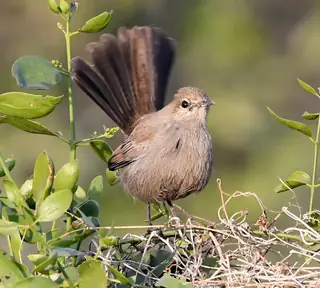 Indian Robin
-
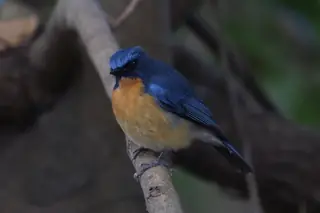 Tickell's Blue Flycatcher
-
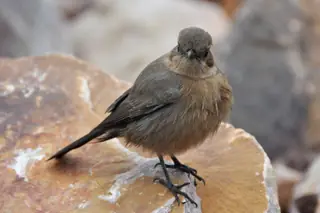 Brown Rock Chat
-
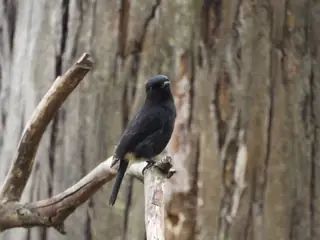 Pied Bush Chat
-
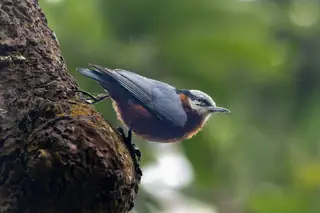 Indian Nuthatch
-
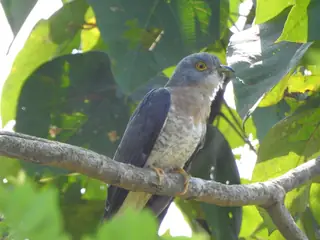 Common Hawk Cuckoo
-
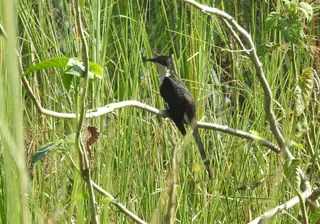 Jacobin Cuckoo
-
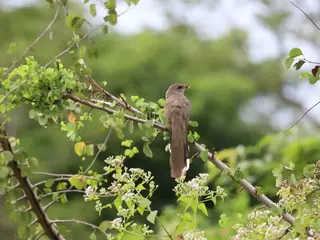 Sirkeer Malkoha
-
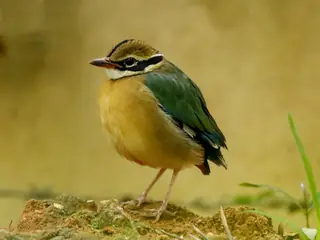 Indian Pitta
Water birds 14
-
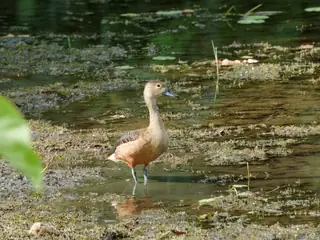 Lesser Whistling Duck
-
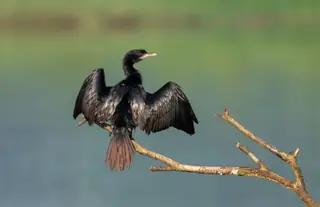 Little Cormorant
-
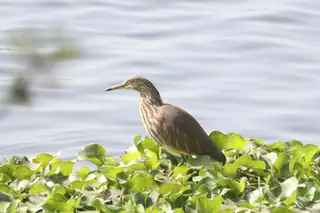 Indian Pond Heron
-
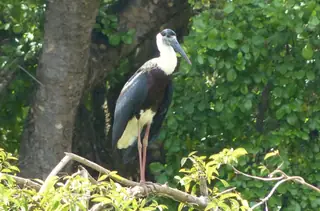 Asian Woolly-necked Stork
-
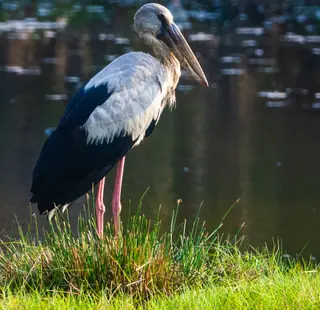 Asian Openbill
-
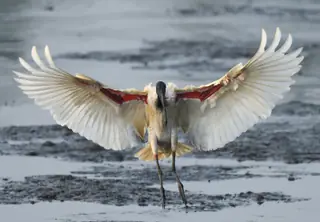 Black-headed Ibis
-
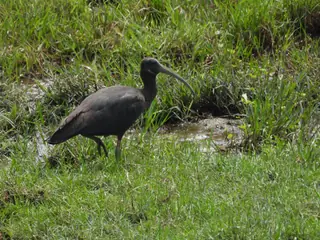 Red-naped Ibis
-
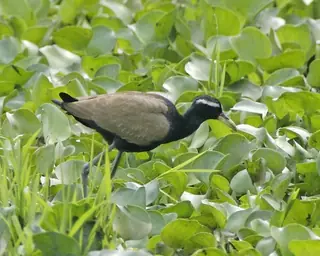 Bronze-winged Jacana
-
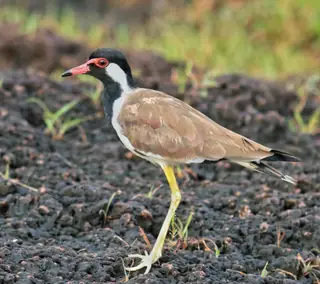 Red-wattled Lapwing
-
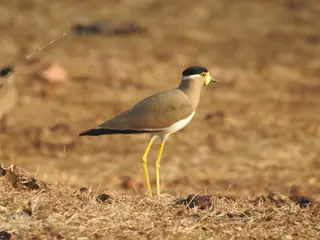 Yellow-wattled Lapwing
-
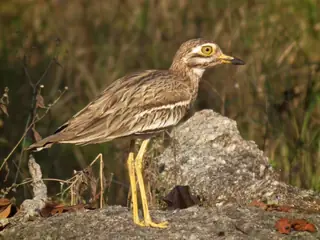 Indian Thick-knee
-
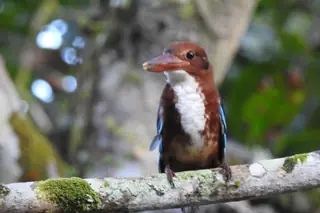 White-throated Kingfisher
-
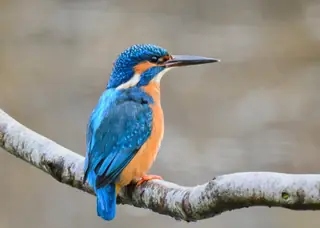 Common Kingfisher
-
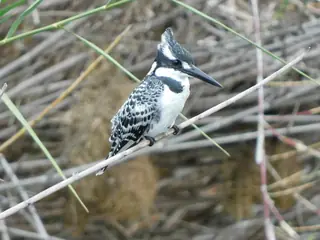 Pied Kingfisher
Reptiles and amphibians 11
-
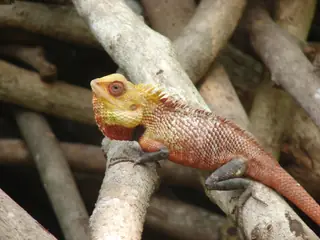 Oriental Garden Lizard
-
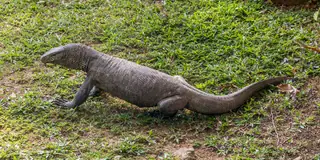 Bengal Monitor
-
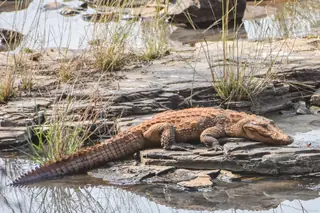 Mugger Crocodile
-
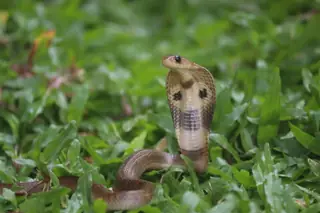 Indian Cobra
-
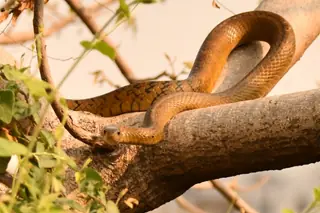 Common Rat Snake
-
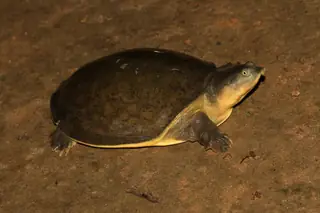 Indian Flapshell Turtle
-
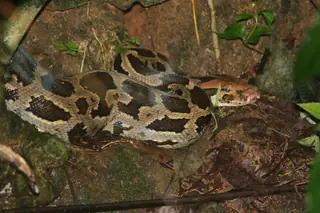 Indian Rock PythonRare
-
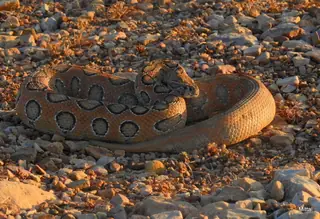 Russell's ViperRare
-
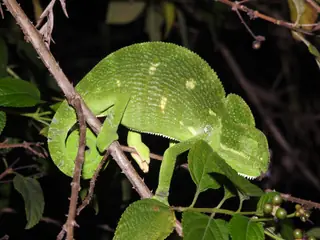 Indian ChameleonRare
-
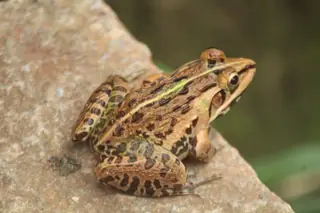 Indian Bullfrog
-
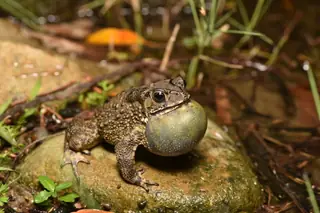 Asian Common Toad
Best time to see wildlife in Bandhavgarh
Sightings by month in Bandhavgarh
Most records: Mar to Jun, OctRecords from GBIF.org, adjusted for how many people record wildlife each month. 100% is the busiest month.
Bandhavgarh's core zones are open from 16 October to 30 June and close for the monsoon from 1 July to 15 October. Safaris do not run on Wednesday afternoons. October and November are green and fresh, with fewer visitors. December to February is cold at dawn, often near freezing in an open jeep, and it is the busiest season. From March the forest dries out, the sal trees flower, and animals stay near the remaining pools and streams, so tiger sightings rise. May and June are very hot, often over 40°C, but these are the best months for tigers. Morning drives are longer than afternoon ones, and times shift with the season. Book permits early on the MP Online forest portal.
- Oct to NovPark reopens 16 October; lush and quiet
- Dec to FebCold mornings; peak visitor season
- Mar to AprDrying forest; tiger sightings rise
- May to JunVery hot; best tiger sightings
- Jul to mid OctMonsoon; core zones closed
Tips for spotting wildlife in Bandhavgarh
- 01
Book Tala early, and try the buffer
Tala is the most famous and most booked core zone. Permits sell out months ahead on the MP Online portal, so add Magadhi, Khitauli or a buffer zone drive to your plan.
- 02
Remember Wednesday afternoons
Core zone safaris do not run on Wednesday afternoons. Use the time for a buffer zone drive or a walk around Tala village.
- 03
Stay put at a sighting
Tiger sightings here can draw many jeeps. Ask your driver to switch off, keep a good distance and leave room for the tiger to move, rather than jostling for position.
- 04
Look up at the fort
Bandhavgarh Fort sits on the hill above the Tala zone, with old temples and a huge statue of Vishnu below it. Brown Rock Chats hop around the ruins.
- 05
Dress for the season
Bring a warm hat, gloves and a jacket for winter dawn drives, and a hat, scarf and water for the heat from April onwards.

Take Bandhavgarh with you
Tiger safari in Bandhavgarh? Take this list on your phone and tick off tigers, sloth bears and painted spurfowl from the jeep, offline. Wilder is free to start.

Bandhavgarh wildlife FAQ
What animals can you see in Bandhavgarh National Park?
You can see tigers, leopards, sloth bears, wild elephants, gaur, chital, sambar, nilgai and langurs in Bandhavgarh, plus around 250 kinds of bird. This checklist covers 105 animals. Chital, langurs and peafowl are seen on every drive, tigers are seen on many, and leopards, sloth bears and elephants take more luck.
Is Bandhavgarh good for seeing tigers?
Yes. Bandhavgarh has one of the highest tiger densities in India and is one of the best parks for sightings. No safari is guaranteed, so most visitors book several drives over two or three days. The hot months, March to June, are the most reliable.
When is Bandhavgarh National Park closed?
The core zones of Bandhavgarh close for the monsoon from 1 July to 15 October and reopen on 16 October. Safaris do not run on Wednesday afternoons during the season. Some buffer zones may open for parts of the monsoon, so check the MP Online portal.
How do you get to Bandhavgarh?
The nearest railway station is Umaria, about 35 km from Tala, and Katni is another option. The nearest airport is Jabalpur, around four hours' drive away. Most lodges are in or near Tala village, by the main gate.
Sources
- MP Online: Madhya Pradesh forest safari booking
- Roundglass Sustain: Guide to Bandhavgarh National Park
- National Tiger Conservation Authority
- Sightings by month: GBIF.org
Animal photos are from the Wilder catalogue; photo credits.
Similar checklists
All Asia-
 National park103animals Kanha National Park Mandla and Balaghat, Madhya Pradesh, India Sal forest and wide meadows in the Maikal hills, home to tigers, dhole, gaur and the hard-ground barasingha that was saved from extinction here. Best time Oct to Jun, Mar to Jun for tigers
-
 National park71animals Ranthambore National Park Sawai Madhopur, Rajasthan, India Dry forest, lakes and a thousand-year-old fort, and one of the best places in India to see a wild tiger by day. Best time Oct to Jun, Mar to May for tigers
-
 National park112animals Kaziranga National Park Golaghat and Nagaon, Assam, India Floodplain grassland on the Brahmaputra with the world's largest population of greater one-horned rhinos, wild water buffalo, swamp deer and a high density of tigers. Best time Nov to Apr
-
 National park111animals Chitwan National Park Chitwan, Bagmati Province, Nepal Sal forest, tall grassland and wide rivers in Nepal's lowlands, with greater one-horned rhinos, tigers, gharials and a huge bird list. Best time Oct to Apr