National park · Mandla and Balaghat, Madhya Pradesh · India
Kanha Wildlife Checklist

Kanha National Park in Madhya Pradesh is one of India's great tiger reserves, a landscape of sal forest and open meadows where tigers, dhole, gaur and sloth bears live. It is the only home of the hard-ground barasingha, a swamp deer saved from extinction here. This checklist covers 103 animals. The park is open from mid October to June, with the best tiger sightings from March to June.
Tick off all 103 animals in Kanha on your phone, even offline. Launching soon. Free A4 PDF, no sign-up.
Kanha's four core zones, Kanha, Kisli, Mukki and Sarhi, are booked separately, each with its own gate and routes. The open meadows are the classic place for barasingha and big herds of chital.
- Animals to find
- 103
- Where
- India
- Best time
- Oct to Jun, Mar to Jun for tigers
- Found only here
- Hard-ground barasingha
Popular animals in Kanha
-
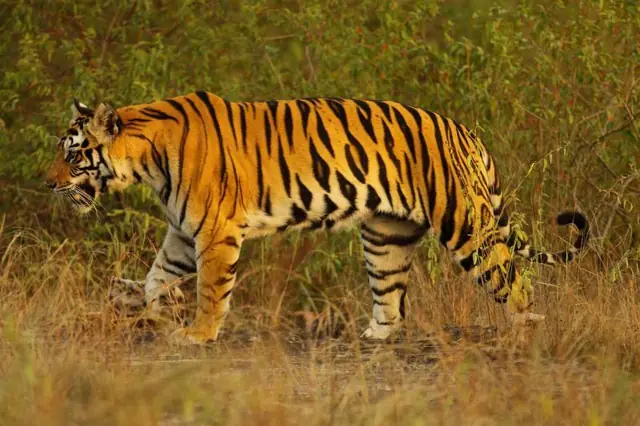
Tiger
Panthera tigris
Tigers use all four core zones, along forest edges, streams and meadows. Sightings are most frequent in the hot months, March to June, when water is scarce.
-
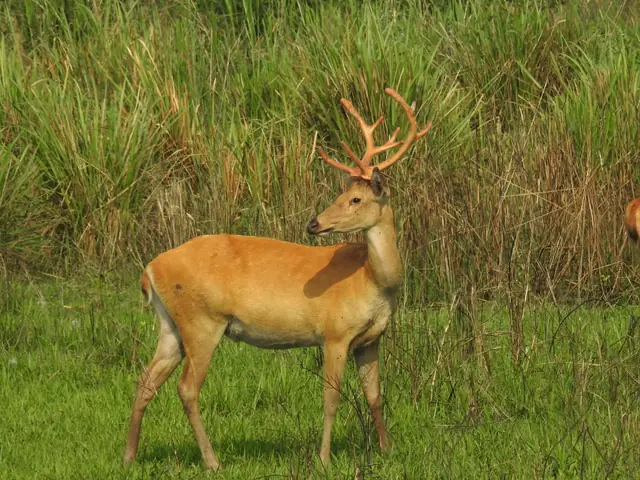
Barasingha
Rucervus duvaucelii
The hard-ground barasingha survives in the wild only here, after numbers fell to a few dozen around 1970. Herds graze the open meadows.
-
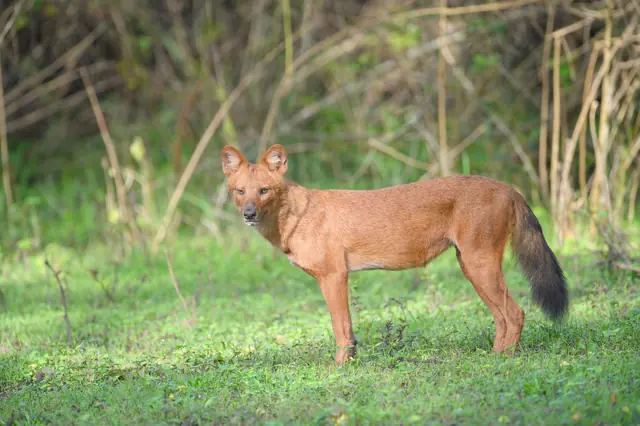
Dhole
Cuon alpinus
Kanha is one of the best places in India to see the whistling, rust-red Asian wild dog. Packs hunt the meadows in the early morning.
-
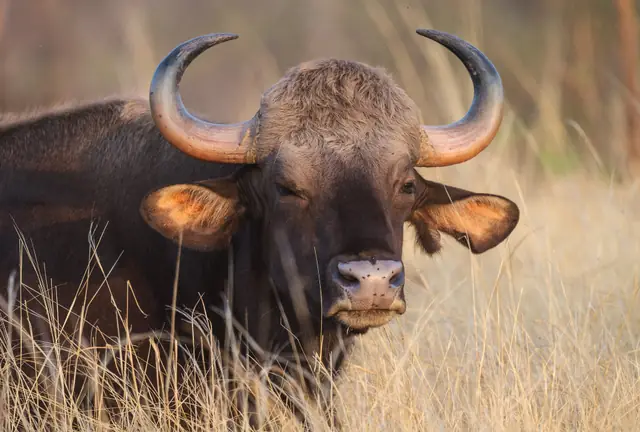
Gaur
Bos gaurus
The world's largest wild cattle. Gaur keep to the hill slopes for much of the year and come down to the meadows and water in the hot months.
-
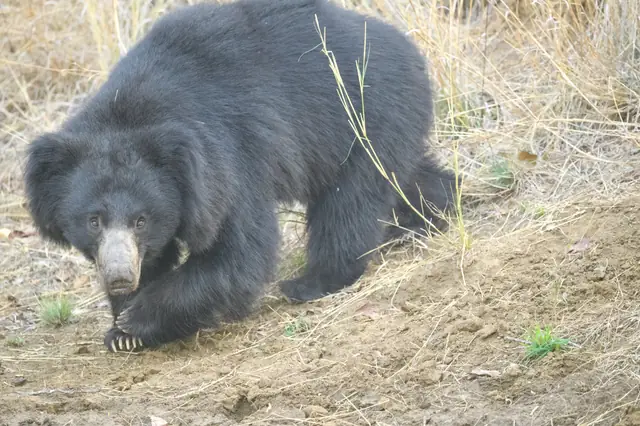
Sloth Bear
Melursus ursinus
A shaggy bear that digs out termite mounds. Look on rocky slopes early in the morning, especially in spring.
-
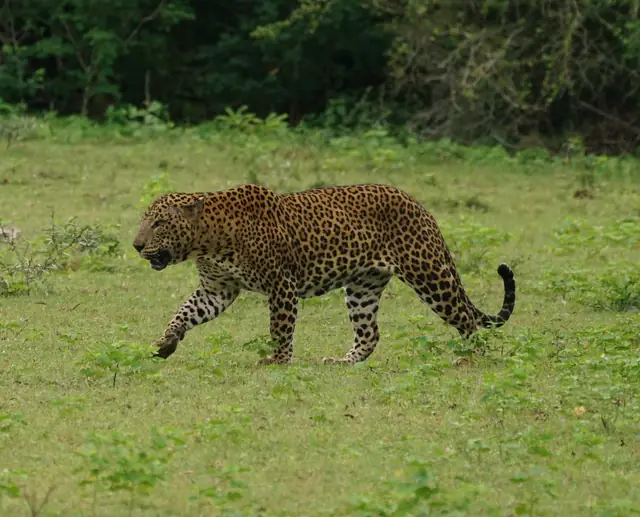
Leopard
Panthera pardus
Outnumbered by tigers in the core, leopards favour the hillier, rockier parts of the park and the edges.
-
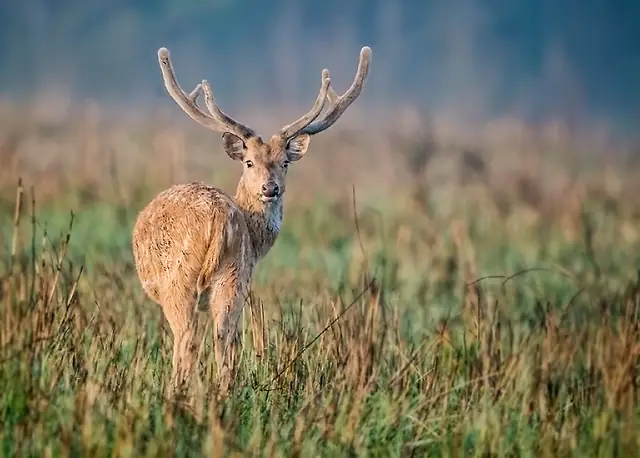
Chital (Spotted Deer)
Axis axis
Large herds of chital fill the meadows. Their sharp alarm calls are one of the best signs that a tiger or leopard is moving.
-
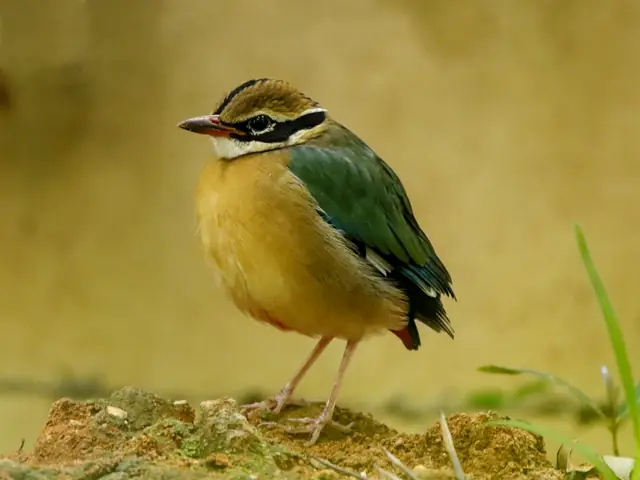
Indian Pitta
Pitta brachyura
A jewel-coloured ground bird that arrives with the pre-monsoon heat in May and June. Listen for its loud two-note whistle.
All 103 animals in Kanha
Big cats and predators 10
-
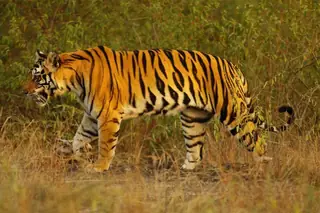 Tiger
-
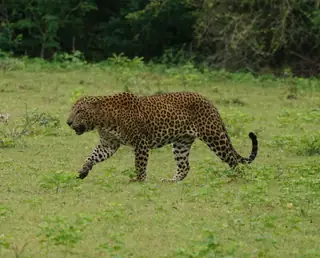 Leopard
-
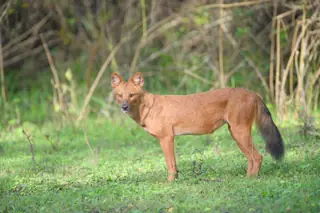 Dhole
-
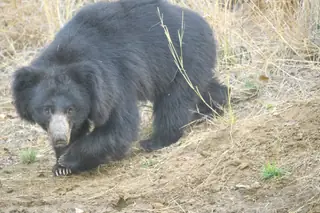 Sloth Bear
-
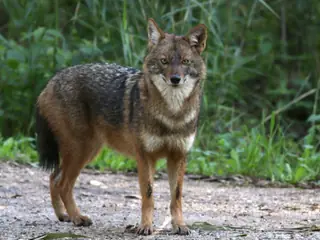 Golden Jackal
-
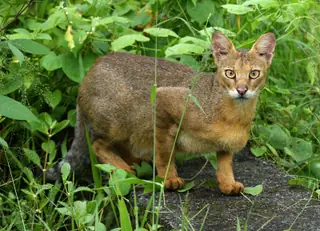 Jungle Cat
-
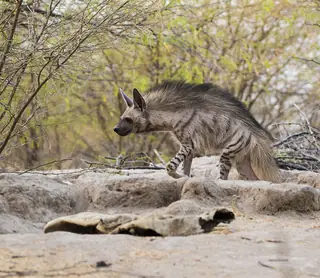 Striped HyenaRare
-
 Rusty-spotted CatRare
-
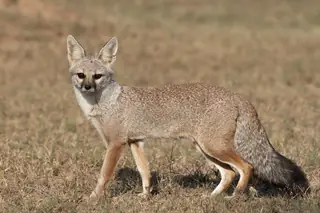 Bengal FoxRare
-
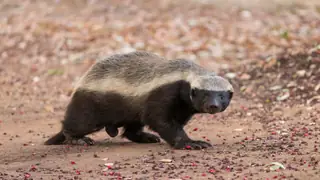 Honey BadgerRare
Deer and wild cattle 9
-
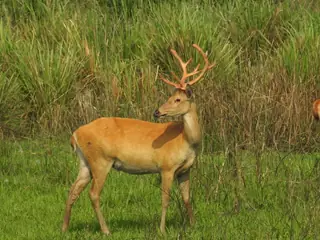 Barasingha
-
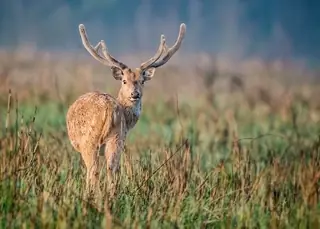 Chital (Spotted Deer)
-
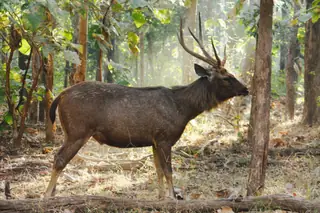 Sambar Deer
-
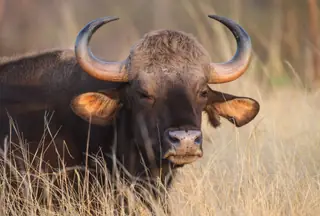 Gaur
-
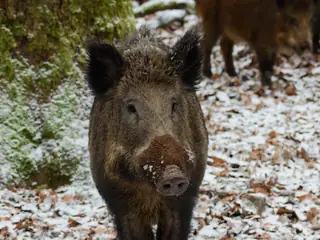 Wild Boar
-
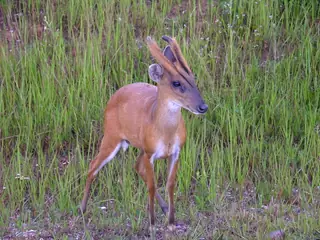 Northern Red Muntjac
-
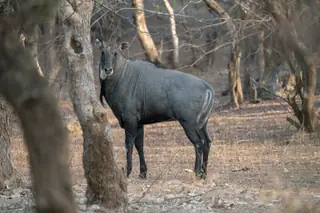 Nilgai
-
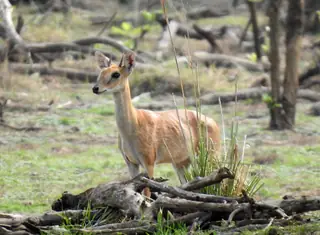 Four-horned AntelopeRare
-
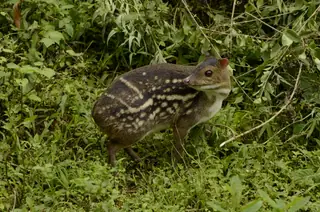 Indian ChevrotainRare
Smaller mammals 11
-
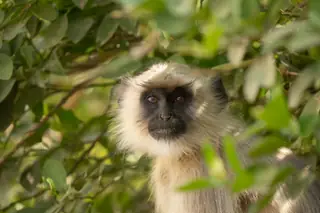 Hanuman Langur
-
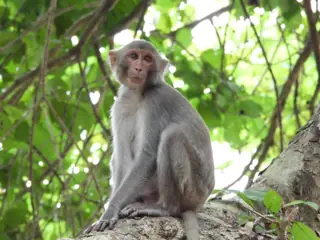 Rhesus Macaque
-
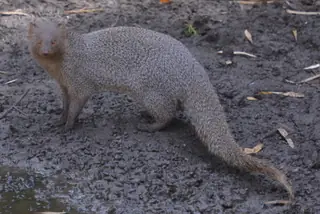 Indian Grey Mongoose
-
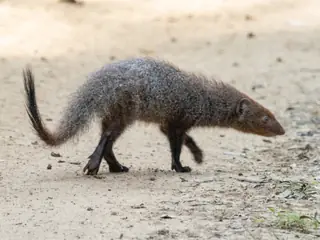 Ruddy Mongoose
-
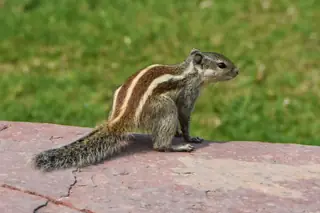 Northern Palm Squirrel
-
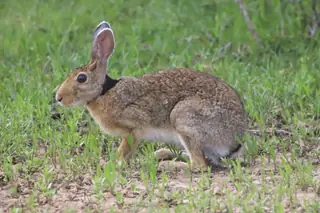 Indian Hare
-
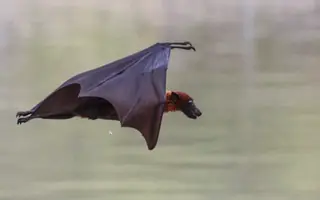 Indian Flying Fox
-
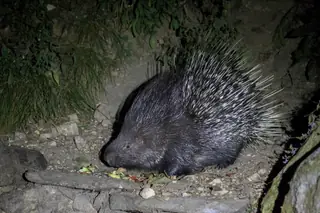 Indian Crested PorcupineRare
-
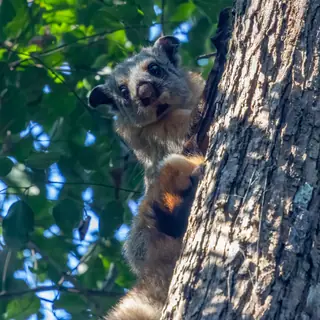 Indian Giant Flying SquirrelRare
-
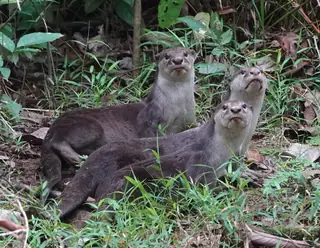 Smooth-coated OtterRare
-
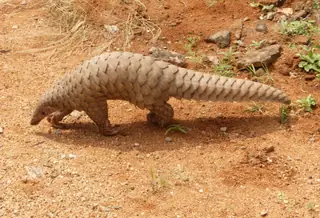 Indian PangolinRare
Birds of prey and owls 15
-
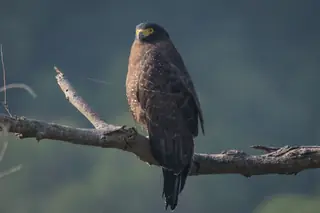 Crested Serpent Eagle
-
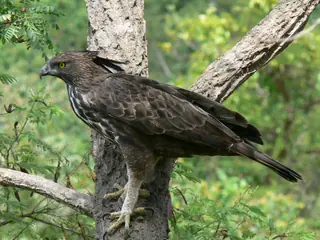 Changeable Hawk-Eagle
-
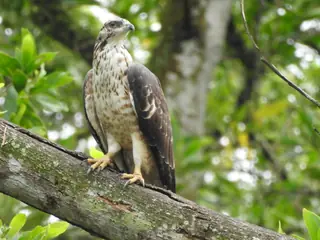 Oriental Honey Buzzard
-
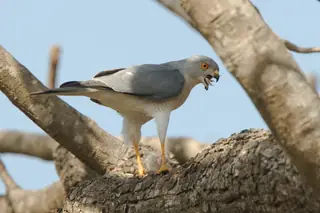 Shikra
-
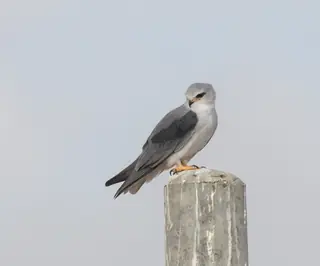 Black-winged Kite
-
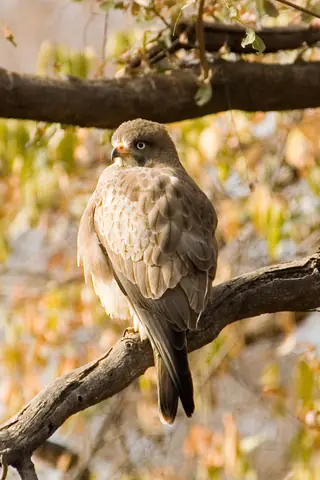 White-eyed Buzzard
-
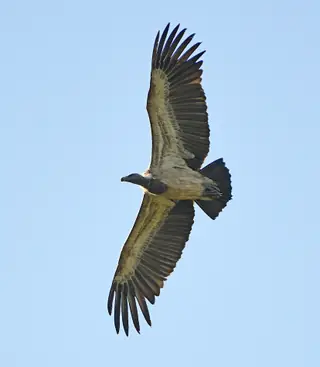 Indian VultureRare
-
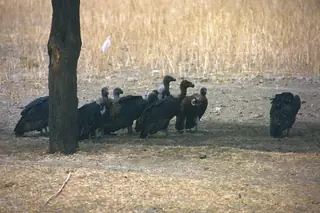 White-rumped VultureRare
-
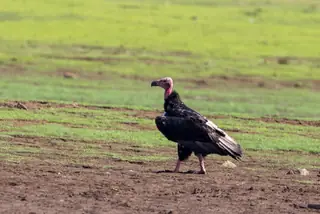 Red-headed VultureRare
-
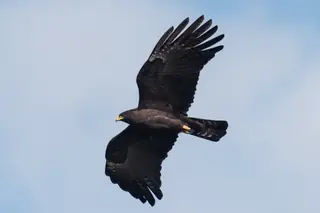 Black EagleRare
-
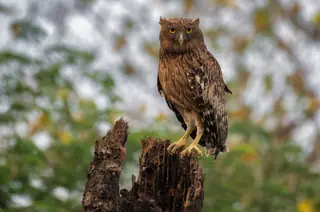 Brown Fish Owl
-
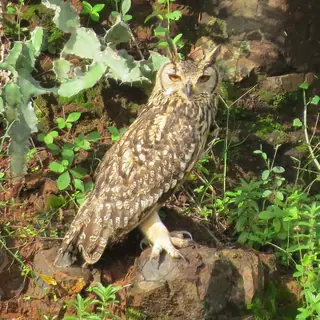 Indian Eagle-Owl
-
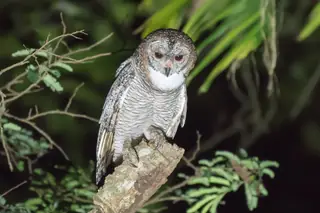 Mottled Wood Owl
-
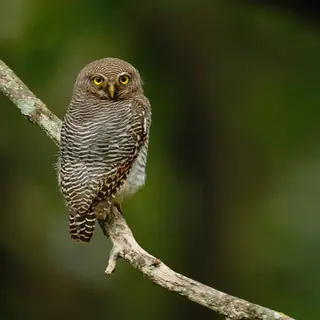 Jungle Owlet
-
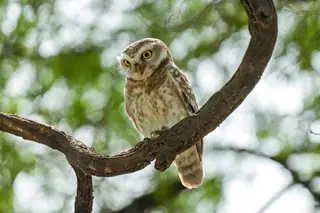 Spotted Owlet
Forest birds 34
-
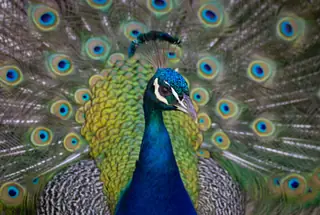 Indian Peafowl
-
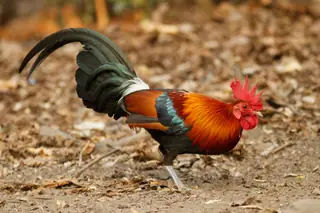 Red Junglefowl
-
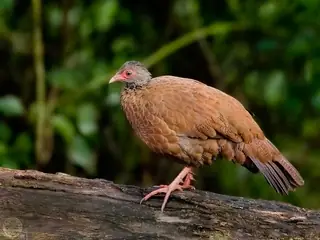 Red Spurfowl
-
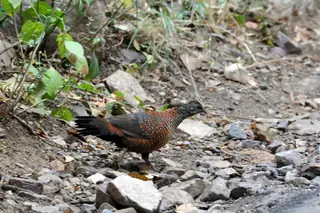 Painted SpurfowlRare
-
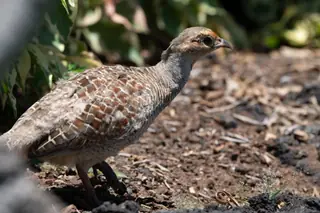 Grey Francolin
-
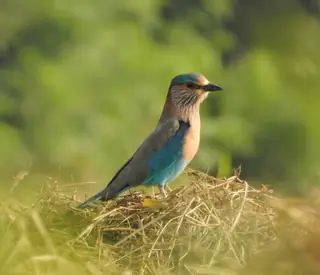 Indian Roller
-
 Asian Green Bee-eater
-
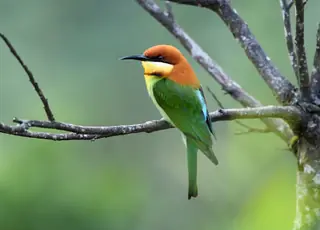 Chestnut-headed Bee-eater
-
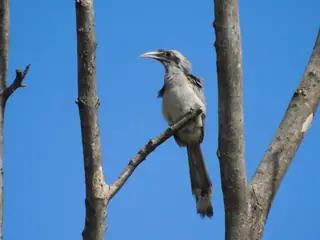 Indian Grey Hornbill
-
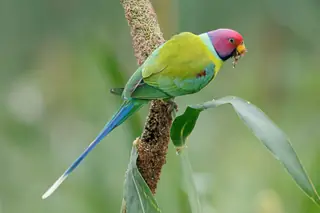 Plum-headed Parakeet
-
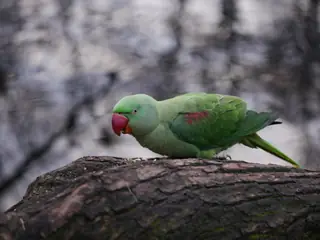 Alexandrine Parakeet
-
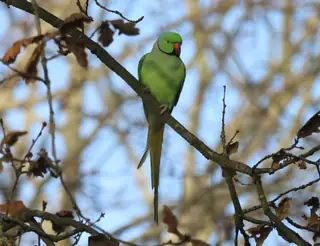 Ring-necked Parakeet
-
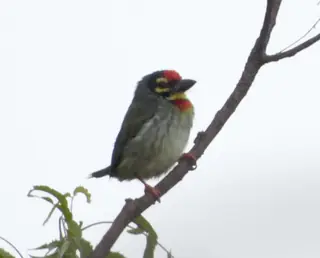 Coppersmith Barbet
-
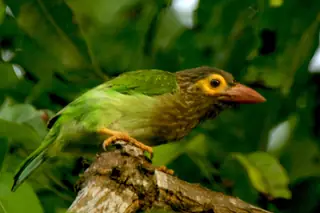 Brown-headed Barbet
-
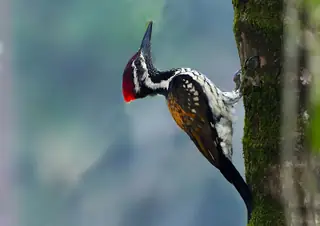 Black-rumped Flameback
-
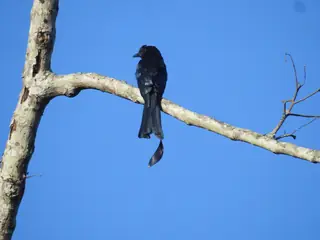 Greater Racquet-tailed Drongo
-
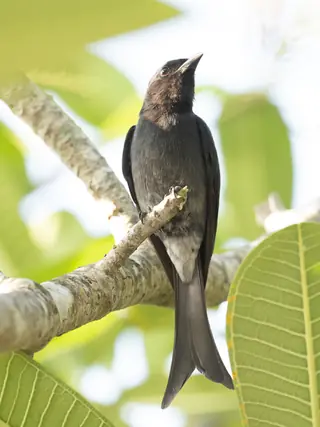 White-bellied Drongo
-
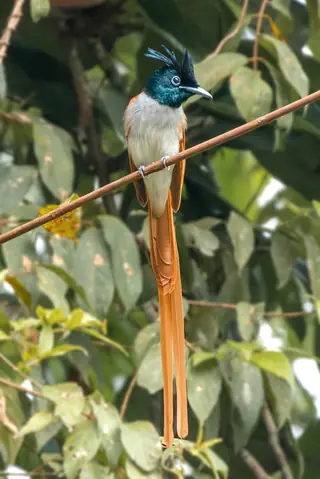 Indian Paradise Flycatcher
-
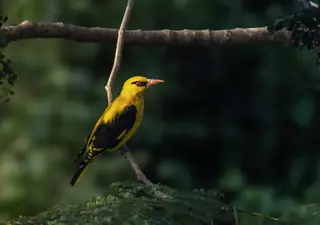 Indian Golden Oriole
-
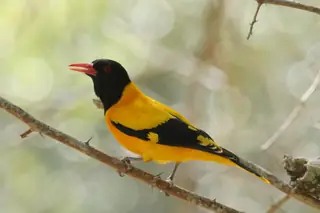 Black-hooded Oriole
-
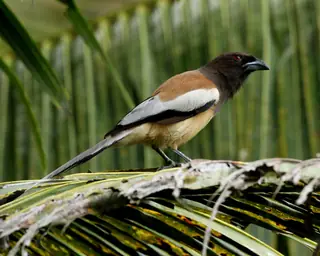 Rufous Treepie
-
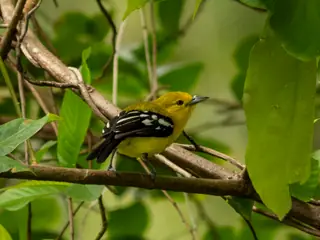 Common Iora
-
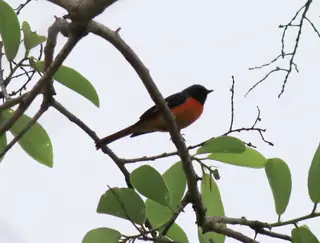 Small Minivet
-
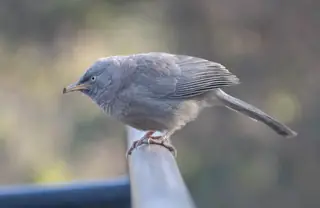 Jungle Babbler
-
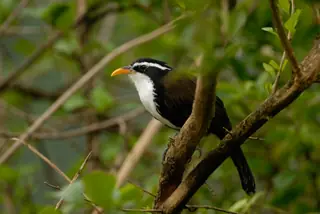 Indian Scimitar Babbler
-
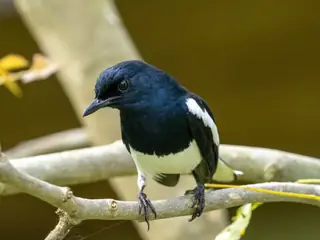 Oriental Magpie-Robin
-
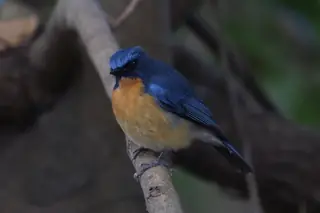 Tickell's Blue Flycatcher
-
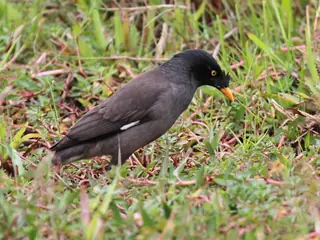 Jungle Myna
-
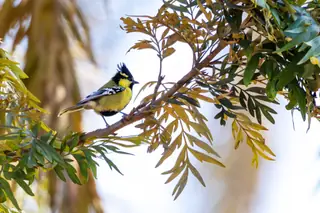 Indian Black-lored Tit
-
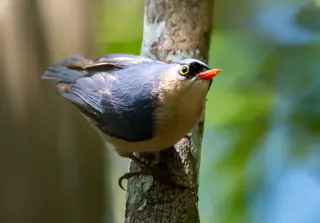 Velvet-fronted Nuthatch
-
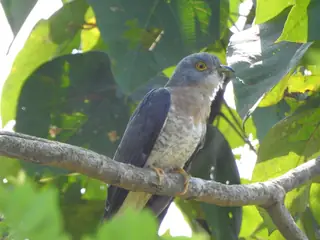 Common Hawk Cuckoo
-
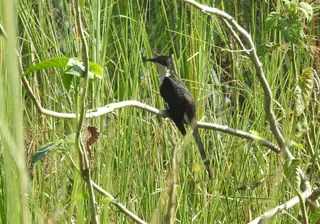 Jacobin Cuckoo
-
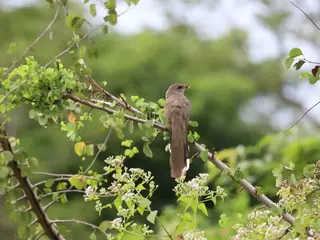 Sirkeer Malkoha
-
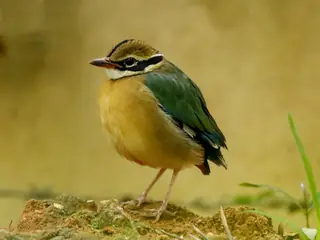 Indian Pitta
Water birds 14
-
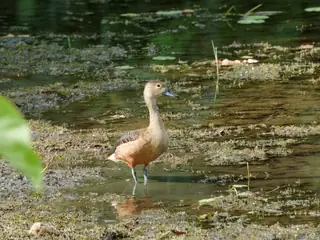 Lesser Whistling Duck
-
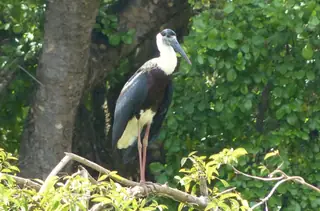 Asian Woolly-necked Stork
-
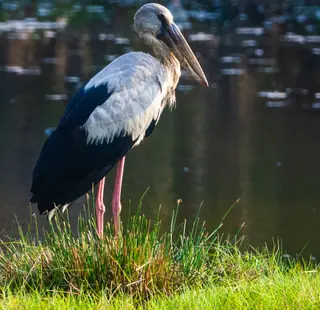 Asian Openbill
-
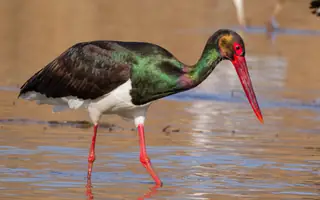 Black StorkRare
-
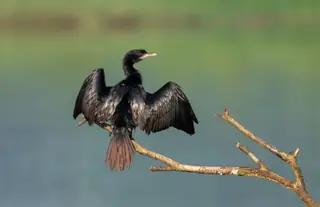 Little Cormorant
-
 Oriental Darter
-
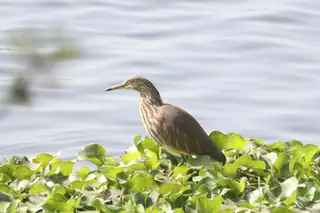 Indian Pond Heron
-
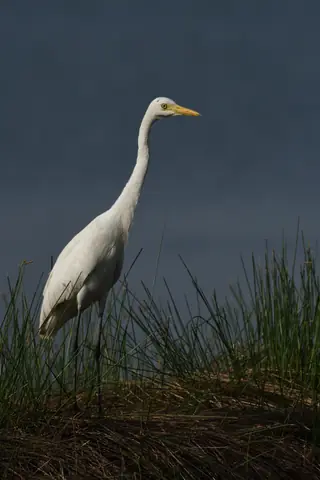 Medium Egret
-
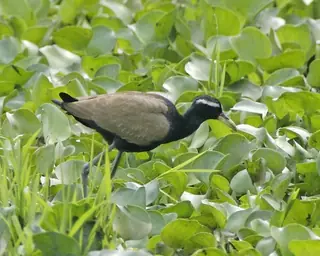 Bronze-winged Jacana
-
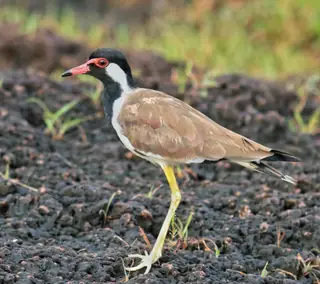 Red-wattled Lapwing
-
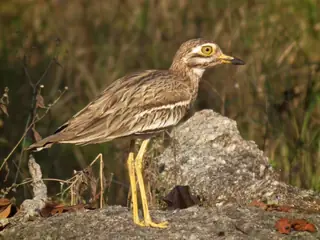 Indian Thick-knee
-
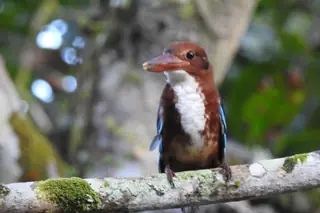 White-throated Kingfisher
-
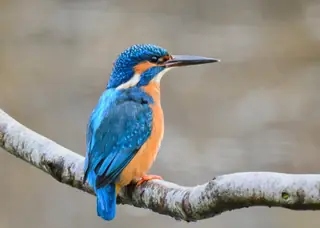 Common Kingfisher
-
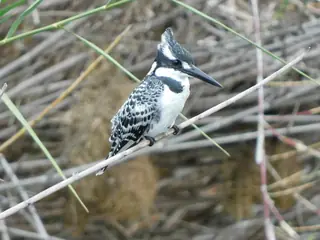 Pied Kingfisher
Reptiles and amphibians 10
-
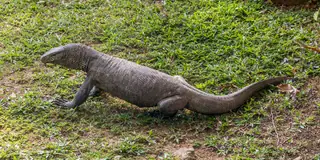 Bengal Monitor
-
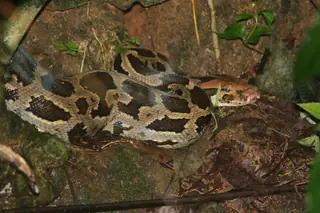 Indian Rock Python
-
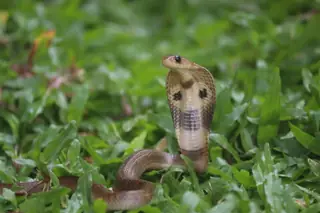 Indian Cobra
-
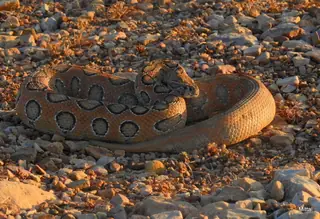 Russell's Viper
-
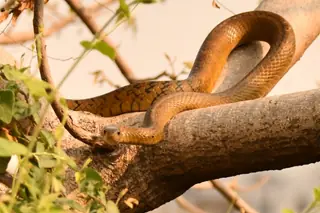 Common Rat Snake
-
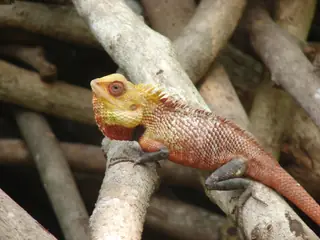 Oriental Garden Lizard
-
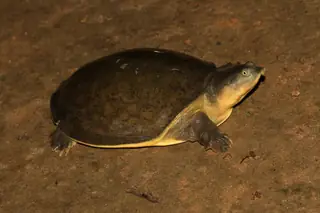 Indian Flapshell Turtle
-
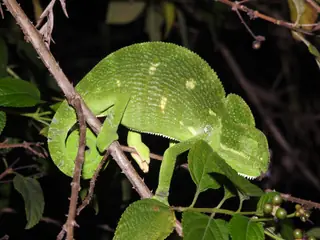 Indian ChameleonRare
-
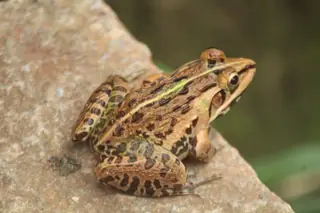 Indian Bullfrog
-
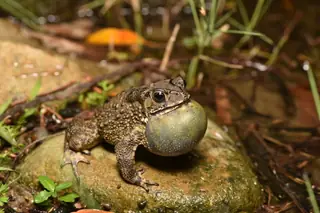 Asian Common Toad
Best time to see wildlife in Kanha
Sightings by month in Kanha
Most records: Jan to JunRecords from GBIF.org, adjusted for how many people record wildlife each month. 100% is the busiest month.
Kanha's core zones are open from 16 October to 30 June and close for the monsoon from 1 July to 15 October. Safaris do not run on Wednesday afternoons. October and November are green and quiet, with fresh, clear mornings. December to February is cold, with frost in the meadows at dawn, so dress warmly for open jeeps; it is also peak season, with many visitors. From March the forest dries out, sal trees flower and drop their leaves, and animals gather at the remaining water, so sightings of tigers, dhole and gaur improve. May and June are very hot, often above 40°C, but these are the best months for tigers. Book permits early on the MP Online forest portal, as core zone seats sell out months ahead.
- Oct to NovPark reopens 16 October; green and quiet
- Dec to FebCold mornings, frost in the meadows; busiest season
- Mar to AprForest drying, sightings improving at water
- May to JunVery hot; best months for tigers
- Jul to mid OctMonsoon; core zones closed
Tips for spotting wildlife in Kanha
- 01
Book core zone permits early
Safari seats for Kanha, Kisli, Mukki and Sarhi are sold online through the Madhya Pradesh forest portal, and peak dates sell out months ahead. Spread your drives across more than one zone.
- 02
Remember Wednesday afternoons
Safaris in the core zones do not run on Wednesday afternoons. Plan a buffer zone drive, a village walk or a rest that afternoon.
- 03
Listen before you look
Chital barks, sambar honks and langur alarm calls often give away a tiger or leopard. Your driver will stop and wait when they start; patience pays here.
- 04
Spend time on the meadows
The open meadows hold barasingha, chital, gaur and wild boar, and dhole hunt across them early in the morning. Scan the edges, where predators rest in cover.
- 05
Visit the museum and Bamni Dadar
The interpretation centres at the gates explain the barasingha recovery. Bamni Dadar, the park's highest plateau, is a classic sunset viewpoint for gaur and sambar.

Take Kanha with you
Tiger safari in Kanha? Take this list on your phone and tick off tigers, barasingha and dhole from the jeep, offline. Wilder is free to start.

Kanha wildlife FAQ
What animals can you see in Kanha National Park?
You can see tigers, leopards, dhole, sloth bears, gaur, barasingha, chital, sambar and langurs in Kanha, plus around 300 kinds of bird. This checklist covers 103 animals. Chital, langurs, gaur and barasingha are seen on almost every drive, while tigers need a few safaris and dhole and sloth bears take more luck.
What is special about the barasingha in Kanha?
Kanha is the only place in the wild where the hard-ground barasingha, a race of swamp deer adapted to firm grassland, survives. By about 1970 only a few dozen were left. Careful protection and meadow management have brought them back, and the barasingha is now the state animal of Madhya Pradesh.
When is the best time to see tigers in Kanha?
The best time to see tigers in Kanha is from March to June, when the forest is dry and animals stay near water. It is very hot by May. The park opens on 16 October and closes on 30 June, and the cooler months from November to February are pleasant but tigers are harder to find in the thicker cover.
How do you get to Kanha National Park?
The nearest airport is Jabalpur, about four hours' drive away. Nagpur and Raipur airports are around five to six hours away. Lodges cluster near the Kisli, Khatia and Mukki gates, so choose one near the zones you have booked.
Sources
- MP Online: Madhya Pradesh forest safari booking
- Roundglass Sustain: The Guide to Kanha National Park
- National Tiger Conservation Authority
- Sightings by month: GBIF.org
Animal photos are from the Wilder catalogue; photo credits.
Similar checklists
All Asia-
 National park105animals Bandhavgarh National Park Umaria, Madhya Pradesh, India Rocky hills, sal forest and an ancient hilltop fort, with one of the highest densities of tigers in India and a herd of wild elephants that settled here in recent years. Best time Oct to Jun, Mar to Jun for tigers
-
 National park71animals Ranthambore National Park Sawai Madhopur, Rajasthan, India Dry forest, lakes and a thousand-year-old fort, and one of the best places in India to see a wild tiger by day. Best time Oct to Jun, Mar to May for tigers
-
 National park112animals Kaziranga National Park Golaghat and Nagaon, Assam, India Floodplain grassland on the Brahmaputra with the world's largest population of greater one-horned rhinos, wild water buffalo, swamp deer and a high density of tigers. Best time Nov to Apr
-
 National park111animals Chitwan National Park Chitwan, Bagmati Province, Nepal Sal forest, tall grassland and wide rivers in Nepal's lowlands, with greater one-horned rhinos, tigers, gharials and a huge bird list. Best time Oct to Apr