National park · Ratnapura and Monaragala · Sri Lanka
Udawalawe National Park Wildlife Checklist

Udawalawe National Park in southern Sri Lanka is the most reliable place in the country to watch wild Asian elephants, with herds feeding in open grassland around a large reservoir all year. Crocodiles, water buffalo, storks and eagles are easy to see too. This checklist covers 102 animals. Elephants are seen year-round, and the drier months, roughly May to September, are the most comfortable.
Tick off all 102 animals in Udawalawe on your phone, even offline. Launching soon. Free A4 PDF, no sign-up.
Udawalawe sits on the dry side of the hills, about four hours from Colombo and two from Yala. Its open, grassy country makes animals easy to see from a jeep, and the Elephant Transit Home on the park boundary cares for orphaned calves until they can be released.
- Animals to find
- 102
- Where
- Sri Lanka
- Best time
- All year
- Famous for
- Elephants in the open
Popular animals in Udawalawe
-
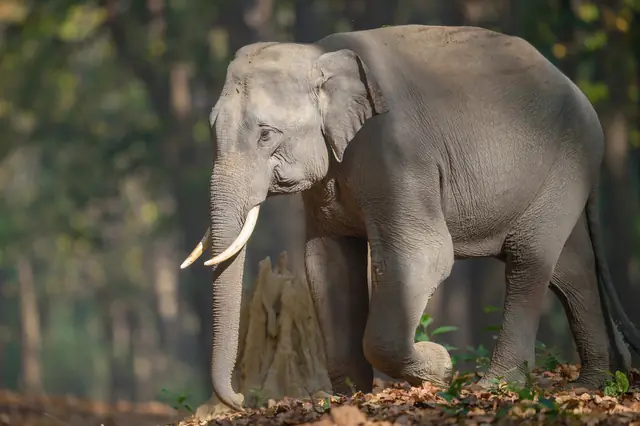
Asian Elephant
Elephas maximus
Udawalawe holds several hundred elephants, and herds with small calves feed out in the open grass on most drives. Ask your driver to switch off, keep well back and let them cross.
-
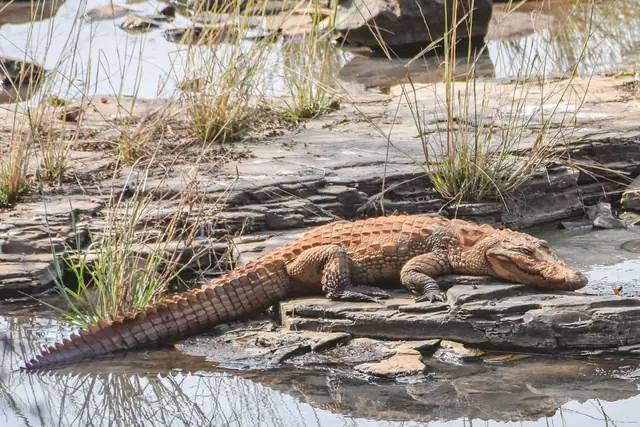
Mugger Crocodile
Crocodylus palustris
Marsh crocodiles bask on the shores of the reservoir and the smaller tanks, often with their mouths open to cool down.
-
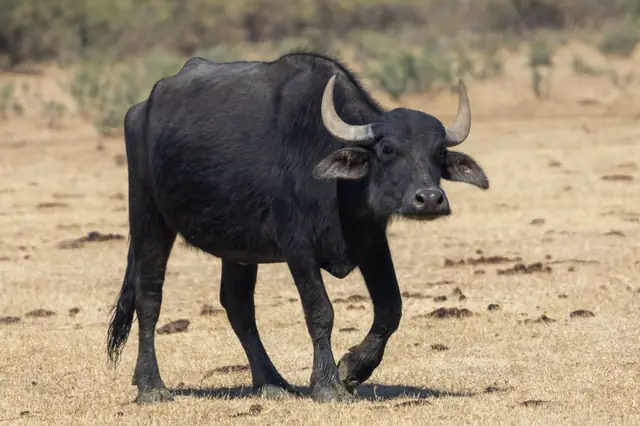
Feral Water Buffalo
Bubalus bubalis
Big buffalo wallow in the muddy shallows in the heat of the day, usually with egrets close by.
-
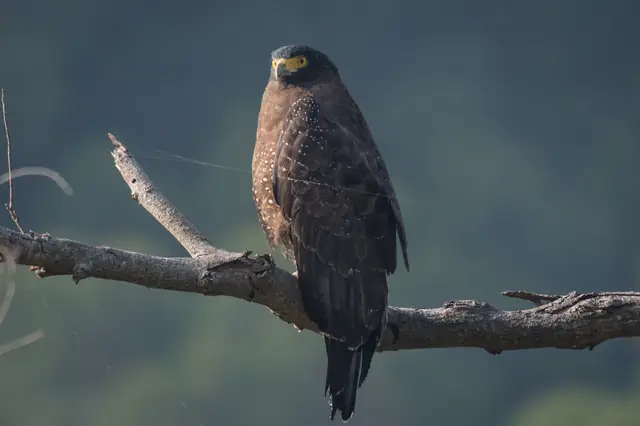
Crested Serpent Eagle
Spilornis cheela
Perches low on dead trees above the grassland and often lets jeeps watch for a long time.
-
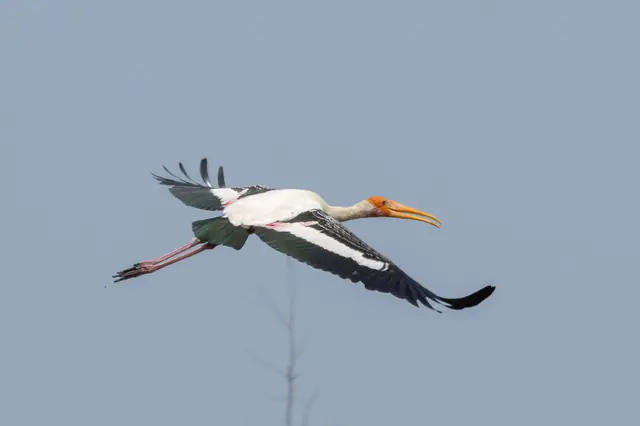
Painted Stork
Mycteria leucocephala
Flocks of these pink-tinged storks wade the shallow edges of the reservoir with pelicans, ibises and egrets.
-
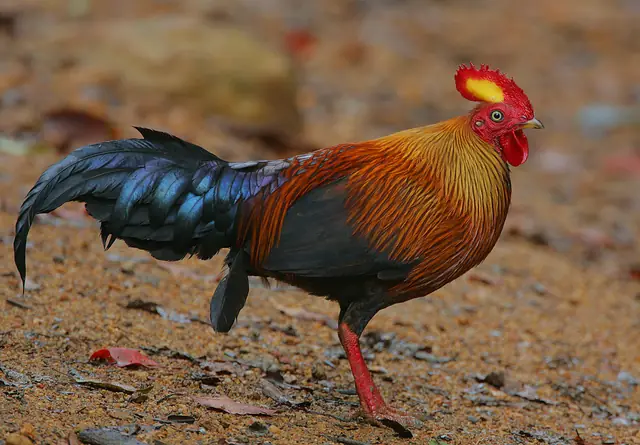
Sri Lanka Junglefowl
Gallus lafayettii
Sri Lanka's national bird, found nowhere else. Look for the bright red and gold males on the tracks early in the morning.
-
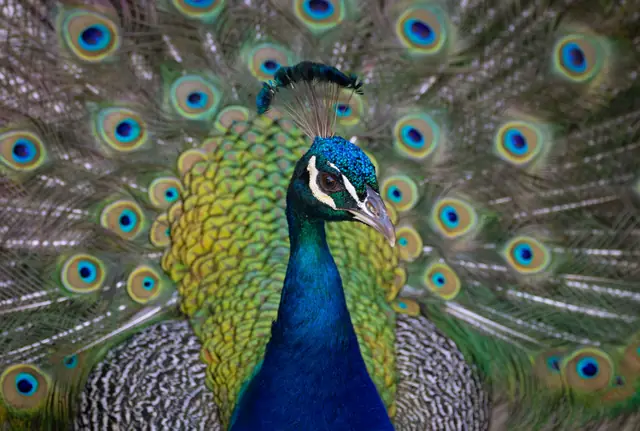
Indian Peafowl
Pavo cristatus
Common in the scrub. Males fan their tails to display at the start of the rains.
-
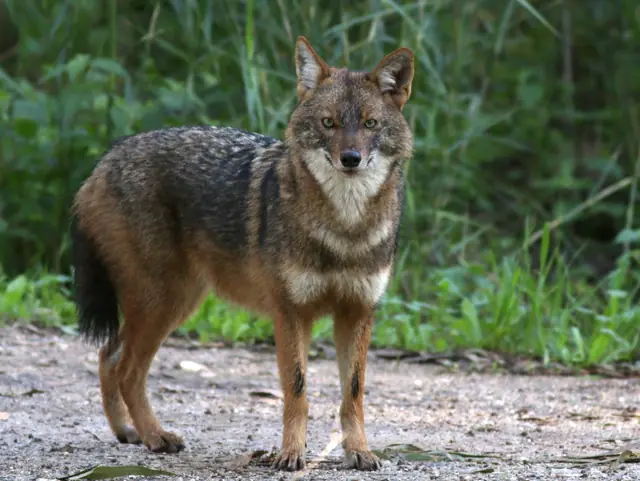
Golden Jackal
Canis aureus
Trots across the open grassland, especially early and late in the day.
All 102 animals in Udawalawe
Elephants and big mammals 13
-
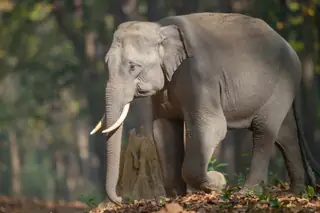 Asian Elephant
-
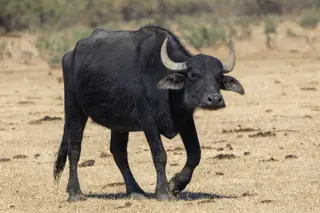 Feral Water Buffalo
-
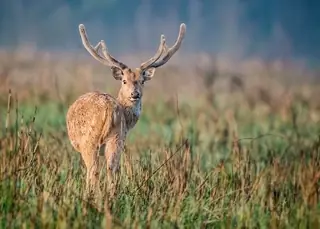 Chital (Spotted Deer)
-
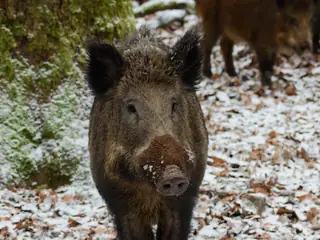 Wild Boar
-
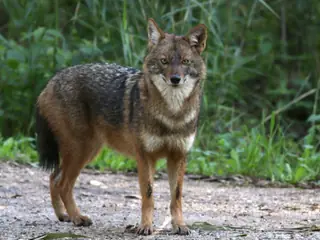 Golden Jackal
-
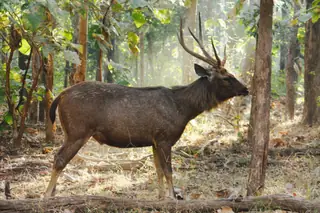 Sambar Deer
-
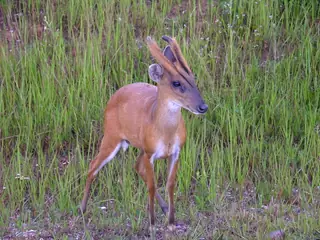 Northern Red Muntjac
-
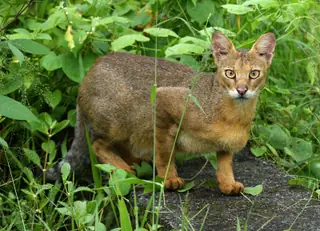 Jungle Cat
-
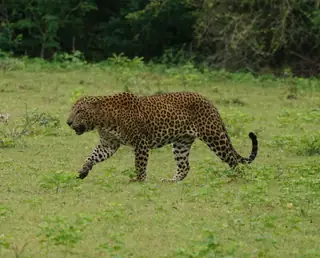 LeopardRare
-
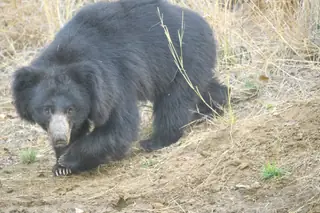 Sloth BearRare
-
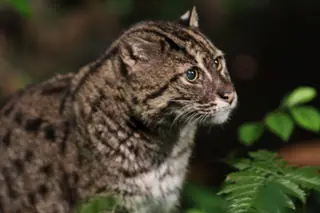 Fishing CatRare
-
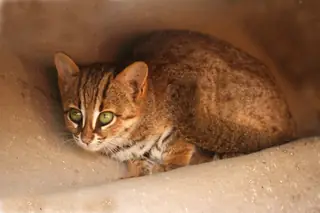 Rusty-spotted CatRare
- Sri Lankan Mouse-deerRare
Monkeys and smaller mammals 13
-
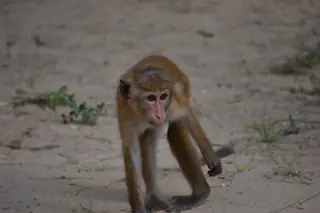 Toque Macaque
-
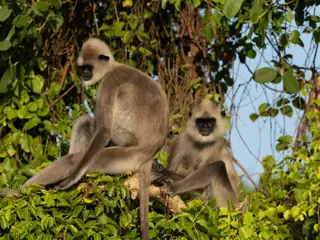 Tufted Grey Langur
-
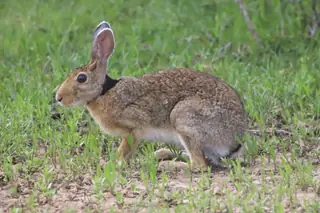 Indian Hare
-
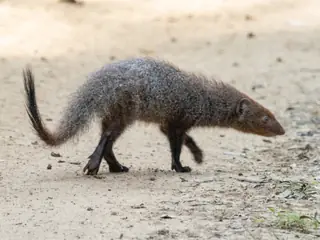 Ruddy Mongoose
-
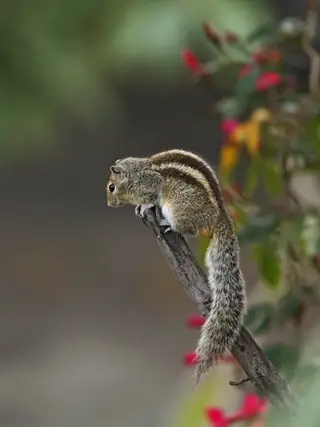 Common Palm Squirrel
-
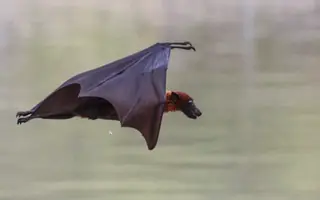 Indian Flying Fox
-
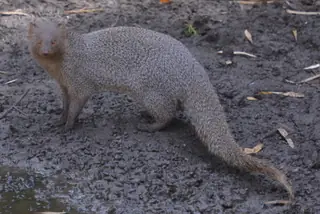 Indian Grey Mongoose
-
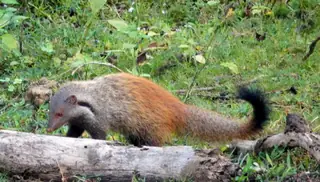 Stripe-necked Mongoose
-
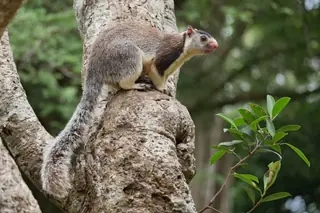 Sri Lankan Giant Squirrel
-
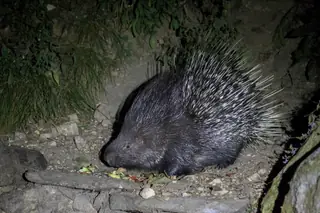 Indian Crested Porcupine
-
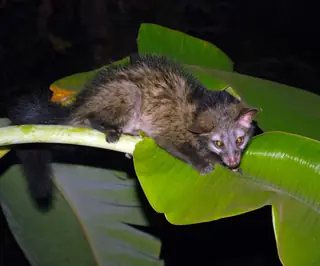 Common Palm Civet
-
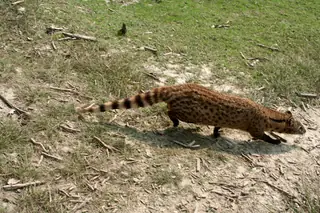 Small Indian Civet
-
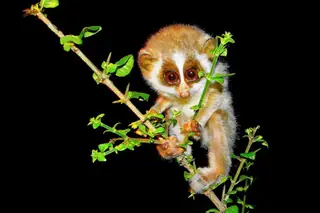 Grey Slender LorisRare
Crocodiles and reptiles 10
-
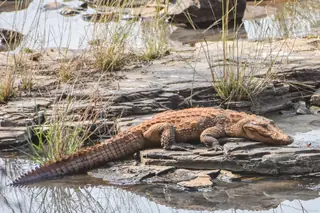 Mugger Crocodile
-
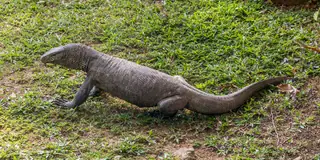 Bengal Monitor
-
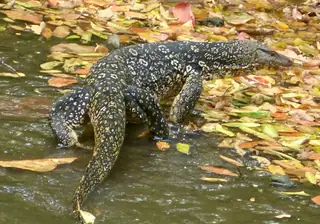 Asian Water Monitor
-
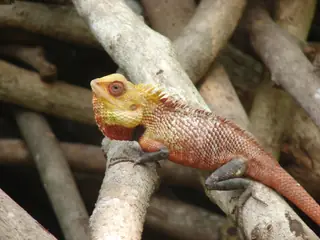 Oriental Garden Lizard
-
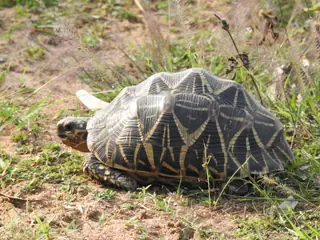 Indian Star Tortoise
-
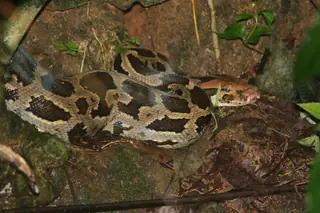 Indian Rock Python
-
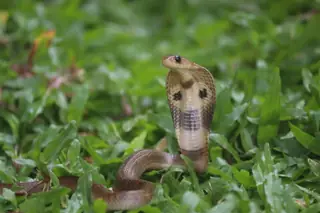 Indian Cobra
-
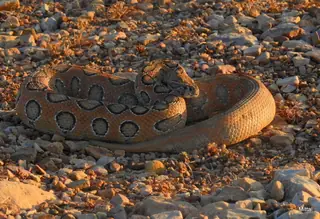 Russell's Viper
-
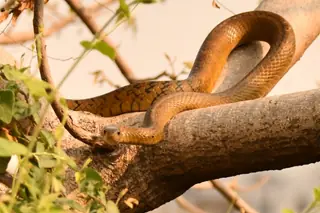 Common Rat Snake
-
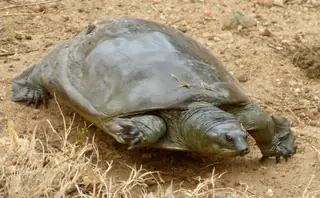 Sri Lankan Flapshell Turtle
Water birds 26
-
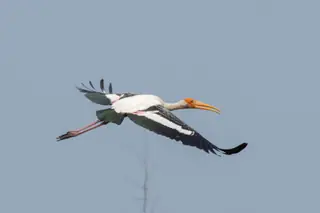 Painted Stork
-
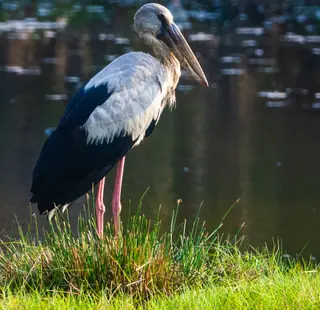 Asian Openbill
-
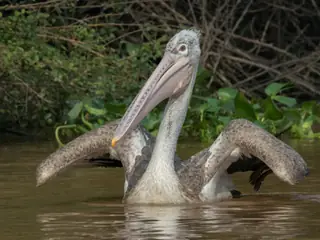 Spot-billed Pelican
-
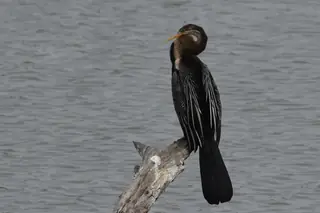 Oriental Darter
-
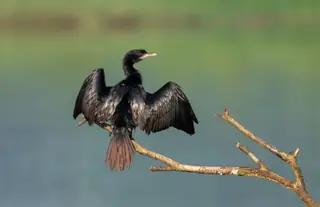 Little Cormorant
-
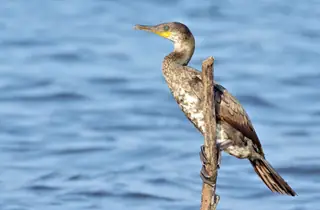 Indian Cormorant
-
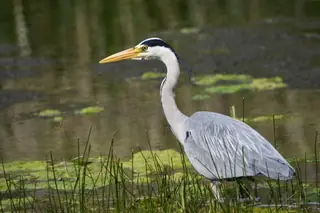 Grey Heron
-
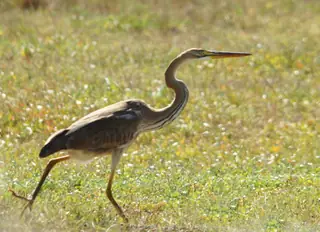 Purple Heron
-
 Great Egret
-
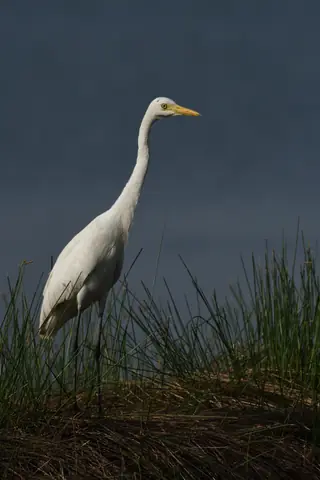 Medium Egret
-
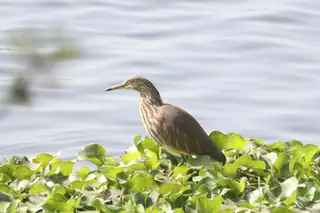 Indian Pond Heron
-
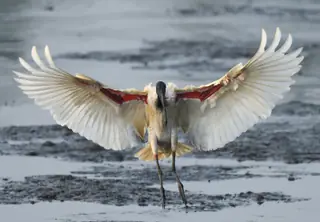 Black-headed Ibis
-
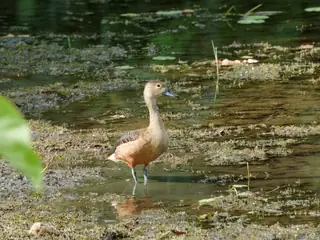 Lesser Whistling Duck
-
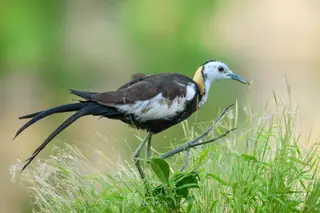 Pheasant-tailed Jacana
-
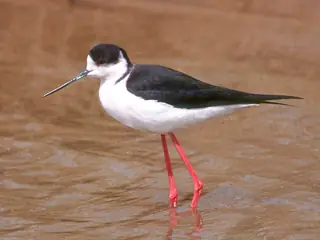 Black-winged Stilt
-
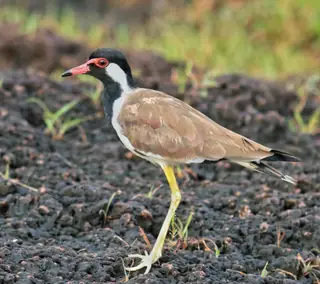 Red-wattled Lapwing
-
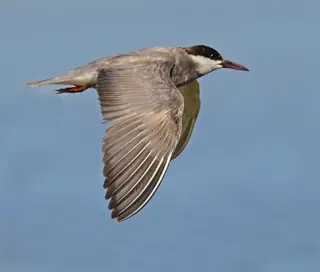 Whiskered Tern
-
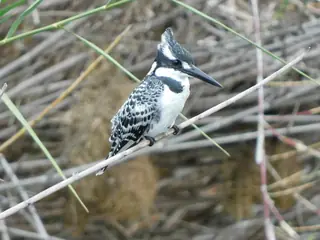 Pied Kingfisher
-
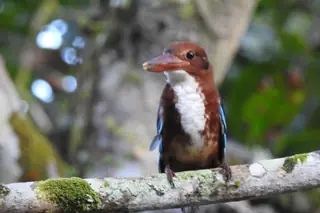 White-throated Kingfisher
-
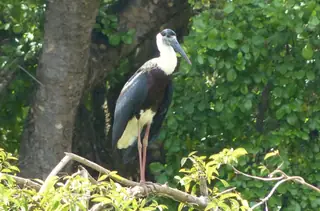 Asian Woolly-necked Stork
-
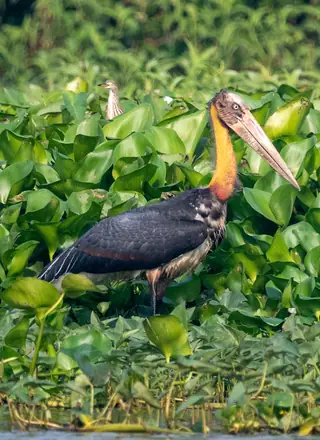 Lesser Adjutant
-
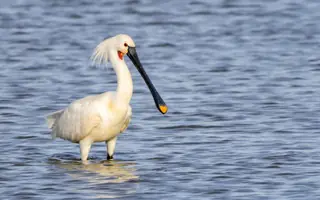 Eurasian Spoonbill
-
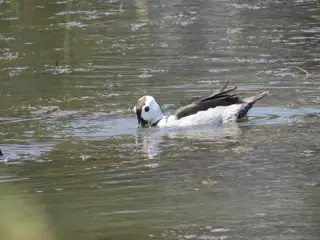 Cotton Pygmy Goose
-
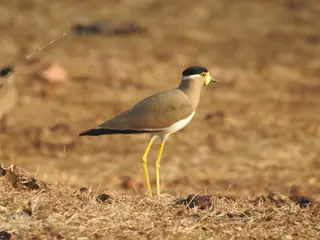 Yellow-wattled Lapwing
-
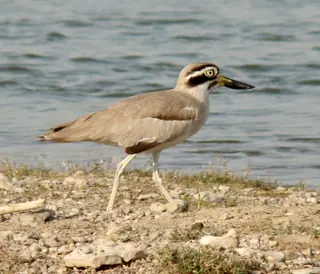 Great Stone-curlew
-
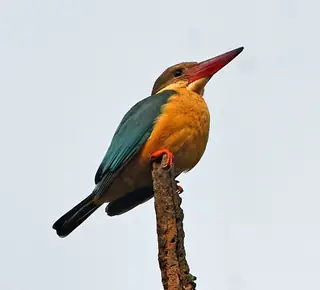 Stork-billed Kingfisher
Birds of prey and owls 9
-
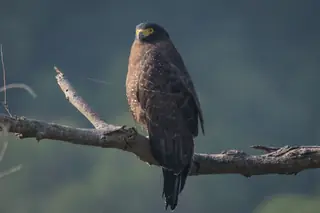 Crested Serpent Eagle
-
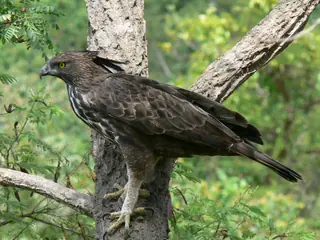 Changeable Hawk-Eagle
-
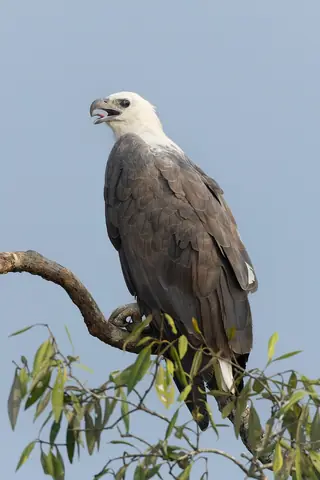 White-bellied Sea Eagle
-
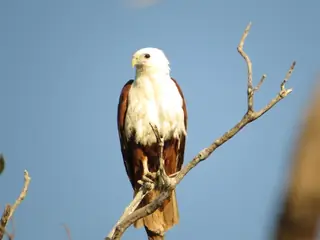 Brahminy Kite
-
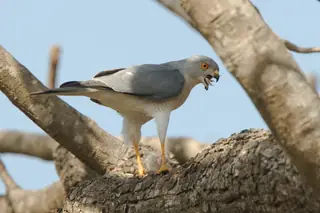 Shikra
-
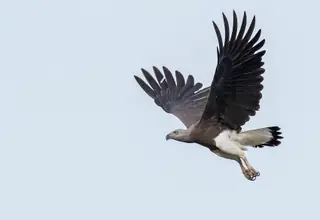 Grey-headed Fish Eagle
-
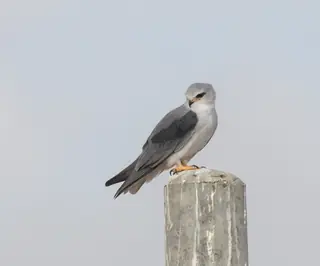 Black-winged Kite
-
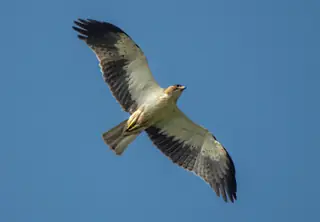 Booted Eagle
-
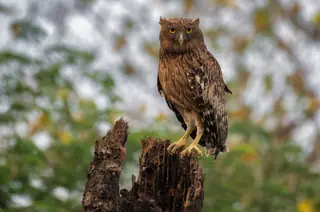 Brown Fish Owl
Grassland and scrub birds 31
-
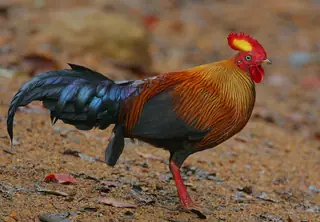 Sri Lanka Junglefowl
-
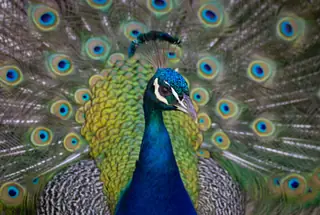 Indian Peafowl
-
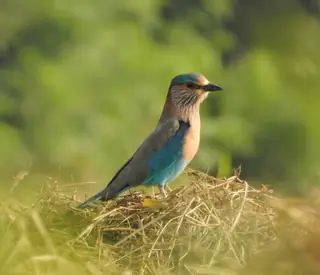 Indian Roller
-
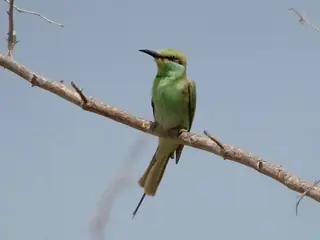 Asian Green Bee-eater
-
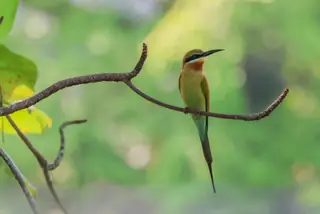 Blue-tailed Bee-eater
-
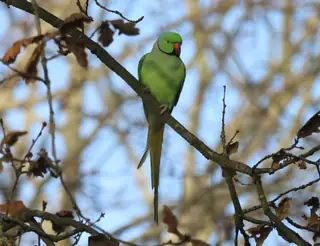 Ring-necked Parakeet
-
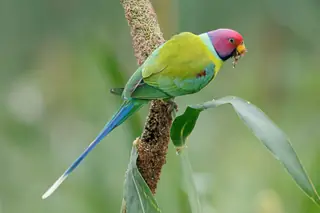 Plum-headed Parakeet
-
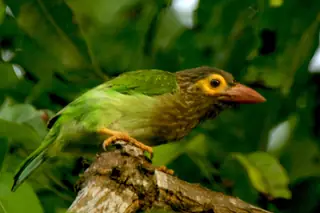 Brown-headed Barbet
-
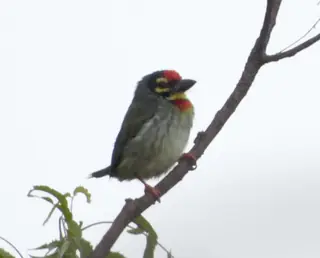 Coppersmith Barbet
-
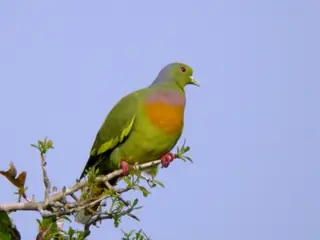 Orange-breasted Green Pigeon
-
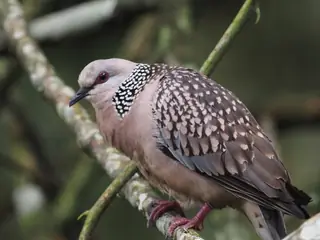 Spotted Dove
-
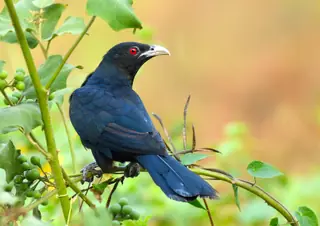 Asian Koel
-
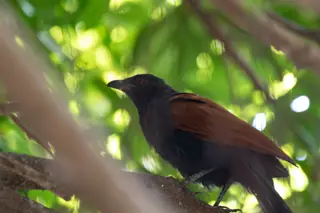 Greater Coucal
-
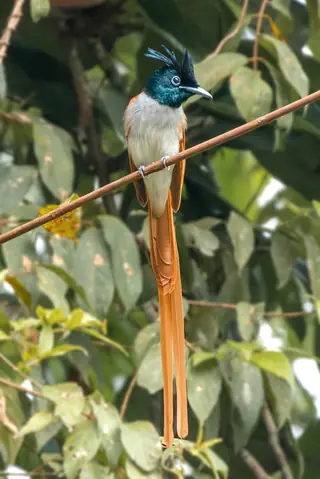 Indian Paradise Flycatcher
-
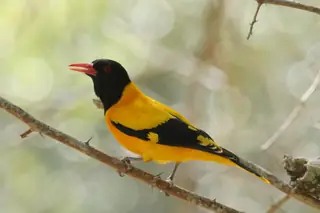 Black-hooded Oriole
-
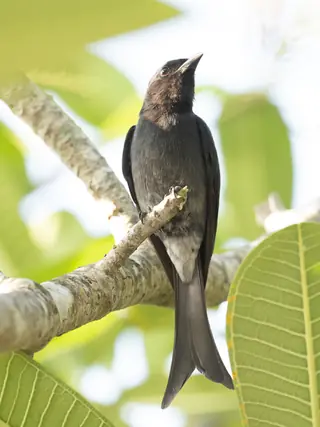 White-bellied Drongo
-
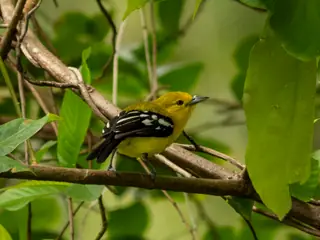 Common Iora
-
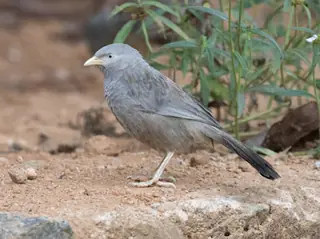 Yellow-billed Babbler
-
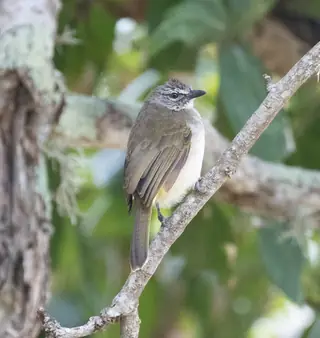 White-browed Bulbul
-
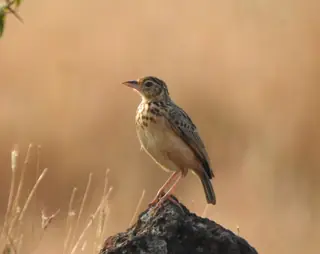 Jerdon's Bush Lark
-
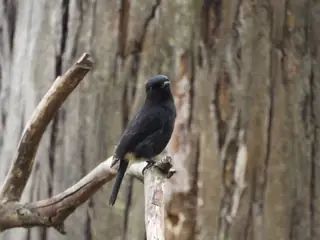 Pied Bush Chat
-
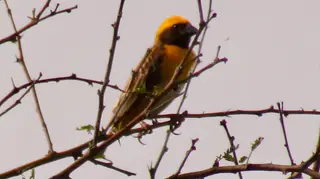 Baya Weaver
-
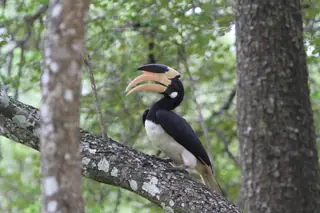 Malabar Pied Hornbill
-
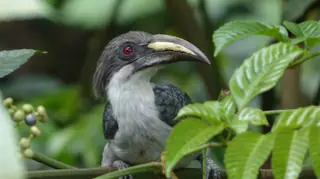 Sri Lanka Grey Hornbill
-
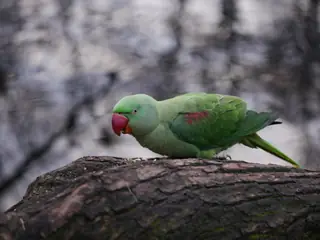 Alexandrine Parakeet
-
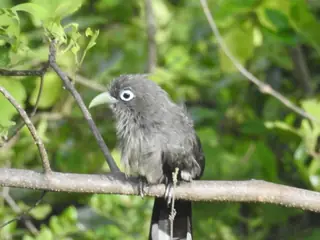 Blue-faced Malkoha
-
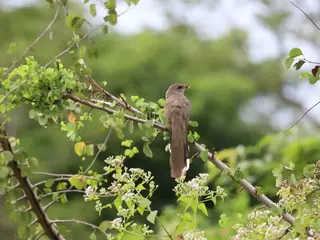 Sirkeer Malkoha
-
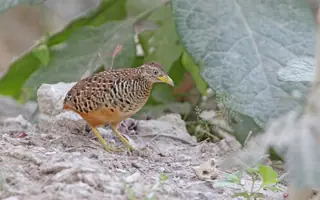 Barred Buttonquail
-
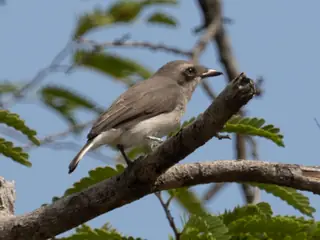 Sri Lanka Woodshrike
-
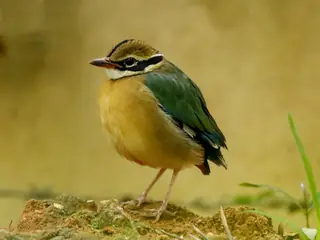 Indian Pitta
-
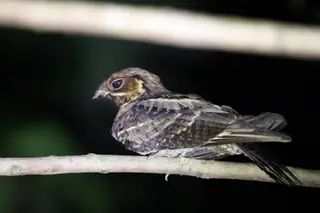 Jerdon's Nightjar
Best time to see wildlife in Udawalawe
Sightings by month in Udawalawe
Most records: Feb to Oct, DecRecords from GBIF.org, adjusted for how many people record wildlife each month. 100% is the busiest month.
Udawalawe is open all year and the elephants do not migrate away, so any month works. The south-west monsoon, roughly May to September, brings little rain to this dry side of the island, so these months are usually sunny and dusty, with animals gathering near water. The north-east monsoon brings most of the park's rain from about October to January, when the grass grows tall and green and some tracks get muddy, but elephants are still easy to find. Winter visitors from the north, such as Indian pittas, booted eagles and many waders, arrive from October and stay until about April. Morning and late afternoon drives are best; the middle of the day is hot and quiet.
- Feb to AprDrying out; good all-round viewing and winter birds
- May to SepDriest and sunniest; animals near water
- Oct to JanMain rains; green, tall grass and migrant birds
Tips for spotting wildlife in Udawalawe
- 01
Go early or late
The park opens at dawn. Book a morning or late-afternoon jeep safari through your hotel or a licensed operator, as the midday heat sends most animals into the shade.
- 02
Give elephants space
Ask your driver to stop well back, switch off and never block an elephant's path. Calm herds stay longer and you will see far more natural behaviour.
- 03
Never feed elephants
Elephants that beg at the park fence have learnt it from people. Feeding them is illegal and puts both people and elephants at risk, so keep going.
- 04
Visit the Elephant Transit Home
Orphaned calves cared for by the Department of Wildlife Conservation are fed at set times through the day. Watch from the viewing area; it pairs well with an afternoon drive.
- 05
Check the water
The reservoir edge and the small tanks hold crocodiles, storks, pelicans and kingfishers. A quiet stop by water is often the best wait of the drive.

Take Udawalawe with you
Heading to Udawalawe? Tick off elephants, crocodiles and junglefowl from the jeep, even offline. Wilder is free to start.

Udawalawe wildlife FAQ
Is Udawalawe or Yala better for elephants?
Udawalawe is better for elephants, because herds feed in open grassland and are seen on almost every drive. Yala is better for leopards and has elephants too, but in thicker scrub. Many visitors do both, as the parks are about two hours apart by road.
What animals can you see in Udawalawe National Park?
You can see Asian elephants, water buffalo, spotted deer, golden jackals, mugger crocodiles, monitor lizards and many birds, from painted storks to serpent eagles. This checklist covers 102 animals. Leopards and sloth bears live here but are rarely seen.
When are the feeding times at the Elephant Transit Home?
The orphaned elephants at the Udawalawe Elephant Transit Home are usually fed four times a day, at about 9am, noon, 3pm and 6pm, and can only be seen at feeding times. Check the current times locally, as they can change.
How long should I spend in Udawalawe?
One night is enough for most visitors: a late-afternoon drive, the Elephant Transit Home, and a morning drive before moving on. Birders and photographers may want two nights to see the park in different light.
Sources
- Diethelm Travel: Udawalawe Elephant Transit Home
- Go Asia: Udawalawe National Park, Sri Lanka's year-round elephant safari
- Audley Travel: Visit to the Elephant Transit Home
- Sightings by month: GBIF.org
Animal photos are from the Wilder catalogue; photo credits.
Similar checklists
All Asia-
 National park112animals Yala National Park Southern and Uva Provinces, Sri Lanka Dry scrub, lagoons and great rock outcrops on Sri Lanka's south-east coast, with one of the world's densest leopard populations, elephants, sloth bears and crocodiles. Best time Feb to Jul
-
 Reserve119animals Sinharaja Forest Reserve Ratnapura, Galle and Matara, Sri Lanka Sri Lanka's last big lowland rainforest, a World Heritage Site where noisy mixed flocks of endemic birds, purple-faced langurs and green pit vipers fill the trails. Best time Jan to Apr
-
 Region70animals Mirissa and the south coast Southern Province, Sri Lanka Whale-watching boats from Mirissa head out to deep water off Sri Lanka's southern tip, one of the most reliable places in the world to see a blue whale, with spinner dolphins and sea turtles closer in. Best time Dec to Apr
-
 National park112animals Kaziranga National Park Golaghat and Nagaon, Assam, India Floodplain grassland on the Brahmaputra with the world's largest population of greater one-horned rhinos, wild water buffalo, swamp deer and a high density of tigers. Best time Nov to Apr