Region · Southern Province · Sri Lanka
Mirissa Whale Watching Checklist

Mirissa, on Sri Lanka's south coast, is one of the best places in the world to see blue whales, the largest animals that have ever lived. Deep water comes close to shore off the island's southern tip, and morning boats also find spinner dolphins, sperm whales and Bryde's whales. This checklist covers 70 animals. The main season runs from December to April.
Tick off all 70 animals in Mirissa on your phone, even offline. Launching soon. Free A4 PDF, no sign-up.
Boats leave Mirissa harbour soon after dawn and head 20 to 30 km offshore, where the continental shelf drops away close to the shipping lanes. Closer to shore, green turtles graze the reefs and water monitors patrol the lagoons.
- Animals to find
- 70
- Where
- Sri Lanka
- Best time
- Dec to Apr
- Famous for
- Blue whales
Popular animals in Mirissa
-
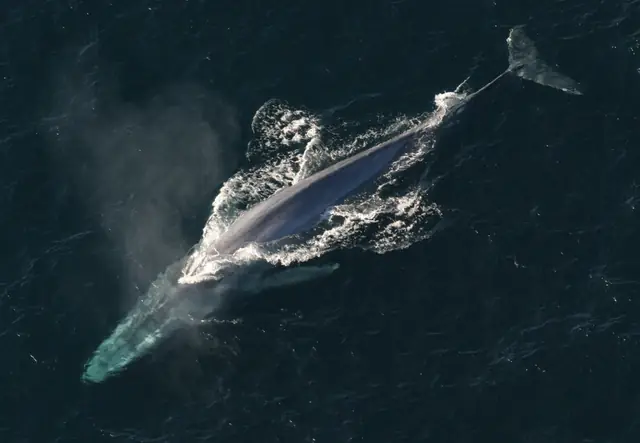
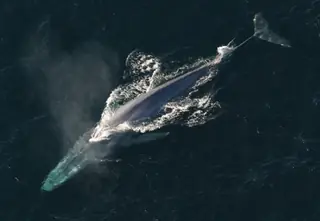
Blue Whale
Balaenoptera musculus
The star of the trips. Watch for a tall, straight blow, then a long blue-grey back and, as it dives, the broad tail. Sightings are frequent in the main season but never guaranteed.
-
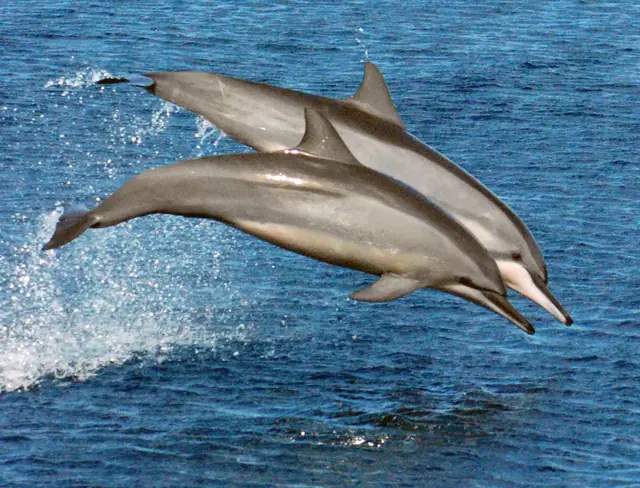
Spinner Dolphin
Stenella longirostris
Big, fast schools that leap and spin clear of the water. Often the first animals the boats meet on the way out.
-
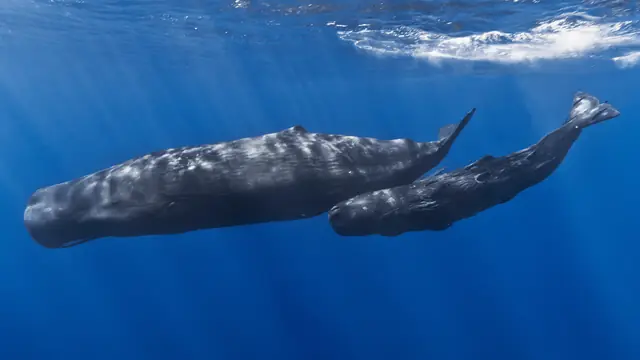
Sperm Whale
Physeter macrocephalus
Pods live in the deeper water further offshore. Look for a low, bushy blow angled forward and to the left.
-
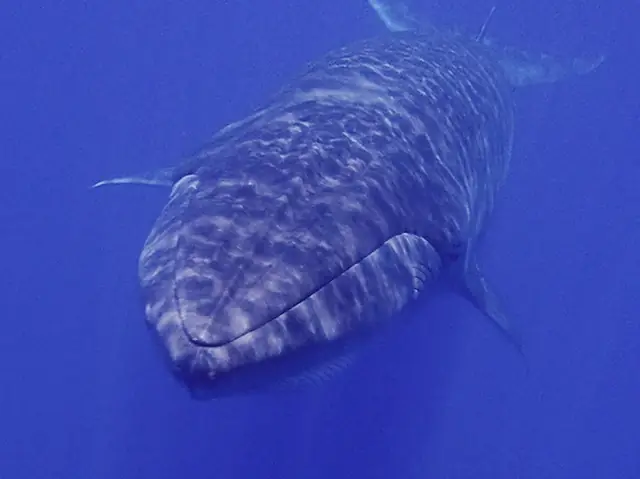
Bryde's Whale
Balaenoptera edeni
A slimmer, faster cousin of the blue whale, with three ridges along the top of the head, often feeding close to the surface.
-
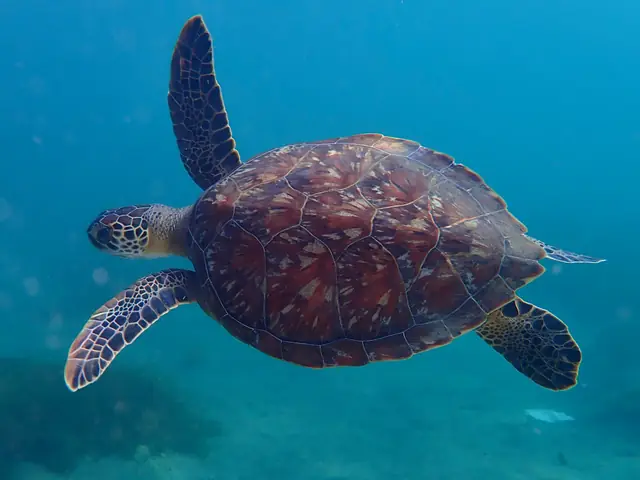
Green Sea Turtle
Chelonia mydas
Grazes seagrass and reef in shallow bays. Keep your distance and never touch or feed them.
-
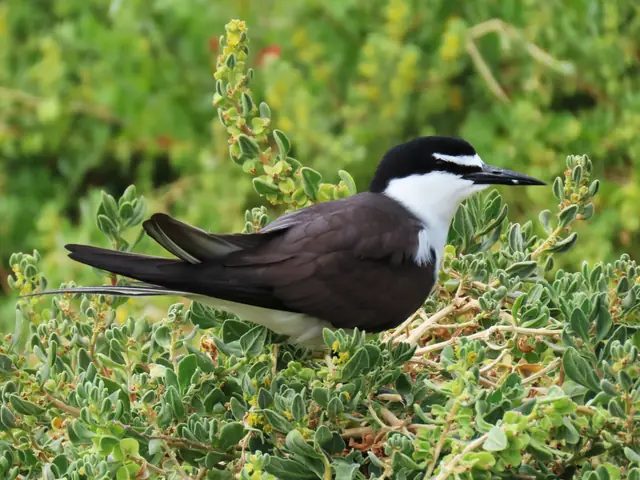
Bridled Tern
Onychoprion anaethetus
Elegant dark-backed terns that rest on floating debris far out at sea, often near feeding whales.
-
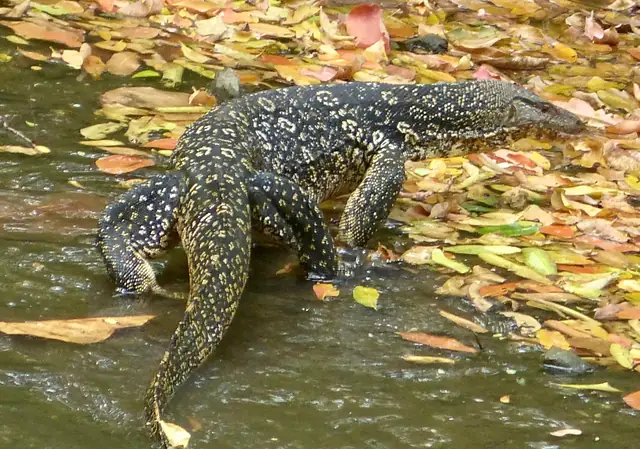
Asian Water Monitor
Varanus salvator
Big lizards swim the lagoons and canals and wander through hotel gardens along the coast.
All 70 animals in Mirissa
Whales 9
-
 Blue Whale
-
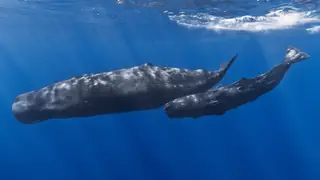 Sperm Whale
-
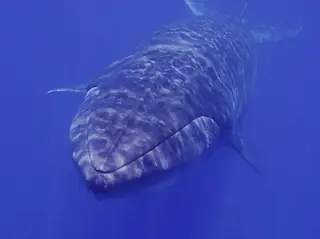 Bryde's Whale
-
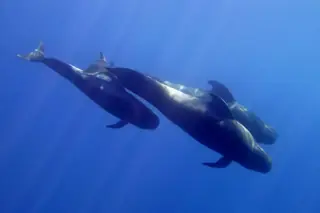 Short-finned Pilot WhaleRare
-
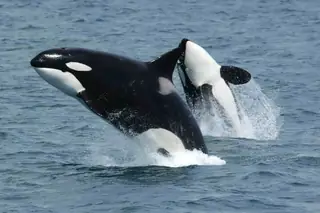 OrcaRare
-
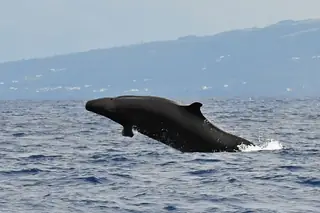 False Killer WhaleRare
-
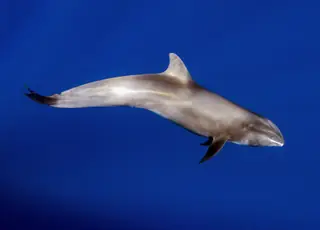 Melon-headed WhaleRare
- Dwarf Sperm WhaleRare
-
 Humpback WhaleRare
Dolphins 8
-
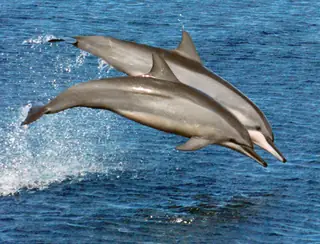 Spinner Dolphin
-
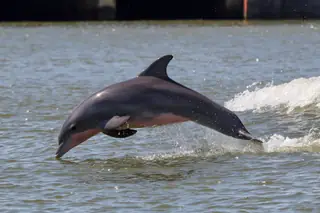 Bottlenose Dolphin
-
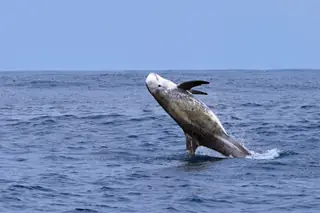 Risso's Dolphin
-
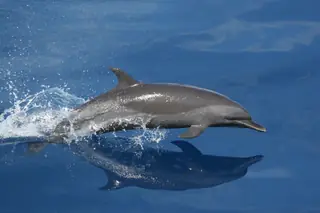 Pantropical Spotted Dolphin
-
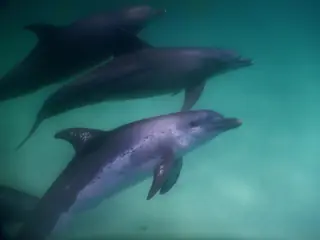 Indo-Pacific Bottlenose Dolphin
-
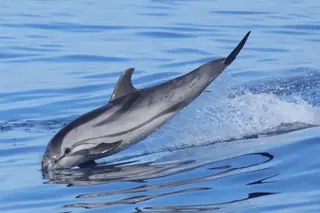 Striped DolphinRare
-
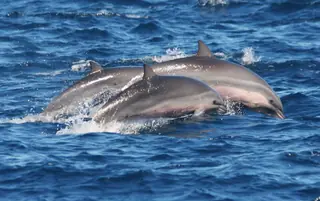 Fraser's DolphinRare
-
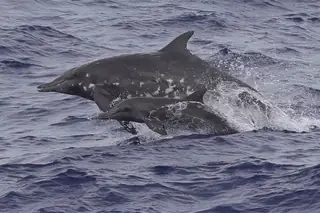 Rough-toothed DolphinRare
Sea turtles 5
-
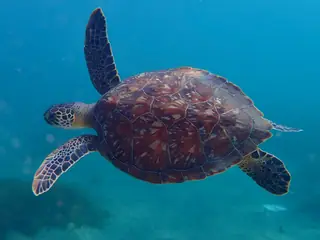 Green Sea Turtle
-
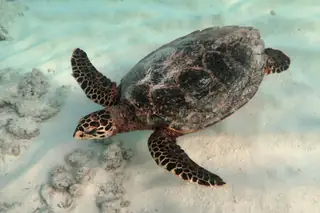 Hawksbill Sea Turtle
-
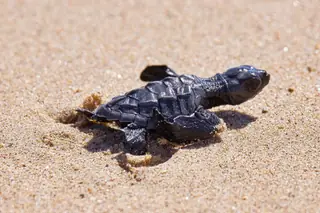 Olive Ridley Sea Turtle
-
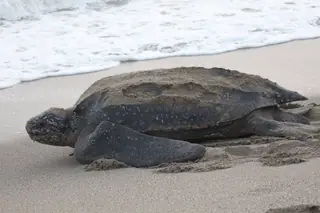 Leatherback TurtleRare
-
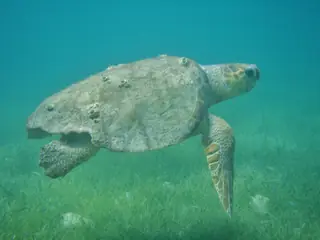 Loggerhead Sea TurtleRare
Fish and reef life 8
-
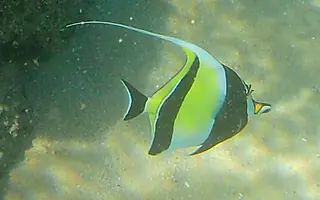 Moorish Idol
-
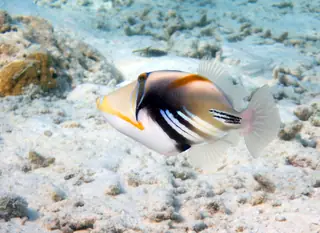 Lagoon Triggerfish
-
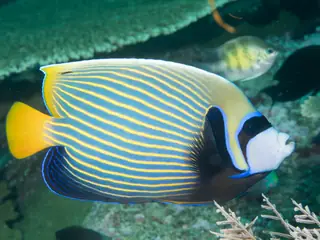 Emperor Angelfish
-
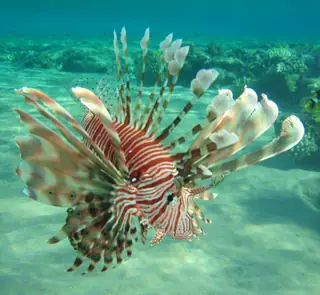 Devil Firefish
-
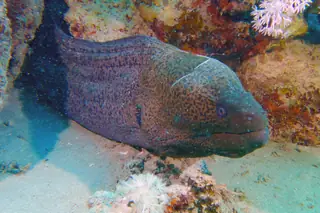 Giant Moray
-
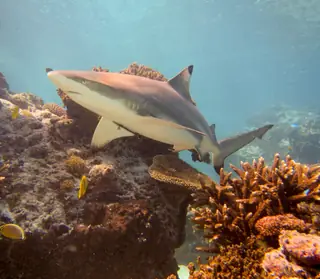 Blacktip Reef Shark
-
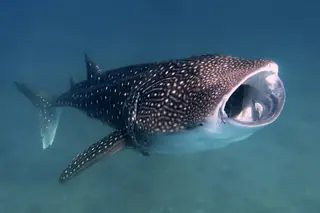 Whale SharkRare
-
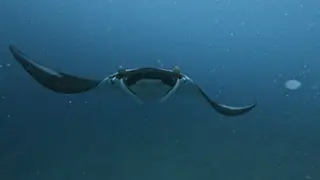 Manta RayRare
Seabirds 17
-
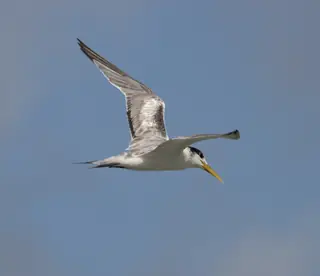 Greater Crested Tern
-
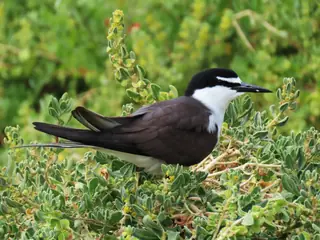 Bridled Tern
-
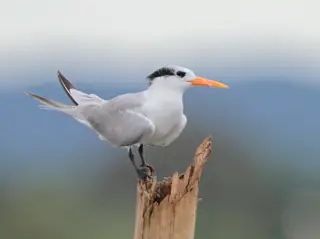 Lesser Crested Tern
-
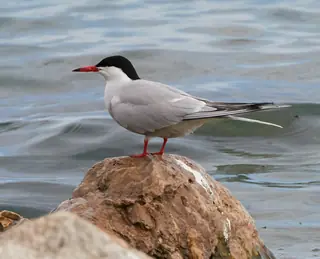 Common Tern
-
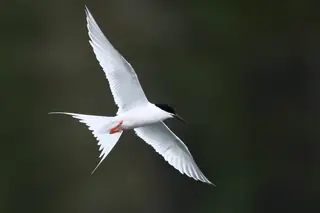 Roseate Tern
-
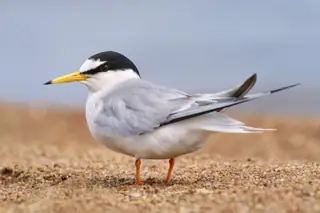 Little Tern
-
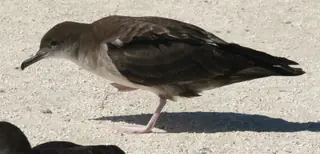 Wedge-tailed Shearwater
-
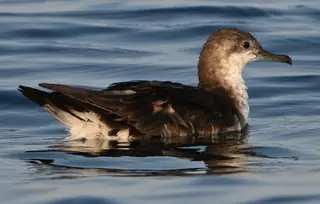 Persian Shearwater
-
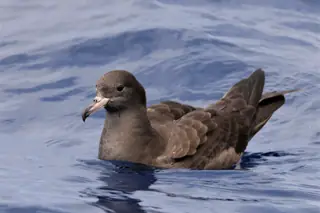 Flesh-footed ShearwaterRare
-
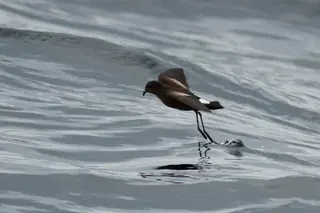 Wilson's Storm Petrel
-
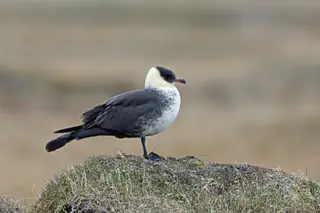 Skua (Pomarine)
-
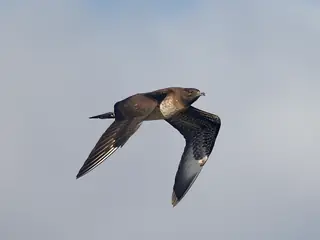 Skua (Arctic)
-
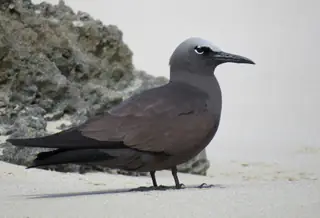 Brown NoddyRare
-
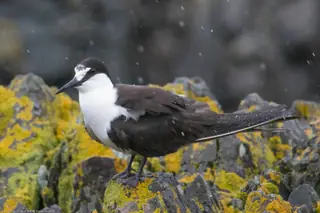 Sooty TernRare
-
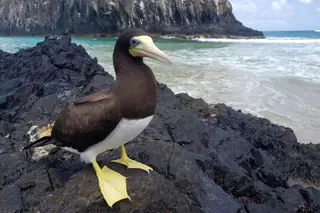 Brown BoobyRare
-
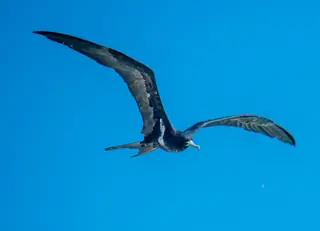 Lesser FrigatebirdRare
-
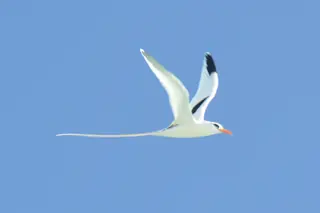 White-tailed TropicbirdRare
Shore birds 17
-
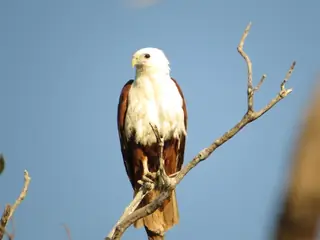 Brahminy Kite
-
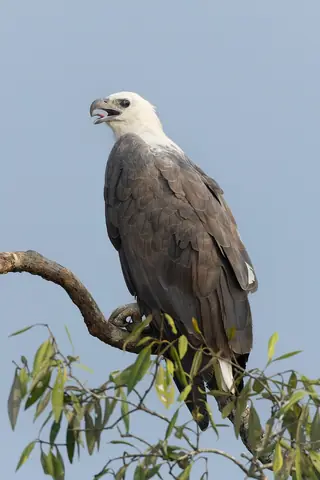 White-bellied Sea Eagle
-
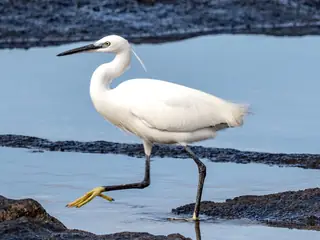 Little Egret
-
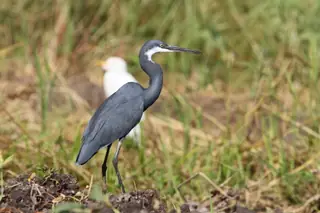 Western Reef Heron
-
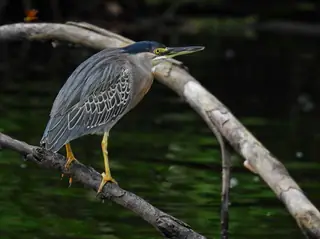 Striated Heron
-
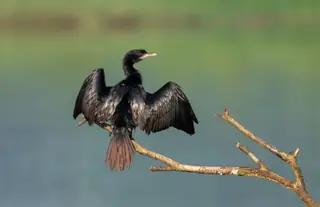 Little Cormorant
-
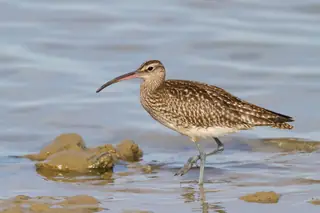 Whimbrel
-
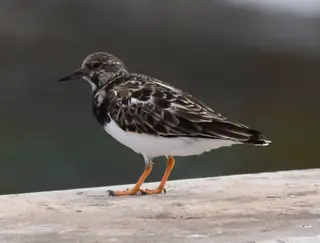 Ruddy Turnstone
-
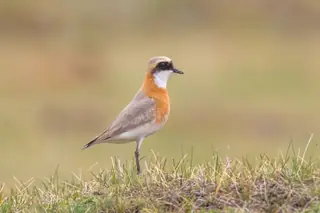 Tibetan Sand Plover
-
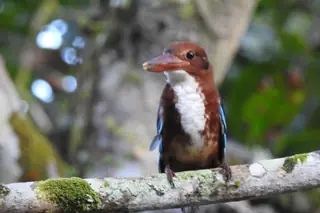 White-throated Kingfisher
-
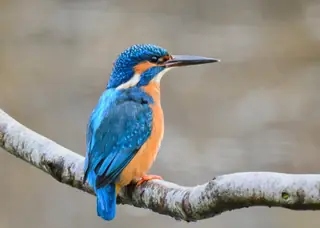 Common Kingfisher
-
 Osprey
-
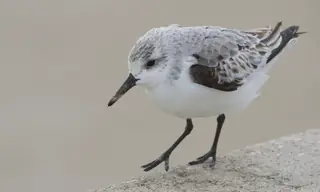 Sanderling
-
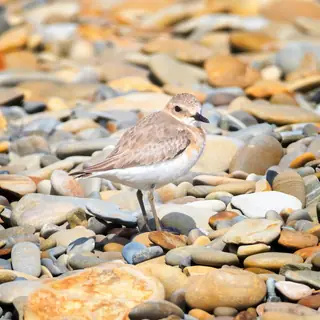 Greater Sand Plover
-
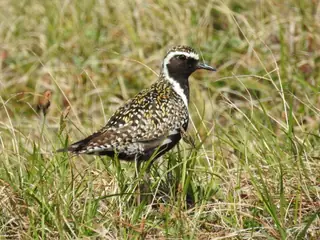 Pacific Golden Plover
-
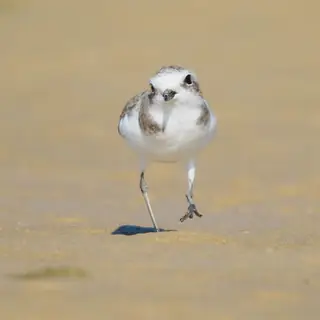 Kentish Plover
-
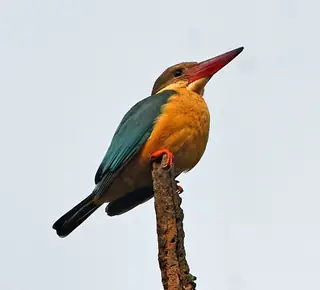 Stork-billed Kingfisher
Along the coast 6
-
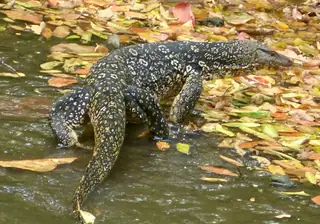 Asian Water Monitor
-
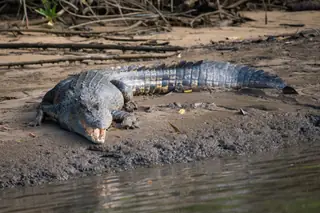 Saltwater Crocodile
-
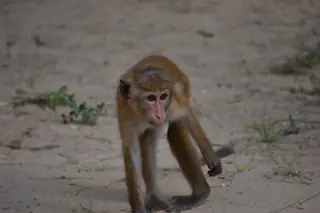 Toque Macaque
-
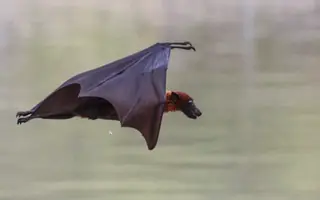 Indian Flying Fox
-
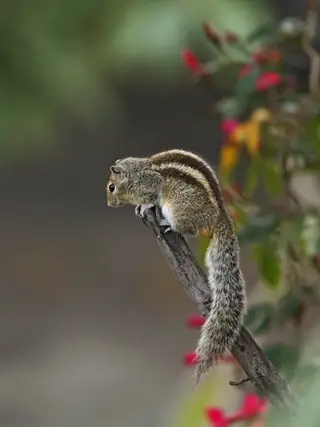 Common Palm Squirrel
-
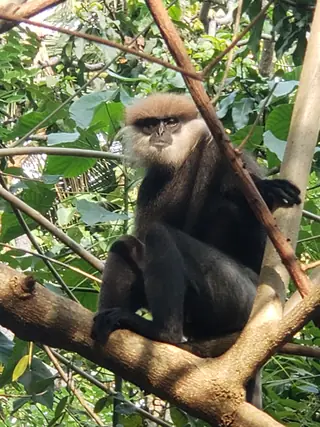 Purple-faced Langur
Best time to see wildlife in Mirissa
Sightings by month in Mirissa
Most records: MarRecords from GBIF.org, adjusted for how many people record wildlife each month. 100% is the busiest month.
The south coast has its calm season from about December to April, when the north-east monsoon blows on the other side of the island. This is when Mirissa's boats run daily and blue whales are seen most often, with March and April good for sperm whales. From May to September the south-west monsoon brings rough seas, and most operators stop running. A few boats try again from late August to November, depending on the weather and bookings. Seas are usually calmest early in the morning, which is why trips leave around 6.30am. Snorkelling on the sheltered reefs is also best in the calm months.
- Dec to AprMain season; calm seas and the best whale sightings
- May to JulSouth-west monsoon; most boats stop
- Aug to NovSome trips, weather permitting
Tips for spotting wildlife in Mirissa
- 01
Choose a careful operator
Sri Lanka's guidelines ask boats to keep their distance from whales and to keep out of their path. Pick a company that follows them, and avoid boats that race or crowd the animals.
- 02
Expect a long morning
Trips usually last four to five hours and can run longer. Eat a light breakfast, take seasickness tablets if you need them, and bring sun cover and water.
- 03
Watch the horizon
Most whales are found by their blows first. Scan slowly with sunglasses, and call out anything that looks like a puff of smoke on the water.
- 04
Leave turtles alone
On the reefs, keep your distance from turtles and never touch them. Skip places where people feed turtles by hand, which harms their health and behaviour.
- 05
See nesting the right way
A guided night turtle watch lets you see nesting without disturbing it: no torches or flash on the beach.

Take Mirissa with you
Whale watching from Mirissa? Tick off blue whales, spinner dolphins and turtles straight from the boat, even offline. Wilder is free to start.

Mirissa wildlife FAQ
When is the best time for whale watching in Mirissa?
The best time for whale watching in Mirissa is from December to April, when the sea is calm and blue whales are seen most often. Boats rarely run from May to July because of the south-west monsoon. A few trips run from late August to November when the weather allows.
Are you guaranteed to see blue whales in Mirissa?
No trip can guarantee blue whales, but in the main season most boats find at least one, and spinner dolphins are seen on many trips too. This checklist covers 70 animals, including dolphins, turtles and seabirds you may see on the way.
Can you swim with whales in Sri Lanka?
No. Sri Lanka's whale-watching guidelines do not allow swimming or diving with whales, and boats should keep their distance. Snorkelling with turtles on the reefs is fine if you keep your distance and never touch them.
Is Mirissa or Trincomalee better for whale watching?
Mirissa is better from December to April, when the south coast is calm. Trincomalee, on the east coast, is the better choice from about May to October, when its sea is calm instead. Mirissa has far more boats and departures.
Sources
- Sri Lanka Tourism Development Authority: Guideline for whale and dolphin watching
- IWC Whale Watching Handbook: Sri Lanka
- Go Asia: Mirissa whale watching
- Sunday Times: Strict guidelines set for whale and dolphin watching
- Sightings by month: GBIF.org
Animal photos are from the Wilder catalogue; photo credits.
Similar checklists
All Asia-
 National park112animals Yala National Park Southern and Uva Provinces, Sri Lanka Dry scrub, lagoons and great rock outcrops on Sri Lanka's south-east coast, with one of the world's densest leopard populations, elephants, sloth bears and crocodiles. Best time Feb to Jul
-
 National park102animals Udawalawe National Park Ratnapura and Monaragala, Sri Lanka Open grassland and scrub around a big reservoir, where herds of Asian elephants feed in the open all year, with crocodiles, water birds and eagles. Best time All year
-
 Reserve119animals Sinharaja Forest Reserve Ratnapura, Galle and Matara, Sri Lanka Sri Lanka's last big lowland rainforest, a World Heritage Site where noisy mixed flocks of endemic birds, purple-faced langurs and green pit vipers fill the trails. Best time Jan to Apr
-
 Region88animals Kaikōura Kaikōura coast, Canterbury, New Zealand A deep sea canyon right off the beach brings sperm whales, dusky dolphins and more albatross species than almost anywhere you can reach in a day. Best time All year