Region · Asturias, Cantabria and León · Spain
Picos de Europa and Somiedo Wildlife Checklist

The Picos de Europa in northern Spain are limestone peaks and gorges full of mountain wildlife: Cantabrian chamois, griffon vultures, wallcreepers and alpine choughs. To the west, Somiedo is the best place in Spain to watch wild brown bears. This checklist covers 106 animals across both. May to July is best for birds and flowers; April to June and September to October for bears.
Tick off all 106 animals in the Picos de Europa on your phone, even offline. Launching soon. Free A4 PDF, no sign-up.
Spain's first national park straddles Asturias, Cantabria and León. Cangas de Onís, Arenas de Cabrales and Potes are the usual bases for the Picos; Somiedo Natural Park is about two hours' drive west, with the village of Pola de Somiedo at its heart.
- Animals to find
- 106
- Where
- Spain
- Best time
- May to Jul
- Cantabrian bears
- Over 200 in Asturias
Popular animals in the Picos de Europa
-
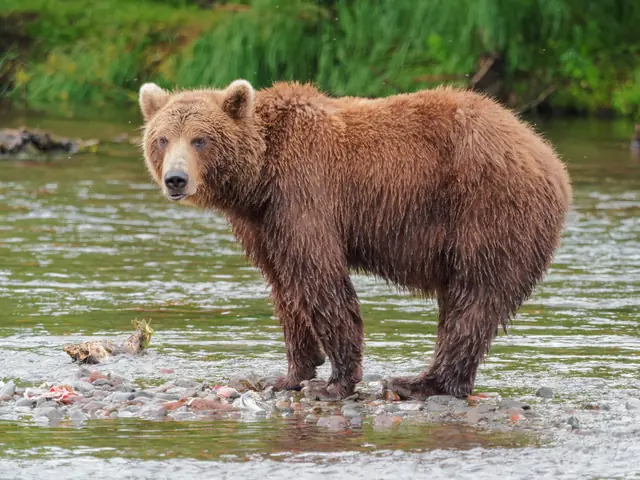
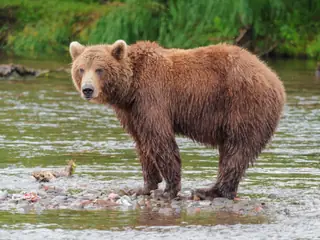
Brown Bear
Ursus arctos
Watch from viewpoints with a telescope, ideally with a licensed local guide, and expect to wait. In the Picos themselves bears are rare.
-
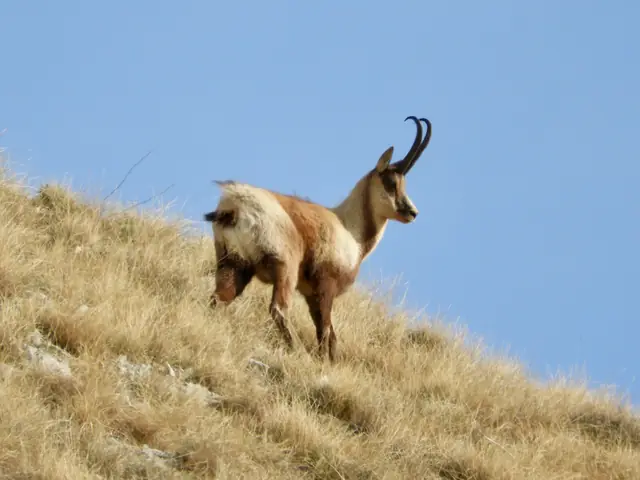
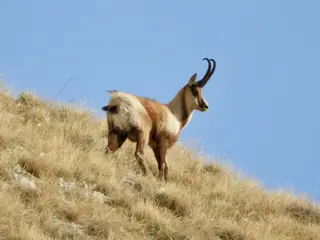
Cantabrian Chamois
Rupicapra pyrenaica
The Cantabrian chamois is easy to see above the Fuente Dé cable car and around the Lagos de Covadonga, often close to the paths.
-
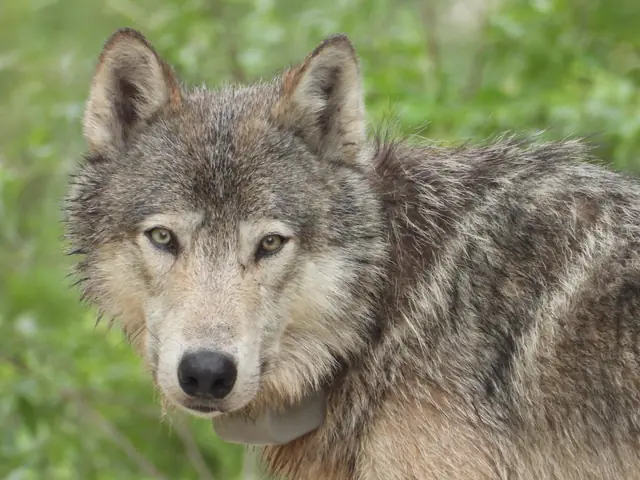
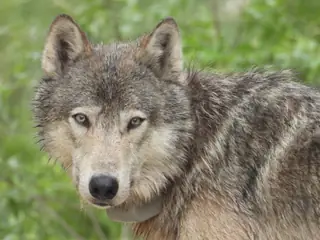
Grey Wolf
Canis lupus
Iberian wolves live here but are hard to see. Some licensed guides in Somiedo and the Picos run dawn watches with telescopes from far off.
-
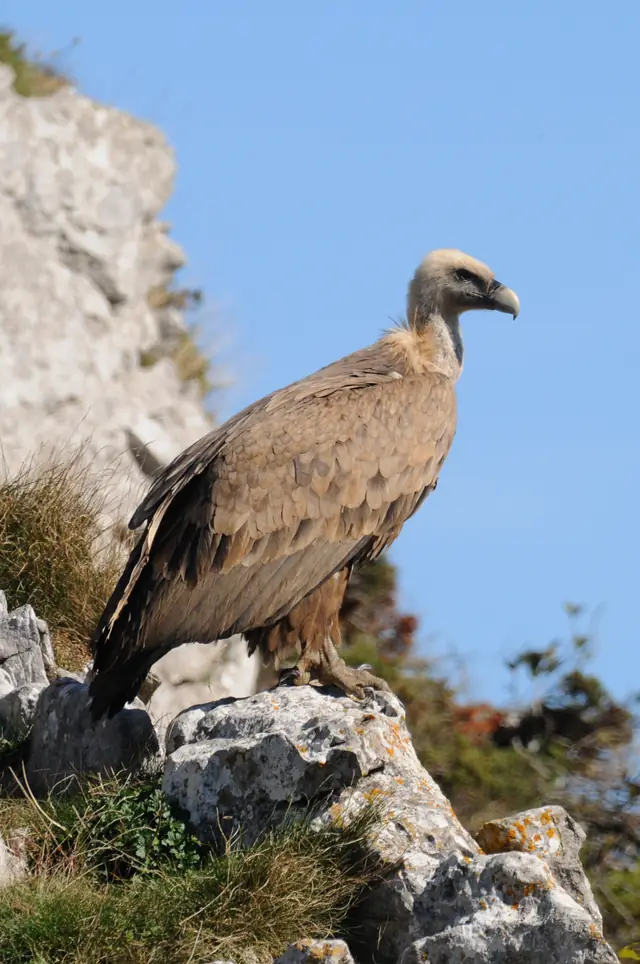
Griffon Vulture
Gyps fulvus
Soaring over almost every gorge, often dozens in the air.
-
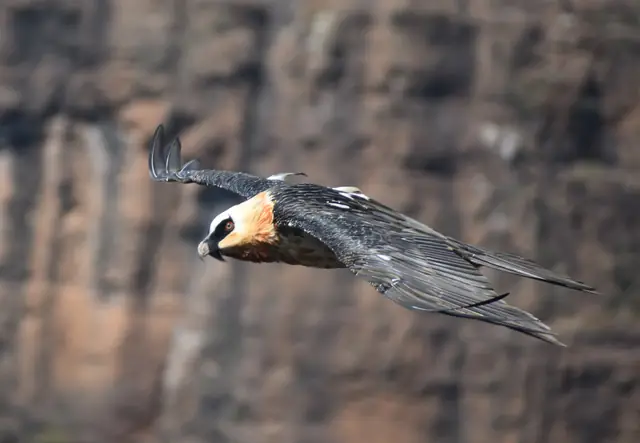
Bearded Vulture
Gypaetus barbatus
Reintroduced since 2010 after more than fifty years' absence; a few dozen birds now live in the Picos. Scan the high crags for the long, diamond-tailed shape.
-
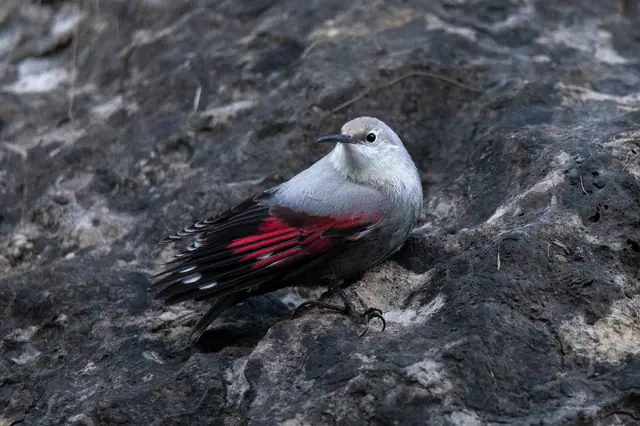
Wallcreeper
Tichodroma muraria
Flicks crimson wings on sheer limestone near Fuente Dé and in the high Picos in summer, and drops to lower cliffs in winter.
-
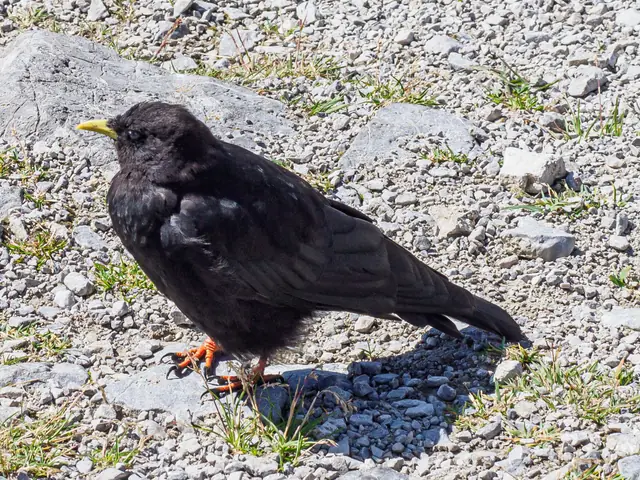
Alpine Chough
Pyrrhocorax graculus
Yellow-billed and very tame at the top of the Fuente Dé cable car, often joined by red-billed choughs below.
-
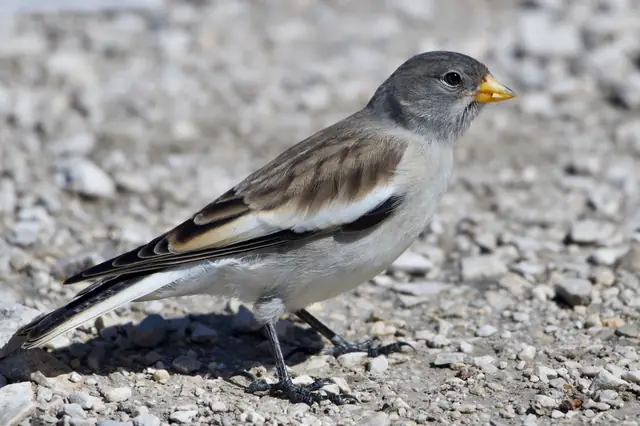
White-winged Snowfinch
Montifringilla nivalis
Flashes black and white wings around the upper cable car station and the high screes, easiest in early summer.
-
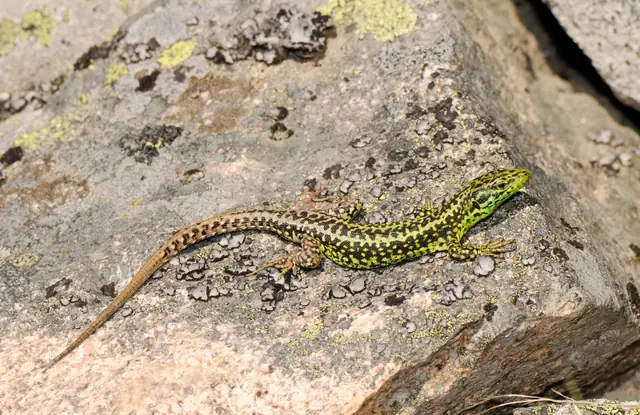
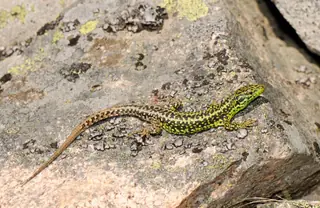
Iberian Rock Lizard
Iberolacerta monticola
The Cantabrian rock lizard, common on high rocks and walls and found only in the mountains of north-west Spain.
All 106 animals in the Picos de Europa
Bears, wolves and chamois 8
-
 Brown Bear
-
 Grey WolfRare
-
 Cantabrian Chamois
-
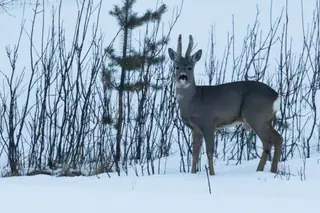 Roe Deer
-
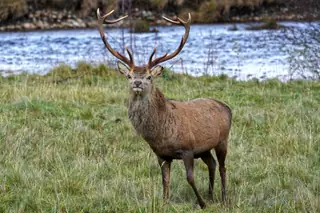 Red Deer
-
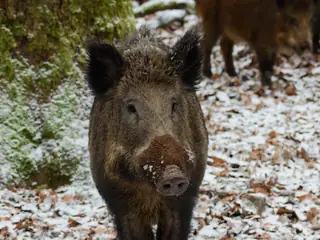 Wild Boar
-
 Red Fox
-
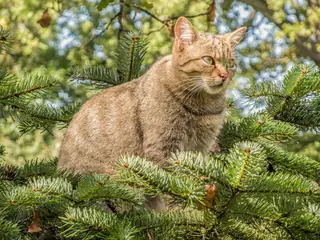 WildcatRare
Smaller mammals 11
-
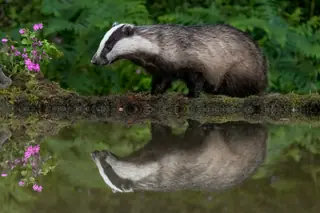 Badger
-
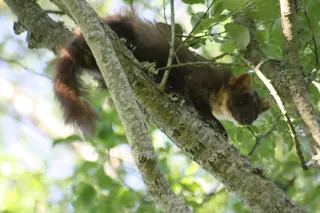 Pine MartenRare
-
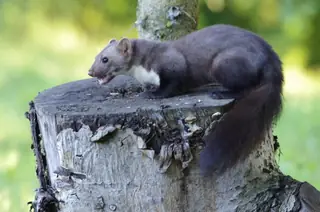 Beech Marten
-
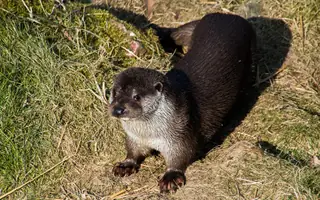 OtterRare
-
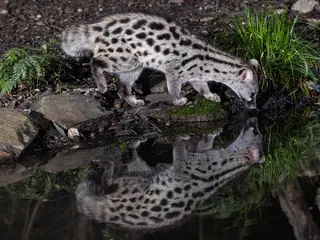 Common GenetRare
-
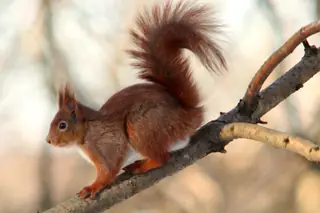 Red Squirrel
-
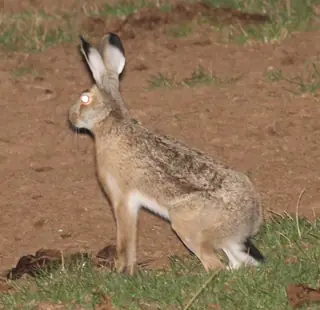 Broom HareRare
-
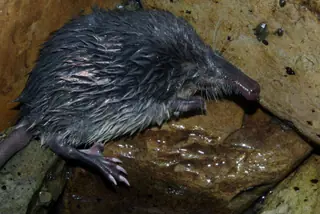 Pyrenean DesmanRare
-
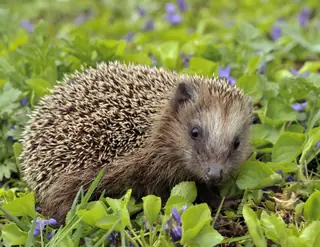 Hedgehog
-
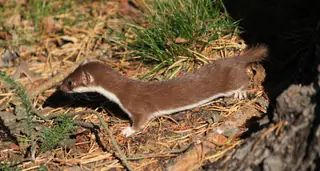 Least Weasel
-
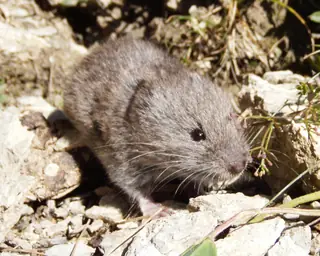 European Snow Vole
Vultures and birds of prey 15
-
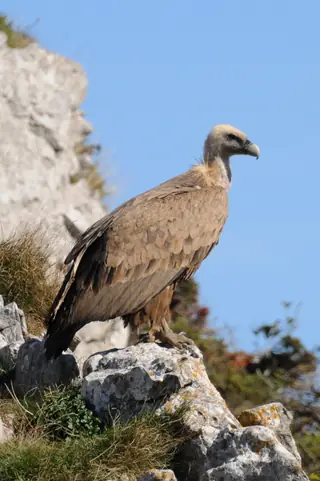 Griffon Vulture
-
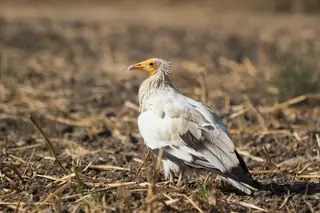 Egyptian Vulture
-
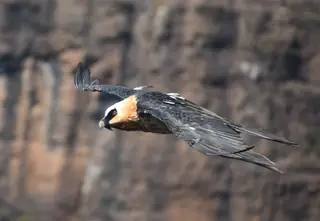 Bearded VultureRare
-
 Golden Eagle
-
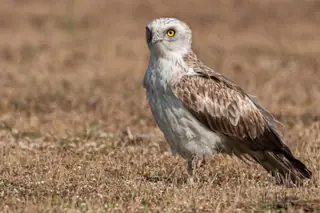 Short-toed Eagle
-
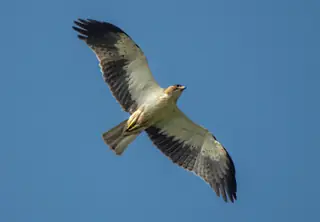 Booted Eagle
-
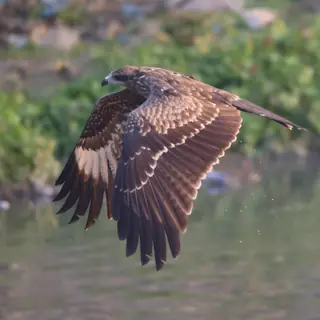 Black Kite
-
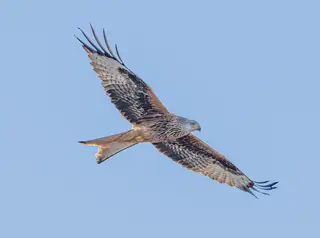 Red Kite
-
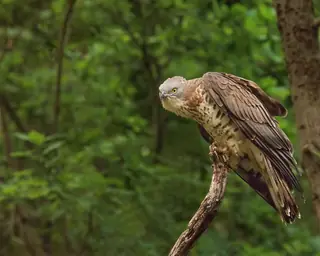 Honey Buzzard
-
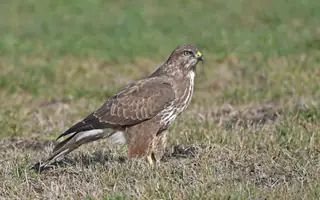 Buzzard
-
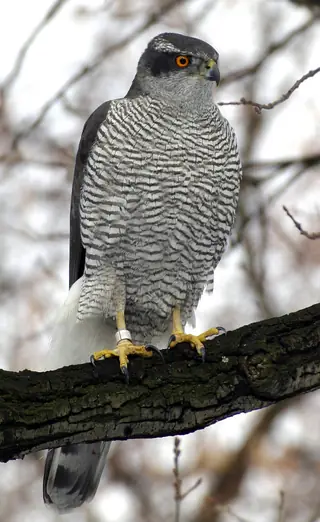 Goshawk
-
 Peregrine Falcon
-
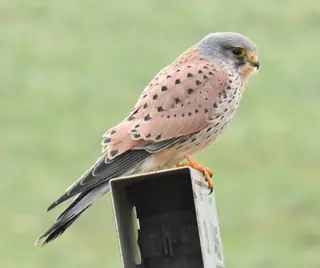 Kestrel
-
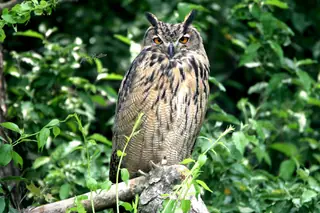 Eurasian Eagle-OwlRare
-
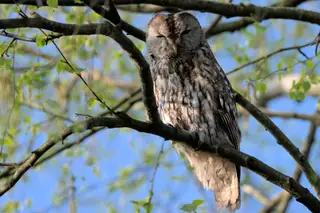 Tawny Owl
Mountain and cliff birds 18
-
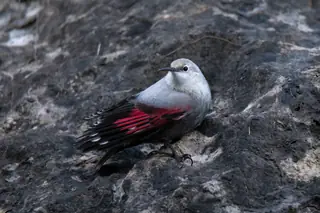 WallcreeperRare
-
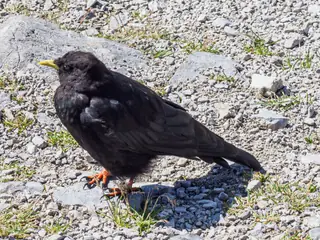 Alpine Chough
-
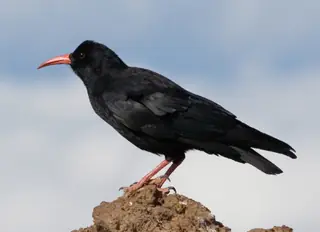 Chough
-
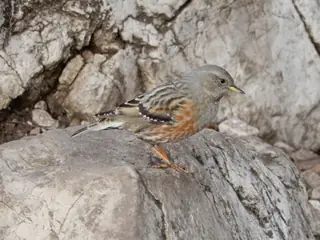 Alpine Accentor
-
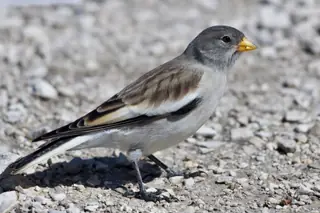 White-winged Snowfinch
-
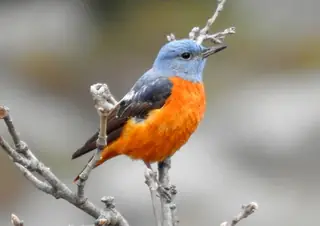 Rufous-tailed Rock Thrush
-
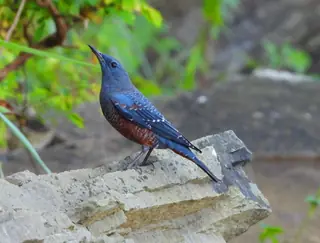 Blue Rock Thrush
-
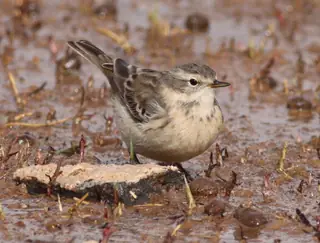 Water Pipit
-
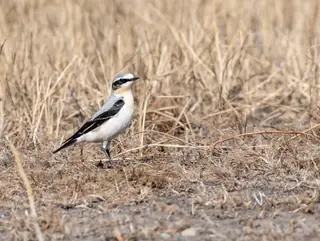 Wheatear
-
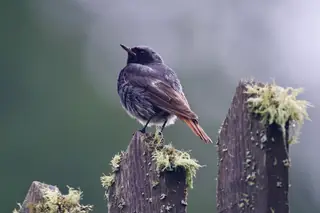 Black Redstart
-
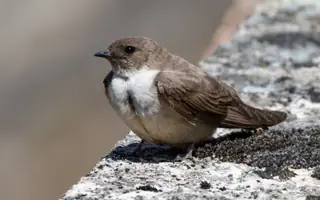 Eurasian Crag Martin
-
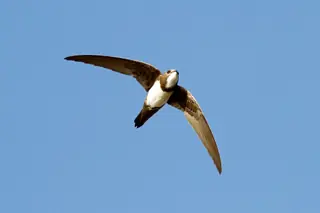 Alpine Swift
-
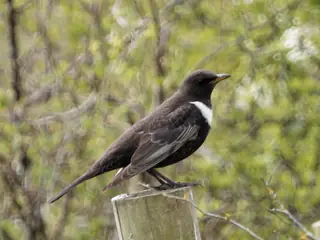 Ring Ouzel
-
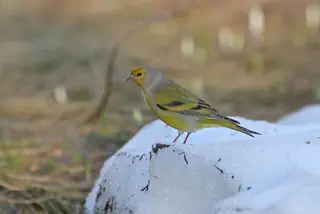 Citril Finch
-
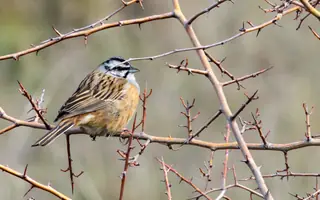 Rock Bunting
-
 Common Raven
-
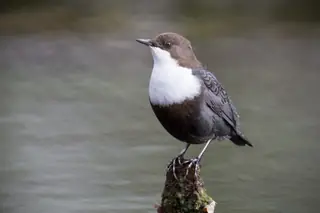 Dipper
-
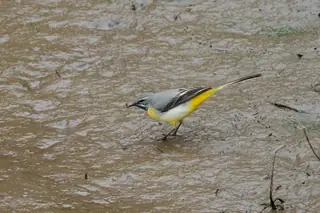 Grey Wagtail
Woodland and meadow birds 23
-
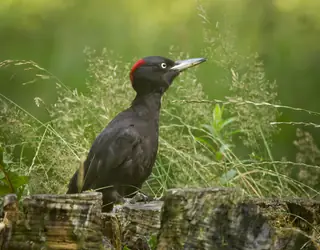 Black Woodpecker
-
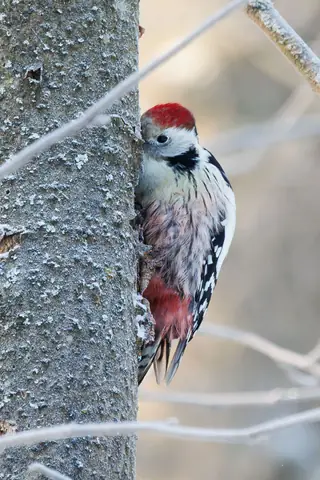 Middle Spotted WoodpeckerRare
-
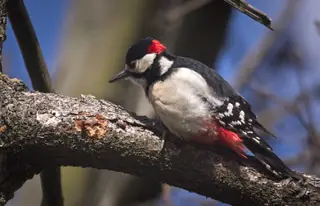 Great Spotted Woodpecker
-
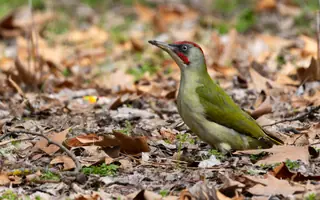 Iberian Green Woodpecker
-
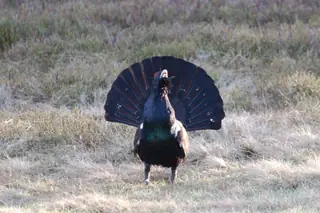 CapercaillieRare
-
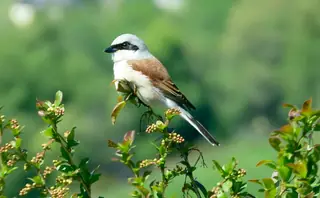 Red-backed Shrike
-
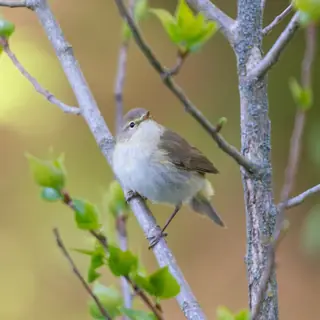 Western Bonelli's Warbler
-
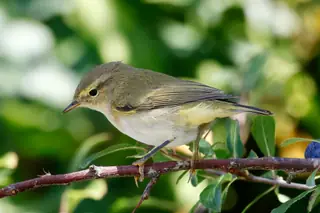 Iberian Chiffchaff
-
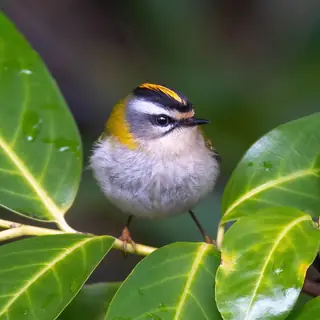 Firecrest
-
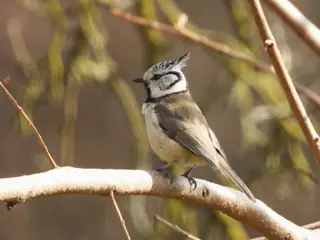 Crested Tit
-
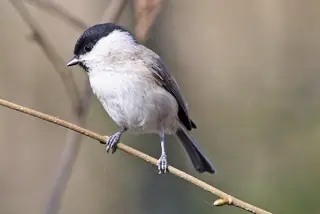 Marsh Tit
-
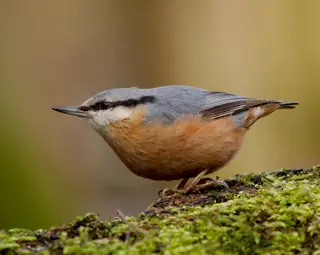 Nuthatch
-
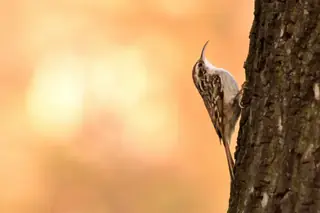 Short-toed Treecreeper
-
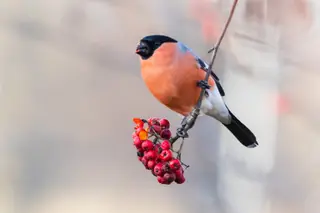 Bullfinch
-
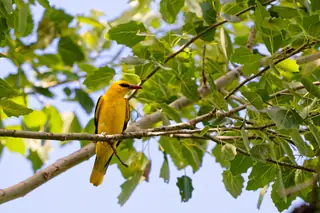 Eurasian Golden Oriole
-
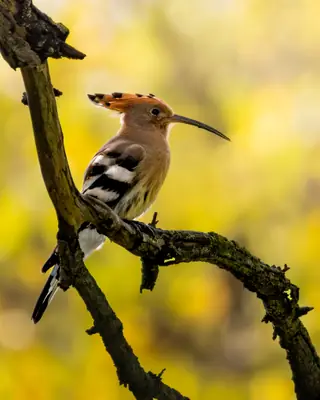 Hoopoe
-
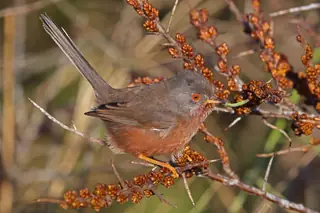 Dartford Warbler
-
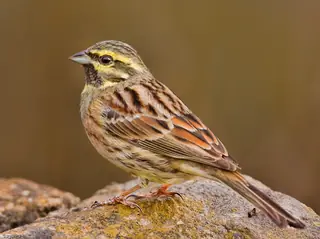 Cirl Bunting
-
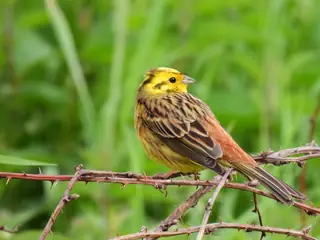 Yellowhammer
-
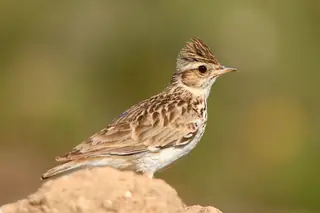 Woodlark
-
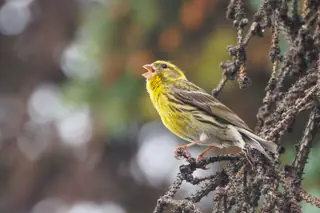 European Serin
-
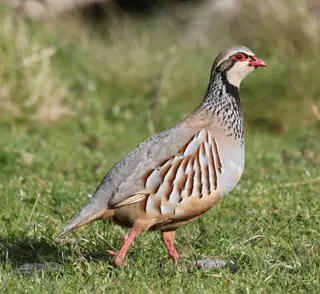 Red-legged Partridge
-
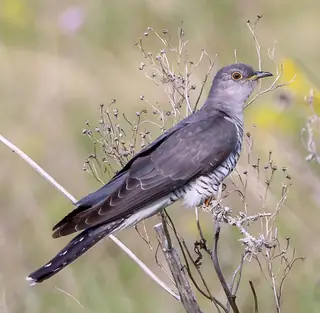 Cuckoo
Reptiles and amphibians 16
-
 Iberian Rock Lizard
-
 Common Wall Lizard
-
 Iberian Emerald Lizard
-
 Western Green Lizard
-
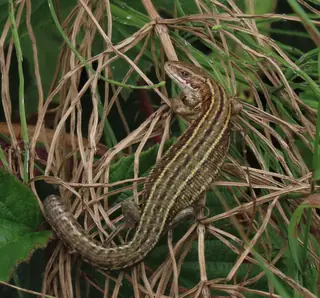 Common Lizard
-
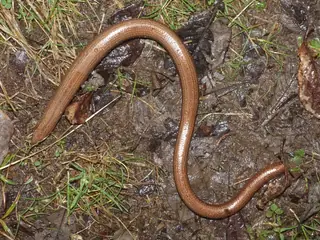 Slow Worm
-
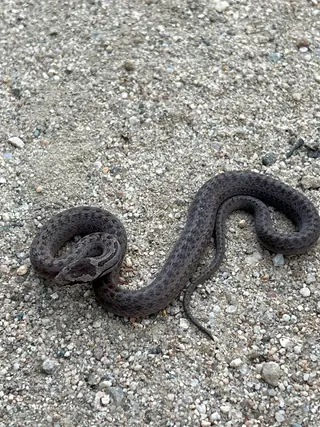 Smooth SnakeRare
-
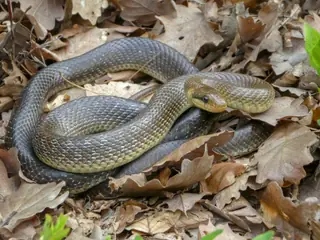 Aesculapian Snake
-
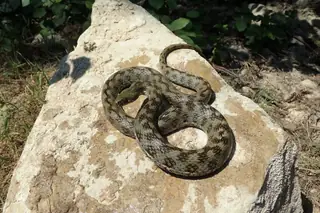 Viperine Snake
-
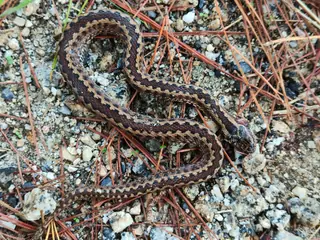 Seoane's Viper
-
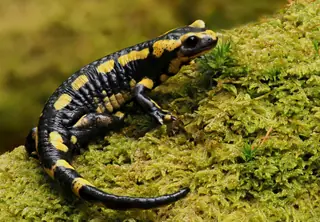 Fire Salamander
-
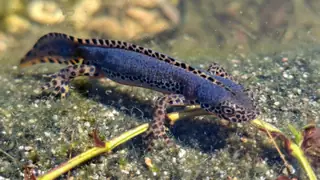 Alpine Newt
-
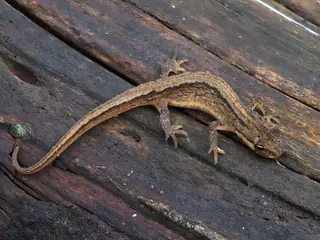 Palmate Newt
-
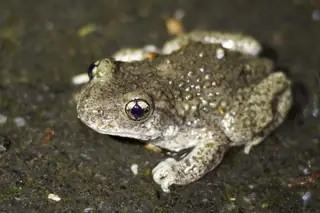 Common Midwife Toad
-
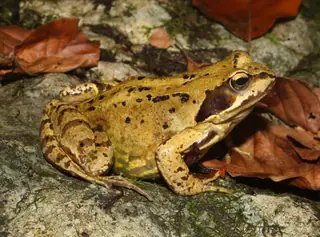 Common Frog
-
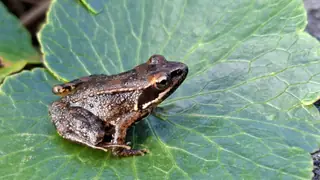 Iberian Frog
Fish 2
-
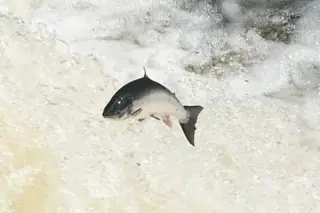 Atlantic Salmon
-
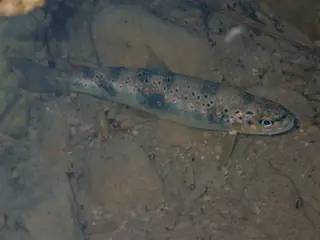 Brown Trout
Butterflies and dragonflies 13
-
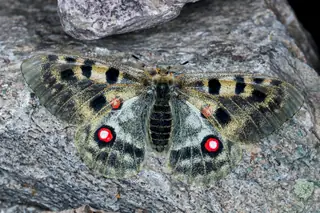 Apollo
-
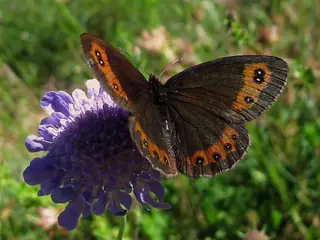 Chapman's Ringlet
-
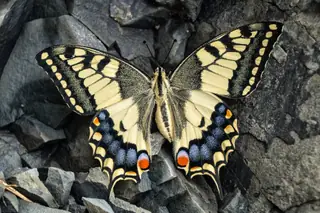 Swallowtail
-
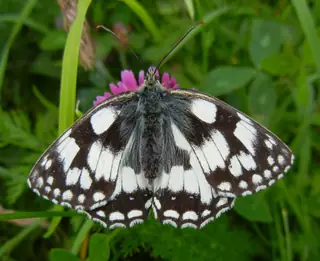 Marbled White
-
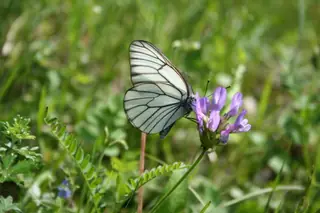 Black-veined White
-
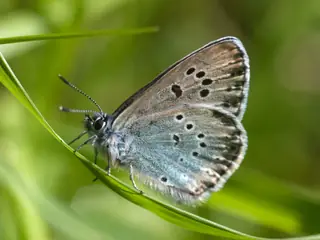 Large Blue
-
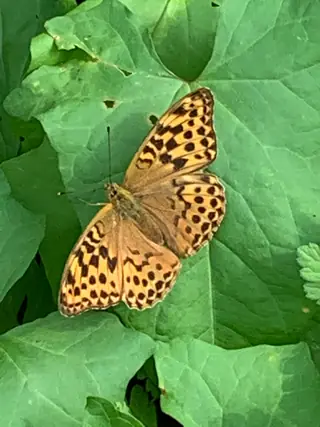 Silver-washed Fritillary
-
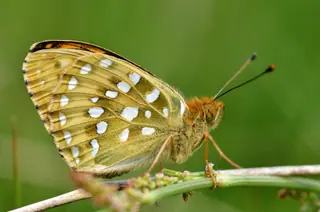 Dark Green Fritillary
-
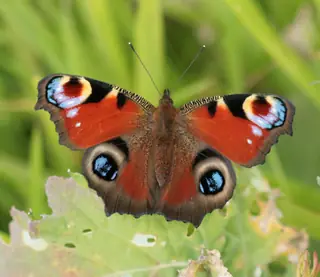 Peacock
-
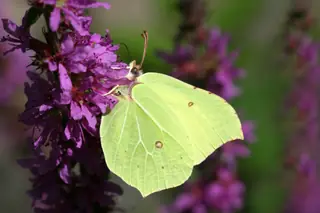 Brimstone
-
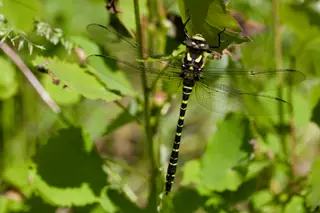 Golden-ringed Dragonfly
-
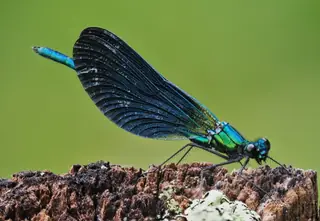 Beautiful Demoiselle
-
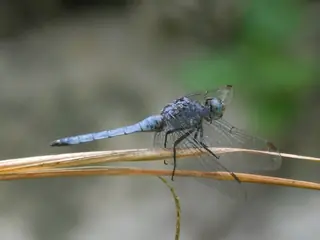 Keeled Skimmer
Best time to see wildlife in the Picos de Europa
Sightings by month in the Picos de Europa
Most records: May to JulRecords from GBIF.org, adjusted for how many people record wildlife each month. 100% is the busiest month.
Spring and early summer are the classic season. From May to July the hay meadows flower, the birds are singing and butterflies are everywhere, while wallcreepers, snowfinches and accentors are easiest on the high tops. Bears are best watched in Somiedo in April to June, when they feed on new grass on open slopes, and again in September and October, when they come out for fruit and nuts. In high summer bears tend to stay in the forest. August is busy with Spanish holidaymakers, and the road to the Lagos de Covadonga is restricted to buses at peak times. September and October bring the red deer rut. Winter is snowy on the peaks, but wallcreepers come down to lower cliffs.
- Jan to MarSnow on the peaks, wallcreepers low, wolves on guided watches
- Apr to JunBears on open slopes in Somiedo, migrants arriving
- Jun to JulFlower meadows, butterflies, high-mountain birds
- AugBusy holidays; bears mostly hidden in forest
- Sep to OctBears feeding on fruit, red deer rut
Tips for spotting wildlife in the Picos de Europa
- 01
Watch bears from a distance
In Somiedo, set up a telescope at a viewpoint early or late and scan the opposite slopes. A licensed local guide knows the right valleys. Never walk towards a bear: disturbing them is against the law.
- 02
Ride the Fuente Dé cable car early
The cable car climbs 750 m in a few minutes. Go on the first cars of the day to find alpine choughs, snowfinches and chamois before the crowds.
- 03
Walk the Cares gorge
The trail between Poncebos and Caín runs high above the river through the heart of the Picos. Watch for wallcreepers on the walls and chamois on ledges.
- 04
Check the Covadonga lakes access
Private cars are restricted on the road up to the Lagos de Covadonga at busy times, with buses from Cangas de Onís instead. Go early to see chamois and alpine newts around Lago Enol.
- 05
Stay on paths in the beech woods
The Cantabrian capercaillie is critically endangered and easily disturbed. Keep to marked paths in spring and never search for its display grounds.

Take the Picos de Europa with you
Take this Picos de Europa and Somiedo list into the mountains and log chamois, vultures and bears offline, even in the deepest gorge. Wilder is free to start.

Picos de Europa wildlife FAQ
Can you see bears in the Picos de Europa?
Bears are present in the Picos but rarely seen there. The best place to watch Cantabrian brown bears is Somiedo Natural Park, about two hours west, where they feed on open slopes in spring and autumn. Watch from viewpoints with a telescope, ideally with a licensed guide, and allow a couple of days.
What animals live in the Picos de Europa?
The Picos are home to Cantabrian chamois, roe and red deer, wild boar, Iberian wolves and a few brown bears. Birds include griffon and bearded vultures, golden eagles, wallcreepers, alpine choughs and snowfinches. This checklist covers 106 animals, including the bear country of Somiedo.
When is the best time to visit the Picos de Europa for wildlife?
May to July is best for most wildlife in the Picos, with flowering meadows, singing birds and the high-mountain species easiest to find. For bears in Somiedo, choose April to June or September to October. August is the busiest month and the least good for bears.
Where can you see wallcreepers in Spain?
The Picos de Europa are one of Spain's most reliable places for wallcreepers. In summer they feed on high limestone faces around Fuente Dé and the central massif; in winter they move down to lower cliffs and gorges. Patience and a careful scan of the rock work best.
Sources
- Asturias.com: sighting bears in Asturias
- Ecoticias: bearded vulture recovery in the Picos de Europa
- Turismo Asturias: Somiedo bear watching
- Sightings by month: GBIF.org
Animal photos are from the Wilder catalogue; photo credits.
Similar checklists
All Europe-
 National park72animals Doñana National Park Andalucía, Spain The great marshes of the Guadalquivir: flamingos, spoonbills and imperial eagles, and the best place in the world to hope for an Iberian lynx. Best time Mar to May
-
 Reserve91animals Sierra de Andújar Natural Park Jaén, Andalucía, Spain Granite hills, holm oak dehesa and the Jándula river in the Sierra Morena: the best place in the world to watch a wild Iberian lynx, with imperial eagles and black vultures overhead. Best time Dec to Feb
-
 Region103animals Camargue Bouches-du-Rhône and Gard, Provence, France The Rhône delta: lagoons pink with flamingos, reedbeds full of herons and warblers, and salt marshes where bee-eaters and rollers hunt. Best time Apr to Jun
-
 Region105animals Romanian Carpathians Brașov, Sibiu and Argeș, Romania Beech and spruce forest under limestone ridges, home to Europe's biggest brown bear population, with wolves, lynx, chamois on the crags and wallcreepers in the gorges. Best time May to Sept