Reserve · Jaén, Andalucía · Spain
Sierra de Andújar Wildlife Checklist

Sierra de Andújar Natural Park in Jaén, Andalucía, is the most reliable place in the world to see a wild Iberian lynx. This checklist covers 91 animals, including Spanish imperial eagles, cinereous vultures, mouflon and otters on the Jándula river. Visit from December to February for lynx, especially during the January mating season, or in spring for birds and wildflowers.
Tick off all 91 animals in Andújar on your phone, even offline. Launching soon. Free A4 PDF, no sign-up.
The park is a rolling sea of granite hills, holm oak dehesa and scrub in the Sierra Morena, north of the town of Andújar. Much of it is private hunting estate, so wildlife watching happens from the public roads and tracks that cross it.
- Animals to find
- 91
- Where
- Spain
- Best time
- Dec to Feb
- Iberian lynx
- Europe's rarest cat, at home here
Popular animals in Andújar
-
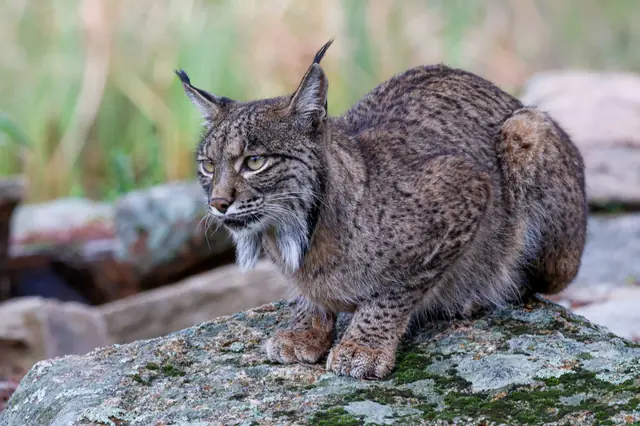
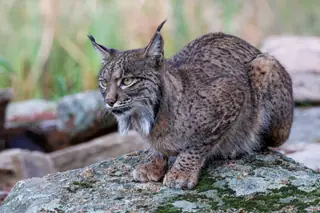
Iberian Lynx
Lynx pardinus
Once down to fewer than 100 animals, the lynx is recovering, and the Sierra Morena holds its biggest population. Patient watchers at dawn and dusk in winter have a real chance, though it can still take days.
-
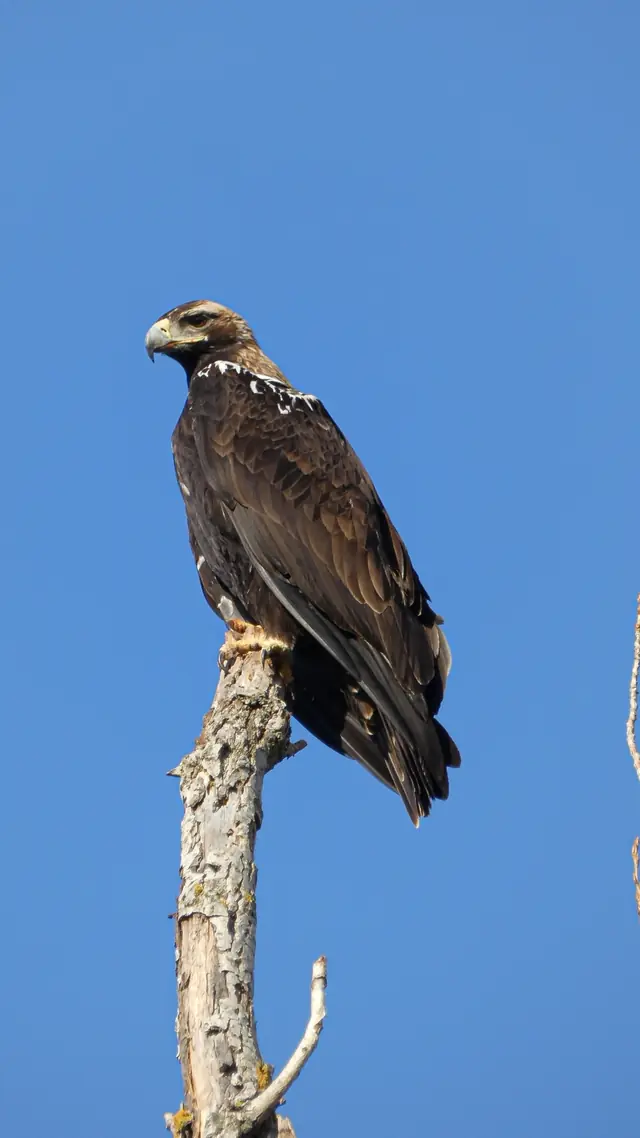
Spanish Imperial Eagle
Aquila adalberti
One of the rarest eagles in the world, found only in Iberia. Adults have bright white shoulder patches; scan ridges over the dehesa.
-
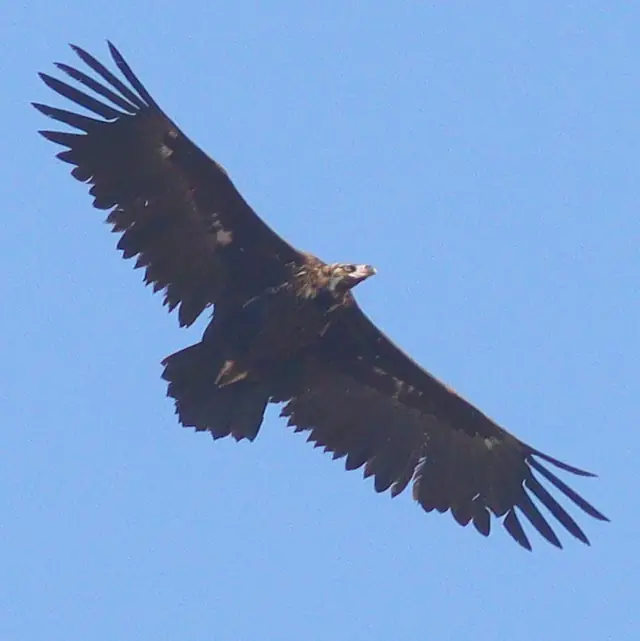
Cinereous Vulture
Aegypius monachus
Europe's biggest bird of prey, almost black, with a wingspan near three metres. Soars over the hills on warm mornings.
-
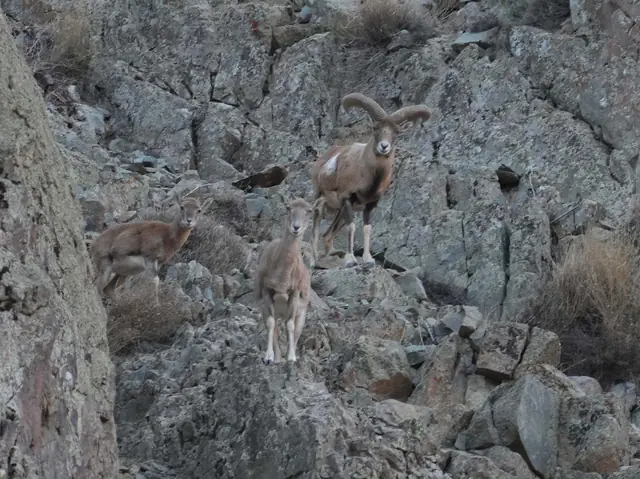
Mouflon
Ovis gmelinii
Wild sheep with curling horns, often on rocky granite slopes with red and fallow deer.
-
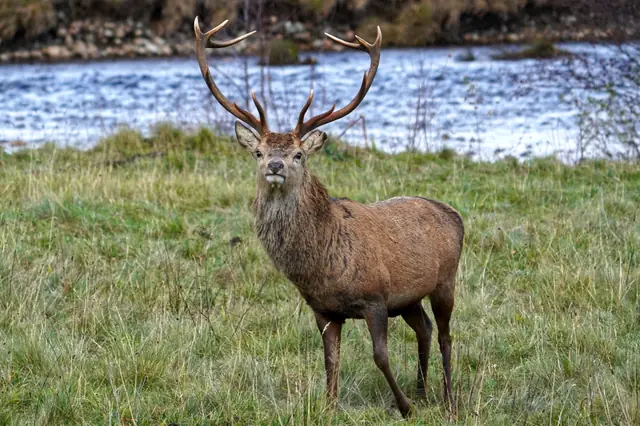
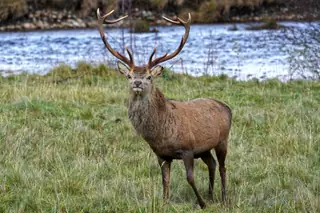
Red Deer
Cervus elaphus
Common all over the park. The rut in September and October fills the valleys with roaring at dusk.
-
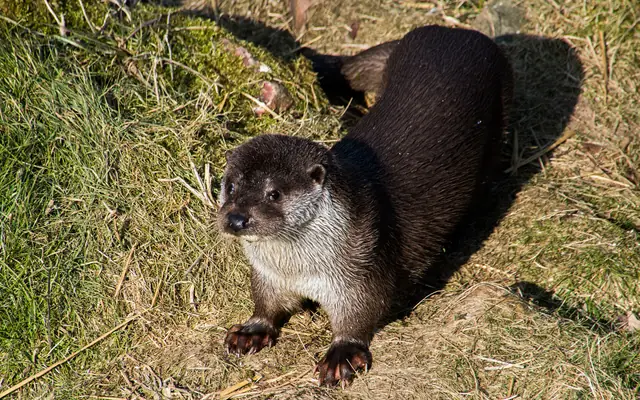
Otter
Lutra lutra
Fishes the Jándula river; early mornings are best.
-
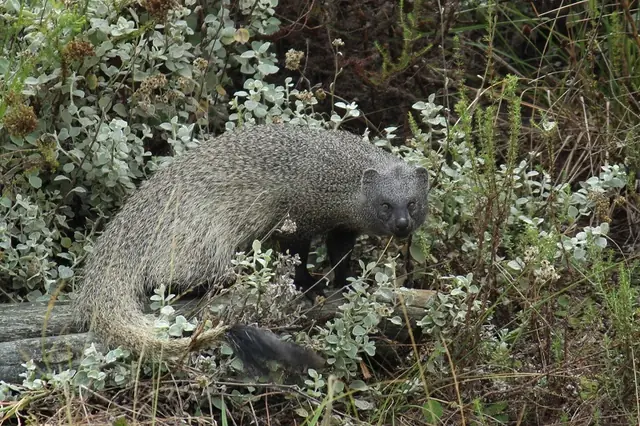
Egyptian Mongoose
Herpestes ichneumon
A long, grizzled hunter that is active by day, sometimes crossing a track in a family line nose to tail.
-
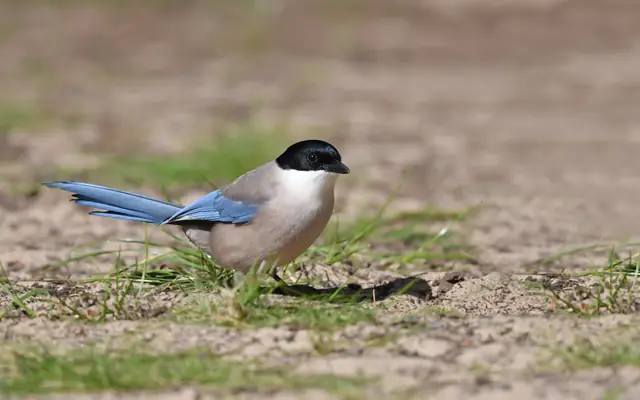
Iberian Magpie
Cyanopica cooki
A blue-winged, black-capped magpie found only in Iberia, moving through the oaks in noisy groups.
-
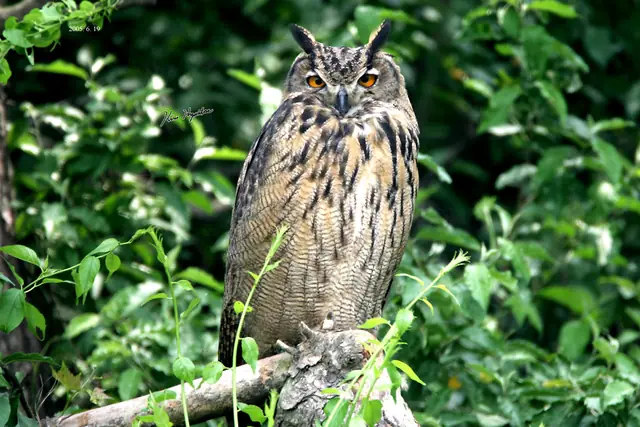
Eurasian Eagle-Owl
Bubo bubo
Its deep hoots carry across the valleys at dusk in autumn and winter.
All 91 animals in Andújar
Lynx and other mammals 15
-
 Iberian Lynx
-
 Red Deer
-
 Fallow Deer
-
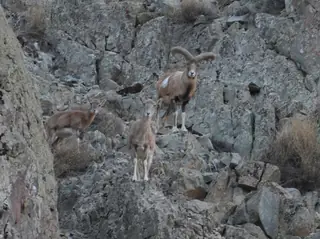 Mouflon
-
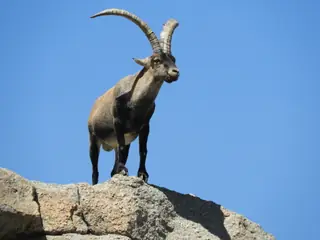 Iberian Ibex
-
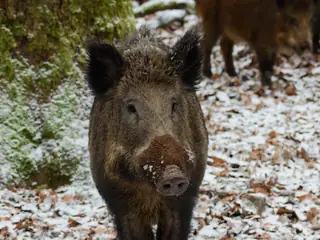 Wild Boar
-
 Red Fox
-
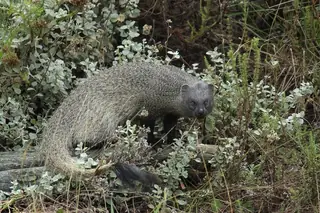 Egyptian Mongoose
-
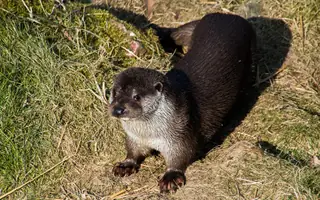 Otter
-
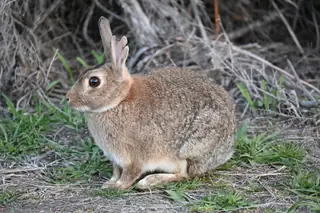 Rabbit
-
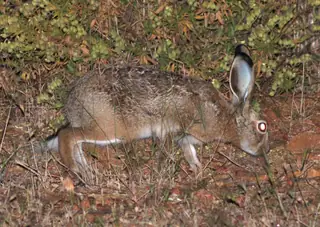 Iberian Hare
-
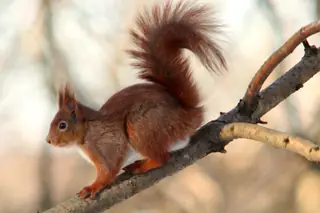 Red Squirrel
-
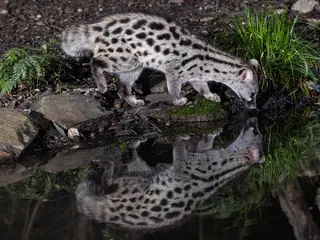 Common GenetRare
-
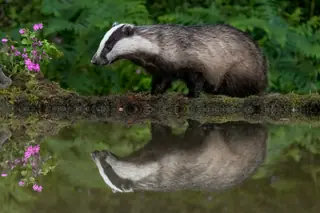 BadgerRare
-
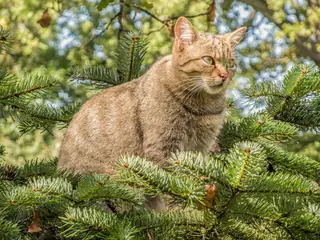 WildcatRare
Eagles and vultures 15
-
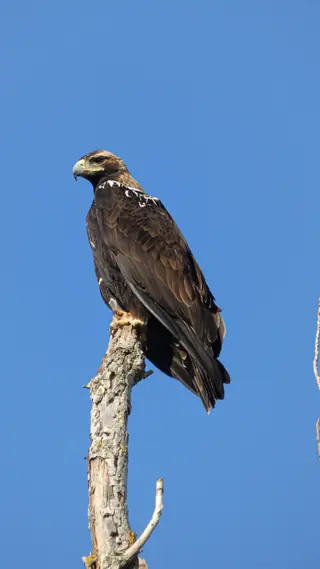 Spanish Imperial Eagle
-
 Golden Eagle
-
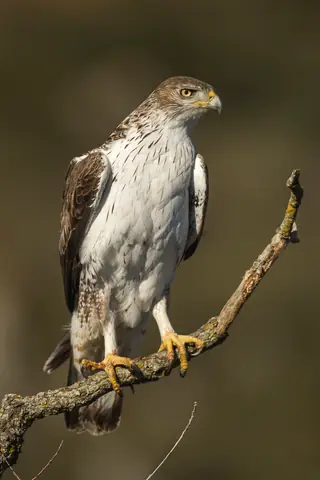 Bonelli's EagleRare
-
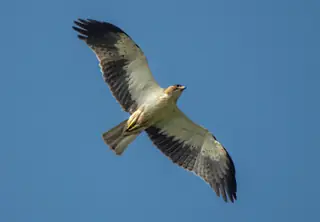 Booted Eagle
-
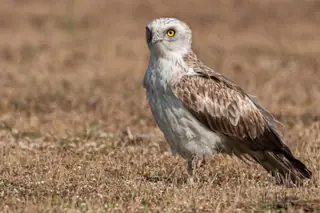 Short-toed Eagle
-
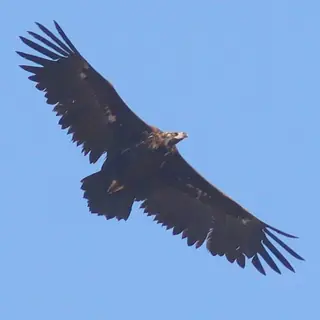 Cinereous Vulture
-
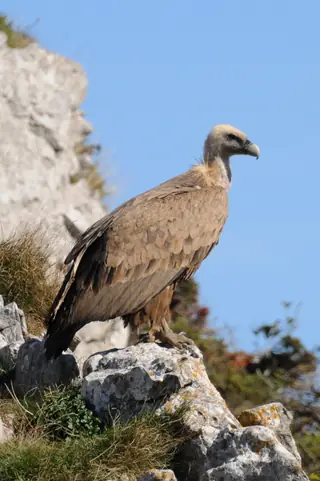 Griffon Vulture
-
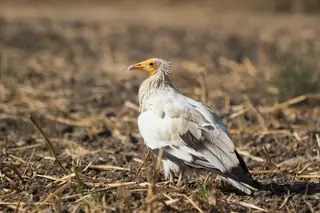 Egyptian Vulture
-
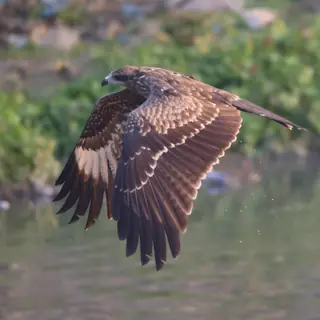 Black Kite
-
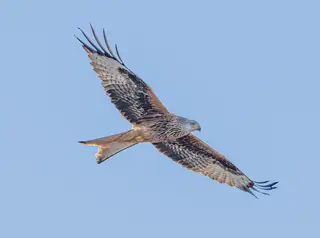 Red Kite
-
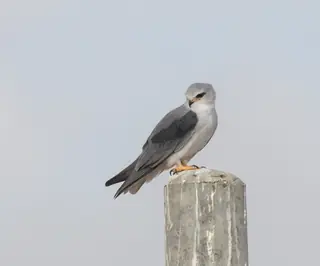 Black-winged Kite
-
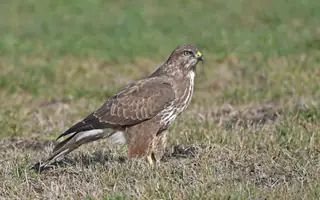 Buzzard
-
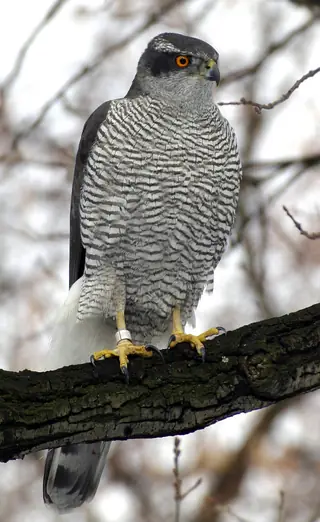 Goshawk
-
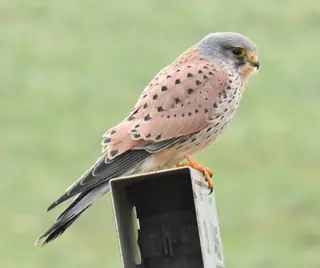 Kestrel
-
 Peregrine Falcon
Owls 4
-
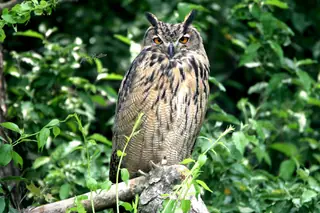 Eurasian Eagle-Owl
-
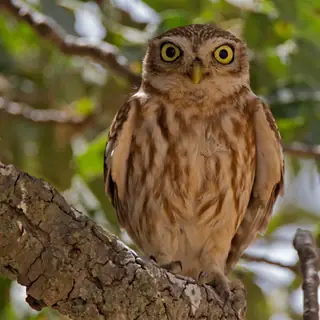 Little Owl
-
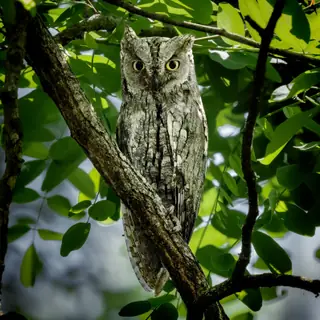 Eurasian Scops Owl
-
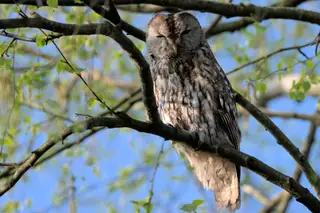 Tawny Owl
Dehesa and woodland birds 18
-
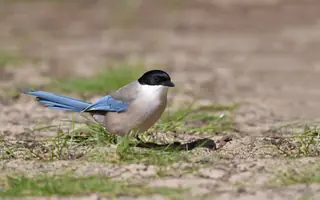 Iberian Magpie
-
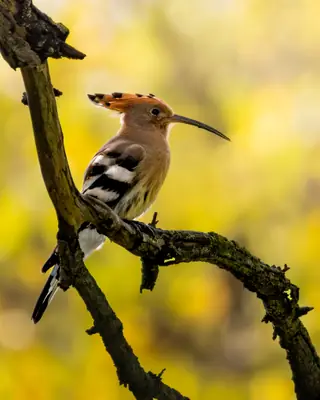 Hoopoe
-
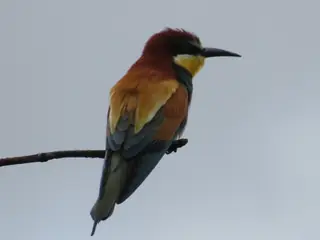 European Bee-eater
-
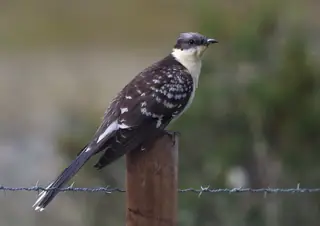 Great Spotted Cuckoo
-
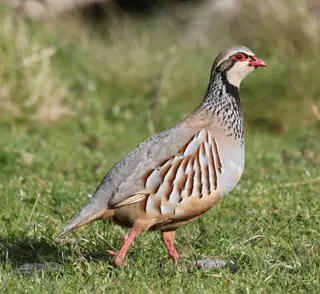 Red-legged Partridge
-
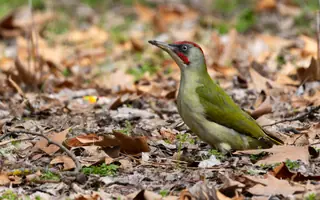 Iberian Green Woodpecker
-
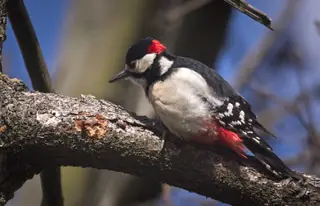 Great Spotted Woodpecker
-
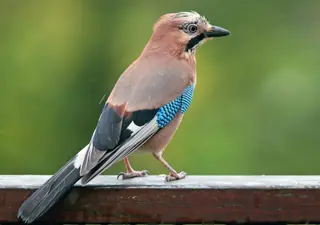 Jay
-
 Common Raven
-
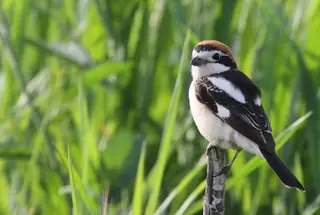 Woodchat Shrike
-
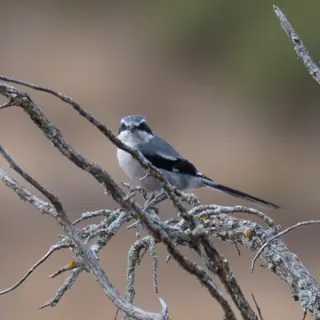 Iberian Grey Shrike
-
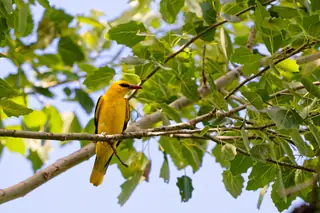 Eurasian Golden Oriole
-
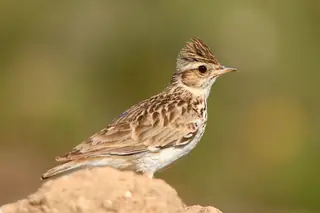 Woodlark
-
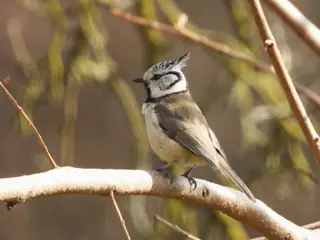 Crested Tit
-
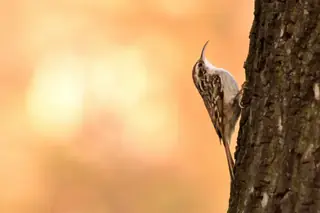 Short-toed Treecreeper
-
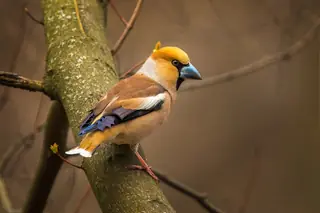 Hawfinch
-
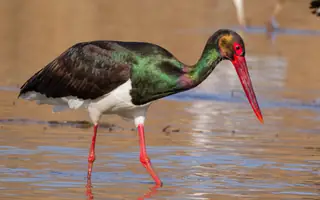 Black Stork
-
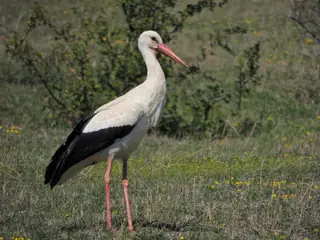 White Stork
Rock and scrub birds 21
-
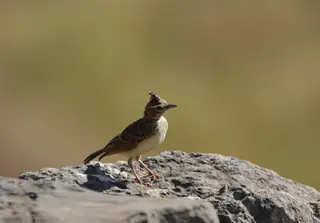 Thekla's Lark
-
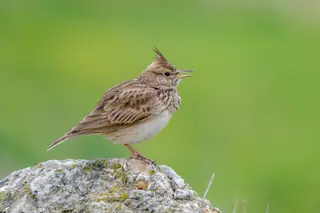 Crested Lark
-
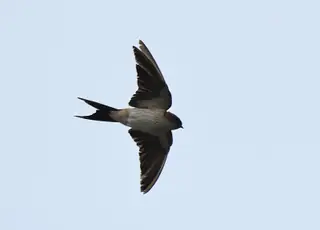 Red-rumped Swallow
-
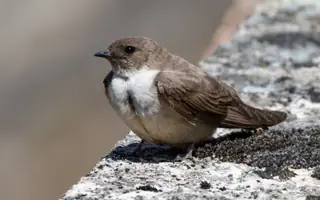 Eurasian Crag Martin
-
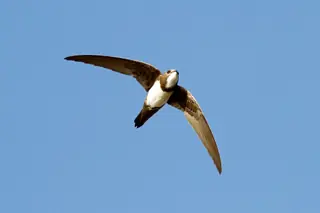 Alpine Swift
-
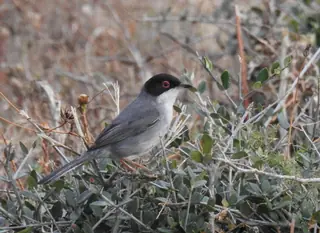 Sardinian Warbler
-
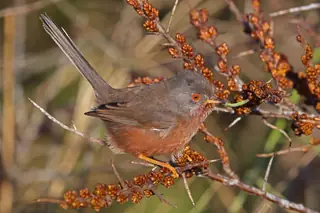 Dartford Warbler
-
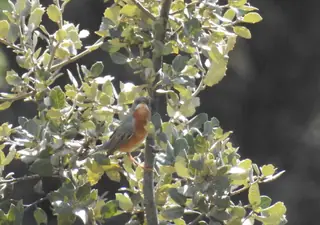 Western Subalpine Warbler
-
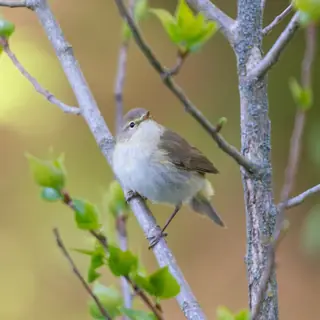 Western Bonelli's Warbler
-
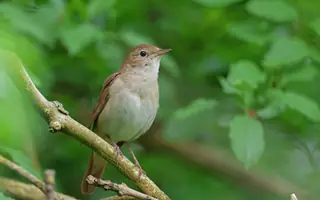 Nightingale
-
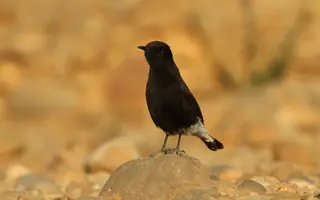 Black Wheatear
-
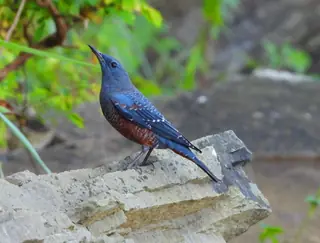 Blue Rock Thrush
-
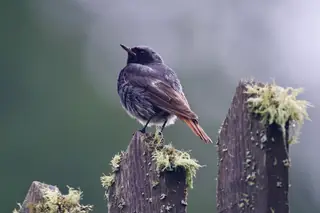 Black Redstart
-
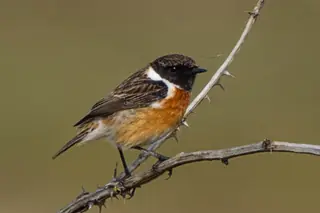 Stonechat
-
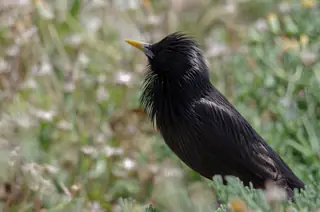 Spotless Starling
-
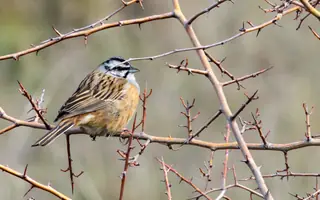 Rock Bunting
-
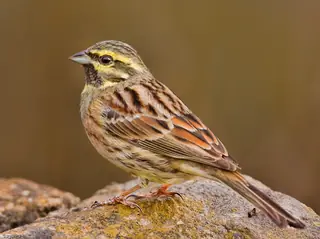 Cirl Bunting
-
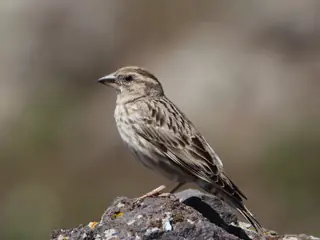 Rock Sparrow
-
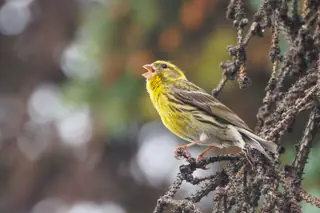 European Serin
-
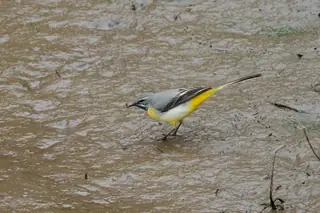 Grey Wagtail
-
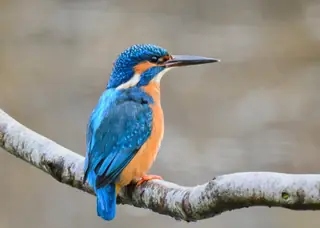 Kingfisher
Reptiles and amphibians 14
-
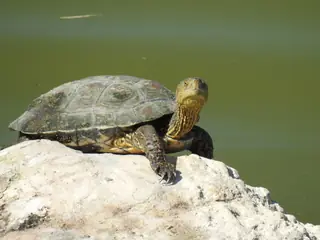 Stripe-necked Terrapin
-
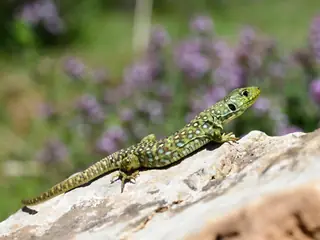 Ocellated Lizard
-
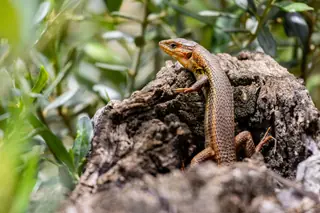 Large Psammodromus
-
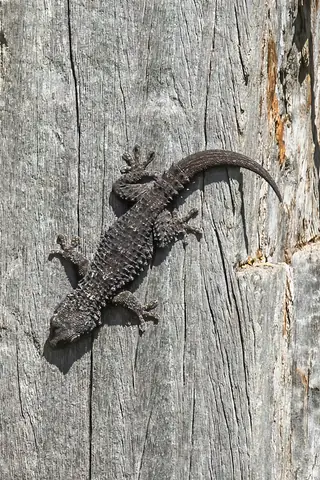 Moorish Gecko
-
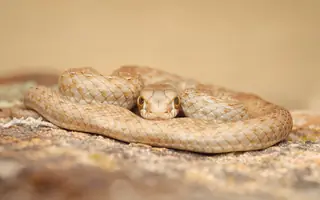 Montpellier Snake
-
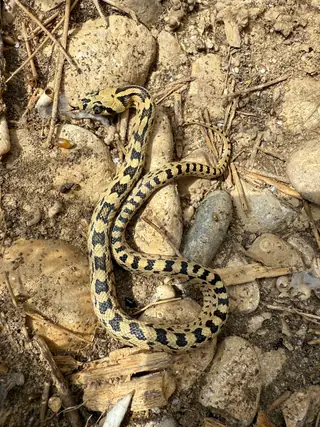 Ladder Snake
-
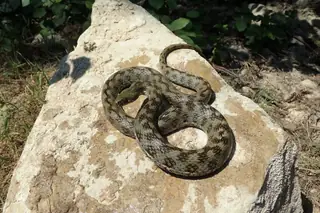 Viperine Snake
-
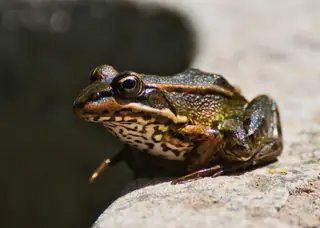 Perez's Frog
-
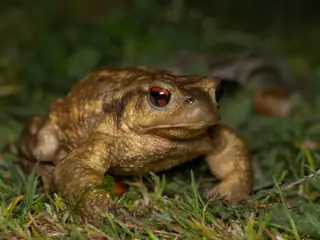 Spiny Toad
-
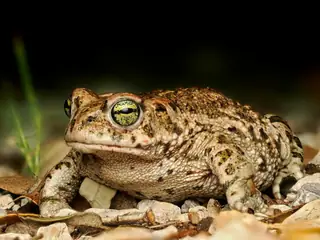 Natterjack Toad
-
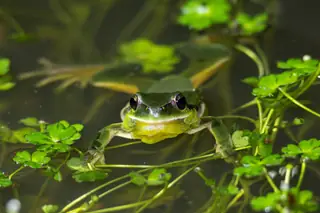 Stripeless Tree Frog
-
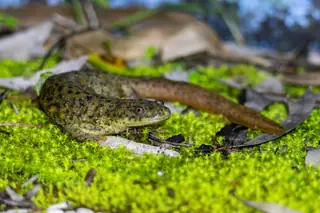 Sharp-ribbed NewtRare
-
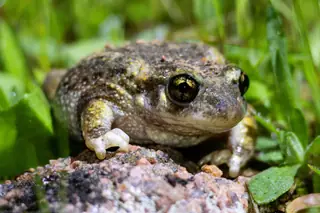 Iberian Midwife ToadRare
-
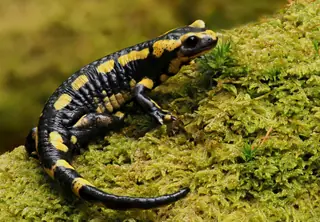 Common Fire SalamanderRare
Butterflies 4
-
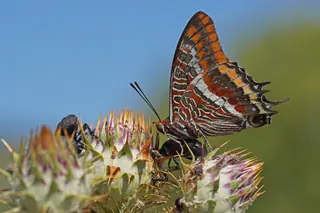 Two-tailed Pasha
-
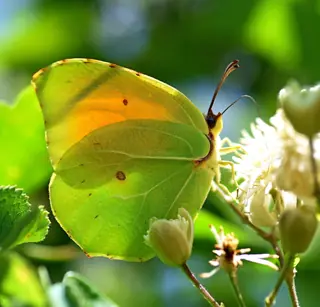 Cleopatra
-
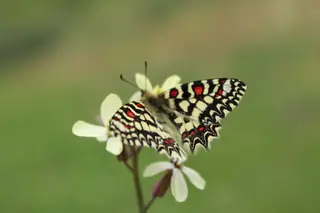 Spanish Festoon
-
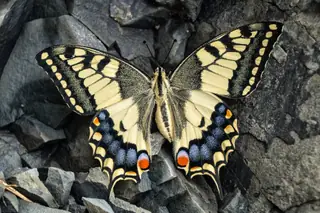 Swallowtail
Best time to see wildlife in Andújar
Sightings by month in Andújar
Most records: Feb to Oct, DecRecords from GBIF.org, adjusted for how many people record wildlife each month. 100% is the busiest month.
Lynx watching peaks from December to February. Cold, clear mornings bring lynx out to hunt rabbits and to sun themselves on rocks, and the January mating season makes them more active and vocal. Days are short, so dawn and dusk sessions fit around a long lunch. Spring, from March to May, is green and full of flowers, with bee-eaters, booted and short-toed eagles and Egyptian vultures returning; lynx are still seen but less often. Summer is very hot and dry, and wildlife watching is limited to early morning and evening. The red deer rut in September and October is a spectacle of its own. Weekends in winter can be busy on the roads favoured by watchers.
- Dec to FebBest for lynx, mating season in January
- Mar to MaySpring migrants, eagles, flowers
- Jun to AugHot; early mornings only
- Sep to OctRed deer rut
- NovCooler days, lynx activity picks up
Tips for spotting wildlife in Andújar
- 01
Stay on public roads
Most of the park is private estate. Watch from public roads and tracks, park off the carriageway, and never cross fences or walk into the hills.
- 02
Be patient and quiet
Lynx watching is mostly waiting. Pick a spot with a wide view, stay put through the dawn or dusk session, keep voices low and let the animal choose its route.
- 03
Go with a licensed local guide
Local guides know the terrain and the etiquette, and help keep the pressure off the animals. Don't ask to be taken closer to a lynx.
- 04
Drive slowly
Road traffic is a leading cause of lynx deaths. Keep well under the speed limit, especially at dawn and dusk, and watch for rabbits and lynx on the verges.
- 05
Look up between lynx sessions
The middle of the day is good for raptors as the air warms. Scan ridges for imperial and golden eagles and the big vultures.

Take Andújar with you
Log your Andújar lynx, eagles and vultures in Wilder and keep the dawn and dusk tally going. Free to start.

Andújar wildlife FAQ
When is the best time to see Iberian lynx in Andújar?
December to February is best, especially January, when lynx are in their mating season and move about more by day. Dawn and the last two hours of light are the most productive. Sightings are never guaranteed; most visitors allow two or three days, and patience matters more than covering ground.
How do you see a lynx in Sierra de Andújar?
Most people watch from the public roads that cross the park, scanning rocky slopes and dehesa with binoculars and a telescope, often with a licensed local guide. Stay by your car, keep quiet and keep the road clear for others. Never leave the road, use calls or try to follow a lynx.
Is Andújar better than Doñana for lynx?
For seeing a lynx, usually yes. The Sierra Morena population around Andújar is larger and lynx there are often seen from public roads, while in Doñana most sightings come on authorised 4x4 tours. Doñana is far better for wetland birds, so many visitors combine the two in one trip to Andalucía.
Are there wolves in Sierra de Andújar?
No longer. Wolves once lived in the Sierra Morena, but the population died out in the early 21st century and they are now considered gone from the area. The park's large predators today are the Iberian lynx, golden and imperial eagles and the eagle-owl.
Sources
- Junta de Andalucía: Sierra de Andújar Natural Park visitor centre (Viñas de Peñallana)
- Euro Weekly News: Iberian lynx numbers rise to 2,663
- Mammalwatching: A month with the lynx in Sierra de Andújar
- Sightings by month: GBIF.org
Animal photos are from the Wilder catalogue; photo credits.
Similar checklists
All Europe-
 National park72animals Doñana National Park Andalucía, Spain The great marshes of the Guadalquivir: flamingos, spoonbills and imperial eagles, and the best place in the world to hope for an Iberian lynx. Best time Mar to May
-
 Region103animals Camargue Bouches-du-Rhône and Gard, Provence, France The Rhône delta: lagoons pink with flamingos, reedbeds full of herons and warblers, and salt marshes where bee-eaters and rollers hunt. Best time Apr to Jun
-
 National park113animals Białowieża Forest Podlaskie and Brest, Poland and Belarus Europe's last great lowland primeval forest: free-roaming European bison, wolves and lynx, and ten kinds of woodpecker among the giant oaks. Best time Late Apr to Jun
-
 National park96animals New Forest National Park Hampshire, England Ancient woods and open heaths where five kinds of deer roam, Dartford warblers sing from the gorse and all six British reptiles live. Best time Apr to Jul, Oct