Region · Bouches-du-Rhône and Gard, Provence · France
Camargue Wildlife Checklist

The Camargue, the Rhône delta in southern France, is famous for greater flamingos, with about 10,000 pairs nesting in the only colony in France, plus herons, egrets and reedbed birds. This checklist covers 103 animals, from bee-eaters and rollers to pond turtles and beavers. April to June is best for breeding birds; winter brings cranes, ducks and harriers.
Tick off all 103 animals in the Camargue on your phone, even offline. Launching soon. Free A4 PDF, no sign-up.
The regional park covers about 100,000 hectares of lagoons, salt pans, ricefields, reedbeds and grazing marsh between the two arms of the Rhône. Much of it is private estate, so most watching happens from roads, sea walls and managed reserves such as Pont de Gau, La Capelière and the Marais du Vigueirat.
- Animals to find
- 103
- Where
- France
- Best time
- Apr to Jun
- Flamingo pairs
- About 10,000
Popular animals in the Camargue
-
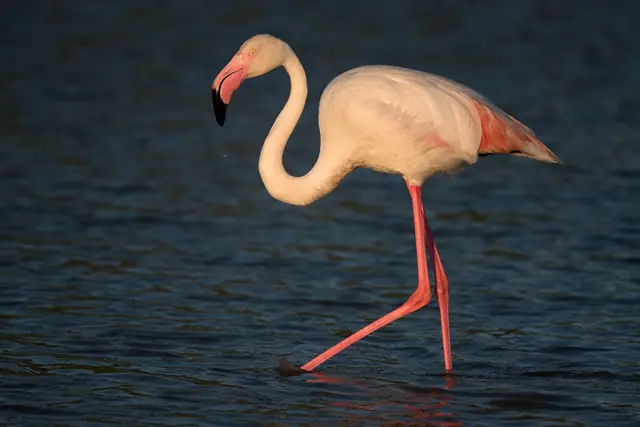
Greater Flamingo
Phoenicopterus roseus
On the lagoons all year, filter-feeding with heads upside down. The Pont de Gau bird park, near Saintes-Maries-de-la-Mer, gives close views of wild birds.
-
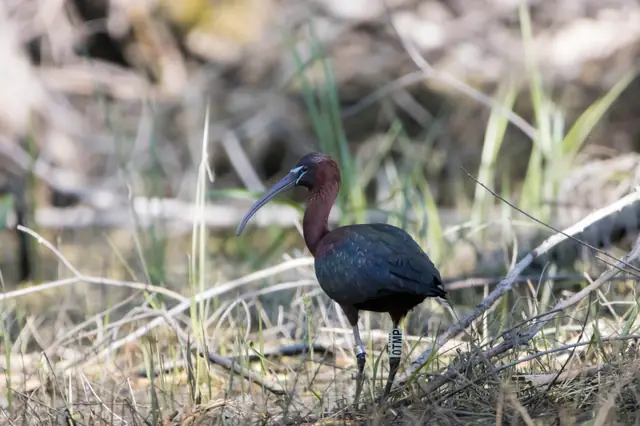
Glossy Ibis
Plegadis falcinellus
Once rare, now common. Dark, curve-billed flocks feed in flooded ricefields and fly to roost at dusk.
-
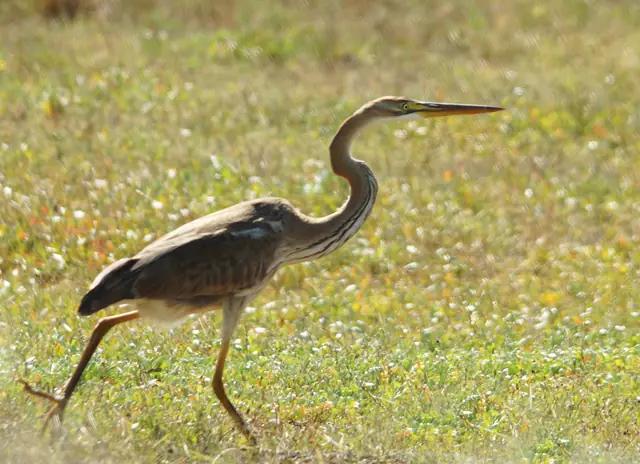
Purple Heron
Ardea purpurea
A slim, snaky heron of dense reedbeds, here from April to September. Watch for it lifting over the reeds at dusk.
-
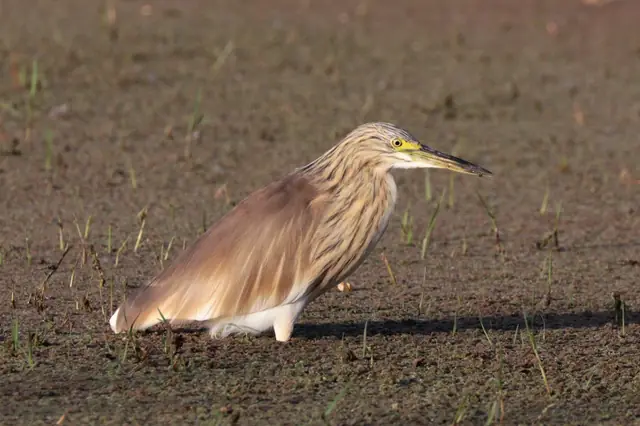
Squacco Heron
Ardeola ralloides
Small and buff in summer, flashing white wings in flight. Look along ricefield ditches.
-
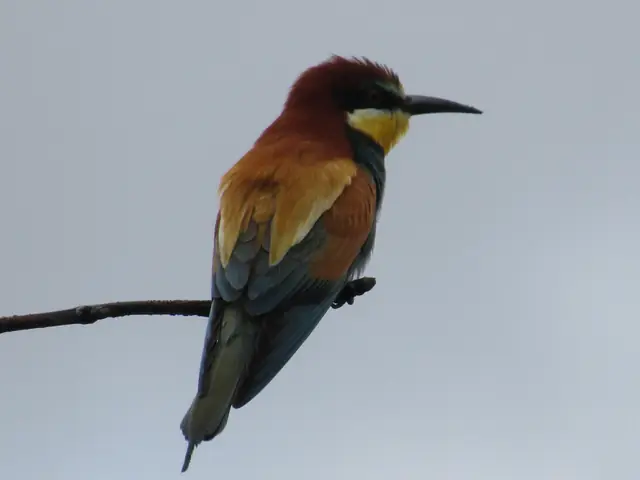
European Bee-eater
Merops apiaster
Arrives in April and hunts insects from wires and dead trees. Listen for the rolling call overhead.
-
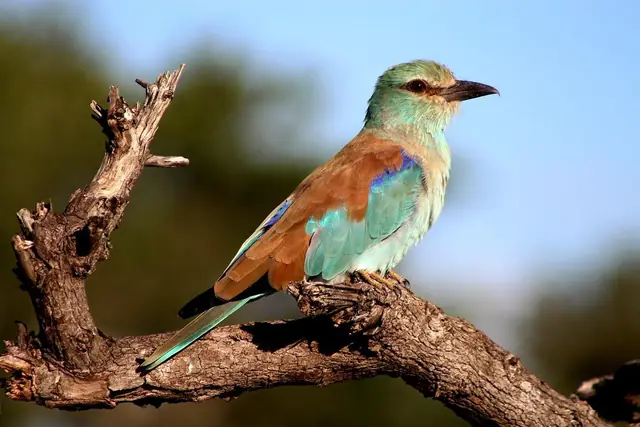
European Roller
Coracias garrulus
A blue and chestnut bird that perches on wires over dry fields from May to August.
-
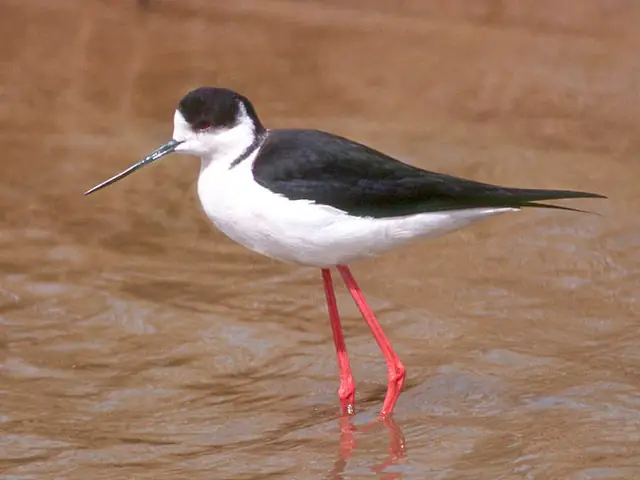
Black-winged Stilt
Himantopus himantopus
Absurdly long pink legs, wading in shallow pools and salt pans in spring and summer.
-
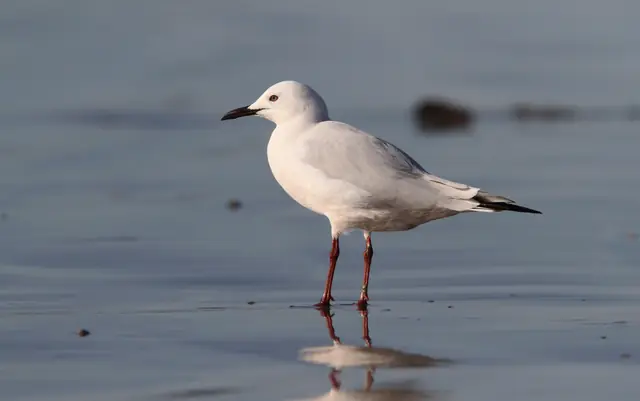
Slender-billed Gull
Chroicocephalus genei
A long-billed gull with a pink flush, on the salt pans in summer.
-
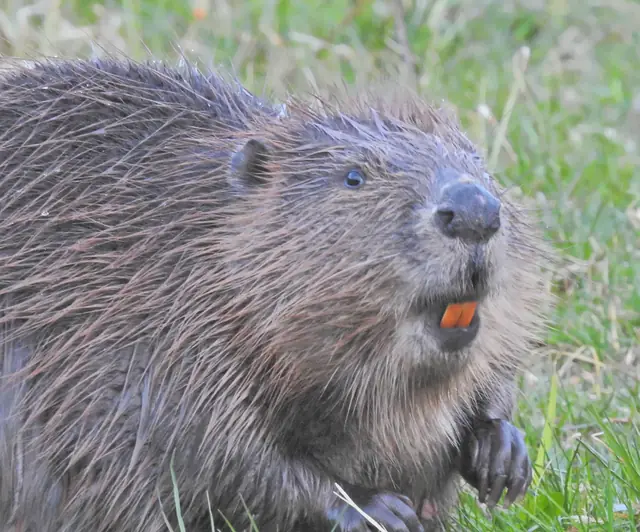
Eurasian Beaver
Castor fiber
Lives along the Rhône; look for gnawed trees and watch the banks at dusk.
-
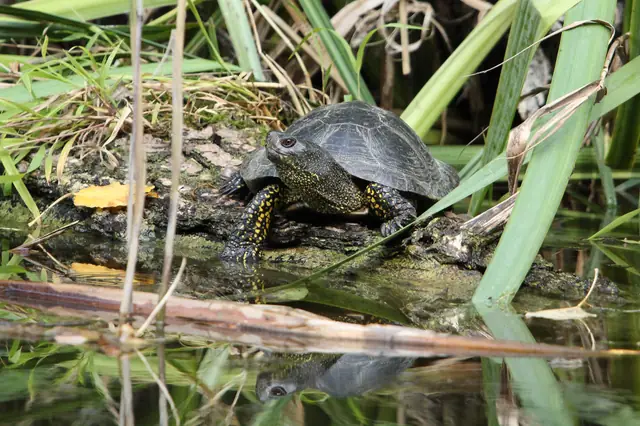
European Pond Turtle
Emys orbicularis
A native freshwater turtle that basks on banks in quiet canals and slips away if disturbed.
All 103 animals in the Camargue
Mammals 10
-
 Wild Boar
-
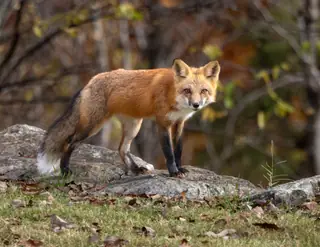 Red Fox
-
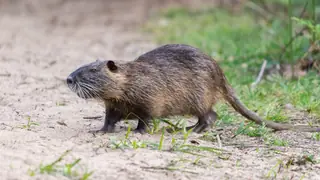 Coypu
-
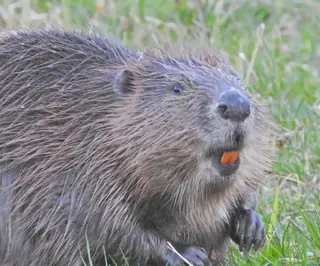 Eurasian BeaverRare
-
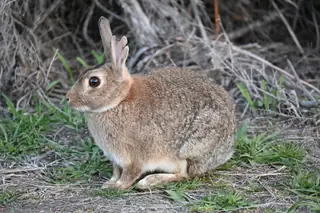 Rabbit
-
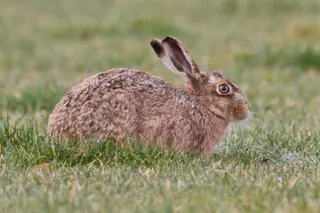 Brown Hare
-
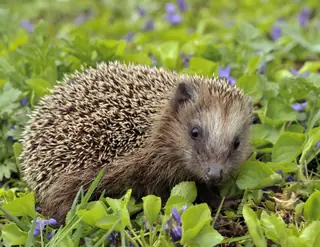 Hedgehog
-
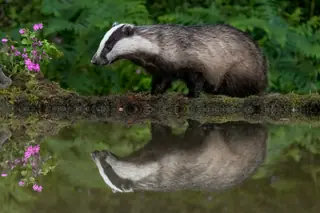 BadgerRare
-
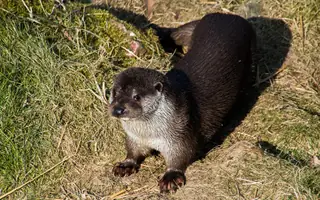 OtterRare
-
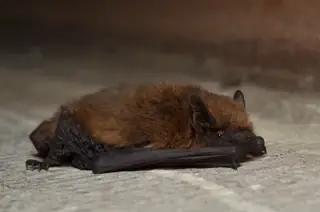 Common Pipistrelle
Flamingos, herons and ibises 14
-
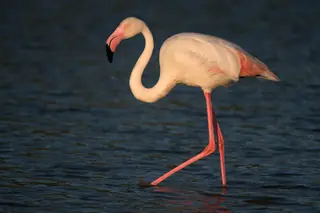 Greater Flamingo
-
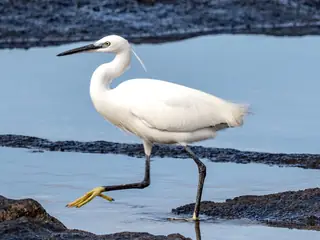 Little Egret
-
 Great Egret
-
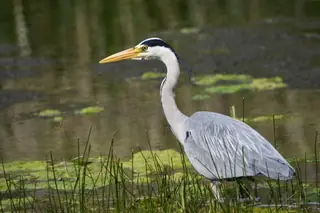 Grey Heron
-
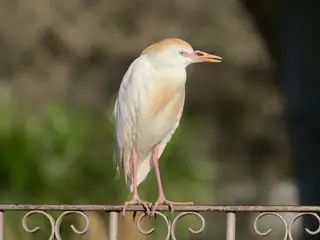 Cattle Egret
-
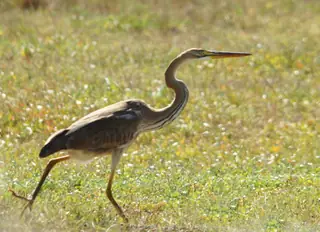 Purple Heron
-
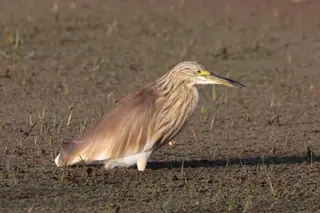 Squacco Heron
-
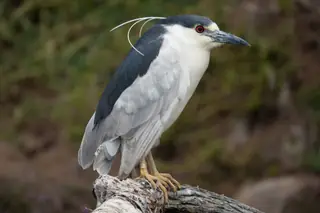 Black-crowned Night Heron
-
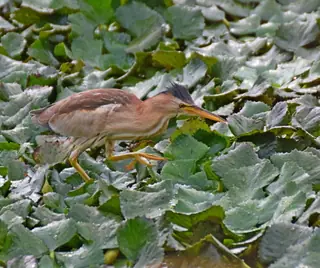 Little Bittern
-
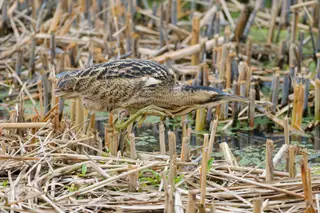 BitternRare
-
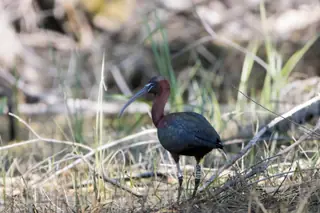 Glossy Ibis
-
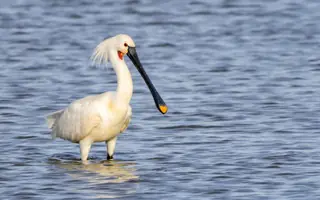 Spoonbill
-
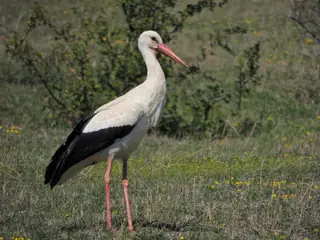 White Stork
-
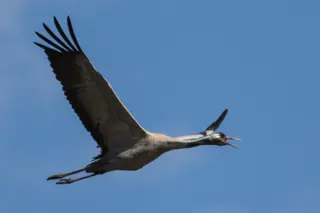 Common Crane
Ducks, grebes and rails 10
-
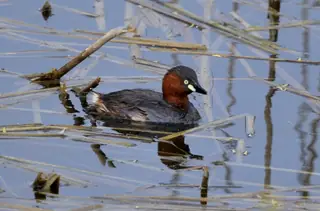 Little Grebe
-
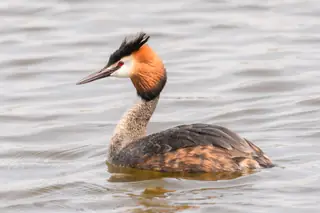 Great Crested Grebe
-
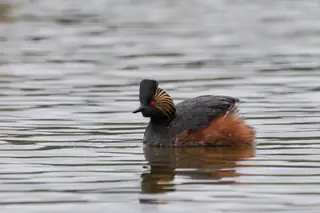 Black-necked Grebe
-
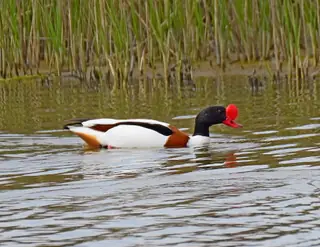 Shelduck
-
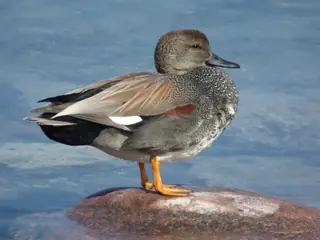 Gadwall
-
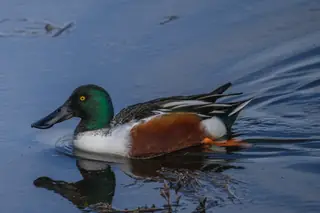 Northern Shoveler
-
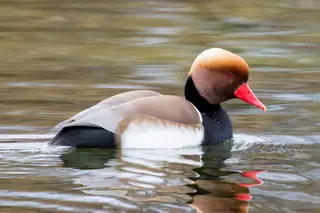 Red-crested Pochard
-
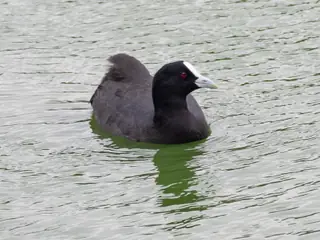 Coot
-
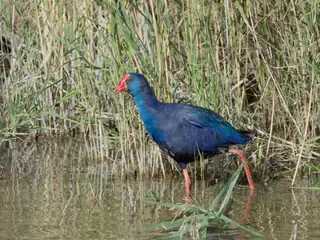 Western Swamphen
-
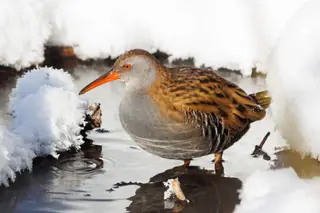 Water Rail
Waders, gulls and terns 18
-
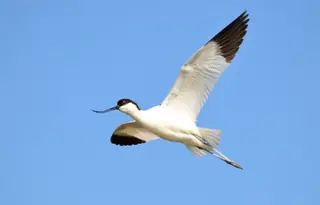 Avocet
-
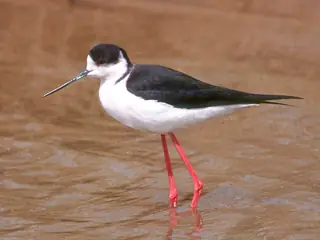 Black-winged Stilt
-
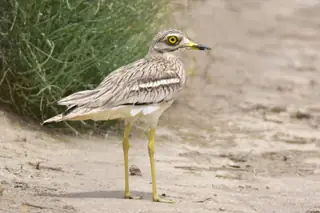 Stone-curlew
-
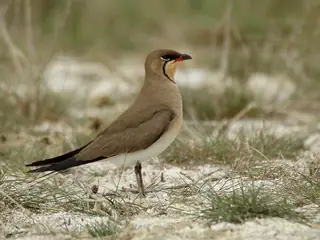 Collared Pratincole
-
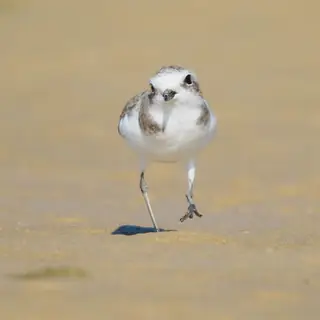 Kentish Plover
-
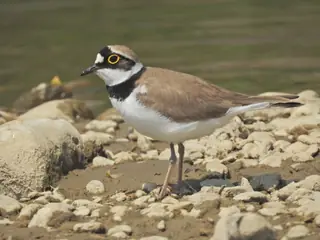 Little Ringed Plover
-
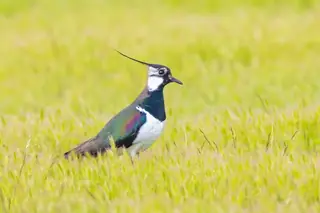 Lapwing
-
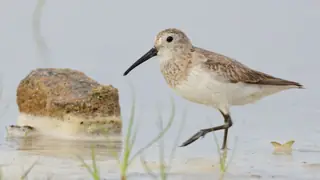 Dunlin
-
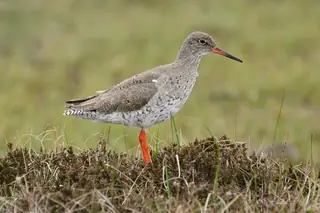 Redshank
-
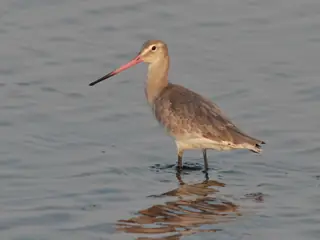 Black-tailed Godwit
-
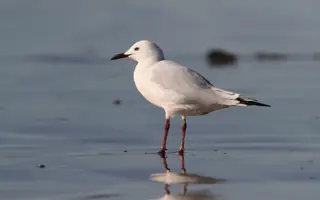 Slender-billed Gull
-
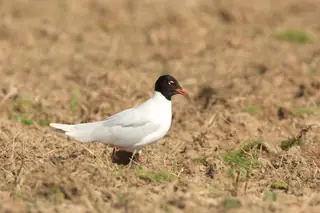 Mediterranean Gull
-
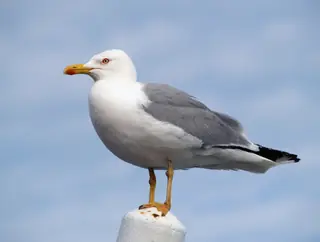 Yellow-legged Gull
-
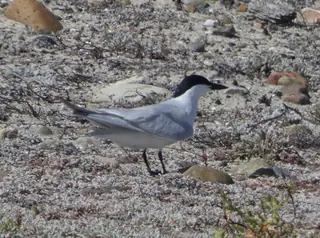 Gull-billed Tern
-
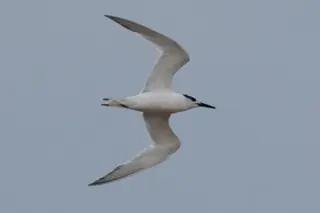 Sandwich Tern
-
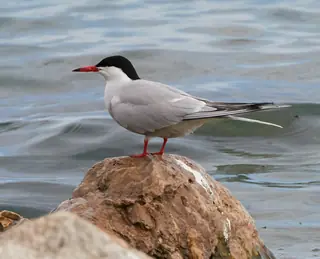 Common Tern
-
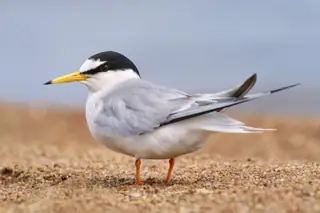 Little Tern
-
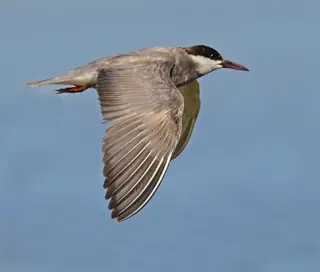 Whiskered Tern
Birds of prey and owls 10
-
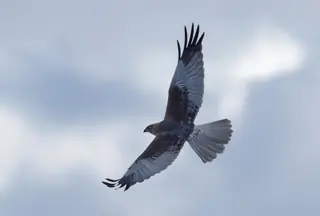 Marsh Harrier
-
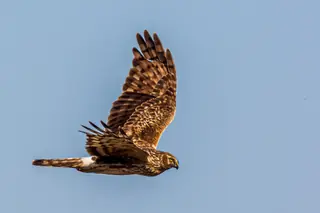 Hen Harrier
-
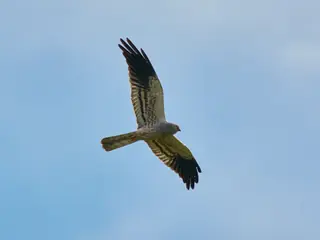 Montagu's Harrier
-
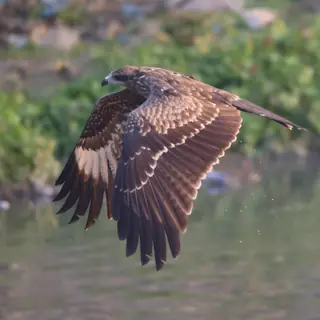 Black Kite
-
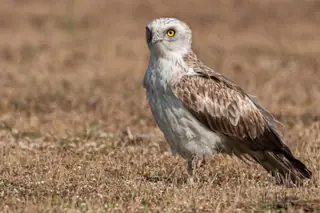 Short-toed Eagle
-
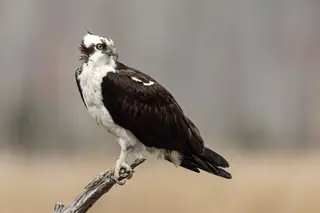 Osprey
-
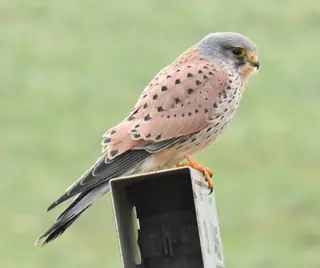 Kestrel
-
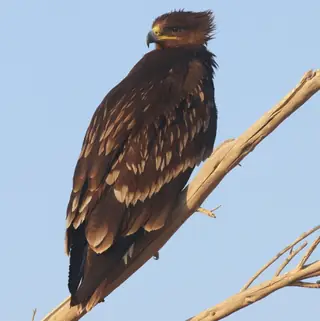 Greater Spotted EagleRare
-
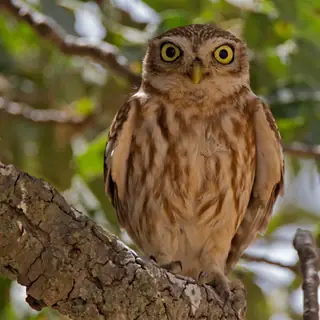 Little Owl
-
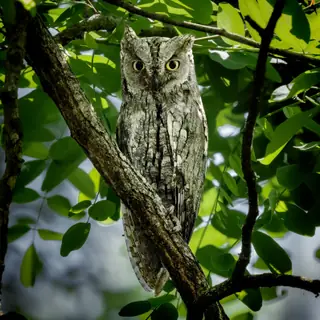 Eurasian Scops Owl
Reedbed and dry-land birds 19
-
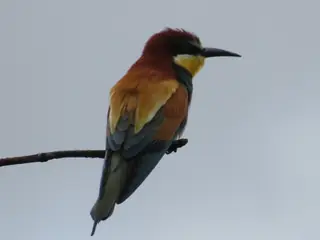 European Bee-eater
-
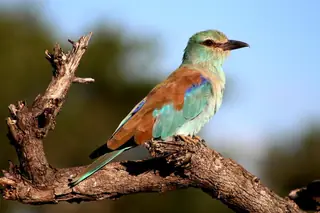 European Roller
-
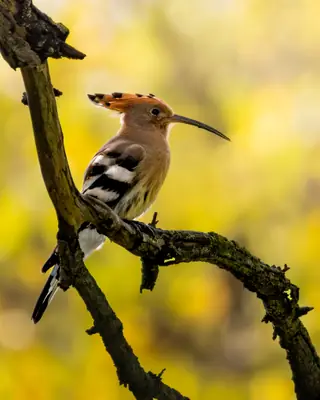 Hoopoe
-
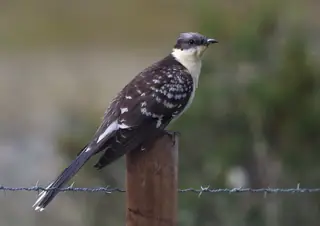 Great Spotted Cuckoo
-
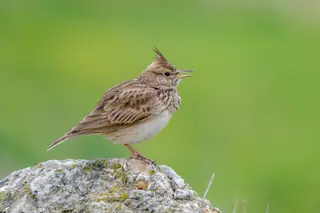 Crested Lark
-
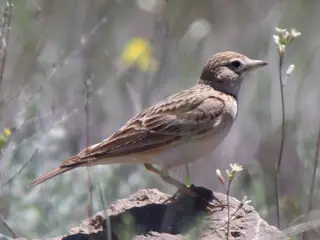 Greater Short-toed Lark
-
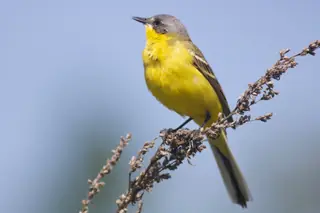 Yellow Wagtail
-
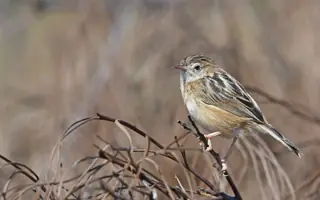 Zitting Cisticola
-
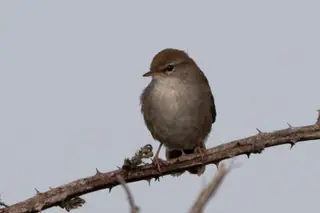 Cetti's Warbler
-
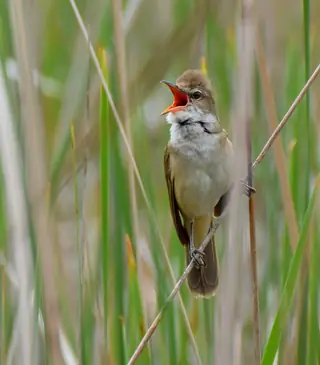 Great Reed Warbler
-
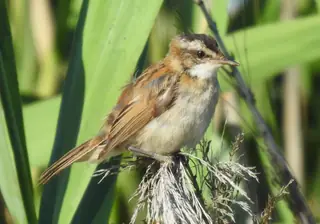 Moustached Warbler
-
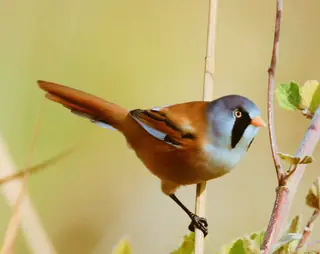 Bearded Tit
-
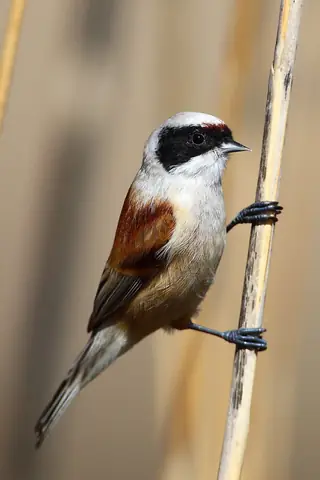 Eurasian Penduline Tit
-
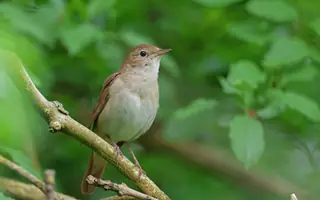 Nightingale
-
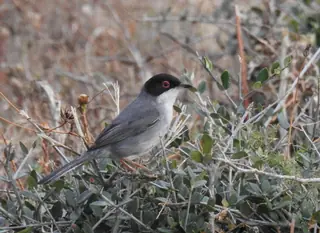 Sardinian Warbler
-
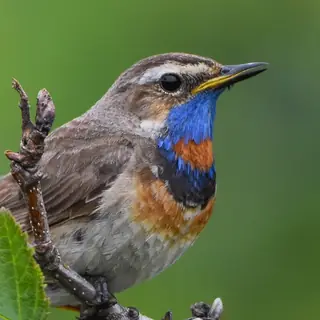 Bluethroat
-
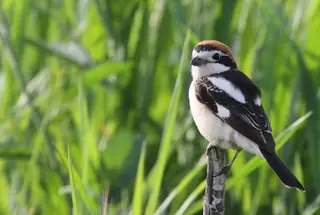 Woodchat Shrike
-
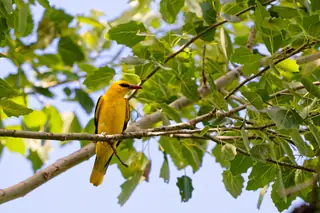 Eurasian Golden Oriole
-
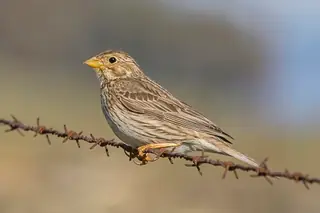 Corn Bunting
Reptiles and amphibians 13
-
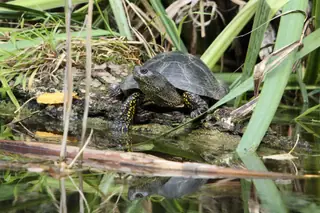 European Pond Turtle
-
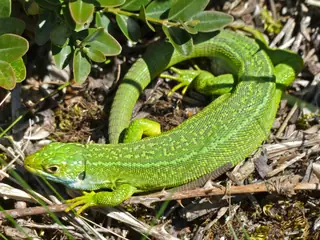 Western Green Lizard
-
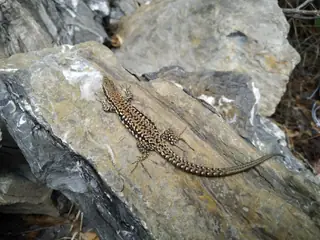 Common Wall Lizard
-
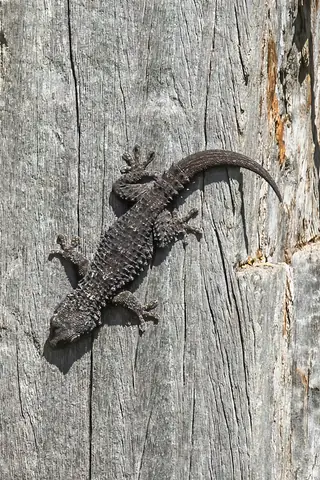 Moorish Gecko
-
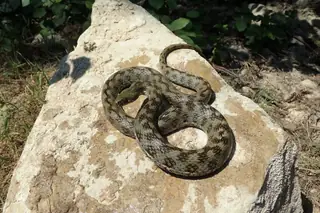 Viperine Snake
-
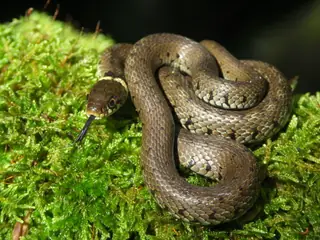 Grass Snake
-
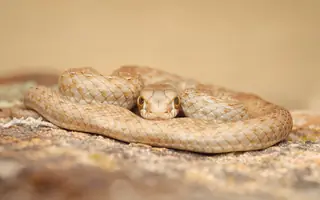 Montpellier Snake
-
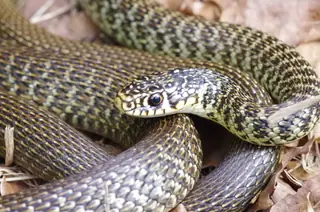 Western Whip Snake
-
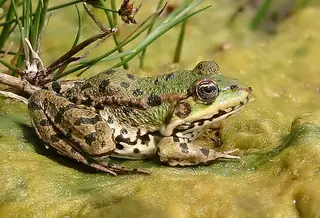 Marsh Frog
-
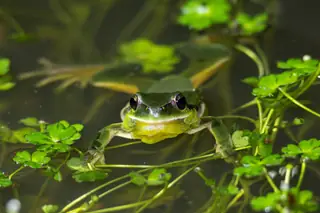 Stripeless Tree Frog
-
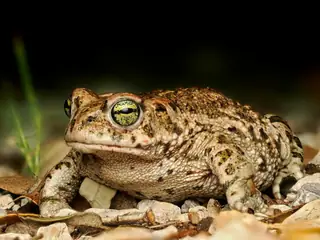 Natterjack Toad
-
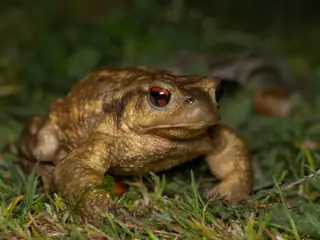 Spiny Toad
-
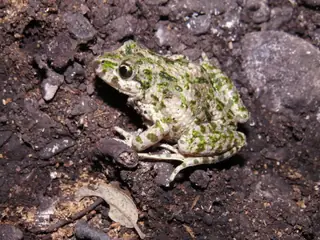 Common Parsley FrogRare
Dragonflies and butterflies 9
-
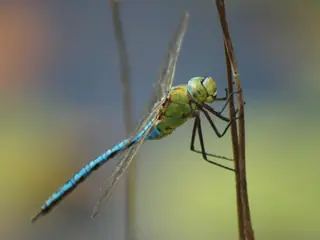 Emperor Dragonfly
-
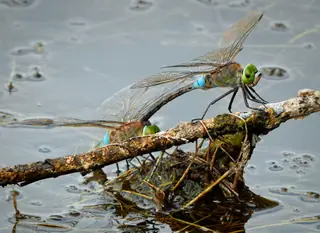 Lesser Emperor
-
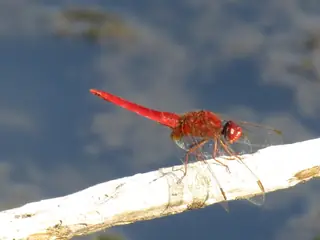 Scarlet Darter
-
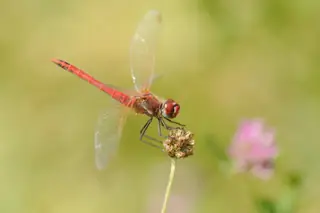 Red-veined Darter
-
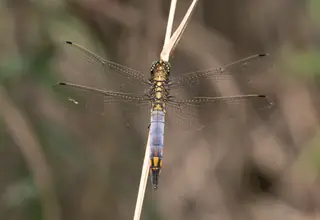 Black-tailed Skimmer
-
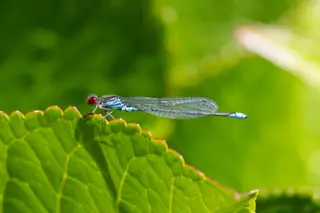 Small Red-eyed Damselfly
-
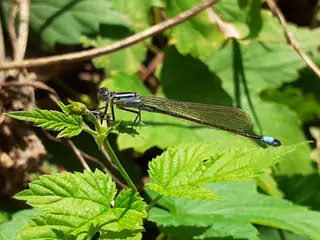 Blue-tailed Damselfly
-
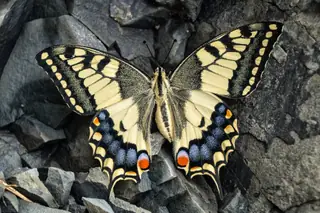 Swallowtail
-
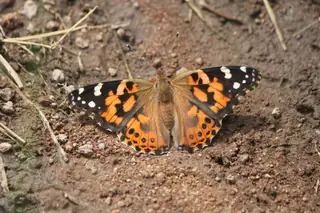 Painted Lady
Best time to see wildlife in the Camargue
Sightings by month in the Camargue
Most records: Jun to JulRecords from GBIF.org, adjusted for how many people record wildlife each month. 100% is the busiest month.
Spring is the Camargue's finest season. From March the herons, egrets, stilts and avocets return to breed, and by late April bee-eaters, rollers and purple herons are back, while the reedbeds ring with warblers. May and June are the peak, though mosquitoes become a nuisance from late spring. July and August are hot, with birds most active early and late. Autumn brings migrating waders and raptors. Winter is quiet for people but busy for birds: thousands of ducks, cranes, harriers and the odd greater spotted eagle spend it in the delta, and flamingos stay all year. Hunting runs from mid September to mid January, so wait until after 9.30 in the morning to head out in that season.
- Mar to AprHerons and waders arrive, flamingos displaying
- May to JunPeak breeding birds, bee-eaters, rollers
- Jul to AugHot; early mornings, dragonflies
- Sep to OctMigrant waders and raptors
- Nov to FebCranes, ducks, harriers
Tips for spotting wildlife in the Camargue
- 01
Start at a managed reserve
Pont de Gau, La Capelière and the Marais du Vigueirat have trails, hides and viewing platforms. They give good views without trespassing on private estates.
- 02
Use the sea wall
The Digue à la Mer is a long track for walking and cycling between the lagoons and the sea. Stay on the track, as leaving it or entering the dunes is forbidden.
- 03
Go early or late
Birds are most active in the first and last hours of light, and the heat and mosquitoes are kinder too. Carry water, sun cream and repellent.
- 04
Watch the ricefields
Flooded ricefields in spring and summer draw herons, ibises, terns and stilts. Watch from the road verge and don't drive onto farm tracks.
- 05
Respect the flamingo colony
The breeding colony on the Étang du Fangassier is protected; see it only on the organised guided visits in summer, booked ahead.

Take the Camargue with you
Tick off the Camargue's flamingos, herons and bee-eaters in Wilder as you go. Free to start.

Camargue wildlife FAQ
Where can you see flamingos in the Camargue?
Flamingos feed on lagoons and salt pans across the delta all year, so you often see them from the road. The Pont de Gau bird park near Saintes-Maries-de-la-Mer gives close views of wild flamingos. The nesting colony on the Étang du Fangassier is protected and visited only on organised summer tours.
When is the best time to visit the Camargue for birds?
April to June is best, when herons, egrets, bee-eaters, rollers and reedbed warblers are breeding and flamingos are displaying. Winter is also rewarding, with cranes, large flocks of ducks and harriers. Summer is hot and buggy, so go out early and late.
Are the Camargue horses and bulls wild?
No. The white horses and black bulls of the Camargue are domestic breeds, owned by local farms and ranches and grazed loosely on the marshes. They shape the habitat and are part of the scenery, but they are not on the wildlife checklist.
Are there mosquitoes in the Camargue?
Yes, lots, especially from late spring to early autumn near reedbeds and at dusk. Bring repellent and long sleeves. Spring mornings and breezy days are more comfortable, and mosquitoes are rarely a problem in winter.
Sources
- Parc naturel régional de Camargue: Where to watch birds in the Camargue
- Birdingplaces: Parc ornithologique de Pont de Gau
- Provence-Alpes-Côte d'Azur tourism: The marshes of the Vigueirat
- Sightings by month: GBIF.org
Animal photos are from the Wilder catalogue; photo credits.
Similar checklists
All Europe-
 National park72animals Doñana National Park Andalucía, Spain The great marshes of the Guadalquivir: flamingos, spoonbills and imperial eagles, and the best place in the world to hope for an Iberian lynx. Best time Mar to May
-
 Reserve91animals Sierra de Andújar Natural Park Jaén, Andalucía, Spain Granite hills, holm oak dehesa and the Jándula river in the Sierra Morena: the best place in the world to watch a wild Iberian lynx, with imperial eagles and black vultures overhead. Best time Dec to Feb
-
 Region98animals North Norfolk Coast and the Broads Norfolk, England Seal colonies, salt marshes full of waders and wintering geese, and reedbeds where bitterns boom, cranes breed and swallowtails fly. Best time Nov to Jan, May to Jun
-
 National park113animals Białowieża Forest Podlaskie and Brest, Poland and Belarus Europe's last great lowland primeval forest: free-roaming European bison, wolves and lynx, and ten kinds of woodpecker among the giant oaks. Best time Late Apr to Jun