National park · Andalucía · Spain
Doñana National Park Wildlife Checklist

Doñana National Park in Andalucía, southern Spain, is one of Europe's great wetlands: flamingos, spoonbills and huge winter flocks on the Guadalquivir marshes, Spanish imperial eagles, and a recovering population of Iberian lynx. This checklist covers 72 species. March to May is the best time for birds; December to February gives the best, though still slim, lynx chances.
Tick off all 72 animals in Doñana on your phone, even offline. Launching soon. Free A4 PDF, no sign-up.
The park mixes marsh, pine and cork oak woods, scrub and moving dunes behind the Atlantic coast. El Rocío is the usual base, and its lagoon, right beside the village, is among the best birdwatching spots in Doñana.
- Animals to find
- 72
- Where
- Spain
- Best time
- Mar to May
- Iberian lynx
- One of its last strongholds
Popular animals in Doñana
-
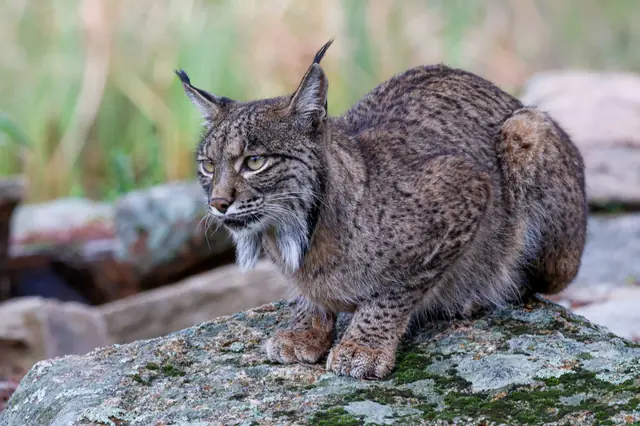
Iberian Lynx
Lynx pardinus
Doñana was one of the lynx's last two refuges. Most sightings come on authorised 4x4 tours at dawn and dusk, and even then they are lucky.
-
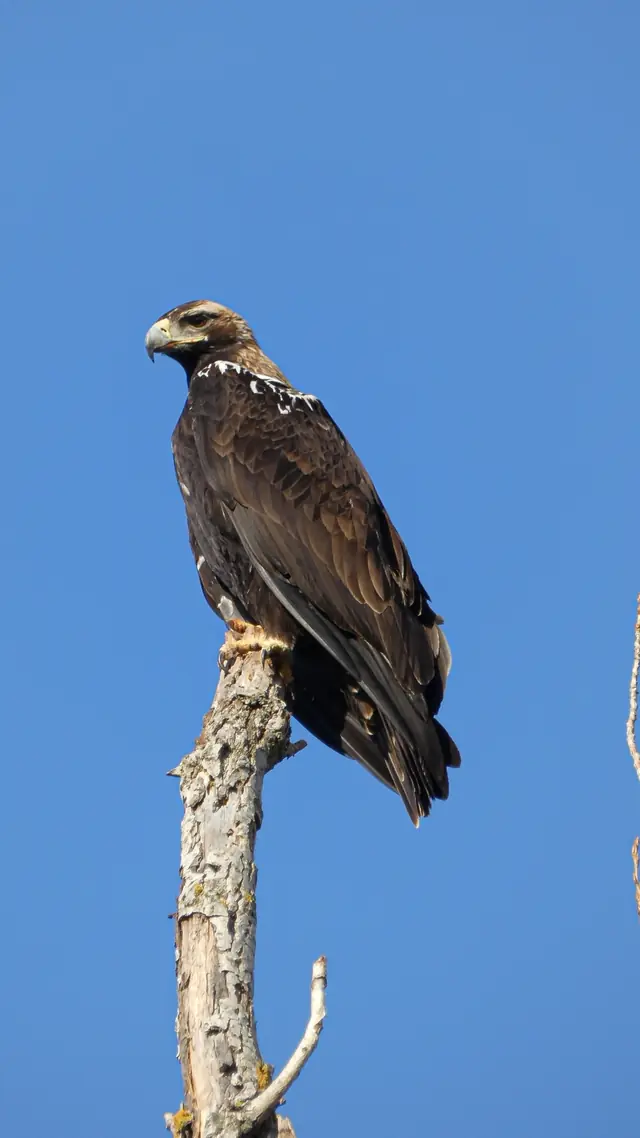
Spanish Imperial Eagle
Aquila adalberti
One of the rarest eagles in the world. Watch the edges of cork oak and pine woods, and look for the white shoulder patches of adults.
-
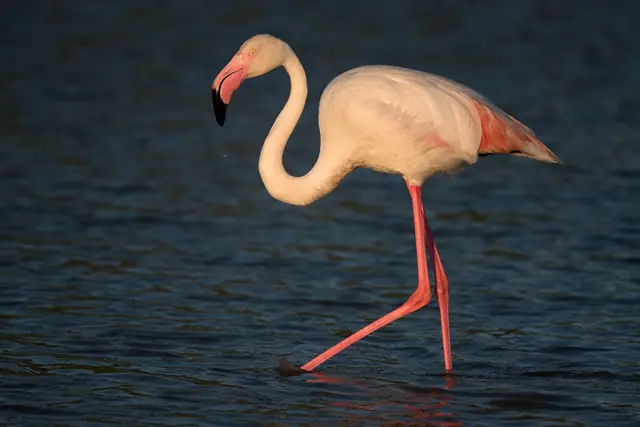
Greater Flamingo
Phoenicopterus roseus
Greater flamingos feed in the shallow marismas when they hold water after a wet winter. In dry years they gather on the remaining pools.
-
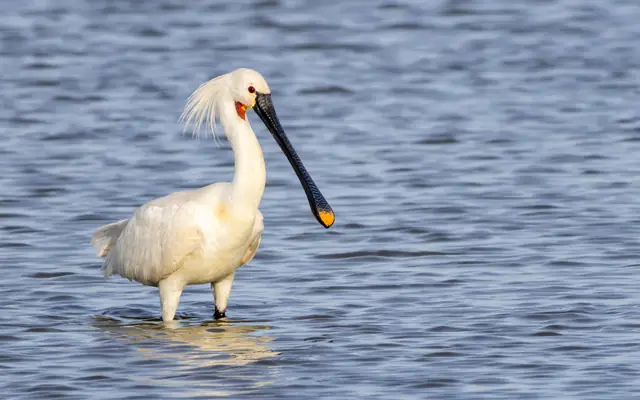
Spoonbill
Platalea leucorodia
Breeds in colonies in the park and feeds in shallow water, sweeping its bill side to side. Common around El Rocío in spring.
-
Purple Swamphen
A big blue-purple rail with a red bill. Watch reed edges at La Rocina and the El Rocío lagoon.
-
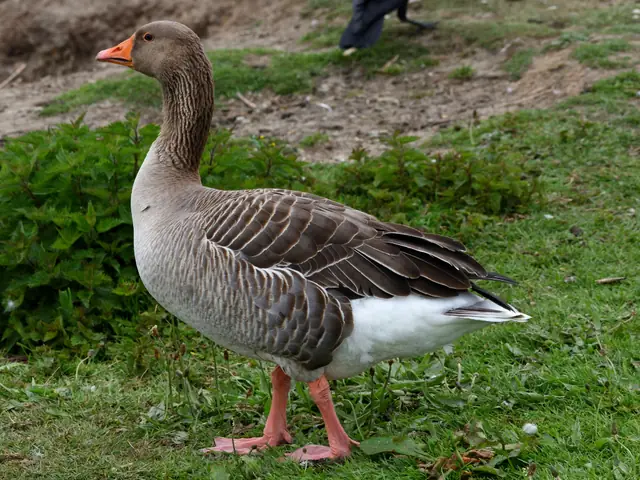
Greylag Goose
Anser anser
Tens of thousands winter on the marshes from October to February, alongside ducks and cranes.
-
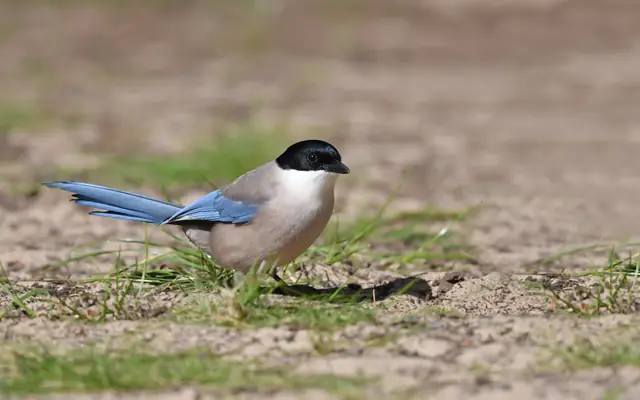
Iberian Magpie
Cyanopica cooki
A blue-winged magpie found only in Iberia. Noisy groups move through the pines at El Acebuche.
-
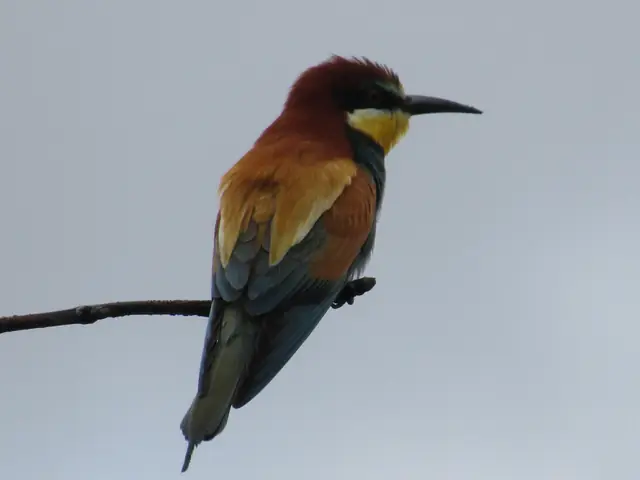
European Bee-eater
Merops apiaster
Arrives in April and nests in sandy banks. Listen for the rolling call overhead.
-
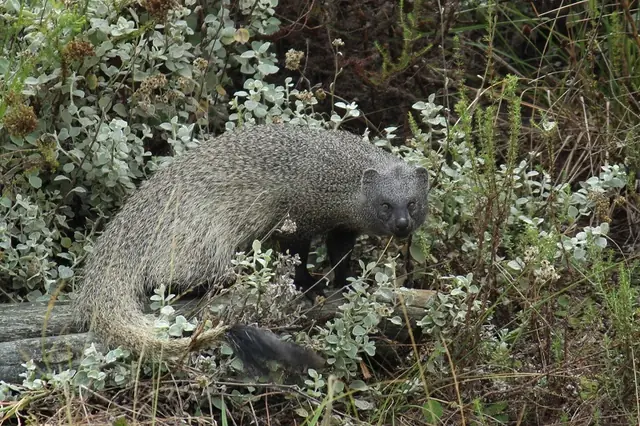
Egyptian Mongoose
Herpestes ichneumon
Active by day. Watch tracks and field edges for a long, grizzled animal, sometimes in family lines nose to tail.
-
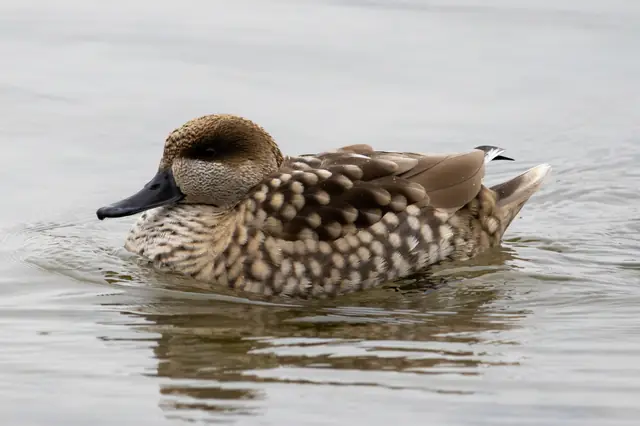
Marbled Duck
Marmaronetta angustirostris
One of Europe's rarest ducks. The José Antonio Valverde centre is the best place to look.
All 72 animals in Doñana
Mammals 11
-
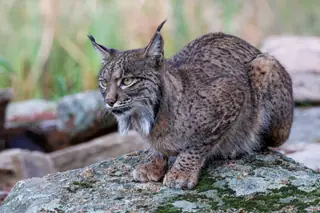 Iberian LynxRare
-
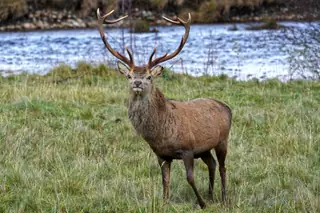 Red Deer
-
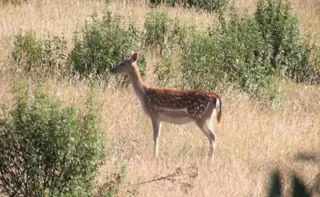 Fallow Deer
-
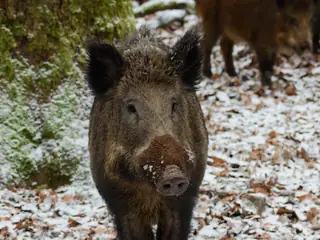 Wild Boar
-
 Red Fox
-
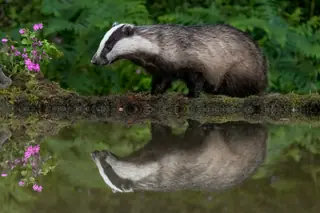 BadgerRare
-
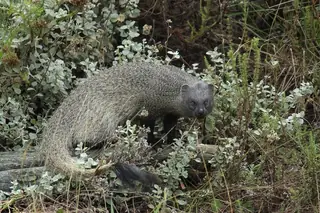 Egyptian Mongoose
-
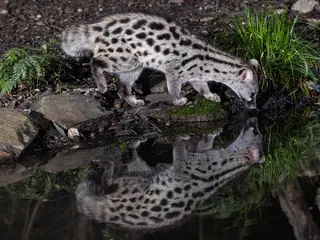 Common GenetRare
-
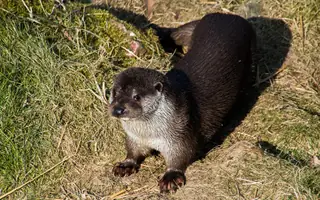 OtterRare
-
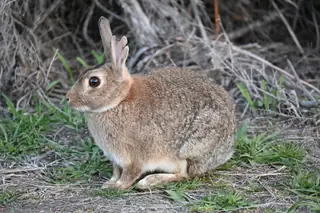 Rabbit
-
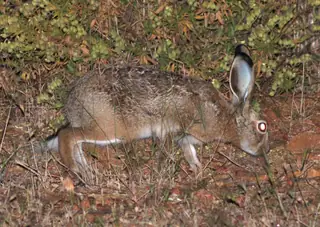 Iberian Hare
Birds of prey 9
-
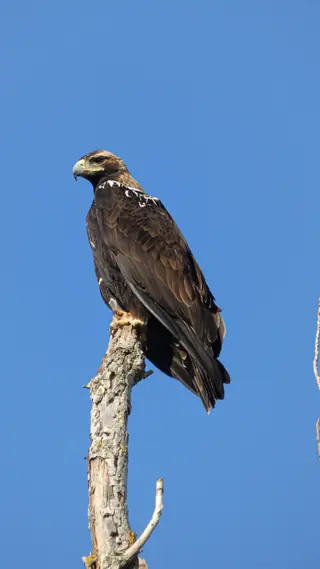 Spanish Imperial Eagle
-
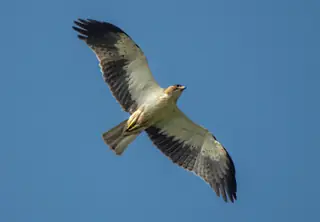 Booted Eagle
-
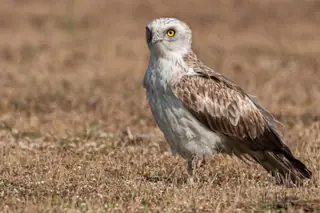 Short-toed Eagle
-
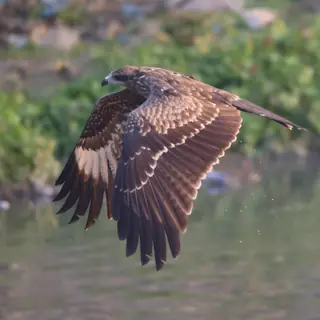 Black Kite
-
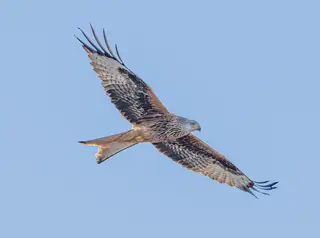 Red Kite
-
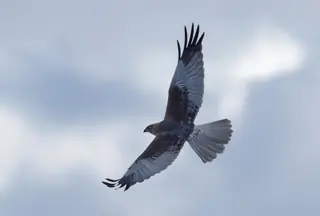 Marsh Harrier
-
 Osprey
-
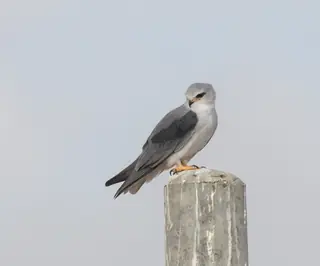 Black-winged Kite
-
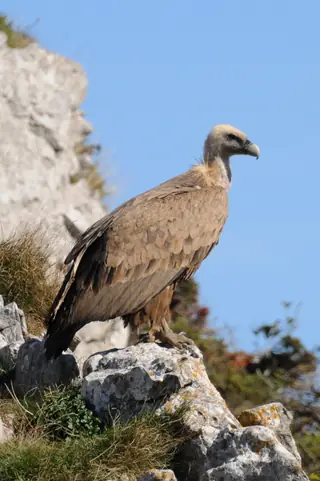 Griffon Vulture
Marsh and wetland birds 29
-
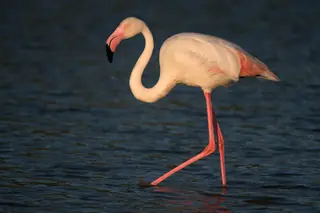 Greater Flamingo
-
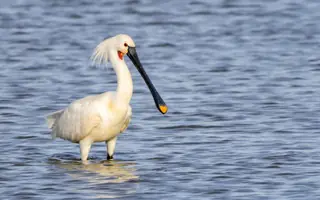 Spoonbill
-
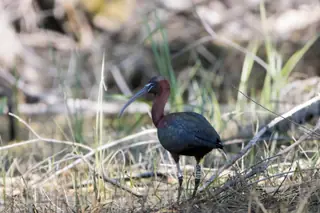 Glossy Ibis
-
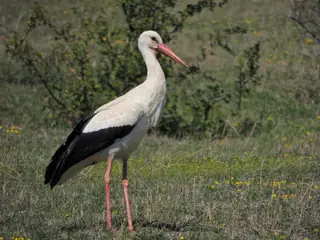 White Stork
-
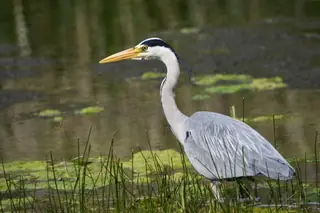 Grey Heron
-
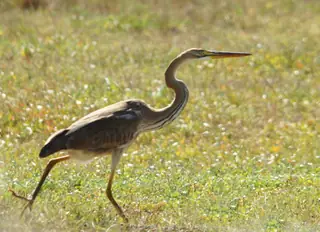 Purple Heron
-
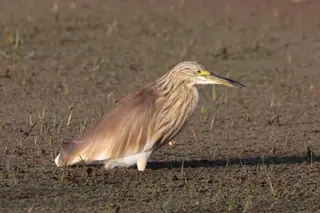 Squacco Heron
-
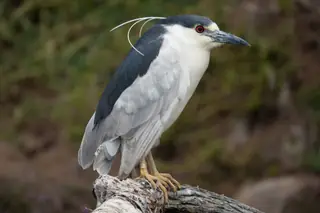 Black-crowned Night Heron
-
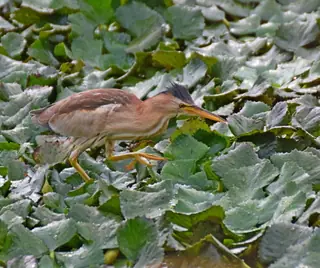 Little Bittern
-
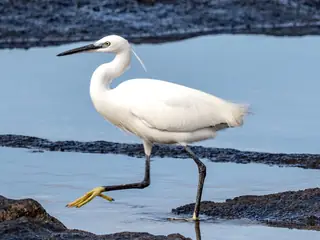 Little Egret
-
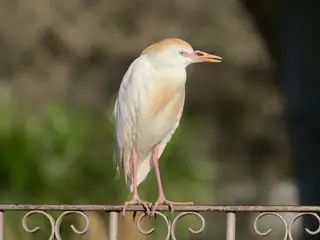 Cattle Egret
-
 Great White Egret
-
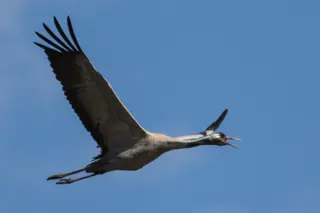 Common Crane
-
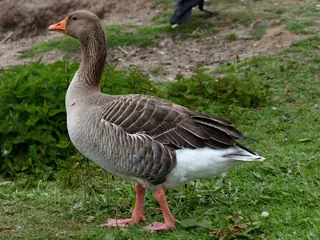 Greylag Goose
-
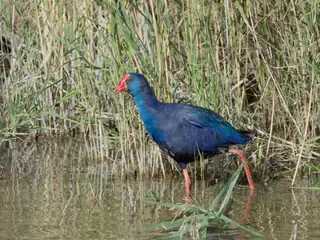 Western Swamphen
-
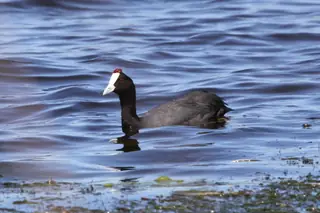 Red-knobbed CootRare
-
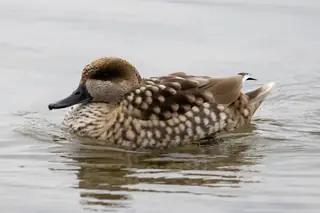 Marbled DuckRare
-
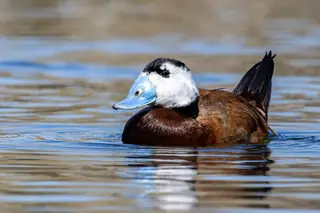 White-headed Duck
-
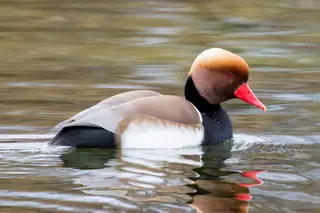 Red-crested Pochard
-
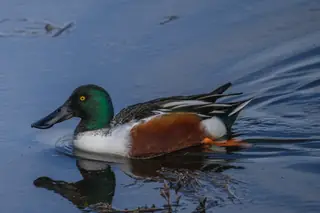 Northern Shoveler
-
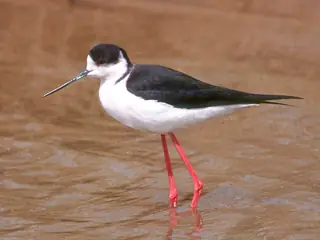 Black-winged Stilt
-
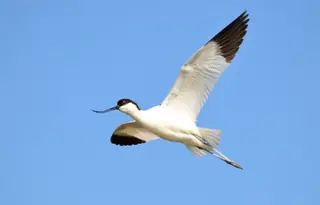 Avocet
-
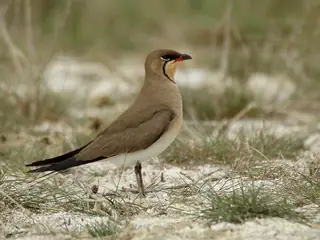 Collared Pratincole
-
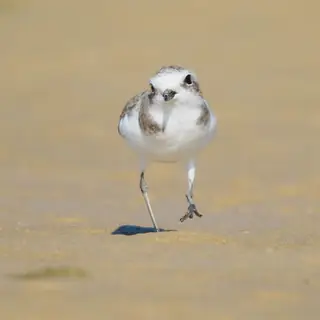 Kentish Plover
-
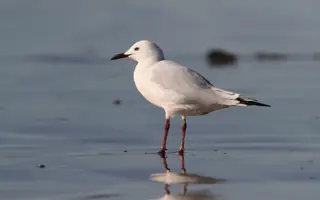 Slender-billed Gull
-
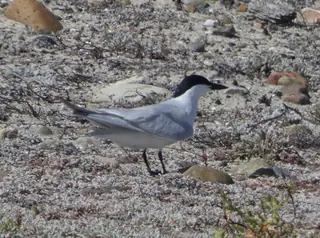 Gull-billed Tern
-
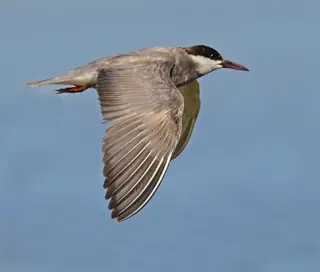 Whiskered Tern
-
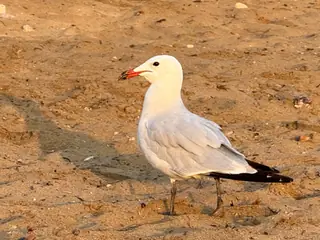 Audouin's Gull
-
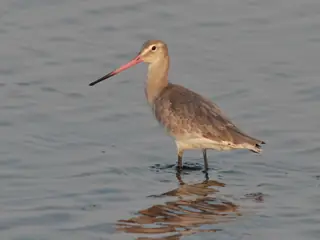 Black-tailed Godwit
Woodland and scrub birds 10
-
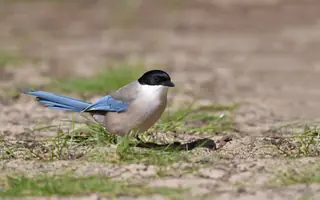 Iberian Magpie
-
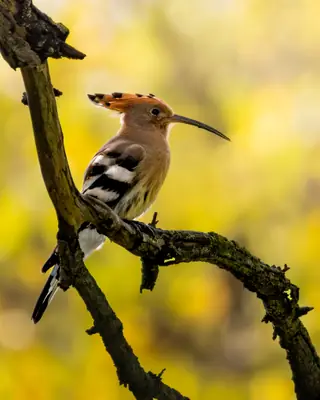 Hoopoe
-
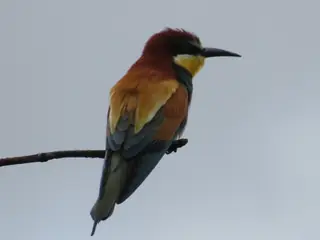 European Bee-eater
-
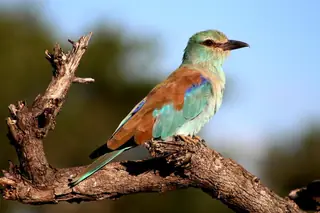 European Roller
-
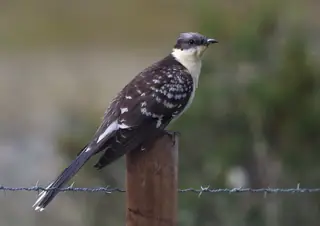 Great Spotted Cuckoo
-
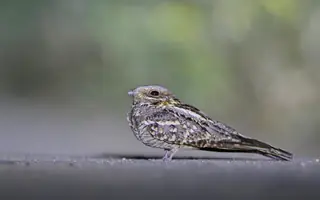 Red-necked Nightjar
-
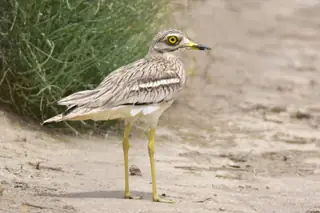 Stone-curlew
-
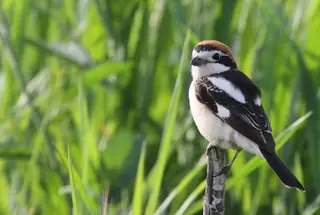 Woodchat Shrike
-
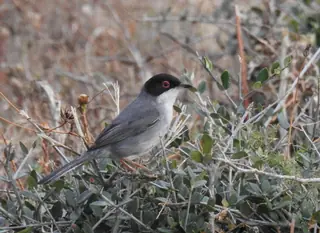 Sardinian Warbler
-
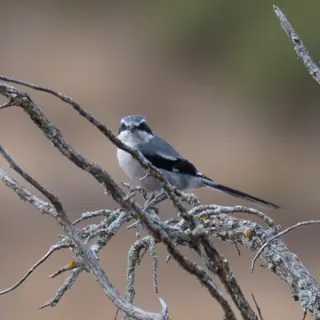 Iberian Grey Shrike
Reptiles and amphibians 13
-
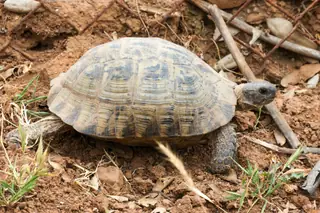 Spur-thighed TortoiseRare
-
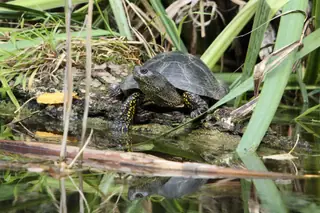 European Pond Turtle
-
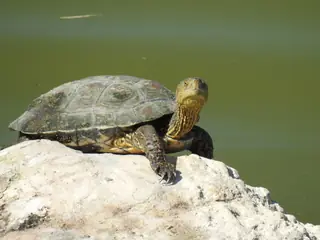 Stripe-necked Terrapin
-
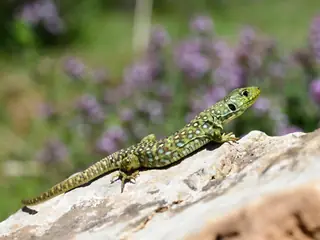 Ocellated Lizard
-
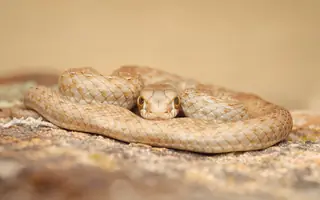 Montpellier Snake
-
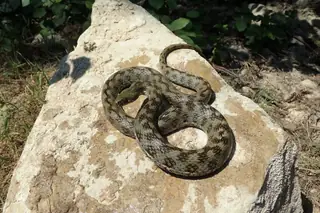 Viperine Snake
-
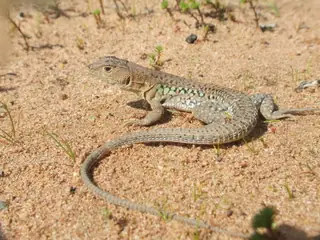 Spiny-footed Lizard
-
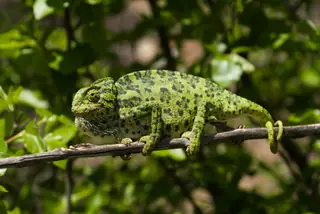 Mediterranean ChameleonRare
-
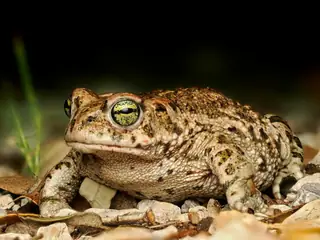 Natterjack Toad
-
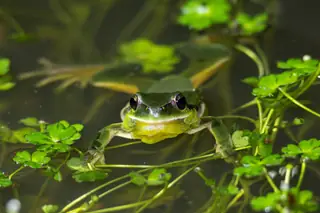 Stripeless Tree Frog
-
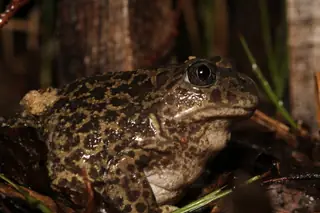 Western SpadefootRare
-
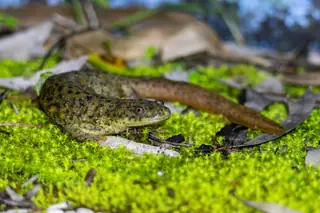 Sharp-ribbed NewtRare
-
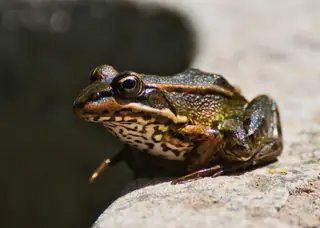 Perez's Frog
Best time to see wildlife in Doñana
Sightings by month in Doñana
Most records: Apr to JulRecords from GBIF.org, adjusted for how many people record wildlife each month. 100% is the busiest month.
Doñana's wildlife depends on rain. After a wet winter, the marshes flood and spring is spectacular; after drought years, water is limited to a few pools and birds concentrate there. March to May is the best time overall: migrants arrive from Africa, herons and spoonbills breed, and bee-eaters and rollers return. From June to September the marsh dries and daytime heat is intense, so go out early and late. Autumn rains in October and November refill the lagoons and bring back wintering birds. December to February brings tens of thousands of greylag geese, ducks and cranes. It is also the lynx mating season, when they move more and are seen a little more often.
- Dec to FebWintering geese and cranes, lynx mating season
- Mar to MaySpring migration, breeding herons, marsh at its best
- Jun to SepHot and dry, early starts only
- Oct to NovAutumn rains, birds return
Tips for spotting wildlife in Doñana
- 01
Start at the El Rocío lagoon
The promenade in front of the village overlooks the marsh. Come early, before the heat and the crowds, for flamingos, spoonbills and glossy ibises.
- 02
Book an authorised tour
Much of the national park can only be entered on licensed tours, such as 4x4 trips from El Acebuche or boats up the Guadalquivir from Sanlúcar de Barrameda. Book ahead in spring.
- 03
Visit the visitor centres
La Rocina, El Acebuche and José Antonio Valverde have hides and boardwalks. José Antonio Valverde, on the marsh edge, is good for herons and rare ducks.
- 04
Check the water first
Ask at the visitor centres which lagoons hold water. In dry years, Dehesa de Abajo and the rice fields on the east side of the marsh can be better.
- 05
Drive slowly for lynx
Lynx are killed on the roads around the park. Drive slowly at dawn and dusk, and watch the verges.

Take Doñana with you
Tick off Doñana's eagles, marsh birds and, with luck, a lynx in Wilder. Free to start.

Doñana wildlife FAQ
Can you see Iberian lynx in Doñana?
Yes, but it takes luck. Doñana was one of only two places where the lynx survived, with fewer than 100 left across Spain in 2002, and the 2025 census counted 2,663 in Spain and Portugal. Your best chances are on authorised 4x4 tours at dawn and dusk, especially in winter. The Sierra de Andújar in Jaén offers better odds for dedicated lynx trips.
When is the best time to visit Doñana?
March to May is the best time for most visitors, with spring migration, breeding herons and spoonbills, and the marshes still wet. Winter, from November to February, is excellent for geese, ducks and cranes, and for the lynx mating season. Summer is very hot and dry, so wildlife is harder to find except at dawn and dusk.
What birds can you see in Doñana?
Doñana is best known for flamingos, spoonbills, herons, the Spanish imperial eagle and huge winter flocks of greylag geese. Spring adds bee-eaters, rollers, black kites and purple swamphens. It is also one of the best places in Europe for rare ducks, including the marbled duck and white-headed duck. More than 300 bird species have been recorded.
Where is the best birdwatching around El Rocío?
The lagoon in front of El Rocío village is the easiest and often the best spot, especially in the early morning. Nearby, La Rocina has boardwalks and hides, while El Acebuche is good for Iberian magpies. For marsh birds, the José Antonio Valverde centre and Dehesa de Abajo are worth the drive on dirt tracks.
Sources
- Fundación Biodiversidad: Iberian lynx census 2025
- UNESCO World Heritage: Doñana National Park
- IUCN Cat Specialist Group: Iberian lynx
- Sightings by month: GBIF.org
Animal photos are from the Wilder catalogue; photo credits.
Similar checklists
All Europe-
 Region98animals North Norfolk Coast and the Broads Norfolk, England Seal colonies, salt marshes full of waders and wintering geese, and reedbeds where bitterns boom, cranes breed and swallowtails fly. Best time Nov to Jan, May to Jun
-
 National park96animals New Forest National Park Hampshire, England Ancient woods and open heaths where five kinds of deer roam, Dartford warblers sing from the gorse and all six British reptiles live. Best time Apr to Jul, Oct
-
 National park99animals Cairngorms National Park Highland, Moray and Aberdeenshire, Scotland Britain's biggest national park: Caledonian pinewoods with crested tits and red squirrels, and a high plateau of ptarmigan, dotterel and mountain hares. Best time Apr to Jun, Oct
-
 Region107animals Pantanal Mato Grosso and Mato Grosso do Sul, Brazil The world's largest tropical wetland and the best place on Earth to see a wild jaguar, with giant otters, caimans by the thousand and hyacinth macaws. Best time Jul to Oct