National park · Highland, Moray and Aberdeenshire · Scotland
Cairngorms Wildlife Checklist

The Cairngorms is Britain's largest national park, famous for Caledonian pinewoods with red squirrels, crested tits and pine martens, and a high Arctic-like plateau with ptarmigan and mountain hares. This checklist covers 99 species, including four of Scotland's Big Five and the UK's only free-ranging reindeer herd. The best months are April to June for birds and October for the red deer rut.
Tick off all 99 animals in the Cairngorms on your phone, even offline. Launching soon. Free A4 PDF, no sign-up.
Most wildlife watching here centres on Speyside, around Aviemore, Boat of Garten and Abernethy. Pinewood, river and mountain habitats sit within a short drive of each other, so a long weekend can cover all three.
- Animals to find
- 99
- Where
- Scotland
- Best time
- Apr to Jun, Oct
- Red squirrels
- A stronghold in the old pine forests
Popular animals in the Cairngorms
-
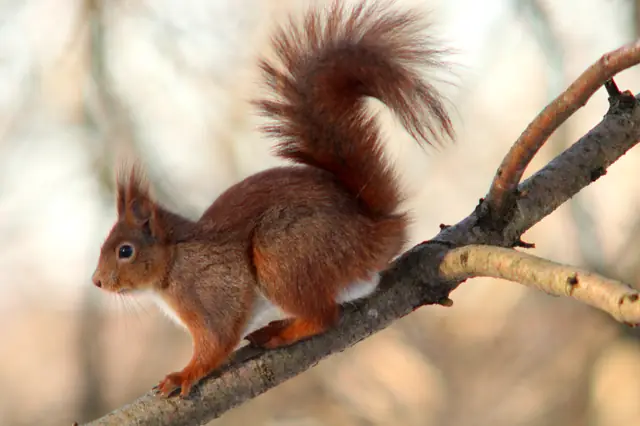
Red Squirrel
Sciurus vulgaris
The easiest of the Big Five here. Feeders at Loch Garten and around Glenmore bring them close, best in the first hours after dawn.
-
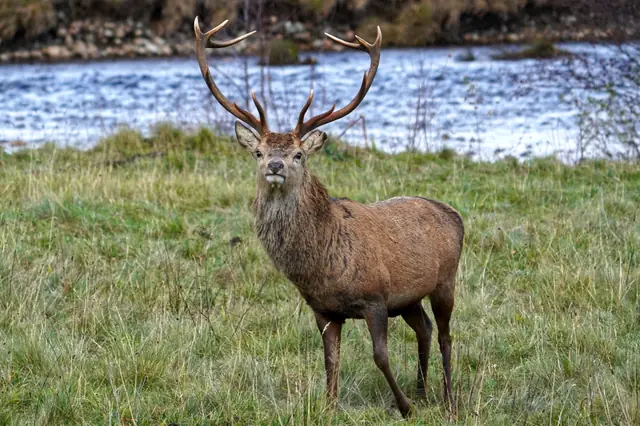
Red Deer
Cervus elaphus
Common on open hillsides and glens. In October stags roar and clash across Glen Feshie and the Mar Lodge estate.
-
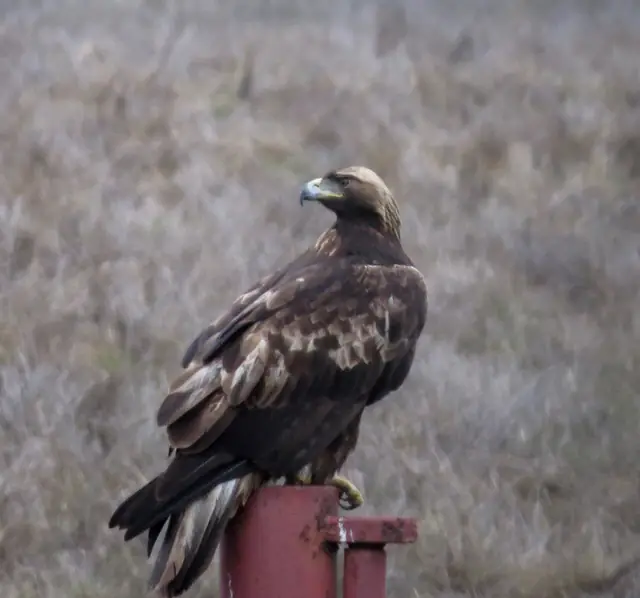
Golden Eagle
Aquila chrysaetos
Scan high ridges on clear days for a big, dark bird that glides for minutes without flapping. Most distant buzzards are not eagles, so check the size and long wings.
-
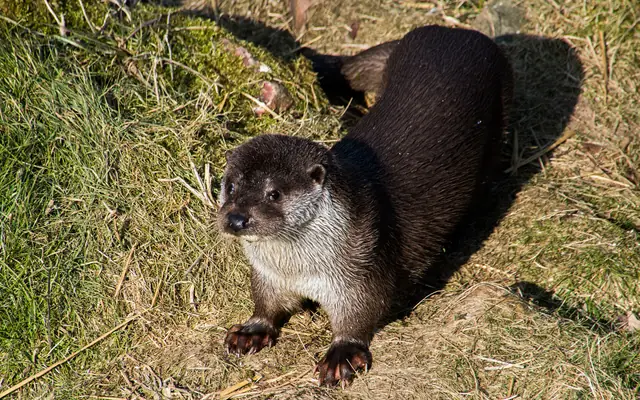
Otter
Lutra lutra
Present on the Spey and quieter lochs, but mostly active at dawn and dusk. Look for spraint on rocks and bridges as proof they are about.
-
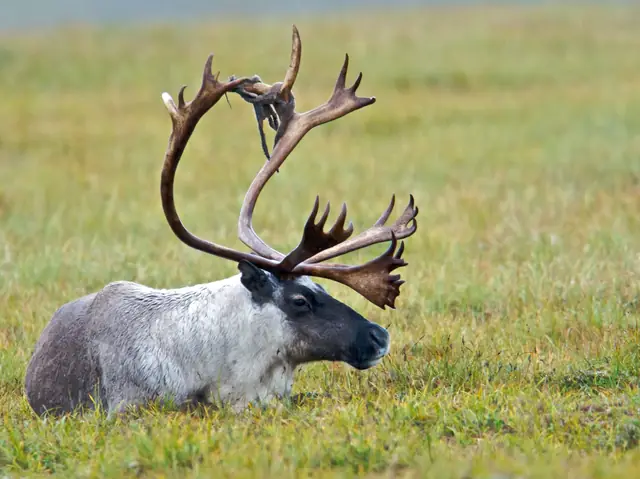
Reindeer
Rangifer tarandus
The Cairngorm reindeer herd has roamed the hills above Glenmore since 1952. Guided hill trips from the Reindeer Centre are the reliable way to see them.
-
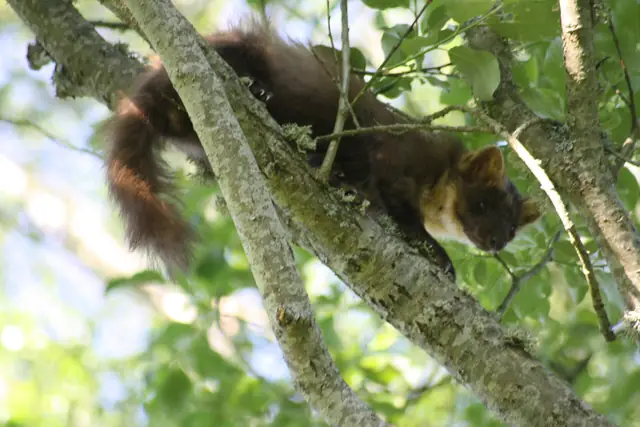
Pine Marten
Martes martes
Shy by day but regular at evening hides in Speyside, run by operators who keep watchers inside and quiet.
-
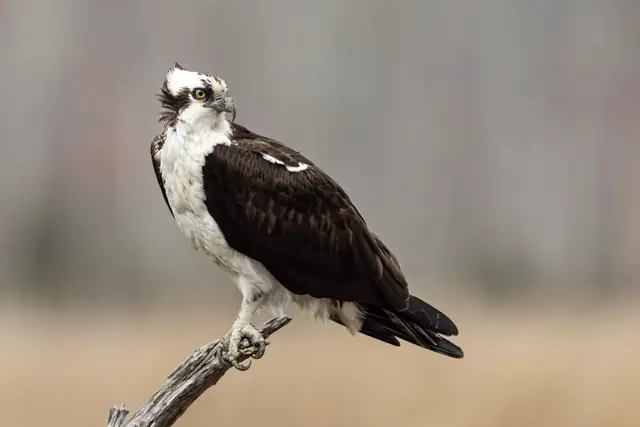
Osprey
Pandion haliaetus
Back from Africa in early April and on the nest until late August.
-
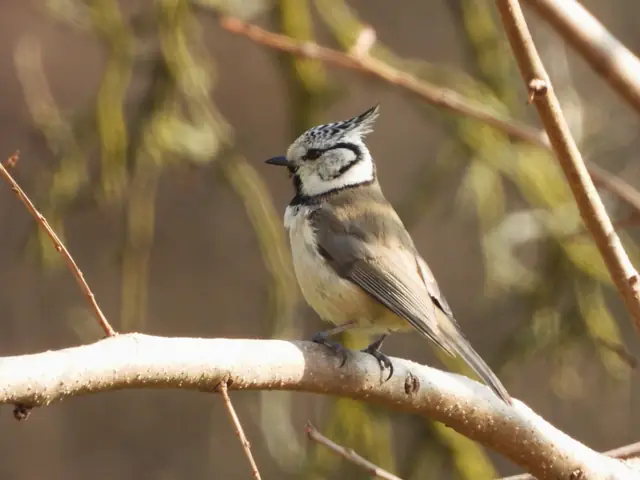
Crested Tit
Lophophanes cristatus
In Britain, found only in the old pinewoods of the Scottish Highlands. Listen for its purring trill in old Scots pines at Abernethy and Rothiemurchus.
-
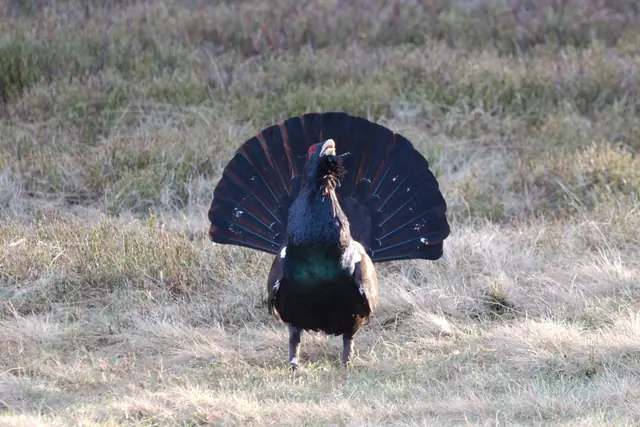
Capercaillie
Tetrao urogallus
Now very rare, with only a few hundred left in Scotland. Never try to find leks; disturbance is one of the main threats, so treat any sighting as a bonus.
-
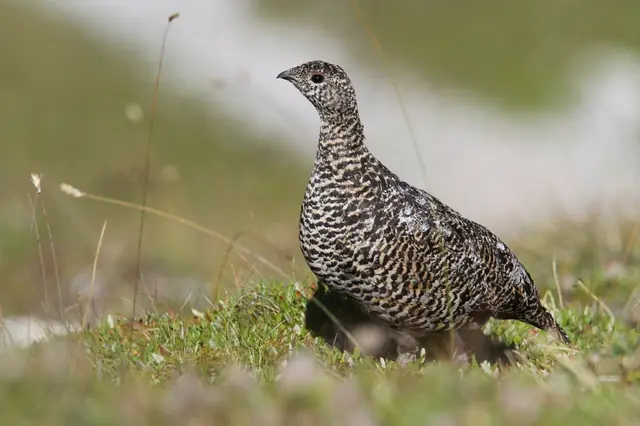
Ptarmigan
Lagopus muta
Lives on the high plateau all year, turning white in winter. Walk up from the Coire Cas car park towards Cairn Gorm and watch the boulder fields.
-
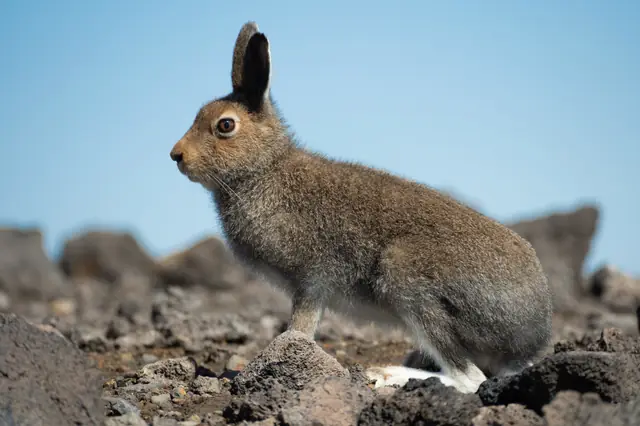
Mountain Hare
Lepus timidus
Easiest to spot in late winter and early spring, when white coats stand out against melting snow on the high slopes.
All 99 animals in the Cairngorms
Mammals 20
-
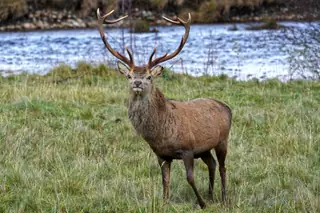 Red Deer
-
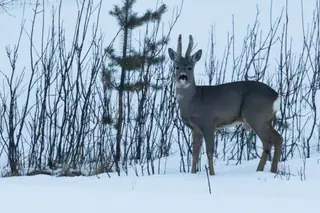 Roe Deer
-
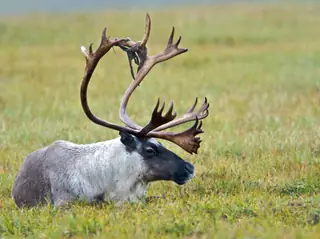 Reindeer
-
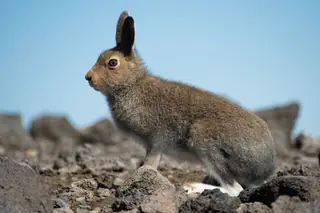 Mountain Hare
-
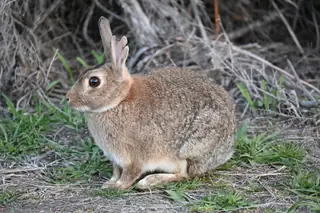 Rabbit
-
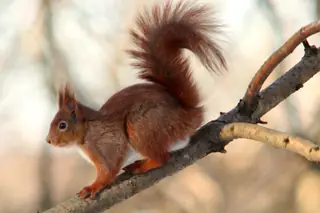 Red Squirrel
-
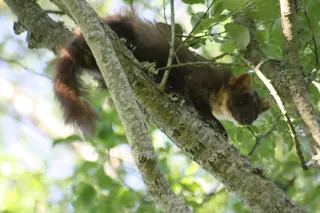 Pine Marten
-
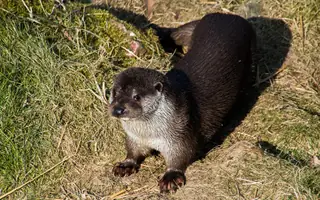 Otter
-
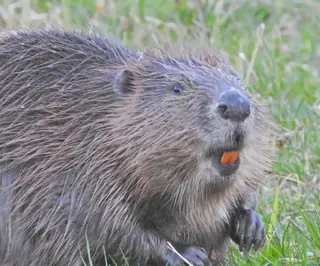 Eurasian BeaverRare
-
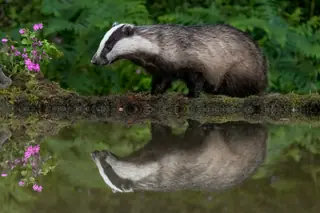 Badger
-
 Red Fox
-
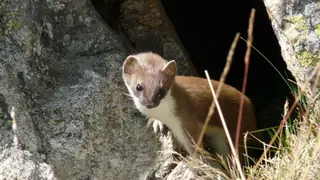 Stoat
-
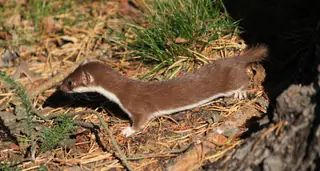 Weasel
-
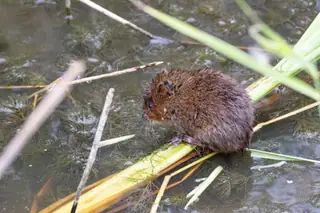 Water Vole
-
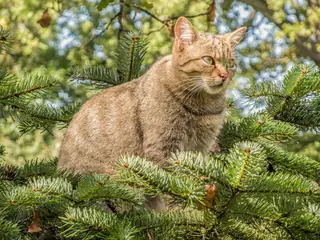 WildcatRare
-
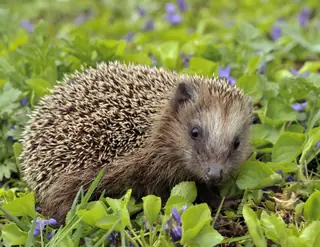 Hedgehog
-
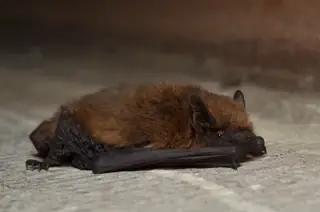 Common Pipistrelle
- Soprano Pipistrelle
-
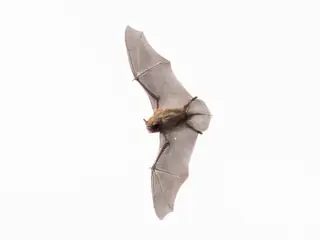 Daubenton's Bat
-
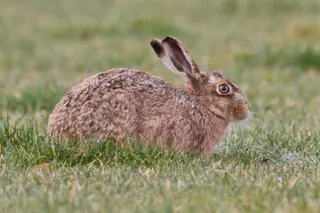 Brown Hare
Birds of prey 11
-
 Golden Eagle
-
 Osprey
-
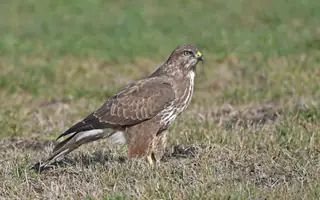 Buzzard
-
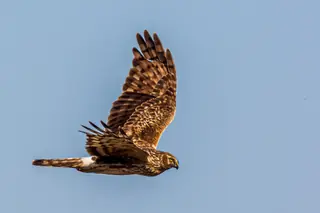 Hen Harrier
-
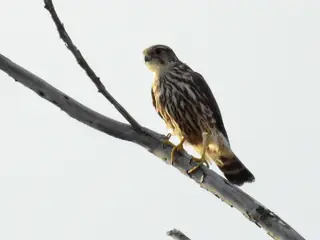 Merlin
-
 Peregrine Falcon
-
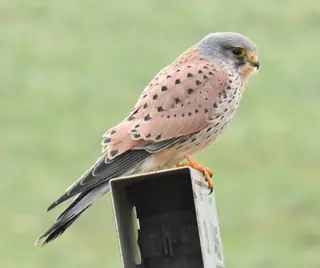 Kestrel
-
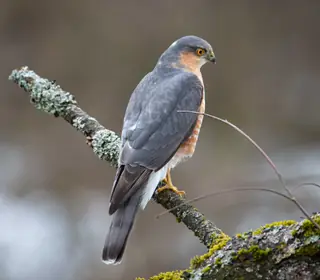 Sparrowhawk
-
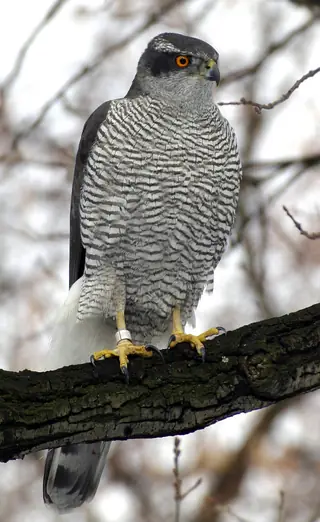 GoshawkRare
-
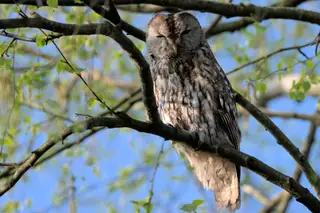 Tawny Owl
-
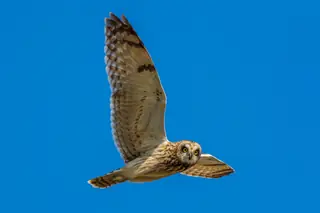 Short-eared Owl
Mountain and moorland birds 14
-
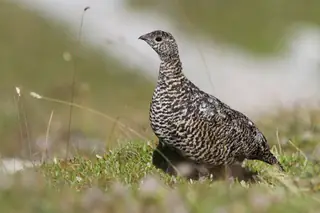 Ptarmigan
-
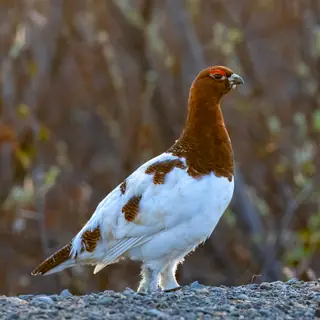 Red Grouse
-
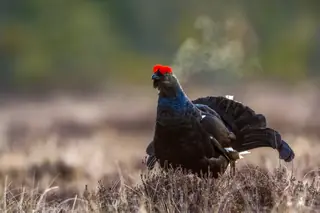 Black Grouse
-
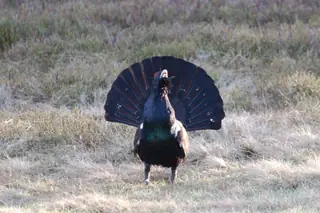 CapercaillieRare
-
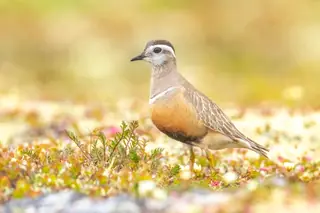 Dotterel
-
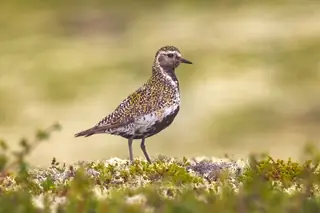 Golden Plover
-
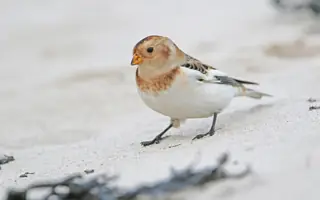 Snow Bunting
-
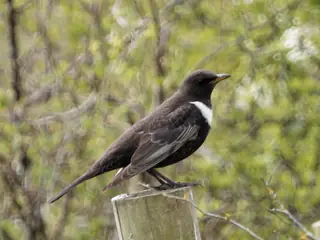 Ring Ouzel
-
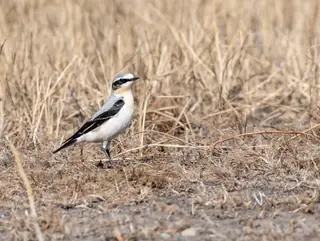 Wheatear
-
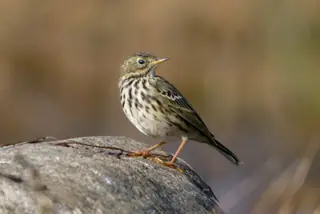 Meadow Pipit
-
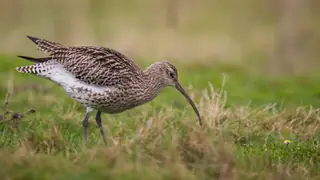 Curlew
-
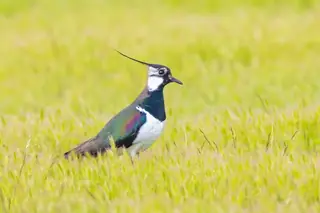 Lapwing
-
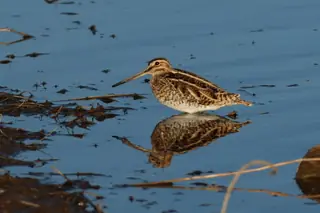 Snipe
-
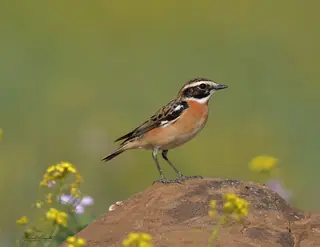 Whinchat
Forest and river birds 30
-
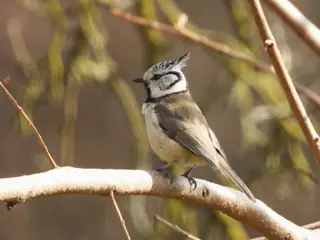 Crested Tit
-
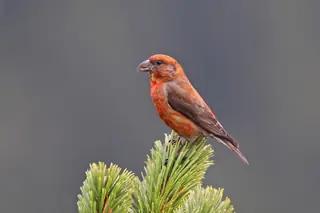 Crossbill
-
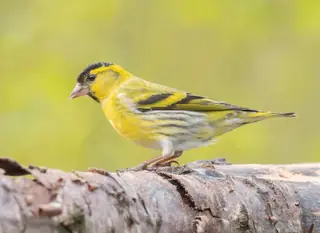 Siskin
-
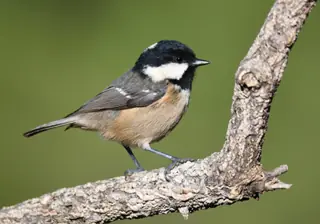 Coal Tit
-
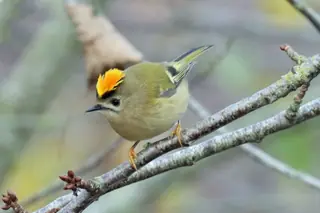 Goldcrest
-
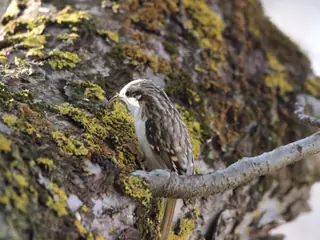 Treecreeper
-
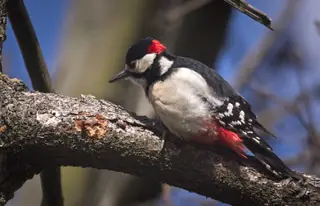 Great Spotted Woodpecker
-
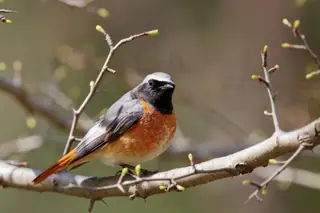 Redstart
-
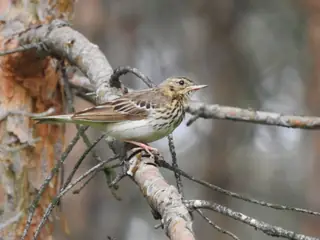 Tree Pipit
-
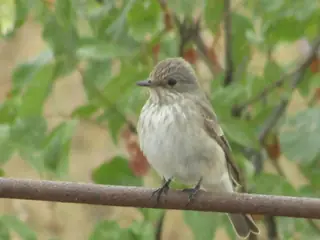 Spotted Flycatcher
-
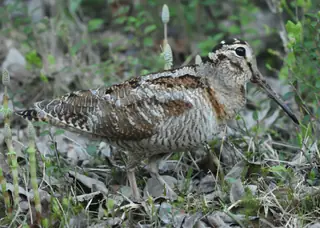 Woodcock
-
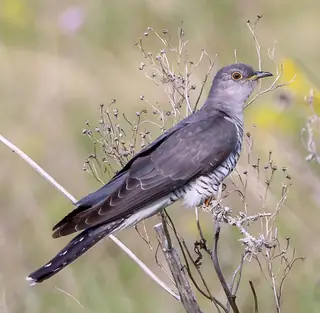 Cuckoo
-
 Raven
-
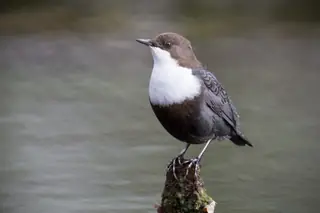 Dipper
-
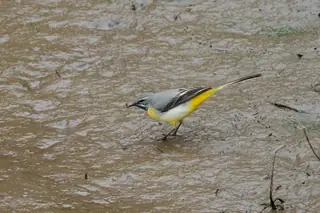 Grey Wagtail
-
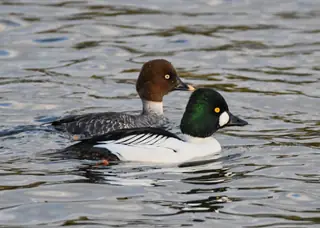 Goldeneye
-
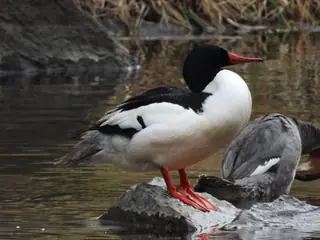 Goosander
-
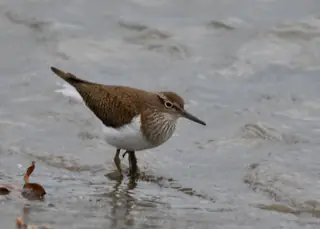 Common Sandpiper
-
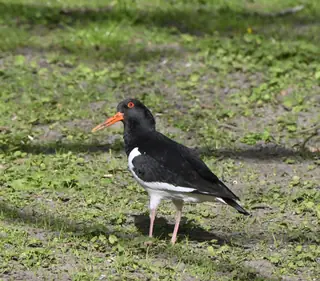 Oystercatcher
-
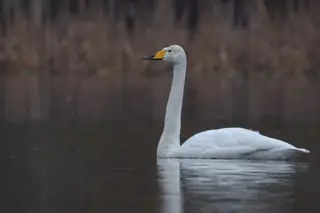 Whooper Swan
-
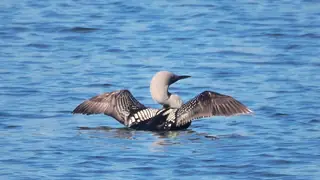 Black-throated DiverRare
-
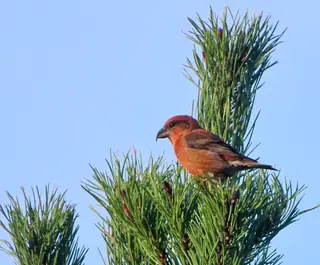 Scottish CrossbillRare
-
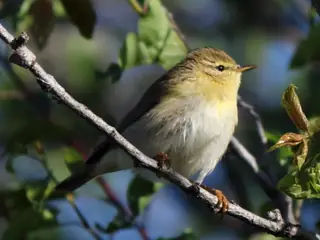 Willow Warbler
-
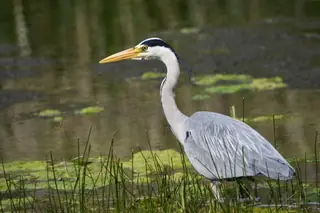 Grey Heron
-
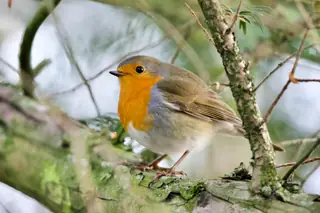 Robin
-
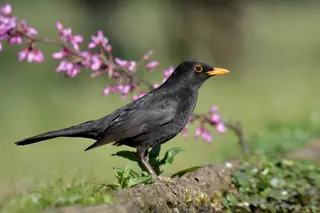 Blackbird
-
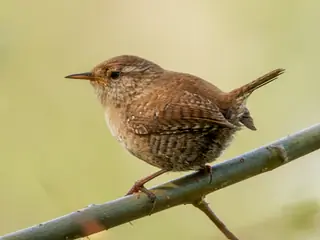 Wren
-
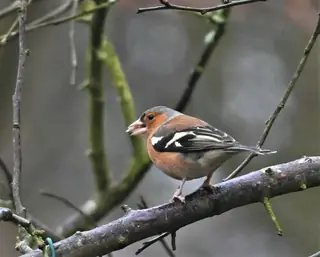 Chaffinch
-
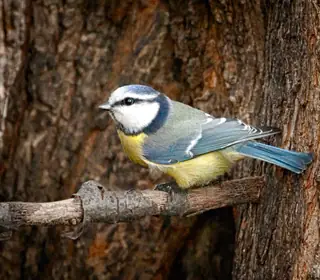 Blue Tit
-
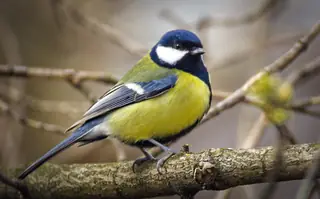 Great Tit
Reptiles and amphibians 6
-
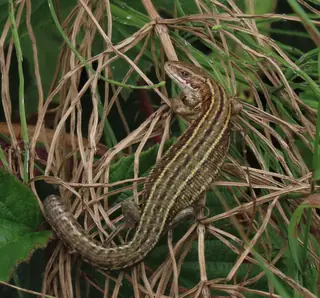 Common Lizard
-
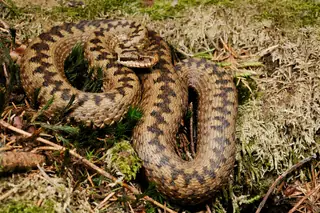 Adder
-
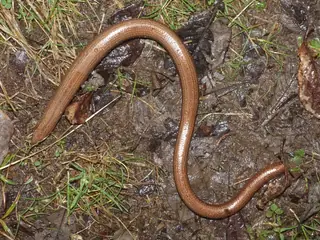 Slow Worm
-
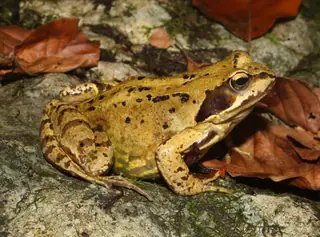 Common Frog
-
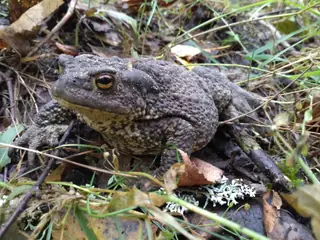 Common Toad
-
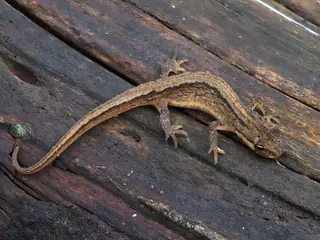 Palmate Newt
Fish 2
-
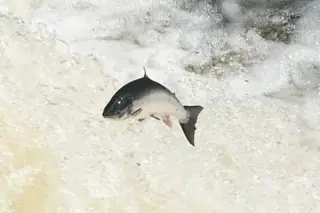 Atlantic Salmon
-
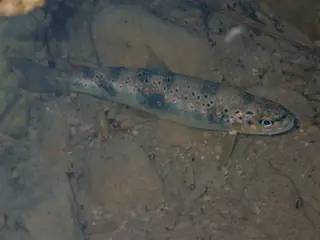 Brown Trout
Butterflies and dragonflies 16
-
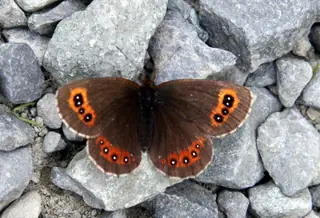 Scotch Argus
-
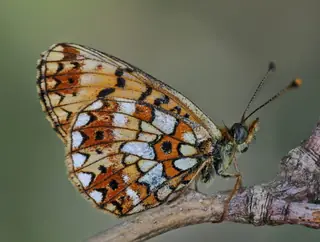 Small Pearl-bordered Fritillary
-
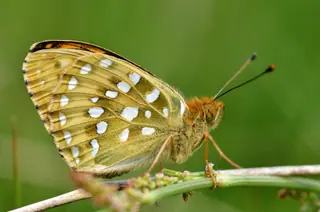 Dark Green Fritillary
-
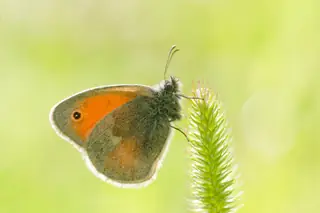 Small Heath
-
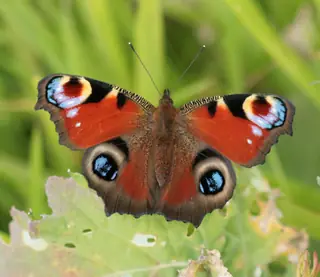 Peacock
-
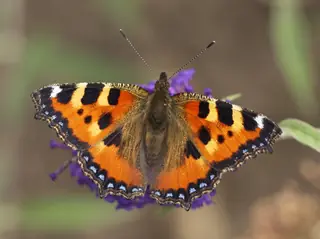 Small Tortoiseshell
-
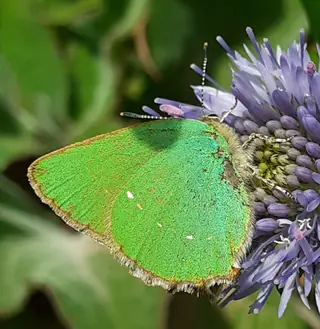 Green Hairstreak
-
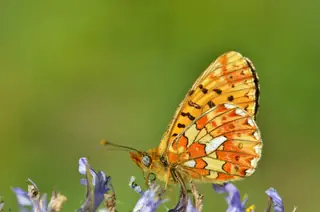 Pearl-bordered FritillaryRare
-
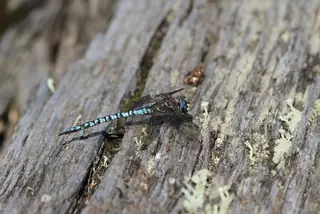 Azure HawkerRare
-
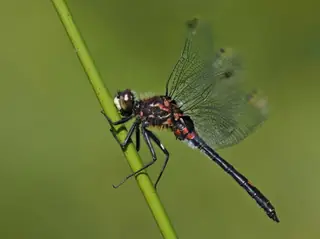 White-faced Darter
-
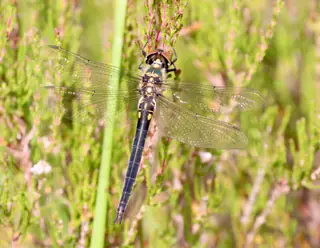 Northern EmeraldRare
-
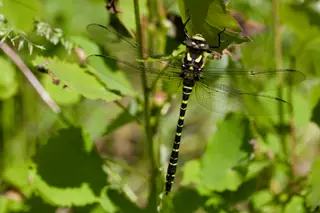 Golden-ringed Dragonfly
-
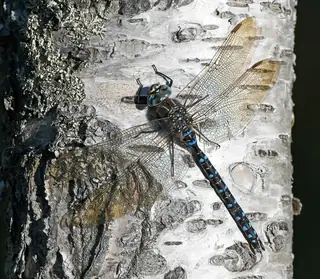 Common Hawker
-
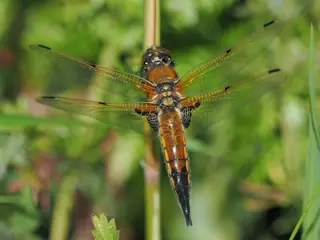 Four-spotted Chaser
-
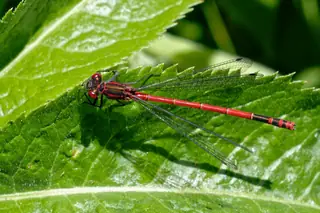 Large Red Damselfly
-
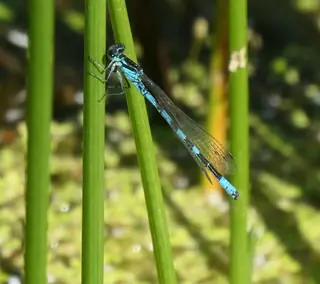 Northern DamselflyRare
Best time to see wildlife in the Cairngorms
Sightings by month in the Cairngorms
Most records: May to AugRecords from GBIF.org, adjusted for how many people record wildlife each month. 100% is the busiest month.
Every season offers something different in the Cairngorms. Spring is the busiest time for birds: ospreys return in early April, black grouse lek at dawn, and dotterel arrive on the high tops in May. June brings the white-faced darter and other bog dragonflies to Abernethy. Summer is good for pine martens at hides, since nights are short and they come out in daylight, though midges can bite in still weather. Autumn is the red deer rut, peaking in early to mid October, when salmon also leap in the rivers. Winter is quiet but atmospheric, with mountain hares and ptarmigan in white, snow buntings on the high ground and whooper swans at Insh Marshes. Snow and short days limit what you can reach from December to February.
- Jan to MarWhite mountain hares and ptarmigan, whooper swans at Insh Marshes
- Apr to MayOspreys return, black grouse leks, dotterel on the tops
- Jun to AugOsprey chicks, pine martens at hides, dragonflies
- Sep to OctRed deer rut, leaping salmon, autumn colour
- Nov to DecSnow buntings, crossbills, quiet pinewoods
Tips for spotting wildlife in the Cairngorms
- 01
Start at dawn in the pinewoods
Crested tits, crossbills and red squirrels are most active in the first two hours of light. The trails around Loch Garten and Loch an Eilein are good bets.
- 02
Book a hide for pine martens
Several Speyside operators run evening hides from spring to autumn. Book ahead in summer, when places fill.
- 03
Keep to paths in spring
Capercaillie, dotterel and other ground-nesting birds are easily disturbed from April to July. Stay on paths and keep dogs on a short lead.
- 04
Go high only in good weather
The plateau can turn wintry in any month. Check the mountain forecast before heading up for ptarmigan or dotterel.
- 05
Check the water at dusk
Daubenton's bats skim the Spey and lochs just after sunset, and it is the best time to watch for otters too.

Take the Cairngorms with you
Tick off Cairngorms sightings as you go, even without signal on the plateau. Wilder is free to start.

Cairngorms wildlife FAQ
What are the Cairngorms Big Five?
People usually mean Scotland's Big Five: red squirrel, red deer, golden eagle, otter and harbour seal. The Cairngorms is inland, so harbour seals are the one you will not see here. The other four all live in the park, with red squirrels and red deer the easiest and otters the hardest. Many visitors add the reindeer, ospreys and pine martens to their own Cairngorms list.
Are there reindeer in the Cairngorms?
Yes. The Cairngorm reindeer herd has roamed freely on the hills above Glenmore since 1952 and is the only free-ranging herd in the UK. Guided hill trips run most days from February half term to the end of the Christmas holidays. Booking ahead is recommended, especially in school holidays and December.
Where can you see red squirrels near Aviemore?
The feeders at RSPB Loch Garten and around Glenmore are the most reliable spots near Aviemore. Rothiemurchus and the woods around Loch an Eilein are also good. Go early in the morning on a calm day, and stay quiet near feeders. Grey squirrels are largely absent from this part of Scotland, so any squirrel you see is almost certainly red.
When is the best time to see wildlife in the Cairngorms?
April to June is best for most visitors, with ospreys, lekking black grouse, dotterel and singing woodland birds. October is the other peak, for the red deer rut and leaping salmon. Winter is the best time to see mountain hares and ptarmigan in their white coats, though snow can make the high ground hard to reach.
Can you see wildcats in the Cairngorms?
Very rarely. The Scottish wildcat is critically endangered, and most cats seen in the wild are hybrids with domestic cats. A conservation project has released captive-bred wildcats in the Cairngorms since 2023, but they are nocturnal and extremely shy. Treat a genuine sighting as a lifetime event.
Sources
- Cairngorms National Park Authority: Wildlife
- VisitScotland: Wildlife in Scotland
- The Cairngorm Reindeer Herd: Hill Trips
- RSPB Loch Garten Abernethy
- Sightings by month: GBIF.org
Animal photos are from the Wilder catalogue; photo credits.
Similar checklists
All Europe-
 Island84animals Isle of Mull Argyll and Bute, Scotland Eagle island: white-tailed and golden eagles, otters along the sea lochs, and puffins on the Treshnish Isles a boat ride away. Best time May to Aug
-
 Region98animals North Norfolk Coast and the Broads Norfolk, England Seal colonies, salt marshes full of waders and wintering geese, and reedbeds where bitterns boom, cranes breed and swallowtails fly. Best time Nov to Jan, May to Jun
-
 National park96animals New Forest National Park Hampshire, England Ancient woods and open heaths where five kinds of deer roam, Dartford warblers sing from the gorse and all six British reptiles live. Best time Apr to Jul, Oct
-
 Island46animals Skomer Island Pembrokeshire, Wales A small island off the Pembrokeshire coast with tens of thousands of puffins by day and the world's biggest Manx shearwater colony by night. Best time Late May to mid Jul