Island · Argyll and Bute · Scotland
Isle of Mull Wildlife Checklist

The Isle of Mull is often called Scotland's eagle island: it is one of the best places in Britain to see both white-tailed and golden eagles, with otters along the sea lochs and puffins on the nearby Treshnish Isles. This checklist covers 84 species, including four of Scotland's Big Five. Eagles and otters are here all year; May to August is best overall.
Tick off all 84 animals in Mull on your phone, even offline. Launching soon. Free A4 PDF, no sign-up.
Most visitors arrive by ferry from Oban to Craignure. The west coast sea lochs, Loch na Keal and Loch Scridain, are the heart of Mull's wildlife, with boat trips to Lunga and Staffa from Ulva Ferry and Fionnphort.
- Animals to find
- 84
- Where
- Scotland
- Best time
- May to Aug
- Eagle species
- Two, both resident
Popular animals in Mull
-
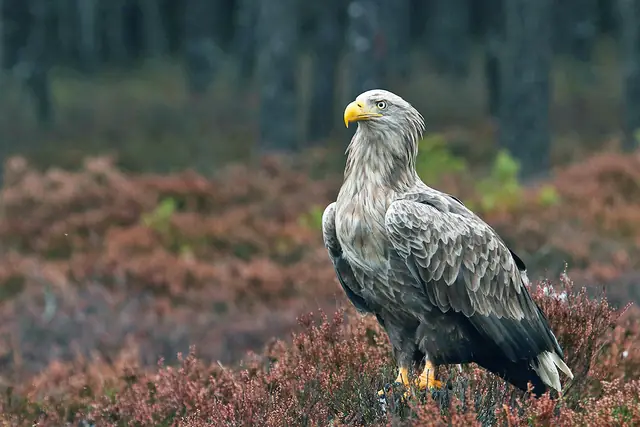
White-tailed Eagle
Haliaeetus albicilla
Britain's largest bird of prey, reintroduced to western Scotland from 1975. Scan sea loch shores, or take an eagle boat trip, where the eagles are often seen fishing close by.
-
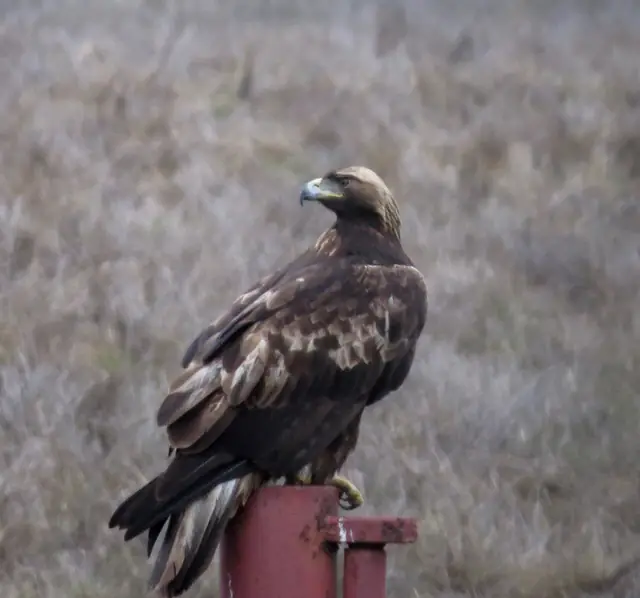
Golden Eagle
Aquila chrysaetos
Prefers the inland hills and ridgelines. It looks smaller and slimmer-winged than the white-tailed eagle, and soars higher.
-
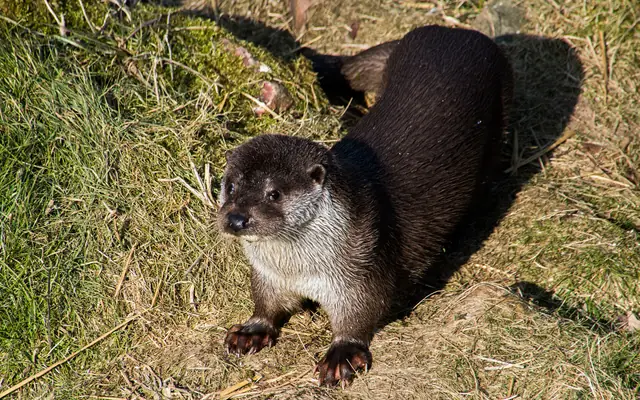
Otter
Lutra lutra
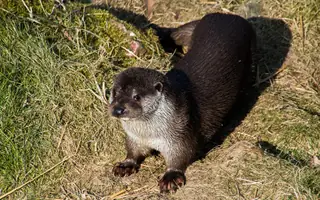
Mull's otters live on the coast and feed by day. Walk or drive slowly along seaweed shores on a falling tide and watch for a head surfacing in the kelp.
-
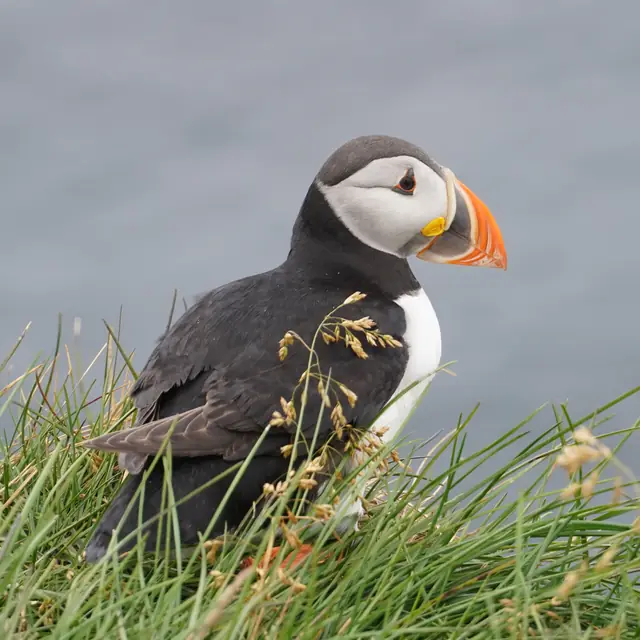
Puffin
Fratercula arctica
Nest on Lunga in the Treshnish Isles from late April to early August. On landing trips they often sit a few metres from the path.
-
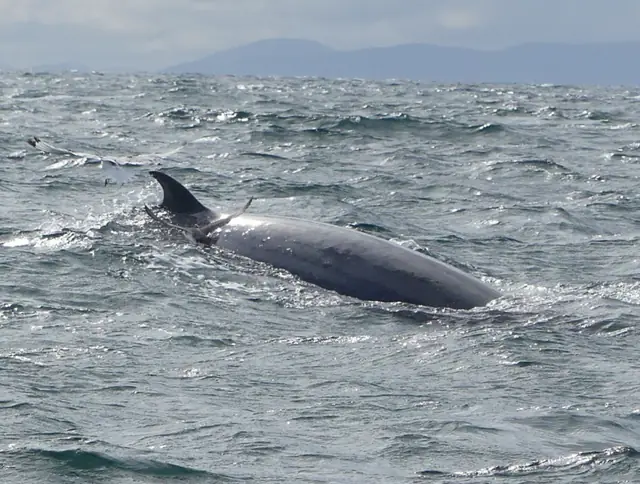
Minke Whale
Balaenoptera acutorostrata
The whale you are most likely to see, on boat trips from Tobermory in summer. Look for a small curved fin and a brief roll.
-
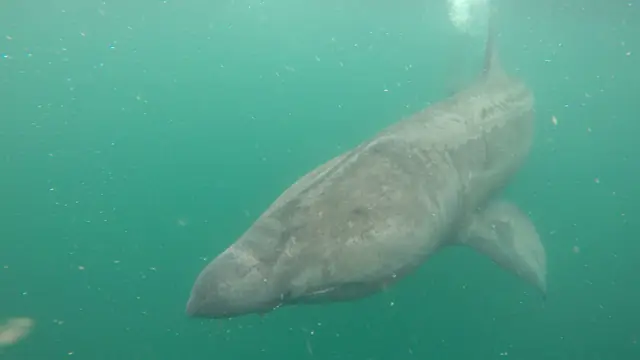
Basking Shark
Cetorhinus maximus
Filter-feeding at the surface around Coll and the Treshnish Isles in calm summer weather. Two fins, snout and tail, moving slowly.
-
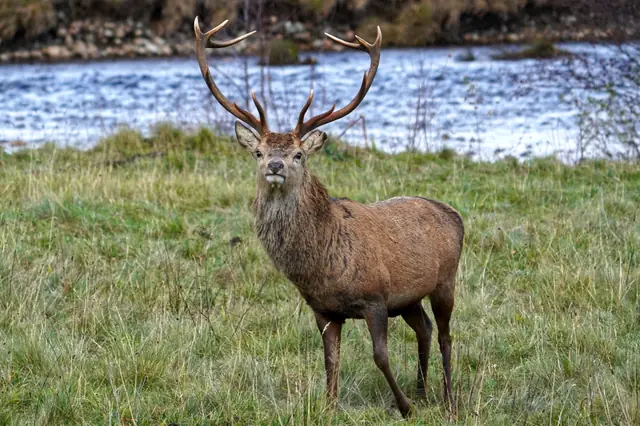
Red Deer
Cervus elaphus
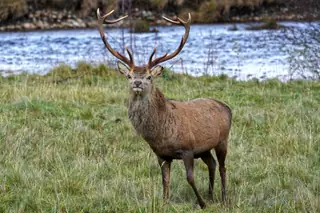
Common across the island's moorland. Watch for them at dusk on the road between Salen and Gruline.
-
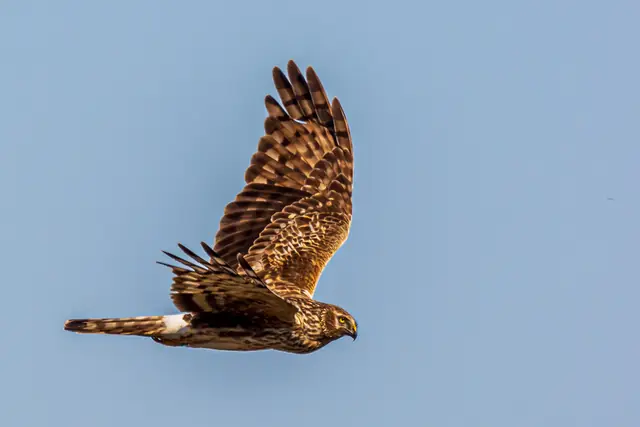
Hen Harrier
Circus cyaneus
Quarters low over moorland and young forestry. Males are pale grey with black wingtips.
-
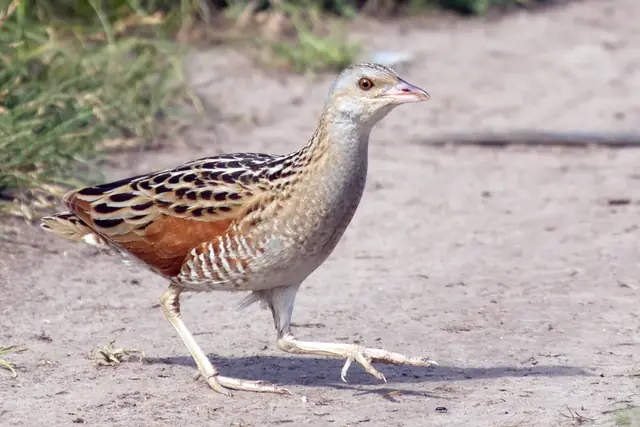
Corncrake
Crex crex
A rasping call from iris beds on Iona in May and June. It is heard far more often than seen.
-
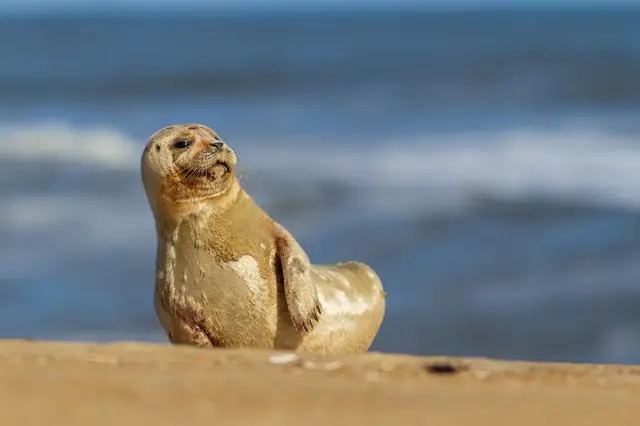
Harbour Seal
Phoca vitulina
Hauls out on skerries and sea loch rocks. Its rounded head and dog-like face tell it apart from the grey seal.
All 84 animals in Mull
Mammals 5
-
 Otter
-
 Red Deer
-
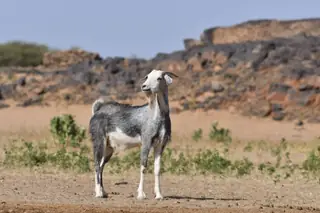 Feral Goat
-
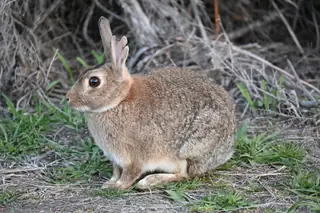 Rabbit
-
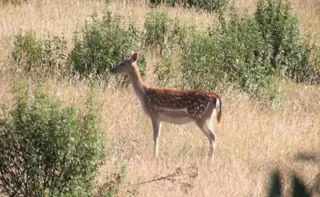 Fallow Deer
Whales and seals 8
-
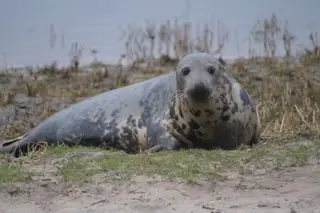 Grey Seal
-
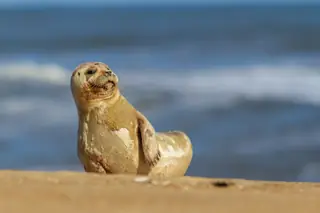 Harbour Seal
-
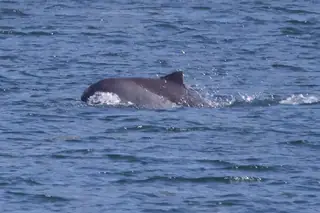 Harbour Porpoise
-
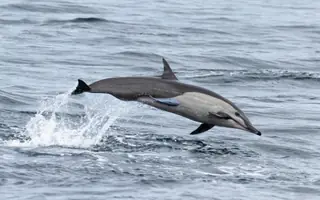 Common Dolphin
-
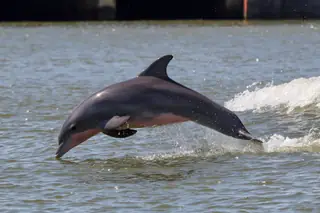 Bottlenose Dolphin
-
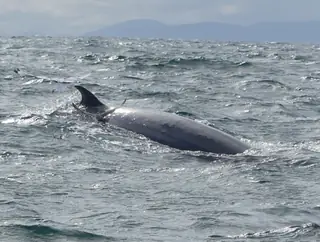 Minke Whale
-
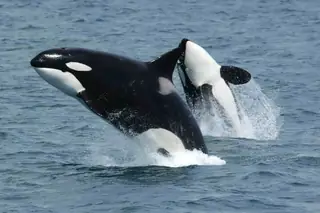 OrcaRare
-
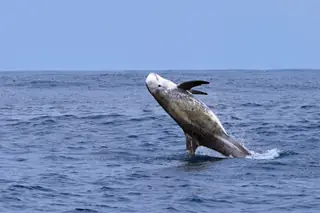 Risso's DolphinRare
Birds of prey 9
-
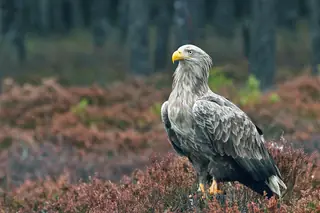 White-tailed Eagle
-
 Golden Eagle
-
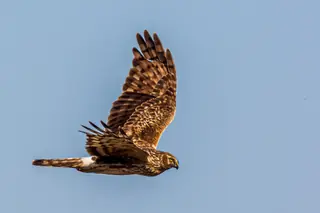 Hen Harrier
-
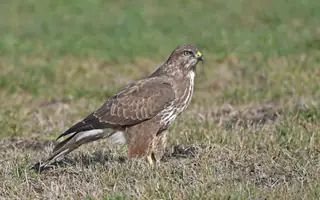 Buzzard
-
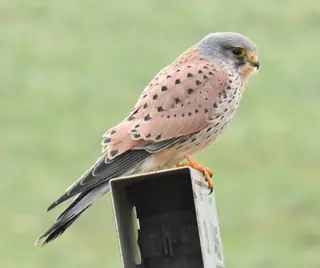 Kestrel
-
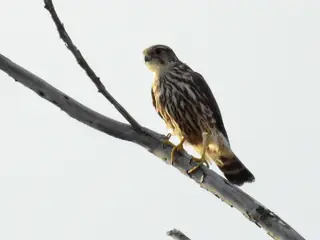 Merlin
-
 Peregrine Falcon
-
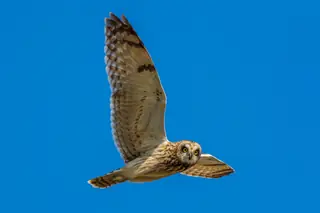 Short-eared Owl
-
 Osprey
Seabirds 21
-
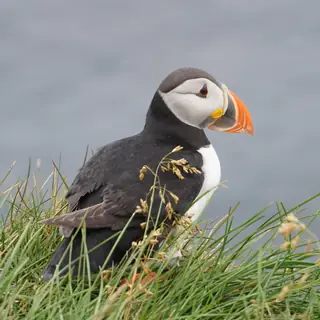 Puffin
-
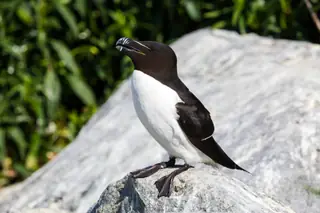 Razorbill
-
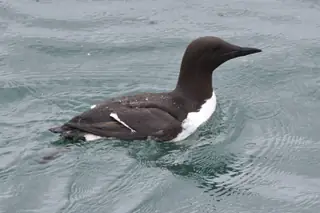 Guillemot
-
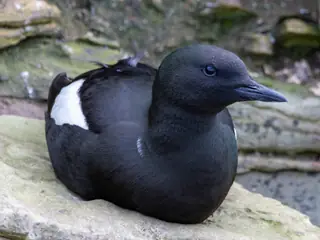 Black Guillemot
-
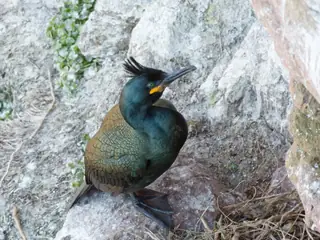 Shag
-
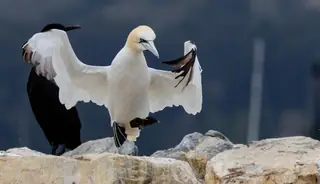 Gannet
-
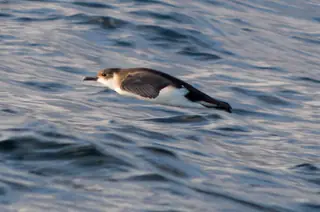 Manx Shearwater
-
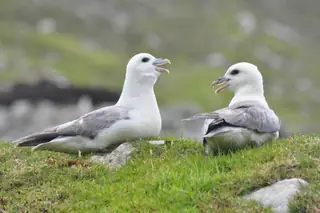 Fulmar
-
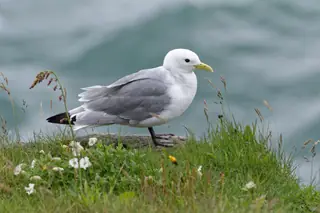 Kittiwake
-
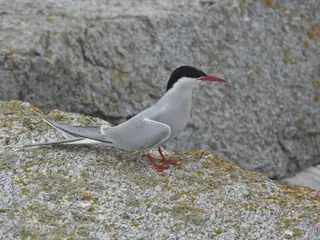 Arctic Tern
-
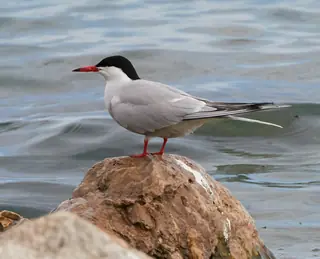 Common Tern
-
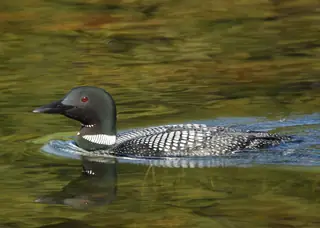 Great Northern Diver
-
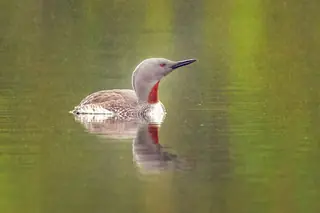 Red-throated Diver
-
 Black-throated Diver
-
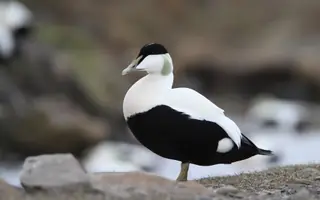 Eider
-
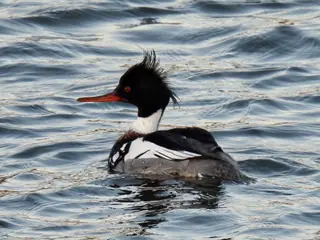 Red-breasted Merganser
-
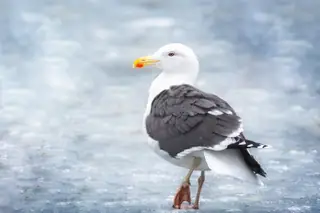 Great Black-backed Gull
-
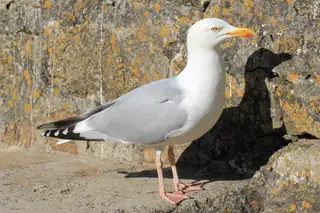 Herring Gull
-
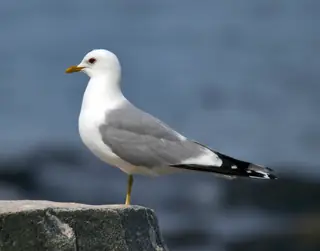 Common Gull
-
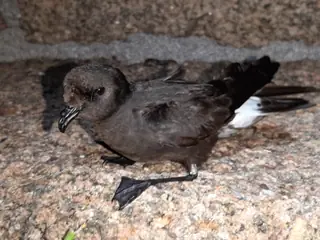 Storm PetrelRare
-
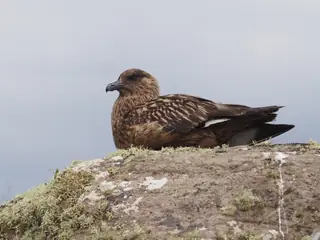 Skua (Great)
Shore, moor and woodland birds 25
-
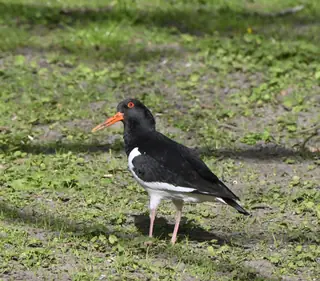 Oystercatcher
-
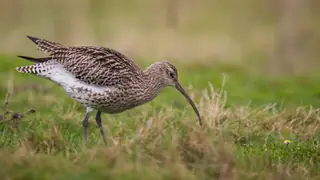 Curlew
-
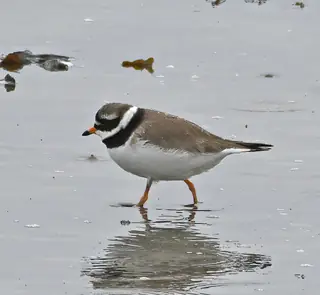 Ringed Plover
-
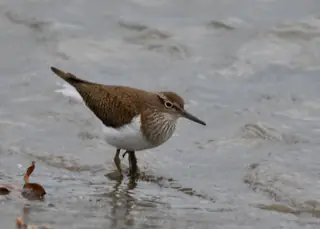 Common Sandpiper
-
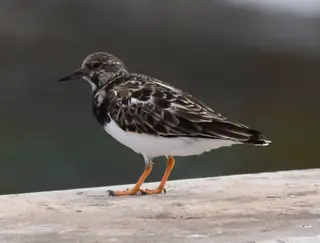 Turnstone
-
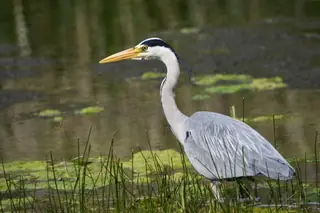 Grey Heron
-
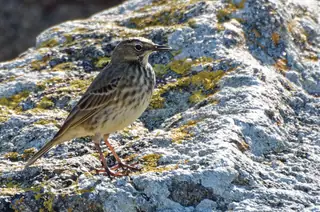 Rock Pipit
-
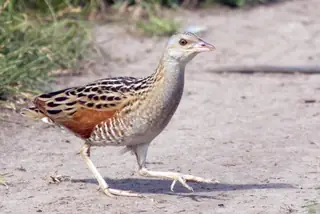 CorncrakeRare
-
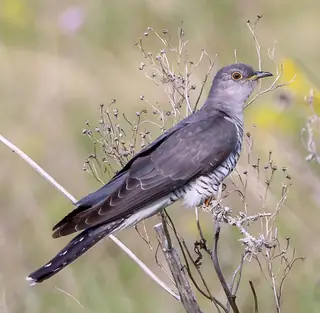 Cuckoo
-
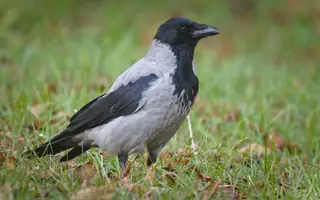 Hooded Crow
-
 Raven
-
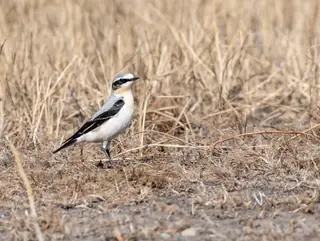 Wheatear
-
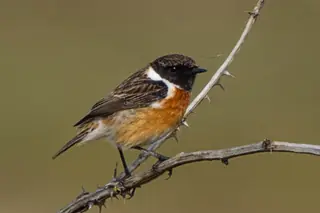 Stonechat
-
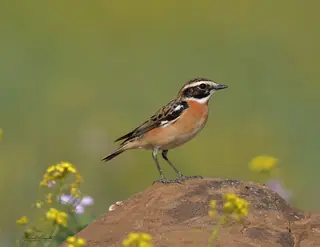 Whinchat
-
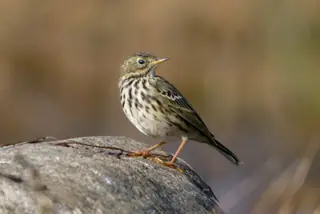 Meadow Pipit
-
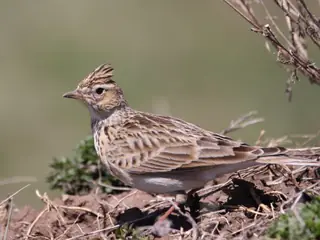 Skylark
-
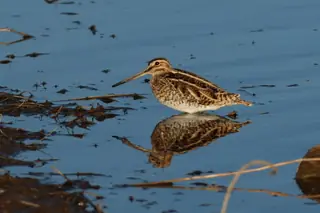 Snipe
-
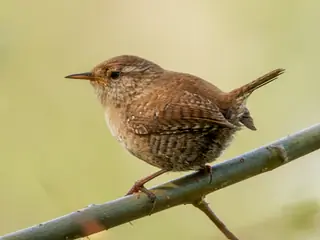 Wren
-
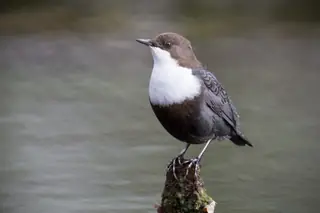 Dipper
-
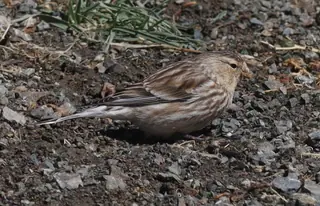 Twite
-
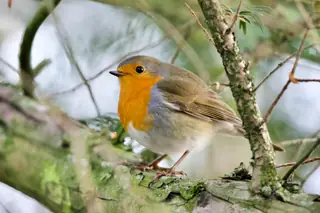 Robin
-
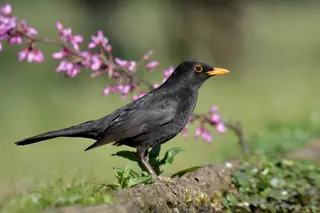 Blackbird
-
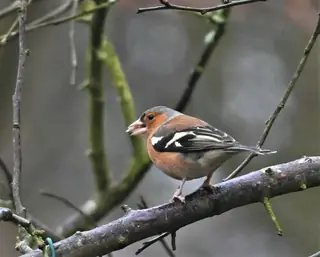 Chaffinch
-
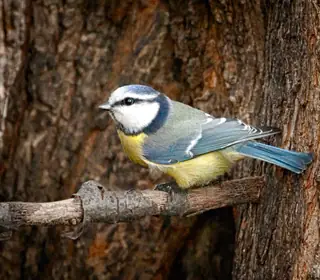 Blue Tit
-
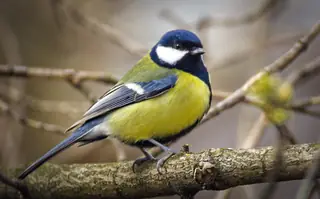 Great Tit
Reptiles and amphibians 6
-
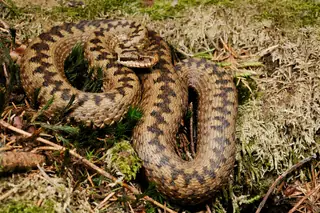 Adder
-
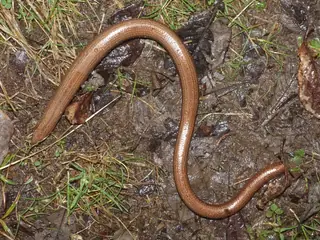 Slow Worm
-
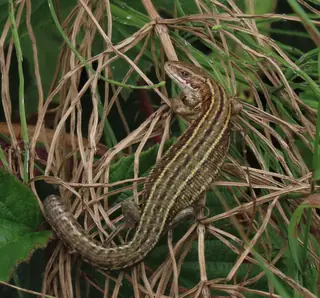 Common Lizard
-
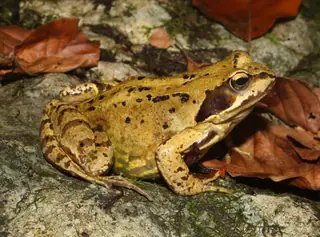 Common Frog
-
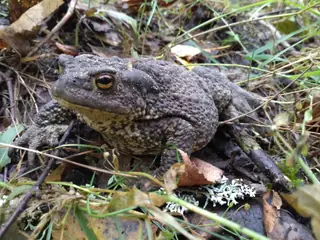 Common Toad
-
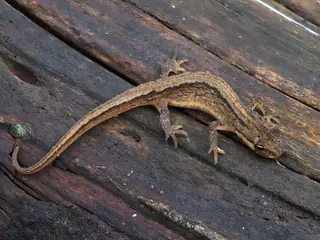 Palmate Newt
Sea life 1
-
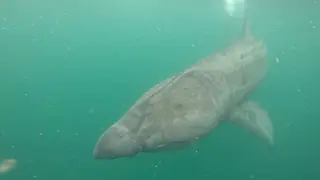 Basking Shark
Butterflies and dragonflies 9
-
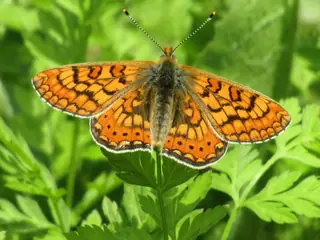 Marsh Fritillary
-
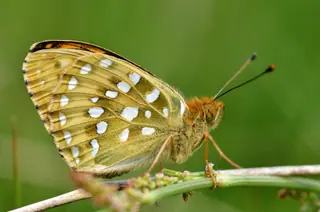 Dark Green Fritillary
-
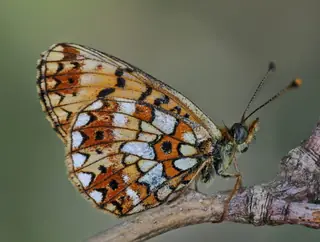 Small Pearl-bordered Fritillary
-
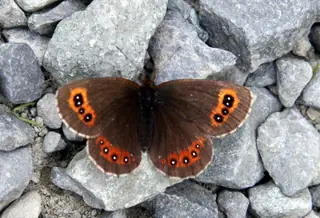 Scotch Argus
-
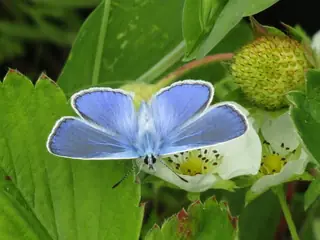 Common Blue
-
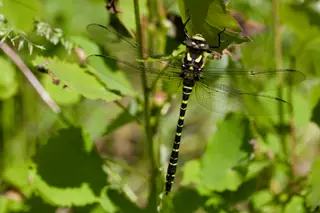 Golden-ringed Dragonfly
-
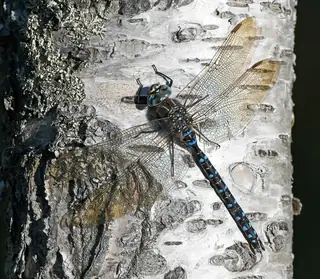 Common Hawker
-
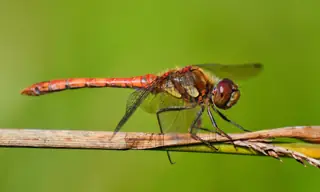 Common Darter
-
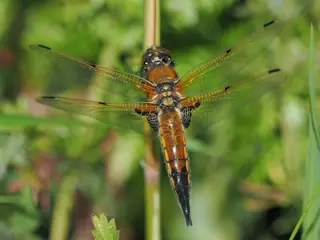 Four-spotted Chaser
Best time to see wildlife in Mull
Sightings by month in Mull
Most records: Jun to AugRecords from GBIF.org, adjusted for how many people record wildlife each month. 100% is the busiest month.
Mull is a year-round destination for eagles, otters and seals, so the season changes what you can add to them rather than the core list. April brings eagles on eggs and the first returning seabirds. Puffins are on Lunga from late April, and May to July is the classic window, with seabird cliffs busy and corncrakes calling on Iona. Minke whales and basking sharks peak from June to September, and calm days give the best chance of both. Autumn brings the red deer rut and the first divers returning to the sea lochs. Winter is quiet, but otters and eagles are easier to find without summer crowds, and common loons (great northern divers) sit in the lochs. Boat trips mainly run from April to October.
- Jan to MarEagles and otters, divers in the sea lochs
- AprEagles nesting, seabirds returning
- May to JulPuffins on Lunga, corncrakes on Iona
- Jun to SepMinke whales, basking sharks, dolphins
- Oct to DecRed deer rut, quieter roads for otters
Tips for spotting wildlife in Mull
- 01
Work the tide for otters
The two hours either side of low tide are often best, when otters hunt in the shallows. Loch na Keal and Loch Scridain are reliable; stay low and downwind, and keep well away from holts.
- 02
Take a boat for eagles
Eagle boat trips give close views of white-tailed eagles in summer. Book early in July and August.
- 03
Combine Lunga and Staffa
Treshnish Isles trips from Ulva Ferry and Fionnphort usually land on both. Allow time on Lunga to sit quietly back from the burrows and let the puffins come to you.
- 04
Look at the harbour wall
Black guillemots nest in the gaps in Tobermory harbour wall. Red legs, a white wing patch and a whistling call.
- 05
Use the passing places
Most of Mull's roads are single track. Pull fully into a passing place before stopping to watch wildlife, and never park in one.

Take Mull with you
Log Isle of Mull eagles, otters and puffins in Wilder, offline on single-track roads with no signal. Free to start.

Mull wildlife FAQ
Where are the best places to see otters on Mull?
The sea lochs on the west side, especially Loch na Keal and Loch Scridain, are the most reliable. Otters on Mull are coastal and often active by day. Walk or drive slowly along the shore on a falling tide, watching seaweed edges. If you see one, stay still and downwind, and only move when its head is underwater.
When can you see puffins near Mull?
Puffins are on Lunga in the Treshnish Isles from late April to early August, with May to mid July the most reliable. Boat trips run from Ulva Ferry and Fionnphort and usually include Staffa. Puffins leave the colony for the open sea by mid August, so trips later in the season may miss them.
Can you see Scotland's Big Five on Mull?
You can see four of them. Mull has golden eagles, otters, harbour seals and red deer, often in a single day. The red squirrel is the one missing, because there are no squirrels on the island. The white-tailed eagle, which many visitors come for, is not on the official Big Five list at all.
Sources
- NatureScot: White-tailed eagle
- Hebridean Whale and Dolphin Trust
- VisitScotland: Isle of Mull
- Sightings by month: GBIF.org
Animal photos are from the Wilder catalogue; photo credits.
Similar checklists
All Europe-
 National park99animals Cairngorms National Park Highland, Moray and Aberdeenshire, Scotland Britain's biggest national park: Caledonian pinewoods with crested tits and red squirrels, and a high plateau of ptarmigan, dotterel and mountain hares. Best time Apr to Jun, Oct
-
 Island46animals Skomer Island Pembrokeshire, Wales A small island off the Pembrokeshire coast with tens of thousands of puffins by day and the world's biggest Manx shearwater colony by night. Best time Late May to mid Jul
-
 Region98animals North Norfolk Coast and the Broads Norfolk, England Seal colonies, salt marshes full of waders and wintering geese, and reedbeds where bitterns boom, cranes breed and swallowtails fly. Best time Nov to Jan, May to Jun
-
 National park96animals New Forest National Park Hampshire, England Ancient woods and open heaths where five kinds of deer roam, Dartford warblers sing from the gorse and all six British reptiles live. Best time Apr to Jul, Oct