National park · Podlaskie and Brest · Poland and Belarus
Białowieża Forest Wildlife Checklist

Białowieża Forest, on the border of Poland and Belarus, is Europe's last large lowland primeval forest and home to the biggest herd of wild European bison. This checklist covers 113 animals, including wolves, lynx, beavers and ten kinds of woodpecker. Visit from late April to June for birdsong and woodpeckers, or in winter, when bison gather in the meadows and tracks show in the snow.
Tick off all 113 animals in Białowieża on your phone, even offline. Launching soon. Free A4 PDF, no sign-up.
Almost all visitors stay on the Polish side, in Białowieża village or Hajnówka. The national park's Strict Reserve can be entered only with a licensed guide; the rest of the forest has marked trails, meadows and boardwalks open to all.
- Animals to find
- 113
- Where
- Poland and Belarus
- Best time
- Late Apr to Jun
- European bison
- Europe's largest wild herd
Popular animals in Białowieża
-
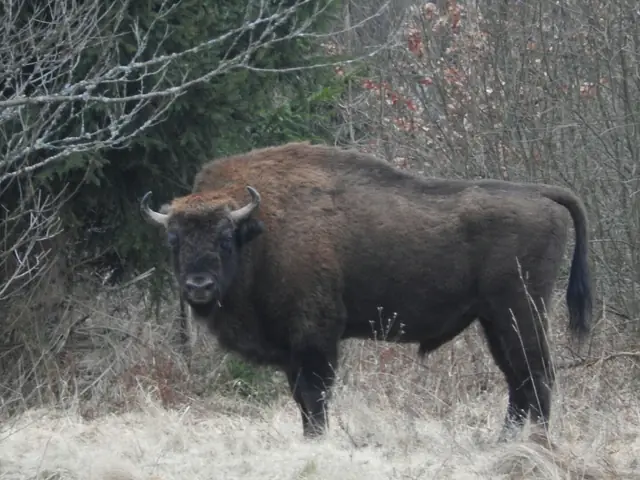
European Bison
Bos bonasus
Hunted to extinction in the wild in 1919 and brought back from zoo animals, bison now roam freely here. Look on meadows and forest edges at dawn and dusk, especially in winter, and keep well back.
-
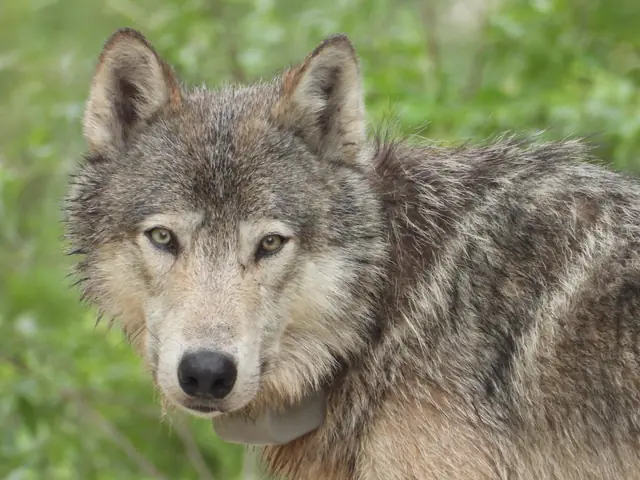
Grey Wolf
Canis lupus
Several packs hunt deer across the forest. Sightings are rare, but tracks and scats on snowy trails are common in winter.
-
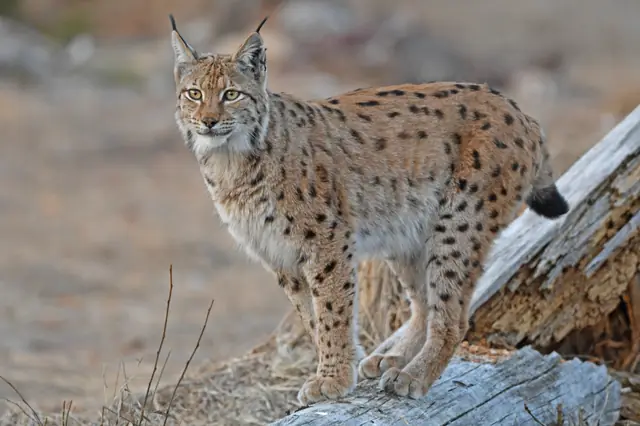
Eurasian Lynx
Lynx lynx
Present in small numbers and very rarely seen. Count yourself lucky to find its rounded tracks.
-
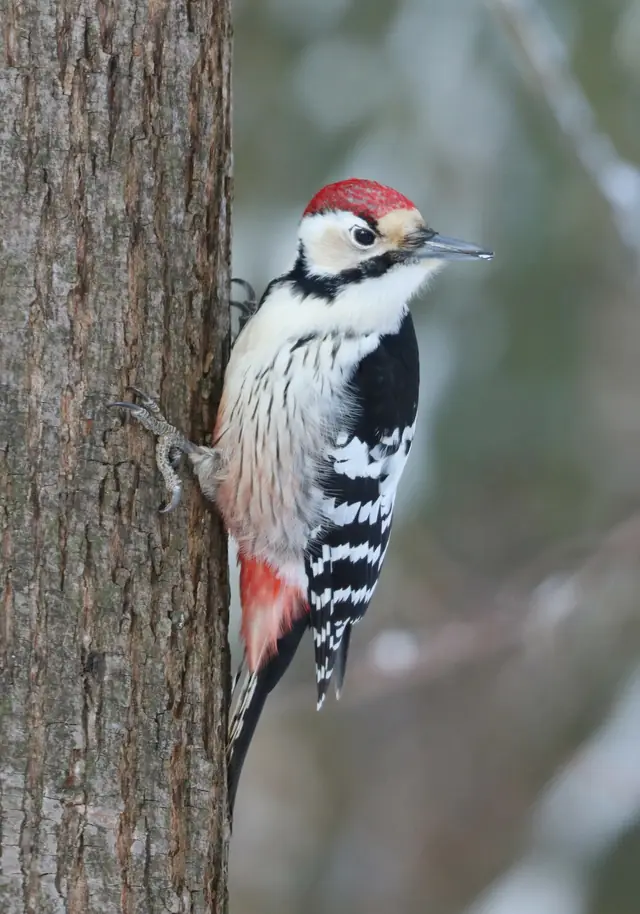
White-backed Woodpecker
Dendrocopos leucotos
Needs old, dying deciduous trees, which the Strict Reserve has in abundance. Best in March to May, when woodpeckers drum.
-
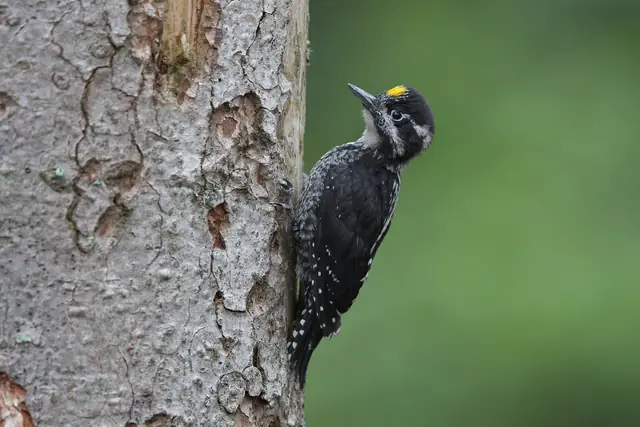
Eurasian Three-toed Woodpecker
Picoides tridactylus
A quiet woodpecker of old spruce with dying trees. Look for neat rings of holes in the bark.
-
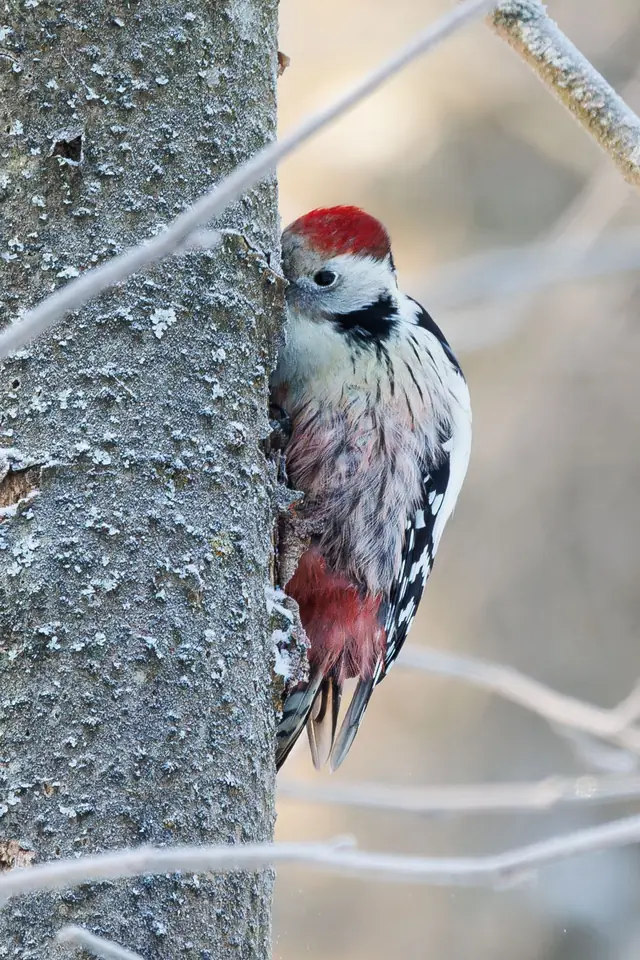
Middle Spotted Woodpecker
Dendrocoptes medius
Common among the old oaks and hornbeams, even in the Palace Park in the village.
-
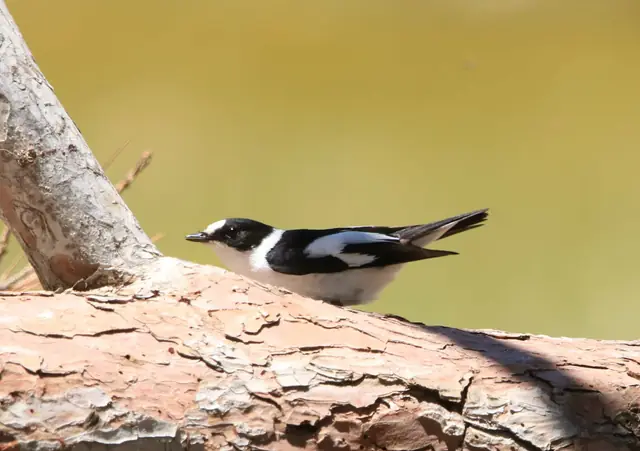
Collared Flycatcher
Ficedula albicollis
A crisp black and white flycatcher of old oak woods, singing from early May.
-
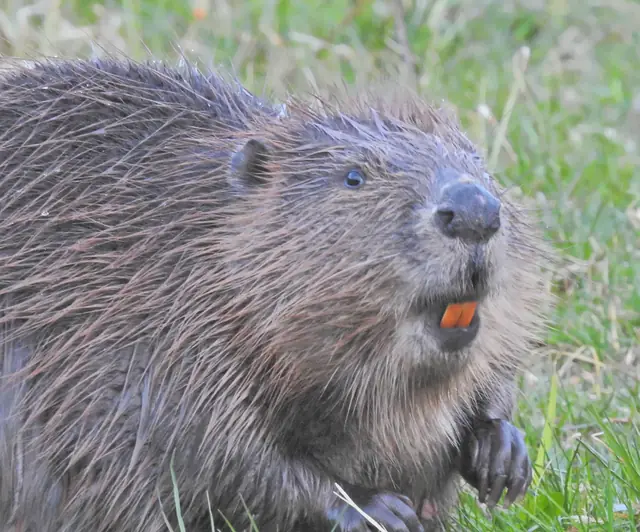
Eurasian Beaver
Castor fiber
Dams, lodges and gnawed trunks line the forest rivers. Watch quietly from a bank at dusk.
-
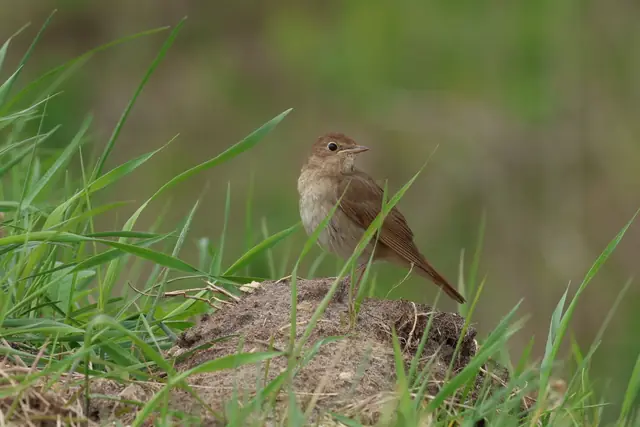
Thrush Nightingale
Luscinia luscinia
Sings day and night from riverside thickets in May, a deep, knocking song that carries far.
-
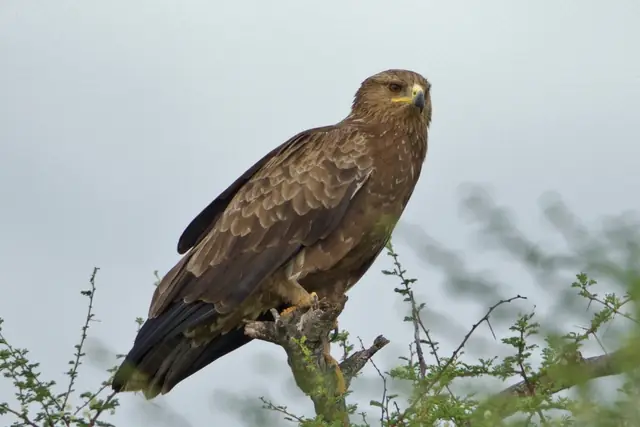
Lesser Spotted Eagle
Clanga pomarina
A small brown eagle soaring over the meadows on the forest edge from May to August.
All 113 animals in Białowieża
Bison and large mammals 13
-
 European Bison
-
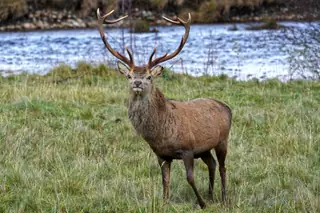 Red Deer
-
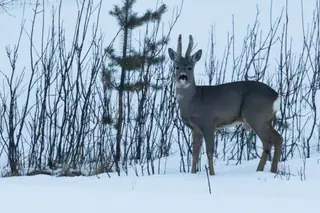 Roe Deer
-
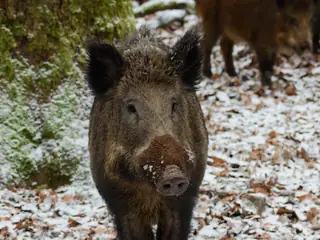 Wild Boar
-
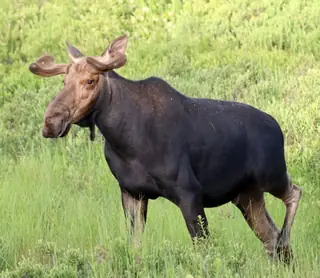 MooseRare
-
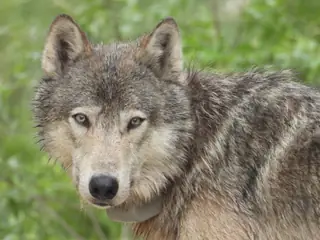 Grey WolfRare
-
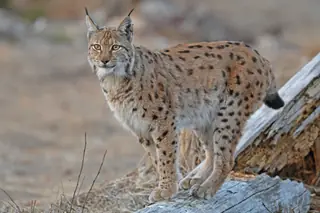 Eurasian LynxRare
-
 Red Fox
-
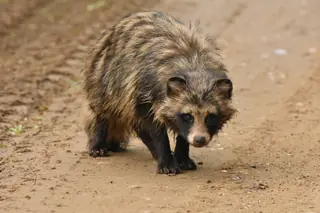 Raccoon Dog
-
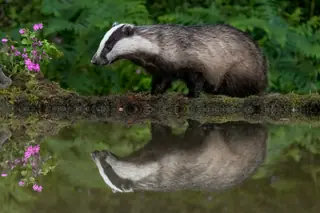 Badger
-
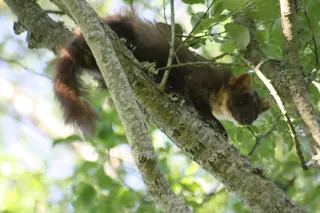 Pine Marten
-
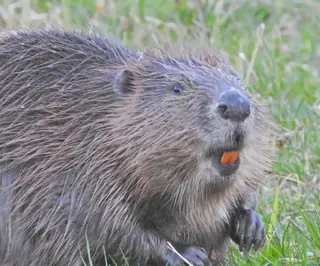 Eurasian Beaver
-
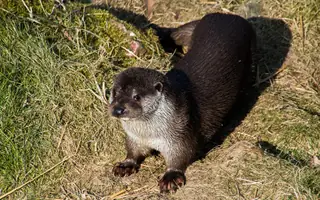 Otter
Small mammals 8
-
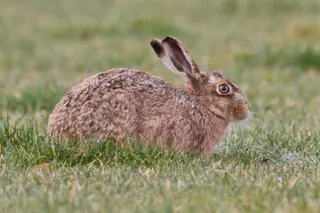 Brown Hare
-
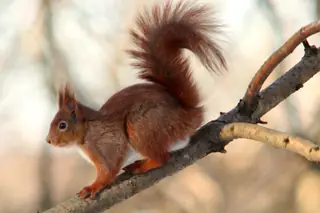 Red Squirrel
-
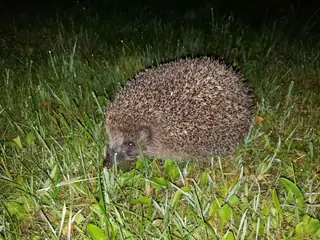 Northern White-breasted Hedgehog
-
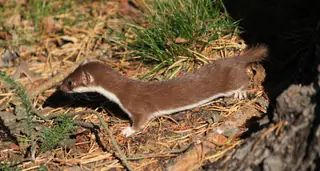 Least Weasel
-
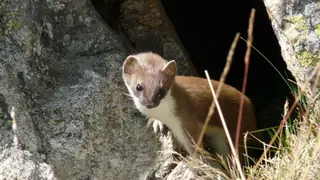 Stoat
-
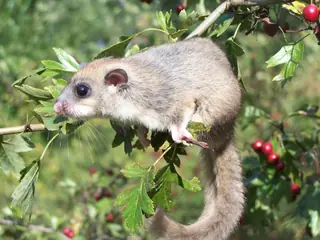 Edible DormouseRare
-
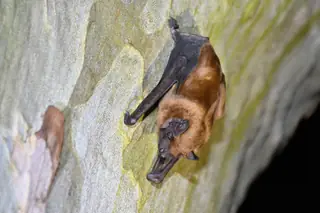 Noctule Bat
-
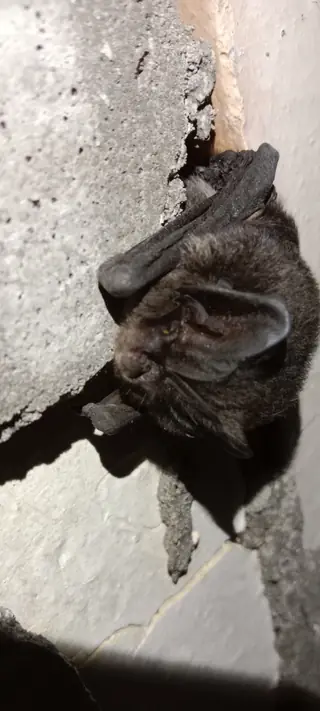 Barbastelle BatRare
Woodpeckers and owls 13
-
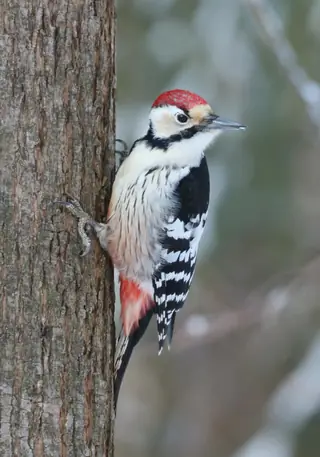 White-backed Woodpecker
-
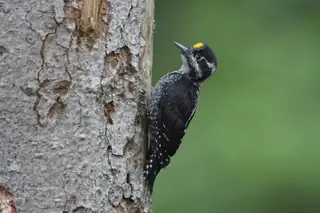 Eurasian Three-toed Woodpecker
-
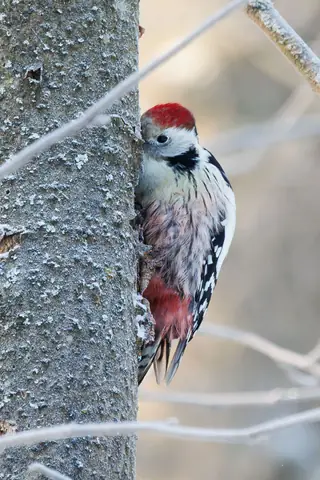 Middle Spotted Woodpecker
-
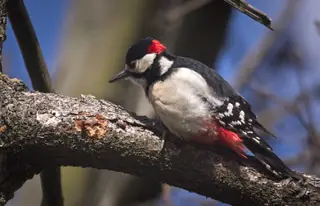 Great Spotted Woodpecker
-
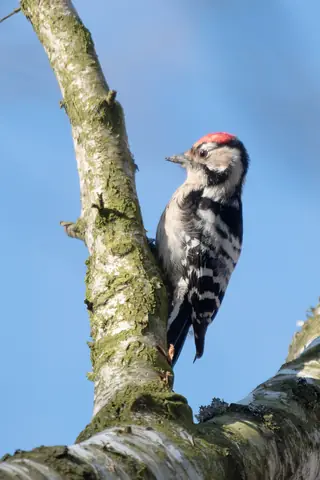 Lesser Spotted Woodpecker
-
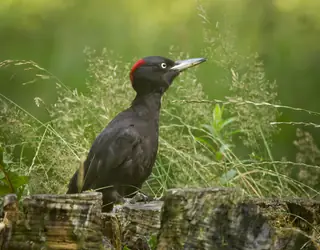 Black Woodpecker
-
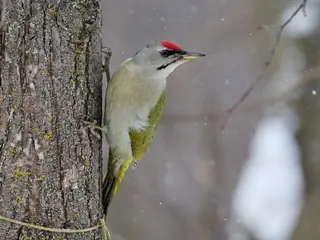 Grey-headed Woodpecker
-
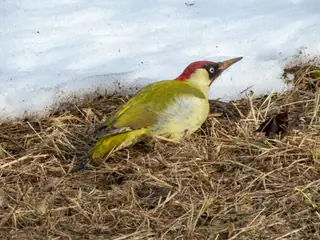 Green Woodpecker
-
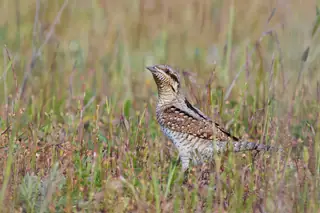 Eurasian Wryneck
-
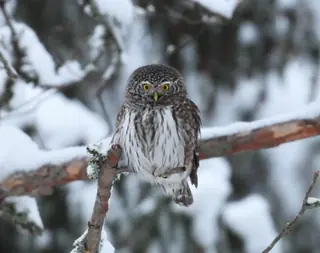 Eurasian Pygmy Owl
-
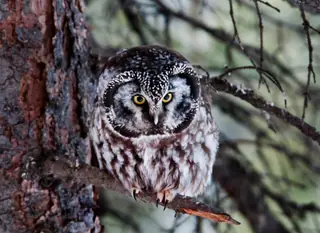 Tengmalm's OwlRare
-
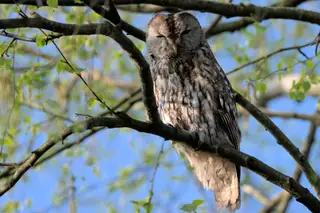 Tawny Owl
-
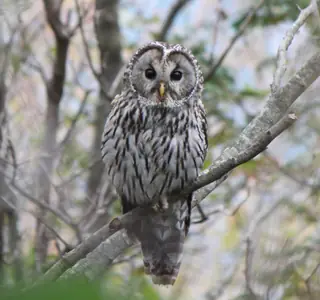 Ural OwlRare
Forest birds 20
-
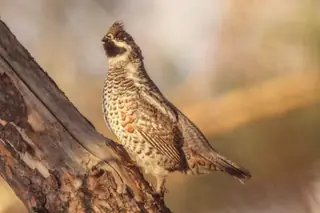 Hazel Grouse
-
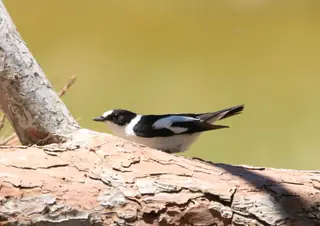 Collared Flycatcher
-
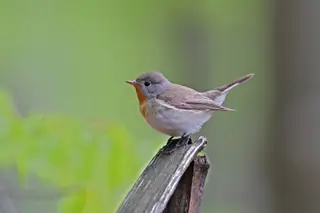 Red-breasted Flycatcher
-
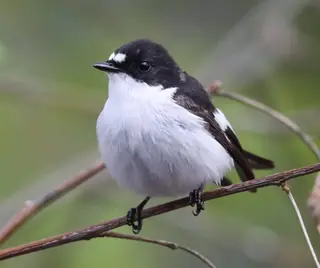 Pied Flycatcher
-
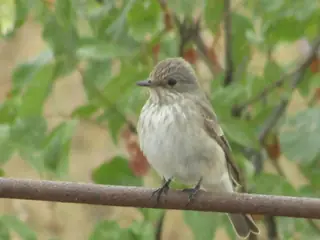 Spotted Flycatcher
-
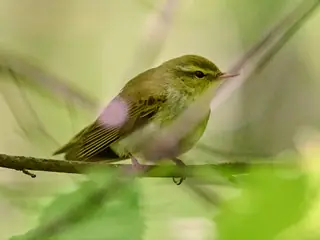 Wood Warbler
-
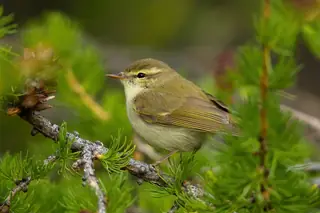 Greenish Warbler
-
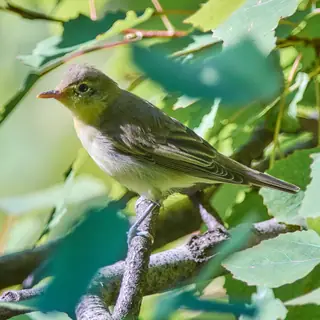 Icterine Warbler
-
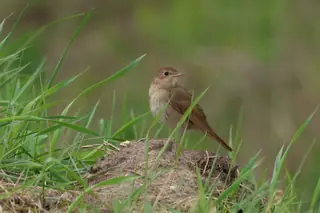 Thrush Nightingale
-
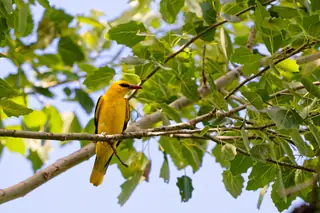 Eurasian Golden Oriole
-
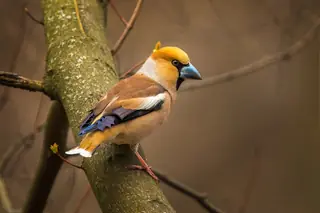 Hawfinch
-
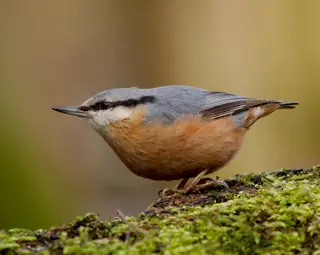 Nuthatch
-
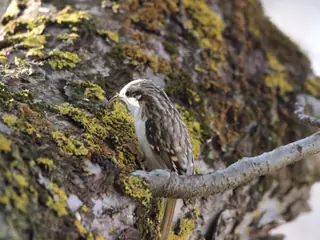 Treecreeper
-
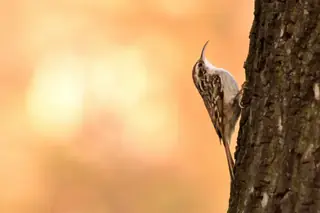 Short-toed Treecreeper
-
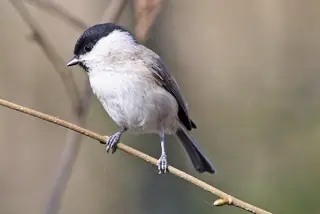 Marsh Tit
-
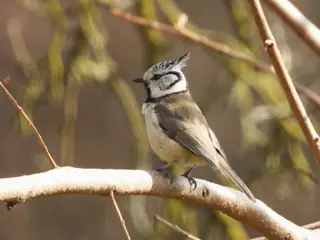 Crested Tit
-
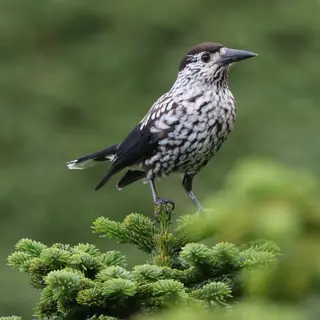 Northern NutcrackerRare
-
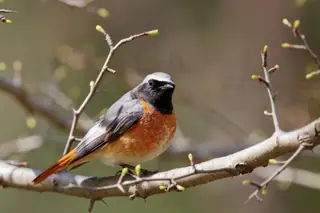 Redstart
-
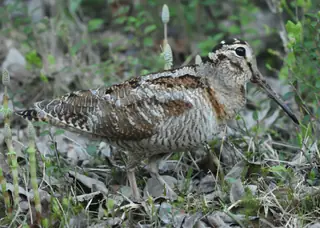 Woodcock
-
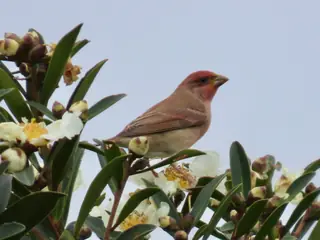 Common Rosefinch
Birds of prey, storks and cranes 11
-
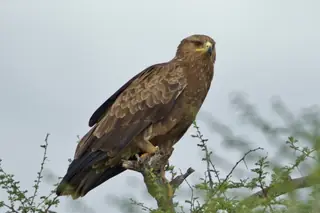 Lesser Spotted Eagle
-
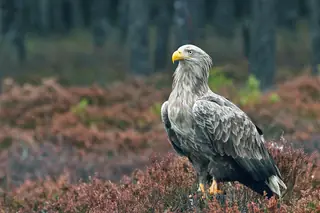 White-tailed EagleRare
-
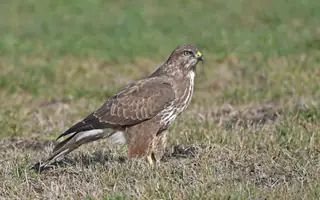 Buzzard
-
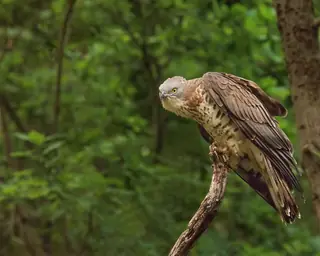 Honey Buzzard
-
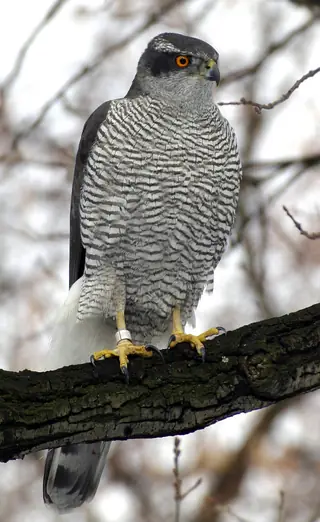 Goshawk
-
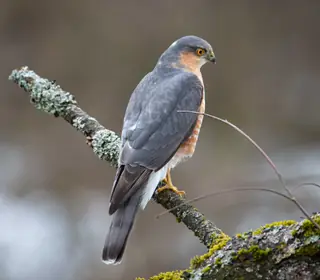 Sparrowhawk
-
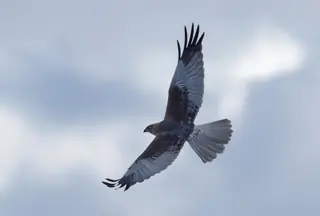 Marsh Harrier
-
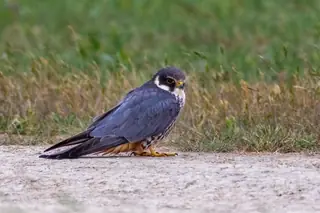 Hobby
-
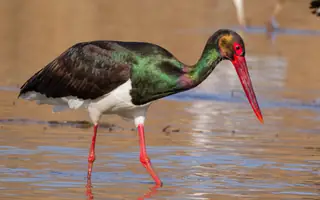 Black Stork
-
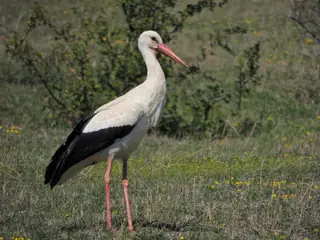 White Stork
-
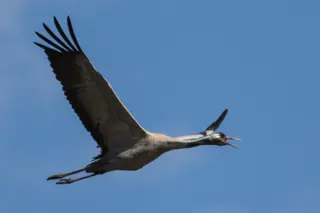 Common Crane
Meadow and wetland birds 15
-
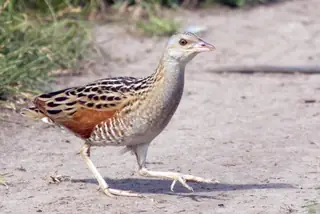 Corncrake
-
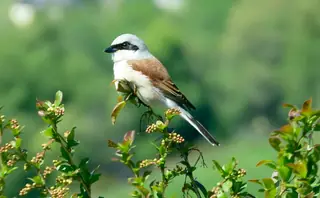 Red-backed Shrike
-
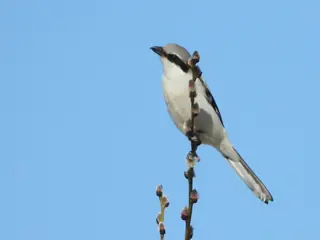 Great Grey Shrike
-
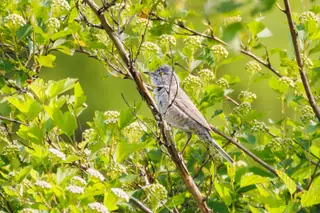 Barred Warbler
-
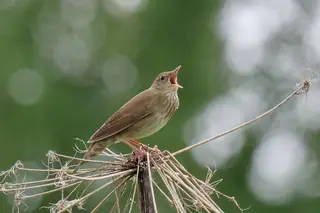 River Warbler
-
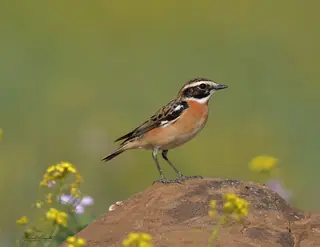 Whinchat
-
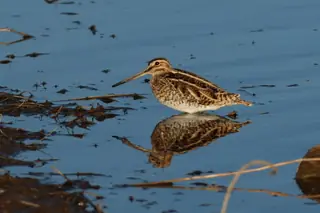 Snipe
-
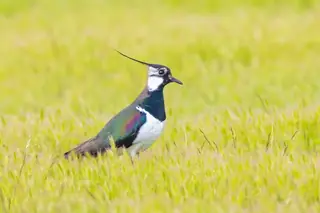 Lapwing
-
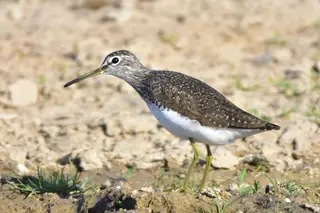 Green Sandpiper
-
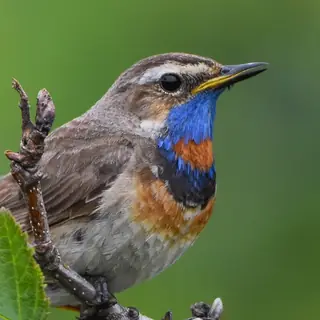 Bluethroat
-
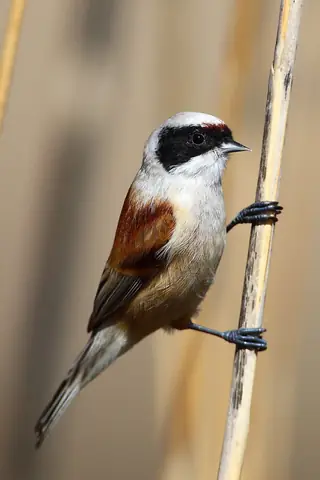 Eurasian Penduline Tit
-
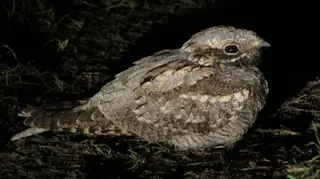 Nightjar
-
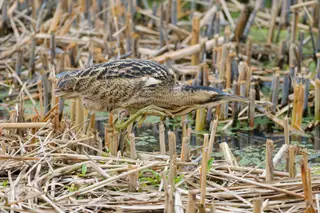 BitternRare
-
 Great Egret
-
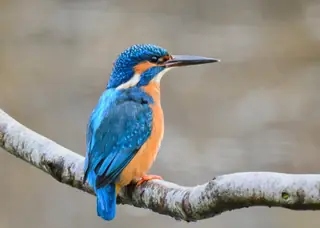 Kingfisher
Reptiles and amphibians 16
-
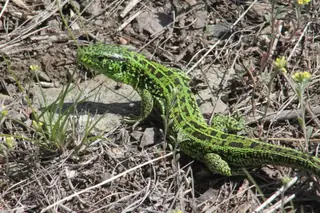 Sand Lizard
-
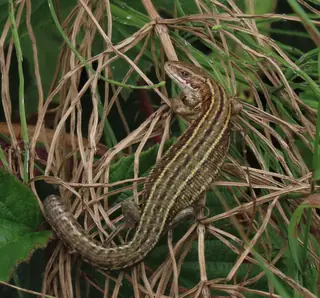 Common Lizard
-
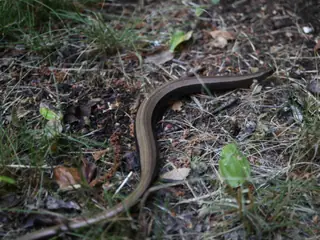 Eastern Slow-worm
-
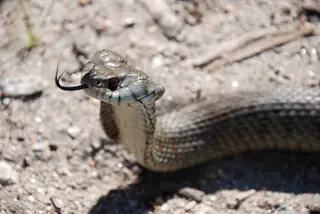 Eastern Grass Snake
-
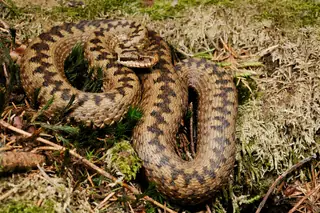 Adder
-
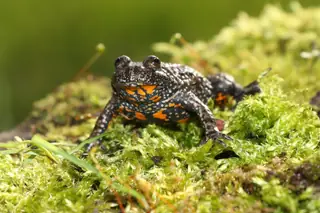 European Fire-bellied Toad
-
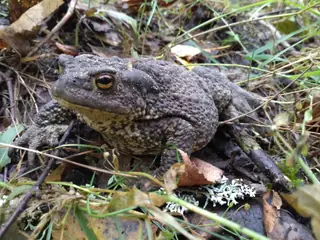 Common Toad
-
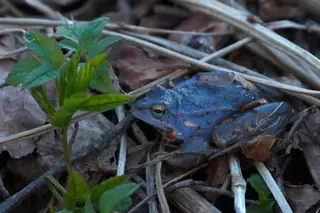 Moor Frog
-
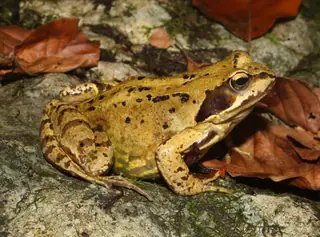 Common Frog
-
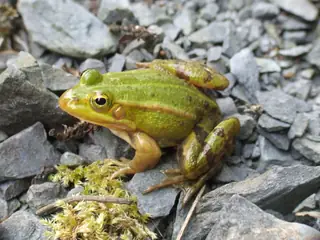 Pool Frog
-
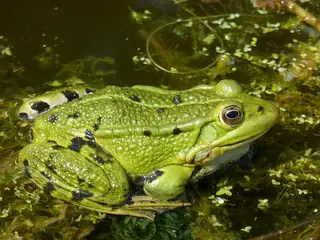 Edible Frog
-
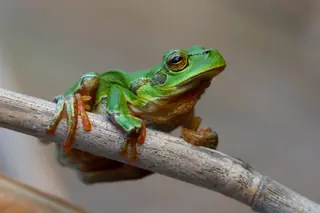 European Tree Frog
-
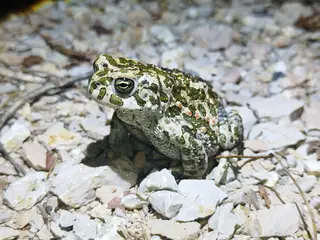 European Green Toad
-
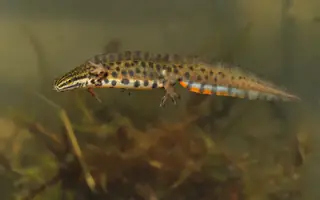 Smooth Newt
-
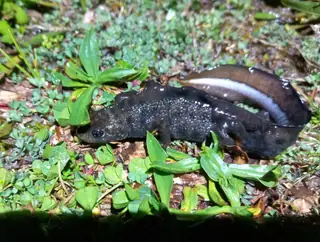 Great Crested Newt
-
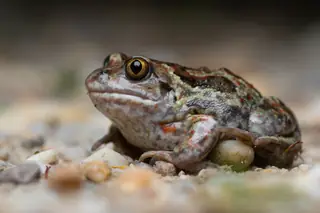 Common SpadefootRare
Butterflies and dragonflies 17
-
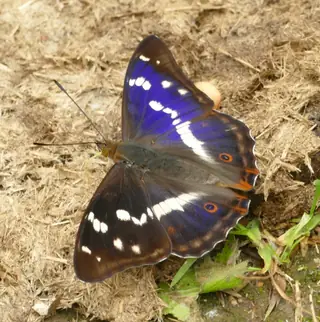 Purple Emperor
-
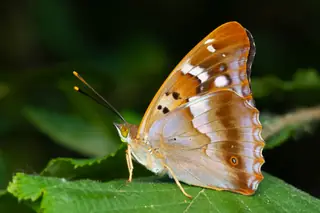 Lesser Purple Emperor
-
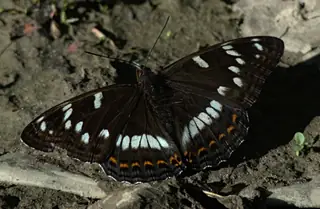 Poplar Admiral
-
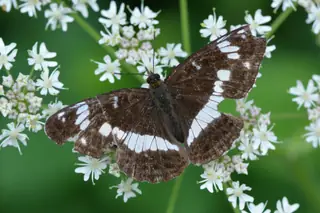 White Admiral
-
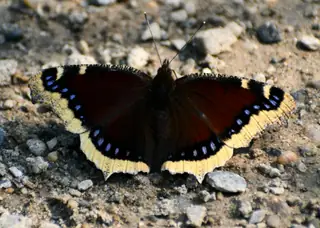 Camberwell Beauty
-
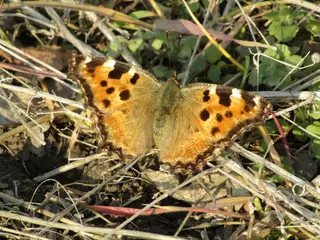 Large Tortoiseshell
-
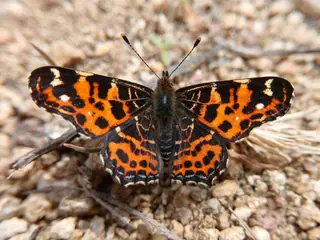 European Map
-
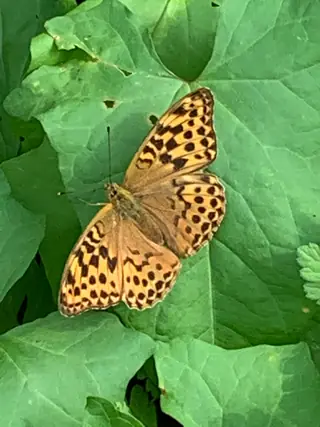 Silver-washed Fritillary
-
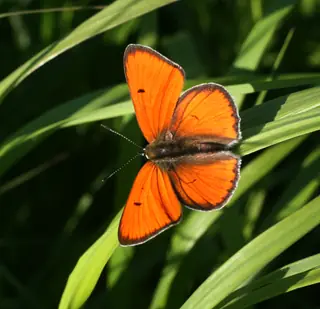 Large Copper
-
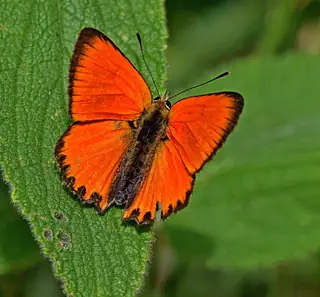 Scarce Copper
-
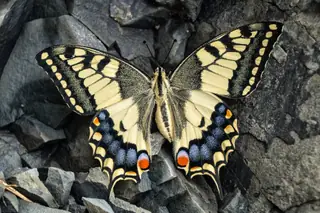 Swallowtail
-
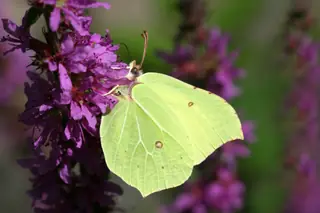 Brimstone
-
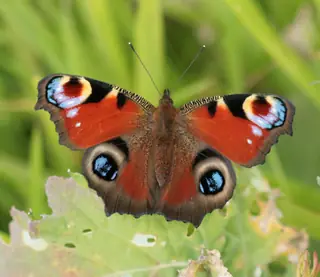 Peacock
-
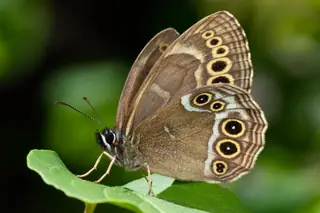 Woodland BrownRare
-
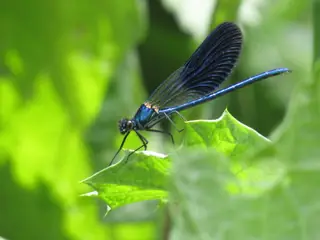 Banded Demoiselle
-
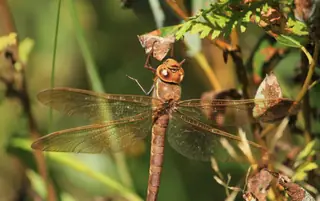 Brown Hawker
-
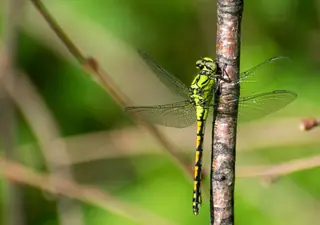 Green Snaketail
Best time to see wildlife in Białowieża
Sightings by month in Białowieża
Most records: May to JunRecords from GBIF.org, adjusted for how many people record wildlife each month. 100% is the busiest month.
Spring is the season for birds. Woodpeckers drum and owls call from March, and from late April into June the forest fills with song as flycatchers, warblers and thrush nightingales arrive; corncrakes call at night from the meadows from May. Summer is lush and green, with butterflies such as poplar admirals and purple emperors on the forest tracks, but leaves make mammals harder to see and mosquitoes are busy. In late September red deer roar at dusk. Winter is cold and quiet but often the best time for bison, which gather on meadows and forest edges, and snow shows the tracks of wolves, lynx and boar. Dawn and dusk are best for mammals in every season.
- Mar to AprWoodpeckers drumming, owls calling
- May to JunPeak birdsong, flycatchers, corncrakes
- Jul to AugButterflies, eagles, mosquitoes
- Sep to OctRed deer rut, autumn colour
- Nov to FebBison in the meadows, tracks in snow
Tips for spotting wildlife in Białowieża
- 01
Book a licensed guide for the Strict Reserve
The oldest part of the national park can only be visited with a licensed guide, in groups of up to ten. It is the best place for white-backed and three-toed woodpeckers and giant trees.
- 02
Look for bison at the edges
Bison feed on meadows and clearings at dawn and dusk. Watch from roads and tracks, stay well back and never walk towards them, as bulls can charge.
- 03
Listen before you look
Woodpeckers, owls and many forest birds are found by their calls. Walk slowly, stop often and keep quiet; never use playback.
- 04
Visit the Bison Show Reserve for sure views
The enclosure on the Hajnówka road, about 3 km before Białowieża, has bison and other forest animals in large pens. It is a good start, though wild animals are the real prize.
- 05
Check border rules
The forest runs into Belarus along a fenced and guarded border. Check current Polish border-zone restrictions before walking near it, and stay on marked trails.

Take Białowieża with you
Tick off Białowieża's bison, woodpeckers and owls in Wilder, and keep your list offline deep in the forest. Free to start.

Białowieża wildlife FAQ
Where can you see wild bison in Białowieża?
Wild bison roam the whole forest but are easiest to see on meadows and forest edges around the villages at dawn and dusk, especially in winter when they gather. Local licensed guides run bison trips. Watch from a distance and never approach. For guaranteed views, the Bison Show Reserve near Białowieża keeps animals in large enclosures.
Do you need a guide in Białowieża National Park?
Only for the Strict Reserve, the oldest and best protected part of the park, which you can enter only with a licensed guide in a group of up to ten. The rest of the forest, including many trails, boardwalks and the Palace Park, can be explored on your own.
Can you see wolves in Białowieża Forest?
Wolves live in the forest in several packs, but sightings are rare because they are shy and mostly active at night. Winter visitors often find tracks in the snow. Guides sometimes offer tracking walks; never follow fresh tracks or howls to try to find a pack.
Can you visit the Belarusian side of Białowieża Forest?
Not easily. The Belarusian part, Belovezhskaya Pushcha National Park, is not reachable from the Polish side, as the border through the forest is fenced and closed to walkers. Almost all visitors explore the Polish side, based in Białowieża village or Hajnówka.
When is the best time to visit Białowieża for birds?
Late April to June is best. Woodpeckers are most active in March to May, and in May the forest fills with collared and red-breasted flycatchers, wood warblers and thrush nightingales, while corncrakes call from the meadows at night. Early mornings give the most birdsong and the best chance of mammals.
Sources
- Białowieża National Park (official site)
- National Geographic Polska: Record number of bison in Białowieża Forest
- Polish Ministry of Interior: Buffer zone along the Belarusian border
- Sightings by month: GBIF.org
Animal photos are from the Wilder catalogue; photo credits.
Similar checklists
All Europe-
 National park96animals New Forest National Park Hampshire, England Ancient woods and open heaths where five kinds of deer roam, Dartford warblers sing from the gorse and all six British reptiles live. Best time Apr to Jul, Oct
-
 National park99animals Cairngorms National Park Highland, Moray and Aberdeenshire, Scotland Britain's biggest national park: Caledonian pinewoods with crested tits and red squirrels, and a high plateau of ptarmigan, dotterel and mountain hares. Best time Apr to Jun, Oct
-
 Reserve91animals Sierra de Andújar Natural Park Jaén, Andalucía, Spain Granite hills, holm oak dehesa and the Jándula river in the Sierra Morena: the best place in the world to watch a wild Iberian lynx, with imperial eagles and black vultures overhead. Best time Dec to Feb
-
 Region103animals Camargue Bouches-du-Rhône and Gard, Provence, France The Rhône delta: lagoons pink with flamingos, reedbeds full of herons and warblers, and salt marshes where bee-eaters and rollers hunt. Best time Apr to Jun