Region · Brașov, Sibiu and Argeș · Romania
Romanian Carpathians Wildlife Checklist

The Romanian Carpathians hold Europe's largest brown bear population outside Russia, with wolves, lynx and wildcats in the beech and spruce forest and chamois on the ridges of Piatra Craiului and Făgăraș. This checklist covers 105 animals. Bear hides run from April to October; May, June and September are the best all-round months.
Tick off all 105 animals in the Carpathians on your phone, even offline. Launching soon. Free A4 PDF, no sign-up.
Brașov and the village of Zărnești, at the foot of Piatra Craiului, are the usual bases. Most visitors combine an evening in a bear hide with walks in the national park and a drive over the high Făgăraș on the Transfăgărășan road.
- Animals to find
- 105
- Where
- Romania
- Best time
- May to Sept
- Large carnivores
- Bear, wolf and lynx
Popular animals in the Carpathians
-
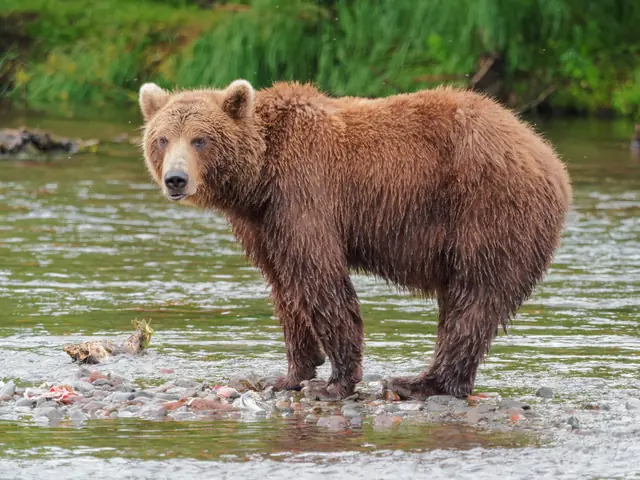
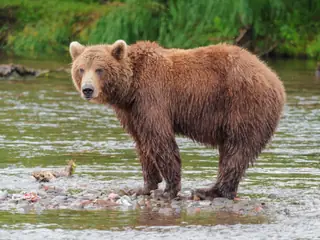
Brown Bear
Ursus arctos
Romania has more bears than any other EU country. Most visitors see them from licensed hides; inside, stay quiet and use no flash.
-
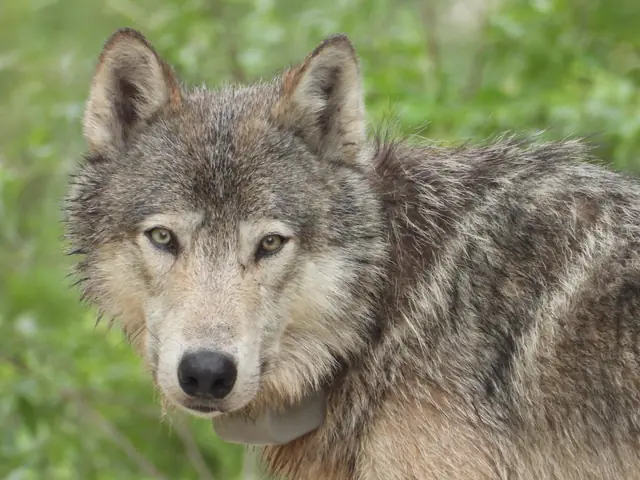
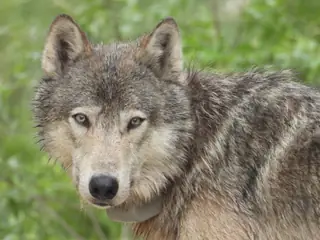
Grey Wolf
Canis lupus
Present across the mountains but very hard to see. Guided winter walks follow tracks in the snow, which is often as close as anyone gets.
-
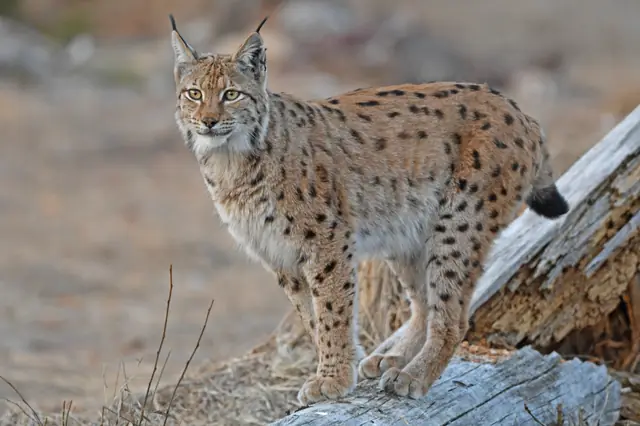
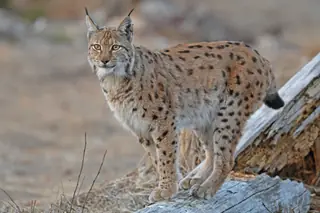
Eurasian Lynx
Lynx lynx
The most secretive of the three big carnivores. A sighting is pure luck, usually at dawn on a forest edge.
-
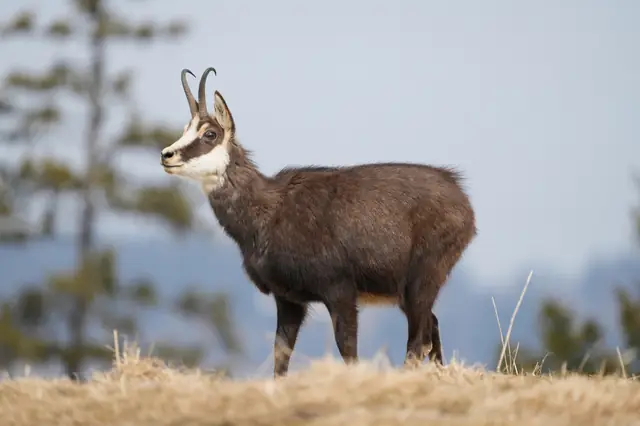
Northern Chamois
Rupicapra rupicapra
Lives on the limestone ridge of Piatra Craiului and in the high Făgăraș cirques. Scan the crags in the early morning, when they graze in the open.
-
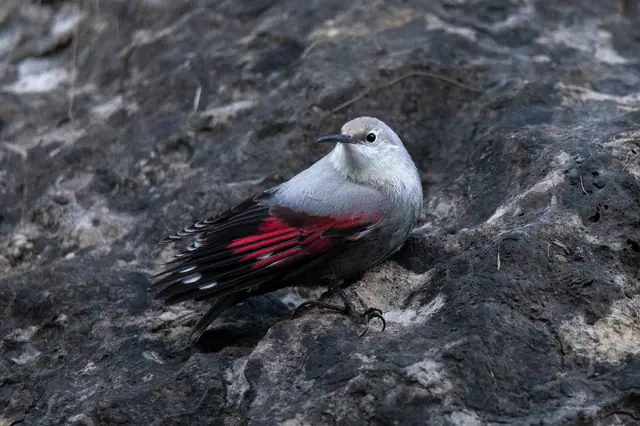
Wallcreeper
Tichodroma muraria
A grey bird with crimson wings that flicks like a butterfly over rock faces. Try the walls of the Prăpăstiile Zărneștilor gorge, best in late autumn and winter.
-
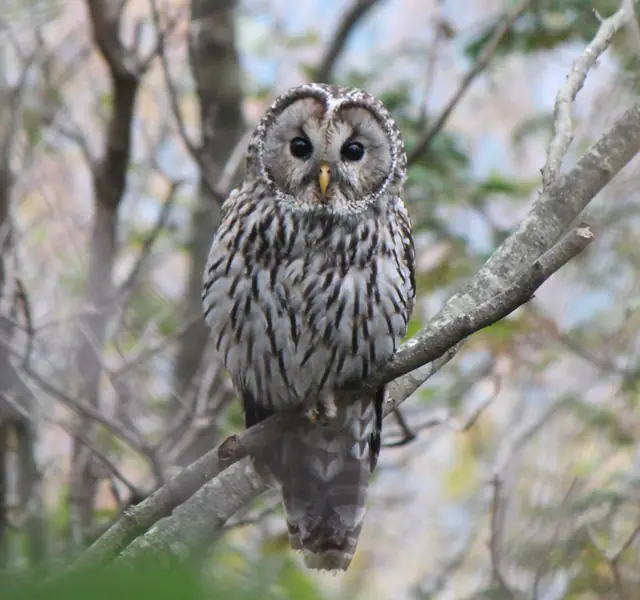
Ural Owl
Strix uralensis
A big, pale owl of old beech forest. Listen for its deep hoots at dusk in early spring, and give any nest a very wide berth: females defend it fiercely.
-
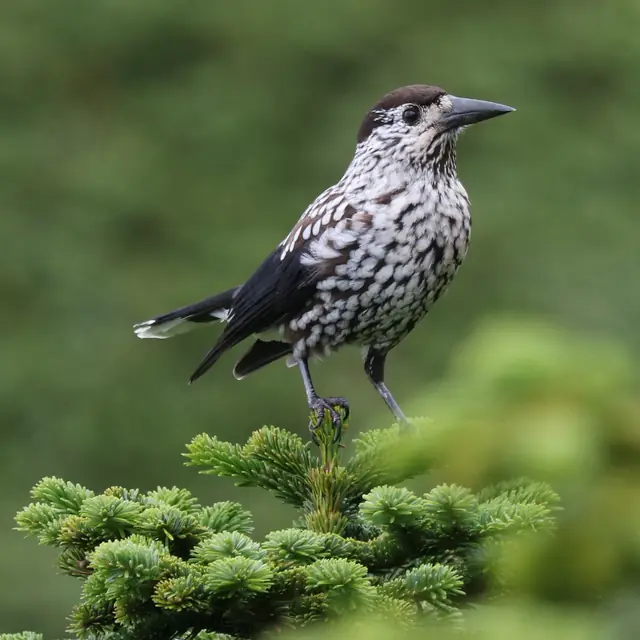
Northern Nutcracker
Nucifraga caryocatactes
Loud, speckled and obvious in the spruce zone, especially in autumn while it caches nuts and seeds.
-
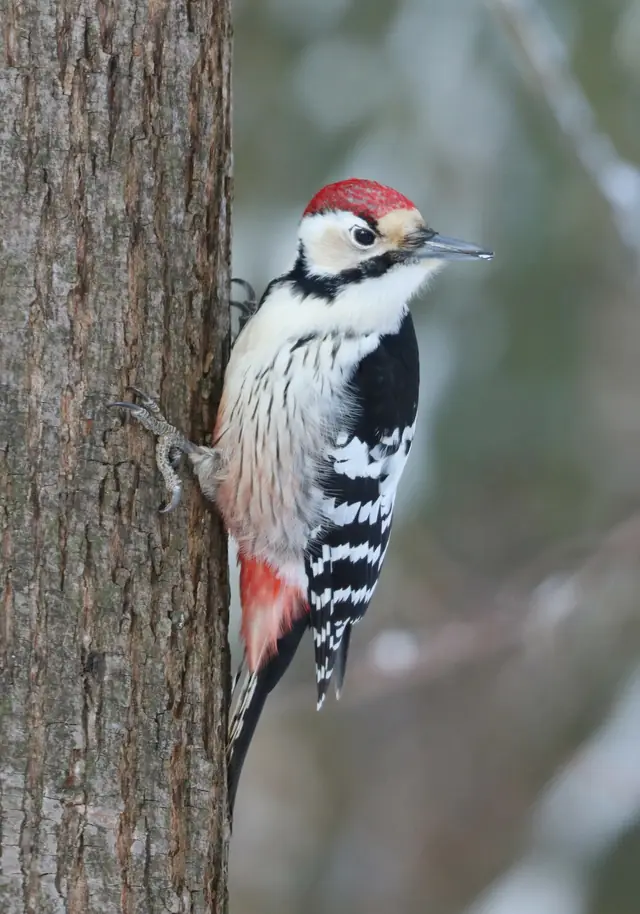
White-backed Woodpecker
Dendrocopos leucotos
A woodpecker of old beech forest with plenty of dead wood, one of eight woodpeckers on this list, counting the wryneck.
-
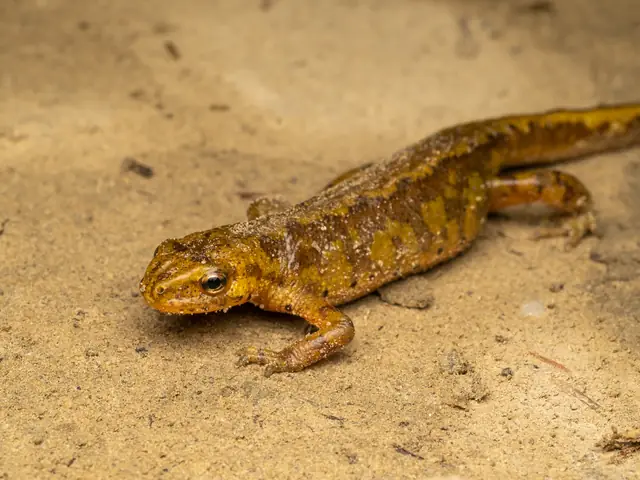
Carpathian Newt
Lissotriton montandoni
Found only in the Carpathians. Look in forest pools in spring, without handling it.
All 105 animals in the Carpathians
Bears and big mammals 11
-
 Brown Bear
-
 Grey WolfRare
-
 Eurasian LynxRare
-
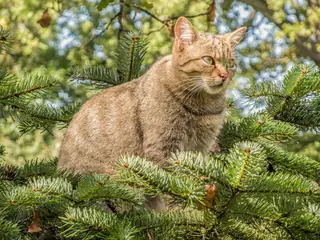 WildcatRare
-
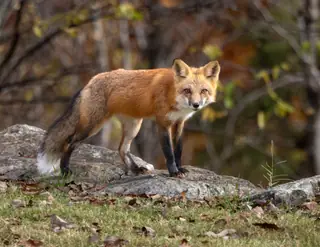 Red Fox
-
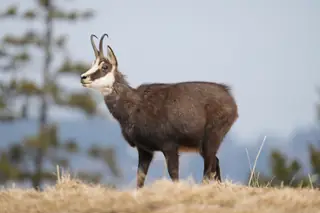 Northern Chamois
-
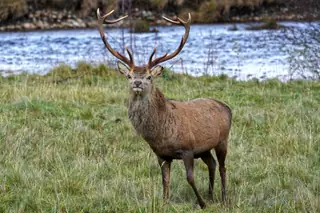 Red Deer
-
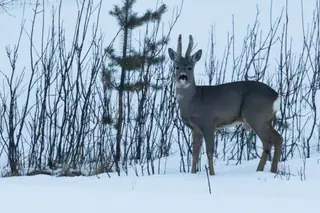 Roe Deer
-
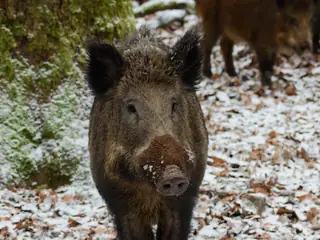 Wild Boar
-
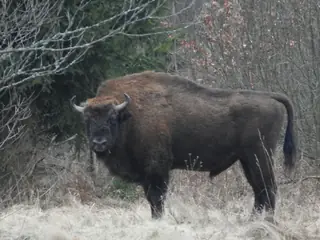 European BisonRare
-
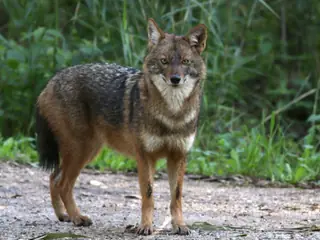 Golden JackalRare
Smaller mammals 14
-
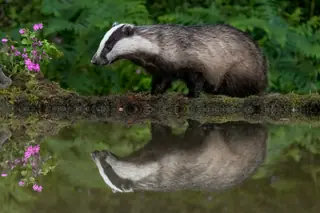 Badger
-
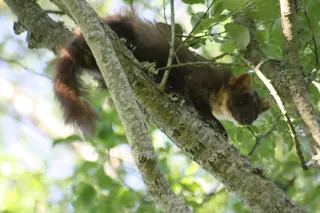 Pine Marten
-
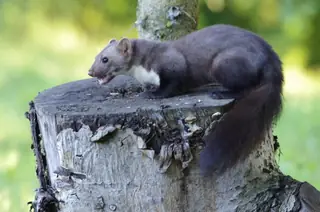 Beech Marten
-
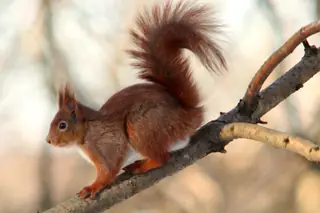 Red Squirrel
-
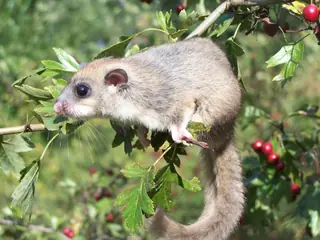 Edible Dormouse
-
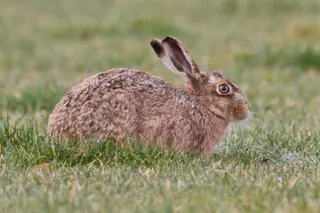 Brown Hare
-
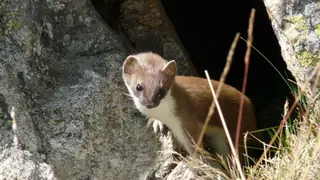 Stoat
-
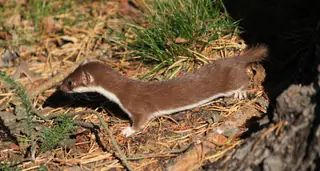 Least Weasel
-
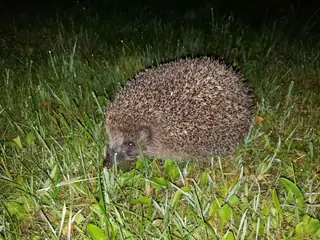 Northern White-breasted Hedgehog
-
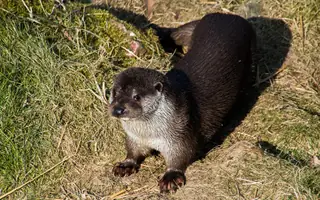 OtterRare
-
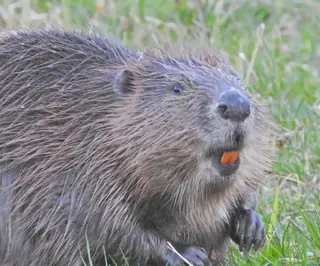 Eurasian BeaverRare
-
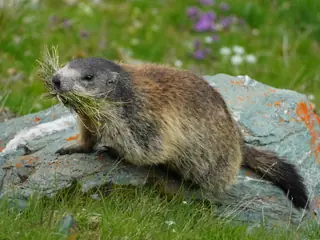 Alpine MarmotRare
-
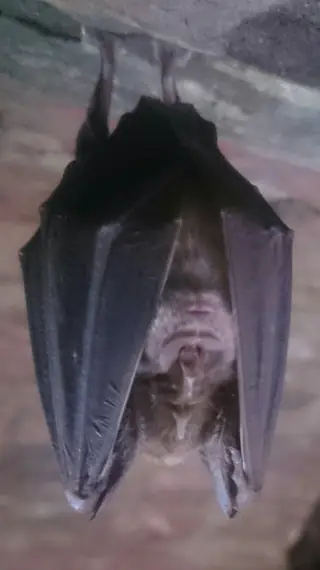 Greater Horseshoe Bat
-
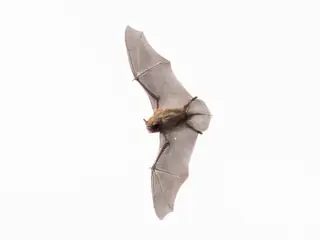 Daubenton's Bat
Birds of prey and owls 15
-
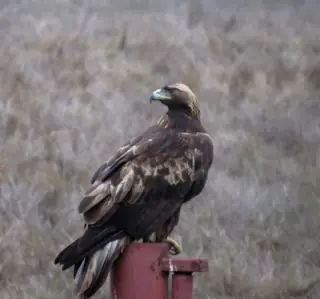 Golden Eagle
-
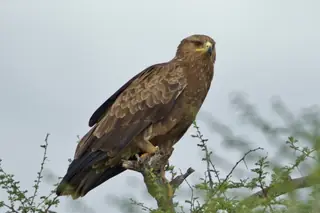 Lesser Spotted Eagle
-
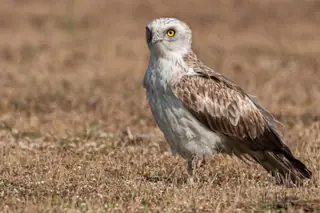 Short-toed EagleRare
-
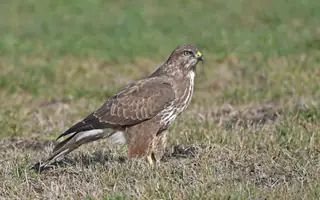 Buzzard
-
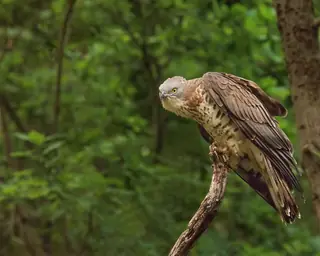 Honey Buzzard
-
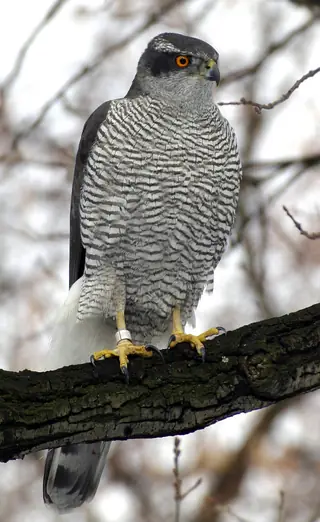 Goshawk
-
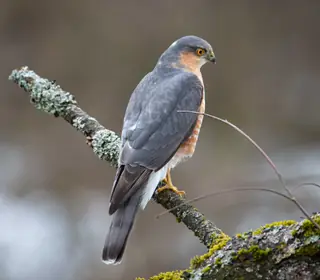 Sparrowhawk
-
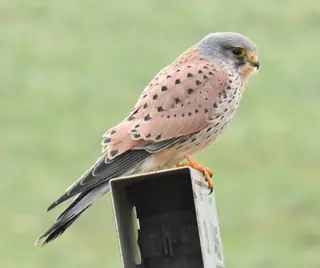 Kestrel
-
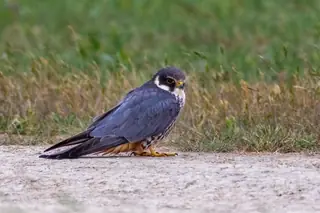 Hobby
-
 Peregrine FalconRare
-
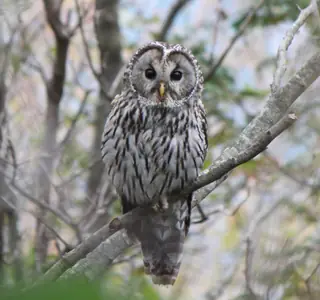 Ural Owl
-
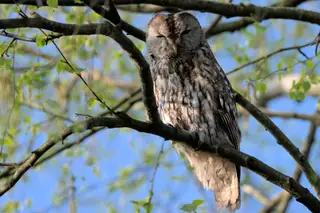 Tawny Owl
-
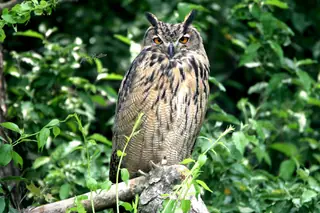 Eurasian Eagle-OwlRare
-
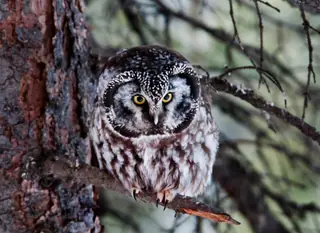 Tengmalm's OwlRare
-
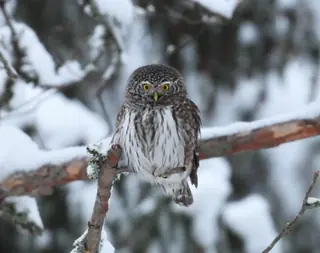 Eurasian Pygmy OwlRare
Forest birds 25
-
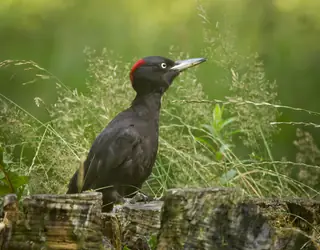 Black Woodpecker
-
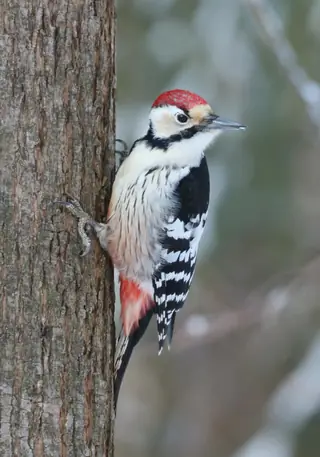 White-backed Woodpecker
-
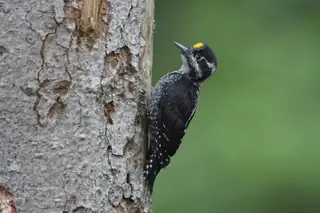 Eurasian Three-toed Woodpecker
-
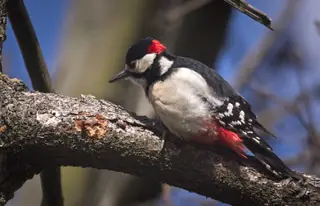 Great Spotted Woodpecker
-
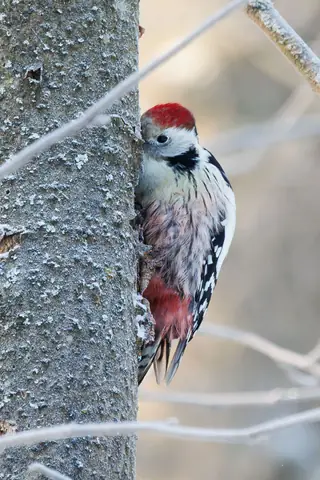 Middle Spotted Woodpecker
-
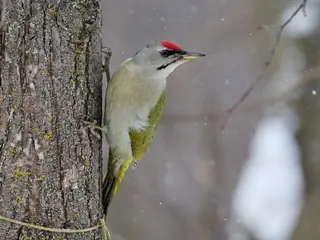 Grey-headed Woodpecker
-
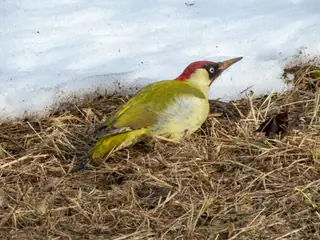 Green Woodpecker
-
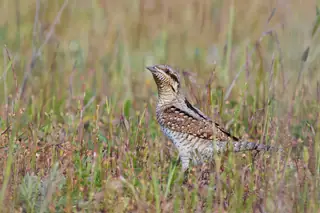 Eurasian Wryneck
-
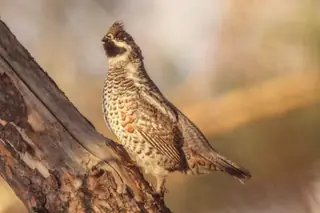 Hazel Grouse
-
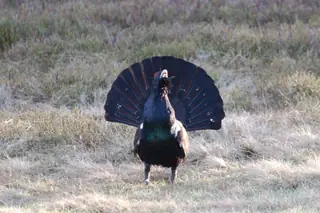 CapercaillieRare
-
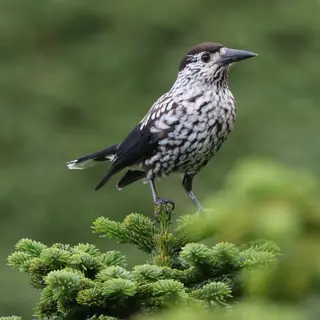 Northern Nutcracker
-
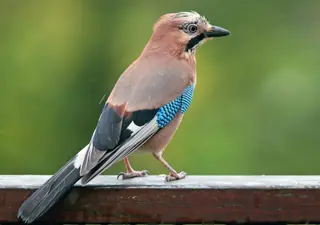 Jay
-
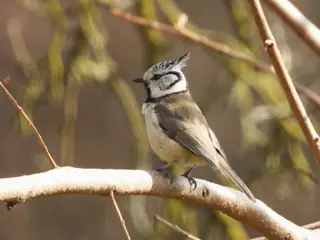 Crested Tit
-
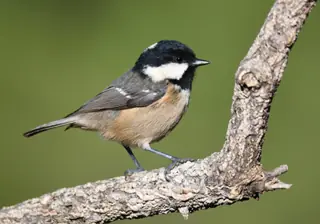 Coal Tit
-
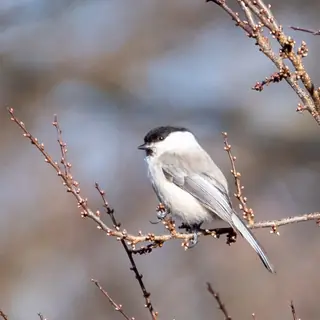 Willow Tit
-
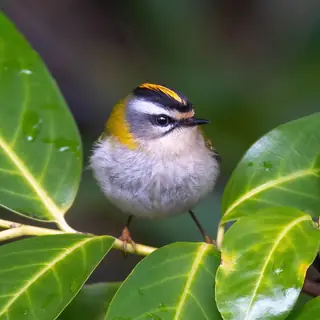 Firecrest
-
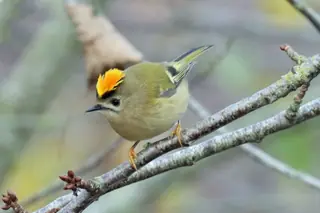 Goldcrest
-
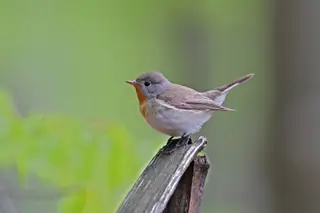 Red-breasted Flycatcher
-
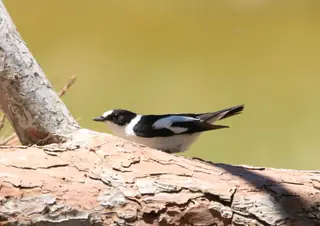 Collared Flycatcher
-
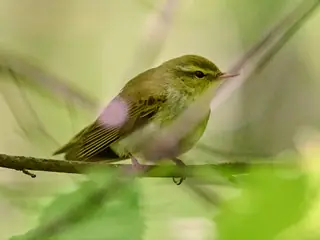 Wood Warbler
-
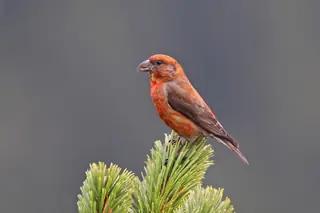 Crossbill
-
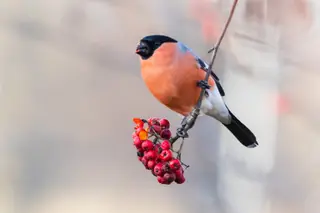 Bullfinch
-
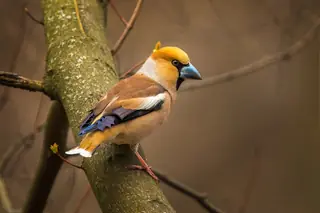 Hawfinch
-
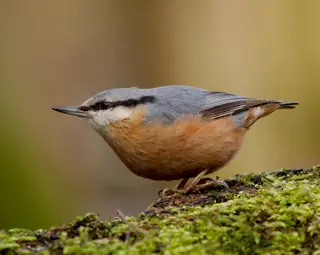 Nuthatch
-
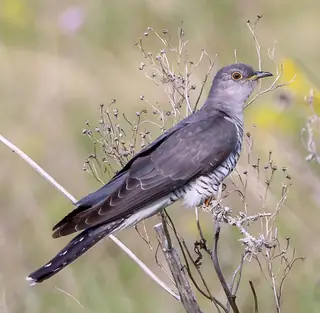 Cuckoo
Mountain and meadow birds 18
-
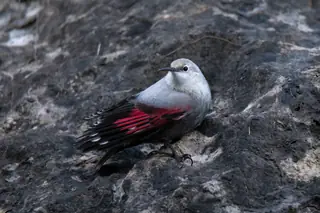 WallcreeperRare
-
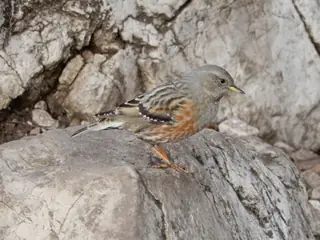 Alpine Accentor
-
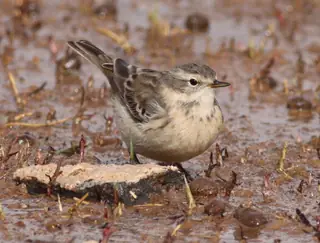 Water Pipit
-
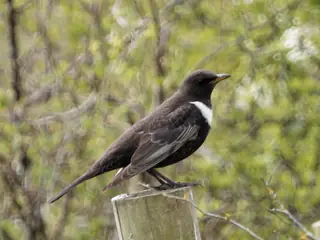 Ring Ouzel
-
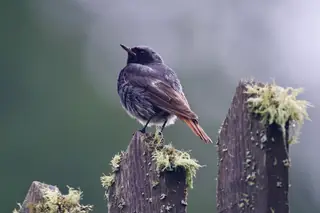 Black Redstart
-
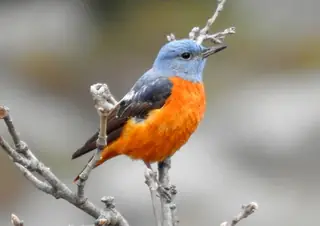 Rufous-tailed Rock ThrushRare
-
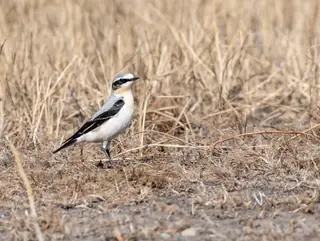 Wheatear
-
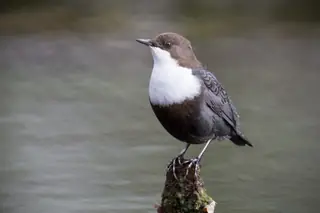 Dipper
-
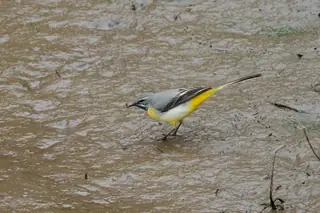 Grey Wagtail
-
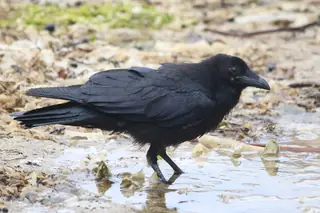 Common Raven
-
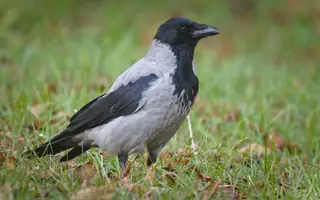 Hooded Crow
-
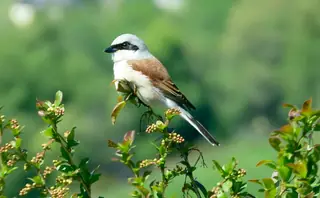 Red-backed Shrike
-
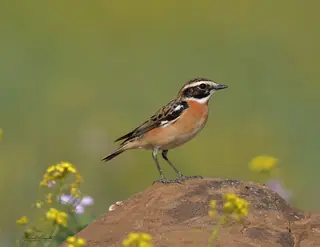 Whinchat
-
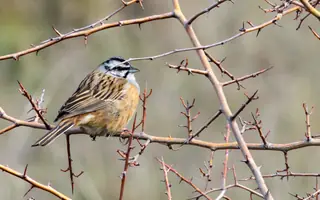 Rock Bunting
-
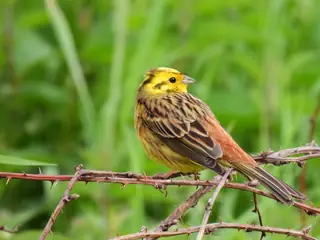 Yellowhammer
-
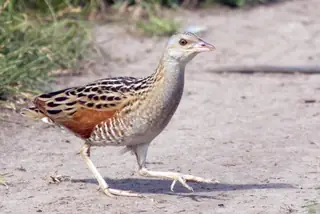 Corncrake
-
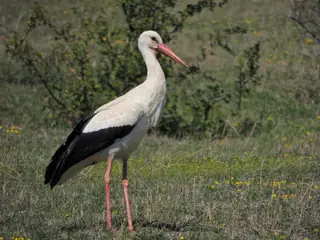 White Stork
-
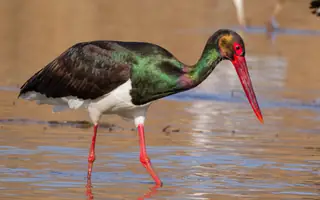 Black Stork
Reptiles and amphibians 15
-
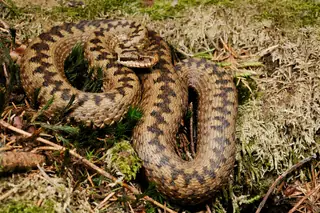 Adder
-
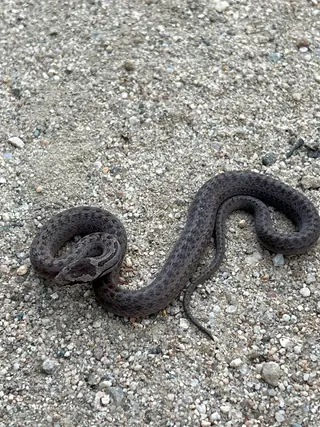 Smooth SnakeRare
-
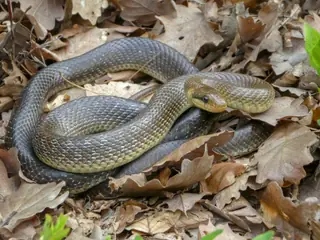 Aesculapian Snake
-
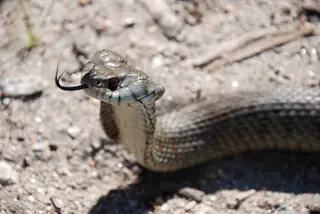 Eastern Grass Snake
-
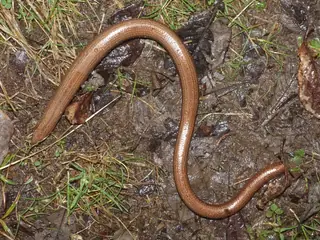 Slow Worm
-
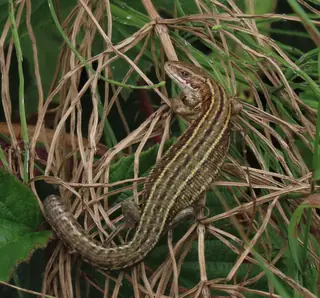 Common Lizard
-
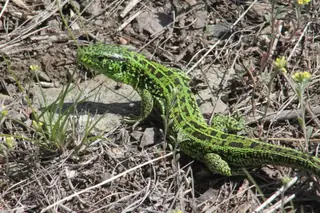 Sand Lizard
-
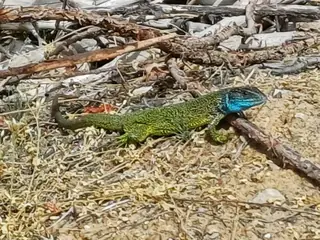 Eastern Green Lizard
-
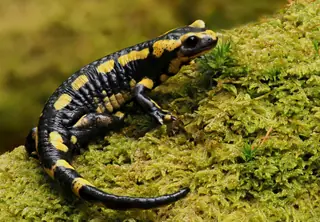 Fire Salamander
-
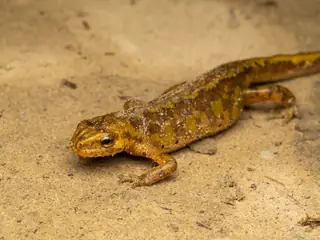 Carpathian Newt
-
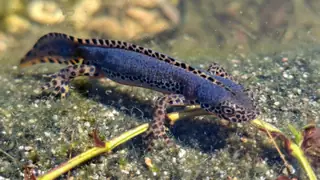 Alpine Newt
-
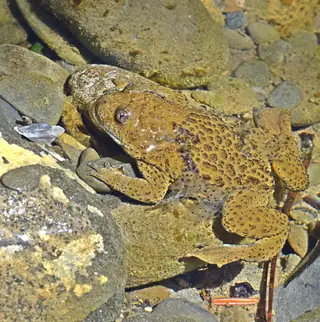 Yellow-bellied Toad
-
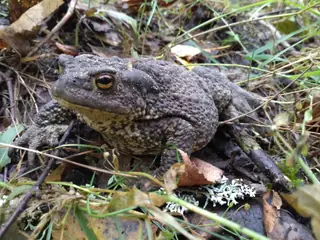 Common Toad
-
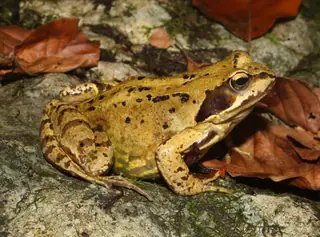 Common Frog
-
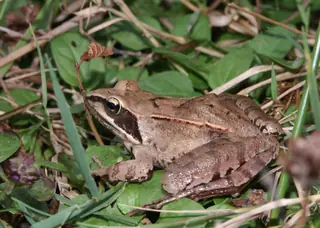 Agile Frog
Fish and butterflies 7
-
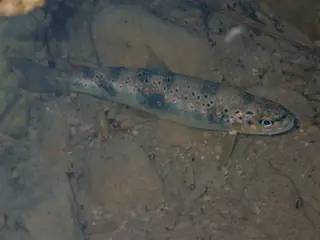 Brown Trout
-
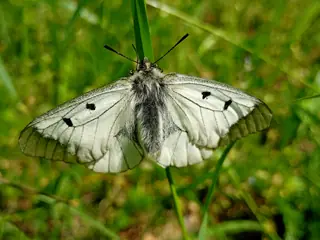 Clouded Apollo
-
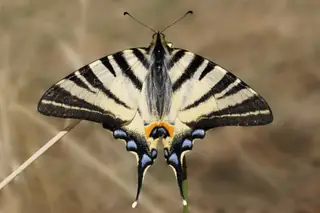 Scarce Swallowtail
-
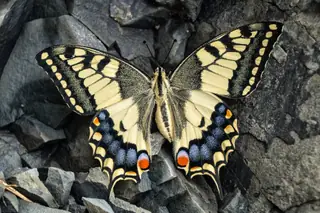 Swallowtail
-
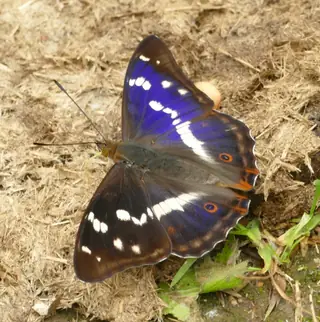 Purple Emperor
-
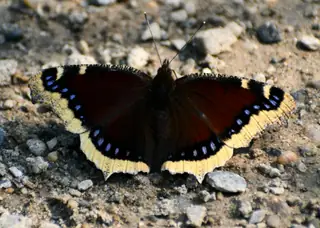 Camberwell Beauty
-
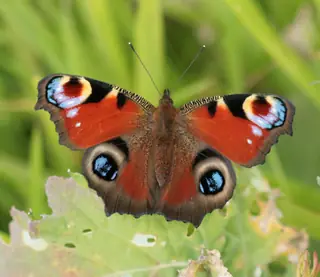 Peacock
Best time to see wildlife in the Carpathians
Sightings by month in the Carpathians
Most records: Jun to AugRecords from GBIF.org, adjusted for how many people record wildlife each month. 100% is the busiest month.
Bear hides open from about April to October. Spring brings bears out of their dens hungry, with cubs from May, while flowering hay meadows and singing birds fill the valleys. Woodpeckers and owls are easiest in March and April, when they call. Summer is the best time for the high ridges, with the Transfăgărășan road usually open from June or early July into the autumn, and alpine birds and chamois near the summits. September brings the red deer rut and bears feeding hard before winter. Late autumn and winter are cold and snowy, but wallcreepers come down to the gorges and wolf tracks show up in the snow on guided walks.
- Mar to AprOwls and woodpeckers calling; bears wake
- May to JunBear cubs, hay meadows, corncrakes
- Jul to AugHigh ridges open, chamois and alpine birds
- Sep to OctRed deer rut, bears feeding up
- Nov to FebSnow tracking, wallcreepers in the gorges
Tips for spotting wildlife in the Carpathians
- 01
Choose a licensed hide
Book a bear hide through a reputable local operator. Arrive on time, stay inside, keep silent and use no flash. Good operators keep groups small and follow strict rules about leaving.
- 02
Never feed roadside bears
Some bears beg for food along mountain roads. Feeding them is illegal and fined, and it gets bears killed. Do not stop, stay in the car and drive on.
- 03
Walk the Zărnești gorge
The Prăpăstiile Zărneștilor gorge is the gateway to Piatra Craiului. Scan its walls for wallcreepers and the ridge above for chamois.
- 04
Hike safely in bear country
Walk in groups, talk as you go, and keep food packed away. If you meet a bear, stay calm, do not run and back away slowly. Local guides know which trails are best.
- 05
Listen at dusk in spring
March and April evenings in old beech forest are the time for Ural and tawny owls, and early mornings for drumming woodpeckers.

Take the Carpathians with you
Heading to Romania's Carpathians? Take this list into the bear hide and up to the ridges, offline when the signal drops. Wilder is free to start.

Carpathians wildlife FAQ
How many brown bears are there in Romania?
Romania has the largest brown bear population in the European Union, estimated at several thousand animals and often put at around 8,000 or more. Most live in the Carpathian arc.
Can you see wolves and lynx in the Carpathians?
Both live here, but they are very hard to see. Wolves are sometimes glimpsed from bear hides or on dawn walks, and guided winter tracking shows their trails in the snow. Lynx sightings are rare even for local guides. A visit is still worth it for the tracks and signs.
When is the Transfăgărășan road open?
The high section of the Transfăgărășan usually opens in June or early July and closes again in the autumn, depending on snow. In 2026 it reopened on 12 June. Check before you travel, and never stop to feed bears.
Sources
- Romania Insider: Transfăgărășan reopens, June 2026
- Romania Insider: higher fines for feeding bears
- Romania Insider: bison in the Făgăraș Mountains
- Foundation Conservation Carpathia
- Sightings by month: GBIF.org
Animal photos are from the Wilder catalogue; photo credits.
Similar checklists
All Europe-
 Reserve104animals Danube Delta Biosphere Reserve Tulcea, Romania Europe's largest wetland, where the Danube meets the Black Sea: pelican colonies, reedbeds full of herons and warblers, and rollers and bee-eaters on the sandy ridges. Best time May to Jun
-
 National park113animals Białowieża Forest Podlaskie and Brest, Poland and Belarus Europe's last great lowland primeval forest: free-roaming European bison, wolves and lynx, and ten kinds of woodpecker among the giant oaks. Best time Late Apr to Jun
-
 Region106animals Picos de Europa and Somiedo Asturias, Cantabria and León, Spain Limestone peaks and deep gorges in the Cantabrian Mountains: chamois at Fuente Dé, vultures, wallcreepers on the cliffs, and brown bears on the slopes of Somiedo. Best time May to Jul
-
 Region89animals Kuusamo and eastern Finland Kuusamo, Kainuu and North Karelia, Finland Taiga forest, bogs and rapids along the Russian border: Oulanka's river canyons, Siberian jays and owls around Kuusamo, brown bears, and the wolverine hides of Kuhmo and Lieksa. Best time Jun to Aug