Reserve · Tulcea · Romania
Danube Delta Wildlife Checklist

The Danube Delta in eastern Romania is Europe's largest wetland and one of its best birding areas, famous for great white and Dalmatian pelicans, pygmy cormorants and colonies of herons, ibises and spoonbills. This checklist covers 104 animals. May and June are best, when the breeding birds are in and rollers and bee-eaters have arrived.
Tick off all 104 animals in the Danube Delta on your phone, even offline. Launching soon. Free A4 PDF, no sign-up.
Most of the delta has no roads. Visitors base themselves in Tulcea or in villages such as Crișan, Mila 23, Murighiol or Sfântu Gheorghe, and explore by boat along the channels and lakes.
- Animals to find
- 104
- Where
- Romania
- Best time
- May to Jun
- Pelican species
- Two: great white and Dalmatian
Popular animals in the Danube Delta
-
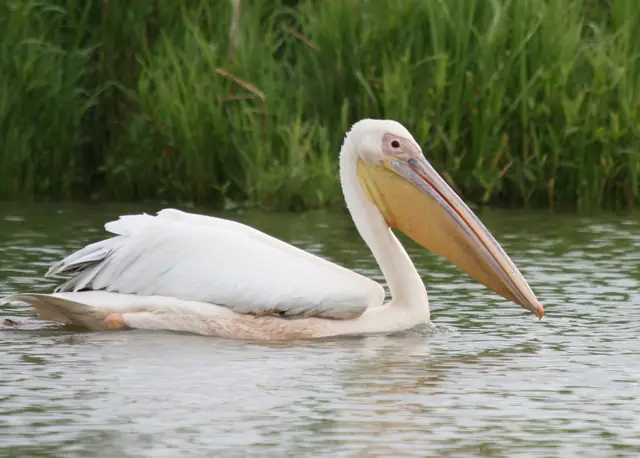
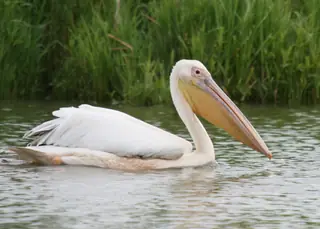
Great White Pelican
Pelecanus onocrotalus
The delta holds Europe's biggest colony. From April to September flocks fish together on the lakes; watch them from licensed boats, as the breeding colonies are strictly protected.
-
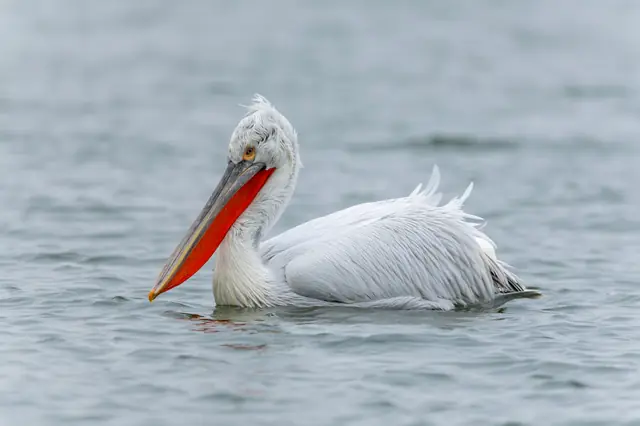
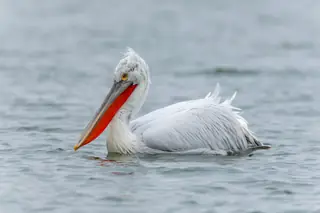
Dalmatian Pelican
Pelecanus crispus
Larger, greyer and shaggier-headed than the great white, and much rarer. A few hundred pairs nest here, and some stay all year.
-
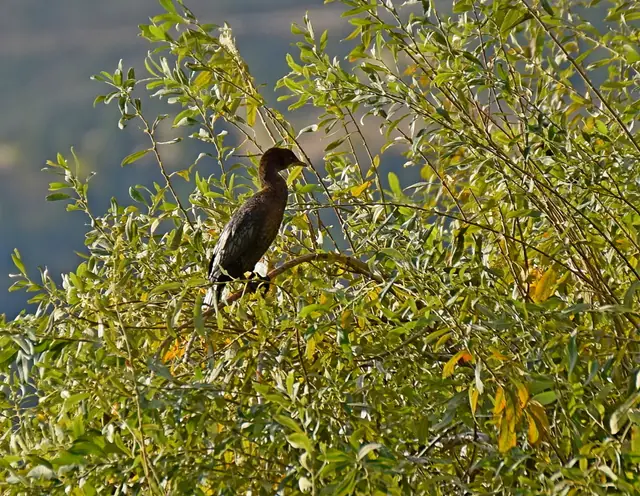
Pygmy Cormorant
Microcarbo pygmaeus
Small, dark and long-tailed, perched on willows along the narrow channels. The delta is one of its main European strongholds.
-
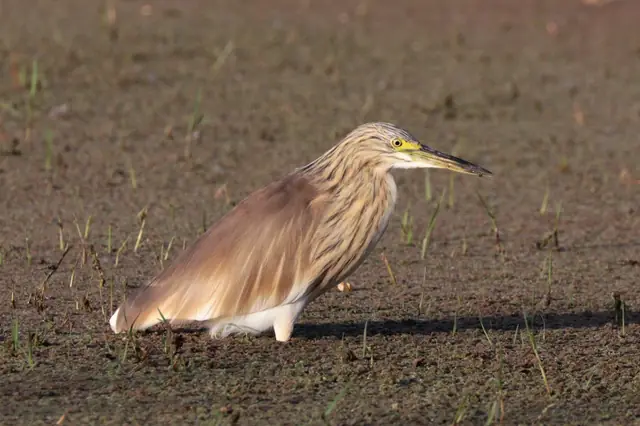
Squacco Heron
Ardeola ralloides
Buff and hunched while it hunts from floating plants, then suddenly white-winged as it flies off. Common in summer.
-
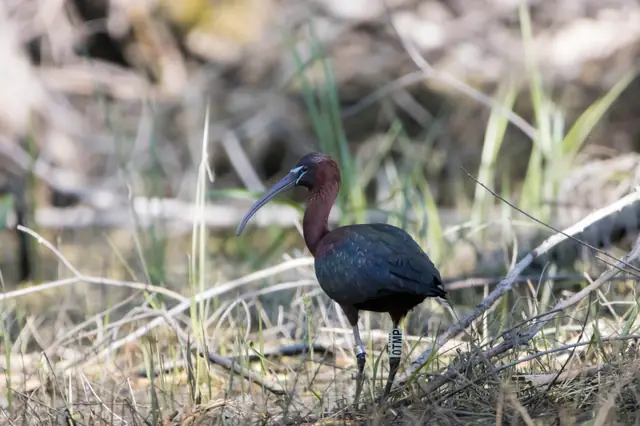
Glossy Ibis
Plegadis falcinellus
Dark, curve-billed and bronze-glossed in the sun. Flocks stream over the reedbeds at dawn and dusk.
-
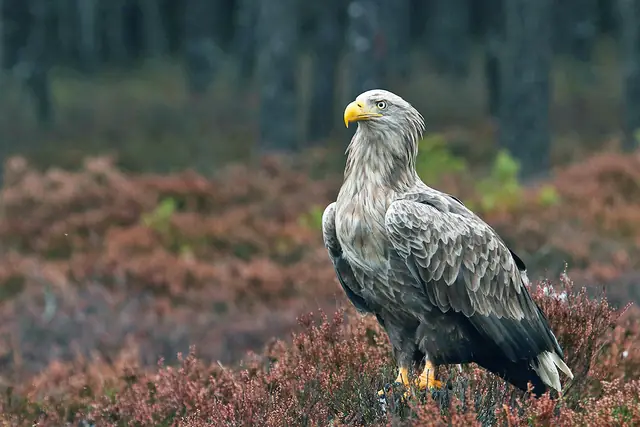
White-tailed Eagle
Haliaeetus albicilla
Resident. Look for a huge bird perched on a dead tree beside the large lakes, or harrying cormorants.
-
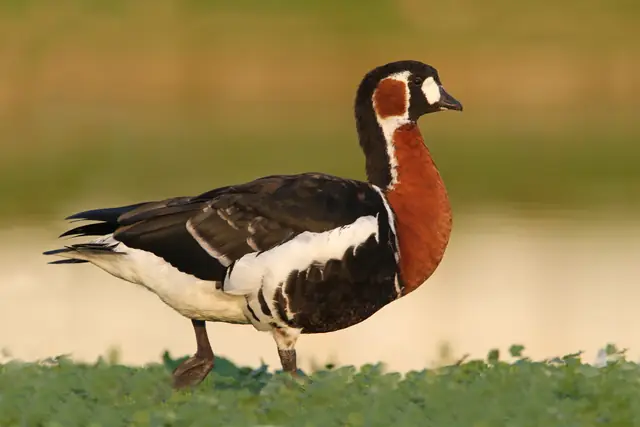
Red-breasted Goose
Branta ruficollis
A winter bird, here from about December to February with the white-fronted goose flocks around Lake Razim. Much of the world population winters in Romania and Bulgaria.
-
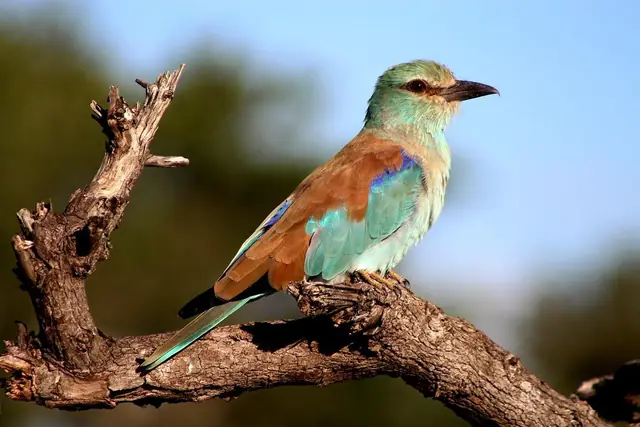
European Roller
Coracias garrulus
Turquoise and chestnut, perched on wires and dead branches along the sandy ridges of Letea and Caraorman from May to August.
-
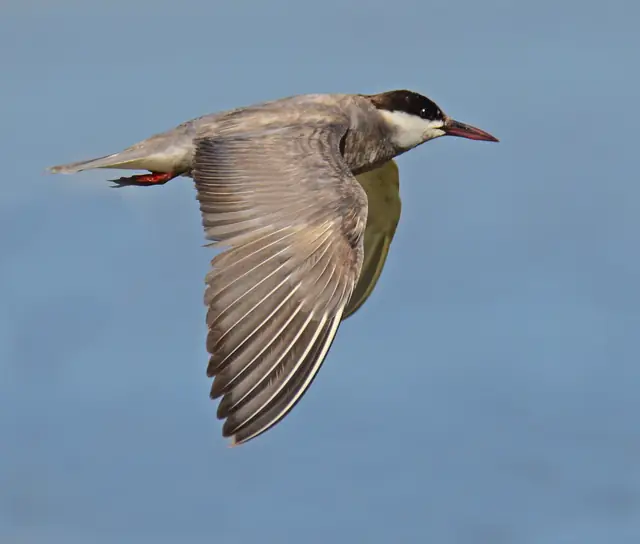
Whiskered Tern
Chlidonias hybrida
Nests on floating water lily beds and dips over almost every lake in summer.
-
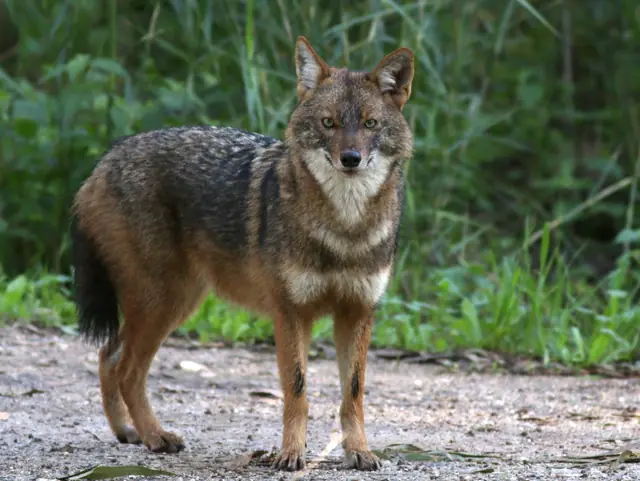
Golden Jackal
Canis aureus
More often heard than seen: the evening howling chorus is a delta sound. Watch for one crossing a dyke early or late.
All 104 animals in the Danube Delta
Pelicans and cormorants 4
-
 Great White Pelican
-
 Dalmatian Pelican
-
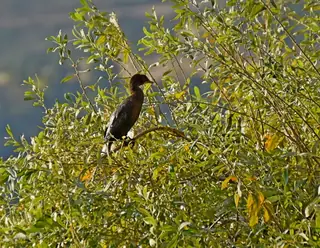 Pygmy Cormorant
-
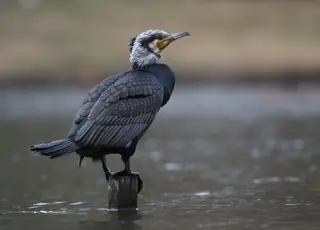 Cormorant
Herons, storks and ibises 12
-
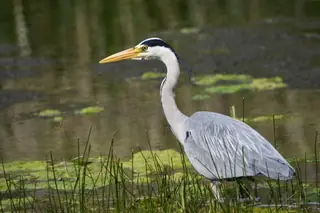 Grey Heron
-
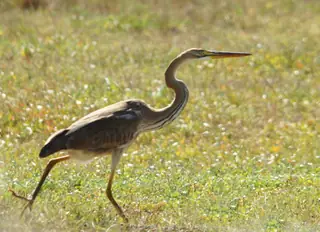 Purple Heron
-
 Great White Egret
-
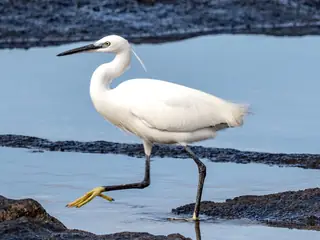 Little Egret
-
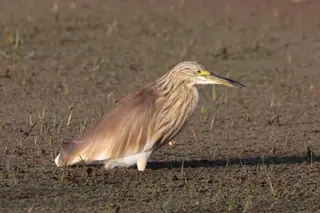 Squacco Heron
-
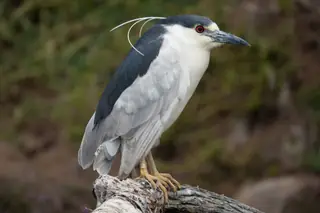 Black-crowned Night Heron
-
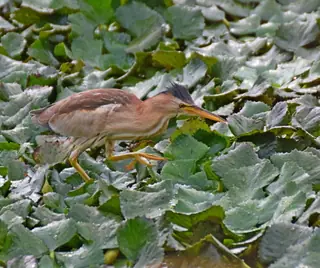 Little Bittern
-
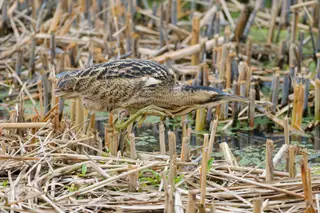 Bittern
-
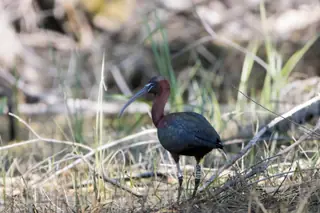 Glossy Ibis
-
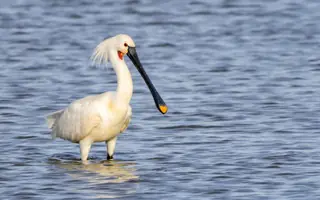 Spoonbill
-
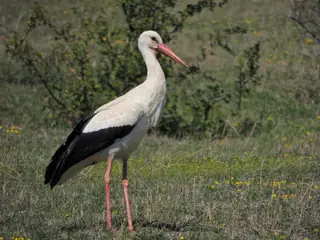 White Stork
-
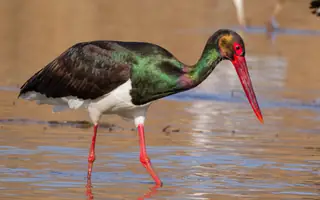 Black Stork
Ducks, geese, swans and grebes 9
-
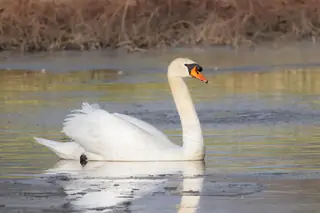 Mute Swan
-
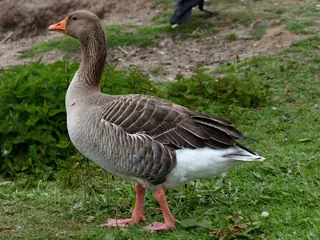 Greylag Goose
-
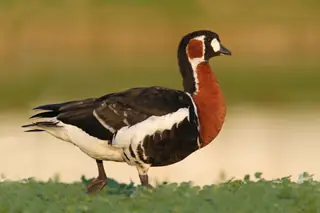 Red-breasted Goose
-
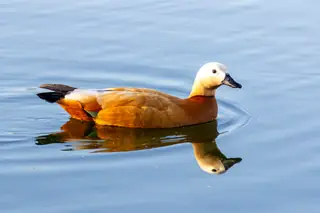 Ruddy Shelduck
-
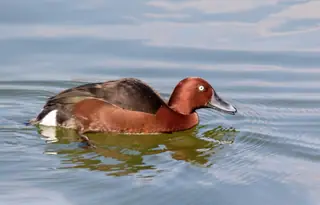 Ferruginous Duck
-
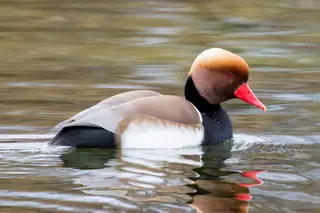 Red-crested Pochard
-
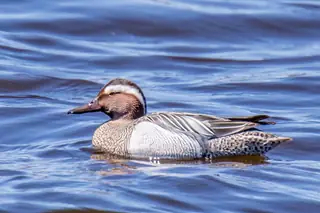 Garganey
-
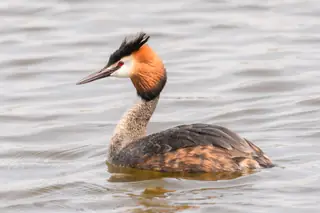 Great Crested Grebe
-
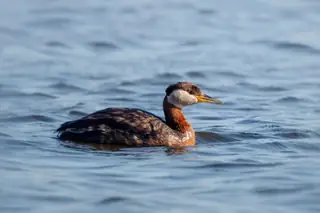 Red-necked Grebe
Birds of prey 7
-
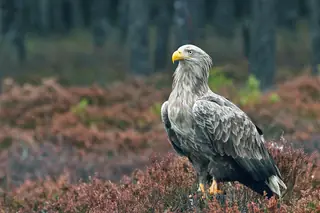 White-tailed Eagle
-
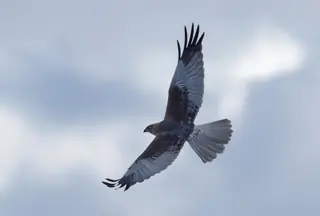 Marsh Harrier
-
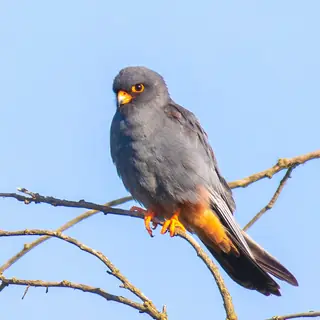 Red-footed Falcon
-
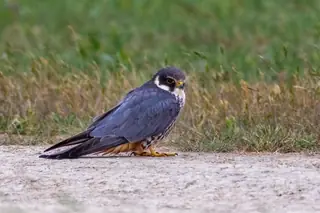 Hobby
-
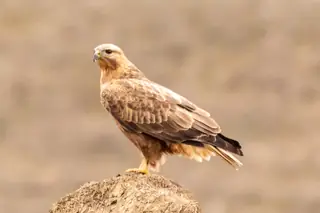 Long-legged Buzzard
-
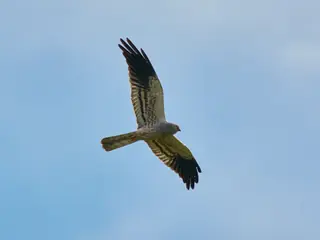 Montagu's Harrier
-
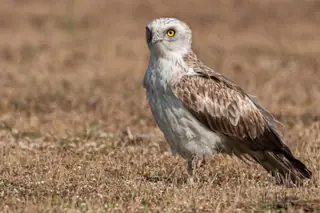 Short-toed Eagle
Waders, gulls and terns 18
-
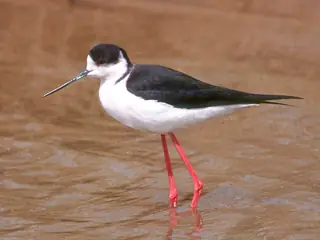 Black-winged Stilt
-
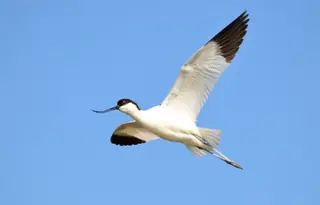 Avocet
-
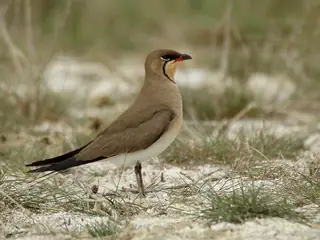 Collared Pratincole
-
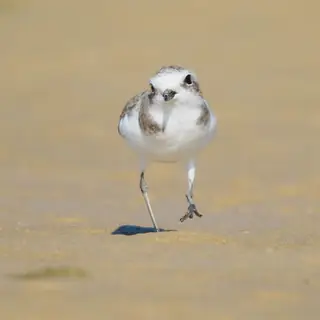 Kentish Plover
-
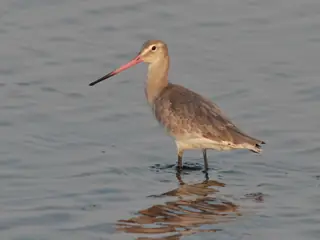 Black-tailed Godwit
-
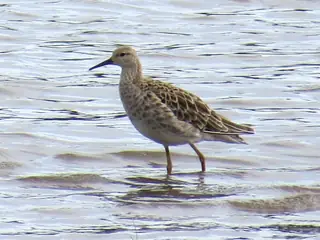 Ruff
-
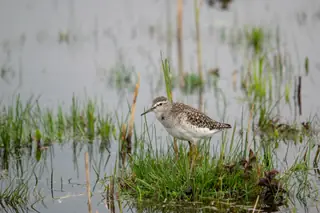 Wood Sandpiper
-
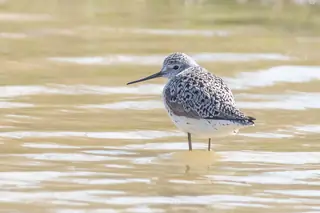 Marsh Sandpiper
-
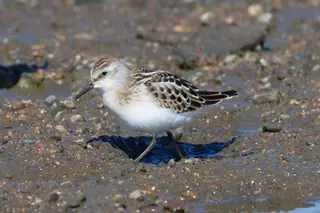 Little Stint
-
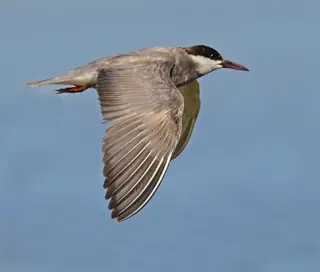 Whiskered Tern
-
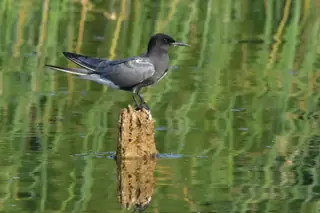 Black Tern
-
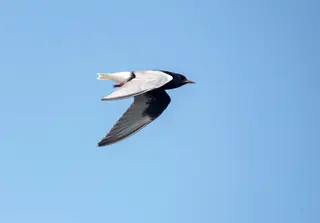 White-winged Tern
-
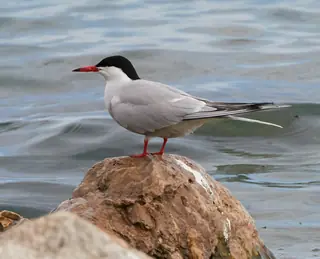 Common Tern
-
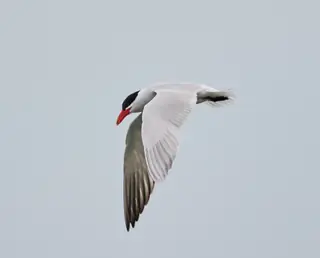 Caspian Tern
-
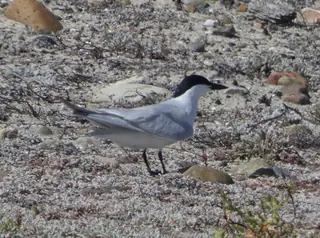 Gull-billed Tern
-
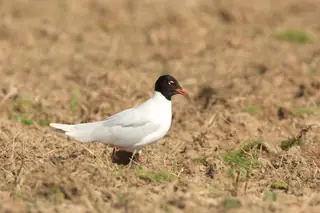 Mediterranean Gull
-
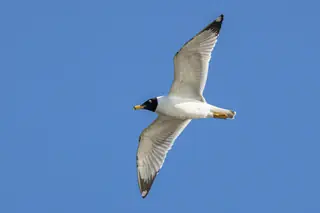 Pallas's Gull
-
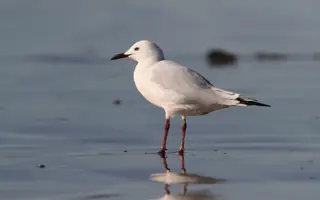 Slender-billed Gull
Reedbed, woodland and ridge birds 21
-
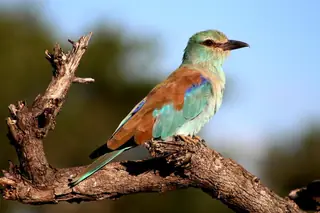 European Roller
-
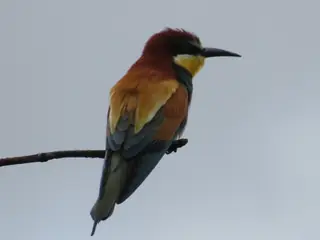 European Bee-eater
-
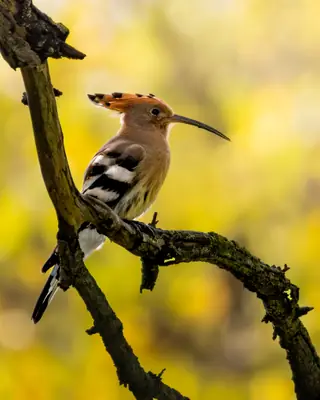 Hoopoe
-
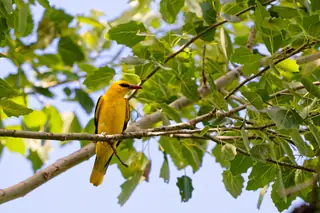 Eurasian Golden Oriole
-
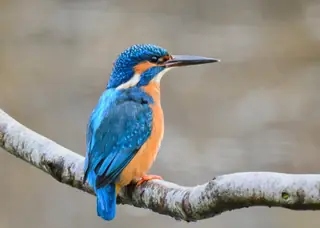 Kingfisher
-
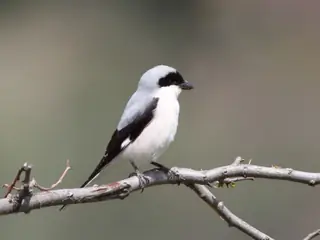 Lesser Grey Shrike
-
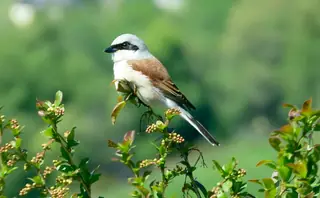 Red-backed Shrike
-
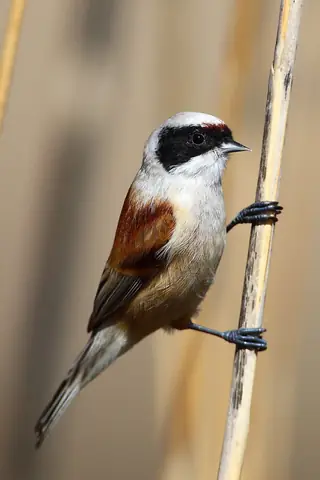 Eurasian Penduline Tit
-
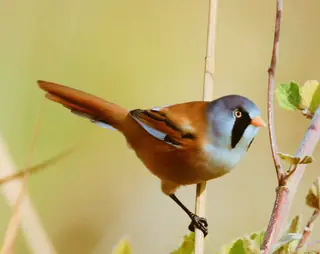 Bearded Tit
-
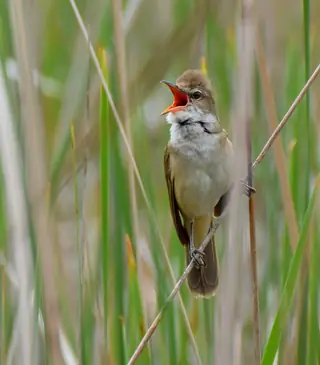 Great Reed Warbler
-
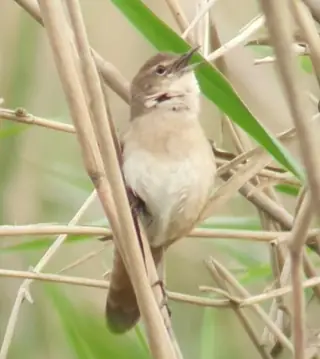 Savi's Warbler
-
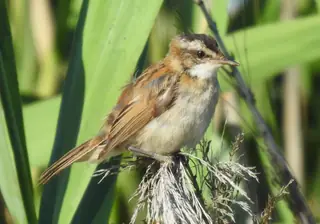 Moustached Warbler
-
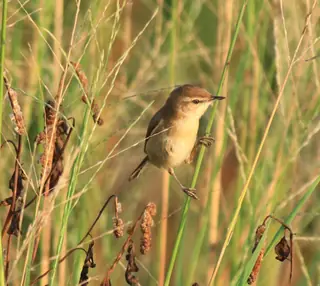 Paddyfield WarblerRare
-
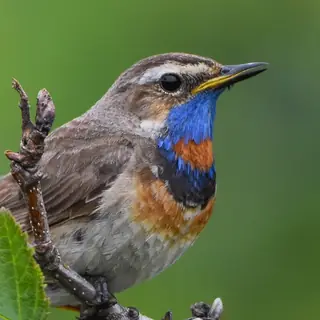 Bluethroat
-
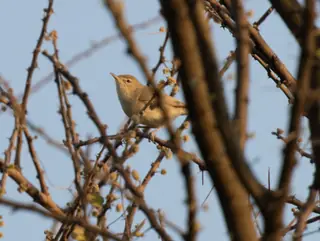 Eastern Olivaceous Warbler
-
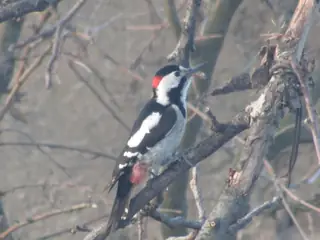 Syrian Woodpecker
-
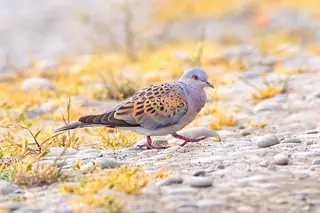 Turtle Dove
-
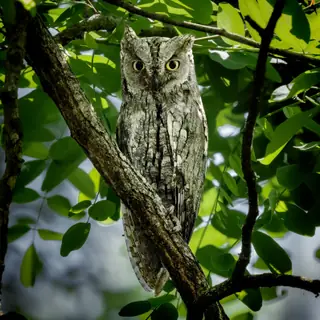 Eurasian Scops Owl
-
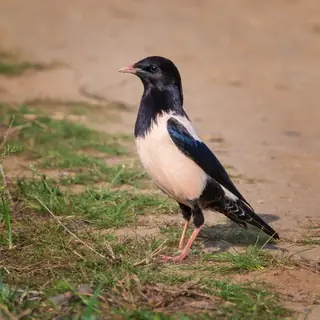 Rosy Starling
-
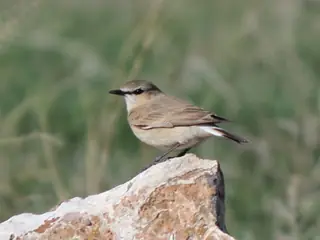 Isabelline Wheatear
-
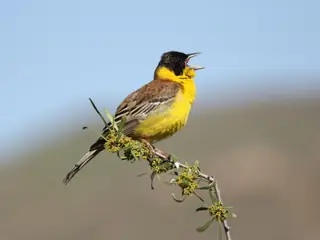 Black-headed Bunting
Mammals 14
-
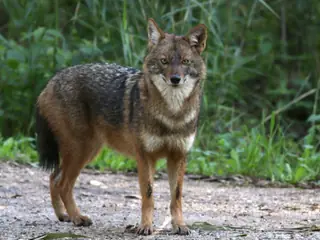 Golden Jackal
-
 Red Fox
-
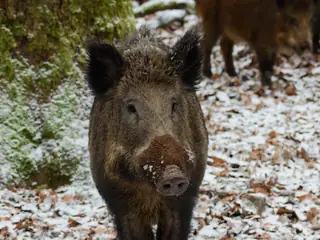 Wild Boar
-
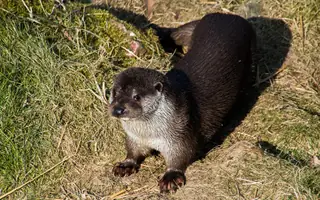 Otter
-
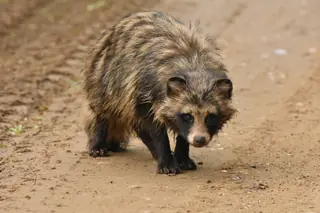 Raccoon Dog
-
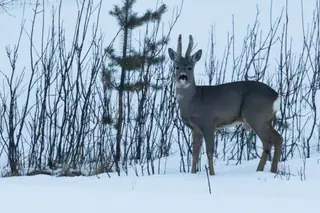 Roe Deer
-
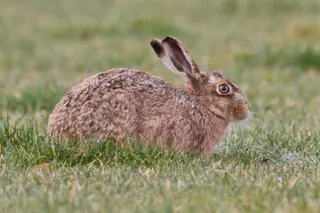 Brown Hare
-
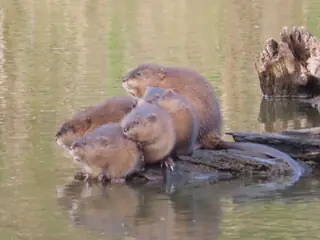 Muskrat
-
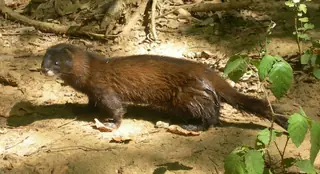 European MinkRare
-
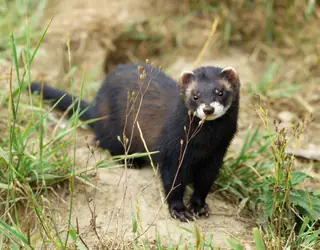 PolecatRare
-
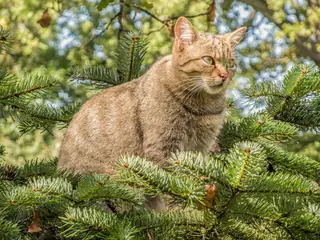 WildcatRare
-
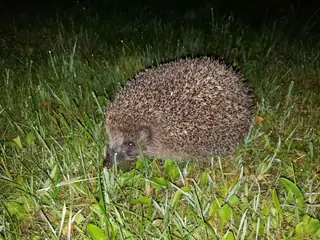 Northern White-breasted Hedgehog
-
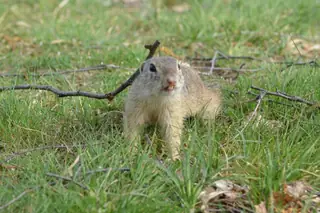 European Ground SquirrelRare
-
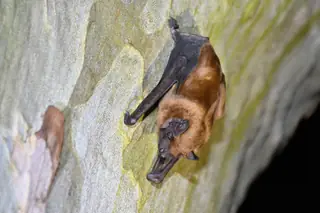 Noctule Bat
Reptiles and amphibians 15
-
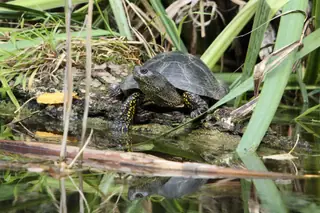 European Pond Turtle
-
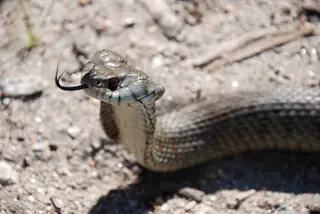 Eastern Grass Snake
-
 Dice Snake
-
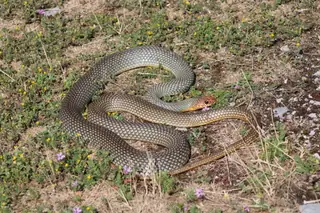 Caspian Whip Snake
-
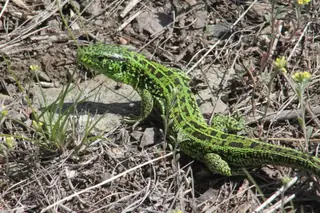 Sand Lizard
-
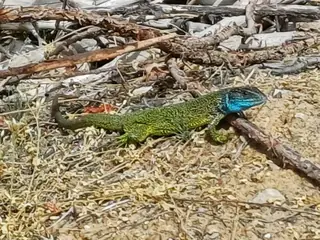 Eastern Green Lizard
-
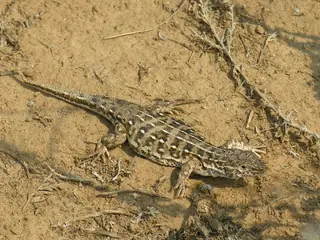 Steppe-runnerRare
-
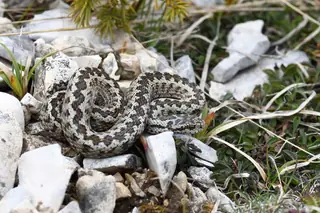 Meadow ViperRare
-
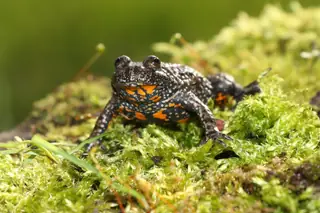 European Fire-bellied Toad
-
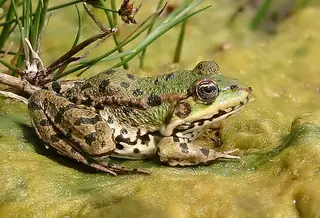 Marsh Frog
-
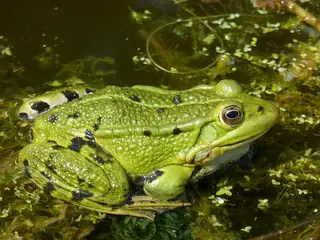 Edible Frog
-
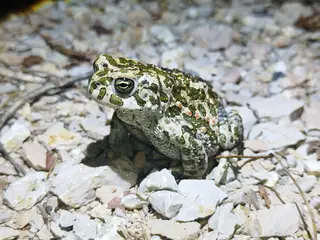 European Green Toad
-
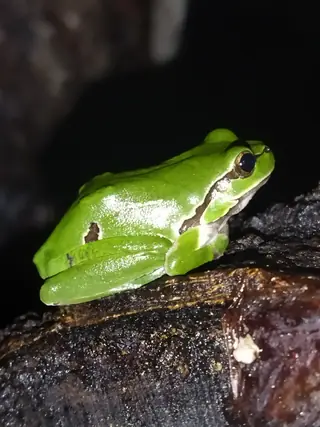 Eastern Tree Frog
-
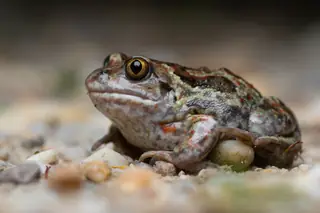 Common SpadefootRare
-
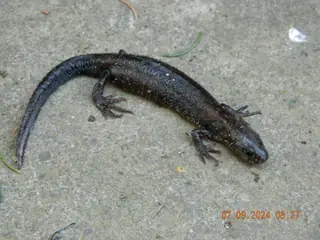 Danube Crested NewtRare
Fish 4
-
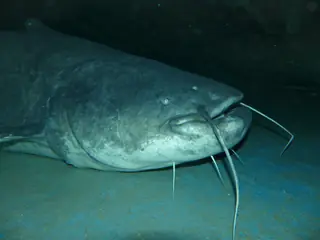 Wels Catfish
-
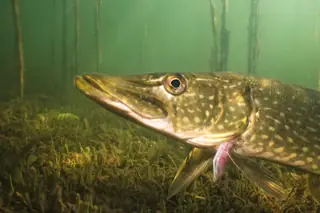 Northern Pike
-
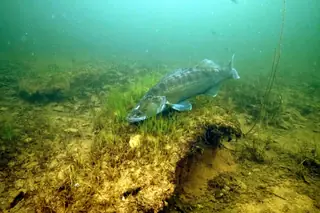 Zander
-
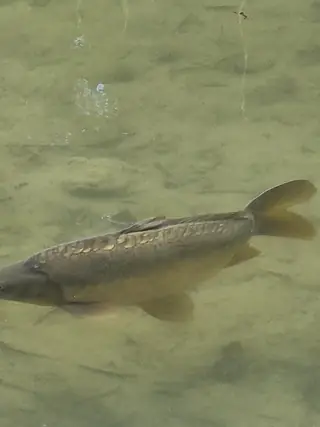 Common Carp
Best time to see wildlife in the Danube Delta
Sightings by month in the Danube Delta
Most records: May to AugRecords from GBIF.org, adjusted for how many people record wildlife each month. 100% is the busiest month.
The delta is at its best from late April to June. Pelicans, herons and terns are breeding, warblers sing from every reedbed, and rollers, bee-eaters and red-footed falcons arrive in May. July and August are hot, buggy and quieter for birds, though pelicans and herons are still easy. Autumn migration, from late August to October, brings waders, raptors and large flocks of ducks, with good light and fewer mosquitoes. Winter is cold and many guesthouses close, but white-tailed eagles stay and red-breasted geese arrive around Lake Razim. Water levels change year to year and affect which channels boats can reach, so local guides matter. Bring strong insect repellent from May to September.
- Dec to FebRed-breasted geese, eagles; many guesthouses closed
- Mar to AprPelicans return, early migrants, high water
- May to JunPeak breeding birds, rollers and bee-eaters
- Jul to AugHot, mosquitoes, young birds on the lakes
- Sep to NovMigrating waders and raptors, duck flocks
Tips for spotting wildlife in the Danube Delta
- 01
Get your access permit
Entering the Danube Delta Biosphere Reserve needs a visitor access permit from the reserve authority. It can be bought online, and licensed boat operators can arrange it.
- 02
Go small and slow
Narrow channels and lily-covered lakes are where the birds are, and they are reached only by small boats or canoes. Choose a guide with a quiet engine or a rowing boat who keeps well back from colonies.
- 03
Start at first light
Birds are most active and the light is best in the first two hours after dawn. Pelicans leave their roosts to fish, herons commute, and the jackals are still about.
- 04
Walk the sandy ridges
The dry ridges around Letea and Caraorman hold rollers, bee-eaters, hoopoes and shrikes. Keep to tracks: the oak forests inside are strictly protected.
- 05
Never land at a colony
Pelican, cormorant and heron colonies are in strictly protected zones. Watch from the channel at a distance and leave if birds start to lift off their nests.

Take the Danube Delta with you
Take this Danube Delta list on the boat with you and tick off pelicans, herons and rollers as you go, with or without signal. Wilder is free to start.

Danube Delta wildlife FAQ
When is the best time to visit the Danube Delta for birds?
May and June are the best months to visit the Danube Delta for birds. Pelicans and herons are nesting, summer migrants such as rollers, bee-eaters and red-footed falcons have arrived, and the reedbeds are full of song. Late August to October is a good second choice for migrating waders and raptors.
How do you get around the Danube Delta?
Mostly by boat. Passenger ferries run from Tulcea along the main arms to Sulina, Crișan and Sfântu Gheorghe, and local guides take small boats into the side channels and lakes. A few villages, such as Murighiol, can be reached by road. A visitor access permit is needed to enter the reserve.
Can you see pelicans in the Danube Delta?
Yes, the Danube Delta is Europe's main pelican site. Great white pelicans are common from April to September and the rarer Dalmatian pelican is present all year in small numbers. You will see them fishing on the lakes and flying over in long lines. The nesting colonies are closed to visitors.
What mammals live in the Danube Delta?
Golden jackals, red foxes, wild boar, otters and raccoon dogs are the larger mammals, and the delta is one of the last refuges of the European mink. Most are shy and seen early or late. Semi-wild horses roam the Letea area but are not wild animals, so they are not on this list.
Sources
- Danube Delta Biosphere Reserve Authority
- Romania Insider: Danube Delta access fees
- Radio Constanța: access permits bought online
- Sightings by month: GBIF.org
Animal photos are from the Wilder catalogue; photo credits.
Similar checklists
All Europe-
 Region105animals Romanian Carpathians Brașov, Sibiu and Argeș, Romania Beech and spruce forest under limestone ridges, home to Europe's biggest brown bear population, with wolves, lynx, chamois on the crags and wallcreepers in the gorges. Best time May to Sept
-
 National park113animals Białowieża Forest Podlaskie and Brest, Poland and Belarus Europe's last great lowland primeval forest: free-roaming European bison, wolves and lynx, and ten kinds of woodpecker among the giant oaks. Best time Late Apr to Jun
-
 Region103animals Camargue Bouches-du-Rhône and Gard, Provence, France The Rhône delta: lagoons pink with flamingos, reedbeds full of herons and warblers, and salt marshes where bee-eaters and rollers hunt. Best time Apr to Jun
-
 National park72animals Doñana National Park Andalucía, Spain The great marshes of the Guadalquivir: flamingos, spoonbills and imperial eagles, and the best place in the world to hope for an Iberian lynx. Best time Mar to May