Region · Southern Yunnan · China
Xishuangbanna Wildlife Checklist

Xishuangbanna, in the far south of Yunnan, holds China's largest area of tropical rainforest, now broken up by rubber and tea. It is home to most of China's wild Asian elephants and a rich mix of South-east Asian birds: broadbills, barbets, sunbirds and pittas, plus big swallowtail butterflies. This checklist covers 138 animals. November to April is best.
Tick off all 138 animals in Xishuangbanna on your phone, even offline. Launching soon. Free A4 PDF, no sign-up.
The region borders Laos and Myanmar, and its wildlife has more in common with northern Thailand than with the rest of China. The Xishuangbanna Tropical Botanical Garden at Menglun is the easiest place to start.
- Animals to find
- 138
- Where
- China
- Best time
- Nov to Apr
- Wild Asian elephants
- Over 300, all in Yunnan
Popular animals in Xishuangbanna
-
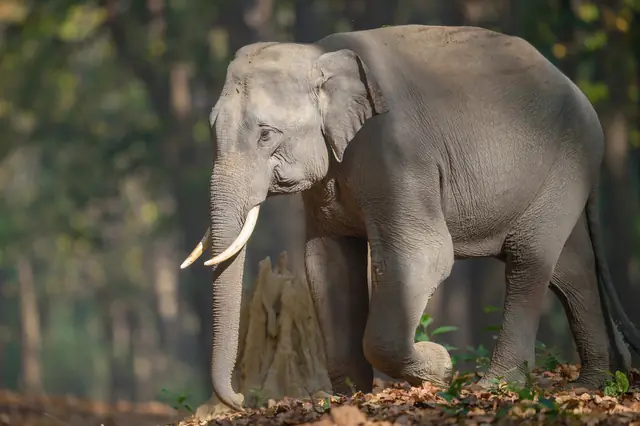
Asian Elephant
Elephas maximus
China's last wild herds wander between forest and farmland. Watch only from raised walkways, roadsides or with ranger programmes, follow local warnings and the reserve's distance rules, and never approach on foot.
-
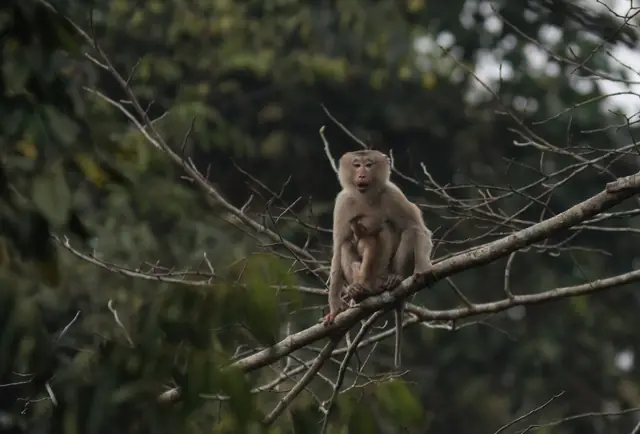
Northern Pig-tailed Macaque
Macaca leonina
Troops cross forest roads and edges. Never feed them, and keep food out of sight.
-
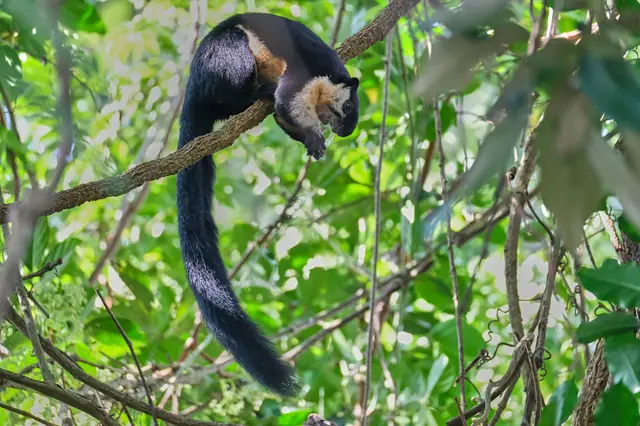
Black Giant Squirrel
Ratufa bicolor
A huge, dark squirrel of tall fruiting trees in the larger blocks of forest, often heard crashing through the canopy before it is seen.
-
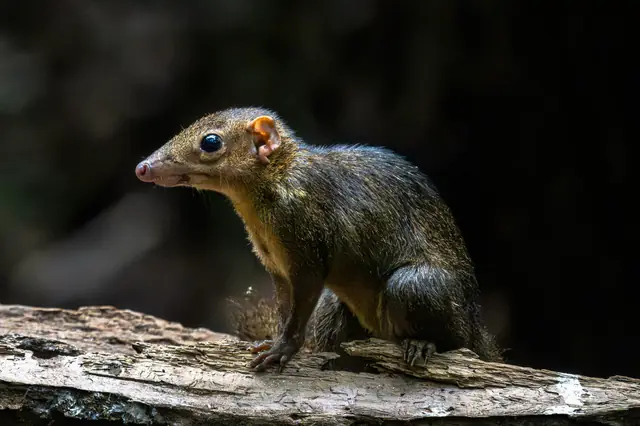
Northern Treeshrew
Tupaia belangeri
Quick and inquisitive, scurrying along paths and low branches in the botanical garden.
-
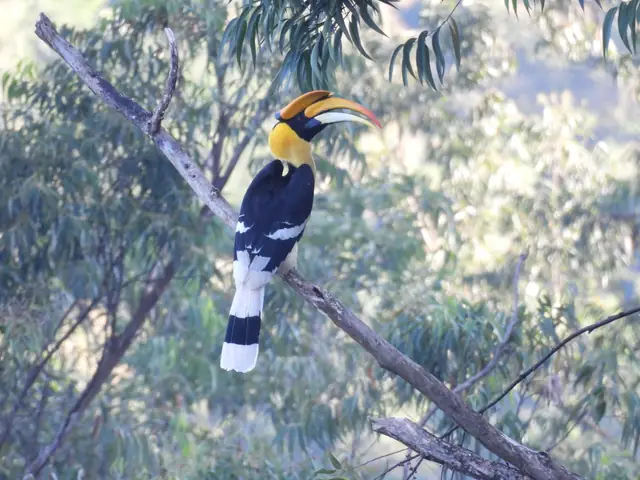
Great Hornbill
Buceros bicornis
Now very scarce, in the last areas of tall forest. Listen for the loud whoosh of its wingbeats overhead.
-
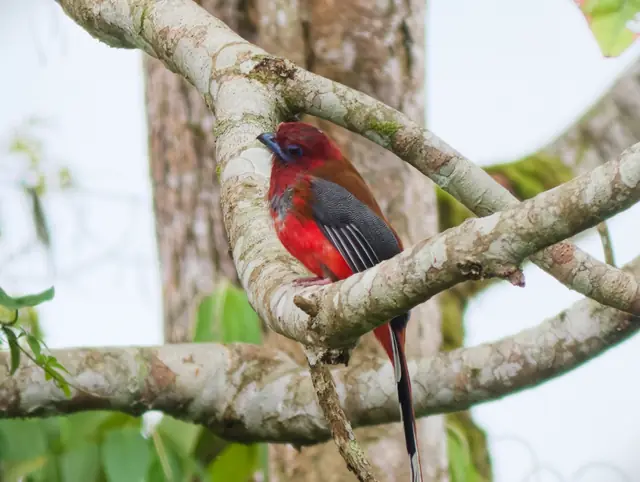
Red-headed Trogon
Harpactes erythrocephalus
A crimson-headed bird that sits still for long spells in the shady mid-storey of good forest. Scan quietly at eye level.
-
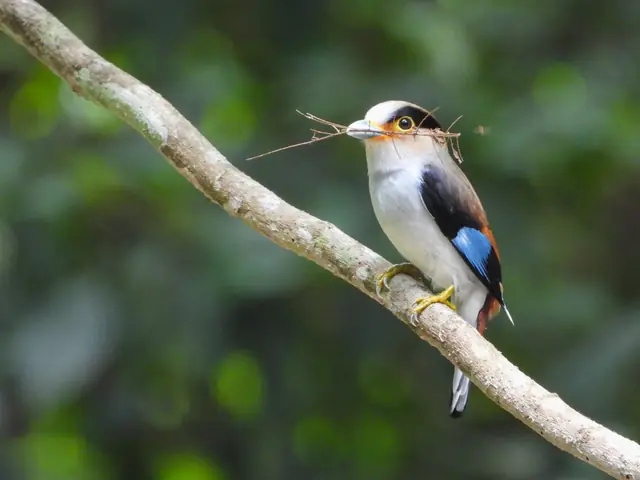
Silver-breasted Broadbill
Serilophus lunatus
Small, quiet flocks move through the mid-storey of the forest. The dry season is the best time to find them.
-
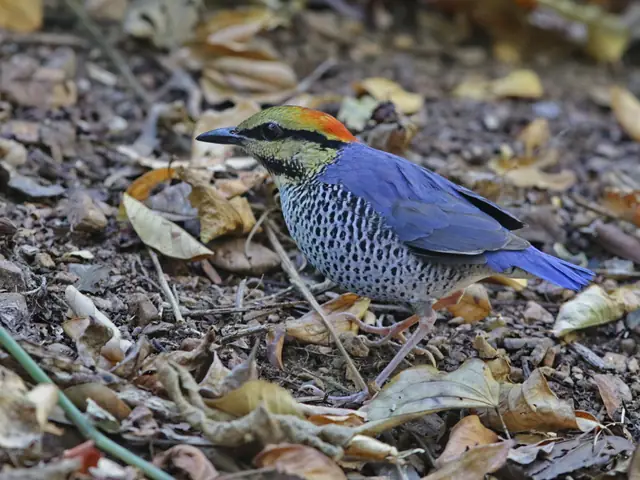
Blue Pitta
Hydrornis cyaneus
A shy, brilliant bird of the forest floor. Listen for its whistle from April to June, then wait quietly on the trail.
-
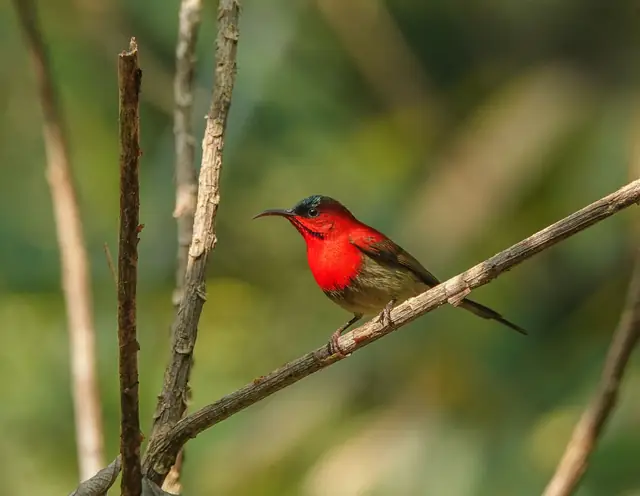
Crimson Sunbird
Aethopyga siparaja
Males glow red at flowering shrubs and gingers in the botanical garden, all year.
-
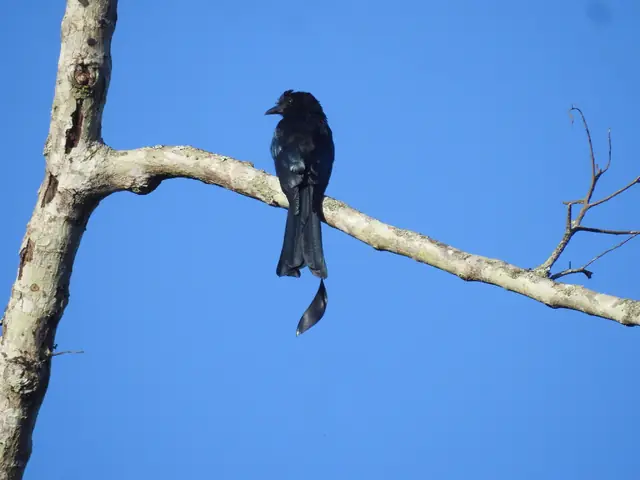
Greater Racquet-tailed Drongo
Dicrurus paradiseus
Two long tail rackets and a huge range of calls; it often leads the mixed flocks of forest birds.
-
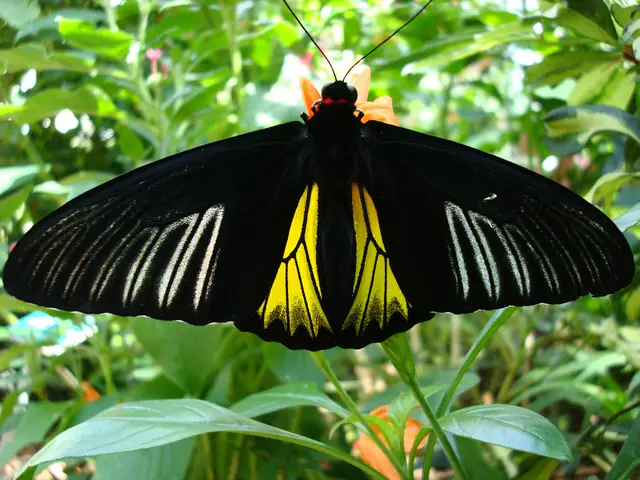
Common Birdwing
Troides helena
A huge black and gold butterfly gliding along sunny forest edges in the warmer months. Watch it, but never catch or collect it.
-
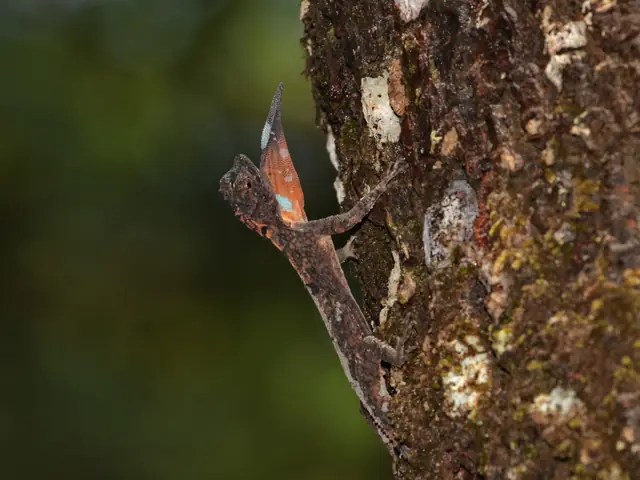
Spotted Flying Dragon
Draco maculatus
A small lizard that glides between tree trunks on sunny mornings, flashing its patterned wing flaps.
All 138 animals in Xishuangbanna
Elephants and large mammals 5
-
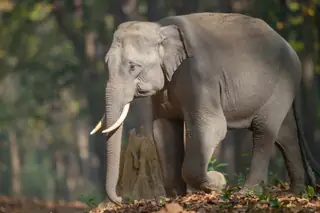 Asian Elephant
-
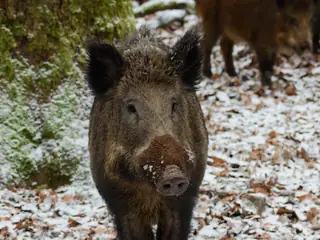 Wild Boar
-
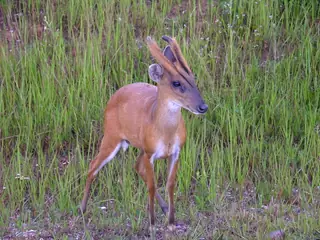 Northern Red Muntjac
-
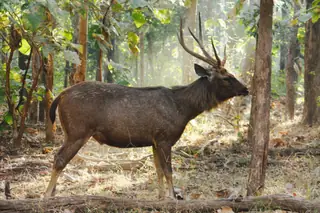 Sambar DeerRare
-
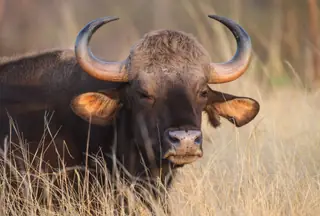 GaurRare
Primates 5
-
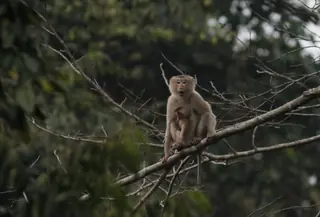 Northern Pig-tailed Macaque
-
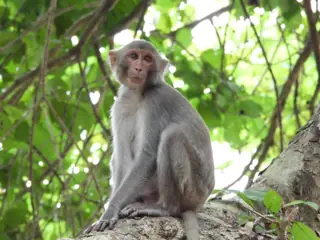 Rhesus MacaqueRare
-
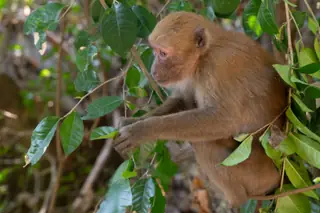 Assamese MacaqueRare
-
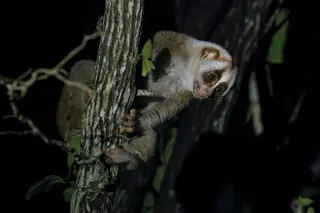 Bengal Slow LorisRare
-
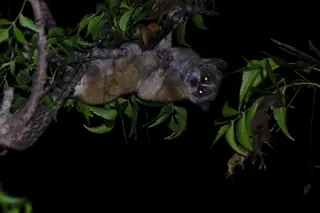 Pygmy Slow LorisRare
Smaller mammals 10
-
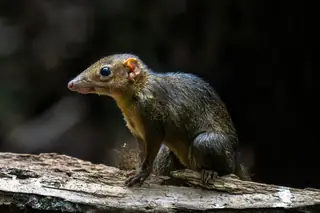 Northern Treeshrew
-
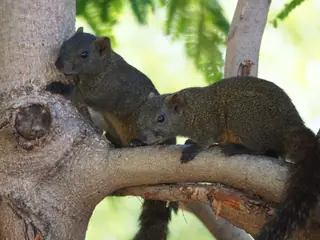 Pallas's Squirrel
-
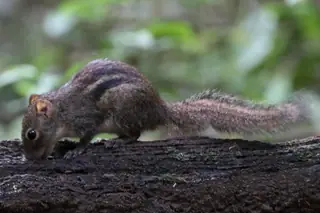 Berdmore's Squirrel
-
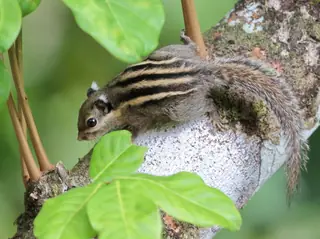 Himalayan Striped Squirrel
-
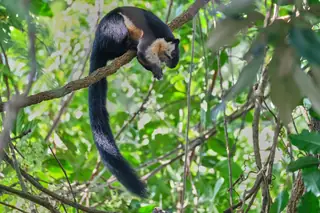 Black Giant Squirrel
-
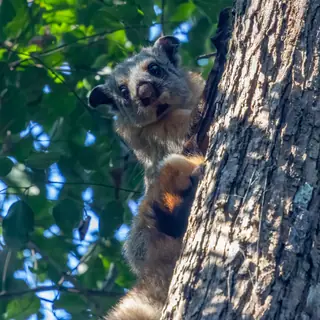 Indian Giant Flying SquirrelRare
-
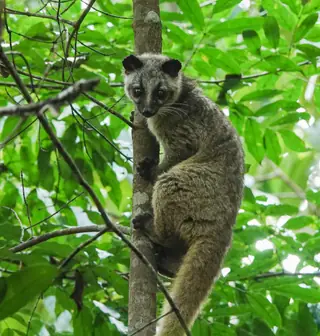 Masked Palm CivetRare
-
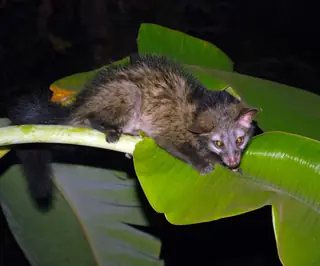 Common Palm CivetRare
-
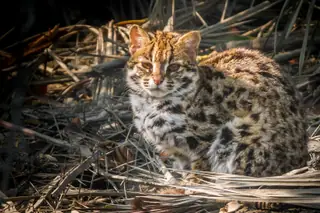 Mainland Leopard CatRare
-
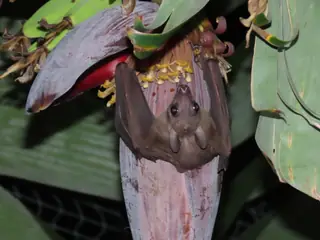 Leschenault's RousetteRare
Pigeons, parrots and gamebirds 6
-
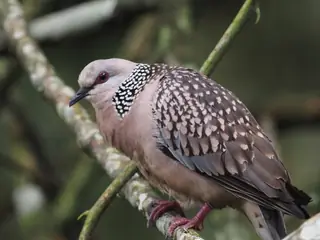 Spotted Dove
-
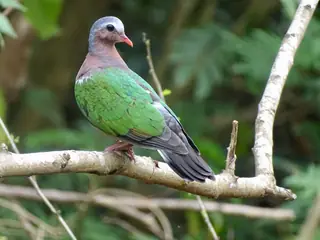 Common Emerald Dove
-
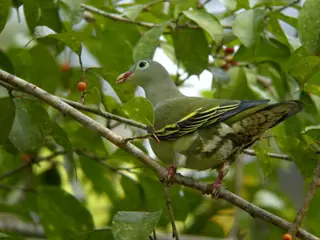 Thick-billed Green Pigeon
-
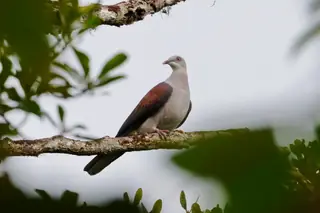 Mountain Imperial Pigeon
-
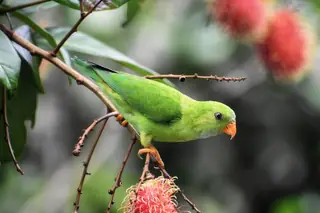 Vernal Hanging Parrot
-
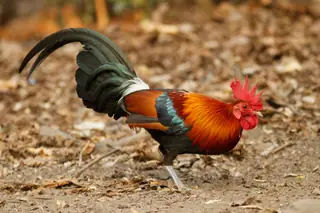 Red Junglefowl
Hornbills, kingfishers and bee-eaters 9
-
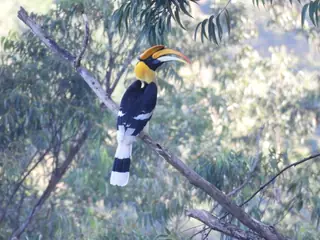 Great HornbillRare
-
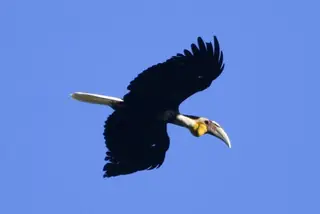 Wreathed HornbillRare
-
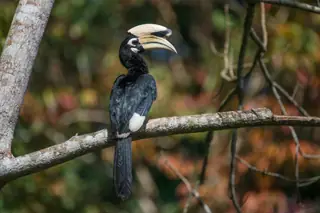 Oriental Pied HornbillRare
-
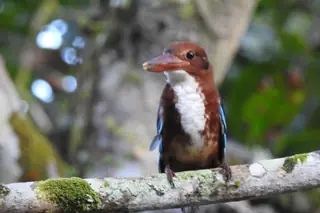 White-throated Kingfisher
-
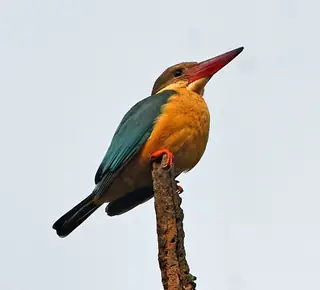 Stork-billed KingfisherRare
-
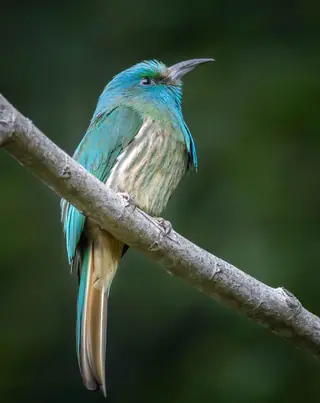 Blue-bearded Bee-eater
-
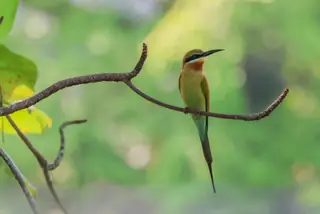 Blue-tailed Bee-eater
-
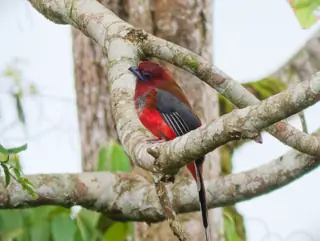 Red-headed Trogon
-
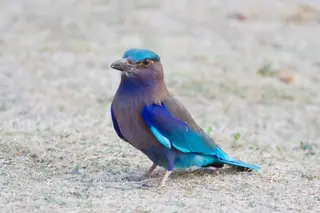 Indochinese Roller
Barbets, woodpeckers and cuckoos 11
-
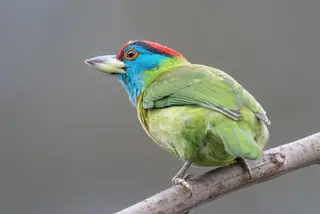 Blue-throated Barbet
-
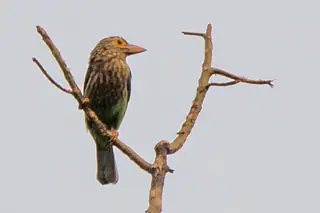 Lineated Barbet
-
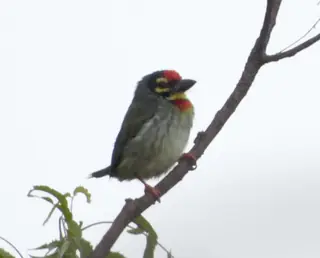 Coppersmith Barbet
-
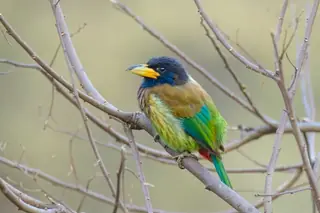 Great Barbet
-
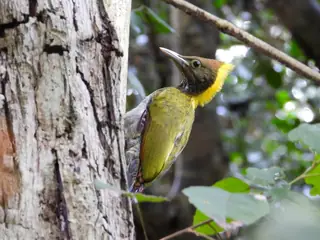 Greater Yellownape
-
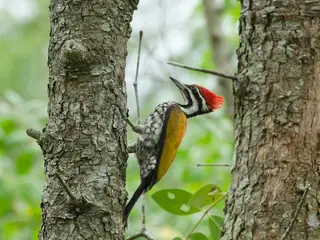 Common Flameback
-
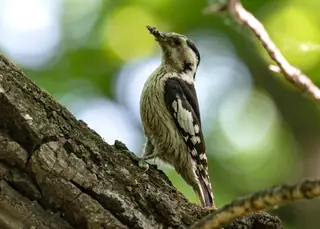 Grey-capped Pygmy Woodpecker
-
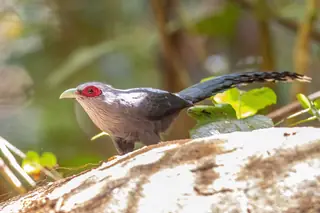 Green-billed Malkoha
-
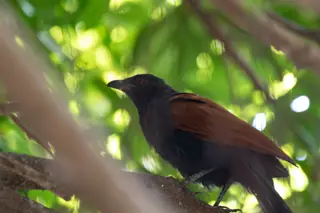 Greater Coucal
-
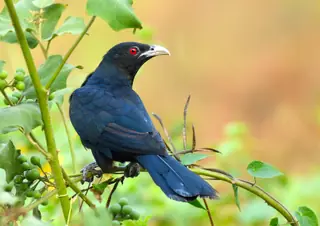 Asian Koel
-
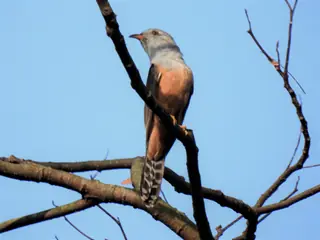 Plaintive Cuckoo
Broadbills, pittas and forest babblers 14
-
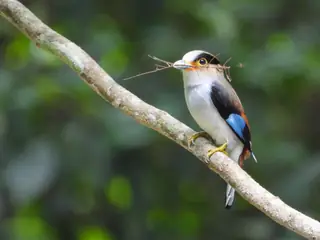 Silver-breasted Broadbill
-
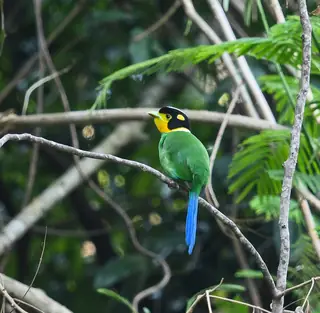 Long-tailed Broadbill
-
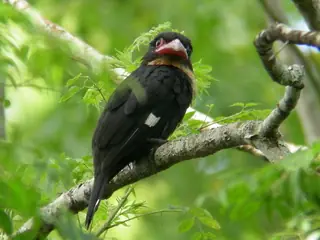 Dusky BroadbillRare
-
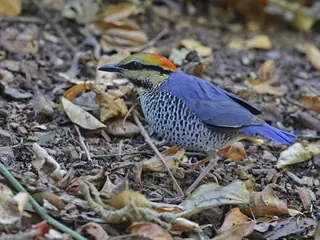 Blue PittaRare
-
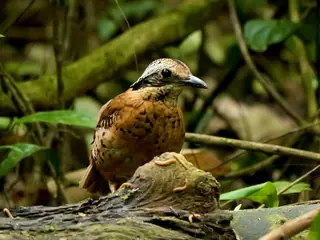 Eared PittaRare
-
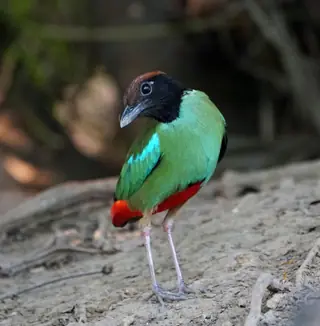 Western Hooded PittaRare
-
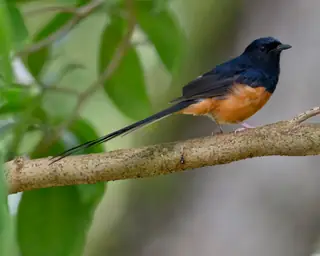 White-rumped Shama
-
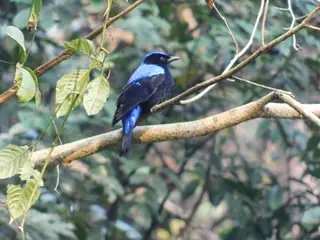 Asian Fairy-bluebird
-
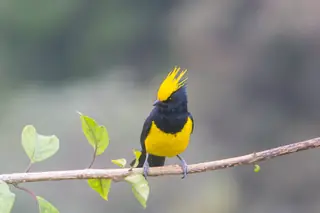 Sultan Tit
-
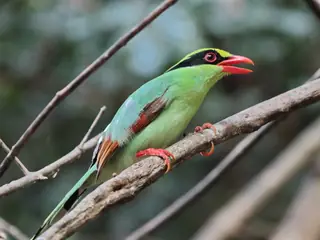 Common Green Magpie
-
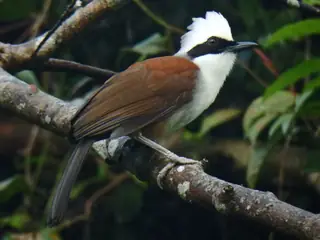 White-crested Laughingthrush
-
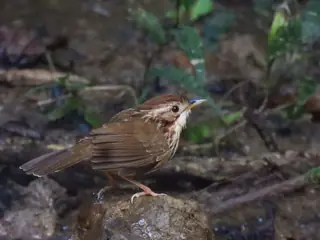 Puff-throated Babbler
-
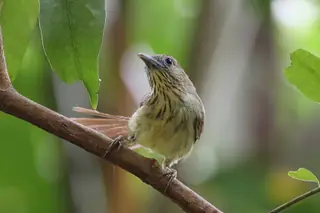 Pin-striped Tit-Babbler
-
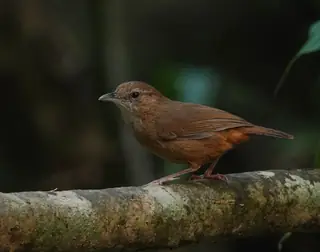 Abbott's Babbler
Sunbirds, leafbirds and bulbuls 12
-
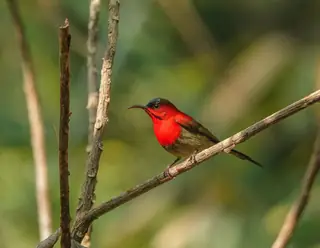 Crimson Sunbird
-
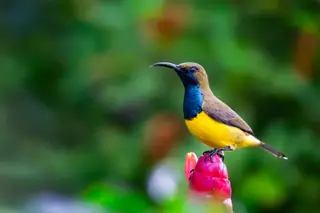 Olive-backed Sunbird
-
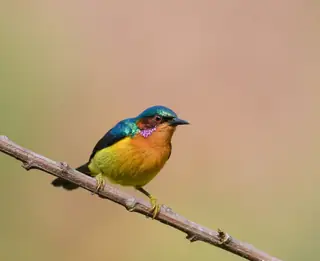 Ruby-cheeked Sunbird
-
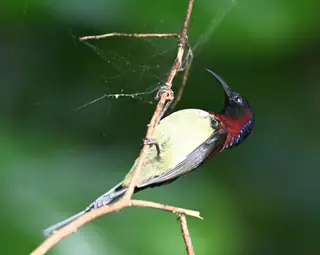 Black-throated Sunbird
-
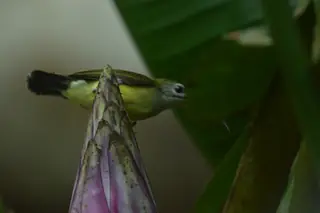 Little Spiderhunter
-
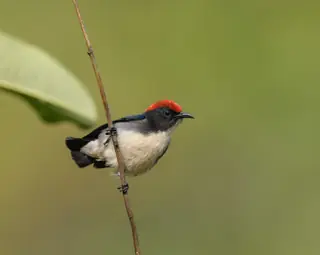 Scarlet-backed Flowerpecker
-
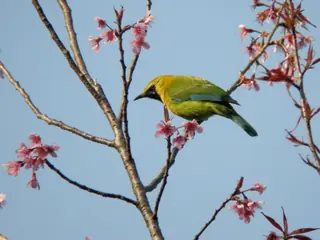 Blue-winged Leafbird
-
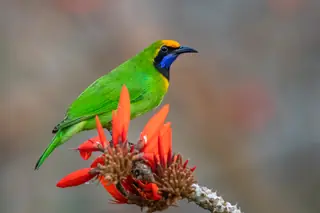 Golden-fronted Leafbird
-
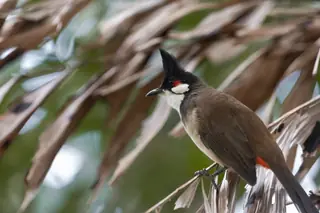 Red-whiskered Bulbul
-
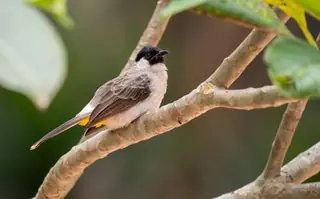 Sooty-headed Bulbul
-
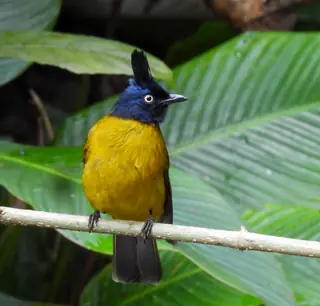 Black-crested Bulbul
-
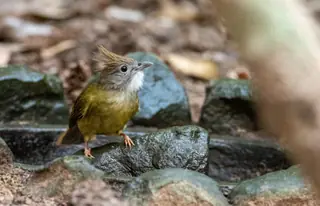 Puff-throated Bulbul
Drongos, flycatchers and more 20
-
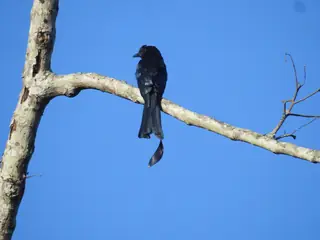 Greater Racquet-tailed Drongo
-
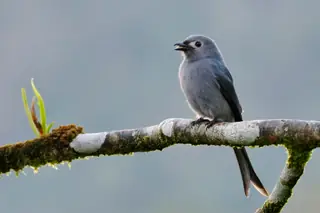 Ashy Drongo
-
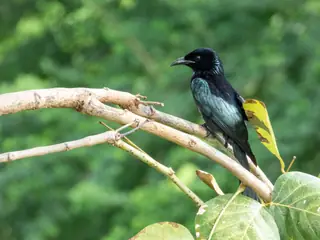 Hair-crested Drongo
-
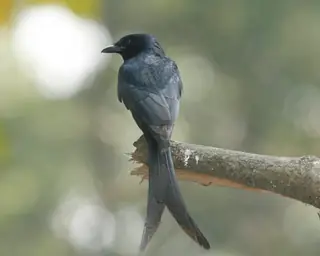 Black Drongo
-
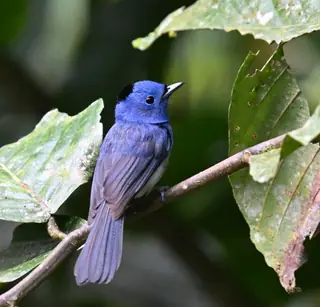 Black-naped Monarch
-
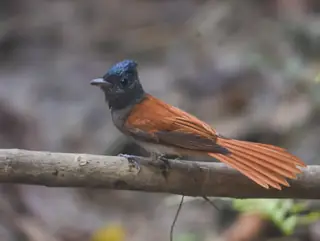 Blyth's Paradise Flycatcher
-
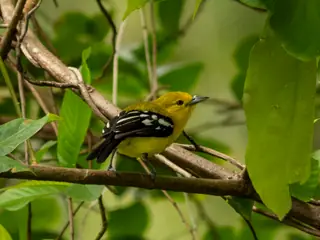 Common Iora
-
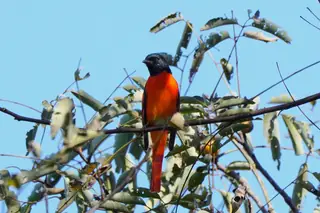 Scarlet Minivet
-
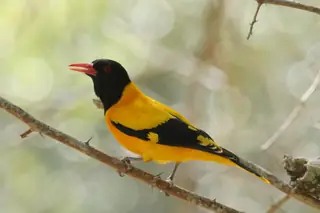 Black-hooded Oriole
-
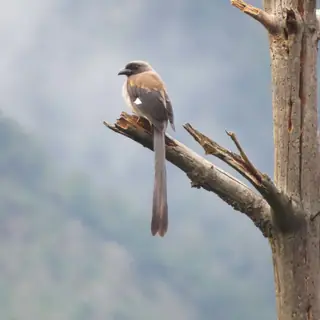 Grey Treepie
-
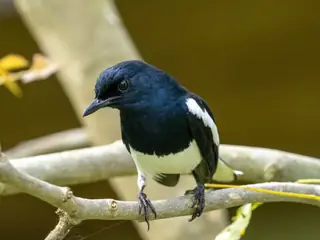 Oriental Magpie-Robin
-
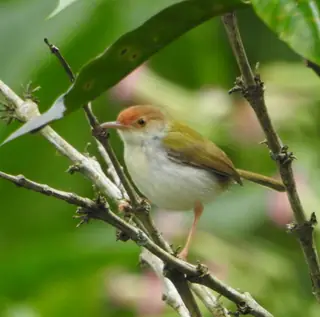 Common Tailorbird
-
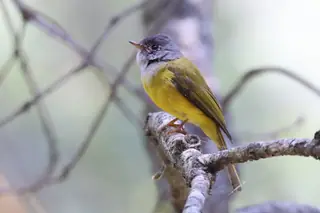 Grey-headed Canary-flycatcher
-
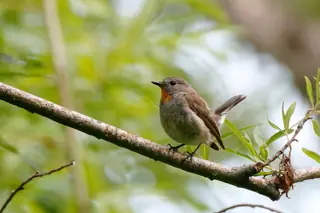 Taiga Flycatcher
-
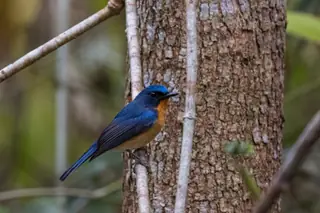 Hill Blue Flycatcher
-
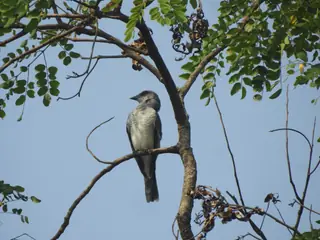 Indian Cuckooshrike
-
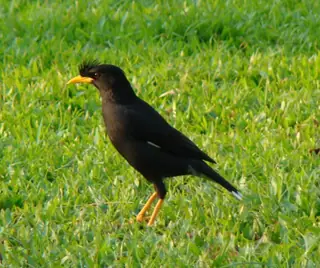 Great Myna
-
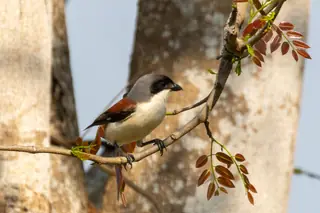 Burmese Shrike
-
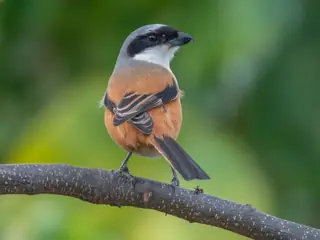 Long-tailed Shrike
-
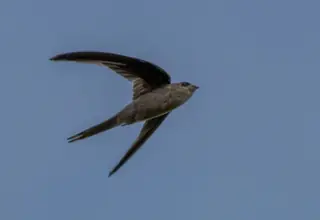 Asian Palm Swift
Birds of prey and owls 7
-
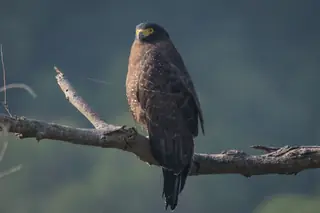 Crested Serpent Eagle
-
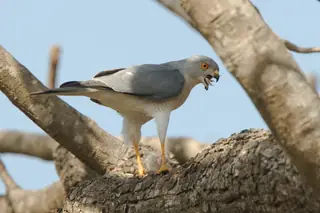 Shikra
-
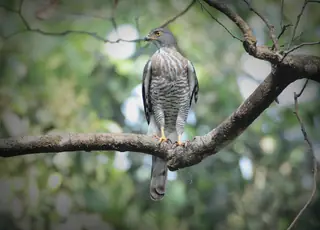 Crested Goshawk
-
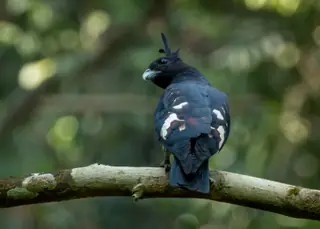 Black Baza
-
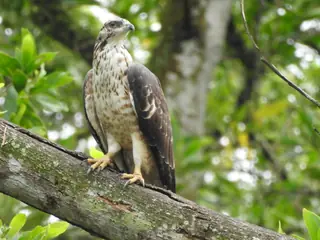 Oriental Honey Buzzard
-
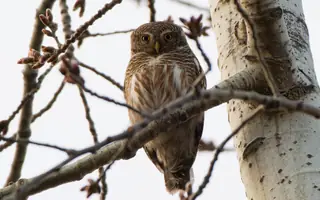 Asian Barred Owlet
-
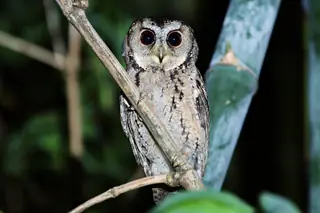 Collared Scops Owl
Water and stream birds 6
-
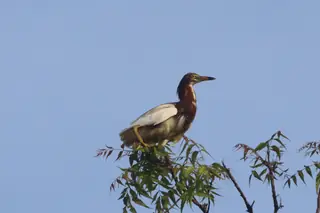 Chinese Pond Heron
-
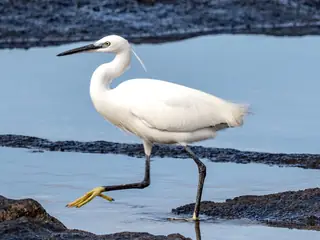 Little Egret
-
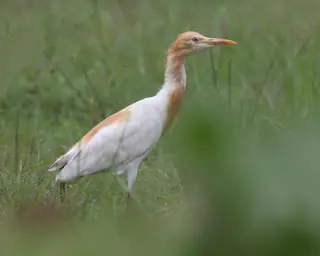 Eastern Cattle Egret
-
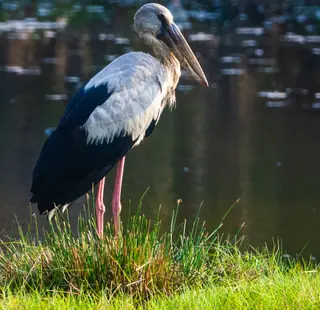 Asian Openbill
-
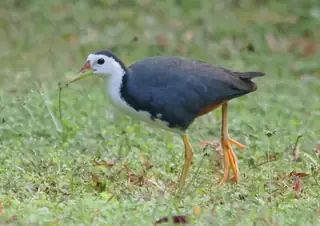 White-breasted Waterhen
-
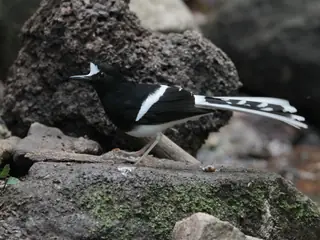 White-crowned Forktail
Reptiles and amphibians 15
- Tokay Gecko
-
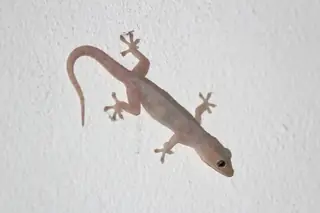 Common House Gecko
-
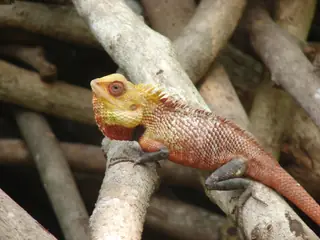 Oriental Garden Lizard
-
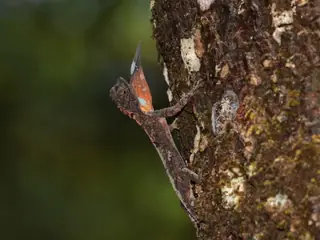 Spotted Flying Dragon
-
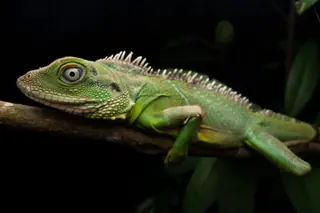 Chinese Water Dragon
-
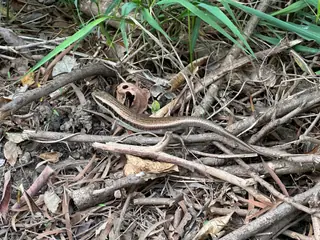 Long-tailed Sun Skink
-
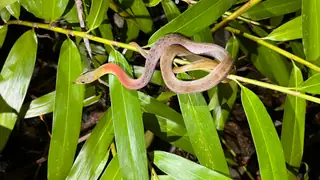 Siamese Red-necked KeelbackRare
-
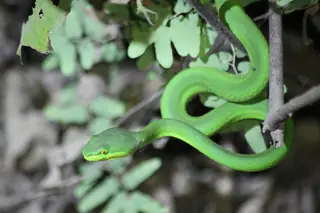 White-lipped Pit ViperRare
-
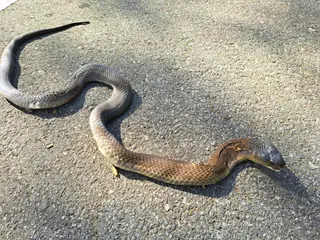 Monocled CobraRare
-
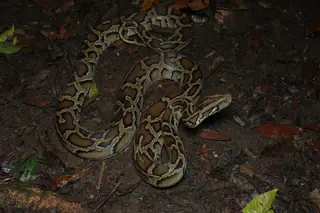 Burmese PythonRare
-
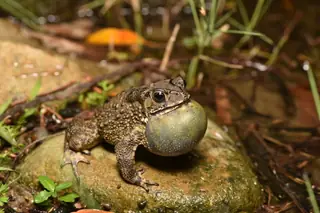 Asian Common Toad
-
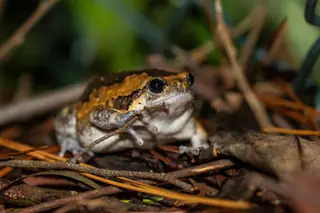 Banded Bullfrog
-
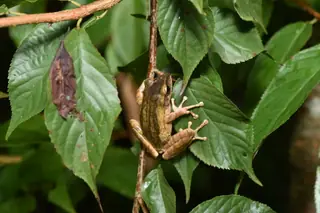 Four-lined Tree Frog
-
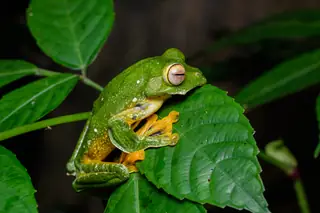 Black-webbed Tree Frog
-
 East Asian Ornate Chorus Frog
Butterflies 18
-
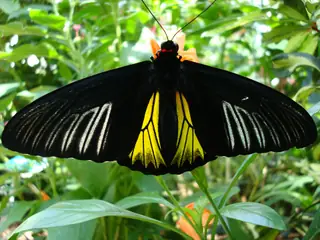 Common Birdwing
-
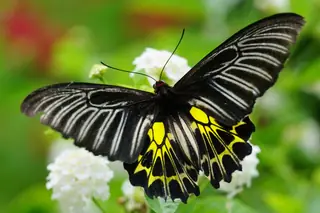 Golden Birdwing
-
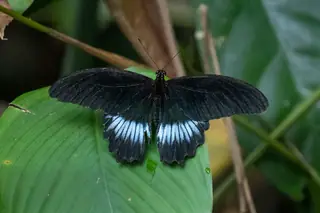 Great Mormon
-
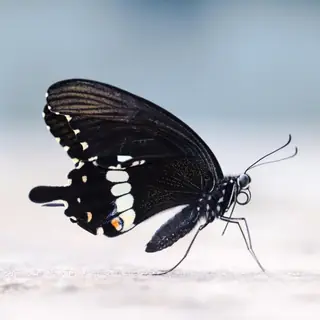 Common Mormon
-
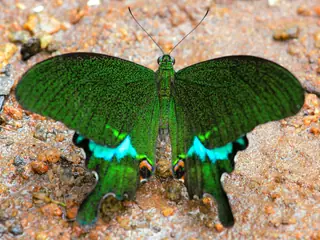 Paris Peacock
-
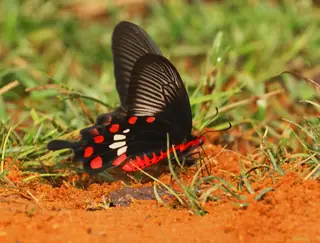 Common Rose
-
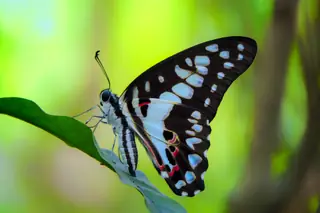 Common Jay
-
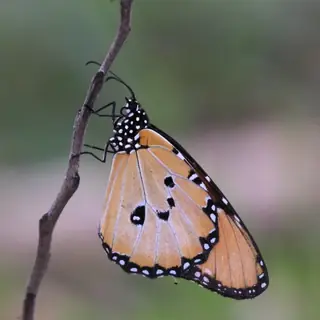 Plain Tiger
-
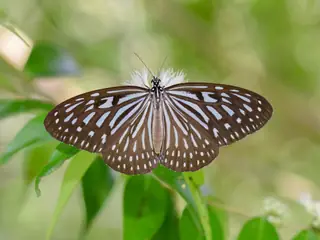 Blue Glassy Tiger
-
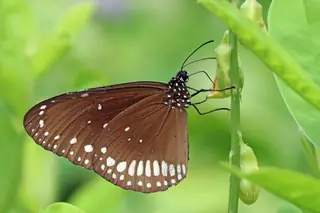 Common Crow
-
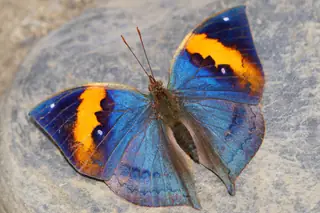 Orange Oakleaf
-
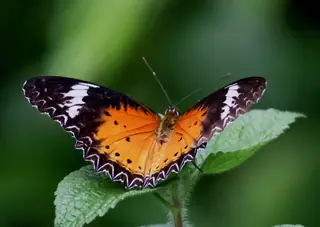 Leopard Lacewing
-
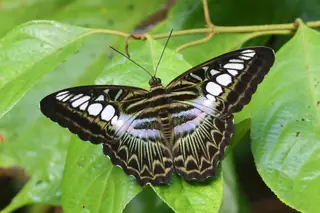 Clipper
-
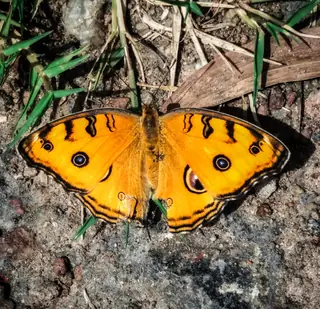 Peacock Pansy
-
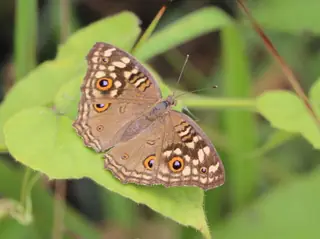 Lemon Pansy
-
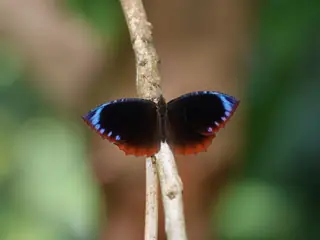 Common Palmfly
-
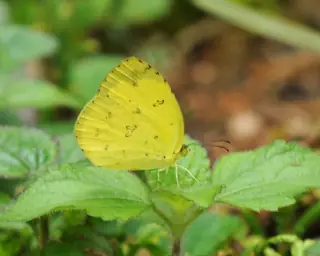 Common Grass Yellow
-
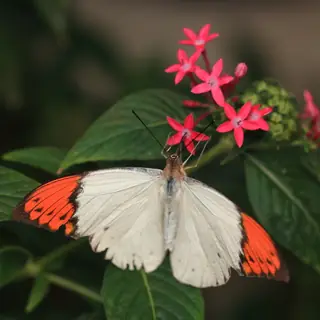 Great Orange Tip
Best time to see wildlife in Xishuangbanna
Sightings by month in Xishuangbanna
Most records: Mar to OctRecords from GBIF.org, adjusted for how many people record wildlife each month. 100% is the busiest month.
Xishuangbanna has a tropical monsoon climate with two clear seasons. The dry season, November to April, is the best time for birds. November to February is cool and pleasant by day, with thick fog in the river valleys most mornings that burns off by late morning, so forest birds are often busiest from mid-morning. Winter visitors such as taiga flycatchers join the resident birds. March and April are hot and dry, trees fruit and flower, and pittas start calling. Mid-April brings the Water-Splashing Festival, when towns fill up. The wet season runs from about May to October, with heavy rain, heat and leeches, but this is the time for frogs, the most butterflies and breeding pittas. Trails can be slippery and some forest roads close after storms.
- Nov to FebCool and dry; foggy mornings; best birding and winter visitors
- Mar to AprHot and dry; fruiting trees, pittas calling; festival crowds in mid-April
- May to JunRains begin; pittas breeding, butterflies increase
- Jul to OctWettest months; frogs and butterflies, leeches and slippery trails
Tips for spotting wildlife in Xishuangbanna
- 01
Start at the botanical garden
The Xishuangbanna Tropical Botanical Garden at Menglun is big enough for a full day. Walk it early for sunbirds, treeshrews and Berdmore's squirrels, and look for Asian openbills on its lakes.
- 02
Wait for the fog to lift
In winter, valley fog often hangs until late morning. Birds become active as it clears, so plan your longest forest walks from about ten o'clock.
- 03
Treat elephants with great care
Wild elephants can appear on roads and farmland without warning, and they injure people here most years. Never get out of a vehicle near them, and follow local warnings and ranger instructions.
- 04
Go out at night only with a guide
Night walks can bring geckos, gliding frogs and owls. Join a ranger or licensed guide, use a dim red light and keep the beam off animals' eyes.
- 05
Look for butterflies after rain
On sunny mornings in the wet season, butterflies gather along forest edges and garden paths. Leopard lacewings and orange oakleafs are common in the warmer months.

Take Xishuangbanna with you
Exploring Xishuangbanna's forests? Take this list on your phone and tick off each bird and butterfly as you find it, with no signal needed. Wilder is free to start.

Xishuangbanna wildlife FAQ
What animals can you see in Xishuangbanna?
You can see wild Asian elephants, macaques, giant squirrels and treeshrews in Xishuangbanna, along with hornbills, broadbills, trogons, barbets, sunbirds and pittas, and many large butterflies such as birdwings and mormons. This checklist covers 138 animals, birds, reptiles, frogs and butterflies. The dry season, November to April, is best for birds.
Can you see wild elephants in Xishuangbanna?
Yes, you can see wild Asian elephants in Xishuangbanna, which holds most of the more than 300 left in China, but sightings are never certain. Watch only from official walkways, from a vehicle or with ranger programmes. Elephants here can be dangerous, so follow local warnings and the reserve's distance rules at all times.
When is the best time to visit Xishuangbanna for birds?
The best time to visit Xishuangbanna for birds is the dry season, from November to April. The weather is settled, winter visitors join the resident species, and in March and April pittas start to call. Mornings from November to February are often foggy, so birds tend to be busiest once the fog lifts.
Is the Xishuangbanna Tropical Botanical Garden good for wildlife?
Yes, the Xishuangbanna Tropical Botanical Garden at Menglun is one of the easiest places in the region for wildlife. Its paths and lakes bring crimson sunbirds, spiderhunters, treeshrews, squirrels, Asian openbills and many butterflies within easy reach. It is a research garden of the Chinese Academy of Sciences, so keep to the paths.
Sources
- Xishuangbanna Tropical Botanical Garden, Chinese Academy of Sciences
- UNESCO Man and the Biosphere: Xishuangbanna
- BirdLife DataZone: Xishuangbanna Important Bird Area
- Sightings by month: GBIF.org
Animal photos are from the Wilder catalogue; photo credits.
Similar checklists
All Asia-
 National park120animals Khao Yai National Park Nakhon Ratchasima, Isan, Thailand Thailand's oldest national park, three hours from Bangkok, where wild elephants, great hornbills and gibbons live in forest and grassland on a high plateau. Best time Nov to Apr
-
 National park115animals Cat Tien National Park Dong Nai, Vietnam Southern Vietnam's great lowland forest on the Dong Nai River, about three hours from Ho Chi Minh City, with singing gibbons, black-shanked doucs and a park-run night drive. Best time Dec to Apr
-
 Region142animals Sichuan Panda Mountains Sichuan, China Bamboo forests and high passes of western and northern Sichuan, from Labahe and Wolong to Tangjiahe: red pandas, takin, tufted deer and goral, golden and Lady Amherst's pheasants, Chinese monals, and the rare chance of a wild giant panda. Best time Nov to Jun
-
 National park112animals Kaziranga National Park Golaghat and Nagaon, Assam, India Floodplain grassland on the Brahmaputra with the world's largest population of greater one-horned rhinos, wild water buffalo, swamp deer and a high density of tigers. Best time Nov to Apr