Region · Sichuan · China
Sichuan Panda Mountains Animal Checklist

The mountains of western and northern Sichuan hold the world's largest share of wild giant pandas, though a wild panda is a rare sighting. Most visitors come for red pandas, takin, golden snub-nosed monkeys and some of the finest pheasants in Asia. This checklist covers 142 animals. November to March is best for mammals, and April to June for birds.
Tick off all 142 animals in Sichuan Panda Mountains on your phone, even offline. Launching soon. Free A4 PDF, no sign-up.
Steep river valleys climb from warm broadleaf forest through bamboo and conifers to alpine meadows and passes over 4,000 m. Since 2021 many of the reserves here have been part of the Giant Panda National Park, which also reaches into Shaanxi and Gansu.
- Animals to find
- 142
- Where
- China
- Best time
- Nov to Jun
- Giant pandas
- Most of the wild population lives here
Popular animals in Sichuan Panda Mountains
-
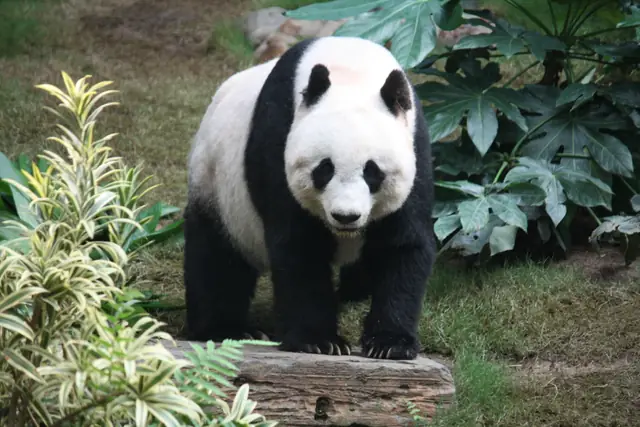
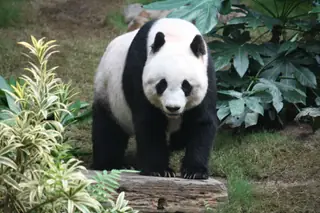
Giant Panda
Ailuropoda melanoleuca
Wild pandas live in remote bamboo forest and are very seldom seen; droppings and chewed stems are the usual sign. Walk only with reserve guides and keep to their rules.
-
Chinese Red Panda
Ailurus styani
The likelier panda. It feeds quietly in mid-altitude bamboo and rests high in trees, and is easiest to spot in winter when the branches are bare.
-
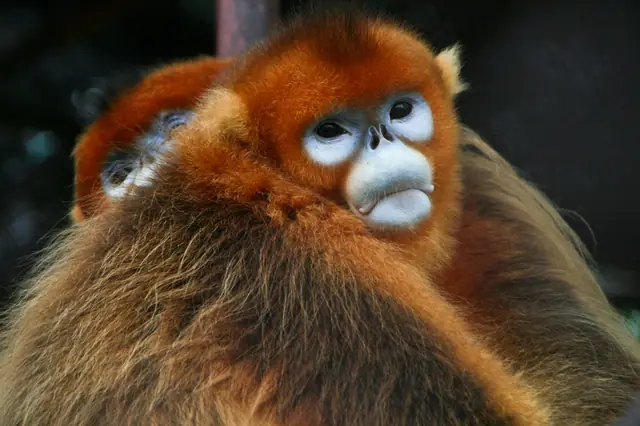
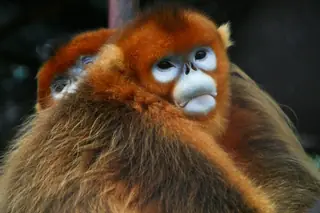
Golden Snub-nosed Monkey
Rhinopithecus roxellana
Troops with bright golden fur and blue faces live in high forest. In Tangjiahe they come lower in winter and early spring, and are seen with reserve guides.
-
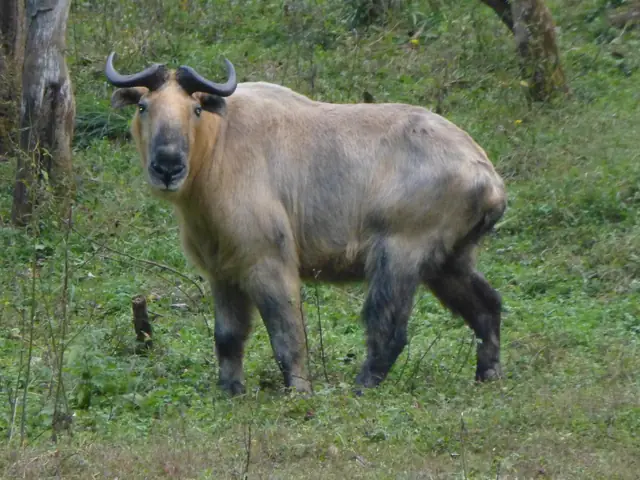
Sichuan Takin
Budorcas tibetana
A heavy, golden-brown goat-antelope. Herds come down to the river valleys of Labahe and Tangjiahe in winter and spring; watch from the road and follow the reserve's distance rules.
-
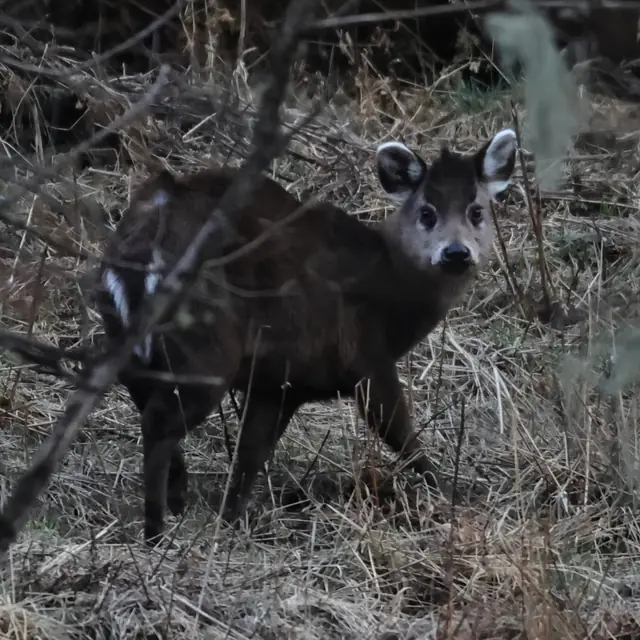
Tufted Deer
Elaphodus cephalophus
A small dark deer with a tuft of black hair on the crown and fang-like teeth in the males. Look along forest edges in the valleys at dusk, especially in winter.
-
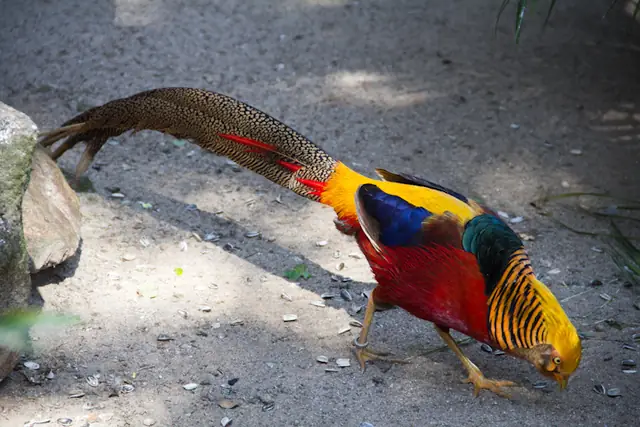
Golden Pheasant
Chrysolophus pictus
Red, gold and orange, and surprisingly hard to see in dense scrub. Most sightings are of a male crossing a quiet road at dawn.
-
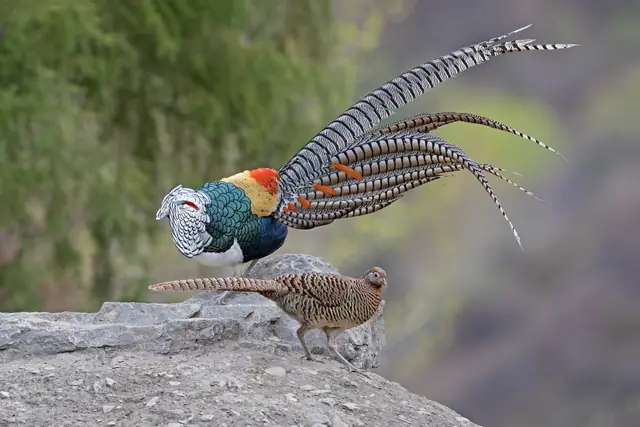
Lady Amherst's Pheasant
Chrysolophus amherstiae
A black, white and green pheasant with a very long barred tail, at forest edges and in scrub early in the morning.
-
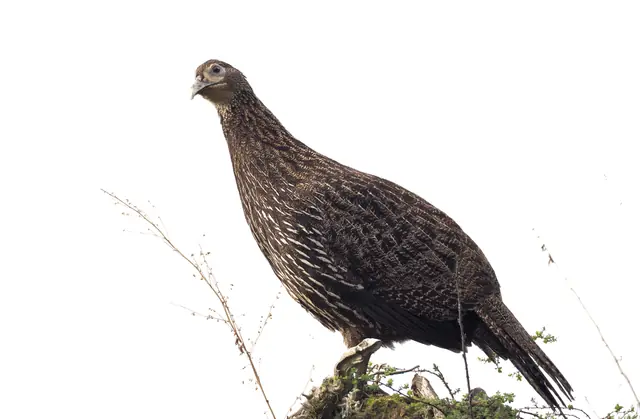
Chinese Monal
Lophophorus lhuysii
A big, glossy pheasant of alpine meadows and rocky slopes above the tree line, best early in the morning from April to June.
-
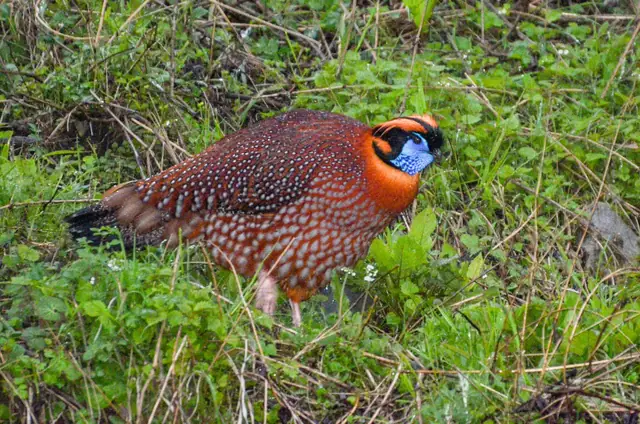
Temminck's Tragopan
Tragopan temminckii
Crimson with white spots, living in dense rhododendron and bamboo. Males call at dawn in spring, but stay hidden more often than not.
-
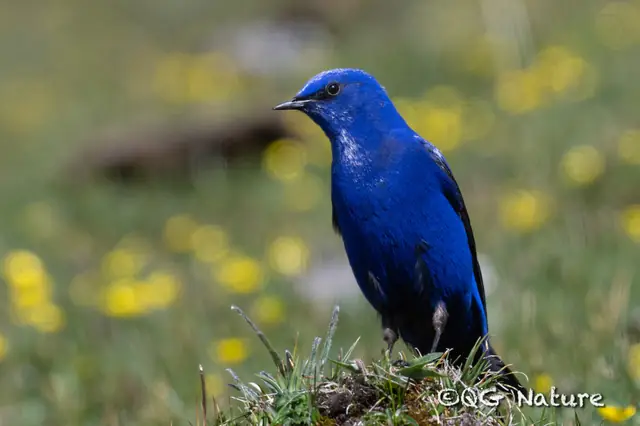
Grandala
Grandala coelicolor
Flocks of shining blue birds swirl over the scree and meadows near the top of Balang Shan, the high pass beyond Wolong.
All 142 animals in Sichuan Panda Mountains
Pandas and primates 4
-
 Giant PandaRare
- Chinese Red Panda
-
 Golden Snub-nosed MonkeyRare
-
 Tibetan Macaque
Hoofed mammals 9
-
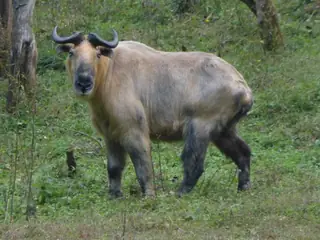 Sichuan Takin
-
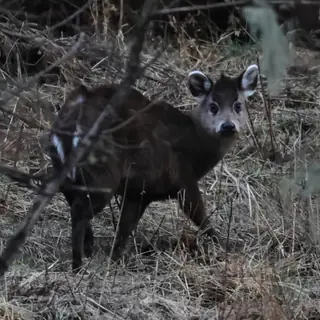 Tufted Deer
-
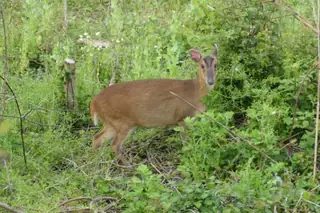 Reeves's Muntjac
-
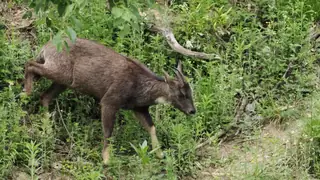 Chinese Goral
-
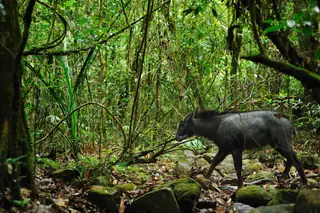 Chinese Serow
-
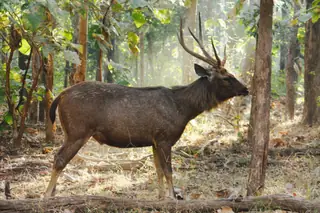 Sambar DeerRare
-
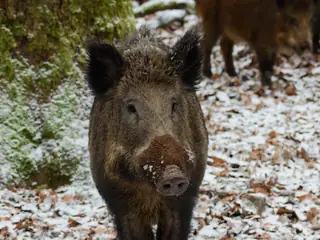 Wild Boar
-
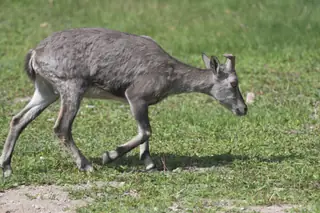 Bharal
- Forest Musk DeerRare
Carnivores 10
-
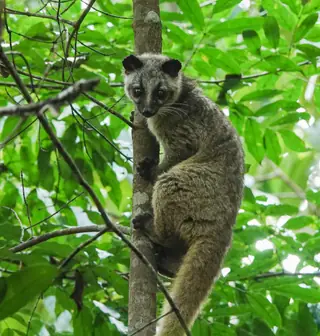 Masked Palm Civet
-
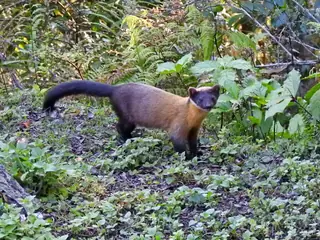 Yellow-throated Marten
-
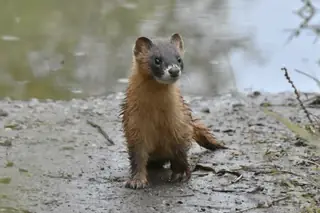 Siberian Weasel
-
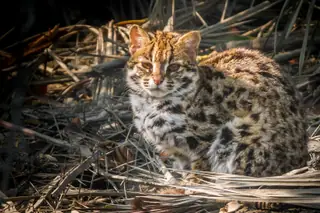 Mainland Leopard CatRare
-
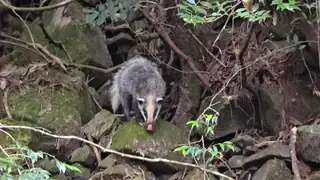 Northern Hog BadgerRare
-
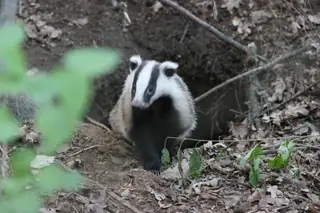 Asian BadgerRare
- Small-toothed Ferret BadgerRare
-
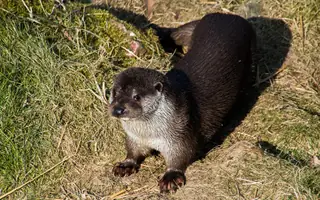 Eurasian OtterRare
-
 Red FoxRare
-
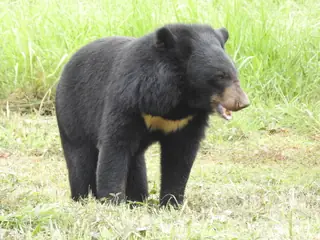 Asiatic Black BearRare
Squirrels and small mammals 8
-
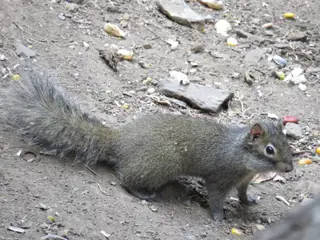 Père David's Rock Squirrel
-
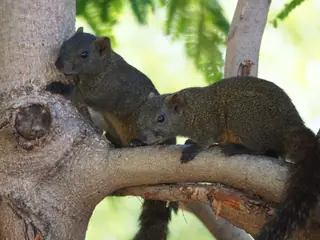 Pallas's Squirrel
-
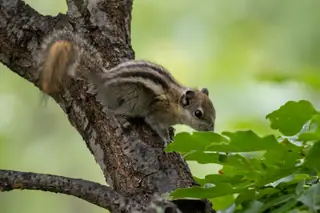 Swinhoe's Striped Squirrel
-
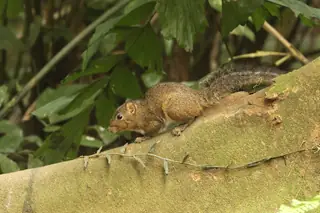 Perny's Long-nosed Squirrel
-
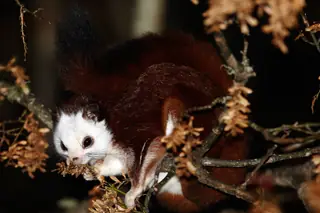 Red-and-white Giant Flying Squirrel
- Complex-toothed Flying SquirrelRare
-
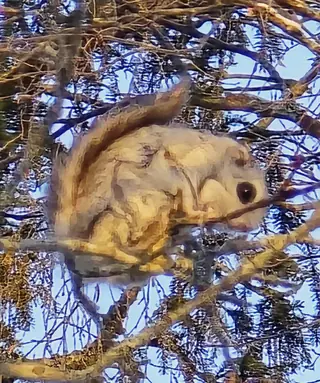 Siberian Flying SquirrelRare
-
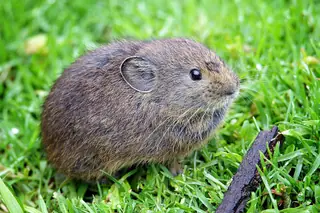 Moupin Pika
Pheasants and partridges 11
-
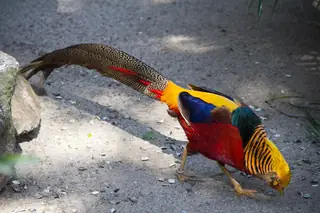 Golden Pheasant
-
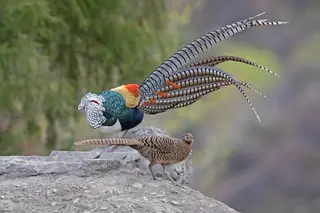 Lady Amherst's Pheasant
-
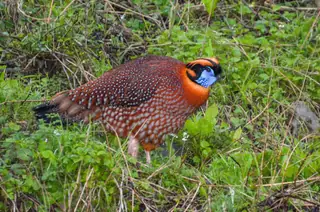 Temminck's TragopanRare
-
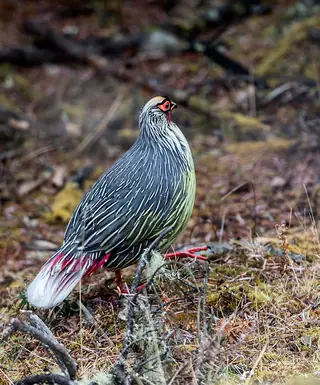 Blood Pheasant
-
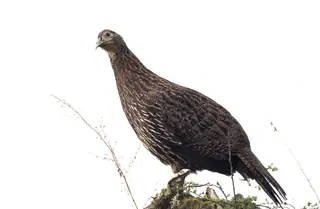 Chinese Monal
-
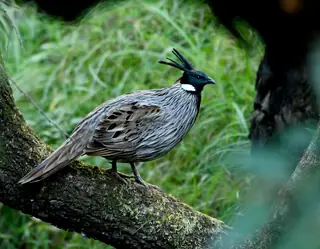 Koklass PheasantRare
-
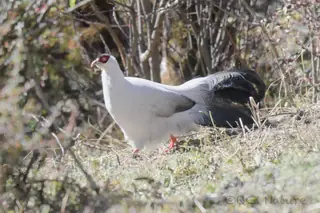 White Eared PheasantRare
- Verreaux's Monal-Partridge
-
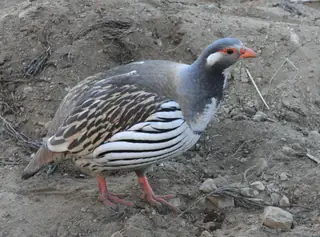 Tibetan SnowcockRare
-
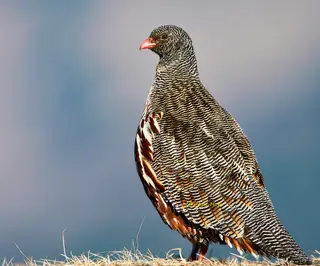 Snow Partridge
-
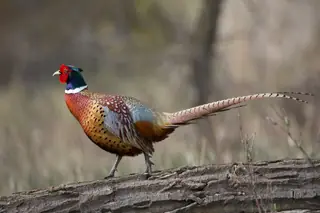 Ring-necked Pheasant
Birds of prey and owls 10
-
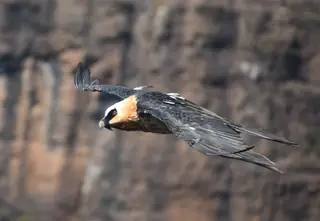 Bearded Vulture
-
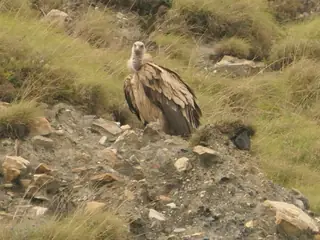 Himalayan Vulture
-
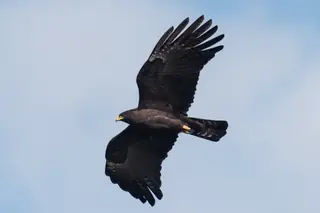 Black Eagle
-
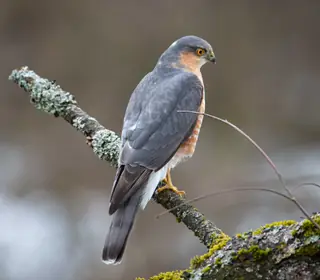 Eurasian Sparrowhawk
-
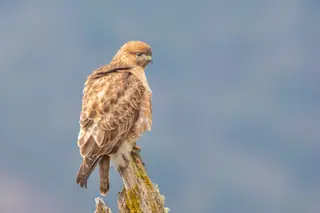 Himalayan Buzzard
-
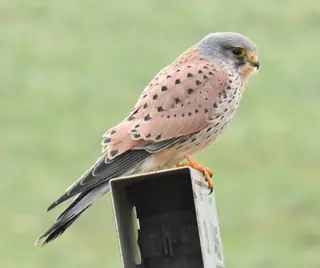 Common Kestrel
-
 Golden EagleRare
-
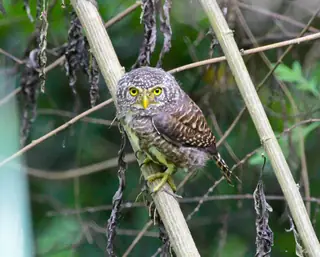 Collared Owlet
-
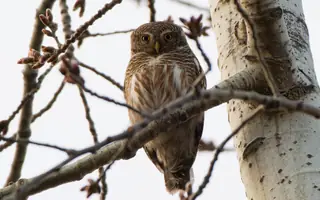 Asian Barred Owlet
-
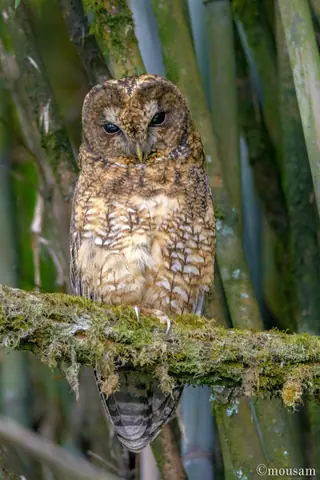 Himalayan OwlRare
River birds 8
-
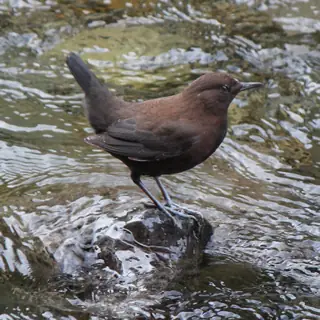 Brown Dipper
-
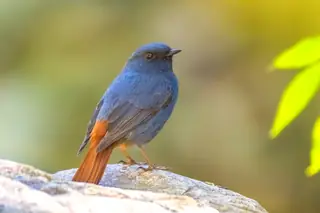 Plumbeous Water Redstart
-
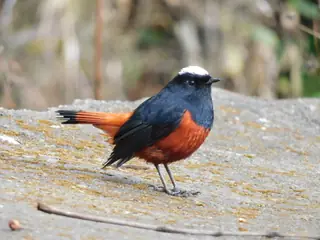 White-capped Redstart
-
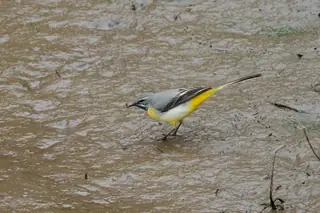 Grey Wagtail
-
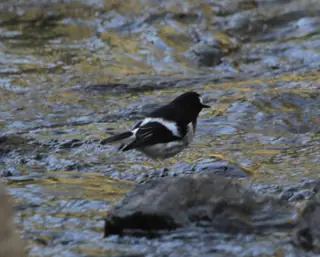 Little Forktail
-
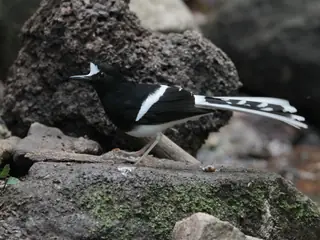 White-crowned Forktail
-
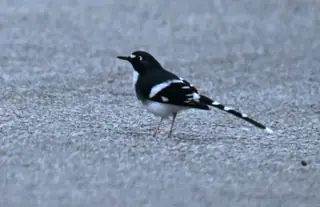 Slaty-backed Forktail
-
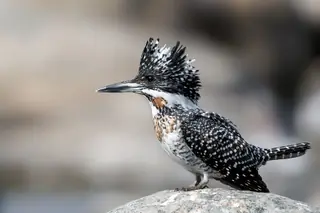 Crested Kingfisher
Forest birds 32
-
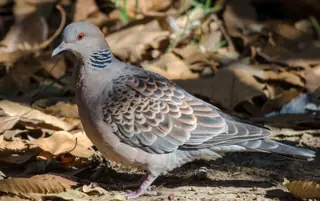 Oriental Turtle Dove
-
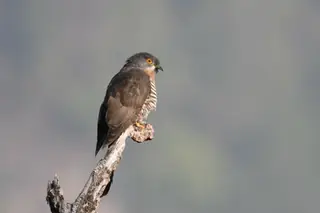 Large Hawk Cuckoo
-
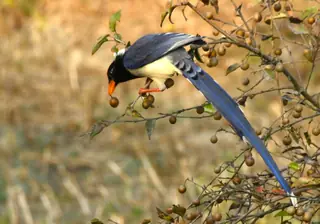 Red-billed Blue Magpie
-
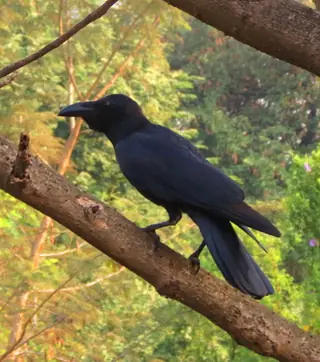 Large-billed Crow
-
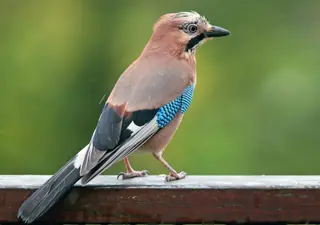 Eurasian Jay
-
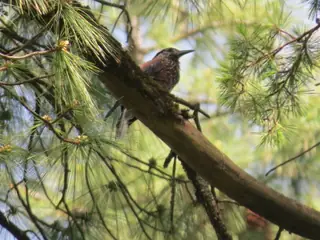 Southern Nutcracker
-
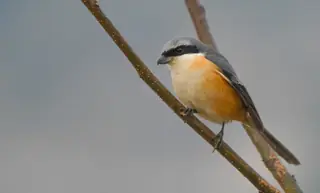 Grey-backed Shrike
-
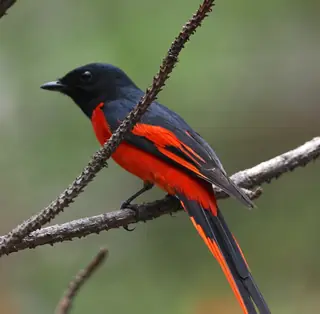 Long-tailed Minivet
-
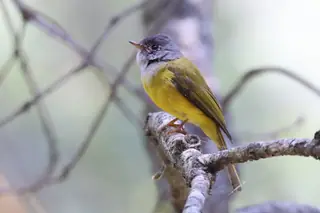 Grey-headed Canary-flycatcher
-
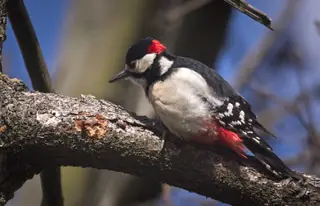 Great Spotted Woodpecker
-
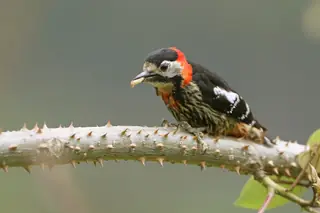 Crimson-breasted Woodpecker
-
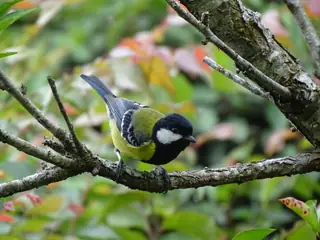 Green-backed Tit
-
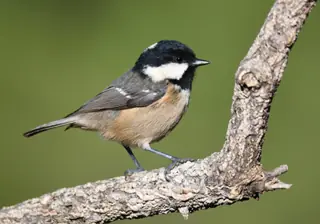 Coal Tit
-
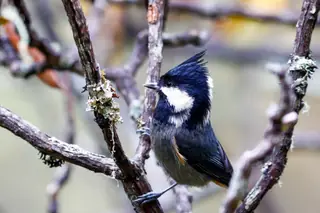 Rufous-vented Tit
-
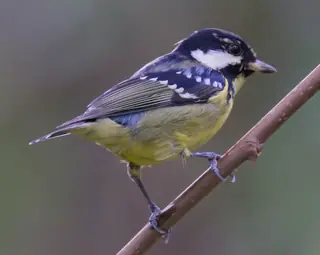 Yellow-bellied Tit
-
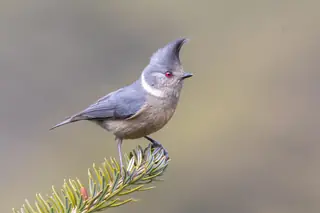 Grey-crested Tit
-
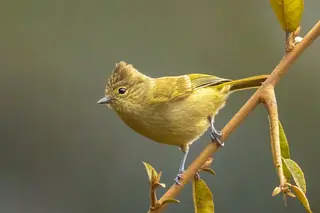 Yellow-browed Tit
-
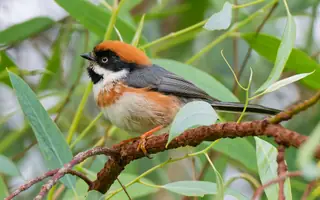 Black-throated Bushtit
-
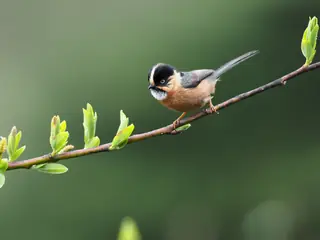 Black-browed Tit
-
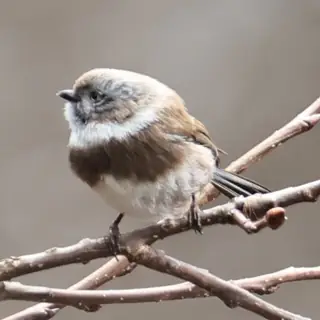 Sooty Tit
-
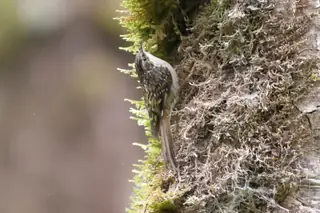 Sichuan TreecreeperRare
-
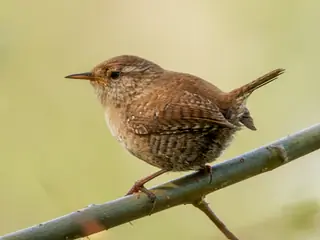 Eurasian Wren
-
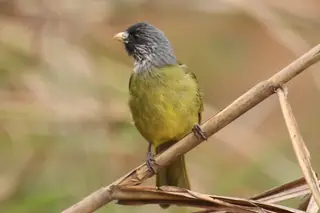 Collared Finchbill
-
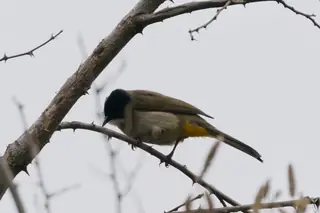 Brown-breasted Bulbul
-
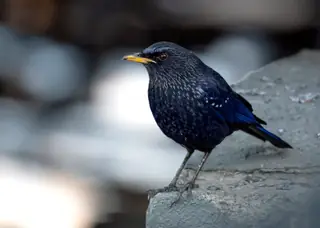 Blue Whistling Thrush
-
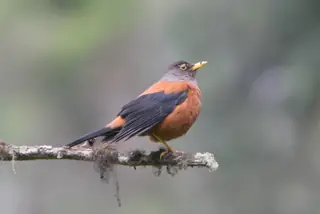 Chestnut Thrush
-
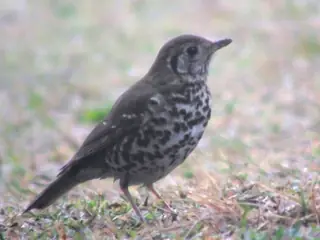 Chinese ThrushRare
-
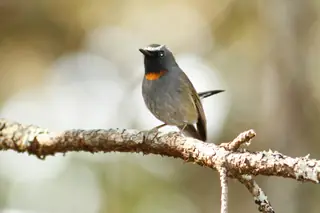 Rufous-gorgeted Flycatcher
-
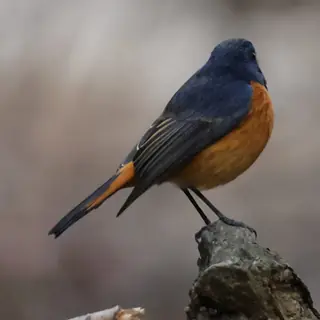 Blue-fronted Redstart
-
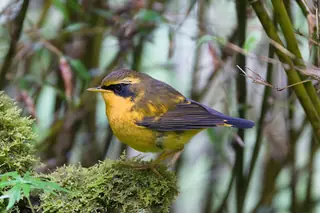 Golden Bush Robin
-
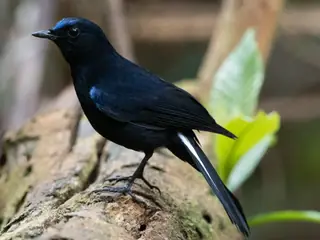 White-tailed RobinRare
-
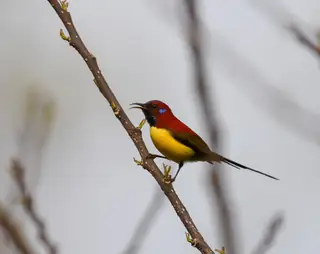 Gould's Sunbird
Laughingthrushes, parrotbills and warblers 21
-
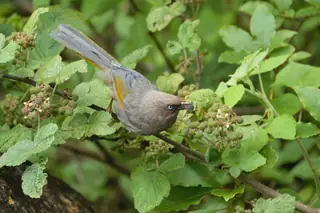 Elliot's Laughingthrush
-
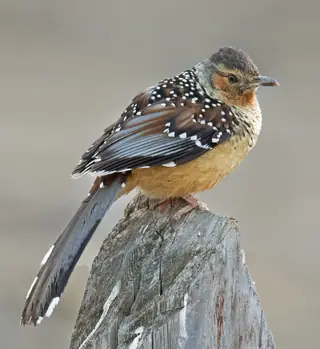 Giant Laughingthrush
-
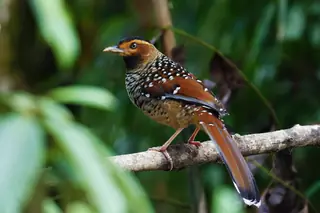 Spotted Laughingthrush
- Barred Laughingthrush
-
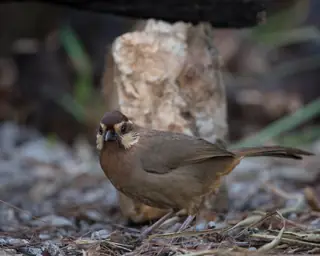 White-browed Laughingthrush
-
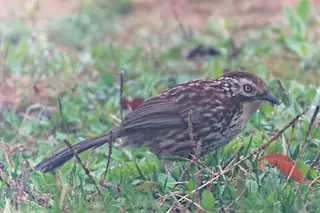 Chinese Babax
-
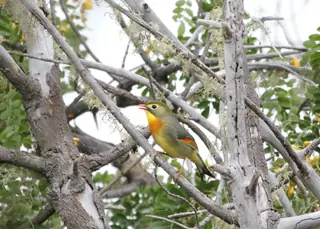 Red-billed Leiothrix
-
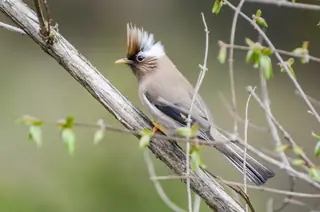 White-collared Yuhina
-
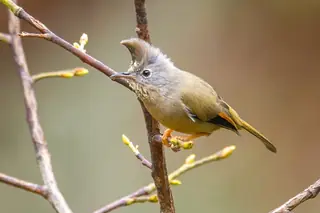 Stripe-throated Yuhina
-
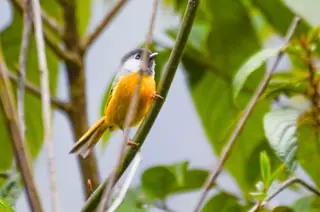 Golden-breasted Fulvetta
-
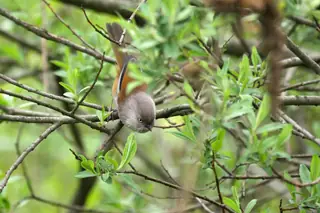 Grey-hooded Fulvetta
-
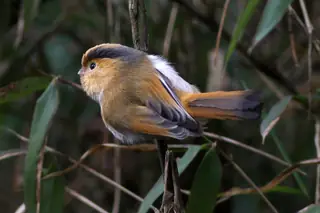 Fulvous Parrotbill
-
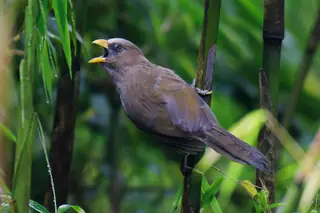 Great Parrotbill
- Spectacled Parrotbill
-
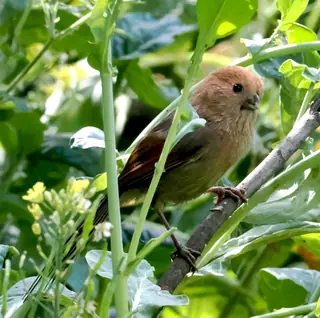 Vinous-throated Parrotbill
-
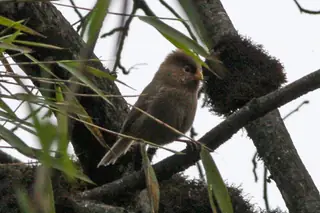 Three-toed ParrotbillRare
-
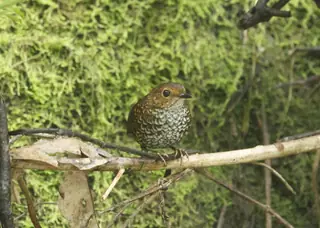 Pygmy Cupwing
-
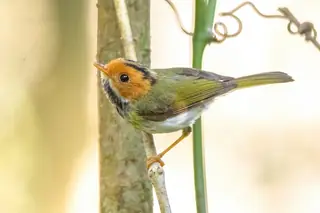 Rufous-faced Warbler
-
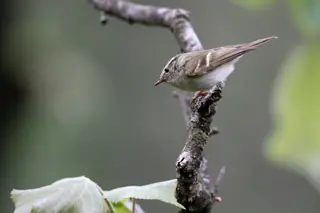 Sichuan Leaf Warbler
-
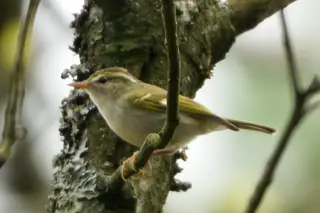 Claudia's Leaf Warbler
-
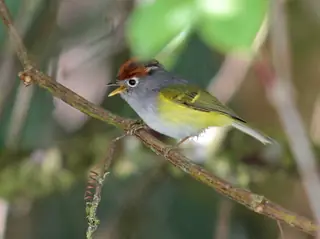 Chestnut-crowned Warbler
High mountain birds 19
-
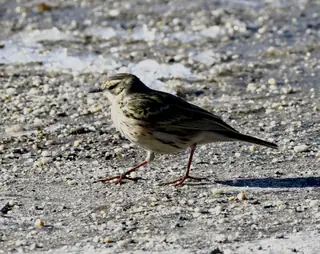 Rosy Pipit
-
 Common Raven
-
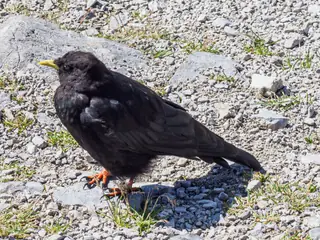 Alpine Chough
-
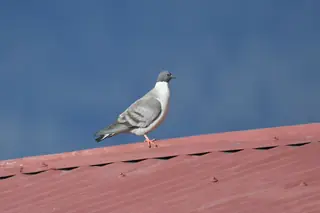 Snow Pigeon
-
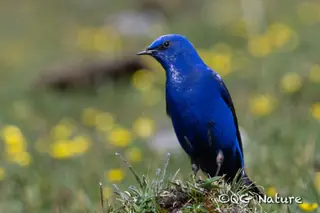 Grandala
-
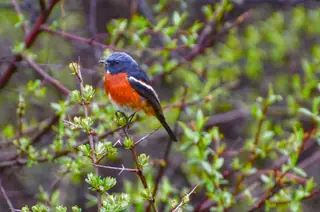 White-throated Redstart
-
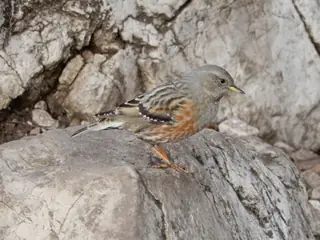 Alpine Accentor
-
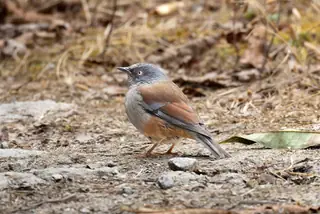 Maroon-backed Accentor
-
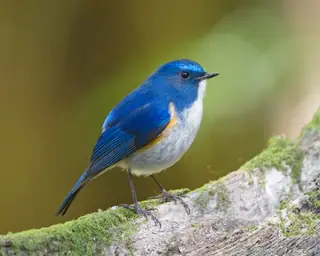 Himalayan Bluetail
-
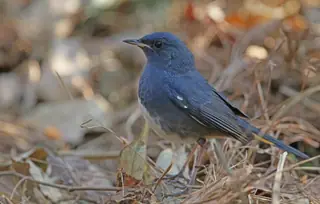 White-bellied Redstart
-
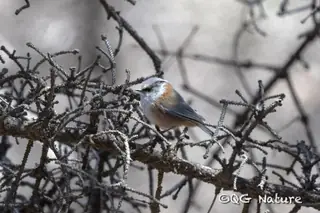 Crested Tit-Warbler
-
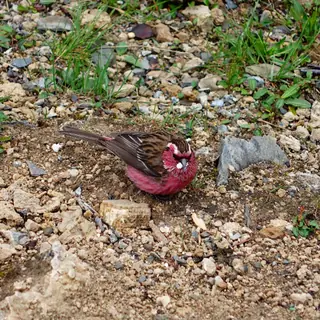 Chinese White-browed Rosefinch
-
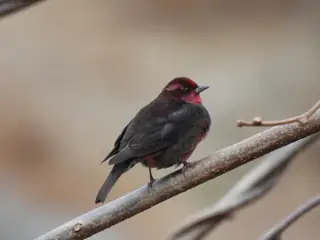 Dark-breasted Rosefinch
-
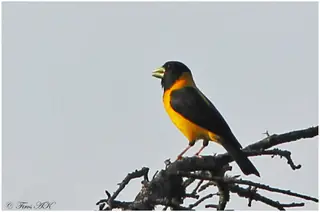 Collared Grosbeak
-
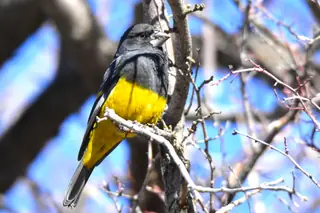 White-winged Grosbeak
-
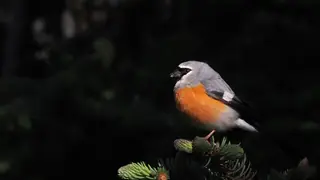 Grey-headed Bullfinch
-
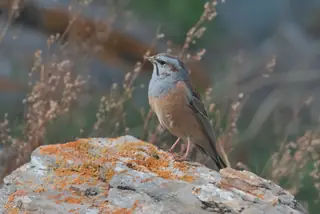 Godlewski's Bunting
-
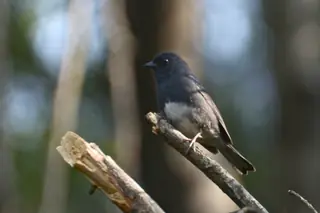 Slaty BuntingRare
-
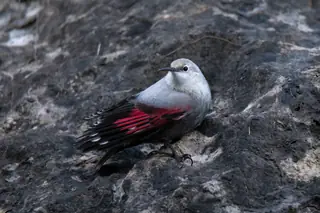 WallcreeperRare
Reptiles and amphibians 10
- Yellow-headed Japalure
-
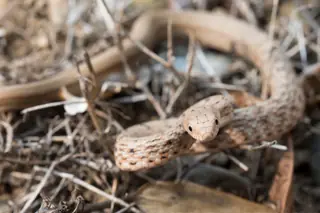 King Rat Snake
-
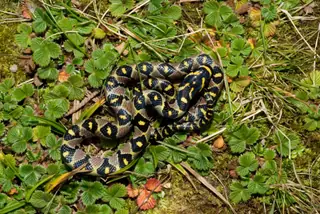 Mandarin RatsnakeRare
-
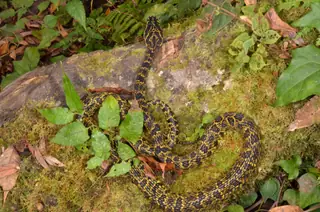 Jerdon's PitviperRare
-
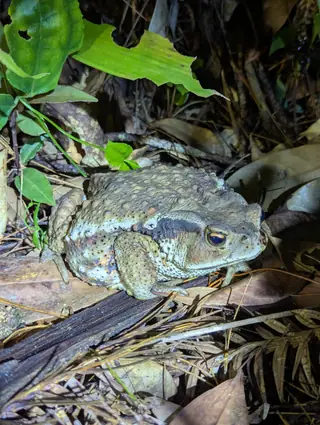 Asiatic Toad
- Sichuan Torrent Frog
- Boulenger's Spiny Frog
- Green Odorous Frog
- Pope's Lazy ToadRare
- Pinchon's Stream SalamanderRare
Best time to see wildlife in Sichuan Panda Mountains
Sightings by month in Sichuan Panda Mountains
Most records: Apr to Jun, AugRecords from GBIF.org, adjusted for how many people record wildlife each month. 100% is the busiest month.
Sichuan's mountains have two good seasons for different reasons. Winter, roughly November to March, is cold and often dry and clear. Snow pushes takin, golden snub-nosed monkeys and tufted deer down into the valleys, and bare trees make red pandas easier to find. High roads can be icy. Spring, April to June, is the main bird season: pheasants and laughingthrushes call at dawn, rhododendrons flower, and monals display on the alpine slopes. July and August bring the summer rains, with cloud, leeches and the risk of landslides on mountain roads, though the high meadows are full of flowers. September to November is often clear and colourful. Avoid the national holiday weeks in early October and around Chinese New Year if you can, when roads and hotels fill up.
- Dec to FebCold and clear; mammals low in the valleys, red pandas easier in bare trees
- MarTakin and golden monkeys still low; first pheasants calling
- Apr to JunPeak birding; monals, tragopans and flowering rhododendrons
- Jul to AugSummer rains, cloud and landslide risk; alpine flowers
- Sep to NovClearer skies and autumn colour; busy in early October
Tips for spotting wildlife in Sichuan Panda Mountains
- 01
Go in winter for mammals
From December to March, takin graze the valley floors of Labahe and Tangjiahe. Watch from the road or trail, keep voices low and let the herd move on in its own time.
- 02
Cross Balang Shan early
The old road over Balang Shan climbs above 4,000 m. Arrive at first light for bharal on the open slopes, grandala and rosy pipits, and take the altitude slowly.
- 03
Look for pheasants at dawn
Pheasants come out to the edges of quiet forest roads in the first hour of light. Stay in the car or stand still, and never flush a bird for a better view.
- 04
Join a guided night walk
Valley roads after dark can bring red-and-white giant flying squirrels, masked palm civets and the bark of Reeves's muntjac. Use a dim torch and keep the beam off animals' eyes.
- 05
Walk with reserve guides
Many reserves ask visitors to keep to set roads and trails, and some forest areas are open only with local guides. Follow their rules and keep well back from any bear.

Take Sichuan Panda Mountains with you
Heading into Sichuan's panda mountains? Keep this list on your phone and tick off each pheasant and mammal as you go, with no signal needed. Wilder is free to start.

Sichuan Panda Mountains wildlife FAQ
What animals can you see in the Sichuan panda mountains?
You can see red pandas, Sichuan takin, golden snub-nosed monkeys, tufted deer, goral, bharal and a long list of pheasants, including golden pheasant and Chinese monal, in Sichuan's panda mountains. Wild giant pandas live here too but are very rarely seen. This checklist covers 142 animals and birds.
Can you see wild giant pandas in Sichuan?
Seeing a wild giant panda in Sichuan is possible but very rare, even for people who spend weeks in the forest. Pandas are quiet, live in thick bamboo and avoid people. Most visitors find droppings and chewed bamboo instead. Set your hopes on red pandas, takin and golden monkeys, and count a wild giant panda as a bonus.
Can you see red pandas in the wild in Sichuan?
Yes, you can see wild red pandas in Sichuan, but it takes patience. They live in mid-altitude forest with a bamboo understorey, feed on bamboo leaves and rest high in trees. Winter is easiest, when the leaves are down. Go with a local guide, walk slowly in the early morning and keep well back once you find one.
When is the best time to visit Sichuan for wildlife?
The best time to visit Sichuan for wildlife depends on what you want to see. November to March is best for mammals, as takin, golden monkeys and red pandas are lower and easier to find. April to June is best for birds, with pheasants calling and monals on the alpine slopes. July and August are wet, with landslide risk on mountain roads.
Where can you see takin in Sichuan?
You can see Sichuan takin in the river valleys of Labahe and Tangjiahe, where herds come down from the high forest in winter and spring. They are big, powerful animals, so watch from the road or trail and follow the reserve's distance rules rather than walking closer.
Sources
- UNESCO World Heritage: Sichuan Giant Panda Sanctuaries
- IUCN World Heritage Outlook: Sichuan Giant Panda Sanctuaries
- Sightings by month: GBIF.org
Animal photos are from the Wilder catalogue; photo credits.
Similar checklists
All Asia-
 Region115animals Qinghai Plateau Qinghai, China High grassland, lakes and gorges of the Three Rivers Source and Qinghai Lake: kiang, Tibetan gazelles and Tibetan foxes on the open plains, blue sheep and white-lipped deer in the valleys, and bar-headed geese on the lake. Best time May to Oct
-
 Region126animals Bhutan Western and central Bhutan, Bhutan Forested valleys and high passes from Paro and Thimphu east through Punakha, Trongsa and Bumthang: Himalayan monals, satyr tragopans, laughingthrushes and fulvettas, ibisbills on the rivers, capped and golden langurs, and black-necked cranes in winter. Best time Mar to May, Nov to Feb
-
 Region138animals Xishuangbanna Southern Yunnan, China China's largest block of tropical rainforest, broken up by rubber and tea, where wild Asian elephants still roam and the forest holds broadbills, sunbirds, barbets and big swallowtail butterflies. Best time Nov to Apr
-
 Region141animals Poyang Lake Northern Jiangxi, China China's largest freshwater lake shrinks in winter to grassland, mudflats and shallow pools that hold most of the world's Siberian Cranes, along with White-naped and Hooded Cranes, Oriental Storks, Swan Geese and tens of thousands of swans and ducks. Best time Nov to Mar