Region · Western and central Bhutan · Bhutan
Bhutan Wildlife and Birding Checklist

Bhutan is a Himalayan kingdom where more than 70% of the land is forest, and a road trip east from Paro crosses everything from warm broadleaf valleys to fir forest and high passes. It is famous for pheasants, laughingthrushes, ibisbills, golden and capped langurs and wintering black-necked cranes. This checklist covers 126 animals. March to May is best for birds; November to February for cranes.
Tick off all 126 animals in Bhutan on your phone, even offline. Launching soon. Free A4 PDF, no sign-up.
Most wildlife trips follow the lateral road from Paro and Thimphu east through Punakha, Trongsa and Bumthang, walking quiet stretches of road with the vehicle following behind. Almost every day climbs and drops more than 1,500 metres, so the birds change by the hour.
- Animals to find
- 126
- Where
- Bhutan
- Best time
- Mar to May, Nov to Feb
- Bird species
- About 750
Popular animals in Bhutan
-
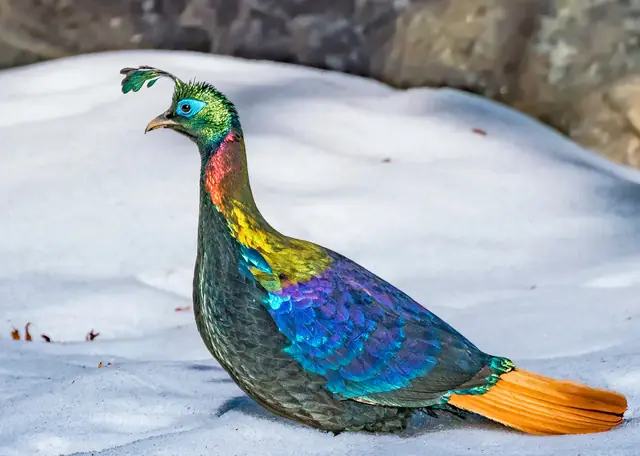
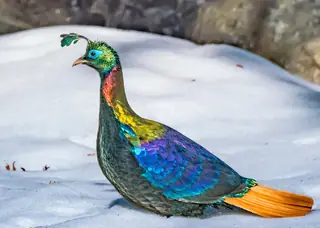
Himalayan Monal
Lophophorus impejanus
The male shines metallic green, blue and copper. Look on open grassy slopes high above the tree line, early in the morning, and watch from the road.
-
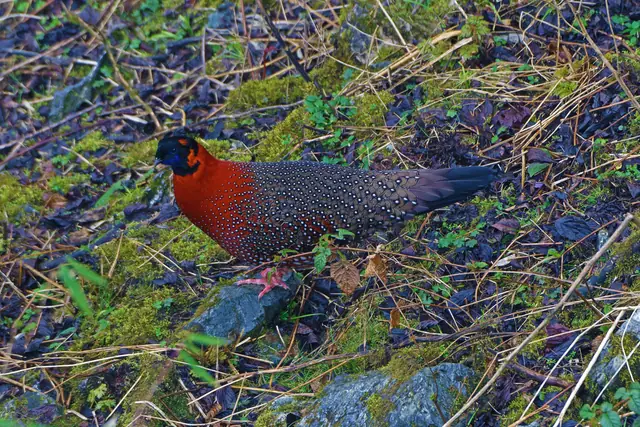
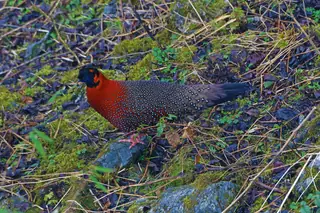
Satyr Tragopan
Tragopan satyra
A crimson pheasant with white spots that is heard far more often than seen. Spring mornings in high, wet forest are best; stay on the road or in the vehicle.
-
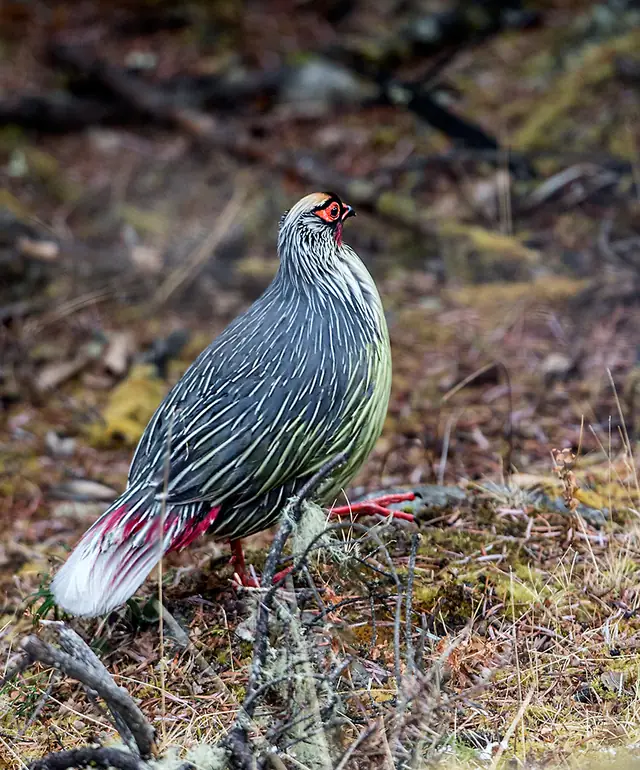
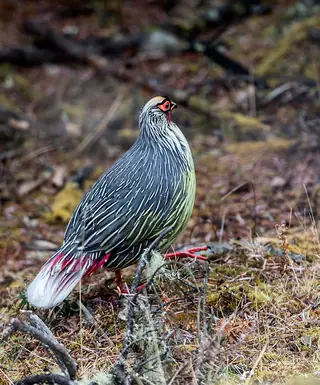
Blood Pheasant
Ithaginis cruentus
Small, tame-looking flocks feed at the forest edge in high fir and rhododendron forest, often at first light.
-
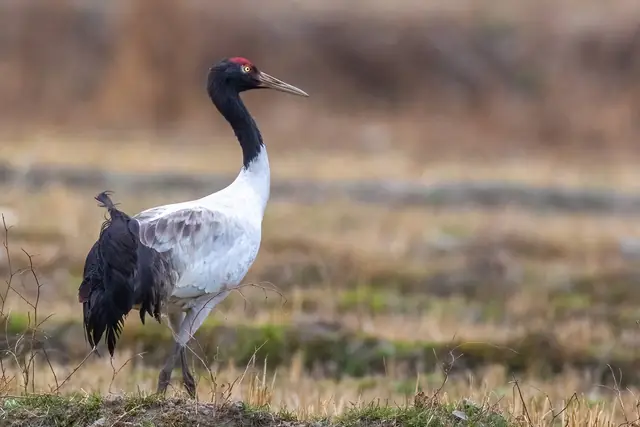
Black-necked Crane
Grus nigricollis
Winters in a few high valleys from late October to about March. Watch from paths and official hides, keep voices low and never walk into the fields.
-
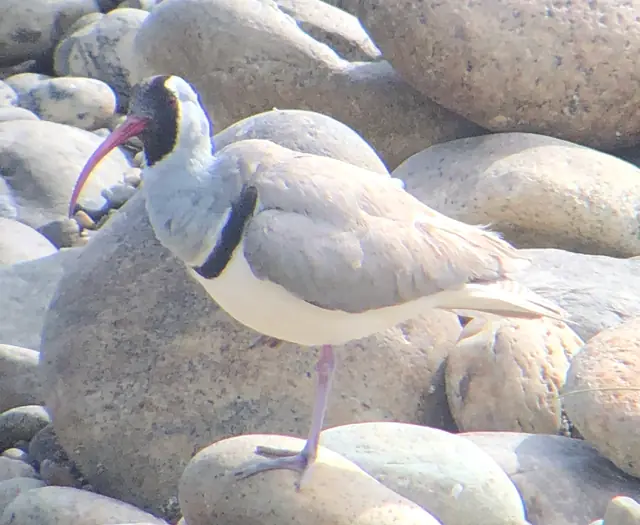
Ibisbill
Ibidorhyncha struthersii
A grey wader with a curved red bill that blends into river shingle. Scan the stony bars of the larger rivers in winter and early spring.
-
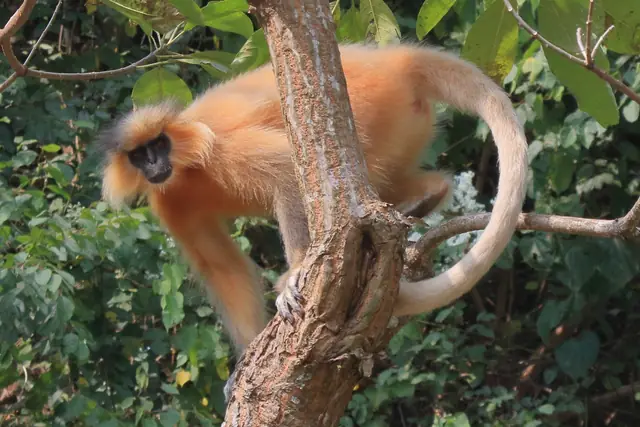
Gee's Golden Langur
Trachypithecus geei
One of the world's rarest primates, found only in warm broadleaf forest in the south of central Bhutan and just across the border. Its coat glows cream to gold; watch quietly from the road.
-
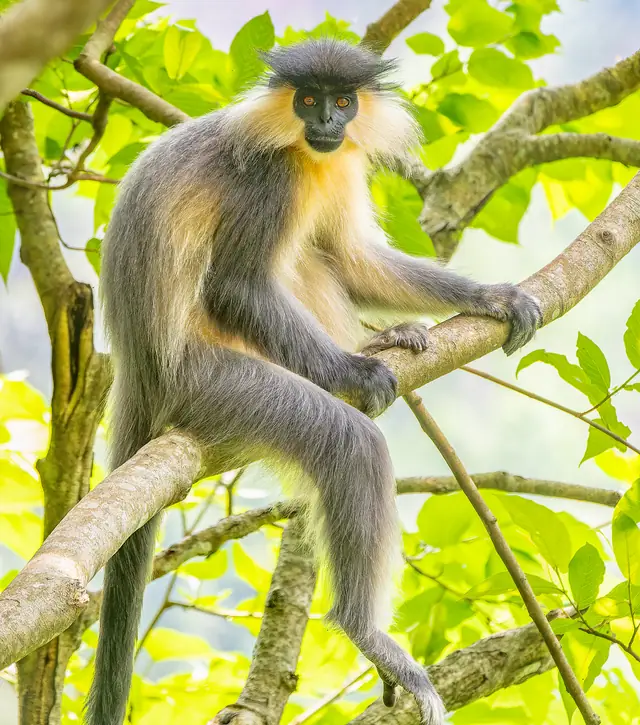
Capped Langur
Trachypithecus pileatus
Dark-faced langur with a shaggy crown, in warm forest in the lower valleys of the centre and east.
-
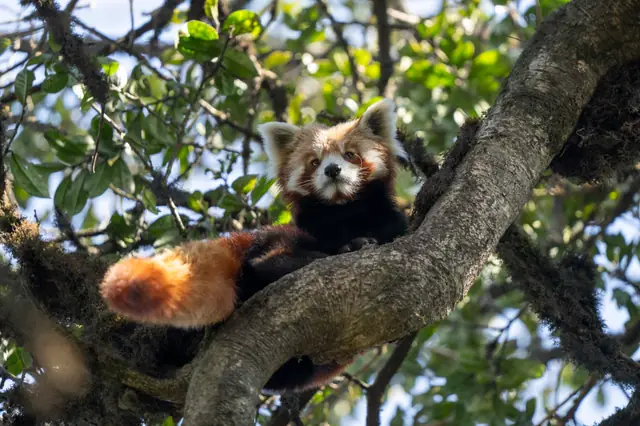
Red Panda
Ailurus fulgens
Feeds in bamboo under high fir and rhododendron forest. Sightings are rare and slow-won, so walk quietly with a local guide.
-
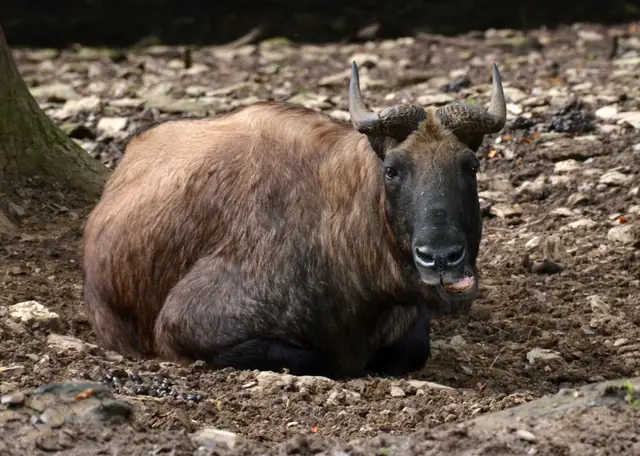
Himalayan Takin
Budorcas taxicolor
Bhutan's national animal. Wild herds keep to high forest and alpine meadows far from the tour roads, so few visitors see one.
-
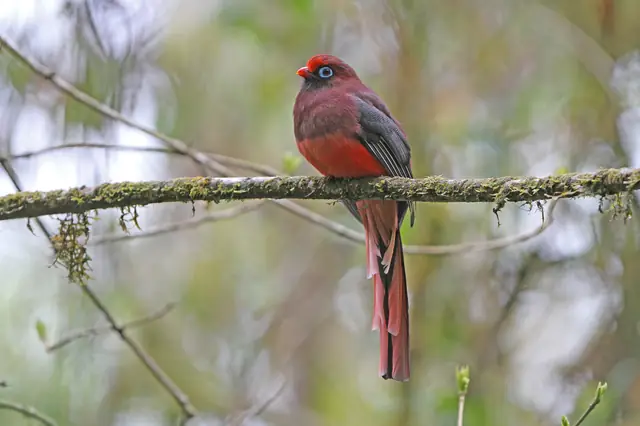
Ward's Trogon
Harpactes wardi
A rare trogon of wet broadleaf forest at middle heights. It sits still in the shade, so scan slowly at eye level.
-
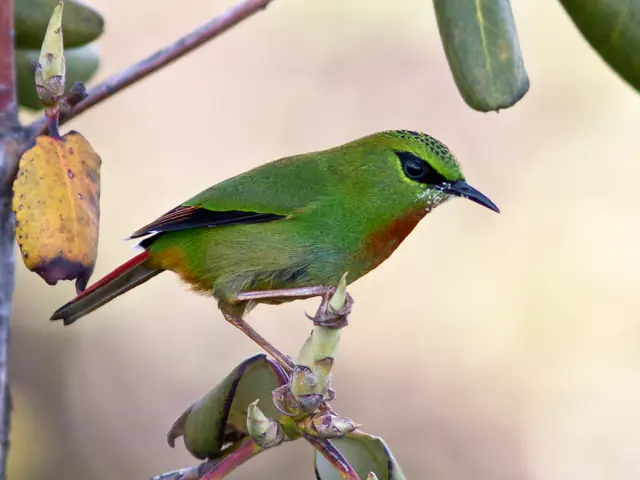
Fire-tailed Myzornis
Myzornis pyrrhoura
A tiny emerald bird with a red-edged tail that feeds on rhododendron flowers and mossy trunks in high forest in spring.
-
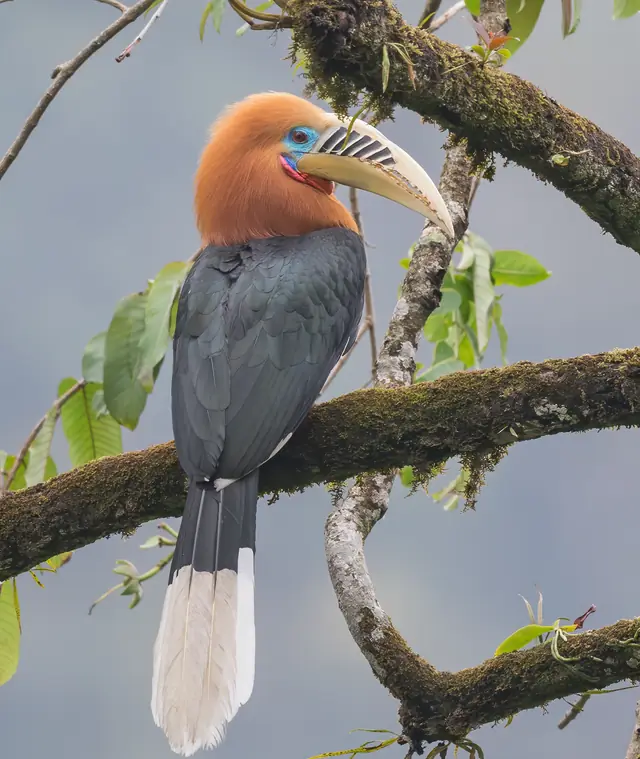
Rufous-necked Hornbill
Aceros nipalensis
Rare in tall warm forest in the south. You often hear its heavy wingbeats before you see it.
All 126 animals in Bhutan
Monkeys 5
-
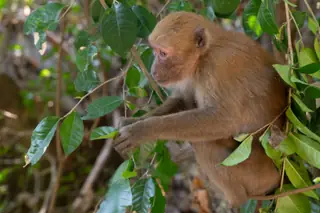 Assamese Macaque
-
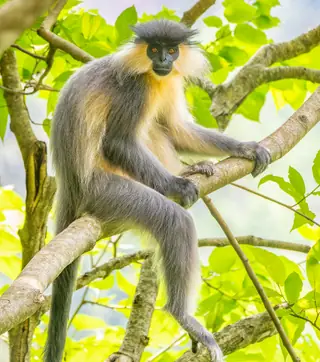 Capped Langur
-
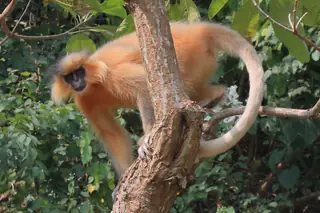 Gee's Golden Langur
-
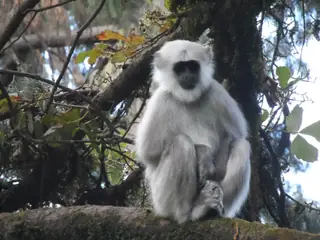 Nepal Grey Langur
-
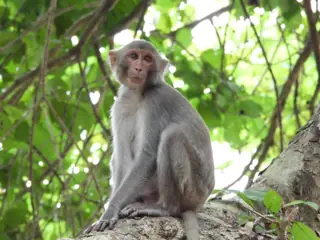 Rhesus Macaque
Hoofed mammals 6
-
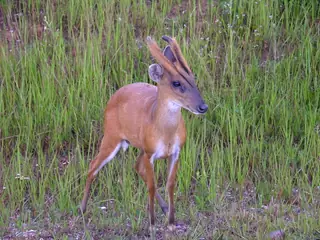 Northern Red Muntjac
-
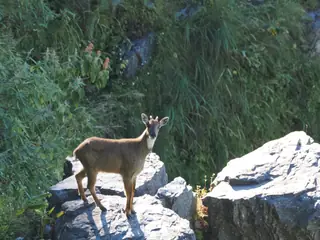 Himalayan Goral
-
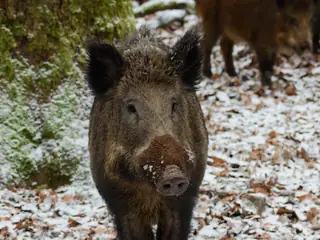 Wild Boar
-
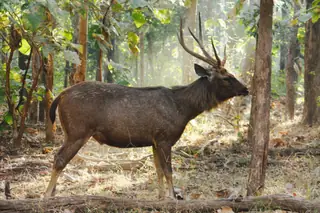 Sambar Deer
-
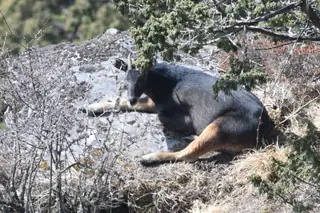 Himalayan SerowRare
-
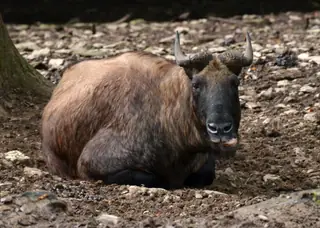 Himalayan TakinRare
Carnivores 8
-
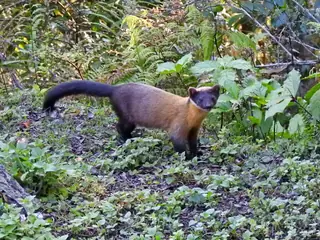 Yellow-throated Marten
-
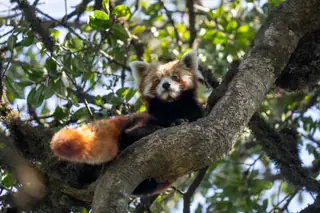 Red PandaRare
-
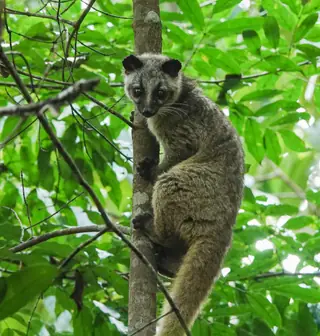 Masked Palm CivetRare
-
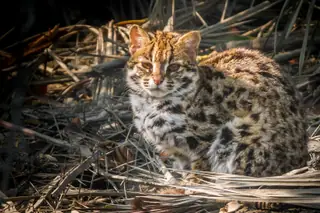 Mainland Leopard CatRare
-
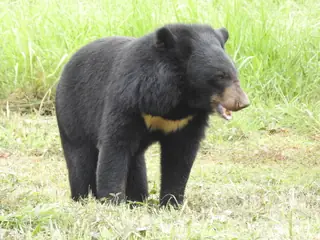 Asiatic Black BearRare
-
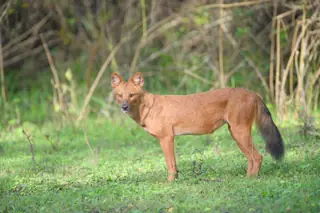 DholeRare
-
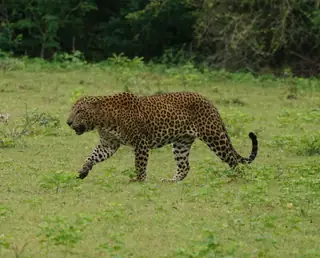 LeopardRare
-
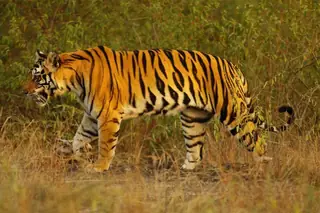 TigerRare
Squirrels 4
-
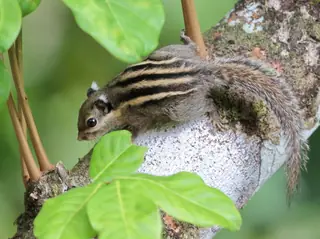 Himalayan Striped Squirrel
-
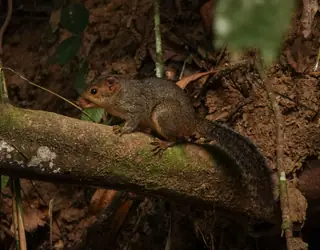 Orange-bellied Himalayan Squirrel
-
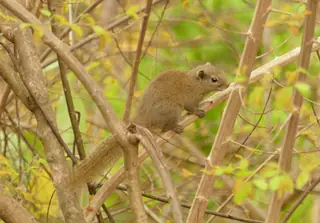 Hoary-bellied Squirrel
-
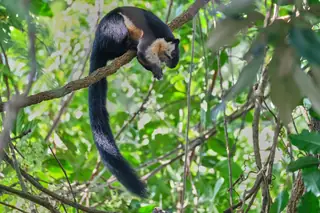 Black Giant Squirrel
Pheasants and partridges 5
-
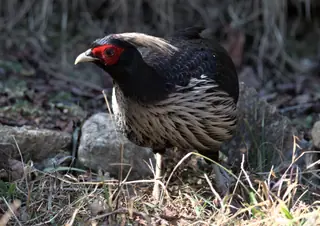 Kalij Pheasant
-
 Blood Pheasant
-
 Himalayan Monal
-
 Satyr TragopanRare
-
 Red Junglefowl
Cranes and river birds 13
-
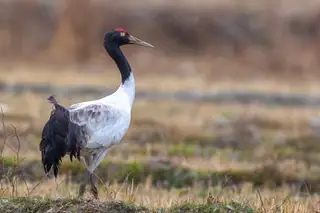 Black-necked Crane
-
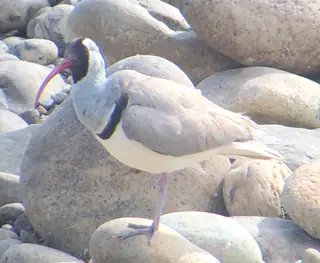 Ibisbill
-
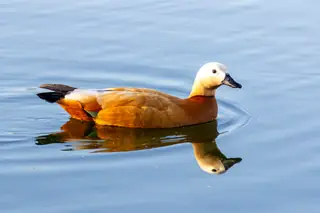 Ruddy Shelduck
-
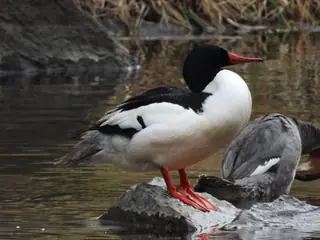 Common Merganser
-
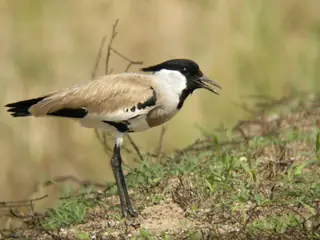 River Lapwing
-
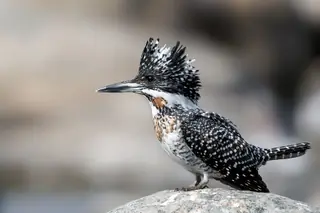 Crested Kingfisher
-
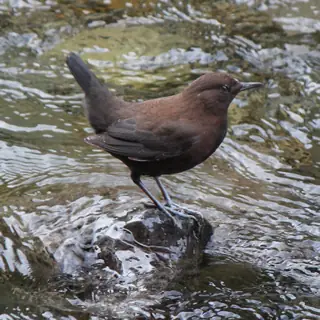 Brown Dipper
-
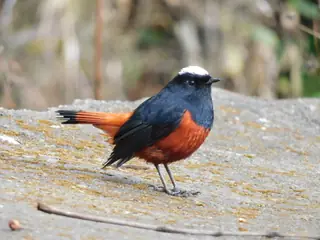 White-capped Redstart
-
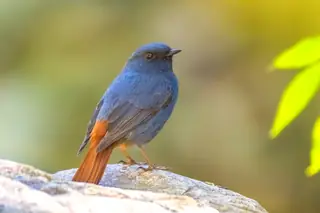 Plumbeous Water Redstart
-
 Little Forktail
-
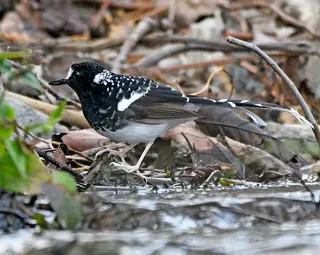 Spotted Forktail
-
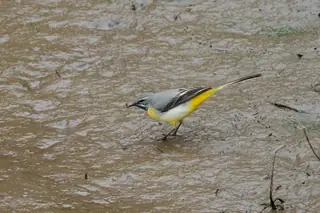 Grey Wagtail
-
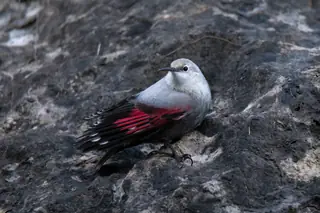 Wallcreeper
Birds of prey and owls 8
-
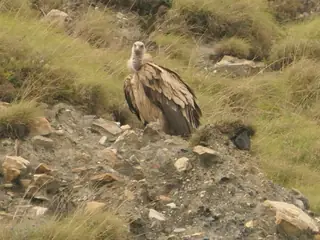 Himalayan Vulture
-
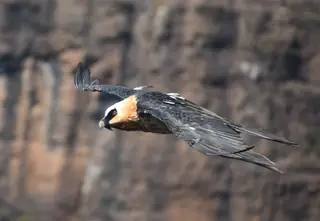 Bearded Vulture
-
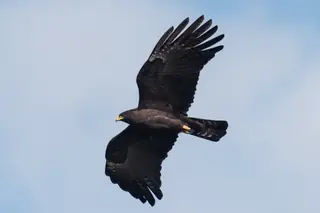 Black Eagle
-
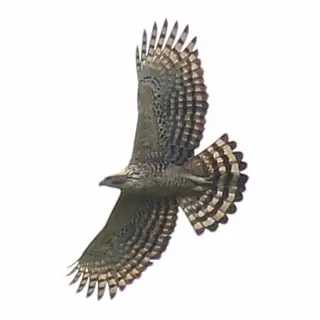 Mountain Hawk-Eagle
-
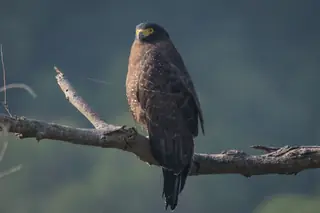 Crested Serpent Eagle
-
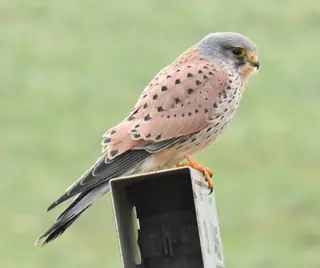 Common Kestrel
-
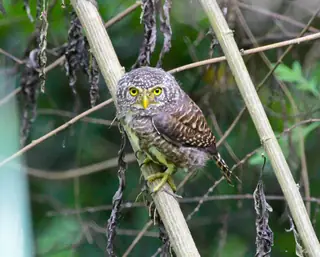 Collared Owlet
-
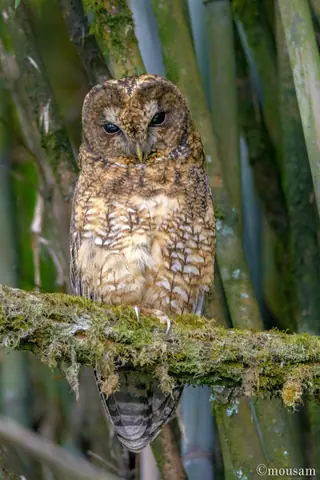 Himalayan OwlRare
Forest specialities 10
-
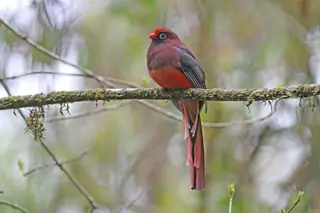 Ward's TrogonRare
-
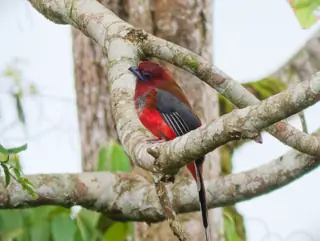 Red-headed Trogon
-
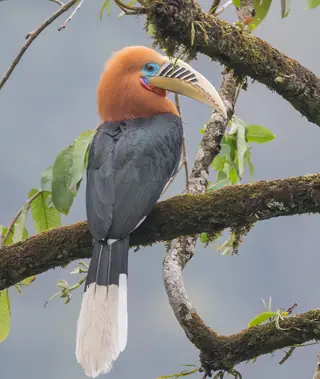 Rufous-necked HornbillRare
-
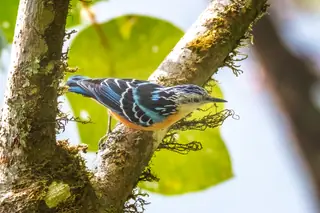 Beautiful NuthatchRare
-
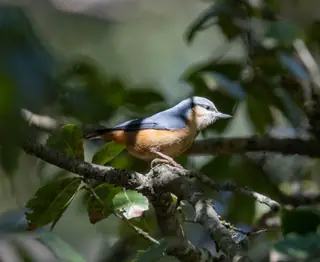 White-tailed Nuthatch
-
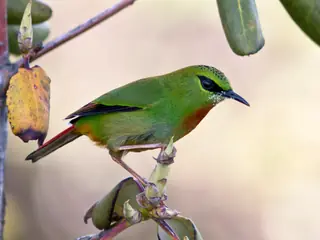 Fire-tailed Myzornis
-
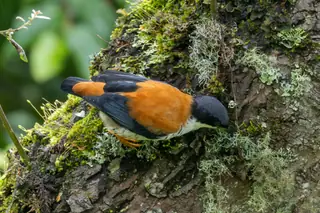 Himalayan Cutia
-
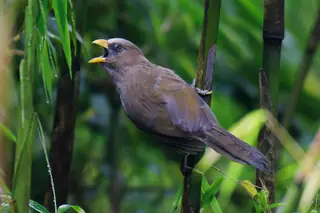 Great Parrotbill
-
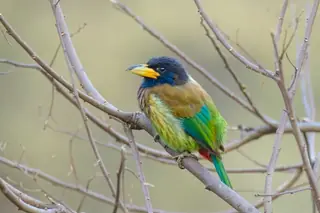 Great Barbet
-
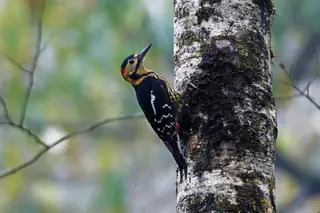 Darjeeling Woodpecker
Fulvettas and laughingthrushes 10
-
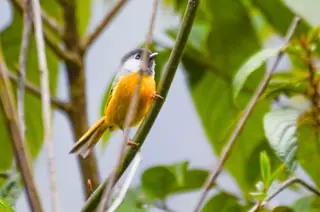 Golden-breasted Fulvetta
-
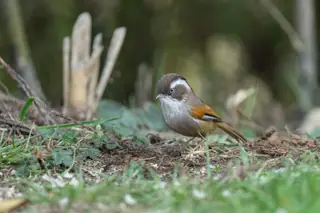 White-browed Fulvetta
-
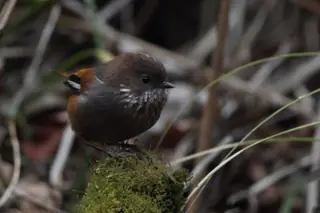 Ludlow's Fulvetta
-
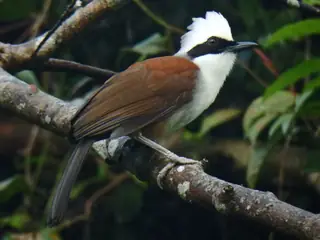 White-crested Laughingthrush
-
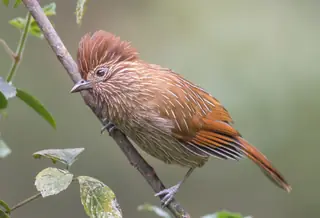 Striated Laughingthrush
-
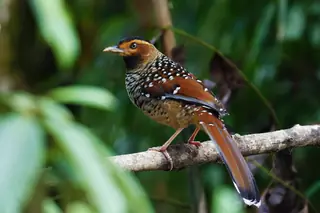 Spotted Laughingthrush
-
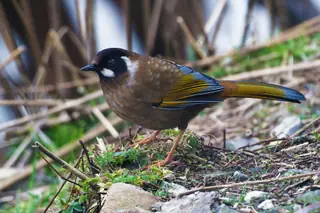 Black-faced Laughingthrush
-
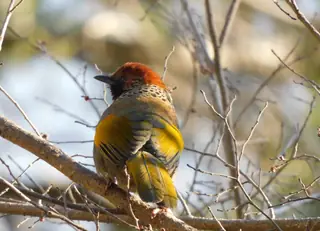 Chestnut-crowned Laughingthrush
-
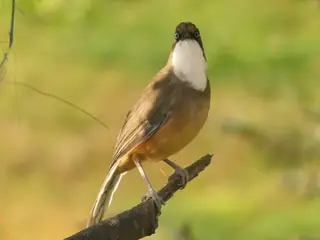 White-throated Laughingthrush
-
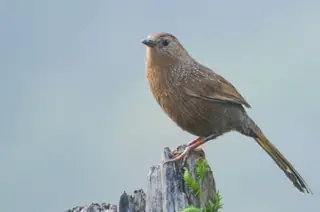 Bhutan Laughingthrush
Babblers, minlas and yuhinas 9
-
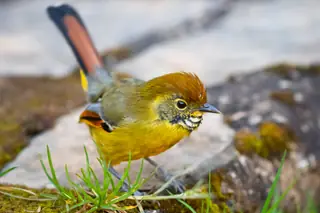 Bar-throated Minla
-
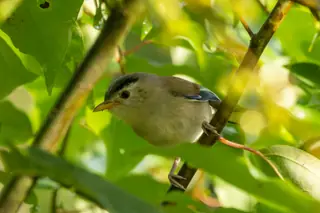 Blue-winged Minla
-
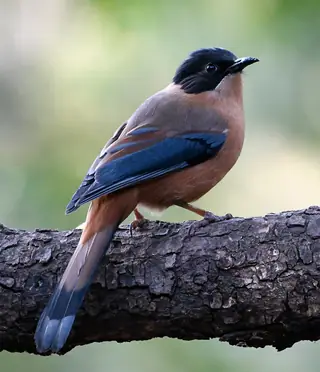 Rufous Sibia
-
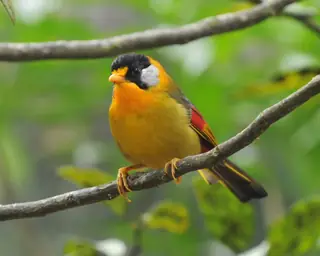 Silver-eared Mesia
-
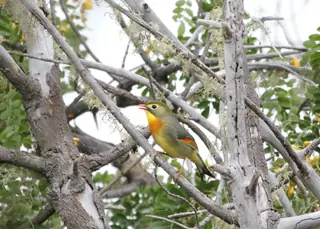 Red-billed Leiothrix
-
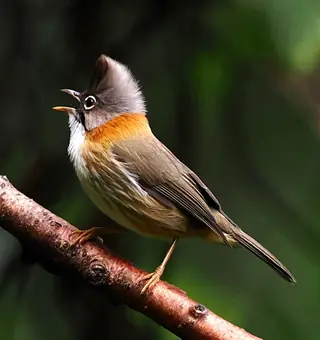 Whiskered Yuhina
-
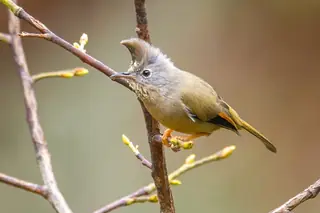 Stripe-throated Yuhina
-
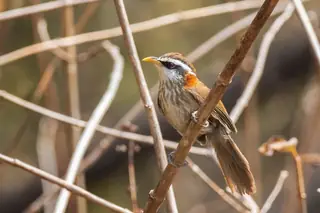 Streak-breasted Scimitar Babbler
-
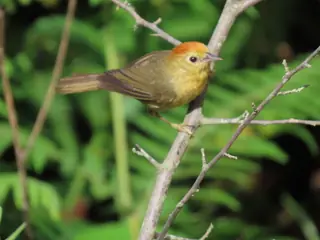 Rufous-capped Babbler
Tits, warblers and flycatchers 19
-
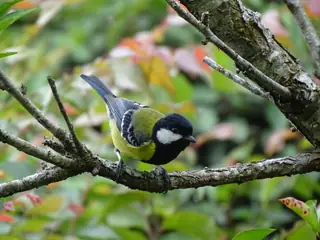 Green-backed Tit
-
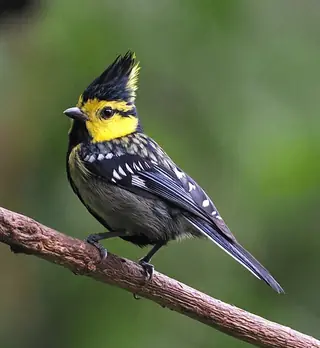 Yellow-cheeked Tit
-
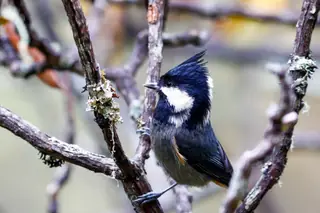 Rufous-vented Tit
-
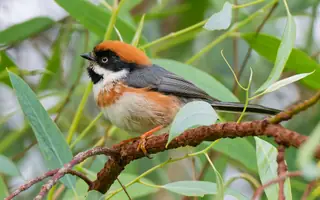 Black-throated Bushtit
-
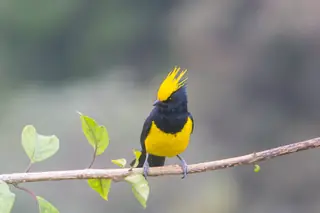 Sultan TitRare
-
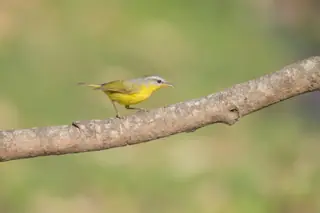 Grey-hooded Warbler
-
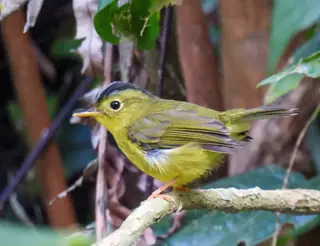 Whistler's Warbler
-
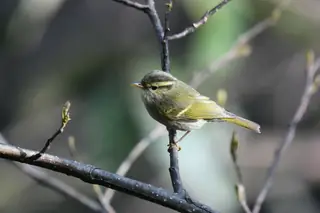 Blyth's Leaf Warbler
-
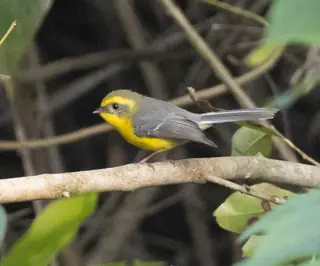 Yellow-bellied Fantail
-
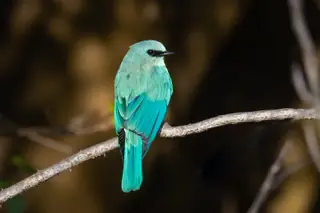 Verditer Flycatcher
-
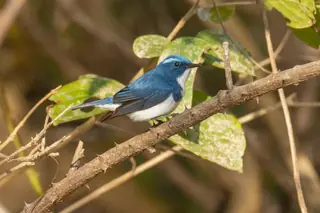 Ultramarine Flycatcher
-
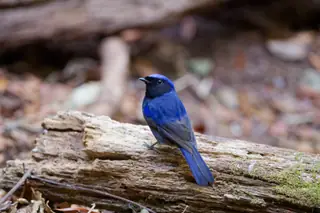 Large Niltava
-
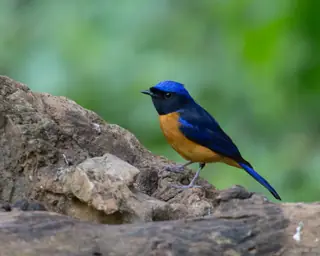 Rufous-bellied Niltava
-
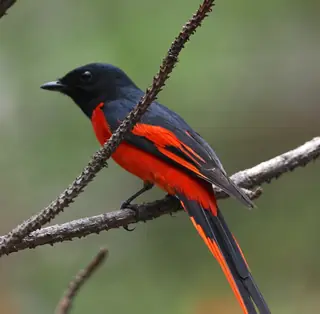 Long-tailed Minivet
-
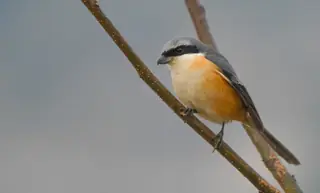 Grey-backed Shrike
-
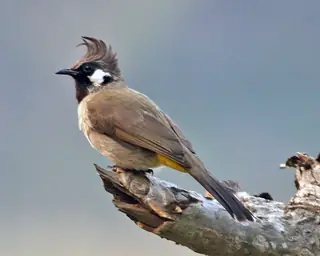 Himalayan Bulbul
-
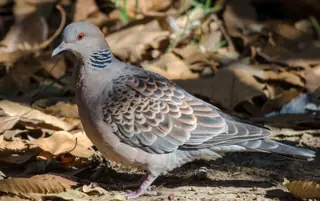 Oriental Turtle Dove
-
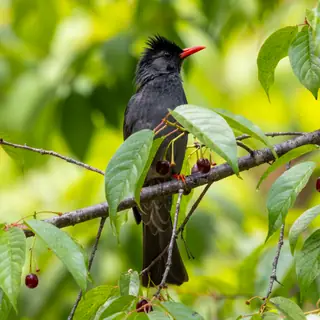 Black Bulbul
-
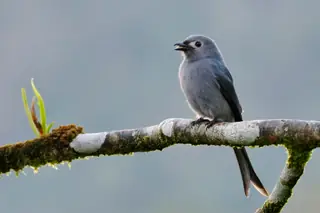 Ashy Drongo
Thrushes, robins and redstarts 9
-
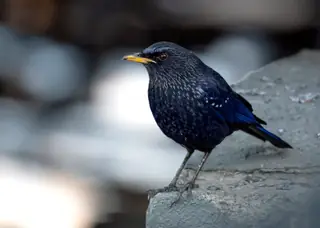 Blue Whistling Thrush
-
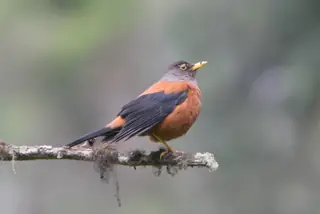 Chestnut Thrush
-
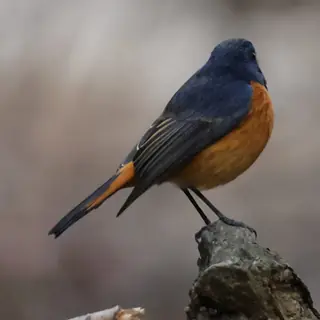 Blue-fronted Redstart
-
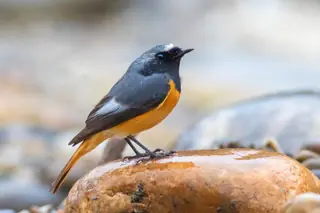 Hodgson's Redstart
-
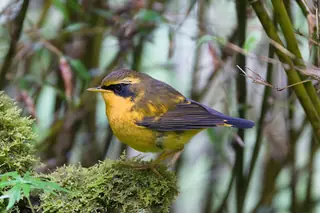 Golden Bush Robin
-
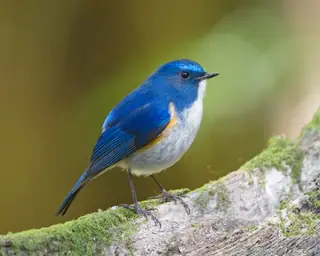 Himalayan Bluetail
-
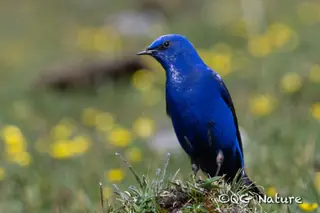 GrandalaRare
-
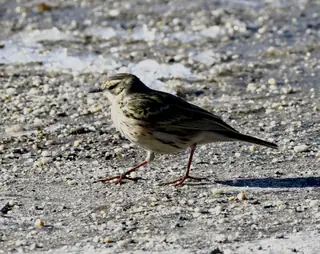 Rosy Pipit
-
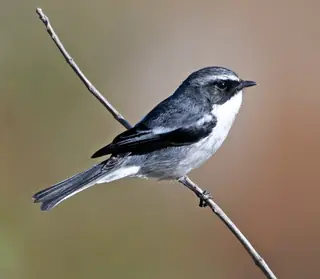 Grey Bush Chat
Sunbirds, finches and crows 15
-
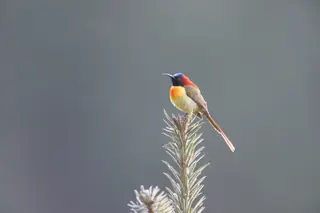 Fire-tailed Sunbird
-
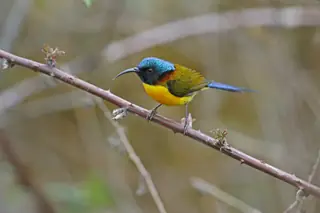 Green-tailed Sunbird
-
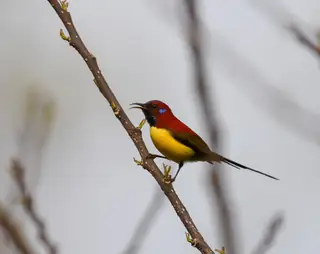 Gould's Sunbird
-
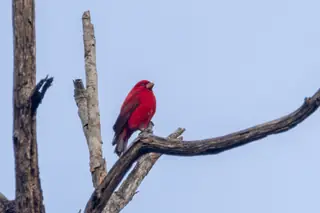 Scarlet Finch
-
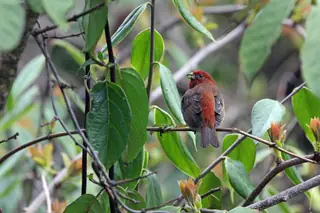 Crimson-browed Finch
-
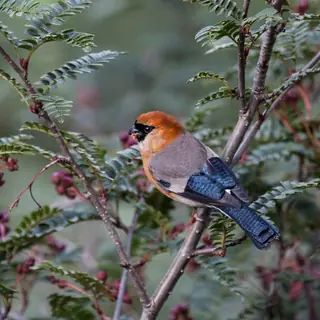 Red-headed Bullfinch
-
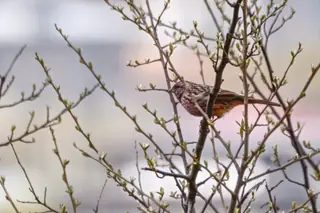 Himalayan Beautiful Rosefinch
-
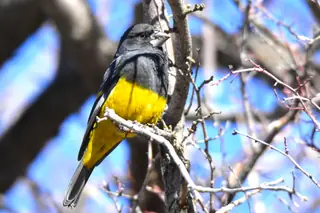 White-winged Grosbeak
-
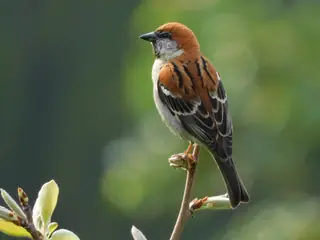 Russet Sparrow
-
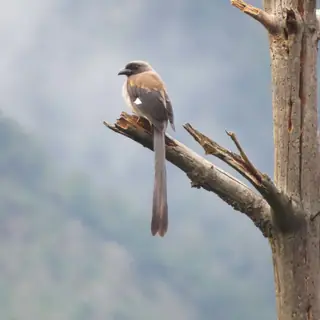 Grey Treepie
-
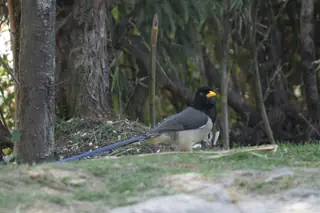 Yellow-billed Blue Magpie
-
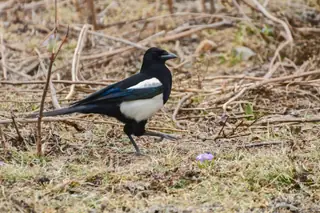 Black-rumped Magpie
-
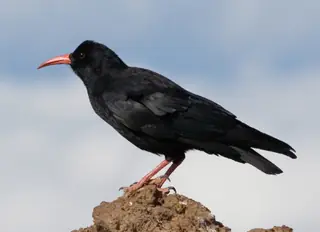 Red-billed Chough
-
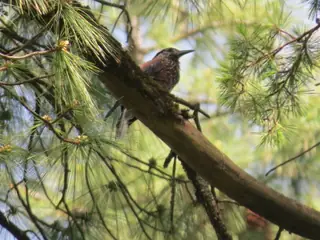 Southern Nutcracker
-
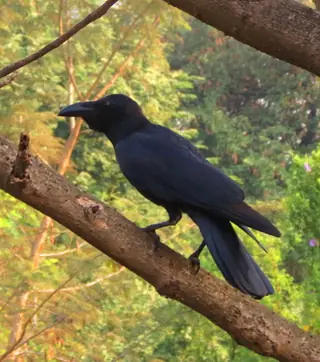 Large-billed Crow
Butterflies 5
-
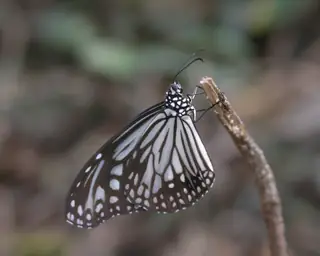 Glassy Tiger
-
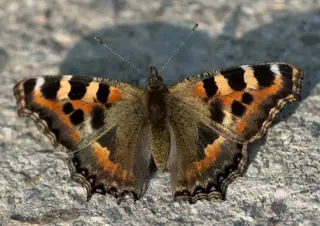 Indian Tortoiseshell
-
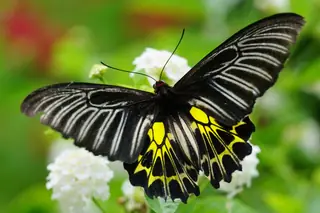 Golden Birdwing
-
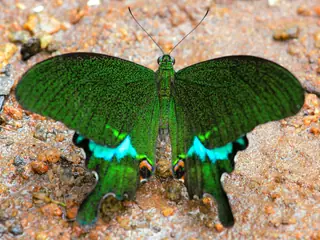 Paris Peacock
-
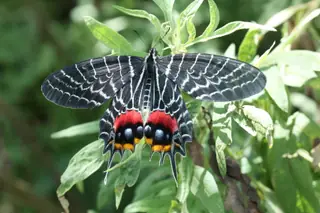 Bhutan GloryRare
Best time to see wildlife in Bhutan
Sightings by month in Bhutan
Most records: Oct to MayRecords from GBIF.org, adjusted for how many people record wildlife each month. 100% is the busiest month.
Spring, from March to May, is the main season for wildlife in Bhutan. Birds are singing and in breeding plumage, rhododendrons flower in the high forest, and pheasants and tragopans call at dawn. The monsoon, roughly June to September, brings heavy rain, leeches and landslides that can close roads; it is good for butterflies but hard for birding. October and November are clear and settled, and birds start moving down from the heights. The black-necked cranes arrive from late October and stay until about February or March. Winter days are often sunny but nights are cold, and the highest passes can be closed by snow. Winter is the time for ibisbill, wallcreeper and flocks of grandala at lower heights.
- Mar to MayPeak birding; song, breeding plumage, rhododendrons, pheasants calling
- Jun to SepMonsoon; rain, leeches and landslides; butterflies at their best
- Oct to NovClear skies; birds moving lower; cranes arrive from late October
- Dec to FebCold nights; cranes, ibisbill, wallcreeper; high passes may close
Tips for spotting wildlife in Bhutan
- 01
Walk the road in the first hours
Birding in Bhutan is mostly done on foot along quiet stretches of road, with the vehicle following. The first two hours after dawn are best for kalij pheasants and mixed flocks of fulvettas, minlas and yuhinas.
- 02
Plan stops by altitude
A single day's drive can run from warm broadleaf forest at about 1,000 metres to fir forest above 3,000 metres. Spread stops across the heights to see the most species.
- 03
Scan the rivers in winter
The wide, braided rivers around Punakha and Wangdue Phodrang hold ibisbill, river lapwing, ruddy shelduck and crested kingfisher from November to April. Scan from the bank rather than walking onto the shingle.
- 04
Watch langurs from the road
Langur troops often feed in roadside trees. Stop, switch off and watch quietly; never feed them, and follow the park's distance rules.
- 05
Keep crane valleys calm
In winter, watch cranes from paths and official hides, keep voices low and stay out of the fields. Cranes that are flushed waste energy they need for the cold nights.
- 06
Budget for the guide and fee
International visitors pay a Sustainable Development Fee of US$100 a night (confirmed to August 2027), and a licensed guide is required for most travel.

Take Bhutan with you
Birding across Bhutan? Take this list on your phone and tick off each pheasant and laughingthrush as you go, even on the high passes with no signal. Wilder is free to start.

Bhutan wildlife FAQ
What animals can you see in Bhutan?
You can see Himalayan pheasants, laughingthrushes, ibisbills, black-necked cranes, golden and capped langurs, Himalayan goral and yellow-throated martens in Bhutan. Red pandas, takin and the big cats live here too but are rarely seen. This checklist covers 126 animals, mostly birds, along the main road from Paro to Bumthang.
When is the best time for birdwatching in Bhutan?
The best time for birdwatching in Bhutan is March to May, when birds sing, wear breeding plumage and feed in flowering rhododendron. October and November are also good, with clear skies. The monsoon, June to September, is the hardest time, with rain and landslides. Winter, November to February, is best for cranes and river birds.
When do black-necked cranes come to Bhutan?
Black-necked cranes arrive in Bhutan from late October and most leave in February or March, returning to breed on the Tibetan Plateau. In recent winters around 500 to 600 have been counted, in a few high valleys. Watch them from paths and hides and never walk into the fields where they feed.
Can you see red pandas in Bhutan?
Yes, red pandas live in Bhutan, but sightings are rare. They feed in bamboo under high fir and rhododendron forest and are most active early and late in the day. Walk slowly and quietly with a local guide, follow the park rules, and treat any sighting as a bonus.
Do you need a guide for a wildlife trip in Bhutan?
Yes, almost certainly. Bhutan's rules require international visitors to travel with a licensed guide for most of a trip, and treks need a licensed trekking guide. Most people book through a Bhutanese tour operator, which arranges the guide, driver and permits.
Sources
- Department of Tourism, Bhutan: Wildlife and nature
- Royal Society for Protection of Nature: black-necked cranes
- Department of Tourism, Bhutan: tour guide requirement (2026)
- Sightings by month: GBIF.org
Animal photos are from the Wilder catalogue; photo credits.
Similar checklists
All Asia-
 National park112animals Kaziranga National Park Golaghat and Nagaon, Assam, India Floodplain grassland on the Brahmaputra with the world's largest population of greater one-horned rhinos, wild water buffalo, swamp deer and a high density of tigers. Best time Nov to Apr
-
 Region142animals Sichuan Panda Mountains Sichuan, China Bamboo forests and high passes of western and northern Sichuan, from Labahe and Wolong to Tangjiahe: red pandas, takin, tufted deer and goral, golden and Lady Amherst's pheasants, Chinese monals, and the rare chance of a wild giant panda. Best time Nov to Jun
-
 National park111animals Chitwan National Park Chitwan, Bagmati Province, Nepal Sal forest, tall grassland and wide rivers in Nepal's lowlands, with greater one-horned rhinos, tigers, gharials and a huge bird list. Best time Oct to Apr
-
 Region115animals Qinghai Plateau Qinghai, China High grassland, lakes and gorges of the Three Rivers Source and Qinghai Lake: kiang, Tibetan gazelles and Tibetan foxes on the open plains, blue sheep and white-lipped deer in the valleys, and bar-headed geese on the lake. Best time May to Oct