Region · Northern Jiangxi · China
Poyang Lake Wildlife Checklist

Poyang Lake in northern Jiangxi is China's largest freshwater lake and one of Asia's great winter wetlands. As the water drops each autumn it leaves grassland, mudflats and shallow pools that draw cranes, storks, geese, swans and huge flocks of ducks. This checklist covers 141 animals. November to March is the season, with most birds present from December to February.
Tick off all 141 animals in Poyang on your phone, even offline. Launching soon. Free A4 PDF, no sign-up.
In summer the lake floods across thousands of square kilometres; by winter it has shrunk to a patchwork of channels, pools and sedge meadow. Nanchang, the provincial capital, is the usual base, and much of the lake falls within national and provincial nature reserves.
- Animals to find
- 141
- Where
- China
- Best time
- Nov to Mar
- Siberian Cranes
- About 95% of the world's population winters here
Popular animals in Poyang
-
Siberian Crane
Leucogeranus leucogeranus
Almost the whole world population winters here, digging for tubers in shallow pools and, in dry years, lotus and rice fields. Watch from official hides and keep well back.
-
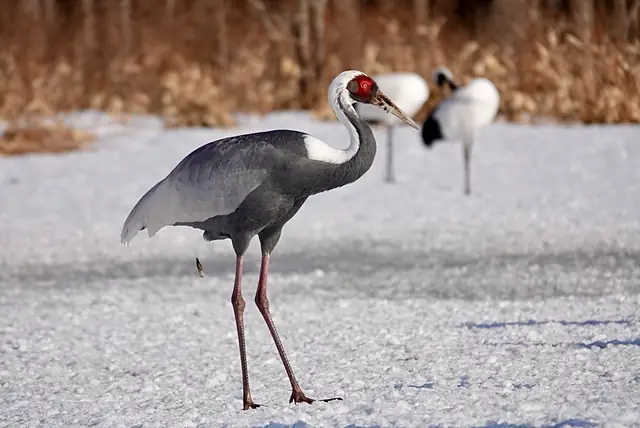
White-naped Crane
Antigone vipio
Grey cranes with a white stripe down the neck, grazing wet grassland in family groups. The lake holds most of the eastern population in winter.
-
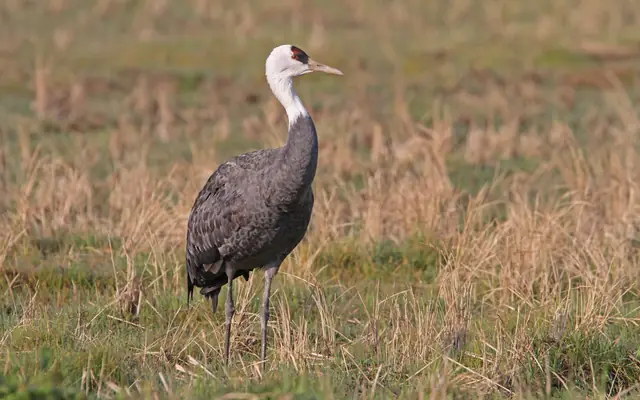
Hooded Crane
Grus monacha
Small and dark, usually in small groups on drier grassland and farm fields, often beside Common Cranes.
-
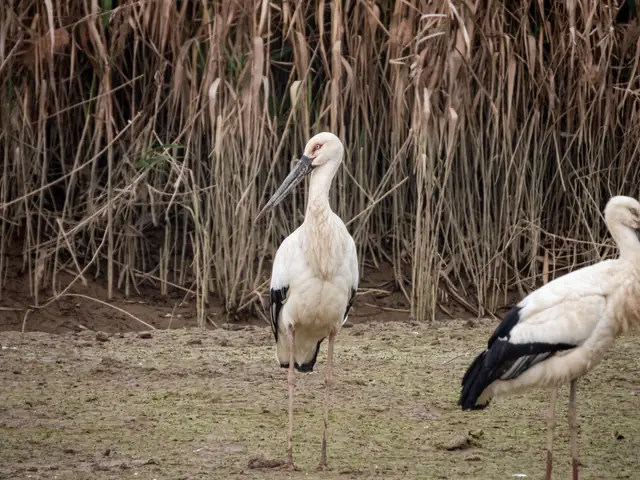
Oriental Stork
Ciconia boyciana
Most of the world's Oriental Storks winter on the lake. Look for big white flocks on the shallows and spirals of birds soaring on warm afternoons.
-
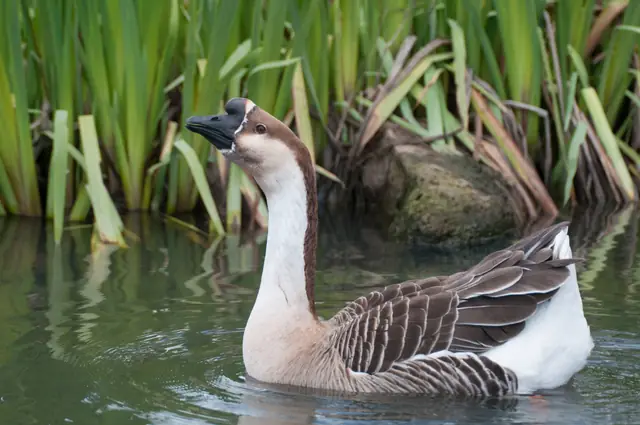
Swan Goose
Anser cygnoides
Most of the world's population winters here. Flocks graze the sedge meadows that appear as the water drops.
-
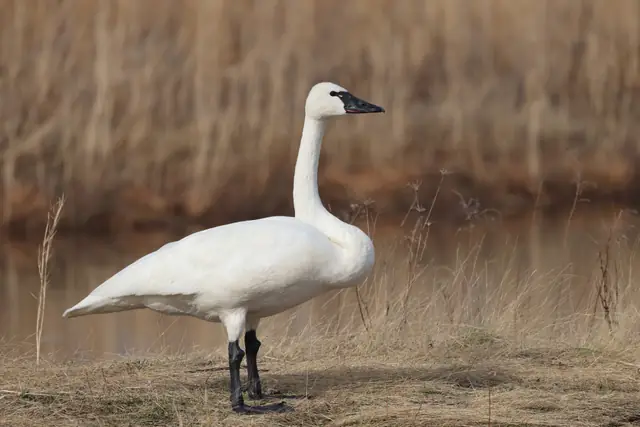
Tundra Swan
Cygnus columbianus
The Bewick's form, in thousands on the open shallows from November. Listen for their soft, bugling calls at dusk.
-
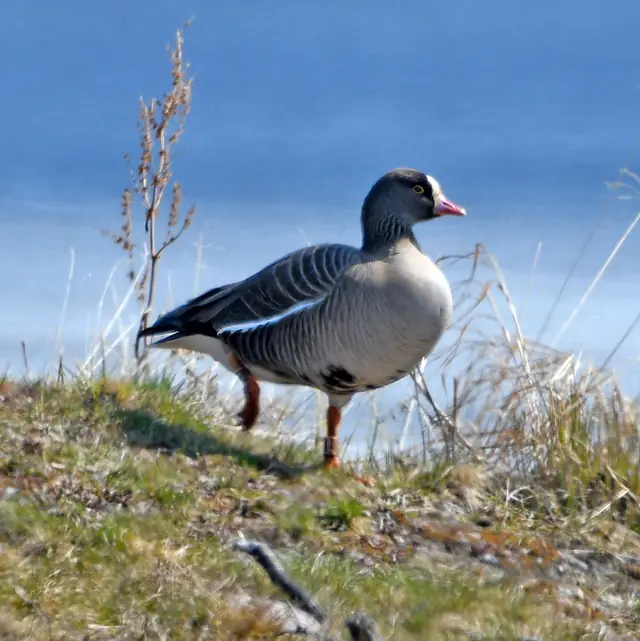
Lesser White-fronted Goose
Anser erythropus
A small, globally threatened goose. Pick it out from the Greater White-fronted flocks by its yellow eye ring and stubby pink bill.
-
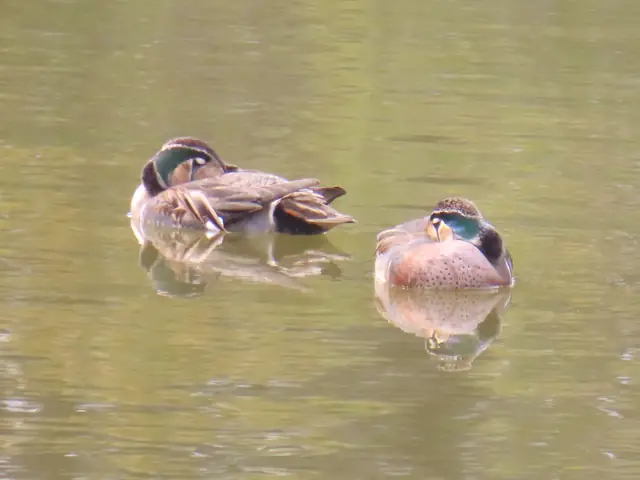
Baikal Teal
Sibirionetta formosa
Numbers vary a lot from year to year. In good winters dense flocks rest on open water and lift off in clouds at dusk.
-
Reed Parrotbill
Calamornis heudei
A small, long-tailed bird found only in reed beds along the Yangtze and its lakes. Listen for flocks cracking reed stems.
-
Yangtze Finless Porpoise
Neophocaena asiaeorientalis
A rare freshwater porpoise with no dorsal fin. It surfaces briefly in deeper channels when the winter water is low; watch quietly from the shore.
All 141 animals in Poyang
Cranes, storks and spoonbills 8
- Siberian Crane
-
 White-naped Crane
-
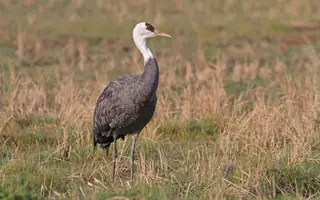 Hooded Crane
-
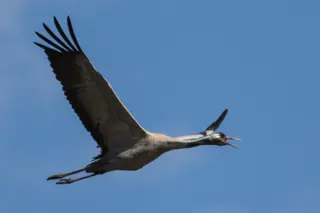 Common Crane
-
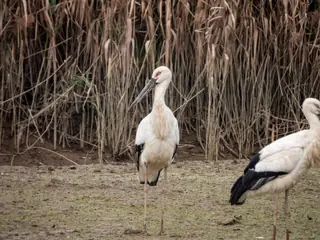 Oriental Stork
-
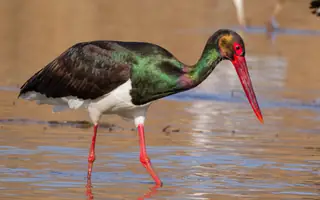 Black StorkRare
-
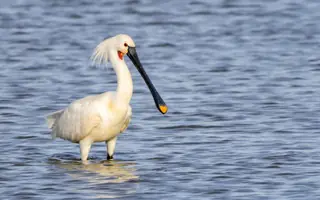 Eurasian Spoonbill
-
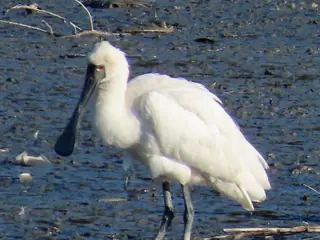 Black-faced SpoonbillRare
Geese and swans 8
-
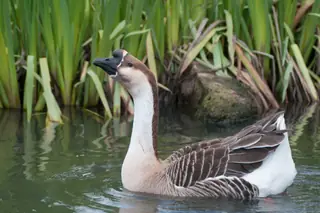 Swan Goose
-
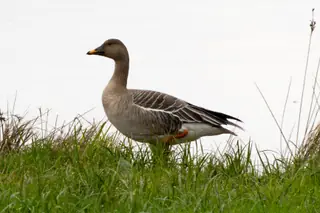 Tundra Bean Goose
-
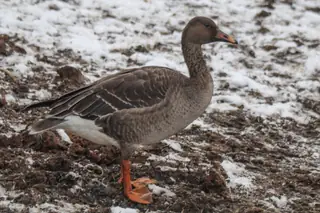 Taiga Bean Goose
-
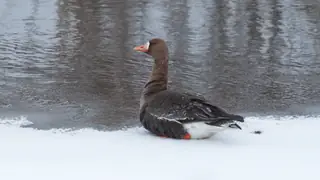 Greater White-fronted Goose
-
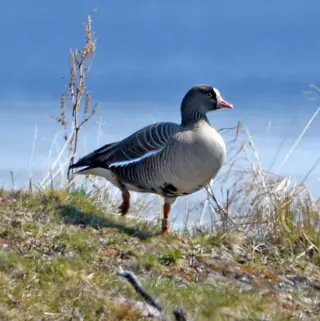 Lesser White-fronted Goose
-
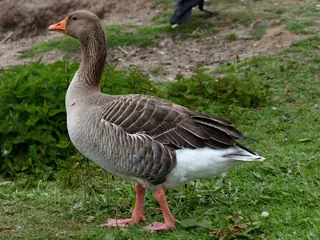 Greylag Goose
-
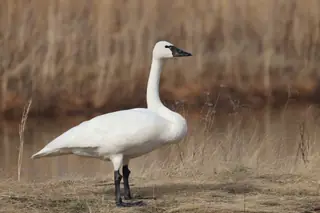 Tundra Swan
-
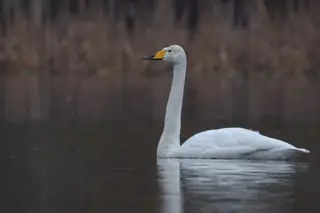 Whooper SwanRare
Ducks, grebes and coots 19
-
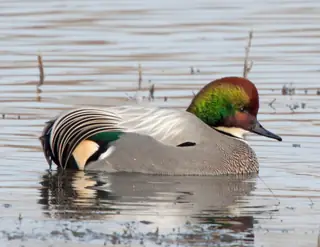 Falcated Duck
-
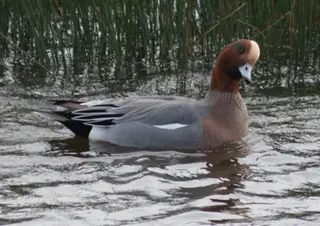 Eurasian Wigeon
-
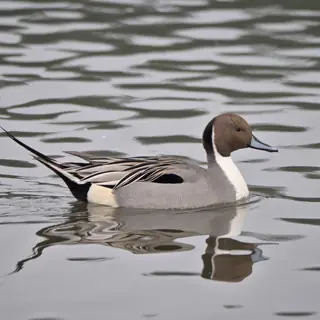 Northern Pintail
-
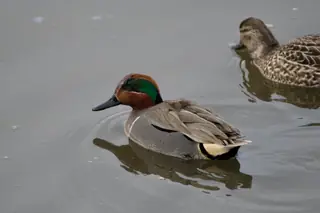 Eurasian Teal
-
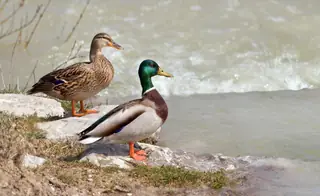 Mallard
-
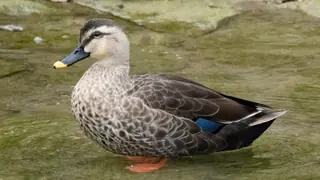 Eastern Spot-billed Duck
-
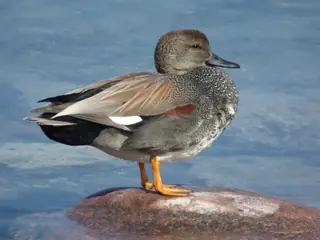 Gadwall
-
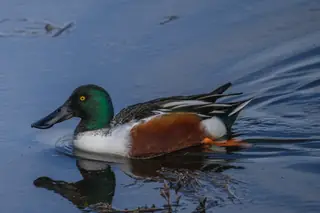 Northern Shoveler
-
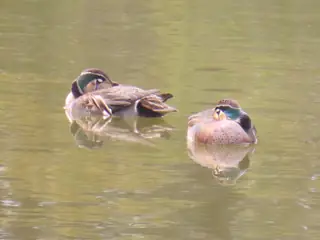 Baikal Teal
-
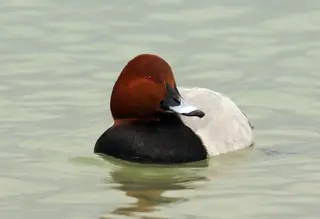 Common Pochard
-
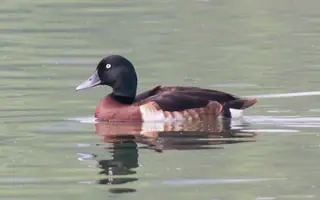 Baer's PochardRare
-
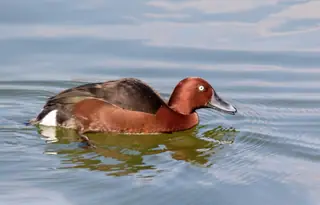 Ferruginous DuckRare
-
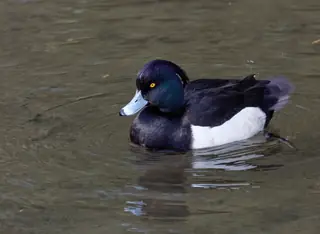 Tufted Duck
-
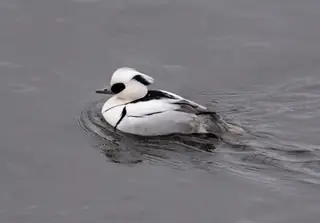 Smew
-
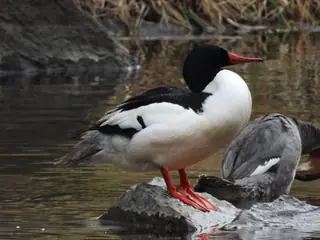 Common Merganser
-
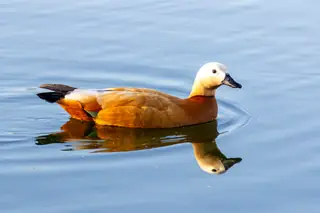 Ruddy Shelduck
-
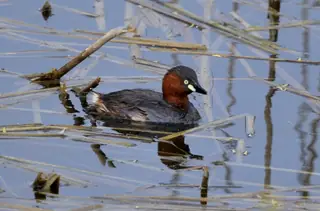 Little Grebe
-
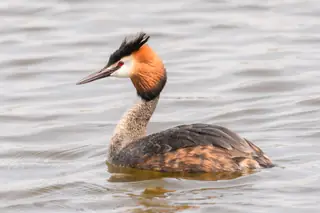 Great Crested Grebe
-
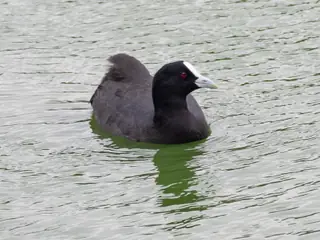 Eurasian Coot
Herons, rails, gulls and kingfishers 18
-
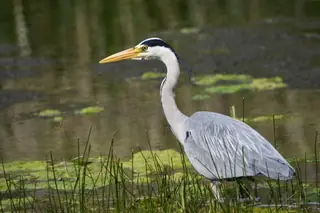 Grey Heron
-
 Great Egret
-
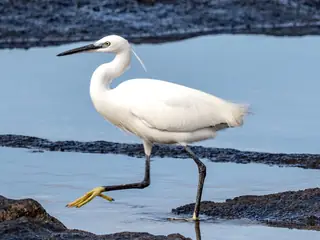 Little Egret
-
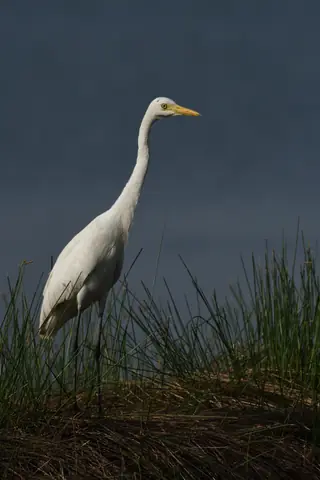 Medium Egret
-
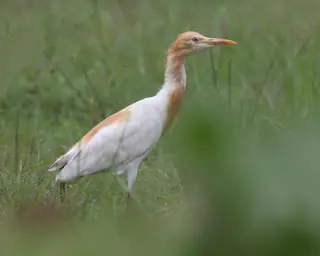 Eastern Cattle Egret
-
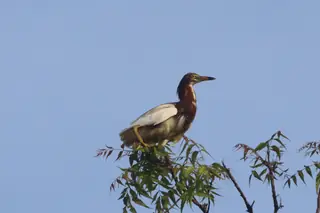 Chinese Pond Heron
-
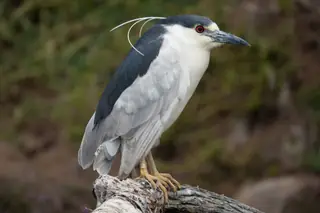 Black-crowned Night Heron
-
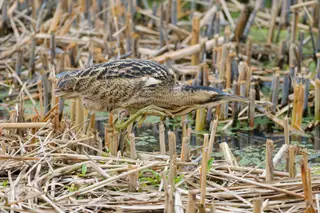 Eurasian Bittern
-
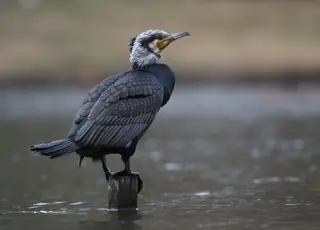 Great Cormorant
-
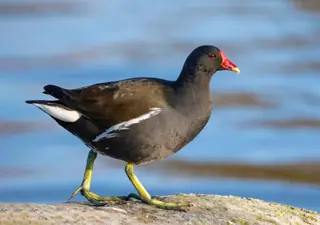 Common Moorhen
-
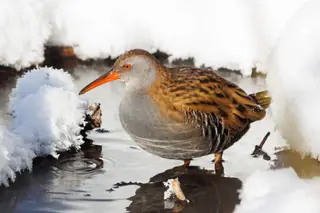 Water Rail
-
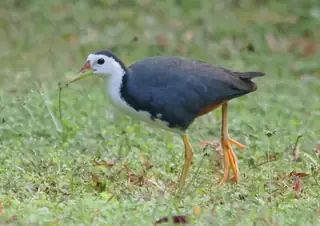 White-breasted Waterhen
-
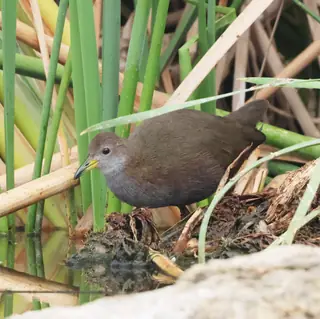 Brown Crake
-
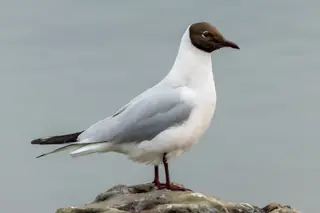 Black-headed Gull
-
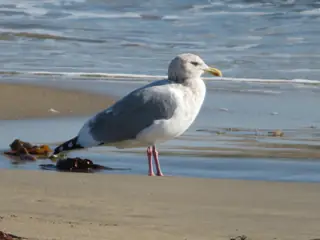 Vega Gull
-
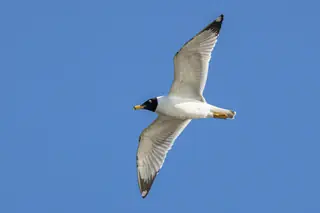 Pallas's GullRare
-
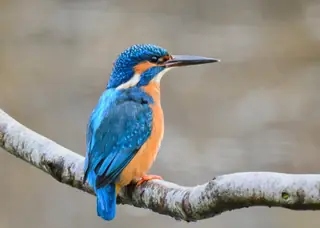 Common Kingfisher
-
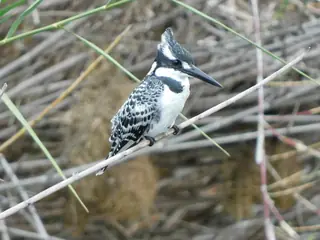 Pied Kingfisher
Waders 17
-
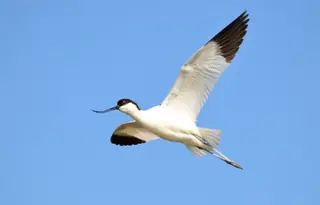 Pied Avocet
-
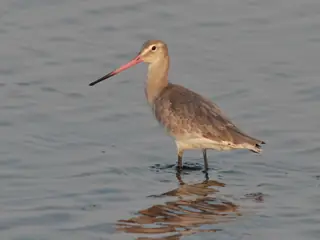 Black-tailed Godwit
-
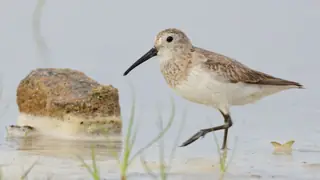 Dunlin
-
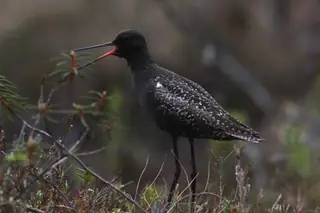 Spotted Redshank
-
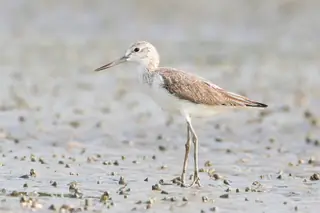 Common Greenshank
-
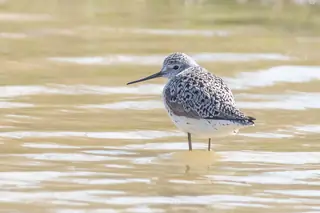 Marsh Sandpiper
-
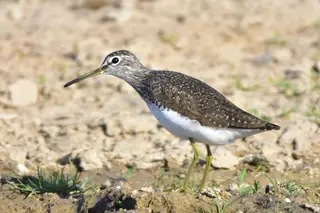 Green Sandpiper
-
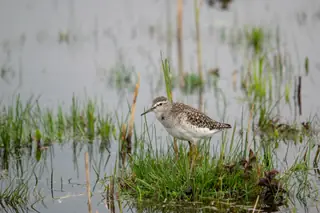 Wood Sandpiper
-
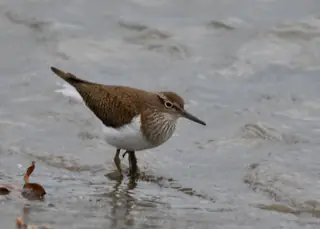 Common Sandpiper
-
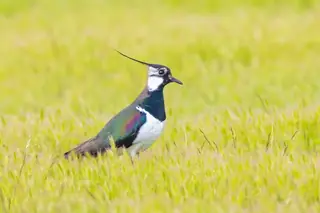 Northern Lapwing
-
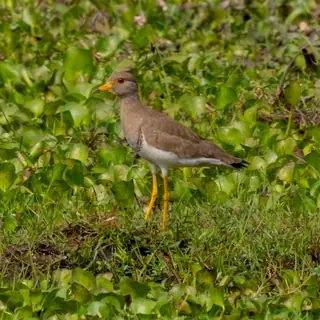 Grey-headed Lapwing
-
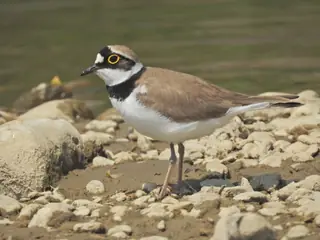 Little Ringed Plover
-
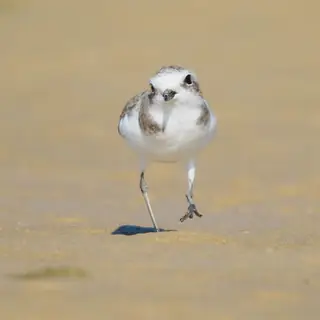 Kentish Plover
-
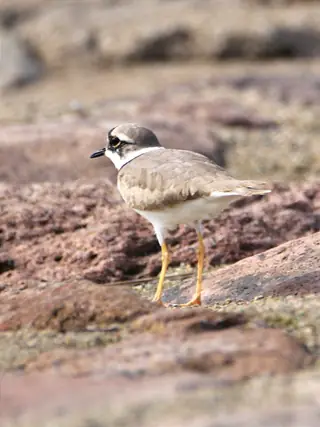 Long-billed Plover
-
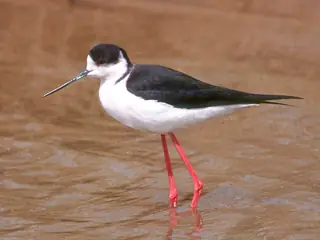 Black-winged Stilt
-
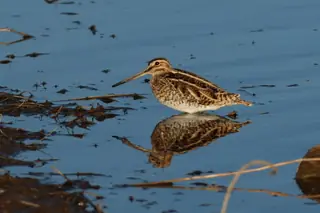 Common Snipe
-
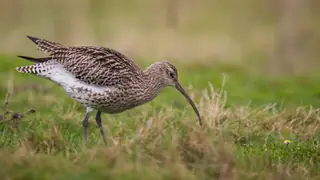 Eurasian Curlew
Birds of prey and owls 14
-
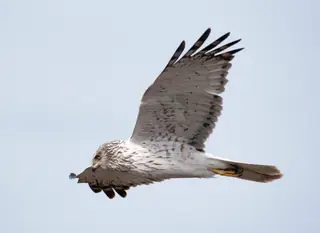 Eastern Marsh Harrier
-
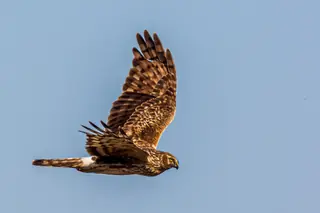 Hen Harrier
-
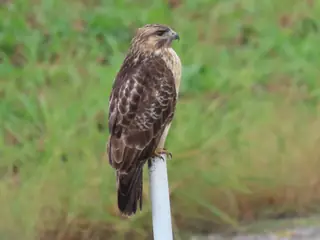 Eastern Buzzard
-
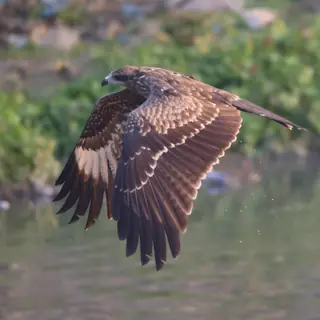 Black Kite
-
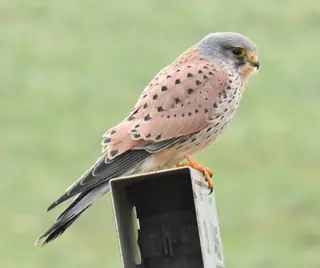 Common Kestrel
-
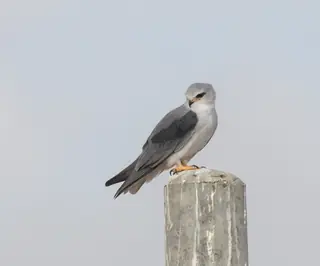 Black-winged Kite
-
 Peregrine Falcon
-
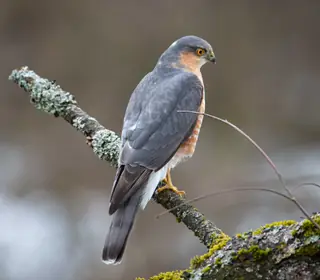 Eurasian Sparrowhawk
-
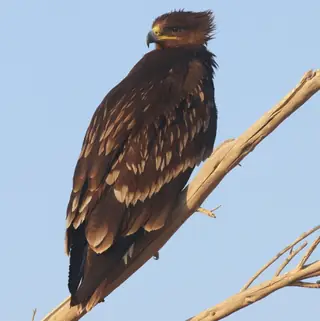 Greater Spotted Eagle
-
 Osprey
-
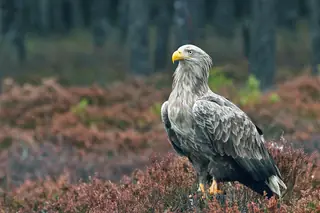 White-tailed EagleRare
-
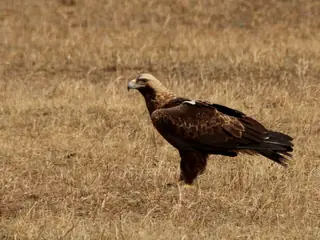 Eastern Imperial EagleRare
-
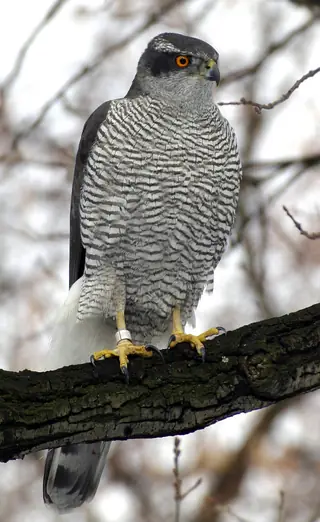 Eurasian GoshawkRare
-
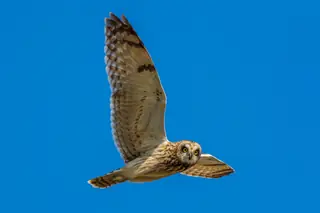 Short-eared OwlRare
Reeds, grassland and farmland 22
- Reed Parrotbill
-
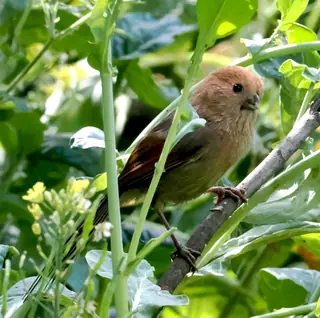 Vinous-throated Parrotbill
-
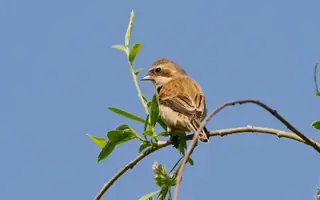 Chinese Penduline Tit
-
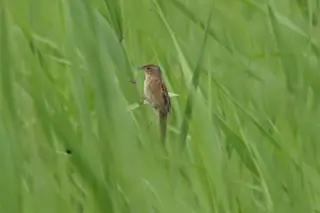 Marsh GrassbirdRare
-
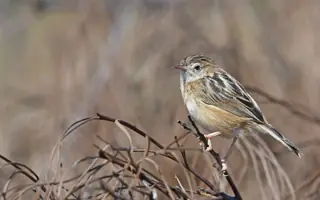 Zitting Cisticola
-
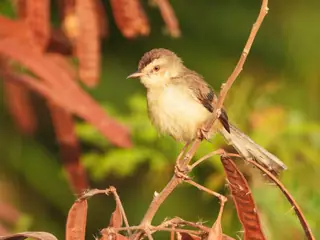 Plain Prinia
-
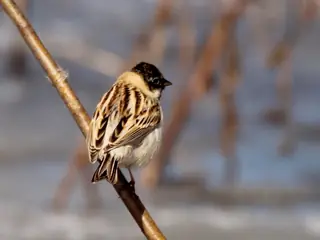 Pallas's Reed Bunting
-
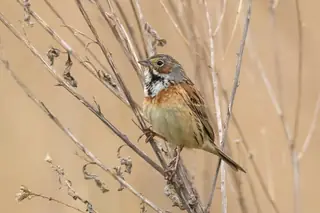 Chestnut-eared Bunting
-
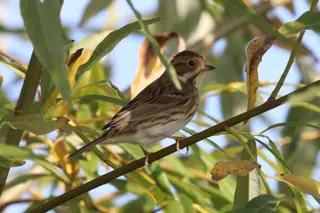 Little Bunting
-
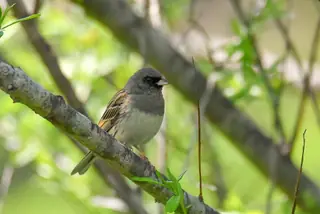 Black-faced Bunting
-
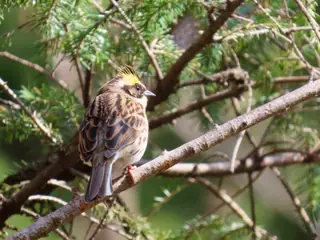 Yellow-throated Bunting
-
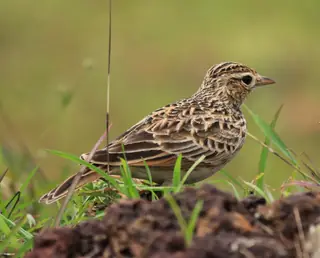 Oriental Skylark
-
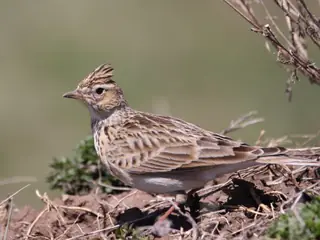 Eurasian Skylark
-
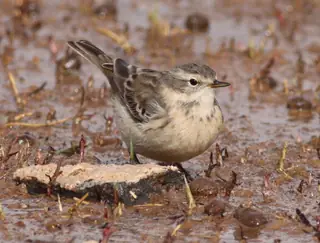 Water Pipit
-
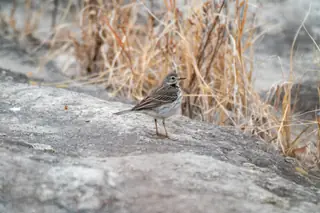 Siberian Pipit
-
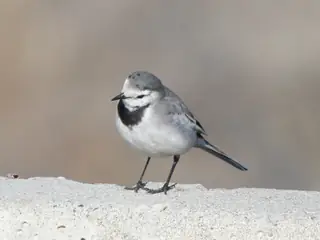 White Wagtail
-
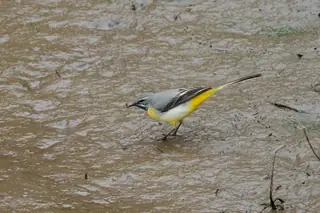 Grey Wagtail
-
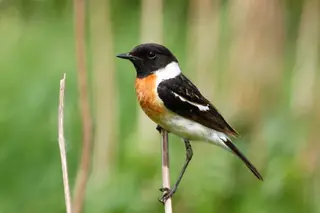 Siberian Stonechat
-
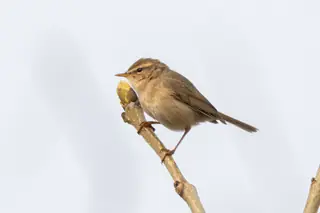 Dusky Warbler
-
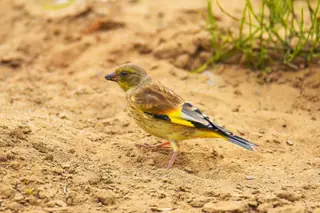 Grey-capped Greenfinch
-
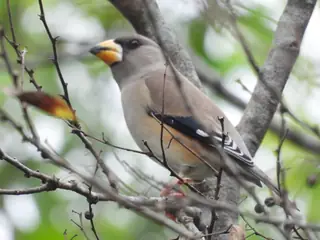 Chinese Grosbeak
-
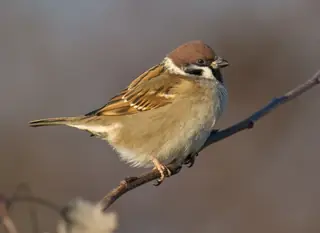 Eurasian Tree Sparrow
Village and woodland birds 28
-
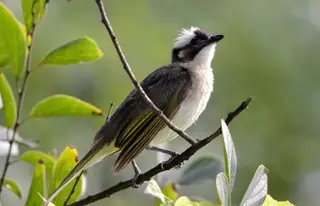 Light-vented Bulbul
-
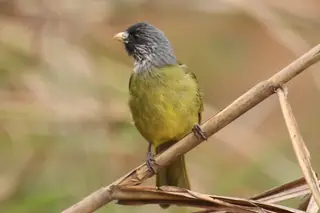 Collared Finchbill
-
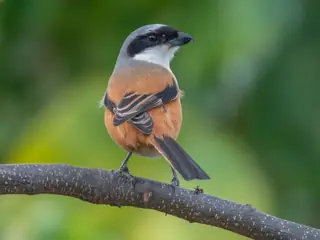 Long-tailed Shrike
-
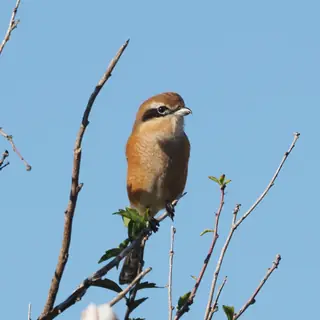 Bull-headed Shrike
-
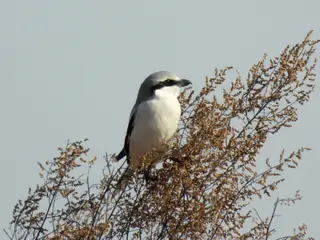 Chinese Grey ShrikeRare
-
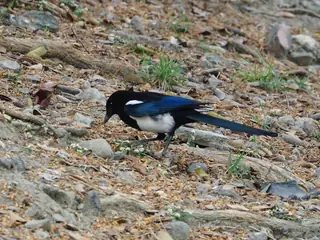 Oriental Magpie
-
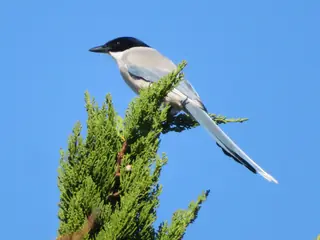 Azure-winged Magpie
-
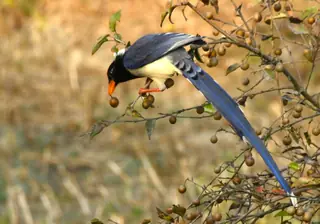 Red-billed Blue Magpie
-
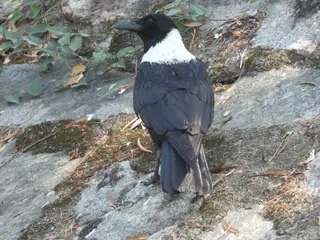 Collared Crow
-
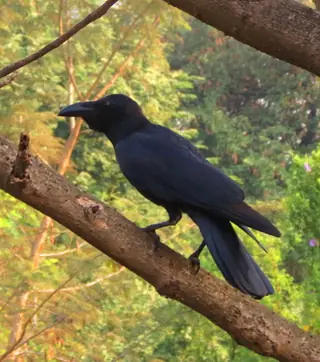 Large-billed Crow
-
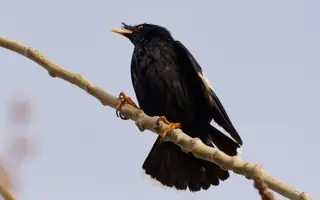 Crested Myna
-
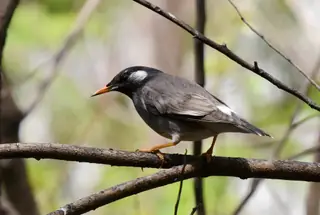 White-cheeked Starling
-
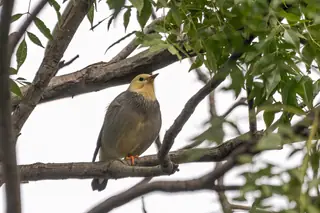 Red-billed Starling
-
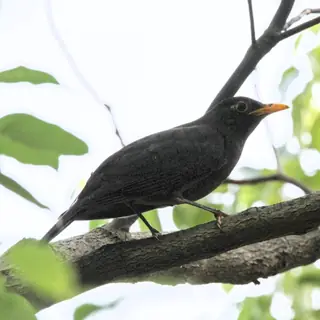 Chinese Blackbird
-
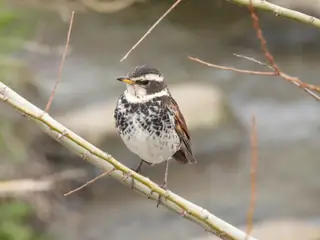 Dusky Thrush
-
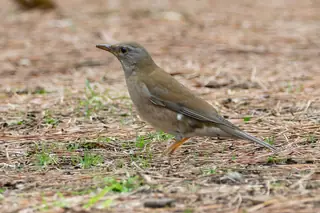 Pale Thrush
-
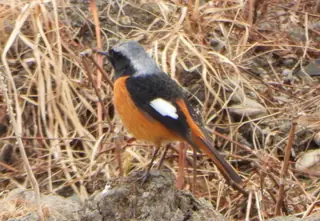 Daurian Redstart
-
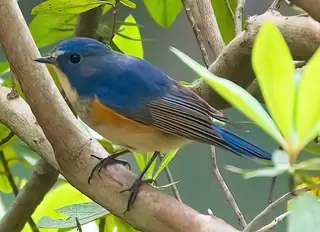 Red-flanked Bluetail
-
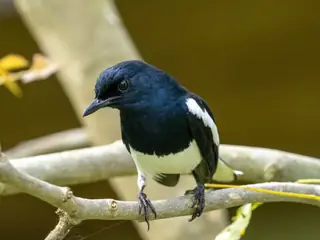 Oriental Magpie-Robin
-
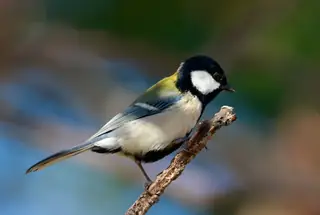 Japanese Tit
-
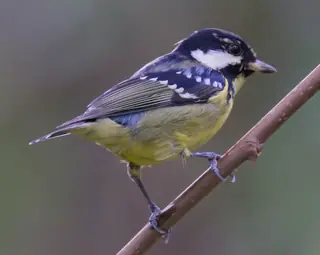 Yellow-bellied Tit
-
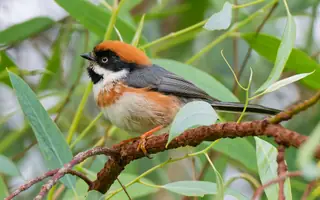 Black-throated Bushtit
-
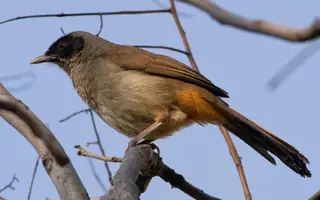 Masked Laughingthrush
-
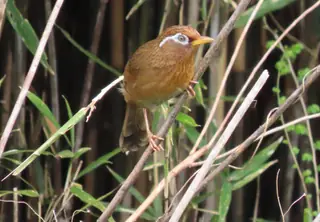 Chinese Hwamei
-
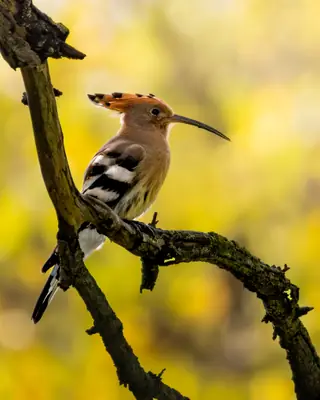 Common Hoopoe
-
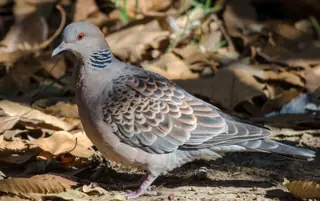 Oriental Turtle Dove
-
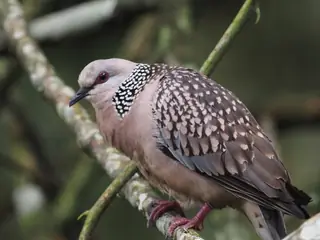 Spotted Dove
-
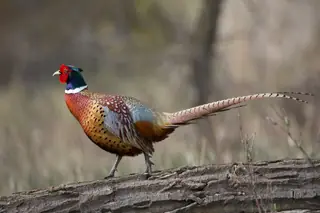 Ring-necked Pheasant
Mammals 7
- Yangtze Finless PorpoiseRare
-
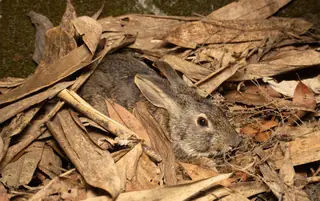 Chinese Hare
-
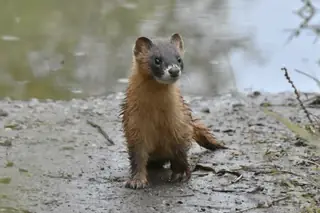 Siberian Weasel
-
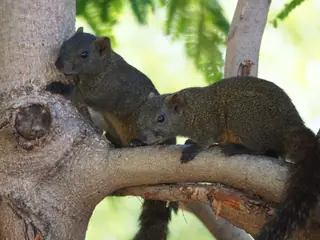 Pallas's Squirrel
-
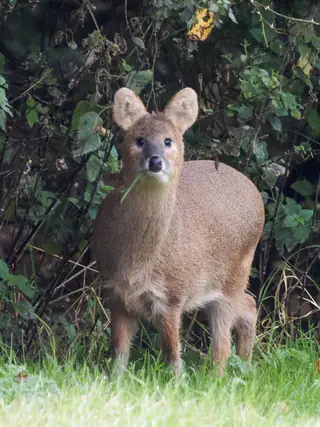 Chinese Water DeerRare
-
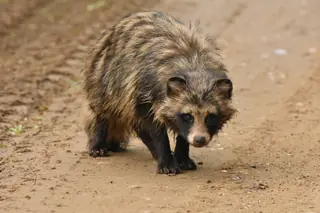 Common Raccoon DogRare
-
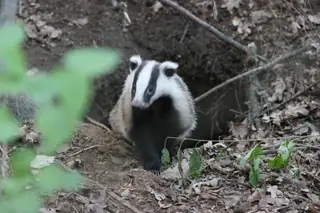 Asian BadgerRare
Best time to see wildlife in Poyang
Sightings by month in Poyang
Most records: Nov to FebRecords from GBIF.org, adjusted for how many people record wildlife each month. 100% is the busiest month.
Poyang Lake is a winter destination. Cranes and geese begin to arrive in late October and November, numbers peak from December to February, and most birds leave by late March for breeding grounds in Siberia and Mongolia. The water level drives everything: in a normal winter the lake drops to expose grassland and shallow pools, but very dry or very wet years can move birds onto farmland or spread them thinly, so counts and best areas change from season to season. Winter days are often grey and damp, around freezing to 10°C, with fog some mornings. From April to September the lake refills with the summer floods. Waterbirds disperse, but egrets, herons, Reed Parrotbills and village birds such as Crested Mynas stay, and the lake is green and hot.
- Oct to NovWater drops; first cranes, geese and swans arrive
- Dec to FebPeak numbers of cranes, storks, geese and ducks
- MarBirds leave north; late flocks on the grassland
- Apr to SepSummer floods; herons, egrets and resident reed birds
Tips for spotting wildlife in Poyang
- 01
Go with a local birding guide
Access changes with the water level and the reserves' rules. A local guide knows which public viewing points and hides are open that winter, and keeps you to them.
- 02
Bring a telescope
Cranes and storks feed far out on the grassland and pools. A telescope from an embankment or hide gives far better views than walking towards them.
- 03
Stay on embankments and roads
Don't walk out onto the grassland towards a flock. Flushed cranes burn energy they need for the winter, so watch from where you are and let them feed.
- 04
Be out at first light
Mornings bring the most movement, with geese and swans flying out from their roosts and harriers starting to hunt. Dusk brings flocks of ducks back to open water.
- 05
Check the reed edges
Reed beds along the channels hold Reed Parrotbills, Chinese Penduline Tits and buntings. Stand still and let the flocks work towards you.

Take Poyang with you
Birding Poyang Lake this winter? Keep this list on your phone and tick off each crane, goose and duck as you go, with no signal needed. Wilder is free to start.

Poyang wildlife FAQ
When is the best time to see Siberian cranes in China?
The best time to see Siberian Cranes in China is December to February, when nearly the whole world population winters in a few large wetlands in the east of the country. They arrive from late October and leave by late March. Watch from official hides or public viewing points with a telescope, and follow the reserve's distance rules.
What birds can you see at Poyang Lake?
You can see Siberian, White-naped and Hooded Cranes, Oriental Storks, Swan Geese, Tundra Swans and large flocks of ducks such as Falcated Duck and Baikal Teal. Waders, harriers, eagles and reed birds such as the Reed Parrotbill add variety. This checklist covers 141 animals, almost all of them birds, and most are winter visitors.
How do you get to Poyang Lake?
Most visitors reach Poyang Lake from Nanchang, the capital of Jiangxi, which has an international airport and high-speed rail links. Viewing areas around the lake are a drive of one to three hours from the city. Public transport to the wetlands is limited, so a car with a local driver or a birding guide is the easiest way.
What is the weather like at Poyang Lake in winter?
Winter at Poyang Lake is cool, damp and often grey, with daytime temperatures from around freezing to about 10°C and fog on some mornings. Wind across the open wetland makes it feel colder. Bring warm layers, a hat and waterproof boots, and expect long spells standing still at a telescope.
Is Poyang Lake worth visiting in summer?
Poyang Lake is much quieter for wildlife in summer. The famous cranes, storks and geese are on their breeding grounds far to the north, and the lake is flooded. Herons, egrets, kingfishers and resident reed birds remain, but for the spectacle, plan a trip between November and March.
Sources
- Ramsar Sites Information Service: Poyanghu
- International Crane Foundation: Siberian Crane conservation strategy
- China Daily: Conservation dividends soaring at Poyang Lake
- Sightings by month: GBIF.org
Animal photos are from the Wilder catalogue; photo credits.
Similar checklists
All Asia-
 Region77animals Hokkaido Hokkaido, Japan Japan's wild north: dancing red-crowned cranes in the snow, Steller's sea eagles on the drift ice and brown bears fishing. Best time Dec to Mar
-
 Region142animals Sichuan Panda Mountains Sichuan, China Bamboo forests and high passes of western and northern Sichuan, from Labahe and Wolong to Tangjiahe: red pandas, takin, tufted deer and goral, golden and Lady Amherst's pheasants, Chinese monals, and the rare chance of a wild giant panda. Best time Nov to Jun
-
 Region115animals Qinghai Plateau Qinghai, China High grassland, lakes and gorges of the Three Rivers Source and Qinghai Lake: kiang, Tibetan gazelles and Tibetan foxes on the open plains, blue sheep and white-lipped deer in the valleys, and bar-headed geese on the lake. Best time May to Oct
-
 Reserve104animals Danube Delta Biosphere Reserve Tulcea, Romania Europe's largest wetland, where the Danube meets the Black Sea: pelican colonies, reedbeds full of herons and warblers, and rollers and bee-eaters on the sandy ridges. Best time May to Jun