National park · Dong Nai · Vietnam
Cat Tien National Park Wildlife Checklist

Cat Tien National Park, about three hours north of Ho Chi Minh City, protects one of the largest lowland forests left in southern Vietnam. Visitors join a guided dawn trek to hear red-cheeked gibbons, look for black-shanked doucs, and see sambar and civets on the park's night drive. This checklist covers 115 animals. December to April is the dry season.
Tick off all 115 animals in Cat Tien on your phone, even offline. Launching soon. Free A4 PDF, no sign-up.
The park lies on the Dong Nai River and is reached by a short river crossing to the headquarters, where there are trails, a night drive and boat trips. Today it is a refuge for gibbons, doucs and rescued primates released back to the forest.
- Animals to find
- 115
- Where
- Vietnam
- Best time
- Dec to Apr
- Gibbons
- Sing at dawn
Popular animals in Cat Tien
-
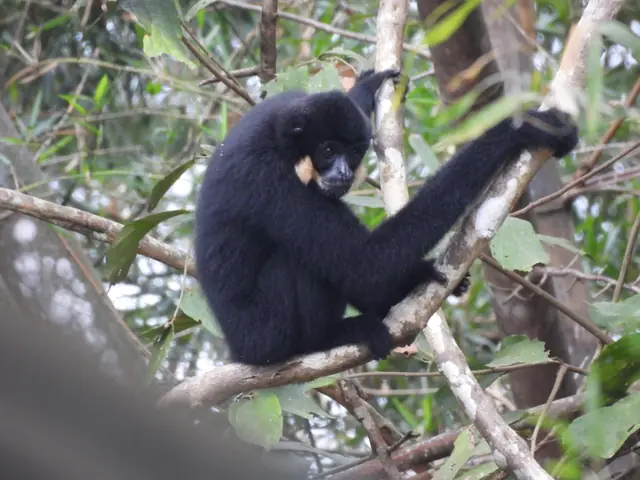
Red-cheeked Gibbon
Nomascus gabriellae
The park's guided dawn trek takes you to listen for the gibbons' song at first light, then watch quietly from a distance. Females are golden, males black with red-buff cheeks.
-
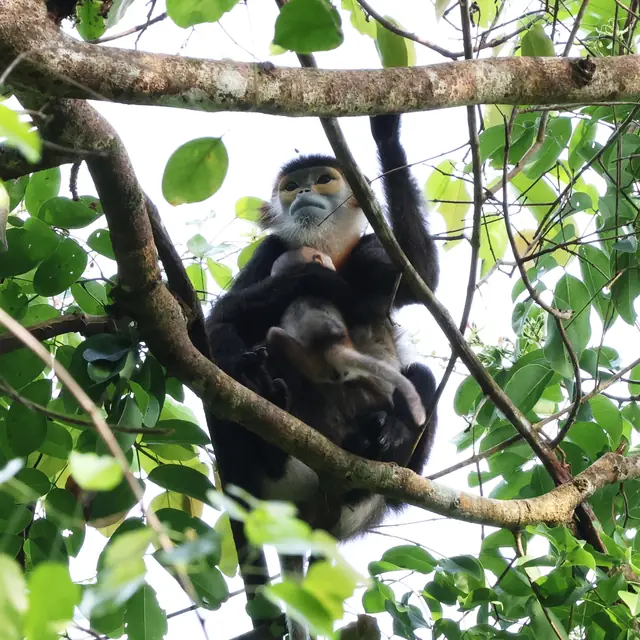
Black-shanked Douc Langur
Pygathrix nigripes
A striking monkey with a pale face, grey body and black legs, feeding in small groups high in the canopy.
-
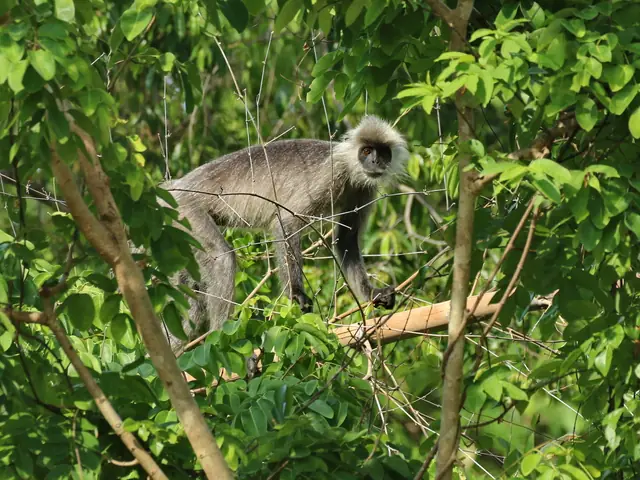
Indochinese Silvered Langur
Trachypithecus germaini
A silver-grey leaf monkey of the riverside forest. Its babies are bright orange.
-
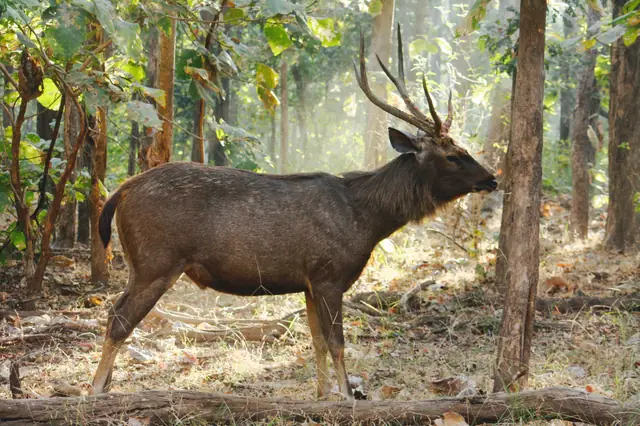
Sambar Deer
Rusa unicolor
Eyes shining in the grassland on the park's night drive, which runs most evenings.
-
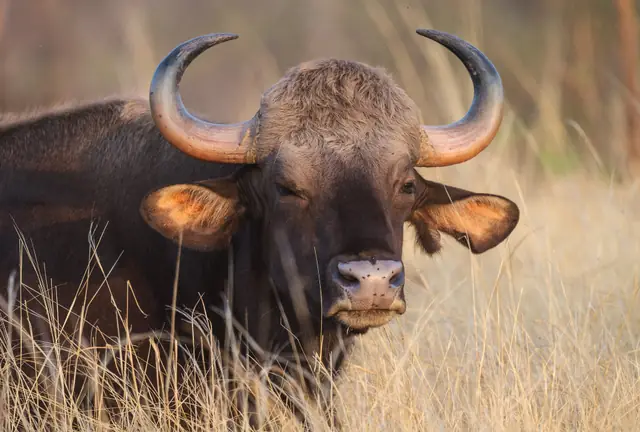
Gaur
Bos gaurus
The world's largest wild cattle, grazing open grassland at dawn and dusk. Keep well back.
-
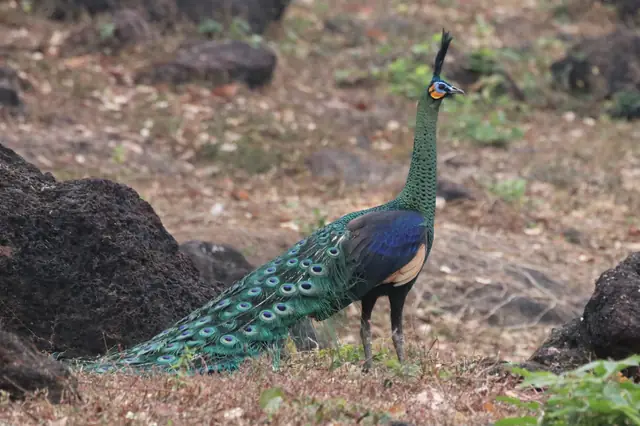
Green Peafowl
Pavo muticus
Cat Tien is one of the last strongholds in Vietnam of this endangered peafowl. Look on open grassland and riverbanks early in the morning.
-
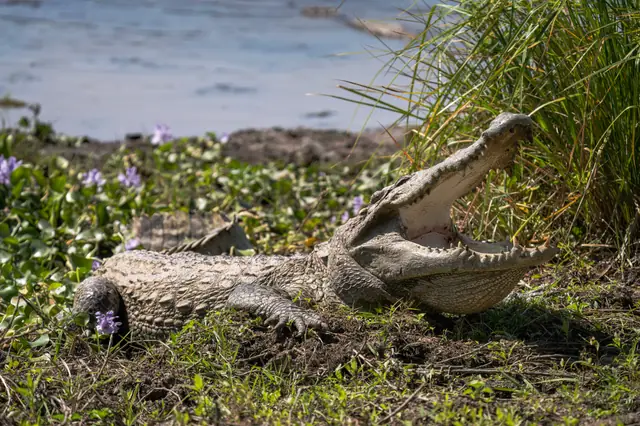
Siamese Crocodile
Crocodylus siamensis
Reintroduced to a forest lake, which you reach on a guided trek. Watch from the lakeside.
-
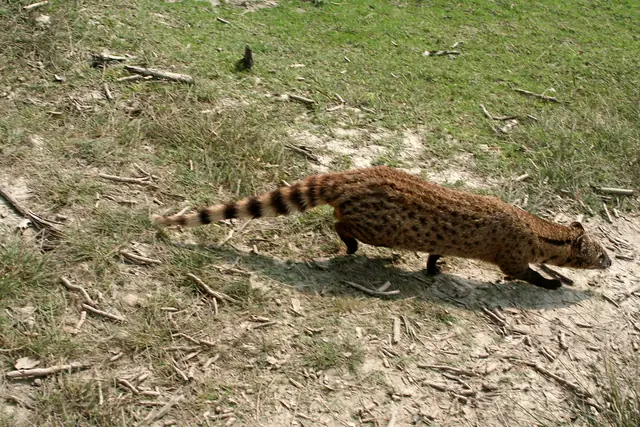
Small Indian Civet
Viverricula indica
The civet most often seen on the night drive, trotting along grassy edges.
-
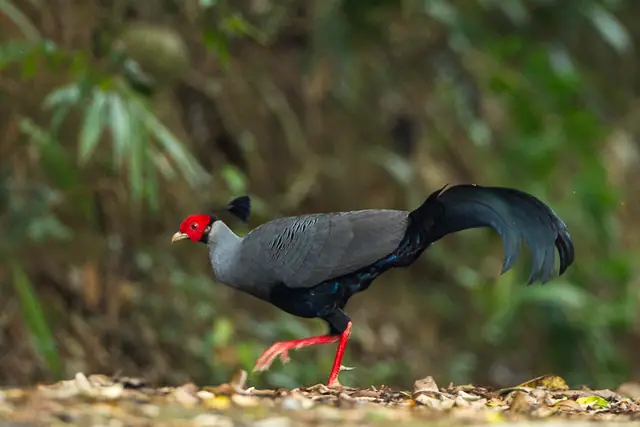
Siamese Fireback
Lophura diardi
A pheasant with a red face and glossy blue-grey plumage, walking forest edges early in the morning.
-
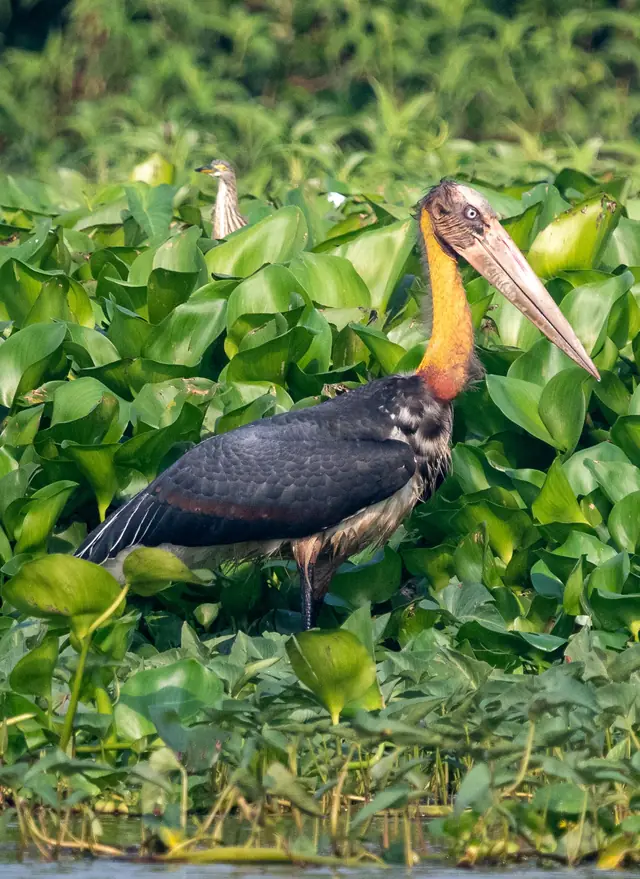
Lesser Adjutant
Leptoptilos javanicus
A big, bald-headed stork of the park's wetlands, often seen flying over the lakes and grassland.
-
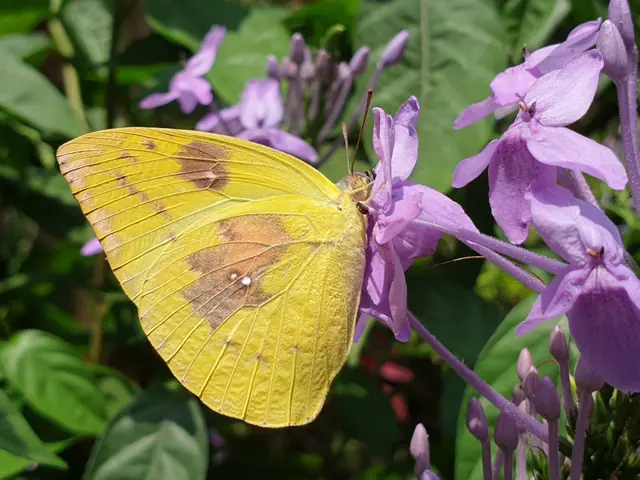
Common Emigrant
Catopsilia pomona
Cat Tien is known for butterflies. Pale yellow emigrants gather in clouds on damp ground along the tracks, especially from March to May.
All 115 animals in Cat Tien
Apes and monkeys 7
-
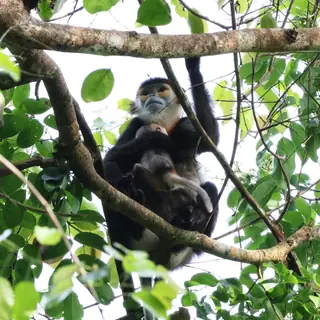 Black-shanked Douc Langur
-
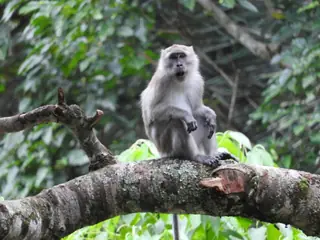 Long-tailed Macaque
-
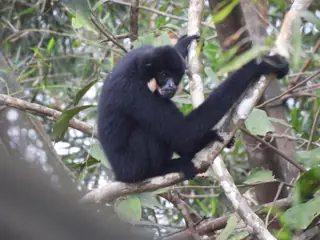 Red-cheeked Gibbon
-
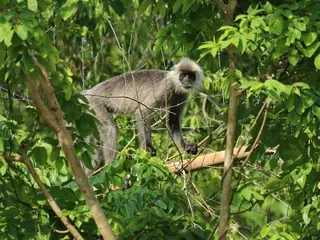 Indochinese Silvered Langur
-
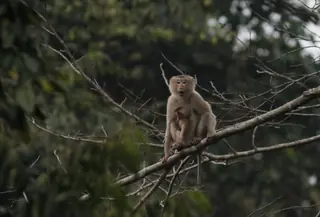 Northern Pig-tailed Macaque
-
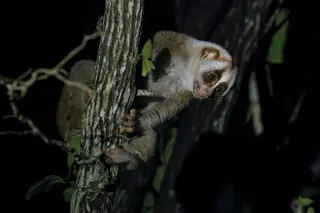 Bengal Slow LorisRare
-
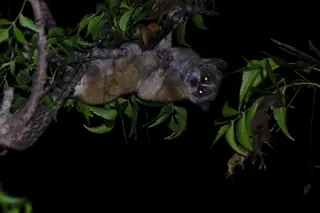 Pygmy Slow Loris
Big mammals 7
-
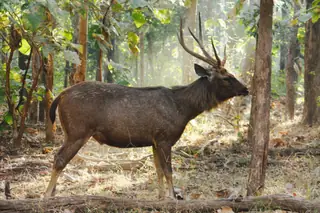 Sambar Deer
-
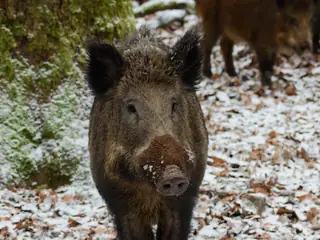 Wild Boar
-
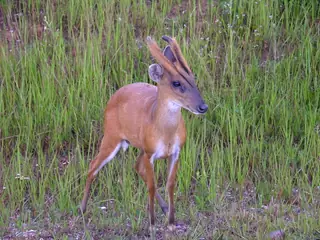 Northern Red Muntjac
-
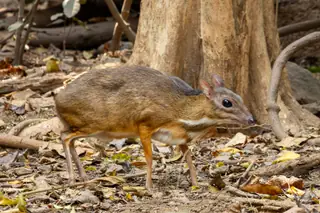 Lesser Mouse-deer
-
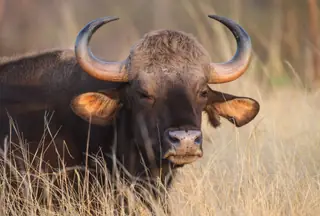 Gaur
-
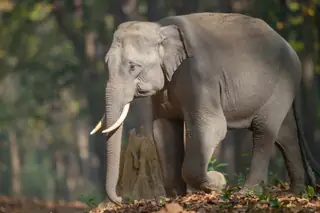 Asian ElephantRare
-
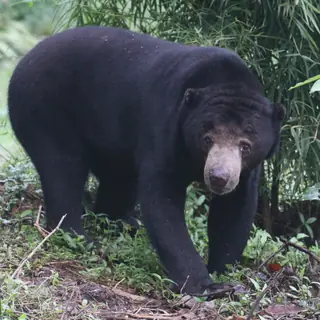 Sun BearRare
Smaller mammals 13
-
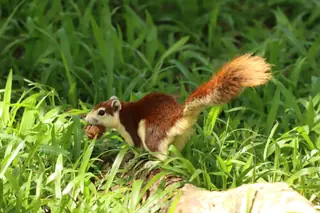 Variable Squirrel
-
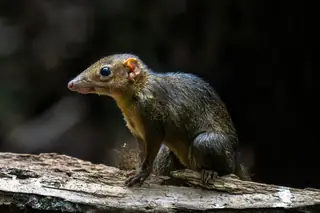 Northern Treeshrew
-
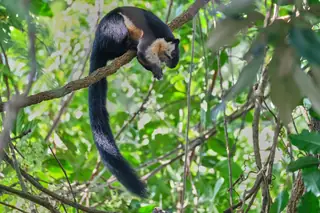 Black Giant Squirrel
-
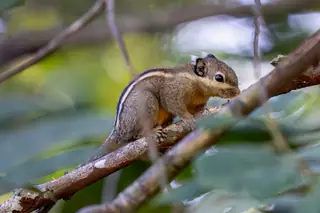 Cambodian Striped Squirrel
-
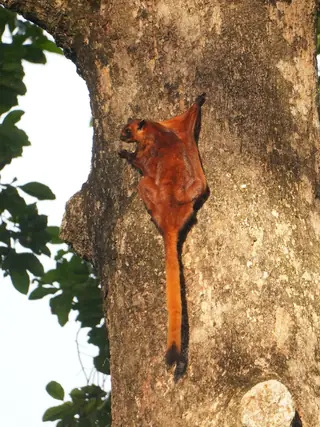 Red Giant Flying Squirrel
-
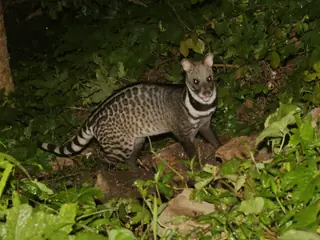 Large Indian Civet
-
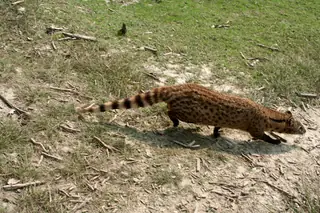 Small Indian Civet
-
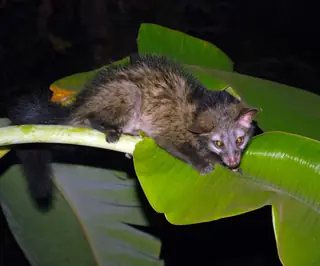 Common Palm Civet
-
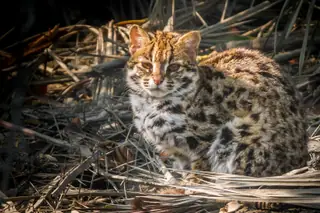 Leopard Cat
-
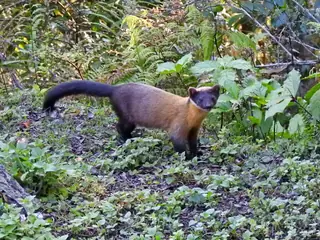 Yellow-throated Marten
-
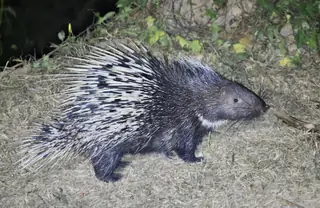 Malayan Porcupine
-
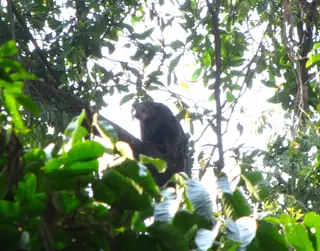 BinturongRare
-
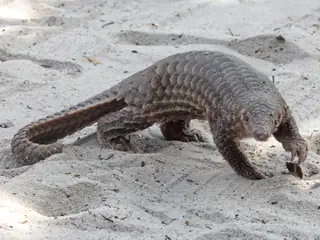 Sunda PangolinRare
Water birds 10
-
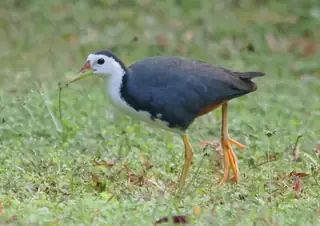 White-breasted Waterhen
-
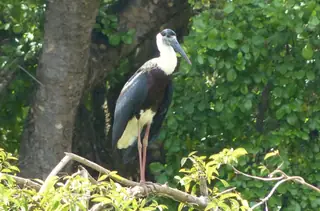 Asian Woolly-necked Stork
-
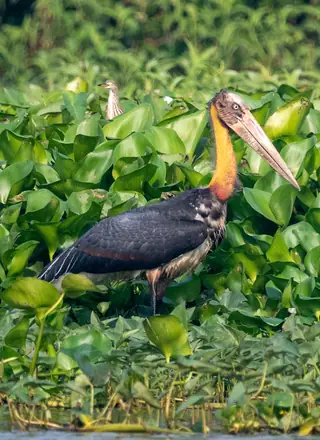 Lesser Adjutant
-
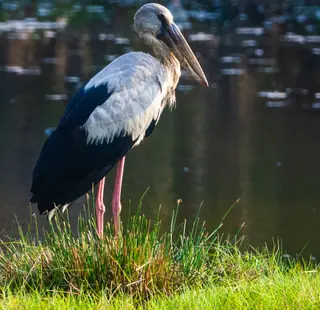 Asian Openbill
-
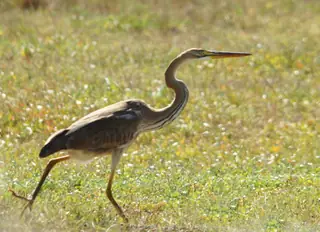 Purple Heron
-
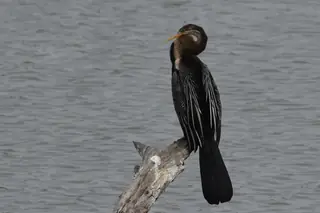 Oriental Darter
-
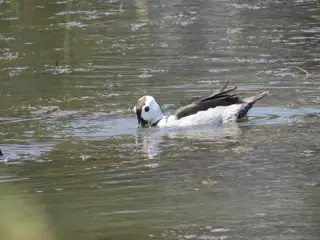 Cotton Pygmy Goose
-
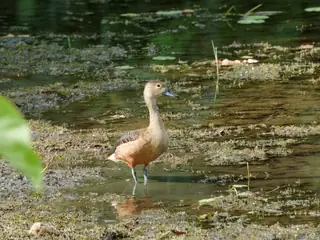 Lesser Whistling Duck
-
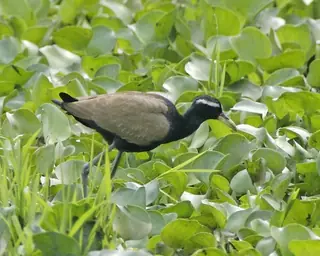 Bronze-winged Jacana
-
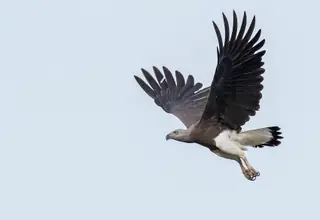 Grey-headed Fish Eagle
Forest birds 53
-
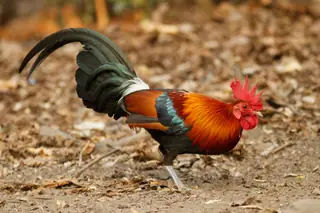 Red Junglefowl
-
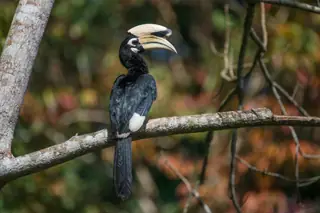 Oriental Pied Hornbill
-
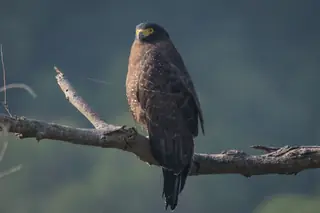 Crested Serpent Eagle
-
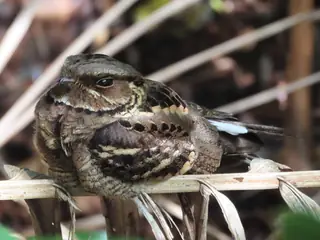 Large-tailed Nightjar
-
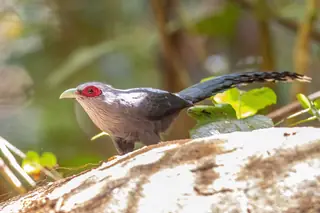 Green-billed Malkoha
-
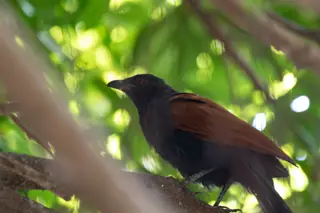 Greater Coucal
-
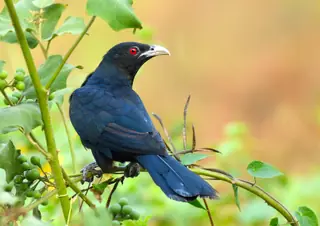 Asian Koel
-
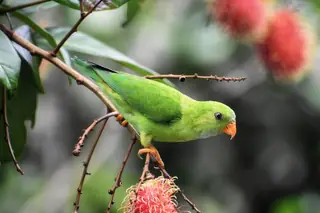 Vernal Hanging Parrot
-
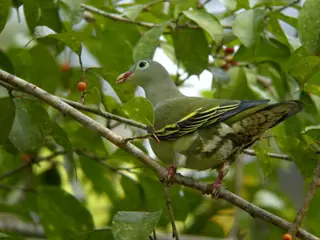 Thick-billed Green Pigeon
-
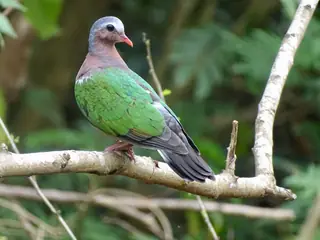 Common Emerald Dove
-
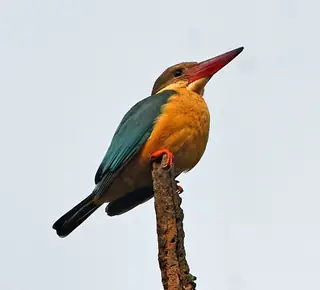 Stork-billed Kingfisher
-
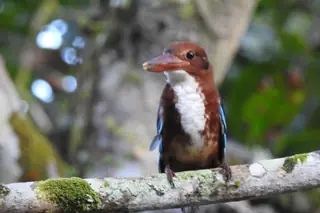 White-throated Kingfisher
-
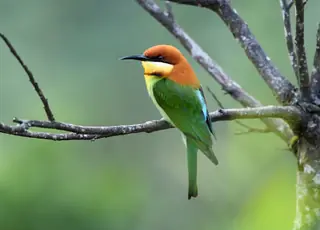 Chestnut-headed Bee-eater
-
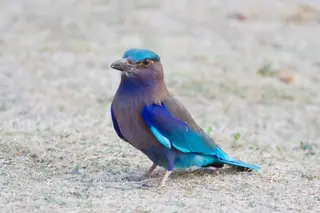 Indochinese Roller
-
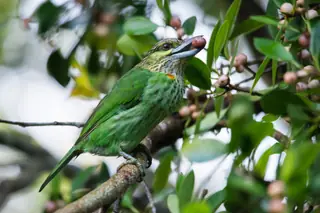 Green-eared Barbet
-
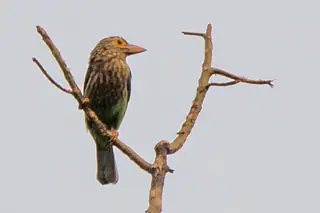 Lineated Barbet
-
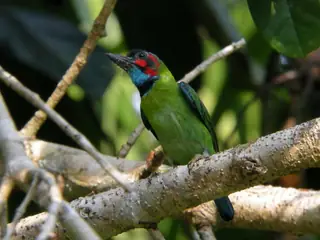 Black-eared Barbet
-
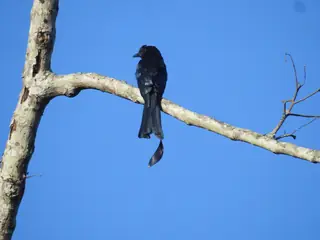 Greater Racquet-tailed Drongo
-
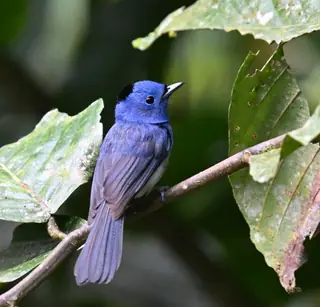 Black-naped Monarch
-
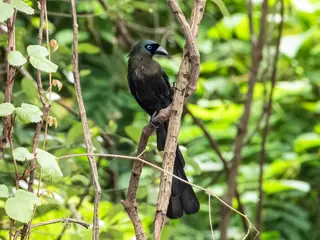 Racquet-tailed Treepie
-
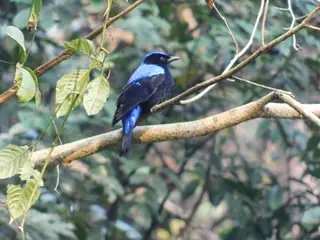 Asian Fairy-bluebird
-
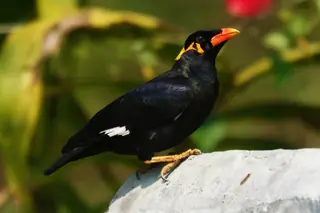 Common Hill Myna
-
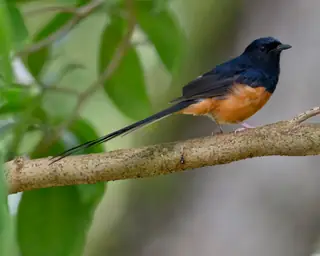 White-rumped Shama
-
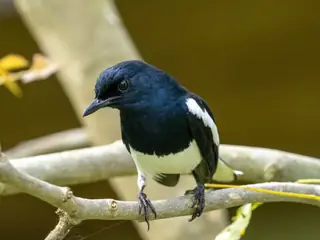 Oriental Magpie-Robin
-
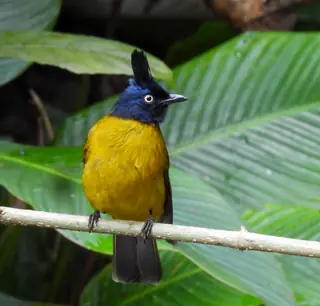 Black-crested Bulbul
-
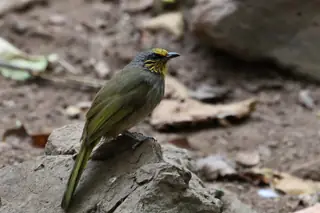 Stripe-throated Bulbul
-
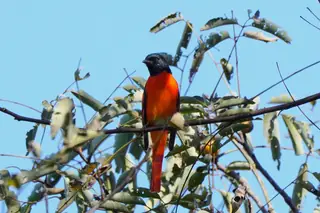 Scarlet Minivet
-
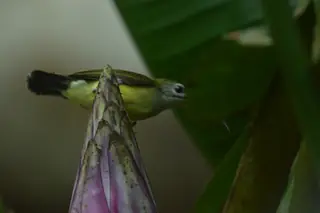 Little Spiderhunter
-
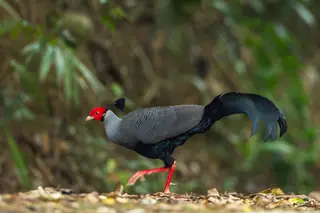 Siamese Fireback
-
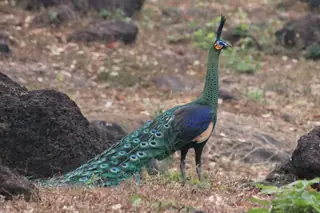 Green Peafowl
-
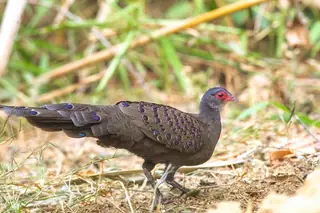 Germain's Peacock-Pheasant
-
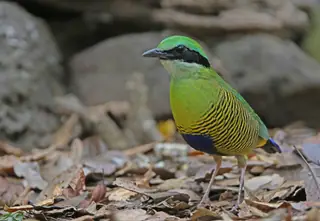 Bar-bellied Pitta
-
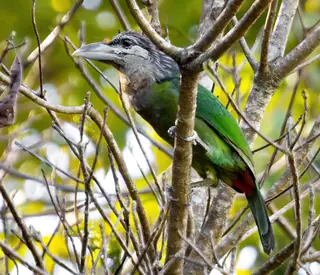 Red-vented Barbet
-
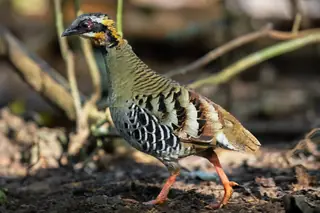 Orange-necked PartridgeRare
-
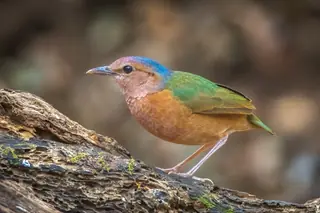 Blue-rumped PittaRare
-
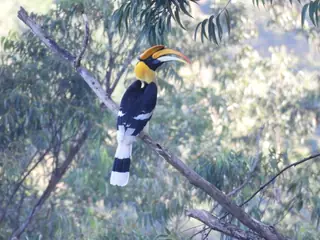 Great Hornbill
-
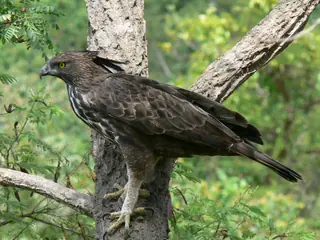 Changeable Hawk-Eagle
-
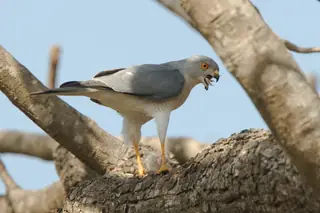 Shikra
-
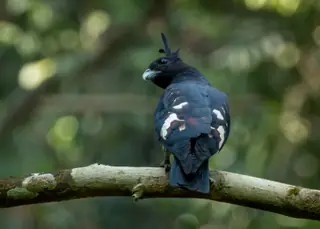 Black Baza
-
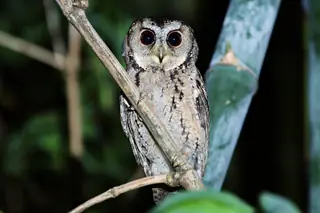 Collared Scops Owl
-
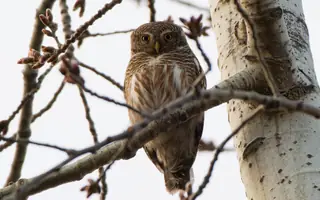 Asian Barred Owlet
-
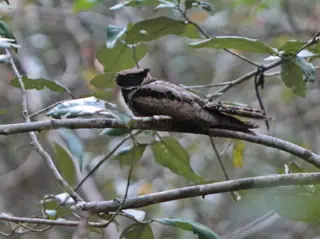 Great Eared Nightjar
-
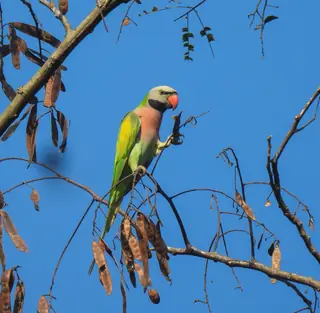 Red-breasted Parakeet
-
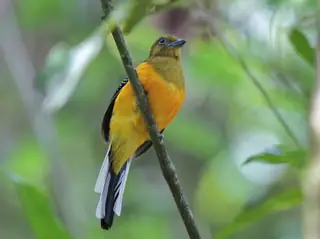 Orange-breasted Trogon
-
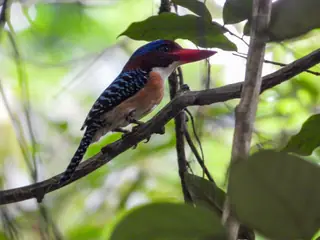 Banded Kingfisher
-
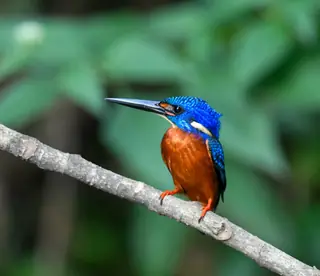 Blue-eared Kingfisher
-
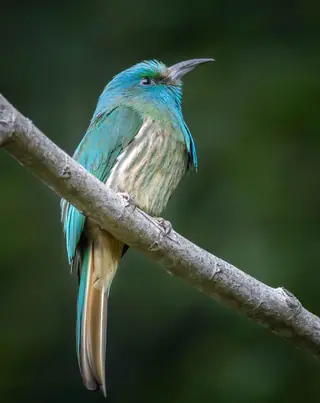 Blue-bearded Bee-eater
-
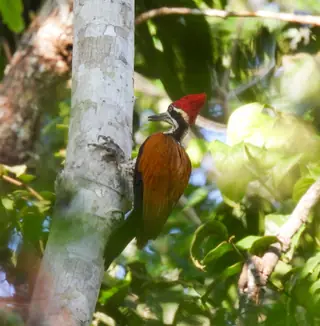 Greater Flameback
-
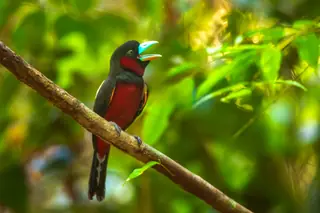 Black-and-red Broadbill
-
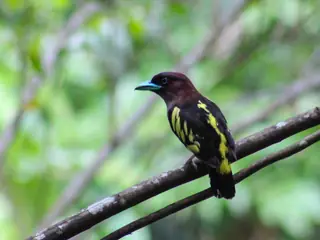 Banded Broadbill
-
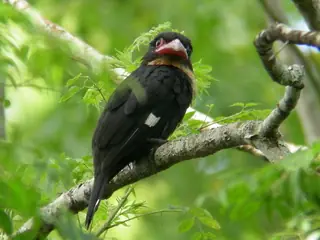 Dusky Broadbill
-
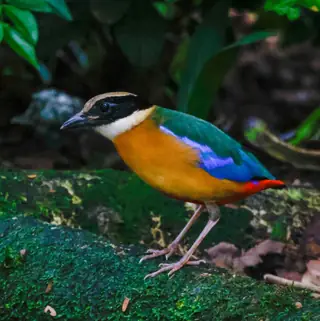 Blue-winged Pitta
-
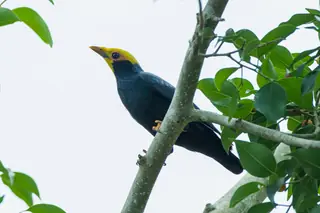 Golden-crested Myna
Reptiles and amphibians 19
-
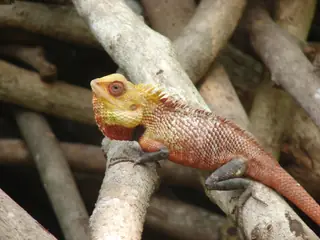 Oriental Garden Lizard
-
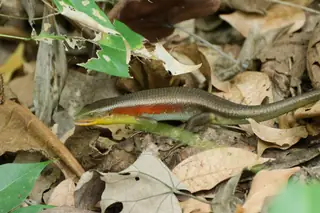 Common Sun Skink
- Tokay Gecko
-
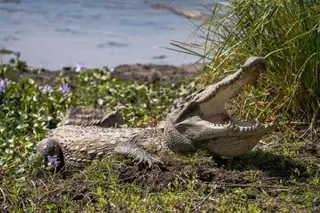 Siamese Crocodile
-
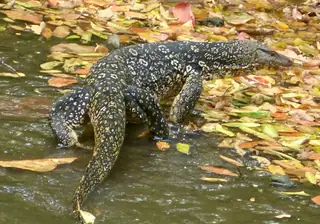 Asian Water Monitor
-
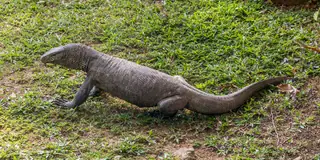 Bengal Monitor
-
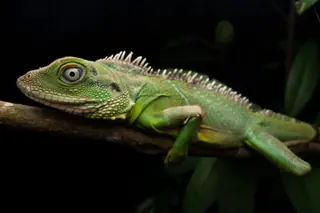 Chinese Water Dragon
-
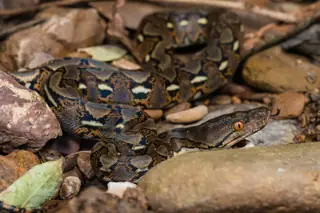 Reticulated Python
-
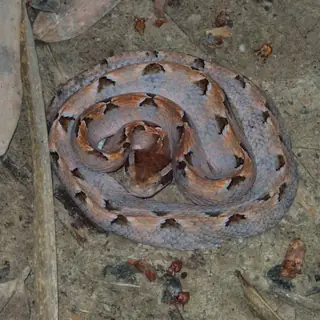 Malayan Pit Viper
-
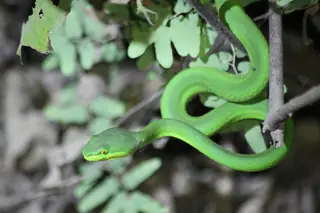 White-lipped Pit Viper
-
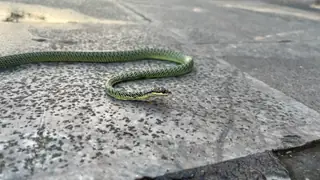 Golden Tree Snake
-
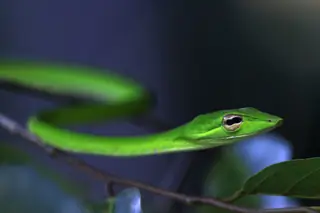 Oriental Whip Snake
-
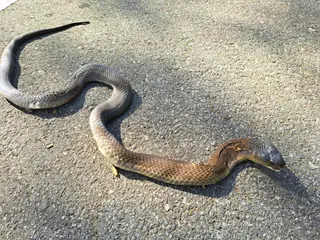 Monocled Cobra
-
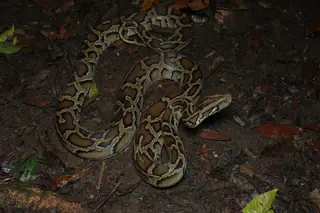 Burmese PythonRare
-
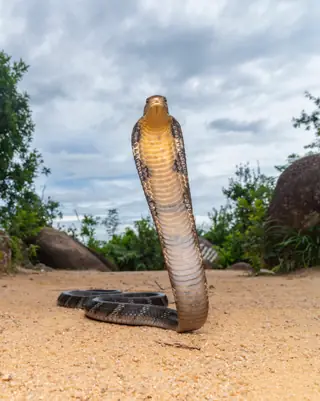 King CobraRare
-
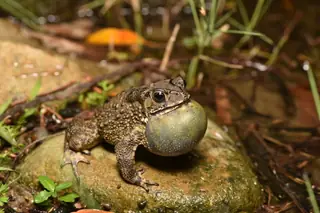 Asian Common Toad
-
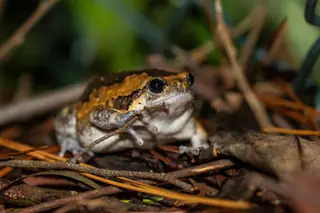 Banded Bullfrog
-
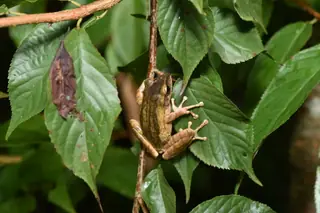 Four-lined Tree Frog
-
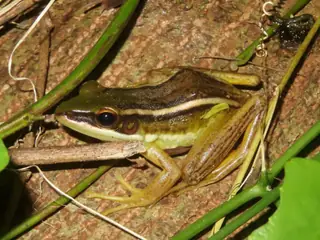 Green Paddy Frog
Butterflies 6
-
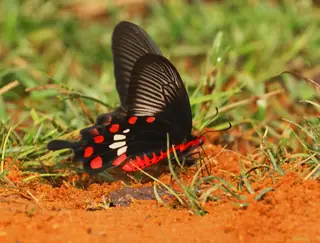 Common Rose
-
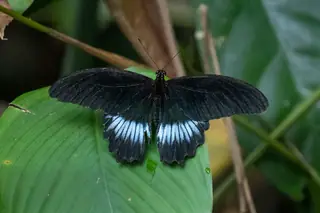 Great Mormon
-
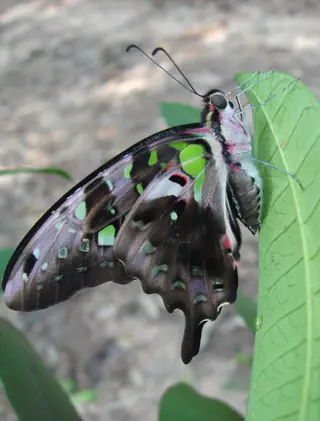 Green-spotted Triangle
-
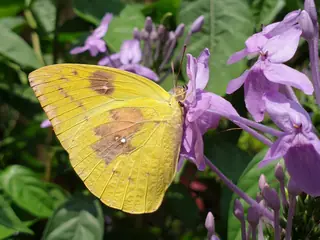 Common Emigrant
-
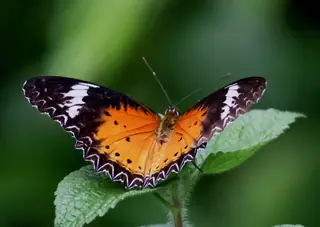 Leopard Lacewing
-
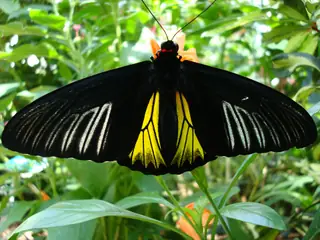 Common Birdwing
Best time to see wildlife in Cat Tien
Sightings by month in Cat Tien
Most records: Apr to JulRecords from GBIF.org, adjusted for how many people record wildlife each month. 100% is the busiest month.
Cat Tien has a tropical monsoon climate. The dry season, from about December to April, brings firm trails, easier river crossings and the best conditions for walking and wildlife, and butterflies gather on damp ground towards the end of it. March and April are hot. The rainy season, roughly May to November, brings heavy afternoon rain, leeches and lush forest; some trails get muddy or flood, but birding is good and visitors are fewer. Avoid Tet and long weekends, when the park is crowded. Gibbon treks and night drives run all year, weather permitting.
- Dec to AprDry season; best trails and wildlife viewing
- Mar to MayButterflies gather on damp ground
- May to NovRainy; leeches, lush forest, fewer visitors
Tips for spotting wildlife in Cat Tien
- 01
Book the dawn gibbon trek
The guided gibbon trek leaves before dawn so you are in place for the first song. Book at the visitor centre the day before, and stay quiet and still once the gibbons start to sing.
- 02
Take the night drive
The park's guided night drive runs most evenings and often finds sambar, civets and leopard cats. Ask the spotter to move the light off animals' eyes once everyone has seen them.
- 03
Visit the primate rescue centre
A rescue centre on Dao Tien island near headquarters cares for gibbons, doucs and lorises taken from the illegal wildlife trade. Guided visits explain how they are returned to the wild.
- 04
Stay on the paths
Cobras and pit vipers live in tall grass and leaf litter. Keep to marked trails, never walk through long vegetation, and wear long trousers and leech socks in the wet season.
- 05
Stay at least two nights
Two nights gives you a dawn gibbon trek, a night drive and time on the forest trails, and a second chance if the gibbons stay quiet on the first morning.

Take Cat Tien with you
Going to Cat Tien? Take this list on your phone and tick off gibbons, doucs and night-drive finds, offline. Wilder is free to start.

Cat Tien wildlife FAQ
What animals can you see in Cat Tien National Park?
Visitors to Cat Tien regularly see black-shanked doucs, macaques, squirrels, sambar and civets, and hear red-cheeked gibbons on the dawn trek. Hornbills, firebacks, kingfishers and storks are seen on many trips. Gaur are seen on some visits, while elephants, sun bears and pangolins are rare. This checklist covers 115 animals.
Are there still rhinos in Cat Tien?
No. Cat Tien held a tiny population of Javan rhinos, the last on mainland Asia, but the last one was killed by poachers in 2010 and the species is now extinct in Vietnam. Javan rhinos survive only in Ujung Kulon in Indonesia.
How do you get to Cat Tien National Park?
Cat Tien is about 150 kilometres north of Ho Chi Minh City, roughly three hours by car or a little longer by bus along Route 20. A river crossing takes you to the park headquarters. A bridge is being built to replace the ferry, so check access before you travel.
Can you see gibbons in Cat Tien?
You will very likely hear them, and often see them. The park's guided dawn trek takes you to a listening point for the morning song, and guides then try for quiet views from a distance. If the gibbons stay silent, the park has offered a second attempt.
Sources
- Vietnam Tourism: Cat Tien National Park, gibbons, night safaris and how to visit
- Go East: The reopening of Dao Tien to visitors
- WWF Singapore: Inadequate protection causes Javan rhino extinction in Vietnam
- Sightings by month: GBIF.org
Animal photos are from the Wilder catalogue; photo credits.
Similar checklists
All Asia-
 National park120animals Khao Yai National Park Nakhon Ratchasima, Isan, Thailand Thailand's oldest national park, three hours from Bangkok, where wild elephants, great hornbills and gibbons live in forest and grassland on a high plateau. Best time Nov to Apr
-
 National park118animals Khao Sok National Park Surat Thani, Thailand Limestone peaks, old rainforest and the drowned valleys of Cheow Lan Lake in southern Thailand, with gibbons in the forest and hornbills and langurs seen from raft houses and longtail boats. Best time Jan to Apr
-
 National park124animals Taman Negara Pahang, Kelantan and Terengganu, Malaysia Malaysia's great national park: ancient lowland rainforest along the Tembeling and Tahan rivers, with a canopy walkway, overnight hides, hornbills and the chance of a tapir. Best time Mar to Sept
-
 Reserve71animals Kinabatangan River Sabah, Borneo, Malaysia Borneo's great wildlife river: proboscis monkeys at dusk, wild orangutans, pygmy elephants on the banks and eight kinds of hornbill. Best time Mar to Oct