National park · Pahang, Kelantan and Terengganu · Malaysia
Taman Negara Wildlife Checklist

Taman Negara is Malaysia's oldest national park, a vast lowland rainforest reached by boat to Kuala Tahan. Visitors walk the canopy walkway, spend nights in hides and take river trips for langurs, hornbills, otters and, with luck, a Malayan tapir. This checklist covers 124 animals. March to September is the drier season.
Tick off all 124 animals in Taman Negara on your phone, even offline. Launching soon. Free A4 PDF, no sign-up.
Gazetted in 1938 and covering about 4,343 square kilometres across Pahang, Kelantan and Terengganu, the park rises from lowland forest to Gunung Tahan, the highest peak in Peninsular Malaysia. Most visitors stay in Kuala Tahan village and cross the Tembeling River to the park headquarters.
- Animals to find
- 124
- Where
- Malaysia
- Best time
- Mar to Sept
- Canopy walkway
- About 530 m
Popular animals in Taman Negara
-
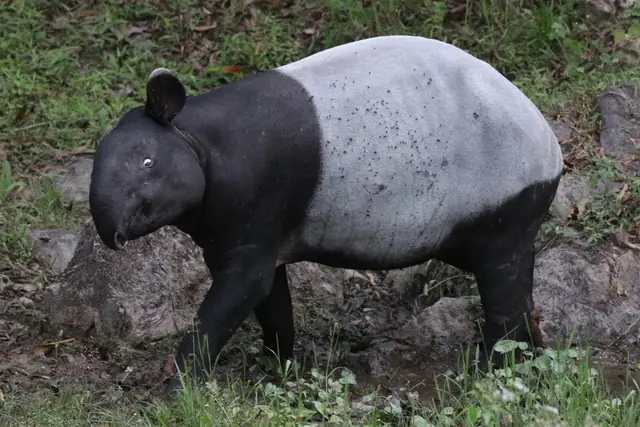
Malayan Tapir
Tapirus indicus
A black-and-white tapir that feeds mostly at night. A night in one of the park's hides beside a salt lick gives the best chance; keep quiet and use a dim torch.
-
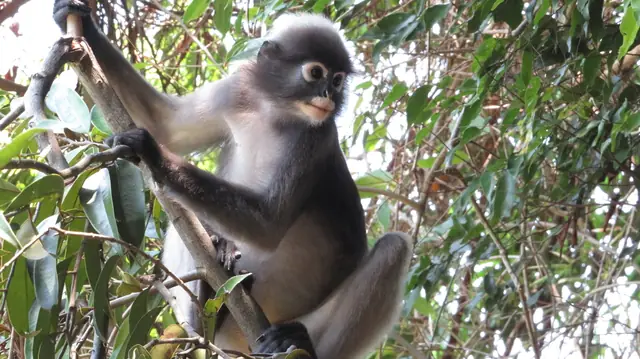
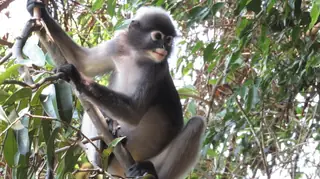
Dusky Langur
Trachypithecus obscurus
A dark leaf monkey with white eye rings, often in riverside trees near Kuala Tahan. The babies are bright orange.
-
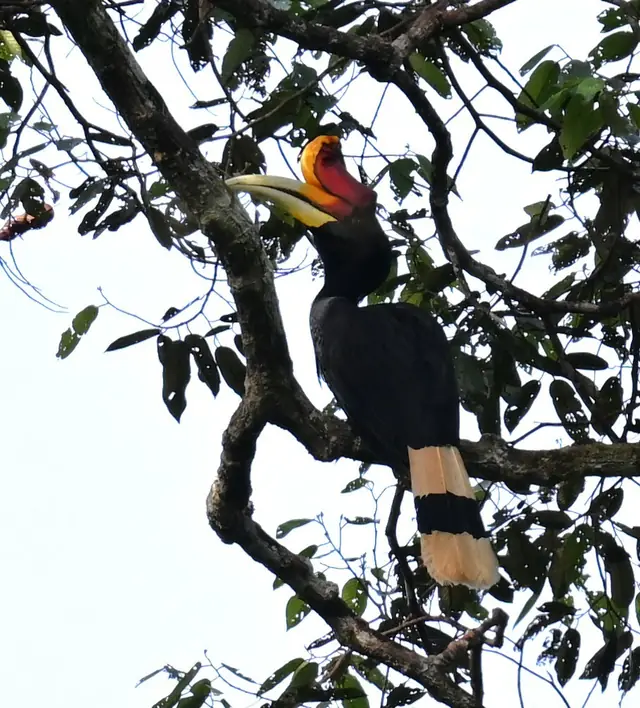
Rhinoceros Hornbill
Buceros rhinoceros
Seen flying over the forest. Listen for its loud, whooshing wingbeats.
-
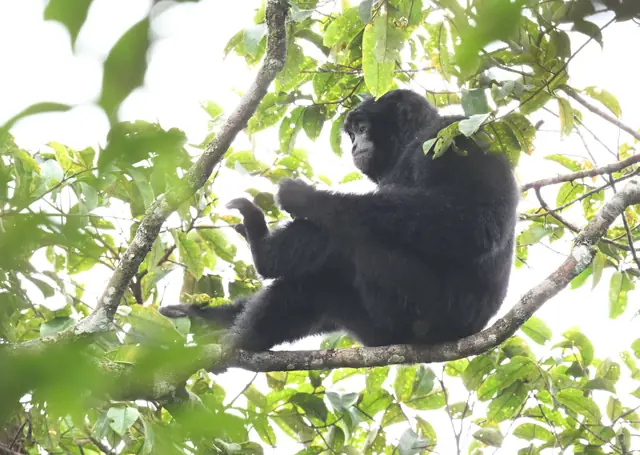
Siamang
Symphalangus syndactylus
The largest gibbon, with deep booming duets on still mornings. Heard far more often than seen.
-
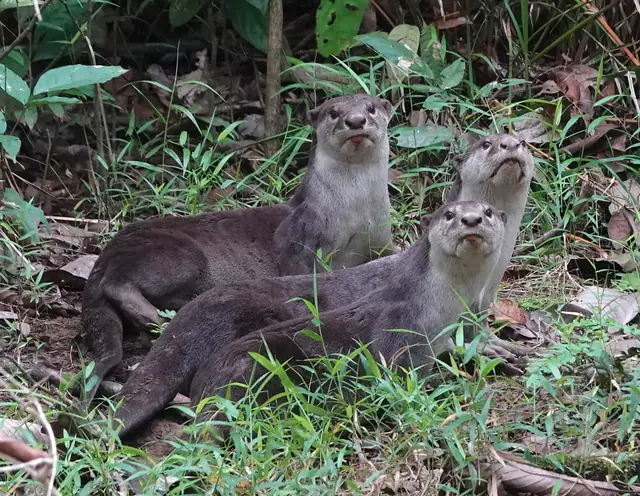
Smooth-coated Otter
Lutrogale perspicillata
Family groups fish along the rivers. Early morning boat trips give the best chance.
-
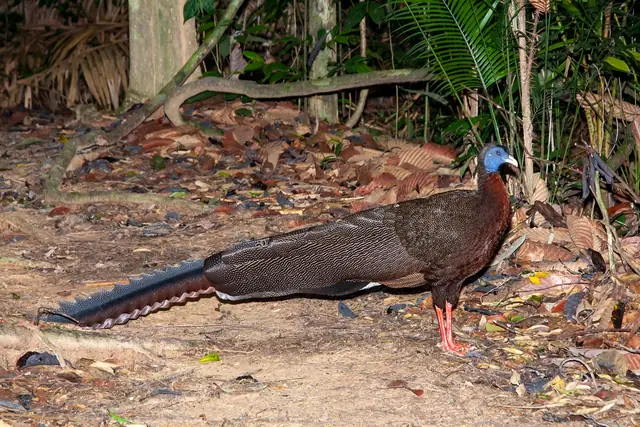
Great Argus
Argusianus argus
Its loud two-note call rings through the forest. The male's tail is a metre long, but the bird is shy and seldom seen.
-
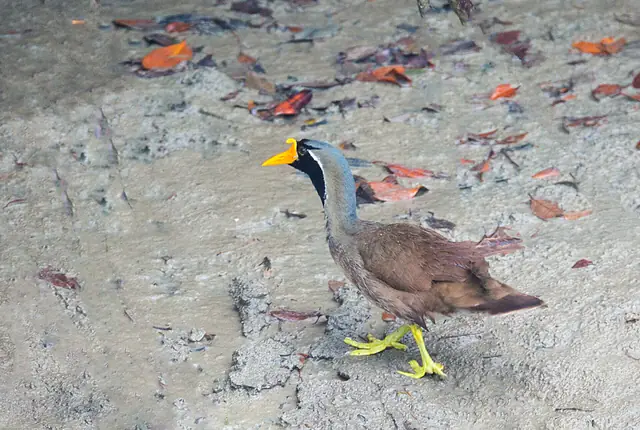
Masked Finfoot
Heliopais personatus
An endangered, secretive waterbird of quiet, overhung river banks. A very lucky sighting from a boat.
-
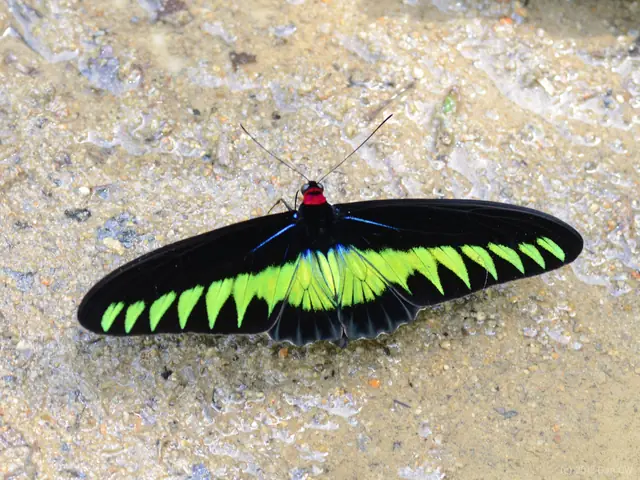
Rajah Brooke's Birdwing
Trogonoptera brookiana
A large black butterfly with green bands, drinking from damp sand on the river banks on sunny mornings.
-
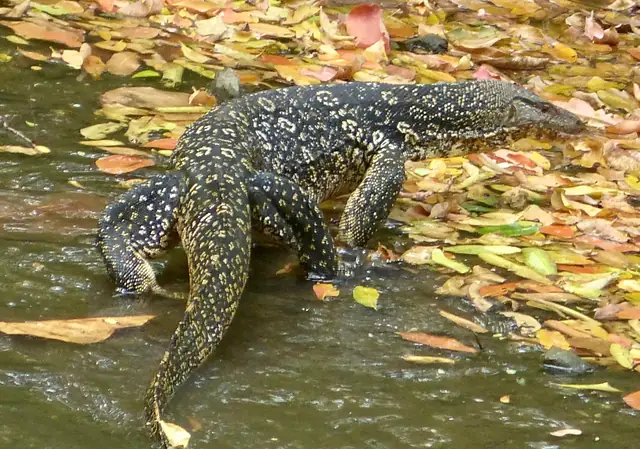
Asian Water Monitor
Varanus salvator
Big lizards basking on the river banks and swimming across the current. Often seen from the boats.
All 124 animals in Taman Negara
Apes and monkeys 7
-
 Dusky Langur
-
 Long-tailed Macaque
-
 Southern Pig-tailed Macaque
-
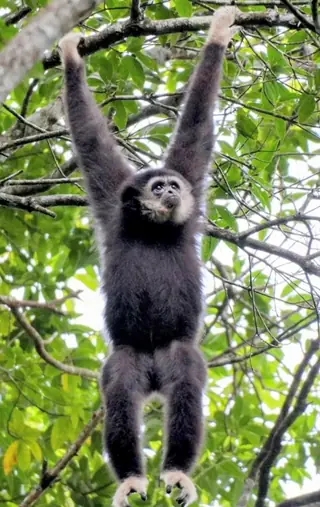 Lar Gibbon
-
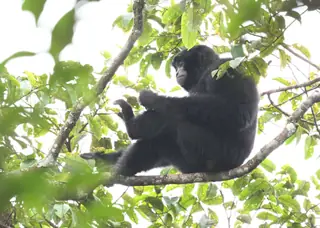 Siamang
-
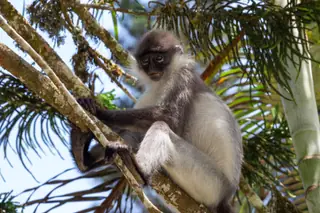 White-thighed Surili
-
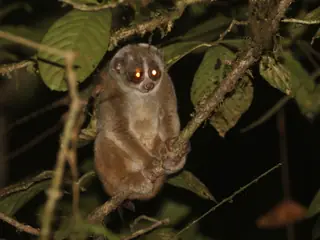 Sunda Slow Loris
Big mammals 11
-
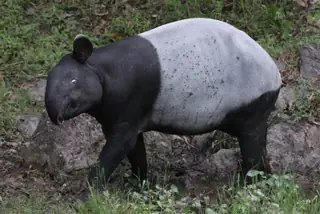 Malayan Tapir
-
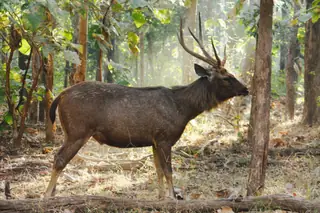 Sambar Deer
-
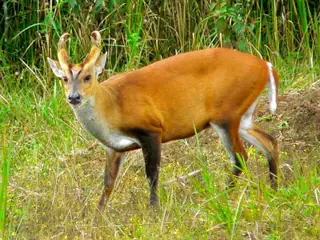 Southern Red Muntjac
-
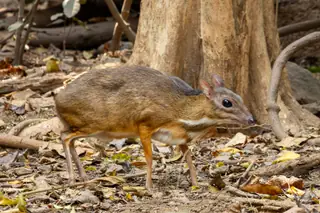 Lesser Mouse-deer
-
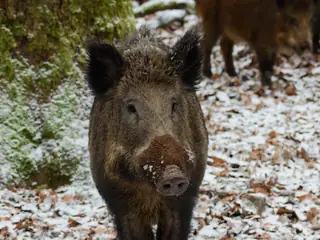 Wild Boar
-
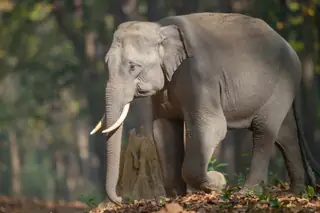 Asian ElephantRare
-
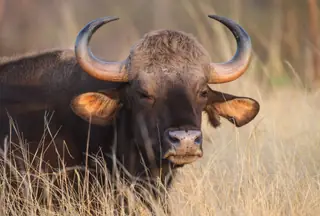 GaurRare
-
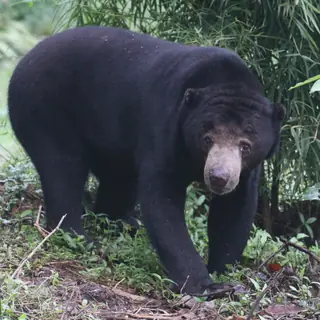 Sun BearRare
-
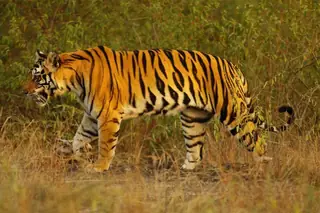 TigerRare
-
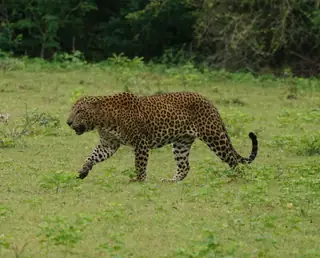 LeopardRare
-
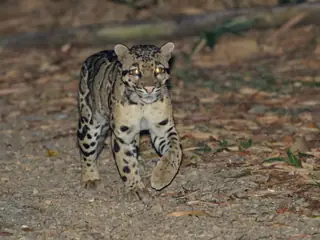 Mainland Clouded LeopardRare
Smaller mammals 20
-
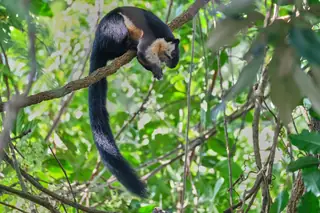 Black Giant Squirrel
-
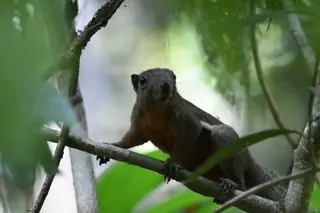 Plantain Squirrel
-
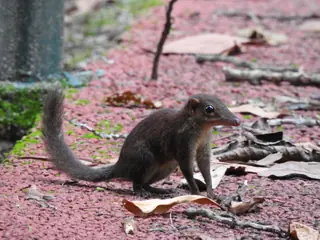 Common Treeshrew
-
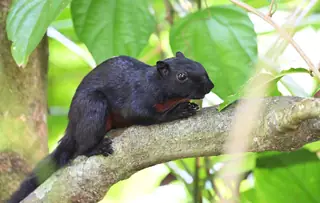 Prevost's Squirrel
-
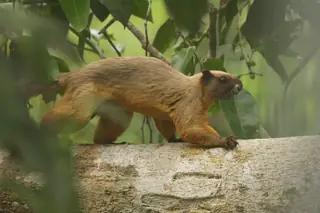 Cream-coloured Giant Squirrel
-
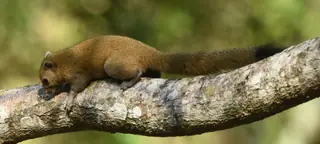 Grey-bellied Squirrel
-
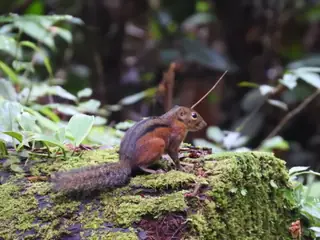 Three-striped Ground Squirrel
-
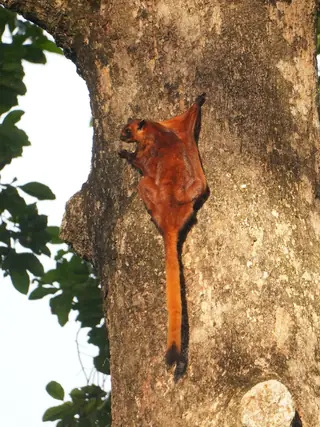 Red Giant Flying Squirrel
-
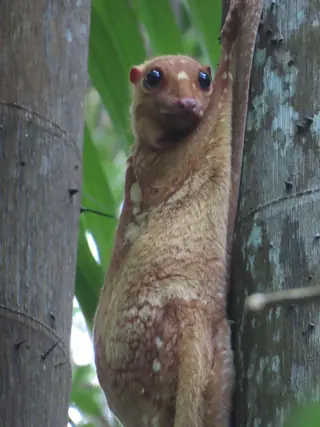 Sunda Colugo
-
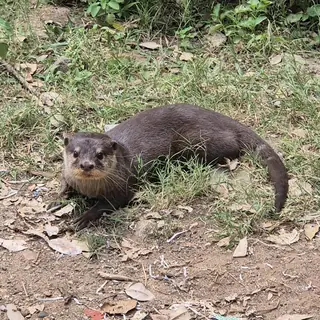 Asian Small-clawed Otter
-
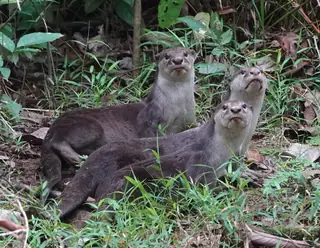 Smooth-coated Otter
-
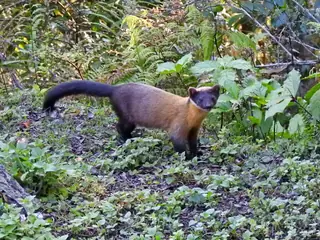 Yellow-throated Marten
-
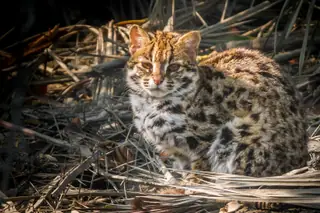 Leopard Cat
-
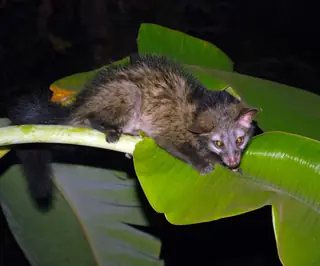 Common Palm Civet
-
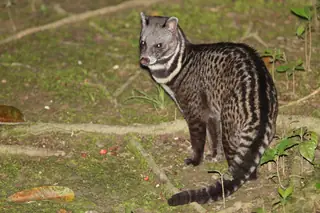 Malay Civet
-
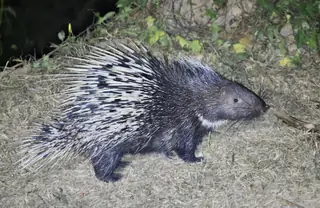 Malayan Porcupine
-
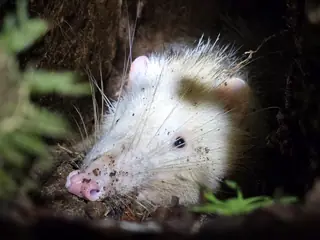 Moonrat
-
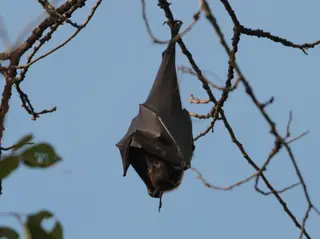 Large Flying-fox
-
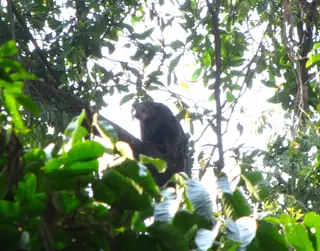 BinturongRare
-
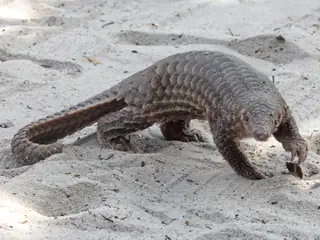 Sunda PangolinRare
Hornbills 8
-
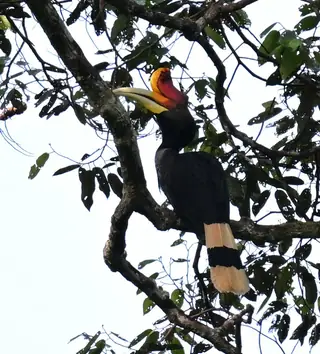 Rhinoceros Hornbill
-
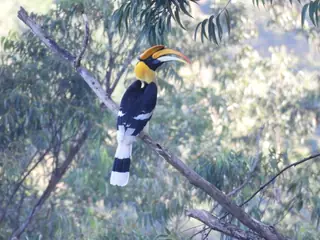 Great Hornbill
-
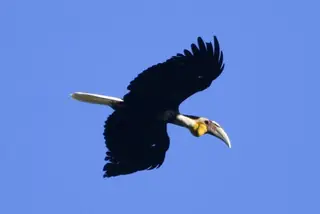 Wreathed Hornbill
-
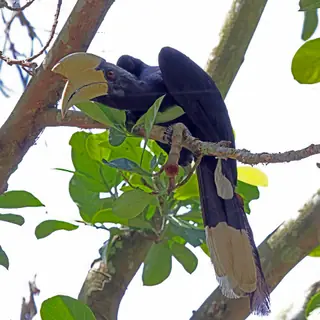 Black Hornbill
-
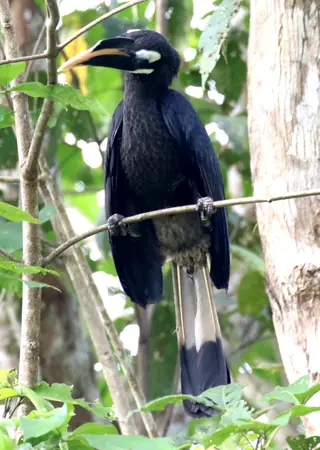 Bushy-crested Hornbill
-
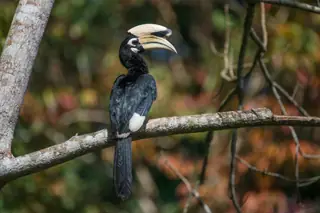 Oriental Pied Hornbill
-
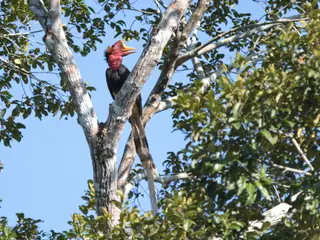 Helmeted HornbillRare
-
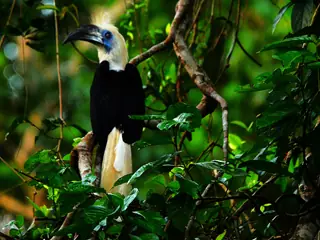 White-crowned HornbillRare
Pheasants, pittas and ground birds 9
-
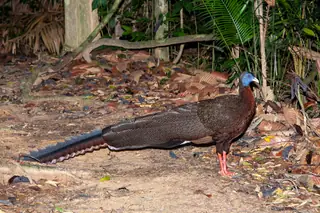 Great Argus
-
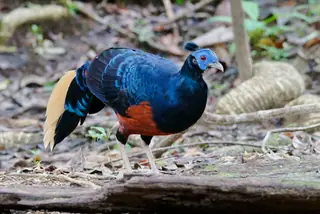 Crested Fireback
-
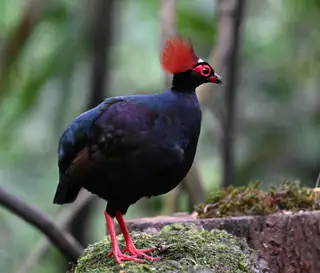 Crested Partridge
-
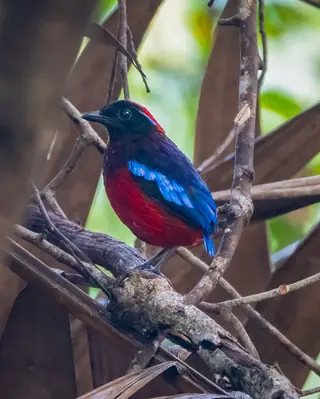 Garnet Pitta
-
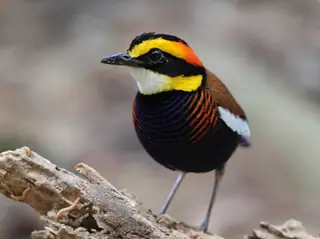 Malayan Banded Pitta
-
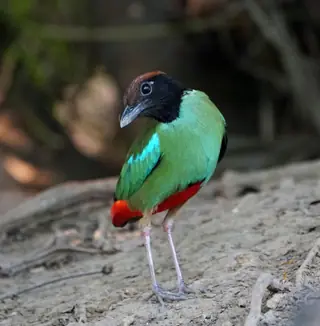 Hooded Pitta
-
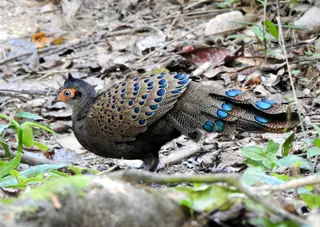 Malayan Peacock-PheasantRare
- Giant PittaRare
-
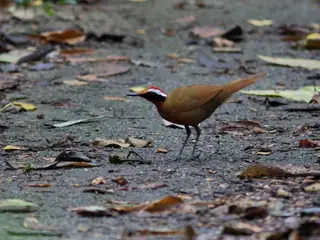 Rail-babblerRare
Birds of prey and owls 8
-
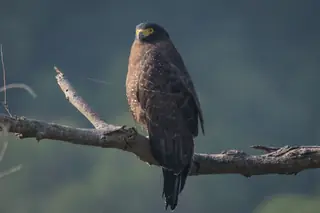 Crested Serpent Eagle
-
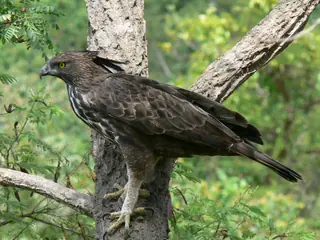 Changeable Hawk-Eagle
-
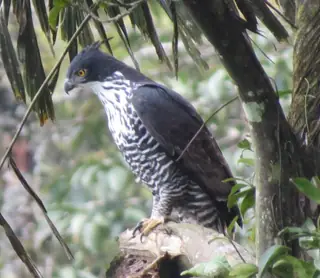 Blyth's Hawk-Eagle
-
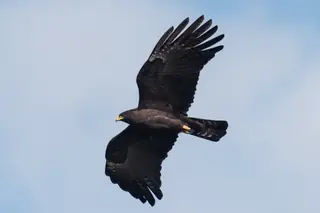 Black Eagle
-
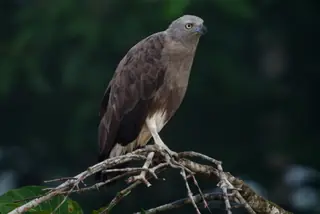 Lesser Fish Eagle
-
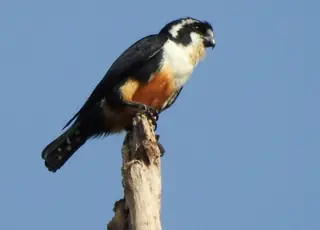 Black-thighed Falconet
-
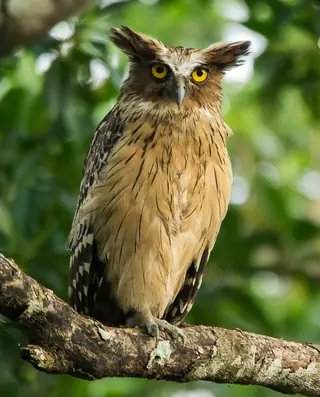 Buffy Fish Owl
-
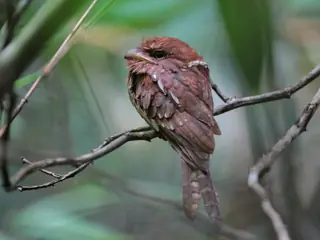 Gould's FrogmouthRare
River and forest birds 32
-
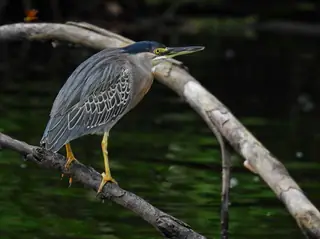 Striated Heron
-
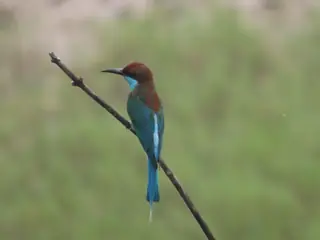 Blue-throated Bee-eater
-
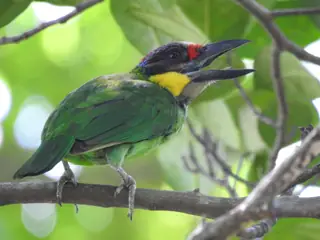 Gold-whiskered Barbet
-
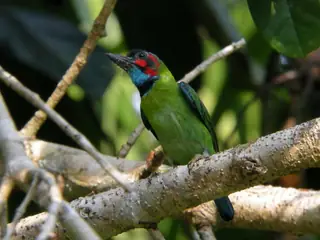 Black-eared Barbet
-
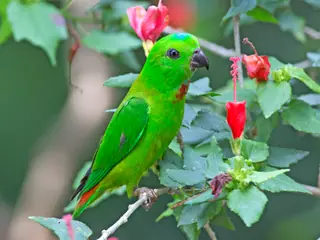 Blue-crowned Hanging Parrot
-
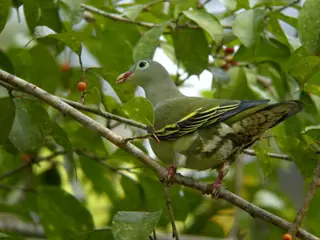 Thick-billed Green Pigeon
-
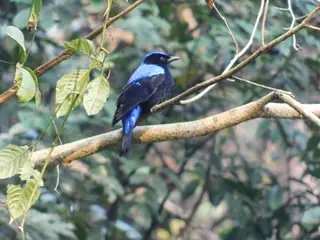 Asian Fairy-bluebird
-
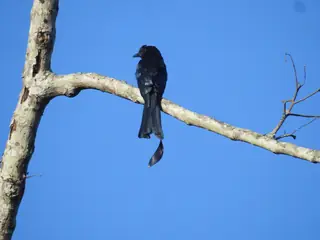 Greater Racquet-tailed Drongo
-
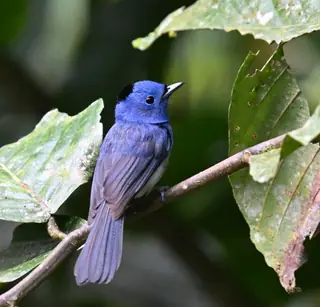 Black-naped Monarch
-
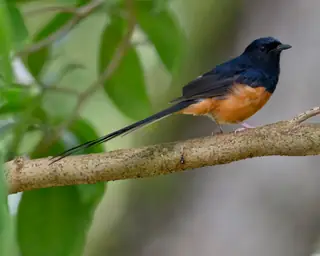 White-rumped Shama
-
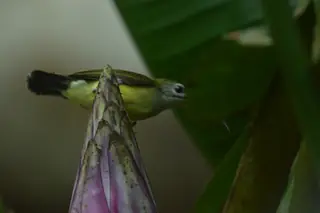 Little Spiderhunter
-
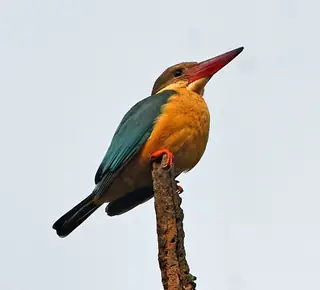 Stork-billed Kingfisher
-
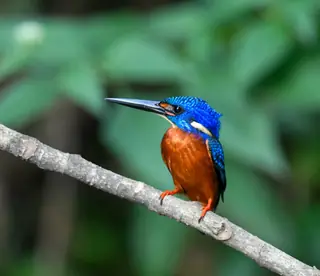 Blue-eared Kingfisher
-
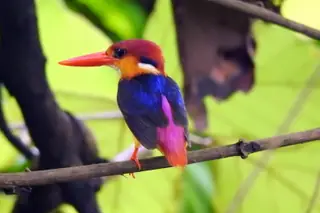 Black-backed Dwarf Kingfisher
-
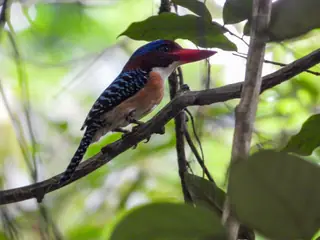 Banded Kingfisher
-
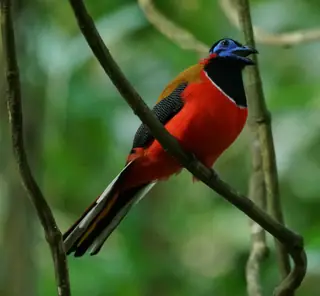 Red-naped Trogon
-
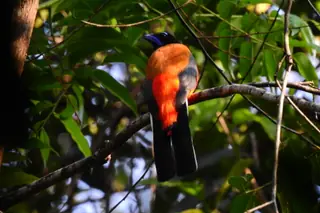 Scarlet-rumped Trogon
-
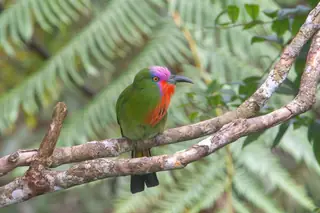 Red-bearded Bee-eater
-
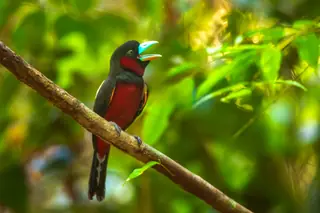 Black-and-red Broadbill
-
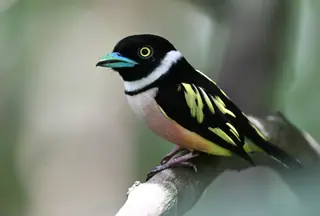 Black-and-yellow Broadbill
-
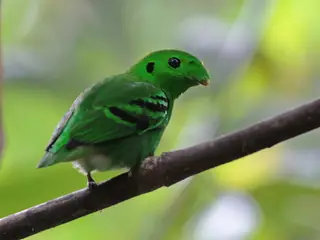 Green Broadbill
-
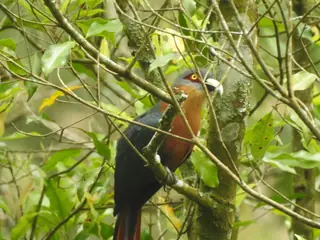 Chestnut-breasted Malkoha
-
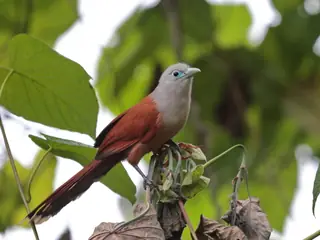 Raffles's Malkoha
-
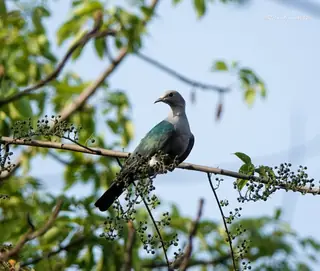 Green Imperial Pigeon
-
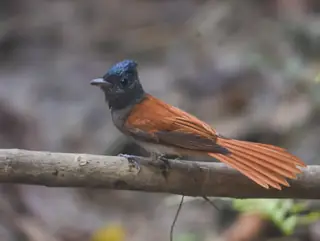 Blyth's Paradise Flycatcher
-
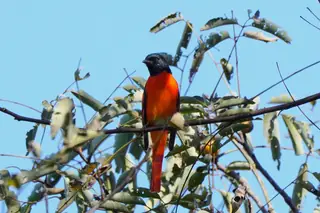 Scarlet Minivet
-
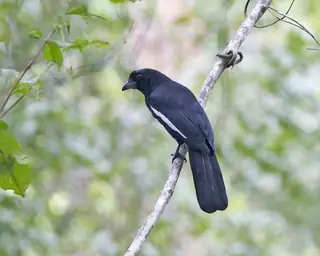 Malayan Black Magpie
-
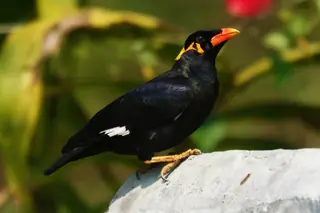 Common Hill Myna
-
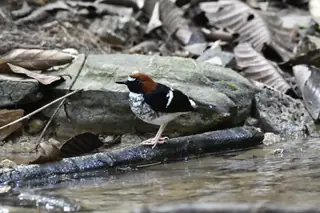 Chestnut-naped Forktail
-
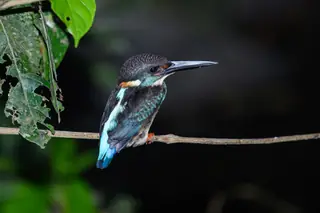 Malaysian Blue-banded KingfisherRare
-
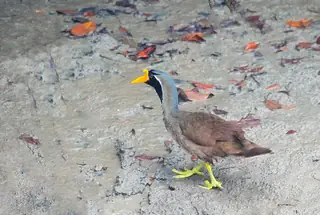 Masked FinfootRare
-
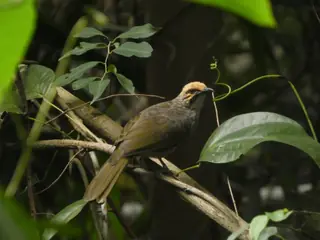 Straw-headed BulbulRare
Reptiles and amphibians 22
-
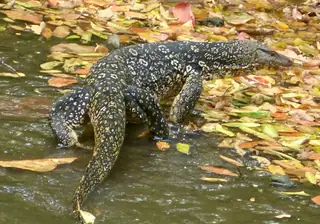 Asian Water Monitor
-
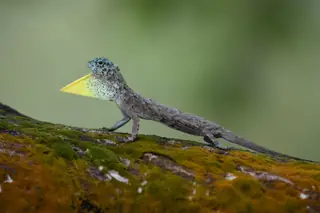 Sumatran Flying Dragon
-
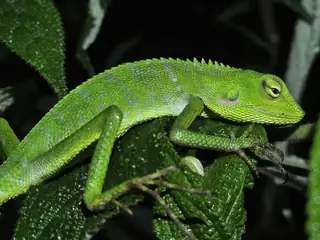 Green Crested Lizard
-
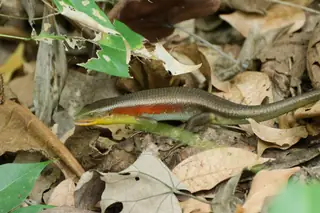 Common Sun Skink
-
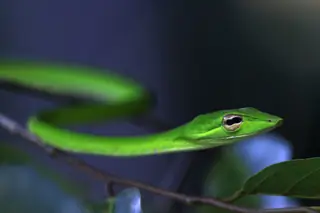 Oriental Whip Snake
-
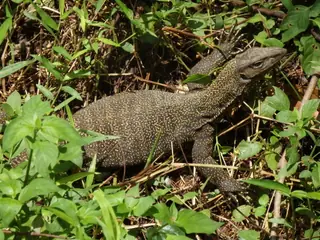 Clouded Monitor
-
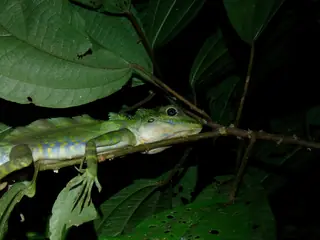 Great Anglehead Lizard
-
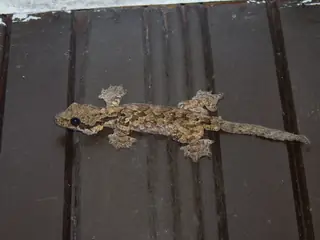 Kuhl's Flying Gecko
-
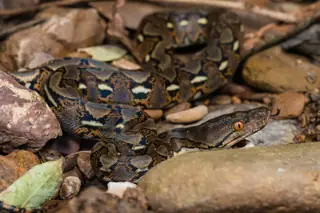 Reticulated Python
-
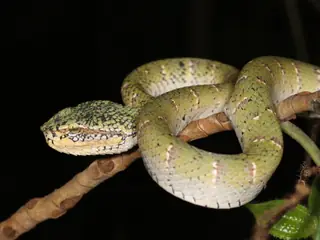 Wagler's Pit Viper
-
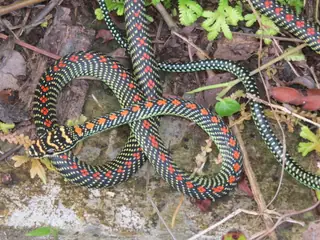 Paradise Flying Snake
-
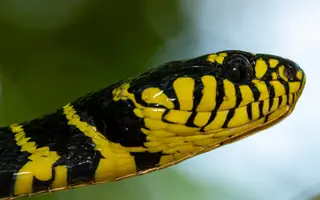 Mangrove Cat Snake
-
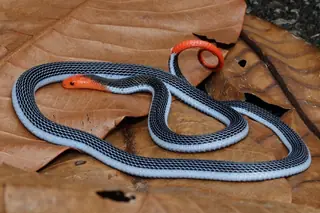 Blue Coral Snake
-
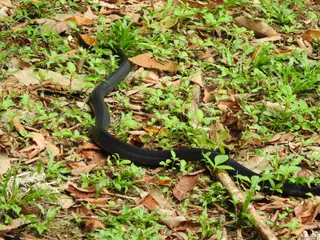 Equatorial Spitting Cobra
-
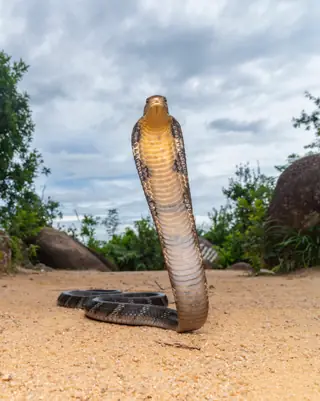 King CobraRare
-
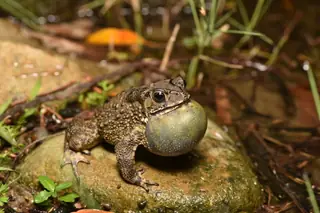 Asian Common Toad
-
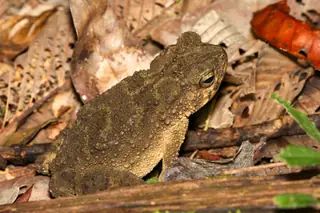 Asian Giant Toad
-
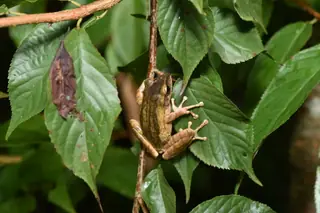 Four-lined Tree Frog
-
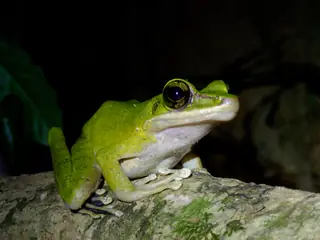 Hose's Frog
-
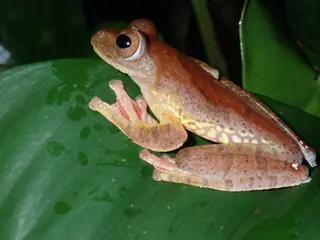 Harlequin Flying Frog
-
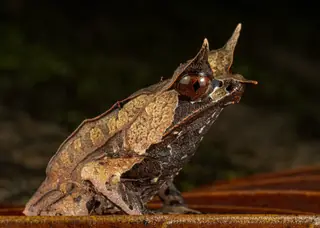 Malayan Horned Frog
-
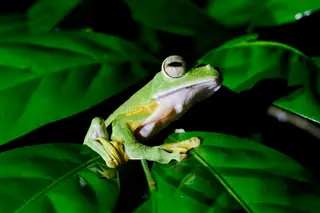 Wallace's Flying FrogRare
Fish and butterflies 7
- Malaysian Mahseer
-
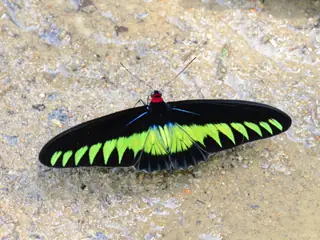 Rajah Brooke's Birdwing
-
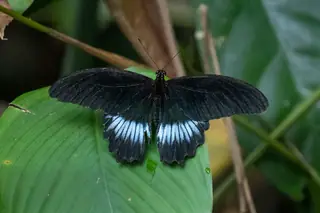 Great Mormon
-
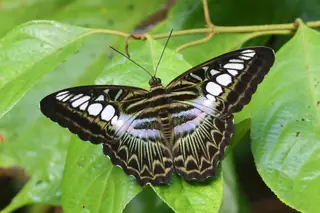 Clipper
-
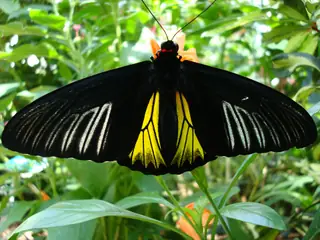 Common Birdwing
-
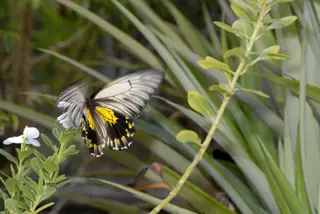 Malay Birdwing
-
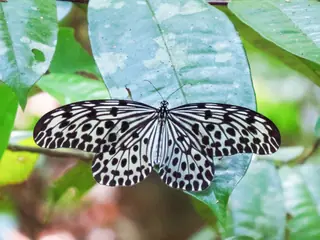 Common Tree Nymph
Best time to see wildlife in Taman Negara
Sightings by month in Taman Negara
Most records: All yearRecords from GBIF.org, adjusted for how many people record wildlife each month. 100% is the busiest month.
Taman Negara is hot and humid all year. The north-east monsoon brings the heaviest rain from about November to February, when rivers run high, trails are muddy and some services, longer treks and boat trips can close or be limited after floods. March to September is drier and the main season, though short afternoon storms are still common. Wildlife is active all year: hornbills follow fruiting trees, and birds sing most in the early morning. Leeches are busiest after rain. Weekends and Malaysian school holidays are busier in Kuala Tahan, so midweek stays are quieter.
- Mar to SepDrier; main season, best for treks and hides
- OctRains return; quieter
- Nov to FebMonsoon; high rivers, some trips limited
Tips for spotting wildlife in Taman Negara
- 01
Spend a night in a hide
The park's overnight hides overlook salt licks where tapir, deer and porcupines come to feed after dark. Bring food, water and patience, keep quiet and use a dim torch.
- 02
Walk the canopy walkway early
The walkway hangs about 40 metres up. Go when it opens for barbets and squirrels; it can close in bad weather and on some days for maintenance.
- 03
Take a boat upriver at dawn
Morning boat trips on the rivers are best for otters, kingfishers, monitor lizards and, with luck, the masked finfoot.
- 04
Join a guided night walk
Night walks often turn up mouse-deer, frogs, pit vipers and sometimes slow lorises. Keep the beam off animals' eyes.
- 05
Carry your permit
Buy the park entry permit and camera licence at the headquarters, and keep the slip with you: rangers may check it at trailheads.

Take Taman Negara with you
Exploring Taman Negara? Take this list on your phone and tick off langurs, hornbills and night-hide finds, offline. Wilder is free to start.

Taman Negara wildlife FAQ
What animals can you see in Taman Negara?
Most visitors to Taman Negara see dusky langurs, macaques, giant squirrels, hornbills, kingfishers and monitor lizards, and hear gibbons and great argus. Night walks and hides can turn up mouse-deer, tapirs and porcupines. Elephants, tigers, sun bears and leopards live in the park but are very rarely seen. This checklist covers 124 animals.
Can you see tigers in Taman Negara?
Malayan tigers still live in Taman Negara, but sightings are extremely rare and most visitors never see one. Tracks are more likely. Tapirs, hornbills and langurs are far more realistic targets.
How do you get to Taman Negara?
Most visitors travel from Kuala Lumpur to Jerantut, then either take the river boat from Kuala Tembeling to Kuala Tahan, about two and a half hours on the Tembeling River, or go by road. Shuttle buses from Kuala Lumpur run to Kuala Tahan. Check the river boat schedule, which can change in the monsoon.
Is Taman Negara the oldest rainforest in the world?
Taman Negara is often called one of the oldest rainforests in the world, and the region's forests have grown for many millions of years without being covered by ice. The exact age is hard to pin down, but the forest is very old and largely undisturbed.
Sources
- Panorama Destination: Canopy walkway reopens at Taman Negara
- Hiking the Green Isle: Taman Negara
- Wikipedia: Taman Negara
- Sightings by month: GBIF.org
Animal photos are from the Wilder catalogue; photo credits.
Similar checklists
All Asia-
 National park118animals Khao Sok National Park Surat Thani, Thailand Limestone peaks, old rainforest and the drowned valleys of Cheow Lan Lake in southern Thailand, with gibbons in the forest and hornbills and langurs seen from raft houses and longtail boats. Best time Jan to Apr
-
 National park114animals Gunung Leuser National Park North Sumatra and Aceh, Sumatra, Indonesia Vast mountain rainforest in northern Sumatra, walked with local guides from Bukit Lawang and Ketambe, and one of the last strongholds of the Sumatran orangutan. Best time May to Sept
-
 National park64animals Bako National Park Kuching, Sarawak, Borneo, Malaysia Sarawak's oldest national park, a short boat ride from Kuching: sandstone cliffs, beaches and mangroves where proboscis monkeys feed and bearded pigs wander the shore. Best time Mar to Oct
-
 Reserve123animals Danum Valley Conservation Area Lahad Datu, Sabah, Borneo, Malaysia Untouched lowland rainforest in eastern Sabah, with wild orangutans, gibbons, all eight of Borneo's hornbills and some of Asia's best night drives. Best time Mar to Oct