National park · North Sumatra and Aceh, Sumatra · Indonesia
Gunung Leuser National Park Wildlife Checklist

Gunung Leuser National Park in northern Sumatra is one of the best places in the world to see wild Sumatran orangutans, on guided jungle treks. Thomas's langurs, gibbons, hornbills and monitor lizards share the forest. This checklist covers 114 animals. The drier months, roughly May to September, are easiest for trekking.
Tick off all 114 animals in Gunung Leuser on your phone, even offline. Launching soon. Free A4 PDF, no sign-up.
The park covers more than 7,900 square kilometres of mountain and lowland forest and is part of the Tropical Rainforest Heritage of Sumatra World Heritage Site. Most visitors trek from Bukit Lawang, a riverside village about four to five hours from Medan; Ketambe, in the Alas valley to the north-west, is quieter and more remote.
- Animals to find
- 114
- Where
- Indonesia
- Best time
- May to Sept
- Orangutans
- One of their last wild strongholds
Popular animals in Gunung Leuser
-
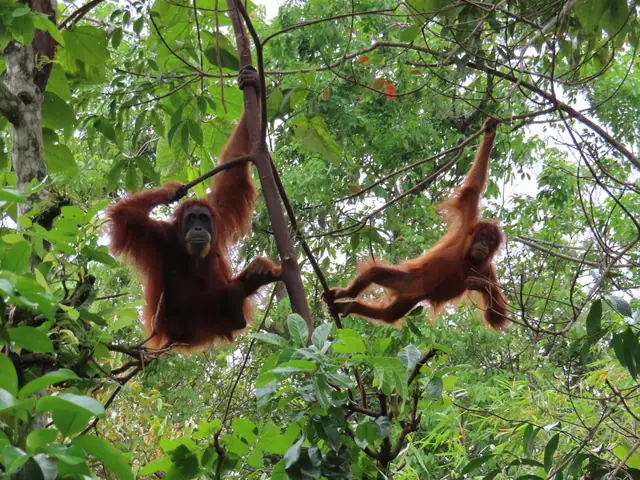
Sumatran Orangutan
Pongo abelii
Found only in northern Sumatra and critically endangered. Treks often meet orangutans in the forest, but keep the distance your guide sets, never feed or touch them, and stay away if you have a cold.
-
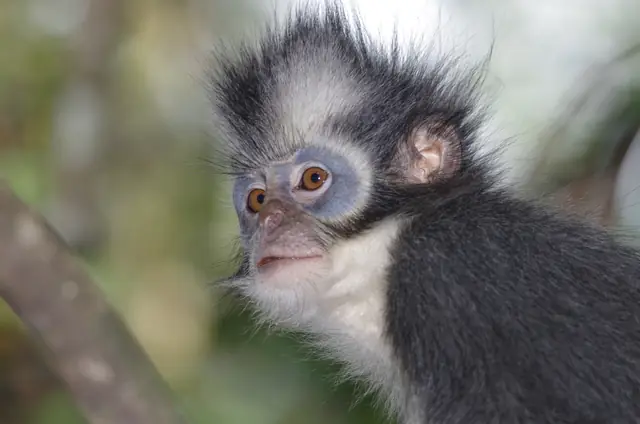
Thomas's Langur
Presbytis thomasi
A spiky-crested leaf monkey found only in northern Sumatra. Common along the forest edge and often the first primate you see.
-
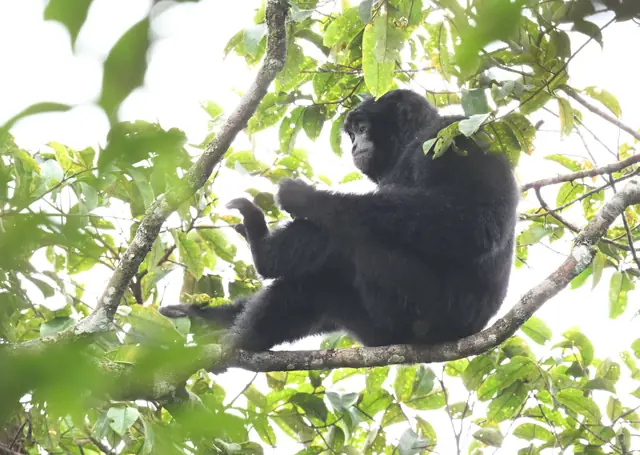
Siamang
Symphalangus syndactylus
The largest gibbon, with a throat sac that powers booming duets on still mornings. Heard far more often than seen.
-
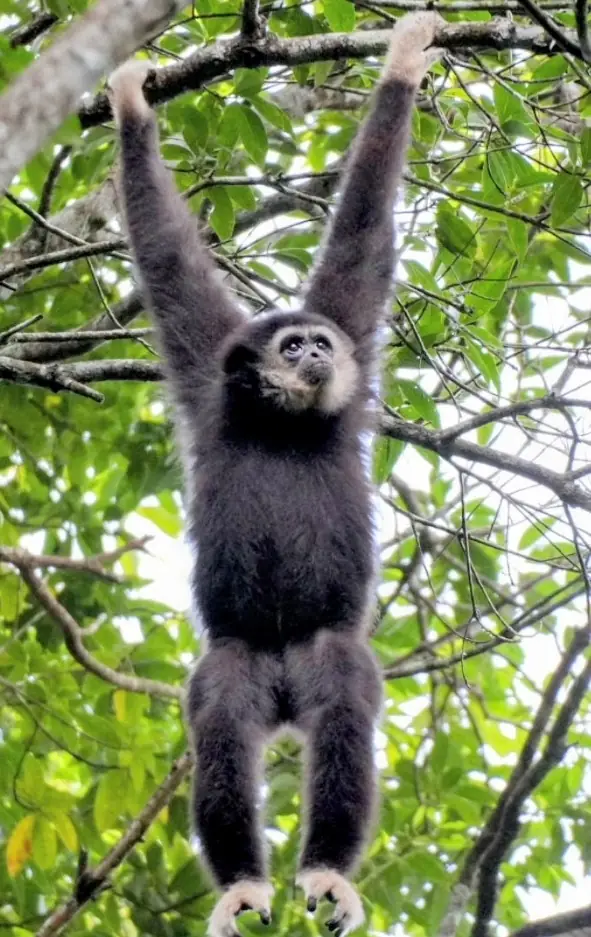
Lar Gibbon
Hylobates lar
Pale-handed gibbons that swing through the canopy. Listen for their whooping songs soon after dawn.
-
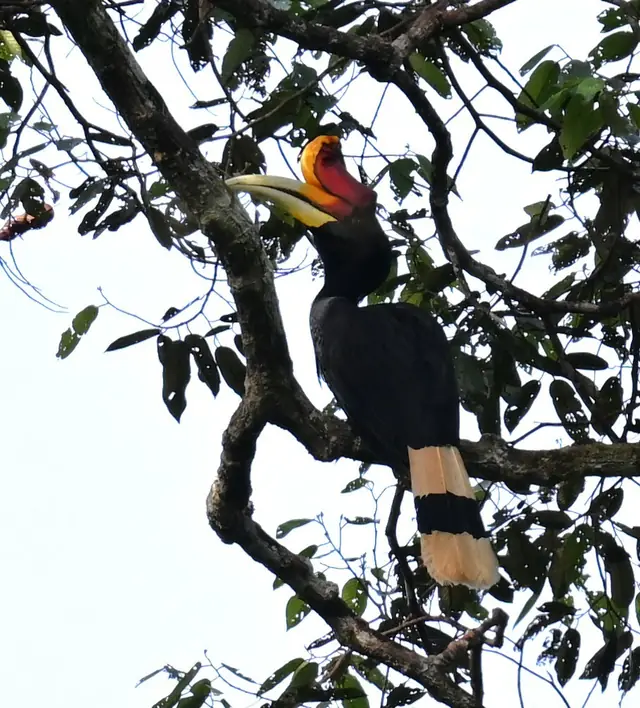
Rhinoceros Hornbill
Buceros rhinoceros
A huge black-and-white hornbill with an upturned orange casque. You often hear its loud wingbeats before you see it.
-
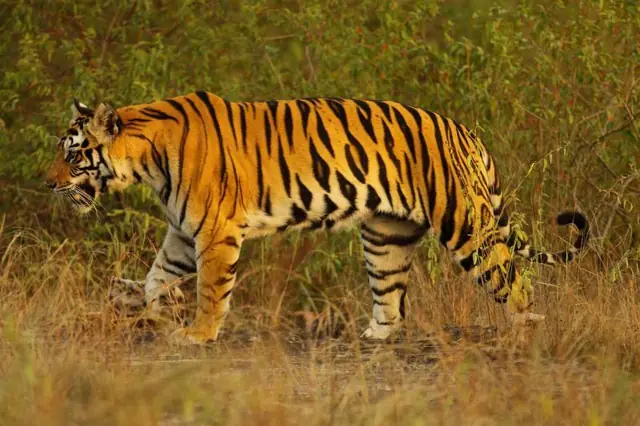
Tiger
Panthera tigris
Sumatran tigers still live in the park, but visitors almost never see one. Tracks are a far more likely sign.
-
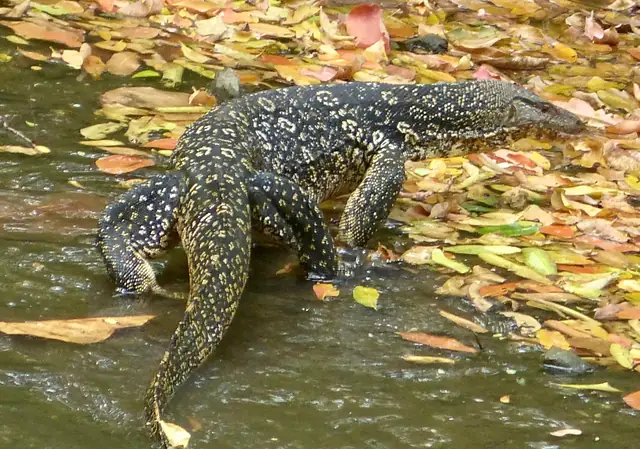
Asian Water Monitor
Varanus salvator
Big lizards swimming in the river and basking on the banks. Common around the villages.
-
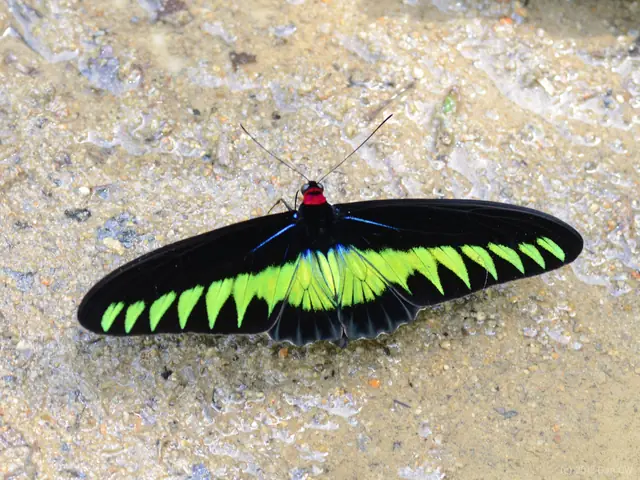
Rajah Brooke's Birdwing
Trogonoptera brookiana
A large black butterfly with bright green bands. Groups drink from damp sand by the river on sunny mornings.
All 114 animals in Gunung Leuser
Apes and monkeys 7
-
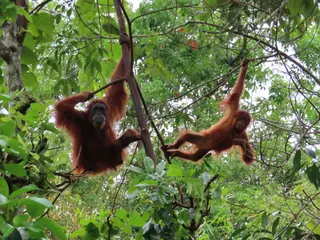 Sumatran Orangutan
-
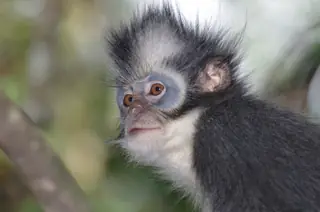 Thomas's Langur
-
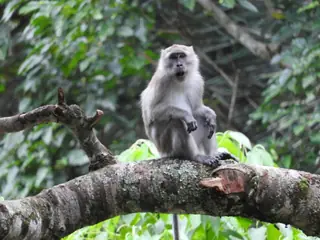 Long-tailed Macaque
-
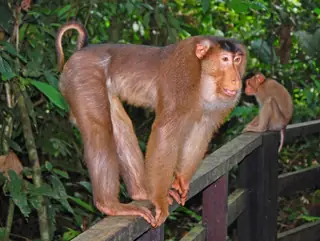 Southern Pig-tailed Macaque
-
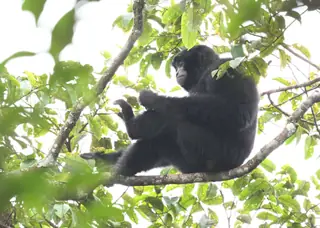 Siamang
-
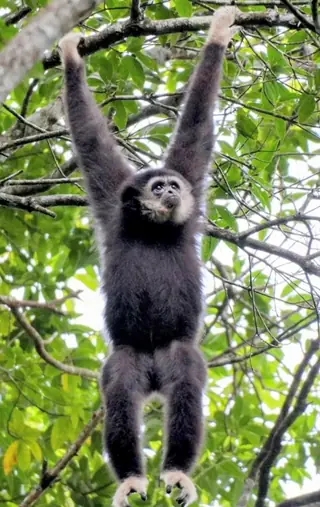 Lar Gibbon
-
 Sunda Slow LorisRare
Big mammals and cats 9
-
 Wild Boar
-
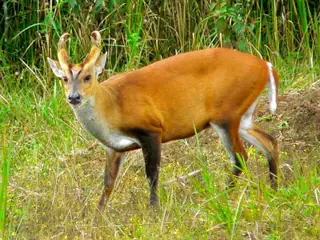 Southern Red Muntjac
-
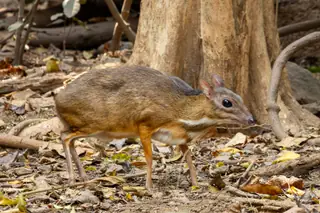 Lesser Mouse-deer
-
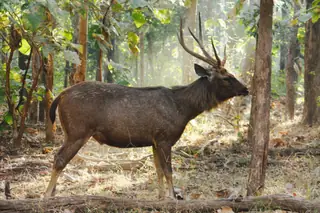 Sambar DeerRare
-
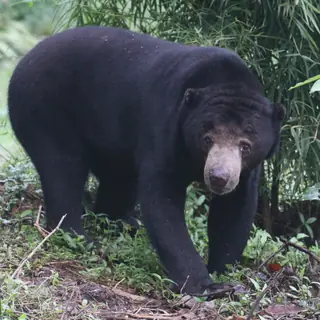 Sun BearRare
-
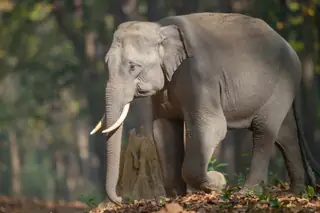 Asian ElephantRare
-
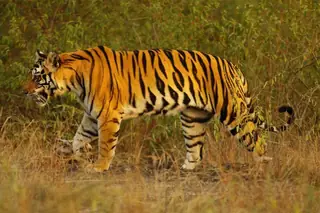 TigerRare
-
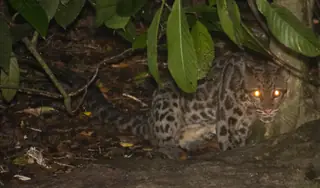 Sunda Clouded LeopardRare
-
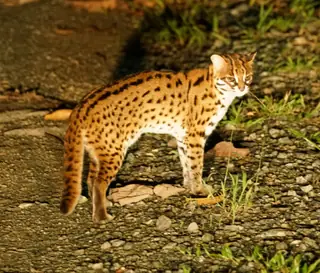 Sunda Leopard CatRare
Smaller mammals 18
-
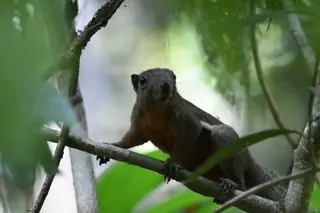 Plantain Squirrel
-
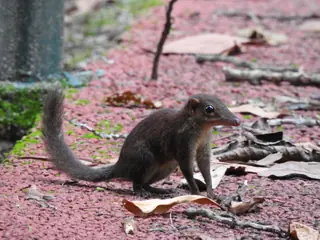 Common Treeshrew
-
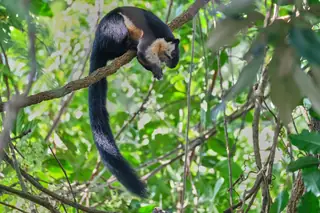 Black Giant Squirrel
-
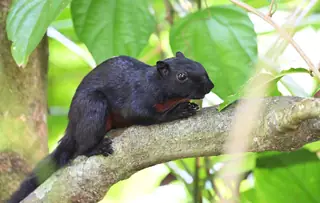 Prevost's Squirrel
-
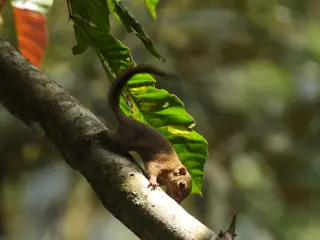 Slender Squirrel
-
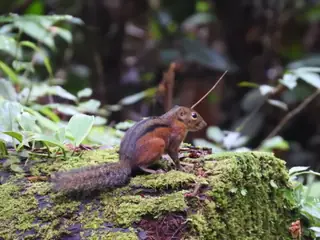 Three-striped Ground Squirrel
-
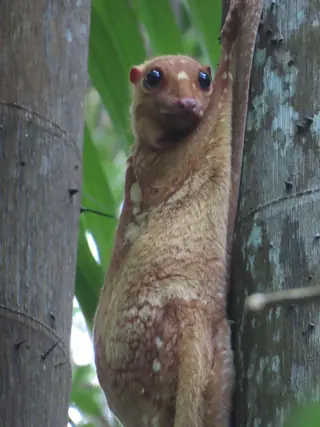 Sunda Colugo
-
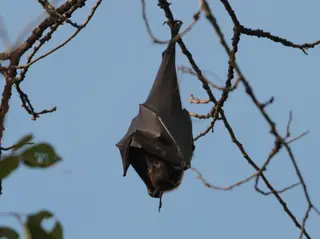 Large Flying-fox
-
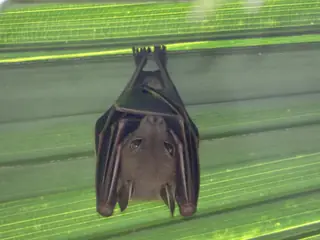 Lesser Short-nosed Fruit Bat
-
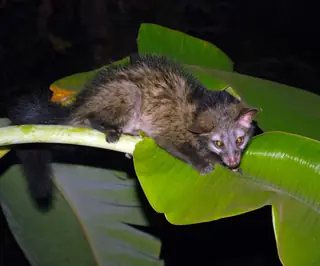 Common Palm Civet
-
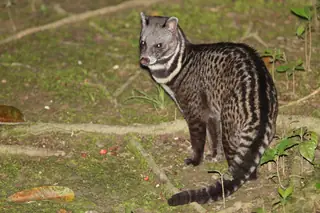 Malay Civet
-
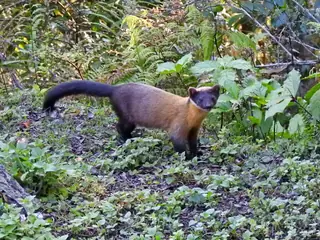 Yellow-throated Marten
-
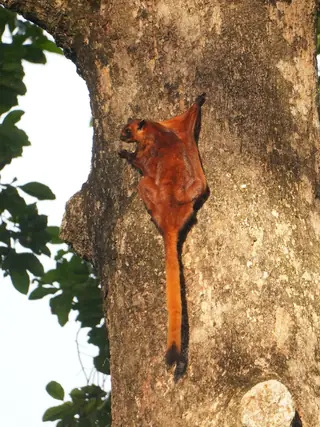 Red Giant Flying SquirrelRare
-
 BinturongRare
-
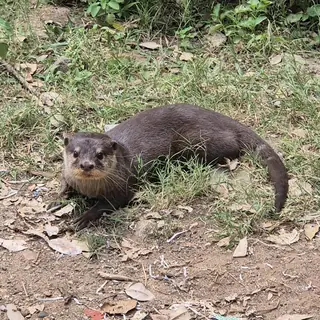 Asian Small-clawed OtterRare
-
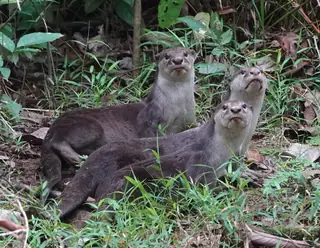 Smooth-coated OtterRare
-
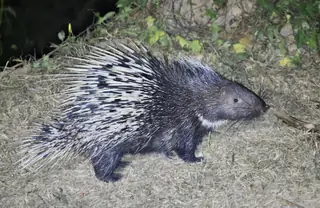 Malayan PorcupineRare
-
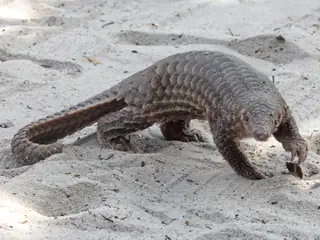 Sunda PangolinRare
Hornbills 6
-
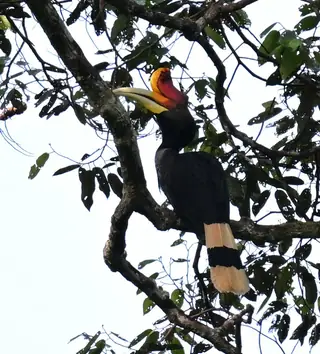 Rhinoceros Hornbill
-
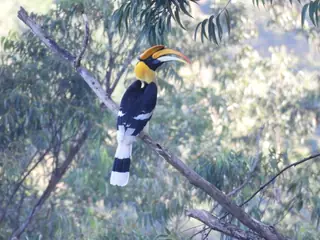 Great Hornbill
-
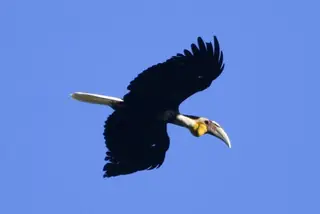 Wreathed Hornbill
-
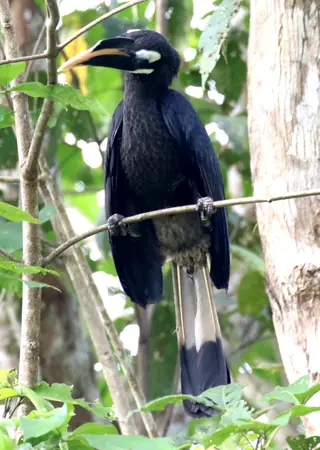 Bushy-crested Hornbill
-
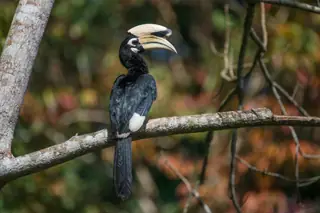 Oriental Pied Hornbill
-
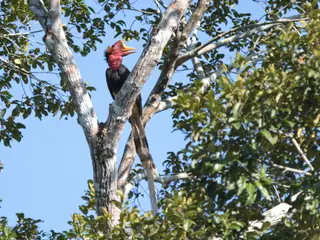 Helmeted HornbillRare
Birds of prey and owls 8
-
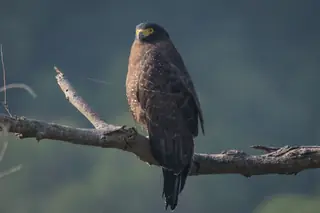 Crested Serpent Eagle
-
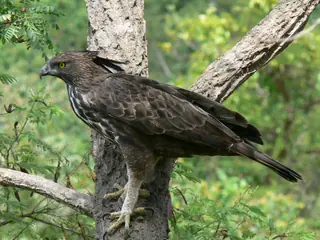 Changeable Hawk-Eagle
-
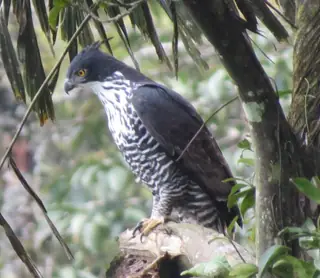 Blyth's Hawk-Eagle
-
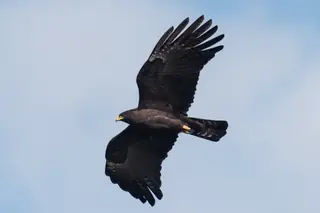 Black Eagle
-
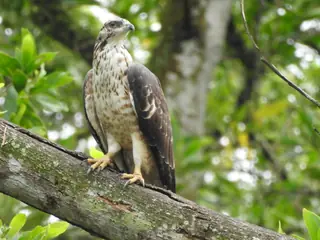 Oriental Honey Buzzard
-
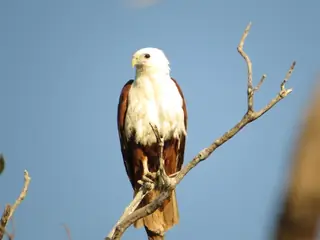 Brahminy Kite
-
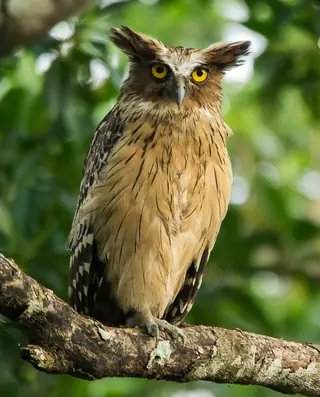 Buffy Fish Owl
-
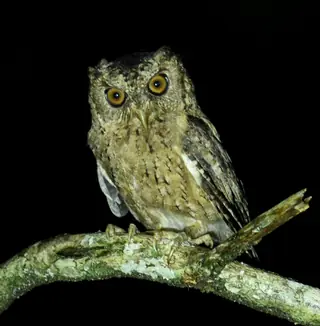 Sunda Scops Owl
Forest and river birds 42
-
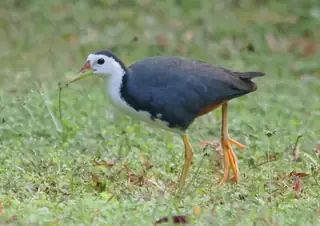 White-breasted Waterhen
-
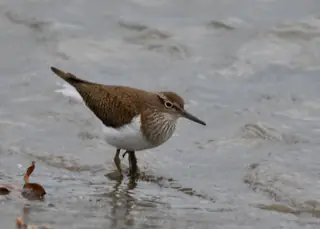 Common Sandpiper
-
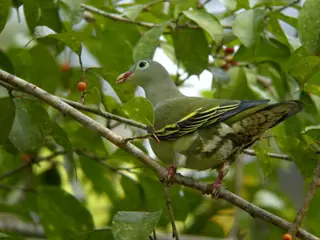 Thick-billed Green Pigeon
-
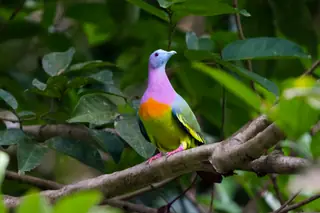 Pink-necked Green Pigeon
-
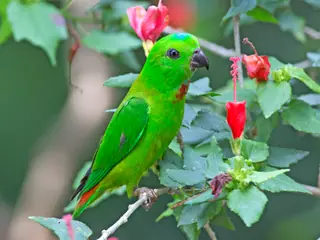 Blue-crowned Hanging Parrot
-
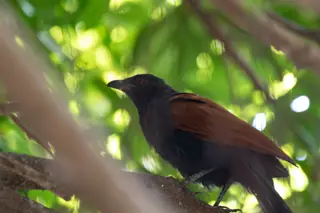 Greater Coucal
-
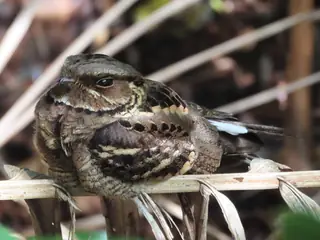 Large-tailed Nightjar
-
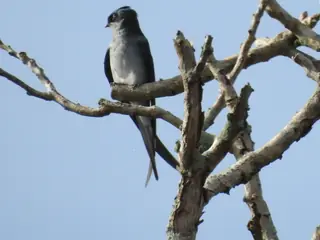 Grey-rumped Treeswift
-
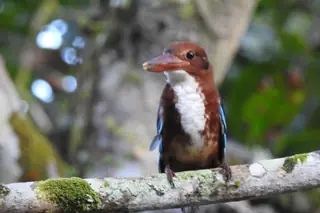 White-throated Kingfisher
-
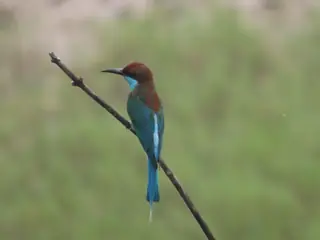 Blue-throated Bee-eater
-
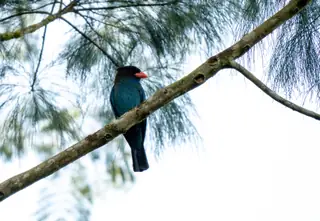 Oriental Dollarbird
-
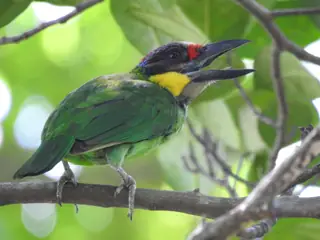 Gold-whiskered Barbet
-
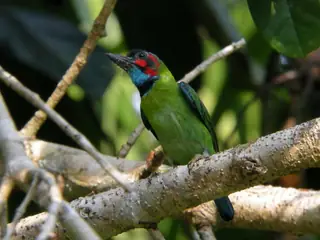 Black-eared Barbet
-
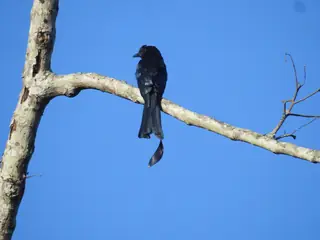 Greater Racquet-tailed Drongo
-
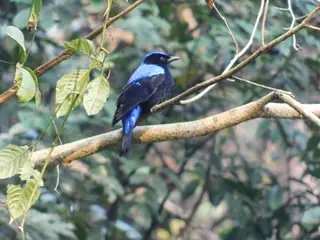 Asian Fairy-bluebird
-
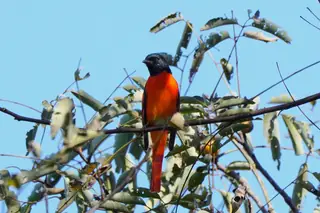 Scarlet Minivet
-
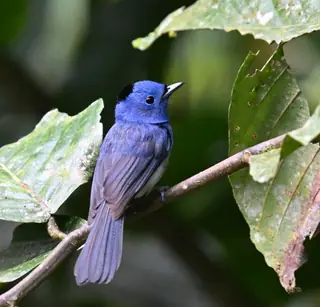 Black-naped Monarch
-
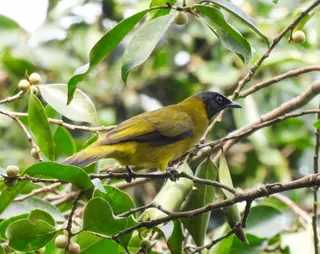 Black-headed Bulbul
-
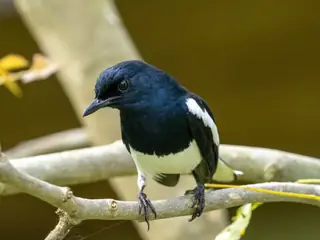 Oriental Magpie-Robin
-
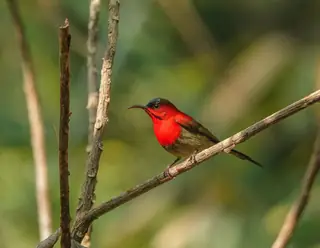 Crimson Sunbird
-
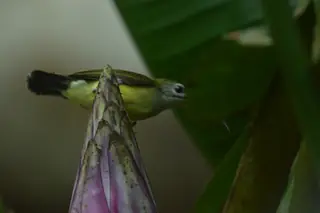 Little Spiderhunter
-
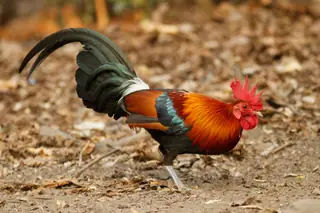 Red Junglefowl
-
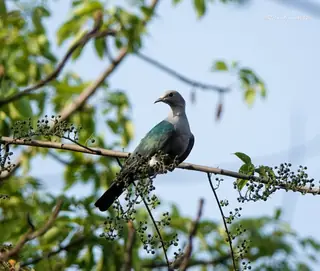 Green Imperial Pigeon
-
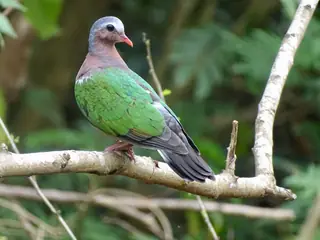 Common Emerald Dove
-
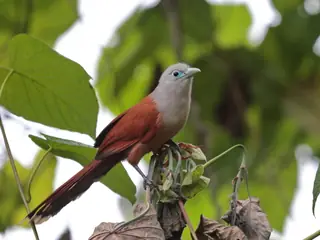 Raffles's Malkoha
-
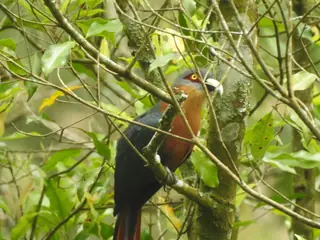 Chestnut-breasted Malkoha
-
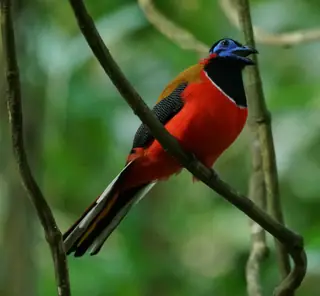 Red-naped Trogon
-
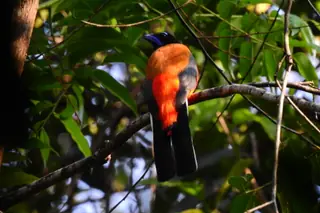 Scarlet-rumped Trogon
-
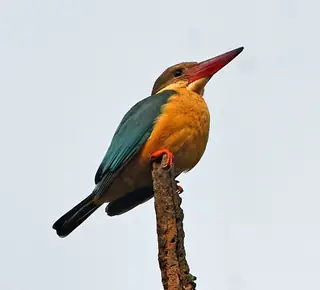 Stork-billed Kingfisher
-
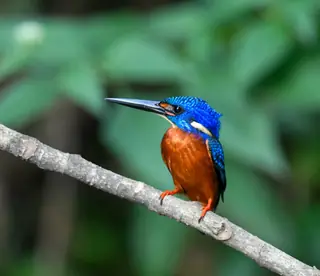 Blue-eared Kingfisher
-
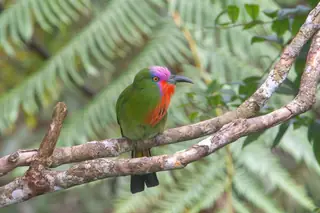 Red-bearded Bee-eater
-
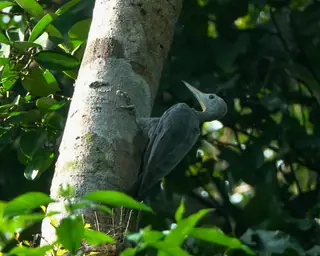 Great Slaty Woodpecker
-
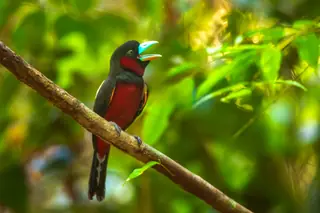 Black-and-red Broadbill
-
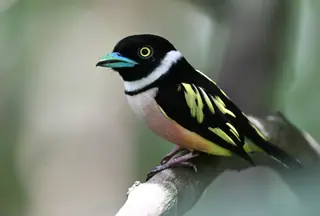 Black-and-yellow Broadbill
-
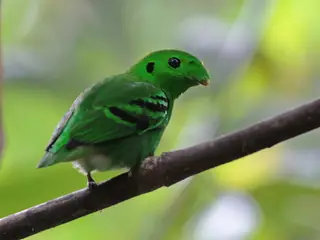 Green Broadbill
-
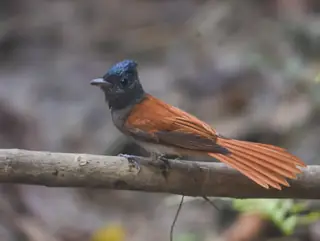 Blyth's Paradise Flycatcher
-
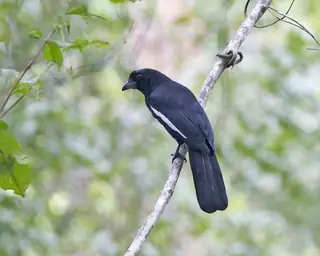 Malayan Black Magpie
-
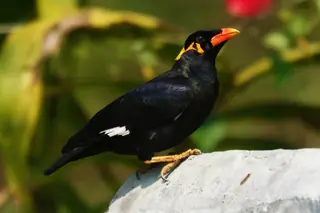 Common Hill Myna
-
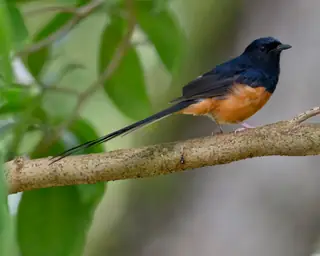 White-rumped Shama
-
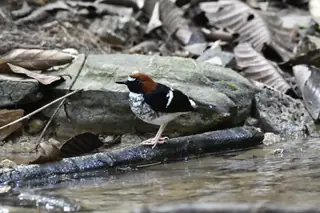 Chestnut-naped Forktail
-
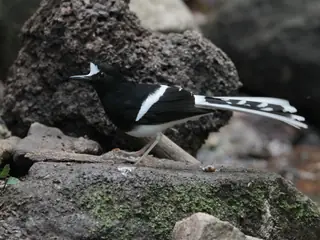 White-crowned Forktail
-
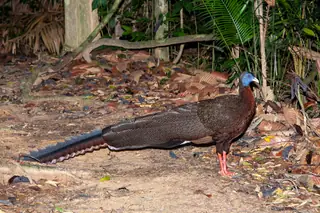 Great ArgusRare
Reptiles and amphibians 19
-
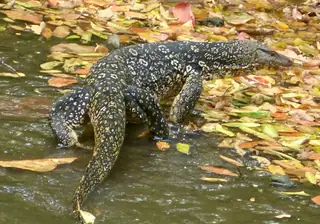 Asian Water Monitor
-
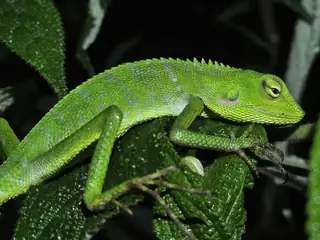 Green Crested Lizard
-
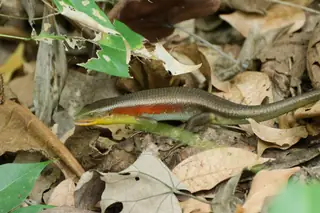 Common Sun Skink
- Tokay Gecko
-
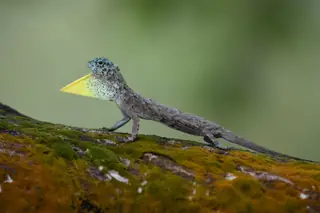 Sumatran Flying Dragon
-
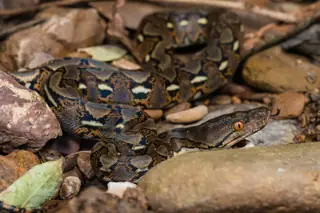 Reticulated Python
-
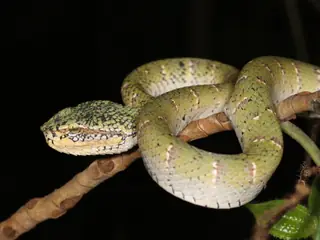 Wagler's Pit Viper
-
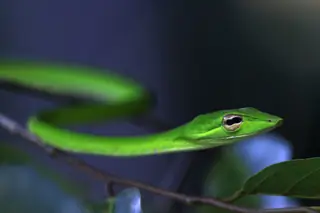 Oriental Whip Snake
-
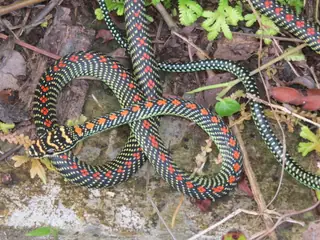 Paradise Flying Snake
-
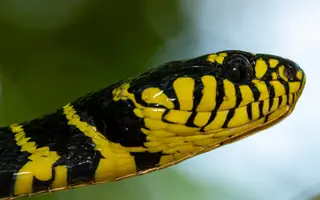 Mangrove Cat Snake
-
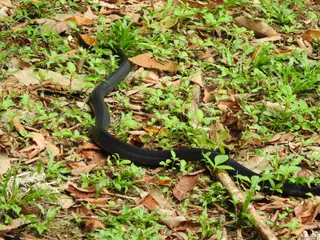 Equatorial Spitting CobraRare
-
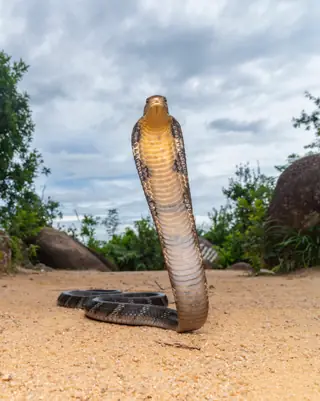 King CobraRare
-
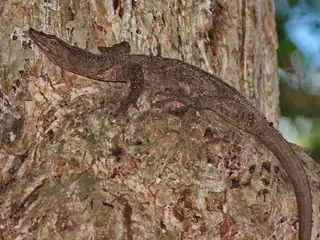 Dumeril's MonitorRare
-
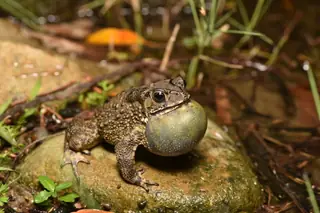 Asian Common Toad
-
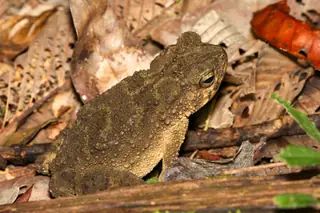 Asian Giant Toad
-
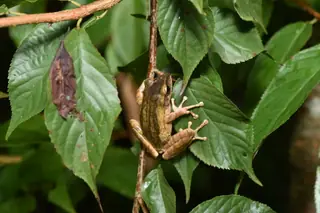 Four-lined Tree Frog
-
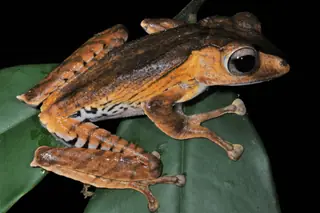 File-eared Tree Frog
-
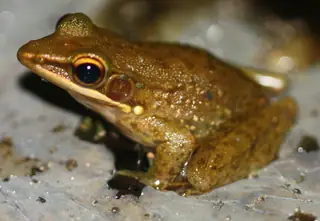 Copper-cheeked Frog
-
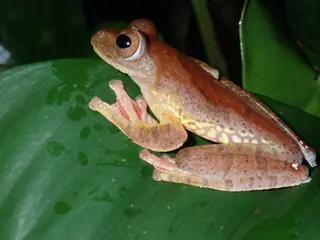 Harlequin Flying FrogRare
Butterflies 5
-
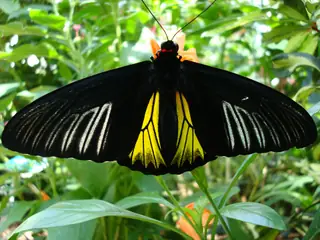 Common Birdwing
-
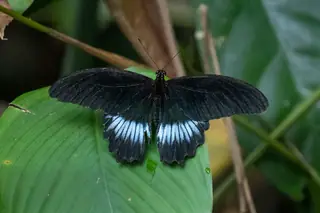 Great Mormon
-
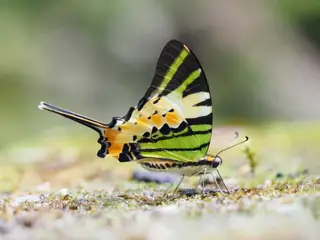 Five-bar Swordtail
-
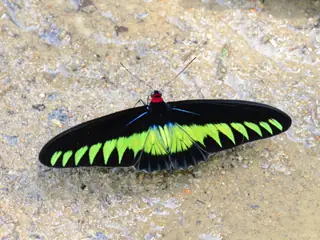 Rajah Brooke's Birdwing
-
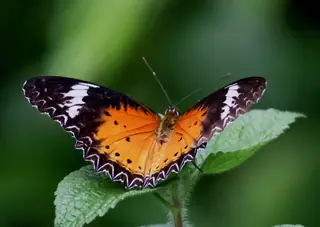 Leopard Lacewing
Best time to see wildlife in Gunung Leuser
Gunung Leuser is warm, humid and wet all year, and you will meet rain in any month. The drier season, roughly May to September, brings firmer trails, fewer leeches and the busiest time in Bukit Lawang. The wetter months, about October to March, bring heavy afternoon downpours, muddy slopes and more leeches, but the forest is lush and treks are quieter and often cheaper. Orangutans can be met in any month; when forest fruit is plentiful they spread out and may be harder to find. Rivers rise quickly after heavy rain, so river crossings and tubing depend on conditions. Start treks early: mornings are cooler and primates are most active.
- May to SepDrier; easier trails, busiest season
- Oct to DecWettest; muddy trails, more leeches
- Jan to AprMixed weather; quieter, lush forest
Tips for spotting wildlife in Gunung Leuser
- 01
Choose a guide who does not feed orangutans
Visitors must trek with a licensed local guide. Ask before you book whether they keep their distance and never feed apes; feeding makes orangutans pushy and spreads disease.
- 02
Stay at least two nights
A two-day trek with a night camping by the river gives more time in the forest and better chances of gibbons, hornbills and langurs as well as orangutans.
- 03
Listen at dawn
Siamangs and lar gibbons sing in the first hours of daylight. Sit quietly at the forest edge with a cup of coffee and let the calls tell you what is around.
- 04
Try Ketambe for a quieter forest
Ketambe, in the Alas valley, sees far fewer visitors than Bukit Lawang. It takes longer to reach, but treks there feel wilder.
- 05
Pack for leeches and rain
Leech socks, a light rain jacket and shoes with good grip make steep, muddy trails much easier, especially from October to March.

Take Gunung Leuser with you
Trekking in Gunung Leuser? Take this list on your phone and tick off orangutans, langurs and hornbills as you go, offline. Wilder is free to start.

Gunung Leuser wildlife FAQ
What animals can you see in Gunung Leuser National Park?
Most treks in Gunung Leuser meet Sumatran orangutans, Thomas's langurs, macaques, squirrels and monitor lizards, and many hear siamangs and lar gibbons. Hornbills, kingfishers and broadbills are regular. Tigers, elephants, sun bears and clouded leopards live in the park but are rarely seen. This checklist covers 114 animals.
Are the orangutans in Gunung Leuser wild?
Some are wild and some are semi-wild. A rehabilitation centre released more than 200 former pet orangutans until 2001, and some of them and their young still live in the park. Treat every orangutan as a wild animal: keep your distance, never feed or touch it, and stay away if you are ill.
Do you need a guide to trek in Gunung Leuser?
Yes. Visitors must enter the park with a licensed local guide, who also arranges your park registration. Bring your passport. Choose a guide who keeps groups small and quiet and follows the no-feeding rule.
How do you get to Bukit Lawang?
Bukit Lawang is about 90 kilometres from Medan, a drive of four to five hours. Shared shuttles run from Medan and Kualanamu Airport, and public buses go to the village. Ketambe is reached from Kutacane in Aceh, a longer road journey.
Sources
- UNESCO World Heritage: Tropical Rainforest Heritage of Sumatra
- Mongabay: Don't feed the orangutans, a warning unheeded at popular ecotourism stop
- Backindo: How to see wild orangutans in Bukit Lawang
- Sightings by month: GBIF.org
Animal photos are from the Wilder catalogue; photo credits.
Similar checklists
All Asia-
 National park95animals Tanjung Puting National Park Central Kalimantan, Borneo, Indonesia Peat swamp and riverside forest on Borneo's south coast, explored by houseboat, with orangutans, proboscis monkeys and gibbons. Best time Jun to Sept
-
 Reserve123animals Danum Valley Conservation Area Lahad Datu, Sabah, Borneo, Malaysia Untouched lowland rainforest in eastern Sabah, with wild orangutans, gibbons, all eight of Borneo's hornbills and some of Asia's best night drives. Best time Mar to Oct
-
 Reserve71animals Kinabatangan River Sabah, Borneo, Malaysia Borneo's great wildlife river: proboscis monkeys at dusk, wild orangutans, pygmy elephants on the banks and eight kinds of hornbill. Best time Mar to Oct
-
 National park124animals Taman Negara Pahang, Kelantan and Terengganu, Malaysia Malaysia's great national park: ancient lowland rainforest along the Tembeling and Tahan rivers, with a canopy walkway, overnight hides, hornbills and the chance of a tapir. Best time Mar to Sept