National park · Central Kalimantan, Borneo · Indonesia
Tanjung Puting Wildlife Checklist

Tanjung Puting National Park in Central Kalimantan is one of the easiest places in Borneo to see orangutans, explored by klotok houseboat along the river. Proboscis monkeys, gibbons, hornbills and crocodiles live in its peat swamp and riverside forest. This checklist covers 95 animals. The drier months, June to September, are best for river trips.
Tick off all 95 animals in Tanjung Puting on your phone, even offline. Launching soon. Free A4 PDF, no sign-up.
Camp Leakey, founded in 1971 by Biruté Galdikas, is the park's famous research station. Trips start from Kumai, near Pangkalan Bun airport, and stop at the park's managed feeding stations, where rehabilitated and wild orangutans may come in to feed.
- Animals to find
- 95
- Where
- Indonesia
- Best time
- Jun to Sept
- Orangutans
- Seen from a riverboat
Popular animals in Tanjung Puting
-
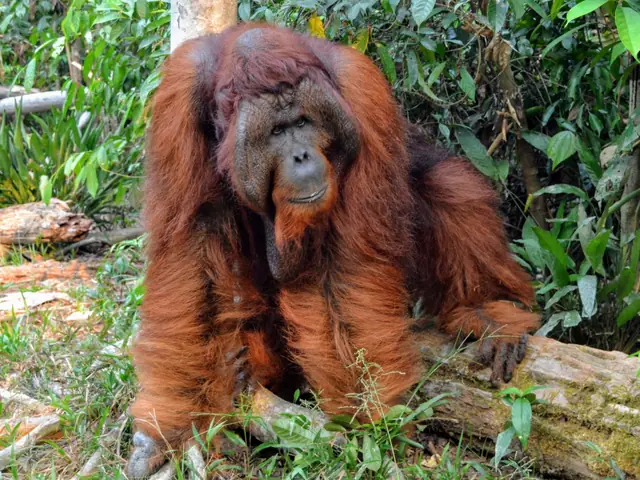
Bornean Orangutan
Pongo pygmaeus
Seen at the park's managed feeding stations and sometimes in the forest along the river. Stay behind the rope or follow the park's distance rules, never offer food, use no flash, and stay away if you have a cold or cough.
-
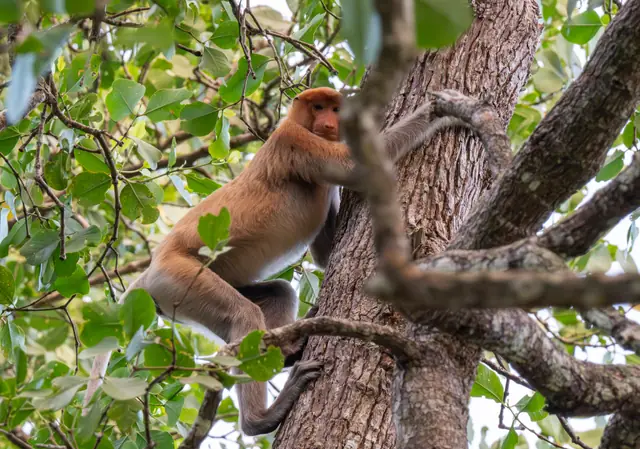
Proboscis Monkey
Nasalis larvatus
Troops settle in the riverside trees along the Sekonyer in the late afternoon. Males have a huge, drooping nose.
-
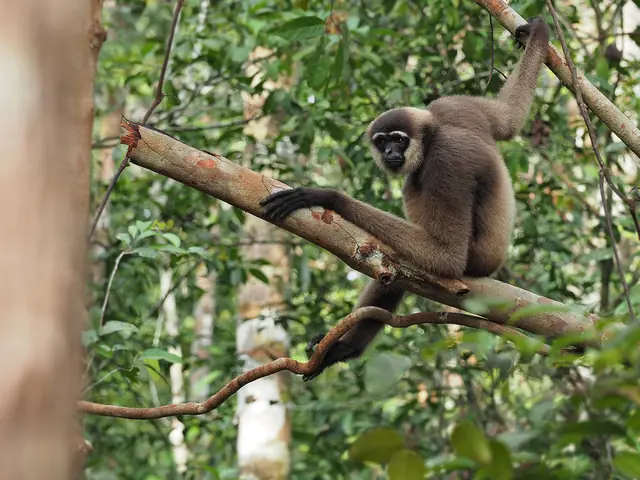
Bornean White-bearded Gibbon
Hylobates albibarbis
Found only in south-west Borneo. Its loud duets carry across the forest at dawn, but it is heard far more often than seen.
-
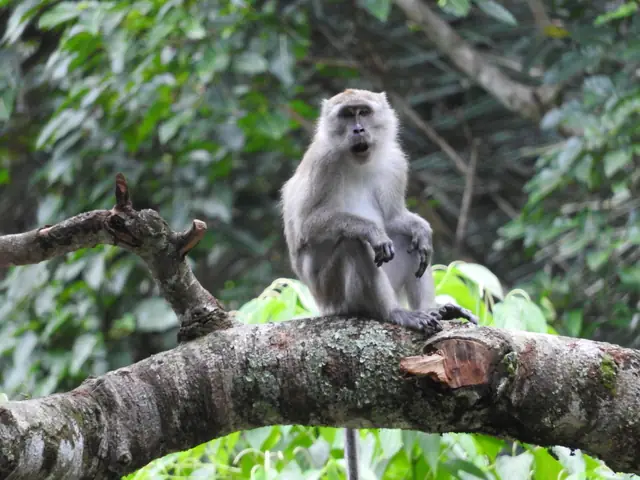
Long-tailed Macaque
Macaca fascicularis
Common along the riverbanks. Keep food and bags out of reach on the boat.
-
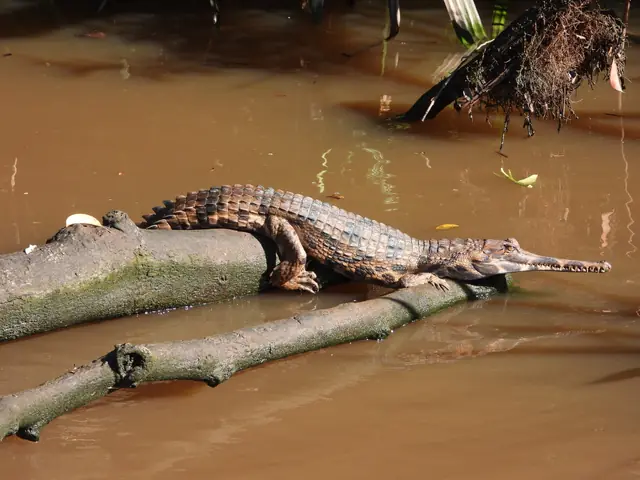
False Gharial
Tomistoma schlegelii
A slender-snouted crocodile of the blackwater rivers, and this park is one of its strongholds. A sighting is very lucky.
-
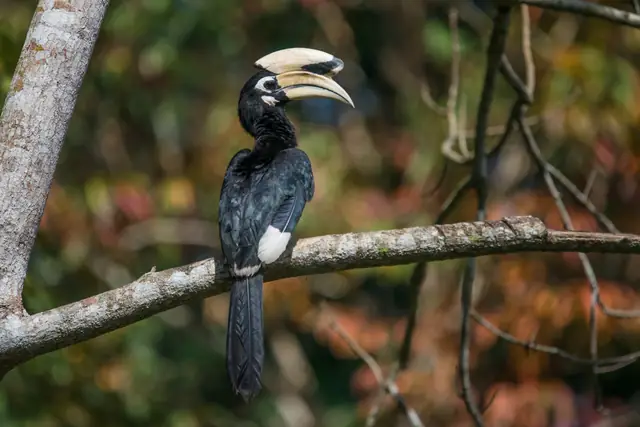
Oriental Pied Hornbill
Anthracoceros albirostris
The commonest hornbill here, flying across the river in pairs and small groups.
-
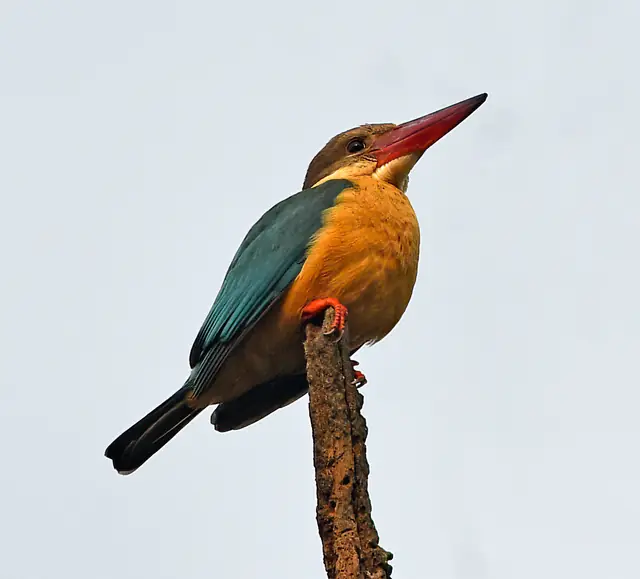
Stork-billed Kingfisher
Pelargopsis capensis
A big kingfisher with a huge red bill, perched over the water. Easy to see from the deck.
-
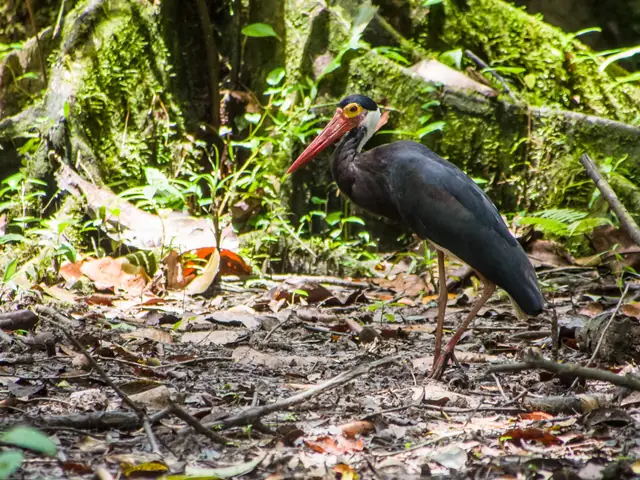
Storm's Stork
Ciconia stormi
One of the rarest storks in the world. A very lucky sighting over the forest or river.
All 95 animals in Tanjung Puting
Primates 9
-
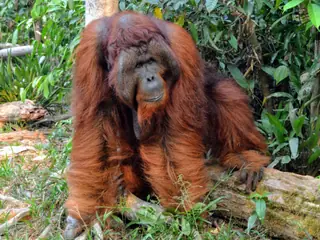 Bornean Orangutan
-
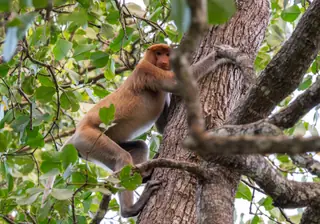 Proboscis Monkey
-
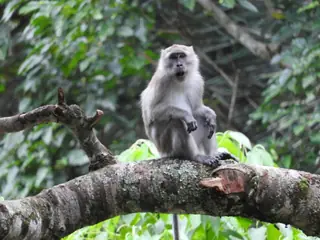 Long-tailed Macaque
-
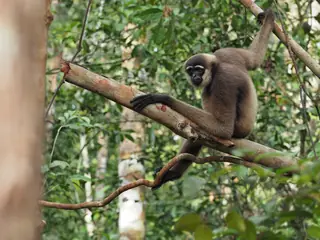 Bornean White-bearded Gibbon
-
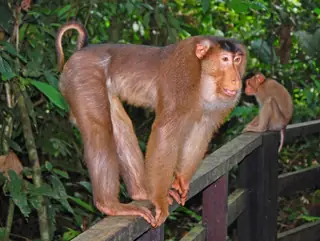 Southern Pig-tailed Macaque
-
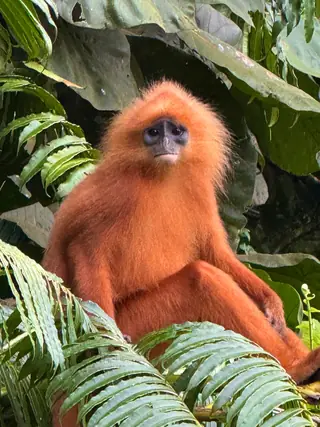 Maroon Langur
-
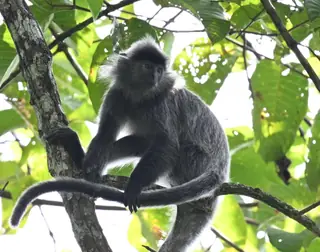 Silvered Leaf Monkey
-
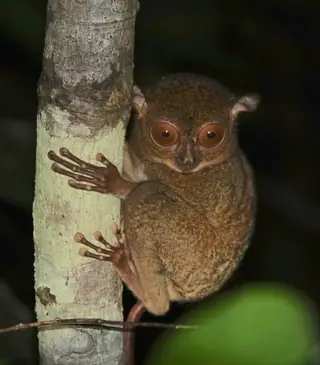 Western TarsierRare
-
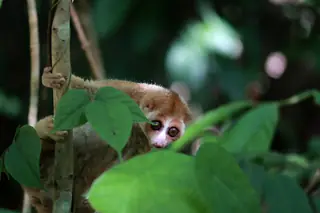 Bornean Slow LorisRare
Other mammals 18
-
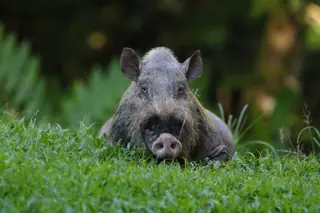 Bearded Pig
-
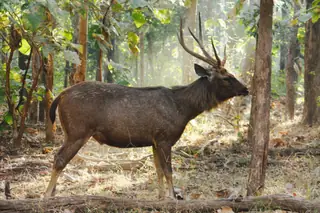 Sambar Deer
-
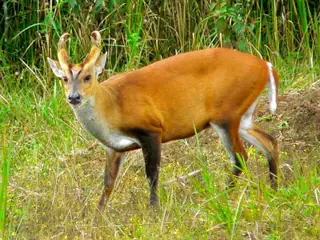 Southern Red Muntjac
-
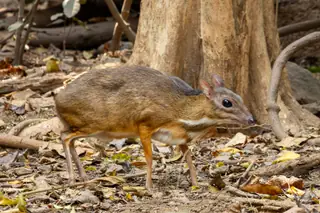 Lesser Mouse-deer
-
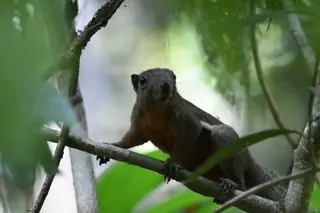 Plantain Squirrel
-
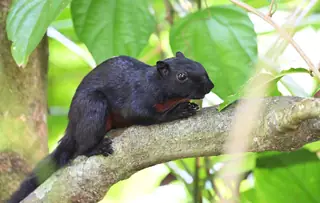 Prevost's Squirrel
-
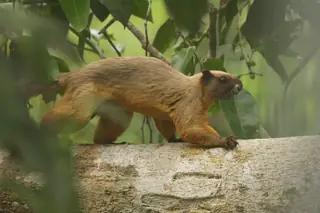 Cream-coloured Giant Squirrel
-
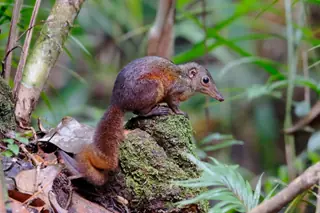 Large Treeshrew
-
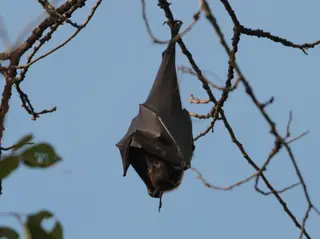 Large Flying-fox
-
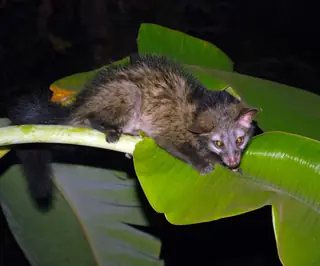 Common Palm Civet
-
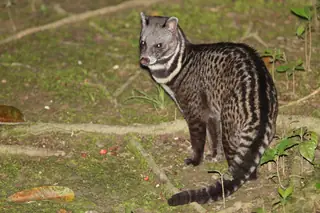 Malay Civet
-
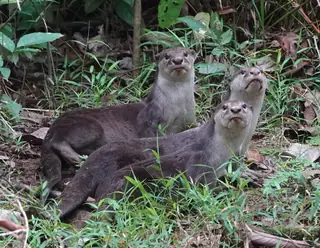 Smooth-coated OtterRare
-
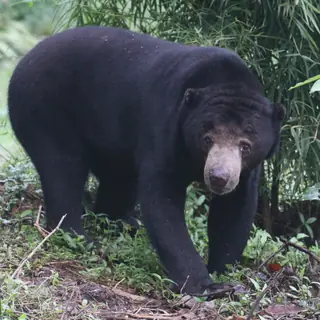 Sun BearRare
-
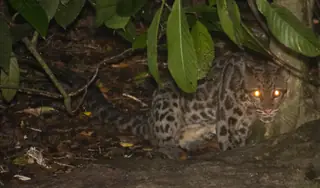 Sunda Clouded LeopardRare
-
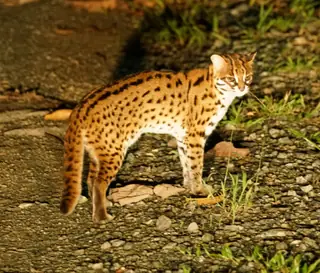 Sunda Leopard CatRare
-
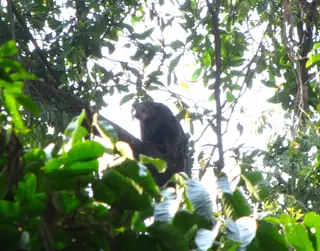 BinturongRare
-
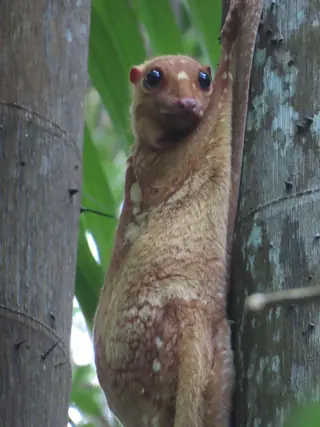 Sunda ColugoRare
-
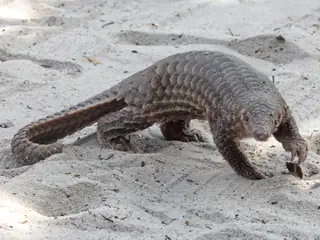 Sunda PangolinRare
Hornbills 7
-
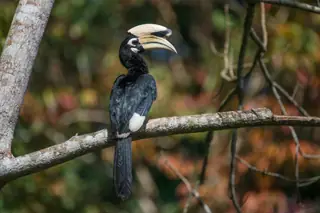 Oriental Pied Hornbill
-
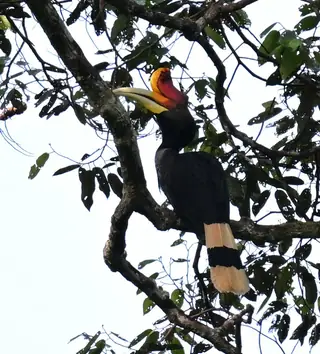 Rhinoceros Hornbill
-
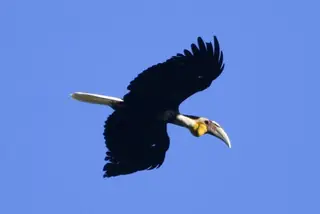 Wreathed Hornbill
-
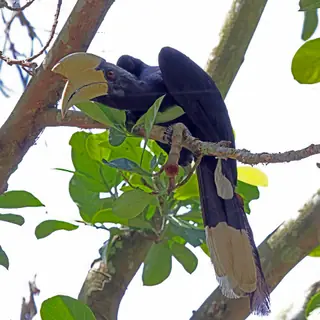 Black Hornbill
-
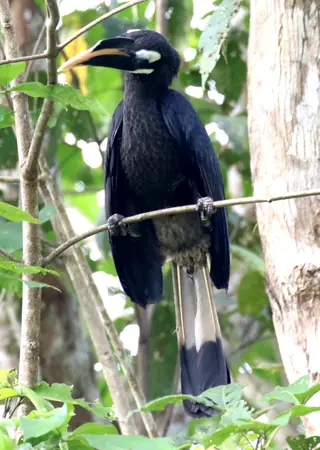 Bushy-crested Hornbill
-
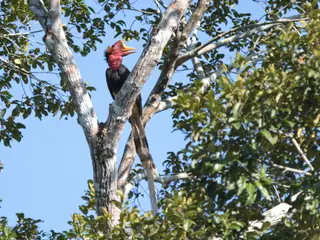 Helmeted HornbillRare
-
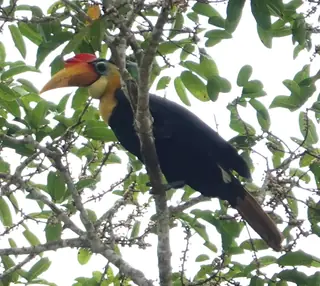 Wrinkled HornbillRare
Birds of prey and owls 9
-
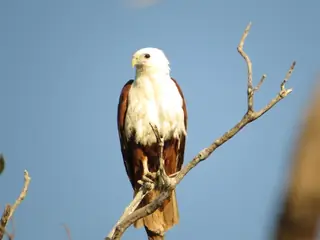 Brahminy Kite
-
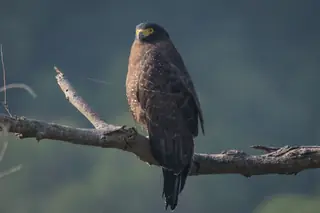 Crested Serpent Eagle
-
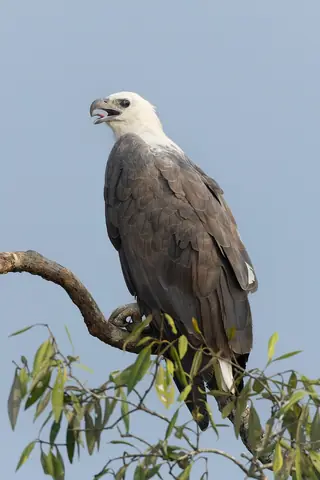 White-bellied Sea Eagle
-
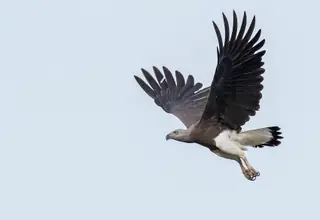 Grey-headed Fish Eagle
-
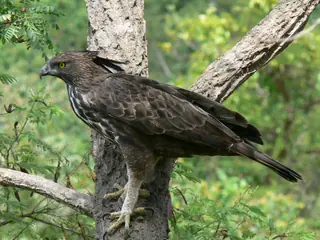 Changeable Hawk-Eagle
-
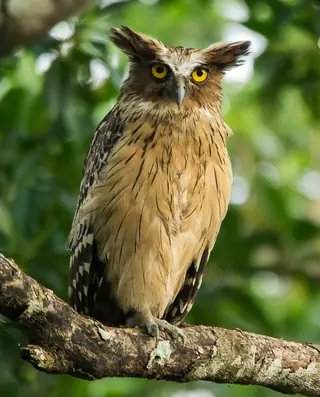 Buffy Fish Owl
-
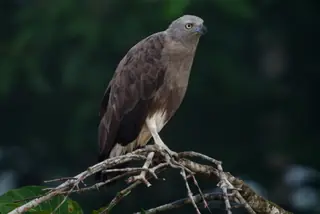 Lesser Fish EagleRare
-
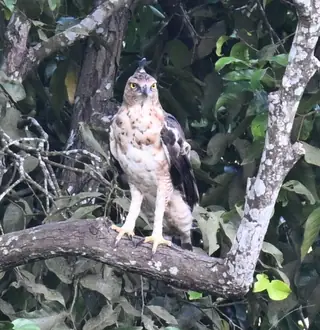 Wallace's Hawk-EagleRare
-
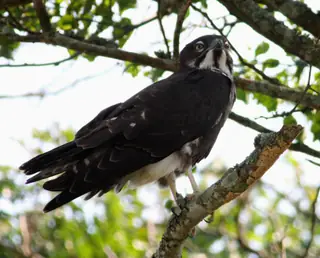 Bat HawkRare
River and forest birds 36
-
 Great Egret
-
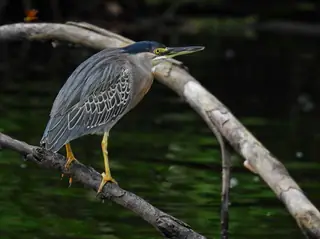 Striated Heron
-
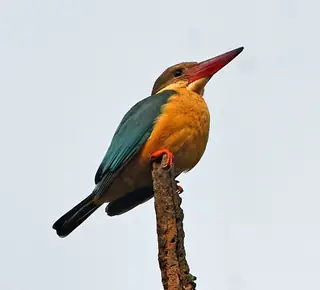 Stork-billed Kingfisher
-
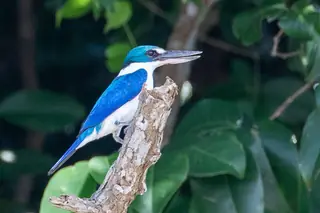 Collared Kingfisher
-
 Blue-throated Bee-eater
-
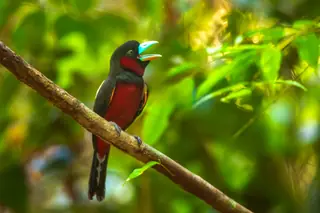 Black-and-red Broadbill
-
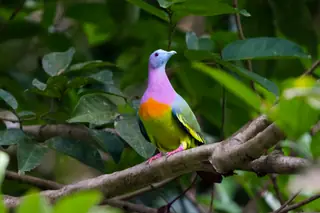 Pink-necked Green Pigeon
-
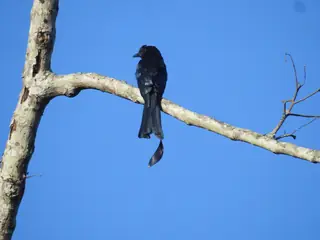 Greater Racquet-tailed Drongo
-
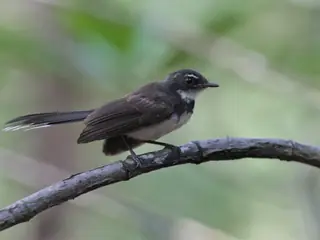 Malaysian Pied Fantail
-
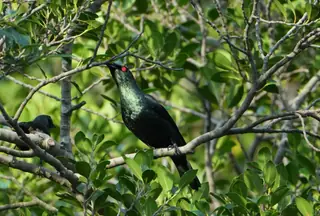 Asian Glossy Starling
-
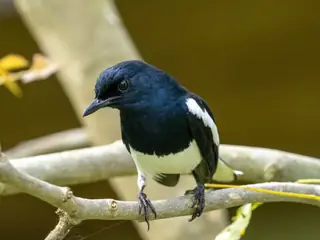 Oriental Magpie-Robin
-
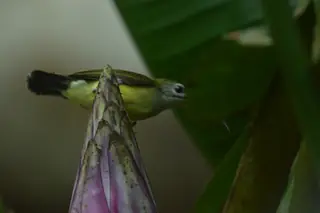 Little Spiderhunter
-
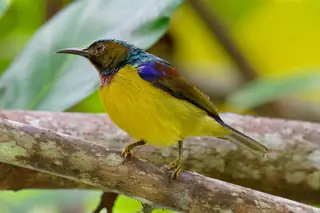 Brown-throated Sunbird
-
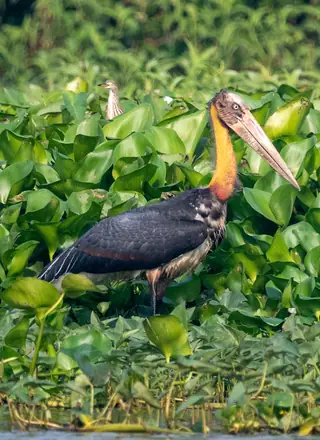 Lesser Adjutant
-
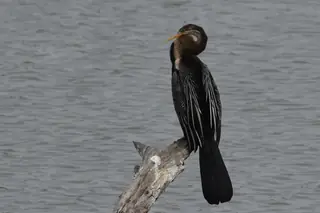 Oriental Darter
-
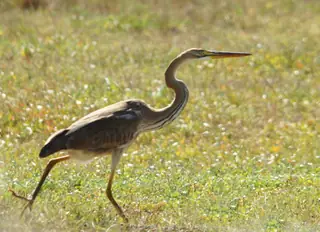 Purple Heron
-
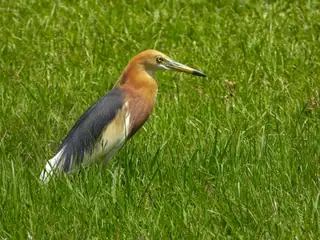 Javan Pond Heron
-
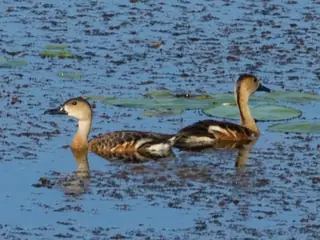 Wandering Whistling Duck
-
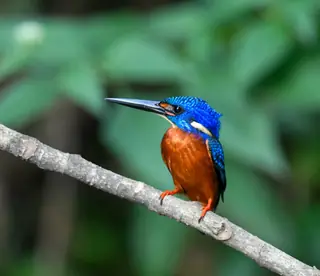 Blue-eared Kingfisher
-
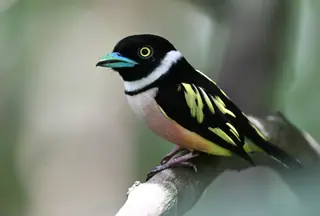 Black-and-yellow Broadbill
-
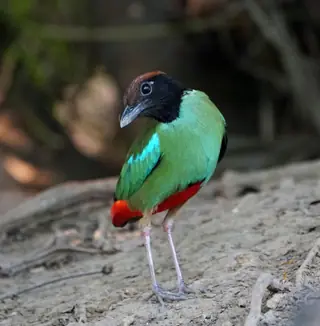 Hooded Pitta
-
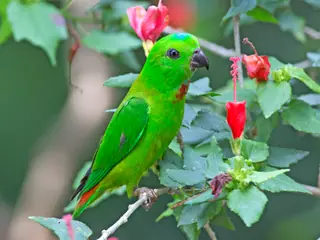 Blue-crowned Hanging Parrot
-
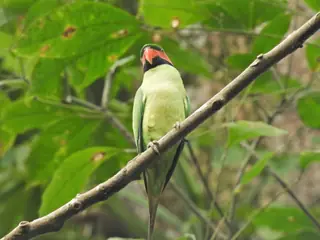 Long-tailed Parakeet
-
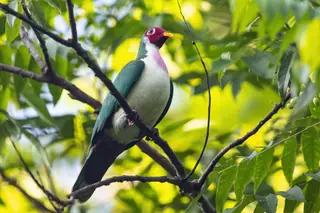 Jambu Fruit Dove
-
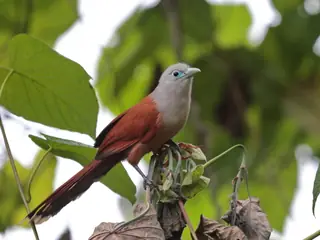 Raffles's Malkoha
-
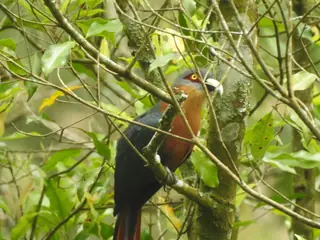 Chestnut-breasted Malkoha
-
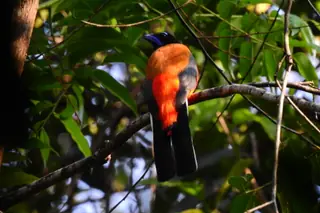 Scarlet-rumped Trogon
-
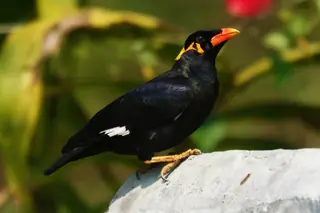 Common Hill Myna
-
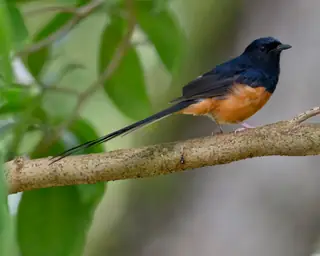 White-rumped Shama
-
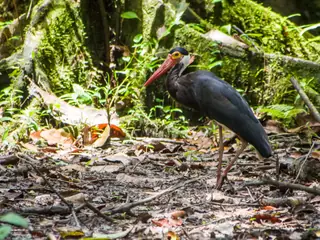 Storm's StorkRare
-
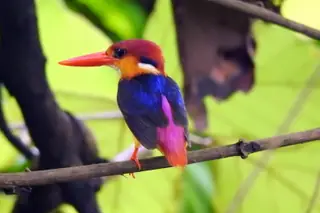 Black-backed Dwarf KingfisherRare
-
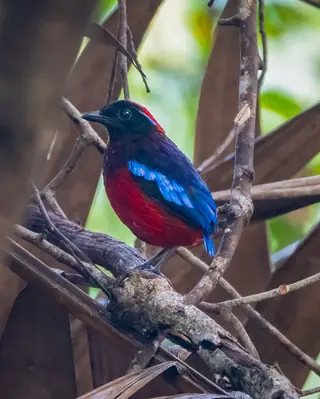 Garnet PittaRare
-
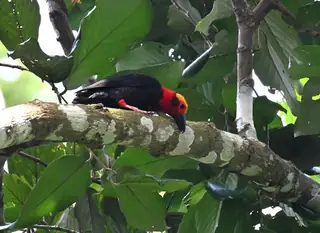 Bornean BristleheadRare
-
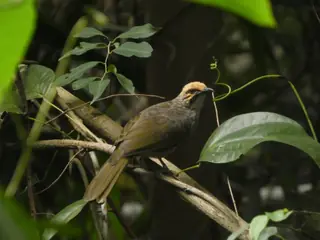 Straw-headed BulbulRare
-
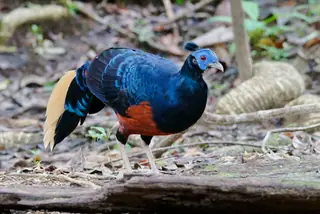 Crested FirebackRare
-
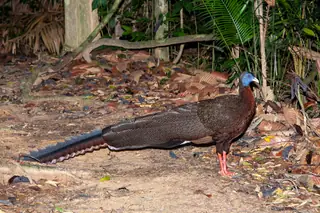 Great ArgusRare
Reptiles and amphibians 16
-
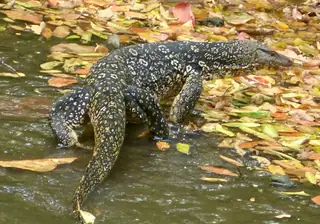 Asian Water Monitor
-
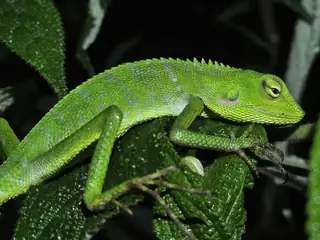 Green Crested Lizard
- Tokay Gecko
-
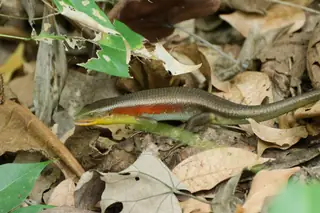 Common Sun Skink
-
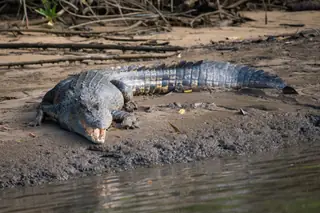 Saltwater Crocodile
-
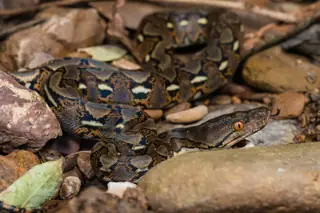 Reticulated Python
-
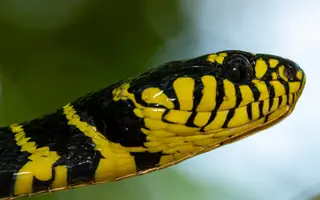 Mangrove Cat Snake
-
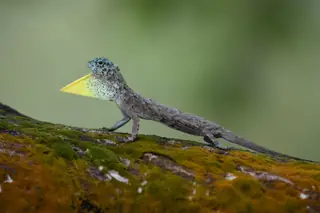 Sumatran Flying Dragon
-
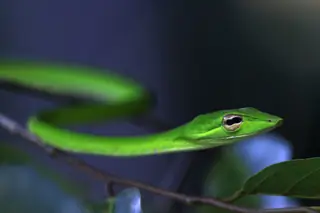 Oriental Whip Snake
-
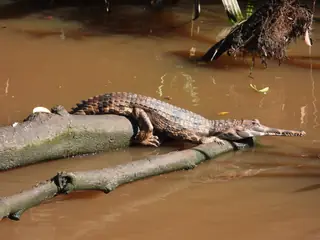 False GharialRare
-
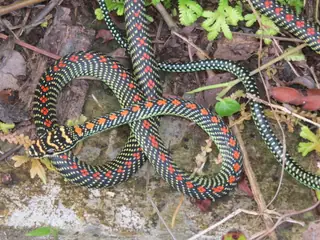 Paradise Flying SnakeRare
-
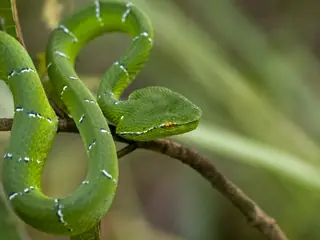 Bornean Keeled Pit ViperRare
-
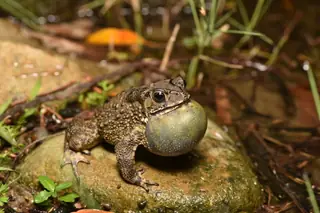 Asian Common Toad
-
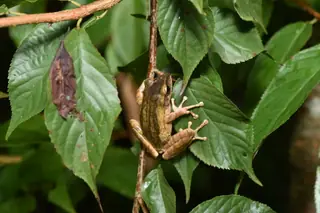 Four-lined Tree Frog
-
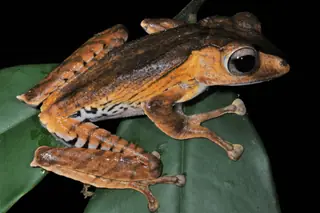 File-eared Tree Frog
-
 Asian Giant Toad
Best time to see wildlife in Tanjung Puting
Tanjung Puting is hot and humid all year. The drier season, roughly June to September, brings calmer weather and the most visitors, and the river is easy to travel. In some dry years, peat and forest fires outside the park cause smoky haze from August to October, so check conditions before you go. The wet season, about November to April, brings heavy afternoon rain and higher water, but the forest is lush, there are fewer boats, and trips still run. When wild fruit is plentiful, orangutans visit the feeding stations less often, so sightings vary through the year.
- Jun to SepDrier; calmest weather, busiest on the river
- Aug to OctHaze from fires possible in dry years
- Nov to AprWet season; heavy rain, quiet river, lush forest
Tips for spotting wildlife in Tanjung Puting
- 01
Take at least two nights on a klotok
A two or three night houseboat trip lets you visit several feeding stations and Camp Leakey, and watch proboscis monkeys settle in for the night along the river.
- 02
Follow the rules at feeding stations
Stay behind the rope or follow the park's distance rules, keep quiet, never feed or touch them, and use no flash. Do not visit if you are unwell: they catch human illnesses easily.
- 03
Watch the riverbanks at dusk
The late afternoon is the best time for proboscis monkeys, hornbills and kingfishers. Sit quietly on deck as the boat drifts past.
- 04
Do not swim in the river
Saltwater crocodiles and false gharials live in the river. Swim only where your guide says it is safe, if at all.
- 05
Bring a torch and repellent
Night walks can turn up tarsiers, slow lorises and frogs. Use a red or dim torch, keep the beam off animals' eyes, and never handle frogs or snakes.

Take Tanjung Puting with you
River trip in Tanjung Puting? Take this list on your phone and tick off orangutans, proboscis monkeys and hornbills from the klotok, offline. Wilder is free to start.

Tanjung Puting wildlife FAQ
What animals can you see in Tanjung Puting National Park?
You can see Bornean orangutans, proboscis monkeys, long-tailed macaques, hornbills, kingfishers and monitor lizards on most trips to Tanjung Puting. Gibbons are usually heard, not seen, and sun bears, clouded leopards and false gharials are rare. This checklist covers 95 animals.
Are you guaranteed to see orangutans in Tanjung Puting?
Orangutan sightings are very likely in Tanjung Puting but not guaranteed. Many visit the managed feeding stations, but when wild fruit is plentiful in the forest they come less often. A trip of two or three nights, visiting several stations, gives the best chances.
How do you get to Tanjung Puting?
Fly to Pangkalan Bun in Central Kalimantan, usually via Jakarta. From there it is a short drive to the port of Kumai, where klotok houseboats and speedboats leave for the park. Most visitors book a two or three night trip through a licensed local operator.
Is it ethical to visit the orangutan feeding stations?
The feeding stations support rehabilitated and released orangutans and are run by the park. Visiting is fine if you follow the rules: stay behind the rope, keep quiet, never feed or touch the apes, and stay away if you are ill. Choose an operator that respects these limits.
Sources
- Wikipedia: Tanjung Puting
- Protected Planet: Tanjung Puting
- The Jakarta Post: Three tips for orangutan watching
- Sightings by month: GBIF.org
Animal photos are from the Wilder catalogue; photo credits.
Similar checklists
All Asia-
 Reserve71animals Kinabatangan River Sabah, Borneo, Malaysia Borneo's great wildlife river: proboscis monkeys at dusk, wild orangutans, pygmy elephants on the banks and eight kinds of hornbill. Best time Mar to Oct
-
 National park114animals Gunung Leuser National Park North Sumatra and Aceh, Sumatra, Indonesia Vast mountain rainforest in northern Sumatra, walked with local guides from Bukit Lawang and Ketambe, and one of the last strongholds of the Sumatran orangutan. Best time May to Sept
-
 Region115animals Sabah North-east Borneo, Malaysia The northern tip of Borneo: orangutans and proboscis monkeys along the rivers, pygmy elephants, the lowland rainforest of Danum and Tabin, and the cloud forest birds of Mount Kinabalu. Best time Mar to Oct
-
 Reserve123animals Danum Valley Conservation Area Lahad Datu, Sabah, Borneo, Malaysia Untouched lowland rainforest in eastern Sabah, with wild orangutans, gibbons, all eight of Borneo's hornbills and some of Asia's best night drives. Best time Mar to Oct