Region · Zamora, Castilla y León · Spain
Sierra de la Culebra Wildlife Checklist

The Sierra de la Culebra is a range of low hills in Zamora, in north-west Spain, on the border with Portugal. It holds one of the densest populations of Iberian wolves in Europe, and is one of the best places to watch wild wolves, from a distance at dawn and dusk with a local guide. Red and roe deer, harriers and eagles share the heath and pine woods. This checklist covers 140 animals. September and October are best.
Tick off all 140 animals in Culebra on your phone, even offline. Launching soon. Free A4 PDF, no sign-up.
Most visitors stay in the small villages along the sierra, such as Mahide, Villardeciervos and Riofrío de Aliste, or in Puebla de Sanabria to the north. The hills are covered in heather, broom, pine plantations and oak woods, cut by firebreaks and small rivers. Large wildfires in June and July 2022 burned much of the sierra; the heath is growing back and the wolves and deer are still here.
- Animals to find
- 140
- Where
- Spain
- Best time
- Sept to Oct
- Hunting reserve
- About 66,000 hectares
Popular animals in Culebra
-
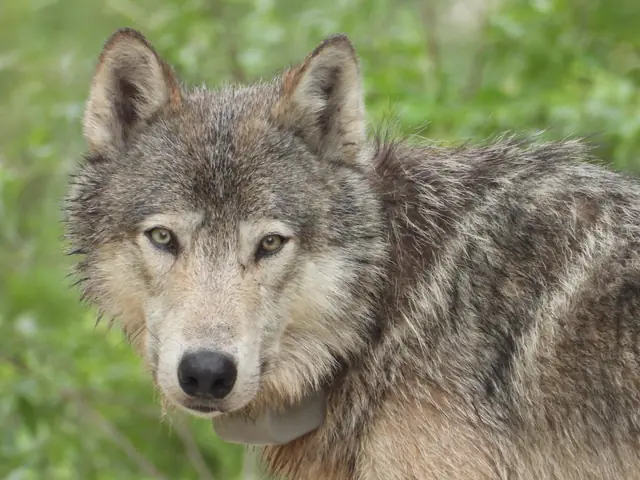
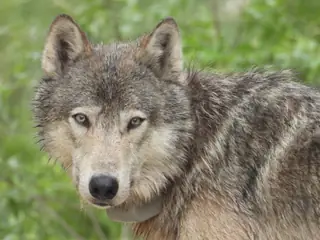
Iberian Wolf
Canis lupus
The reason most people come. Watch at dawn and dusk with a licensed local guide, scanning open slopes and firebreaks with a telescope from far off. Keep quiet, stay by the road and never approach or follow a wolf.
-
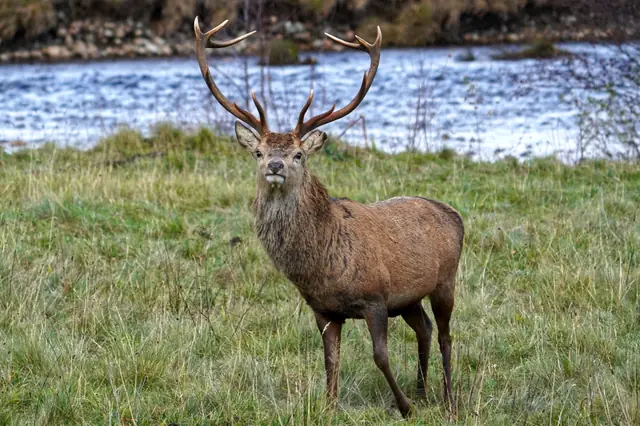
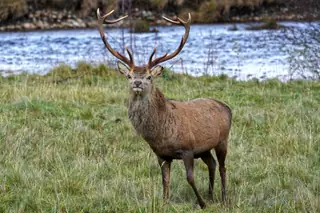
Red Deer
Cervus elaphus
Common across the sierra. In September and October the stags roar at dusk, and wolf watches often turn up deer on the same slopes.
-
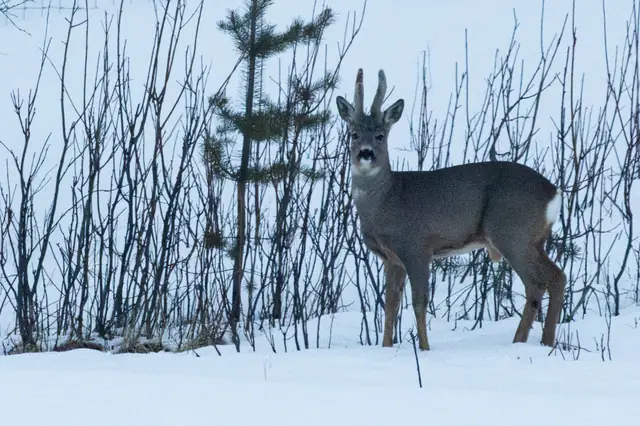
Roe Deer
Capreolus capreolus
Small and russet in summer, feeding on the edges of pine woods and meadows early and late in the day.
-
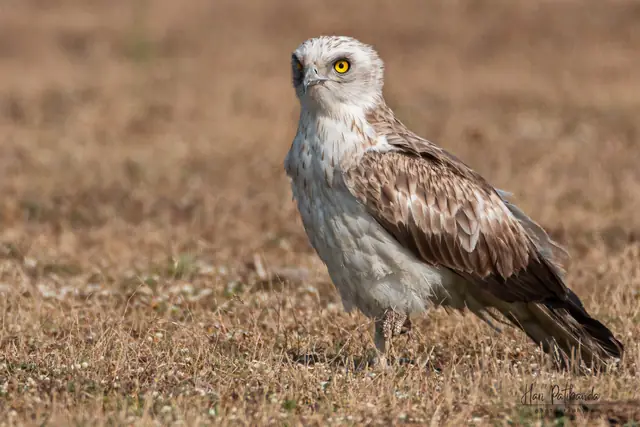
Short-toed Eagle
Circaetus gallicus
A pale eagle that hovers over the heath hunting snakes and lizards, March to September.
-
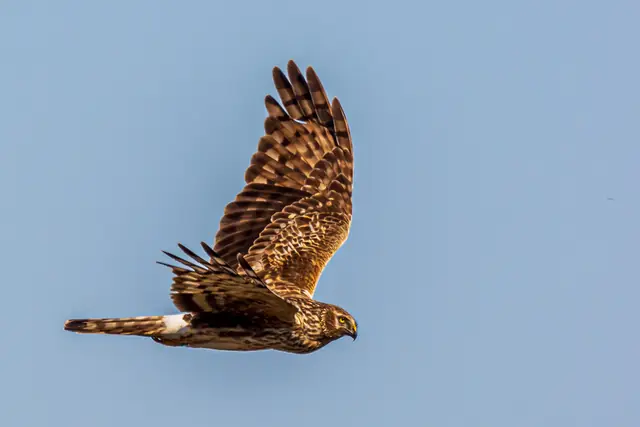
Hen Harrier
Circus cyaneus
Quarters low over the heather. Males are pale grey with black wingtips; females are brown with a white rump.
-
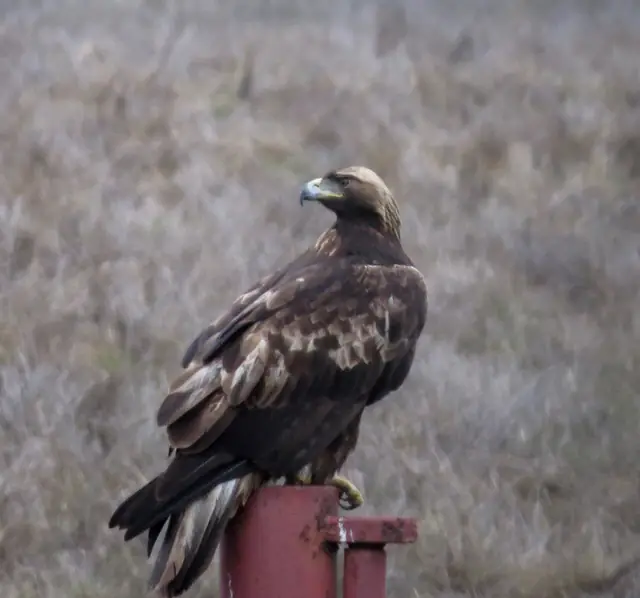
Golden Eagle
Aquila chrysaetos
Soars over the ridges and open heath. Scan from the valley floor on sunny mornings.
-
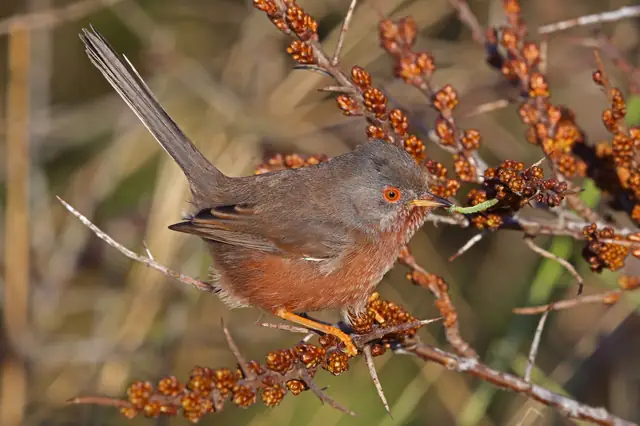
Dartford Warbler
Curruca undata
A small, dark, long-tailed warbler of the low heather and gorse. Males sing from bush tops on calm mornings.
-
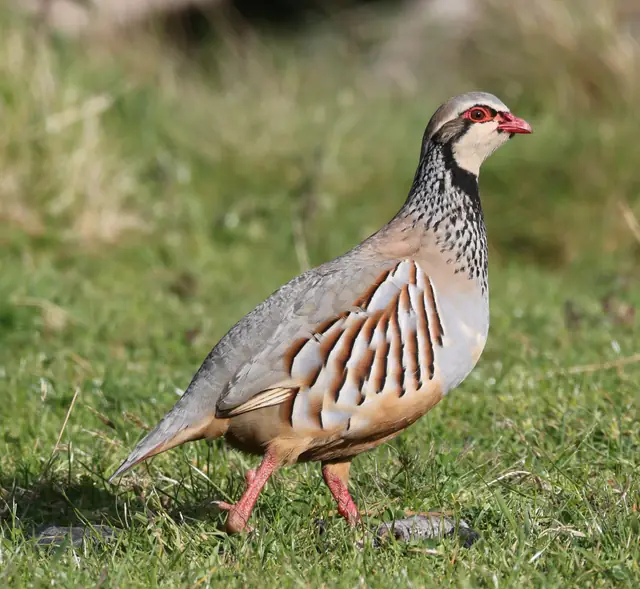
Red-legged Partridge
Alectoris rufa
Runs along tracks through the heather, often in family groups in late summer.
-
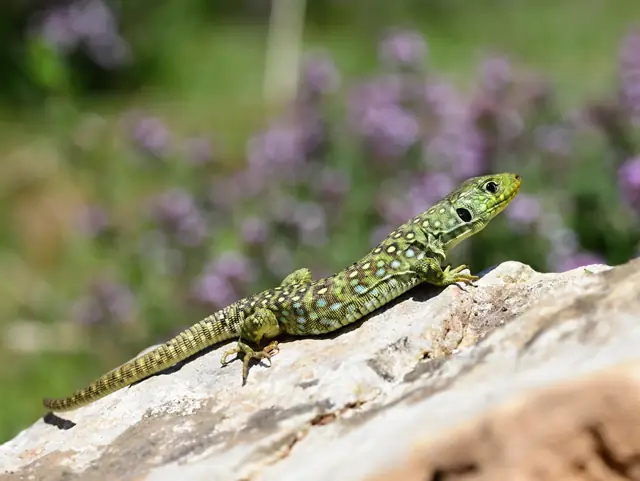
Ocellated Lizard
Timon lepidus
Europe's largest lizard, green with blue spots, basking on rocks and stone walls on warm mornings from April.
-
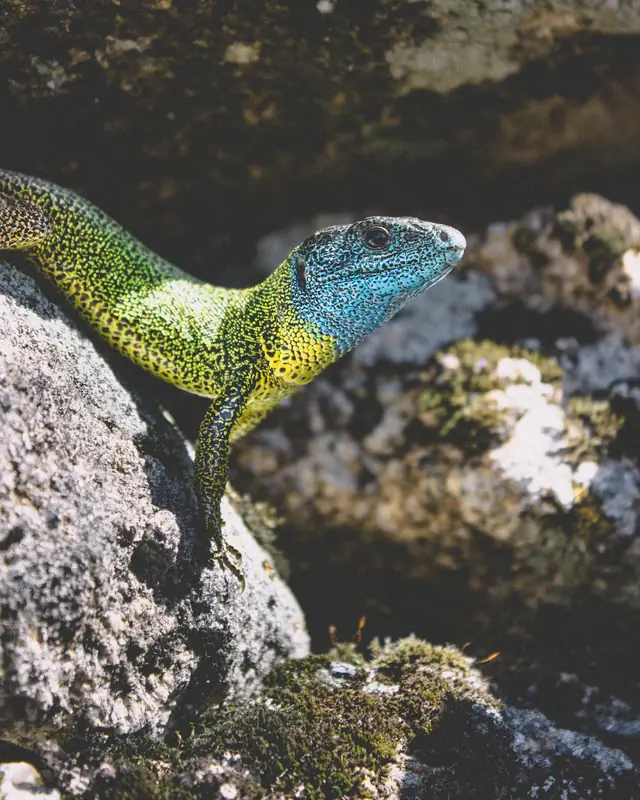
Iberian Emerald Lizard
Lacerta schreiberi
Found only in Iberia. Look on damp, shady banks along streams, where males have bright blue heads in spring.
All 140 animals in Culebra
Wolves and deer 7
-
 Iberian Wolf
-
 Red Deer
-
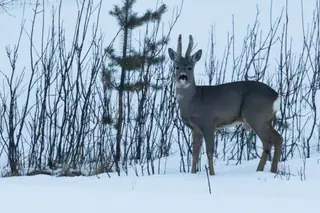 Roe Deer
-
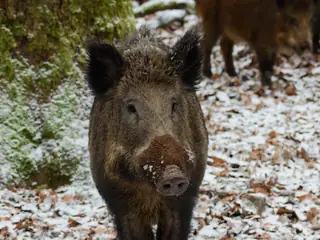 Wild Boar
-
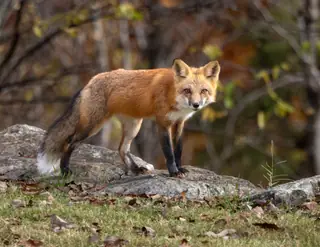 Red Fox
-
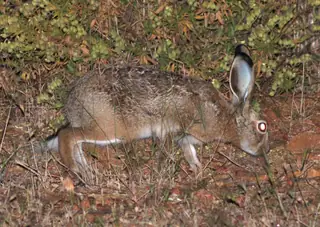 Iberian Hare
-
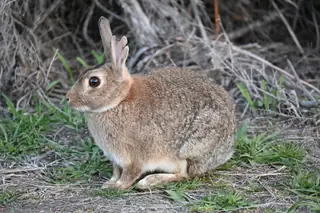 Rabbit
Smaller mammals 9
-
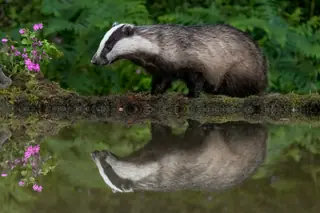 BadgerRare
-
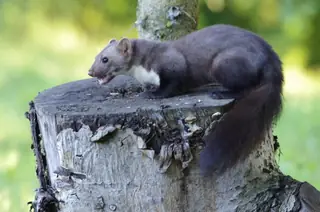 Beech MartenRare
-
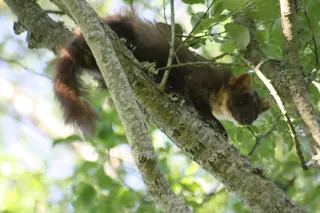 Pine MartenRare
-
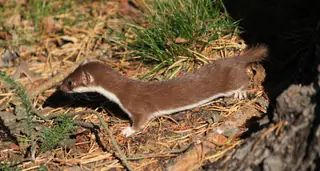 Least WeaselRare
-
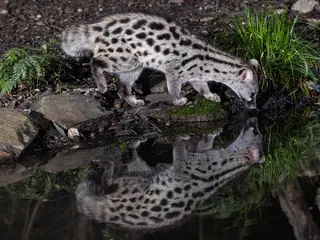 Common GenetRare
-
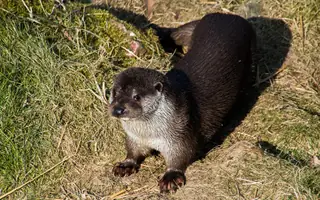 OtterRare
-
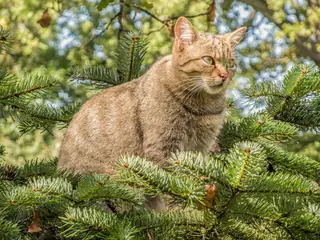 WildcatRare
-
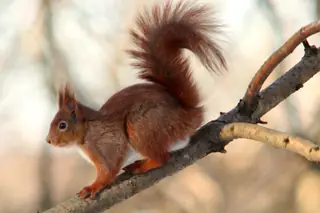 Red Squirrel
-
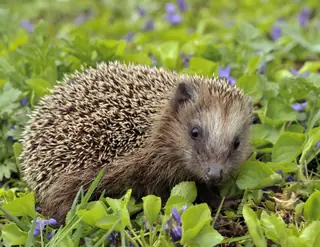 Hedgehog
Birds of prey and owls 20
-
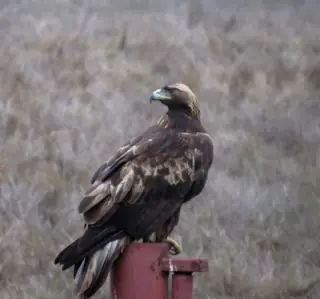 Golden Eagle
-
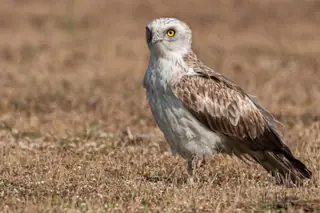 Short-toed Eagle
-
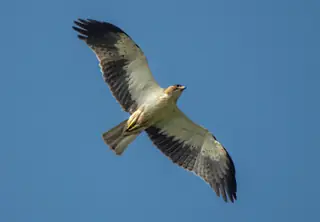 Booted Eagle
-
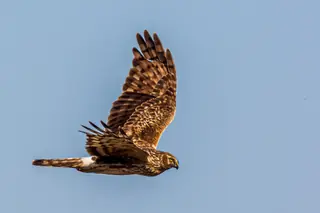 Hen Harrier
-
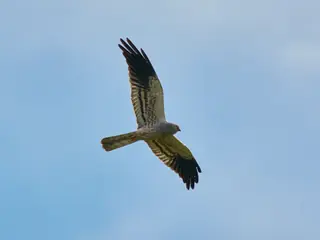 Montagu's Harrier
-
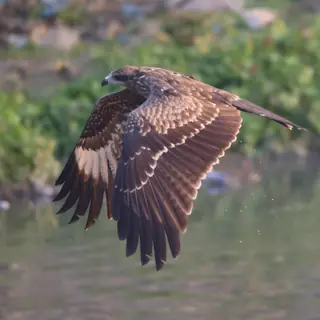 Black Kite
-
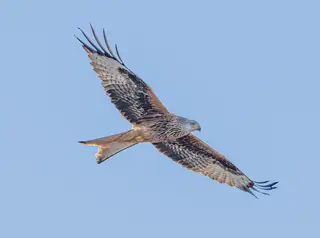 Red Kite
-
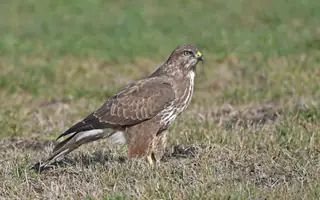 Common Buzzard
-
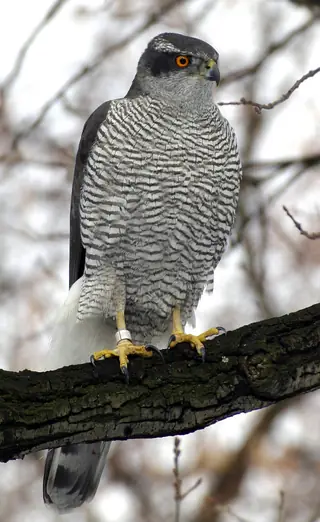 Eurasian Goshawk
-
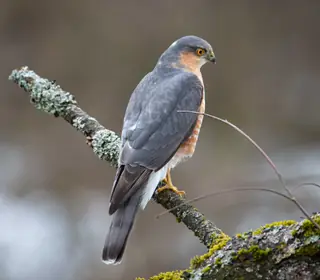 Eurasian Sparrowhawk
-
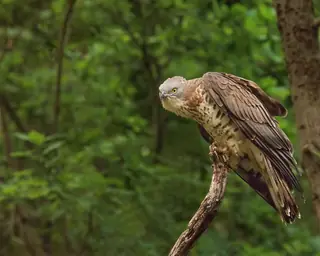 Honey Buzzard
-
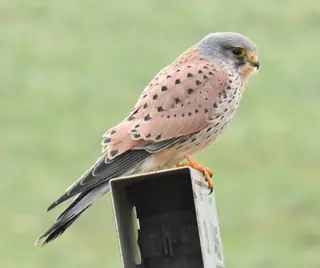 Common Kestrel
-
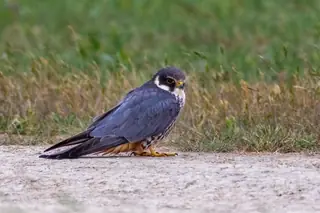 Eurasian Hobby
-
 Peregrine FalconRare
-
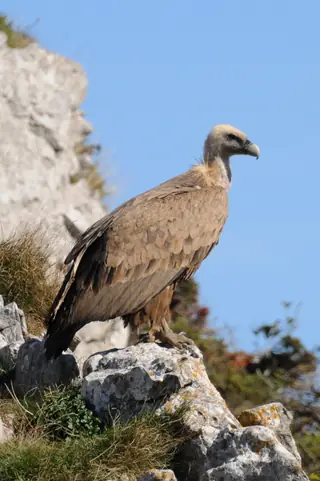 Griffon Vulture
-
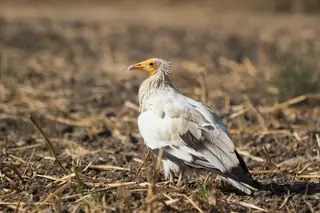 Egyptian VultureRare
-
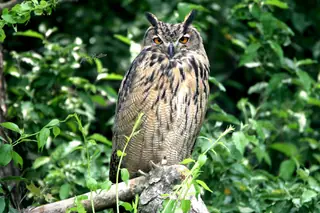 Eurasian Eagle-OwlRare
-
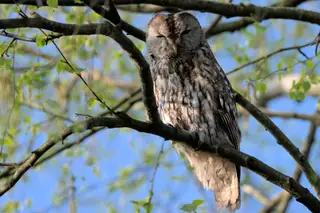 Tawny Owl
-
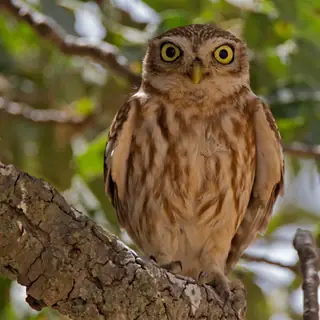 Little Owl
-
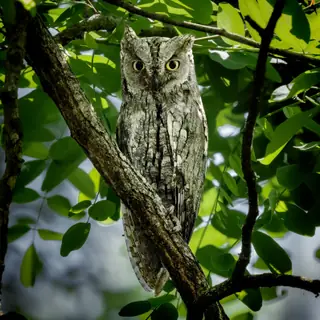 Eurasian Scops Owl
Heath and scrub birds 23
-
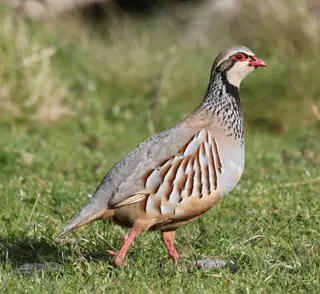 Red-legged Partridge
-
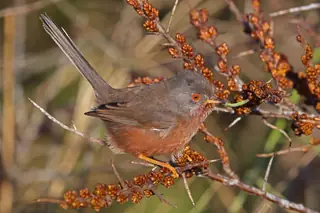 Dartford Warbler
-
 Western Subalpine Warbler
-
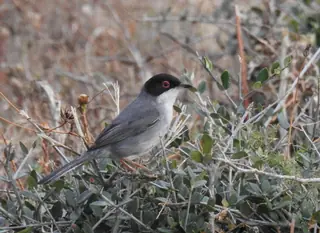 Sardinian Warbler
-
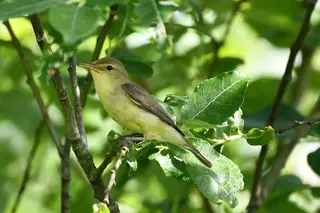 Melodious Warbler
-
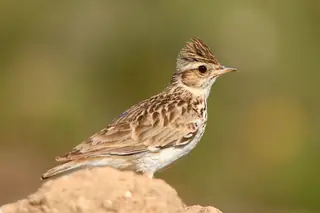 Woodlark
-
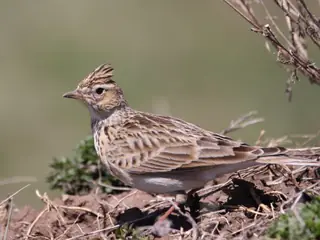 Eurasian Skylark
-
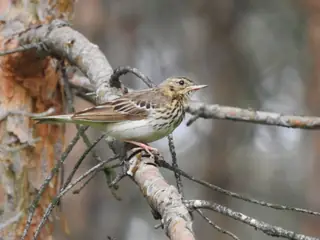 Tree Pipit
-
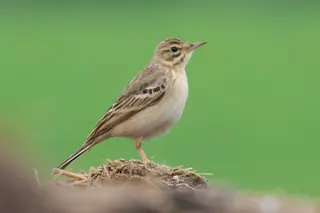 Tawny Pipit
-
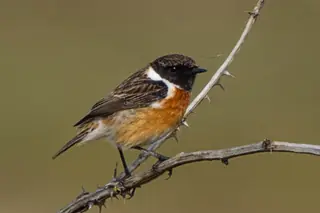 European Stonechat
-
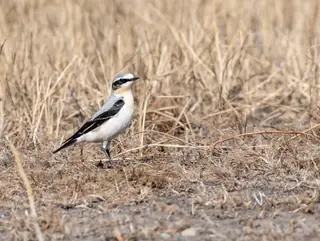 Northern Wheatear
-
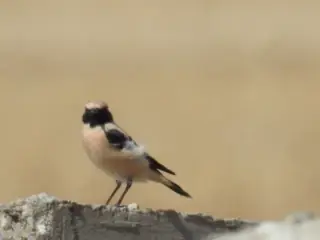 Western Black-eared Wheatear
-
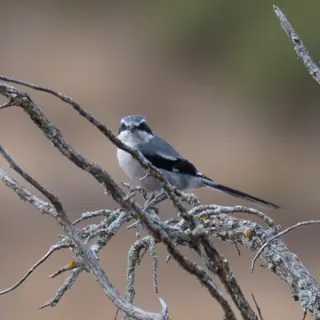 Iberian Grey Shrike
-
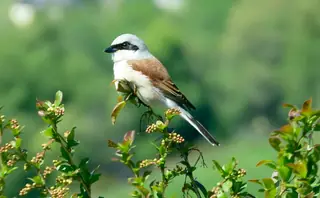 Red-backed Shrike
-
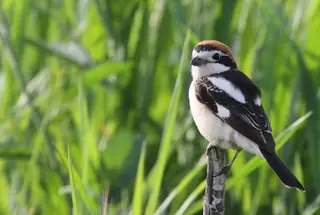 Woodchat Shrike
-
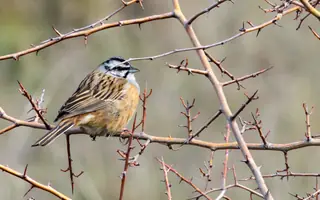 Rock Bunting
-
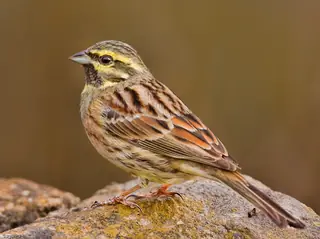 Cirl Bunting
-
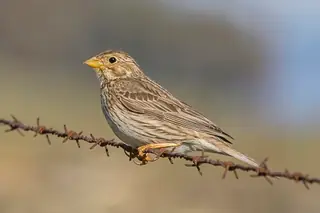 Corn Bunting
-
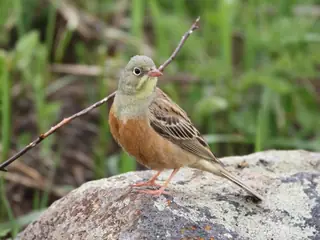 Ortolan BuntingRare
-
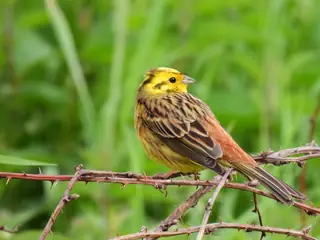 Yellowhammer
-
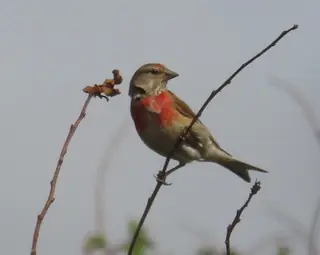 Common Linnet
-
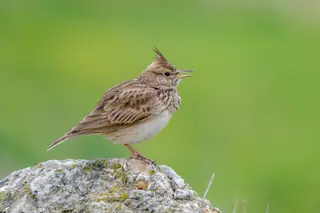 Crested Lark
-
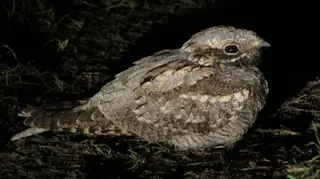 European Nightjar
Pine and oak woods 29
-
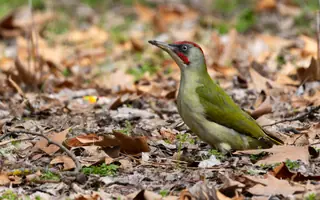 Iberian Green Woodpecker
-
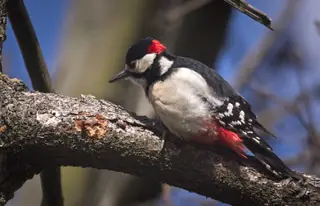 Great Spotted Woodpecker
-
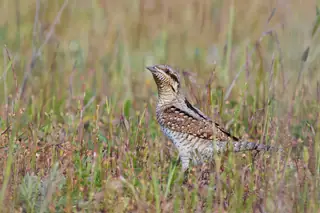 Eurasian Wryneck
-
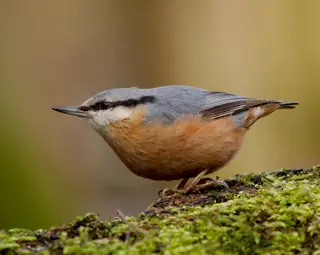 Eurasian Nuthatch
-
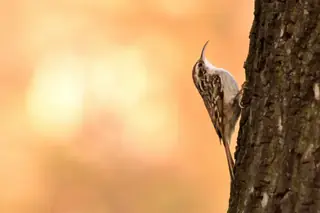 Short-toed Treecreeper
-
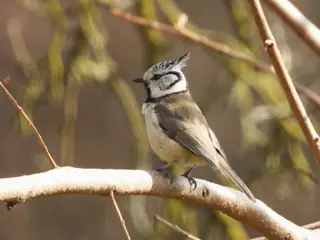 Crested Tit
-
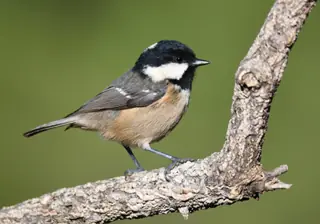 Coal Tit
-
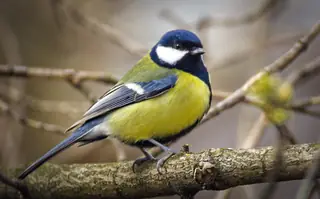 Great Tit
-
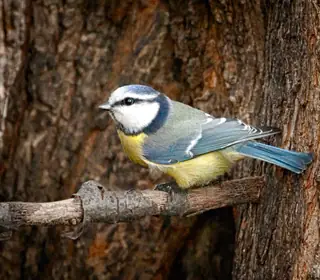 Eurasian Blue Tit
-
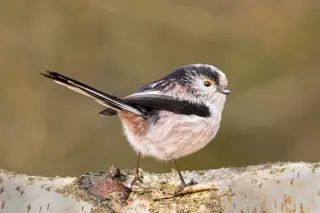 Long-tailed Tit
-
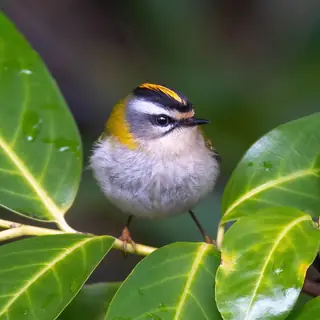 Common Firecrest
-
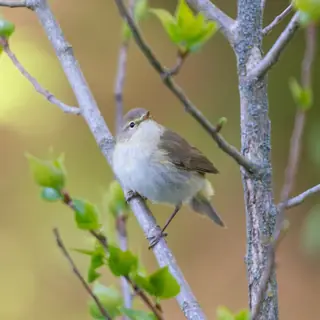 Western Bonelli's Warbler
-
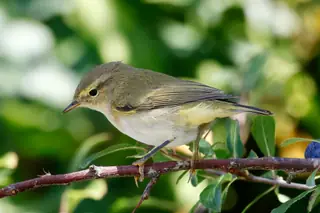 Iberian Chiffchaff
-
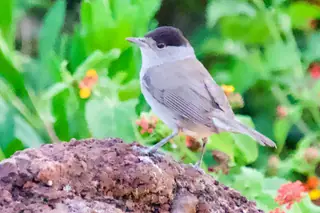 Eurasian Blackcap
-
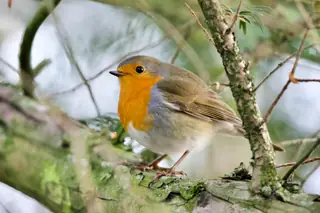 European Robin
-
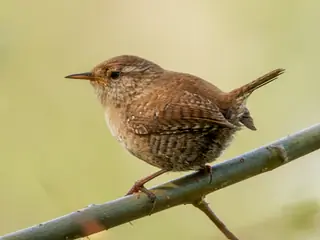 Eurasian Wren
-
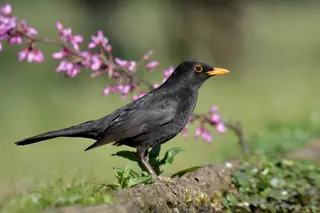 Common Blackbird
-
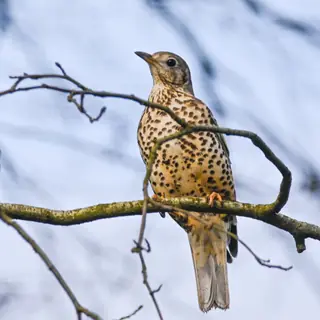 Mistle Thrush
-
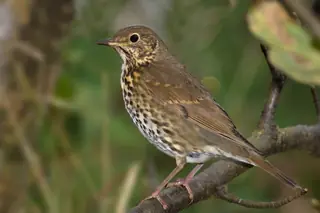 Song Thrush
-
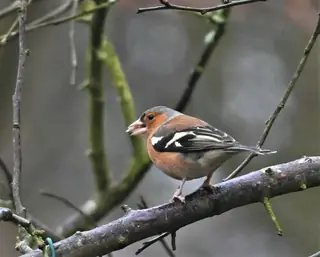 Common Chaffinch
-
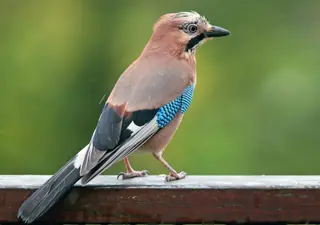 Eurasian Jay
-
 Eurasian Golden Oriole
-
 Spotted Flycatcher
-
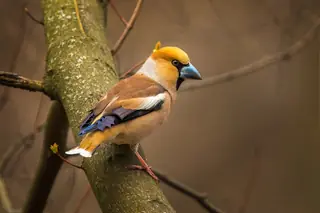 Hawfinch
-
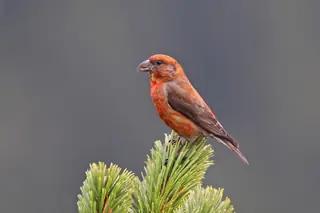 Red Crossbill
-
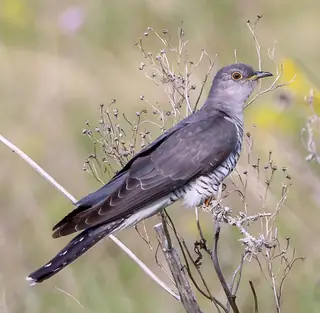 Common Cuckoo
-
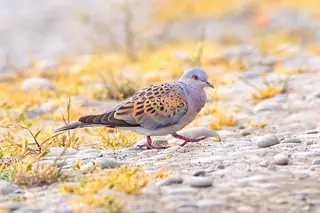 European Turtle Dove
-
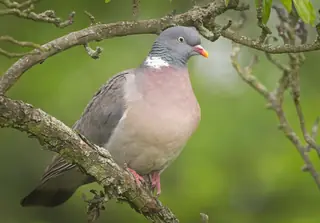 Common Wood Pigeon
-
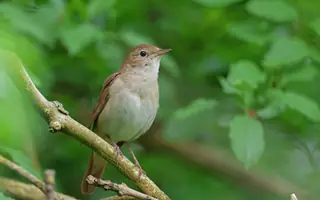 Common Nightingale
Rivers, villages and farmland 24
-
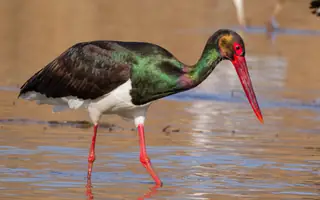 Black StorkRare
-
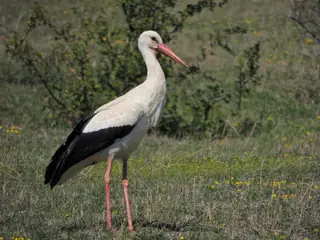 White Stork
-
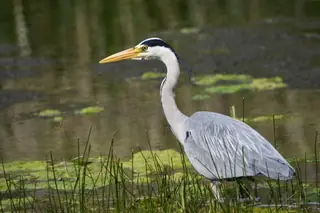 Grey Heron
-
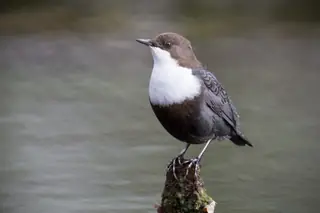 White-throated Dipper
-
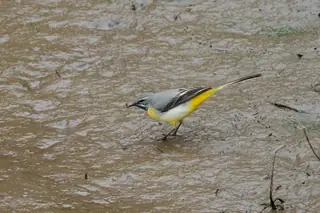 Grey Wagtail
-
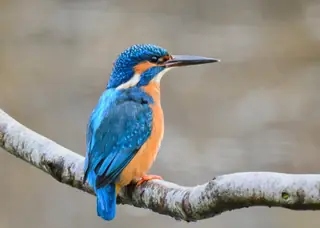 Common Kingfisher
-
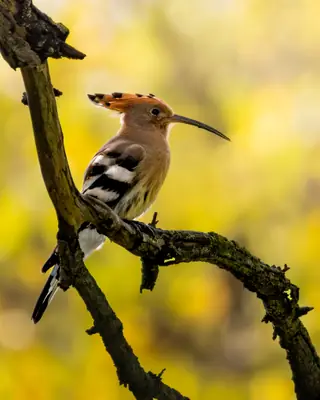 Common Hoopoe
-
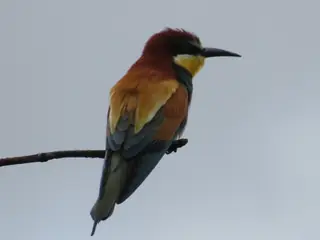 European Bee-eater
-
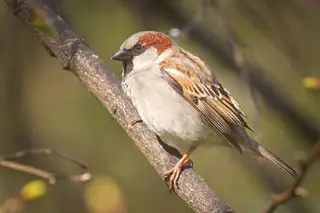 House Sparrow
-
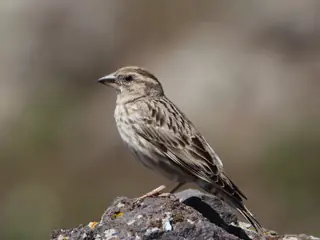 Rock Sparrow
-
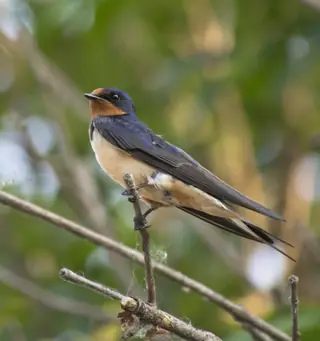 Barn Swallow
-
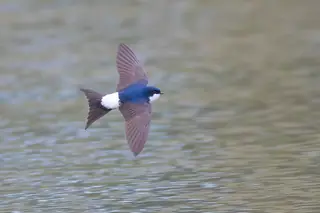 Western House Martin
-
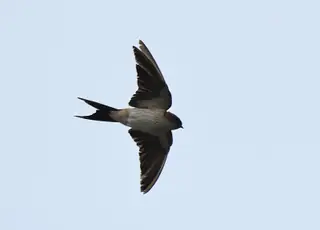 Red-rumped Swallow
-
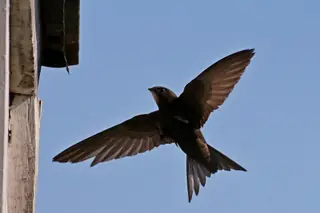 Common Swift
-
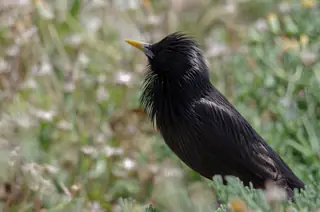 Spotless Starling
-
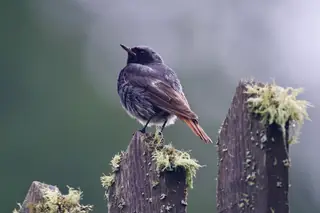 Black Redstart
-
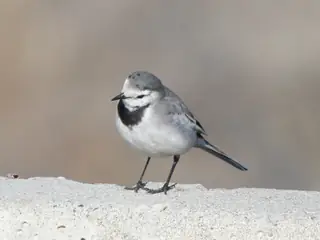 White Wagtail
-
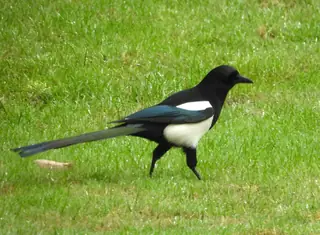 Eurasian Magpie
-
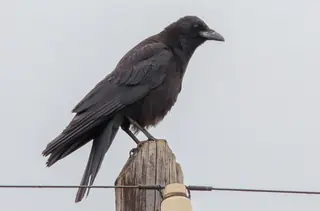 Carrion Crow
-
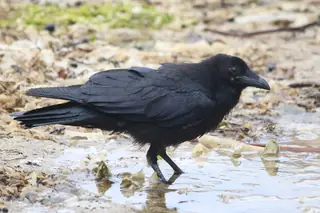 Common Raven
-
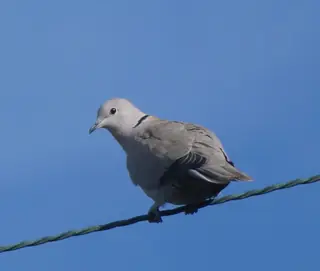 Eurasian Collared Dove
-
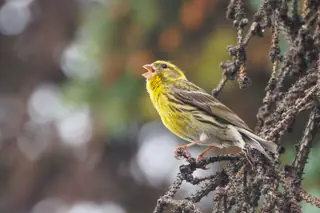 European Serin
-
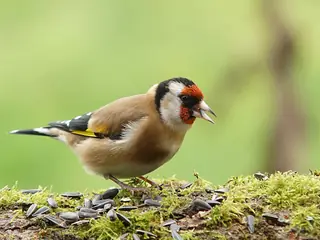 European Goldfinch
-
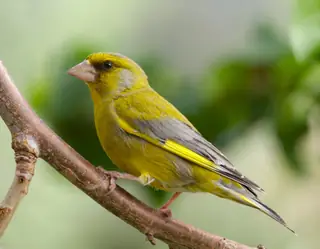 European Greenfinch
Reptiles and amphibians 16
-
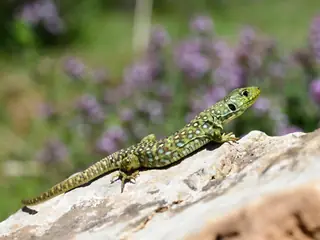 Ocellated Lizard
-
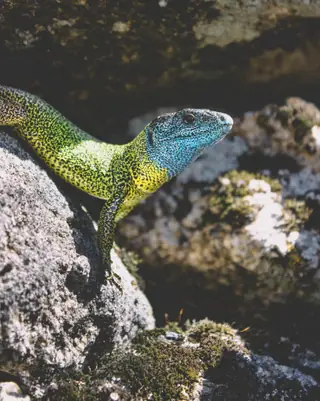 Iberian Emerald Lizard
-
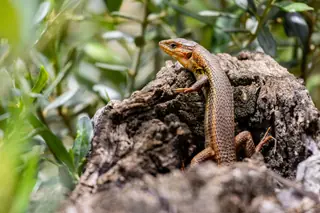 Large Psammodromus
-
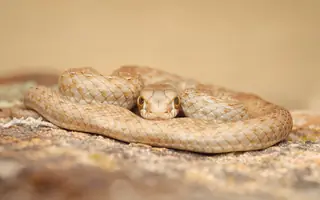 Montpellier Snake
-
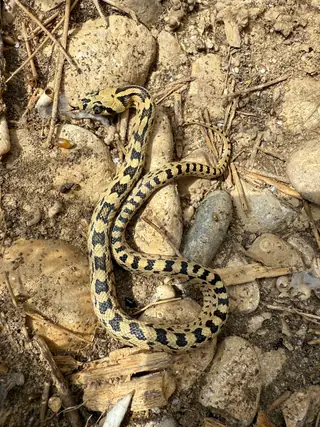 Ladder SnakeRare
-
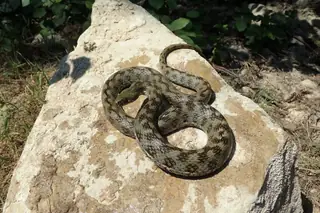 Viperine Snake
-
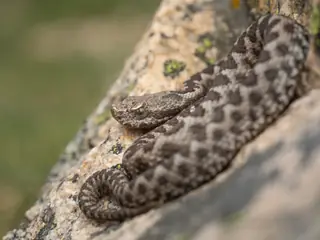 Lataste's ViperRare
-
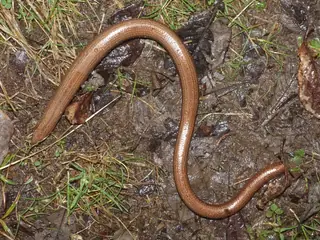 Slow Worm
-
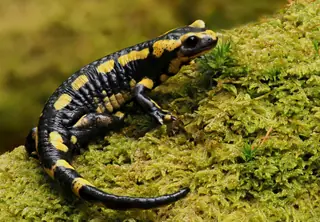 Fire Salamander
-
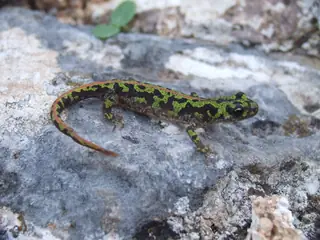 Marbled Newt
-
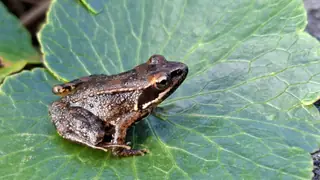 Iberian Frog
-
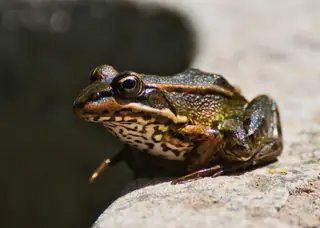 Perez's Frog
-
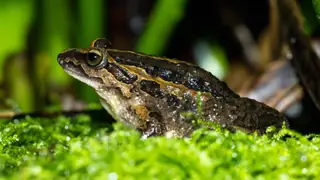 Iberian Painted Frog
-
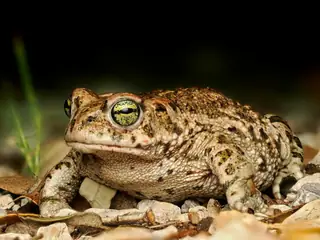 Natterjack Toad
-
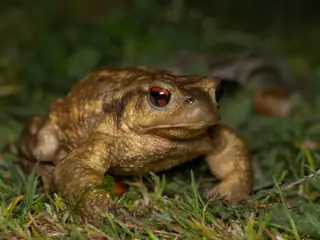 Spiny Toad
-
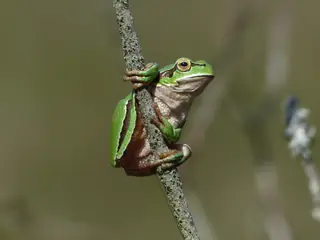 Iberian Tree Frog
Butterflies and dragonflies 12
-
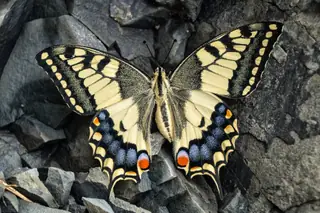 Swallowtail
-
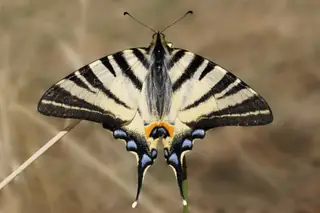 Scarce Swallowtail
-
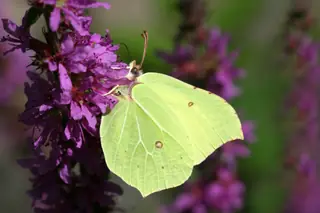 Brimstone
-
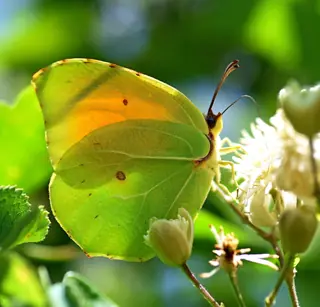 Cleopatra
-
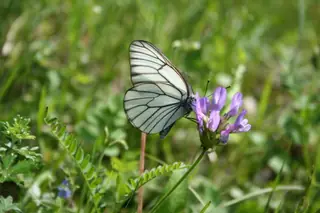 Black-veined White
-
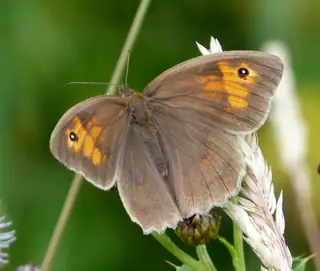 Meadow Brown
-
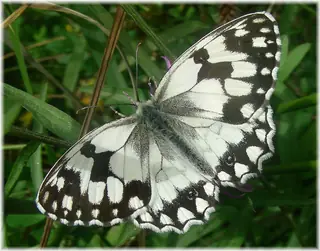 Iberian Marbled White
-
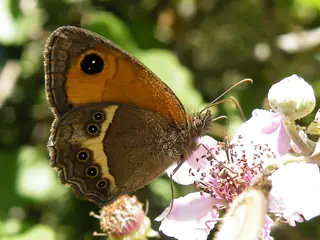 Spanish Gatekeeper
-
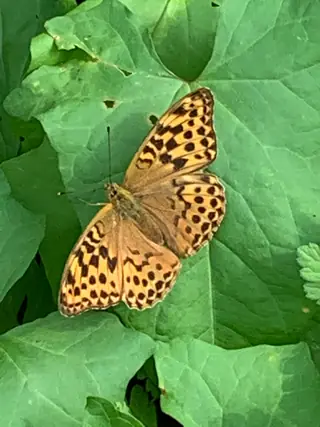 Silver-washed Fritillary
-
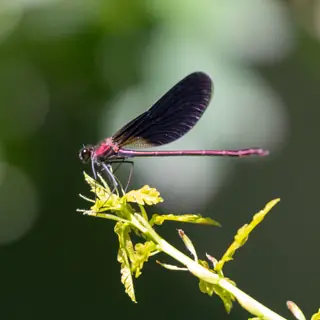 Copper Demoiselle
-
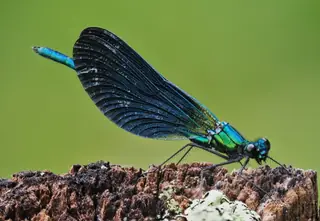 Beautiful Demoiselle
-
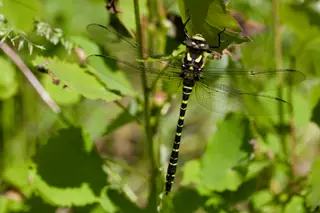 Golden-ringed Dragonfly
Best time to see wildlife in Culebra
Sightings by month in Culebra
Most records: May to AugRecords from GBIF.org, adjusted for how many people record wildlife each month. 100% is the busiest month.
Wolves can be watched all year, but the light, temperature and the deer rut make autumn the favourite season. In September and October the stags roar at dusk and the heather is turning. Winter is cold and quiet, with short days that make dawn and dusk watches easier to fit in, and hen harriers over the heath. Spring brings singing woodlarks and Dartford warblers, then the summer migrants: short-toed and booted eagles, Montagu's harriers, bee-eaters and hoopoes. Summer days are hot, so wolf watches start very early and finish late, and reptiles and butterflies are at their best.
- Sept to OctRed deer rut, autumn colour, a favourite time for wolf watches
- Nov to FebCold and quiet; short days, hen harriers over the heath
- Mar to MayWoodlarks singing, summer eagles and harriers return
- Jun to AugHot; very early starts, reptiles, butterflies, nightjars at dusk
Tips for spotting wildlife in Culebra
- 01
Go with a licensed local guide
Local guides know the wolves' habits and the rules for watching them. They watch from public roads and open viewpoints with telescopes, so the animals are never disturbed.
- 02
Be out at first light
Wolves and deer are most active at dawn and dusk. Arrive in the dark, set up quietly and give it a few hours.
- 03
Bring a telescope and warm clothes
Wolves are usually watched from across a valley. Dawn on the hills is cold for much of the year, even in late spring.
- 04
Keep quiet and stay by the road
Talk softly, close car doors gently and never walk out towards animals. Never use calls, leave food or follow a wolf, and follow the reserve's rules.
- 05
Spend the middle of the day on birds and reptiles
When the mammals rest, walk the heath and pine edges for harriers, eagles, Dartford warblers and lizards basking on stone walls.
- 06
Respect the villages and farms
Livestock graze across the sierra. Park off the road, keep gates as you find them and keep dogs on a lead.

Take Culebra with you
Heading to the Sierra de la Culebra for wolves? Keep this list on your phone and tick off each animal from the viewpoints, even with no signal. Wilder is free to start.

Culebra wildlife FAQ
Can you see wolves in the Sierra de la Culebra?
Yes, the Sierra de la Culebra is one of the best places in Europe to see wild Iberian wolves. They are watched at dawn and dusk from a distance with telescopes, usually with a licensed local guide. Sightings are never certain, so allow two or three dawns and dusks.
When is the best time to see wolves in the Sierra de la Culebra?
Wolves can be seen all year, but September and October are a favourite time, with mild weather and red deer roaring in the rut. Winter's short days make dawn and dusk watches easy to fit in. In summer the watches start very early because of the heat.
What other animals live in the Sierra de la Culebra?
Red deer, roe deer, wild boar and red foxes are common, and lucky visitors see otters, genets or wildcats. Golden eagles, short-toed and booted eagles, and hen and Montagu's harriers hunt over the heath. This checklist covers 140 animals, including reptiles such as the ocellated lizard and Iberian emerald lizard.
Did the 2022 wildfires affect the wildlife?
Large wildfires in June and July 2022 burned much of the sierra's pine and heath. The vegetation is growing back, and wolves, red deer and roe deer are still found across the sierra.
Where is the Sierra de la Culebra?
The Sierra de la Culebra is in the province of Zamora, in Castilla y León, north-west Spain, on the border with Portugal. It lies between the Aliste area and Puebla de Sanabria, and is part of the Meseta Ibérica cross-border biosphere reserve.
Sources
- Turismo Castilla y León: Centro del Lobo Ibérico de Castilla y León, Robledo de Sanabria
- MITECO: Meseta Ibérica Biosphere Reserve
- Turismo de Zamora: Sierra de la Culebra
- Sightings by month: GBIF.org
Animal photos are from the Wilder catalogue; photo credits.
Similar checklists
All Europe-
 Region106animals Picos de Europa and Somiedo Asturias, Cantabria and León, Spain Limestone peaks and deep gorges in the Cantabrian Mountains: chamois at Fuente Dé, vultures, wallcreepers on the cliffs, and brown bears on the slopes of Somiedo. Best time May to Jul
-
 Reserve91animals Sierra de Andújar Natural Park Jaén, Andalucía, Spain Granite hills, holm oak dehesa and the Jándula river in the Sierra Morena: the best place in the world to watch a wild Iberian lynx, with imperial eagles and black vultures overhead. Best time Dec to Feb
- National park140animals Abruzzo, Lazio and Molise National Park Abruzzo, Lazio and Molise, Italy Old beech forest and limestone peaks around Pescasseroli in the central Apennines, home to the last Marsican brown bears, Apennine wolves and chamois, red deer at the edge of the villages and white-backed woodpeckers in the woods. Best time May to Oct
-
 National park72animals Doñana National Park Andalucía, Spain The great marshes of the Guadalquivir: flamingos, spoonbills and imperial eagles, and the best place in the world to hope for an Iberian lynx. Best time Mar to May