National park · Abruzzo, Lazio and Molise · Italy
Abruzzo National Park Wildlife Checklist
Abruzzo, Lazio and Molise National Park is a mountain park in the central Apennines of Italy, founded in 1923 and centred on the village of Pescasseroli. It is the stronghold of the Marsican brown bear, a small population found nowhere else, and also holds Apennine wolves, Apennine chamois, red deer and old beech forests rich in woodpeckers. This checklist covers 140 animals. May to October is best.
Tick off all 140 animals in Abruzzo on your phone, even offline. Launching soon. Free A4 PDF, no sign-up.
Most visitors stay in the villages of the upper Sangro valley, such as Pescasseroli, Opi, Villetta Barrea and Civitella Alfedena. Beech forest covers the slopes, with limestone peaks, high pastures and small lakes above and below it.
- Animals to find
- 140
- Where
- Italy
- Best time
- May to Oct
- Marsican brown bears
- About 81 (2025 estimate)
Popular animals in Abruzzo
-
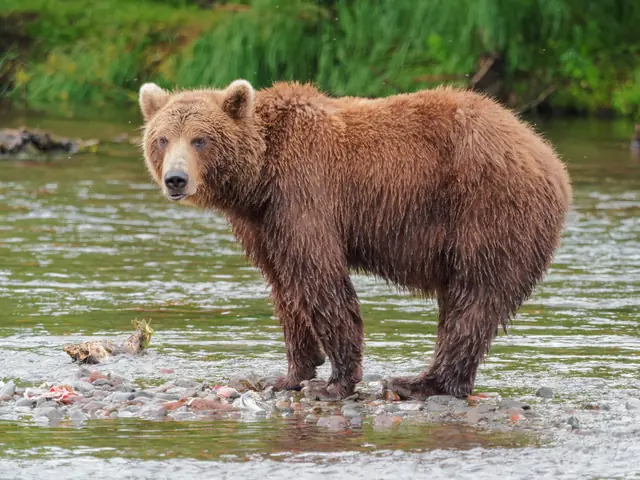
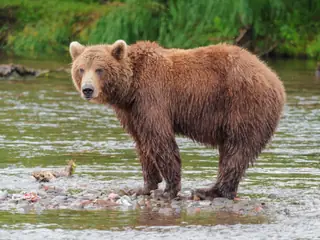
Brown Bear
Ursus arctos
The Marsican bear is a small population found only in the central Apennines. The best chance is at dawn or dusk from late summer into autumn, watching valley edges with a licensed local guide and following the park's distance rules.
-
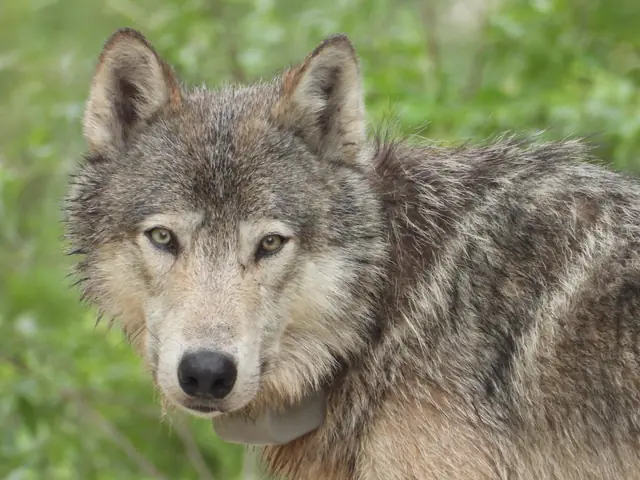
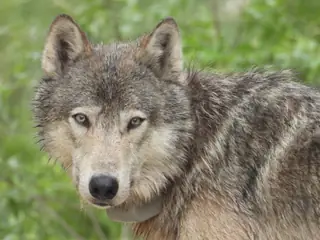
Italian Wolf
Canis lupus
The Italian wolf, also called the Apennine wolf, is present across the park but shy. Guided dawn watches from a distance give the best chance; in winter its tracks show in the snow.
-
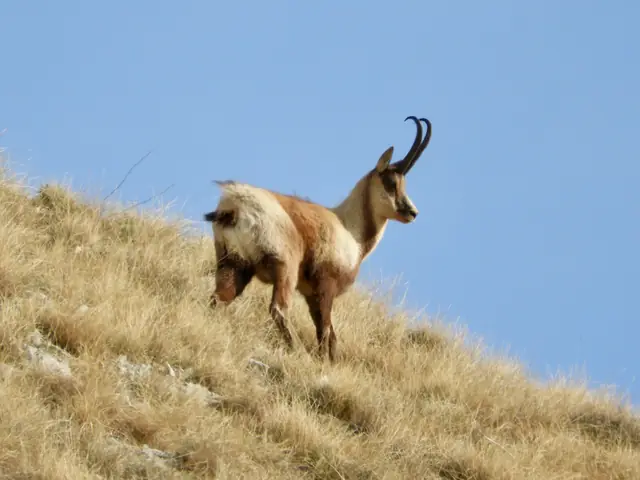
Southern Chamois
Rupicapra pyrenaica
The Apennine chamois, one of the rarest forms of chamois. Herds graze the high grassy slopes in summer; some trails have limited places, so book with the park.
-
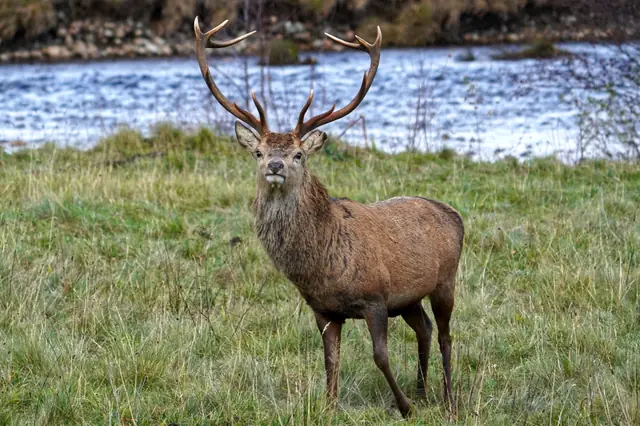
Red Deer
Cervus elaphus
Common and easy to see grazing at dusk on meadows near the villages. Stags roar in September and early October.
-
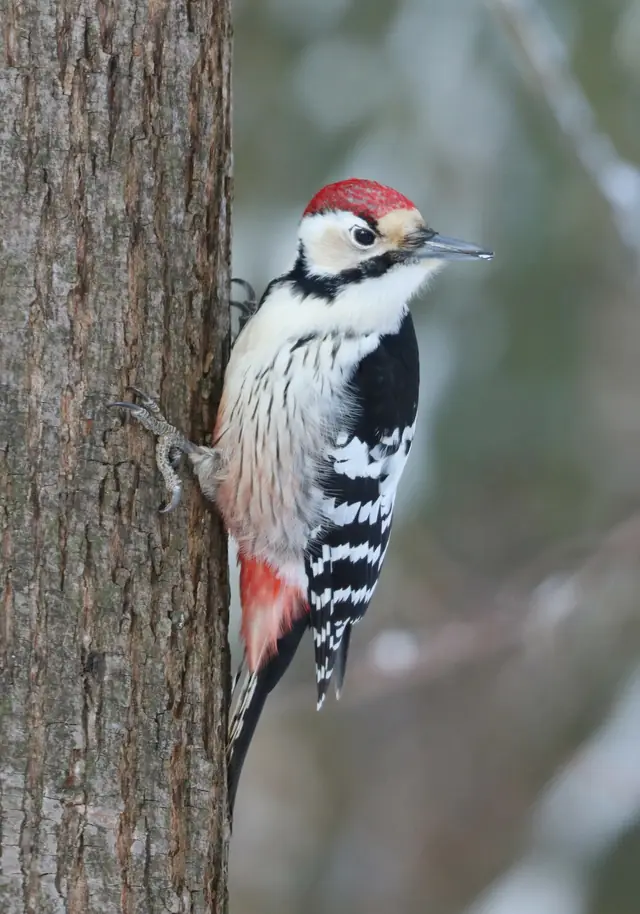
White-backed Woodpecker
Dendrocopos leucotos
A rare woodpecker of old beech forest with plenty of dead wood. Listen for drumming in early spring.
-
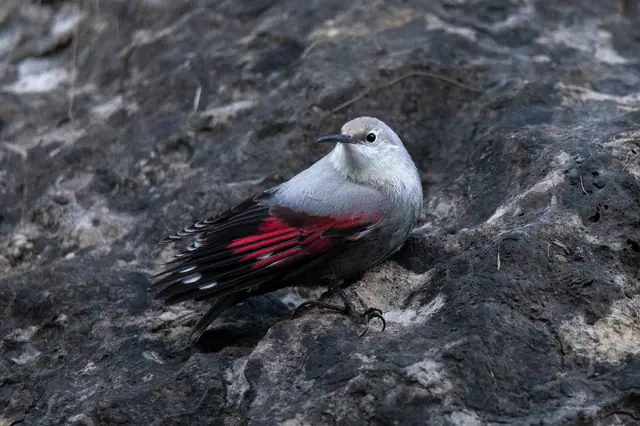
Wallcreeper
Tichodroma muraria
A grey bird with crimson wings that creeps over sheer limestone cliffs. Scan high rock faces patiently in summer and lower ones in winter.
-
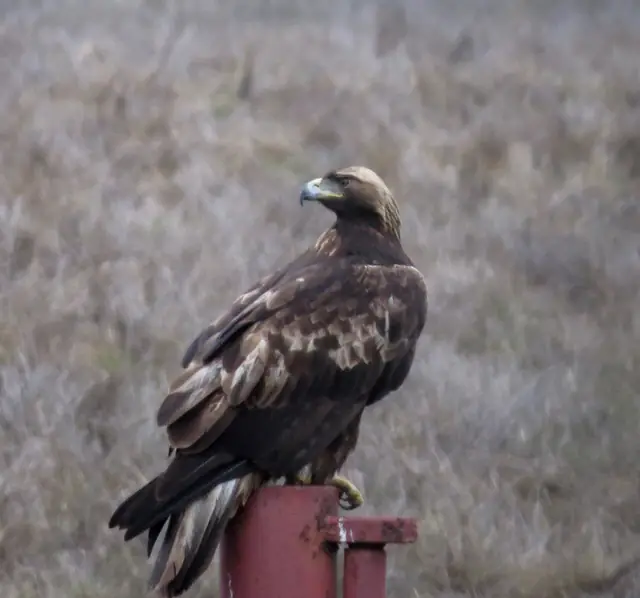
Golden Eagle
Aquila chrysaetos
Soars over the high ridges and open pastures. Scan from the valley floor on sunny mornings.
-
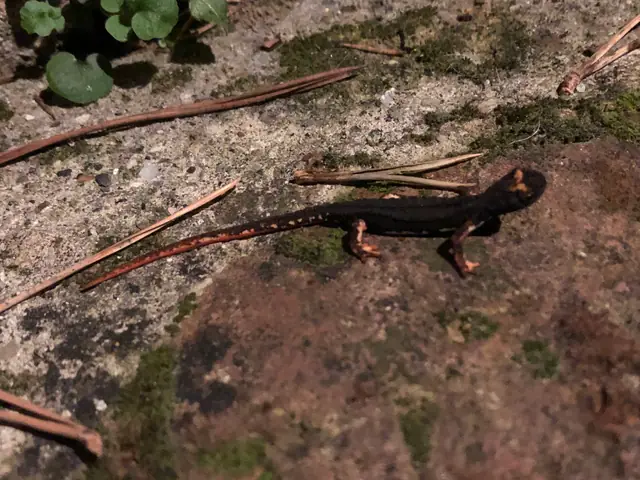
Northern Spectacled Salamander
Salamandrina perspicillata
A small, dark salamander found only in Italy, with a pale mark between the eyes. Look in damp woods and by shaded streams after spring rain, but do not handle it.
-
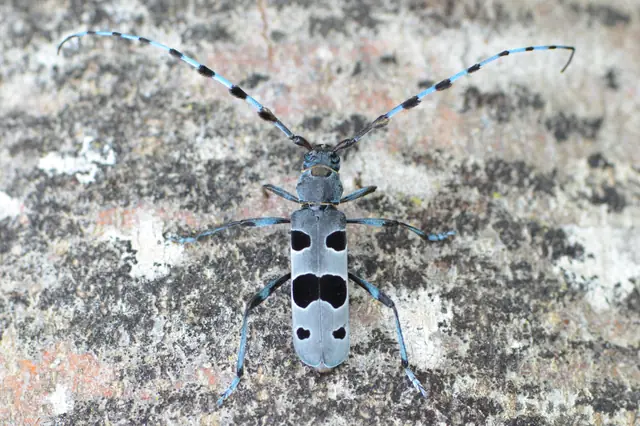
Rosalia Longicorn
Rosalia alpina
A blue-grey longhorn beetle with black spots, typical of old beech forest. Look on sunny dead trunks and logs in July and August, and leave it where it is.
-
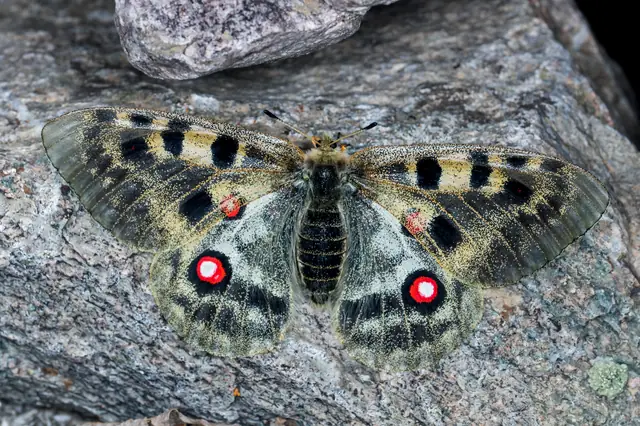
Apollo
Parnassius apollo
A big white butterfly with red eyespots that flies over flowery limestone slopes and high meadows in July.
All 140 animals in Abruzzo
Bears, wolves and chamois 8
-
 Brown Bear
-
 Italian WolfRare
-
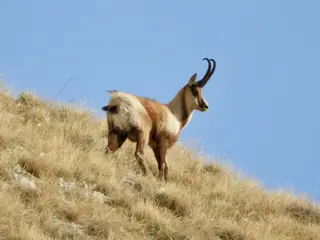 Southern Chamois
-
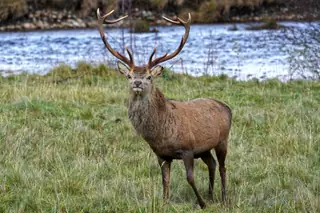 Red Deer
-
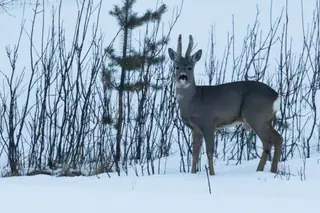 Roe Deer
-
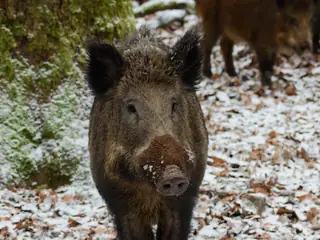 Wild Boar
-
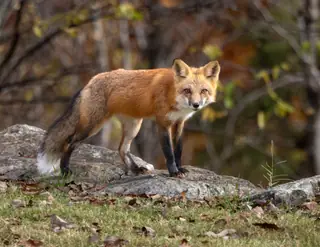 Red Fox
-
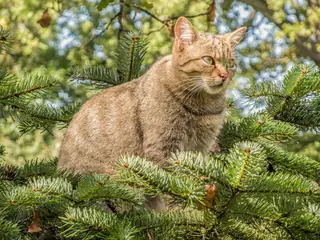 WildcatRare
Smaller mammals 9
-
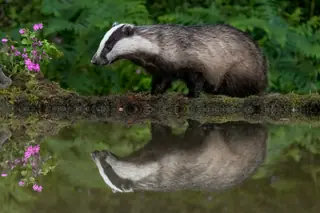 Badger
-
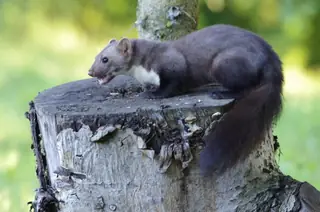 Beech Marten
-
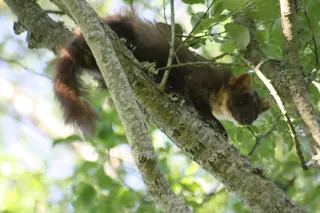 Pine MartenRare
-
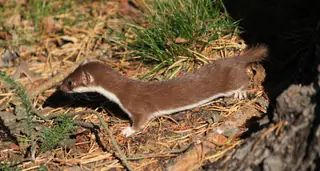 Least WeaselRare
-
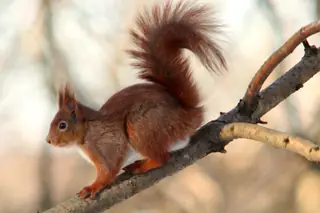 Red Squirrel
-
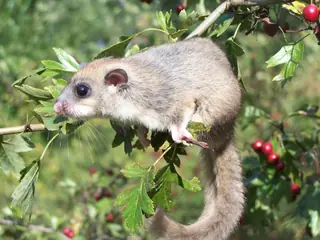 Edible Dormouse
-
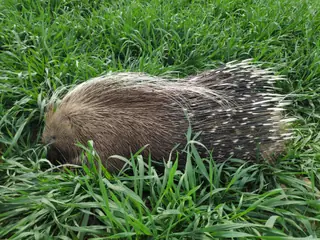 Crested PorcupineRare
-
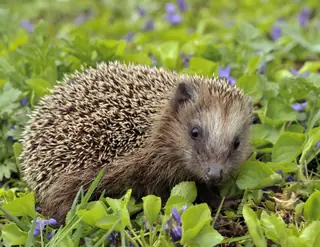 Hedgehog
-
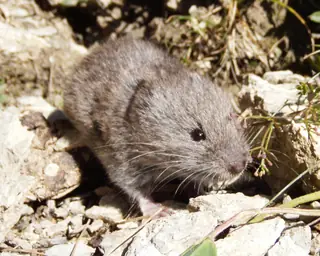 European Snow Vole
Birds of prey and owls 15
-
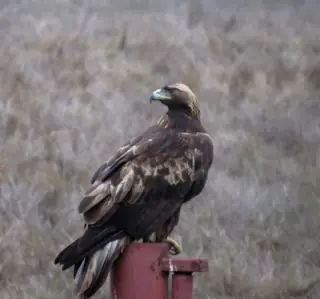 Golden Eagle
-
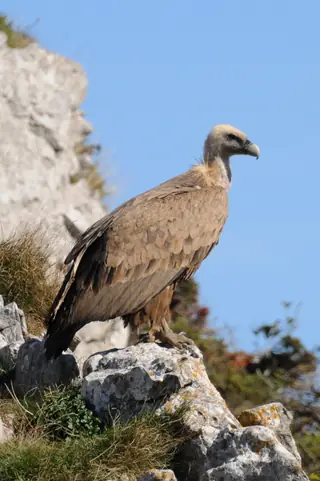 Griffon VultureRare
-
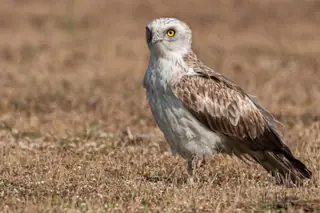 Short-toed Eagle
-
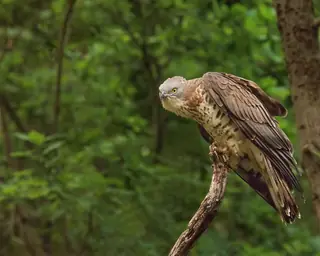 Honey Buzzard
-
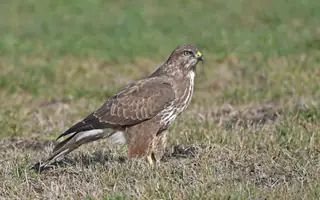 Common Buzzard
-
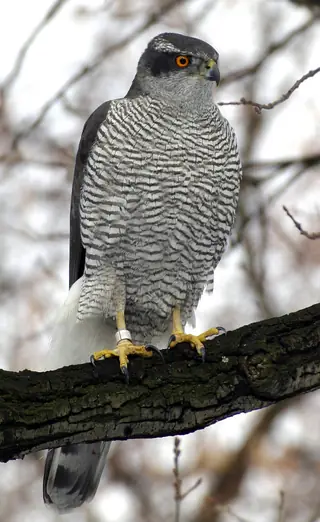 Eurasian Goshawk
-
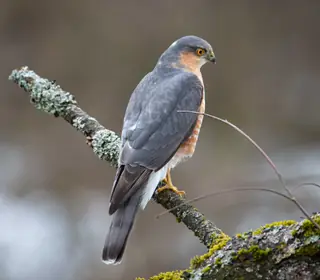 Eurasian Sparrowhawk
-
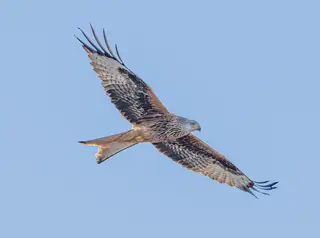 Red Kite
-
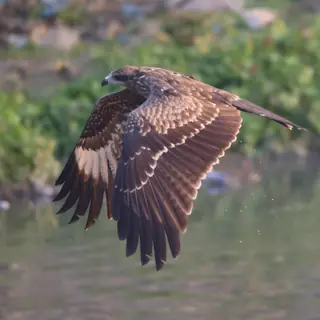 Black Kite
-
 Peregrine Falcon
-
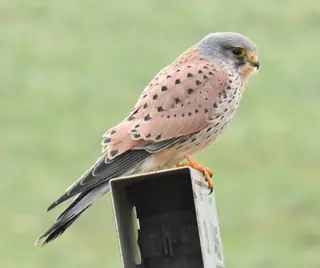 Common Kestrel
-
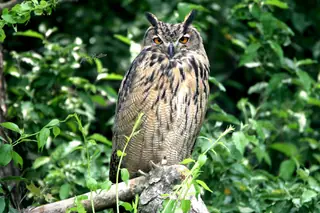 Eurasian Eagle-OwlRare
-
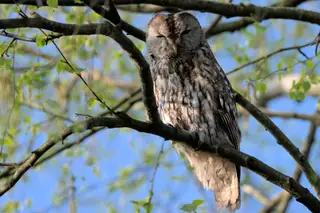 Tawny Owl
-
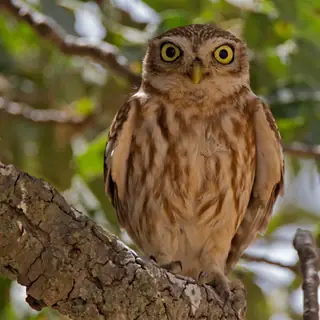 Little Owl
-
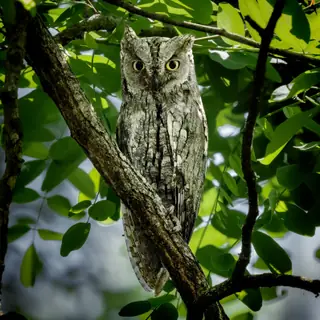 Eurasian Scops Owl
Mountain and cliff birds 19
-
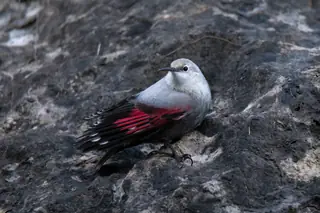 WallcreeperRare
-
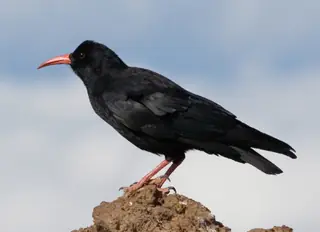 Red-billed Chough
-
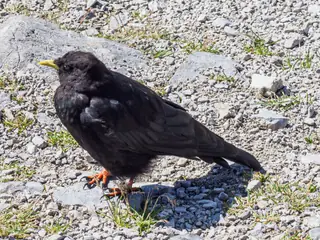 Alpine Chough
-
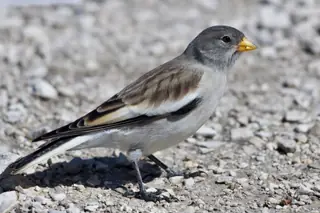 White-winged SnowfinchRare
-
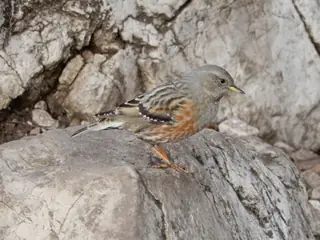 Alpine Accentor
-
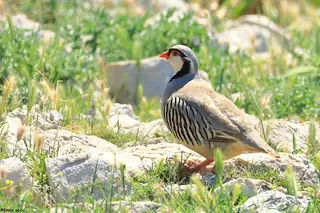 Rock PartridgeRare
-
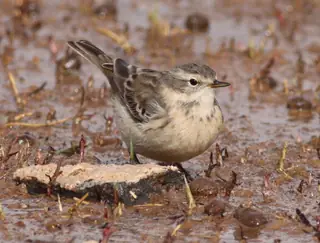 Water Pipit
-
 Northern Wheatear
-
 Rufous-tailed Rock Thrush
-
 Blue Rock Thrush
-
 Black Redstart
-
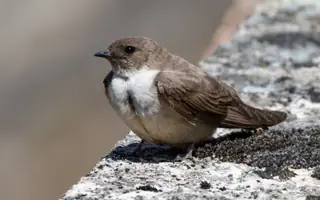 Eurasian Crag Martin
-
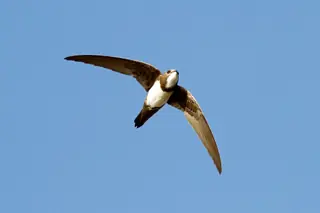 Alpine Swift
-
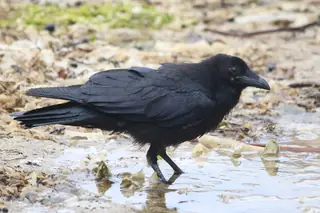 Common Raven
-
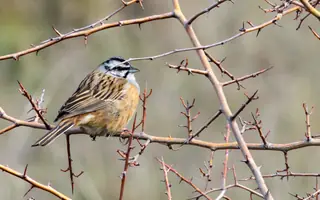 Rock Bunting
-
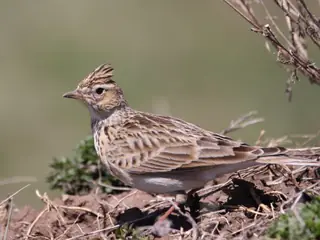 Eurasian Skylark
-
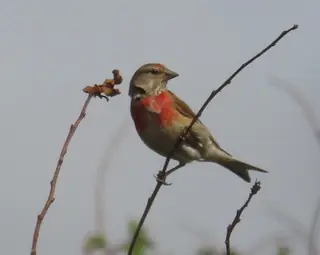 Common Linnet
-
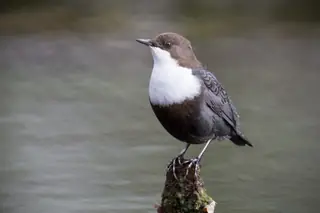 White-throated Dipper
-
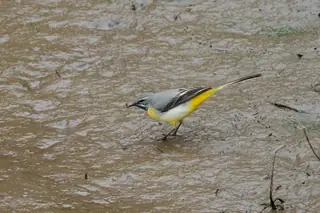 Grey Wagtail
Forest birds 34
-
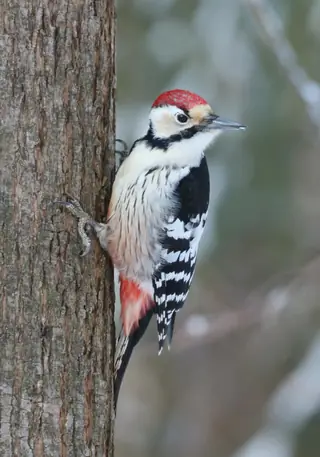 White-backed WoodpeckerRare
-
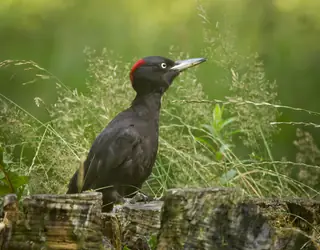 Black Woodpecker
-
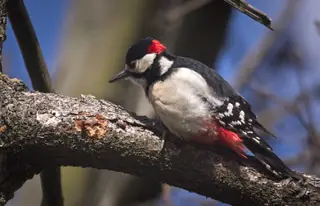 Great Spotted Woodpecker
-
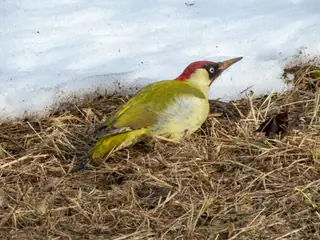 Eurasian Green Woodpecker
-
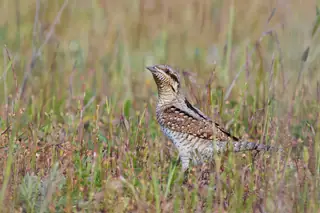 Eurasian Wryneck
-
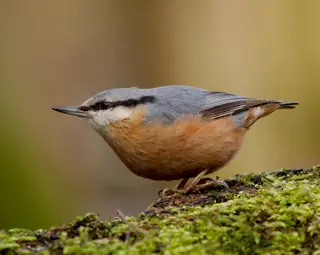 Eurasian Nuthatch
-
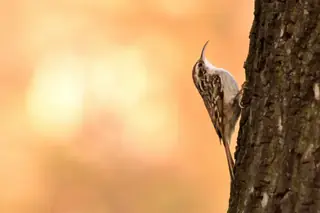 Short-toed Treecreeper
-
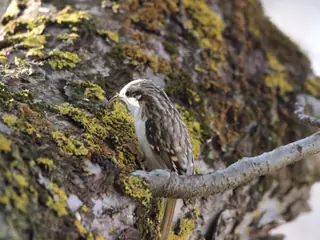 Eurasian Treecreeper
-
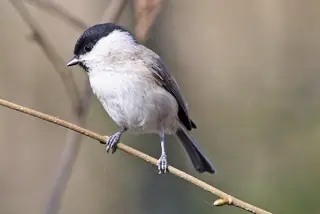 Marsh Tit
-
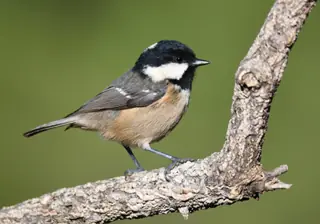 Coal Tit
-
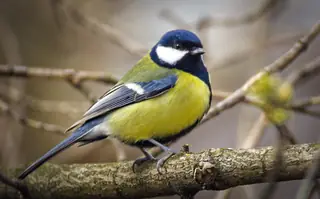 Great Tit
-
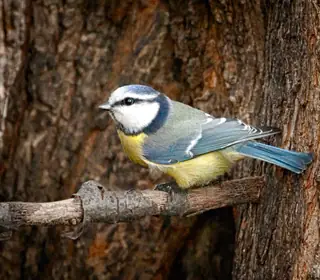 Eurasian Blue Tit
-
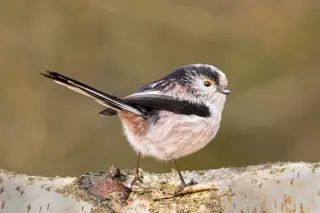 Long-tailed Tit
-
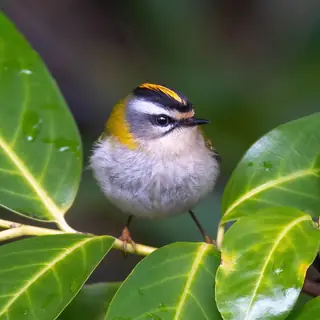 Common Firecrest
-
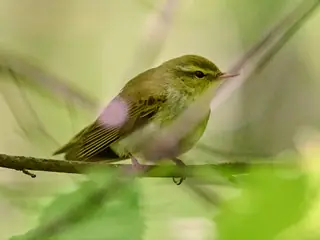 Wood Warbler
-
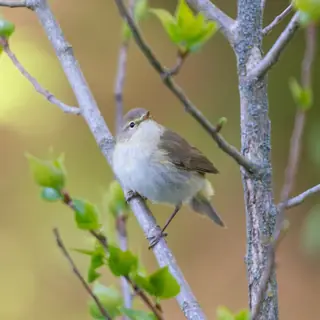 Western Bonelli's Warbler
-
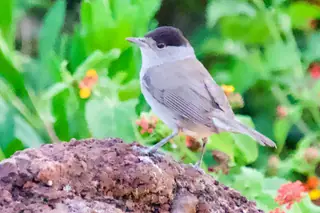 Eurasian Blackcap
-
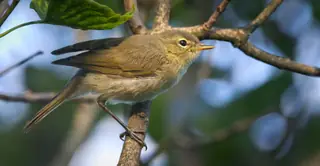 Common Chiffchaff
-
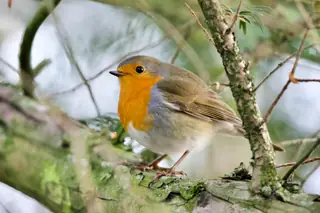 European Robin
-
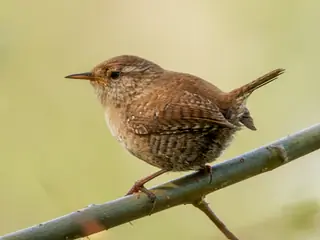 Eurasian Wren
-
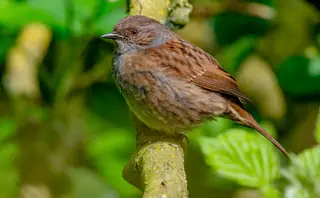 Dunnock
-
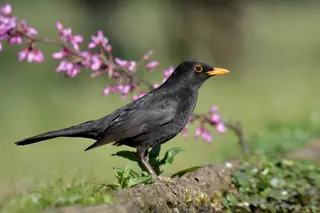 Common Blackbird
-
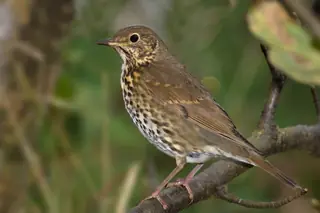 Song Thrush
-
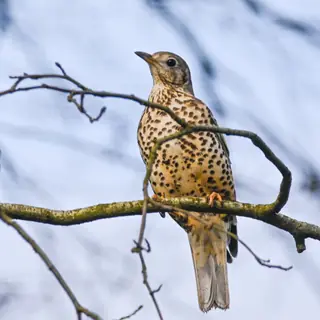 Mistle Thrush
-
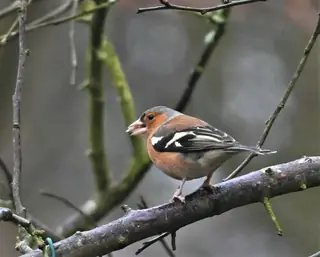 Common Chaffinch
-
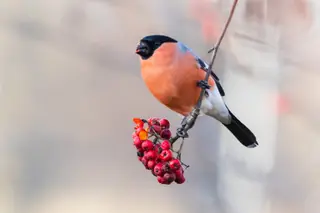 Eurasian Bullfinch
-
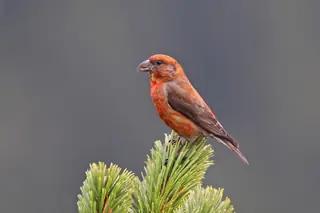 Red Crossbill
-
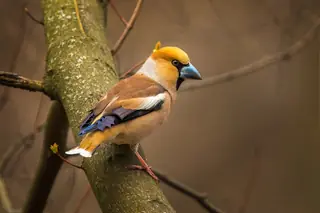 Hawfinch
-
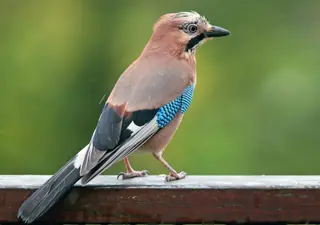 Eurasian Jay
-
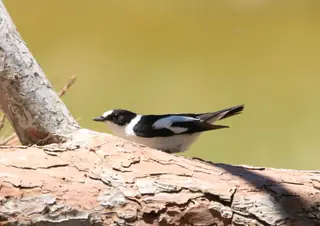 Collared FlycatcherRare
-
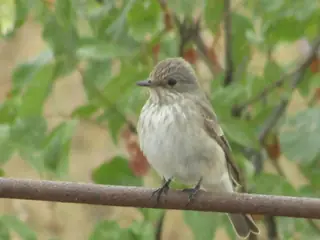 Spotted Flycatcher
-
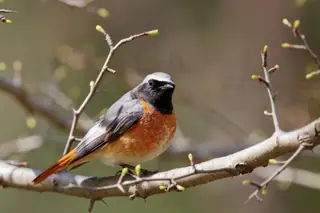 Common Redstart
-
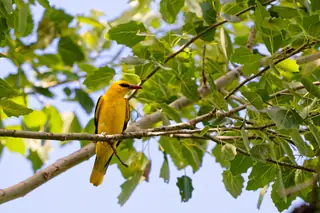 Eurasian Golden Oriole
-
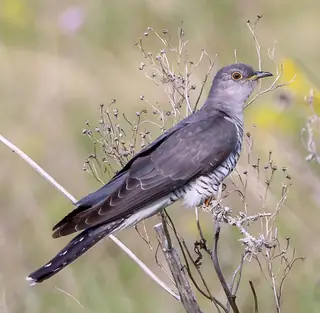 Common Cuckoo
Meadow, village and lake birds 22
-
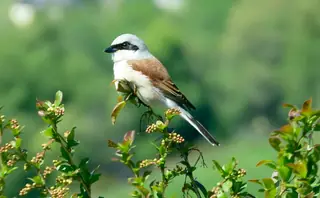 Red-backed Shrike
-
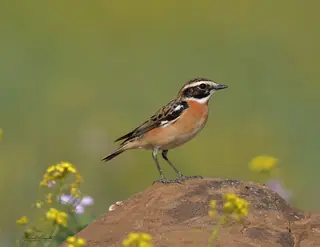 Whinchat
-
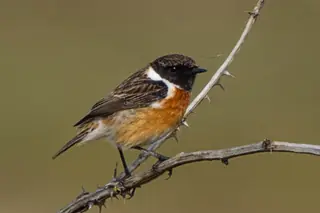 European Stonechat
-
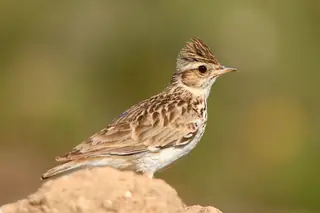 Woodlark
-
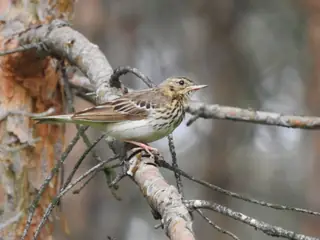 Tree Pipit
-
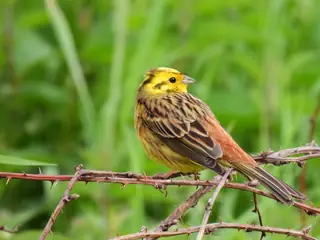 Yellowhammer
-
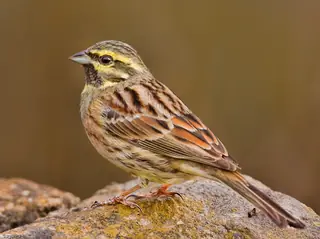 Cirl Bunting
-
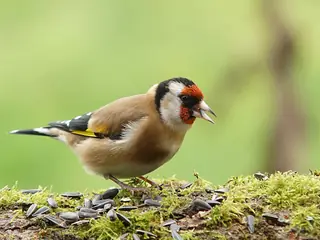 European Goldfinch
-
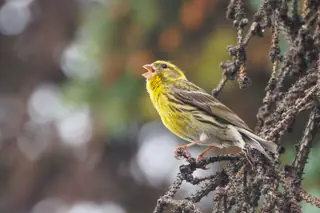 European Serin
-
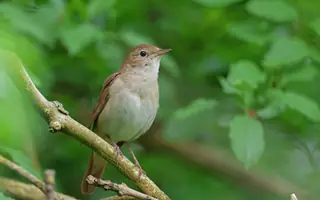 Common Nightingale
-
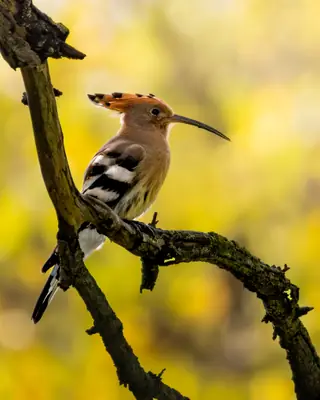 Common Hoopoe
-
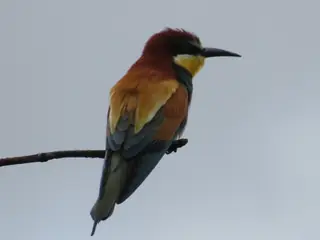 European Bee-eater
-
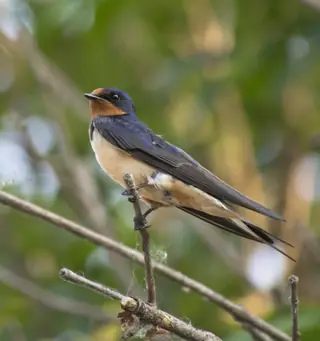 Barn Swallow
-
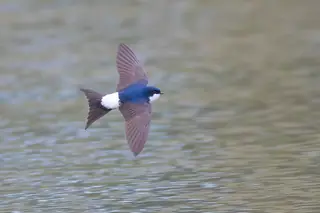 Western House Martin
-
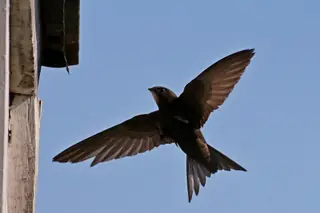 Common Swift
-
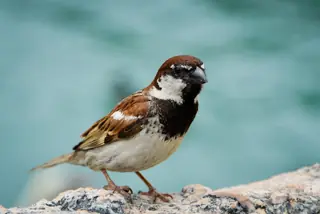 Italian Sparrow
-
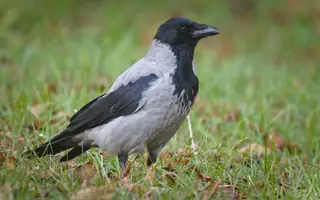 Hooded Crow
-
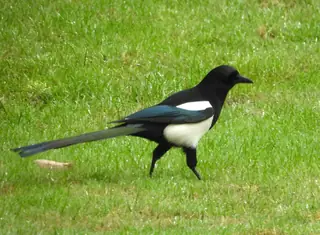 Eurasian Magpie
-
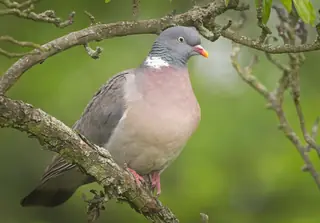 Common Wood Pigeon
-
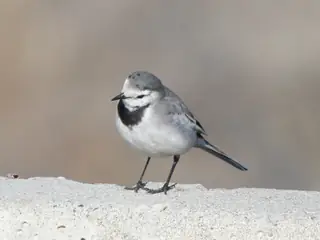 White Wagtail
-
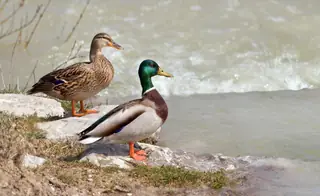 Mallard
-
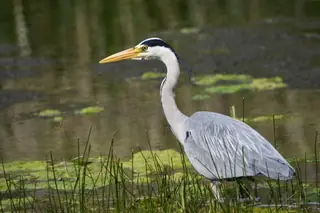 Grey Heron
Reptiles and amphibians 17
-
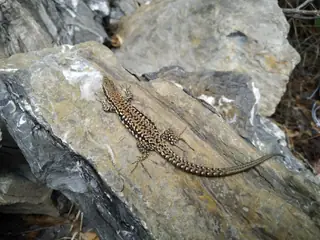 Common Wall Lizard
-
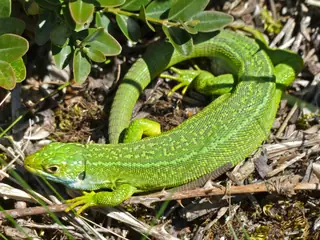 Western Green Lizard
-
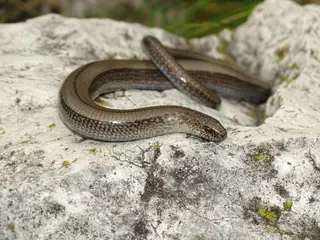 Italian Slow Worm
-
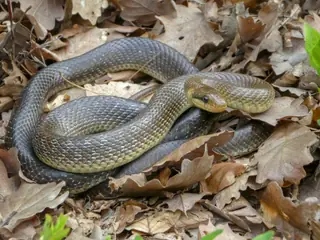 Aesculapian Snake
-
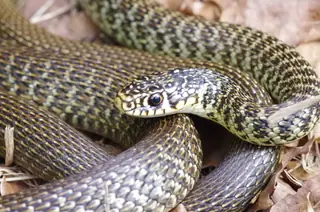 Western Whip Snake
-
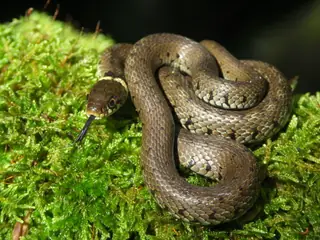 Grass Snake
-
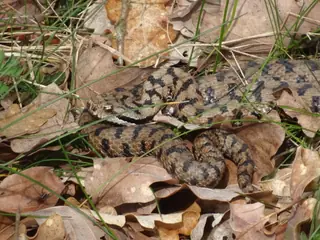 Asp Viper
-
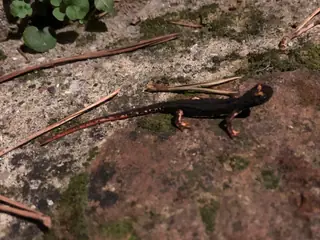 Northern Spectacled Salamander
-
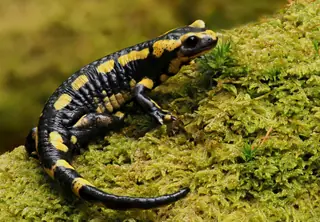 Fire Salamander
-
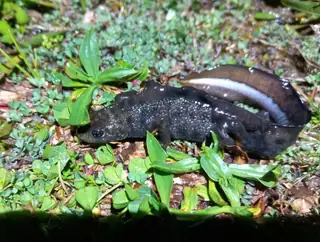 Italian Crested Newt
-
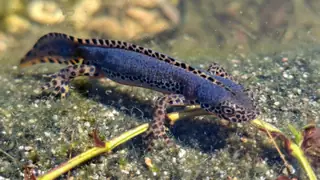 Alpine Newt
-
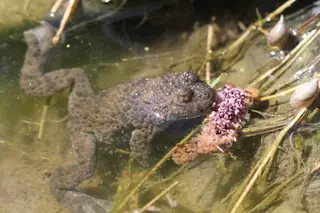 Apennine Yellow-bellied Toad
-
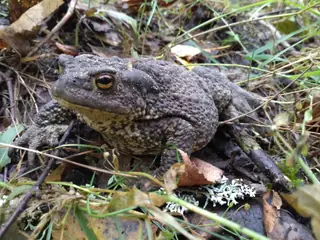 Common Toad
-
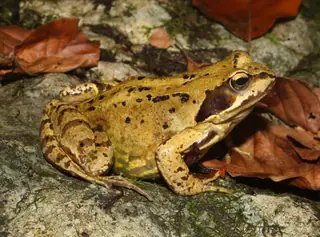 Common Frog
-
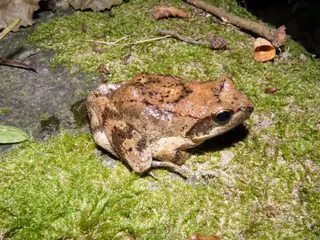 Italian Stream Frog
-
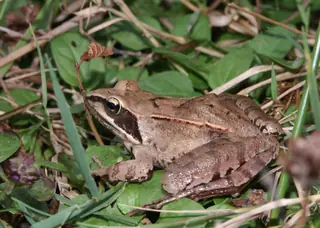 Agile Frog
-
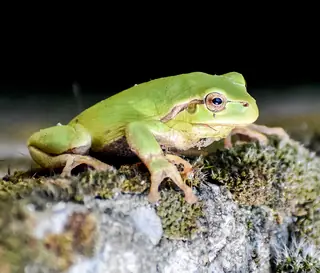 Italian Tree Frog
Butterflies and insects 16
-
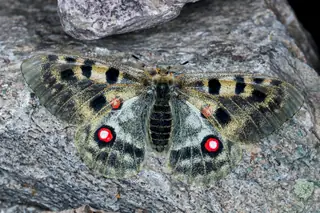 Apollo
-
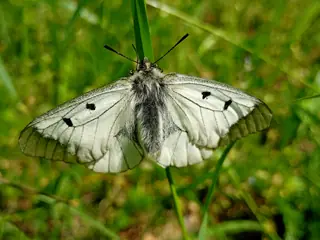 Clouded Apollo
-
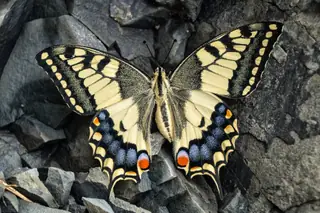 Swallowtail
-
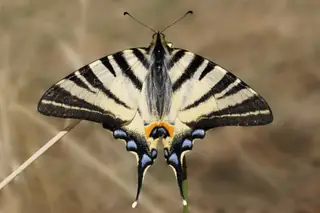 Scarce Swallowtail
-
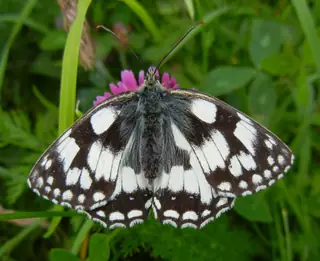 Marbled White
-
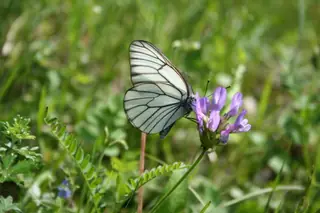 Black-veined White
-
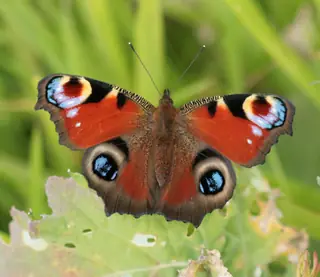 Peacock
-
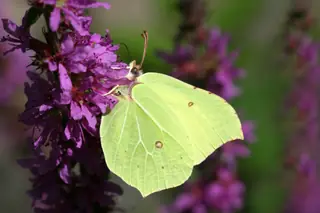 Brimstone
-
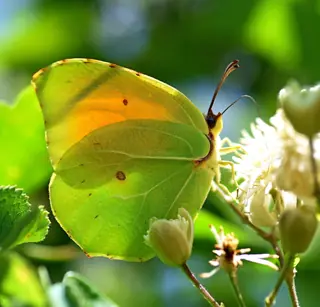 Cleopatra
-
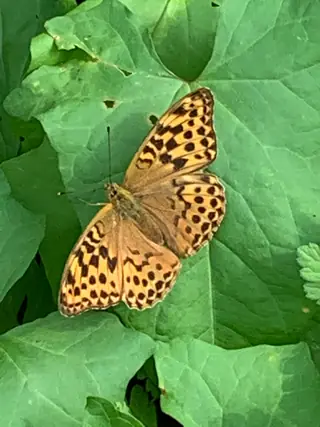 Silver-washed Fritillary
-
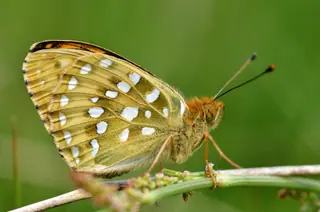 Dark Green Fritillary
-
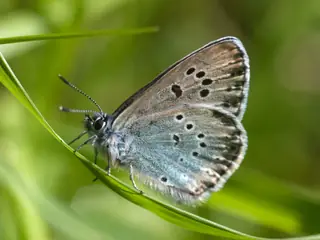 Large Blue
-
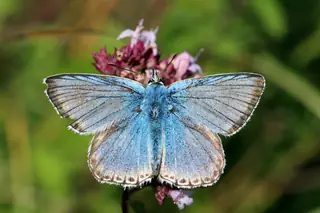 Chalk-hill Blue
-
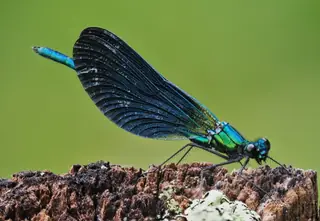 Beautiful Demoiselle
-
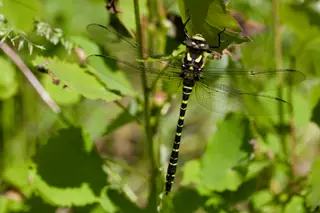 Golden-ringed Dragonfly
-
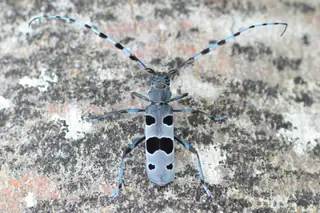 Rosalia Longicorn
Best time to see wildlife in Abruzzo
Sightings by month in Abruzzo
Most records: Mar to Aug, Oct to NovRecords from GBIF.org, adjusted for how many people record wildlife each month. 100% is the busiest month.
Spring comes late to the mountains. In April and May the snow retreats from the high pastures, birds sing in the beech woods, woodpeckers drum and the first migrants arrive, while bears come down to feed on fresh grass in the open. June and July are the months for flowers, butterflies and breeding birds on the high ground, and the summer trails to the chamois slopes open. From late August into October bears feed on ripening berries and fruit, which is the best time to see them, and the red deer rut fills the valleys with roaring in September and early October. Winter is cold and snowy: wildlife is harder to find, but tracks of wolves and other mammals show in the snow, and wallcreepers move down to lower cliffs.
- Apr to MaySnow melting, birdsong, drumming woodpeckers, bears on green slopes
- Jun to JulFlowers, butterflies, breeding birds, high trails to the chamois open
- Aug to SepBears feeding on fruit; the best season to look for them
- Sep to OctRed deer rut and autumn colour in the beech woods
- Nov to MarCold and snowy; tracks in snow, wallcreepers on lower cliffs
Tips for spotting wildlife in Abruzzo
- 01
Go with a licensed guide for bears and wolves
Local guides know where animals have been feeding and watch from a distance without disturbing them. Never follow a bear or wolf, and never go looking for dens.
- 02
Be out at dawn and dusk
Deer, chamois, bears and wolves are most active in the first and last hours of light. Find a viewpoint, use binoculars or a telescope and stay put.
- 03
Book the controlled trails
Some high trails to the chamois slopes have limited places in summer to protect the animals. Check with the park's visitor centres and book before you go.
- 04
Keep food out of reach
Bears sometimes visit the edges of villages at night. Never feed wildlife, use the bins provided and leave no food out at camps or cars.
- 05
Walk the beech woods quietly
The old beech forests hold woodpeckers, flycatchers and dormice. Walk slowly, stop often and listen, and stay on marked paths.
- 06
Follow the park's rules
Keep dogs on a lead, stay on marked trails in the reserve zones and follow the park's distance rules for wildlife.

Take Abruzzo with you
Heading into the Apennines? Keep this list on your phone and tick off each animal as you see it, even with no signal in the valleys. Wilder is free to start.

Abruzzo wildlife FAQ
When is the best time to see wildlife in Abruzzo National Park?
The best time is May to October. Spring brings birdsong and bears grazing in the open, summer is best for chamois, flowers and butterflies, and late August to October is the best season for bears feeding on fruit and for the red deer rut. Winter is snowy and quieter.
Can you see bears in Abruzzo National Park?
Yes, but with patience. Abruzzo, Lazio and Molise National Park is the heart of the range of the Marsican brown bear, a small population of about 81 bears found only in the central Apennines. Your best chance is at dawn or dusk from late summer into autumn, watching from a distance with a licensed local guide.
Where can you see Apennine chamois in Abruzzo?
Apennine chamois live on the high grassy slopes and rocky ridges of the park, above the villages of the upper Sangro valley such as Civitella Alfedena and Opi. Some of the trails to their summer pastures have limited places, so book through the park before you go.
Are there wolves in Abruzzo National Park?
Yes, the Italian wolf lives across the park, but it is shy and rarely seen. Guided dawn watches give the best chance, and in winter their tracks are easy to find in the snow.
What animals live in Abruzzo National Park?
The park is home to Marsican brown bears, Apennine wolves, Apennine chamois, red and roe deer, wild boar and wildcats, with golden eagles, white-backed woodpeckers and wallcreepers among the birds. This checklist covers 140 animals, including reptiles, amphibians such as the spectacled salamander, and butterflies.
Sources
- Parks.it: Abruzzo, Lazio and Molise National Park
- ISPRA: new population estimate for the Marsican brown bear in the central Apennines
- BirdLife International: Abruzzo National Park Important Bird Area
- Sightings by month: GBIF.org
Animal photos are from the Wilder catalogue; photo credits.
Similar checklists
All Europe-
 National park127animals Gran Paradiso National Park Aosta Valley and Piedmont, Italy Italy's oldest national park, high valleys, larch woods and glaciers around Cogne, Valsavarenche and the Nivolet, where alpine ibex graze close to the paths, chamois and marmots fill the meadows and bearded vultures and golden eagles patrol the ridges. Best time Jun to Sept
-
 Region106animals Picos de Europa and Somiedo Asturias, Cantabria and León, Spain Limestone peaks and deep gorges in the Cantabrian Mountains: chamois at Fuente Dé, vultures, wallcreepers on the cliffs, and brown bears on the slopes of Somiedo. Best time May to Jul
-
 Region105animals Romanian Carpathians Brașov, Sibiu and Argeș, Romania Beech and spruce forest under limestone ridges, home to Europe's biggest brown bear population, with wolves, lynx, chamois on the crags and wallcreepers in the gorges. Best time May to Sept
-
 National park113animals Białowieża Forest Podlaskie and Brest, Poland and Belarus Europe's last great lowland primeval forest: free-roaming European bison, wolves and lynx, and ten kinds of woodpecker among the giant oaks. Best time Late Apr to Jun