Region · Magdalena · Colombia
Sierra Nevada de Santa Marta Animal Checklist

The Sierra Nevada de Santa Marta in northern Colombia is the world's highest coastal mountain range, climbing from Caribbean beaches to snow peaks of about 5,700 m. It is famous for its endemic birds, about twenty found nowhere else, plus howler monkeys, toucans and iguanas in the lowlands. This checklist covers 139 animals. The dry season, December to March, is best.
Tick off all 139 animals in Santa Marta on your phone, even offline. Launching soon. Free A4 PDF, no sign-up.
Most visitors combine three zones: the dry forest and bays of Tayrona National Natural Park on the coast, the coffee foothills around Minca, and the cloud forest of the San Lorenzo ridge above it. The highest peaks stand only about 42 km from the sea.
- Animals to find
- 139
- Where
- Colombia
- Best time
- Dec to Mar
- Endemic birds
- About 20
Popular animals in Santa Marta
-
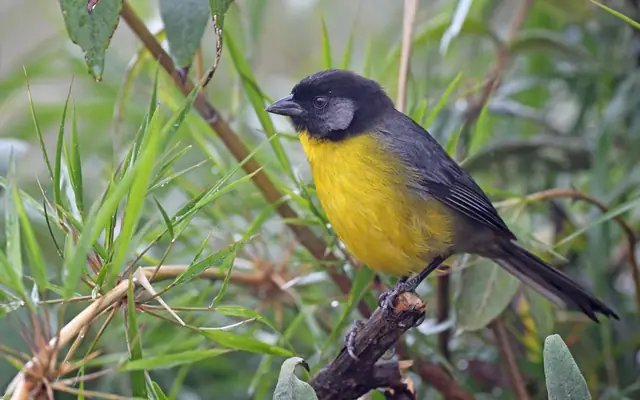
Santa Marta Brushfinch
Atlapetes melanocephalus
The easiest endemic: bold, black and white with a yellow throat, hopping about gardens and forest edge high on the ridge.
-
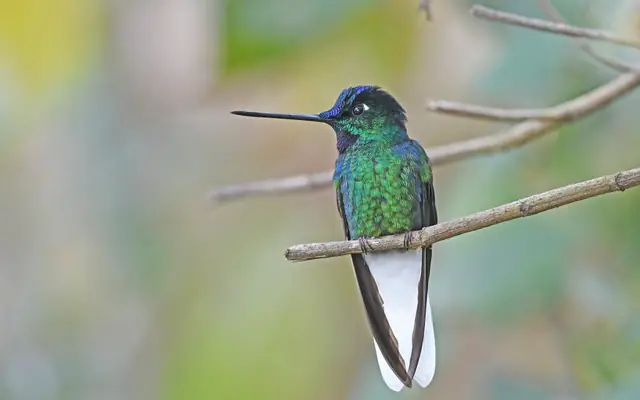
White-tailed Starfrontlet
Coeligena phalerata
A large, glittering hummingbird of high cloud forest. Males flash white outer tail feathers as they hover at flowers.
-
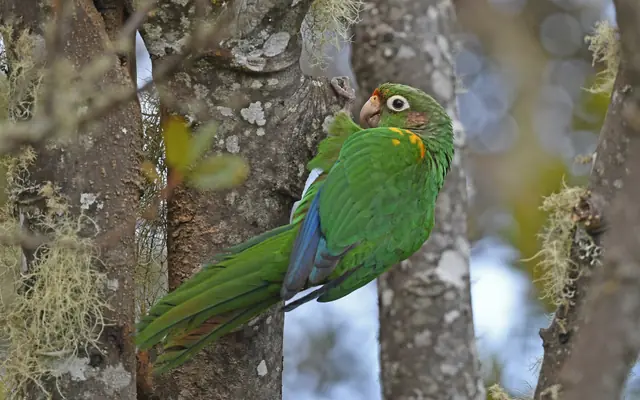
Santa Marta Parakeet
Pyrrhura viridicata
A rare, fast-flying parrot of high cloud forest. Scan from open viewpoints early in the day and listen for flocks calling overhead.
-
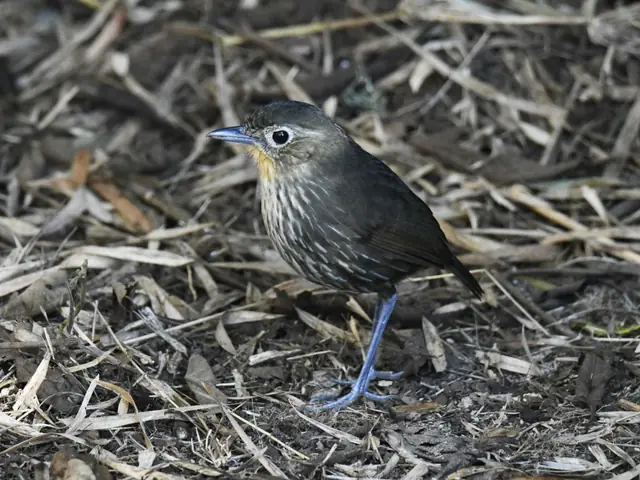
Santa Marta Antpitta
Grallaria bangsi
A plump, long-legged bird of the mossy forest floor. Listen at dawn and wait quietly on the path; it is heard far more often than seen.
-
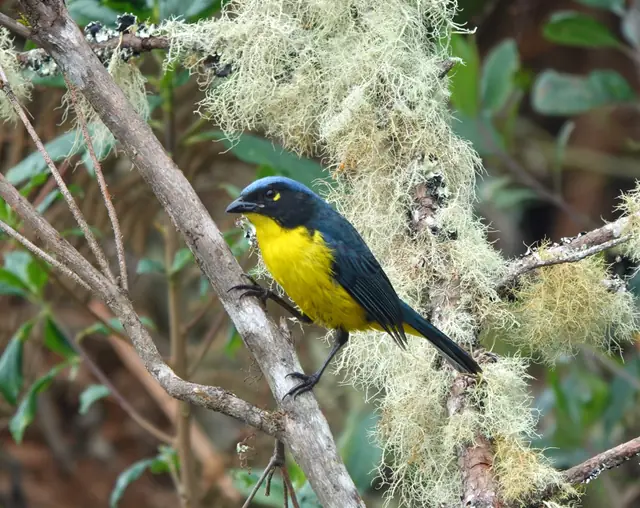
Santa Marta Mountain Tanager
Anisognathus melanogenys
Small, noisy flocks in the stunted forest and scrub near the top of the ridge, black, yellow and blue.
-
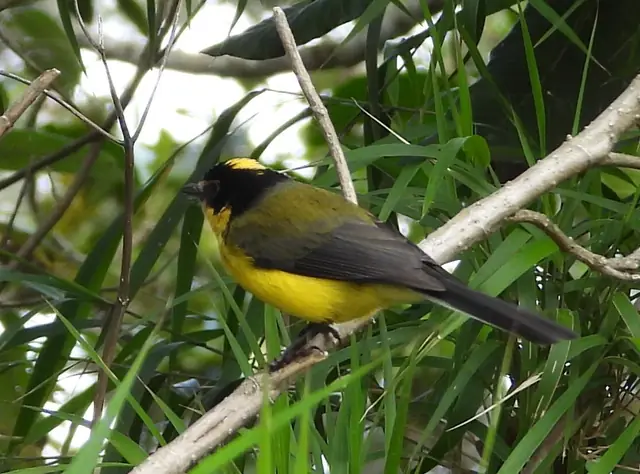
Yellow-crowned Whitestart
Myioborus flavivertex
An active little warbler that fans its tail to flush insects, often in mixed flocks along the forest edge.
-
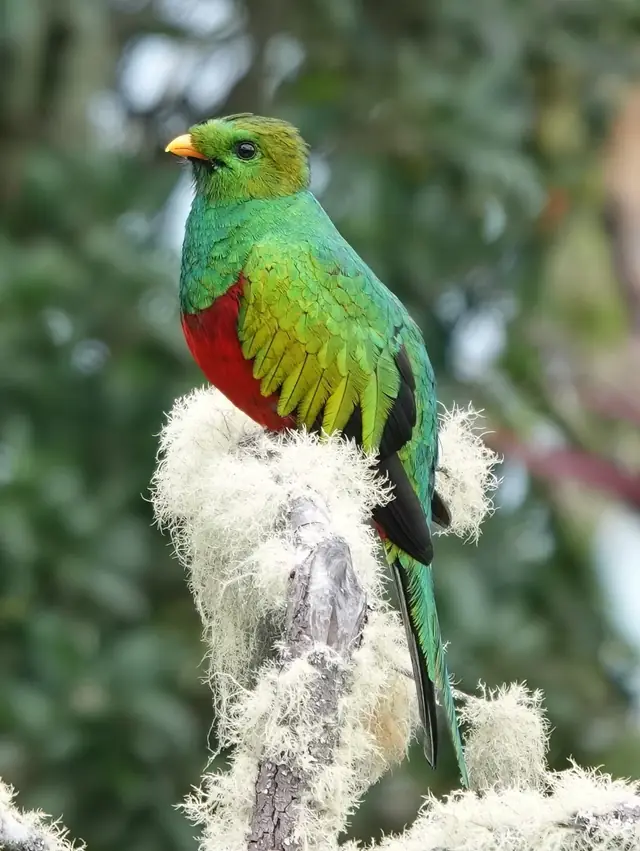
White-tipped Quetzal
Pharomachrus fulgidus
Sits still in the mid-storey for long spells. Learn its whistled call and look along the branches below the canopy.
-
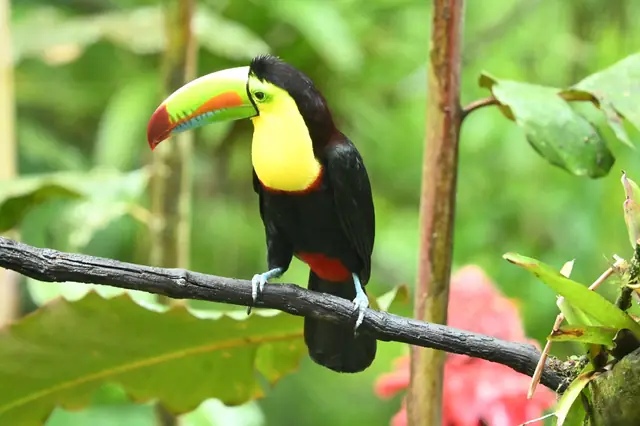
Keel-billed Toucan
Ramphastos sulfuratus
Calls from tall trees in the foothills, most active in the early morning. The rainbow bill is easy to pick out against the sky.
-
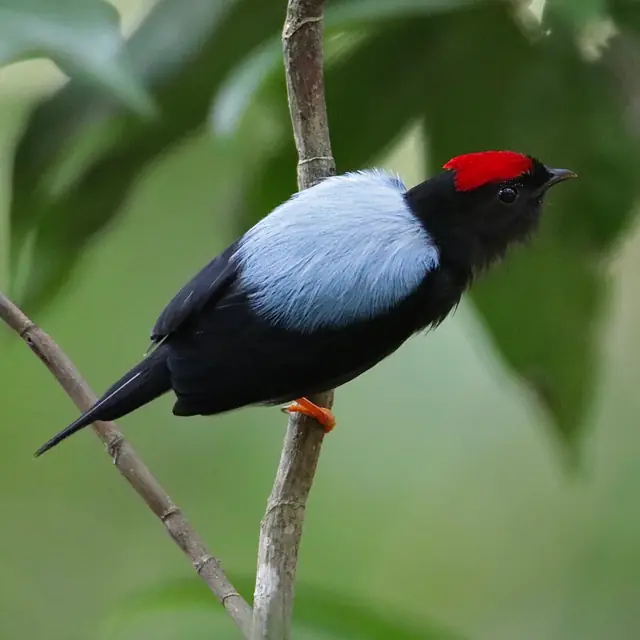
Lance-tailed Manakin
Chiroxiphia lanceolata
Males display in pairs, low in dry forest. Watch from the trail and keep still so the display carries on.
-
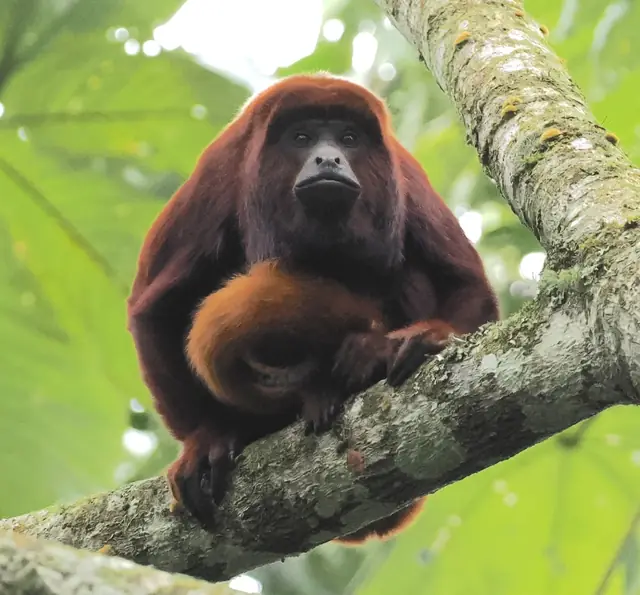
Red Howler Monkey
Alouatta seniculus
You will hear the deep roaring at dawn long before you see a troop resting high in tall trees.
-
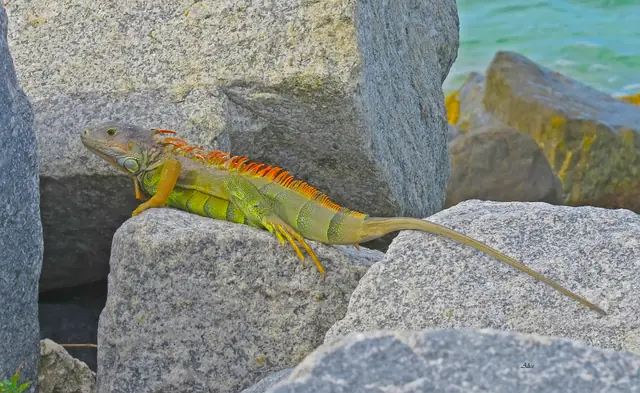
Green Iguana
Iguana iguana
Big iguanas bask on rocks and branches along the coastal trails of Tayrona in the morning sun.
All 139 animals in Santa Marta
Primates and larger mammals 13
-
 Red Howler Monkey
-
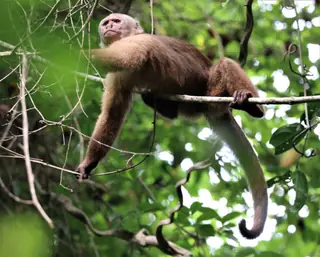 Santa Marta White-fronted Capuchin
-
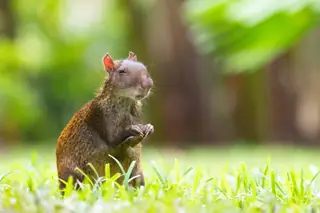 Central American Agouti
-
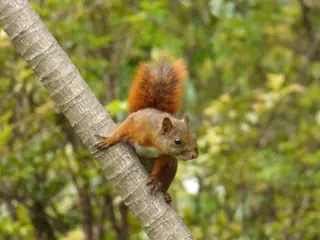 Red-tailed Squirrel
-
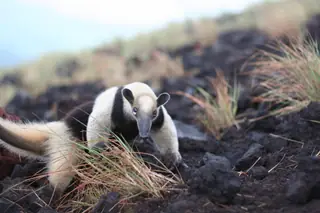 Northern TamanduaRare
-
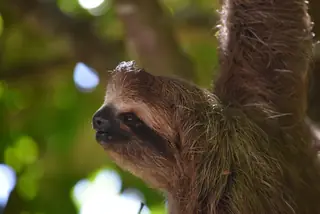 Brown-throated Three-toed SlothRare
-
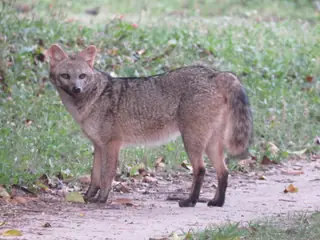 Crab-eating Fox
-
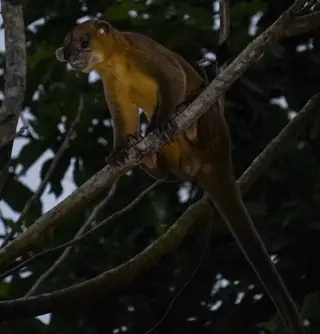 KinkajouRare
-
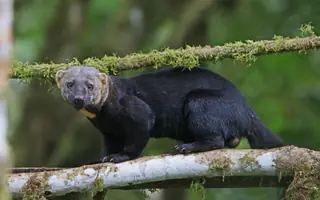 TayraRare
-
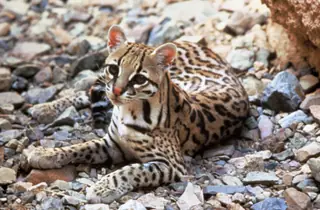 OcelotRare
-
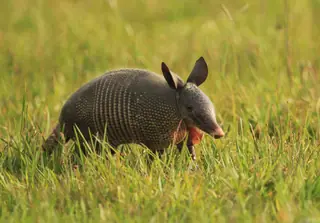 Nine-banded Armadillo
-
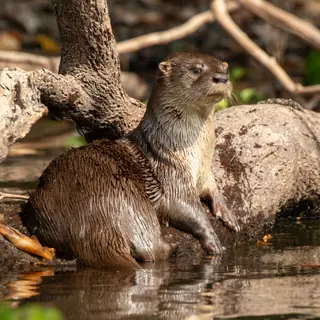 Neotropical OtterRare
-
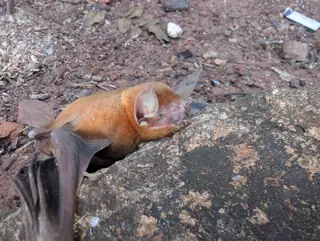 Greater Bulldog Bat
Santa Marta endemics 20
-
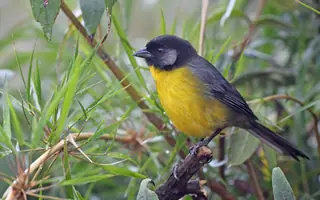 Santa Marta Brushfinch
-
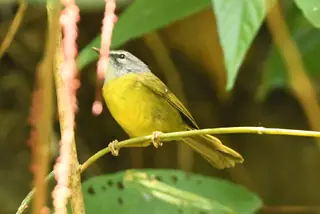 White-lored Warbler
-
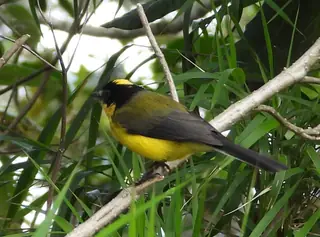 Yellow-crowned Whitestart
-
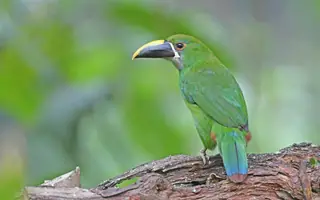 Southern Emerald Toucanet
-
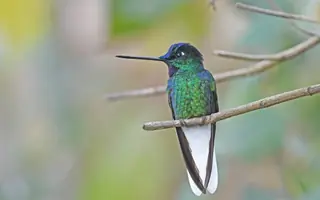 White-tailed Starfrontlet
-
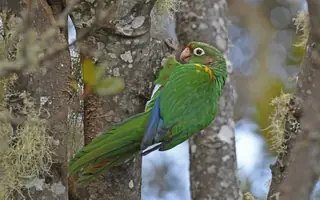 Santa Marta Parakeet
-
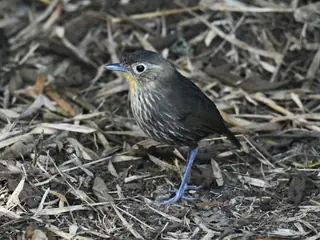 Santa Marta Antpitta
-
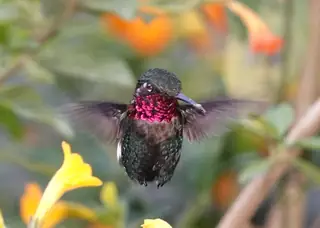 Santa Marta Woodstar
-
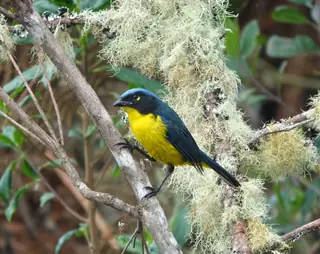 Santa Marta Mountain Tanager
-
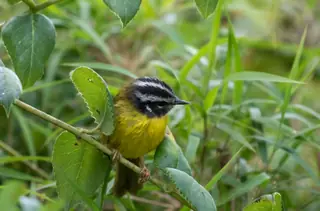 Santa Marta Warbler
-
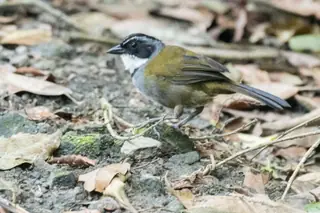 Sierra Nevada Brushfinch
-
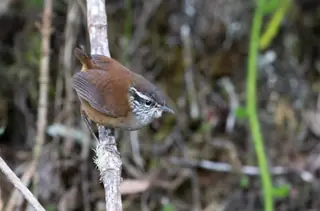 Hermit Wood Wren
-
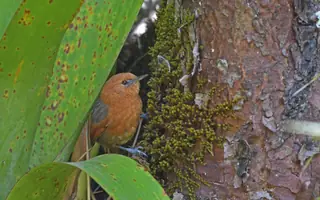 Rusty-headed Spinetail
-
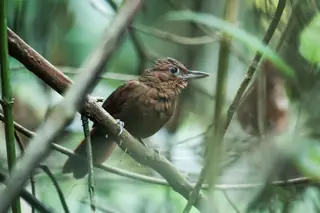 Santa Marta Foliage-gleaner
-
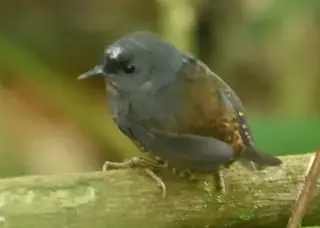 Santa Marta Tapaculo
-
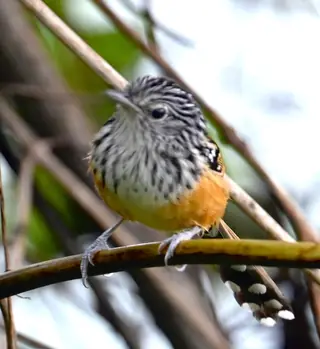 Santa Marta Antbird
-
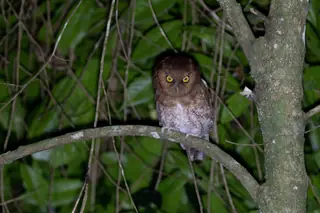 Santa Marta Screech OwlRare
-
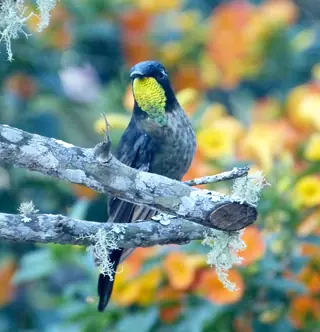 Black-backed ThornbillRare
-
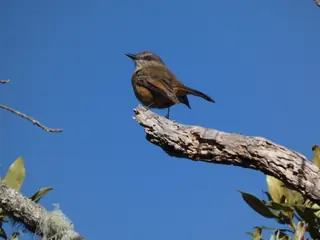 Santa Marta Bush TyrantRare
-
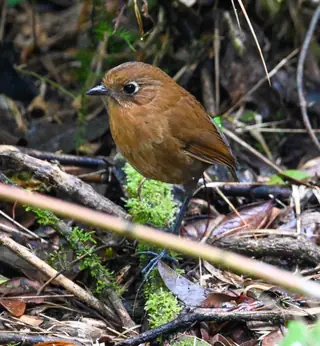 Sierra Nevada AntpittaRare
Cloud forest birds 22
-
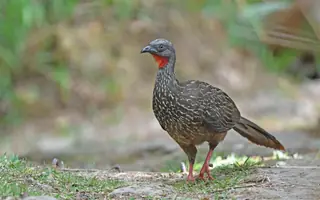 Band-tailed Guan
-
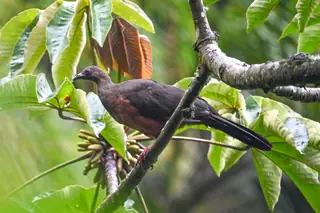 Sickle-winged Guan
-
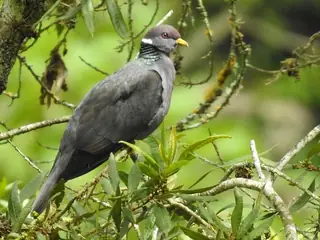 Band-tailed Pigeon
-
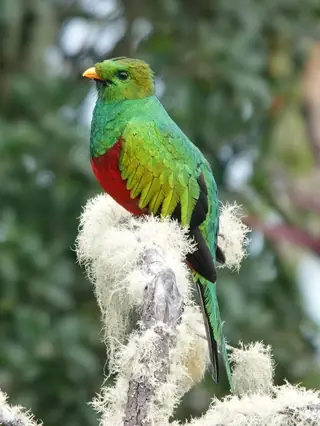 White-tipped Quetzal
-
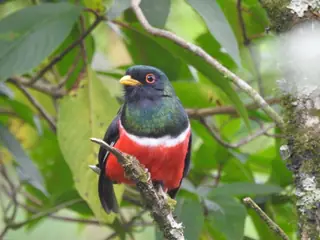 Masked Trogon
-
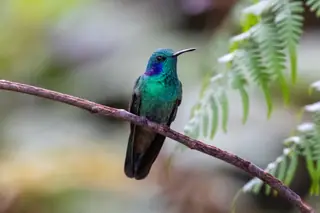 Lesser Violetear
-
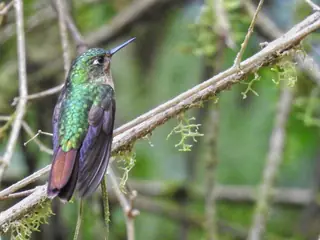 Tyrian Metaltail
-
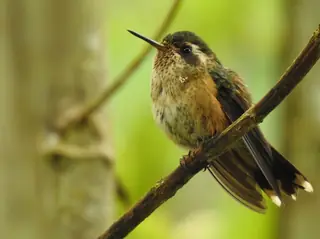 Speckled Hummingbird
-
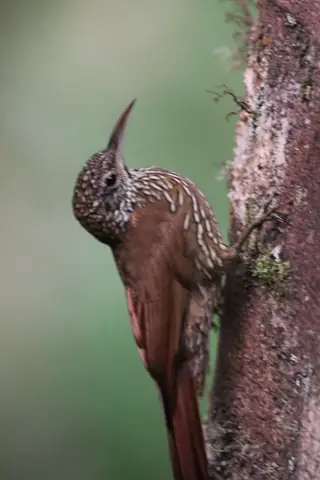 Montane Woodcreeper
-
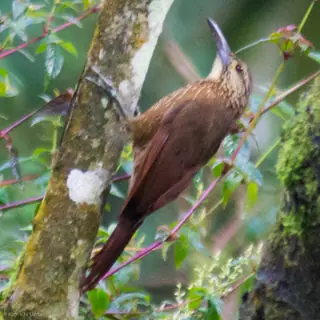 Strong-billed Woodcreeper
-
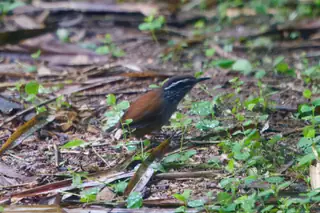 Grey-breasted Wood-wren
-
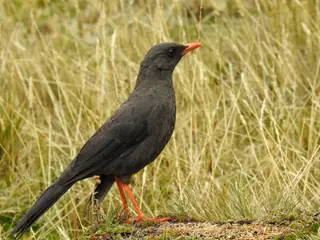 Great Thrush
-
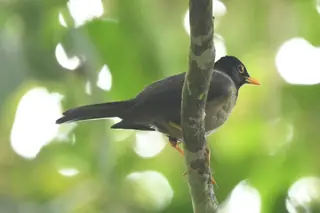 Black-hooded Thrush
-
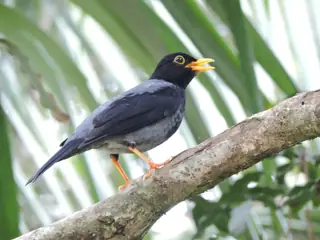 Yellow-legged Thrush
-
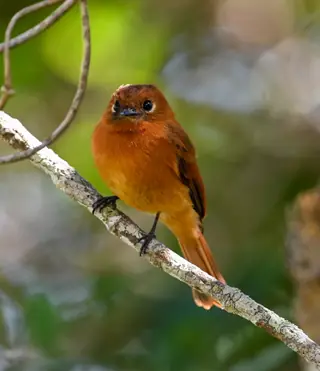 Cinnamon Flycatcher
-
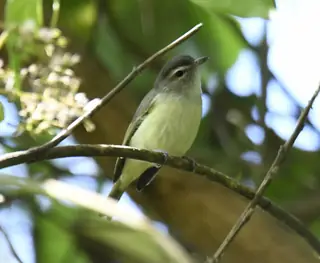 Brown-capped Vireo
-
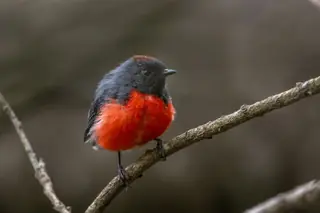 Slate-throated Whitestart
-
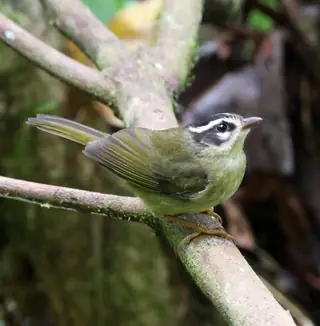 Three-striped Warbler
-
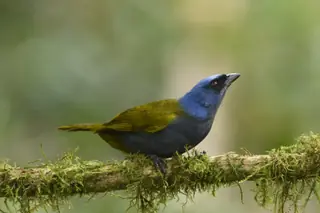 Blue-capped Tanager
-
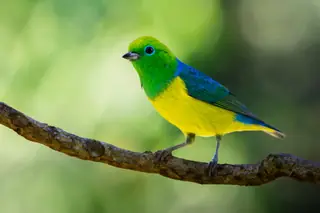 Blue-naped Chlorophonia
-
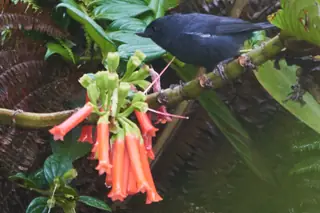 White-sided Flowerpiercer
-
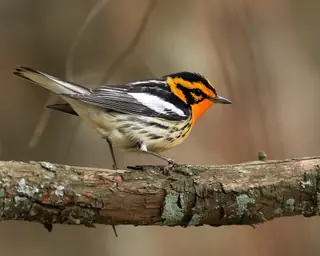 Blackburnian Warbler
Minca and the foothills 28
-
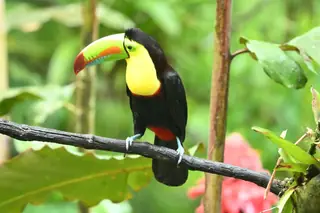 Keel-billed Toucan
-
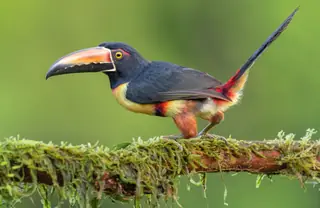 Collared Araçari
-
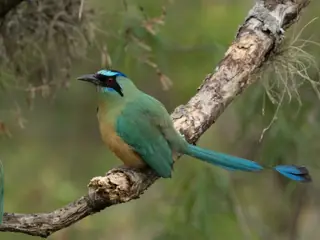 Whooping Motmot
-
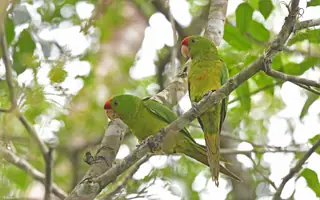 Scarlet-fronted Parakeet
-
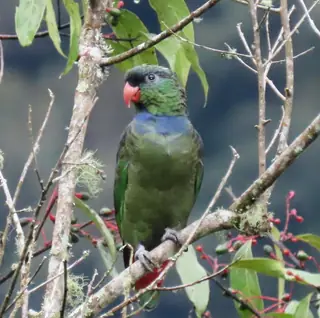 Red-billed Parrot
-
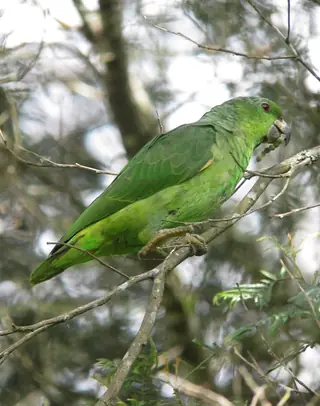 Scaly-naped Amazon
-
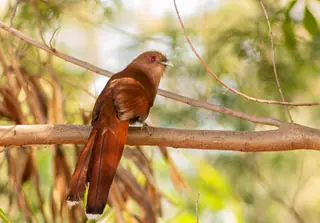 Common Squirrel-cuckoo
-
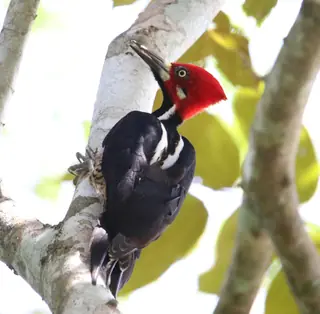 Crimson-crested Woodpecker
-
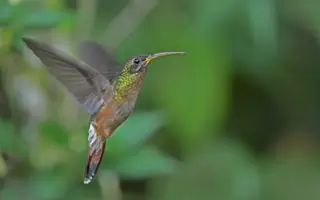 Rufous-breasted Hermit
-
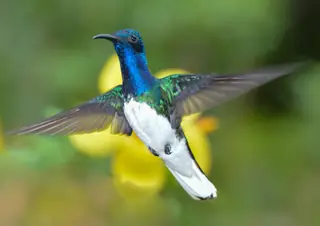 White-necked Jacobin
-
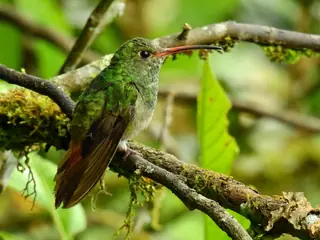 Rufous-tailed Hummingbird
-
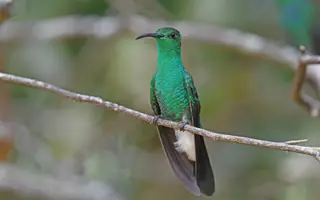 White-vented Plumeleteer
-
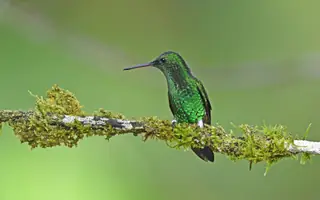 Steely-vented Hummingbird
-
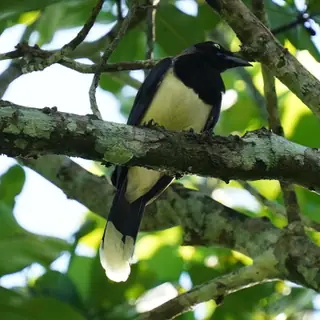 Black-chested Jay
-
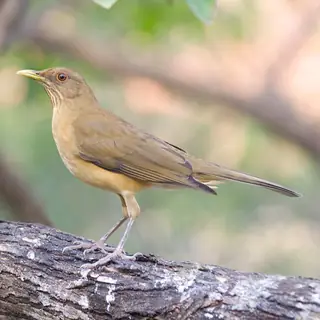 Clay-coloured Thrush
-
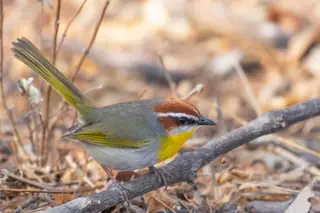 Rufous-capped Warbler
-
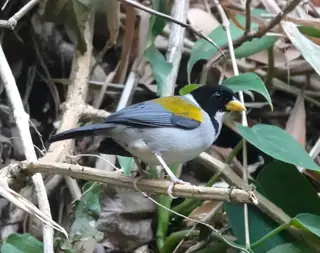 Golden-winged Sparrow
-
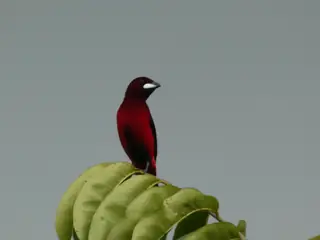 Crimson-backed Tanager
-
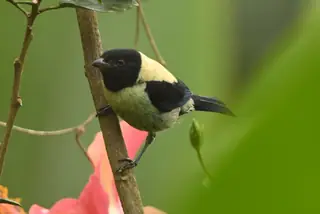 Black-headed Tanager
-
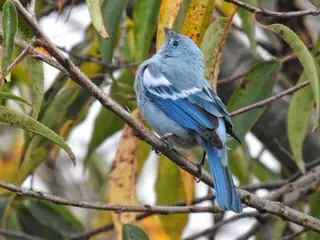 Blue-grey Tanager
-
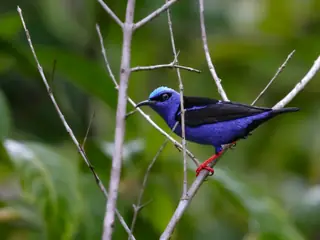 Red-legged Honeycreeper
-
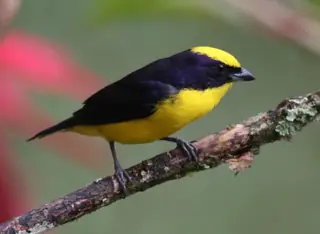 Thick-billed Euphonia
-
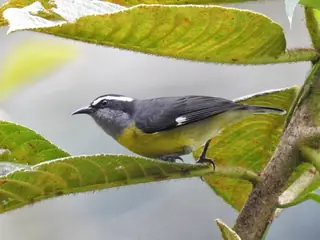 Bananaquit
-
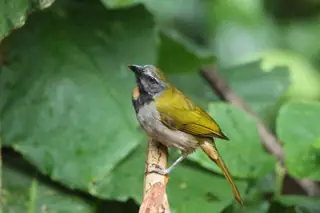 Buff-throated Saltator
-
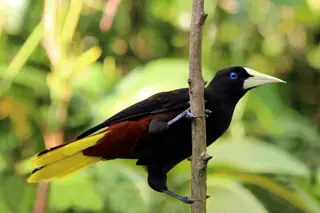 Crested Oropendola
-
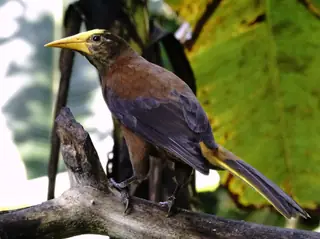 Russet-backed Oropendola
-
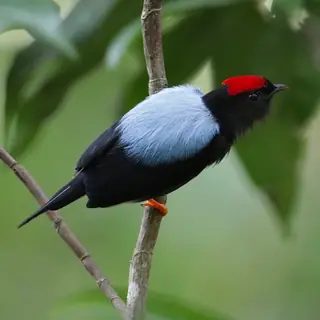 Lance-tailed Manakin
-
 Rosy Thrush-TanagerRare
Tayrona dry forest and coast 21
-
 Chestnut-winged Chachalaca
-
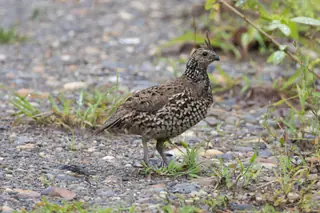 Crested Bobwhite
-
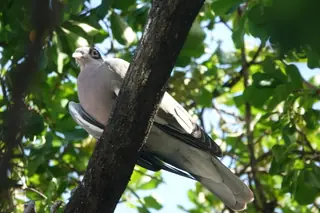 Bare-eyed Pigeon
-
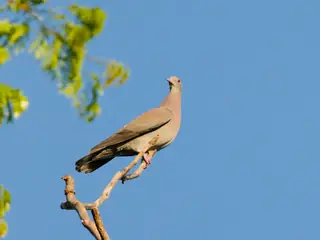 Pale-vented Pigeon
-
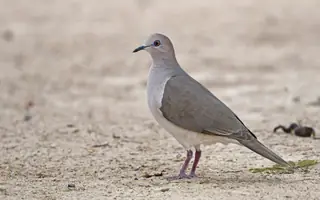 White-tipped Dove
-
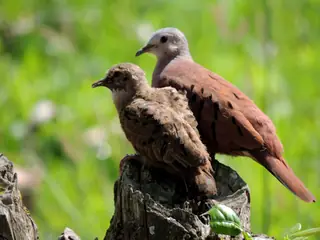 Ruddy Ground Dove
-
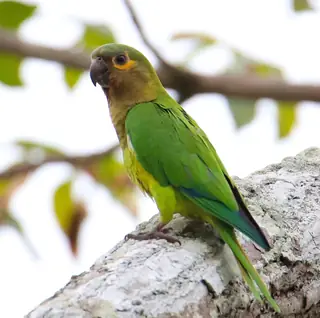 Brown-throated Parakeet
-
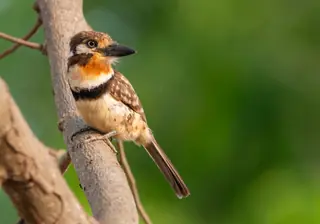 Russet-throated Puffbird
-
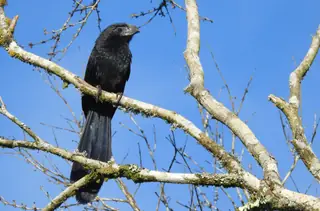 Groove-billed Ani
-
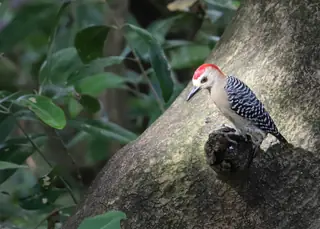 Red-crowned Woodpecker
-
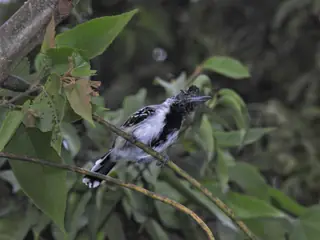 Black-crested Antshrike
-
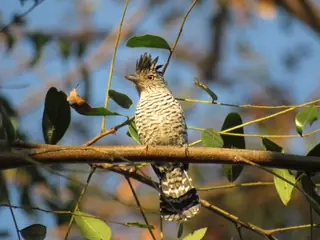 Barred Antshrike
-
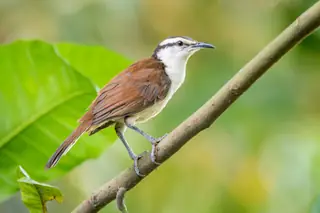 Bicolored Wren
-
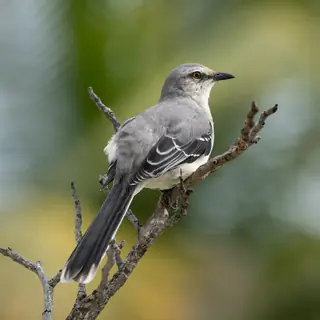 Tropical Mockingbird
-
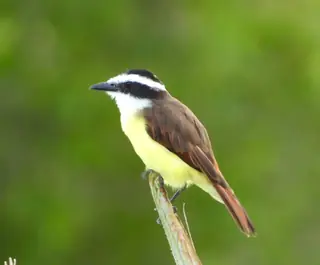 Great Kiskadee
-
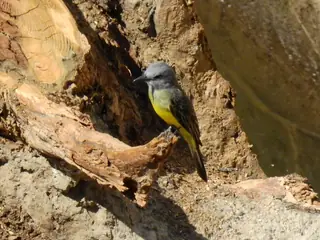 Tropical Kingbird
-
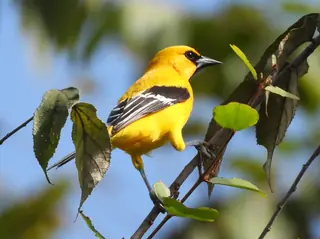 Yellow Oriole
-
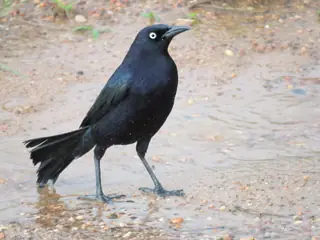 Carib Grackle
-
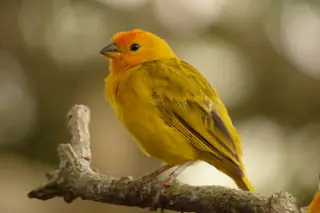 Saffron Finch
-
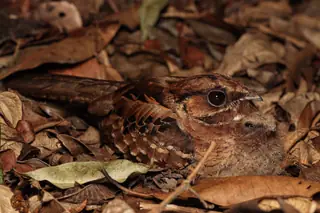 Common Pauraque
-
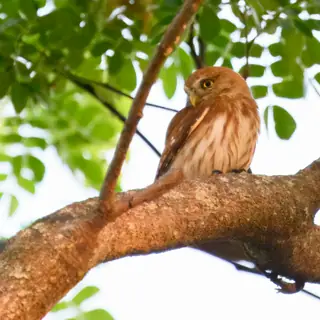 Ferruginous Pygmy Owl
Birds of prey 10
-
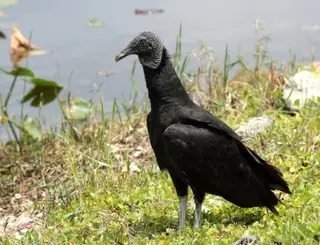 Black Vulture
-
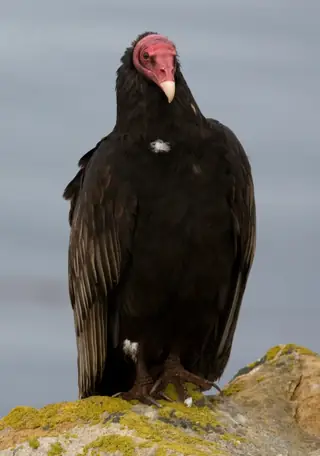 Turkey Vulture
-
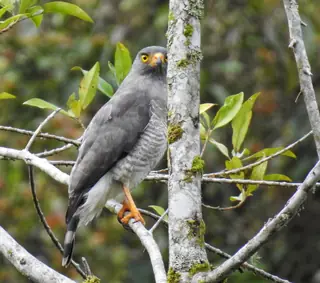 Roadside Hawk
-
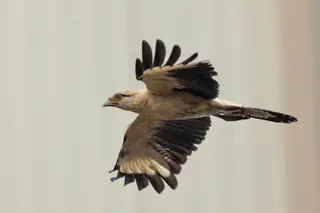 Yellow-headed Caracara
-
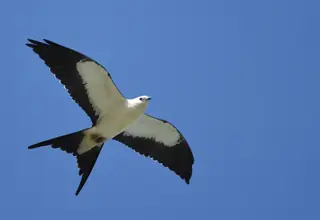 Swallow-tailed Kite
-
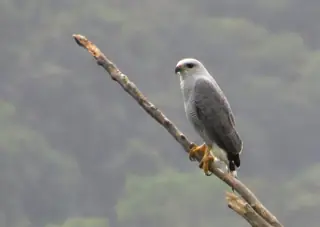 Grey-lined Hawk
-
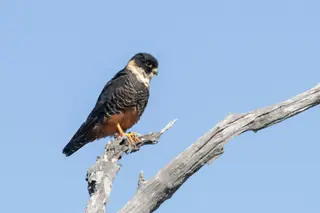 Bat Falcon
-
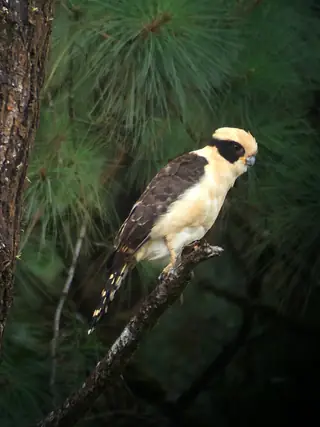 Laughing Falcon
-
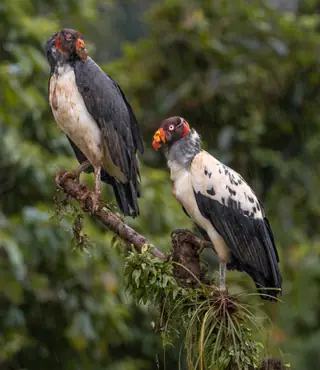 King VultureRare
-
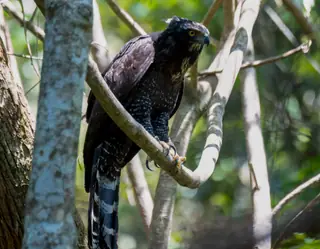 Black Hawk-EagleRare
Seabirds and waterbirds 11
-
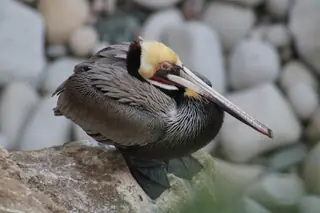 Brown Pelican
-
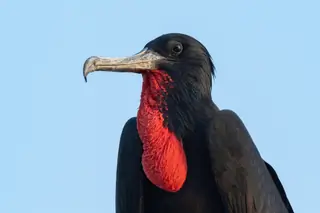 Magnificent Frigatebird
-
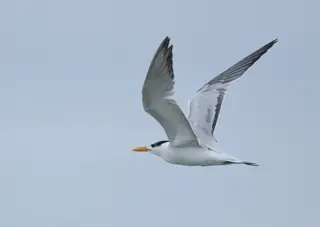 Royal Tern
-
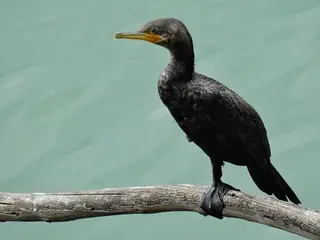 Neotropic Cormorant
-
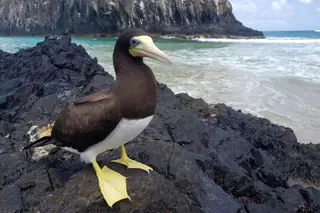 Brown Booby
-
 Great Egret
-
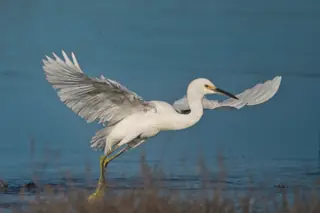 Snowy Egret
-
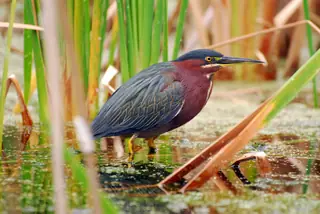 Green Heron
-
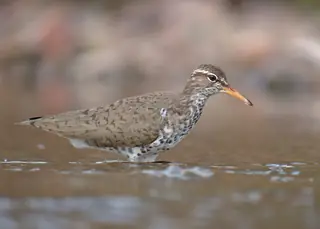 Spotted Sandpiper
-
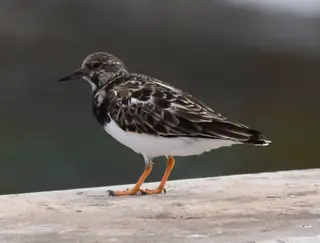 Ruddy Turnstone
-
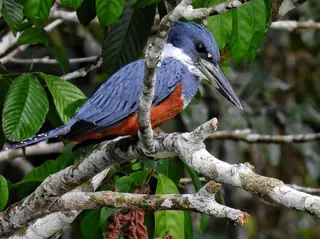 Ringed Kingfisher
Reptiles and amphibians 14
-
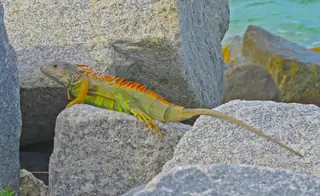 Green Iguana
-
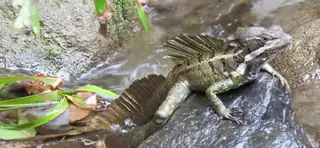 Common Basilisk
-
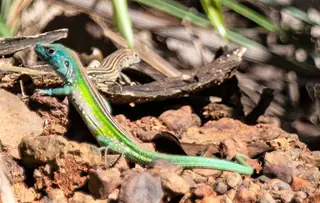 Rainbow Whiptail
-
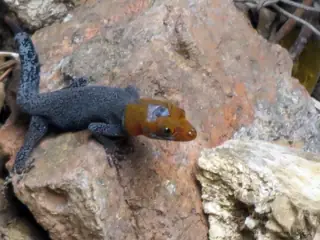 Yellow-headed Gecko
-
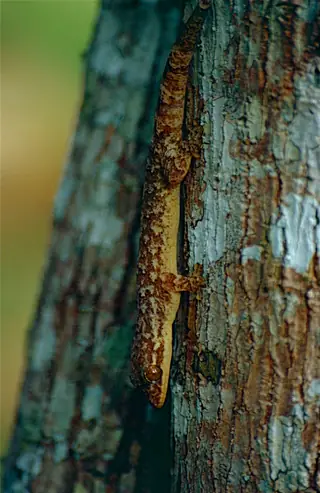 Turnip-tailed Gecko
-
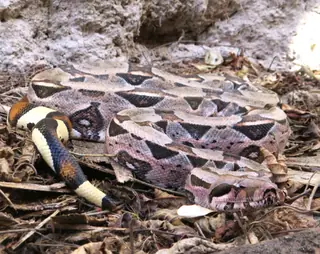 Boa Constrictor
-
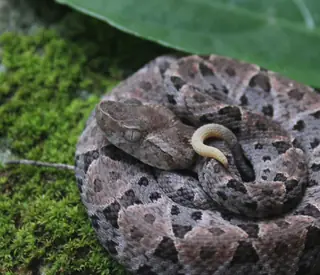 Fer-de-lanceRare
-
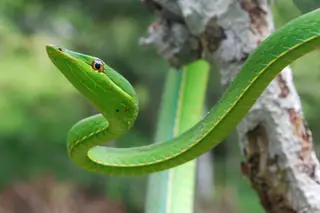 Green Vine Snake
-
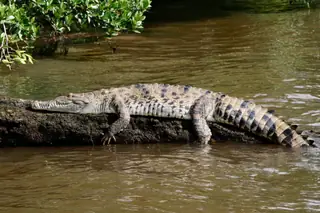 American CrocodileRare
-
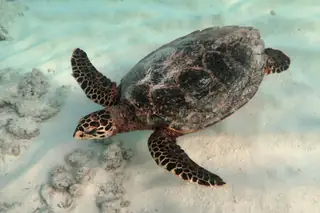 Hawksbill Sea TurtleRare
-
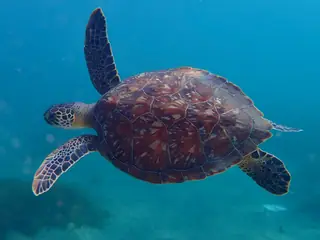 Green Sea TurtleRare
-
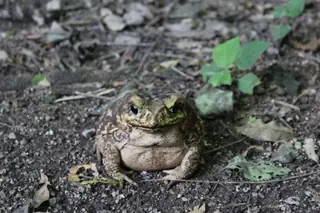 Mesoamerican Cane Toad
-
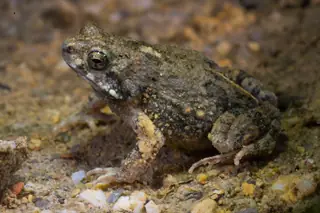 Tungara Frog
-
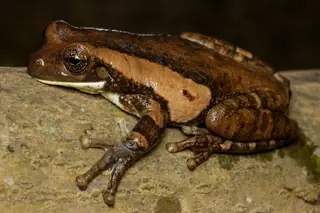 Veined Treefrog
Best time to see wildlife in Santa Marta
Sightings by month in Santa Marta
Most records: May to MarRecords from GBIF.org, adjusted for how many people record wildlife each month. 100% is the busiest month.
The dry season, December to March, is the best time to visit. Mornings are clear in the mountains, the ridge road is easier, and many birds sing. Wintering warblers from North America join the mixed flocks from about October to April. Rain returns from around April or May, with a drier spell in the middle of the year, and the wettest months are usually September to November, when afternoons bring cloud and downpours and the track up the ridge turns to mud. The coast stays hot all year, while nights in the high cloud forest are cool. Birding is possible in every month if you start at first light, before cloud builds. Tayrona closes to visitors three times a year, usually 1 to 15 February, 1 to 15 June and 19 October to 2 November, for the ecosystem to rest and for ceremonies of the Sierra's Indigenous peoples.
- Dec to MarDry season; clear mornings, easiest roads, busy over the holidays
- Apr to MayFirst rains; birds breeding and singing
- Jun to AugA drier spell between the rains
- Sep to NovWettest months; muddy ridge road, afternoon cloud
- Oct to AprNorth American warblers in the mixed flocks
Tips for spotting wildlife in Santa Marta
- 01
Sleep up on the ridge
Most of the endemics live in cloud forest well above Minca. Spend at least two nights high on the San Lorenzo ridge rather than trying a day trip from the coast.
- 02
Hire a 4x4 and driver
The track up the ridge is steep, rocky and slow, and worse after rain. Local drivers and guides know it, and they know the birds by call.
- 03
Be out at first light
Cloud usually builds by late morning in the mountains. The first three hours of daylight bring the most song and the clearest views.
- 04
Check Tayrona's closures
The park shuts for about two weeks in February, June and late October each year. Check with Parques Nacionales Naturales de Colombia before you book, and start early to walk the coastal trails in the cool.
- 05
Snorkel without touching
When snorkelling, keep well back from turtles and never stand on or touch coral. Use reef-safe sun protection or a long-sleeved top.
- 06
Respect Indigenous land
Much of the upper Sierra belongs to the Kogui, Arhuaco, Wiwa and Kankuamo peoples, and some sites are closed to visitors. Keep to permitted trails and ask before photographing people.

Take Santa Marta with you
Birding the Sierra Nevada de Santa Marta? Tick off each endemic in Wilder as you see it, even high on the ridge with no signal. Wilder is free to start.

Santa Marta wildlife FAQ
What animals can you see in the Sierra Nevada de Santa Marta?
You can see about twenty endemic birds, including the Santa Marta brushfinch, mountain tanager and white-tailed starfrontlet, plus toucans, motmots, howler monkeys, agoutis and iguanas. The coast adds pelicans, frigatebirds and boobies. This checklist covers 139 animals across the beaches, foothills and cloud forest.
How many endemic birds are there in the Santa Marta mountains?
There are about twenty bird species found only in the Sierra Nevada de Santa Marta, and BirdLife International lists 24 restricted-range birds for the area. Counts differ as taxonomists split species, and dozens of local subspecies may yet become full species.
When is the best time for birding in Santa Marta?
December to March is the best time for birding in Santa Marta. It is the driest season, so the mountain track is easier and mornings are clear. Birds can be found all year, but September to November is the wettest period, with afternoon cloud and muddy roads.
Can you see the Santa Marta endemics from Minca?
You can see a few, but most need a trip higher up. Minca sits in the foothills, good for toucans, motmots and some lower endemics. The brushfinches, mountain tanager, starfrontlet and antpittas live in cloud forest on the ridge above, a slow drive by 4x4.
When is Tayrona National Park closed?
Tayrona National Natural Park usually closes three times a year: 1 to 15 February, 1 to 15 June and 19 October to 2 November. The closures give the forest and beaches a rest and allow Indigenous ceremonies. Dates are set by Parques Nacionales Naturales de Colombia, so check before you go.
Sources
- BirdLife International: Santa Marta mountains Endemic Bird Area
- Fundación ProAves: El Dorado Reserve, Sierra Nevada de Santa Marta
- Parques Nacionales Naturales de Colombia
- Sightings by month: GBIF.org
Animal photos are from the Wilder catalogue; photo credits.
Similar checklists
All South and Central America-
 Region140animals Colombian Llanos Casanare, Colombia Flooded grasslands, lagoons and gallery forest on working cattle ranches, where capybaras, white-tailed deer and giant anteaters share the savanna with spectacled caimans, anacondas, jabirus, scarlet ibises and Orinoco geese. Best time Dec to Mar
-
 Region141animals Panama Canal Forests Panamá and Colón, Panama Lowland rainforest along both banks of the Panama Canal, close to Panama City, where sloths, tamarins and howler monkeys share the trees with toucans, trogons, motmots and manakins. Each autumn huge streams of vultures and hawks pass overhead on migration. Best time Dec to Apr
-
 Region121animals Mindo and the Tandayapa Valley Pichincha, Ecuador Chocó cloud forest two hours from Quito, with more than twenty kinds of hummingbird at the feeders, toucan barbets and a cock-of-the-rock lek at dawn. Best time All year
-
 Region134animals Ecuadorian Amazon: Yasuní, the Napo and Cuyabeno Orellana and Sucumbíos, Ecuador Blackwater lagoons and some of the richest rainforest on Earth: pink river dolphins, hoatzins, more than a dozen kinds of monkey and parrots crowding the clay licks. Best time All year