Region · Casanare · Colombia
Colombian Llanos Animal Checklist

The Llanos are the vast tropical grasslands of eastern Colombia, and in Casanare you watch them from working cattle ranches. Capybaras, giant anteaters, spectacled caimans and anacondas share the savanna with huge numbers of wading birds, from jabirus to scarlet ibises. This checklist covers 140 animals. The dry season, December to March, is best, when animals gather at the last water.
Tick off all 140 animals in Llanos on your phone, even offline. Launching soon. Free A4 PDF, no sign-up.
Most visitors fly from Bogotá to Yopal, about an hour, then transfer by 4x4 to a ranch, known locally as a hato. Days are spent on drives in open vehicles, on horseback and in small boats, with ranch guides who know the land.
- Animals to find
- 140
- Where
- Colombia
- Best time
- Dec to Mar
- Capybara
- The world's largest rodent, everywhere
Popular animals in Llanos
-
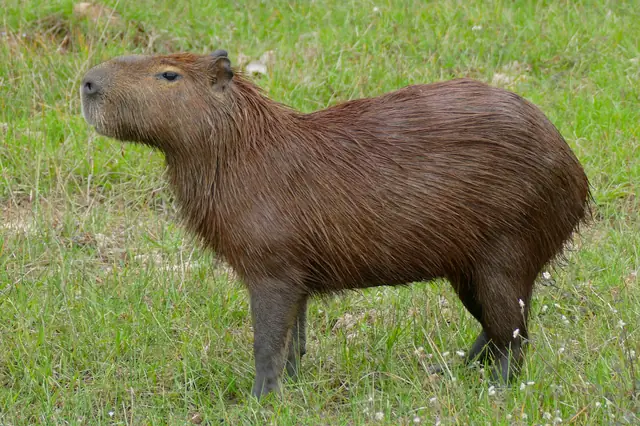
Capybara
Hydrochoerus hydrochaeris
The world's largest rodent, grazing in herds around every lagoon in the dry season. Herds of fifty or more are normal.
-
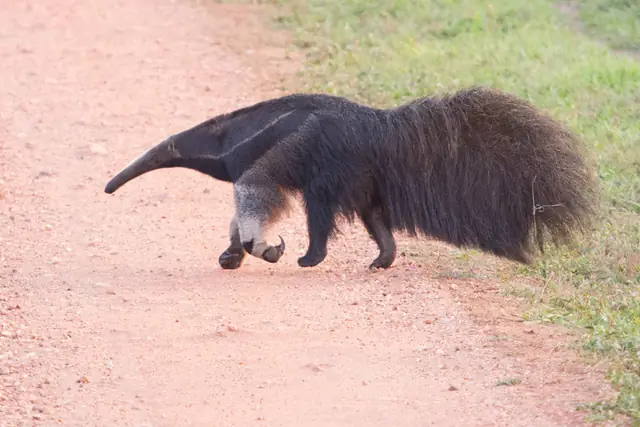
Anteater (Giant)
Myrmecophaga tridactyla
Walks the open grassland in the cooler hours with its huge bushy tail trailing behind. Scan for the long grey and black shape at dawn and dusk.
-
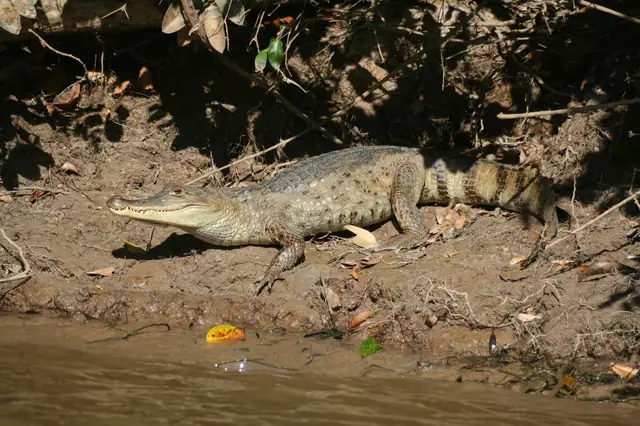
Spectacled Caiman
Caiman crocodilus
As the pools shrink, caimans crowd in together, sometimes hundreds in a single lagoon.
-
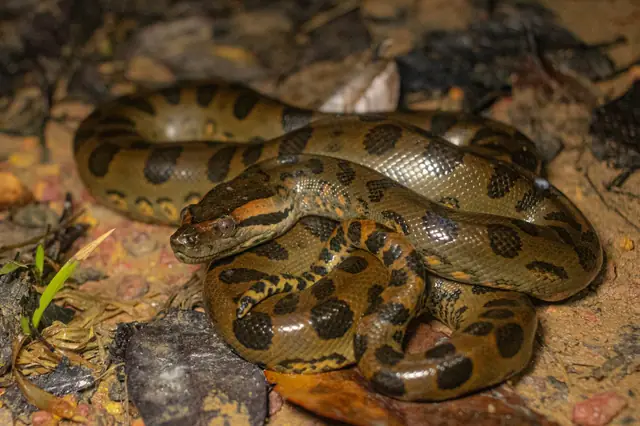
Green Anaconda
Eunectes murinus
The world's heaviest snake lies in shallow water or grass at pool edges in the dry season. Look with a guide, keep back and never handle one.
-
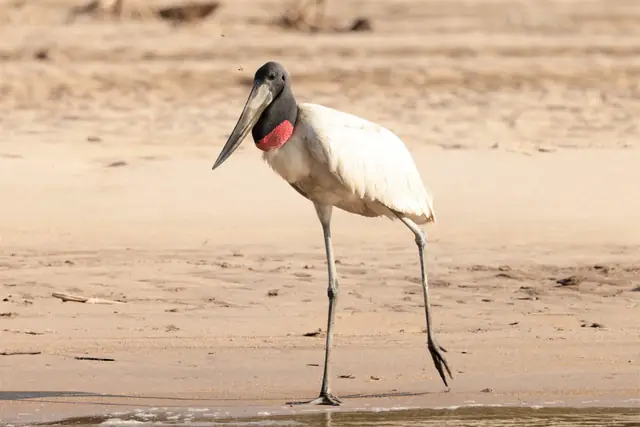
Jabiru
Jabiru mycteria
A huge white stork with a black head and red collar, stalking fish in drying lagoons. Watch nesting pairs only from a distance.
-
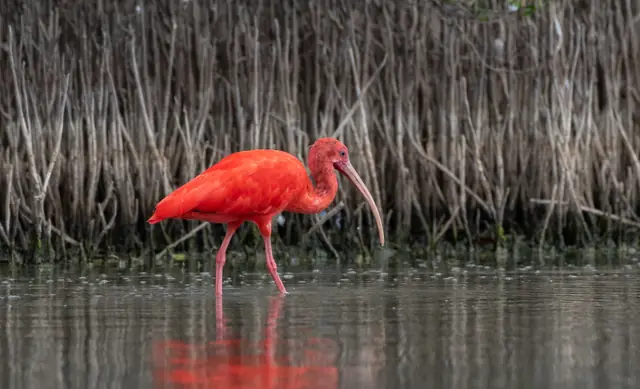
Scarlet Ibis
Eudocimus ruber
Flocks of brilliant red ibises feed in the shallows and fly to roost at dusk in the dry season.
-
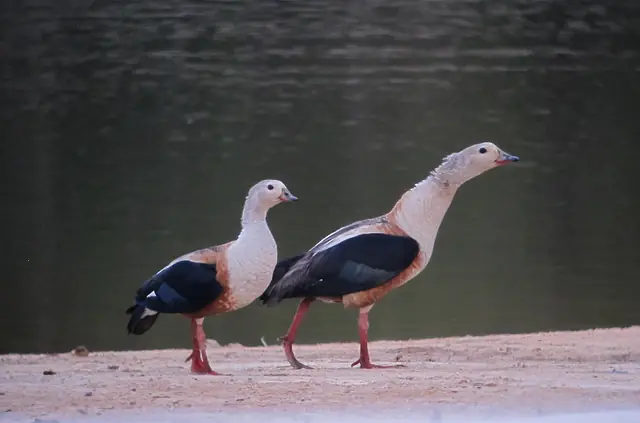
Orinoco Goose
Oressochen jubatus
A chestnut and pale goose that walks more than it swims, in pairs on sandbars and lagoon edges.
-
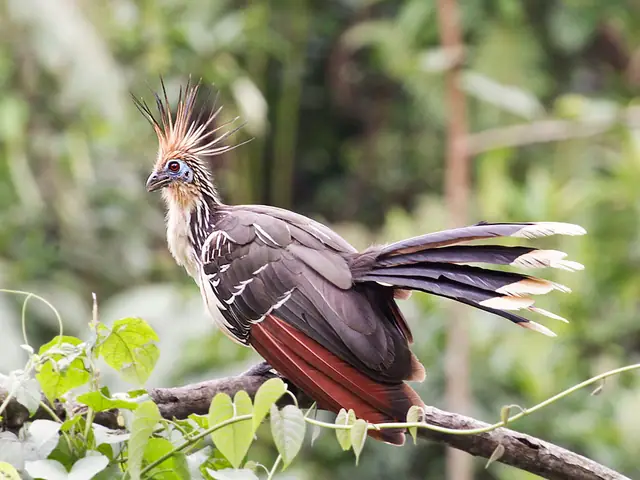
Hoatzin
Opisthocomus hoazin
A prehistoric-looking bird with a spiky crest, in noisy groups in bushes over slow rivers. Best seen quietly from a boat.
-
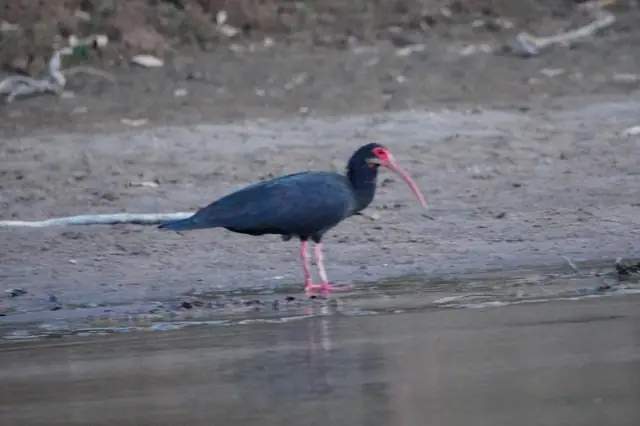
Sharp-tailed Ibis
Cercibis oxycerca
A llanos speciality, in small groups in wet grassland and at the edges of pools.
-
Pale-headed Jacamar
Brachygalba goeringi
Another regional speciality, perching on open branches along gallery forest edges and sallying out for insects.
-
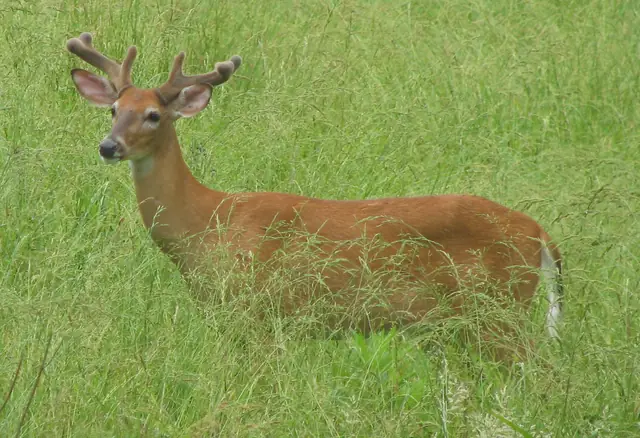
White-tailed Deer
Odocoileus virginianus
Out on the open savanna in the early morning and late afternoon, often in small groups.
-
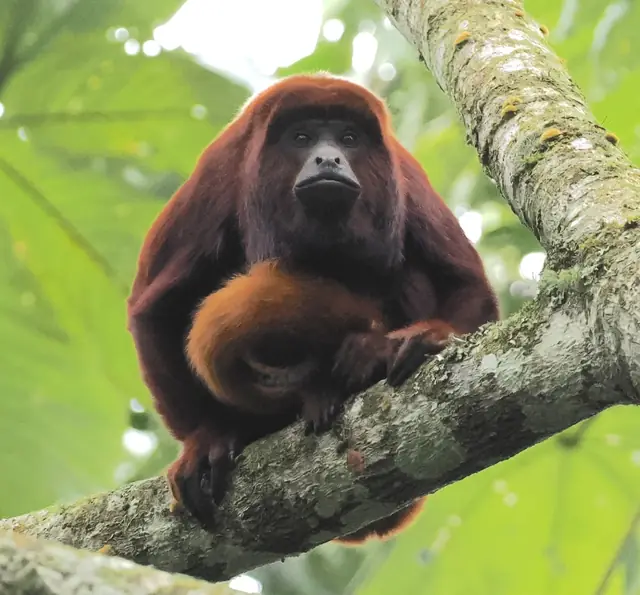
Red Howler Monkey
Alouatta seniculus
The dawn roaring carries far across the plains from troops in the gallery forest.
All 140 animals in Llanos
Savanna mammals 5
-
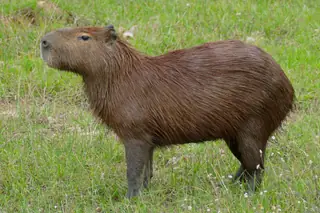 Capybara
-
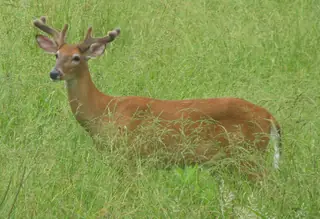 White-tailed Deer
-
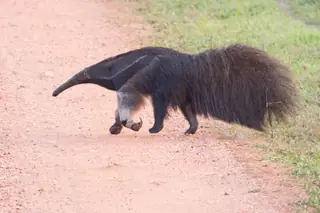 Anteater (Giant)
-
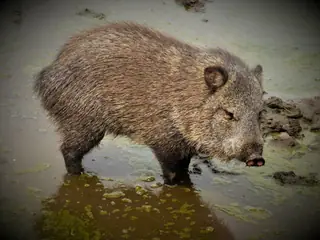 Collared Peccary
-
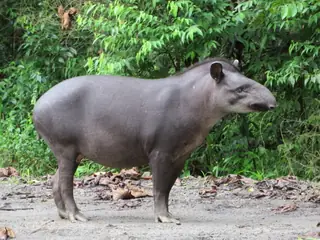 Lowland TapirRare
Monkeys, anteaters and smaller mammals 7
-
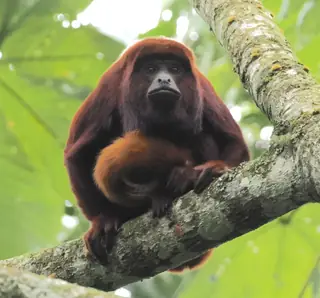 Red Howler Monkey
-
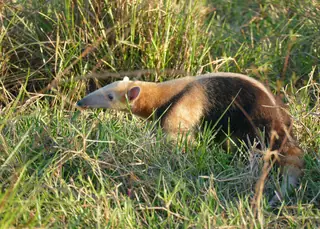 Southern Tamandua
-
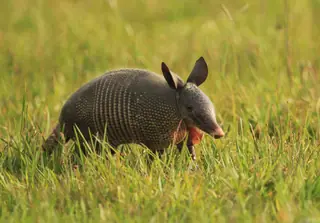 Nine-banded Armadillo
-
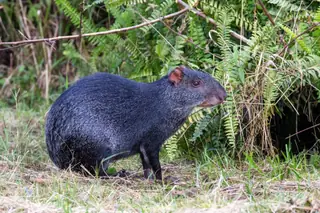 Black Agouti
-
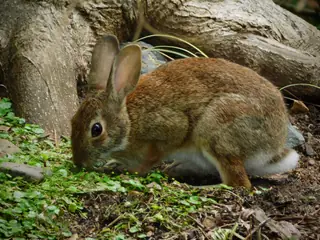 Eastern Cottontail
-
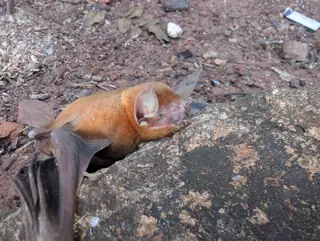 Greater Bulldog Bat
-
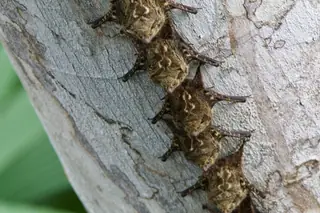 Proboscis Bat
Carnivores and river mammals 7
-
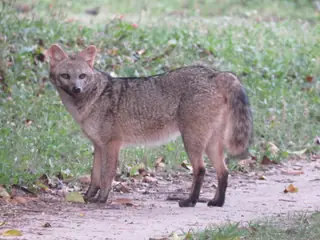 Crab-eating Fox
-
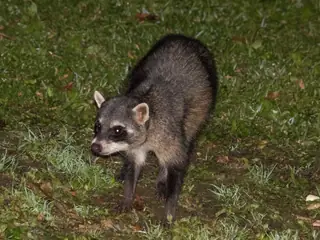 Crab-eating Raccoon
-
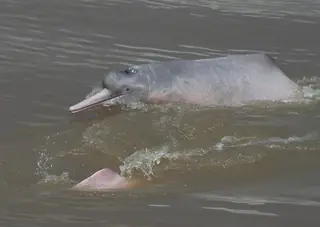 Amazon River Dolphin
-
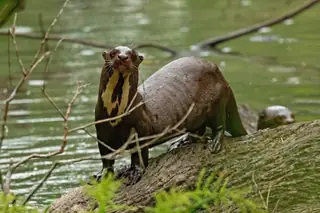 Giant OtterRare
-
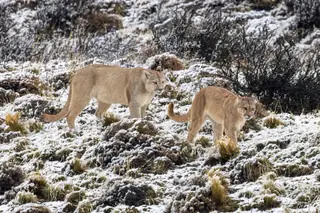 Cougar (Mountain Lion)Rare
-
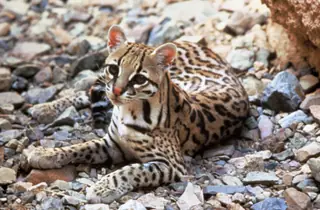 OcelotRare
-
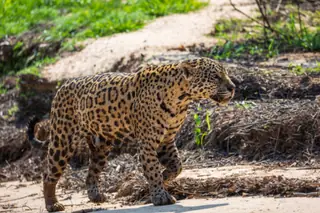 JaguarRare
Storks, ibises and herons 19
-
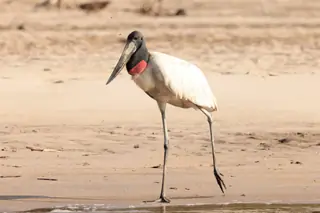 Jabiru
-
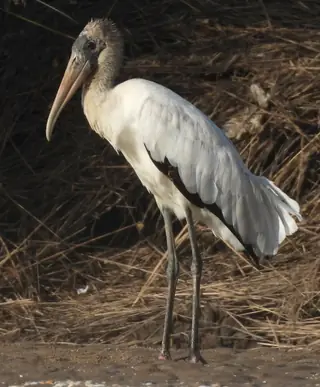 Wood Stork
-
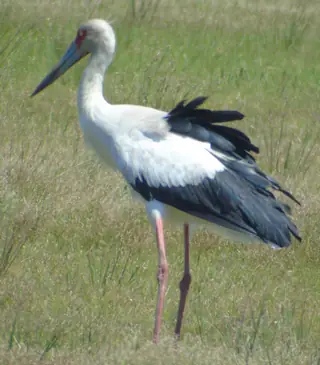 Maguari Stork
-
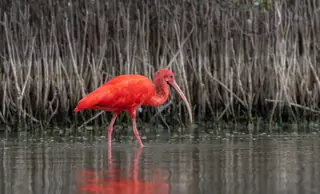 Scarlet Ibis
-
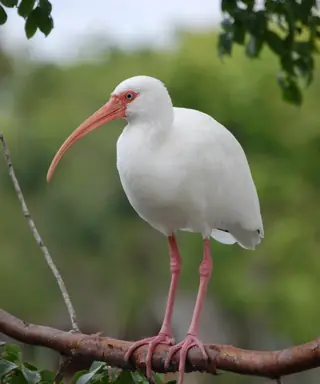 White Ibis
-
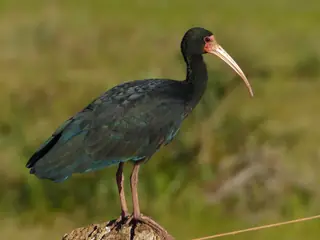 Bare-faced Ibis
-
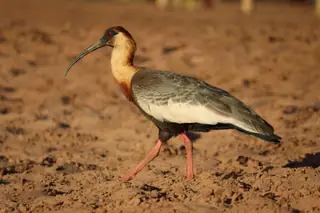 Buff-necked Ibis
-
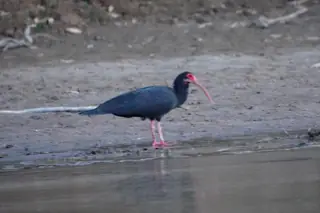 Sharp-tailed Ibis
-
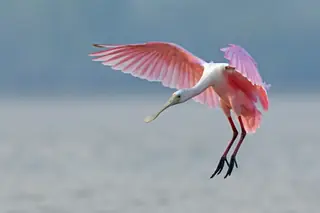 Roseate Spoonbill
-
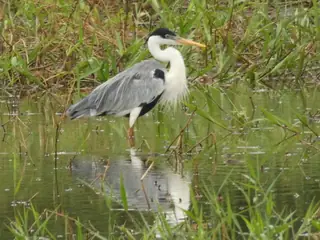 Cocoi Heron
-
 Great Egret
-
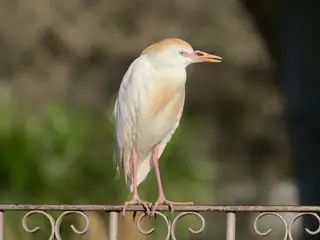 Western Cattle Egret
-
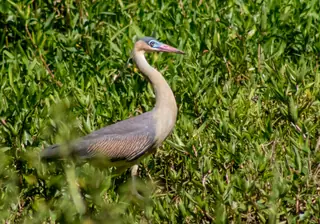 Whistling Heron
-
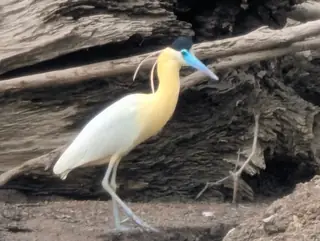 Capped Heron
-
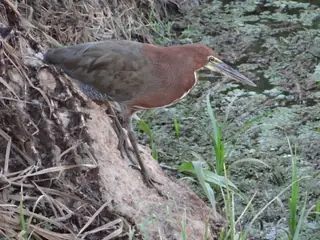 Rufescent Tiger Heron
-
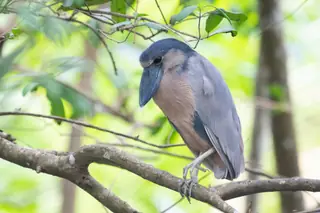 Boat-billed Heron
-
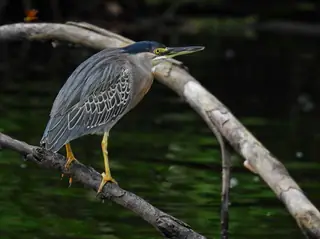 Striated Heron
-
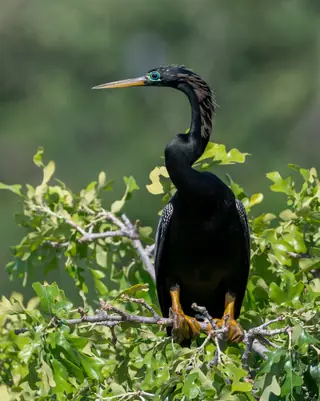 Anhinga
-
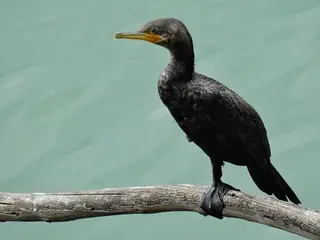 Neotropic Cormorant
Wildfowl, rails and shorebirds 16
-
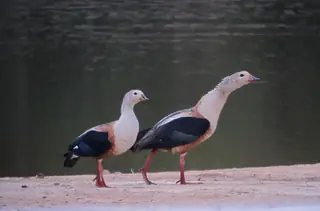 Orinoco Goose
-
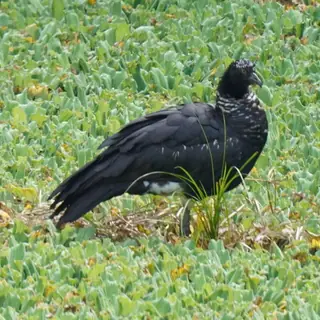 Horned Screamer
-
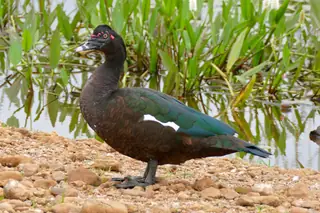 Muscovy Duck
-
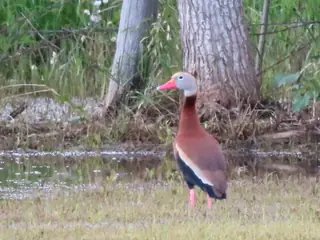 Black-bellied Whistling Duck
-
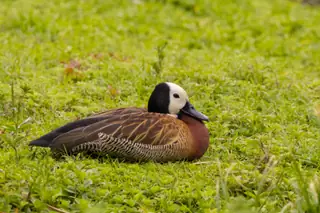 White-faced Whistling Duck
-
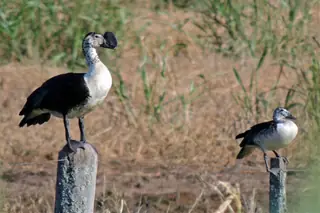 Comb Duck
-
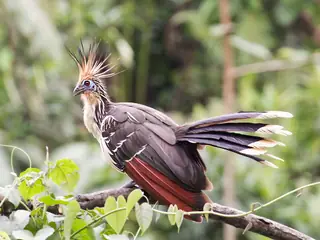 Hoatzin
-
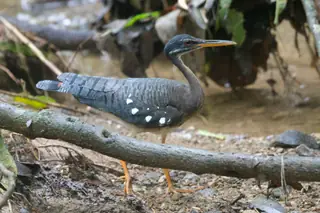 Sunbittern
-
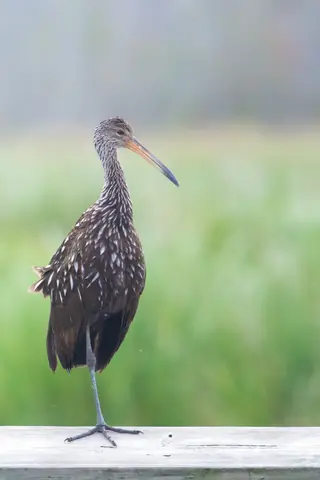 Limpkin
-
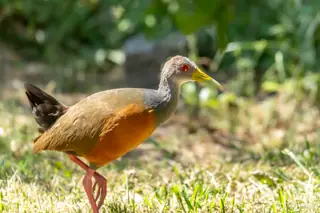 Grey-cowled Wood Rail
-
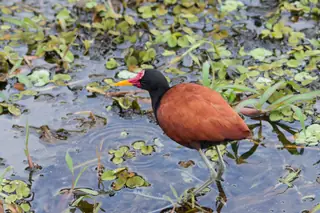 Wattled Jacana
-
 Southern Lapwing
-
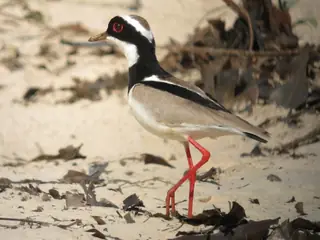 Pied Plover
-
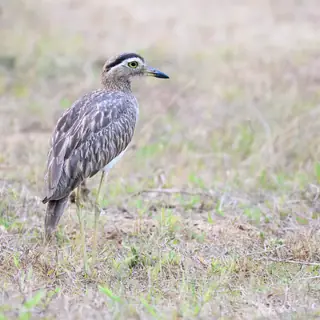 Double-striped Thick-knee
-
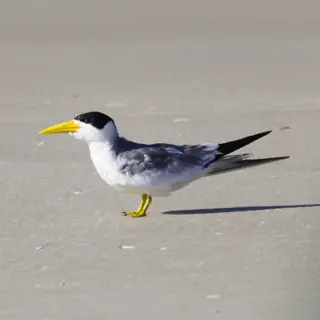 Large-billed Tern
-
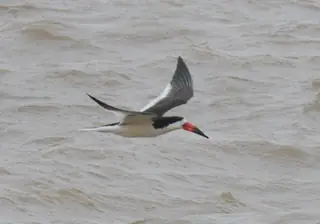 Black Skimmer
Birds of prey and owls 19
-
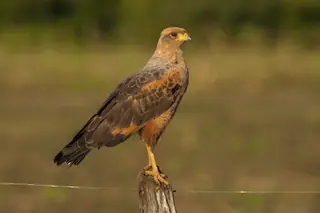 Savanna Hawk
-
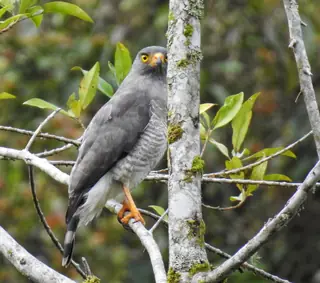 Roadside Hawk
-
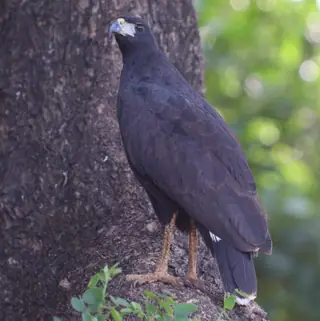 Great Black Hawk
-
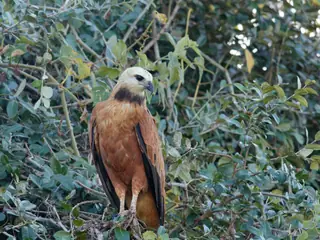 Black-collared Hawk
-
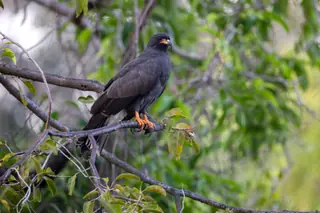 Snail Kite
-
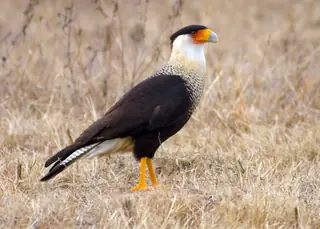 Northern Crested Caracara
-
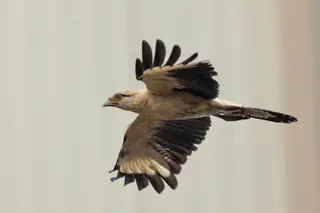 Yellow-headed Caracara
-
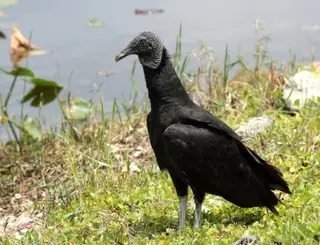 Black Vulture
-
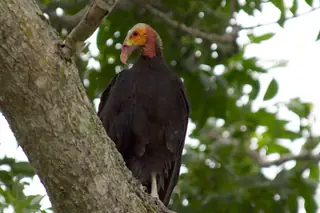 Lesser Yellow-headed Vulture
-
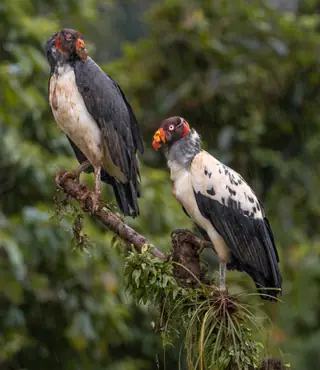 King Vulture
-
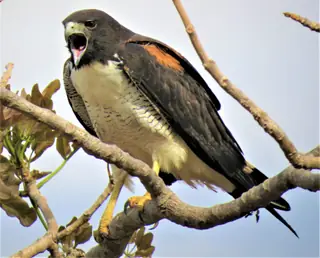 White-tailed Hawk
-
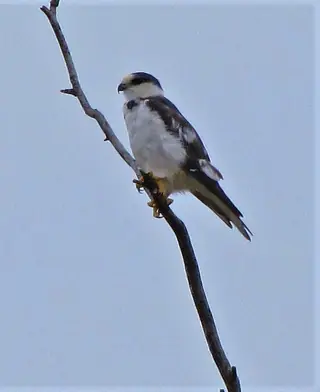 Pearl Kite
-
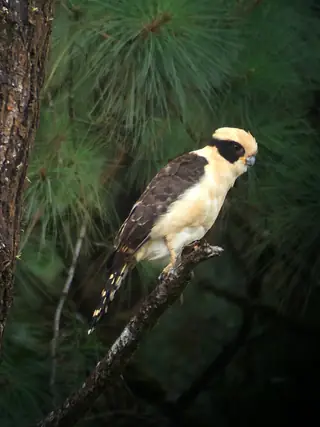 Laughing Falcon
-
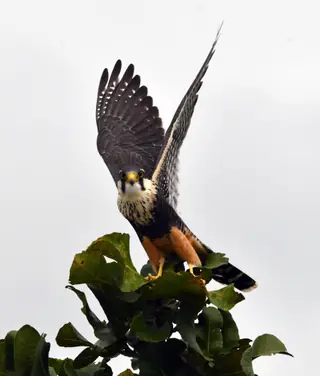 Aplomado Falcon
-
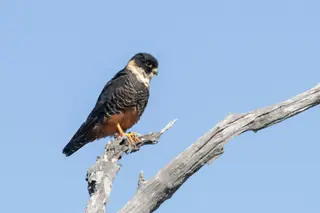 Bat Falcon
-
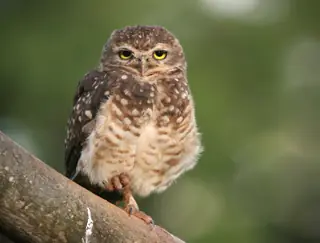 Burrowing Owl
-
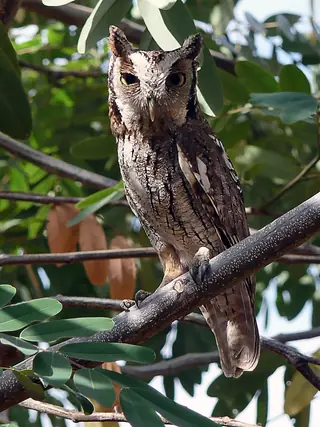 Tropical Screech Owl
-
 Ferruginous Pygmy Owl
-
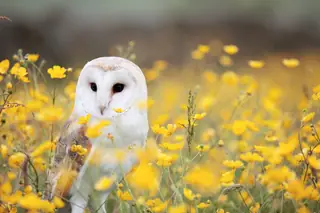 Barn Owl
Parrots, pigeons and gamebirds 15
-
 Chestnut-fronted Macaw
-
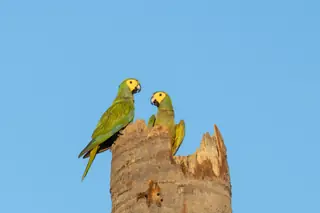 Red-bellied Macaw
-
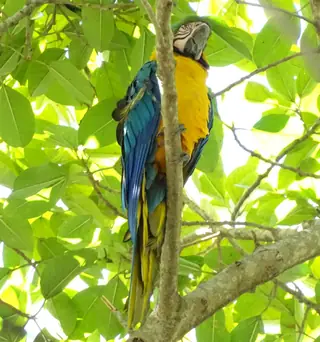 Blue-and-yellow Macaw
-
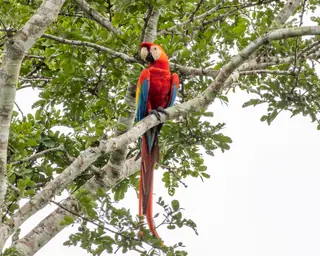 Scarlet Macaw
-
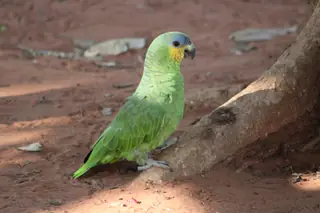 Orange-winged Amazon
-
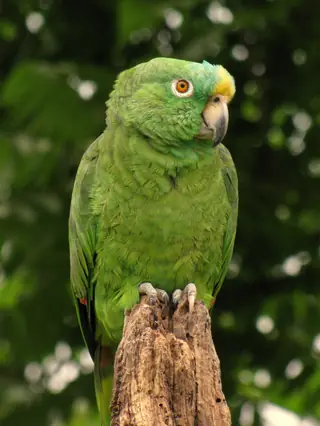 Yellow-crowned Amazon
-
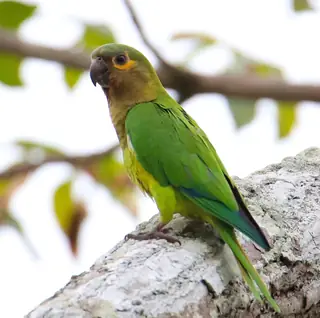 Brown-throated Parakeet
-
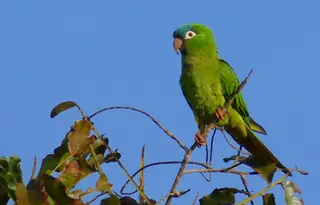 Blue-crowned Parakeet
-
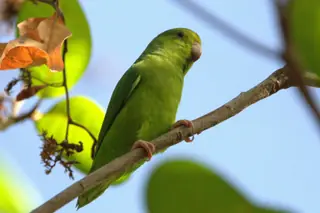 Green-rumped Parrotlet
-
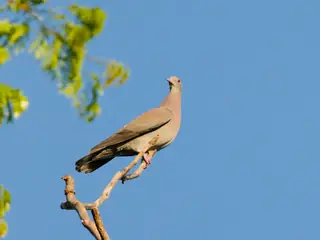 Pale-vented Pigeon
-
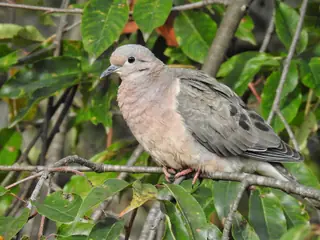 Eared Dove
-
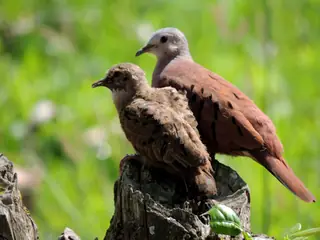 Ruddy Ground Dove
-
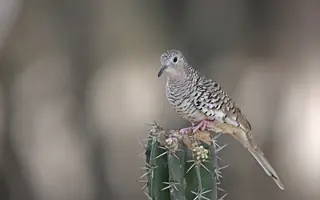 Scaled Dove
-
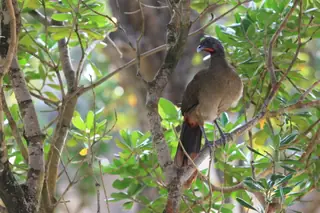 Rufous-vented Chachalaca
-
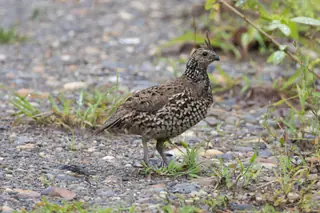 Crested Bobwhite
Nightbirds, cuckoos, kingfishers and woodpeckers 17
-
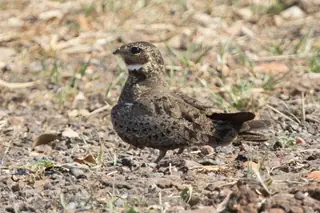 Nacunda Nighthawk
-
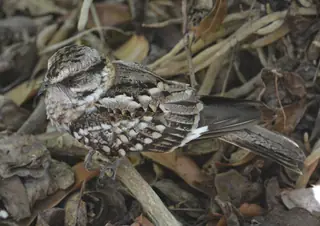 White-tailed Nightjar
-
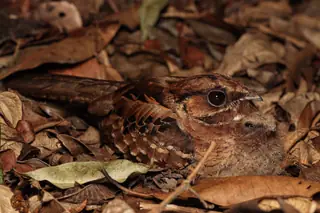 Common Pauraque
-
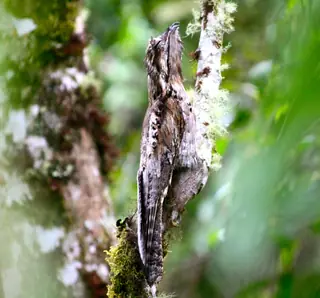 Common Potoo
-
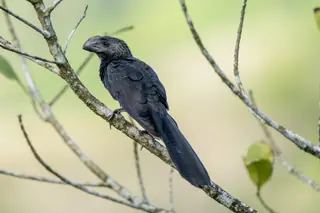 Smooth-billed Ani
-
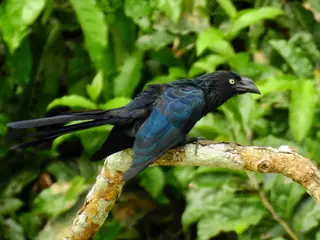 Greater Ani
-
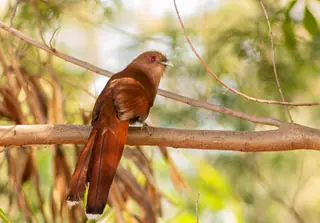 Common Squirrel-cuckoo
-
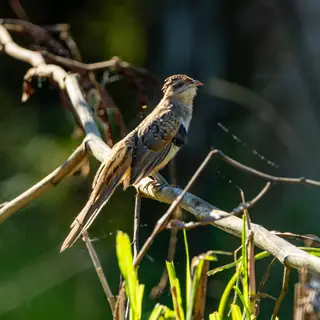 Striped Cuckoo
-
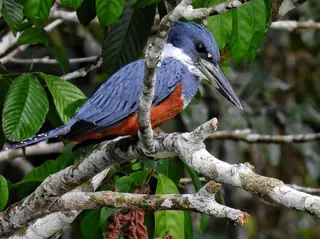 Ringed Kingfisher
-
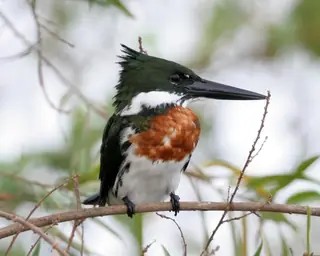 Amazon Kingfisher
-
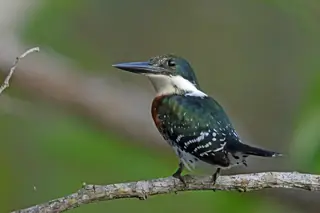 Green Kingfisher
- Pale-headed Jacamar
-
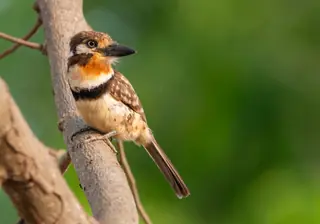 Russet-throated Puffbird
-
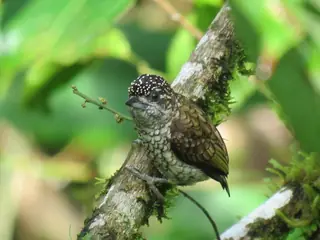 Scaled Piculet
-
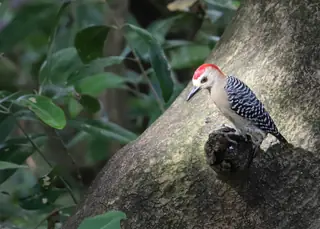 Red-crowned Woodpecker
-
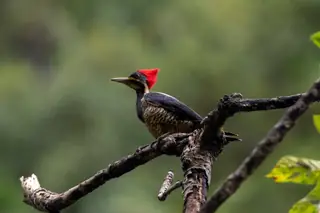 Lineated Woodpecker
-
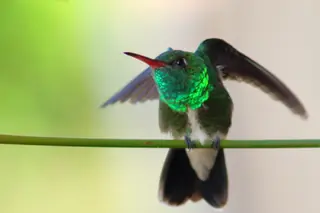 Glittering-throated Emerald
Songbirds 26
-
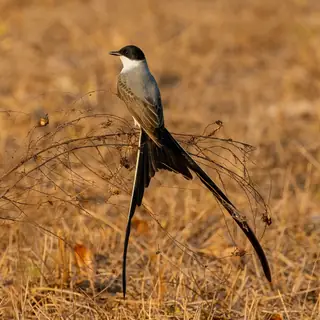 Fork-tailed Flycatcher
-
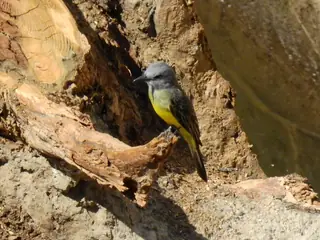 Tropical Kingbird
-
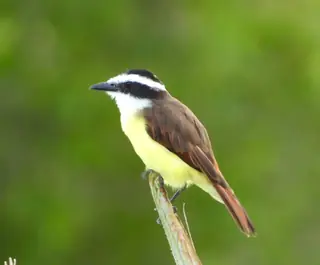 Great Kiskadee
-
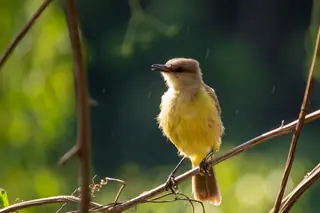 Cattle Tyrant
-
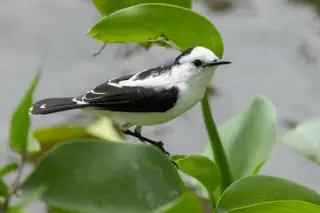 Pied Water Tyrant
-
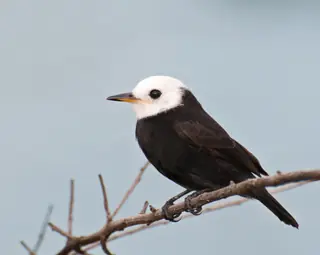 White-headed Marsh Tyrant
-
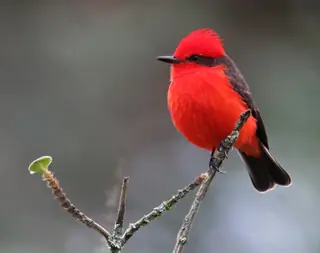 Vermilion Flycatcher
-
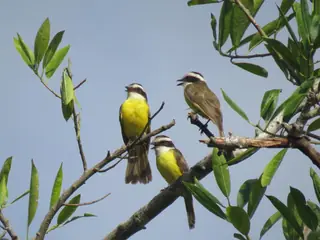 White-bearded Flycatcher
-
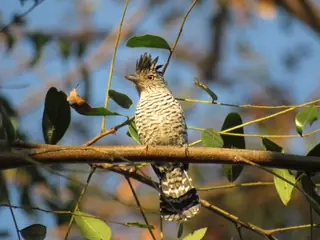 Barred Antshrike
-
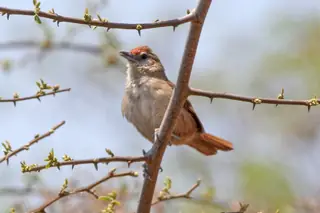 Rufous-fronted Thornbird
-
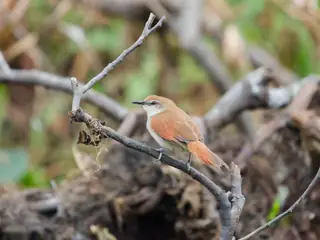 Yellow-chinned Spinetail
-
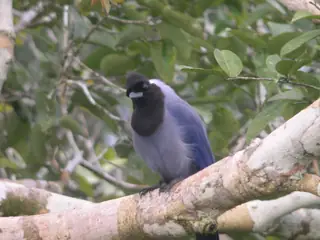 Violaceous Jay
-
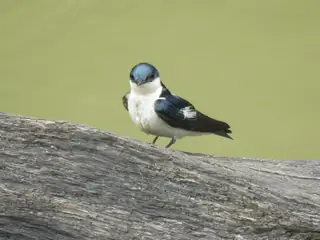 White-winged Swallow
-
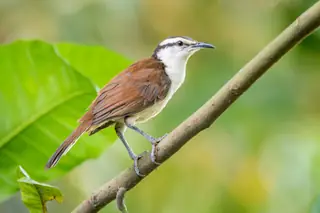 Bicolored Wren
-
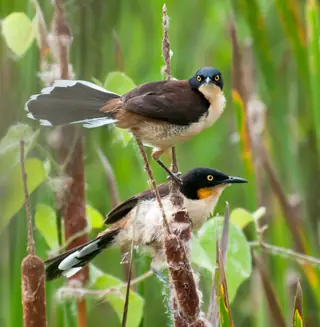 Black-capped Donacobius
-
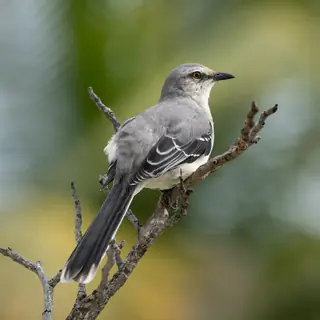 Tropical Mockingbird
-
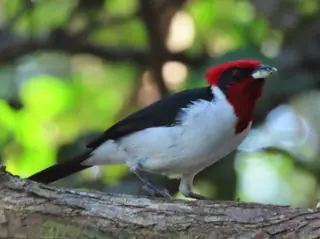 Masked Cardinal
-
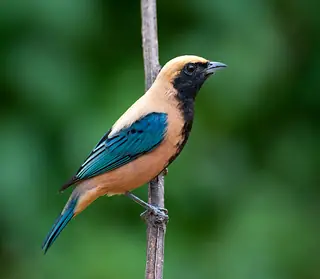 Burnished-buff Tanager
-
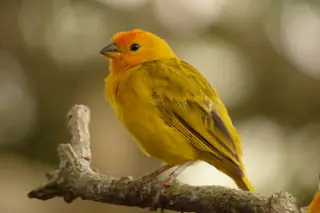 Saffron Finch
-
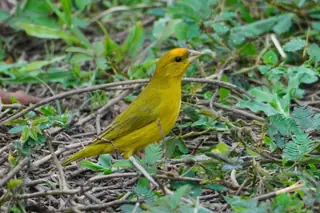 Orange-fronted Yellow Finch
-
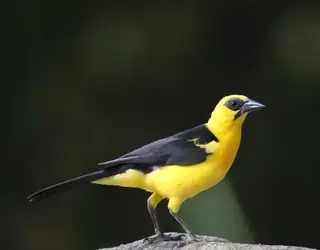 Oriole Blackbird
-
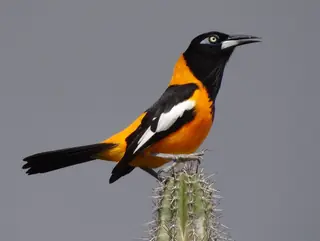 Venezuelan Troupial
-
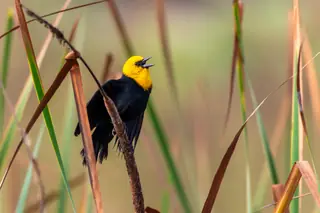 Yellow-hooded Blackbird
-
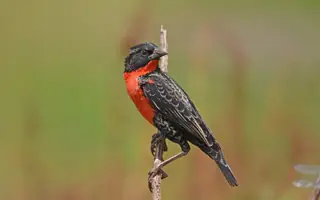 Red-breasted Meadowlark
-
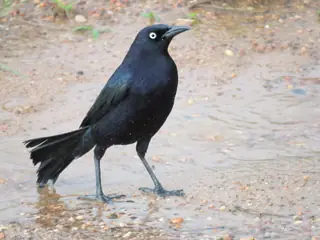 Carib Grackle
-
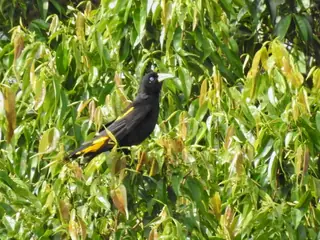 Yellow-rumped Cacique
Reptiles and amphibians 9
-
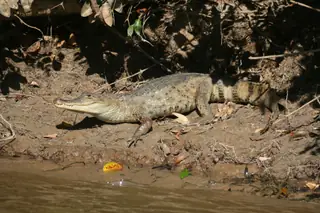 Spectacled Caiman
-
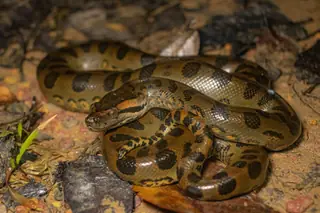 Green Anaconda
-
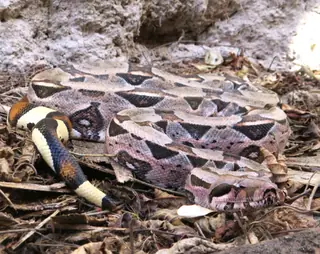 Boa ConstrictorRare
-
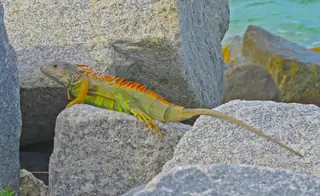 Green Iguana
-
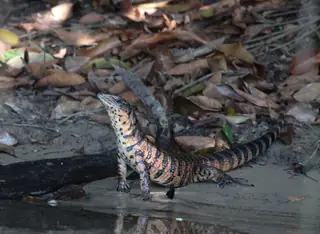 Gold Tegu
-
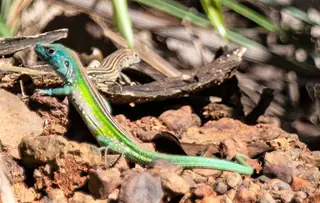 Rainbow Whiptail
-
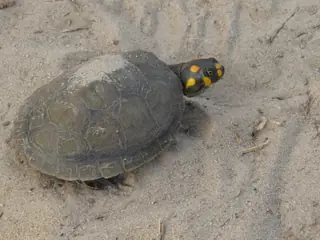 Yellow-spotted River Turtle
-
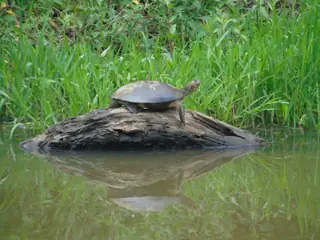 Savanna Side-necked Turtle
-
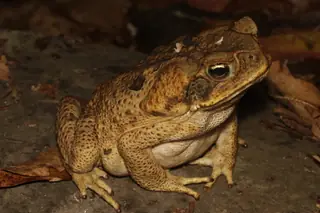 Cane Toad
Best time to see wildlife in Llanos
Sightings by month in Llanos
Most records: Nov to MarRecords from GBIF.org, adjusted for how many people record wildlife each month. 100% is the busiest month.
The Llanos run on one long wet season and one short dry one. From about December to March almost no rain falls, the grassland turns gold, and water shrinks to a few lagoons and rivers. Capybaras, caimans, storks, ibises and whistling ducks crowd around them, and January and February are usually the peak. Anacondas are easiest to find at drying pool edges. Rain builds from April, and by June and July the plains flood, unpaved roads can become impassable, and animals spread far across the savanna. The wet months are green and full of birds, and boat trips reach further, but driving is harder and some ranches close or limit visits. By November the floods are draining again. It is hot all year, especially at midday in the dry season.
- Dec to MarDry season; animals at the last water, peak Jan-Feb
- Apr to MayFirst rains; fewer visitors, animals start to spread
- Jun to JulHeaviest rain and floods; some roads impassable
- Aug to OctWet and green; good from boats, harder by road
- NovFloods draining; wading birds return to the pools
Tips for spotting wildlife in Llanos
- 01
Stay three nights or more
Ranches are a long, slow drive from Yopal. Three nights give you dawn and dusk drives, a boat trip and a night drive without rushing.
- 02
Sit by a drying lagoon
In the dry season, park at one lagoon for an hour in the late afternoon. Capybaras, caimans, storks and ibises come and go in turn.
- 03
Rest at midday
The savanna is very hot by late morning. Go out at first light and again after about four, when anteaters and deer are moving.
- 04
Leave anacondas be
Some guides offer to lift anacondas for photos. Say no: watch from a few metres away and let the snake stay where it is.
- 05
Keep night drives gentle
Night drives can find foxes, owls, nightjars and caiman eyeshine. A good guide sweeps the light past animals rather than holding it on their eyes.
- 06
Respect ranch rules
These are working cattle ranches on private land. Stay on the tracks your guide uses and keep gates as you find them.

Take Llanos with you
Heading to a ranch in the Colombian Llanos? Tick off capybaras, ibises and anacondas in Wilder as you go, with no signal needed. Wilder is free to start.

Llanos wildlife FAQ
What animals can you see in the Llanos of Colombia?
You can see capybaras, giant anteaters, white-tailed deer, howler monkeys, spectacled caimans and green anacondas in the Llanos, plus jabirus, scarlet ibises, Orinoco geese, hoatzins and many birds of prey. Jaguars, cougars and ocelots are present but rarely seen. This checklist covers 140 animals and birds.
When is the best time to visit the Llanos?
The best time to visit the Llanos for wildlife is the dry season, December to March. Water shrinks to a few lagoons, so capybaras, caimans and wading birds concentrate around them, and January and February are often best. From about April to November the plains flood, animals spread out and some roads close.
Can you see jaguars in the Llanos?
You can, but sightings are rare. Jaguars live in the gallery forest along the rivers, and a few ranches now protect them and work with local guides. Most visitors see capybaras, anteaters and caimans instead. If you are lucky enough to see a cat, keep back and let it move on.
How do you get to the Llanos from Bogotá?
Most people fly from Bogotá to Yopal, the capital of Casanare, which takes about an hour. Ranches then send a 4x4 for the transfer, often two to four hours on unpaved roads. You can also drive via Villavicencio, but it is a long day.
Are the Llanos like the Pantanal?
Yes, in many ways the Llanos are like the Pantanal: both are seasonally flooded grasslands where wildlife gathers at the water in the dry season. The Pantanal is better known and busier. The Llanos are quieter, with specialities such as the Orinoco goose, sharp-tailed ibis and pale-headed jacamar.
Sources
- Colombia Travel (ProColombia): Go on safari in the Llanos Orientales
- WWF: Llanos ecoregion
- Sightings by month: GBIF.org
Animal photos are from the Wilder catalogue; photo credits.
Similar checklists
All South and Central America-
 Region139animals Sierra Nevada de Santa Marta Magdalena, Colombia The world's highest coastal mountains, rising from the dry forest and beaches of Tayrona to cloud forest on the San Lorenzo ridge, with around twenty endemic birds such as the Santa Marta parakeet and brushfinch, plus howler monkeys and iguanas. Best time Dec to Mar
-
 Region107animals Pantanal Mato Grosso and Mato Grosso do Sul, Brazil The world's largest tropical wetland and the best place on Earth to see a wild jaguar, with giant otters, caimans by the thousand and hyacinth macaws. Best time Jul to Oct
-
 National park128animals Esteros del Iberá Corrientes, Argentina Vast marshes and floating islands where capybaras, marsh deer and caimans are easy, and rewilding is bringing back giant anteaters, macaws and jaguars. Best time Mar to May, Sept to Nov
-
 Region134animals Ecuadorian Amazon: Yasuní, the Napo and Cuyabeno Orellana and Sucumbíos, Ecuador Blackwater lagoons and some of the richest rainforest on Earth: pink river dolphins, hoatzins, more than a dozen kinds of monkey and parrots crowding the clay licks. Best time All year