Region · Orellana and Sucumbíos · Ecuador
Ecuadorian Amazon Wildlife Checklist

The Ecuadorian Amazon takes in Yasuní National Park, the lodges along the lower Napo River and the blackwater lagoons of the Cuyabeno Reserve. It is one of the most species-rich places on Earth, with pink river dolphins, hoatzins, more than a dozen kinds of monkey and parrots at clay licks. This checklist covers 134 animals. Wildlife is good all year; July to November is best for dolphins.
Tick off all 134 animals in the Ecuadorian Amazon on your phone, even offline. Launching soon. Free A4 PDF, no sign-up.
Napo and Yasuní lodges are reached by a short flight from Quito to Coca, then two or three hours downriver by motorboat. Cuyabeno trips start in Lago Agrio and continue by canoe from the bridge at Puente Cuyabeno to lodges near the lagoons.
- Animals to find
- 134
- Where
- Ecuador
- Best time
- All year
- Monkey species on the list
- Thirteen
Popular animals in the Ecuadorian Amazon
-
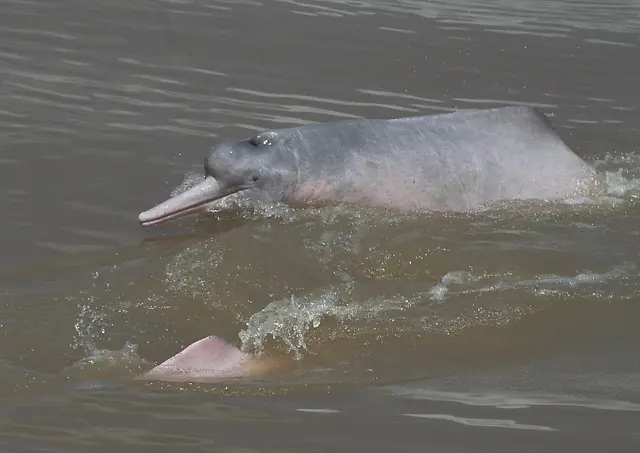
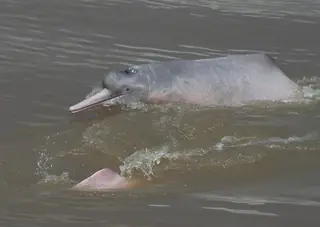
Amazon River Dolphin
Inia geoffrensis
The pink river dolphin. In Cuyabeno it surfaces in Laguna Grande and the rivers, often heard puffing before it is seen.
-
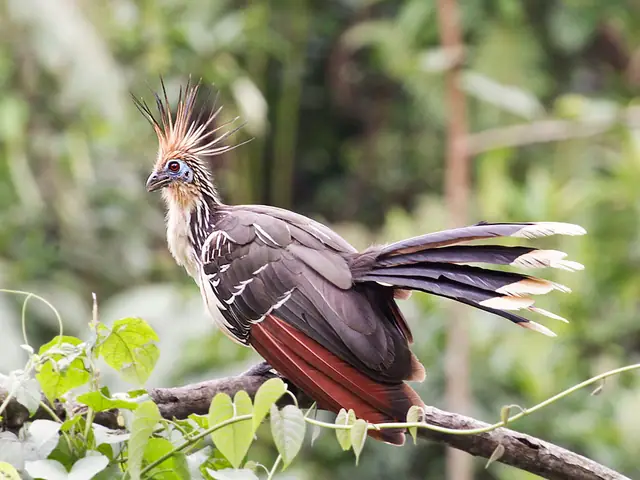
Hoatzin
Opisthocomus hoazin
A strange, leaf-eating bird with a spiky crest, clambering in the bushes around blackwater lagoons. Groups hiss and wheeze as the canoe passes.
-
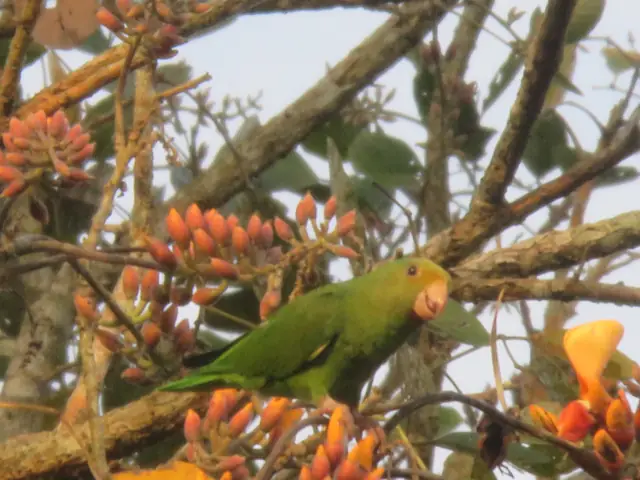
Cobalt-winged Parakeet
Brotogeris cyanoptera
Hundreds gather at the clay licks on the lower Napo, watched from community-run hides.
-
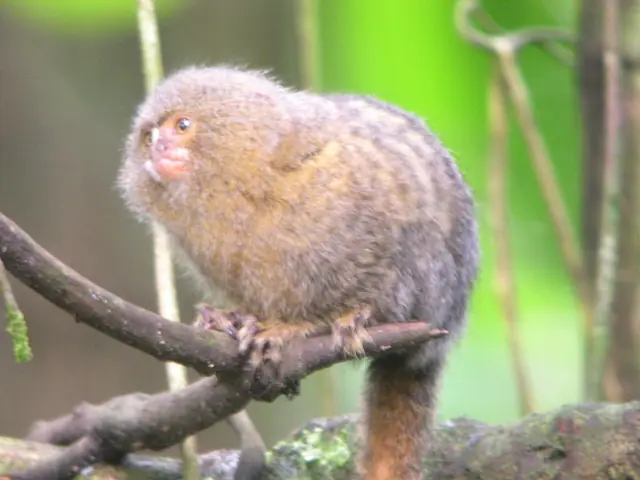
Pygmy Marmoset
Cebuella pygmaea
The smallest monkey in the world, feeding on tree sap near rivers. Guides look for its gnawed sap holes.
-
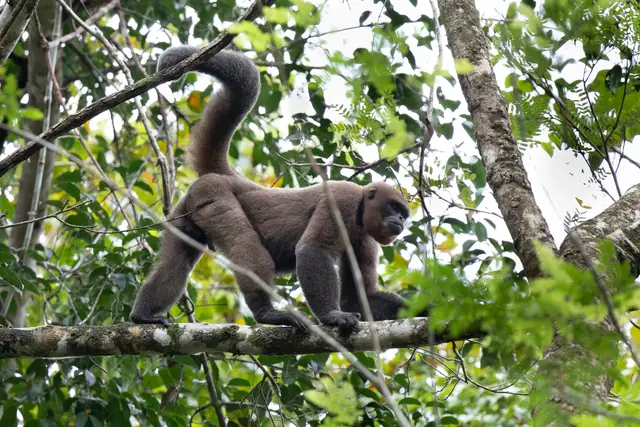
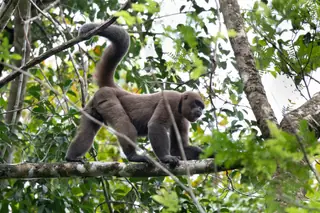
Common Woolly Monkey
Lagothrix lagothricha
Big, dark and thick-furred, travelling in noisy troops through the canopy of Yasuní, where hunting is rare near the lodges.
-
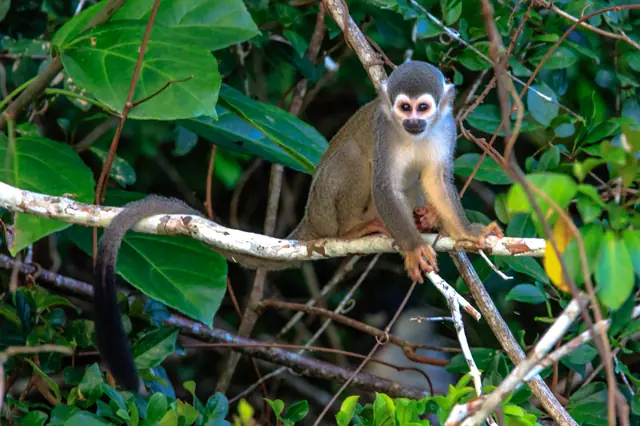
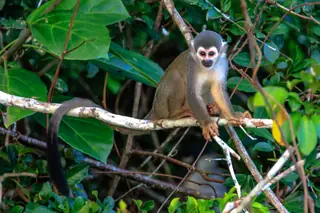
Ecuadorean Squirrel Monkey
Saimiri macrodon
Fast-moving troops along lake and river edges, often travelling with capuchins.
-
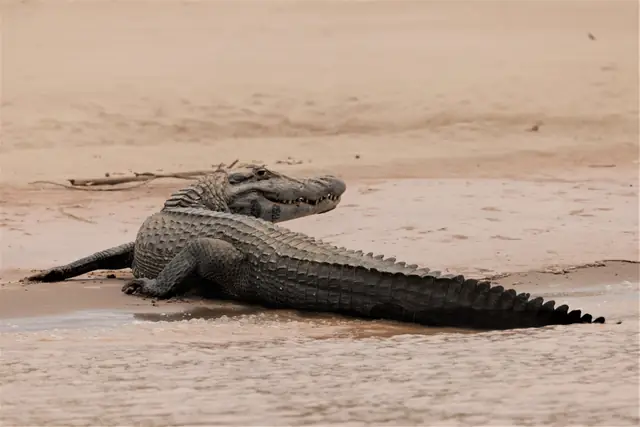
Black Caiman
Melanosuchus niger
The largest caiman in the Amazon. Its eyes shine red on the lagoons on evening canoe trips.
-
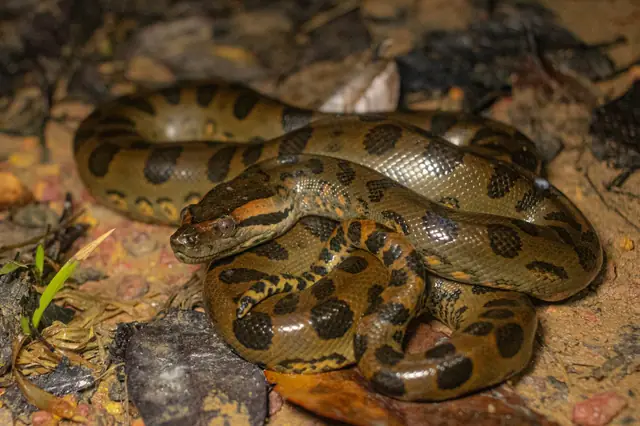
Green Anaconda
Eunectes murinus
Sometimes found coiled in flooded vegetation at the lagoon edges, especially in Cuyabeno.
-
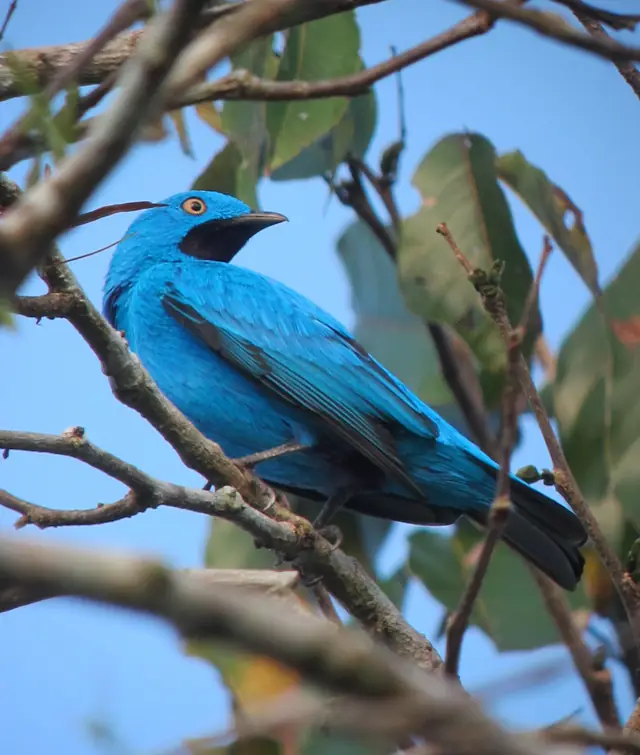
Plum-throated Cotinga
Cotinga maynana
A glowing blue bird with a purple throat, sitting on bare treetops. Canopy towers give eye-level views.
-
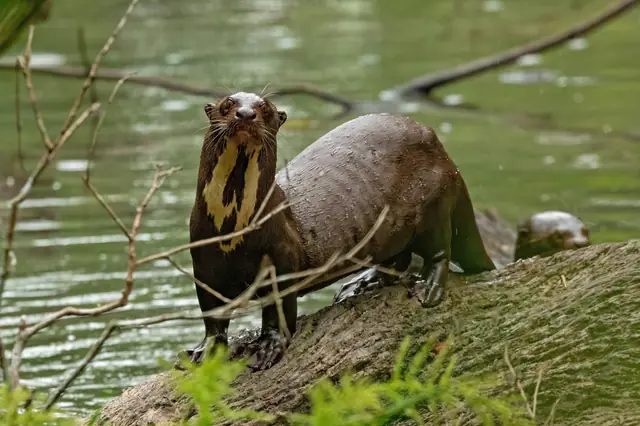
Giant Otter
Pteronura brasiliensis
Rare here, but family groups live on some remote blackwater lakes and creeks. Keep the canoe well back.
All 134 animals in the Ecuadorian Amazon
River dolphins and big mammals 10
-
 Amazon River Dolphin
-
 Tucuxi
-
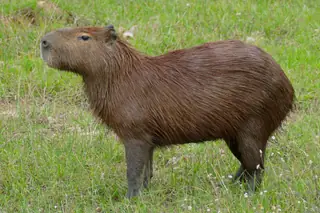 Capybara
-
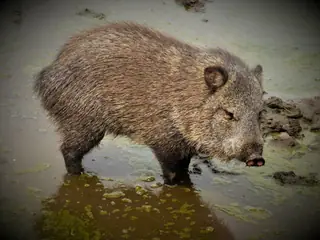 Collared Peccary
-
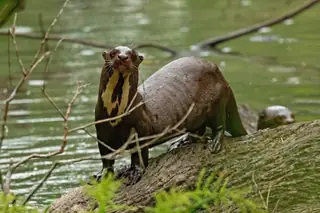 Giant OtterRare
-
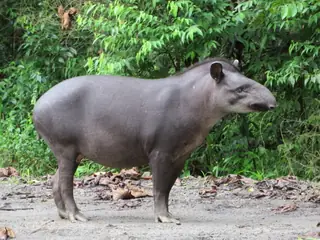 South American TapirRare
-
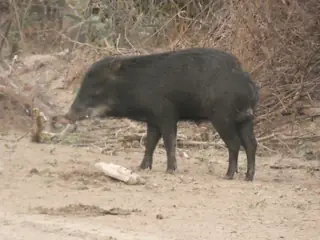 White-lipped PeccaryRare
-
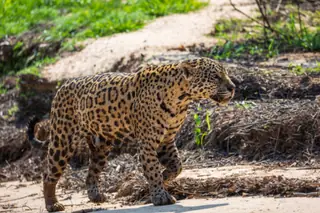 JaguarRare
-
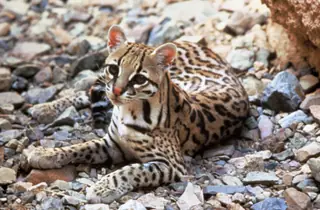 OcelotRare
-
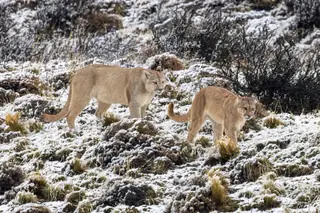 Cougar (Mountain Lion)Rare
Monkeys 13
-
 Common Woolly Monkey
-
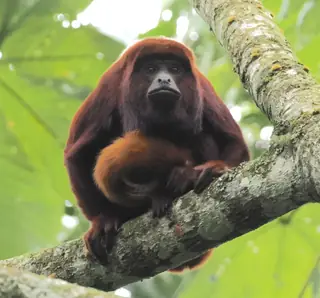 Red Howler Monkey
-
 Ecuadorean Squirrel Monkey
-
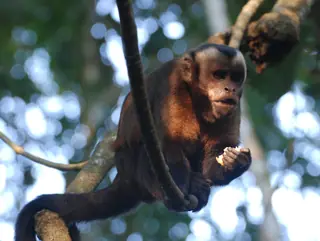 Large-headed Capuchin
-
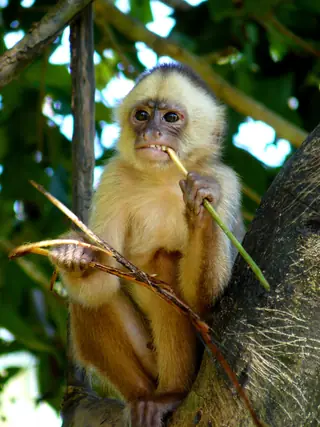 White-fronted Capuchin
-
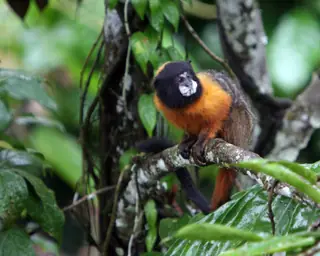 Golden-mantled Saddleback Tamarin
-
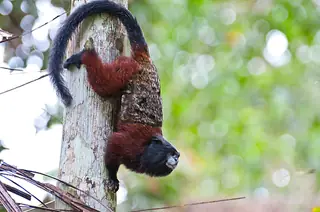 Red-mantled Saddle-back Tamarin
-
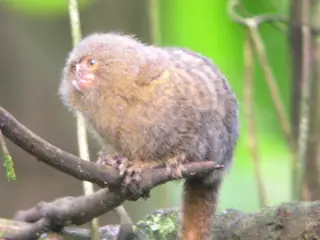 Pygmy Marmoset
- Equatorial Saki
-
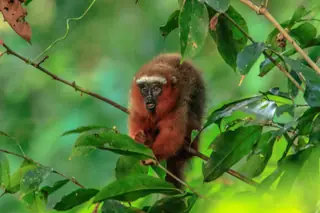 Red-crowned Titi
-
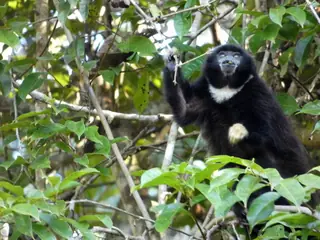 Yellow-handed Titi
-
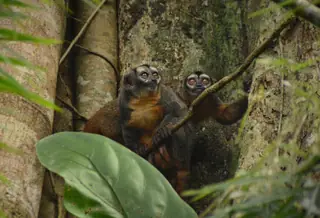 Spix's Night Monkey
-
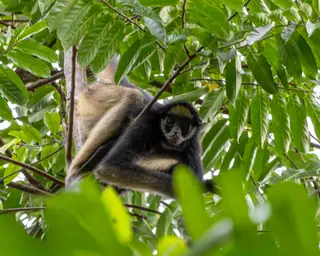 White-bellied Spider Monkey
Smaller mammals 11
-
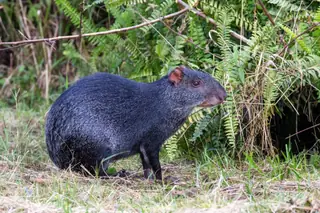 Black Agouti
-
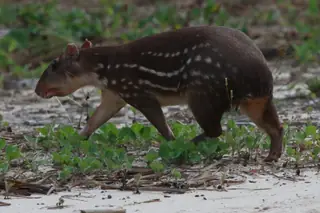 Lowland Paca
-
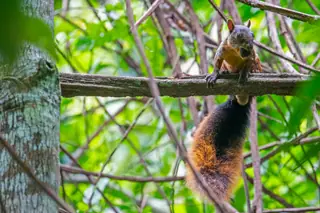 Northern Amazon Red Squirrel
-
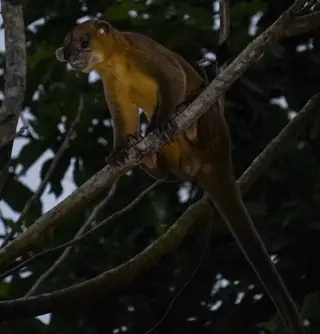 Kinkajou
-
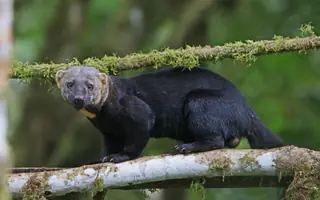 Tayra
-
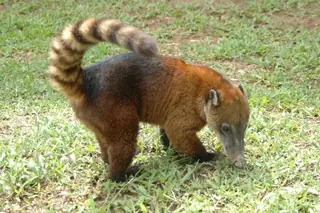 South American Coati
-
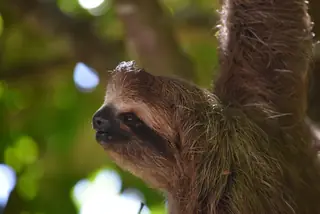 Brown-throated Three-toed Sloth
-
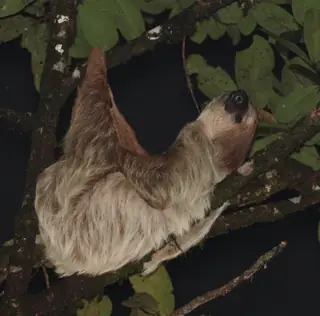 Linnaeus's Two-toed Sloth
-
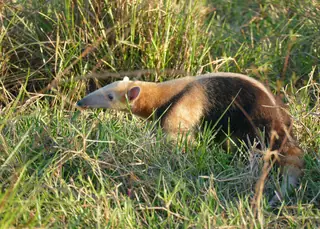 Southern Tamandua
-
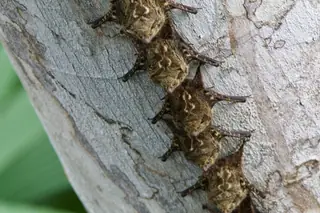 Proboscis Bat
-
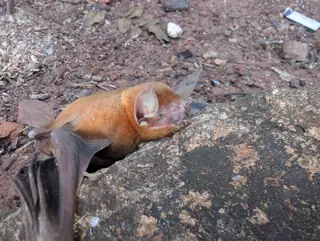 Greater Bulldog Bat
Parrots and macaws 13
-
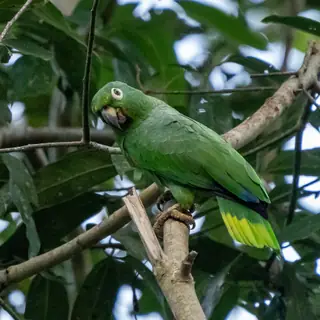 Mealy Amazon
-
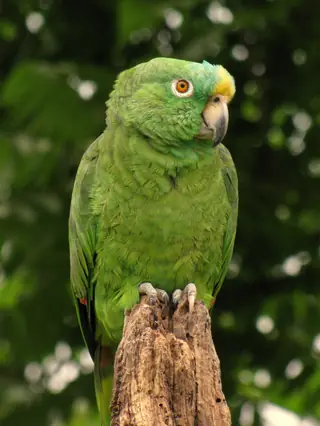 Yellow-crowned Amazon
-
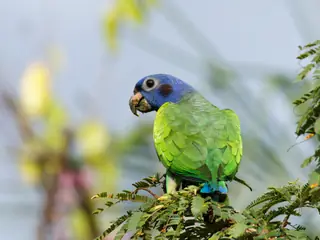 Blue-headed Parrot
-
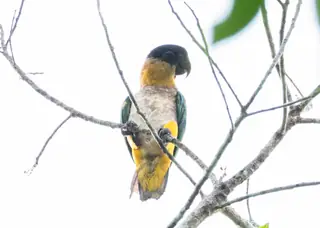 Black-headed Parrot
-
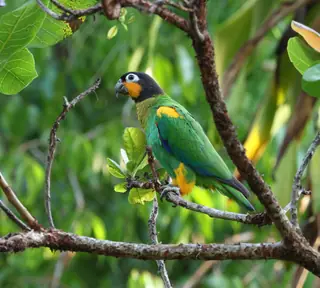 Orange-cheeked Parrot
-
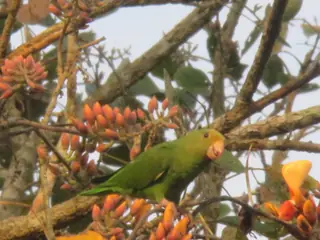 Cobalt-winged Parakeet
-
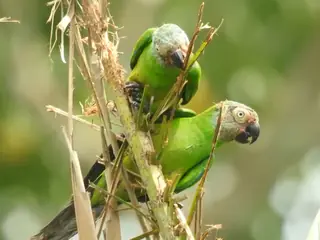 Dusky-headed Parakeet
-
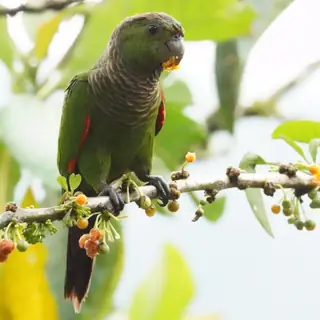 Maroon-tailed Parakeet
-
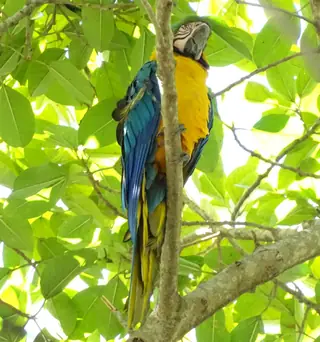 Blue-and-yellow Macaw
-
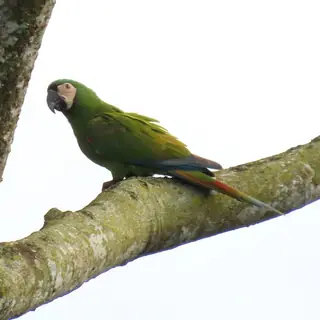 Chestnut-fronted Macaw
-
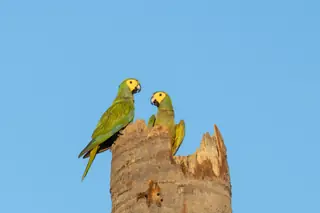 Red-bellied Macaw
-
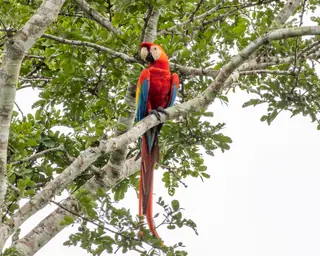 Scarlet Macaw
-
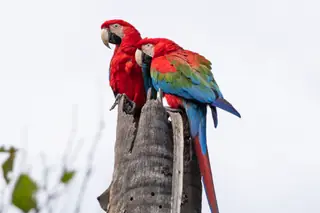 Red-and-green Macaw
River and lake birds 19
-
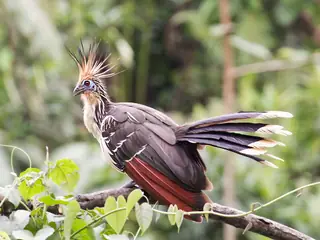 Hoatzin
-
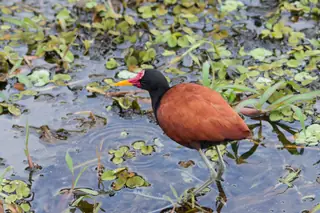 Wattled Jacana
-
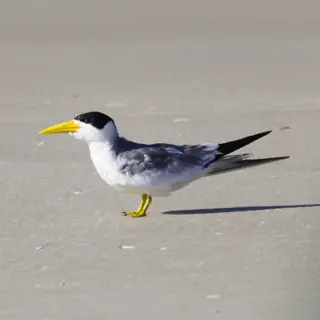 Large-billed Tern
-
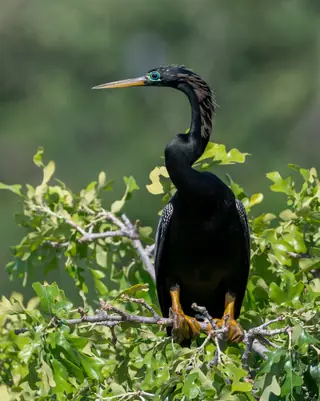 Anhinga
-
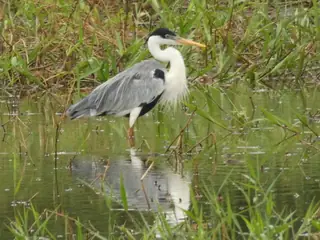 Cocoi Heron
-
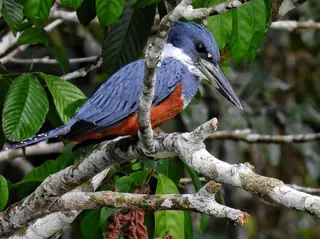 Ringed Kingfisher
-
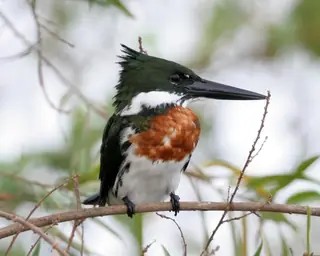 Amazon Kingfisher
-
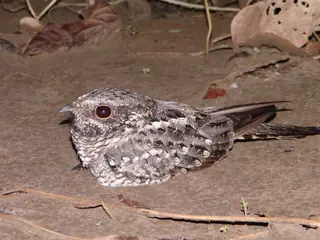 Ladder-tailed Nightjar
-
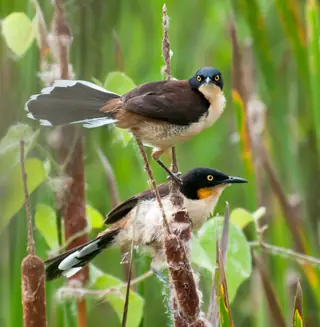 Black-capped Donacobius
-
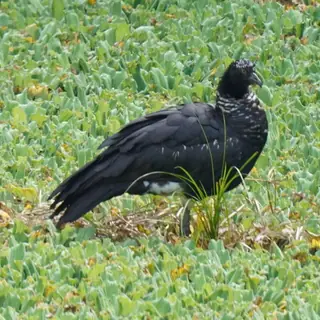 Horned Screamer
-
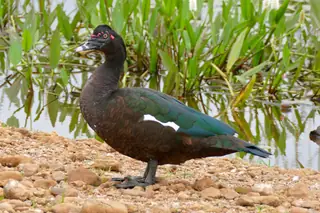 Muscovy Duck
-
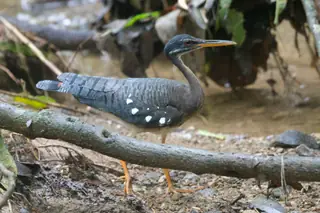 Sunbittern
-
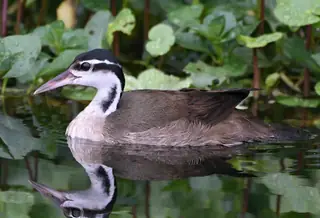 Sungrebe
-
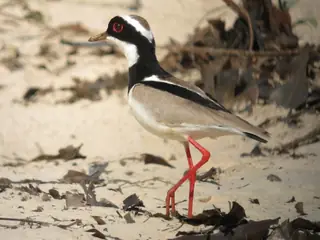 Pied Plover
-
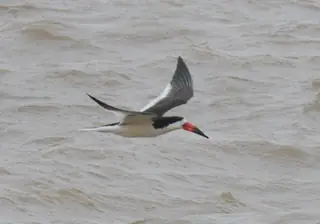 Black Skimmer
-
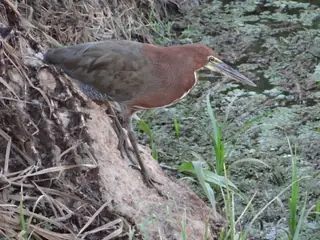 Rufescent Tiger Heron
-
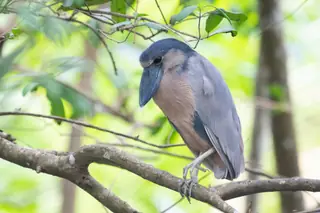 Boat-billed Heron
-
 Capped Heron
-
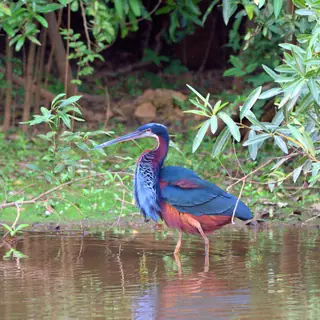 Agami HeronRare
Forest birds 33
-
 Salvin's Curassow
-
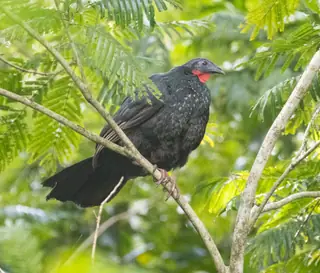 Spix's Guan
-
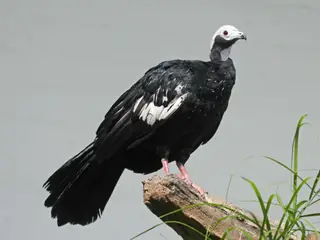 Blue-throated Piping Guan
-
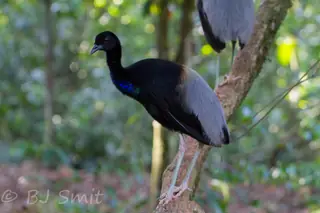 Grey-winged TrumpeterRare
-
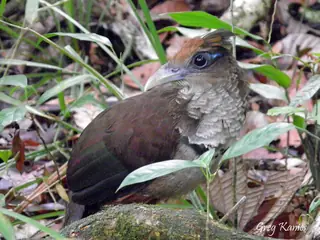 Rufous-vented Ground CuckooRare
-
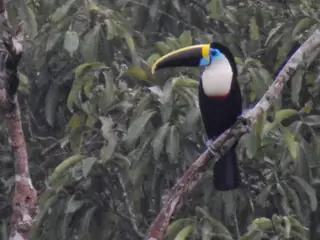 White-throated Toucan
-
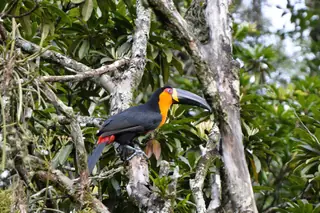 Channel-billed Toucan
-
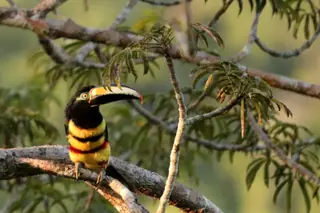 Many-banded Aracari
-
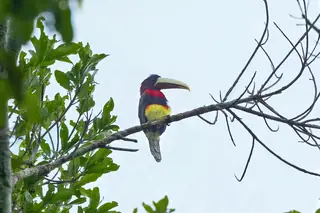 Ivory-billed Aracari
-
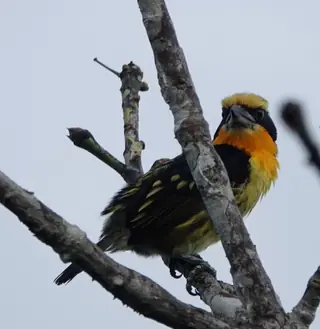 Gilded Barbet
-
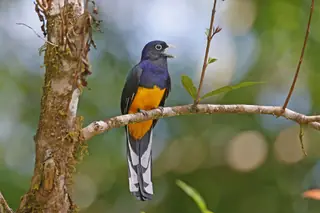 Green-backed Trogon
-
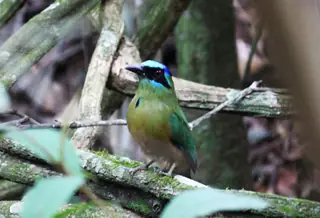 Amazonian Motmot
-
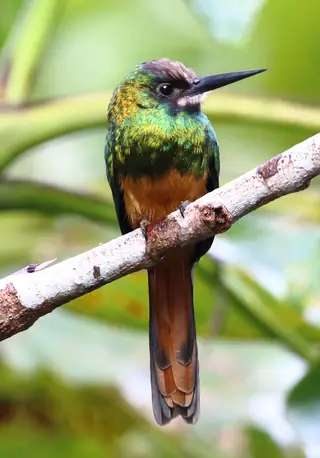 White-chinned Jacamar
-
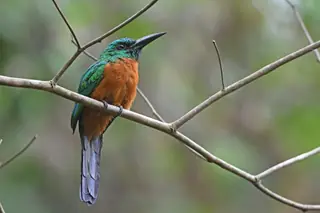 Great Jacamar
-
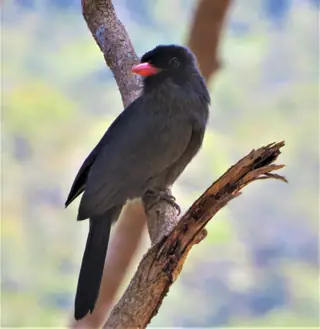 Black-fronted Nunbird
-
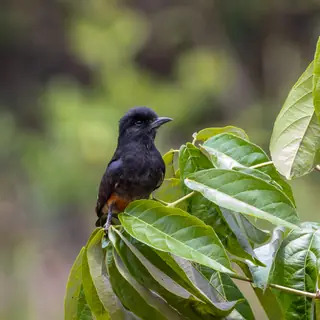 Swallow-winged Puffbird
-
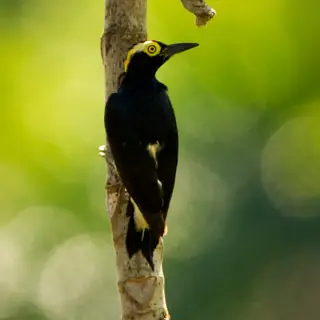 Yellow-tufted Woodpecker
-
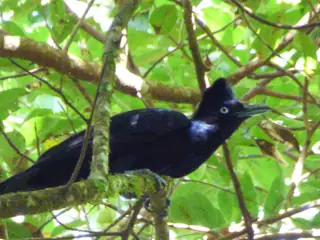 Amazonian Umbrellabird
-
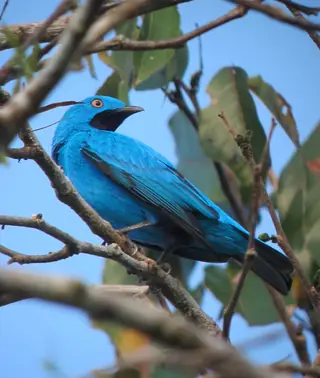 Plum-throated Cotinga
-
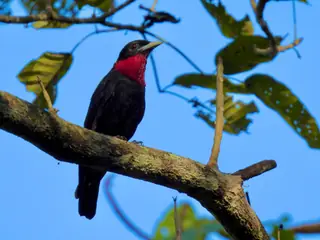 Purple-throated Fruitcrow
-
 Screaming Piha
-
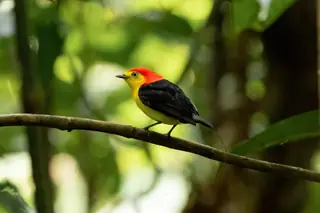 Wire-tailed Manakin
-
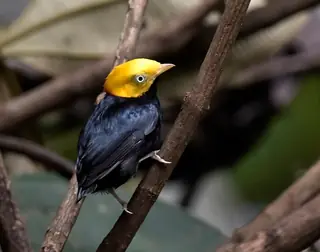 Golden-headed Manakin
-
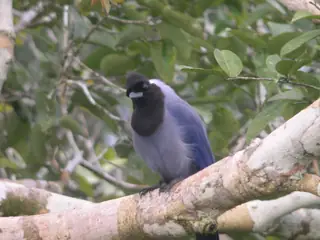 Violaceous Jay
-
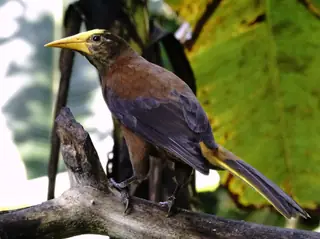 Russet-backed Oropendola
-
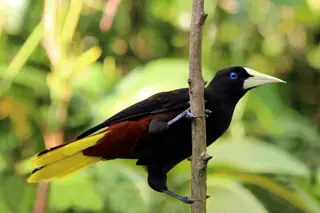 Crested Oropendola
-
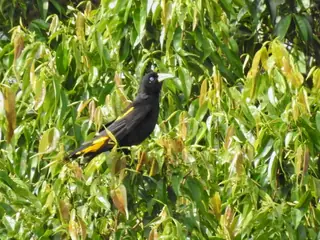 Yellow-rumped Cacique
-
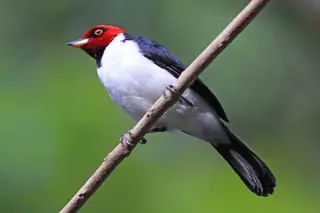 Red-capped Cardinal
-
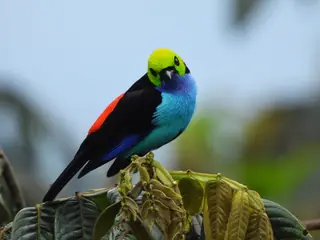 Paradise Tanager
-
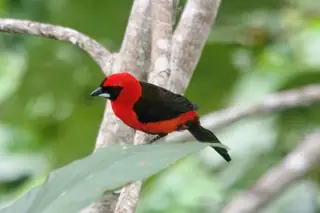 Masked Crimson Tanager
-
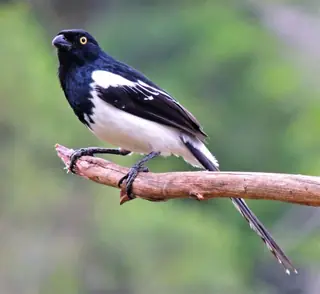 Magpie Tanager
-
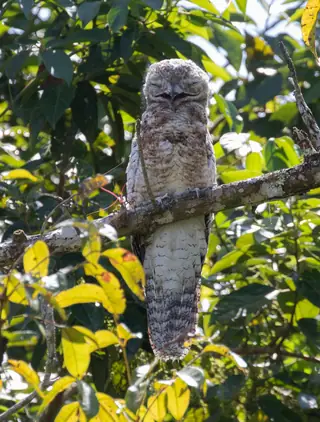 Great Potoo
-
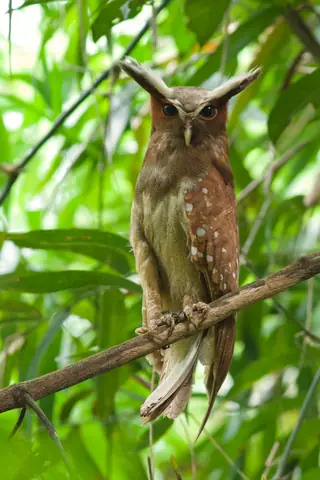 Crested Owl
Birds of prey 10
-
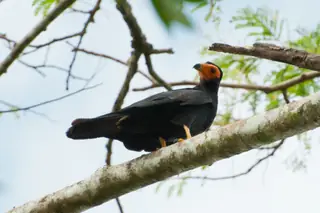 Black Caracara
-
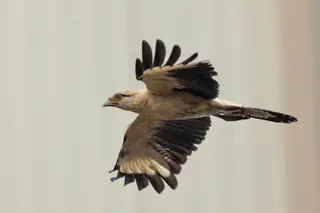 Yellow-headed Caracara
-
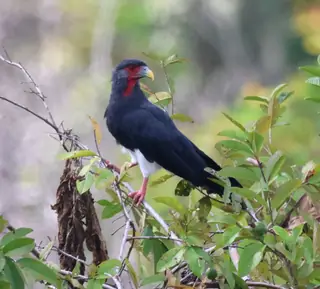 Red-throated Caracara
-
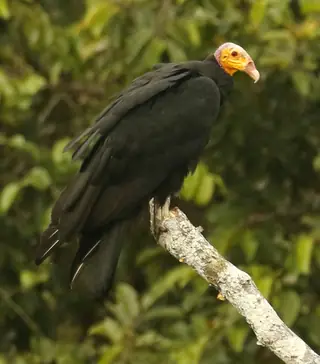 Greater Yellow-headed Vulture
-
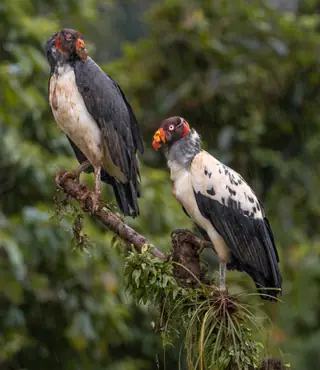 King Vulture
-
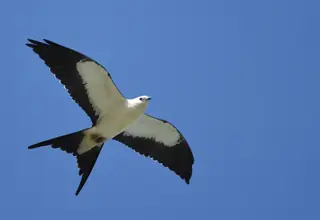 Swallow-tailed Kite
-
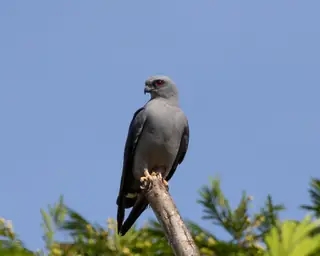 Plumbeous Kite
-
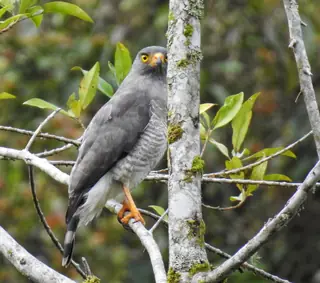 Roadside Hawk
-
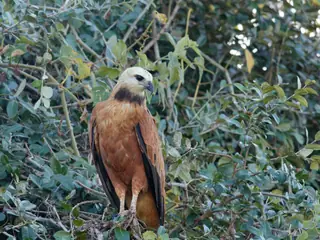 Black-collared Hawk
-
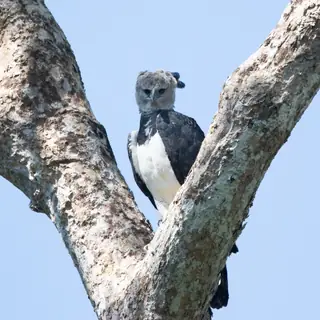 Harpy EagleRare
Reptiles and amphibians 22
-
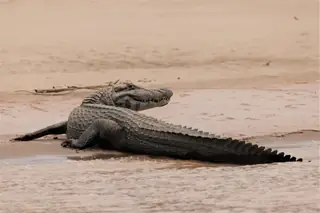 Black Caiman
-
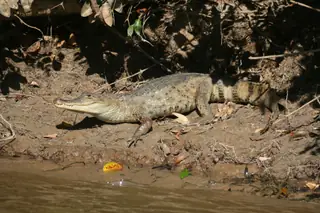 Spectacled Caiman
-
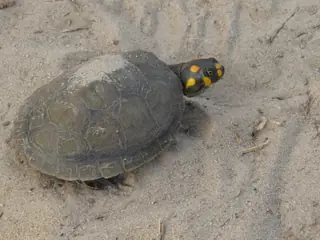 Yellow-spotted River Turtle
-
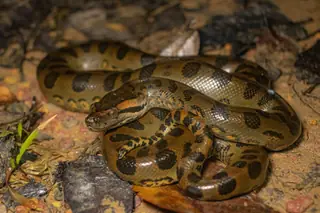 Green Anaconda
-
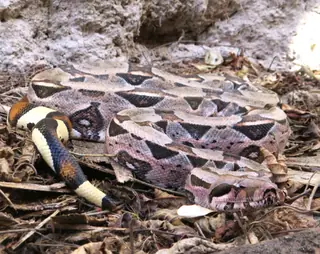 Boa Constrictor
-
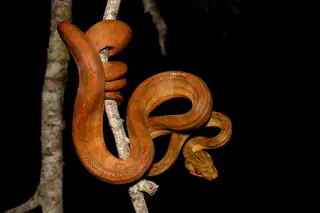 Amazon Tree Boa
-
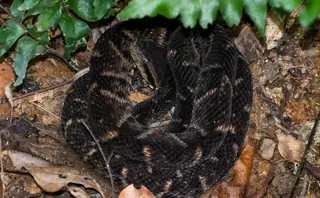 Common Lancehead
-
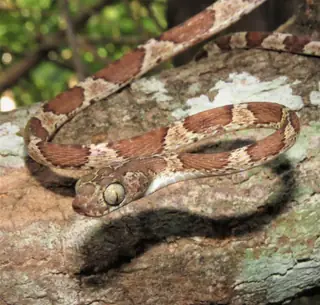 Blunt-headed Treesnake
-
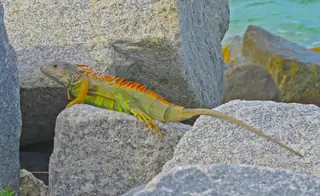 Green Iguana
-
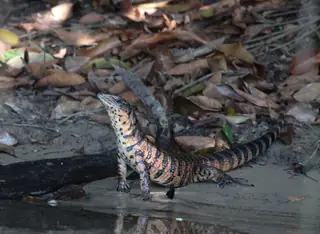 Gold Tegu
-
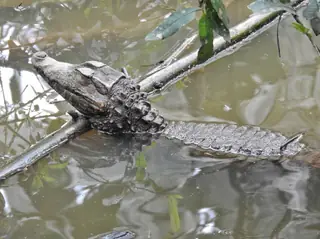 Dwarf CaimanRare
-
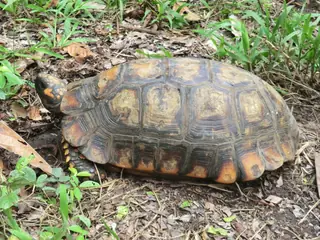 Yellow-footed TortoiseRare
-
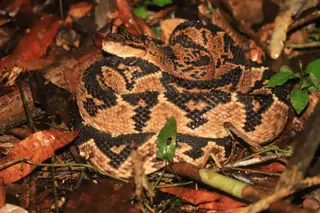 South American BushmasterRare
-
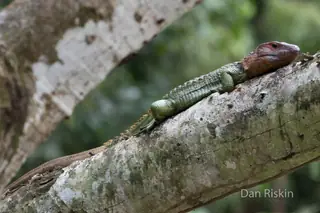 Northern Caiman LizardRare
-
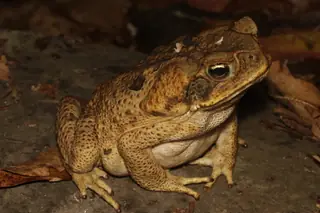 Cane Toad
-
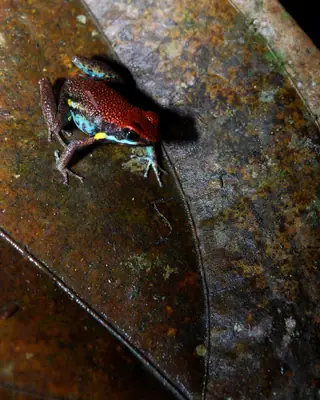 Ecuador Poison Frog
-
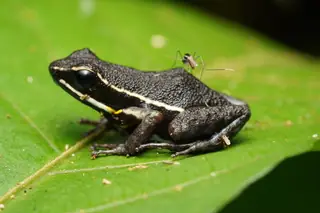 Yurimaguas Poison Frog
- Brilliant-thighed Poison Frog
-
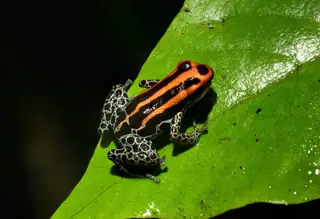 Amazonian Poison Frog
-
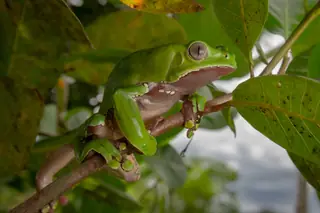 Giant Monkey Frog
-
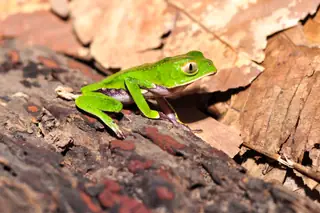 White-lined Leaf Frog
-
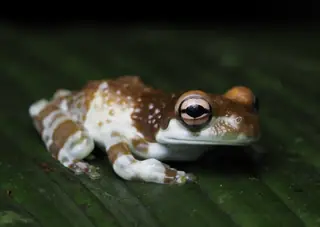 Cunauaru Milk Frog
Fish and butterflies 3
-
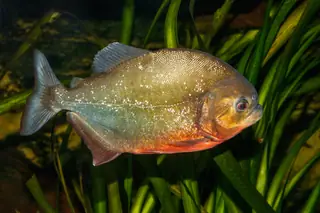 Red-bellied Piranha
-
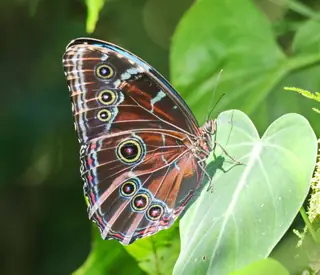 Blue Morpho
-
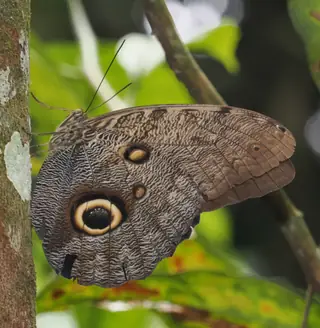 Forest Giant Owl
Best time to see wildlife in the Ecuadorian Amazon
Sightings by month in the Ecuadorian Amazon
Most records: Mar to JanRecords from GBIF.org, adjusted for how many people record wildlife each month. 100% is the busiest month.
It rains in every month in the Ecuadorian Amazon, and wildlife can be seen all year. Water levels shape the trip more than rain does. From about July to November, lower rivers keep dolphins in the main channels and expose banks for birds and caimans, and the Napo clay licks are often busy on dry mornings. From around April to July the rivers are high and flooded forest lets canoes slip deep among the trees. In Cuyabeno the lagoons can drop sharply between about December and February, when Laguna Grande may shrink and some canoe routes close, so check with your lodge. Temperatures stay hot and humid all year, with cooler nights.
- Dec to FebDrier spells; Cuyabeno lagoons can run low
- Mar to JunRising water, flooded forest by canoe
- Jul to AugRivers falling, good for dolphins
- Sep to NovLower rivers, busy clay licks
Tips for spotting wildlife in the Ecuadorian Amazon
- 01
Choose your side of the region
Cuyabeno is best for lagoons, pink dolphins, anacondas and caimans on a budget. The Napo lodges near Yasuní have taller forest, canopy towers, clay licks and more monkeys.
- 02
Climb the canopy tower
Many Napo lodges have towers or walkways above the trees. Be up there at dawn for toucans and cotingas at eye level.
- 03
Paddle, don't motor
Quiet canoe trips on the creeks and lagoons find more hoatzins, otters and monkeys than engines do. Keep voices low and let the guide set the distance.
- 04
Go out after dark
Night walks and canoe trips find caimans, tree frogs, snakes and night monkeys. Ask your guide to keep torch beams off the animals' eyes, and never handle frogs.
- 05
Pack for wet heat
Lodges lend rubber boots. Bring light long sleeves, a rain jacket and dry bags for cameras and binoculars.

Take the Ecuadorian Amazon with you
Tick off river dolphins, hoatzins and monkeys in Yasuní and Cuyabeno with Wilder. It works offline at lodges with no signal and is free to start.

Ecuadorian Amazon wildlife FAQ
Cuyabeno or Yasuní: which is better for wildlife?
Both are excellent. Cuyabeno is a maze of blackwater lagoons, best for pink river dolphins, hoatzins, caimans and anacondas, and usually cheaper. The lodges on the Napo River near Yasuní have taller, richer forest, canopy towers and clay licks, with more monkeys and forest birds. Many keen wildlife watchers choose Yasuní if they can only do one.
Can you see pink river dolphins in Ecuador?
Yes. Pink river dolphins live in the Cuyabeno lagoons and rivers and along the lower Napo and its tributaries. They are often seen in Laguna Grande in Cuyabeno, especially when water levels are moderate. In the lowest water of Cuyabeno's drier months the lagoon can shrink and the dolphins move to the rivers.
What animals live in the Ecuadorian Amazon?
The region holds jaguars, tapirs, giant otters, river dolphins, more than a dozen monkeys and over 500 kinds of bird in a single park. Visitors most often see monkeys, macaws and parrots, hoatzins, toucans, caimans and frogs. This checklist covers 134 animals a visitor could realistically find on a lodge stay.
How do you get to Yasuní National Park?
Fly from Quito to Coca, about 30 minutes, then travel two to three hours downriver by motorboat to a lodge on the Napo. Most lodges are just outside or on the edge of the park, on land owned by Kichwa communities. Trips are usually three or four nights, with transfers included.
Sources
- Cuyabeno Wildlife Reserve (Wikipedia)
- WCS Ecuador: the Yasuní landscape
- Barefoot Expeditions: where to see pink dolphins in Ecuador
- Sightings by month: GBIF.org
Animal photos are from the Wilder catalogue; photo credits.
Similar checklists
All South and Central America-
 Region121animals Mindo and the Tandayapa Valley Pichincha, Ecuador Chocó cloud forest two hours from Quito, with more than twenty kinds of hummingbird at the feeders, toucan barbets and a cock-of-the-rock lek at dawn. Best time All year
-
 Island70animals Galápagos Islands Galápagos Province, Ecuador Volcanic islands where the animals barely notice you: giant tortoises, marine iguanas, dancing boobies and sea lions on every beach. Best time All year
-
 Reserve89animals Tambopata Madre de Dios, Peru Lowland Amazon rainforest where hundreds of macaws and parrots gather at the clay licks, and giant otters fish the oxbow lakes. Best time Apr to Oct
-
 National park130animals Manu National Park and the Manu Road Cusco and Madre de Dios, Peru One road drops from Andean grassland through cloud forest to the Amazon: cock-of-the-rock leks, macaw clay licks and giant otters on the oxbow lakes. Best time May to Oct