Region · Pichincha · Ecuador
Mindo Cloud Forest Wildlife Checklist

Mindo and the Tandayapa valley, on the western slope of the Andes about two hours from Quito, are Ecuador's best-known cloud forest for birds. They are famous for hummingbird feeders, the toucan barbet and an Andean cock-of-the-rock lek at dawn. This checklist covers 121 animals, including 27 hummingbirds. Birds are good all year; June to September is usually drier.
Tick off all 121 animals in Mindo on your phone, even offline. Launching soon. Free A4 PDF, no sign-up.
The area runs from about 2,300 metres in the upper Tandayapa valley down to Mindo town at about 1,250 metres and the warmer foothills at Milpe. Many visitors stay in Mindo or at a lodge in the Tandayapa valley and spend early mornings at private reserves and feeders.
- Animals to find
- 121
- Where
- Ecuador
- Best time
- All year
- Hummingbirds on the list
- 25
Popular animals in Mindo
-
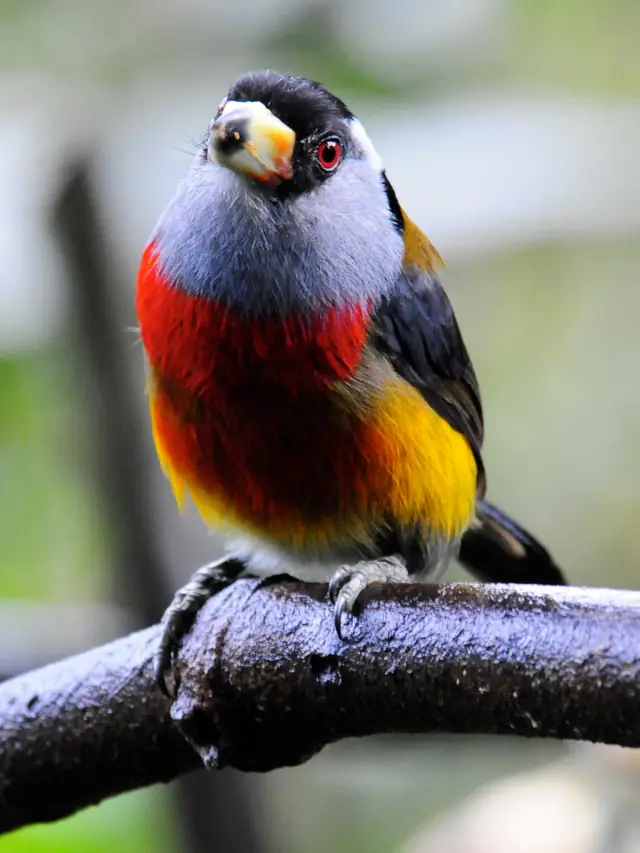
Toucan Barbet
Semnornis ramphastinus
A thick-billed, grey, red and gold barbet of the Chocó cloud forest, and the bird many visitors come for. Pairs visit fruiting trees and lodge feeders.
-
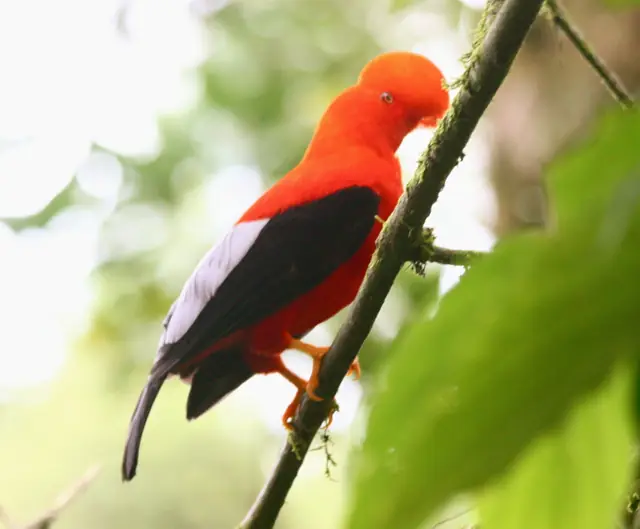
Andean Cock-of-the-rock
Rupicola peruvianus
Males in brilliant orange display at leks at first light. Private reserves such as Paz de las Aves run dawn visits to a lek hide.
-
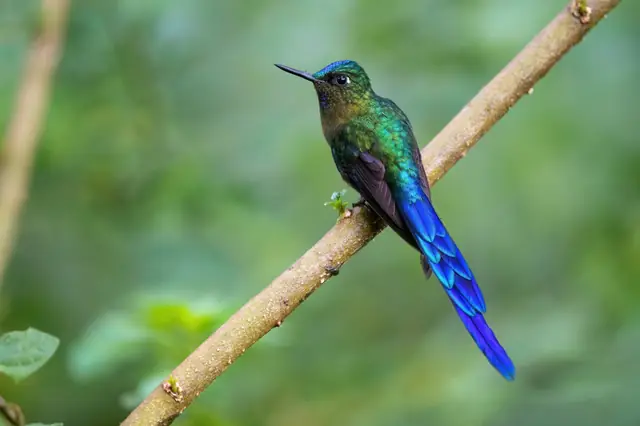
Violet-tailed Sylph
Aglaiocercus coelestis
Males have a long, shining violet-blue tail. One of the most common and most photographed birds at the Mindo feeders.
-
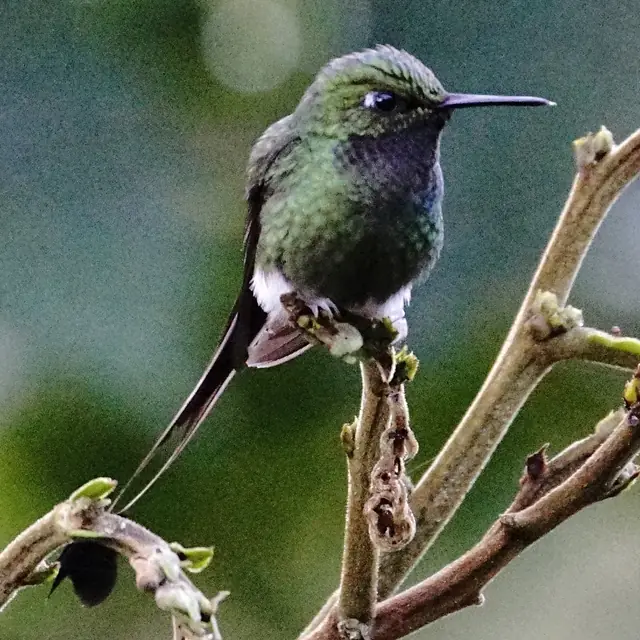
White-booted Racket-tail
Ocreatus underwoodii
A tiny hummingbird with fluffy white leg puffs and two racket-tipped tail feathers. Regular at feeders in Mindo and Tandayapa.
-
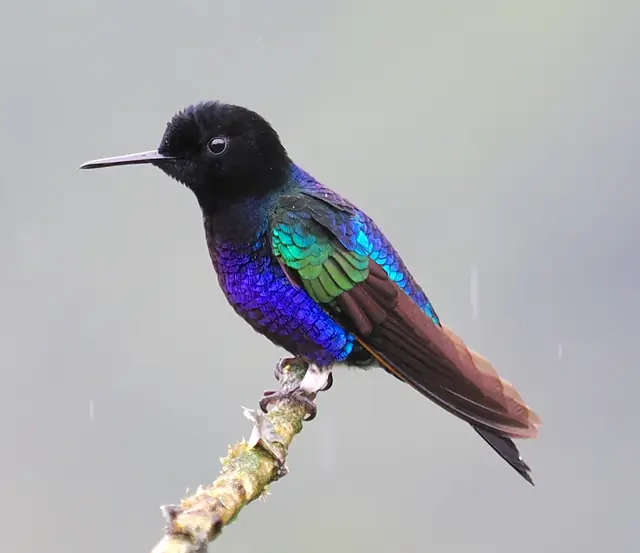
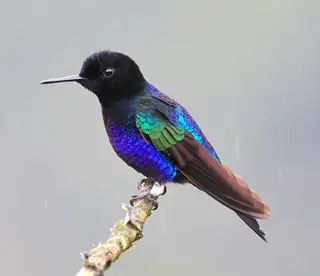
Velvet-purple Coronet
Boissonneaua jardini
A dark, glittering Chocó speciality that looks black until the light hits it. Look at feeders in the lower Tandayapa valley.
-
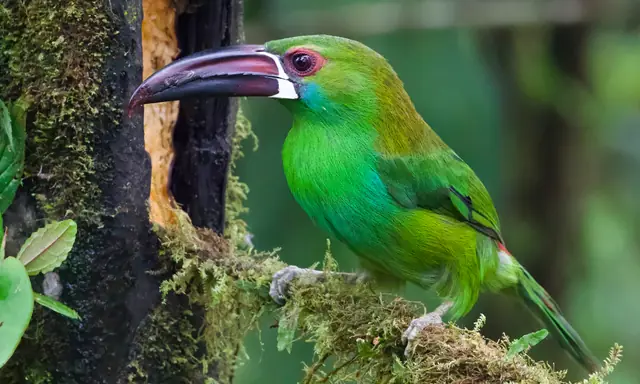
Crimson-rumped Toucanet
Aulacorhynchus haematopygus
A small green toucan with a red rump, common at forest edges and fruiting trees around Mindo.
-
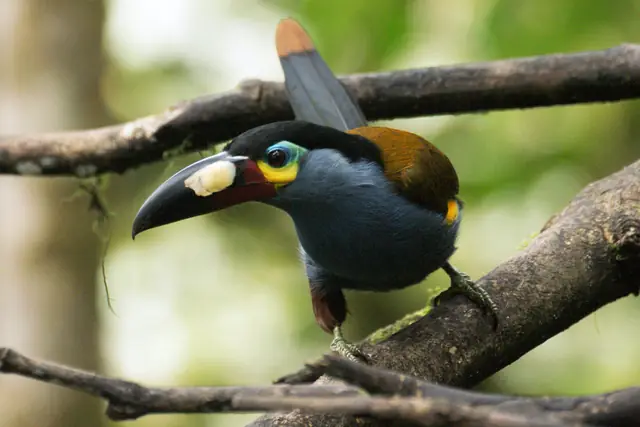
Plate-billed Mountain Toucan
Andigena laminirostris
A Chocó speciality with a blue-grey breast and a yellow plate on its bill, at fruiting trees in the upper cloud forest around Bellavista and the old Nono road.
-
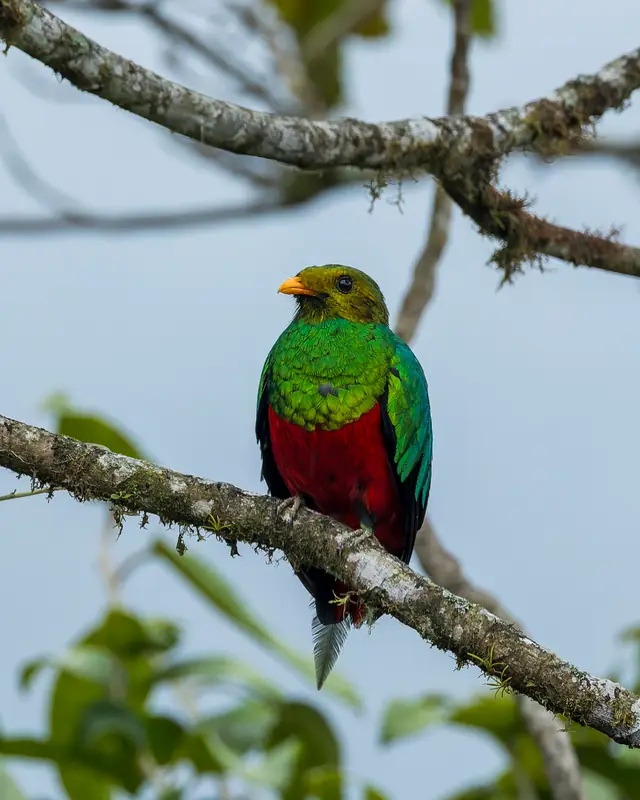
Golden-headed Quetzal
Pharomachrus auriceps
Shining green with a golden head. Listen for its rolling call in the canopy early in the morning.
-
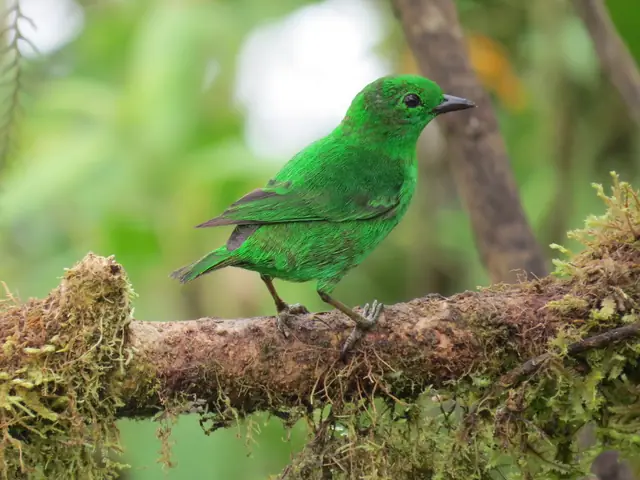
Glistening-green Tanager
Chlorochrysa phoenicotis
A Chocó endemic that glows emerald, travelling with mixed flocks of tanagers in wet forest.
-
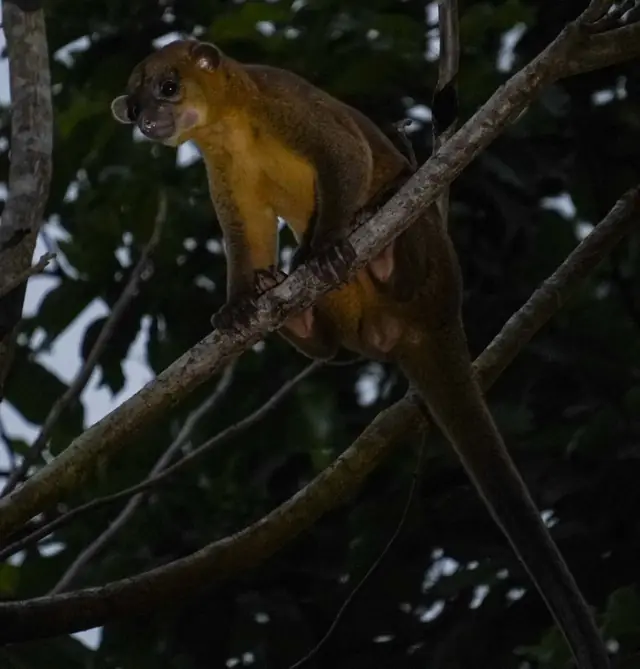
Kinkajou
Potos flavus
A tree-climbing relative of the raccoon, active after dark. Guided night walks around Mindo often find one.
All 121 animals in Mindo
Cloud forest stars 24
-
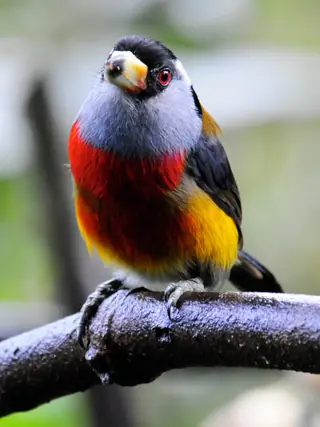 Toucan Barbet
-
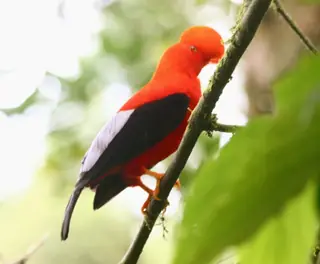 Andean Cock-of-the-rock
-
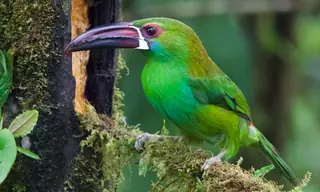 Crimson-rumped Toucanet
-
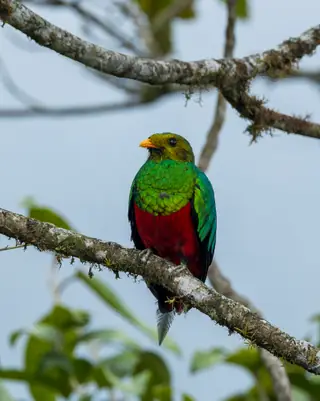 Golden-headed Quetzal
-
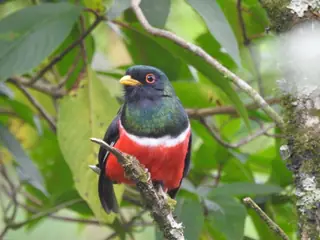 Masked Trogon
-
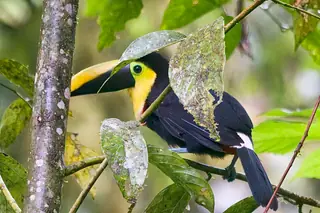 Choco Toucan
-
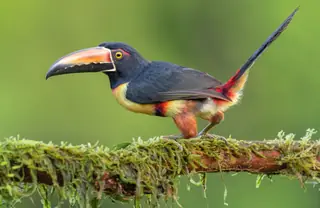 Collared Araçari
-
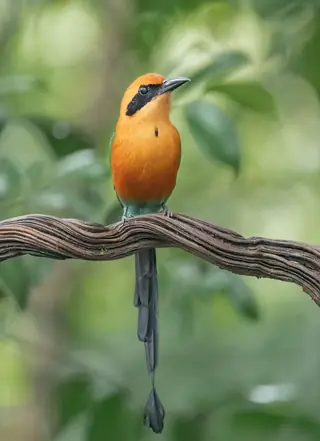 Rufous Motmot
-
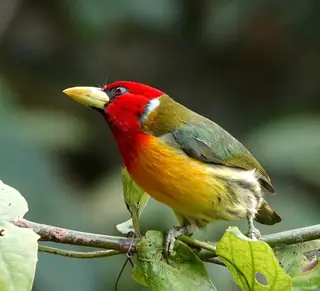 Red-headed Barbet
-
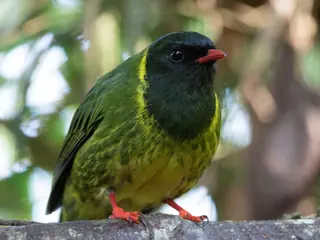 Green-and-black Fruiteater
-
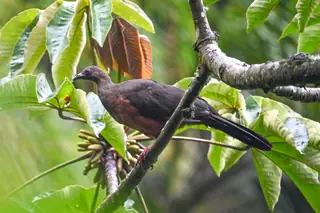 Sickle-winged Guan
-
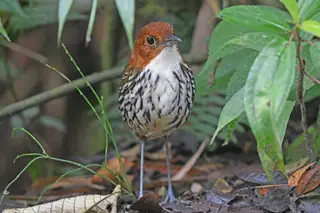 Chestnut-crowned Antpitta
-
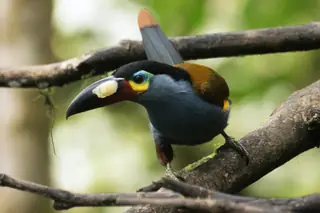 Plate-billed Mountain Toucan
-
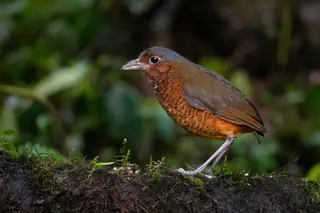 Giant Antpitta
-
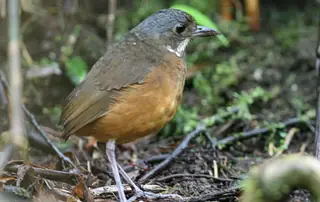 Moustached Antpitta
-
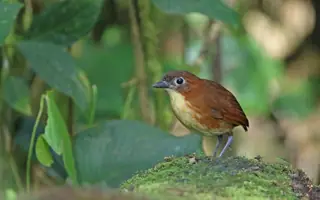 Yellow-breasted Antpitta
-
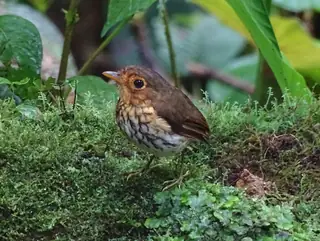 Ochre-breasted Antpitta
-
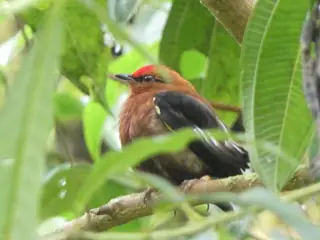 Club-winged Manakin
-
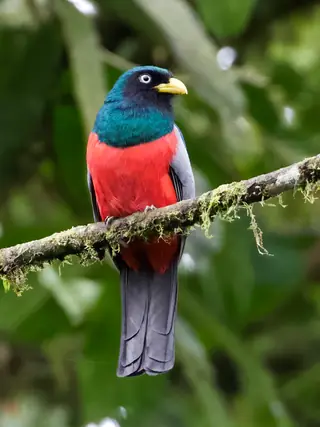 Choco Trogon
-
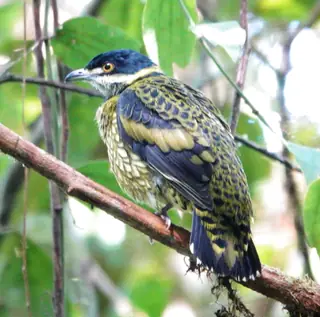 Scaled Fruiteater
-
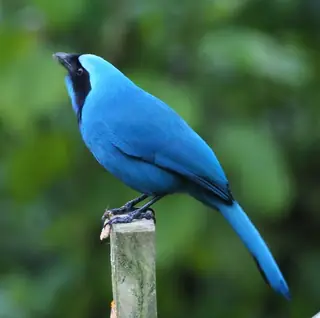 Turquoise Jay
-
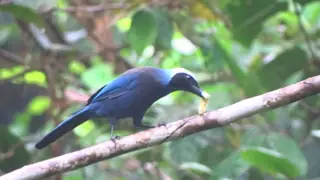 Beautiful JayRare
-
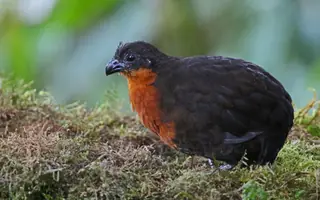 Dark-backed Wood QuailRare
-
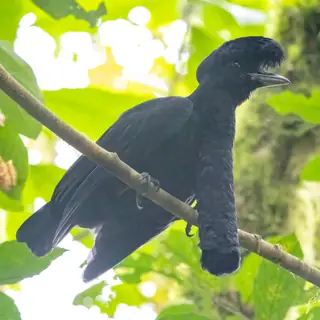 Long-wattled UmbrellabirdRare
Hummingbirds 27
-
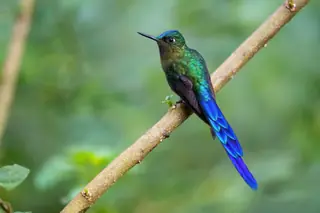 Violet-tailed Sylph
-
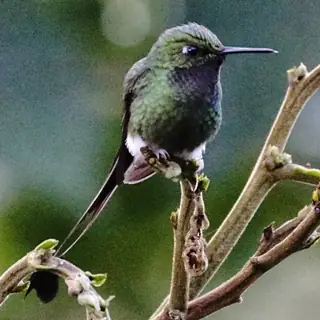 White-booted Racket-tail
-
 Velvet-purple Coronet
-
 Buff-tailed Coronet
-
 Brown Inca
-
 Collared Inca
-
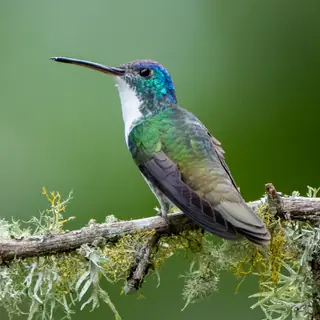 Andean Emerald
-
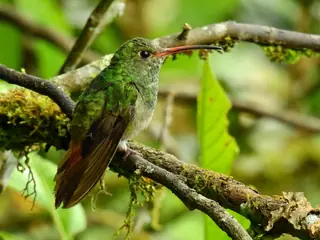 Rufous-tailed Hummingbird
-
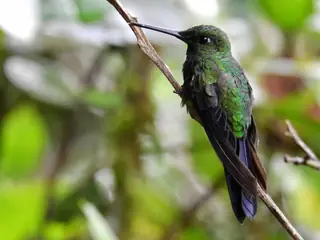 Green-crowned Brilliant
-
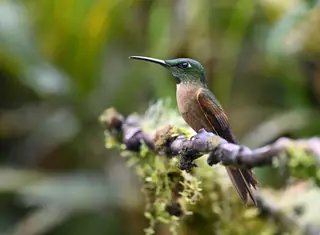 Fawn-breasted Brilliant
-
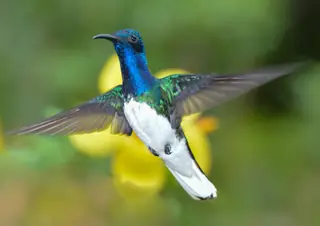 White-necked Jacobin
-
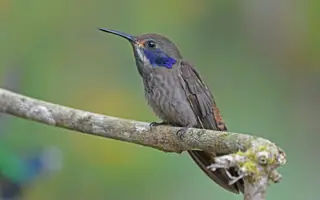 Brown Violetear
-
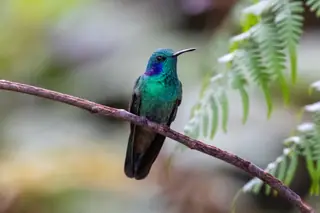 Lesser Violetear
-
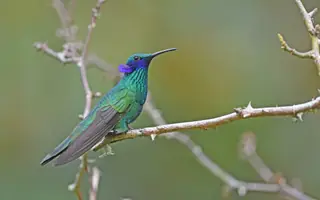 Sparkling Violetear
-
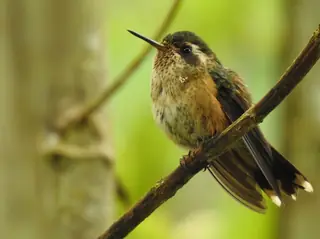 Speckled Hummingbird
-
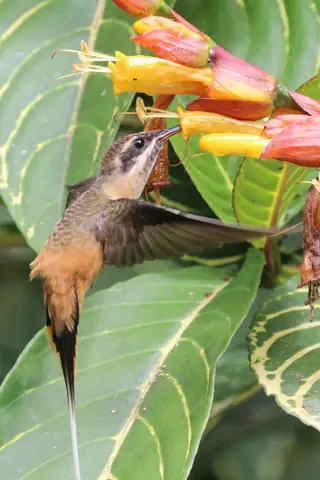 Tawny-bellied Hermit
-
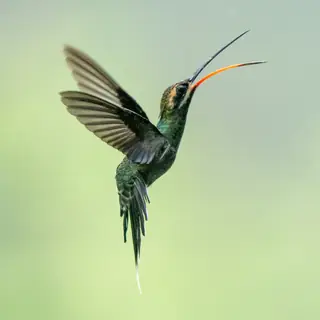 White-whiskered Hermit
-
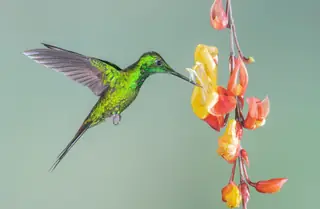 Empress Brilliant
-
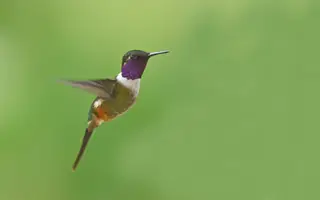 Purple-throated Woodstar
-
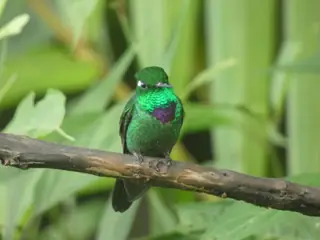 Purple-bibbed Whitetip
-
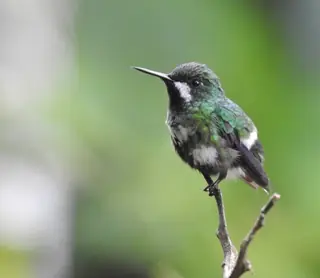 Green Thorntail
-
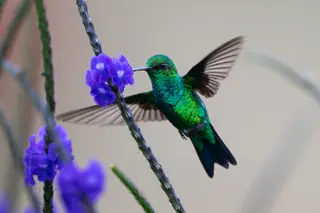 Western Emerald
-
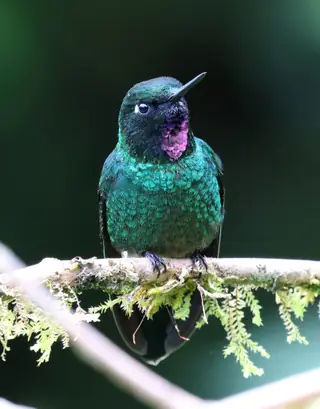 Tourmaline Sunangel
-
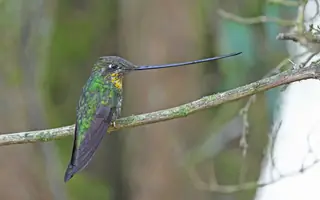 Sword-billed Hummingbird
-
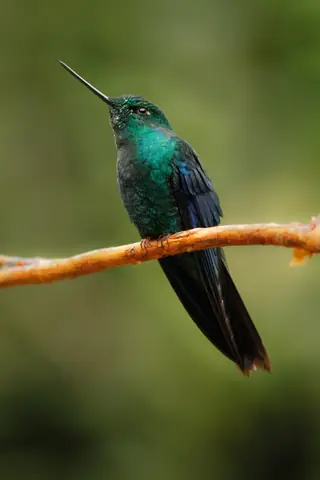 Great Sapphirewing
-
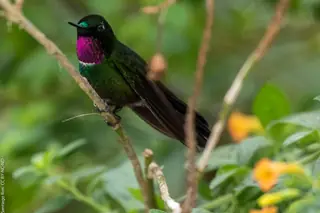 Gorgeted Sunangel
-
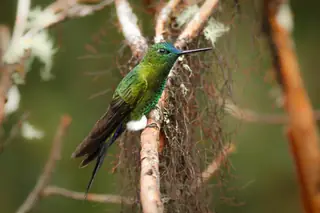 Sapphire-vented Puffleg
Tanagers and other birds 29
-
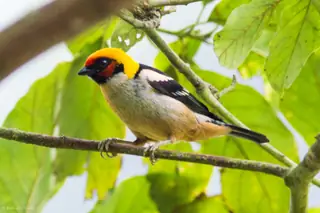 Flame-faced Tanager
-
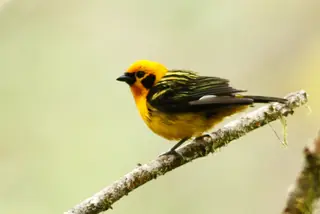 Golden Tanager
-
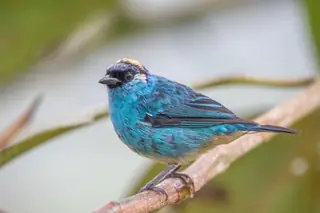 Golden-naped Tanager
-
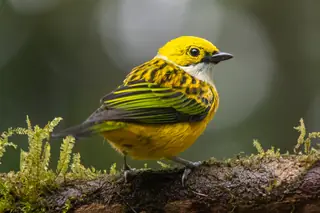 Silver-throated Tanager
-
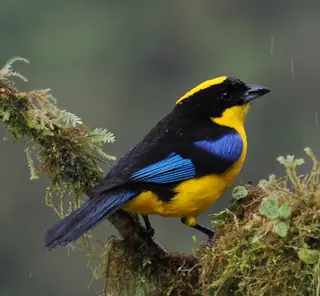 Blue-winged Mountain Tanager
-
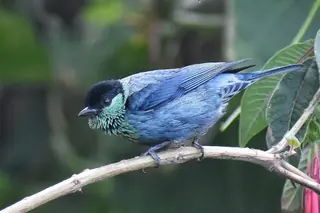 Black-capped Tanager
-
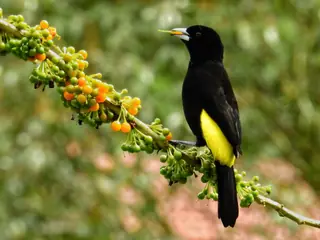 Flame-rumped Tanager
-
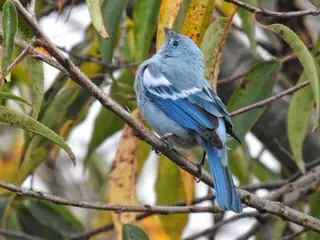 Blue-grey Tanager
-
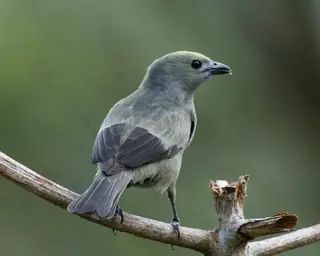 Palm Tanager
-
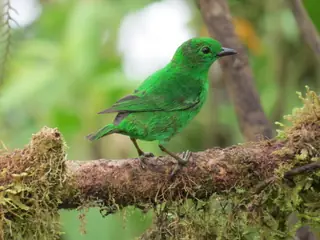 Glistening-green Tanager
-
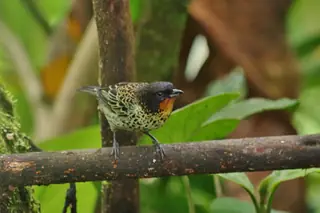 Rufous-throated Tanager
-
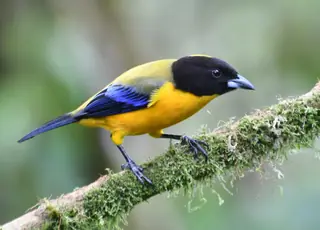 Black-chinned Mountain Tanager
-
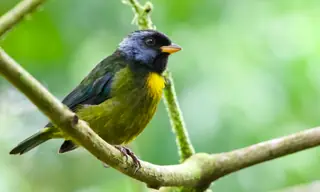 Moss-backed Tanager
-
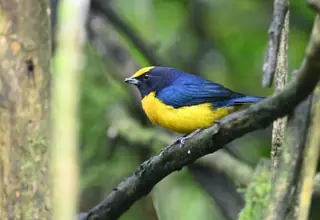 Orange-bellied Euphonia
-
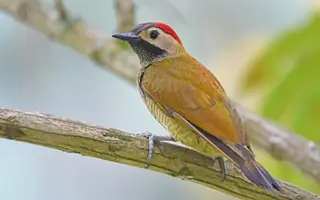 Golden-olive Woodpecker
-
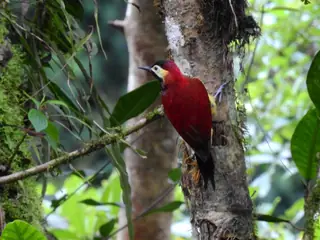 Crimson-mantled Woodpecker
-
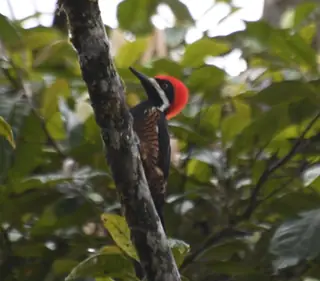 Powerful Woodpecker
-
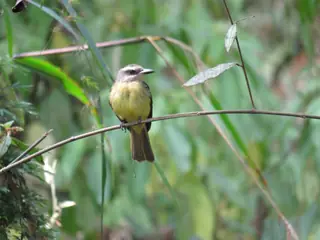 Golden-crowned Flycatcher
-
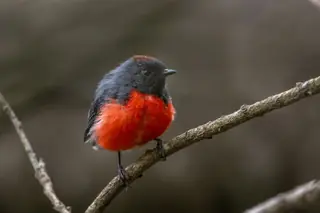 Slate-throated Whitestart
-
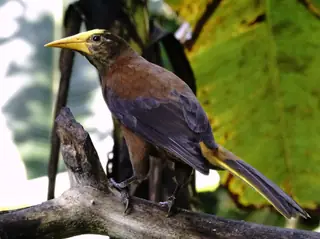 Russet-backed Oropendola
-
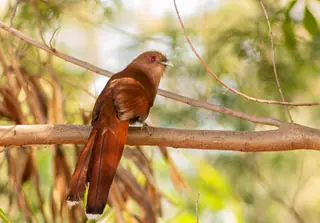 Common Squirrel-cuckoo
-
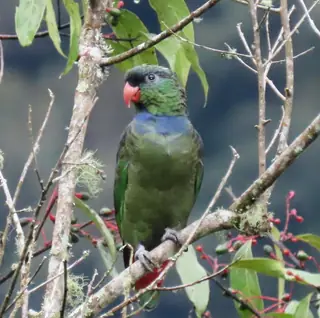 Red-billed Parrot
-
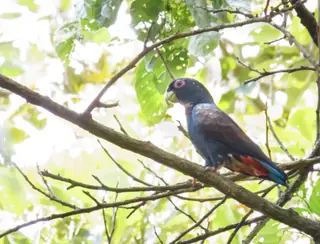 Bronze-winged Parrot
-
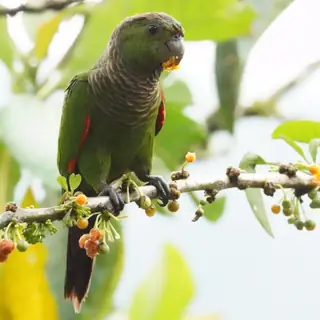 Maroon-tailed Parakeet
-
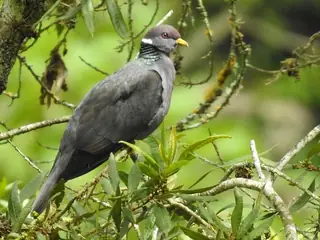 Band-tailed Pigeon
-
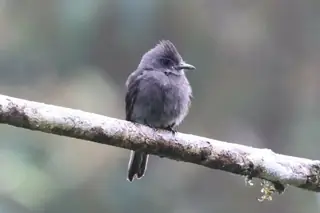 Smoke-coloured Pewee
-
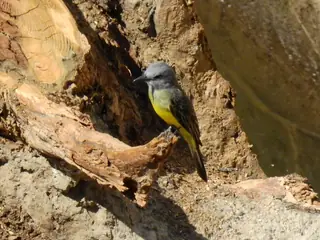 Tropical Kingbird
-
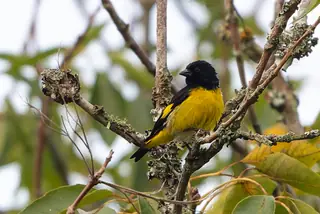 Yellow-bellied Siskin
-
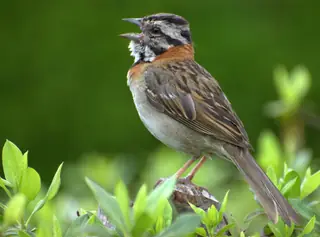 Rufous-collared Sparrow
River birds 3
-
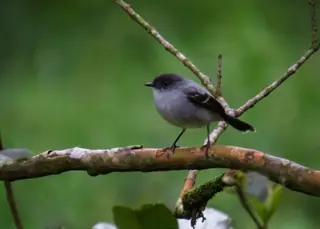 Torrent Tyrannulet
-
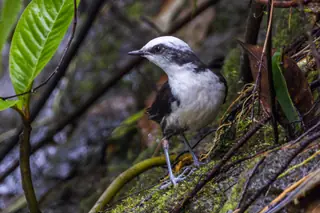 White-capped Dipper
-
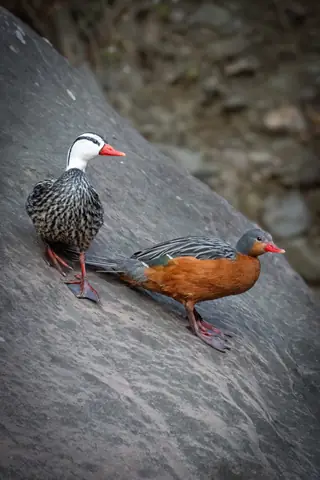 Torrent Duck
Birds of prey and owls 9
-
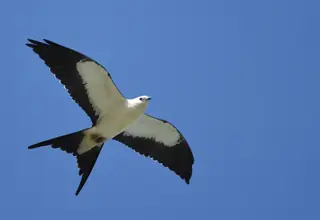 Swallow-tailed Kite
-
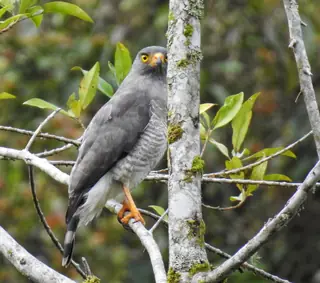 Roadside Hawk
-
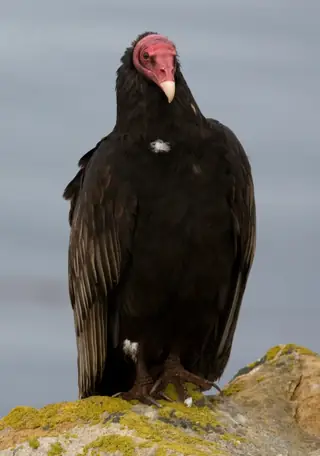 Turkey Vulture
-
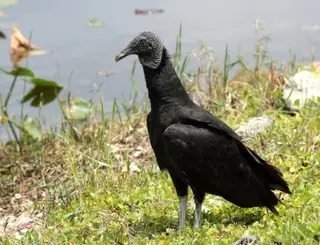 Black Vulture
-
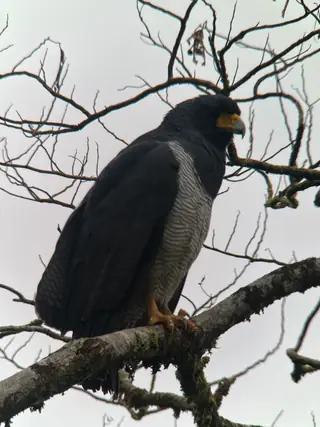 Barred Hawk
-
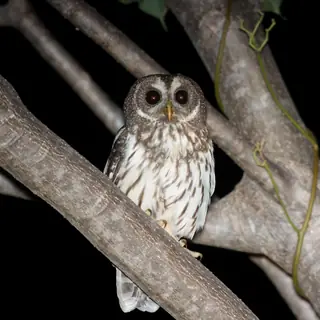 Mottled Owl
-
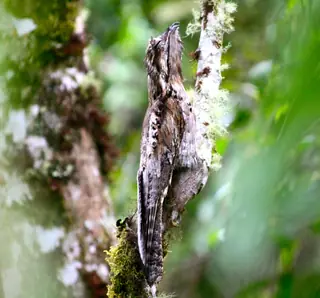 Common Potoo
-
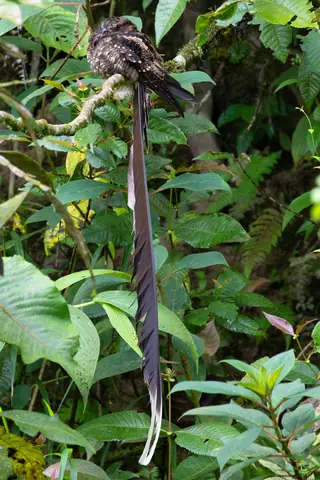 Lyre-tailed Nightjar
- Andean Pygmy OwlRare
Mammals 18
-
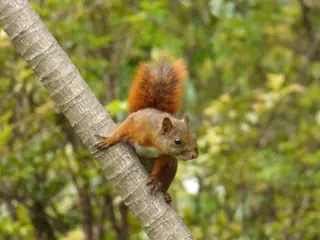 Red-tailed Squirrel
-
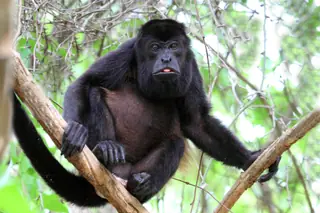 Mantled Howler Monkey
-
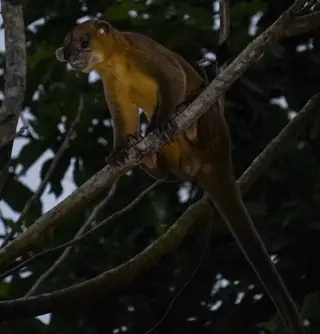 Kinkajou
-
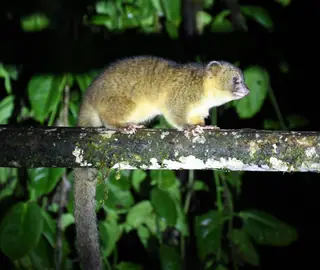 Olinguito
-
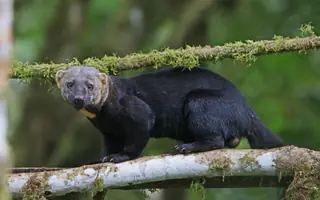 Tayra
-
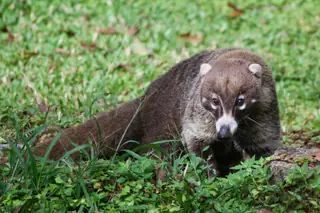 White-nosed Coati
-
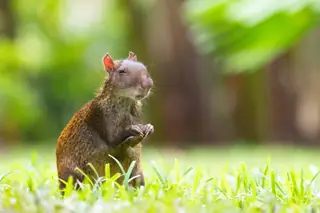 Central American Agouti
-
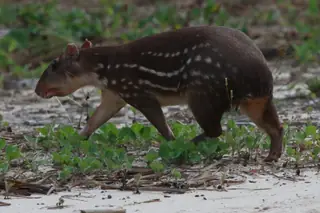 Lowland Paca
-
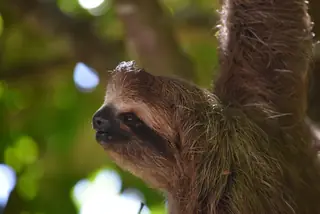 Brown-throated Three-toed Sloth
-
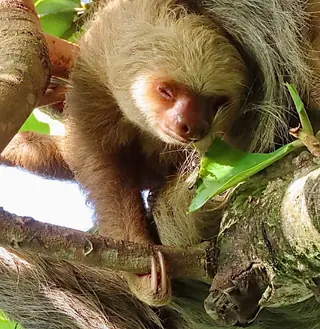 Hoffmann's Two-toed Sloth
-
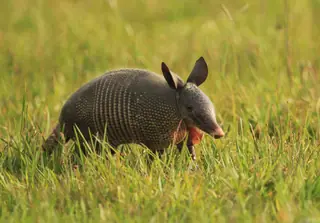 Nine-banded Armadillo
-
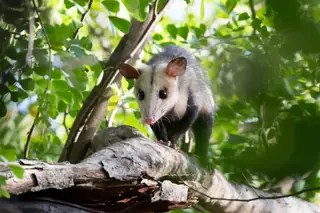 Common Opossum
-
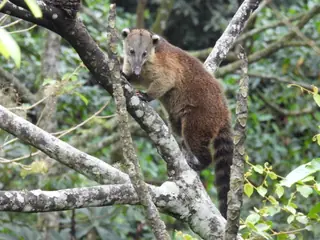 Western Mountain CoatiRare
-
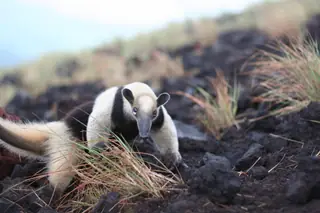 Northern TamanduaRare
-
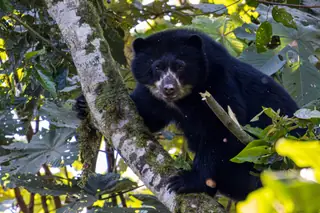 Spectacled BearRare
-
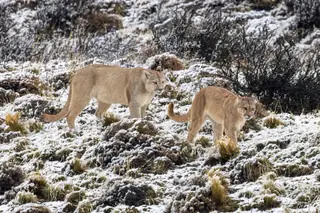 Cougar (Mountain Lion)Rare
-
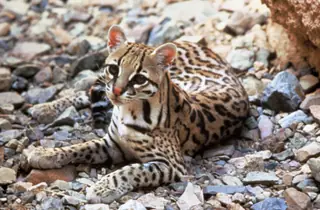 OcelotRare
-
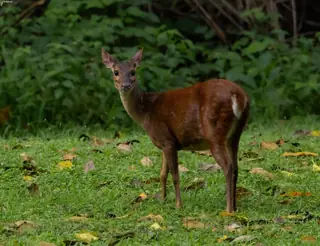 Central American Red BrocketRare
Reptiles and amphibians 8
-
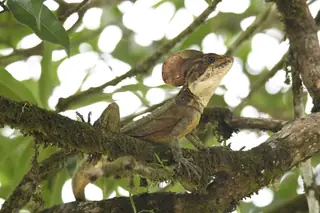 Western Basilisk
-
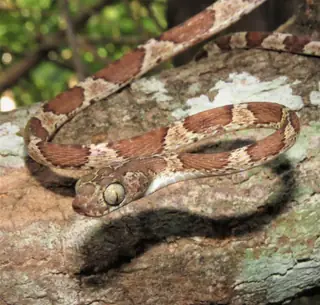 Blunt-headed Treesnake
-
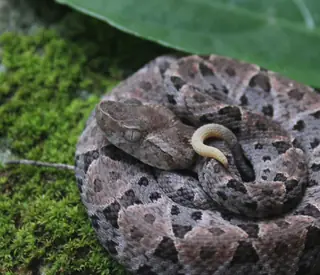 Fer-de-lanceRare
-
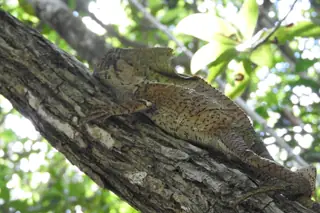 Helmeted IguanaRare
-
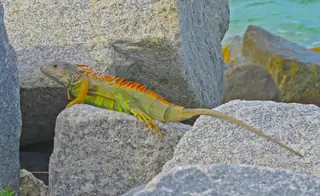 Green IguanaRare
-
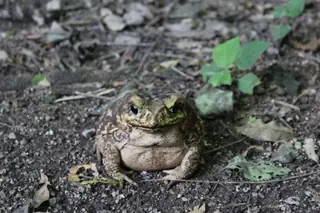 Mesoamerican Cane Toad
-
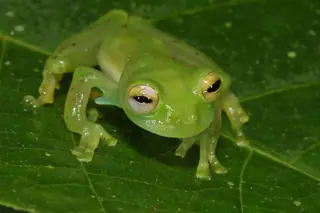 Emerald Glass Frog
-
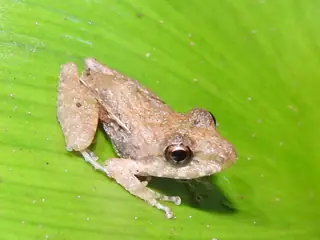 Common Tink Frog
Butterflies 3
-
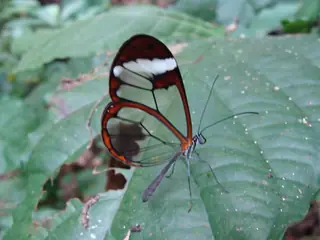 Glasswing
-
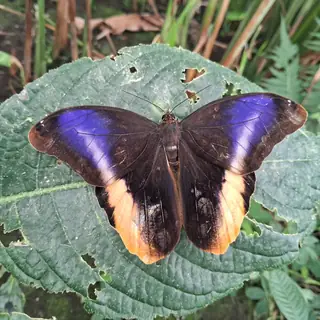 Yellow-edged Giant Owl
-
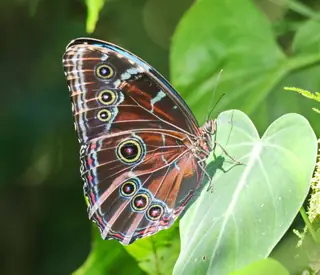 Blue Morpho
Best time to see wildlife in Mindo
Sightings by month in Mindo
Most records: All yearRecords from GBIF.org, adjusted for how many people record wildlife each month. 100% is the busiest month.
Mindo is wet and green all year, with birds active in every month. June to September is usually the drier season, with clearer mornings and firmer trails. October to May is wetter, with heavy afternoon rain from about January to May, but mornings are often fine and birding stays good. Many birds breed in the wetter months, and the cock-of-the-rock leks are active through the year. Northern migrants, such as Blackburnian warbler and Swainson's thrush, are present from about October to April. The upper Tandayapa valley and Yanacocha are cool and often misty, so bring layers.
- Jun to SepDrier, clearer mornings
- Oct to DecShowers return, migrants arrive
- Jan to MayWettest, afternoon downpours
Tips for spotting wildlife in Mindo
- 01
Start at first light
Birds are most active in the first hours after dawn, before the afternoon mist and rain. Lek visits and feeder sessions usually start before 6am.
- 02
Spread out by altitude
Yanacocha, Tandayapa, Mindo and Milpe each sit at a different height and hold different birds. A day at each gives a far longer list than staying in one place.
- 03
Sit at the feeders
Many lodges and cafés in Mindo and Tandayapa keep hummingbird feeders. Sit quietly and watch for half an hour; new species keep arriving.
- 04
Book a guided night walk
Night walks find kinkajous, frogs, sleeping birds and snakes. Choose a guide who keeps torch beams off the animals' eyes and does not handle frogs.
- 05
Hire a local guide
Mindo has many trained bird guides who know the calls and the private reserves. They turn a misty morning of glimpses into a long list.

Take Mindo with you
Tick off toucan barbets, sylphs and dozens of hummingbirds in Mindo with Wilder. It works offline in the cloud forest and is free to start.

Mindo wildlife FAQ
Is Mindo good for birdwatching?
Yes, it is one of the best places in South America. The Mindo area has topped the world's Christmas Bird Counts, with over 400 species recorded in a single day, and is a globally Important Bird Area. Visitors without much experience still see toucans, tanagers and dozens of hummingbirds at feeders. This checklist covers 121 animals.
How do you get from Quito to Mindo?
Mindo is about two hours from Quito by road, by bus or private car, via the main road to the coast. Birders often take the old Nono road instead, which winds through the Tandayapa valley past cloud forest and lodges. Many visitors stay two or three nights.
Can you see antpittas in Mindo?
Yes. Giant, moustached, yellow-breasted and ochre-breasted antpittas are all on this checklist, but they are shy birds of the forest floor and most are heard more than seen. Some private reserves near Mindo have trained wild antpittas to come for worms. If you visit one, follow the guide, stay quiet, keep back and do not use flash.
What is the difference between Mindo and Tandayapa?
Tandayapa is a valley higher up the same slope, between about 1,700 and 2,300 metres, with cooler cloud forest, lodges and feeders. Mindo is lower and warmer, around 1,250 metres, with a small town, more visitors and different birds. Most birders visit both.
Sources
- Audubon: Christmas Bird Counting in Mindo, Ecuador
- BirdLife DataZone: Mindo and western foothills of Volcán Pichincha IBA
- Sightings by month: GBIF.org
Animal photos are from the Wilder catalogue; photo credits.
Similar checklists
All South and Central America-
 Region134animals Ecuadorian Amazon: Yasuní, the Napo and Cuyabeno Orellana and Sucumbíos, Ecuador Blackwater lagoons and some of the richest rainforest on Earth: pink river dolphins, hoatzins, more than a dozen kinds of monkey and parrots crowding the clay licks. Best time All year
-
 Island70animals Galápagos Islands Galápagos Province, Ecuador Volcanic islands where the animals barely notice you: giant tortoises, marine iguanas, dancing boobies and sea lions on every beach. Best time All year
-
 Reserve107animals Monteverde Cloud Forest Monteverde, Puntarenas, Costa Rica Misty cloud forest on the Continental Divide, home to the resplendent quetzal, the bonging call of the bellbird and hummingbirds by the dozen. Best time Feb to May
-
 National park130animals Manu National Park and the Manu Road Cusco and Madre de Dios, Peru One road drops from Andean grassland through cloud forest to the Amazon: cock-of-the-rock leks, macaw clay licks and giant otters on the oxbow lakes. Best time May to Oct