National park · Cusco and Madre de Dios · Peru
Manu National Park Wildlife Checklist

Manu National Park in southeast Peru runs from Andean grassland near 4,000 metres down through cloud forest to lowland Amazon rainforest. A trip down the Manu Road brings cock-of-the-rock leks, hummingbirds and woolly monkeys, then macaw clay licks, giant otters and black caimans in the lowlands. This checklist covers 130 animals. May to October, the drier season, is the easiest time to go.
Tick off all 130 animals in Manu on your phone, even offline. Launching soon. Free A4 PDF, no sign-up.
Most trips start in Cusco and take the dirt road over the Acjanaco pass and down the Kosñipata valley, stopping at cloud forest lodges before continuing by boat from Atalaya to the lowland lodges, Boca Manu and, with a licensed operator, the reserved zone of the park.
- Animals to find
- 130
- Where
- Peru
- Best time
- May to Oct
- Monkey species on the list
- Eleven
Popular animals in Manu
-
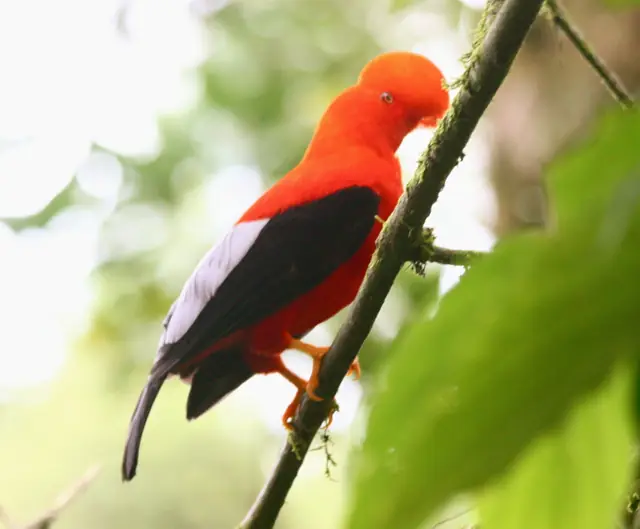
Andean Cock-of-the-rock
Rupicola peruvianus
Peru's national bird. Males in brilliant red gather at leks in the cloud forest and display at dawn; a managed hide on the Manu Road gives quiet views.
-
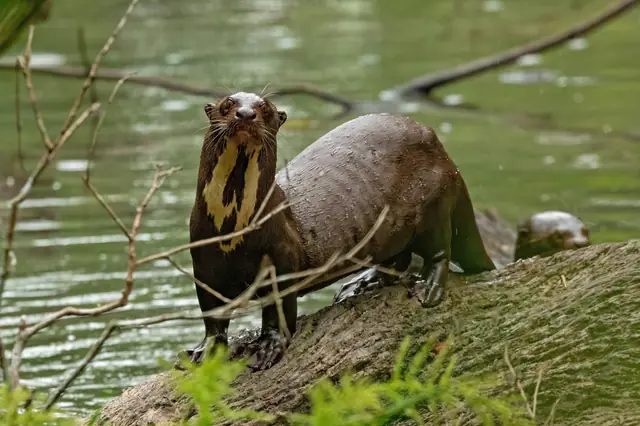
Giant Otter
Pteronura brasiliensis
Family groups fish on the oxbow lakes of the reserved zone, watched from the park's catamarans. Keep well back from their dens.
-
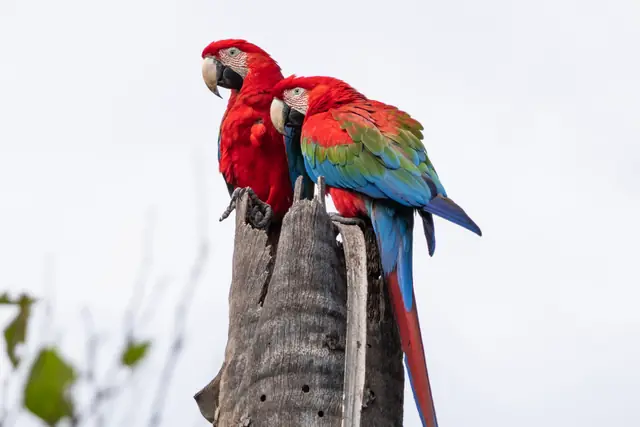
Red-and-green Macaw
Ara chloropterus
Big, deep red macaws that gather with parrots at the lowland clay licks on dry mornings, watched from lodge hides.
-
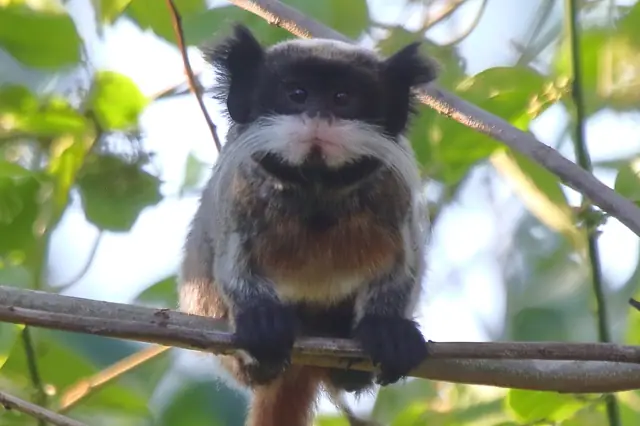
Emperor Tamarin
Saguinus imperator
A tiny monkey with a long white moustache, often travelling with saddle-back tamarins through the lowland forest.
-
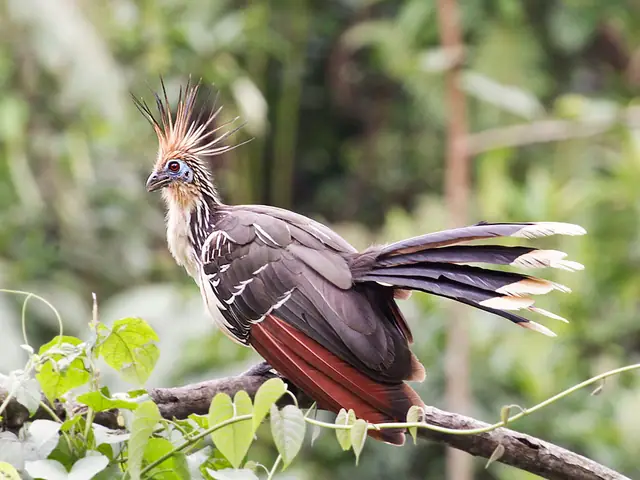
Hoatzin
Opisthocomus hoazin
A wheezing, leaf-eating bird of the lake edges, with a spiky crest and a blue face.
-
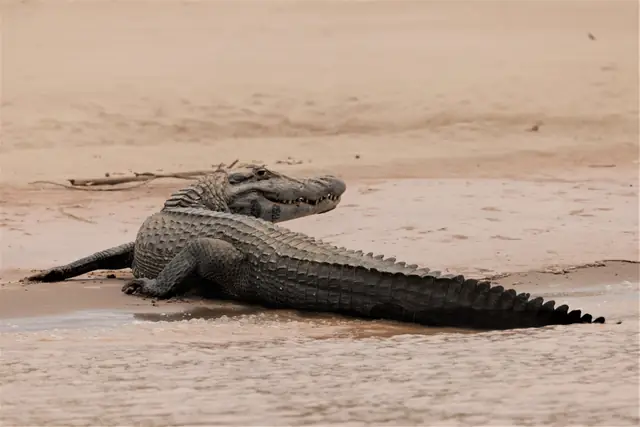
Black Caiman
Melanosuchus niger
The largest caiman, on the oxbow lakes. Its eyes glow red in the torch beam from the boat after dark.
-
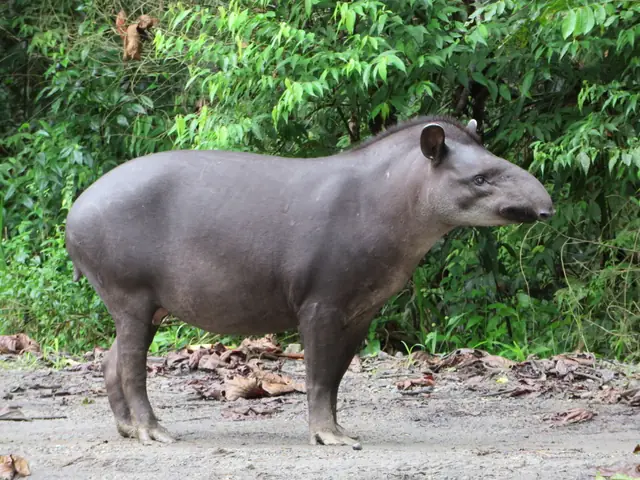
South American Tapir
Tapirus terrestris
South America's largest land mammal. It visits mineral licks at night, where some lodges have hides.
-
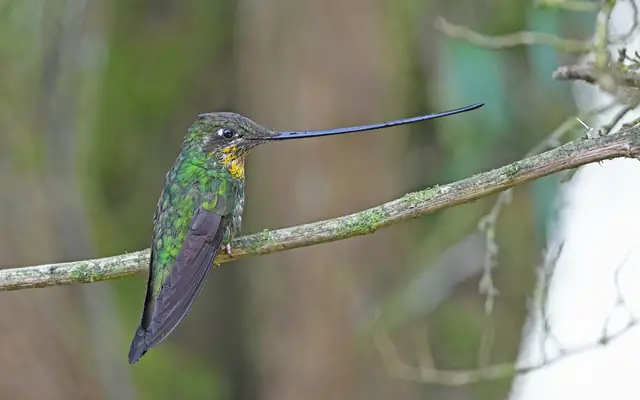
Sword-billed Hummingbird
Ensifera ensifera
The only bird with a bill longer than its body, feeding at long, hanging flowers in the upper cloud forest.
-
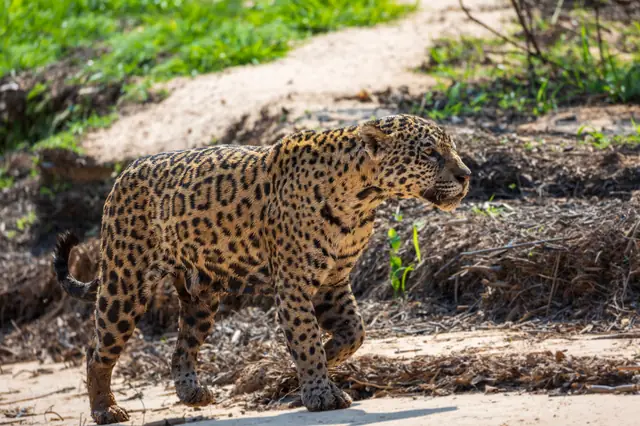
Jaguar
Panthera onca
Present but never easy. Sometimes seen resting on river beaches from the boat when the rivers are low.
-
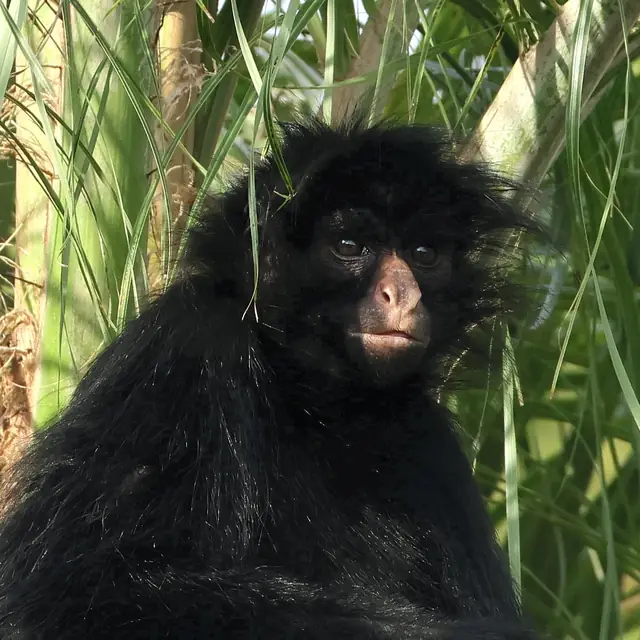
Peruvian Spider Monkey
Ateles chamek
Long-limbed and black, swinging through the canopy of tall lowland forest, often in loose groups.
All 130 animals in Manu
Big mammals 12
-
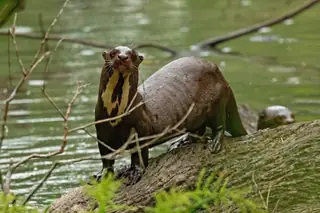 Giant Otter
-
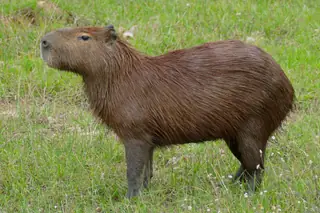 Capybara
-
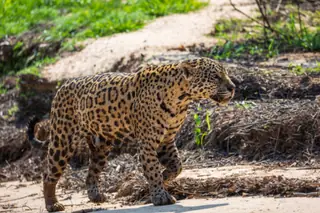 Jaguar
-
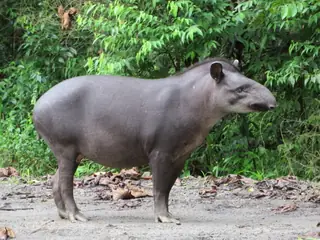 South American Tapir
-
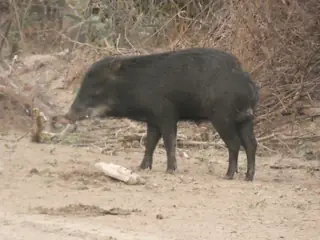 White-lipped Peccary
-
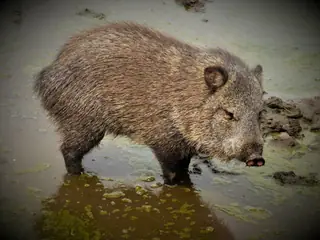 Collared Peccary
-
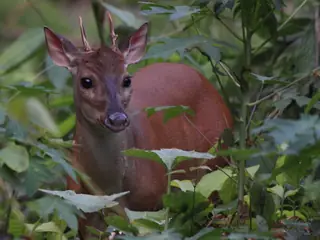 Red Brocket
-
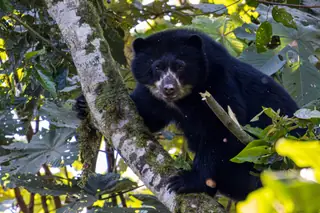 Spectacled BearRare
-
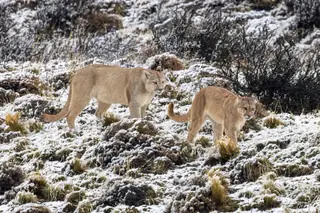 Cougar (Mountain Lion)Rare
-
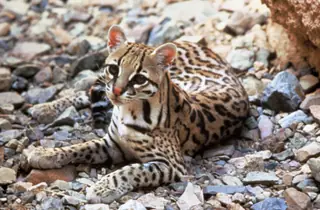 OcelotRare
-
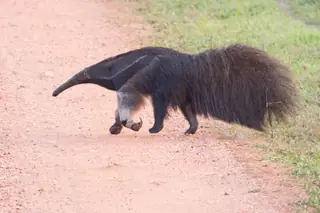 Anteater (Giant)Rare
-
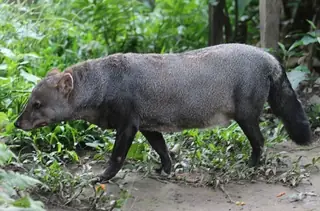 Short-eared DogRare
Monkeys 11
-
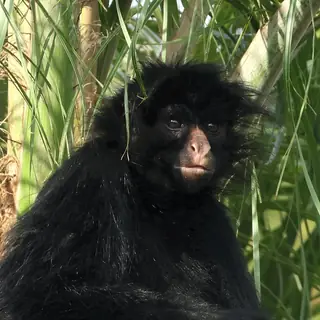 Peruvian Spider Monkey
-
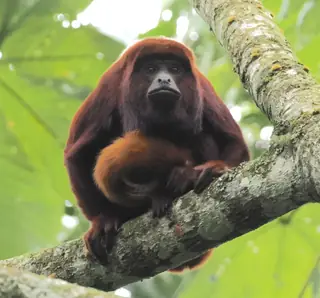 Red Howler Monkey
-
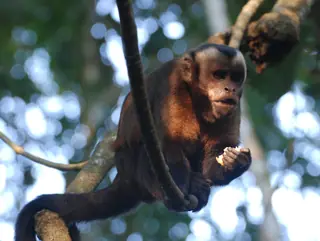 Large-headed Capuchin
-
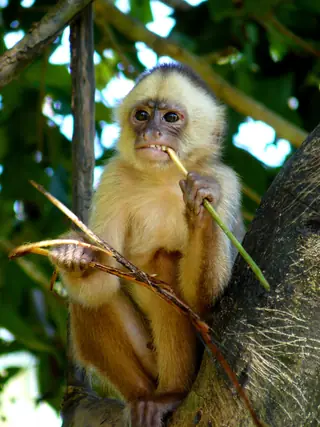 White-fronted Capuchin
-
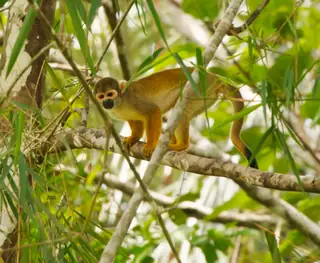 Bolivian Squirrel Monkey
-
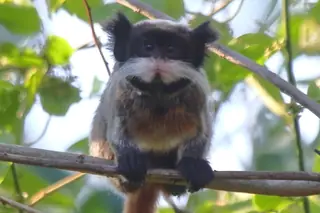 Emperor Tamarin
-
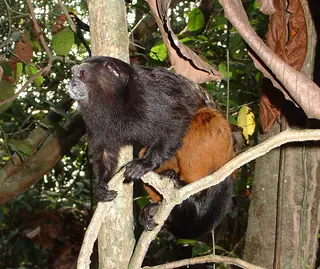 Weddell's Saddle-back Tamarin
-
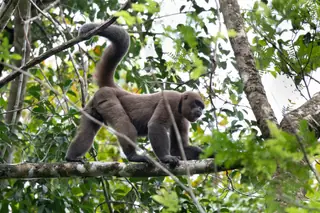 Common Woolly Monkey
-
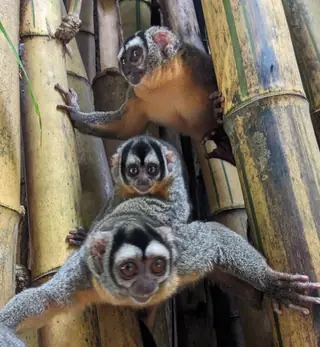 Black-headed Night Monkey
-
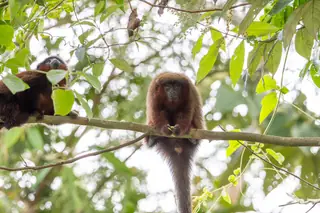 Toppin's Titi
-
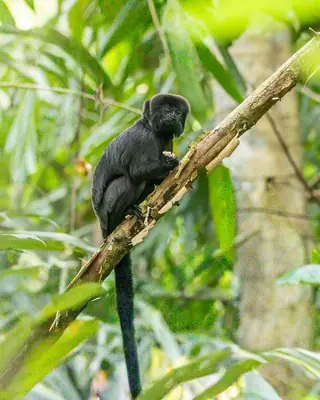 Goeldi's MonkeyRare
Smaller mammals 11
-
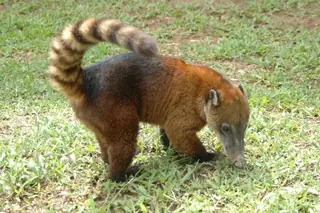 South American Coati
-
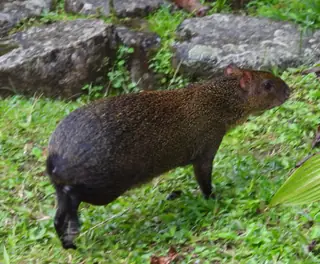 Brown Agouti
-
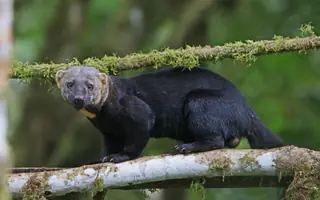 Tayra
-
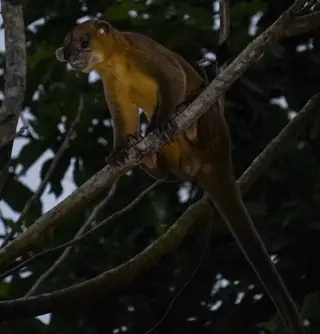 Kinkajou
-
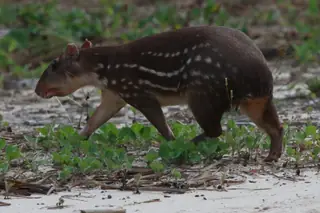 Lowland Paca
-
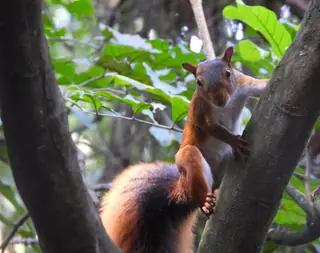 Southern Amazon Red Squirrel
-
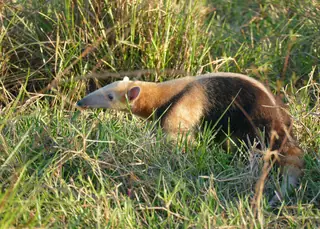 Southern Tamandua
-
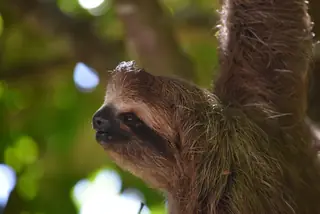 Brown-throated Three-toed Sloth
-
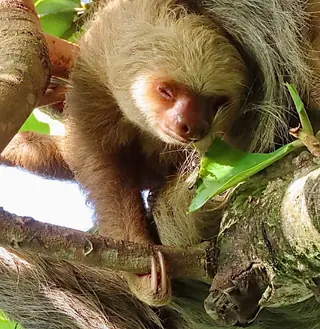 Hoffmann's Two-toed Sloth
-
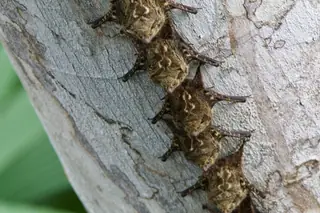 Proboscis Bat
-
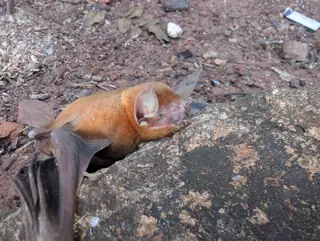 Greater Bulldog Bat
Macaws and parrots 10
-
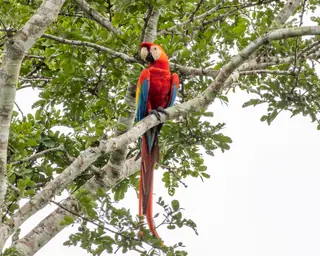 Scarlet Macaw
-
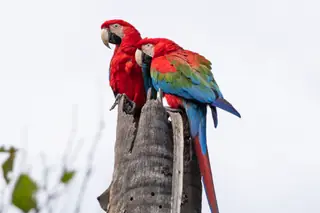 Red-and-green Macaw
-
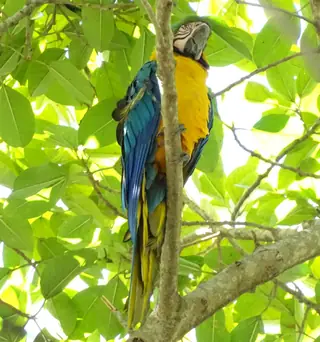 Blue-and-yellow Macaw
-
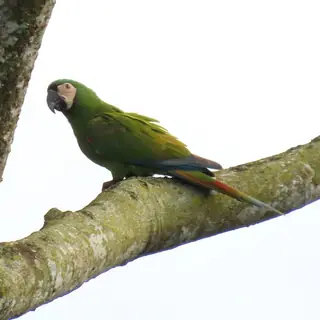 Chestnut-fronted Macaw
-
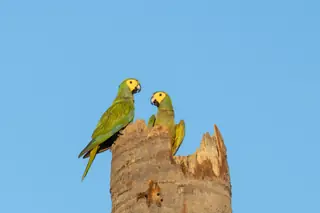 Red-bellied Macaw
-
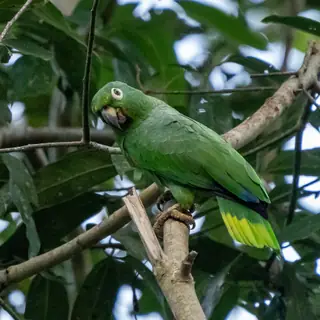 Mealy Amazon
-
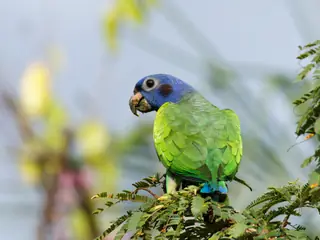 Blue-headed Parrot
-
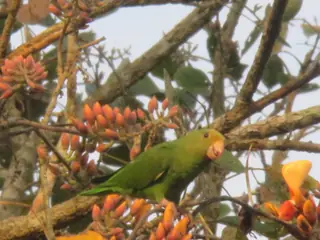 Cobalt-winged Parakeet
-
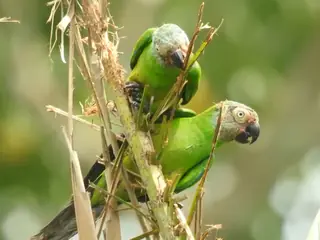 Dusky-headed Parakeet
-
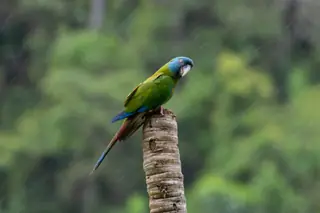 Blue-headed MacawRare
Cloud forest birds 17
-
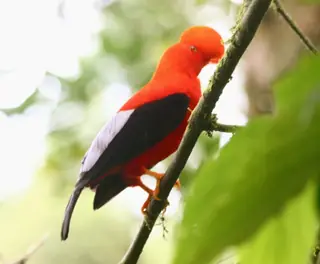 Andean Cock-of-the-rock
-
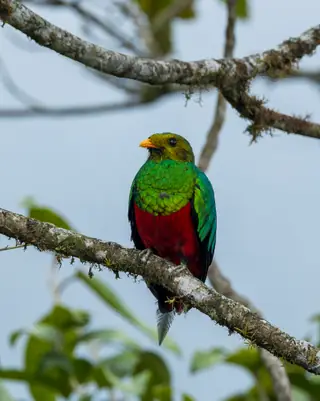 Golden-headed Quetzal
-
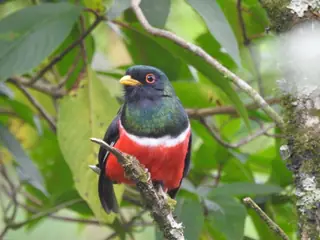 Masked Trogon
-
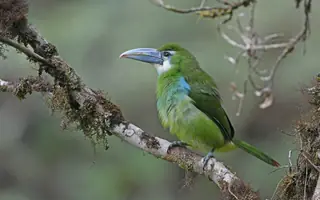 Blue-banded Toucanet
-
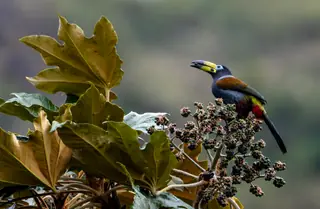 Hooded Mountain Toucan
-
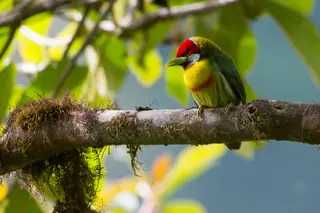 Versicoloured Barbet
-
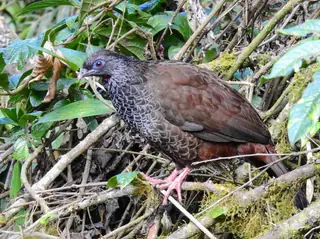 Andean Guan
-
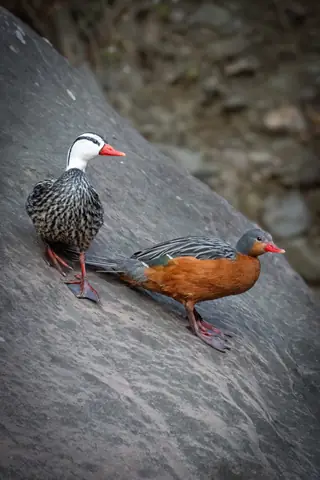 Torrent Duck
-
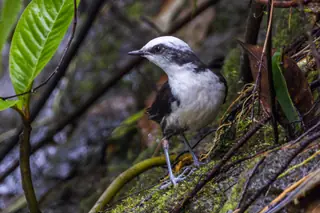 White-capped Dipper
-
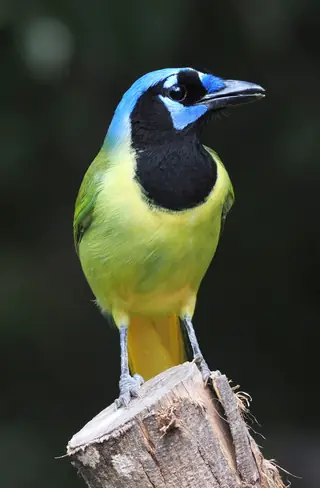 Green Jay
-
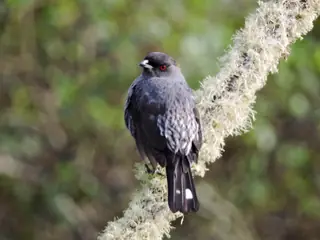 Red-crested Cotinga
-
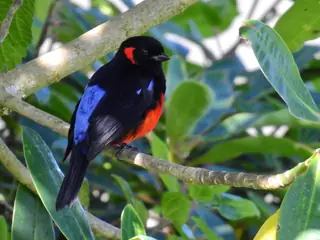 Scarlet-bellied Mountain Tanager
-
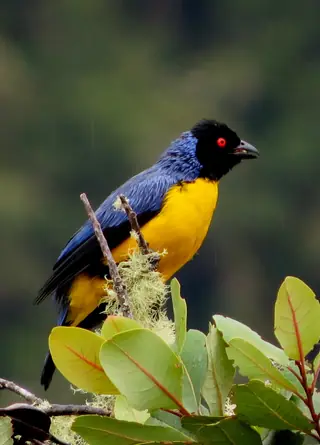 Hooded Mountain Tanager
-
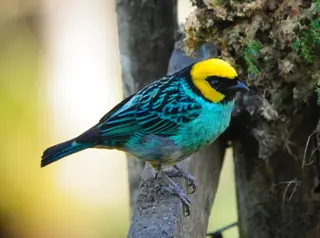 Saffron-crowned Tanager
-
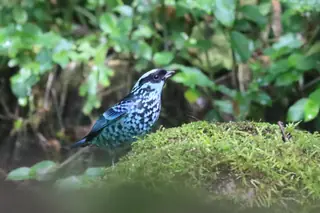 Beryl-spangled Tanager
-
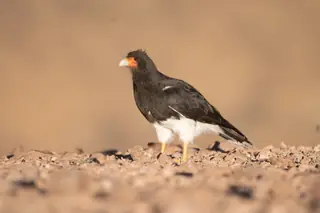 Mountain Caracara
-
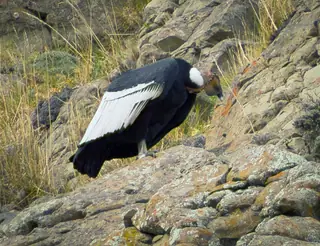 Andean CondorRare
Hummingbirds 7
-
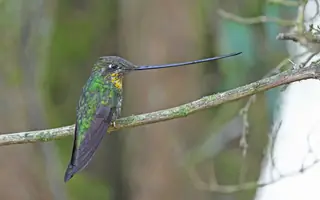 Sword-billed Hummingbird
-
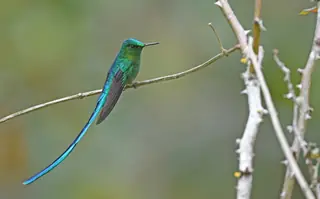 Long-tailed Sylph
-
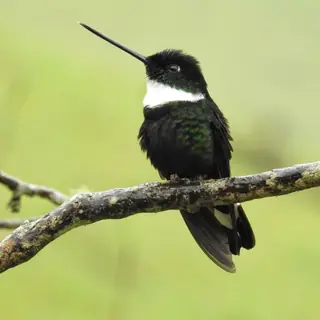 Collared Inca
-
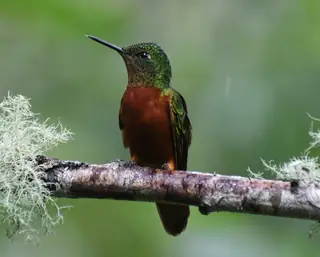 Chestnut-breasted Coronet
-
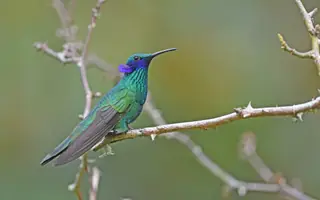 Sparkling Violetear
-
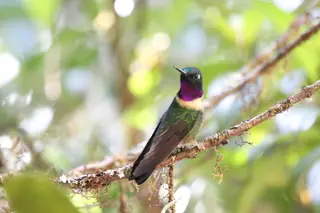 Amethyst-throated Sunangel
-
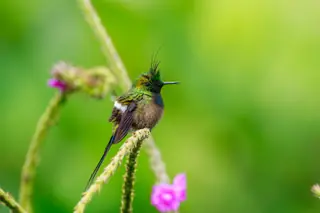 Wire-crested Thorntail
Lowland forest birds 20
-
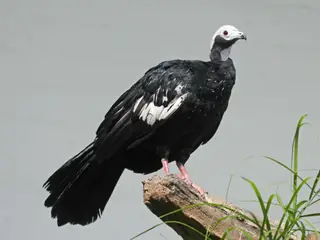 Blue-throated Piping Guan
-
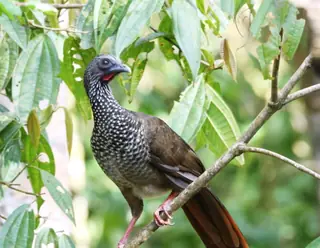 Speckled Chachalaca
-
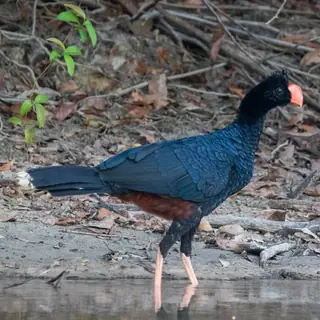 Razor-billed Curassow
-
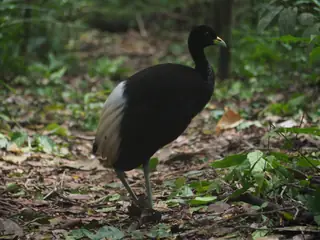 Pale-winged Trumpeter
-
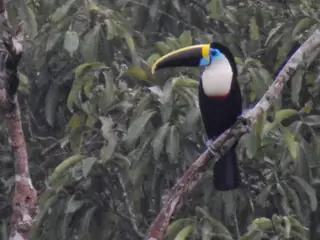 White-throated Toucan
-
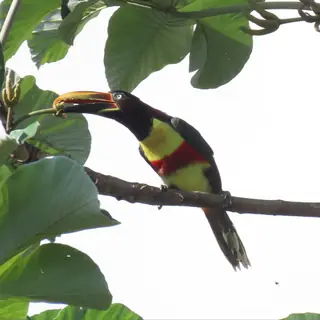 Chestnut-eared Aracari
-
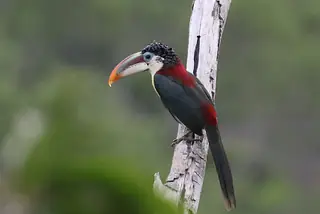 Curl-crested Aracari
-
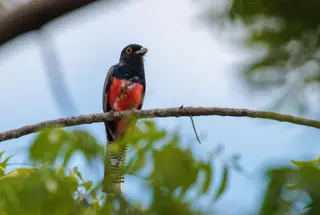 Blue-crowned Trogon
-
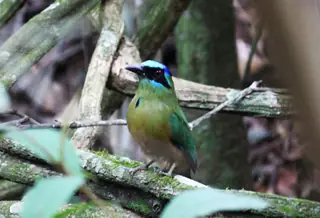 Amazonian Motmot
-
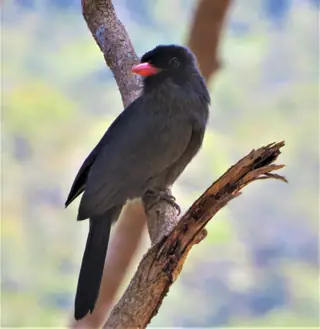 Black-fronted Nunbird
-
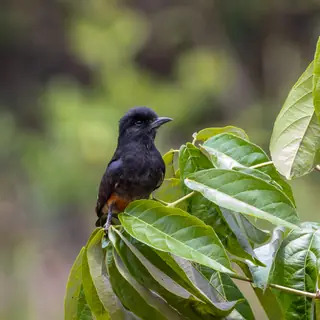 Swallow-winged Puffbird
-
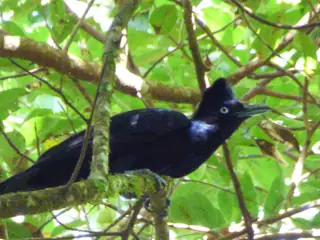 Amazonian Umbrellabird
-
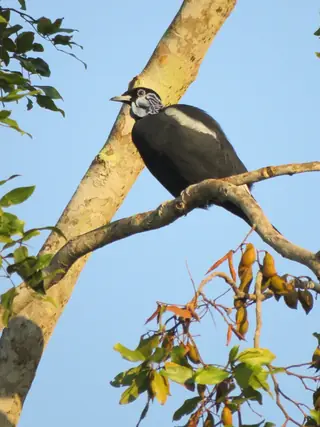 Bare-necked Fruitcrow
-
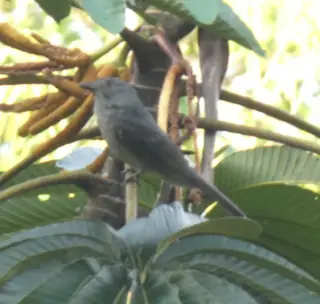 Screaming Piha
-
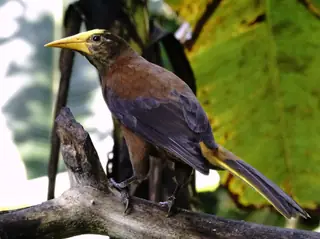 Russet-backed Oropendola
-
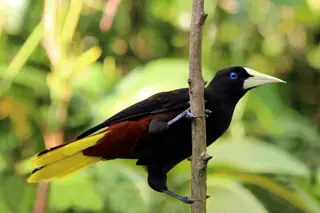 Crested Oropendola
-
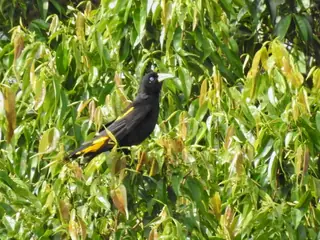 Yellow-rumped Cacique
-
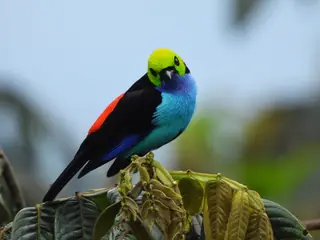 Paradise Tanager
-
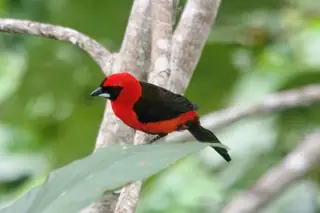 Masked Crimson Tanager
-
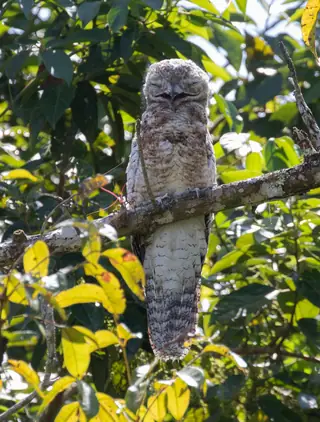 Great Potoo
Birds of prey 7
-
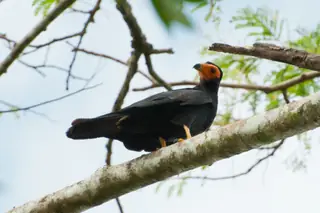 Black Caracara
-
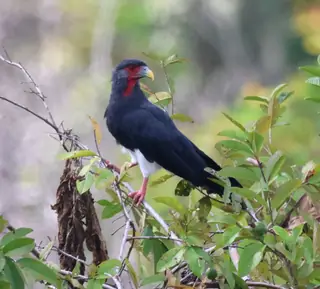 Red-throated Caracara
-
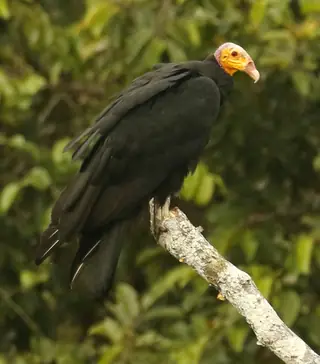 Greater Yellow-headed Vulture
-
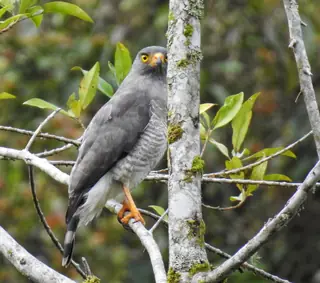 Roadside Hawk
-
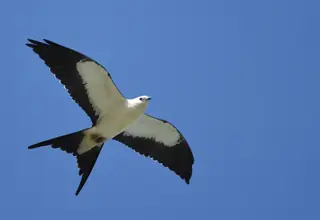 Swallow-tailed Kite
-
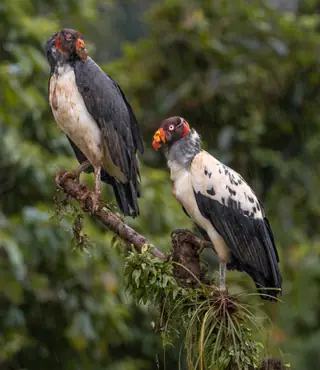 King Vulture
-
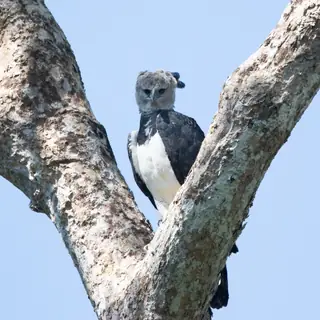 Harpy EagleRare
River and lake birds 17
-
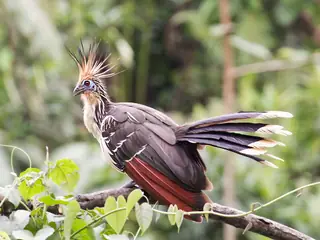 Hoatzin
-
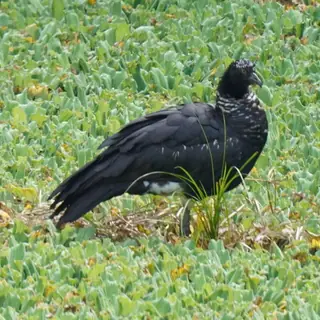 Horned Screamer
-
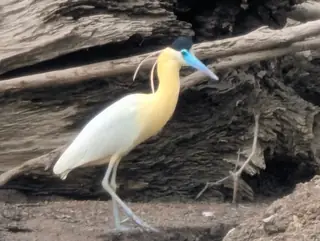 Capped Heron
-
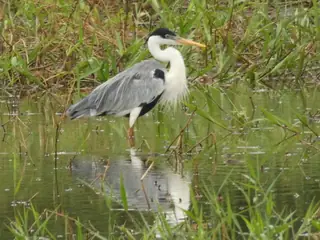 Cocoi Heron
-
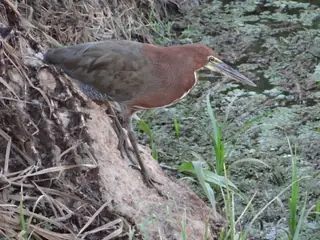 Rufescent Tiger Heron
-
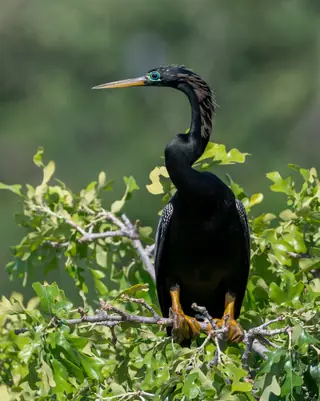 Anhinga
-
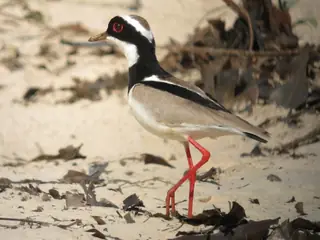 Pied Plover
-
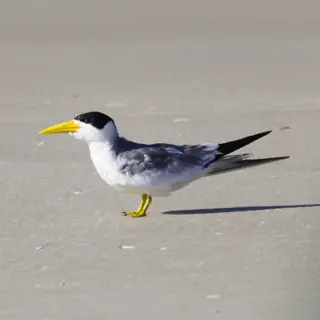 Large-billed Tern
-
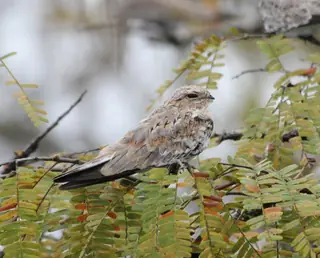 Sand-coloured Nighthawk
-
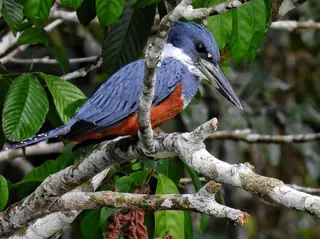 Ringed Kingfisher
-
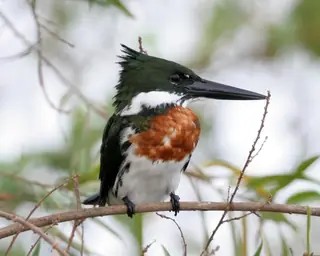 Amazon Kingfisher
-
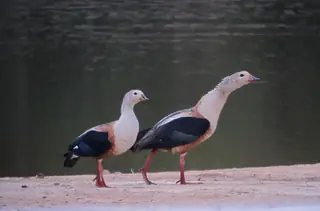 Orinoco Goose
-
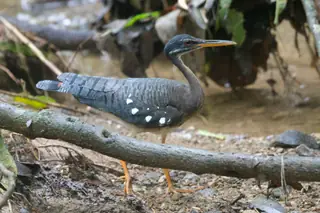 Sunbittern
-
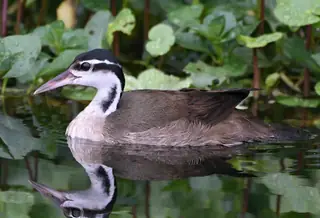 Sungrebe
-
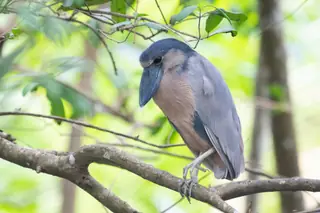 Boat-billed Heron
-
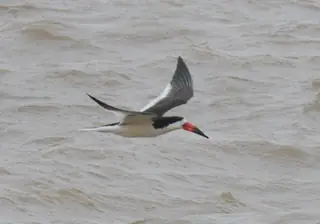 Black Skimmer
-
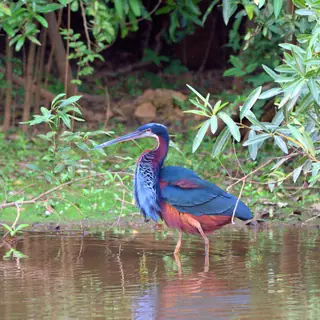 Agami HeronRare
Reptiles and amphibians 15
-
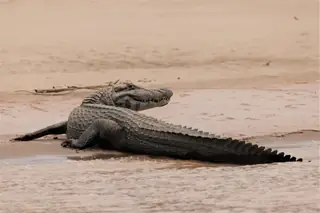 Black Caiman
-
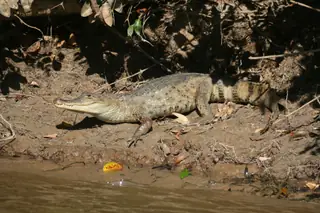 Spectacled Caiman
-
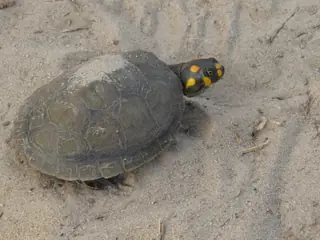 Yellow-spotted River Turtle
-
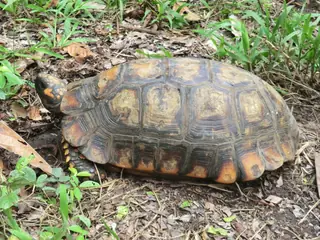 Yellow-footed Tortoise
-
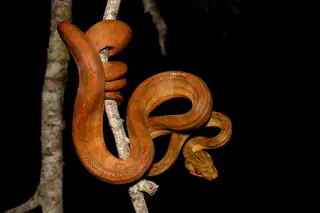 Amazon Tree Boa
-
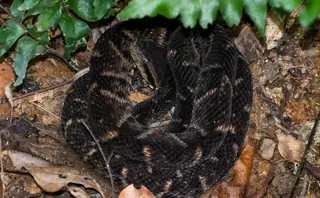 Common Lancehead
-
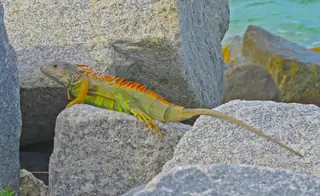 Green Iguana
-
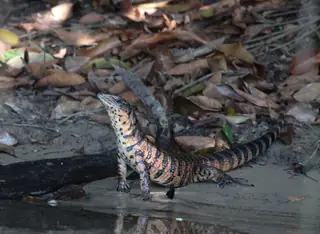 Gold Tegu
-
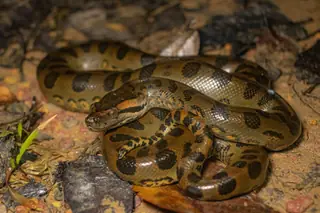 Green AnacondaRare
-
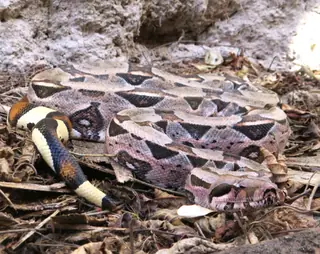 Boa ConstrictorRare
-
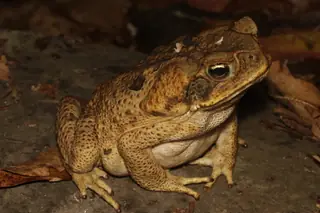 Cane Toad
-
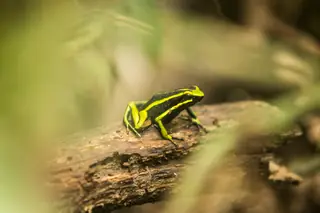 Three-striped Poison Frog
-
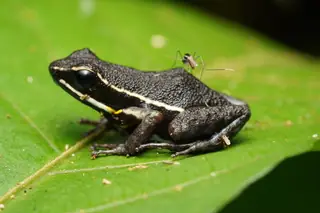 Yurimaguas Poison Frog
- Brilliant-thighed Poison Frog
-
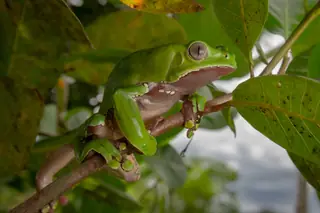 Giant Monkey Frog
Butterflies and fish 3
-
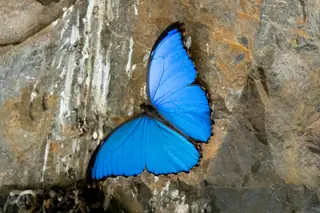 Menelaus Blue Morpho
-
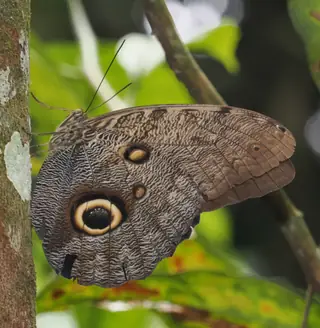 Forest Giant Owl
-
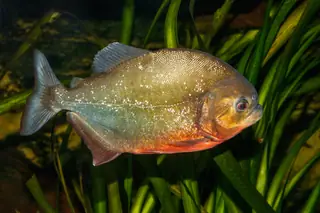 Red-bellied Piranha
Best time to see wildlife in Manu
Sightings by month in Manu
Most records: Apr to FebRecords from GBIF.org, adjusted for how many people record wildlife each month. 100% is the busiest month.
Manu can be visited all year, but the drier season from May to October is the most popular. Rivers drop, exposing sandbars and beaches where caimans, capybaras and, with luck, jaguars rest, and the clay licks are busy on clear mornings. The road down from Cusco is in its best condition, and some operators only run trips to the reserved zone in these months. From June to August, friajes, cold fronts from the south, can bring a few days of chilly weather to the lowlands. The wet season, from November to April, brings heavy rain, landslides on the Manu Road, high rivers and more mosquitoes, but the cloud forest is lush and many birds are breeding. January to March is the wettest time, and some lodges close.
- May to JunRains easing, rivers falling
- Jul to AugDriest, friaje cold snaps possible
- Sep to OctLow rivers, busy clay licks
- Nov to AprWet, landslides on the road, some lodges closed
Tips for spotting wildlife in Manu
- 01
Take the road, not just the plane
Driving down from Cusco takes two days or more, but the drop through puna, cloud forest and foothills is the point of Manu. Each height has its own birds and monkeys.
- 02
Use a licensed operator for the reserved zone
Only authorised operators can take visitors into the reserved zone, where Cocha Salvador and Cocha Otorongo are. Book early for the dry season, as places are limited.
- 03
Be in the hide before sunrise
Cock-of-the-rock males display from first light, and parrots arrive at the clay licks soon after dawn. Sit still and quiet, and avoid flash.
- 04
Watch the lakes from the water
Giant otters, hoatzins and horned screamers are easiest from the park's catamarans and from canoes on the oxbow lakes. Keep voices low and let the otters come to you.
- 05
Pack for two climates
Bring a warm layer and rain gear for the cold cloud forest and pass, plus light long sleeves and repellent for the hot, humid lowlands.

Take Manu with you
Tick off cock-of-the-rocks, macaws and giant otters on the way down the Manu Road with Wilder. It works offline in the forest and is free to start.

Manu wildlife FAQ
What animals can you see in Manu National Park?
Manu is best for macaws and parrots at clay licks, giant otters, eleven kinds of monkey, caimans, capybaras and the Andean cock-of-the-rock in the cloud forest. Tapirs, peccaries and jaguars live here too but are harder to see. This checklist covers 130 animals a visitor could realistically find on a trip down the Manu Road.
What is the difference between Manu and Tambopata?
Both are lowland Amazon rainforest in Peru's Madre de Dios region, with similar animals. Manu trips usually start by road from Cusco and pass through cloud forest on the way, so they cover far more habitats and take longer. Tambopata is reached by a short flight to Puerto Maldonado and suits shorter stays.
Can you visit Manu National Park on your own?
Not really. The cultural zone along the road can be visited independently, but the reserved zone of the park can only be entered with an authorised tour operator and guide. Most visitors book a package of four to eight days from Cusco that includes transport, lodges and park permits.
How many days do you need in Manu?
Four or five days covers the cloud forest and a lowland lodge outside the park. To reach the reserved zone and its oxbow lakes, allow seven or eight days, as the journey from Cusco takes about two days each way by road and river, or one with a flight out from Boca Manu.
Can you see jaguars in Manu?
Sometimes. Jaguars are seen most often resting on river beaches from the boat in the dry season. Most visitors do not see one. For a far better chance of a jaguar, the Pantanal in Brazil is the most reliable place in South America.
Sources
- UNESCO World Heritage Centre: Manú National Park
- Manú National Park (Wikipedia)
- SERNANP: Parque Nacional del Manu
- Sightings by month: GBIF.org
Animal photos are from the Wilder catalogue; photo credits.
Similar checklists
All South and Central America-
 Reserve89animals Tambopata Madre de Dios, Peru Lowland Amazon rainforest where hundreds of macaws and parrots gather at the clay licks, and giant otters fish the oxbow lakes. Best time Apr to Oct
-
 Region123animals Madidi and the Pampas del Yacuma Rurrenabaque, Beni and La Paz, Bolivia Two trips from one river town: rainforest with macaws and spider monkeys, and the open pampas, crowded with caimans, capybaras and pink river dolphins. Best time Jun to Oct
-
 Region71animals Colca Canyon Caylloma, Arequipa, Peru One of the deepest canyons on Earth, where Andean condors ride the morning thermals and vicuñas graze the high puna on the way in. Best time Apr to Nov
-
 Region107animals Pantanal Mato Grosso and Mato Grosso do Sul, Brazil The world's largest tropical wetland and the best place on Earth to see a wild jaguar, with giant otters, caimans by the thousand and hyacinth macaws. Best time Jul to Oct