Region · Caylloma, Arequipa · Peru
Colca Canyon Wildlife Checklist

Colca Canyon, in Peru's Arequipa region, is one of the deepest canyons in the world and the most reliable place in Peru to watch wild Andean condors, which ride the morning thermals out of the canyon. Vicuñas, Andean geese and puna birds line the high road in. This checklist covers 71 animals. April to November, the dry season, is best for condors.
Tick off all 71 animals in the Colca Canyon on your phone, even offline. Launching soon. Free A4 PDF, no sign-up.
Colca is about four hours' drive north of Arequipa, over high puna that tops 4,800 metres at the Patapampa pass, before dropping to Chivay and the terraced valley.
- Animals to find
- 71
- Where
- Peru
- Best time
- Apr to Nov
- Condor wingspan
- Up to 3.3 m
Popular animals in the Colca Canyon
-
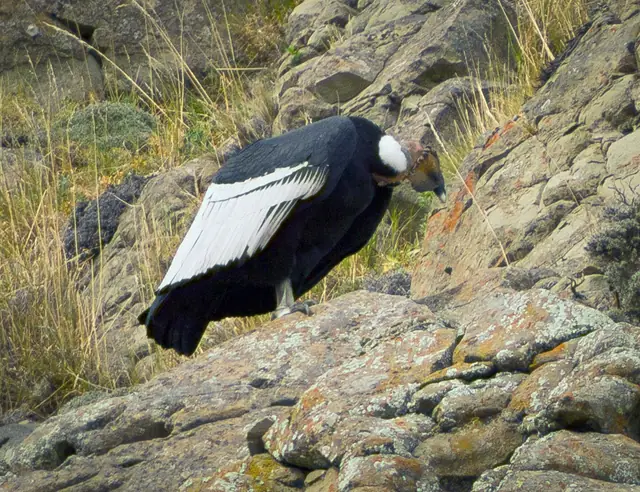
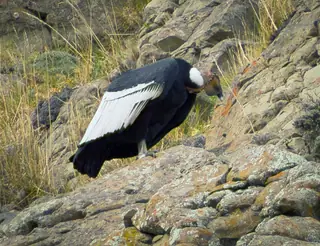
Andean Condor
Vultur gryphus
One of the largest flying birds in the world. They rise on morning thermals from the canyon, sometimes passing just overhead.
-
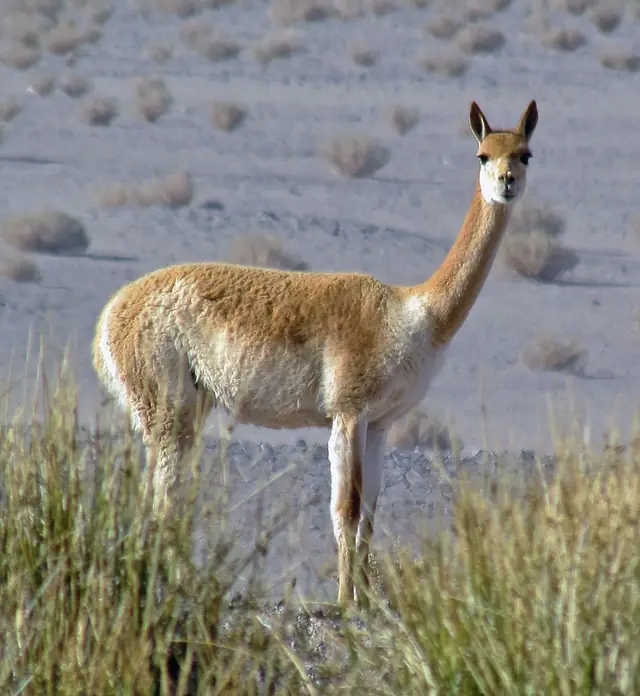
Vicuña
Lama vicugna
The wild ancestor of the alpaca, with very fine golden wool. Small herds graze the puna of the Salinas y Aguada Blanca reserve beside the road from Arequipa.
-
Giant Hummingbird
The largest hummingbird in the world, nearly the size of a swift, at flowering cactus and agave on the canyon slopes.
-
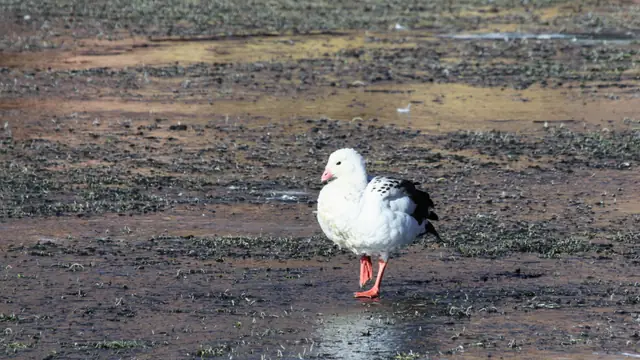
Andean Goose
Chloephaga melanoptera
A handsome white and black goose that grazes in pairs on the boggy high-altitude meadows along the road.
-
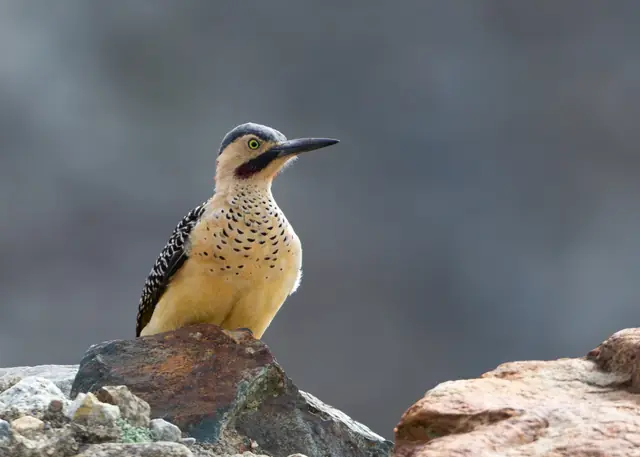
Southern Andean Flicker
Colaptes rupicola
A woodpecker that lives on the ground in a land without trees, calling loudly from stone walls and rocks.
-
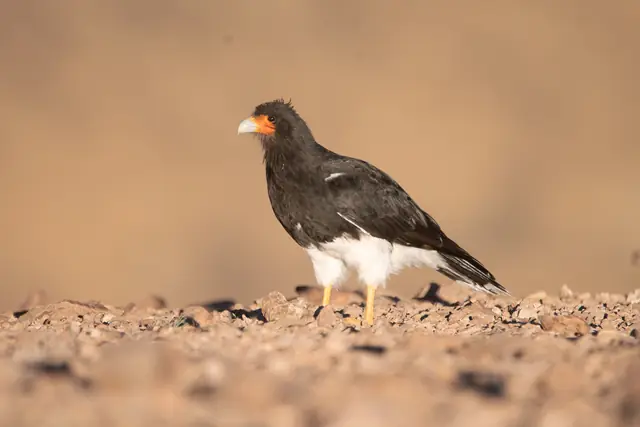
Mountain Caracara
Daptrius megalopterus
A black and white falcon relative with an orange face, walking the puna and the canyon rim.
-
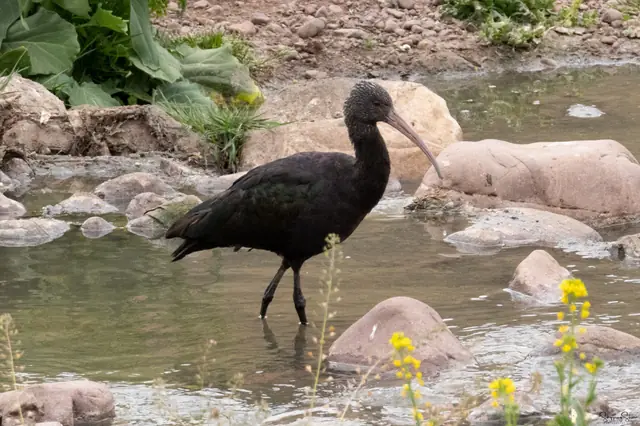
Puna Ibis
Plegadis ridgwayi
Dark, glossy flocks probe wet fields and the old Inca terraces in the valley.
-
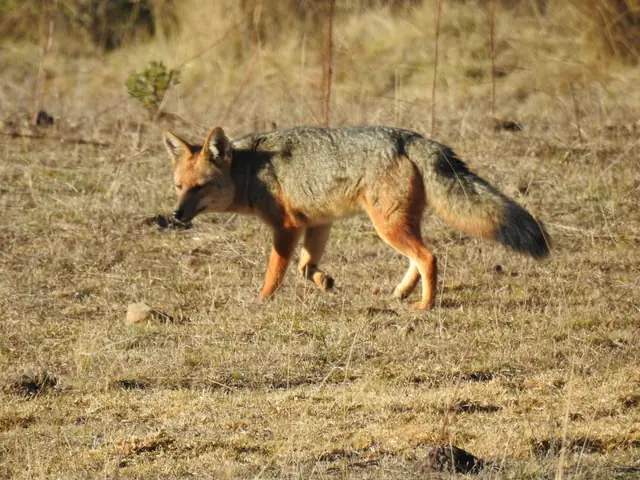
Culpeo
Lycalopex culpaeus
The Andean fox. Sometimes seen crossing the puna or the canyon terraces early and late in the day.
All 71 animals in the Colca Canyon
Condors and birds of prey 10
-
 Andean Condor
-
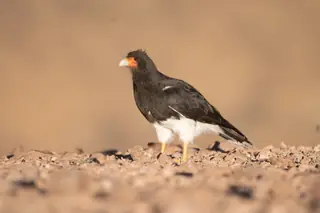 Mountain Caracara
-
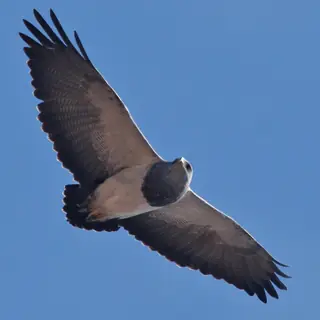 Black-chested Buzzard-eagle
-
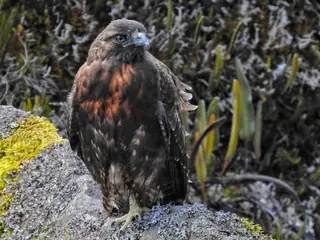 Variable Hawk
-
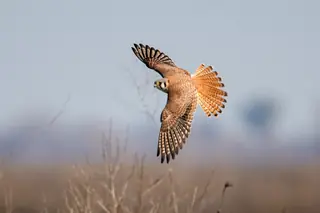 American Kestrel
-
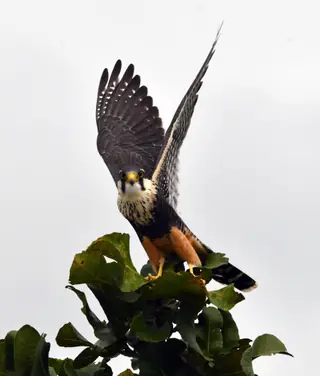 Aplomado Falcon
-
 Peregrine Falcon
-
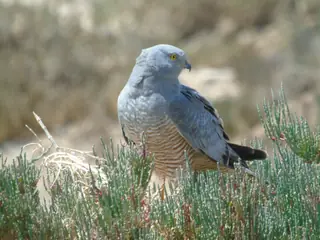 Cinereous HarrierRare
-
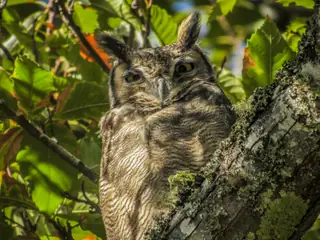 Lesser Horned OwlRare
-
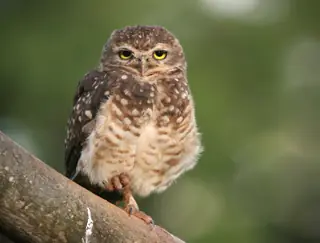 Burrowing Owl
Mammals 8
-
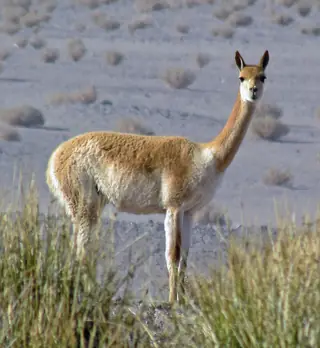 Vicuña
-
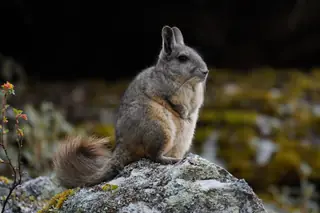 Northern Viscacha
-
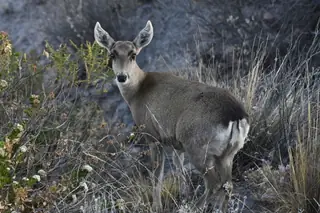 TarucaRare
-
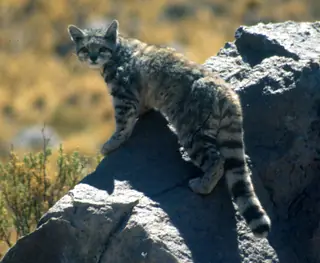 Andean CatRare
-
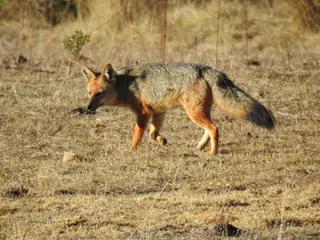 Culpeo
-
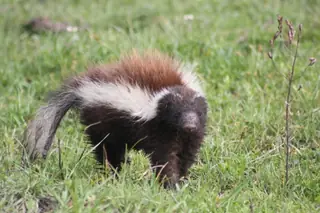 Molina's Hog-nosed Skunk
-
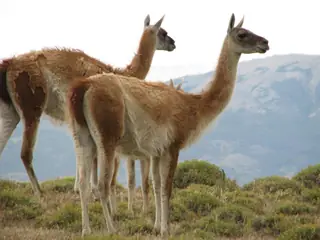 GuanacoRare
-
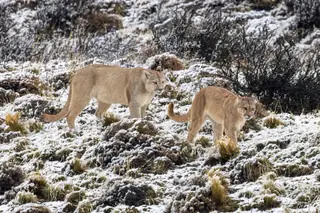 Cougar (Mountain Lion)Rare
Puna lakes and wetlands 22
-
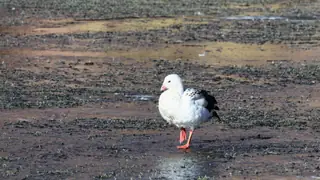 Andean Goose
-
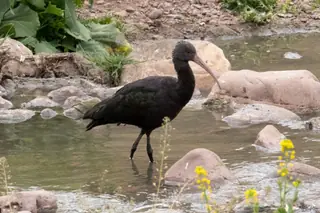 Puna Ibis
-
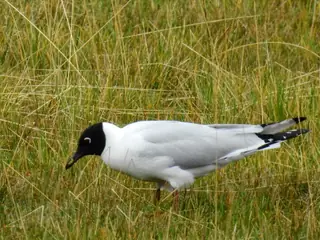 Andean Gull
-
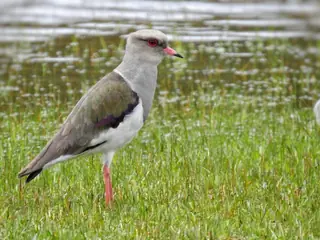 Andean Lapwing
-
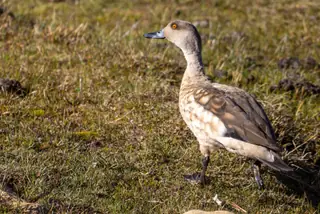 Crested Duck
-
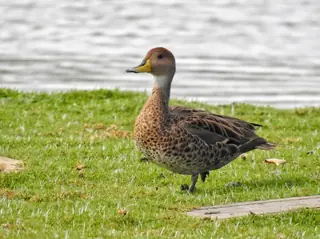 Yellow-billed Pintail
-
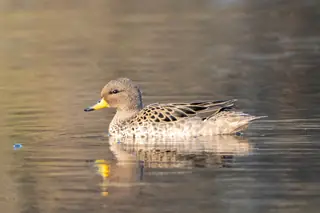 Yellow-billed Teal
-
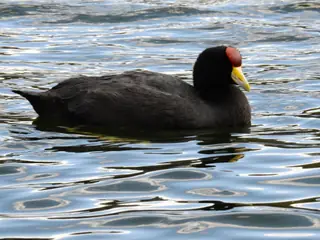 Andean Coot
-
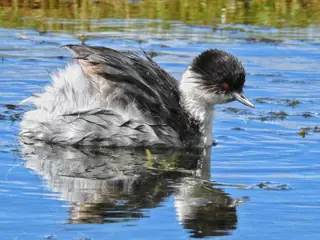 Silvery Grebe
-
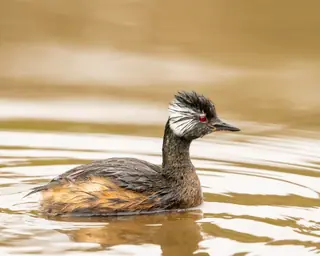 White-tufted Grebe
-
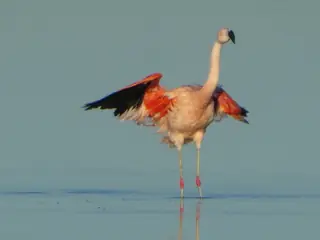 Chilean Flamingo
-
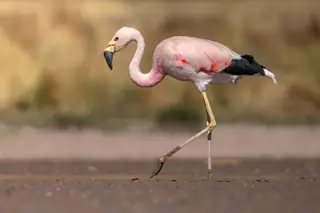 Andean Flamingo
-
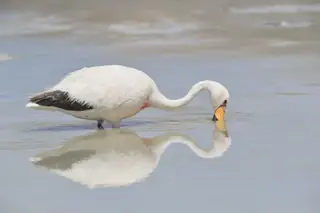 James's FlamingoRare
-
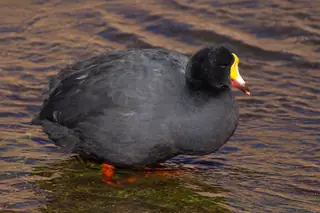 Giant Coot
-
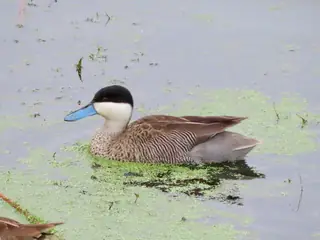 Puna Teal
-
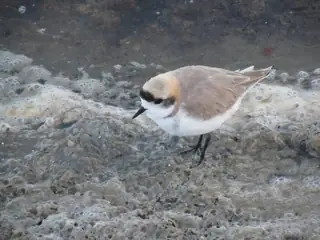 Puna Plover
-
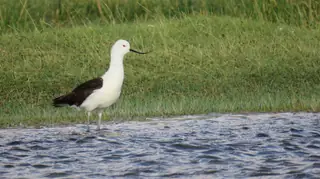 Andean Avocet
-
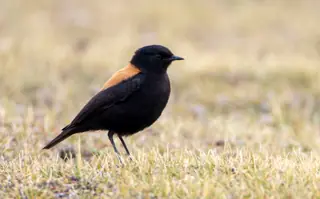 Andean Negrito
-
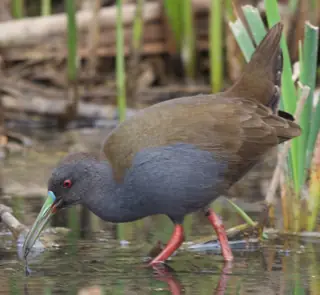 Plumbeous Rail
-
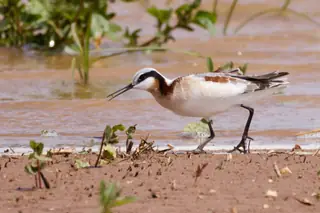 Wilson's Phalarope
-
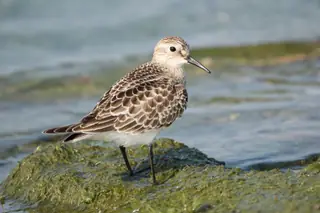 Baird's Sandpiper
-
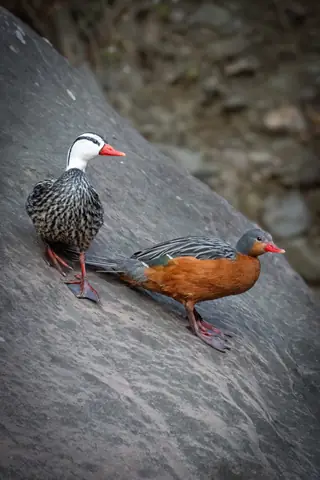 Torrent Duck
High puna birds 12
-
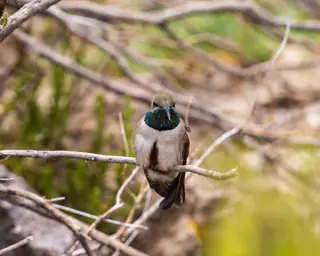 Andean Hillstar
-
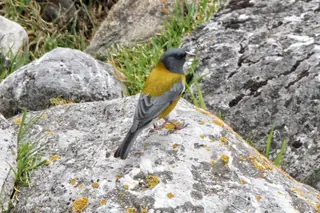 Peruvian Sierra Finch
-
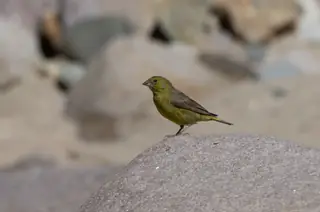 Greenish Yellow Finch
-
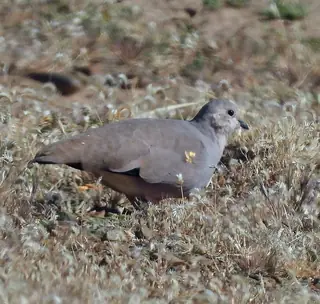 Golden-spotted Ground Dove
-
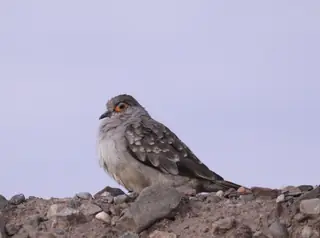 Bare-faced Ground Dove
-
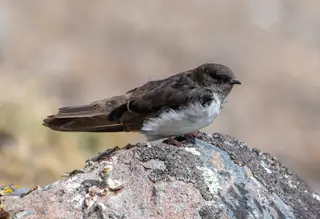 Andean Swallow
-
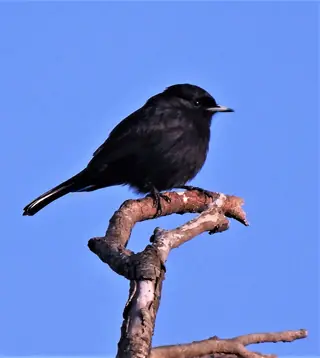 White-winged Black Tyrant
-
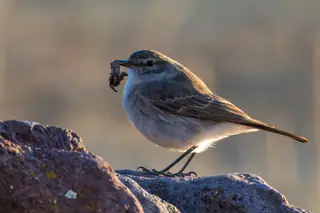 Spot-billed Ground Tyrant
-
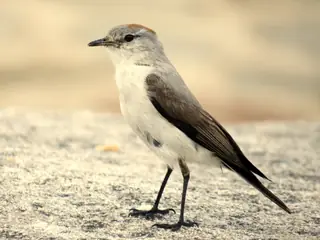 Rufous-naped Ground Tyrant
-
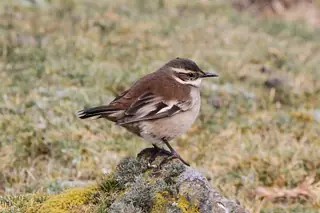 Cream-winged Cinclodes
-
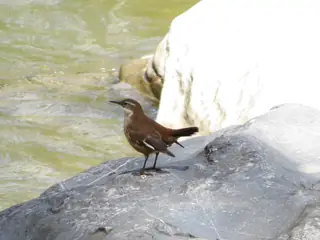 White-winged Cinclodes
-
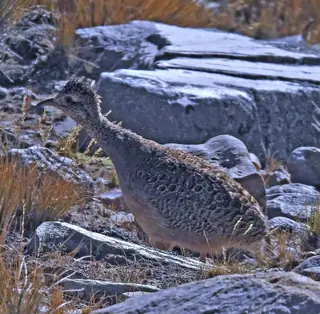 Ornate TinamouRare
Valley and canyon birds 19
-
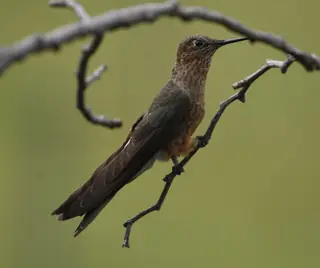 Northern Giant Hummingbird
-
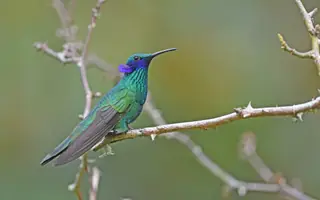 Sparkling Violetear
-
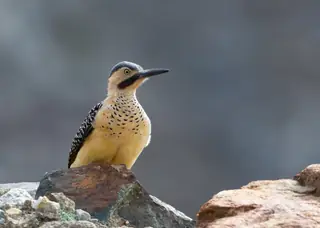 Southern Andean Flicker
-
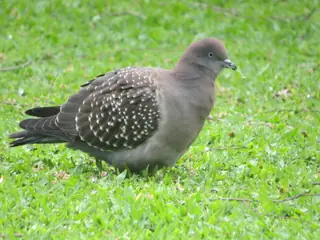 Spot-winged Pigeon
-
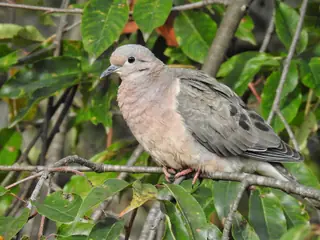 Eared Dove
-
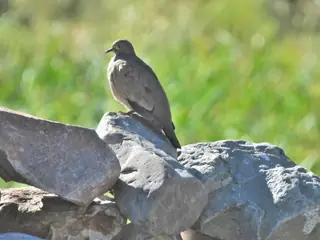 Black-winged Ground Dove
-
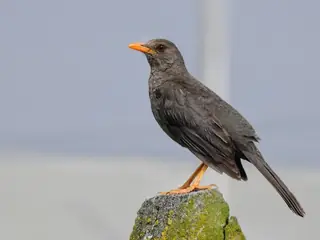 Chiguanco Thrush
-
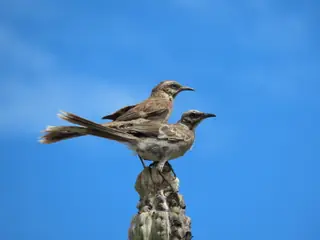 Long-tailed Mockingbird
-
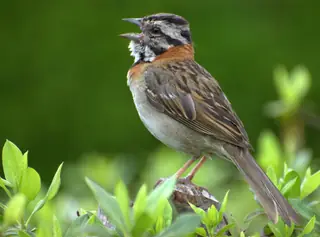 Rufous-collared Sparrow
-
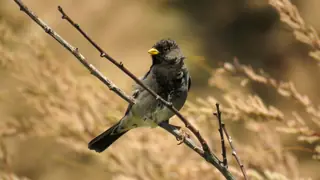 Mourning Sierra Finch
-
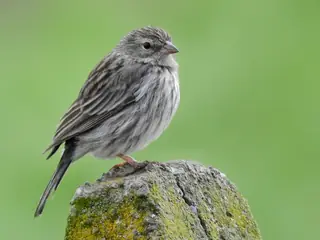 Ash-breasted Sierra-finch
-
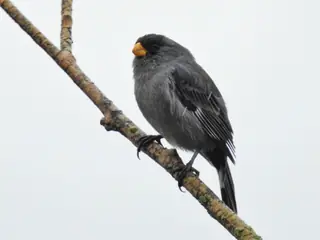 Band-tailed Seedeater
-
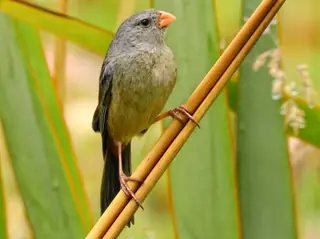 Plain-coloured Seedeater
-
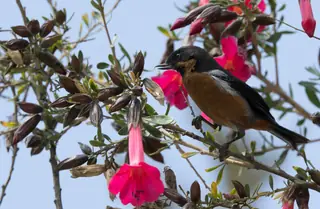 Black-throated Flowerpiercer
-
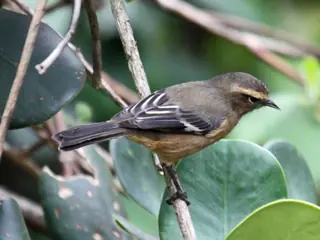 Cinereous Conebill
-
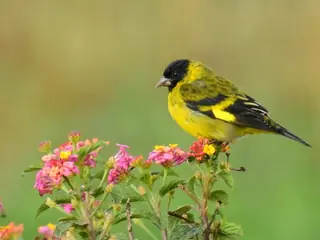 Hooded Siskin
-
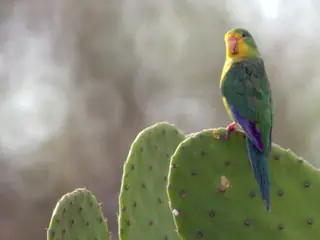 Mountain Parakeet
-
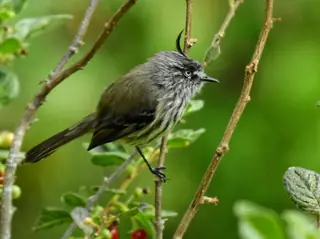 Tufted Tit-tyrant
-
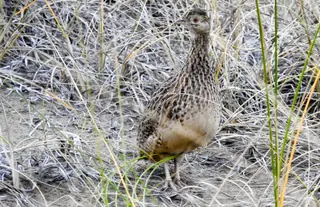 Darwin's NothuraRare
Best time to see wildlife in the Colca Canyon
Sightings by month in the Colca Canyon
Most records: All yearRecords from GBIF.org, adjusted for how many people record wildlife each month. 100% is the busiest month.
The dry season, from about April to November, brings clear skies, cold nights and the most reliable condor flights. Condors use the warming air to rise out of the canyon, so they are usually seen from about 8 to 10am, and again in the late afternoon, which is far quieter than the morning rush of tour buses. The rainy season, from December to March, brings afternoon storms and cloud in the canyon, and condors are seen less often, though mornings can still be good. Nights on the puna are below freezing for much of the dry season. The altitude is high throughout: Chivay is at about 3,600 metres and the pass on the way in is higher still.
- Apr to MayRains ending, green terraces
- Jun to AugDriest, freezing nights, busy
- Sep to NovDry, good condor flights
- Dec to MarRainy, cloud in the canyon
Tips for spotting wildlife in the Colca Canyon
- 01
Try the late afternoon
Most tours arrive at about 8am. In the dry season, condors also fly between about 3.30 and 4.30pm, when it is much quieter.
- 02
Stay behind the walls
The condors pass close on their own. Stay behind the barriers, keep the noise down and never throw food or stones to attract them.
- 03
Stop on the puna
On the road from Arequipa, ask your driver to stop where vicuñas graze in the Salinas y Aguada Blanca reserve and at the boggy meadows for Andean geese. Watch from the roadside and don't walk up to the animals.
- 04
Acclimatise first
Spend a few days in Arequipa before going up, take it slowly on the pass and drink plenty of water. Altitude sickness is common on the drive.
- 05
Stay a night in the valley
A night in Chivay, Yanque or Cabanaconde lets you start early or stay late, away from the day-trip crowds.

Take the Colca Canyon with you
Tick off condors, vicuñas and giant hummingbirds in Colca Canyon with Wilder. It works offline in the Andes and is free to start.

Colca Canyon wildlife FAQ
What is the best time to see condors in Colca Canyon?
The dry season, April to November, is best, and condors fly most reliably from about 8 to 10am and again from about 3.30 to 4.30pm. They are seen all year, but cloud and rain from December to March make sightings less certain. Avoid the middle of the day.
Can you do Colca Canyon as a day trip from Arequipa?
Yes, but it is a long day: tours leave Arequipa at about 3am to reach the canyon for the morning flights, and return in the evening. A two-day trip with a night in the valley is more relaxed, gives time for the hot springs and terraces, and allows a second condor watch.
Is Colca Canyon deeper than the Grand Canyon?
Yes, at its deepest point it is often said to be about twice as deep, though the walls are not sheer and the depth is measured from the surrounding peaks. Most visitors see the canyon from viewpoints along the road between Chivay and Cabanaconde.
What animals can you see in Colca Canyon?
Andean condors are the main draw, with vicuñas, Andean geese, puna ibises, mountain caracaras and the giant hummingbird along the way. Viscachas, rabbit-like rodents, sit on the rocks near the viewpoints, and the high road adds flamingos, giant coots and hardy puna birds. This checklist covers 71 animals.
Sources
- Aracari: Colca Canyon condors
- Fertur Travel: best time to see condors in Colca Canyon
- Sightings by month: GBIF.org
Animal photos are from the Wilder catalogue; photo credits.
Similar checklists
All South and Central America-
 Reserve55animals Paracas Reserve and the Ballestas Islands Paracas, Ica, Peru Desert meets the cold Humboldt Current: sea lions, Humboldt penguins and clouds of guano birds on the Ballestas, with flamingos in the bay. Best time All year
-
 National park130animals Manu National Park and the Manu Road Cusco and Madre de Dios, Peru One road drops from Andean grassland through cloud forest to the Amazon: cock-of-the-rock leks, macaw clay licks and giant otters on the oxbow lakes. Best time May to Oct
-
 Reserve89animals Tambopata Madre de Dios, Peru Lowland Amazon rainforest where hundreds of macaws and parrots gather at the clay licks, and giant otters fish the oxbow lakes. Best time Apr to Oct
-
 National park76animals Torres del Paine National Park Magallanes, Chile Granite towers above Patagonian steppe and glacial lakes, with guanacos on every slope, condors overhead and the best chance in the world of a wild puma. Best time Oct to Apr