Reserve · Paracas, Ica · Peru
Paracas and Ballestas Islands Wildlife Checklist

The Paracas National Reserve and the Ballestas Islands, on Peru's desert coast about 250 km south of Lima, are fed by the cold, rich Humboldt Current. A boat trip around the Ballestas passes sea lions, Humboldt penguins and huge colonies of guano birds, and flamingos feed in Paracas Bay. This checklist covers 55 animals. Wildlife is present all year; seas are calmest in the early morning.
Tick off all 55 animals in Paracas on your phone, even offline. Launching soon. Free A4 PDF, no sign-up.
Boats leave El Chaco, the small port in Paracas town, for a two-hour trip around the Ballestas, which visitors view from the water and never land on. The mainland reserve, a short drive south, has desert cliffs, beaches and the shallow bay.
- Animals to find
- 55
- Where
- Peru
- Best time
- All year
- Humboldt penguins
- On the Ballestas Islands
Popular animals in Paracas
-
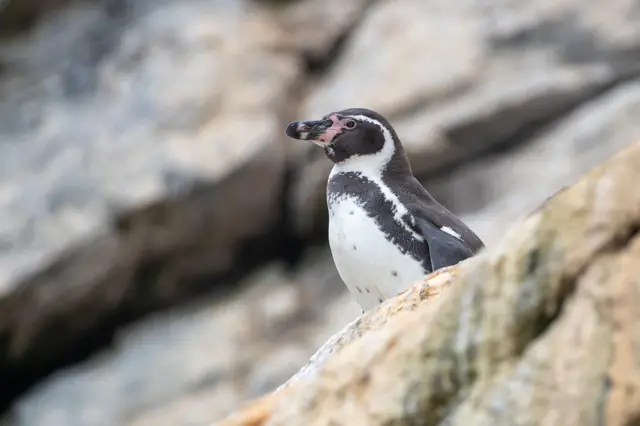
Penguin (Humboldt)
Spheniscus humboldti
A penguin of the desert coast, standing on the lower rocks of the Ballestas. Seen from the tour boats on most trips.
-
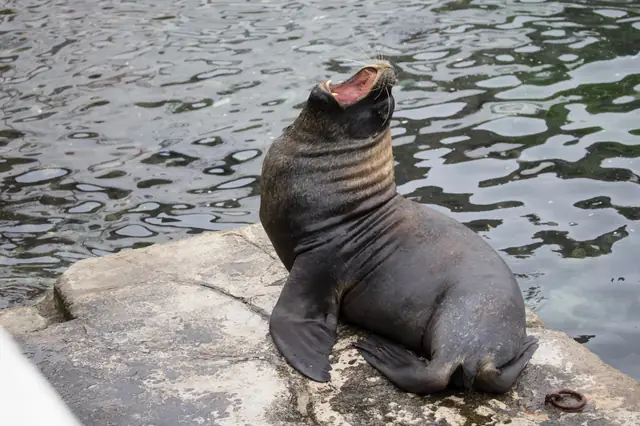
South American Sea Lion
Otaria flavescens
Hundreds haul out on the island rocks and beaches. Big bulls with lion-like manes guard harems in the southern summer.
-
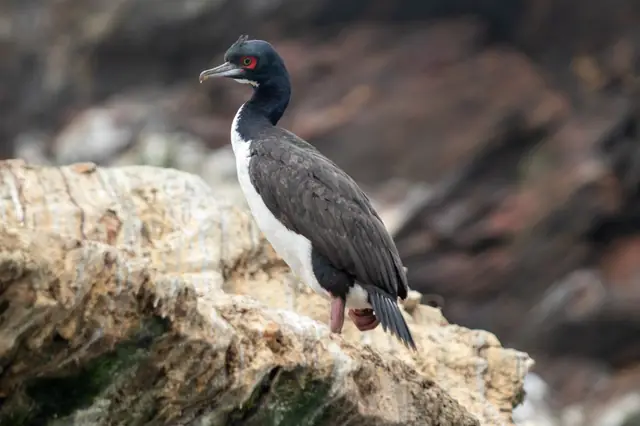
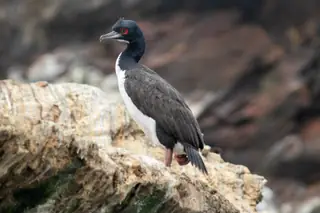
Guanay Cormorant
Leucocarbo bougainvilliorum
The main guano bird, packed in thousands on the island tops. Its droppings were once mined as a fertiliser worth a fortune.
-
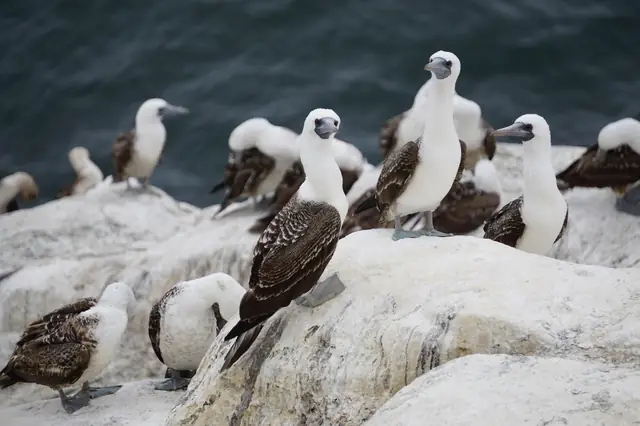
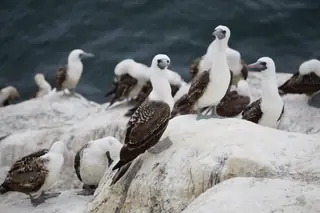
Peruvian Booby
Sula variegata
A brown and white booby that plunge-dives for anchovies, often in big flocks around the islands.
-
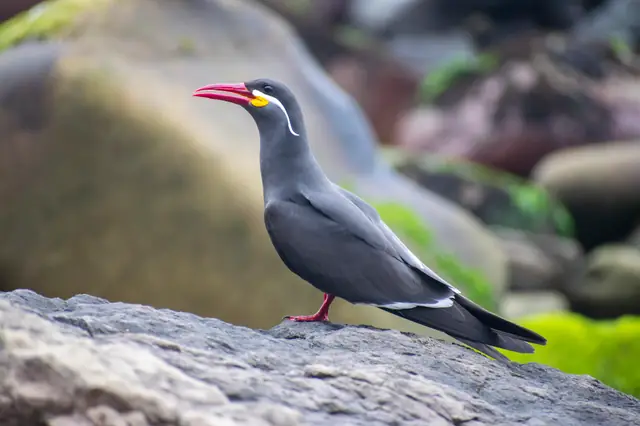
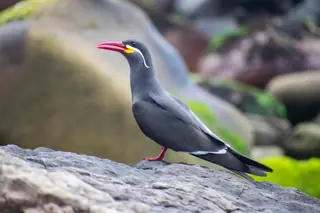
Inca Tern
Larosterna inca
Slate grey with a red bill and a curling white moustache, perched on the cliff ledges of the islands.
-
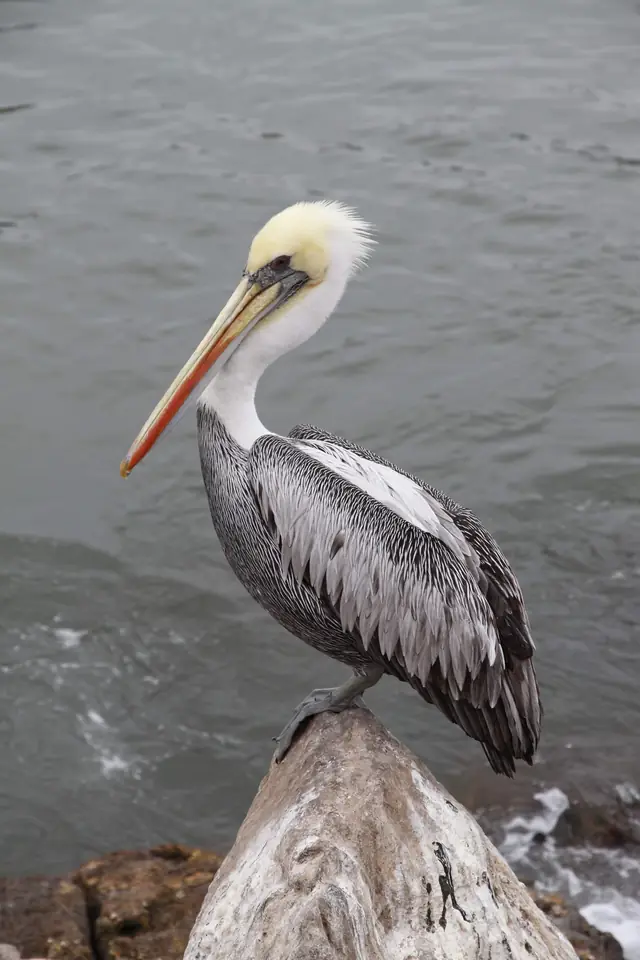
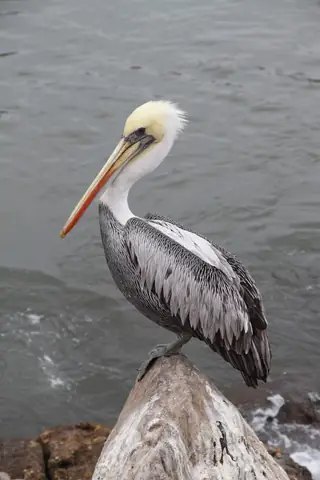
Peruvian Pelican
Pelecanus thagus
A huge, dark pelican of the Humboldt coast, resting on the islands and at the harbour.
-
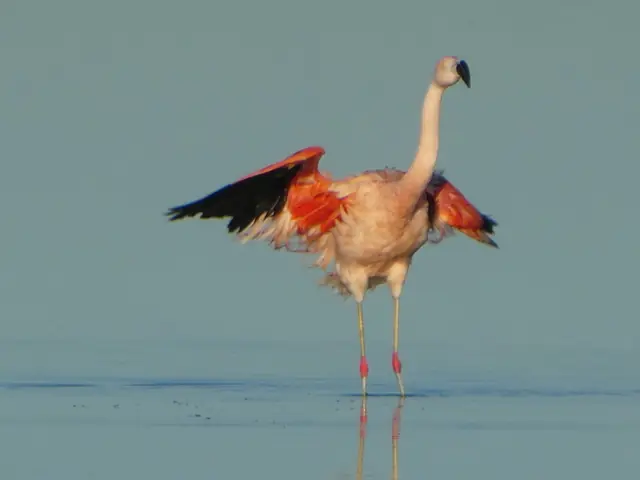
Chilean Flamingo
Phoenicopterus chilensis
Pink flocks feed in the shallow water of Paracas Bay, watched from the reserve's viewpoints.
-
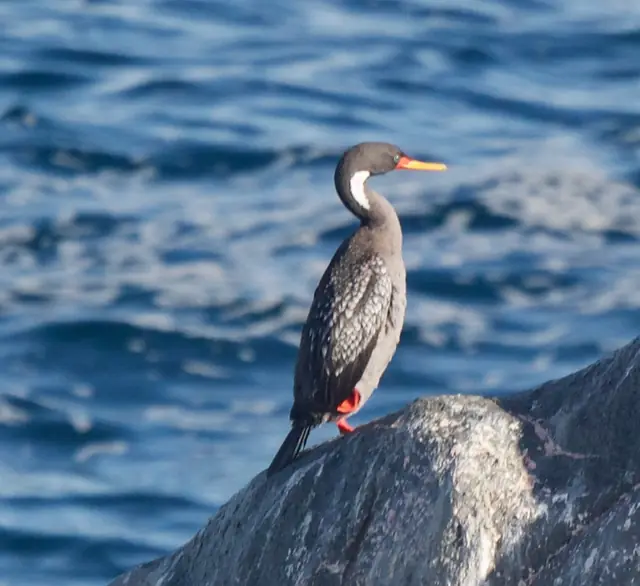
Red-legged Cormorant
Poikilocarbo gaimardi
The most colourful cormorant, grey with red feet and a yellow face, on narrow ledges of the island cliffs.
All 55 animals in Paracas
Ballestas Islands 11
-
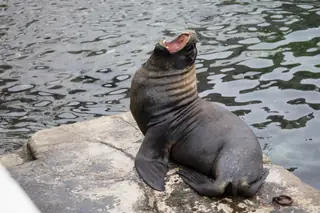 South American Sea Lion
-
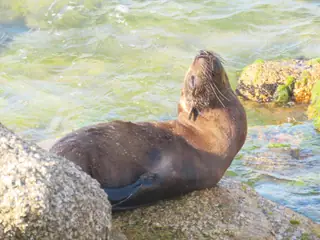 South American Fur Seal
-
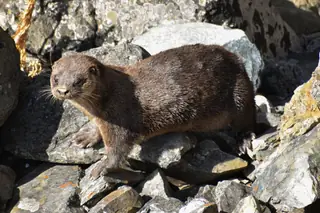 Marine OtterRare
-
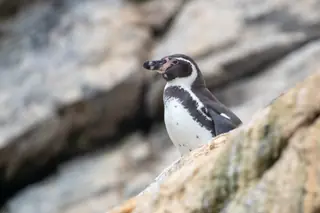 Penguin (Humboldt)
-
 Peruvian Booby
-
 Guanay Cormorant
-
 Peruvian Pelican
-
 Inca Tern
-
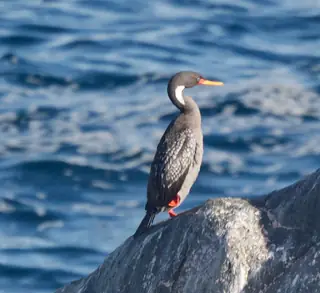 Red-legged Cormorant
-
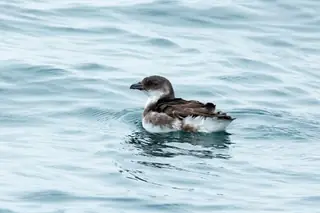 Peruvian Diving Petrel
-
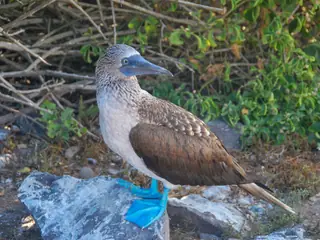 Blue-footed BoobyRare
Seabirds offshore and on the coast 13
-
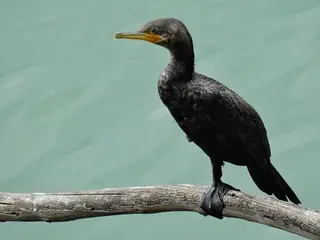 Neotropic Cormorant
-
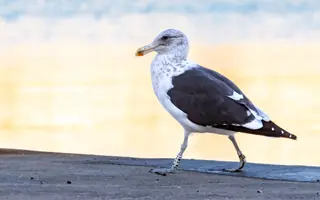 Kelp Gull
-
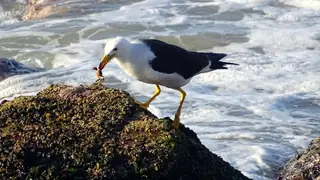 Belcher's Gull
-
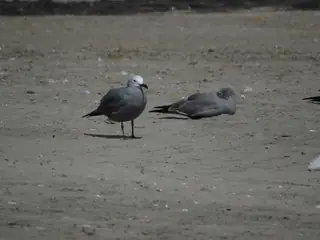 Grey Gull
-
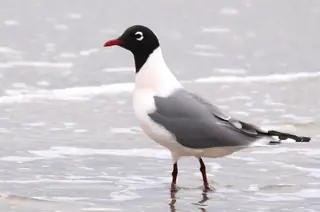 Franklin's Gull
-
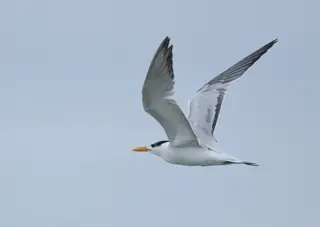 Royal Tern
-
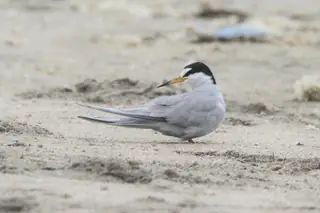 Peruvian Tern
-
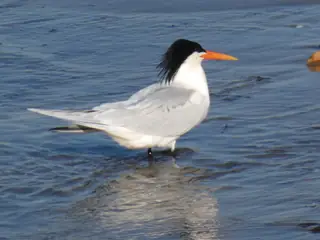 Elegant Tern
-
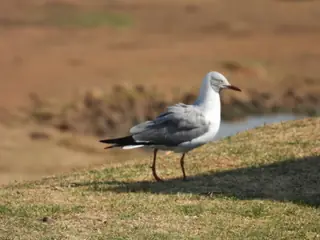 Grey-headed Gull
-
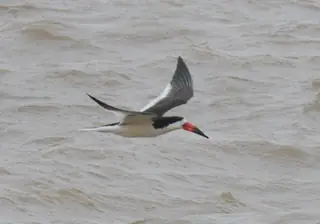 Black Skimmer
-
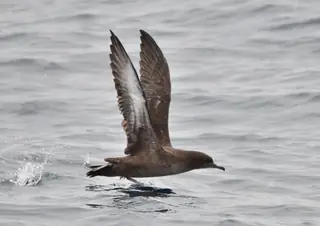 Sooty Shearwater
-
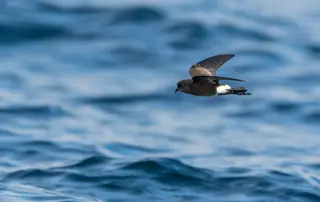 Elliot's Storm Petrel
-
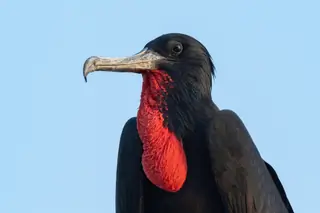 Magnificent FrigatebirdRare
Flamingos and shorebirds 15
-
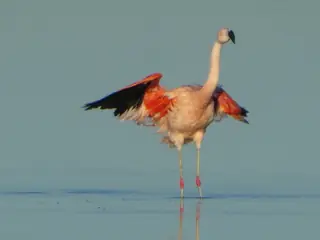 Chilean Flamingo
-
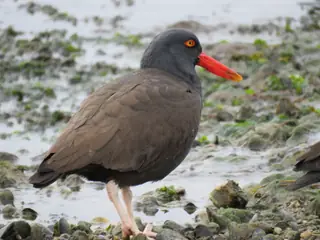 Blackish Oystercatcher
-
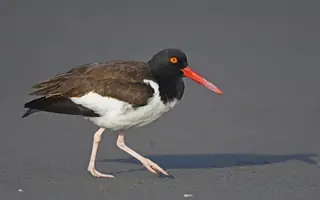 American Oystercatcher
-
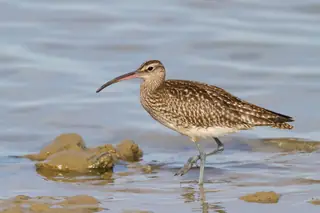 Whimbrel
-
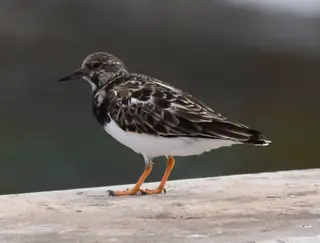 Ruddy Turnstone
-
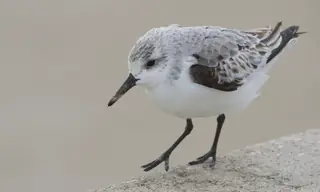 Sanderling
-
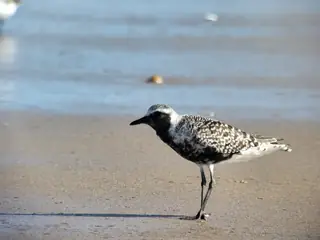 Grey Plover
-
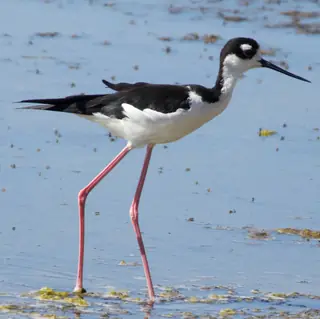 Black-necked Stilt
-
 Great Egret
-
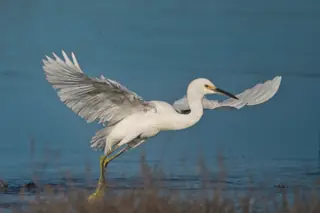 Snowy Egret
-
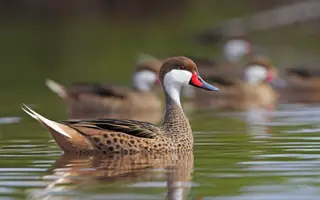 White-cheeked Pintail
-
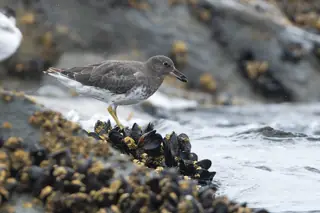 Surfbird
-
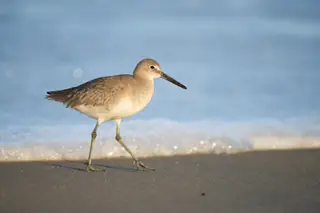 Willet
-
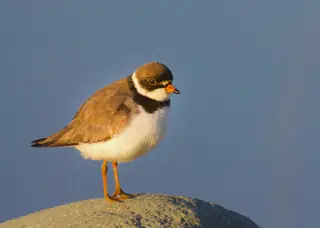 Semipalmated Plover
-
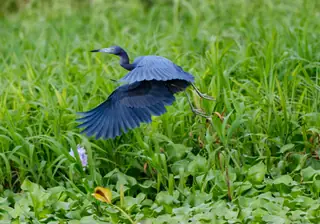 Little Blue Heron
Birds of prey and desert birds 7
-
 Turkey Vulture
-
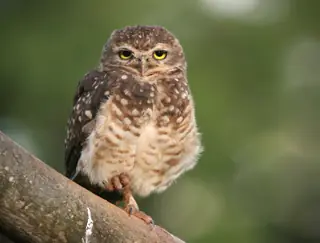 Burrowing Owl
-
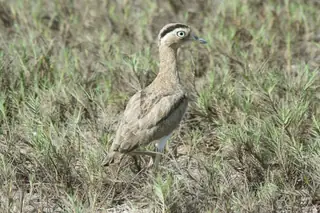 Peruvian Thick-knee
-
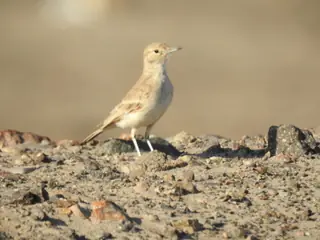 Coastal Miner
-
 Peregrine Falcon
-
 Osprey
-
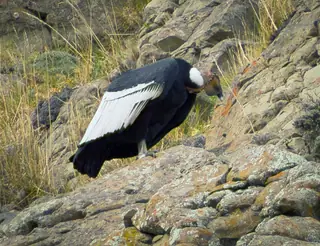 Andean CondorRare
Desert mammals and lizards 2
-
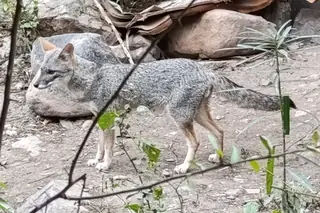 Sechuran Fox
-
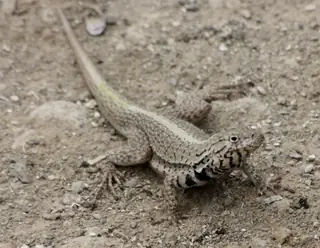 Peruvian Lava Lizard
Whales and dolphins 5
-
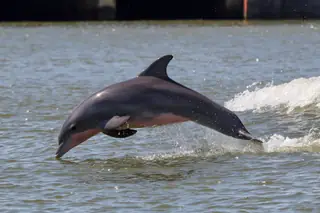 Bottlenose Dolphin
-
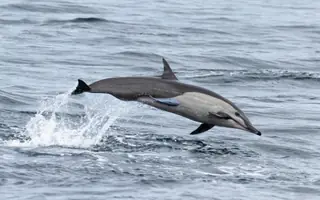 Common Dolphin
-
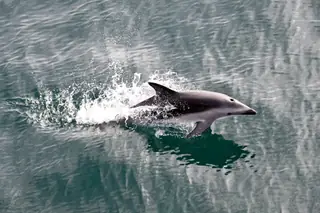 Dusky Dolphin
-
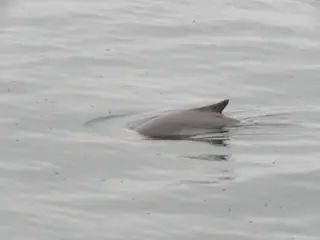 Burmeister's PorpoiseRare
-
 Humpback WhaleRare
Reptiles and sea life 2
-
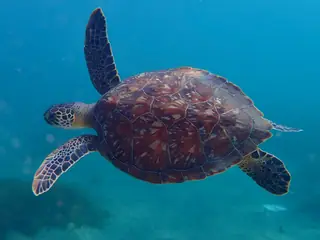 Green Sea Turtle
-
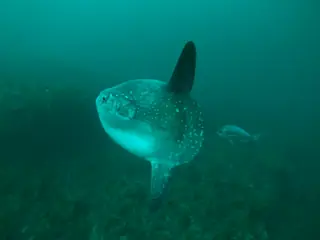 Ocean SunfishRare
Best time to see wildlife in Paracas
Sightings by month in Paracas
Most records: Mar to Aug, OctRecords from GBIF.org, adjusted for how many people record wildlife each month. 100% is the busiest month.
Paracas is dry all year: it almost never rains. The southern summer, from December to March, is sunny and warm, sea lion pups are born on the islands from about January, and northern migrant shorebirds and Franklin's gulls are present. From June to September the coast is cooler and often grey under the garúa sea mist, and sea conditions can cancel some boat trips. Chilean flamingos in the bay are most numerous outside the summer, from about July to December. Strong afternoon winds, the paracas, blow up most days, so take the first boat of the morning. In 2022 and 2023, bird flu killed many seabirds and sea lions here, and numbers are still recovering.
- Dec to MarSunny, sea lion pups, migrant shorebirds
- Apr to JunCooling, quieter
- Jul to SepGrey garúa, flamingos in the bay
- Oct to NovBrighter, flamingos and migrants
Tips for spotting wildlife in Paracas
- 01
Take the first boat
The 8am departure has the calmest sea and the least wind. Afternoon winds can make the crossing rough or cancel trips.
- 02
Sit where you can see
Boats circle the islands, so either side works, but a seat at the edge gives clear views. Bring a jacket, as the spray is cold.
- 03
Look for the Candelabro
On the way out, the boats pass a giant figure etched into the sand of the peninsula. Watch the water there too for dolphins and diving boobies.
- 04
Spend time on the mainland
The reserve's bay, cliffs and beaches have flamingos, oystercatchers and shorebirds. Keep to the marked tracks and viewpoints, and never drive on the beaches.
- 05
Protect yourself from sun and wind
There is no shade in the reserve and the sun is strong even when it is cloudy. Bring water, a hat and a windproof layer.

Take Paracas with you
Tick off penguins, sea lions and Inca terns on a Ballestas boat trip with Wilder. Free to start, and it works offline on the water.

Paracas wildlife FAQ
Are the Ballestas Islands worth it?
Yes, for a short wildlife trip. In two hours you pass sea lions, Humboldt penguins and thousands of cormorants, boobies and pelicans, all at close range from the boat. They are sometimes called the poor man's Galápagos. The trip is short and busy, so take the early boat for calmer seas.
Can you land on the Ballestas Islands?
No. The islands are part of a protected reserve, and visitors are not allowed to land. Licensed boats circle the islands and give views from the water. Only park staff and guano workers go ashore.
Can you see penguins at Paracas?
Yes. Humboldt penguins live on the Ballestas Islands and are seen from the tour boats on most trips, standing on the lower rocks near the water. They are an endangered species of the Peruvian and Chilean coast, and numbers fell during the 2022 and 2023 bird flu outbreak.
What animals can you see at Paracas?
Sea lions, fur seals, Humboldt penguins, Peruvian boobies, Inca terns, guanay cormorants and Peruvian pelicans on the islands, with Chilean flamingos and shorebirds in the bay. Dolphins are sometimes seen on the crossing. This checklist covers 55 animals a visitor could realistically find.
Sources
- Along Dusty Roads: Islas Ballestas tour guide
- Wikivoyage: Ballestas Islands
- SERNANP: Reserva Nacional de Paracas
- Sightings by month: GBIF.org
Animal photos are from the Wilder catalogue; photo credits.
Similar checklists
All South and Central America-
 Region71animals Colca Canyon Caylloma, Arequipa, Peru One of the deepest canyons on Earth, where Andean condors ride the morning thermals and vicuñas graze the high puna on the way in. Best time Apr to Nov
-
 Island70animals Galápagos Islands Galápagos Province, Ecuador Volcanic islands where the animals barely notice you: giant tortoises, marine iguanas, dancing boobies and sea lions on every beach. Best time All year
-
 National park130animals Manu National Park and the Manu Road Cusco and Madre de Dios, Peru One road drops from Andean grassland through cloud forest to the Amazon: cock-of-the-rock leks, macaw clay licks and giant otters on the oxbow lakes. Best time May to Oct
-
 Reserve89animals Tambopata Madre de Dios, Peru Lowland Amazon rainforest where hundreds of macaws and parrots gather at the clay licks, and giant otters fish the oxbow lakes. Best time Apr to Oct