National park · Magallanes · Chile
Torres del Paine Wildlife Checklist

Torres del Paine National Park, in Chilean Patagonia, combines granite peaks and glacial lakes with some of South America's best open-country wildlife: guanacos by the hundred, Andean condors, lesser rheas and the world's best chance of seeing a wild puma. This checklist covers 76 animals. October to April is the main season; autumn and winter suit puma watching.
Tick off all 76 animals in Torres del Paine on your phone, even offline. Launching soon. Free A4 PDF, no sign-up.
The park is about two hours' drive north of Puerto Natales, which is reached by road or air from Punta Arenas. Most hikers come for the W and O treks, but the open steppe in the east of the park, around the lakes and viewpoints, is where most of the wildlife is.
- Animals to find
- 76
- Where
- Chile
- Best time
- Oct to Apr
- Best place on Earth for
- Wild pumas
Popular animals in Torres del Paine
-
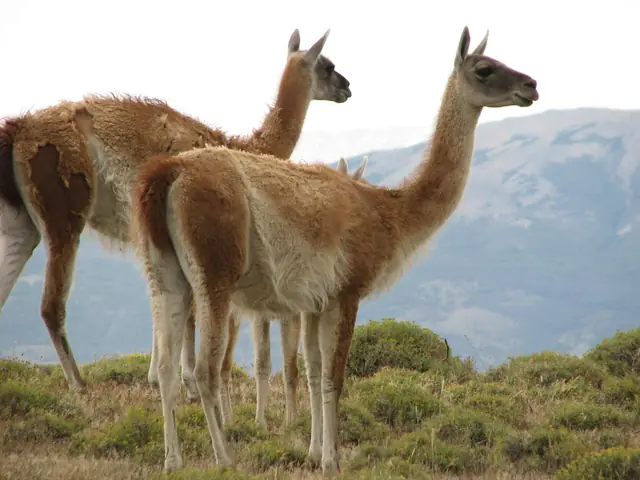
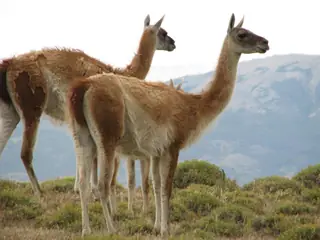
Guanaco
Lama guanicoe
Wild relatives of the llama, grazing the eastern steppe in family groups. Chulengos, the woolly young, are born from November to January.
-
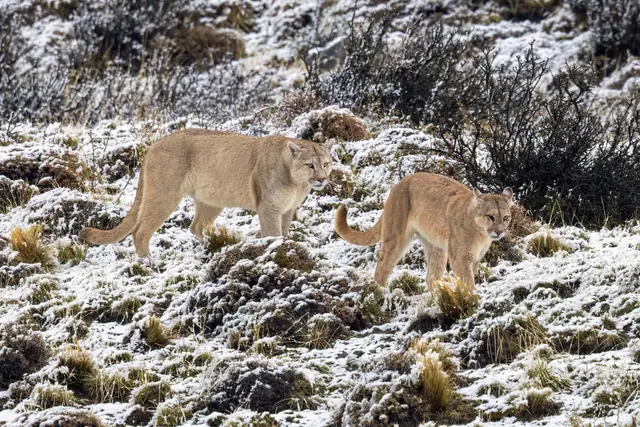
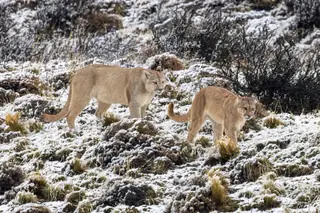
Cougar (Mountain Lion)
Puma concolor
Known here as the puma. The park and its surrounding ranches hold one of the densest puma populations known, and pumas here have grown used to people at a distance. Guided tracking trips give the best chance.
-
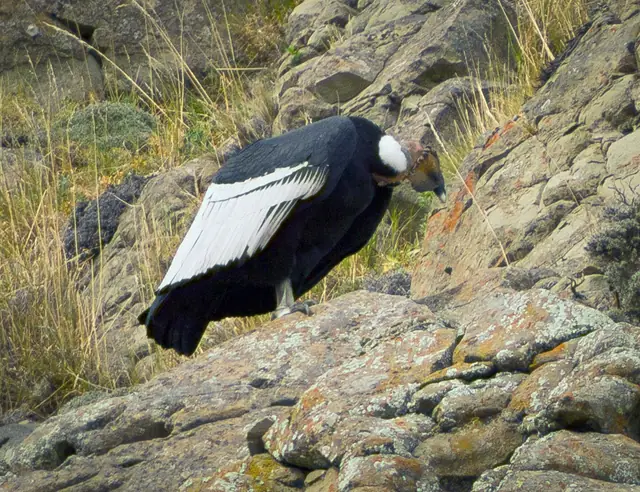
Andean Condor
Vultur gryphus
With a wingspan of up to three metres, condors ride the wind along ridges and cliffs, often in groups.
-
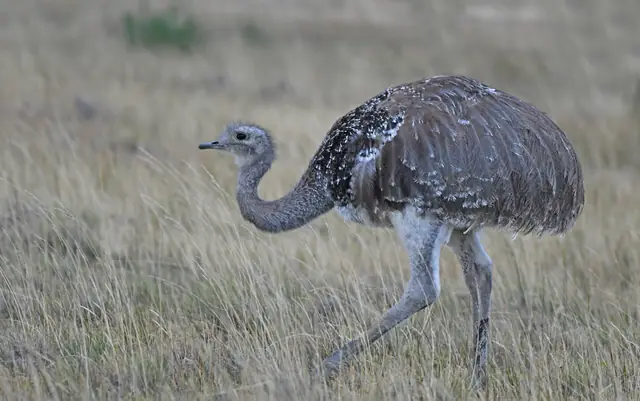
Lesser Rhea
Rhea pennata
Called ñandú or choique, this flightless bird walks the open steppe. Males raise the chicks, sometimes leading more than twenty.
-
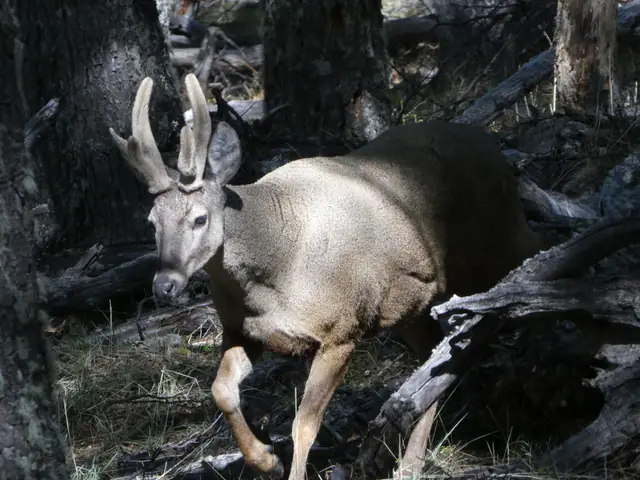
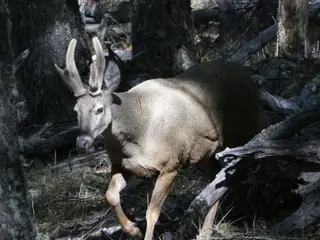
Huemul
Hippocamelus bisulcus
An endangered deer that appears on Chile's coat of arms. A few live in the park; any sighting is special.
-
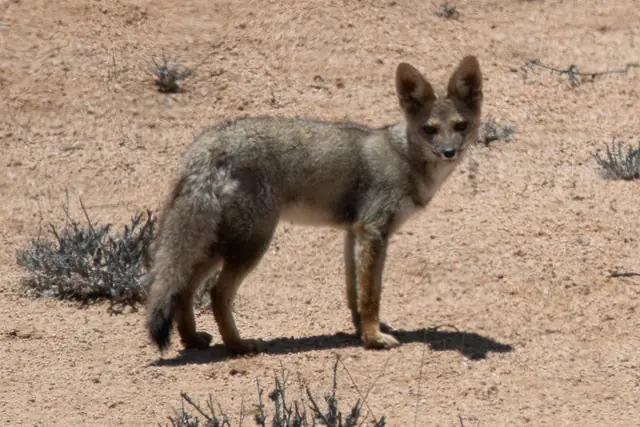
South American Grey Fox
Lycalopex griseus
A small grey fox, often seen trotting along roads and around campsites. Never feed it.
-
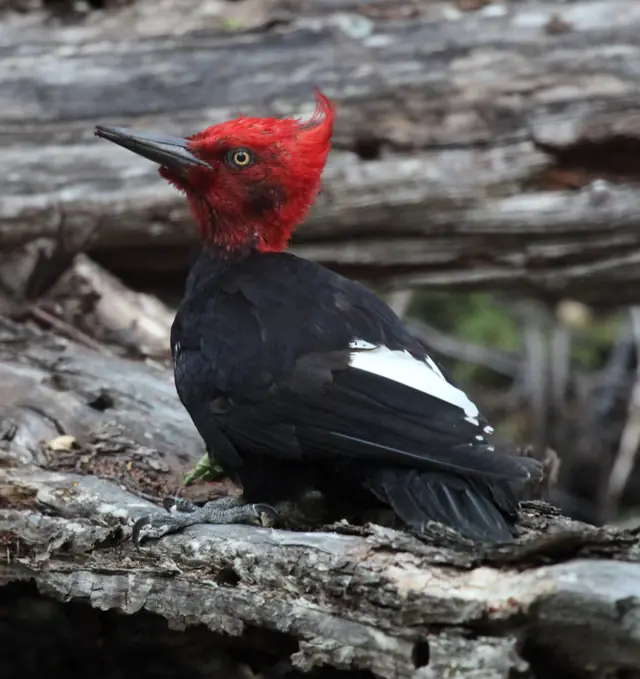
Magellanic Woodpecker
Campephilus magellanicus
A crow-sized woodpecker of old southern beech forest. The male has a scarlet head; listen for a double knock on trunks.
-
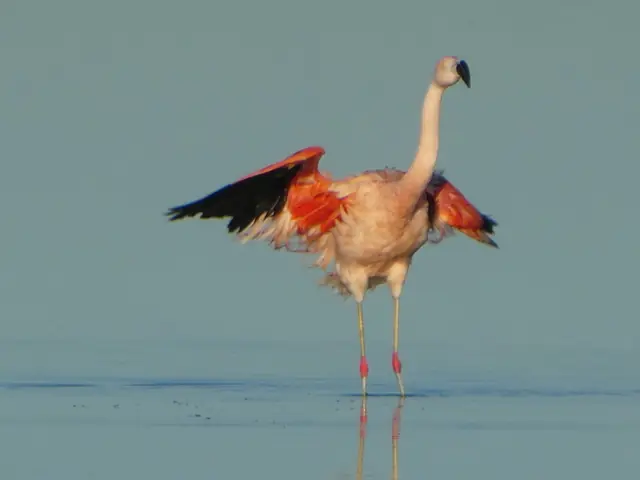
Chilean Flamingo
Phoenicopterus chilensis
Pink against grey-green steppe, feeding in shallow lagoons on the eastern side of the park.
-
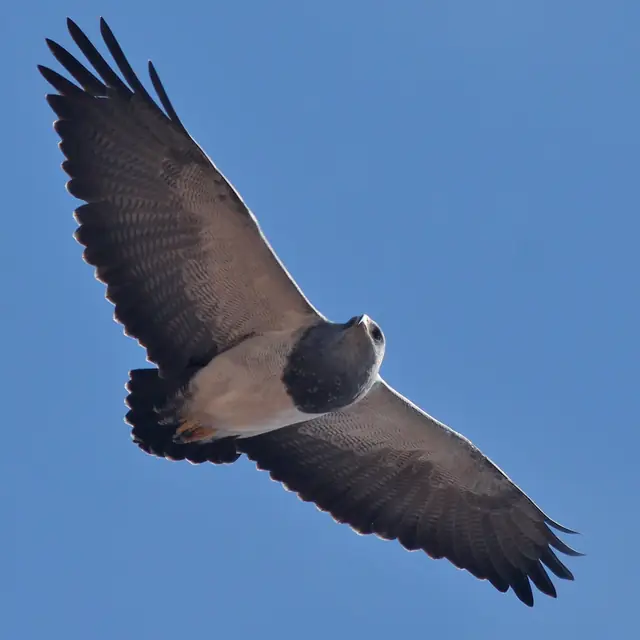
Black-chested Buzzard-eagle
Geranoaetus melanoleucus
A big, broad-winged eagle soaring over the steppe and hillsides, often seen from the roads.
All 76 animals in Torres del Paine
Big mammals 3
-
 Guanaco
-
 Cougar (Mountain Lion)
-
 HuemulRare
Smaller mammals 7
-
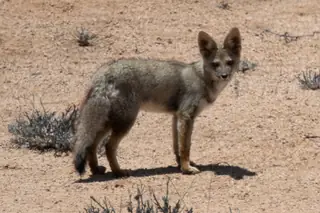 South American Grey Fox
-
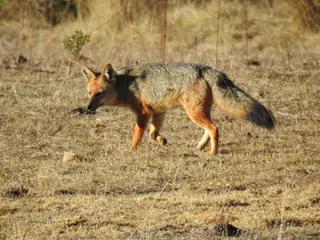 Culpeo
-
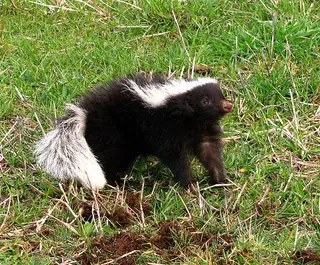 Humboldt's Hog-nosed Skunk
-
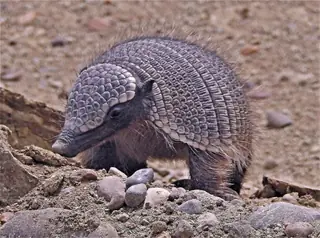 Pichi
-
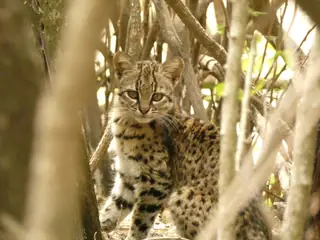 Geoffroy's CatRare
-
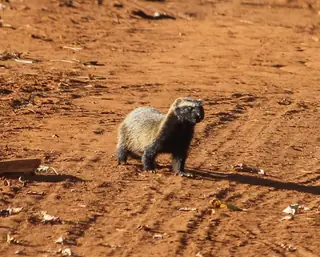 Lesser GrisonRare
-
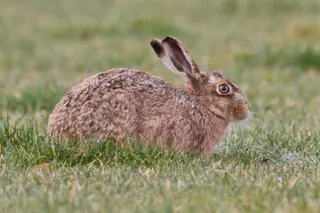 Brown Hare
Condors and birds of prey 11
-
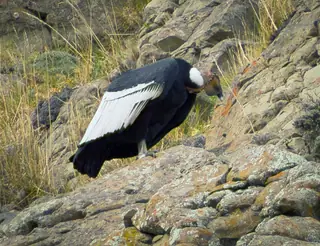 Andean Condor
-
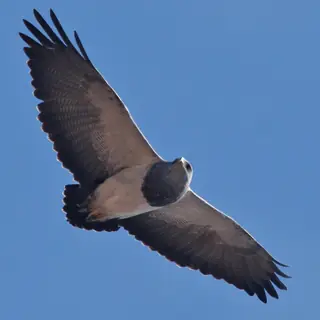 Black-chested Buzzard-eagle
-
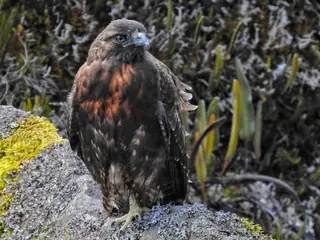 Variable Hawk
-
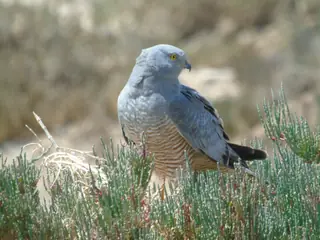 Cinereous Harrier
-
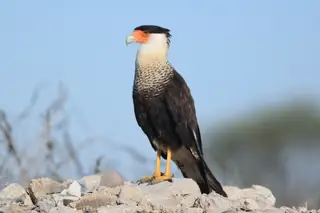 Southern Crested Caracara
-
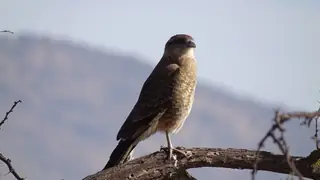 Chimango Caracara
-
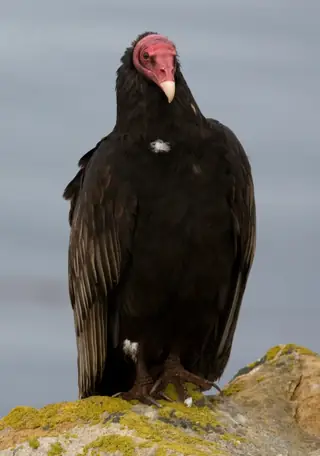 Turkey Vulture
-
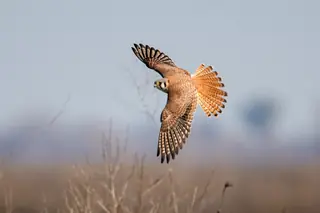 American Kestrel
-
 Peregrine FalconRare
-
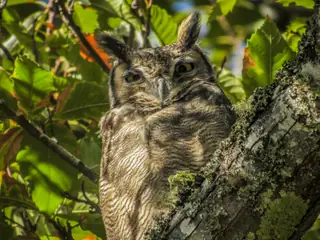 Lesser Horned Owl
-
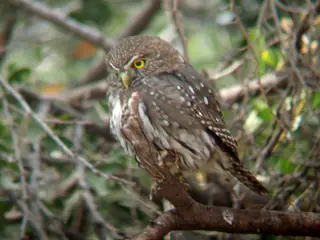 Austral Pygmy Owl
Rheas and steppe birds 16
-
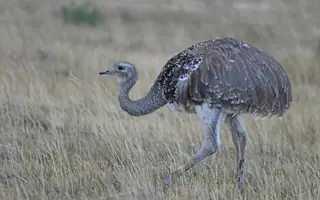 Lesser Rhea
-
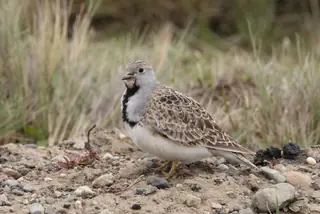 Least Seedsnipe
-
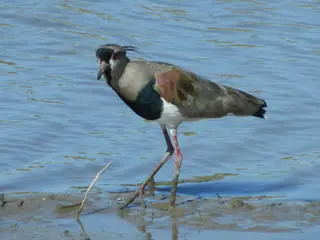 Southern Lapwing
-
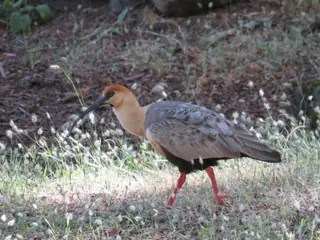 Black-faced Ibis
-
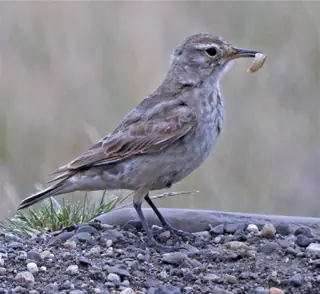 Common Miner
-
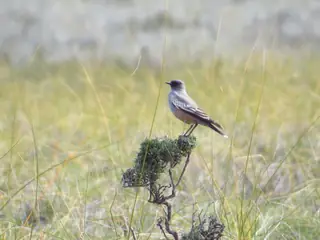 Chocolate-vented Tyrant
-
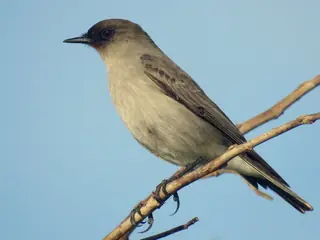 Dark-faced Ground-tyrant
-
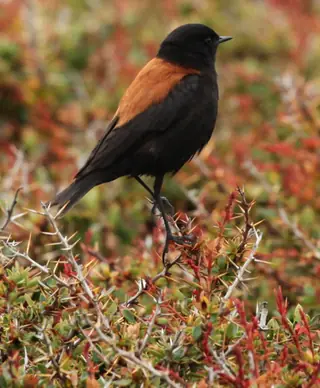 Austral Negrito
-
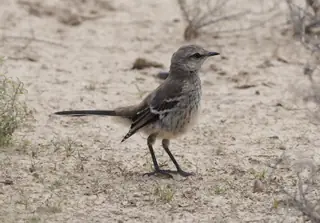 Patagonian Mockingbird
-
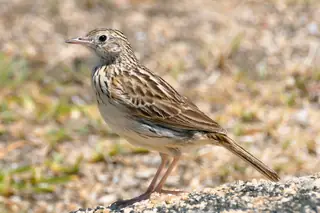 Correndera Pipit
-
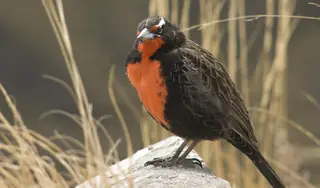 Long-tailed Meadowlark
-
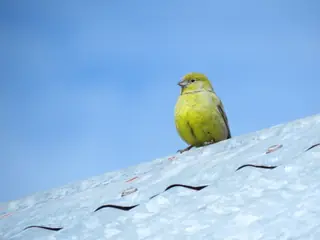 Patagonian Yellow Finch
-
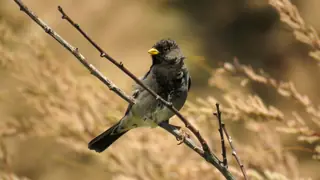 Mourning Sierra Finch
-
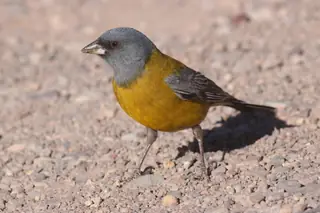 Grey-hooded Sierra Finch
-
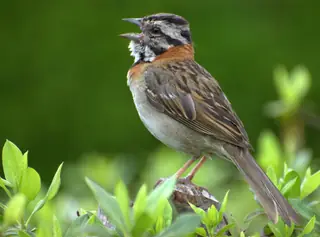 Rufous-collared Sparrow
-
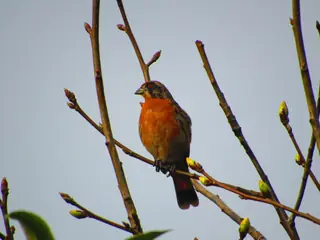 Rufous-tailed Plantcutter
Lakes and wetland birds 18
-
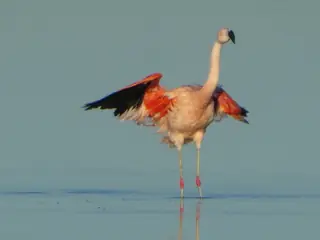 Chilean Flamingo
-
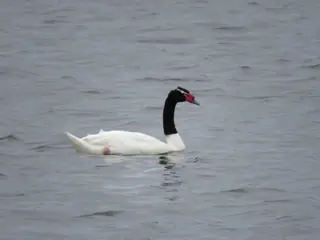 Black-necked Swan
-
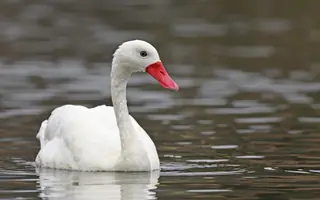 Coscoroba Swan
-
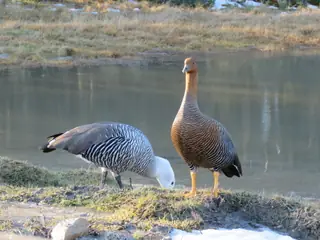 Upland Goose
-
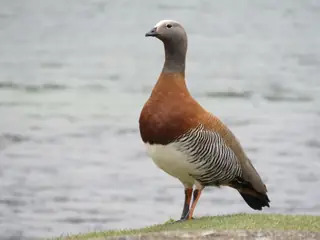 Ashy-headed Goose
-
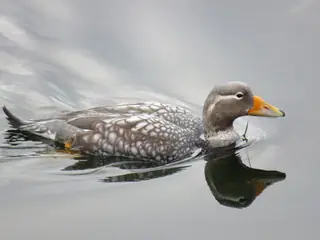 Flying Steamer Duck
-
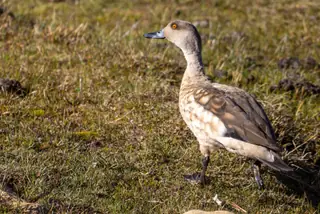 Crested Duck
-
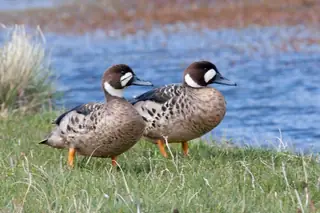 Spectacled DuckRare
-
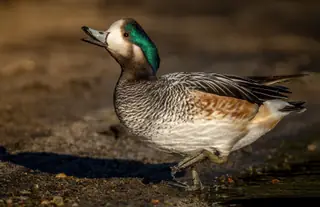 Chiloe Wigeon
-
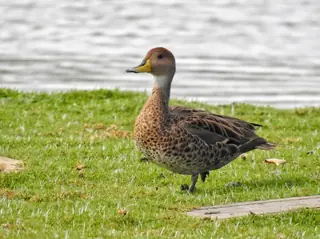 Yellow-billed Pintail
-
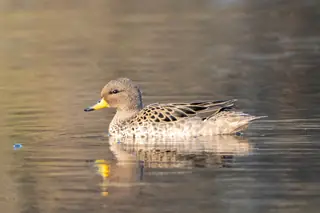 Yellow-billed Teal
-
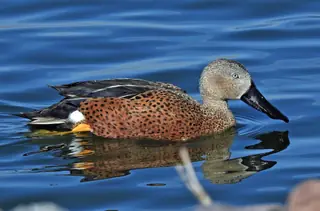 Red Shoveler
-
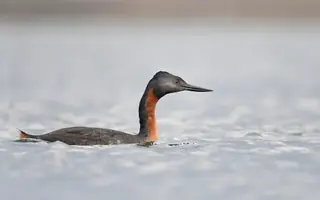 Great Grebe
-
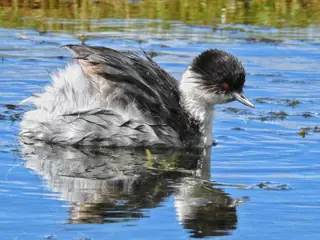 Silvery Grebe
-
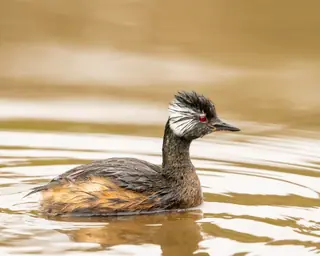 White-tufted Grebe
-
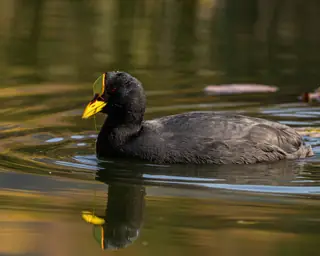 Red-gartered Coot
-
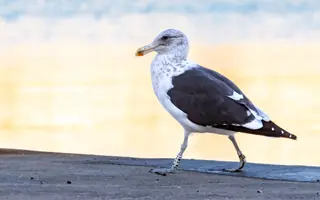 Kelp Gull
-
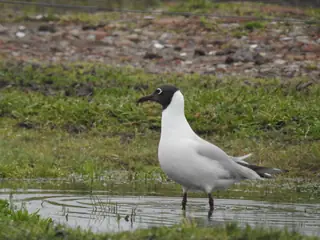 Brown-hooded Gull
Forest birds 18
-
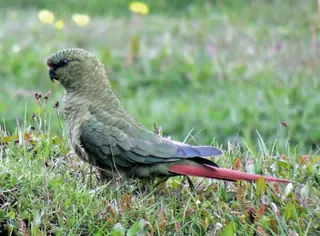 Austral Parakeet
-
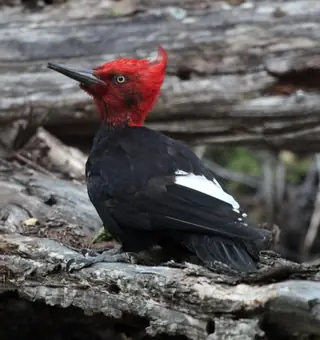 Magellanic Woodpecker
-
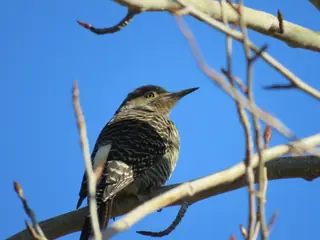 Chilean Flicker
-
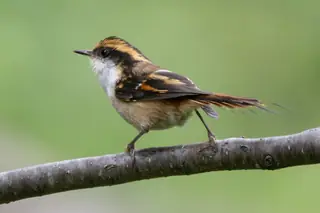 Thorn-tailed Rayadito
-
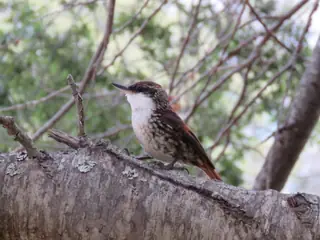 White-throated Treerunner
-
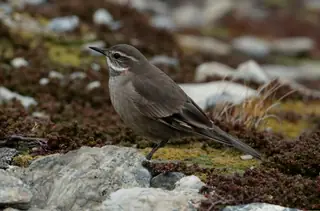 Buff-winged Cinclodes
-
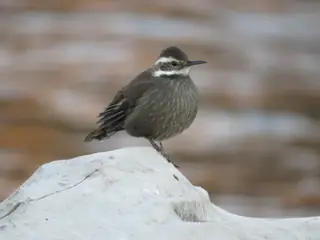 Dark-bellied Cinclodes
-
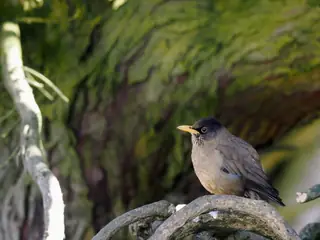 Austral Thrush
-
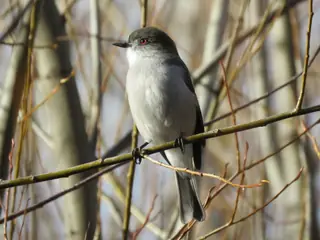 Fire-eyed Diucon
-
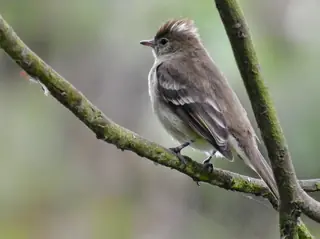 White-crested Elaenia
-
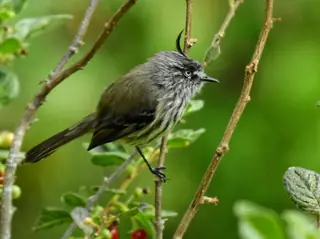 Tufted Tit-tyrant
-
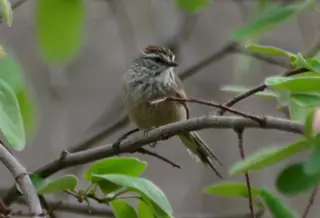 Plain-mantled Tit-spinetail
-
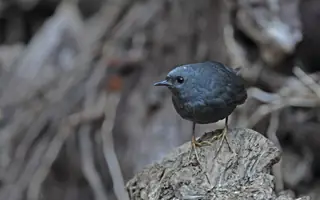 Magellanic Tapaculo
-
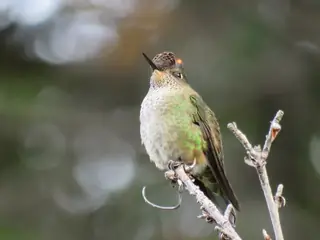 Green-backed Firecrown
-
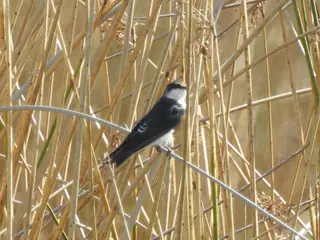 Chilean Swallow
-
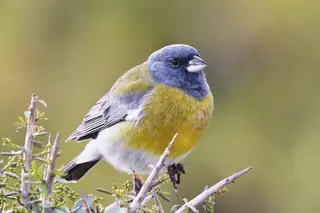 Patagonian Sierra Finch
-
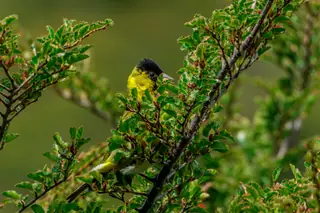 Black-chinned Siskin
-
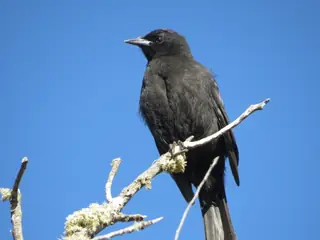 Austral Blackbird
Reptiles and amphibians 3
-
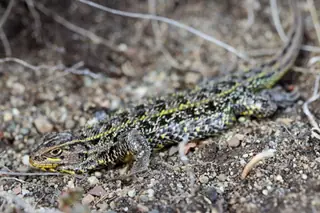 Magellanic Tree Iguana
-
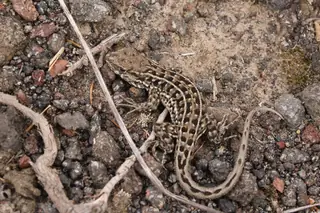 Lined-spotted Tree Iguana
-
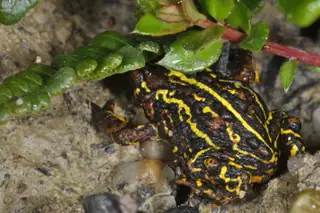 Patagonian Toad
Best time to see wildlife in Torres del Paine
Sightings by month in Torres del Paine
Most records: Aug to AprRecords from GBIF.org, adjusted for how many people record wildlife each month. 100% is the busiest month.
The main season runs from October to April, when the trails, refuges and campsites are open. December to February is summer, with long days, busy trails and fierce westerly winds that can stop boats and close passes. Guanaco young are born from November to January, and migrant birds such as the white-crested elaenia arrive in spring. Autumn, March to May, brings calmer weather and red and gold beech forest. Puma watching is good all year but best from autumn through winter, when snow pushes guanacos and their predators to lower ground and there are fewer people. In winter, from June to August, some trails close and days are short, but the eastern roads stay open.
- Oct to NovSpring, migrants arrive, fewer hikers
- Dec to FebSummer, long days, strong winds, guanaco young
- Mar to MayAutumn colour, calmer, good for pumas
- Jun to SepWinter, some trails closed, best puma season
Tips for spotting wildlife in Torres del Paine
- 01
See pumas with a certified guide
Guided puma tracking, on foot in the east of the park and on neighbouring ranches, is the responsible way to watch pumas. Good guides keep a respectful distance and never corner or follow a cat.
- 02
Stay on the trails
Leaving marked trails is banned in the park, as are fires outside permitted areas and drones without permission. Fines are heavy and fire offences can lead to expulsion from Chile.
- 03
Be out at dawn and dusk
Pumas, foxes, skunks and armadillos are most active at the edges of the day, and the light on the towers is best then too.
- 04
Scan the cliffs for condors
Condors use the wind along ridges. Watch the skyline on breezy days rather than calm ones.
- 05
Book entry and campsites ahead
Park tickets are sold through CONAF's Pases Parques system, and refuges and campsites on the W and O treks must be reserved well before summer.

Take Torres del Paine with you
Log guanacos, condors and, if you're lucky, a puma in Torres del Paine with Wilder. Works offline on the trails, and free to start.

Torres del Paine wildlife FAQ
Can you see pumas in Torres del Paine?
Yes. Torres del Paine and the ranches around it are the most reliable place in the world to see a wild puma. Many visitors on a dedicated, guided tracking trip of two or three days see one, mostly at dawn and dusk. Hikers on the W trek occasionally see one, but most do not. Autumn and winter are the best seasons.
What animals live in Torres del Paine?
Guanacos are everywhere on the eastern steppe, along with grey foxes, skunks, lesser rheas and flamingos. Andean condors and black-chested buzzard-eagles fly overhead, and pumas hunt guanacos. The forests hold Magellanic woodpeckers and austral parakeets. This checklist covers 76 animals a visitor could realistically find.
What is the best month to visit Torres del Paine for wildlife?
For a general trip, November to March has the best weather, open trails and young guanacos. For pumas, April to September is better, with fewer people and wildlife at lower altitudes, though some trails close in winter. October and April balance both.
What should I do if I meet a puma?
Stay calm, do not run, and face the puma without turning your back. Do not crouch, and give it a clear way out. Stay in a group and keep children close. CONAF also asks drivers not to leave their vehicles to follow a puma. Attacks on people are extremely rare.
Sources
- Chile Travel: puma sighting in Chile
- El Desconcierto: Torres del Paine access, trails and prohibitions (Oct 2026)
- Panthera: human and puma coexistence in Chilean Patagonia
- Sightings by month: GBIF.org
Animal photos are from the Wilder catalogue; photo credits.
Similar checklists
All South and Central America-
 Reserve95animals Península Valdés Chubut, Argentina A windswept Patagonian peninsula where southern right whales raise their calves close to shore, orcas hunt sea lions on the beach and elephant seals crowd the shingle. Best time Sept to Nov
-
 Region49animals Antarctic Peninsula and South Shetland Islands Antarctic Peninsula, Antarctica Ice, mountains and penguin colonies at the end of the world, reached by expedition ship across the Drake Passage, with humpbacks feeding in the channels. Best time Nov to Mar
-
 Island45animals South Georgia British Overseas Territory, South Georgia A mountainous sub-Antarctic island where hundreds of thousands of king penguins crowd the plains, with fur seals on every beach and albatrosses on the cliffs. Best time Nov to Feb
-
 Island70animals Galápagos Islands Galápagos Province, Ecuador Volcanic islands where the animals barely notice you: giant tortoises, marine iguanas, dancing boobies and sea lions on every beach. Best time All year