Region · Antarctic Peninsula · Antarctica
Antarctic Peninsula Wildlife Checklist

The Antarctic Peninsula and South Shetland Islands are where almost all Antarctic visitors go, on expedition ships from Ushuaia across the Drake Passage. Expect gentoo, chinstrap and Adélie penguins, Weddell, crabeater and leopard seals, feeding humpback whales and albatrosses at sea. This checklist covers 49 animals. The season runs from November to March.
Tick off all 49 animals in the Antarctic Peninsula on your phone, even offline. Launching soon. Free A4 PDF, no sign-up.
Most trips last ten to twelve days, with two days each way across the Drake Passage and Zodiac landings at penguin colonies, research stations and historic sites. Every landing follows IAATO and Antarctic Treaty visitor rules.
- Animals to find
- 49
- Where
- Antarctica
- Best time
- Nov to Mar
- Penguin species
- Six on the list
Popular animals in the Antarctic Peninsula
-
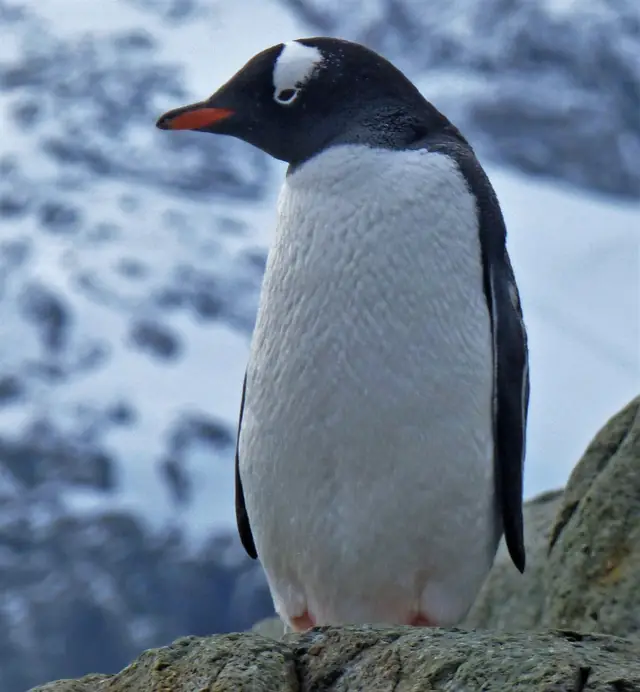
Penguin (Gentoo)
Pygoscelis papua
The penguin you will see most, with a bright orange bill and a white patch over the eye. Colonies at many landing sites on the western peninsula.
-
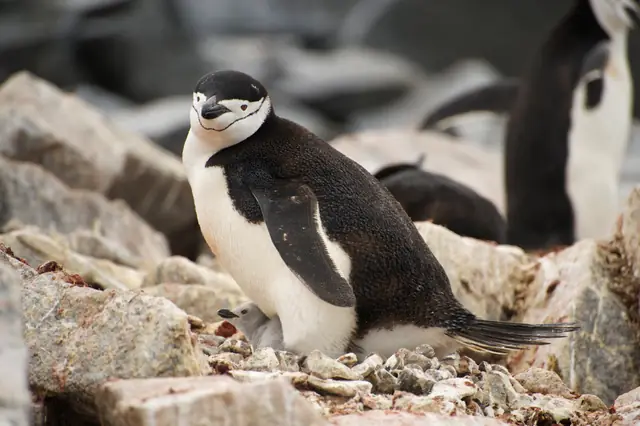
Penguin (Chinstrap)
Pygoscelis antarcticus
Named for the thin black line under the chin. Large, noisy colonies in the South Shetland Islands.
-
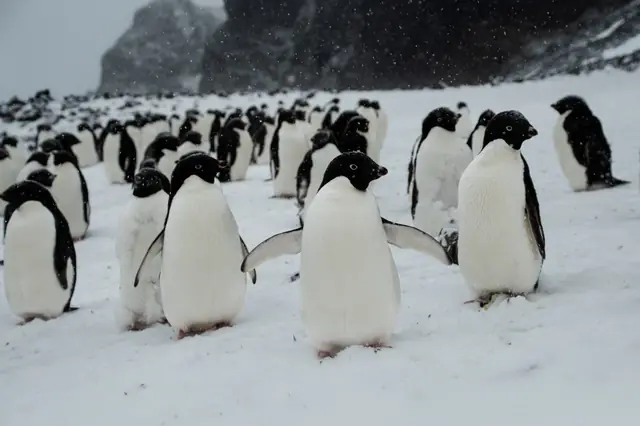
Penguin (Adélie)
Pygoscelis adeliae
The classic black-and-white penguin with a white eye-ring, commonest on the colder Weddell Sea side and further south.
-
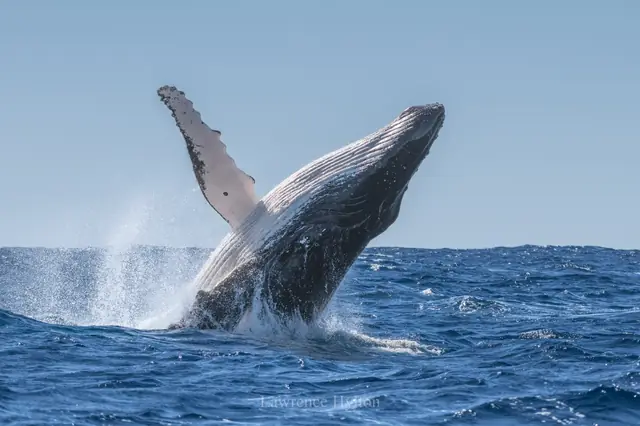
Humpback Whale
Megaptera novaeangliae
Feeding on krill in the channels and bays, often close to ships and Zodiacs, most of all from February to April.
-
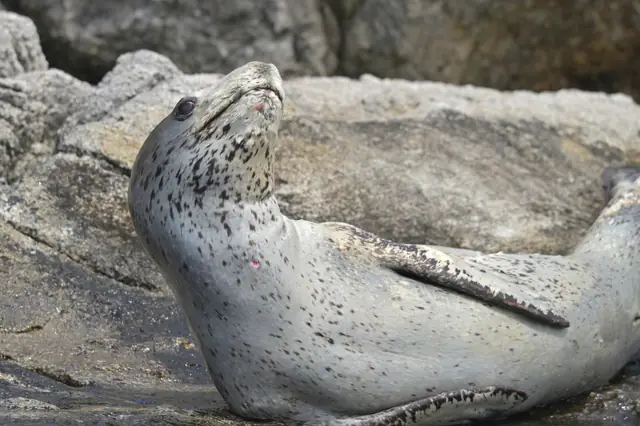
Leopard Seal
Hydrurga leptonyx
A long, reptile-headed predator that patrols penguin beaches or rests on ice floes. Seen from Zodiacs at a safe distance.
-
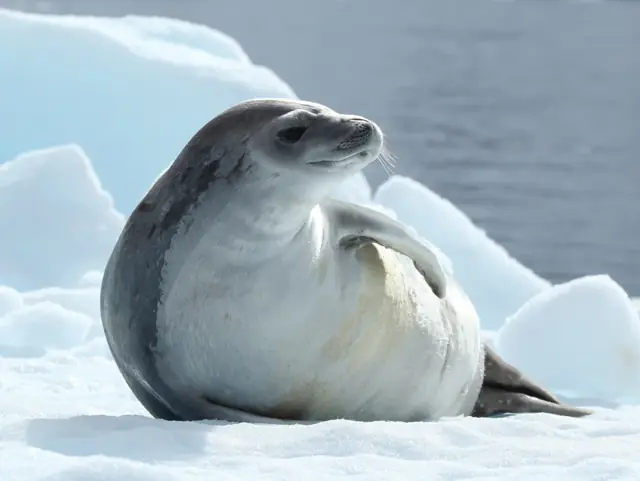
Crabeater Seal
Lobodon carcinophaga
Despite the name it eats krill. Groups rest on ice floes, and it is probably the most numerous seal on Earth.
-
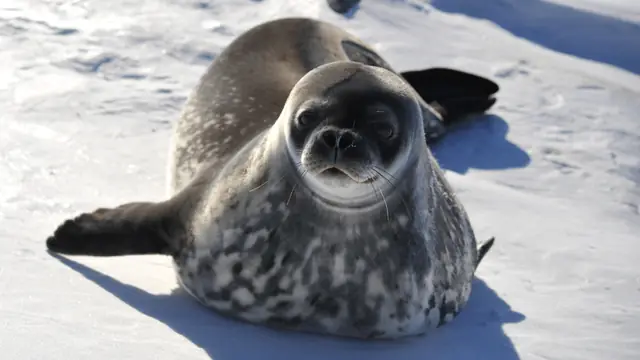
Weddell Seal
Leptonychotes weddellii
A plump, spotted seal with a small, smiling face, lying on snow and ice and often unbothered by visitors who keep their distance.
-
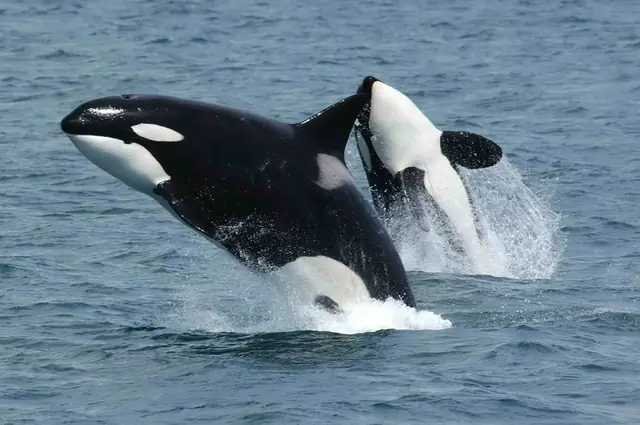
Orca
Orcinus orca
Several types of orca live around the peninsula, including pack-ice orcas that hunt seals by washing them off floes.
-
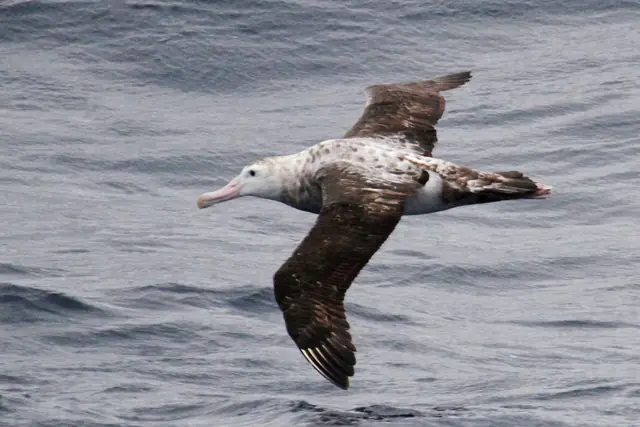
Wandering Albatross
Diomedea exulans
The largest wingspan of any bird, up to three and a half metres, gliding behind ships in the Drake Passage.
-
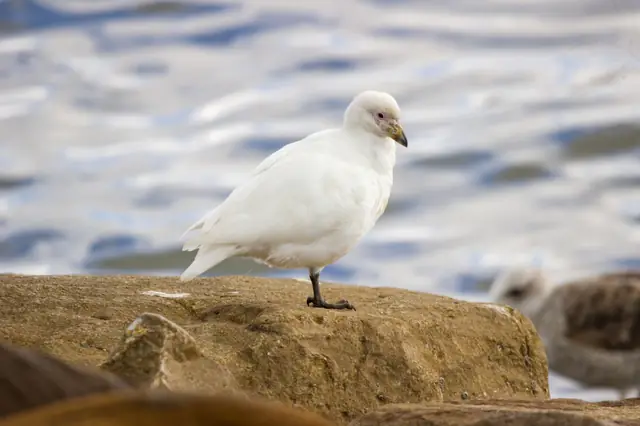
Snowy Sheathbill
Chionis albus
A white, pigeon-like scavenger that walks around penguin colonies; the only Antarctic bird without webbed feet.
All 49 animals in the Antarctic Peninsula
Penguins 6
-
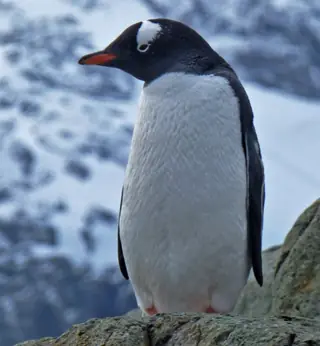 Penguin (Gentoo)
-
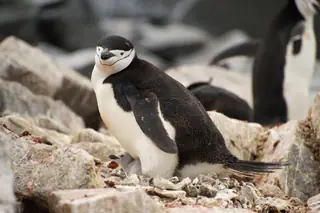 Penguin (Chinstrap)
-
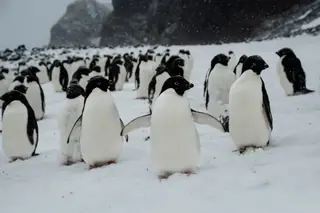 Penguin (Adélie)
-
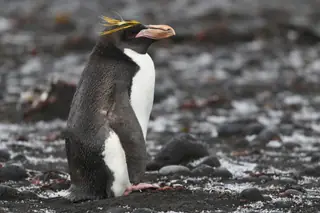 Penguin (Macaroni)
-
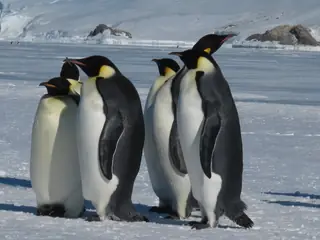 Penguin (Emperor)Rare
-
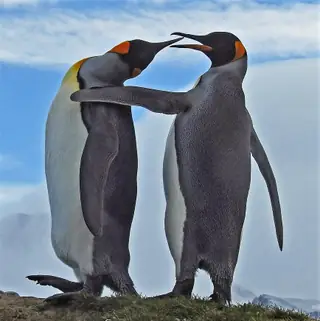 Penguin (King)Rare
Seals 5
-
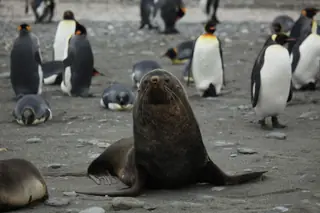 Antarctic Fur Seal
-
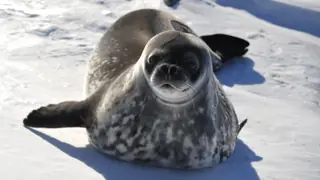 Weddell Seal
-
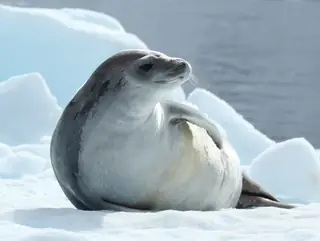 Crabeater Seal
-
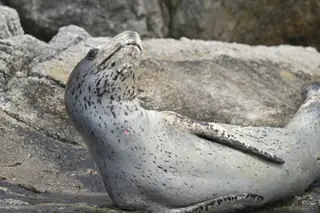 Leopard Seal
-
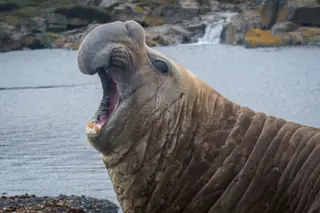 Southern Elephant Seal
Whales and dolphins 9
-
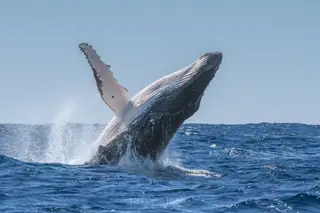 Humpback Whale
-
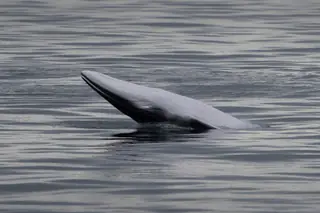 Antarctic Minke Whale
-
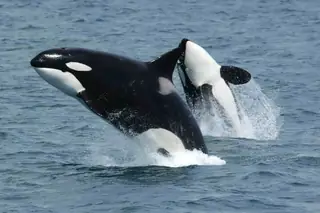 Orca
-
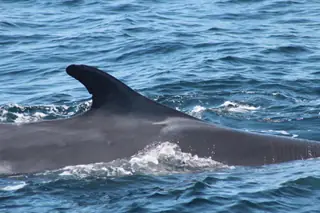 Fin Whale
-
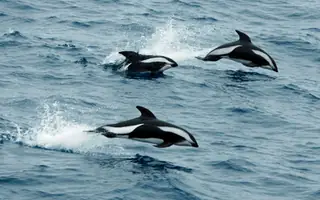 Hourglass Dolphin
-
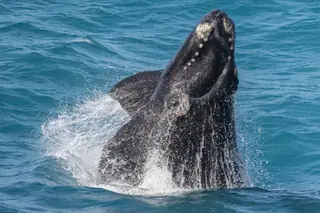 Southern Right WhaleRare
-
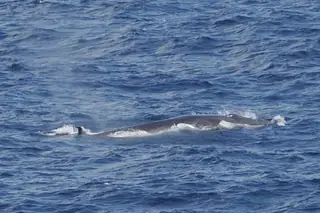 Sei WhaleRare
-
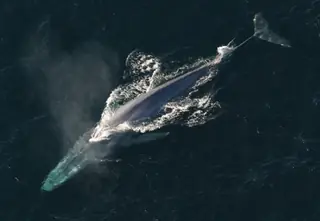 Blue WhaleRare
-
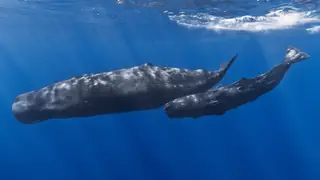 Sperm WhaleRare
Antarctic birds 14
-
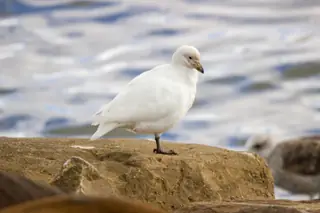 Snowy Sheathbill
-
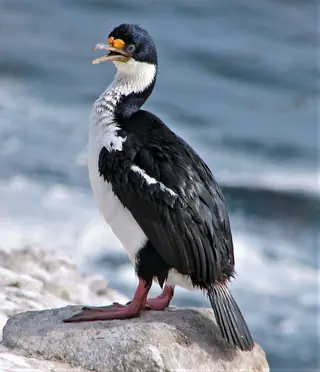 Imperial Shag
-
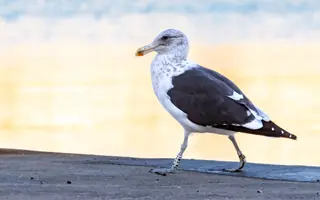 Kelp Gull
-
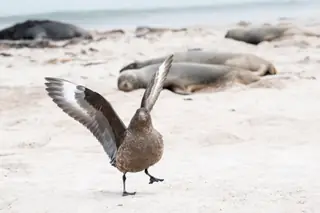 Brown Skua
-
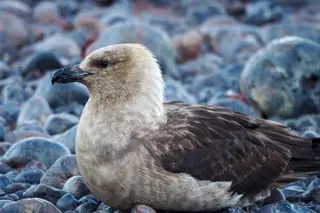 South Polar Skua
-
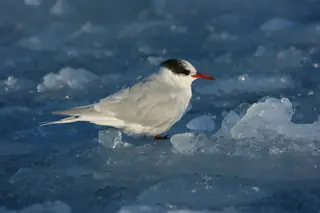 Antarctic Tern
-
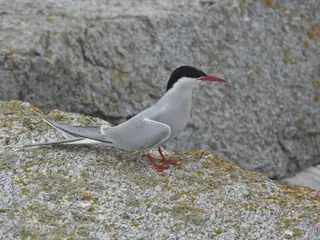 Arctic Tern
-
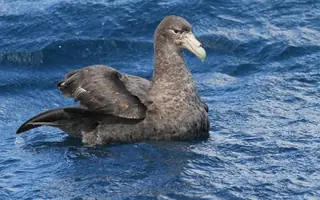 Southern Giant Petrel
-
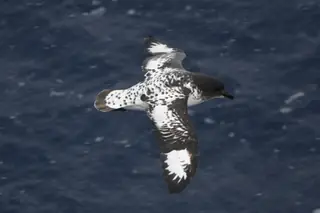 Cape Petrel
-
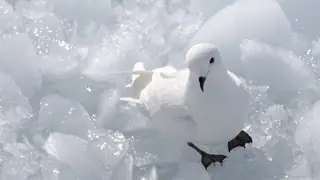 Snow Petrel
-
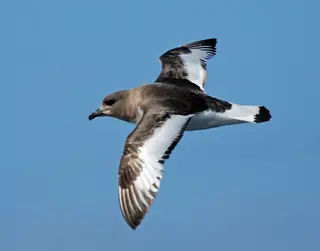 Antarctic PetrelRare
-
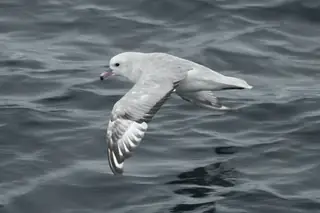 Southern Fulmar
-
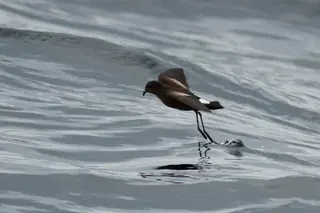 Wilson's Storm Petrel
-
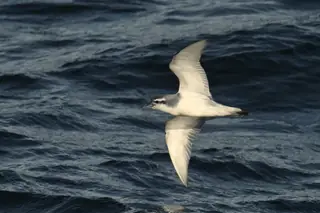 Antarctic Prion
Drake Passage seabirds 14
-
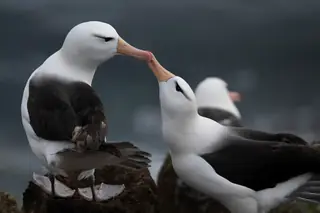 Black-browed Albatross
-
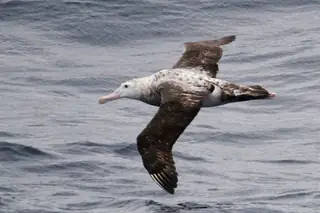 Wandering Albatross
-
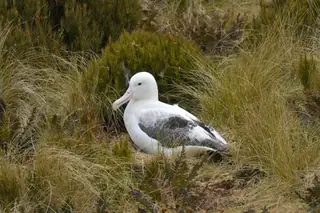 Southern Royal Albatross
-
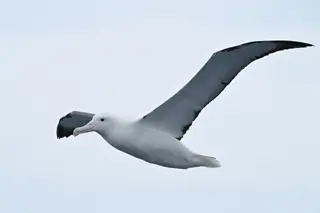 Northern Royal AlbatrossRare
-
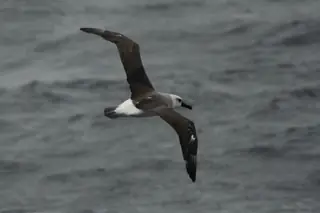 Grey-headed Albatross
-
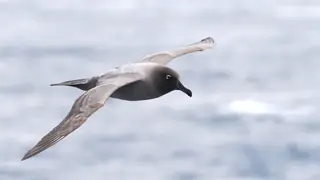 Light-mantled Albatross
-
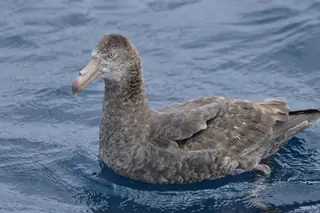 Northern Giant Petrel
-
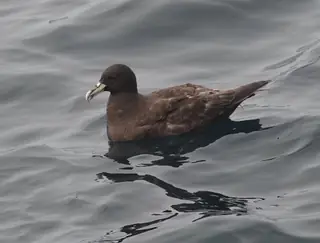 White-chinned Petrel
-
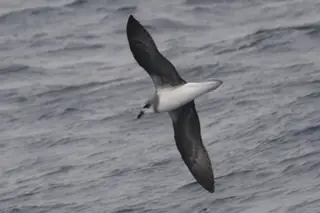 Soft-plumaged PetrelRare
-
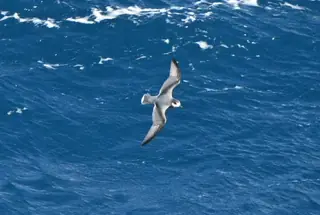 Blue Petrel
-
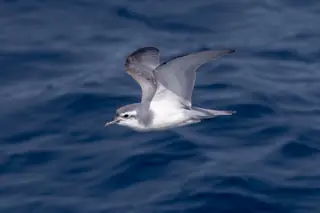 Slender-billed Prion
-
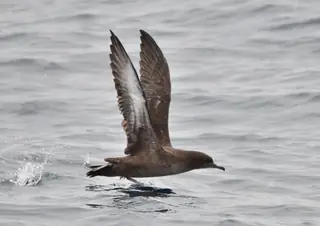 Sooty Shearwater
-
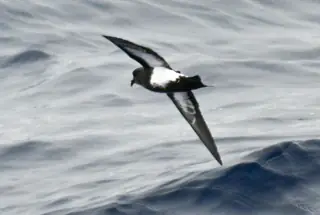 Black-bellied Storm Petrel
-
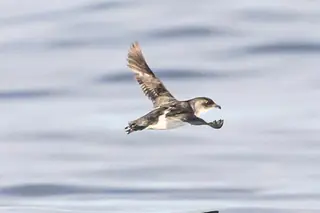 Common Diving Petrel
Sea life 1
-
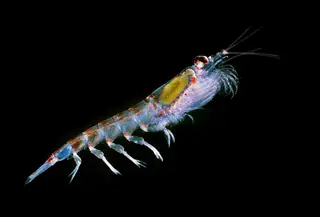 Antarctic Krill
Best time to see wildlife in the Antarctic Peninsula
Sightings by month in the Antarctic Peninsula
Most records: Jan, MarRecords from GBIF.org, adjusted for how many people record wildlife each month. 100% is the busiest month.
Ships visit from late October to March, during the southern summer. Early season, November and December, has the most snow and ice, penguins courting and laying eggs, and pristine landscapes. Penguin chicks hatch from late December and grow fast through January. January and February are the warmest months, with the longest days, active chicks and fur seals arriving on the beaches. February and March are the best months for whales, as humpbacks and minkes build up in the bays to feed, while penguin chicks start to moult and fledge. The Drake Passage can be rough in any month.
- NovSnow and sea ice, penguins courting and nesting
- Dec to JanLong days, eggs and chicks
- FebBusy colonies, chicks growing, whales building up
- MarBest for whales, chicks moulting
Tips for spotting wildlife in the Antarctic Peninsula
- 01
Keep five metres away
Follow the IAATO distance rules for penguins and seals, and keep further back if an animal reacts. Give way to penguins crossing your path on their highways.
- 02
Follow the bird flu rules
Because of avian influenza, visitors must not sit, kneel or lie down in wildlife areas or put bags on the ground. Clean and disinfect boots and gear before and after every landing.
- 03
Use the Drake days
Spend time on deck or at a sheltered window: albatrosses, petrels and prions follow the ship, and hourglass dolphins sometimes bow-ride. Ask the ship's naturalists to point out the species.
- 04
Watch the water from Zodiacs
Leopard seals, humpbacks and minkes are often seen on Zodiac cruises among icebergs. Drivers follow approach rules, so enjoy the encounter and let the animal decide how close it comes.
- 05
Pack binoculars and a long lens
With distance rules in place, a 100 to 400 mm lens and binoculars bring skuas, shags and seals close without disturbing them.

Take the Antarctic Peninsula with you
Log every penguin, seal, whale and albatross of your Antarctic voyage in Wilder, offline at sea. Free to start.

Antarctic Peninsula wildlife FAQ
What penguins can you see in Antarctica?
On a typical Antarctic Peninsula trip you will see gentoo, chinstrap and Adélie penguins. A few macaroni penguins nest among chinstraps in the South Shetland Islands. Emperor and king penguins are rare here: emperors live much further south, and king penguins are found in South Georgia and the Falklands.
When is the best time to visit Antarctica for wildlife?
It depends on what you want. November and December are best for snow, ice and courting penguins. January has penguin chicks and the warmest weather. February and March are best for whales, especially humpbacks feeding in the bays. All trips run between late October and March.
How close can you get to penguins in Antarctica?
IAATO guidelines set a minimum distance from penguins and seals, and ask you to back away if an animal reacts. Penguins sometimes walk closer on their own; stand still and let them pass. Under current bird flu protocols, visitors must not sit, kneel or lie down near wildlife.
What seabirds will I see crossing the Drake Passage?
The Drake Passage is one of the best seabird crossings in the world. Expect black-browed albatrosses, cape petrels, giant petrels, prions and Wilson's storm petrels, with good chances of wandering, royal and light-mantled albatrosses. White-chinned petrels and sooty shearwaters are common in the northern half.
Sources
- IAATO: Don't hug the penguins, and other rules in Antarctica
- IAATO 2025-26 avian influenza protocols
- IAATO operational procedures for viewing birds
- Sightings by month: GBIF.org
Animal photos are from the Wilder catalogue; photo credits.
Similar checklists
All Antarctica-
 Island45animals South Georgia British Overseas Territory, South Georgia A mountainous sub-Antarctic island where hundreds of thousands of king penguins crowd the plains, with fur seals on every beach and albatrosses on the cliffs. Best time Nov to Feb
-
 National park76animals Torres del Paine National Park Magallanes, Chile Granite towers above Patagonian steppe and glacial lakes, with guanacos on every slope, condors overhead and the best chance in the world of a wild puma. Best time Oct to Apr
-
 Reserve95animals Península Valdés Chubut, Argentina A windswept Patagonian peninsula where southern right whales raise their calves close to shore, orcas hunt sea lions on the beach and elephant seals crowd the shingle. Best time Sept to Nov
-
 Region48animals Svalbard Svalbard, Norway High Arctic islands halfway to the North Pole: polar bears on the sea ice, walrus on the beaches and seabird cliffs under the midnight sun. Best time Jun to Aug