Region · Rurrenabaque, Beni and La Paz · Bolivia
Rurrenabaque, Madidi and Pampas Wildlife Checklist

Rurrenabaque, a river town in northern Bolivia, is the gateway to two very different trips: Madidi National Park, rainforest rising from the Amazon to the Andes, and the Pampas del Yacuma, open wetlands where caimans, capybaras, pink river dolphins and hoatzins are easy to see from a boat. This checklist covers 123 animals. June to October, the dry season, is best.
Tick off all 123 animals in Madidi and the pampas on your phone, even offline. Launching soon. Free A4 PDF, no sign-up.
Rurrenabaque is a short flight or a long bus ride from La Paz. Madidi trips go up the Beni and Tuichi rivers by motorboat to community lodges such as Chalalán, while pampas trips drive about three hours to Santa Rosa and then follow the Yacuma river by boat.
- Animals to find
- 123
- Where
- Bolivia
- Best time
- Jun to Oct
- Macaw species on the list
- Five
Popular animals in Madidi and the pampas
-
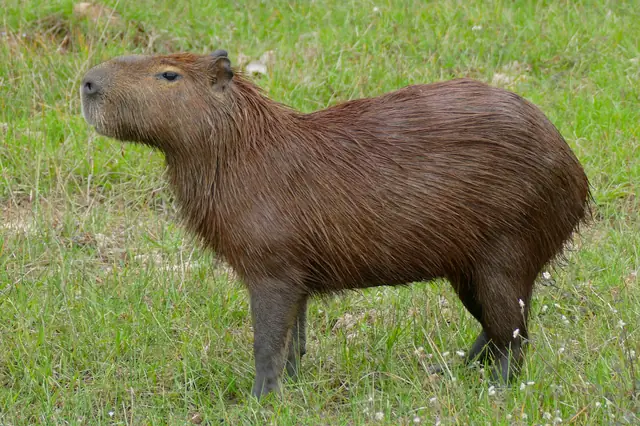
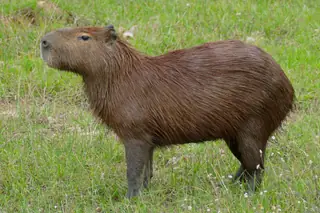
Capybara
Hydrochoerus hydrochaeris
The world's largest rodent, grazing in family groups along the banks of the Yacuma. Seen on every pampas trip.
-
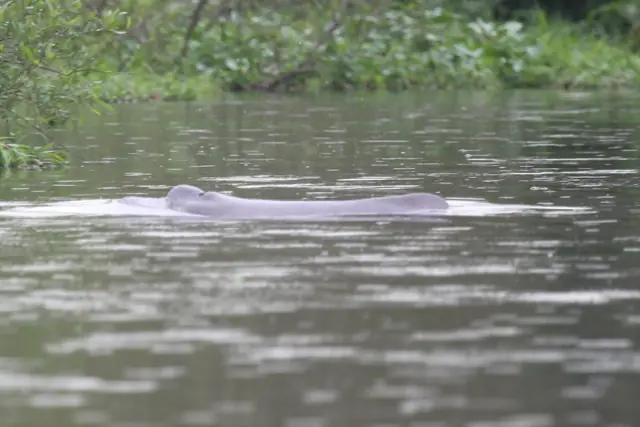
Bolivian River Dolphin
Inia boliviensis
Pink river dolphins surface in the Yacuma on the pampas. Watch from the boat, and never swim with them or feed them.
-
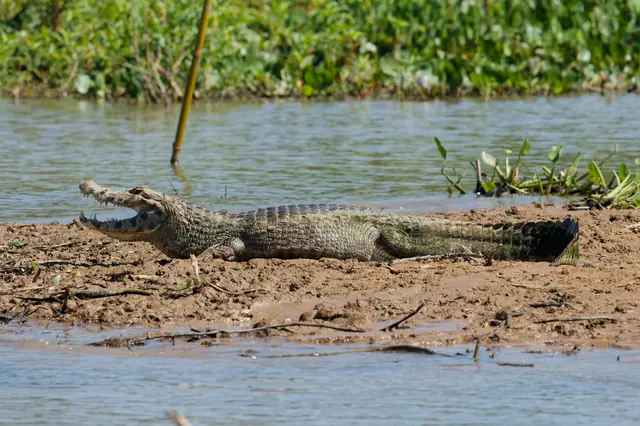
Yacare Caiman
Caiman yacare
Hundreds line the riverbanks of the pampas, especially in the dry season when water shrinks into the channels.
-
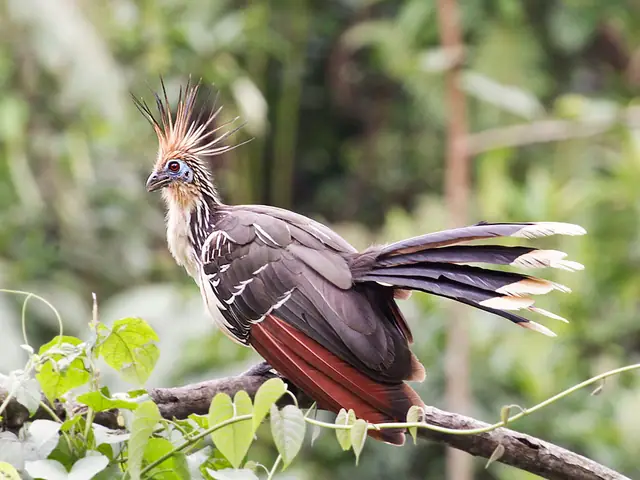
Hoatzin
Opisthocomus hoazin
A prehistoric-looking, leaf-eating bird that hisses from bushes along the Yacuma as the boat passes.
-
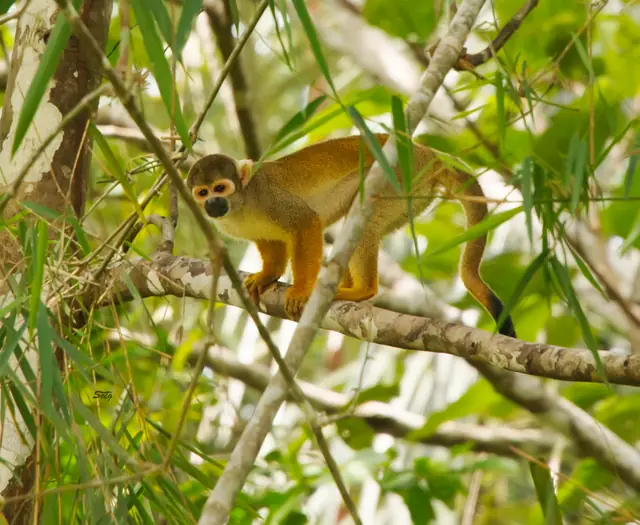
Bolivian Squirrel Monkey
Saimiri boliviensis
Busy, yellow-limbed troops in the riverside trees of the pampas, often close to the boats.
-
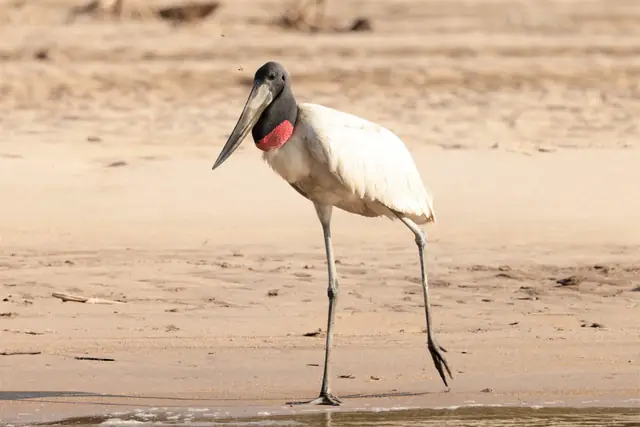
Jabiru
Jabiru mycteria
A huge white stork with a black and red neck, stalking fish in drying pools on the pampas.
-
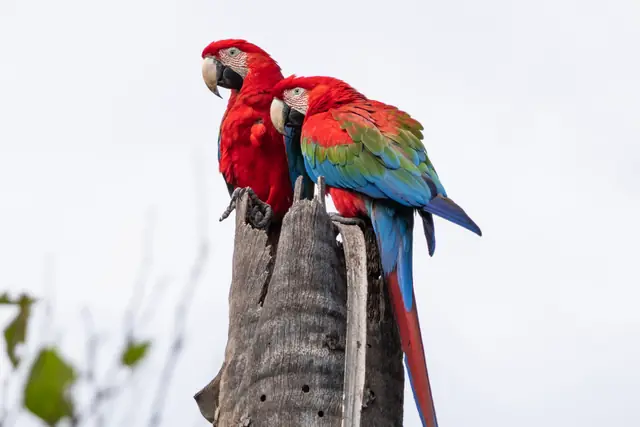
Red-and-green Macaw
Ara chloropterus
Pairs and small flocks fly over the forest, loudest early in the morning.
-
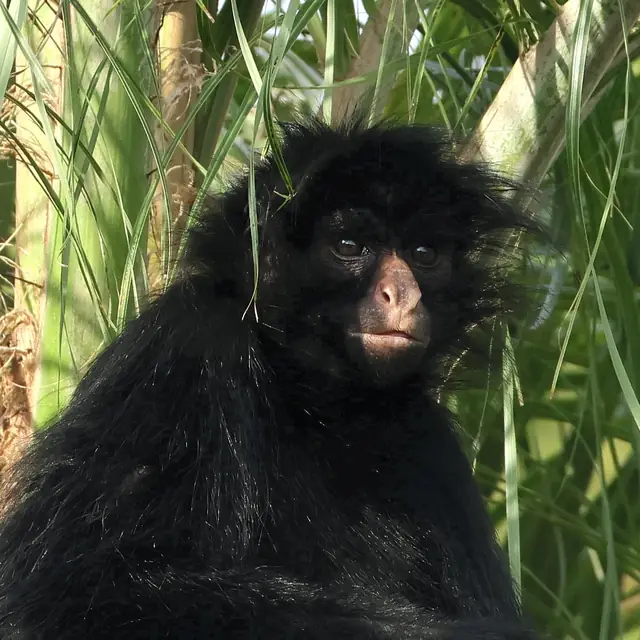
Peruvian Spider Monkey
Ateles chamek
Long-limbed and black, in the tall forest of Madidi away from the rivers.
-
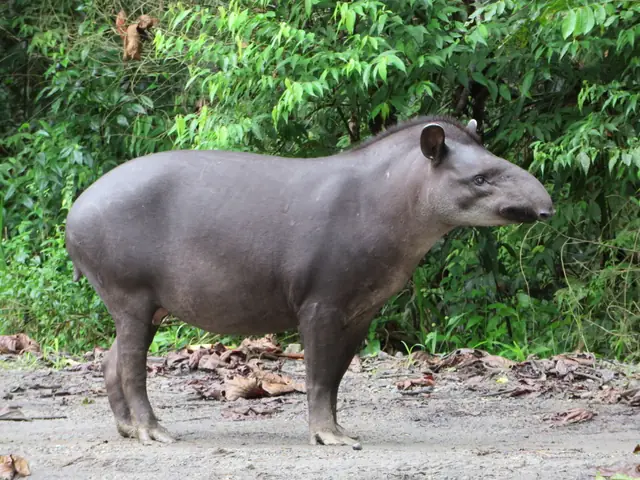
South American Tapir
Tapirus terrestris
Visits mineral licks in Madidi at night, where some lodges have hides.
All 123 animals in Madidi and the pampas
Big mammals 11
-
 Capybara
-
 Bolivian River Dolphin
-
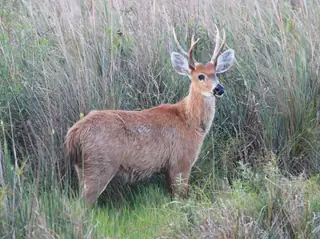 Marsh Deer
-
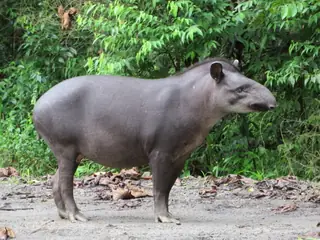 South American Tapir
-
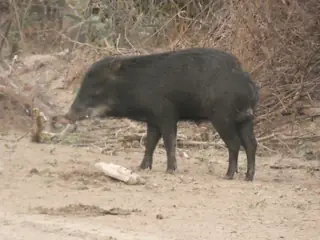 White-lipped Peccary
-
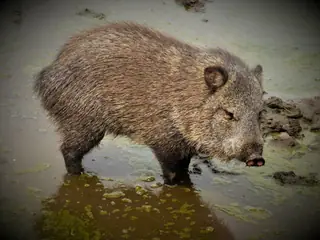 Collared Peccary
-
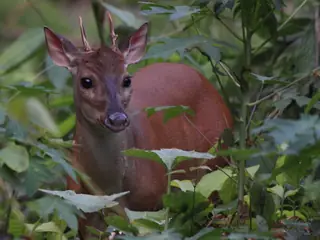 Red Brocket
-
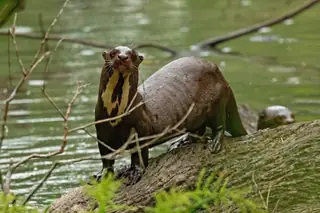 Giant OtterRare
-
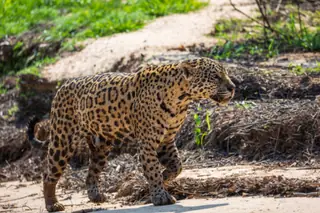 JaguarRare
-
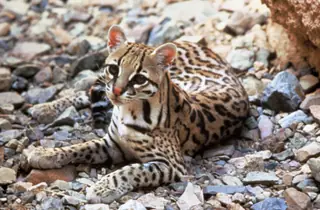 OcelotRare
-
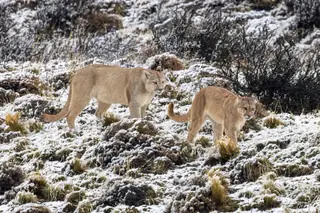 Cougar (Mountain Lion)Rare
Monkeys 8
-
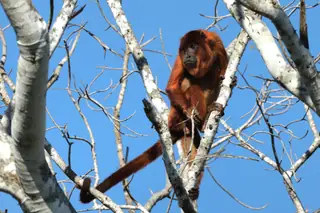 Bolivian Red Howler Monkey
-
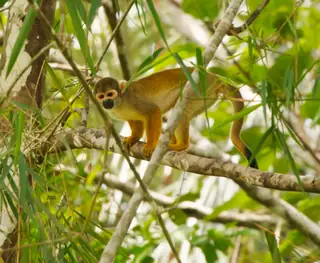 Bolivian Squirrel Monkey
-
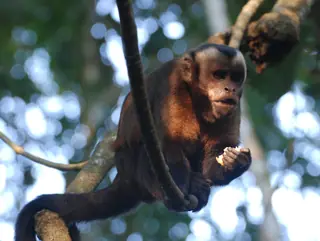 Large-headed Capuchin
-
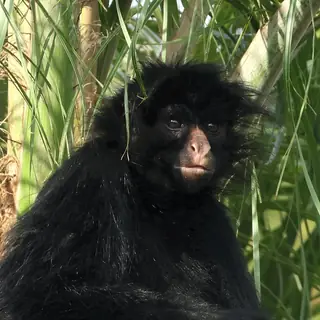 Peruvian Spider Monkey
-
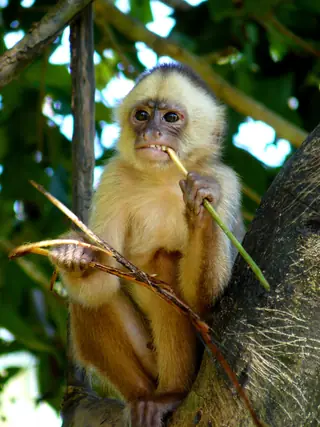 White-fronted Capuchin
-
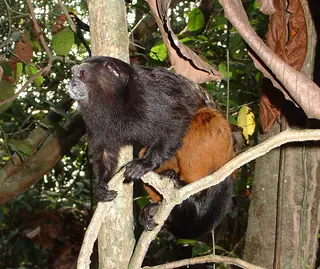 Weddell's Saddle-back Tamarin
-
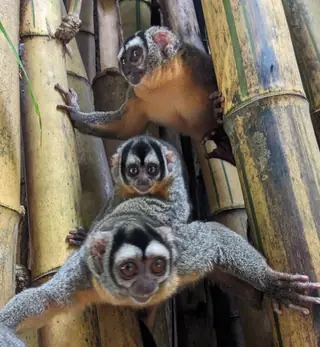 Black-headed Night Monkey
-
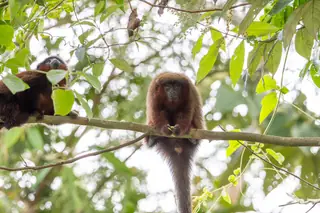 Toppin's Titi
Smaller mammals 10
-
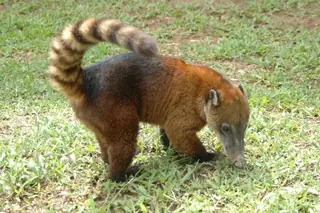 South American Coati
-
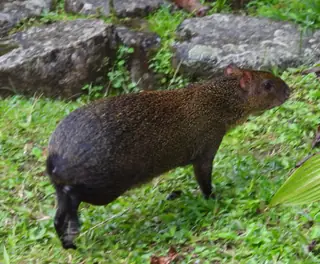 Brown Agouti
-
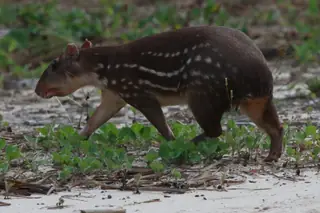 Lowland Paca
-
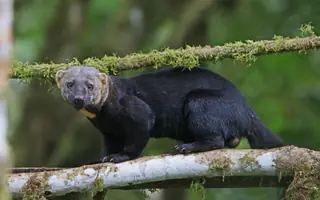 Tayra
-
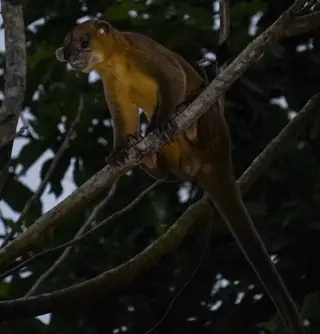 Kinkajou
-
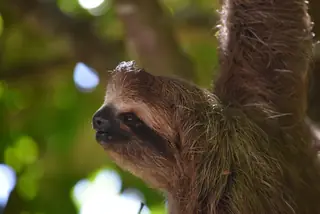 Brown-throated Three-toed Sloth
-
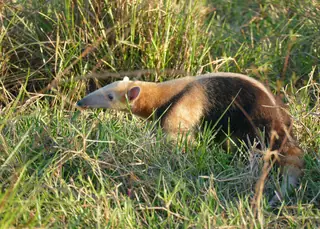 Southern Tamandua
-
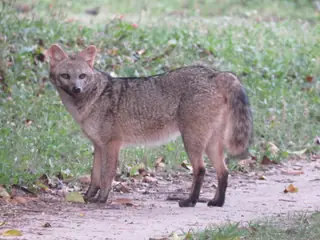 Crab-eating Fox
-
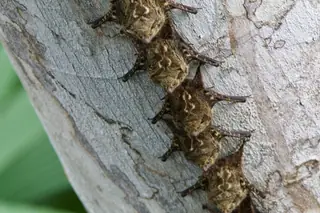 Proboscis Bat
-
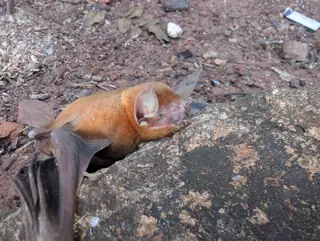 Greater Bulldog Bat
Macaws and parrots 10
-
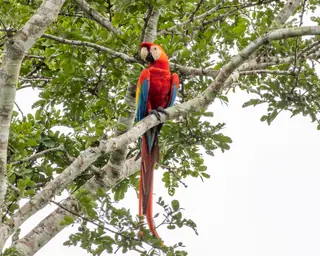 Scarlet Macaw
-
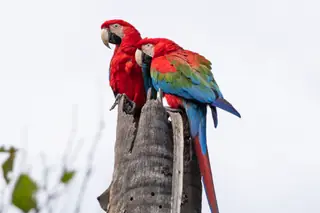 Red-and-green Macaw
-
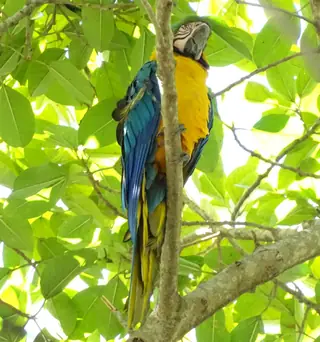 Blue-and-yellow Macaw
-
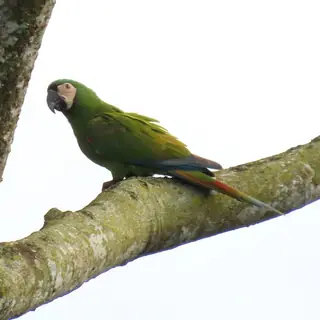 Chestnut-fronted Macaw
-
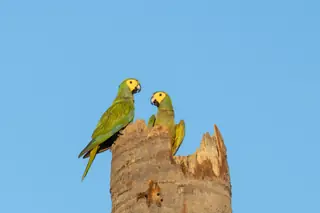 Red-bellied Macaw
-
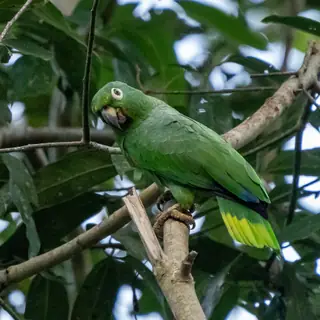 Mealy Amazon
-
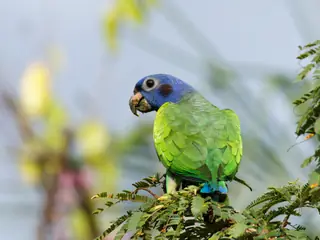 Blue-headed Parrot
-
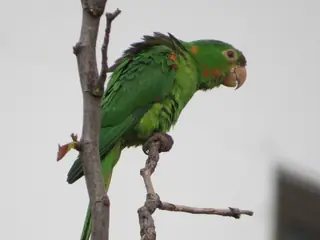 White-eyed Parakeet
-
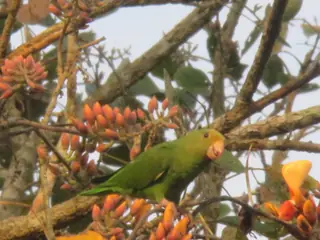 Cobalt-winged Parakeet
-
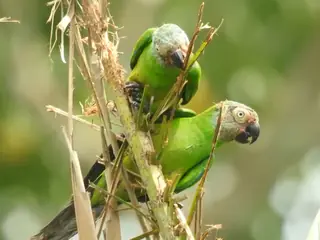 Dusky-headed Parakeet
Pampas water birds 31
-
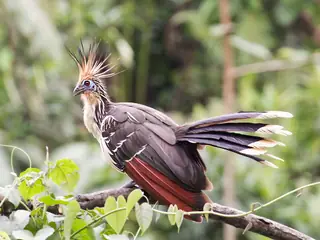 Hoatzin
-
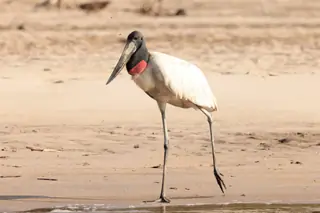 Jabiru
-
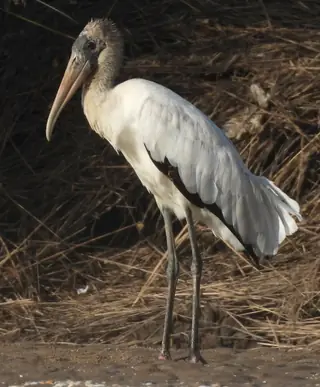 Wood Stork
-
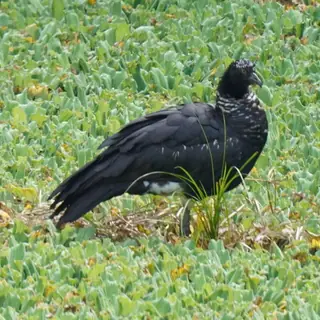 Horned Screamer
-
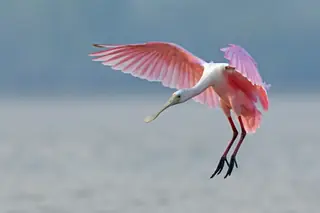 Roseate Spoonbill
-
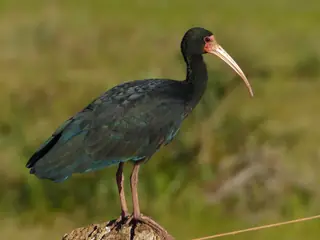 Bare-faced Ibis
-
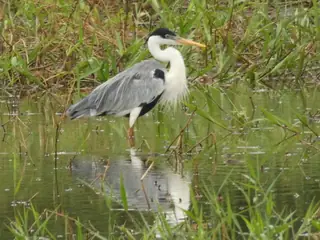 Cocoi Heron
-
 Great Egret
-
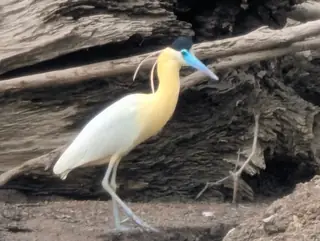 Capped Heron
-
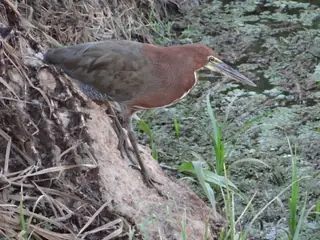 Rufescent Tiger Heron
-
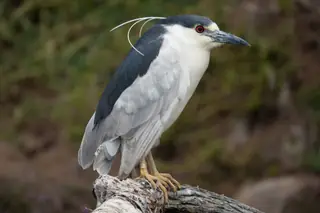 Black-crowned Night Heron
-
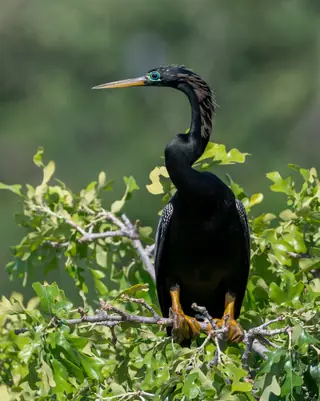 Anhinga
-
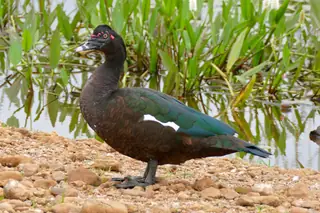 Muscovy Duck
-
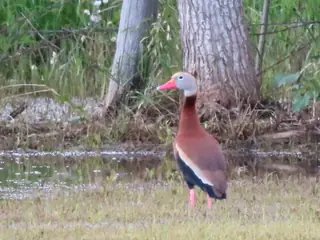 Black-bellied Whistling Duck
-
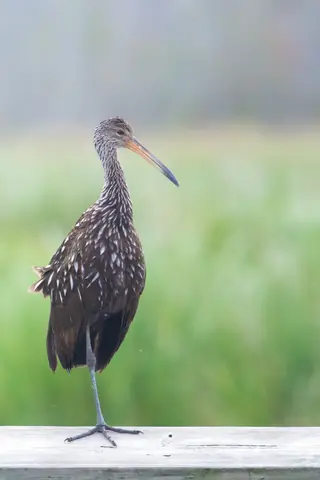 Limpkin
-
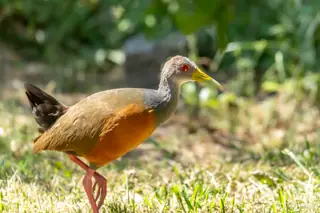 Grey-cowled Wood Rail
-
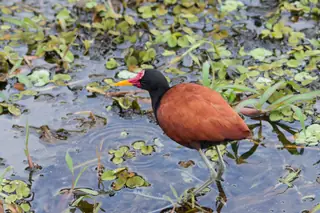 Wattled Jacana
-
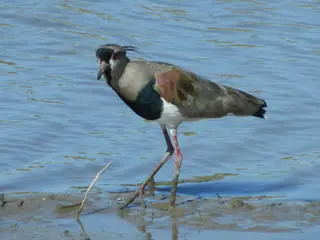 Southern Lapwing
-
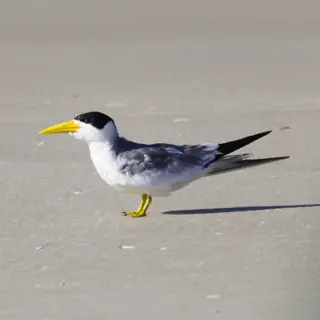 Large-billed Tern
-
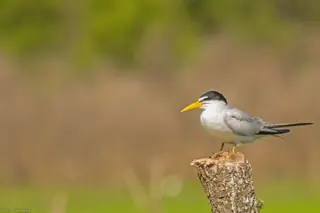 Yellow-billed Tern
-
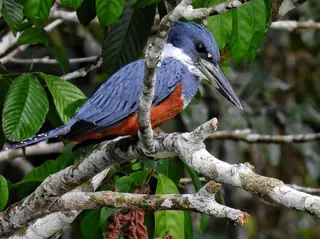 Ringed Kingfisher
-
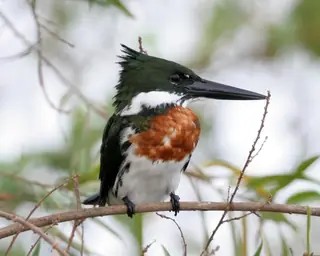 Amazon Kingfisher
-
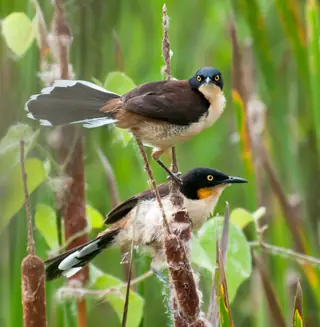 Black-capped Donacobius
-
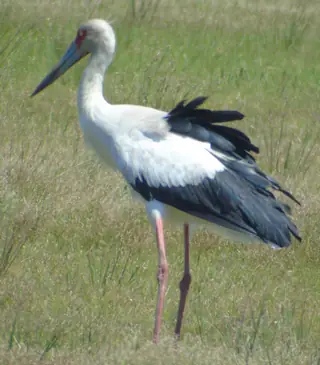 Maguari Stork
-
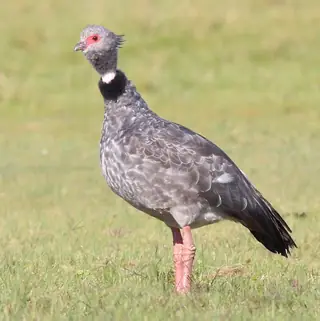 Southern Screamer
-
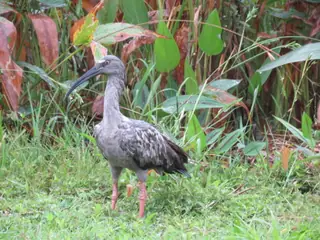 Plumbeous Ibis
-
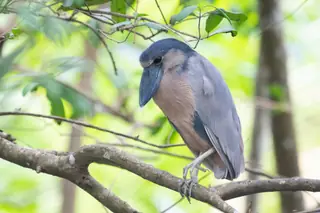 Boat-billed Heron
-
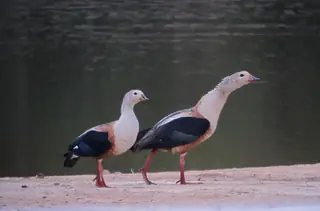 Orinoco Goose
-
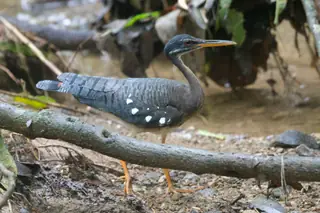 Sunbittern
-
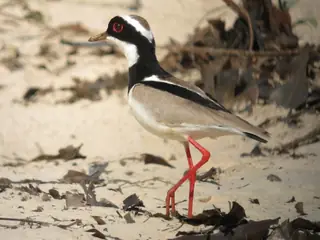 Pied Plover
-
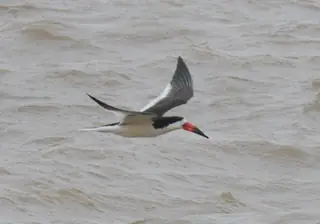 Black Skimmer
Forest and open-country birds 27
-
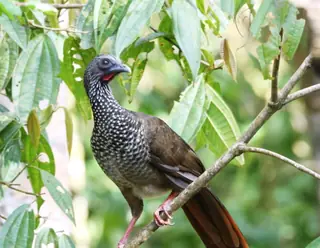 Speckled Chachalaca
-
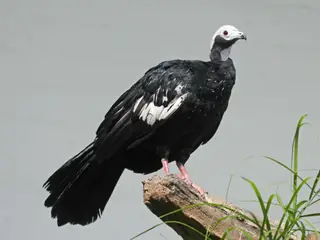 Blue-throated Piping Guan
-
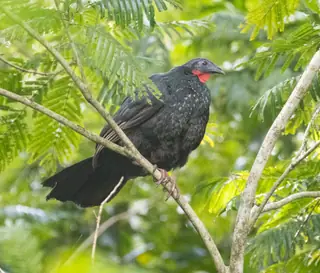 Spix's Guan
-
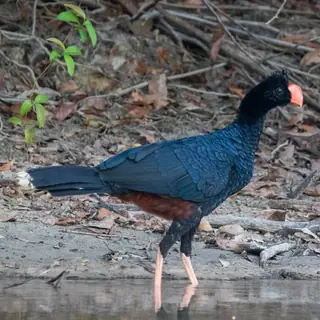 Razor-billed CurassowRare
-
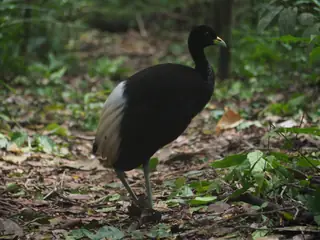 Pale-winged TrumpeterRare
-
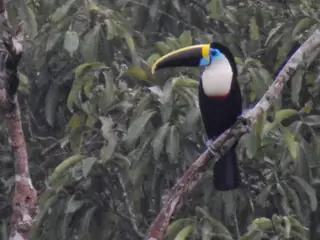 White-throated Toucan
-
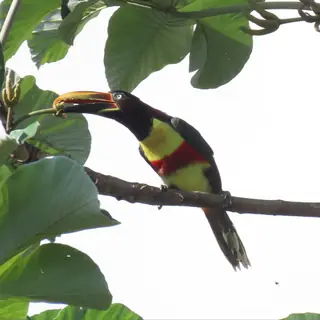 Chestnut-eared Aracari
-
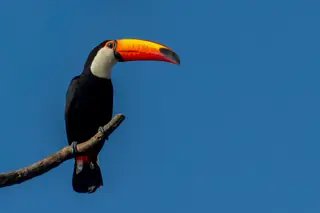 Toco Toucan
-
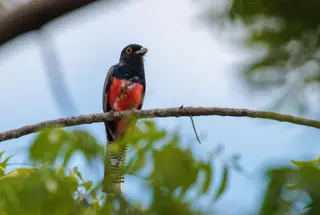 Blue-crowned Trogon
-
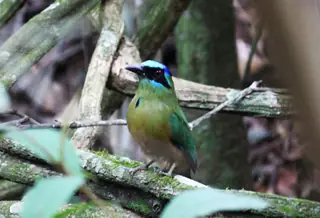 Amazonian Motmot
-
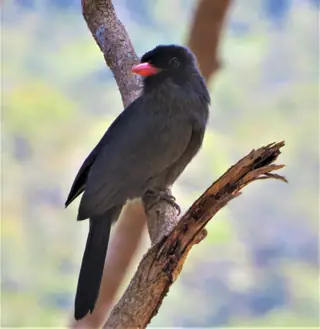 Black-fronted Nunbird
-
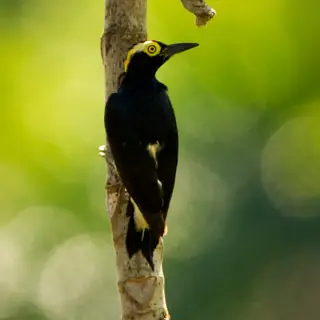 Yellow-tufted Woodpecker
-
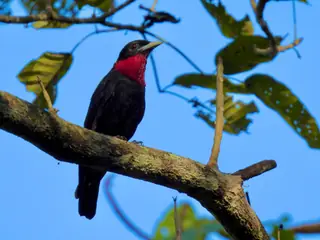 Purple-throated Fruitcrow
-
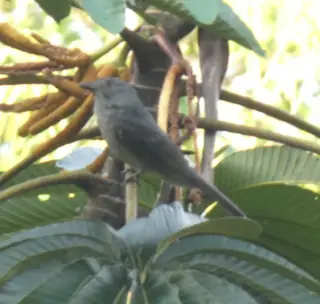 Screaming Piha
-
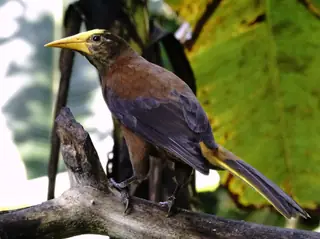 Russet-backed Oropendola
-
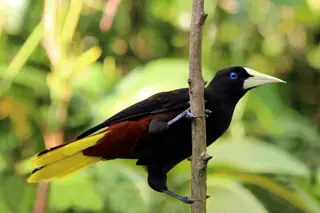 Crested Oropendola
-
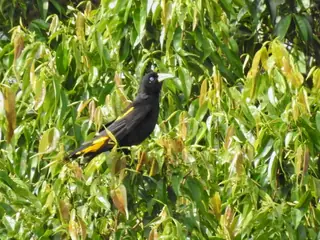 Yellow-rumped Cacique
-
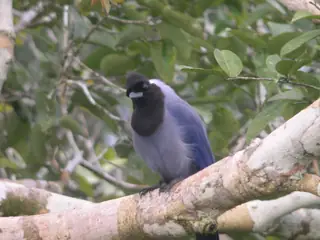 Violaceous Jay
-
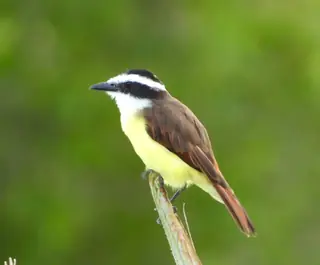 Great Kiskadee
-
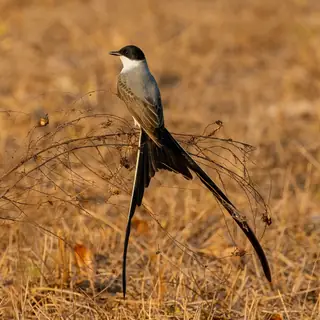 Fork-tailed Flycatcher
-
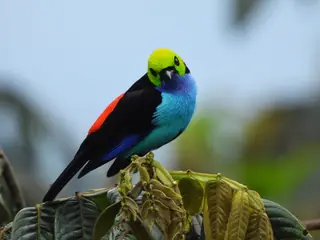 Paradise Tanager
-
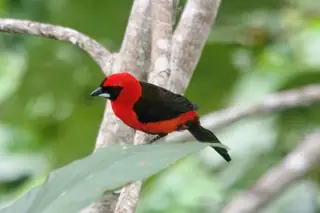 Masked Crimson Tanager
-
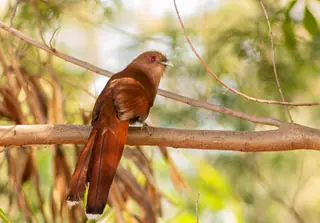 Common Squirrel-cuckoo
-
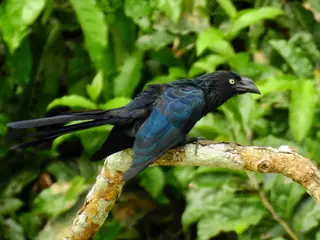 Greater Ani
-
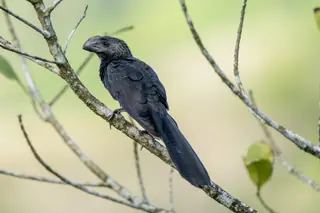 Smooth-billed Ani
-
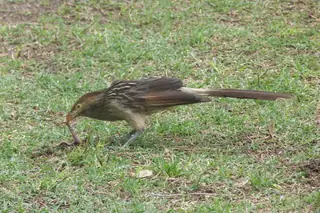 Guira Cuckoo
-
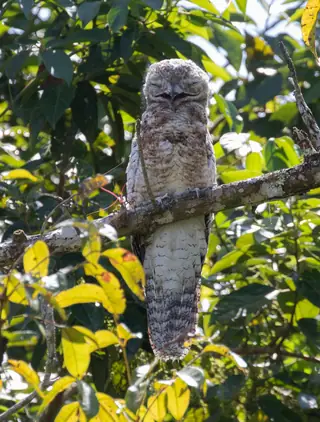 Great Potoo
Birds of prey 12
-
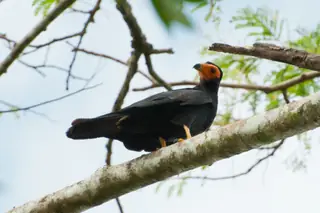 Black Caracara
-
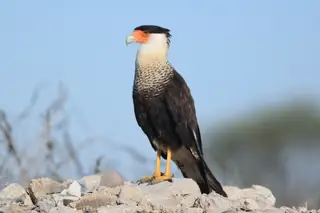 Southern Crested Caracara
-
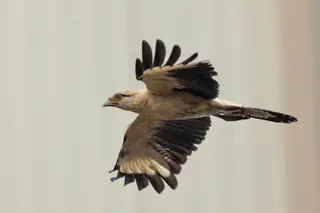 Yellow-headed Caracara
-
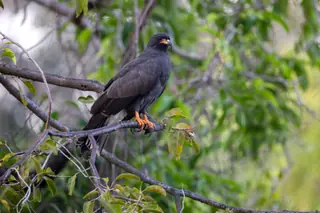 Snail Kite
-
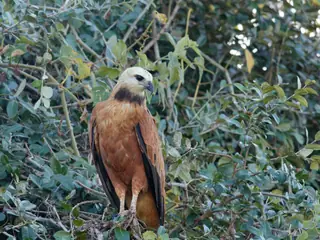 Black-collared Hawk
-
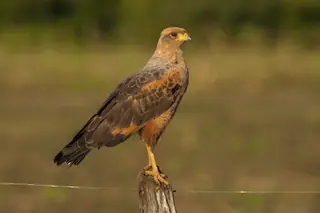 Savanna Hawk
-
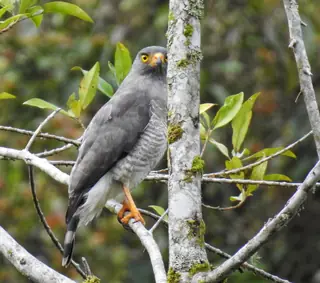 Roadside Hawk
-
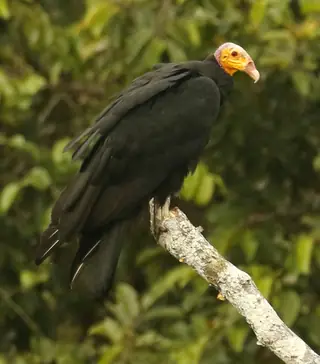 Greater Yellow-headed Vulture
-
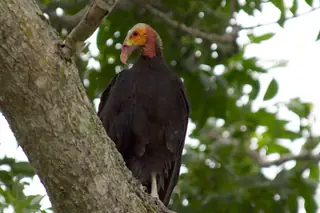 Lesser Yellow-headed Vulture
-
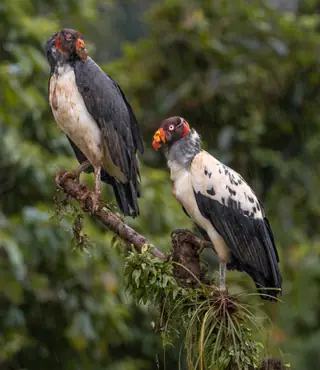 King Vulture
-
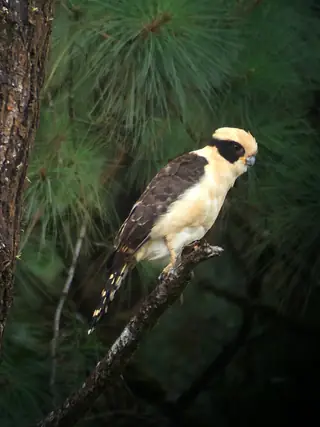 Laughing Falcon
-
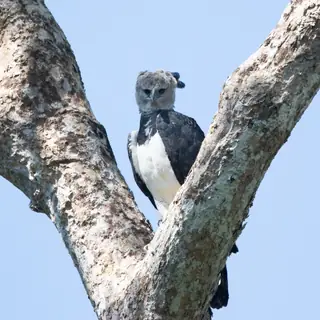 Harpy EagleRare
Reptiles and amphibians 12
-
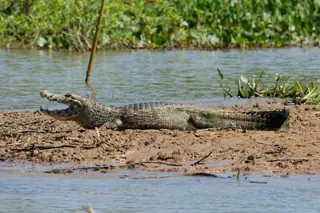 Yacare Caiman
-
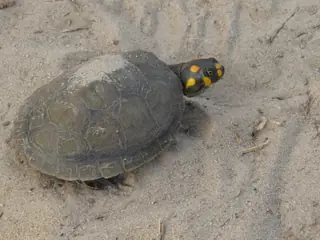 Yellow-spotted River Turtle
-
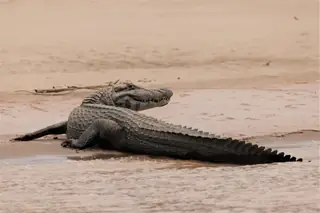 Black Caiman
-
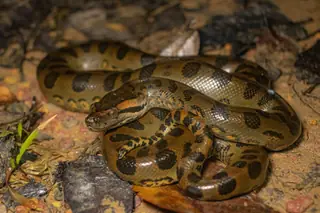 Green Anaconda
-
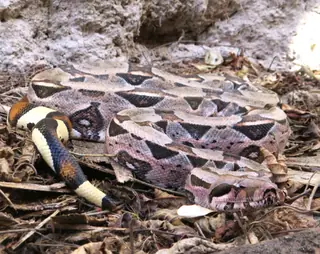 Boa Constrictor
-
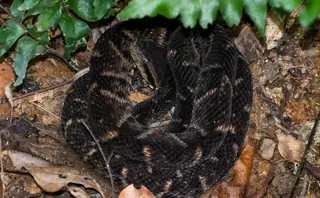 Common Lancehead
-
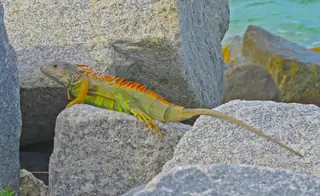 Green Iguana
-
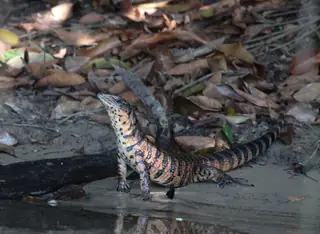 Gold Tegu
-
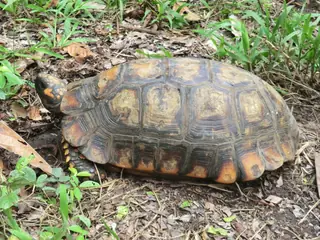 Yellow-footed TortoiseRare
-
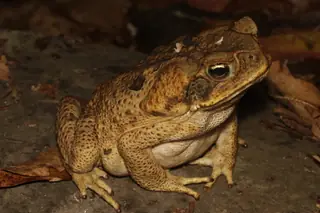 Cane Toad
-
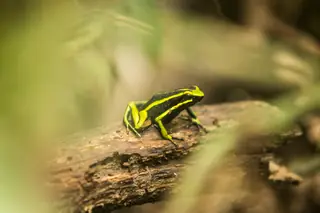 Three-striped Poison Frog
-
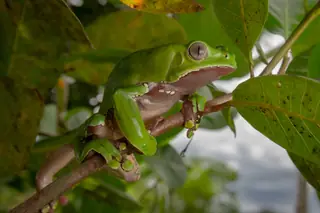 Giant Monkey Frog
Fish and butterflies 2
-
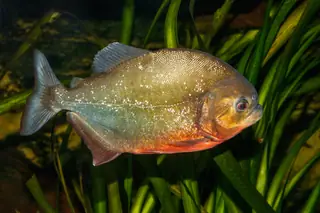 Red-bellied Piranha
-
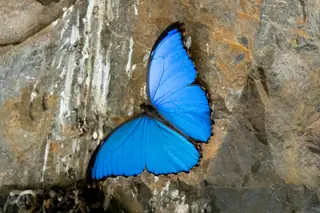 Menelaus Blue Morpho
Best time to see wildlife in Madidi and the pampas
Sightings by month in Madidi and the pampas
Most records: AugRecords from GBIF.org, adjusted for how many people record wildlife each month. 100% is the busiest month.
The dry season, from about June to October, is the best time for both trips. On the pampas, water shrinks into the Yacuma and its lagoons, crowding caimans, capybaras, storks and herons along the banks, and the roads to Santa Rosa are passable. In Madidi, trails are firmer and the rivers lower. June to August can bring surazos, cold winds from the south that drop temperatures for a few days. From November to April the rains arrive: the pampas flood and animals spread out, roads can close, and Madidi's rivers run high and fast, though the forest is lush and many birds are breeding. Mosquitoes are worst in the wet season.
- Jun to AugDry, cold surazo winds possible
- Sep to OctDriest pampas, animals crowd the river
- Nov to FebRains, flooded pampas, high rivers
- Mar to MayWater dropping, green and quieter
Tips for spotting wildlife in Madidi and the pampas
- 01
Do both trips
The pampas are easier for big numbers of animals; Madidi is better for forest monkeys and tapir tracks. Two or three nights in each is a good split.
- 02
Choose a responsible pampas operator
Avoid any tour that handles anacondas or caimans, feeds animals or chases wildlife with the boat. Ask before you book, and choose operators that follow park rules.
- 03
Stay at a community lodge in Madidi
Chalalán, owned by the people of San José de Uchupiamonas, and other community lodges put tourism money into protecting the forest.
- 04
Watch from the boat at dusk
Late afternoon on the Yacuma brings howler monkeys calling, birds going to roost and the first caiman eyes in the torch beam.
- 05
Carry cash and repellent
Park fees are paid in cash in bolivianos, and there are few cash machines outside Rurrenabaque. Bring strong repellent and long sleeves for the pampas.

Take Madidi and the pampas with you
Tick off capybaras, caimans and river dolphins on the pampas and in Madidi with Wilder. It works offline on the river and is free to start.

Rurrenabaque wildlife FAQ
Pampas or jungle tour from Rurrenabaque: which is better?
For the most animals in the least time, choose the pampas: capybaras, caimans, river dolphins, monkeys and water birds are seen on almost every trip. The jungle tour into Madidi has richer forest and different wildlife, such as spider monkeys and tapirs, but animals are harder to see. Many visitors do both.
Can you swim with pink river dolphins in Bolivia?
Some pampas tours offer it, but it is better to watch from the boat. Dolphins are wild and easily stressed, the water also holds caimans and piranhas, and approaching wildlife is against responsible-watching practice. Quiet views from the boat are the safer, kinder choice.
What animals can you see in Madidi National Park?
Madidi stretches from Amazon lowlands to Andean peaks and is one of the most species-rich parks on Earth. Lodge visitors see howler, spider and squirrel monkeys, capuchins, toucans, caimans and turtles, with tapirs and peccaries at licks. This checklist covers 123 animals across Madidi and the pampas.
How do you get to Rurrenabaque?
Flights from La Paz take under an hour and are the usual route, though they can be cancelled in bad weather. Buses take around 12 hours or more on a rough mountain road. Pampas trips leave Rurrenabaque by road for Santa Rosa; Madidi trips leave by boat.
Sources
- Madidi National Park (Wikipedia)
- WCS Bolivia: Madidi
- Culture Trip: a Bolivian Amazon pampas tour
- Sightings by month: GBIF.org
Animal photos are from the Wilder catalogue; photo credits.
Similar checklists
All South and Central America-
 Reserve89animals Tambopata Madre de Dios, Peru Lowland Amazon rainforest where hundreds of macaws and parrots gather at the clay licks, and giant otters fish the oxbow lakes. Best time Apr to Oct
-
 National park130animals Manu National Park and the Manu Road Cusco and Madre de Dios, Peru One road drops from Andean grassland through cloud forest to the Amazon: cock-of-the-rock leks, macaw clay licks and giant otters on the oxbow lakes. Best time May to Oct
-
 Region107animals Pantanal Mato Grosso and Mato Grosso do Sul, Brazil The world's largest tropical wetland and the best place on Earth to see a wild jaguar, with giant otters, caimans by the thousand and hyacinth macaws. Best time Jul to Oct
-
 Region71animals Colca Canyon Caylloma, Arequipa, Peru One of the deepest canyons on Earth, where Andean condors ride the morning thermals and vicuñas graze the high puna on the way in. Best time Apr to Nov