Reserve · Monteverde, Puntarenas · Costa Rica
Monteverde Cloud Forest Wildlife Checklist

Monteverde, in the Tilarán mountains of northern Costa Rica, is the country's best-known cloud forest, famous for the resplendent quetzal, the three-wattled bellbird and dozens of hummingbirds. The area takes in the Monteverde and Santa Elena reserves and the Children's Eternal Rainforest. This checklist covers 107 animals. February to May is best for quetzals and drier trails.
Tick off all 107 animals in Monteverde on your phone, even offline. Launching soon. Free A4 PDF, no sign-up.
Monteverde sits on the Continental Divide at about 1,400 to 1,800 metres, about three to four hours' drive from the airports at San José or Liberia. Wind and mist from the Caribbean keep the forest wet and covered in mosses, ferns and orchids, and most visitors split their time between the reserves by day and a guided night walk after dark.
- Animals to find
- 107
- Where
- Costa Rica
- Best time
- Feb to May
- Hummingbirds on the list
- Ten
Popular animals in Monteverde
-
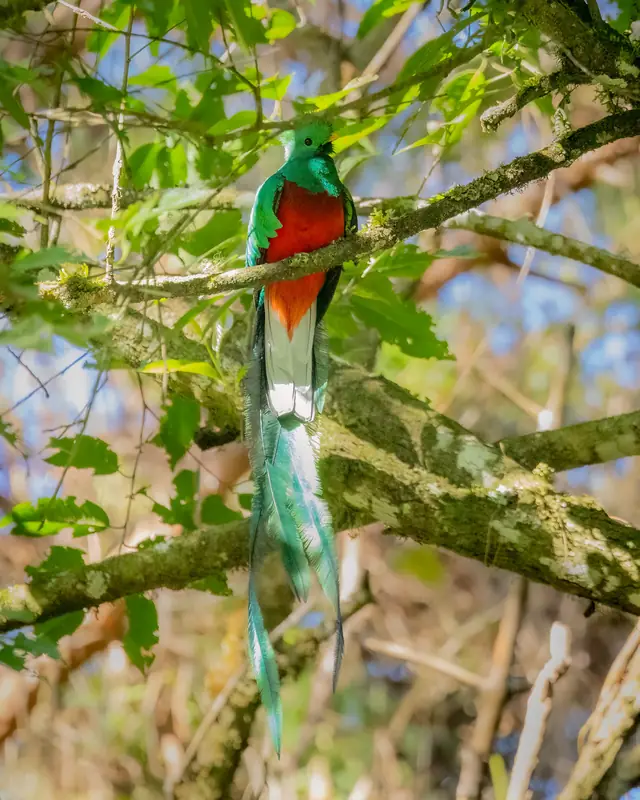
Resplendent Quetzal
Pharomachrus mocinno
The bird most people come for: males have tail streamers longer than their body. They feed on wild avocado fruit in mature cloud forest, most visibly from February to May.
-
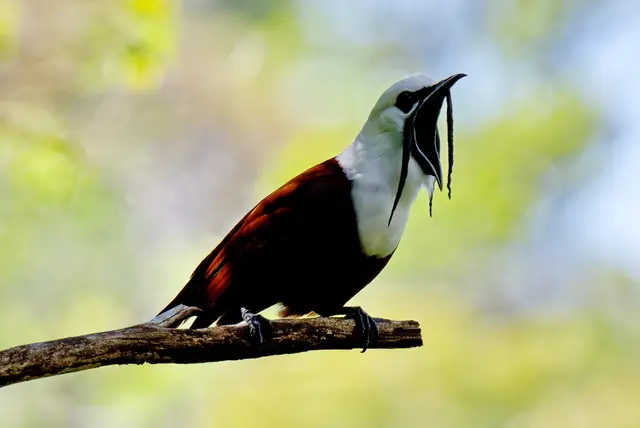
Three-wattled Bellbird
Procnias tricarunculatus
One of the loudest birds in the world. Its metallic "bonk" rings across the valleys from March to July, then it moves to lower forest.
-
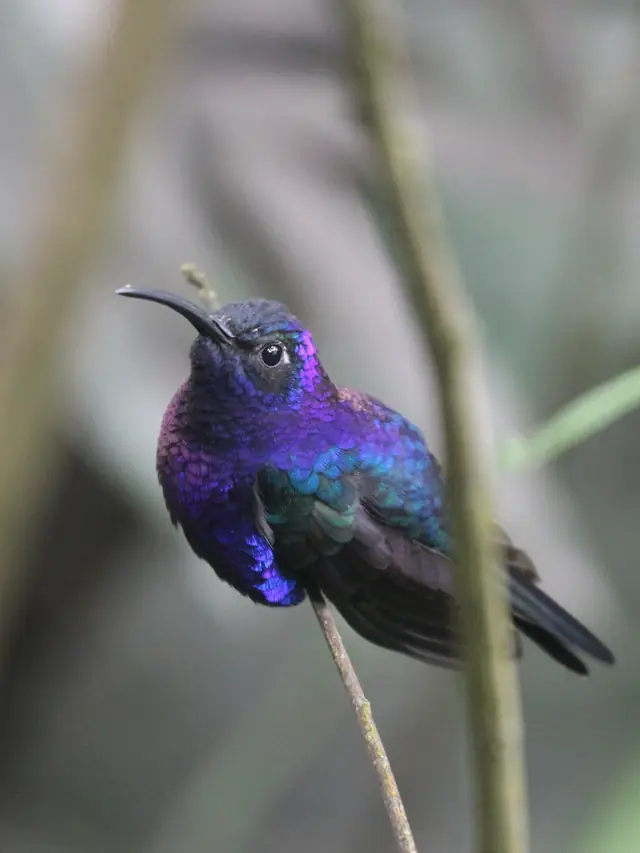
Violet Sabrewing
Campylopterus hemileucurus
The largest hummingbird in Monteverde, glittering purple. Easy at the feeders near the reserve entrances, alongside the purple-throated mountain-gem and green-crowned brilliant.
-
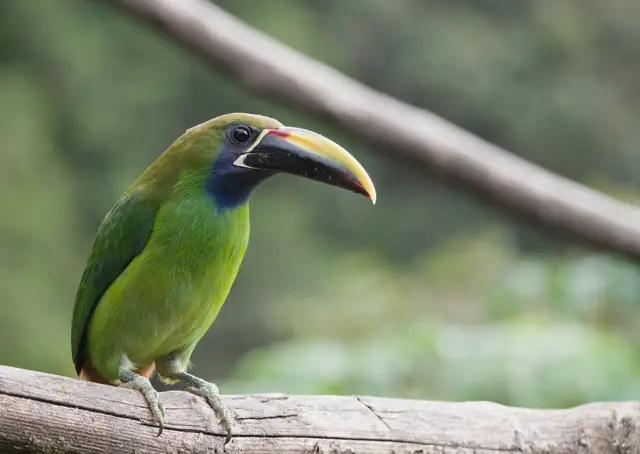
Northern Emerald Toucanet
Aulacorhynchus prasinus
A small, bright green toucan of the cloud forest, usually in pairs or small groups at fruiting trees.
-
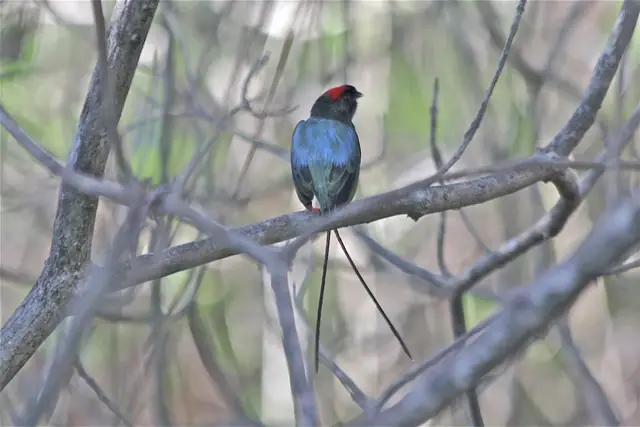
Long-tailed Manakin
Chiroxiphia linearis
Males dance in pairs for a watching female, hopping over each other on a low branch. Listen for the "to-lee-do" call.
-
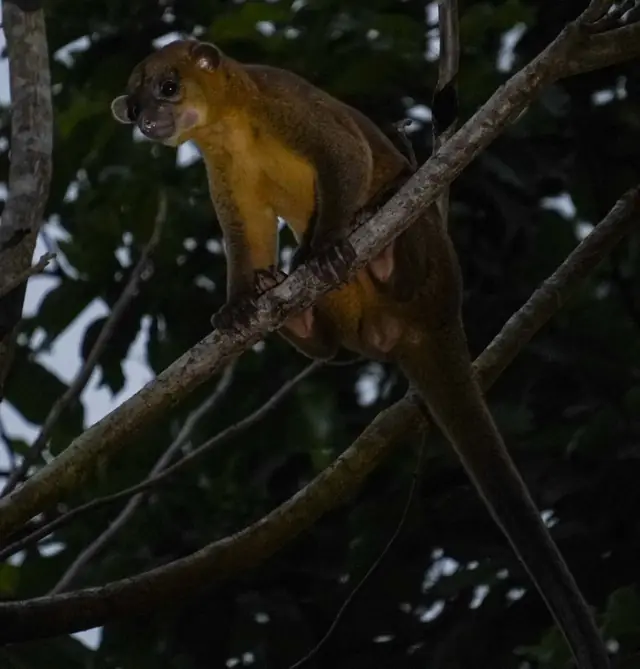
Kinkajou
Potos flavus
The star of most night walks: a honey-coloured, tree-climbing relative of the raccoon that feeds on fruit and nectar after dark.
-
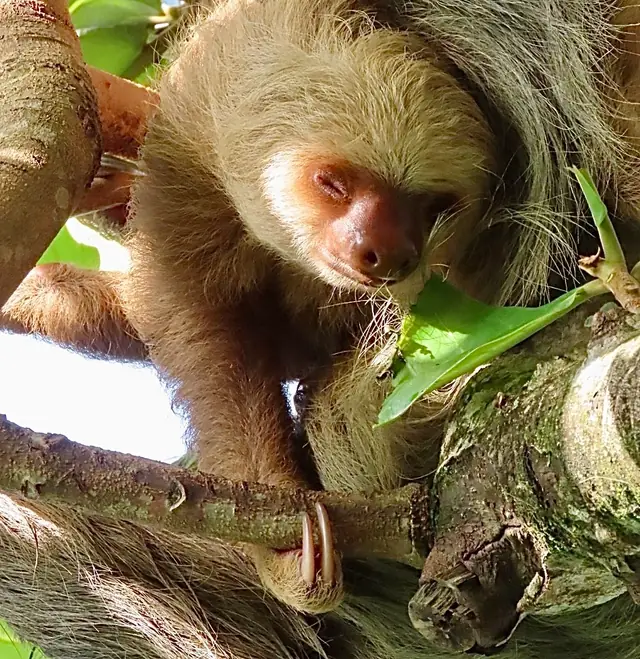
Hoffmann's Two-toed Sloth
Choloepus hoffmanni
Sleeps through the day but often moves through the trees on night walks, when it is far easier to see than by daylight.
-
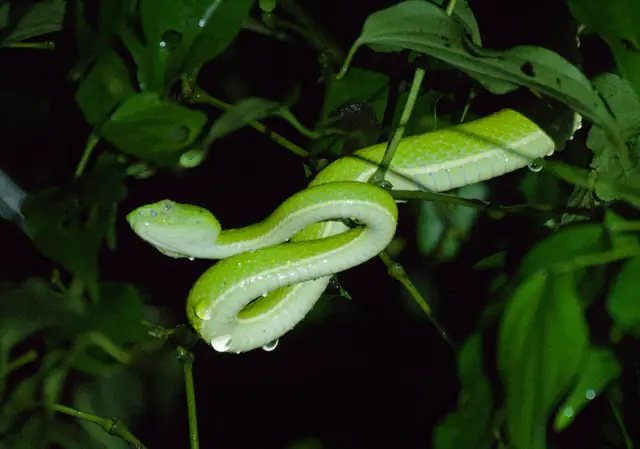
Side-striped Palm Pit Viper
Bothriechis lateralis
A bright green viper of the cloud forest, often coiled on a branch beside the trail. Look, but keep well back.
-
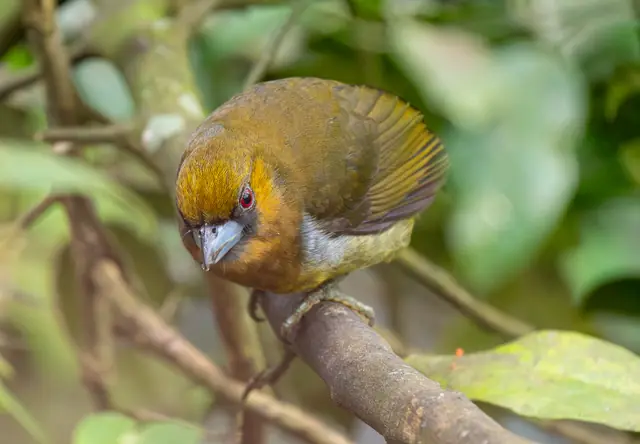
Prong-billed Barbet
Semnornis frantzii
A stocky, orange-faced barbet of the highlands. Pairs duet with a loud, hollow call.
All 107 animals in Monteverde
Cloud forest stars 12
-
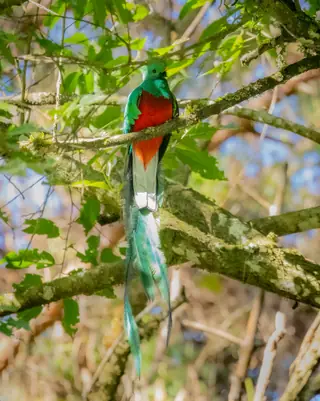 Resplendent Quetzal
-
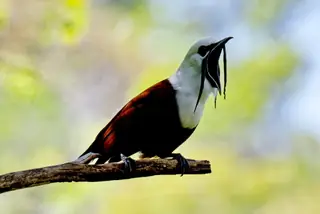 Three-wattled Bellbird
-
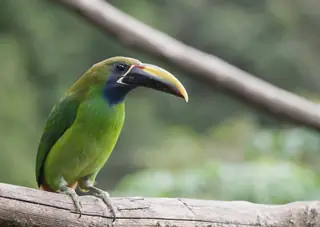 Northern Emerald Toucanet
-
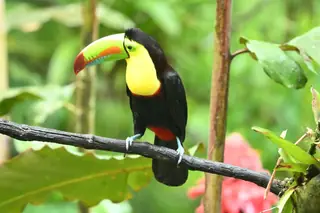 Keel-billed Toucan
-
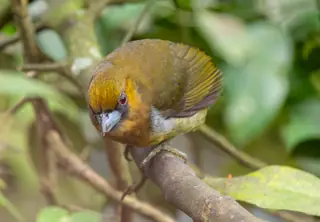 Prong-billed Barbet
-
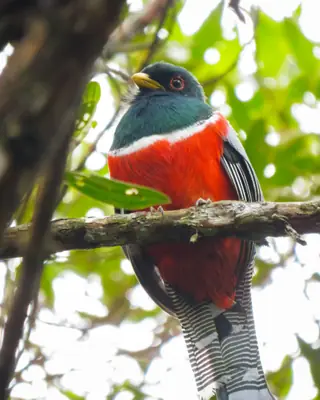 Collared Trogon
-
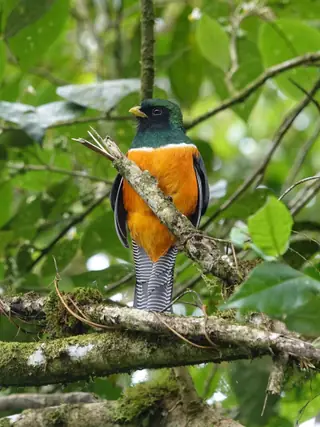 Orange-bellied Trogon
-
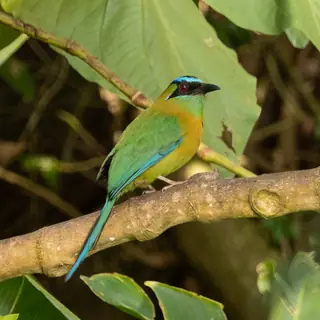 Blue-diademed Motmot
-
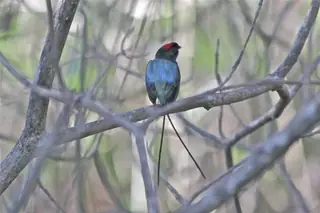 Long-tailed Manakin
-
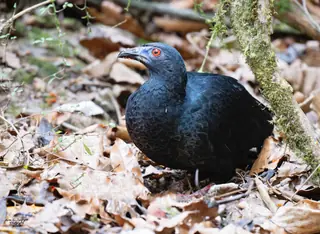 Black Guan
-
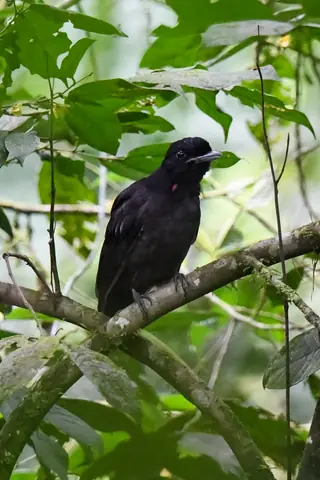 Bare-necked UmbrellabirdRare
-
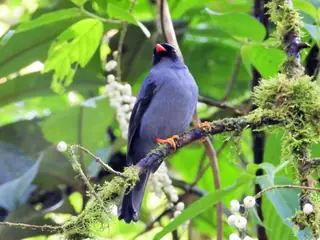 Black-faced Solitaire
Hummingbirds 10
-
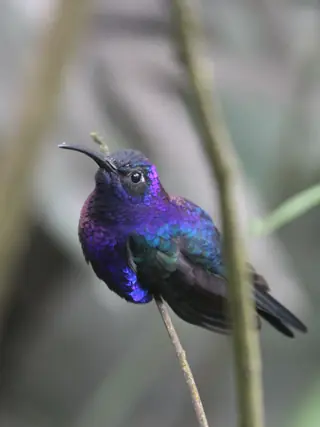 Violet Sabrewing
-
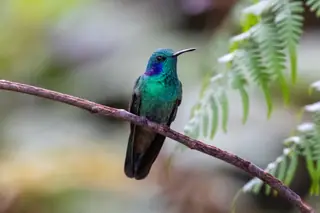 Lesser Violetear
-
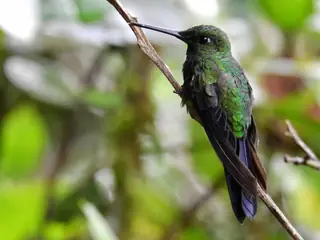 Green-crowned Brilliant
-
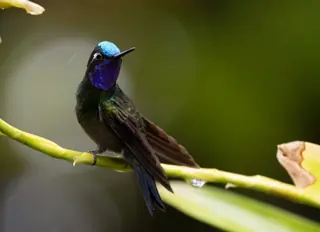 Purple-throated Mountain-gem
-
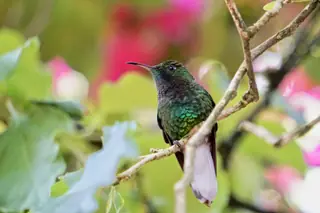 Coppery-headed Emerald
-
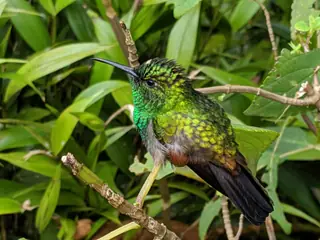 Stripe-tailed Hummingbird
-
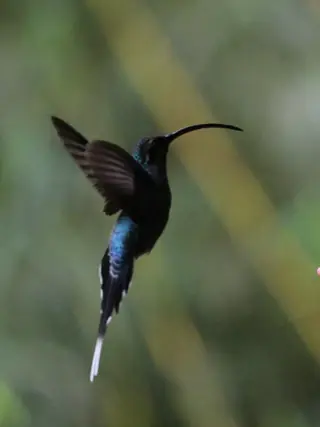 Green Hermit
-
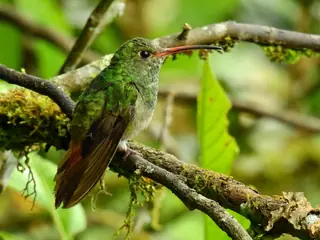 Rufous-tailed Hummingbird
-
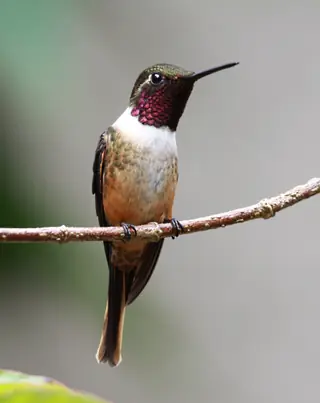 Magenta-throated Woodstar
-
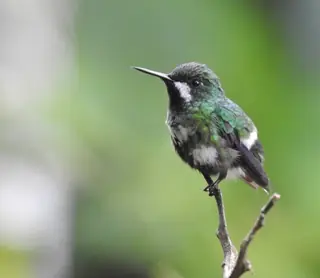 Green Thorntail
Other forest birds 32
-
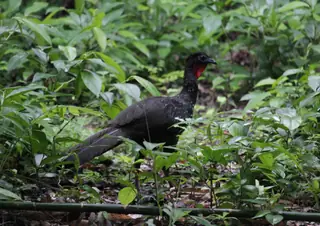 Crested Guan
-
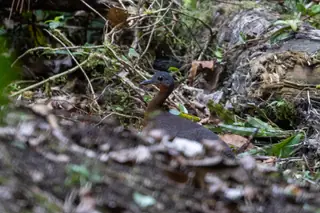 Highland Tinamou
-
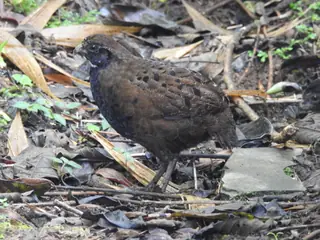 Black-breasted Wood Quail
-
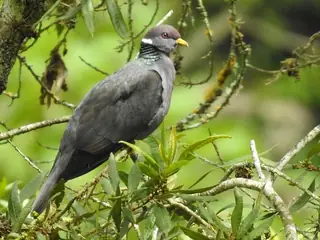 Band-tailed Pigeon
-
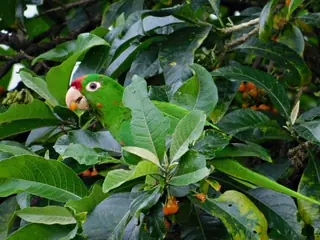 Finsch's Parakeet
-
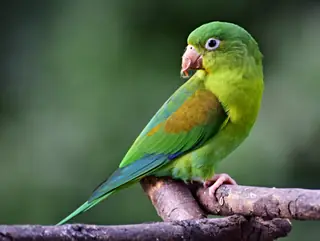 Orange-chinned Parakeet
-
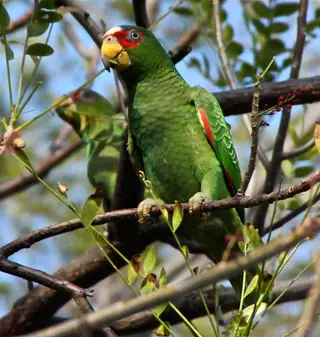 White-fronted Amazon
-
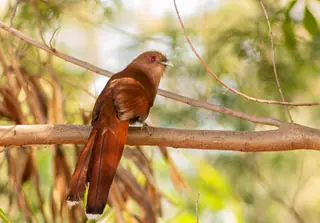 Common Squirrel-cuckoo
-
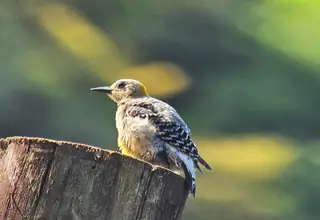 Hoffmann's Woodpecker
-
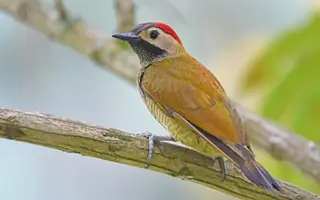 Golden-olive Woodpecker
-
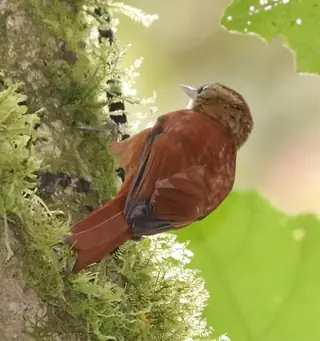 Ruddy Treerunner
-
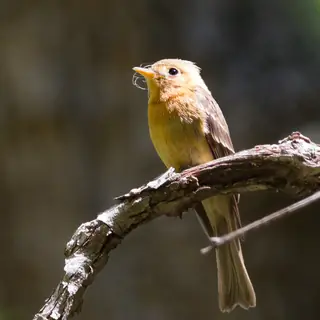 Tufted Flycatcher
-
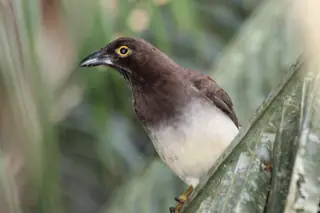 Brown Jay
-
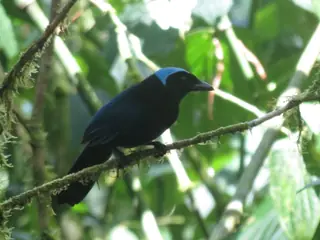 Azure-hooded Jay
-
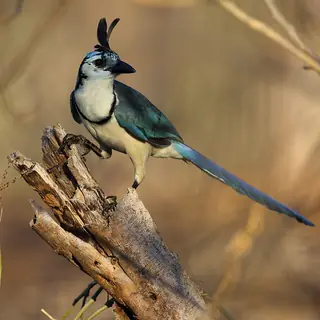 White-throated Magpie-Jay
-
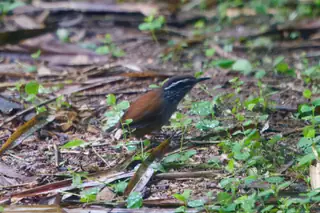 Grey-breasted Wood-wren
-
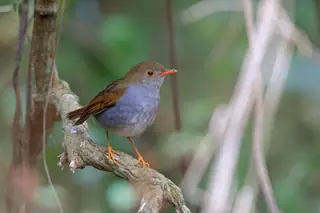 Orange-billed Nightingale-thrush
-
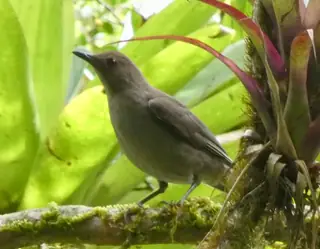 Mountain Thrush
-
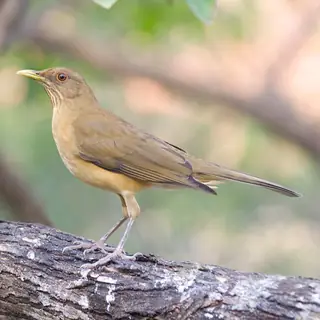 Clay-coloured Thrush
-
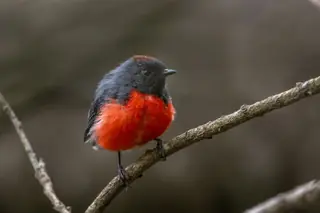 Slate-throated Whitestart
-
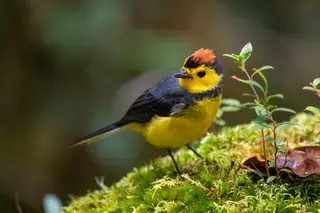 Collared Whitestart
-
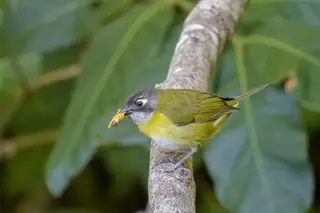 Common Chlorospingus
-
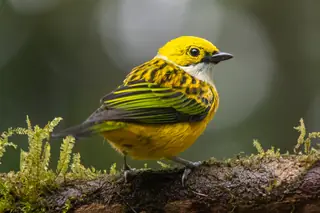 Silver-throated Tanager
-
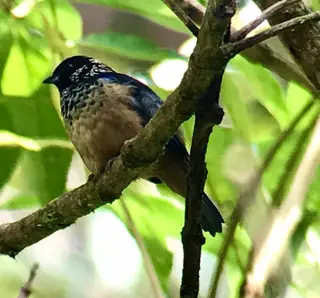 Spangle-cheeked Tanager
-
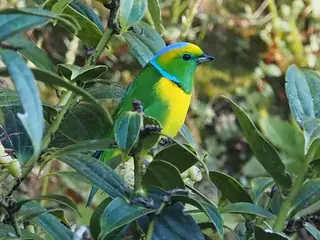 Golden-browed Chlorophonia
-
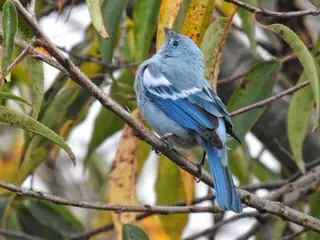 Blue-grey Tanager
-
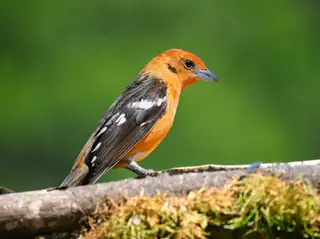 Flame-coloured Tanager
-
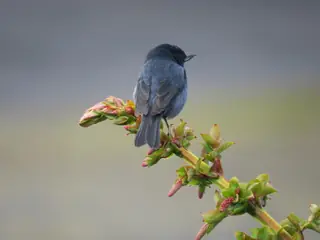 Slaty Flowerpiercer
-
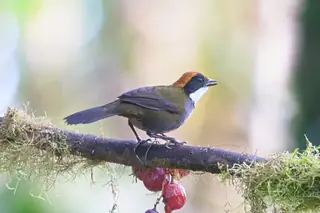 Chestnut-capped Brushfinch
-
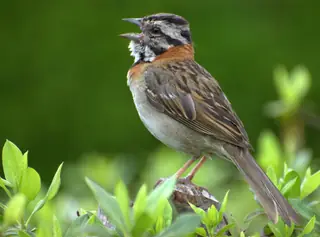 Rufous-collared Sparrow
-
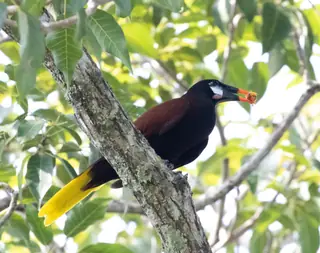 Montezuma Oropendola
-
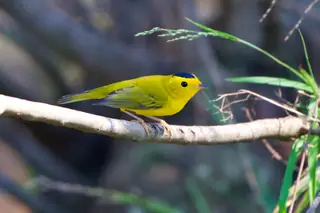 Wilson's Warbler
Birds of prey and owls 9
-
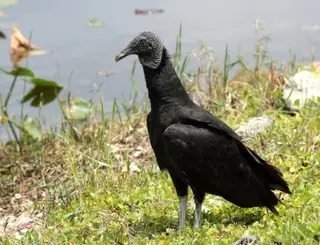 Black Vulture
-
 Turkey Vulture
-
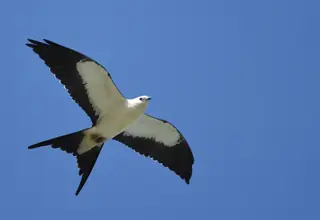 Swallow-tailed Kite
-
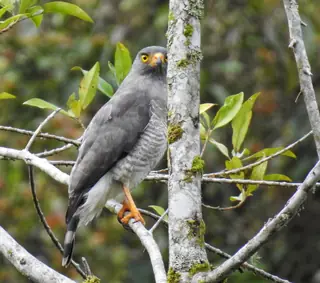 Roadside Hawk
-
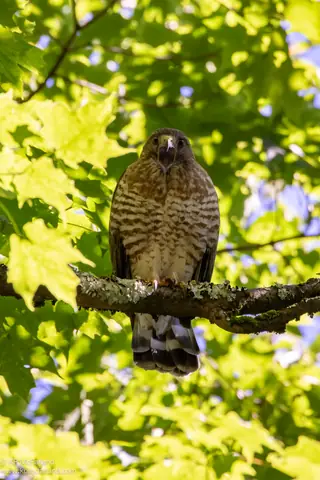 Broad-winged Hawk
-
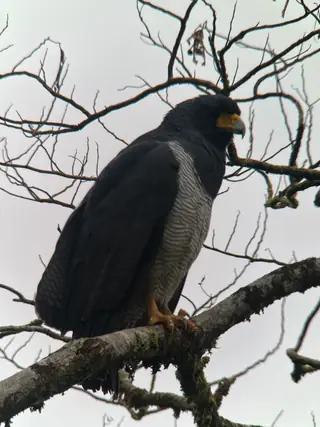 Barred Hawk
-
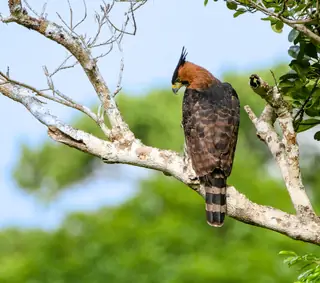 Ornate Hawk-EagleRare
-
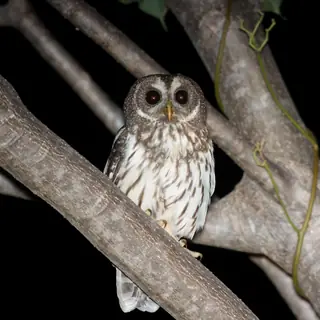 Mottled Owl
-
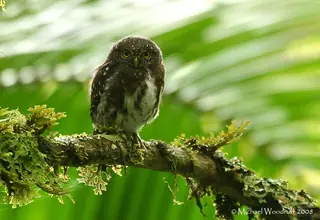 Costa Rican Pygmy Owl
Monkeys and sloths 5
-
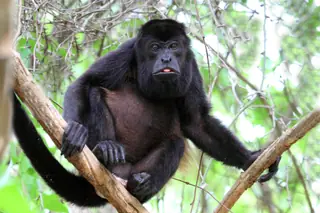 Mantled Howler Monkey
-
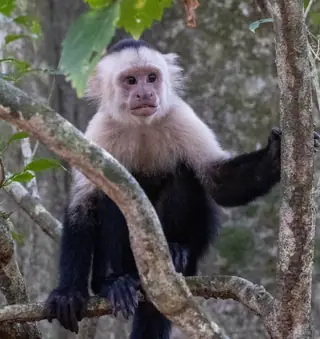 White-faced Capuchin
-
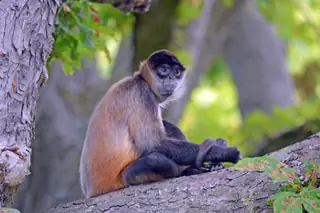 Central American Spider Monkey
-
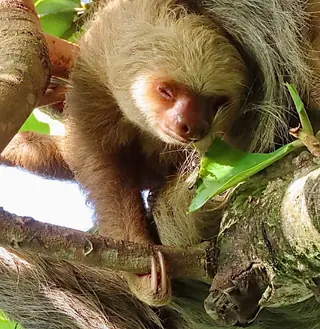 Hoffmann's Two-toed Sloth
-
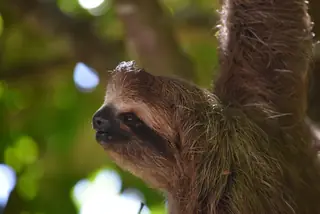 Brown-throated Three-toed Sloth
Night walks and other mammals 22
-
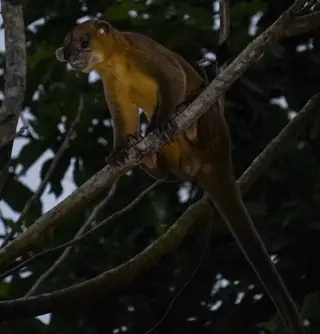 Kinkajou
-
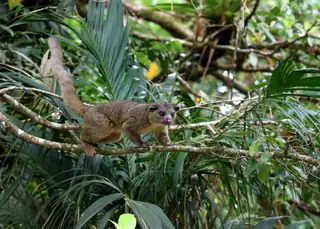 Northern Olingo
-
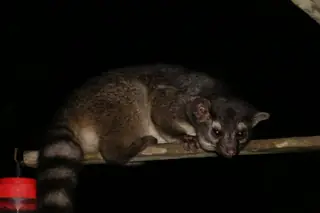 Cacomistle
-
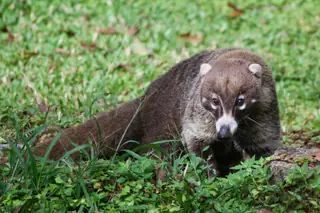 White-nosed Coati
-
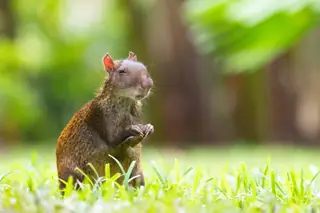 Central American Agouti
-
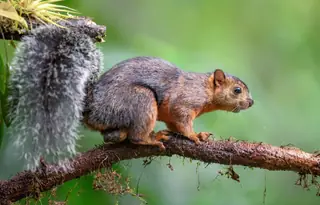 Variegated Squirrel
-
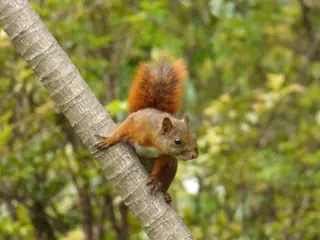 Red-tailed Squirrel
-
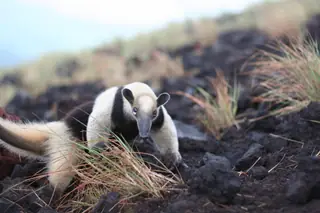 Northern Tamandua
-
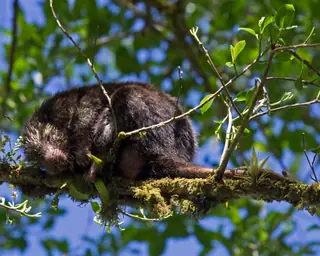 Mexican Hairy Porcupine
-
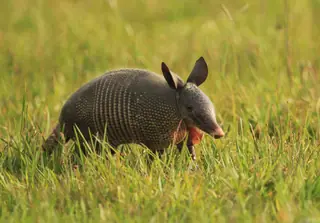 Nine-banded Armadillo
-
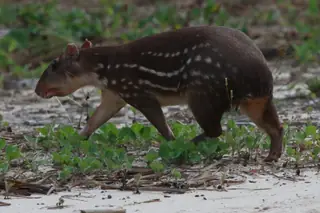 Lowland Paca
-
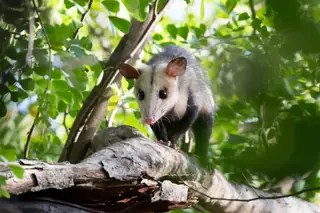 Common Opossum
-
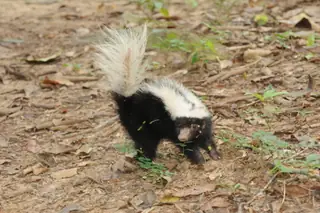 Striped Hog-nosed Skunk
-
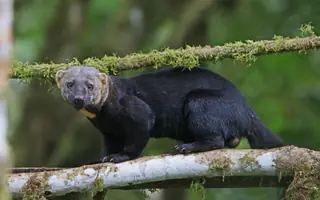 Tayra
-
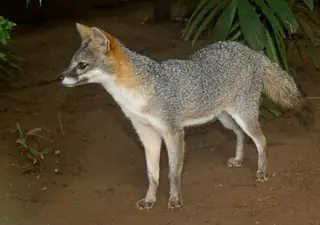 Grey Fox
-
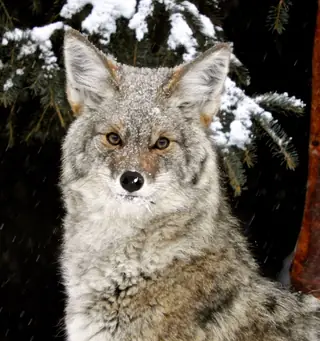 Coyote
-
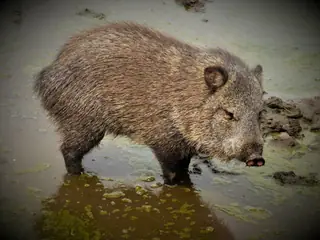 Collared Peccary
-
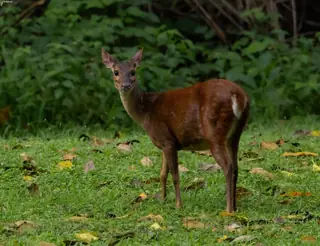 Central American Red Brocket
-
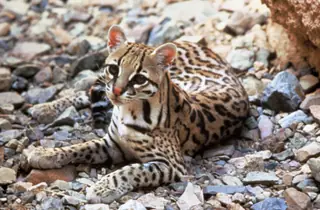 OcelotRare
-
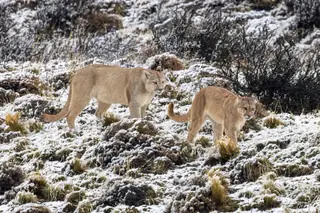 Cougar (Mountain Lion)Rare
-
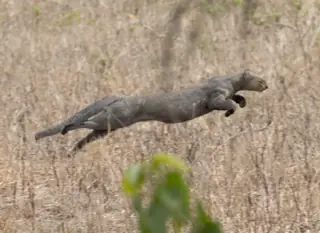 JaguarundiRare
-
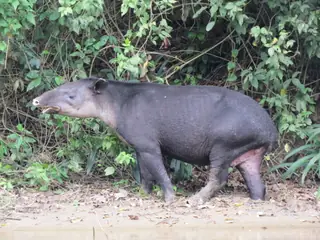 Baird's TapirRare
Reptiles and amphibians 14
-
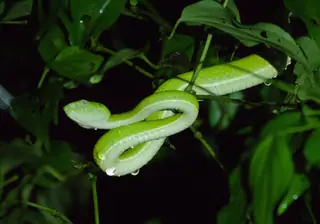 Side-striped Palm Pit Viper
-
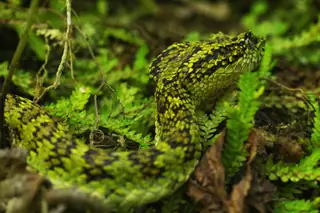 Eyelash Viper
-
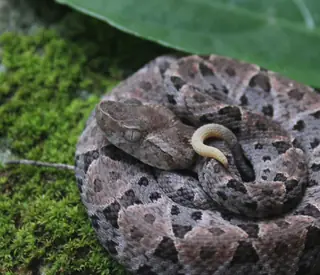 Fer-de-lance
-
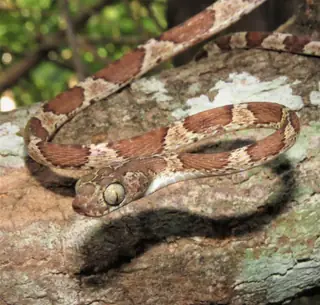 Blunt-headed Treesnake
-
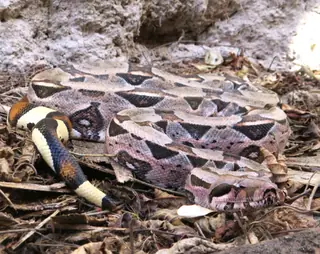 Boa Constrictor
-
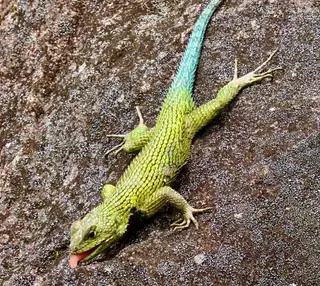 Green Spiny Lizard
-
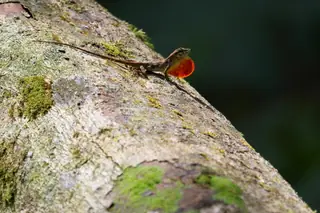 Monteverde Anole
-
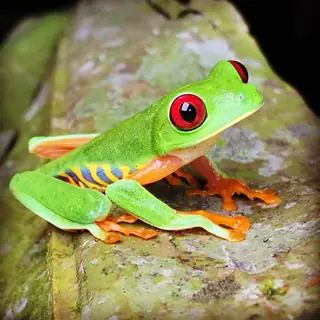 Red-eyed Tree Frog
-
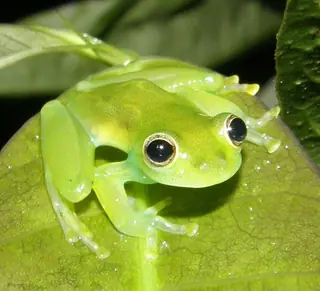 Fleischmann's Glass Frog
-
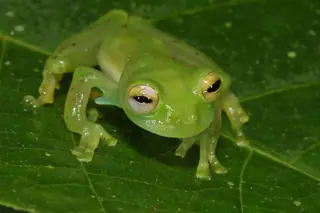 Emerald Glass Frog
-
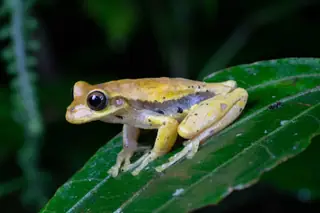 Meadow Treefrog
-
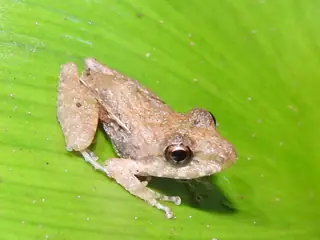 Common Tink Frog
-
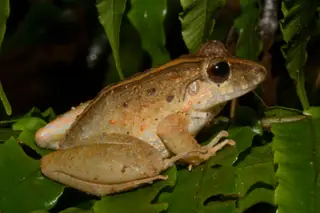 Fitzinger's Robber Frog
-
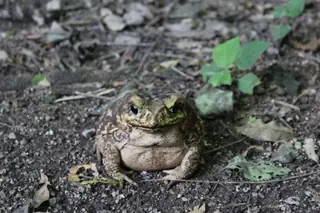 Mesoamerican Cane Toad
Butterflies 3
-
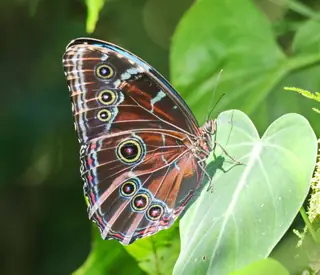 Blue Morpho
-
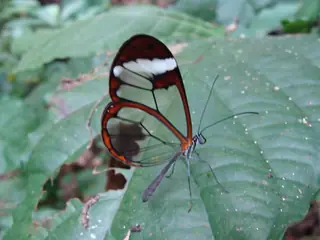 Glasswing
-
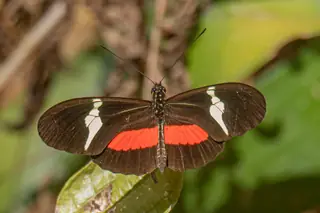 Clysonymus Longwing
Best time to see wildlife in Monteverde
Sightings by month in Monteverde
Most records: Nov to AugRecords from GBIF.org, adjusted for how many people record wildlife each month. 100% is the busiest month.
Monteverde is cool, windy and often misty all year, so bring layers whatever the month. The drier season runs from December to April, with strong trade winds in December to February that can blow horizontal drizzle across the ridges. February to May is the quetzal breeding season, when the birds are most active and calling. Bellbirds are on their breeding grounds here from March to July. The wet season, from May to November, brings afternoon rain and muddy trails, but mornings are often clear and frogs are at their busiest on night walks. September and October are the wettest months and the quietest for visitors. Northern migrants such as Wilson's warbler arrive from October.
- Dec to JanWindy, drier, busy holidays
- Feb to MayQuetzals breeding, bellbirds calling
- Jun to AugGreen season, a short dry spell in July
- Sep to NovWettest, quiet, frogs on night walks
Tips for spotting wildlife in Monteverde
- 01
Hire a local guide for quetzals
Guides know which fruiting trees the birds are using and carry telescopes. Watch from the path and keep your distance; a pair near a nest should never be crowded.
- 02
Start at opening time
The reserves open early, and birds are most active in the first hours of the morning, before the mist and the day visitors build up.
- 03
Book a guided night walk
Kinkajous, sloths, frogs and sleeping birds are found by guides in the Children's Eternal Rainforest at Bajo del Tigre and other private reserves. Ask your guide to keep torch beams off animals' eyes.
- 04
Try more than one reserve
The Monteverde reserve is the most famous, but Santa Elena is higher and wetter, and Curi-Cancha and Bajo del Tigre are good for birds. Each has a slightly different mix of species.
- 05
Pack for cloud
A light waterproof, a warm layer and shoes with grip matter more than shorts. Mornings are often clear; mist and rain build in the afternoon.

Take Monteverde with you
Tick off quetzals, hummingbirds and night-walk mammals in Monteverde with Wilder. It works offline in the forest and is free to start.

Monteverde wildlife FAQ
When is the best time to see quetzals in Monteverde?
February to May is best, when quetzals are breeding and feeding on wild avocado fruit in the cloud forest. They can be seen all year, but they move around more outside the breeding season. Early morning with a local guide gives the best chance, and the reserves at Monteverde, Santa Elena and Curi-Cancha all hold them.
What animals can you see in Monteverde?
Monteverde is best for cloud forest birds such as the resplendent quetzal, three-wattled bellbird, emerald toucanet and many hummingbirds. Mammals include howler monkeys, capuchins, coatis, agoutis and, on night walks, kinkajous, olingos and two-toed sloths. This checklist covers 107 animals a visitor could realistically find.
Is the golden toad still found in Monteverde?
No. The golden toad was last seen in 1989 and is now considered extinct, along with the Monteverde harlequin frog. Their loss, linked to drought and a fungal disease, made Monteverde a symbol of amphibian decline. Many other frogs still live here, including glass frogs and red-eyed tree frogs on night walks.
Should I visit Monteverde or Santa Elena reserve?
Both are good, and many visitors do one of each. The Monteverde Cloud Forest Reserve is larger, better known and busier, with the best trail network. Santa Elena is higher and often mistier, with fewer people. For birds, a guided morning in either is more important than which one you choose.
Are night walks in Monteverde worth it?
Yes. Many of Monteverde's mammals, frogs and snakes are only active after dark. A two-hour guided walk often finds kinkajous, sloths, sleeping birds, frogs and pit vipers. Choose a walk in a private reserve or the Children's Eternal Rainforest, with a guide who keeps the group small and quiet.
Sources
- Monteverde Conservation League: Bajo del Tigre
- El Bosque Monteverde: quetzals in Monteverde
- Frommer's: Monteverde attractions
- Sightings by month: GBIF.org
Animal photos are from the Wilder catalogue; photo credits.
Similar checklists
All South and Central America-
 National park127animals Tortuguero National Park Limón, Costa Rica Canals and flooded rainforest on the Caribbean coast, reached only by boat or plane, where green turtles nest on the beach each summer. Best time Jul to Oct
-
 National park126animals Manuel Antonio National Park Quepos, Puntarenas, Costa Rica A small park of rainforest and white-sand coves where sloths, squirrel monkeys and capuchins live right above the beach. Best time Dec to Apr
-
 National park79animals Corcovado and the Osa Peninsula Osa Peninsula, Puntarenas, Costa Rica Costa Rica's wildest rainforest, running down to empty beaches: tapirs at Sirena, four kinds of monkey and scarlet macaws overhead. Best time Dec to Apr
-
 Region107animals Pantanal Mato Grosso and Mato Grosso do Sul, Brazil The world's largest tropical wetland and the best place on Earth to see a wild jaguar, with giant otters, caimans by the thousand and hyacinth macaws. Best time Jul to Oct