National park · Quepos, Puntarenas · Costa Rica
Manuel Antonio National Park Wildlife Checklist

Manuel Antonio National Park, near Quepos on Costa Rica's central Pacific coast, is one of the easiest places in the country to see sloths, white-faced capuchins and the endangered Central American squirrel monkey, in rainforest that runs down to white-sand coves. This checklist covers 126 animals. The drier months, December to April, are best but busiest.
Tick off all 126 animals in Manuel Antonio on your phone, even offline. Launching soon. Free A4 PDF, no sign-up.
It is one of Costa Rica's smallest national parks but among its most visited, so entry is by timed ticket booked in advance. Mangrove boat trips on the nearby Damas estuary and whale-watching trips from Quepos add crocodiles, bats and humpbacks.
- Animals to find
- 126
- Where
- Costa Rica
- Best time
- Dec to Apr
- Monkey species
- Three
Popular animals in Manuel Antonio
-
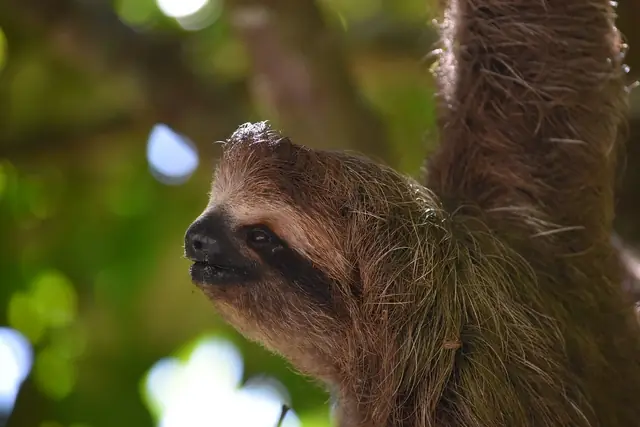
Brown-throated Three-toed Sloth
Bradypus variegatus
Active by day, if slowly. Guides with telescopes find them high in cecropia and almond trees along the main trail.
-
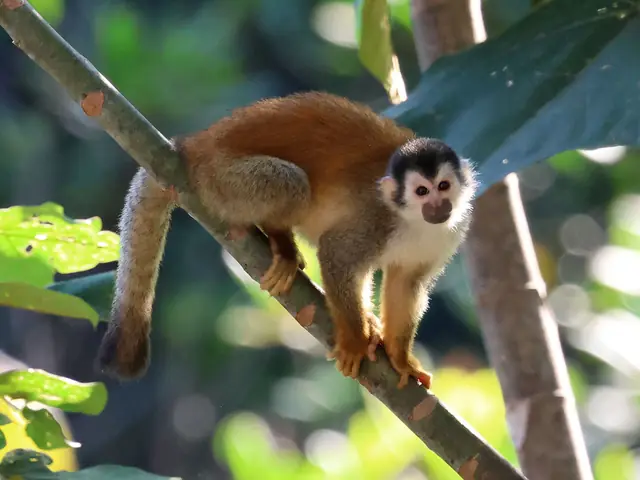
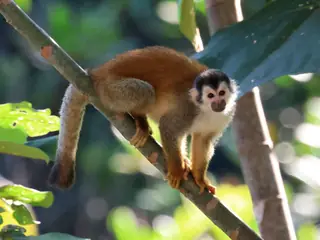
Central American Squirrel Monkey
Saimiri oerstedii
Found only on the Pacific coast of Costa Rica and Panama. Fast, noisy troops pass through the lower branches behind the beaches.
-
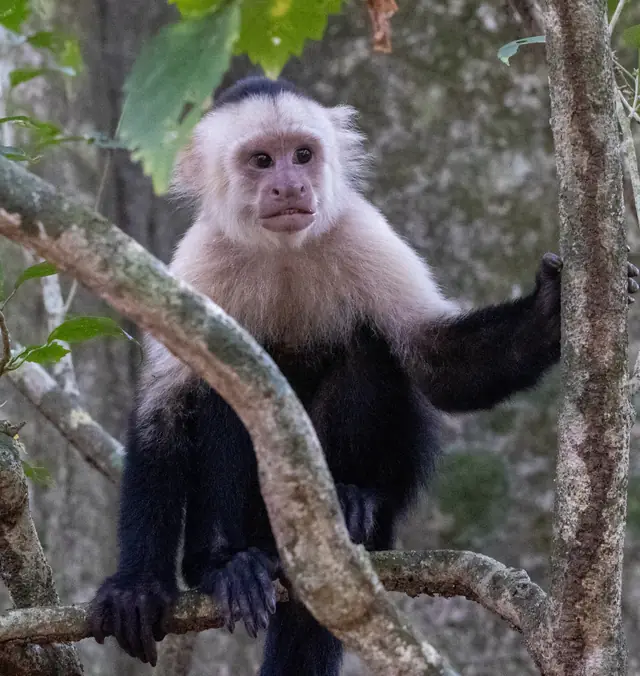
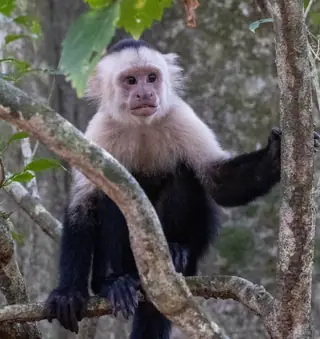
White-faced Capuchin
Cebus imitator
Clever and bold, and the reason bags need zipping up on the beach. Feeding them is banned and harms them.
-
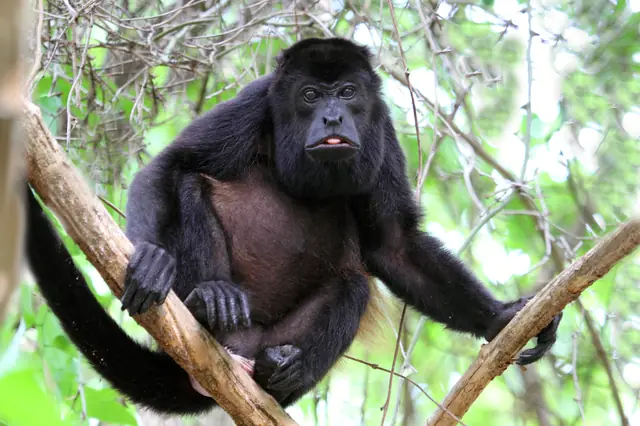
Mantled Howler Monkey
Alouatta palliata
Heard more often than seen: the deep roar at dawn carries a long way through the forest.
-
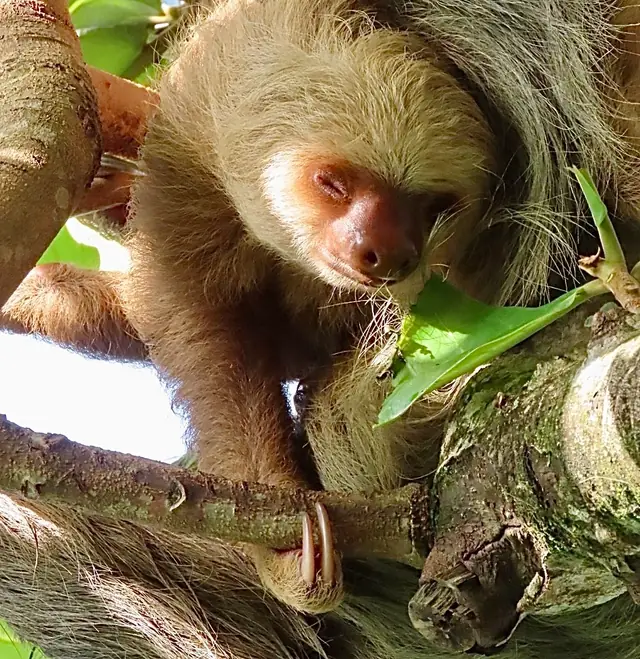
Hoffmann's Two-toed Sloth
Choloepus hoffmanni
Mostly active at night. By day look for a shaggy, pale ball wedged in the branches.
-
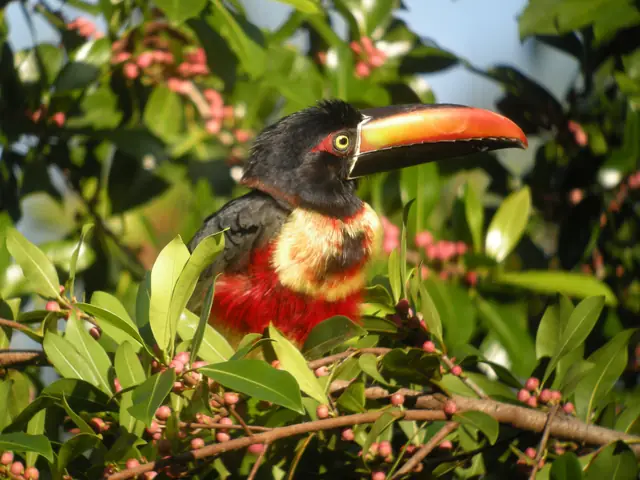
Fiery-billed Aracari
Pteroglossus frantzii
A small toucan with a red and orange bill, found only on the southern Pacific slope of Costa Rica and Panama.
-
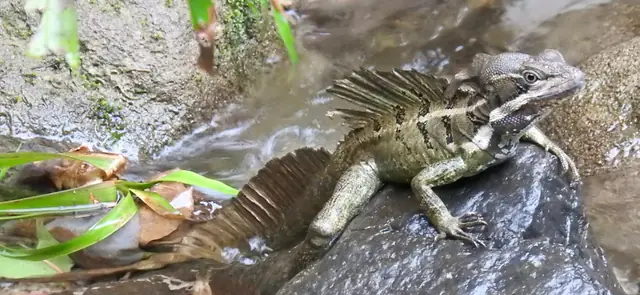
Common Basilisk
Basiliscus basiliscus
The "Jesus Christ lizard", which runs across water on its hind legs. Look around the lagoon and streams behind the beaches.
-
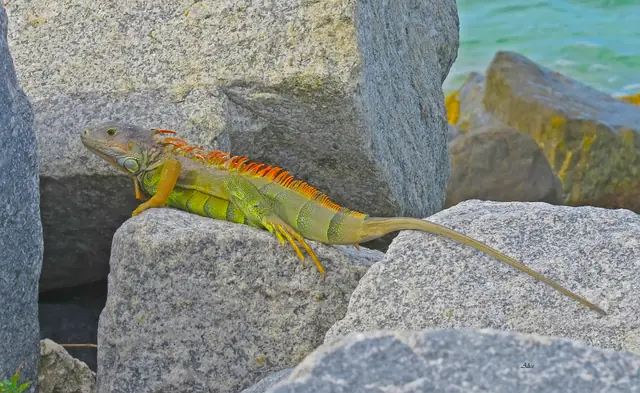
Green Iguana
Iguana iguana
Big males turn orange in the breeding season and bask on rocks and branches near the coves.
-
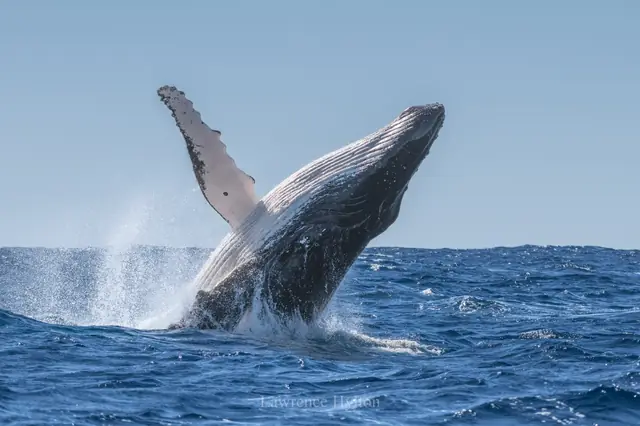
Humpback Whale
Megaptera novaeangliae
Whales from both hemispheres visit this coast: southern whales from July to October and northern whales from December to March.
-
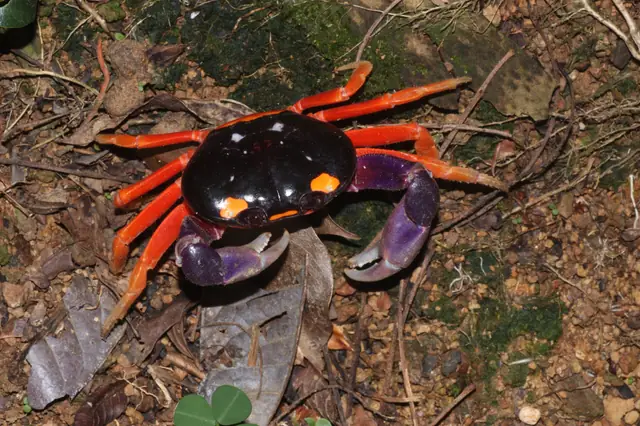
Halloween Crab
Gecarcinus quadratus
A purple, orange and black land crab that lives in burrows in the forest behind the beaches.
All 126 animals in Manuel Antonio
Monkeys and sloths 5
-
 Central American Squirrel Monkey
-
 White-faced Capuchin
-
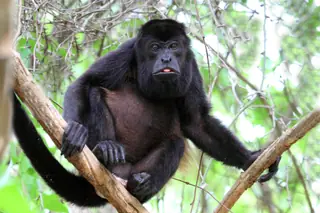 Mantled Howler Monkey
-
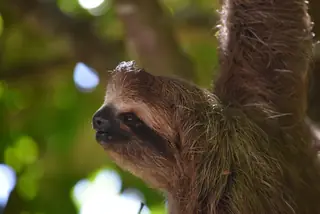 Brown-throated Three-toed Sloth
-
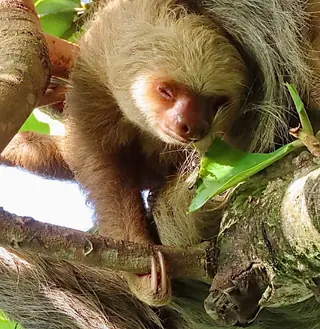 Hoffmann's Two-toed Sloth
Other mammals 13
-
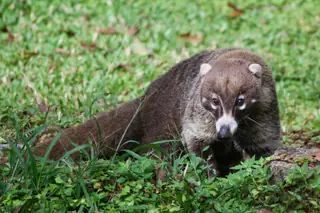 White-nosed Coati
-
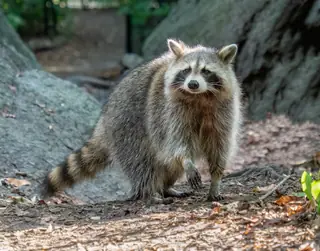 Raccoon
-
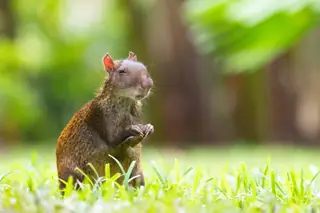 Central American Agouti
-
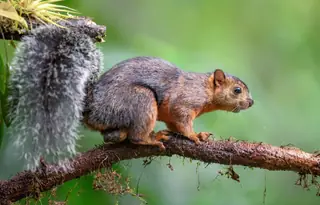 Variegated Squirrel
-
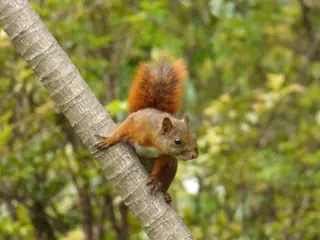 Red-tailed Squirrel
-
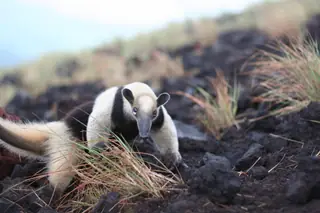 Northern Tamandua
-
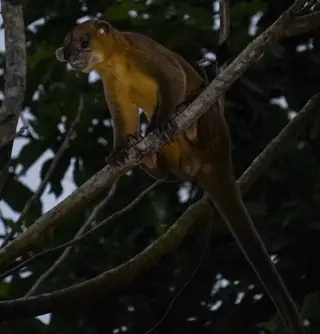 Kinkajou
-
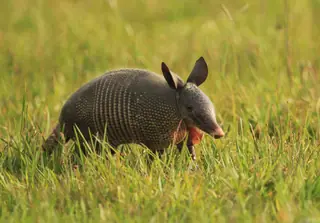 Nine-banded Armadillo
-
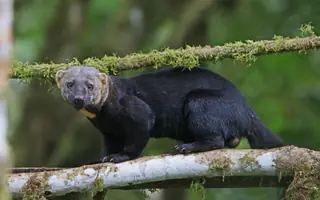 Tayra
-
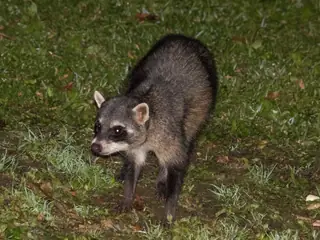 Crab-eating RaccoonRare
-
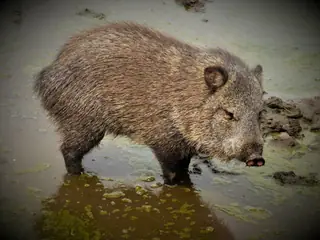 Collared PeccaryRare
-
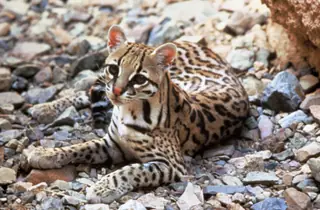 OcelotRare
-
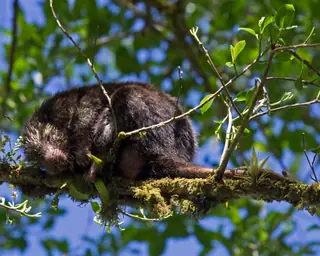 Mexican Hairy PorcupineRare
Bats 4
-
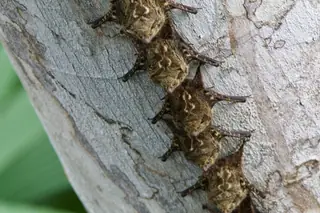 Proboscis Bat
-
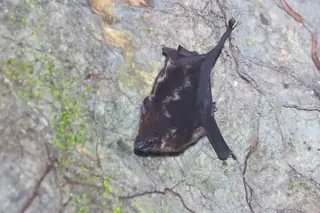 Greater Sac-winged Bat
-
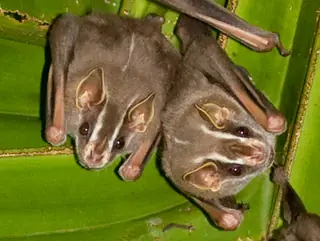 Tent-making Bat
-
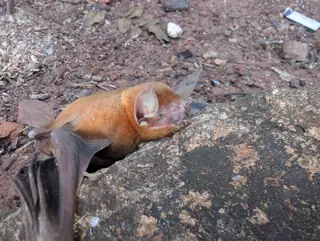 Greater Bulldog Bat
Whales and dolphins 3
-
 Humpback Whale
-
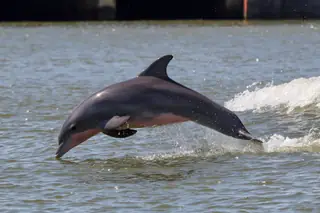 Bottlenose Dolphin
-
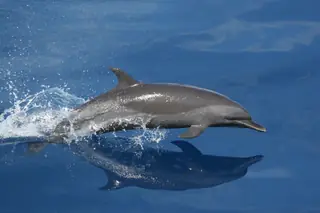 Pantropical Spotted Dolphin
Toucans, parrots and forest birds 34
-
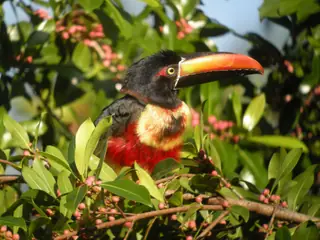 Fiery-billed Aracari
-
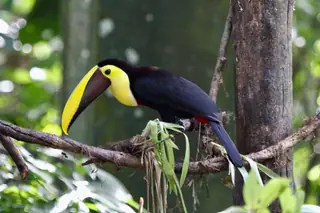 Yellow-throated Toucan
-
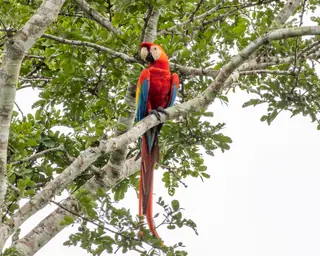 Scarlet Macaw
-
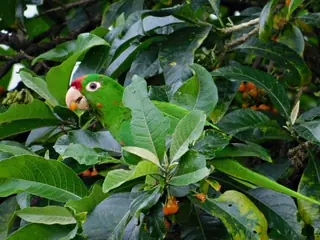 Finsch's Parakeet
-
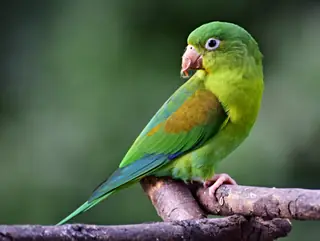 Orange-chinned Parakeet
-
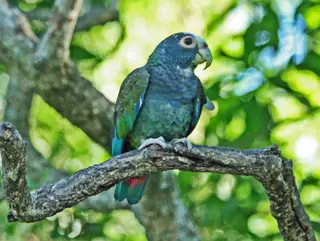 White-crowned Parrot
-
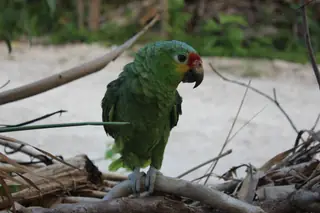 Red-lored Amazon
-
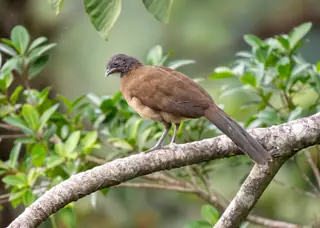 Grey-headed Chachalaca
-
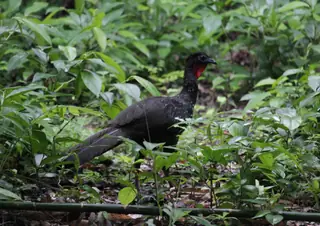 Crested Guan
-
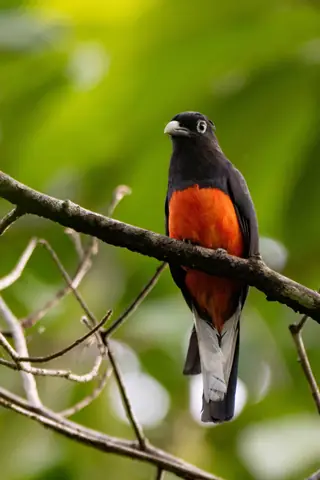 Baird's Trogon
-
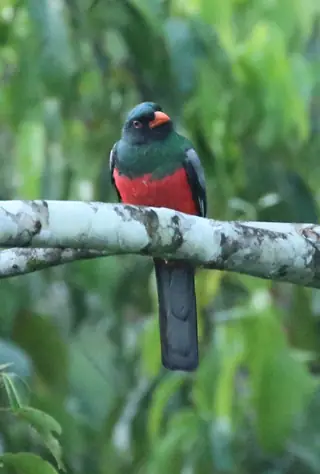 Slaty-tailed Trogon
-
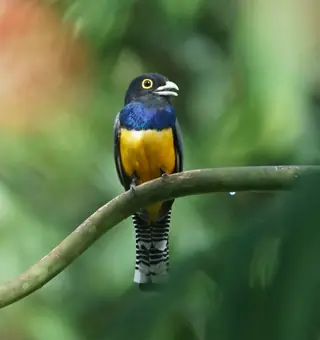 Gartered Trogon
-
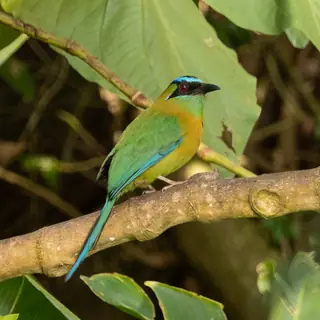 Blue-diademed Motmot
-
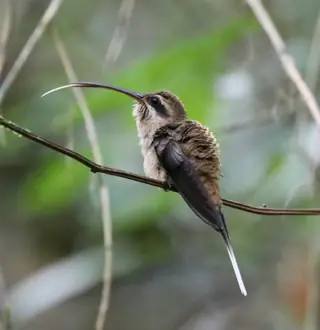 Long-billed Hermit
-
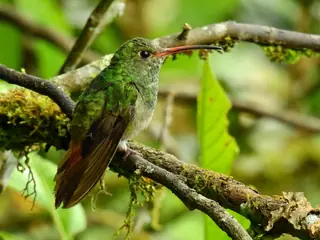 Rufous-tailed Hummingbird
-
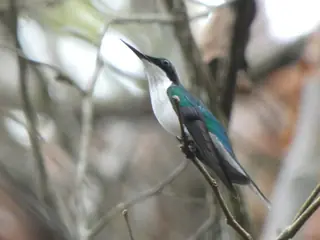 Purple-crowned Fairy
-
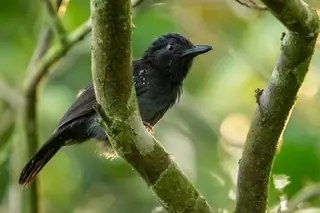 Black-hooded Antshrike
-
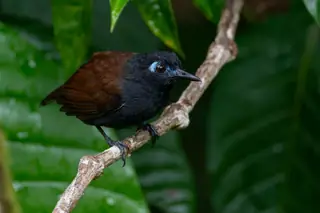 Chestnut-backed Antbird
-
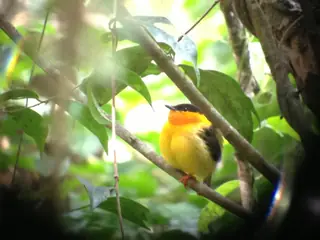 Orange-collared Manakin
-
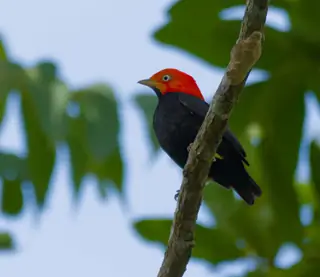 Red-capped Manakin
-
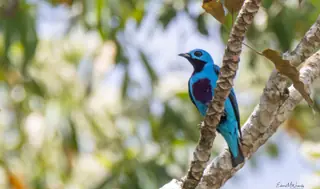 Turquoise CotingaRare
-
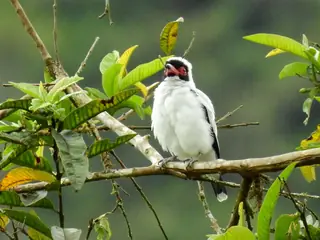 Masked Tityra
-
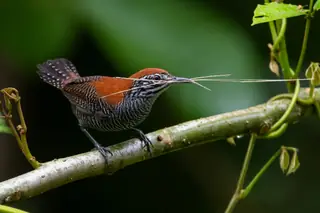 Riverside Wren
-
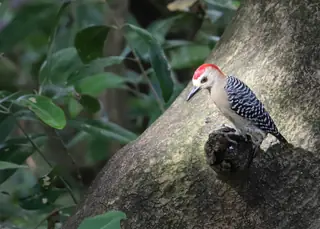 Red-crowned Woodpecker
-
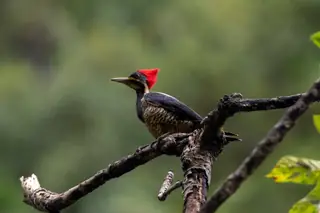 Lineated Woodpecker
-
 Pale-billed Woodpecker
-
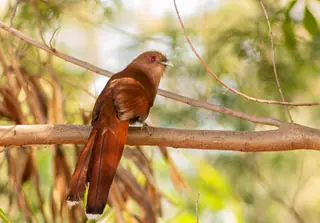 Common Squirrel-cuckoo
-
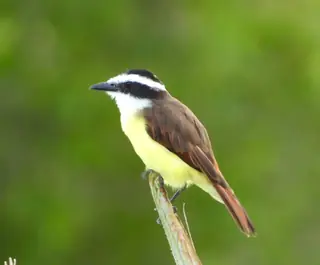 Great Kiskadee
-
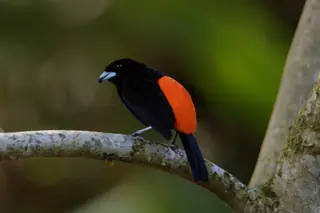 Scarlet-rumped Tanager
-
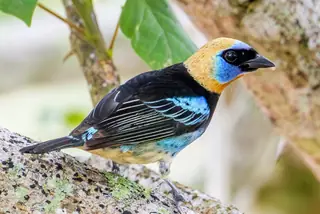 Golden-hooded Tanager
-
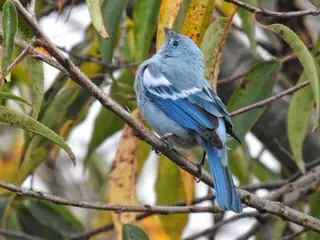 Blue-grey Tanager
-
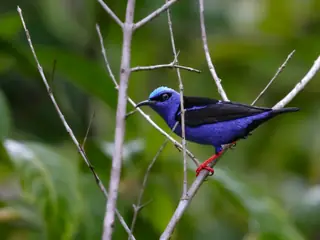 Red-legged Honeycreeper
-
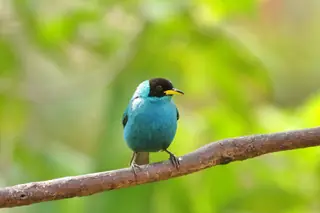 Green Honeycreeper
-
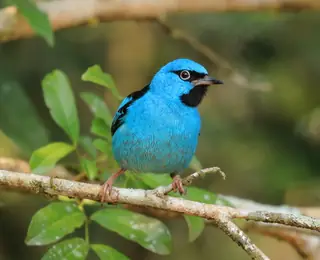 Blue Dacnis
Birds of prey and owls 15
-
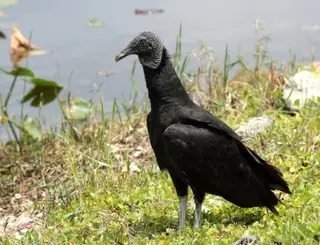 Black Vulture
-
 Turkey Vulture
-
 Osprey
-
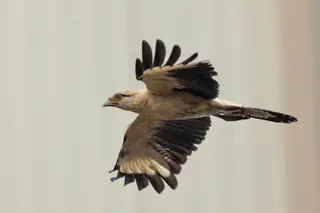 Yellow-headed Caracara
-
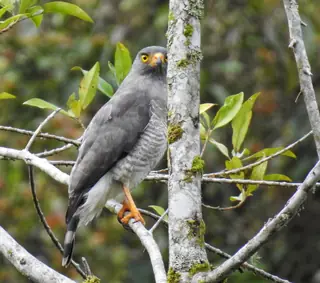 Roadside Hawk
-
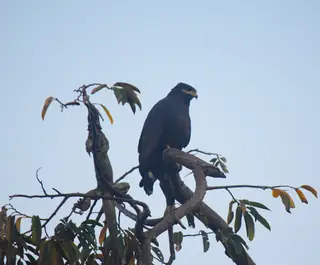 Common Black Hawk
-
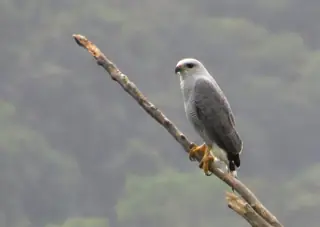 Grey-lined Hawk
-
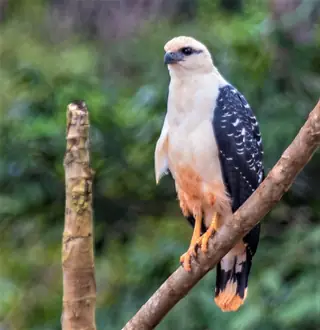 White Hawk
-
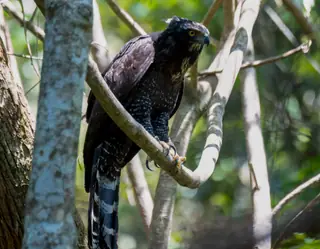 Black Hawk-Eagle
-
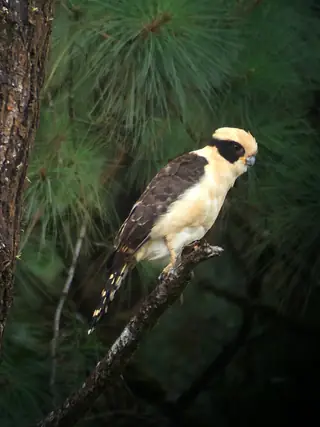 Laughing Falcon
-
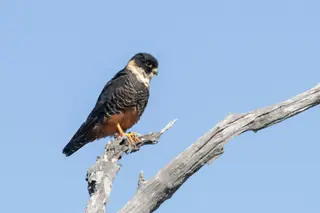 Bat Falcon
-
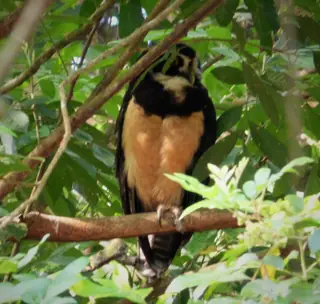 Spectacled Owl
-
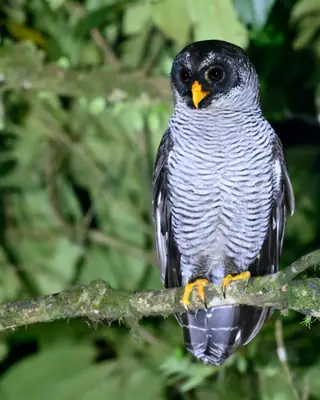 Black-and-white Owl
-
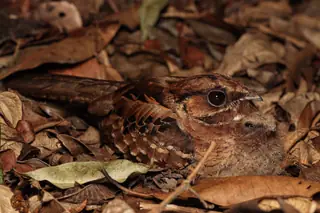 Common Pauraque
-
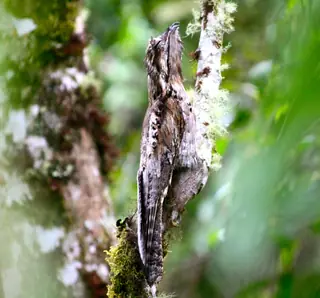 Common Potoo
Coast and mangrove birds 18
-
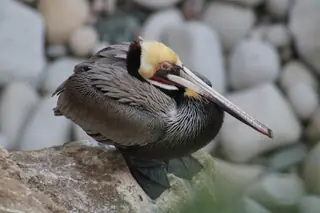 Brown Pelican
-
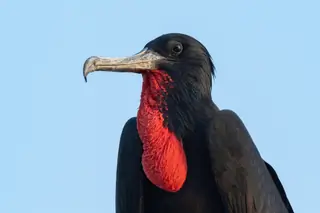 Magnificent Frigatebird
-
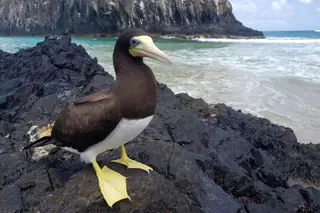 Brown Booby
-
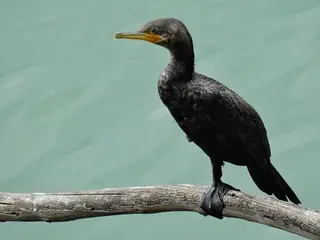 Neotropic Cormorant
-
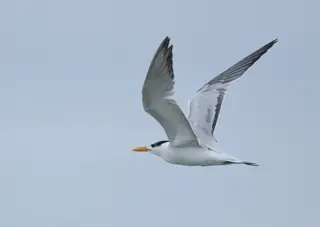 Royal Tern
-
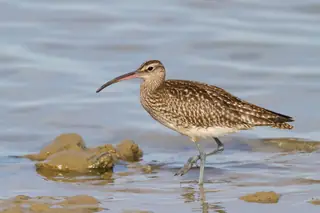 Whimbrel
-
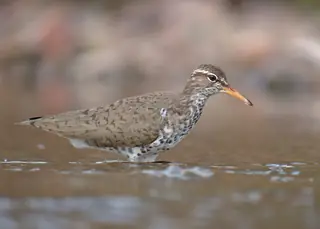 Spotted Sandpiper
-
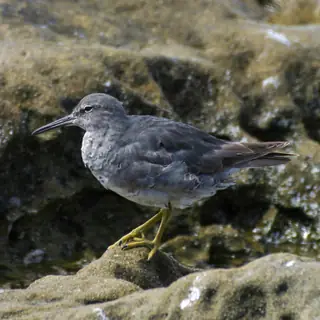 Wandering Tattler
-
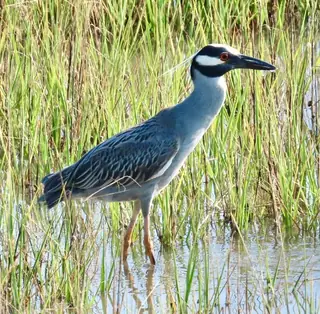 Yellow-crowned Night Heron
-
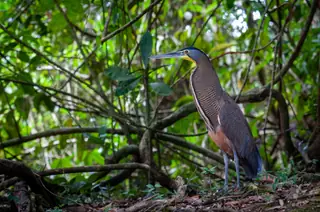 Bare-throated Tiger Heron
-
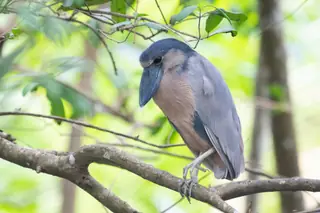 Boat-billed Heron
-
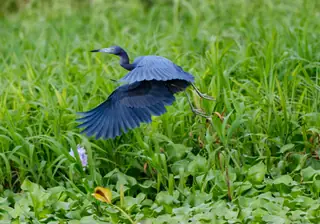 Little Blue Heron
-
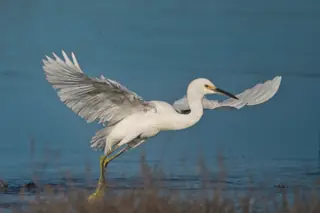 Snowy Egret
-
 Great Egret
-
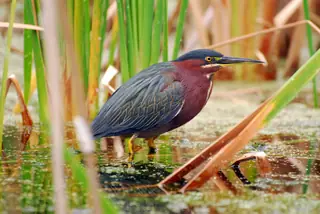 Green Heron
-
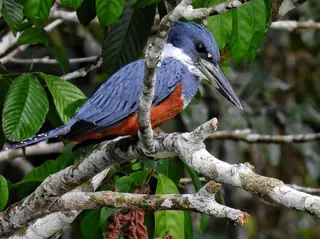 Ringed Kingfisher
-
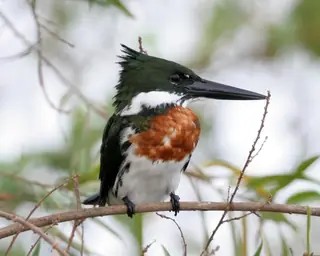 Amazon Kingfisher
-
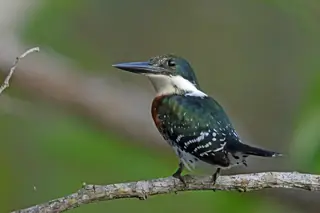 Green Kingfisher
Reptiles 17
-
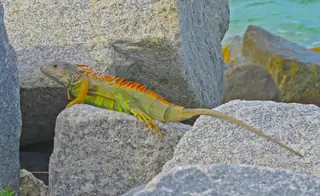 Green Iguana
-
 Common Spiny-tailed Iguana
-
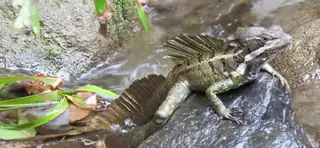 Common Basilisk
-
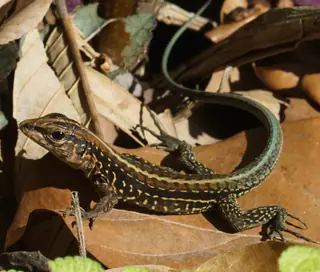 Middle American Ameiva
-
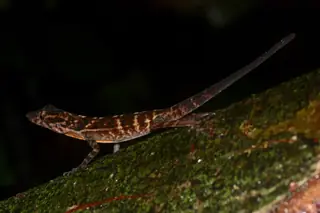 Golfo Dulce Anole
-
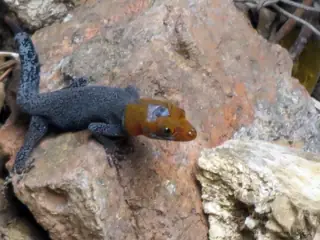 Yellow-headed Gecko
-
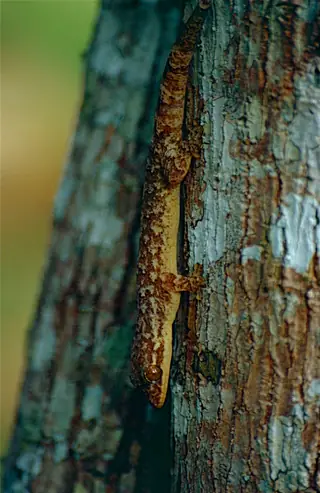 Turnip-tailed Gecko
-
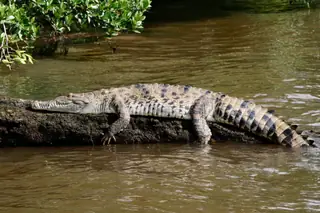 American Crocodile
-
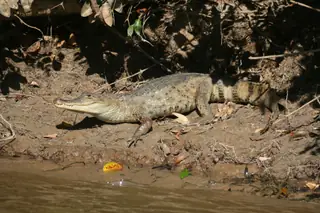 Spectacled Caiman
-
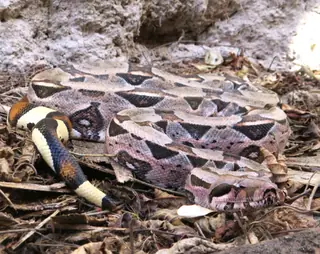 Boa Constrictor
-
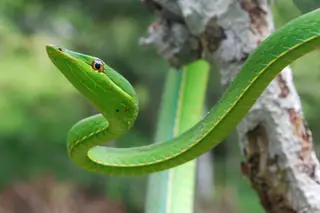 Green Vine Snake
-
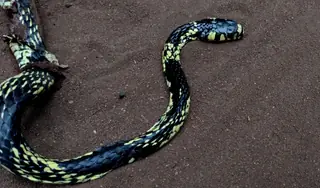 Chicken Snake
-
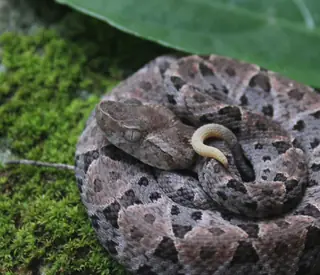 Fer-de-lance
-
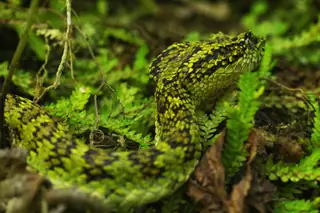 Eyelash ViperRare
-
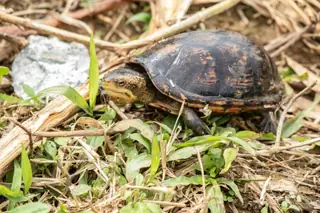 White-lipped Mud Turtle
-
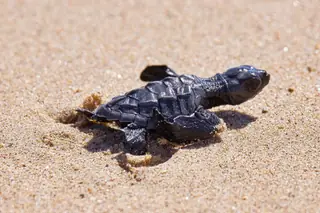 Olive Ridley Sea Turtle
-
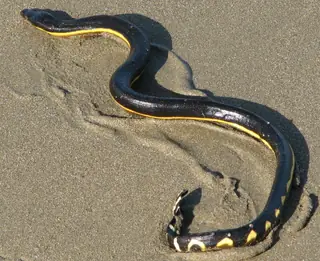 Yellow-bellied Sea SnakeRare
Amphibians 8
-
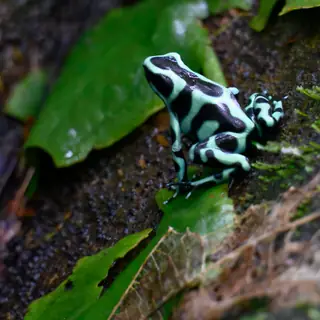 Green-and-black Poison Dart Frog
-
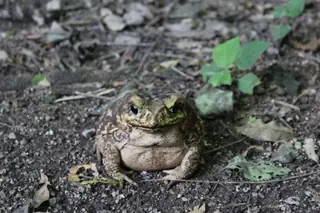 Mesoamerican Cane Toad
-
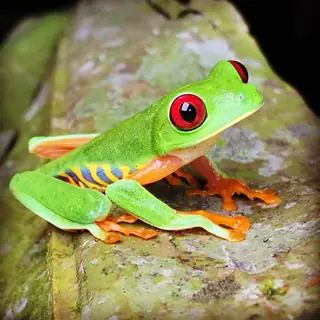 Red-eyed Tree Frog
-
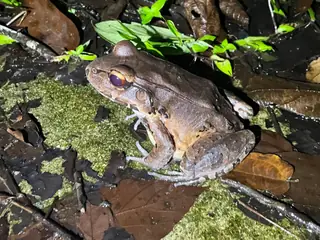 Savage's Thin-toed Frog
-
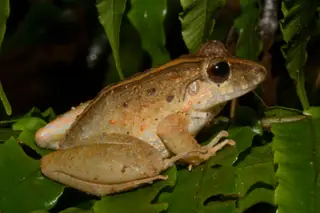 Fitzinger's Robber Frog
-
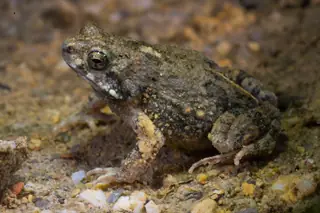 Tungara Frog
-
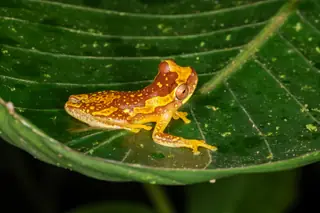 Hourglass Treefrog
-
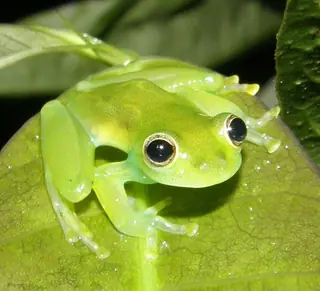 Fleischmann's Glass Frog
Shore and reef life 6
-
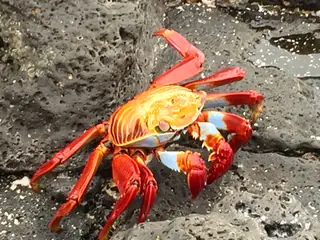 Sally Lightfoot Crab
-
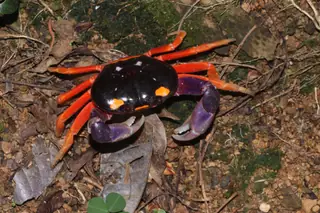 Halloween Crab
-
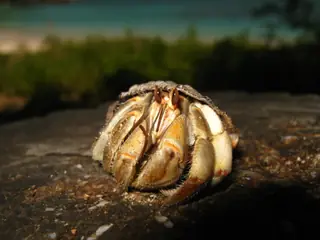 Ecuadorian Hermit Crab
-
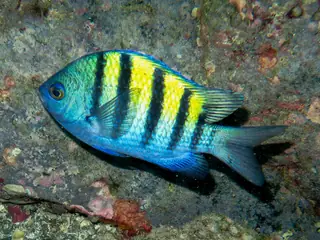 Panamic Sergeant Major
-
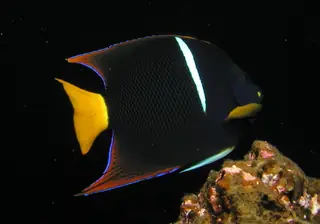 King Angelfish
-
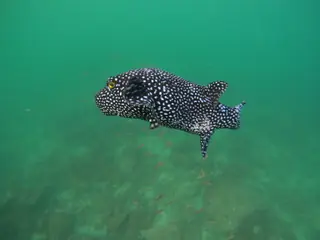 Guineafowl Puffer
Butterflies 3
-
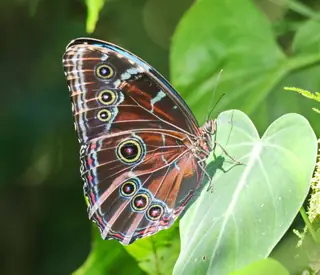 Blue Morpho
-
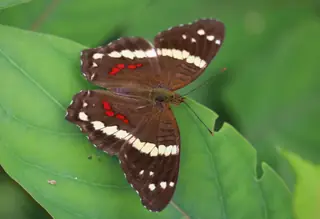 Banded Peacock
-
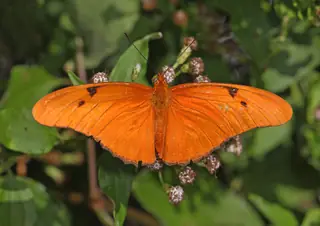 Julia
Best time to see wildlife in Manuel Antonio
Sightings by month in Manuel Antonio
Most records: May to FebRecords from GBIF.org, adjusted for how many people record wildlife each month. 100% is the busiest month.
Manuel Antonio is hot and humid all year. The dry season, from December to April, has sunny days and calm seas for snorkelling, but it is also the busiest time, and tickets for weekends and holidays sell out. The green season, from May to November, brings afternoon and evening rain, usually after clear mornings, and the forest is lush and quieter. September and October are the wettest months. Animals are present all year and are most active early in the morning, so book the first entry slot whatever the season. Humpback whales visit from July to October and again from December to March.
- Dec to AprDry, sunny, busiest; book early
- May to AugGreen season, rainy afternoons, southern humpbacks from July
- Sep to OctWettest, quietest
- NovRain easing, forest at its greenest
Tips for spotting wildlife in Manuel Antonio
- 01
Book the first slot online
Tickets are sold in advance through SINAC, the national parks system, and numbers are capped. The park is closed on Tuesdays, and the early slot gives the coolest hours and the most active animals.
- 02
Hire a certified guide
Licensed naturalist guides carry telescopes and find sloths, owls and snakes most people walk past. Ask to see their ICT guide card at the entrance.
- 03
Keep food out of reach
Capuchins and raccoons raid unattended bags on the beaches. Never feed any animal: it is against park rules and makes them ill and aggressive.
- 04
Walk slowly on the main trail
The flat main trail and the Sloth Trail are often the best for wildlife. Stop often, stand still and look up: sloths and snakes are noticed when you stop moving.
- 05
Add a mangrove trip
Boat or kayak trips on the Damas estuary find proboscis bats, crocodiles, boat-billed herons and kingfishers. Choose an operator that keeps its distance and its engine low.

Take Manuel Antonio with you
Log the sloths, monkeys and toucans you find in Manuel Antonio with Wilder, and see how your list grows across Costa Rica. Free to start.

Manuel Antonio wildlife FAQ
Can you see sloths in Manuel Antonio?
Yes, Manuel Antonio is one of the most reliable places in Costa Rica for sloths. Brown-throated three-toed sloths are often seen by day along the main trail, and Hoffmann's two-toed sloths are seen resting by day and moving at night. A guide with a telescope makes a big difference, as sloths are often high and still.
Which day is Manuel Antonio National Park closed?
The park is closed on Tuesdays for maintenance and recovery and open the other six days, usually from 7am to 4pm. Entry is by ticket bought in advance online through SINAC, and daily numbers are limited. Check the current hours and rules on the SINAC site before you go, as they have changed in recent years.
What monkeys live in Manuel Antonio?
Three: the white-faced capuchin, the mantled howler monkey and the Central American squirrel monkey. The squirrel monkey is found only on the Pacific coast of Costa Rica and Panama and is the speciality here. Costa Rica's fourth monkey, the spider monkey, is not found in the park; Corcovado and Tortuguero are better for it.
Is Manuel Antonio or Corcovado better for wildlife?
Corcovado is wilder and holds more species, including tapirs and all four monkeys, but it is remote and needs a guide and more time. Manuel Antonio is small, easy to reach and very good for sloths, capuchins and squirrel monkeys at close range. Many visitors with limited time choose Manuel Antonio; those after a deeper rainforest trip choose Corcovado.
Sources
- Costa Rica Tourism Board (ICT): Manuel Antonio opening days and tickets
- Manuel Antonio National Park 2026 visitor guide
- Earth Trekkers: Manuel Antonio National Park
- Sightings by month: GBIF.org
Animal photos are from the Wilder catalogue; photo credits.
Similar checklists
All South and Central America-
 National park79animals Corcovado and the Osa Peninsula Osa Peninsula, Puntarenas, Costa Rica Costa Rica's wildest rainforest, running down to empty beaches: tapirs at Sirena, four kinds of monkey and scarlet macaws overhead. Best time Dec to Apr
-
 Reserve107animals Monteverde Cloud Forest Monteverde, Puntarenas, Costa Rica Misty cloud forest on the Continental Divide, home to the resplendent quetzal, the bonging call of the bellbird and hummingbirds by the dozen. Best time Feb to May
-
 National park127animals Tortuguero National Park Limón, Costa Rica Canals and flooded rainforest on the Caribbean coast, reached only by boat or plane, where green turtles nest on the beach each summer. Best time Jul to Oct
-
 Island70animals Galápagos Islands Galápagos Province, Ecuador Volcanic islands where the animals barely notice you: giant tortoises, marine iguanas, dancing boobies and sea lions on every beach. Best time All year