National park · Limón · Costa Rica
Tortuguero National Park Wildlife Checklist

Tortuguero National Park, on Costa Rica's northern Caribbean coast, is the most important green turtle nesting beach in the western Caribbean, with guided night tours from July to October. Its canals add three monkey species, sloths, caimans, herons and the endangered great green macaw. This checklist covers 127 animals. Visit July to October for nesting green turtles.
Tick off all 127 animals in Tortuguero on your phone, even offline. Launching soon. Free A4 PDF, no sign-up.
There are no roads: visitors arrive by boat from La Pavona or Caño Blanco, or by small plane. Days are spent on canoe and boat trips along the canals, with forest trails, a climb up Cerro Tortuguero and, in season, a guided night visit to the nesting beach.
- Animals to find
- 127
- Where
- Costa Rica
- Best time
- Jul to Oct
- Nesting sea turtles
- Three species
Popular animals in Tortuguero
-
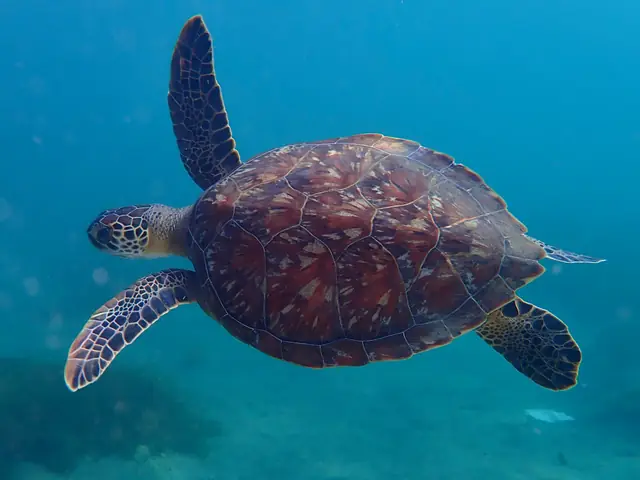
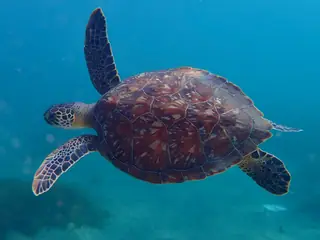
Green Sea Turtle
Chelonia mydas
Thousands of females come ashore to nest from July to October, peaking in August. Night visits are only allowed with a certified guide.
-
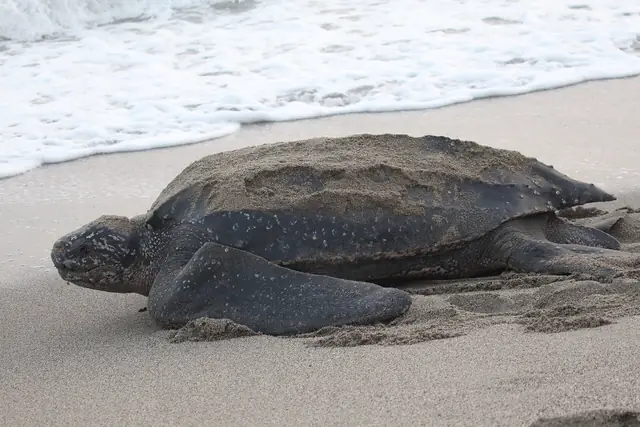
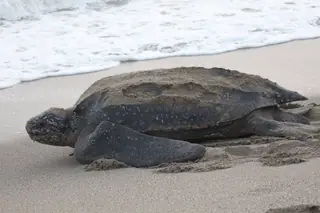
Leatherback Turtle
Dermochelys coriacea
The largest turtle in the world nests here in small numbers from March to May, on the same guided night tours.
-
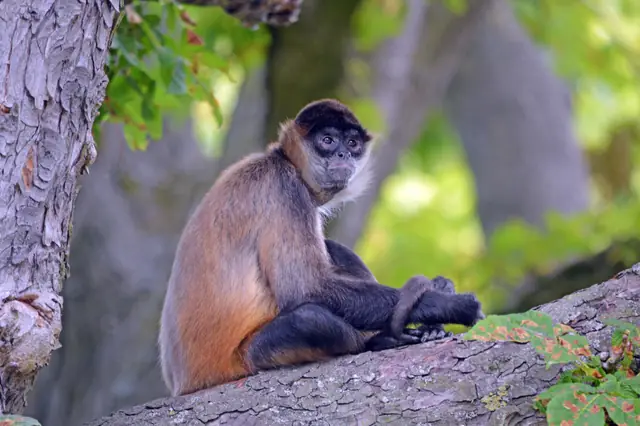
Central American Spider Monkey
Ateles geoffroyi
Long-limbed and agile, swinging through tall trees along the canals. Tortuguero is one of the easier places in Costa Rica to see it.
-
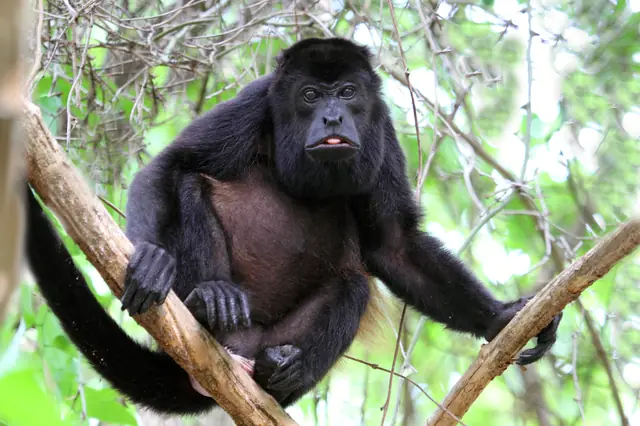
Mantled Howler Monkey
Alouatta palliata
Their roaring at dawn is the village's alarm clock. Troops rest in canal-side trees through the heat of the day.
-
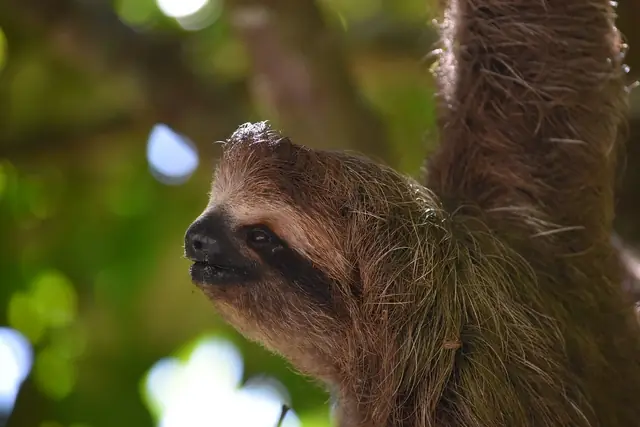
Brown-throated Three-toed Sloth
Bradypus variegatus
Often seen from boats, hanging in cecropia trees along the canals.
-
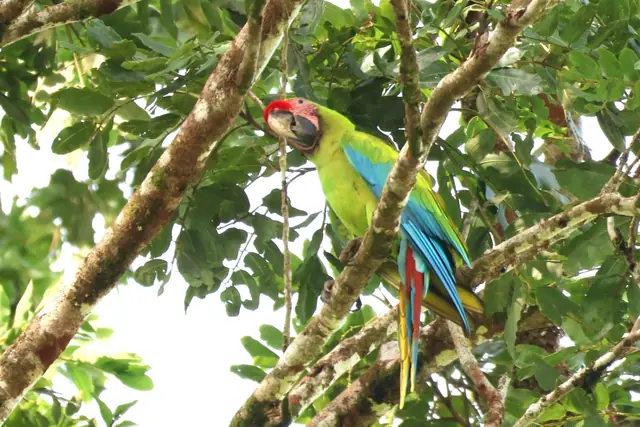
Great Green Macaw
Ara ambiguus
An endangered macaw of the Caribbean lowlands. Pairs fly over the forest, most often when almendro trees are fruiting.
-
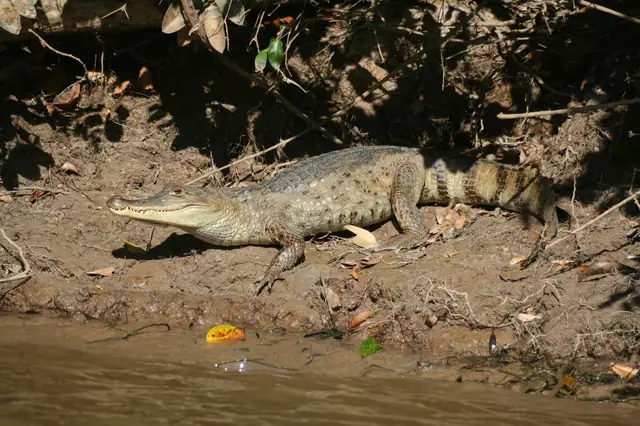
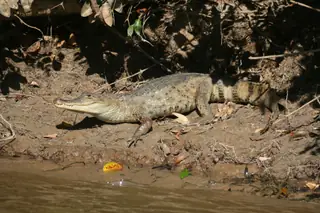
Spectacled Caiman
Caiman crocodilus
Common in the canals and lagoons. On night boat trips, their eyes glow red in the torchlight.
-
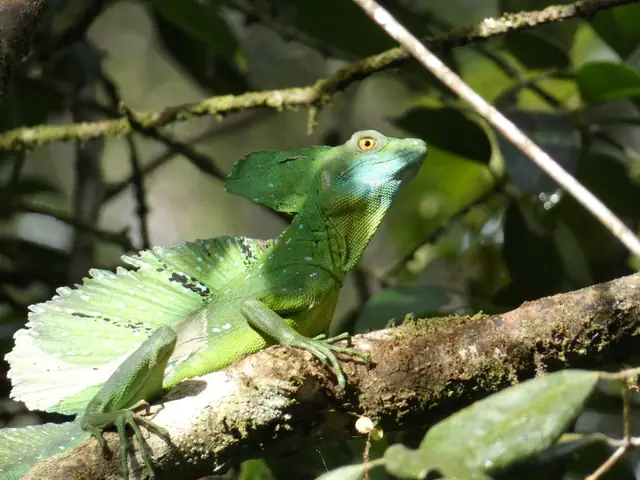
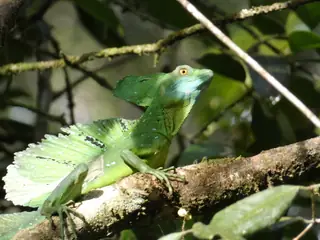
Green Basilisk
Basiliscus plumifrons
A bright green, crested lizard that suns itself on branches over the water and can run across the surface.
-
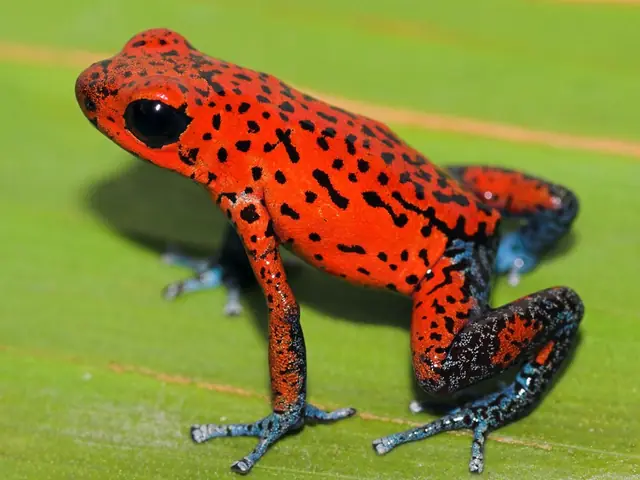
Strawberry Poison Frog
Oophaga pumilio
Tiny, bright red with blue legs, calling loudly from the leaf litter on forest trails. Never handle poison frogs.
-
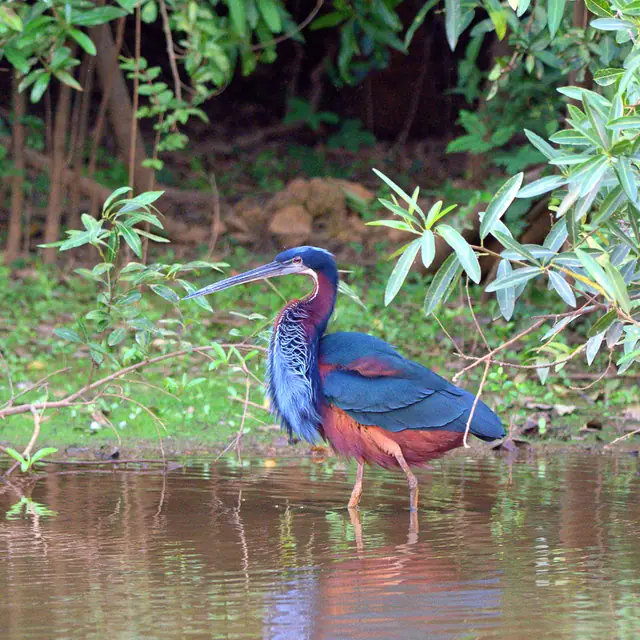
Agami Heron
Agamia agami
One of the most beautiful herons in the Americas, standing still in shady canal edges. A quiet canoe gives the best chance.
All 127 animals in Tortuguero
Sea turtles 3
-
 Green Sea Turtle
-
 Leatherback TurtleRare
-
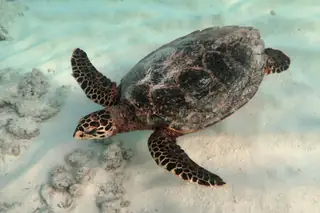 Hawksbill Sea TurtleRare
Monkeys and sloths 5
-
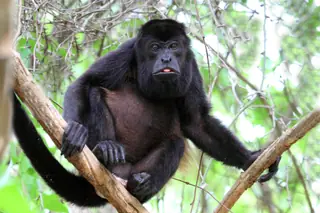 Mantled Howler Monkey
-
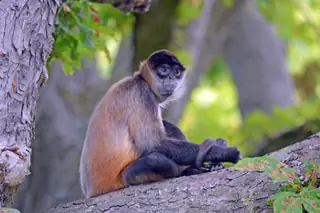 Central American Spider Monkey
-
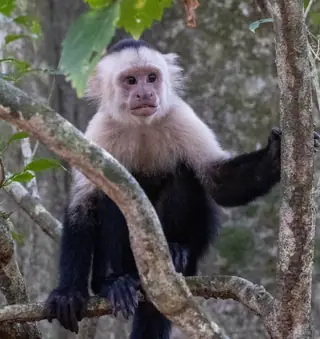 White-faced Capuchin
-
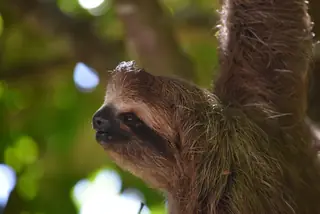 Brown-throated Three-toed Sloth
-
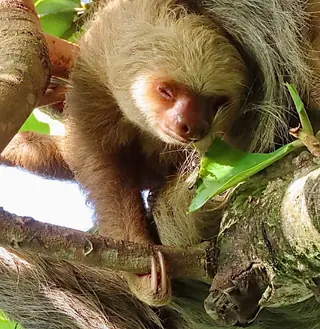 Hoffmann's Two-toed Sloth
Other mammals 16
-
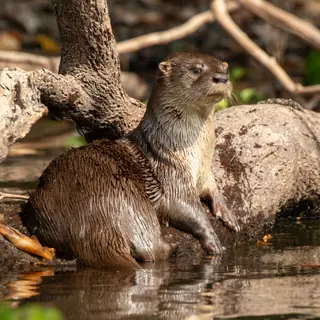 Neotropical Otter
-
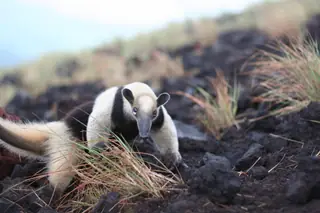 Northern Tamandua
-
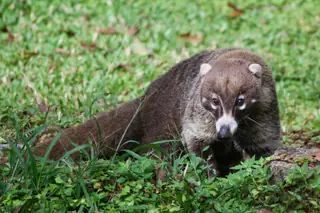 White-nosed Coati
-
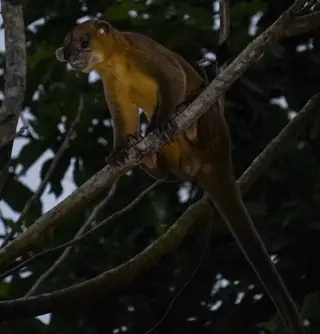 Kinkajou
-
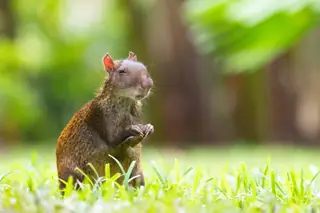 Central American Agouti
-
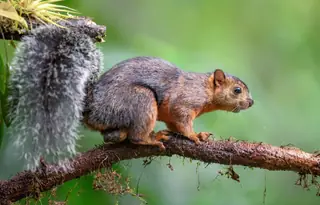 Variegated Squirrel
-
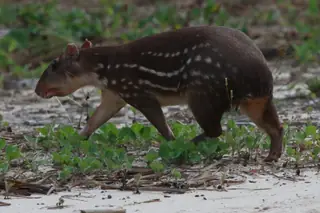 Lowland Paca
-
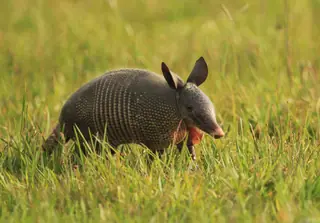 Nine-banded Armadillo
-
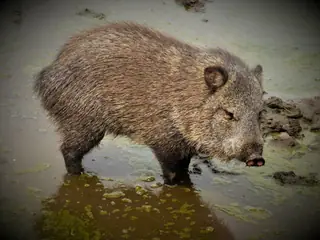 Collared Peccary
-
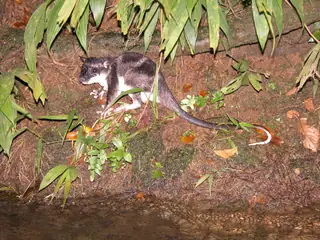 Water OpossumRare
-
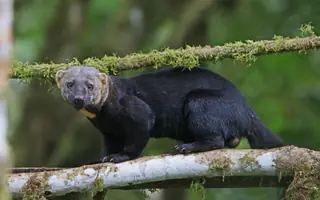 TayraRare
-
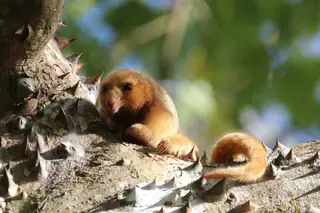 Central American Silky AnteaterRare
-
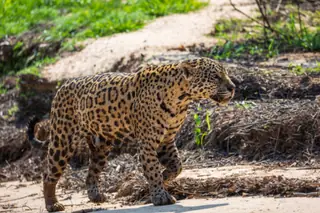 JaguarRare
-
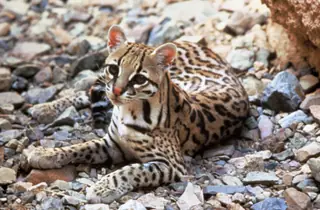 OcelotRare
-
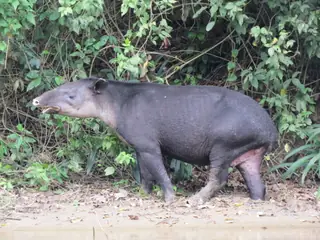 Baird's TapirRare
-
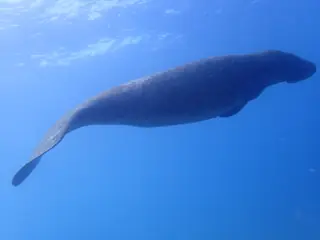 West Indian ManateeRare
Bats 3
-
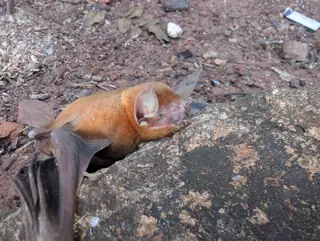 Greater Bulldog Bat
-
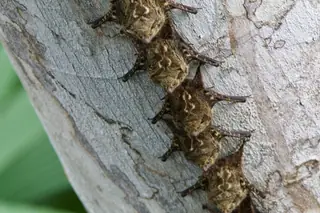 Proboscis Bat
-
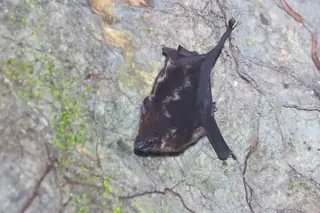 Greater Sac-winged Bat
Herons and water birds 26
-
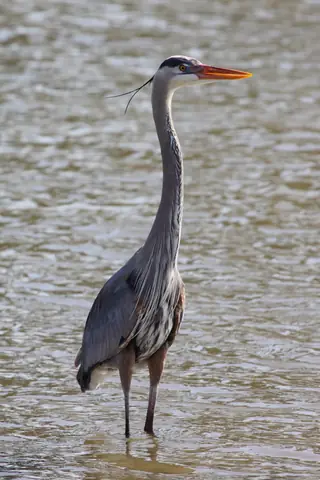 Great Blue Heron
-
 Great Egret
-
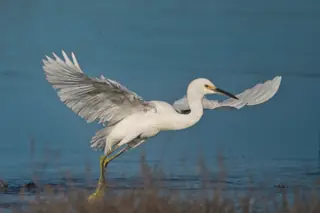 Snowy Egret
-
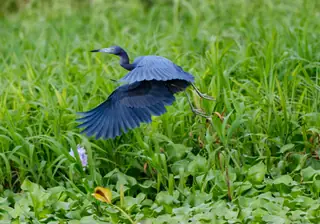 Little Blue Heron
-
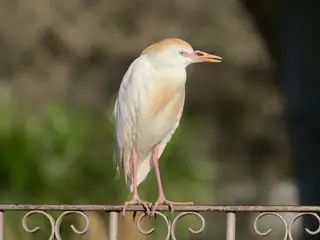 Western Cattle Egret
-
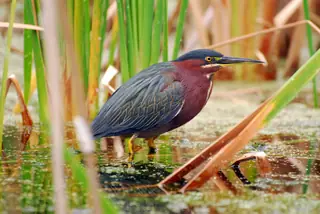 Green Heron
-
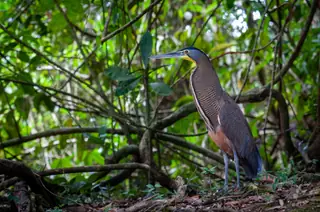 Bare-throated Tiger Heron
-
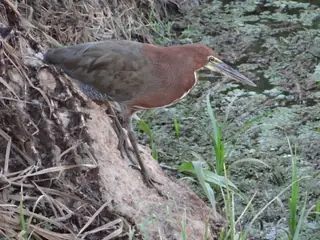 Rufescent Tiger Heron
-
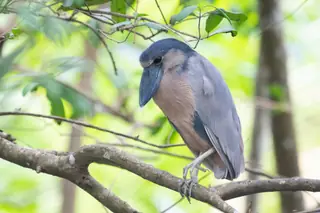 Boat-billed Heron
-
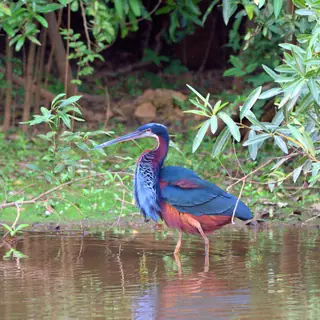 Agami HeronRare
-
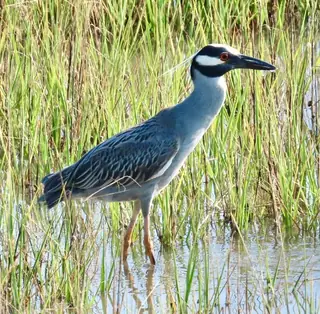 Yellow-crowned Night Heron
-
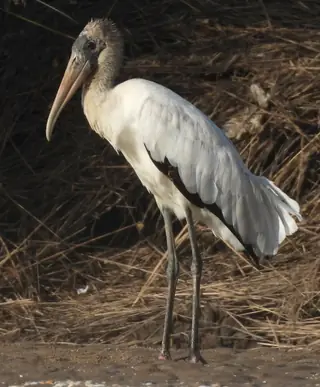 Wood Stork
-
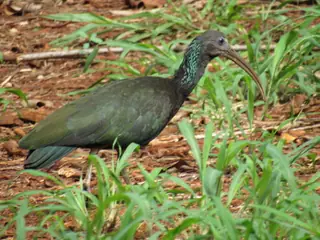 Green Ibis
-
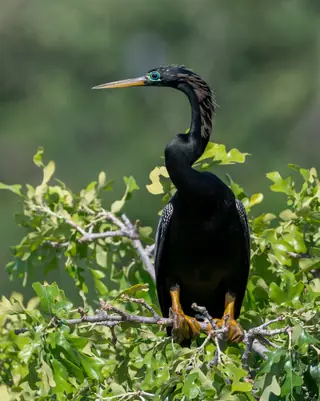 Anhinga
-
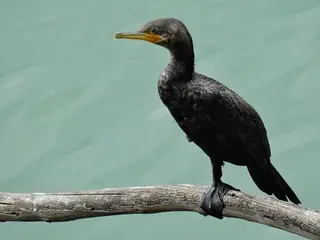 Neotropic Cormorant
-
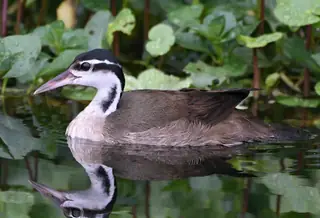 Sungrebe
-
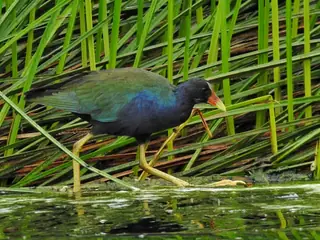 Purple Gallinule
-
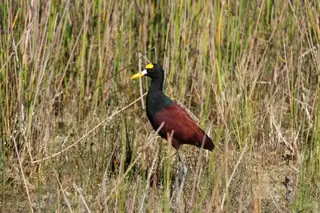 Northern Jacana
-
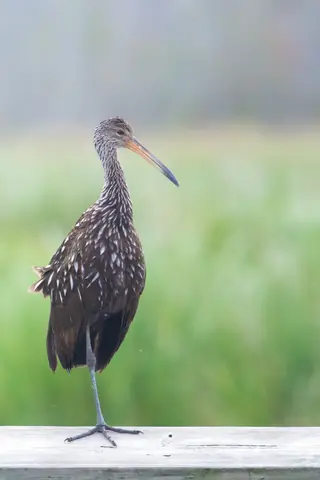 Limpkin
-
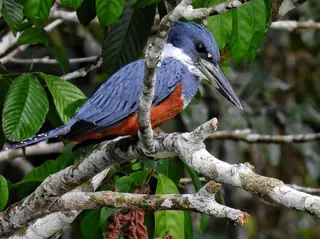 Ringed Kingfisher
-
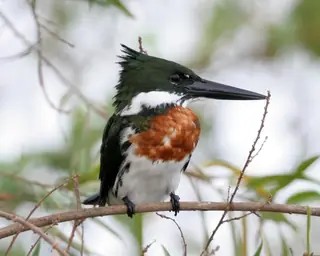 Amazon Kingfisher
-
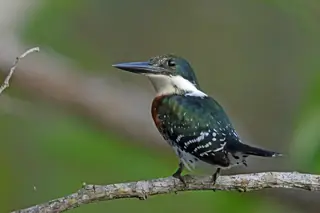 Green Kingfisher
-
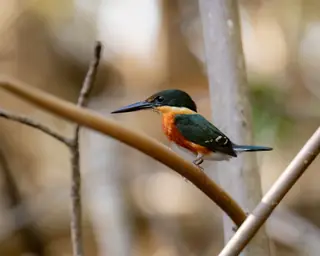 American Pygmy Kingfisher
-
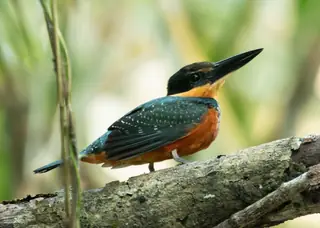 Green-and-rufous KingfisherRare
-
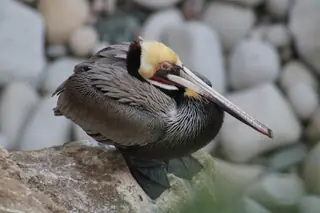 Brown Pelican
-
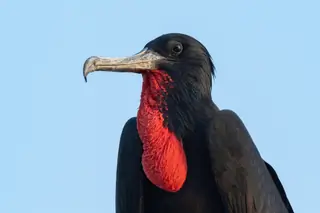 Magnificent Frigatebird
Parrots, toucans and forest birds 30
-
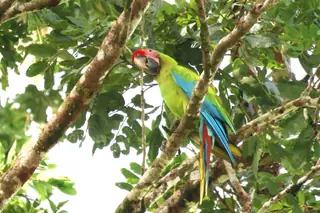 Great Green Macaw
-
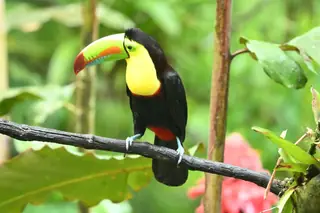 Keel-billed Toucan
-
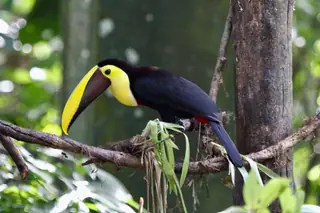 Yellow-throated Toucan
-
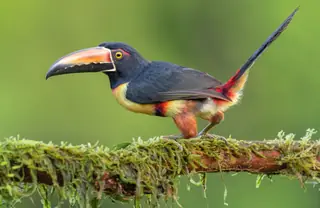 Collared Araçari
-
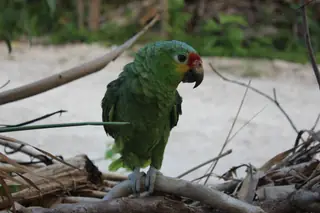 Red-lored Amazon
-
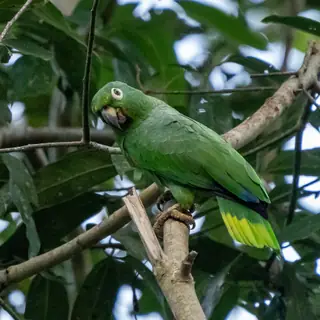 Mealy Amazon
-
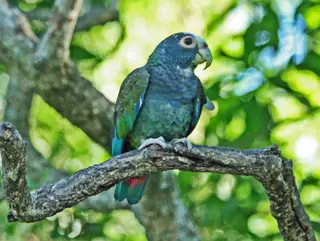 White-crowned Parrot
-
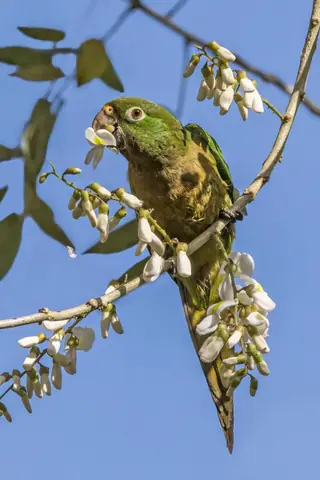 Olive-throated Parakeet
-
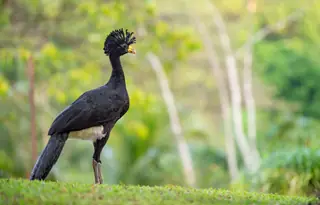 Great CurassowRare
-
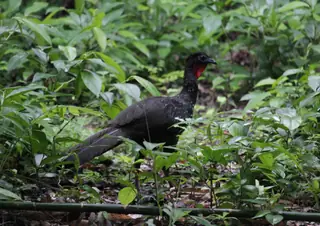 Crested Guan
-
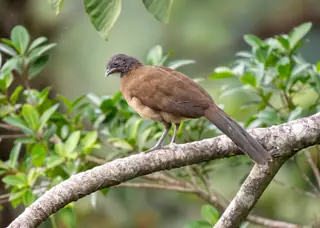 Grey-headed Chachalaca
-
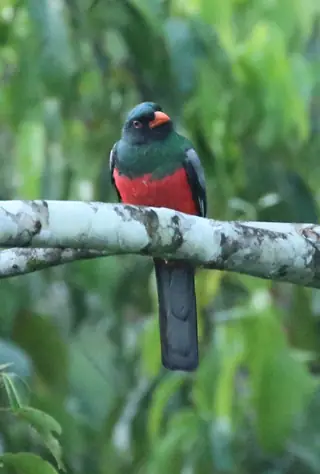 Slaty-tailed Trogon
-
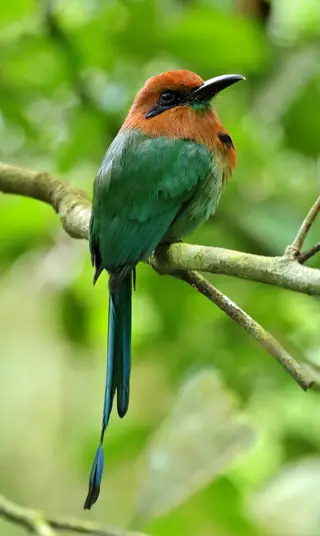 Broad-billed Motmot
-
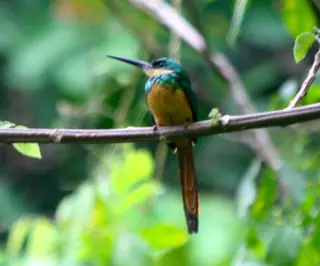 Rufous-tailed Jacamar
-
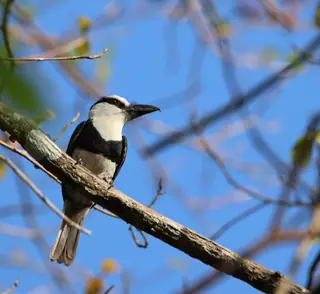 White-necked Puffbird
-
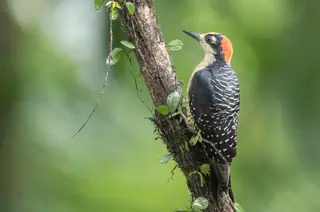 Black-cheeked Woodpecker
-
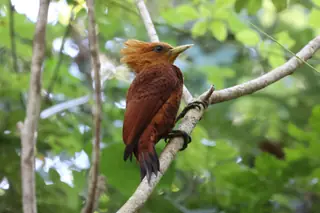 Chestnut-coloured Woodpecker
-
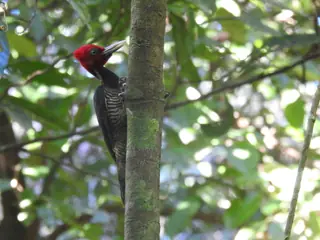 Pale-billed Woodpecker
-
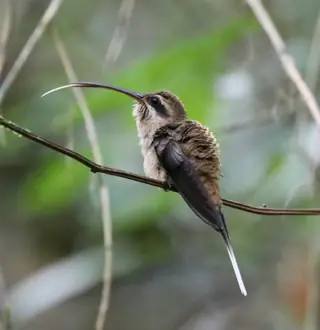 Long-billed Hermit
-
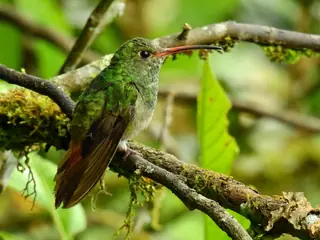 Rufous-tailed Hummingbird
-
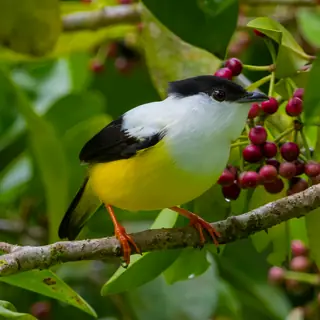 White-collared Manakin
-
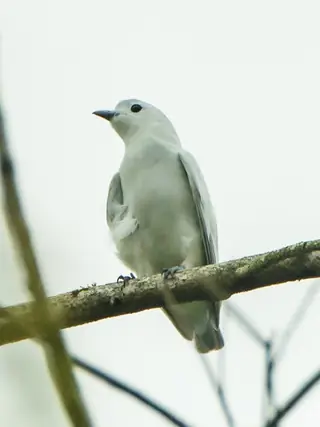 Snowy Cotinga
-
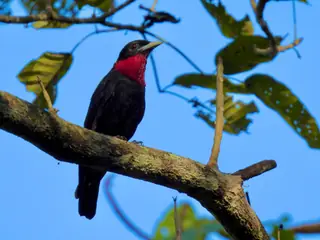 Purple-throated Fruitcrow
-
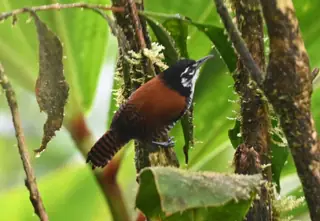 Bay Wren
-
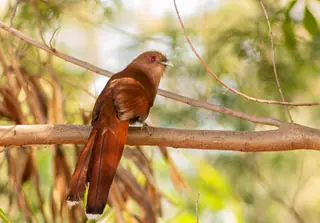 Common Squirrel-cuckoo
-
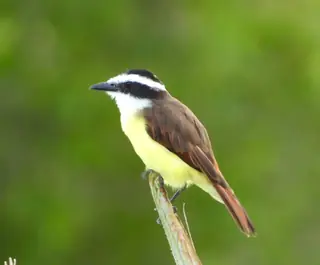 Great Kiskadee
-
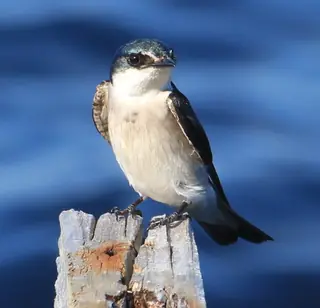 Mangrove Swallow
-
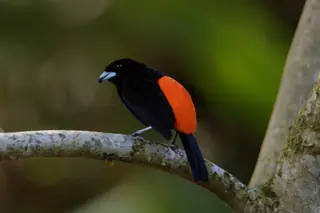 Scarlet-rumped Tanager
-
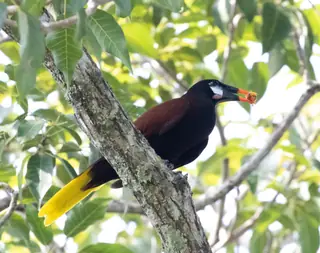 Montezuma Oropendola
-
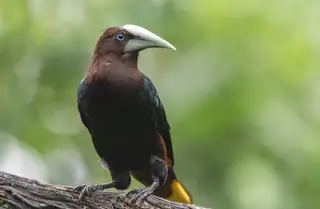 Chestnut-headed Oropendola
Birds of prey and night birds 14
-
 Osprey
-
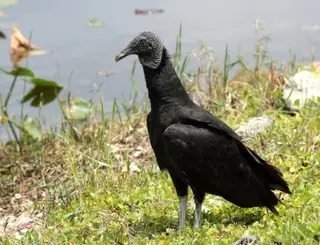 Black Vulture
-
 Turkey Vulture
-
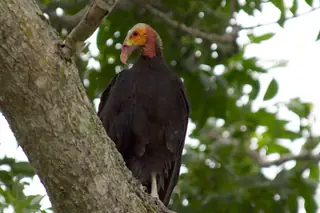 Lesser Yellow-headed Vulture
-
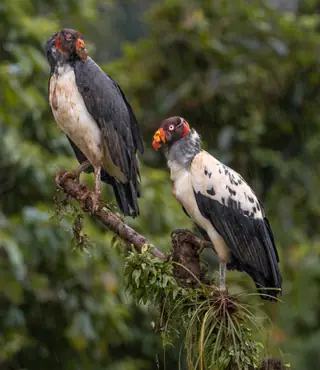 King VultureRare
-
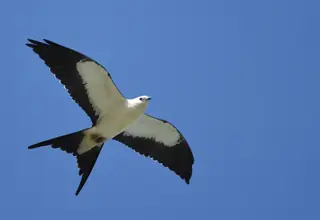 Swallow-tailed Kite
-
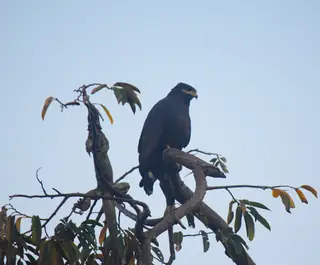 Common Black Hawk
-
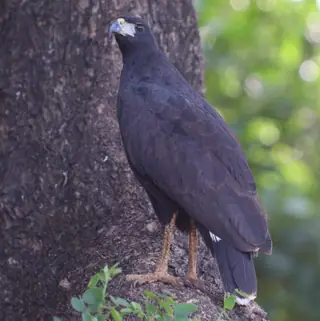 Great Black Hawk
-
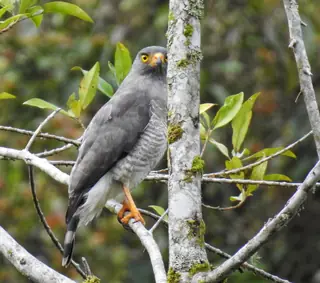 Roadside Hawk
-
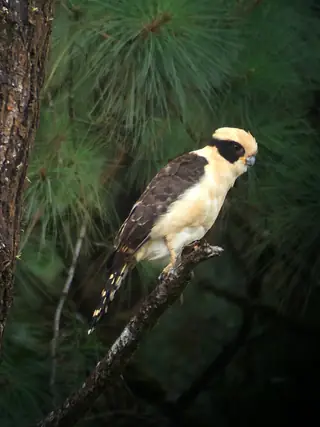 Laughing Falcon
-
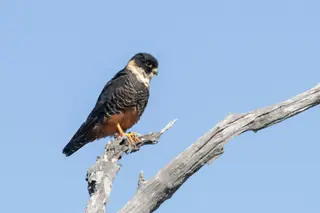 Bat Falcon
-
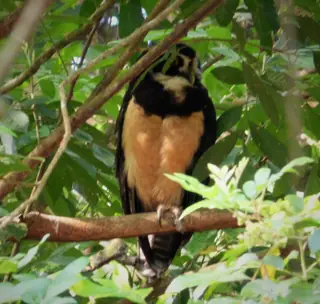 Spectacled Owl
-
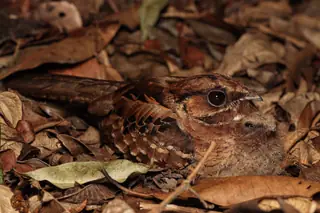 Common Pauraque
-
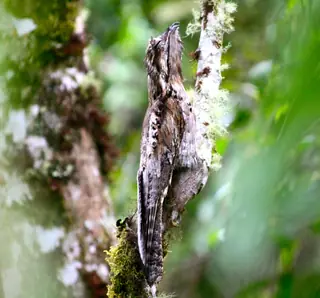 Common Potoo
Reptiles 18
-
 Spectacled Caiman
-
 American Crocodile
-
 Green Basilisk
-
 Brown Basilisk
-
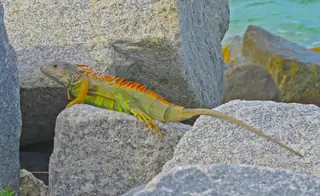 Green Iguana
-
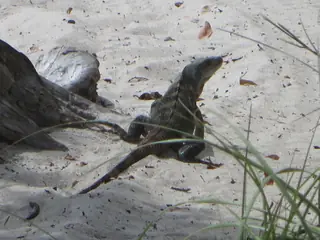 Common Spiny-tailed Iguana
-
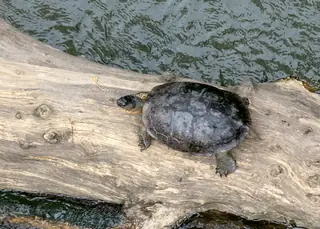 Black River Turtle
-
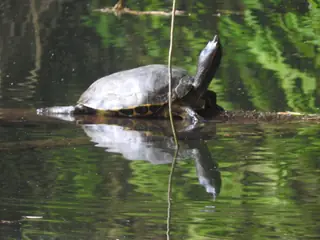 Meso-American Slider
-
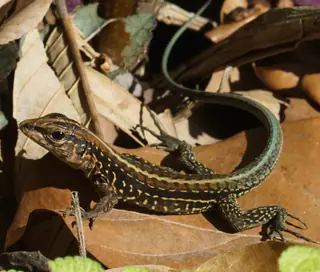 Middle American Ameiva
-
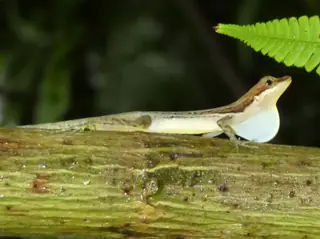 Border Anole
-
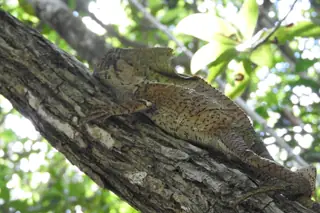 Helmeted IguanaRare
-
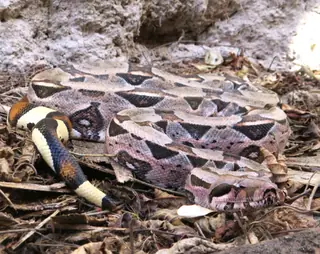 Boa Constrictor
-
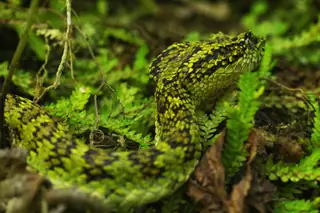 Eyelash Viper
-
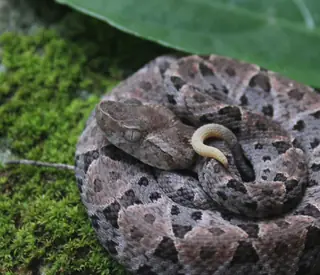 Fer-de-lance
-
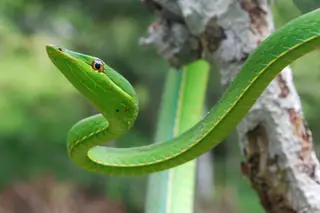 Green Vine Snake
-
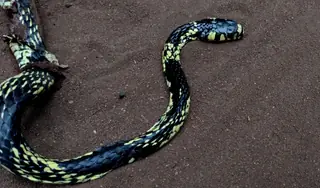 Chicken Snake
-
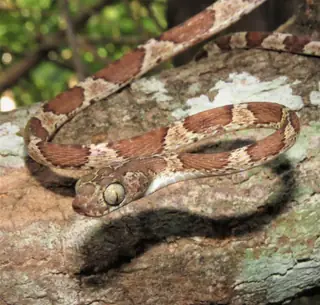 Blunt-headed Treesnake
-
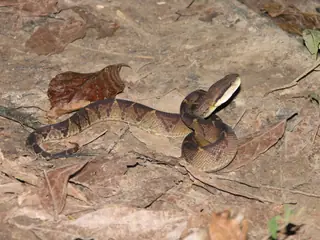 Central American BushmasterRare
Amphibians 8
-
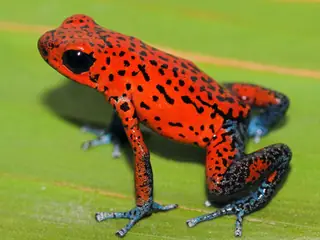 Strawberry Poison Frog
-
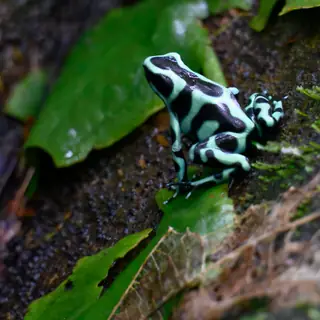 Green-and-black Poison Dart Frog
-
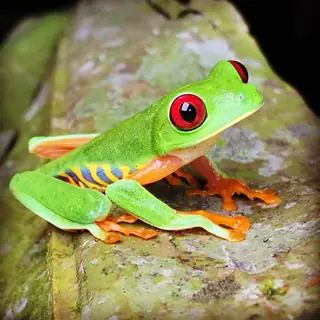 Red-eyed Tree Frog
-
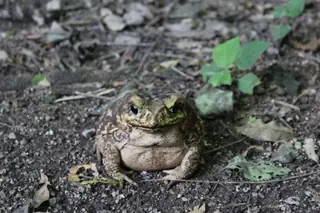 Mesoamerican Cane Toad
-
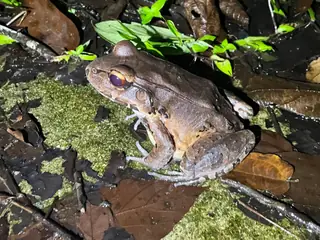 Savage's Thin-toed Frog
-
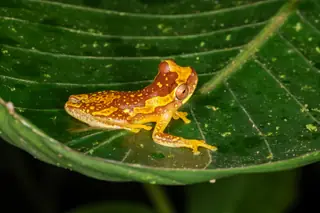 Hourglass Treefrog
-
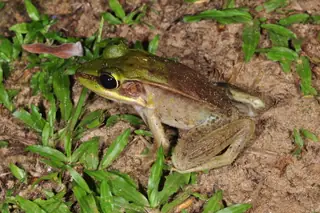 Vaillant's Frog
-
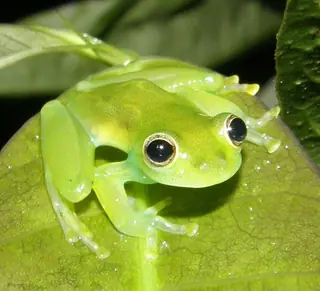 Fleischmann's Glass Frog
Fish and butterflies 4
-
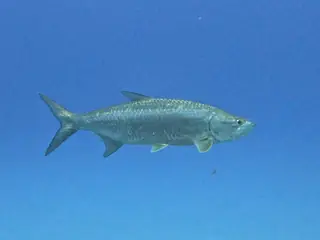 Atlantic Tarpon
-
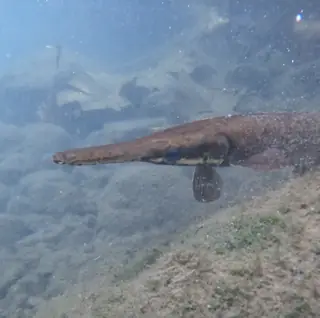 Tropical Gar
-
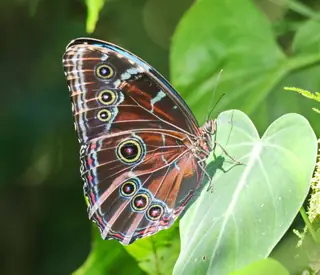 Blue Morpho
-
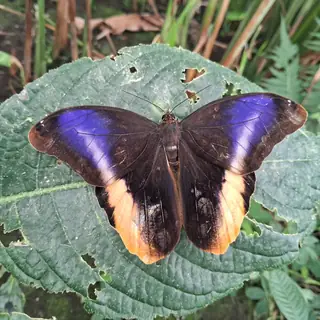 Yellow-edged Giant Owl
Best time to see wildlife in Tortuguero
Sightings by month in Tortuguero
Most records: May to Aug, Jan to FebRecords from GBIF.org, adjusted for how many people record wildlife each month. 100% is the busiest month.
Tortuguero is wet all year, with rain in every month, so wildlife rather than weather decides the timing. Green turtles nest from July to October, with the peak in August, and hatchlings emerge from about September to November. Leatherbacks nest from March to May. February to April and September to October are often a little drier than the rest of the year, which runs against the pattern on Costa Rica's Pacific side. Canal wildlife, monkeys, sloths, caimans and herons are present all year, and early mornings are the best time on the water. December and January can bring heavy rain and rough seas.
- Feb to AprOften drier, good canal trips
- Mar to MayLeatherbacks nesting
- Jul to OctGreen turtles nesting, peak in August
- Nov to JanWettest, late hatchlings in November
Tips for spotting wildlife in Tortuguero
- 01
Book the turtle tour with a certified guide
Visitors may only go on the beach at night with a certified guide on a park-approved tour, in small groups. Wear dark clothes, bring no torch or camera flash, and keep behind the turtle as it nests.
- 02
Go out in a canoe at dawn
Paddled canoes reach the narrow side canals, where otters, sungrebes, agami herons and kingfishers are easiest to see, and they are quiet enough not to disturb them.
- 03
Look up along the canals
Spider and howler monkeys, sloths and toucans use the tall trees at the water's edge. Ask your boatman to cut the engine and drift.
- 04
Walk the trails in boots
The forest trails are often flooded. Rubber boots, often lent by lodges, help you find poison frogs and basilisks without slipping.
- 05
Respect the nesting beach by day
Walk below the high-tide line and never dig or disturb marked nests. Lights near the beach confuse hatchlings, so keep them off at night.

Take Tortuguero with you
Record turtles, monkeys and canal birds in Tortuguero with Wilder, offline on the canals. Free to start.

Tortuguero wildlife FAQ
When is turtle nesting season in Tortuguero?
Green turtles nest from July to October, peaking in August, when sightings on a guided night tour are very likely. Leatherbacks nest from March to May in smaller numbers. Hatchlings emerge about two months after nesting, mainly from September to November. All night visits to the beach must be made with a certified guide.
How do you get to Tortuguero?
There are no roads into Tortuguero village. Most visitors drive or take a shuttle from San José to La Pavona or Caño Blanco, then take a boat along the canals, about an hour. Small planes also fly to a strip near the village. Lodge packages usually include the transfers.
What animals can you see in Tortuguero?
Tortuguero is best for nesting green turtles in season, plus monkeys, sloths, caimans, iguanas, basilisks and a long list of herons and kingfishers on canal trips. Great green macaws, toucans and poison frogs are also seen. This checklist covers 127 animals a visitor could realistically find.
Can you see jaguars in Tortuguero?
Jaguars live in the park and are known for hunting nesting turtles, but they are very rarely seen. Their tracks are much more likely than the cat. For a good chance of seeing a wild jaguar in Latin America, the Pantanal in Brazil is far more reliable.
Sources
- Select Latin America: turtle nesting in Tortuguero
- Rough Guides: Tortuguero National Park
- Costa Rica Vibes: things to do in Tortuguero
- Sightings by month: GBIF.org
Animal photos are from the Wilder catalogue; photo credits.
Similar checklists
All South and Central America-
 Reserve107animals Monteverde Cloud Forest Monteverde, Puntarenas, Costa Rica Misty cloud forest on the Continental Divide, home to the resplendent quetzal, the bonging call of the bellbird and hummingbirds by the dozen. Best time Feb to May
-
 National park126animals Manuel Antonio National Park Quepos, Puntarenas, Costa Rica A small park of rainforest and white-sand coves where sloths, squirrel monkeys and capuchins live right above the beach. Best time Dec to Apr
-
 National park79animals Corcovado and the Osa Peninsula Osa Peninsula, Puntarenas, Costa Rica Costa Rica's wildest rainforest, running down to empty beaches: tapirs at Sirena, four kinds of monkey and scarlet macaws overhead. Best time Dec to Apr
-
 Region107animals Pantanal Mato Grosso and Mato Grosso do Sul, Brazil The world's largest tropical wetland and the best place on Earth to see a wild jaguar, with giant otters, caimans by the thousand and hyacinth macaws. Best time Jul to Oct