National park · Corrientes · Argentina
Iberá Wetlands Wildlife Checklist

The Esteros del Iberá, in Corrientes province in northeast Argentina, is one of the largest wetlands in South America, a world of marshes, lagoons and floating islands. Capybaras, marsh deer, caimans and black howler monkeys are easy to see, and a major rewilding project has brought back giant anteaters, macaws, jaguars and giant otters. This checklist covers 128 animals. Autumn and spring, March to May and September to November, are best.
Tick off all 128 animals in the Iberá Wetlands on your phone, even offline. Launching soon. Free A4 PDF, no sign-up.
Most visitors stay in Colonia Carlos Pellegrini, on the shore of Laguna Iberá, and explore by boat, on boardwalks and on foot. Other entrances to the park, the portals, such as Cambyretá, San Nicolás and Carambola, give access to different parts of the wetland.
- Animals to find
- 128
- Where
- Argentina
- Best time
- Mar to May, Sept to Nov
- Species rewilded
- Jaguar, anteater, macaw, otter and more
Popular animals in the Iberá Wetlands
-
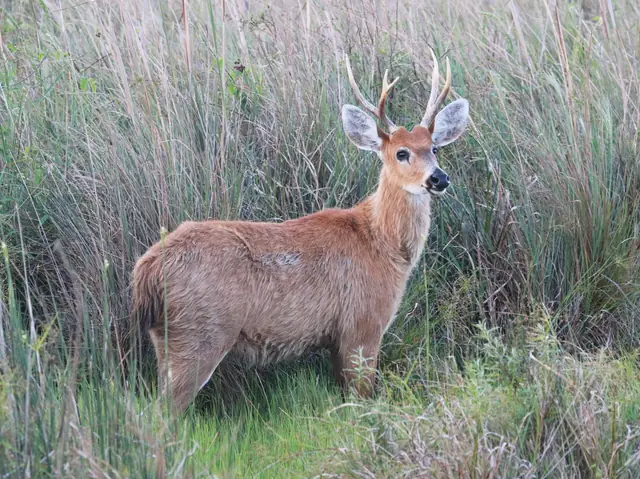
Marsh Deer
Blastocerus dichotomus
South America's largest deer, wading belly-deep through the marshes. Boat trips on Laguna Iberá give quiet views.
-
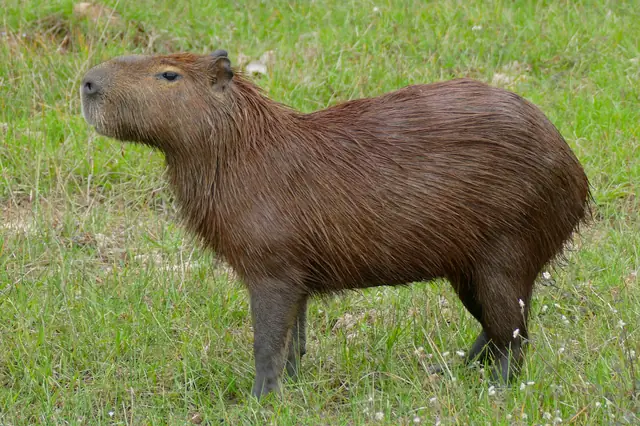
Capybara
Hydrochoerus hydrochaeris
Family groups graze along the lagoon shores and roadsides, often right beside the village.
-
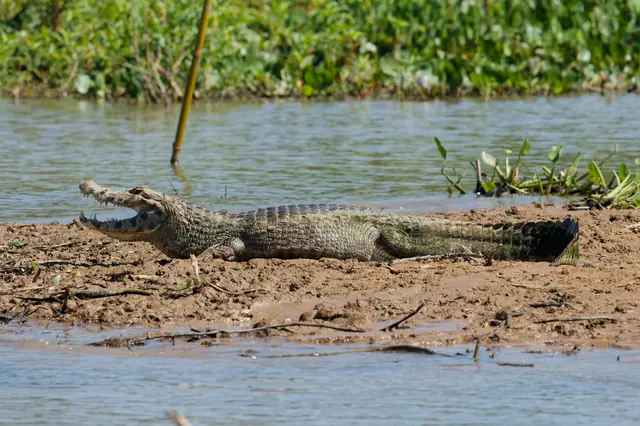
Yacare Caiman
Caiman yacare
Basking on banks and floating islands, seen on almost every boat trip.
-
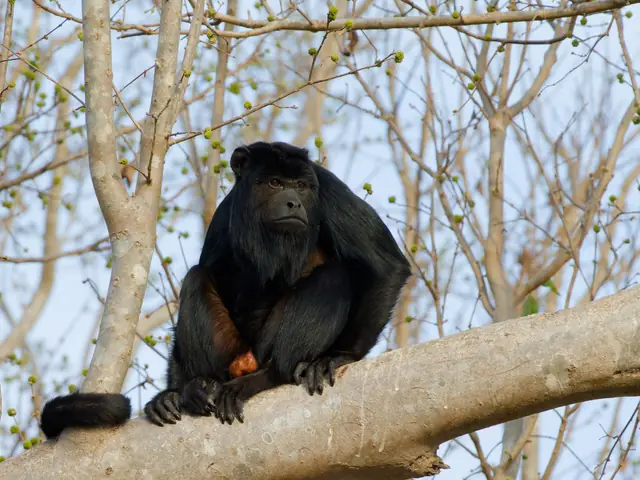
Black Howler Monkey
Alouatta caraya
Troops live in the gallery forest; males are black and females golden. The dawn roar carries over the marsh.
-
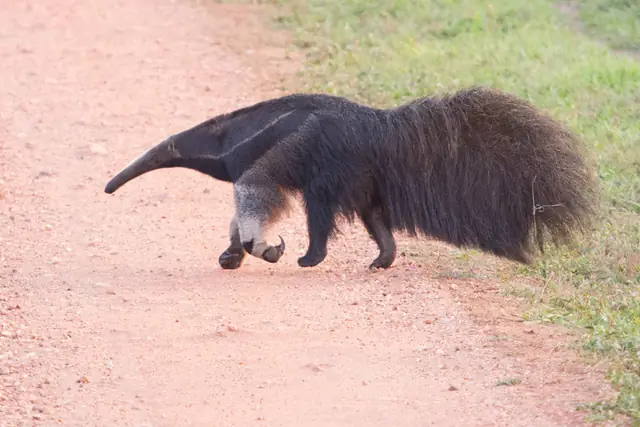
Anteater (Giant)
Myrmecophaga tridactyla
Wiped out here in the twentieth century and now back, breeding after reintroduction. Look in open grassland early and late.
-
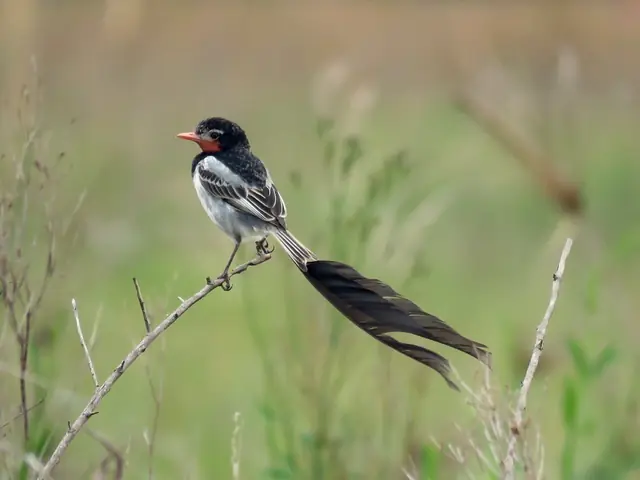
Strange-tailed Tyrant
Alectrurus risora
A threatened grassland bird. Males trail two long, flag-like tail feathers in the spring breeding season.
-
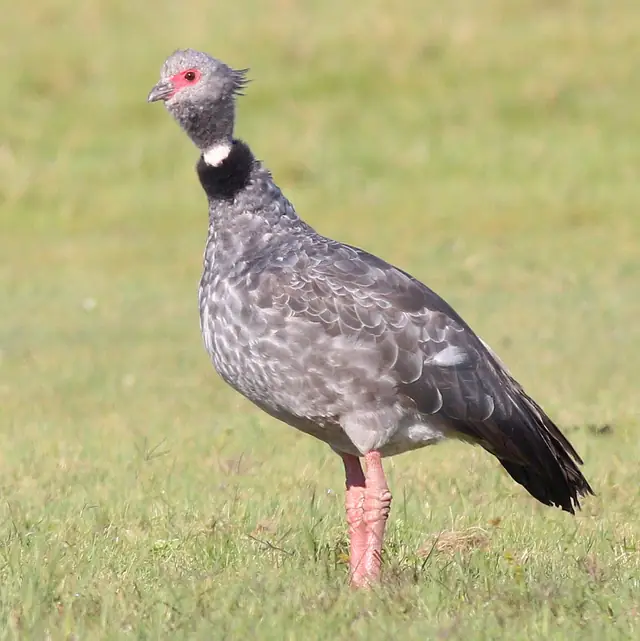
Southern Screamer
Chauna torquata
A large, goose-like bird of the marsh edges with a far-carrying trumpeting call.
-
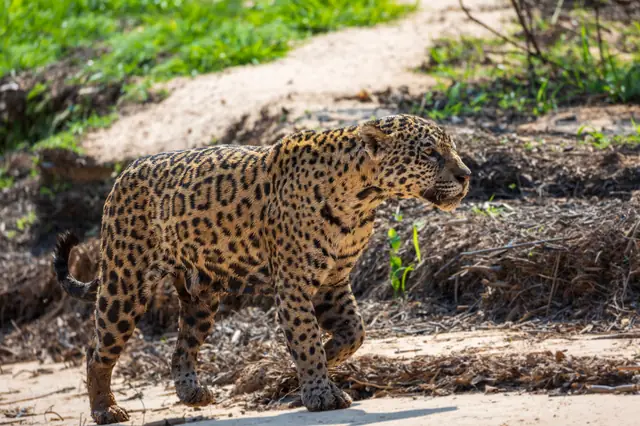
Jaguar
Panthera onca
Reintroduced from 2021, after more than 70 years' absence from Corrientes. Very rarely seen; tracks are far more likely.
-
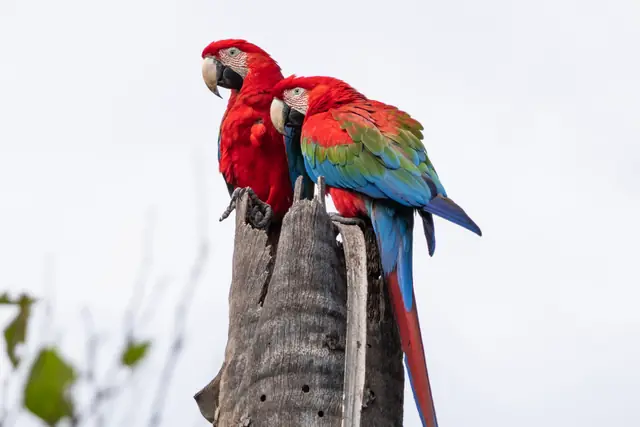
Red-and-green Macaw
Ara chloropterus
Reintroduced after more than a century of absence, in small numbers around the release areas.
All 128 animals in the Iberá Wetlands
Big mammals 10
-
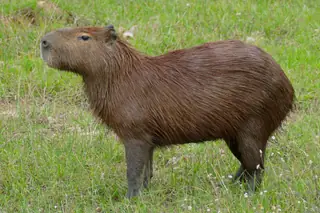 Capybara
-
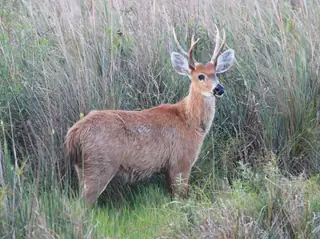 Marsh Deer
-
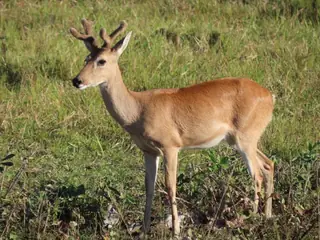 Pampas Deer
-
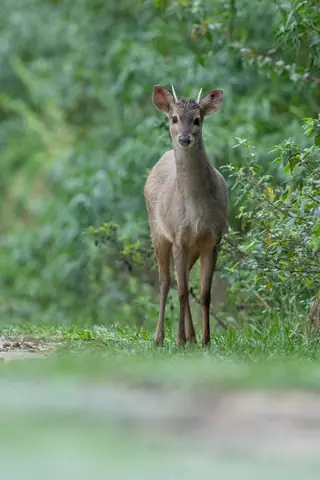 Southern Brown Brocket
-
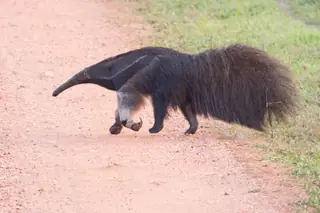 Anteater (Giant)
-
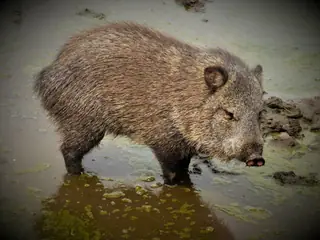 Collared Peccary
-
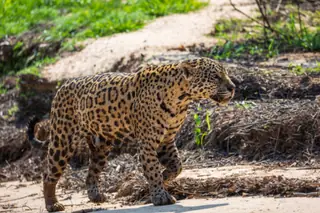 JaguarRare
-
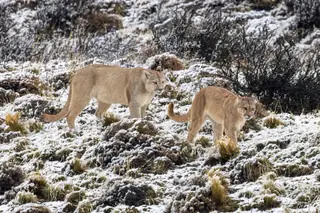 Cougar (Mountain Lion)Rare
-
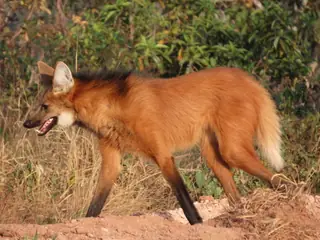 Maned WolfRare
-
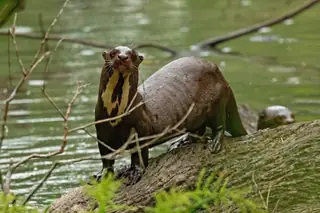 Giant OtterRare
Monkeys and smaller mammals 16
-
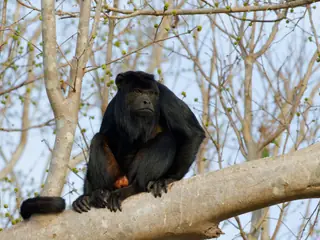 Black Howler Monkey
-
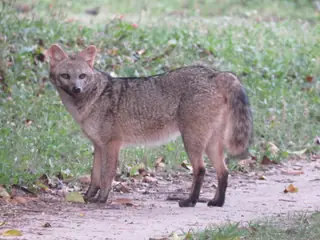 Crab-eating Fox
-
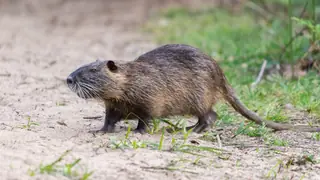 Coypu
-
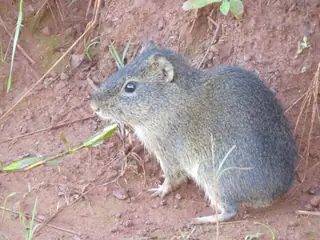 Brazilian Guinea Pig
-
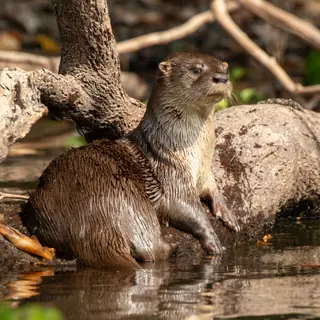 Neotropical Otter
-
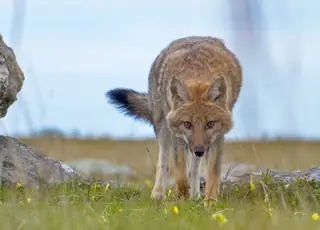 Pampas Fox
-
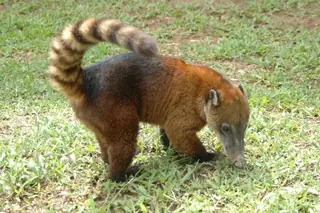 South American Coati
-
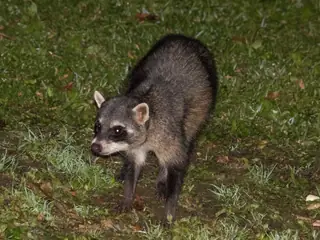 Crab-eating Raccoon
-
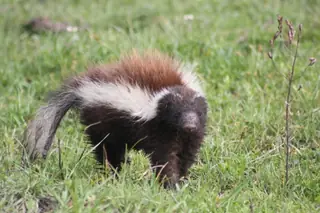 Molina's Hog-nosed Skunk
-
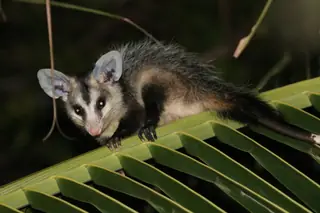 White-eared Opossum
-
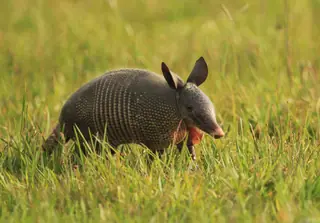 Nine-banded Armadillo
-
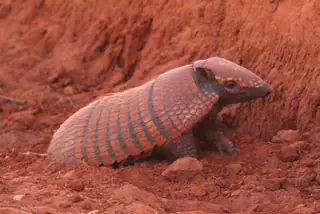 Six-banded Armadillo
-
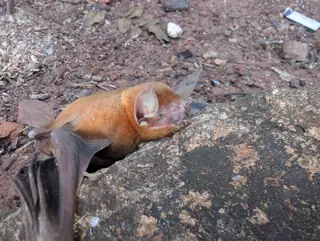 Greater Bulldog Bat
-
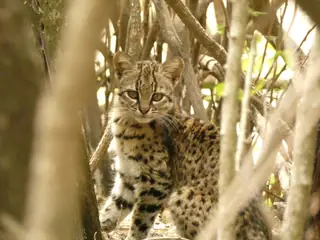 Geoffroy's CatRare
-
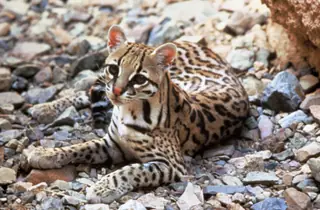 OcelotRare
-
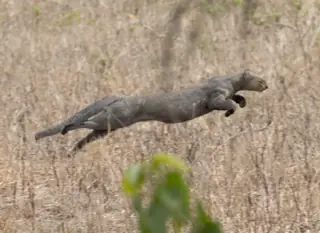 JaguarundiRare
Water birds 31
-
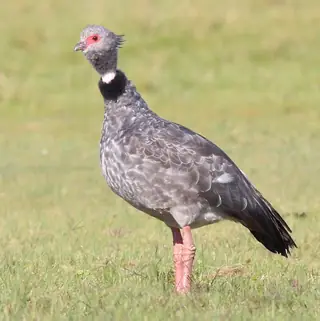 Southern Screamer
-
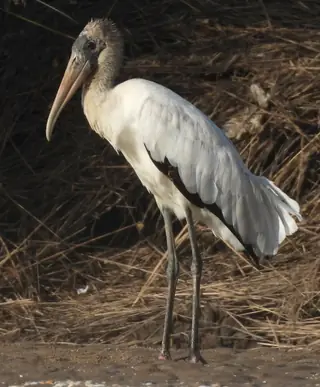 Wood Stork
-
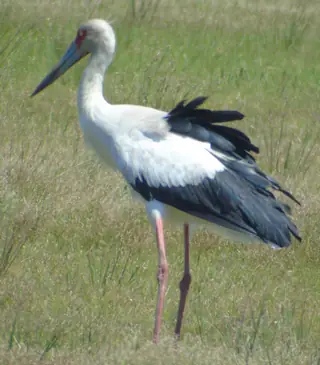 Maguari Stork
-
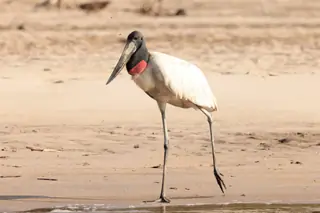 Jabiru
-
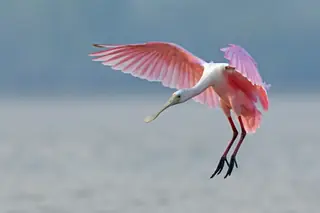 Roseate Spoonbill
-
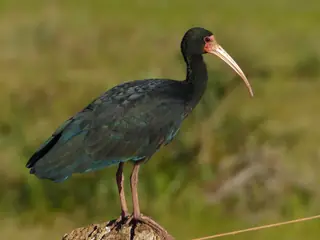 Bare-faced Ibis
-
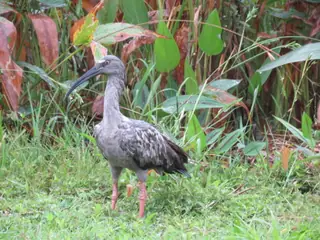 Plumbeous Ibis
-
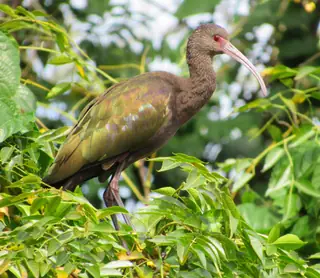 White-faced Ibis
-
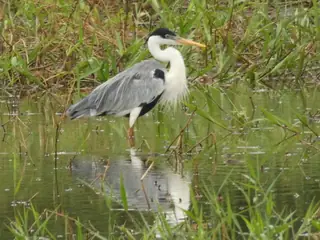 Cocoi Heron
-
 Great Egret
-
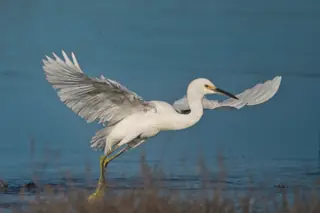 Snowy Egret
-
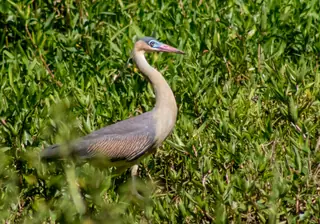 Whistling Heron
-
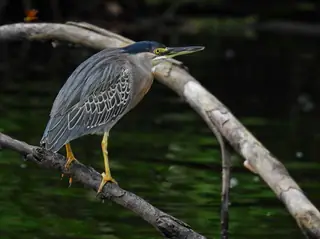 Striated Heron
-
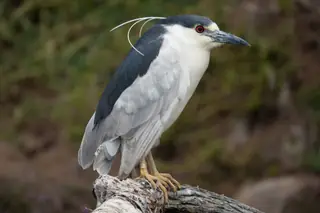 Black-crowned Night Heron
-
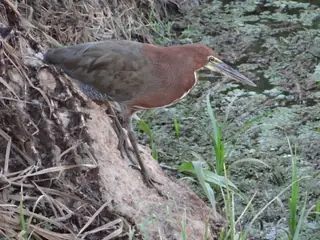 Rufescent Tiger Heron
-
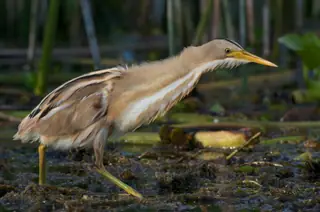 Stripe-backed Bittern
-
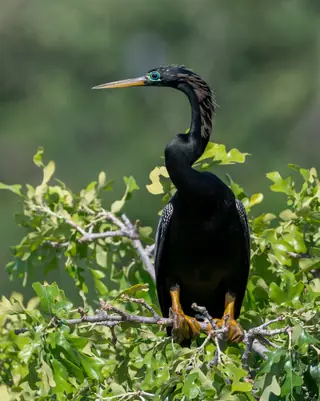 Anhinga
-
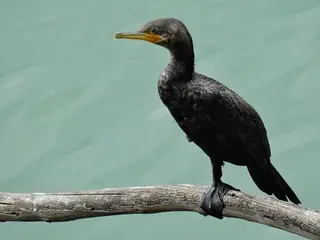 Neotropic Cormorant
-
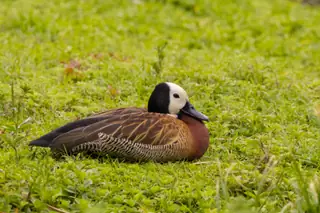 White-faced Whistling Duck
-
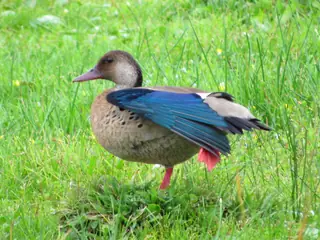 Brazilian Teal
-
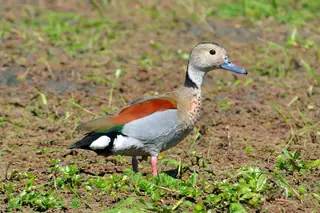 Ringed Teal
-
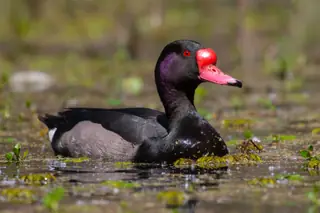 Rosy-billed Pochard
-
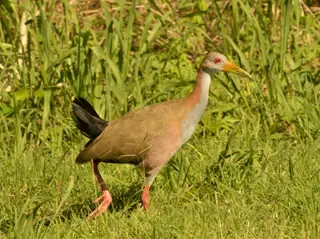 Giant Wood Rail
-
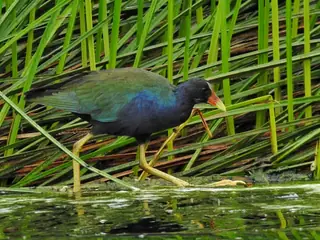 Purple Gallinule
-
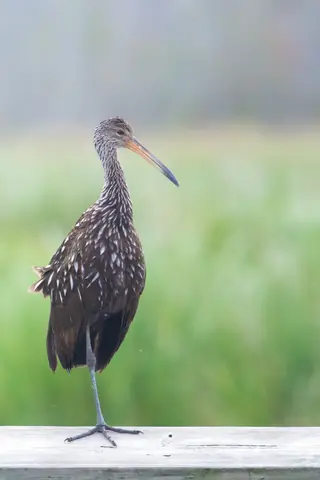 Limpkin
-
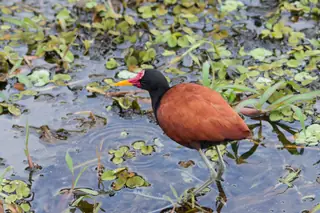 Wattled Jacana
-
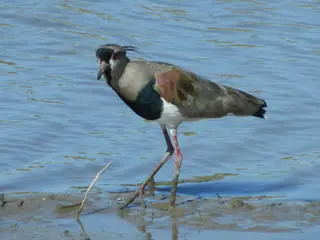 Southern Lapwing
-
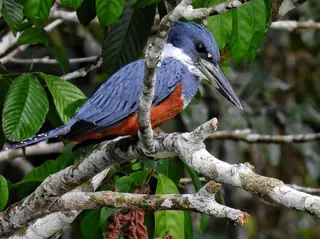 Ringed Kingfisher
-
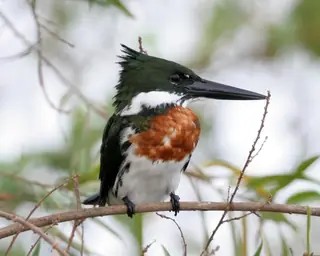 Amazon Kingfisher
-
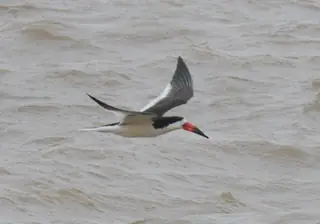 Black Skimmer
-
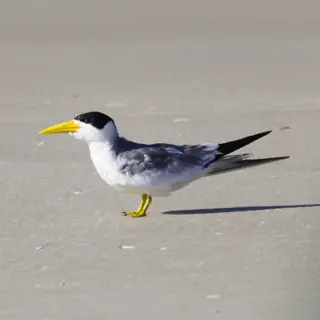 Large-billed Tern
Grassland and marsh birds 23
-
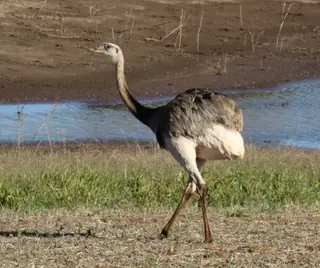 Greater Rhea
-
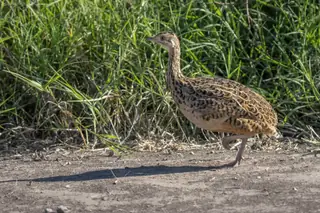 Spotted Nothura
-
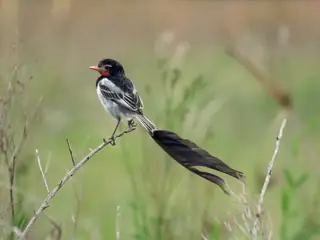 Strange-tailed Tyrant
-
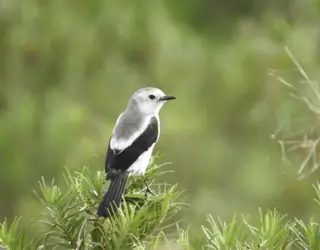 Black-and-white MonjitaRare
-
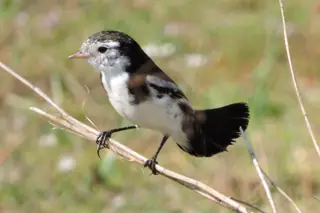 Cock-tailed TyrantRare
-
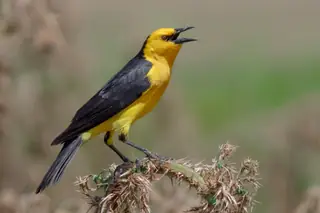 Saffron-cowled BlackbirdRare
-
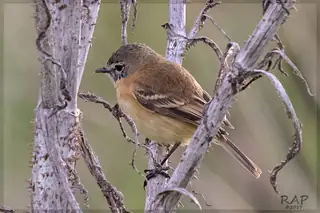 Bearded TachuriRare
-
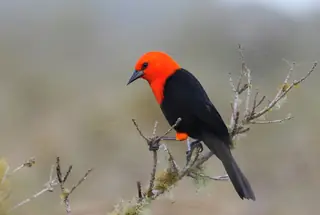 Scarlet-headed Blackbird
-
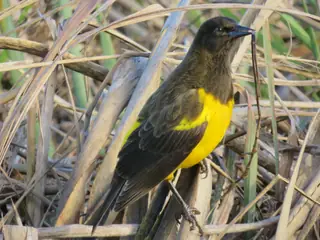 Yellow-rumped Marshbird
-
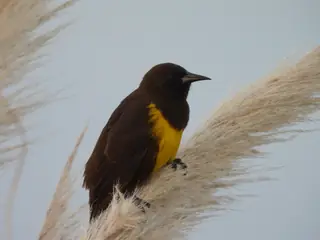 Brown-and-yellow Marshbird
-
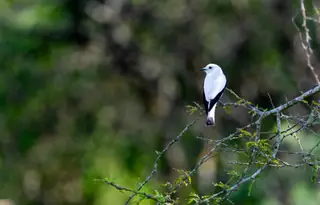 White Monjita
-
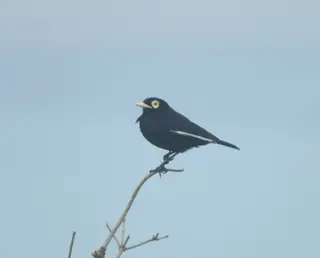 Spectacled Tyrant
-
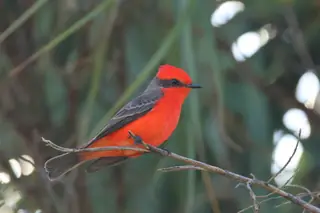 Common Vermilion Flycatcher
-
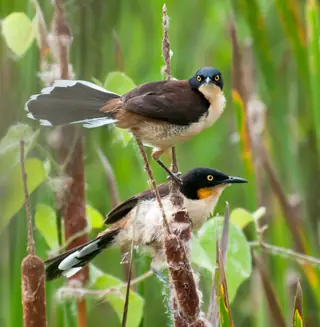 Black-capped Donacobius
-
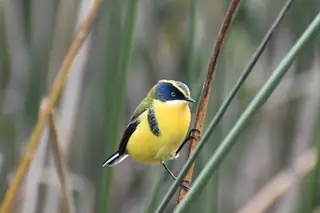 Many-coloured Rush Tyrant
-
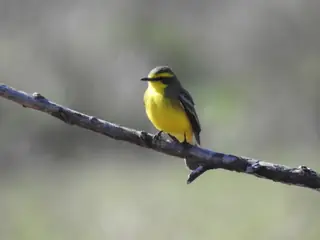 Yellow-browed Tyrant
-
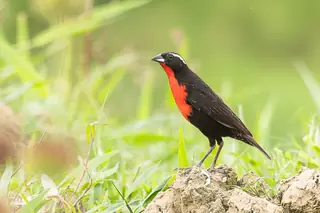 White-browed Meadowlark
-
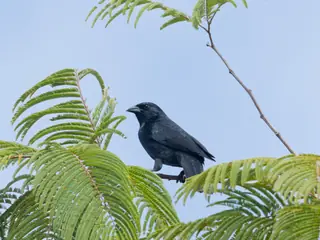 Chopi Blackbird
-
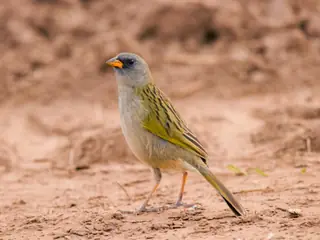 Great Pampa-finch
-
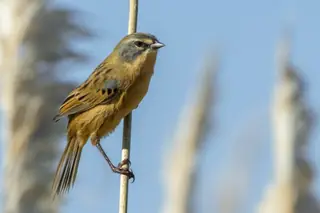 Long-tailed Reed Finch
-
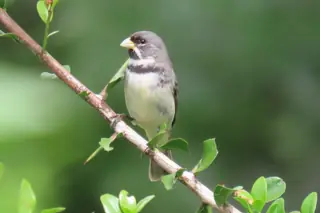 Double-collared Seedeater
-
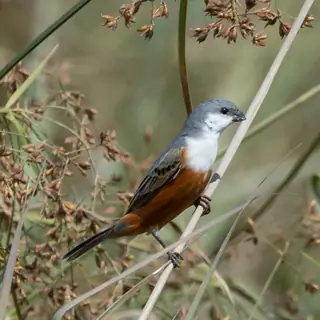 Marsh SeedeaterRare
-
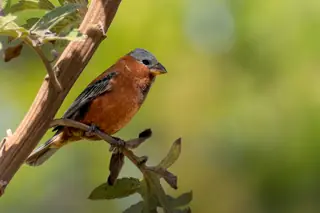 Chestnut SeedeaterRare
Forest edge and garden birds 22
-
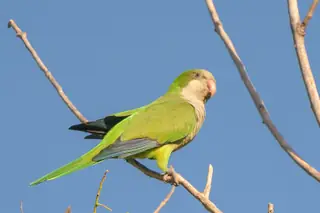 Monk Parakeet
-
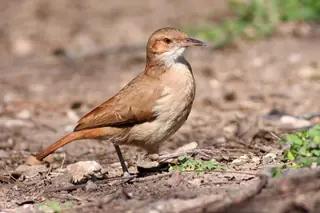 Rufous Hornero
-
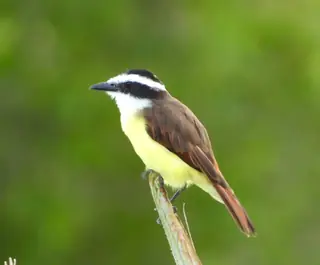 Great Kiskadee
-
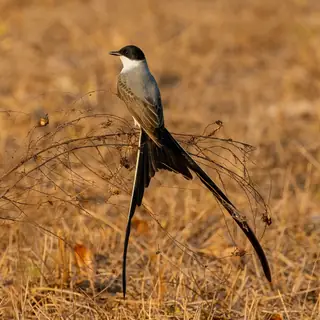 Fork-tailed Flycatcher
-
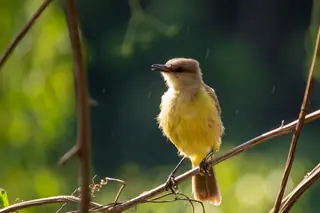 Cattle Tyrant
-
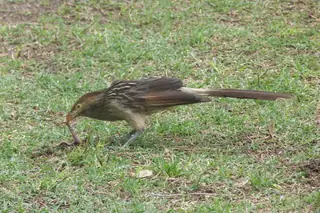 Guira Cuckoo
-
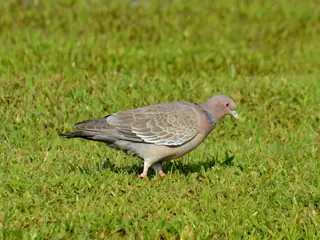 Picazuro Pigeon
-
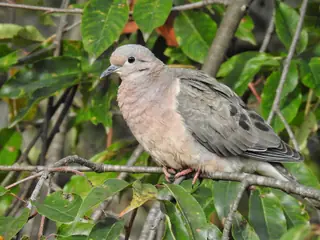 Eared Dove
-
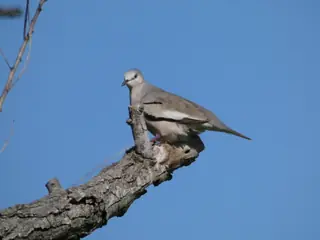 Picui Ground Dove
-
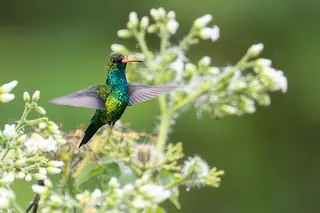 Glittering-bellied Emerald
-
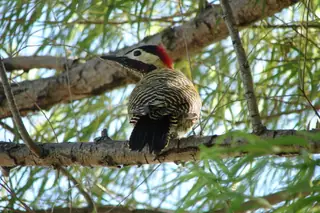 Green-barred Woodpecker
-
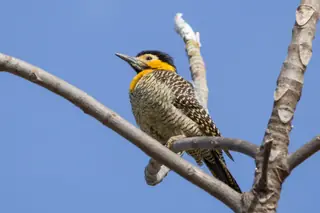 Campo Flicker
-
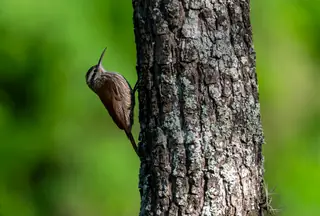 Narrow-billed Woodcreeper
-
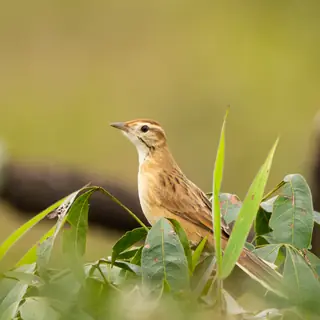 Firewood-gatherer
-
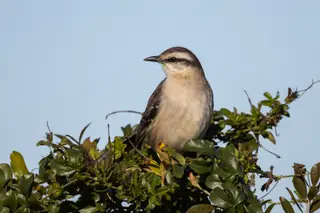 Chalk-browed Mockingbird
-
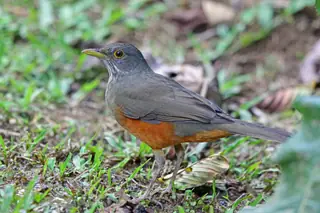 Rufous-bellied Thrush
-
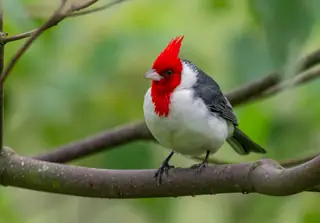 Red-crested Cardinal
-
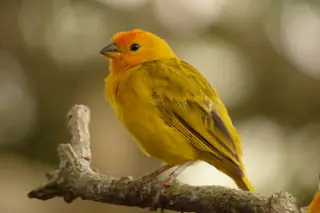 Saffron Finch
-
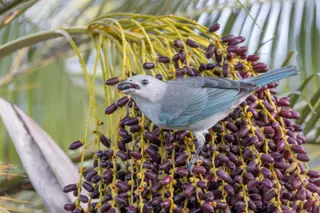 Sayaca Tanager
-
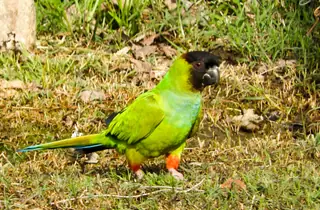 Nanday Parakeet
-
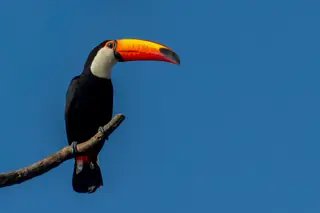 Toco Toucan
-
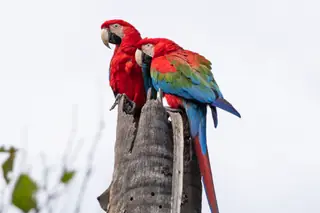 Red-and-green MacawRare
Birds of prey and owls 15
-
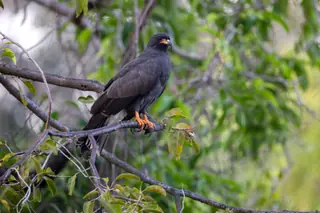 Snail Kite
-
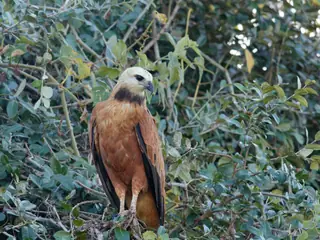 Black-collared Hawk
-
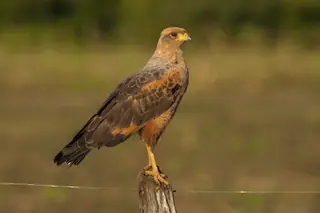 Savanna Hawk
-
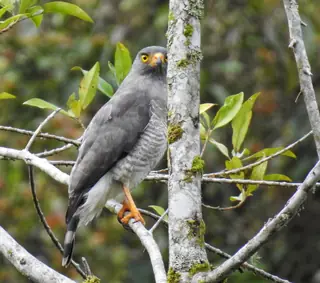 Roadside Hawk
-
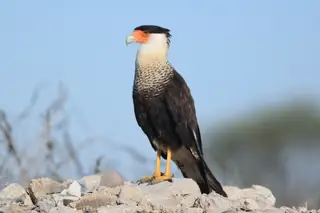 Southern Crested Caracara
-
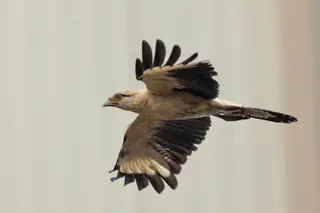 Yellow-headed Caracara
-
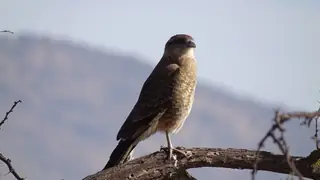 Chimango Caracara
-
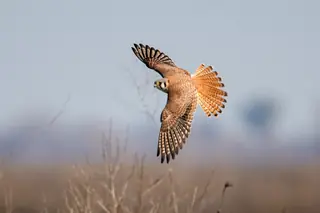 American Kestrel
-
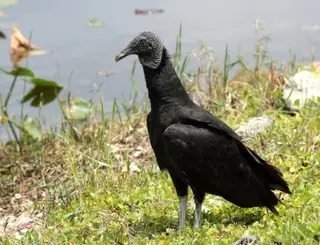 Black Vulture
-
 Turkey Vulture
-
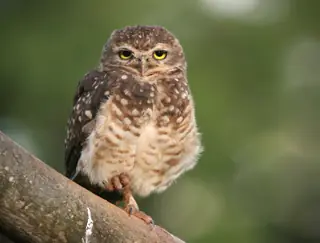 Burrowing Owl
-
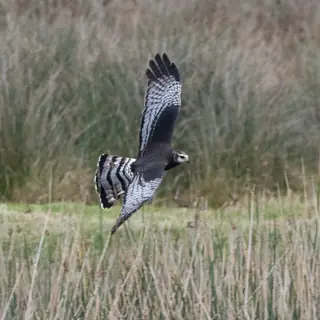 Long-winged Harrier
-
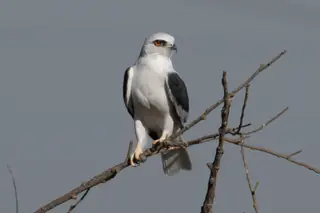 White-tailed Kite
-
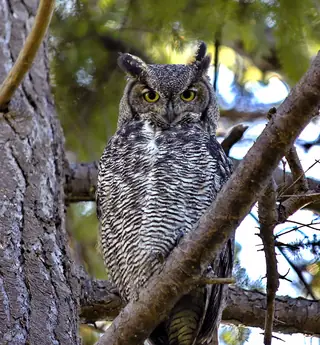 Great Horned Owl
-
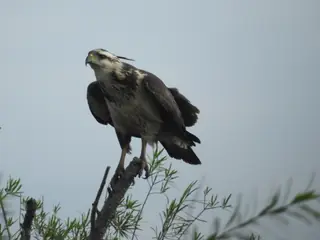 Chaco EagleRare
Reptiles and amphibians 11
-
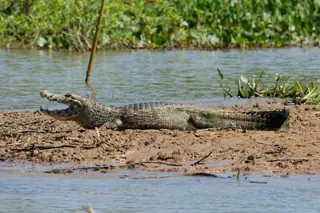 Yacare Caiman
-
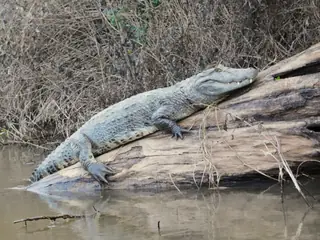 Broad-snouted Caiman
-
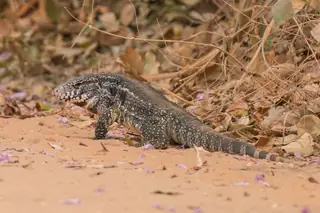 Black-and-white Tegu
-
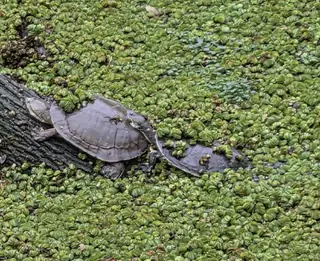 Hilaire's Side-necked Turtle
-
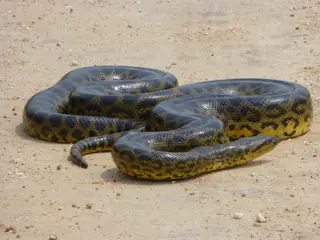 Yellow Anaconda
-
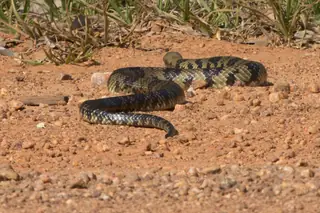 False Water Cobra
-
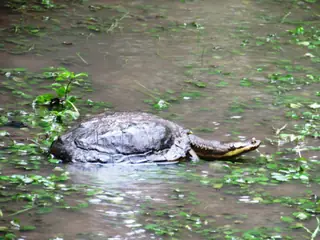 South American Snake-necked Turtle
-
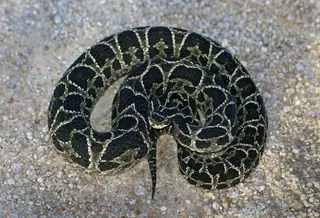 Urutu
-
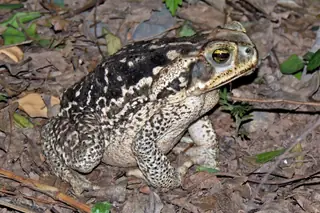 Cururu Toad
-
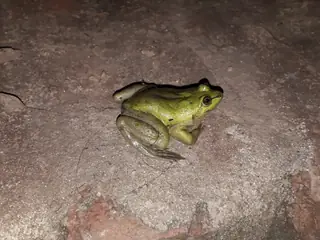 Paradoxical Frog
-
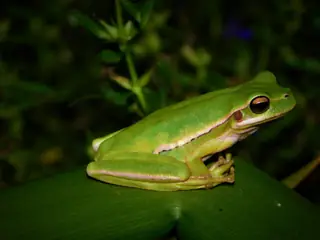 Montevideo Treefrog
Best time to see wildlife in the Iberá Wetlands
Sightings by month in the Iberá Wetlands
Most records: Mar to JanRecords from GBIF.org, adjusted for how many people record wildlife each month. 100% is the busiest month.
Iberá can be visited all year. Autumn, from March to May, and spring, from September to November, have mild days and the best light, and spring is when grassland birds such as the strange-tailed tyrant and the rare seedeaters are breeding and displaying. Summer, December to February, is hot and humid, with storms and more insects, but capybaras and caimans are still easy and the marsh is full of life. Winter, June to August, is cool, with frosty mornings, clear skies and animals active in the middle of the day; caimans bask in the open. Heavy rain can make the dirt roads to Carlos Pellegrini and the portals difficult, so check road conditions before setting out.
- Mar to MayMild autumn, good light
- Jun to AugCool winter, basking caimans
- Sep to NovSpring, grassland birds displaying
- Dec to FebHot, storms, busy marsh
Tips for spotting wildlife in the Iberá Wetlands
- 01
Take a boat on Laguna Iberá
Boat trips from Carlos Pellegrini pass marsh deer, caimans, capybaras and water birds on the floating islands. Early morning and late afternoon are best.
- 02
Walk the forest trail at the visitor centre
The short trail by the Carlos Pellegrini visitor centre runs through gallery forest where black howler monkeys live. Listen for them at dawn.
- 03
Visit more than one portal
Each entrance shows a different side of Iberá. Cambyretá and San Nicolás are good for grassland; check road conditions first.
- 04
Watch grassland birds in spring
From September to December, the tall wet grasslands hold strange-tailed tyrants and rare seedeaters. Scan from the roads and paths rather than walking into the grass.
- 05
Book a local guide
Many guides in Carlos Pellegrini are former hunters turned rangers and naturalists, who know the marsh and its animals well.

Take the Iberá Wetlands with you
Tick off capybaras, marsh deer and rewilded anteaters in Iberá with Wilder. It works offline in the marshes and is free to start.

Iberá wildlife FAQ
What animals can you see in the Esteros del Iberá?
Capybaras, marsh deer, yacaré caimans, black howler monkeys and crab-eating foxes are easy, with hundreds of water and grassland birds. Giant anteaters and pampas deer are increasingly seen thanks to rewilding. Jaguars and giant otters have been released but are very rare. This checklist covers 128 animals.
Can you see jaguars in Iberá?
Very rarely. Jaguars had been extinct in Corrientes for more than 70 years, and the first were released back into Iberá in 2021 by the rewilding project. A few now live free in the park, but sightings are rare. The Pantanal in Brazil remains the best place to see a wild jaguar.
What is rewilding in Iberá?
Since the 2000s, conservation groups led by Rewilding Argentina have bought back ranch land, helped create Iberá National Park in 2018 and reintroduced species that had disappeared, including giant anteaters, pampas deer, collared peccaries, red-and-green macaws, jaguars and, in 2025, a family of giant otters.
How do you get to Colonia Carlos Pellegrini?
The village is reached by dirt road from Mercedes, about two hours away, or from Posadas. Buses from Buenos Aires go to Mercedes. The road can be difficult after heavy rain, so check before you travel. Many lodges arrange transfers.
Sources
- Parques Nacionales: Parque Nacional Iberá
- Esri: rewilding Argentina's jaguars
- Mongabay: giant river otter returns to Argentina
- Sightings by month: GBIF.org
Animal photos are from the Wilder catalogue; photo credits.
Similar checklists
All South and Central America-
 National park101animals Iguazú Falls Misiones and Paraná, Argentina and Brazil Hundreds of waterfalls in Atlantic rainforest, with swifts nesting behind the spray, coatis on the walkways, toucans and clouds of butterflies. Best time Sept to Nov
-
 Region107animals Pantanal Mato Grosso and Mato Grosso do Sul, Brazil The world's largest tropical wetland and the best place on Earth to see a wild jaguar, with giant otters, caimans by the thousand and hyacinth macaws. Best time Jul to Oct
-
 Reserve95animals Península Valdés Chubut, Argentina A windswept Patagonian peninsula where southern right whales raise their calves close to shore, orcas hunt sea lions on the beach and elephant seals crowd the shingle. Best time Sept to Nov
-
 National park76animals Torres del Paine National Park Magallanes, Chile Granite towers above Patagonian steppe and glacial lakes, with guanacos on every slope, condors overhead and the best chance in the world of a wild puma. Best time Oct to Apr