National park · Misiones and Paraná · Argentina and Brazil
Iguazú Falls Wildlife Checklist

Iguazú Falls, on the border of Argentina and Brazil, is a horseshoe of about 275 waterfalls set in protected Atlantic rainforest. Alongside the falls, visitors see coatis, plush-crested jays, toucans, great dusky swifts and an extraordinary number of butterflies. This checklist covers 101 animals across both national parks. Wildlife is good all year; spring, September to November, is warm and lively.
Tick off all 101 animals in Iguazú on your phone, even offline. Launching soon. Free A4 PDF, no sign-up.
Iguazú National Park in Argentina and Iguaçu National Park in Brazil protect the falls and a large block of forest on either side of the river. The Argentine side has walkways right over the falls and the Macuco forest trail; the Brazilian side has the panoramic views.
- Animals to find
- 101
- Where
- Argentina and Brazil
- Best time
- Sept to Nov
- Waterfalls
- About 275
Popular animals in Iguazú
-
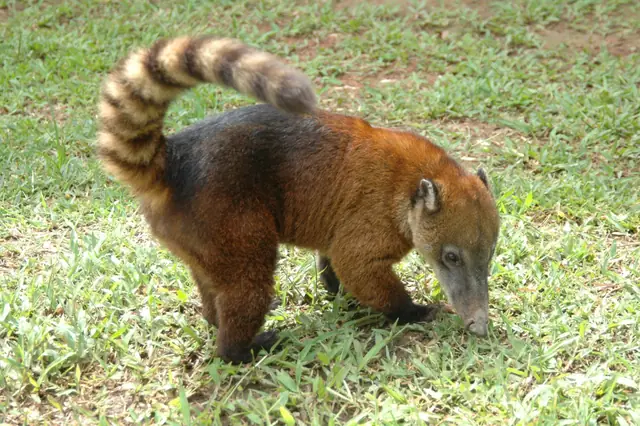
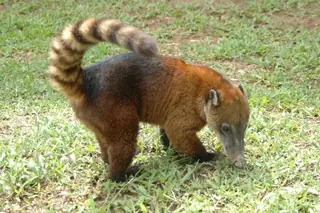
South American Coati
Nasua nasua
Bands of coatis patrol the walkways and food areas on both sides. They bite and scratch, so never feed them and keep food out of sight.
-
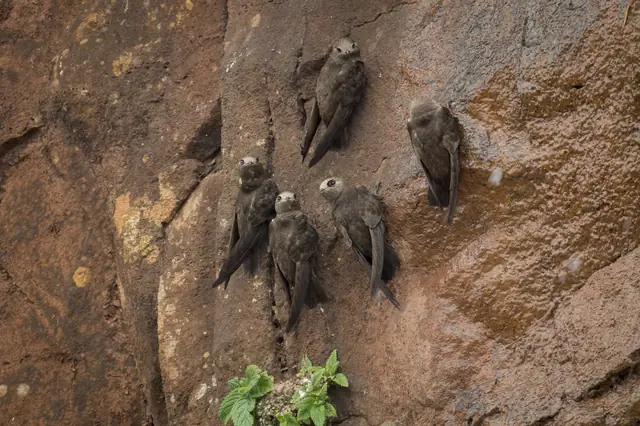
Great Dusky Swift
Cypseloides senex
Thousands wheel through the spray and cling to the wet rock behind the falls, gathering over the Devil's Throat at dusk.
-
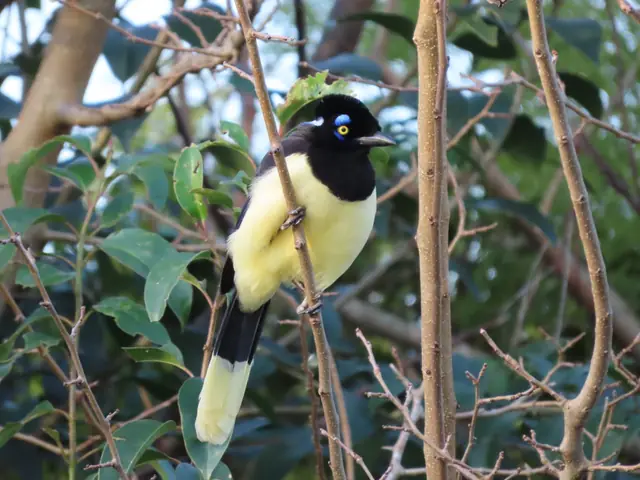
Plush-crested Jay
Cyanocorax chrysops
A bold black, blue and cream jay with a velvety crest, in noisy groups around the walkways.
-
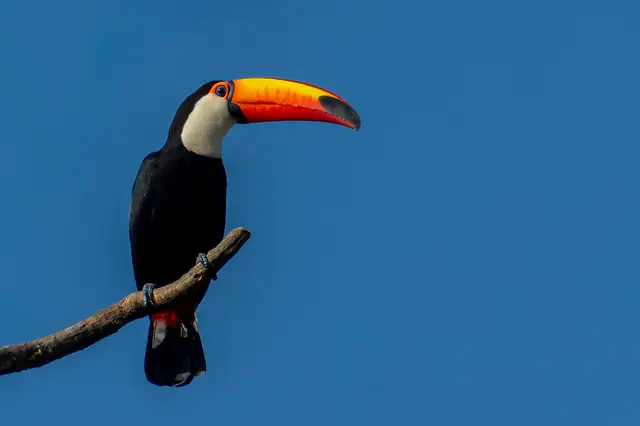
Toco Toucan
Ramphastos toco
The biggest toucan, with a huge orange bill. Often around the visitor areas and the Brazilian entrance.
-
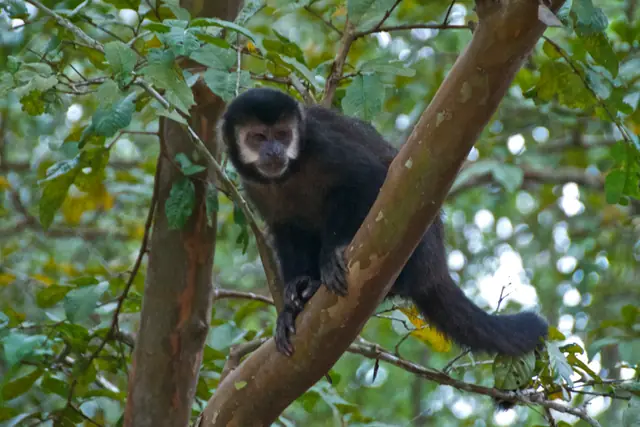
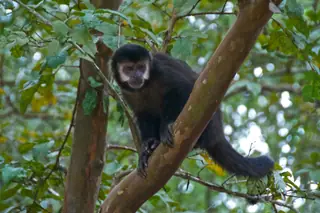
Black Capuchin
Sapajus nigritus
Troops of dark capuchins move through the forest along the Macuco trail and the upper circuit.
-
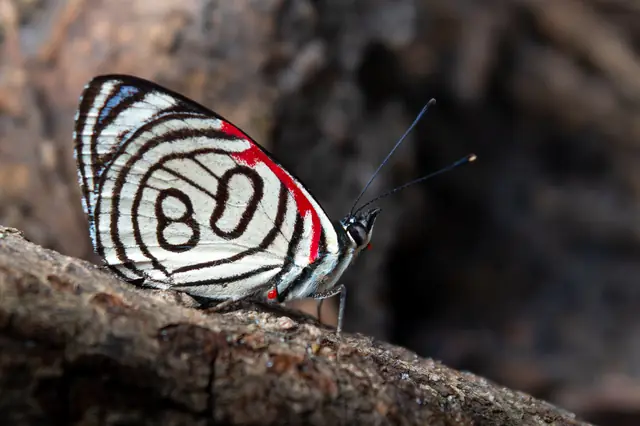
Candrena Eighty-eight
Diaethria candrena
A small butterfly with an "88" pattern under its wings. It lands on rails, bags and people to drink salt.
-
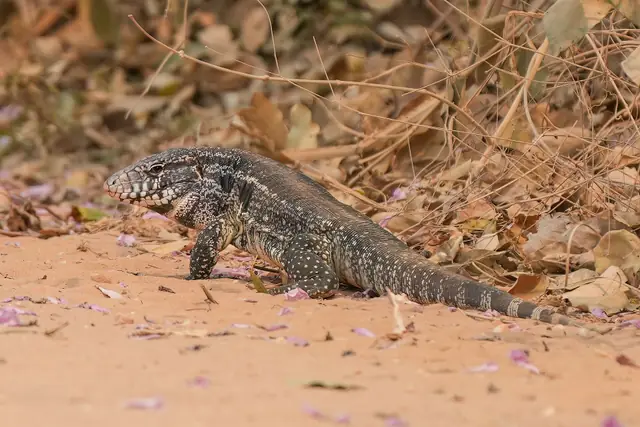
Black-and-white Tegu
Salvator merianae
A large lizard that basks beside the paths on warm days.
-
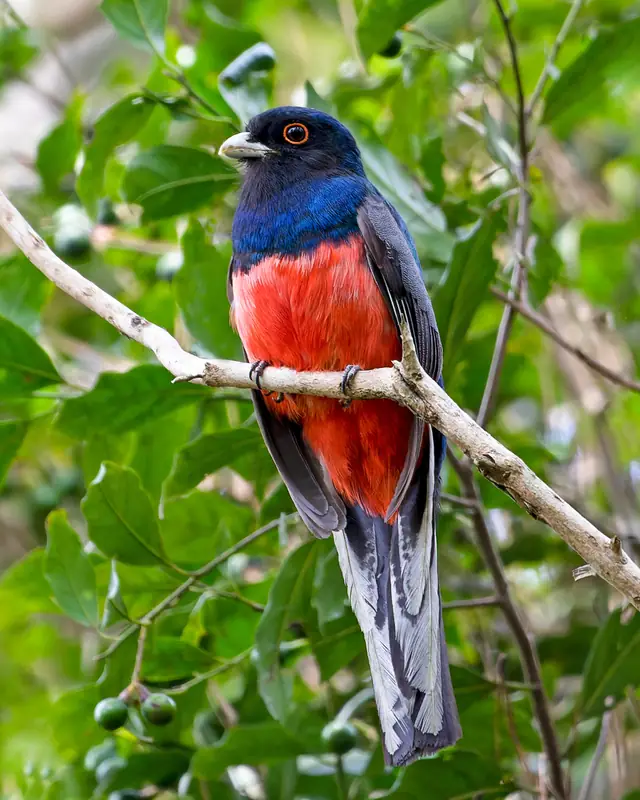
Surucua Trogon
Trogon surrucura
A colourful trogon of the Atlantic forest, sitting still in the mid-canopy along forest trails.
-
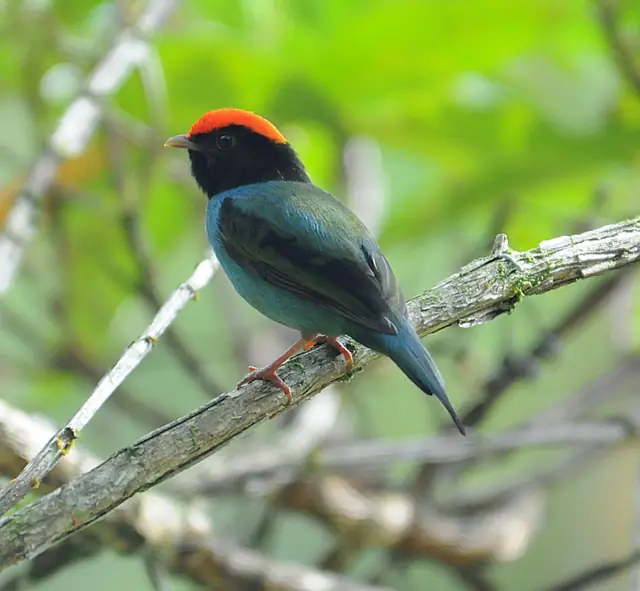
Blue Manakin
Chiroxiphia caudata
Males are sky blue with a red cap. Groups call in the understorey of the Macuco trail.
All 101 animals in Iguazú
Mammals 23
-
 South American Coati
-
 Black Capuchin
-
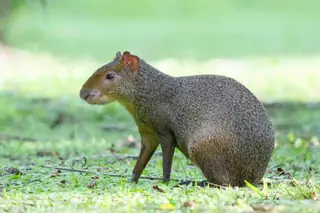 Azara's Agouti
-
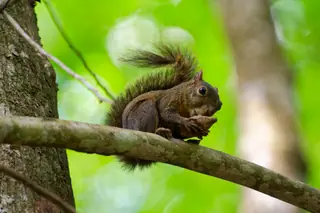 Brazilian Squirrel
-
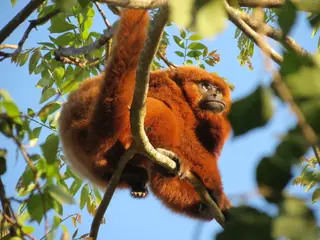 Brown Howler Monkey
-
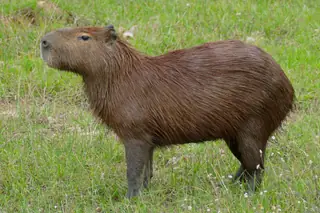 Capybara
-
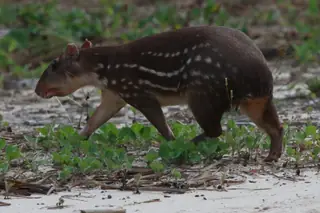 Lowland Paca
-
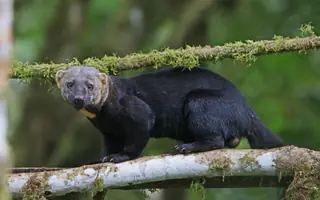 Tayra
-
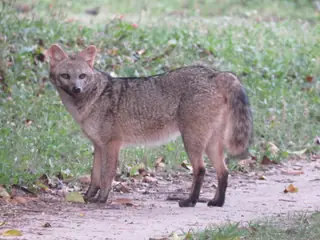 Crab-eating Fox
-
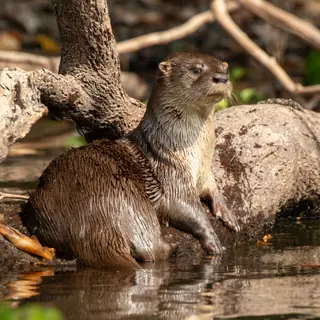 Neotropical Otter
-
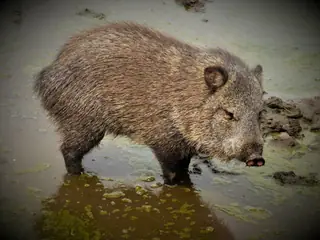 Collared Peccary
-
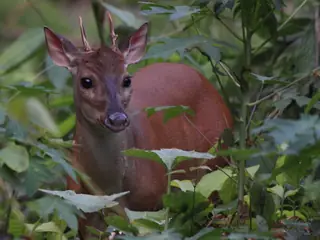 Red Brocket
-
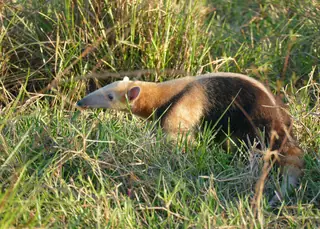 Southern Tamandua
-
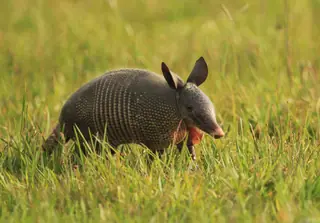 Nine-banded Armadillo
-
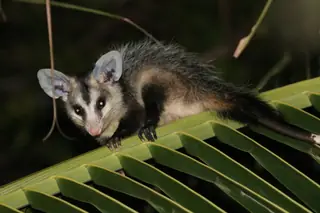 White-eared Opossum
-
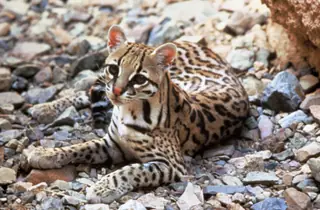 OcelotRare
-
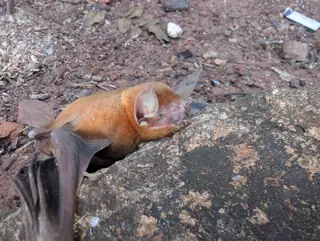 Greater Bulldog Bat
-
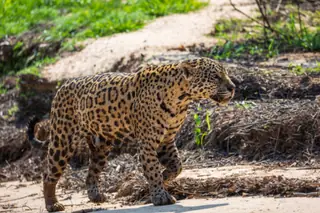 JaguarRare
-
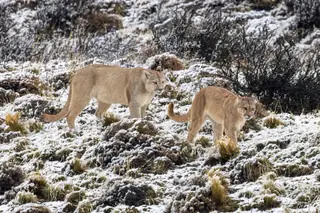 Cougar (Mountain Lion)Rare
-
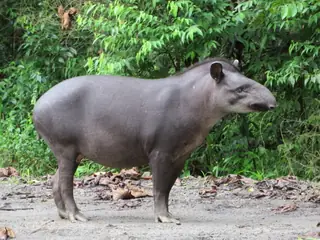 South American TapirRare
-
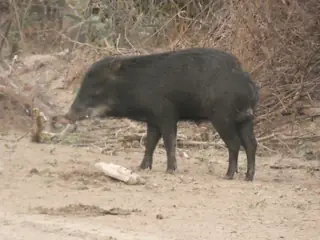 White-lipped PeccaryRare
-
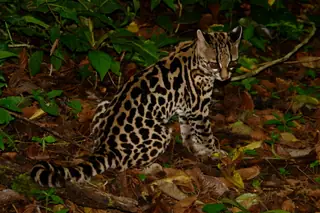 MargayRare
-
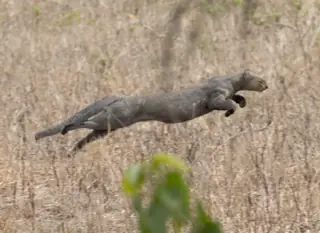 JaguarundiRare
Swifts and waterfall birds 11
-
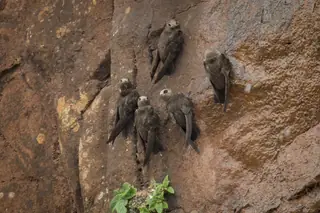 Great Dusky Swift
-
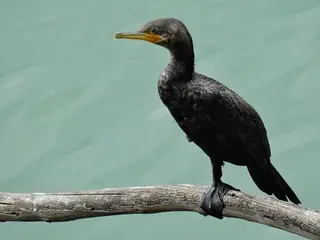 Neotropic Cormorant
-
 Great Egret
-
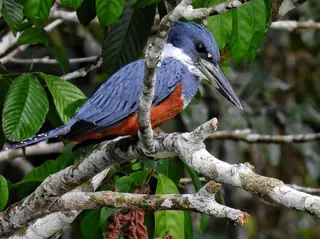 Ringed Kingfisher
-
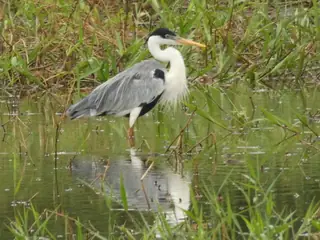 Cocoi Heron
-
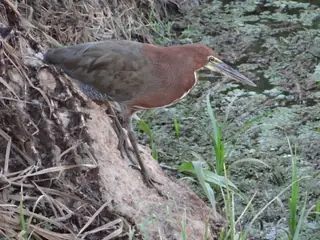 Rufescent Tiger Heron
-
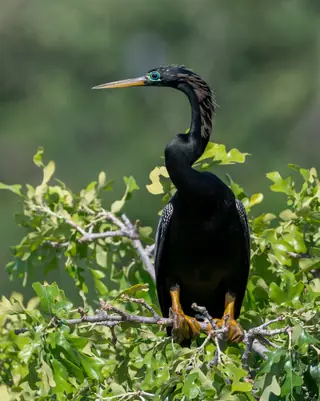 Anhinga
-
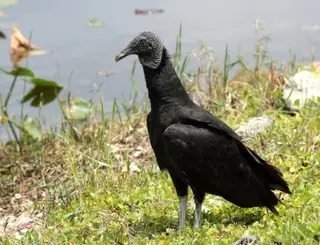 Black Vulture
-
 Turkey Vulture
-
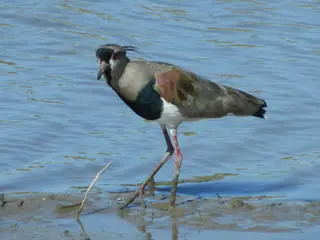 Southern Lapwing
-
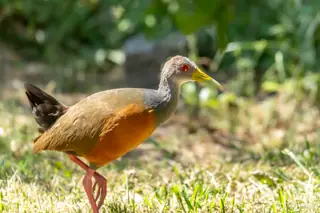 Grey-cowled Wood Rail
Toucans, jays and parrots 10
-
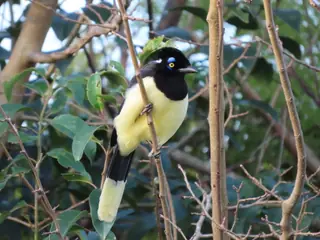 Plush-crested Jay
-
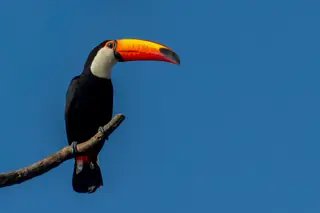 Toco Toucan
-
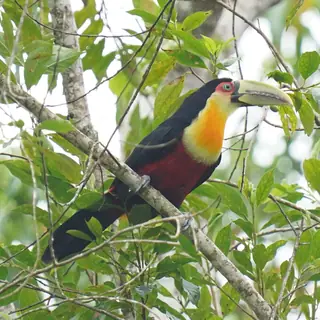 Red-breasted Toucan
-
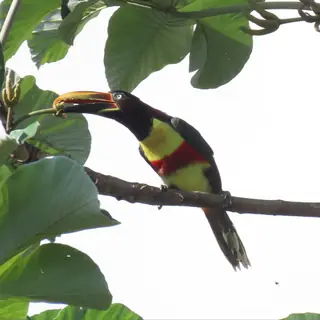 Chestnut-eared Aracari
-
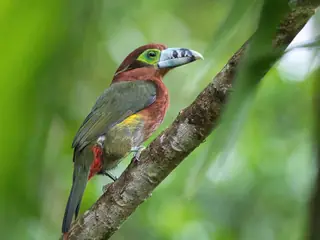 Spot-billed Toucanet
-
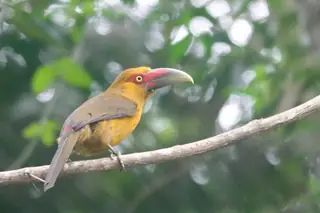 Saffron ToucanetRare
-
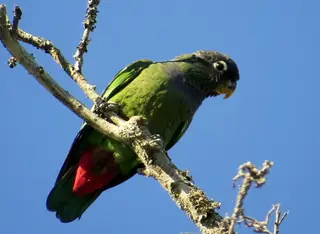 Scaly-headed Parrot
-
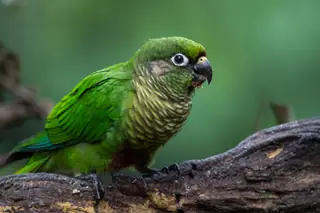 Maroon-bellied Parakeet
-
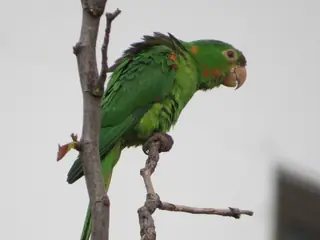 White-eyed Parakeet
-
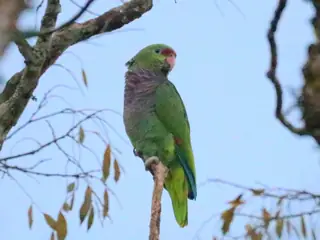 Vinaceous-breasted AmazonRare
Forest birds 28
-
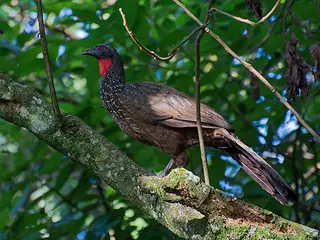 Dusky-legged Guan
-
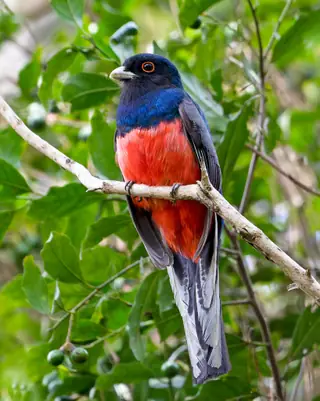 Surucua Trogon
-
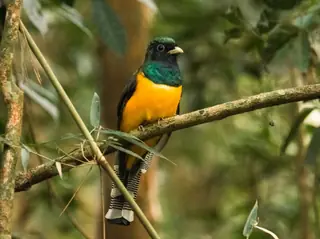 Atlantic Black-throated Trogon
-
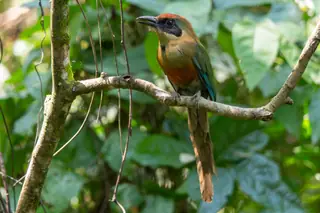 Rufous-capped Motmot
-
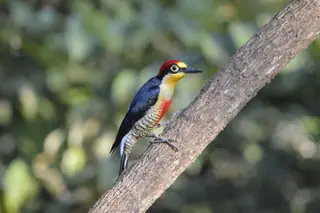 Yellow-fronted Woodpecker
-
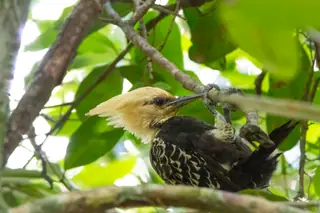 Blond-crested Woodpecker
-
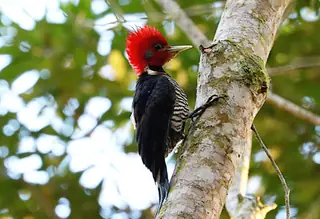 Helmeted WoodpeckerRare
-
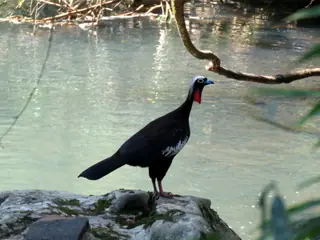 Black-fronted Piping GuanRare
-
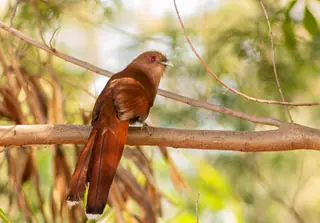 Common Squirrel-cuckoo
-
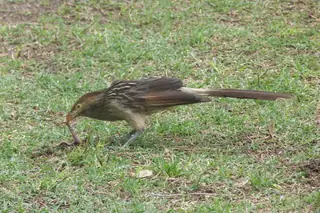 Guira Cuckoo
-
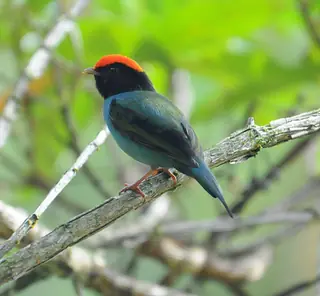 Blue Manakin
-
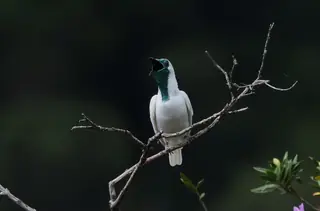 Bare-throated Bellbird
-
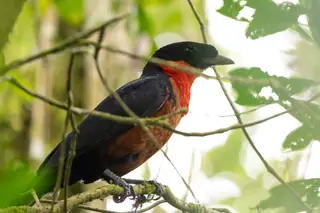 Red-ruffed FruitcrowRare
-
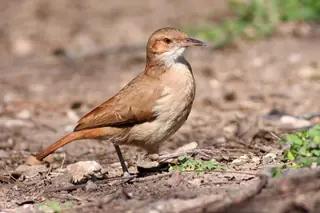 Rufous Hornero
-
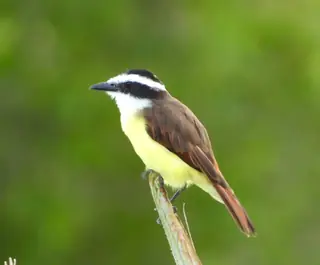 Great Kiskadee
-
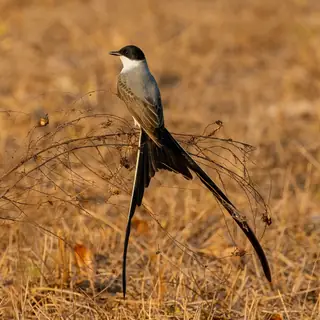 Fork-tailed Flycatcher
-
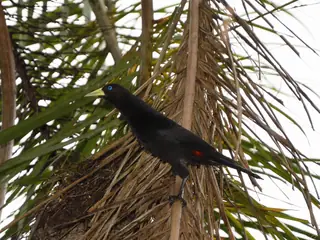 Red-rumped Cacique
-
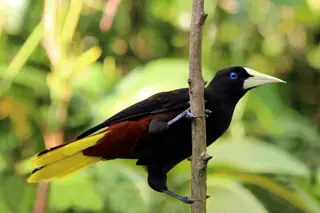 Crested Oropendola
-
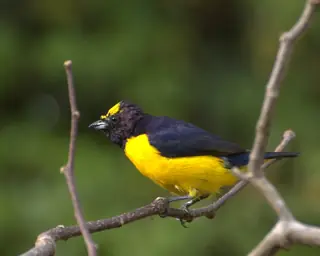 Purple-throated Euphonia
-
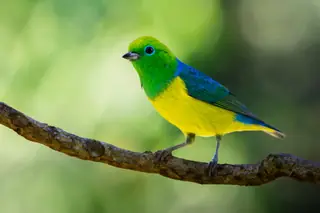 Blue-naped Chlorophonia
-
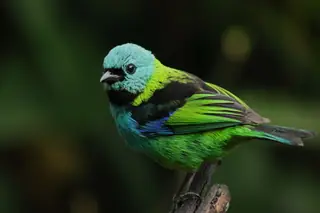 Green-headed Tanager
-
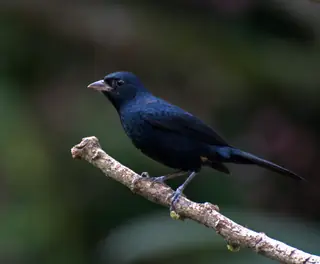 Ruby-crowned Tanager
-
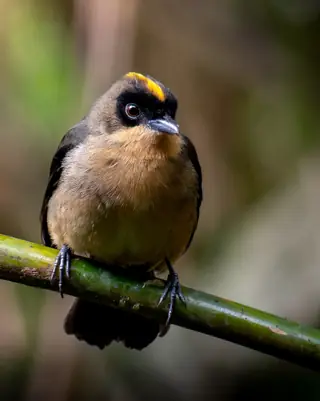 Black-goggled Tanager
-
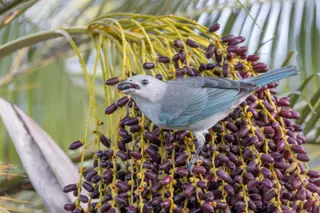 Sayaca Tanager
-
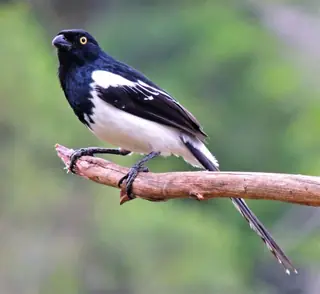 Magpie Tanager
-
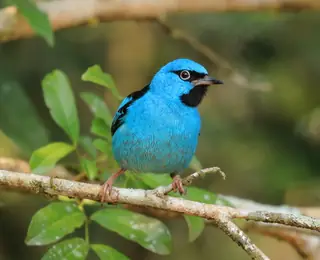 Blue Dacnis
-
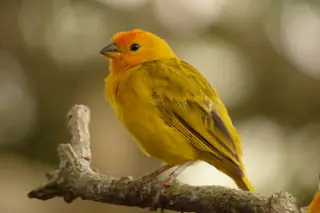 Saffron Finch
-
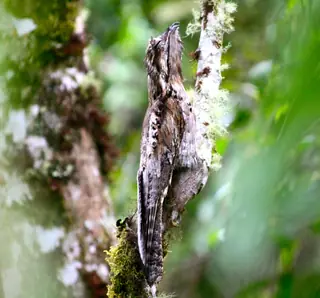 Common Potoo
Hummingbirds 4
-
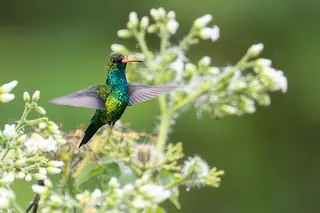 Glittering-bellied Emerald
-
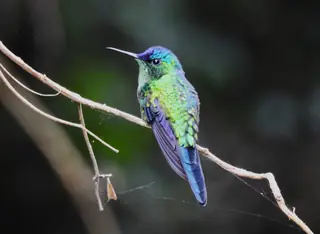 Violet-capped Woodnymph
-
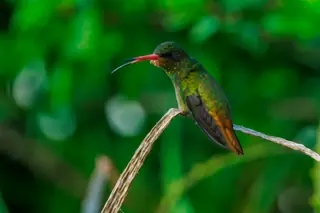 Gilded Sapphire
-
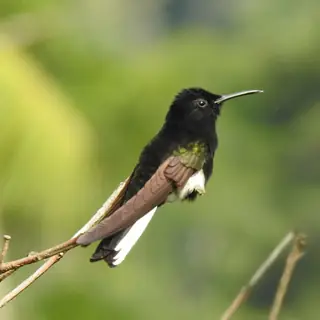 Black Jacobin
Birds of prey 6
-
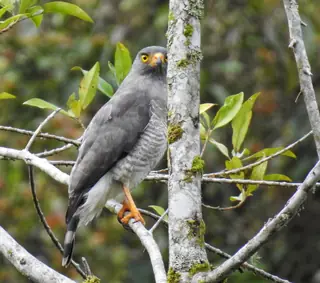 Roadside Hawk
-
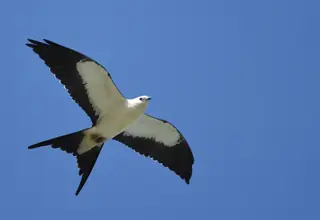 Swallow-tailed Kite
-
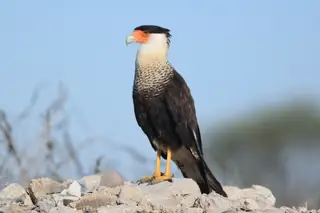 Southern Crested Caracara
-
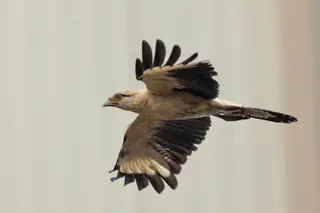 Yellow-headed Caracara
-
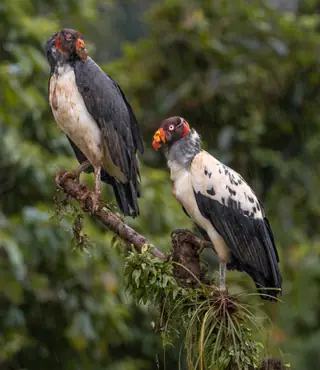 King VultureRare
-
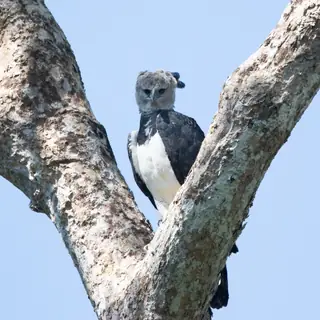 Harpy EagleRare
Reptiles and amphibians 5
-
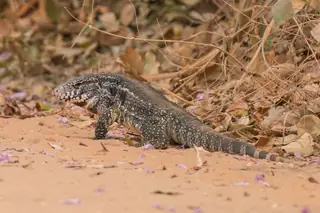 Black-and-white Tegu
-
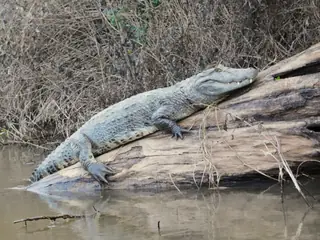 Broad-snouted Caiman
-
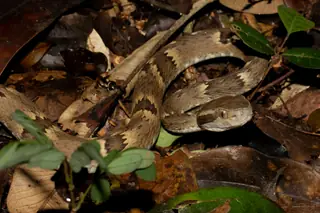 Jararaca
-
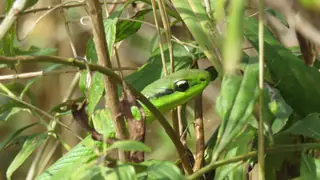 Lichtenstein's Green Racer
-
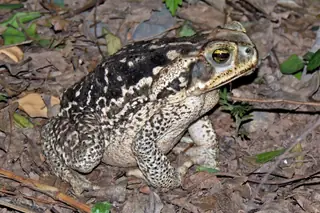 Cururu Toad
Butterflies 14
-
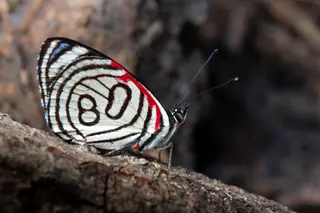 Candrena Eighty-eight
-
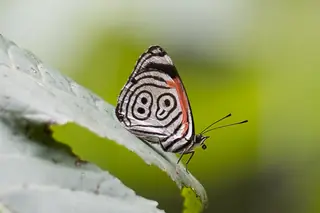 Clymena Eighty-eight
-
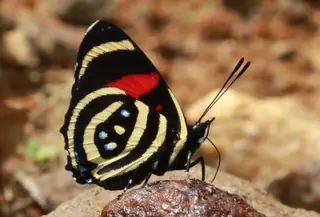 Hydaspes Eighty-eight
-
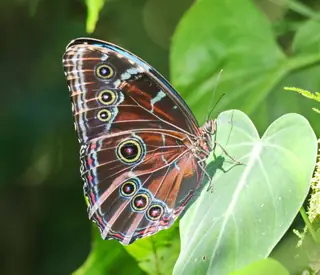 Blue Morpho
-
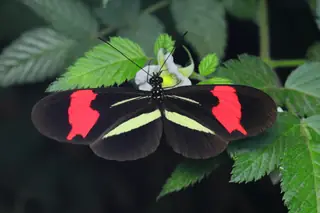 Red Postman
-
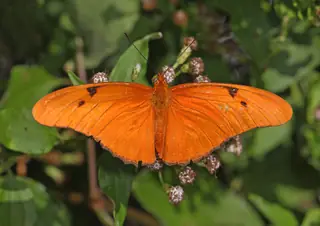 Julia
-
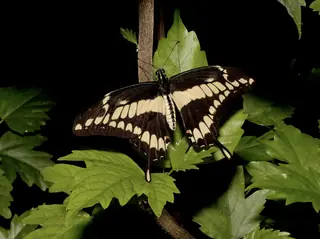 King Swallowtail
-
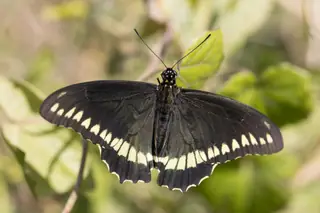 Gold Rim Swallowtail
-
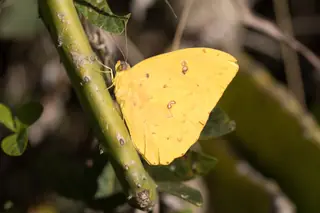 Orange-barred Giant Sulphur
-
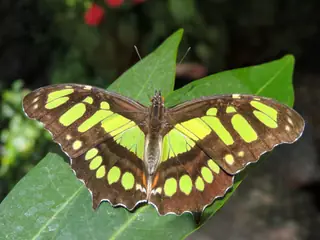 Malachite
-
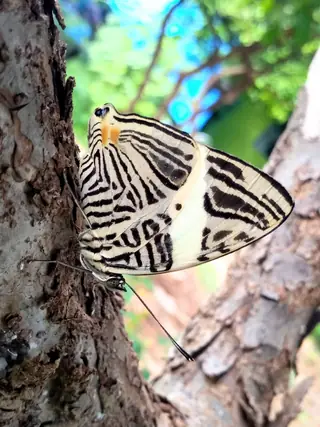 Dirce Beauty
-
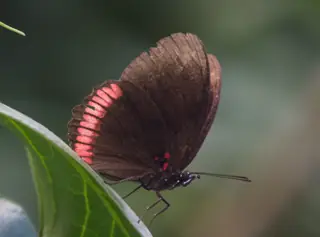 Red Rim
-
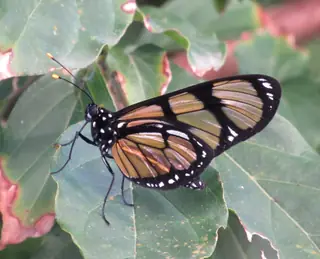 Themisto Amberwing
-
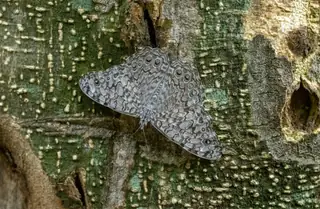 Grey Cracker
Best time to see wildlife in Iguazú
Sightings by month in Iguazú
Most records: Jul to NovRecords from GBIF.org, adjusted for how many people record wildlife each month. 100% is the busiest month.
Iguazú is humid all year and wildlife can be seen in every month. Spring, from September to November, is warm, birds are singing and breeding, and butterflies build up. Summer, from December to February, is hot and wet, the falls are often at their fullest and butterflies are at their peak, but the walkways are busy with holiday crowds. Autumn, March to May, is pleasant and quieter. Winter, June to August, is mild to cool and drier, with fewer butterflies and lower water, but good, quiet birding. Water levels change with rain upstream, and heavy floods can close the walkways to the Devil's Throat for days.
- Sep to NovSpring, birds breeding, butterflies building
- Dec to FebHot, full falls, peak butterflies, busy
- Mar to MayPleasant and quieter
- Jun to AugCooler, lower water, fewer insects
Tips for spotting wildlife in Iguazú
- 01
Be at the gate at opening
The first hour is the quietest on the walkways and the best for birds and coatis going about their day, before the crowds arrive.
- 02
Walk the Macuco trail
This forest trail on the Argentine side is quieter than the falls circuits and better for capuchins, trogons, manakins and woodpeckers. Walk slowly and listen.
- 03
Stay for the swifts at dusk
Great dusky swifts gather in thousands over the falls late in the day before roosting behind the water. The Devil's Throat walkway gives the best views.
- 04
Keep food away from coatis
Coatis grab bags and can bite. Eat only in the food areas, never feed them, and keep snacks zipped away on the walkways.
- 05
See both sides
Spend a full day on the Argentine side for the walkways and trails, and half a day on the Brazilian side for the panorama.

Take Iguazú with you
Tick off coatis, toucans and the 88 butterfly at Iguazú Falls with Wilder. Free to start, and it works offline on the walkways.

Iguazú Falls wildlife FAQ
What animals can you see at Iguazú Falls?
Visitors most often see coatis, plush-crested jays, toucans, great dusky swifts, capuchin monkeys, tegu lizards and many butterflies. The parks also protect jaguars, tapirs and ocelots, which are rarely seen. This checklist covers 101 animals a visitor could realistically find on either side.
Are the coatis at Iguazú dangerous?
They can be. Coatis that have been fed by visitors grab bags and food and can bite and scratch, and bites need medical care. Never feed them, keep food out of sight and eat only in the designated areas. Watching them forage naturally on the forest floor is far better.
Which side of Iguazú Falls is better for wildlife?
The Argentine side, as it has more walkways, a longer visit and the Macuco forest trail, which is good for monkeys and forest birds. The Brazilian side is smaller but has the best panoramic views, and the Parque das Aves bird park is next to its entrance.
Why are there so many butterflies at Iguazú?
The warm, humid Atlantic forest supports hundreds of butterfly species, and many gather on wet ground and on people to take in salts and minerals. Numbers are highest in the hot months, from about November to March. Let them land, but don't catch or hold them.
Sources
- Iguazú National Park (Wikipedia)
- Iguazu Falls (Wikipedia)
- Iguazu Falls: wildlife
- Sightings by month: GBIF.org
Animal photos are from the Wilder catalogue; photo credits.
Similar checklists
All South and Central America-
 National park128animals Esteros del Iberá Corrientes, Argentina Vast marshes and floating islands where capybaras, marsh deer and caimans are easy, and rewilding is bringing back giant anteaters, macaws and jaguars. Best time Mar to May, Sept to Nov
-
 Region107animals Pantanal Mato Grosso and Mato Grosso do Sul, Brazil The world's largest tropical wetland and the best place on Earth to see a wild jaguar, with giant otters, caimans by the thousand and hyacinth macaws. Best time Jul to Oct
-
 Reserve95animals Península Valdés Chubut, Argentina A windswept Patagonian peninsula where southern right whales raise their calves close to shore, orcas hunt sea lions on the beach and elephant seals crowd the shingle. Best time Sept to Nov
-
 National park76animals Torres del Paine National Park Magallanes, Chile Granite towers above Patagonian steppe and glacial lakes, with guanacos on every slope, condors overhead and the best chance in the world of a wild puma. Best time Oct to Apr