Region · Panamá and Colón · Panama
Panama Canal Rainforest Animal Checklist

The rainforests along the Panama Canal, mostly in Soberanía National Park, are some of the easiest in the tropics to reach, under an hour from Panama City. Sloths, tamarins, howler monkeys, toucans, trogons and antbirds are regular, and millions of migrating raptors pass in autumn. This checklist covers 141 animals. The dry season, mid-December to April, is best.
Tick off all 141 animals in Panama Canal on your phone, even offline. Launching soon. Free A4 PDF, no sign-up.
Soberanía National Park covers about 22,000 hectares on the canal's east bank, including Pipeline Road near Gamboa, one of the world's best-known birding tracks. Metropolitan Natural Park sits inside Panama City, and the Smithsonian runs guided day visits to Barro Colorado Island in the canal's lake.
- Animals to find
- 141
- Where
- Panama
- Best time
- Dec to Apr
- Birds recorded in Soberanía
- About 525
Popular animals in Panama Canal
-
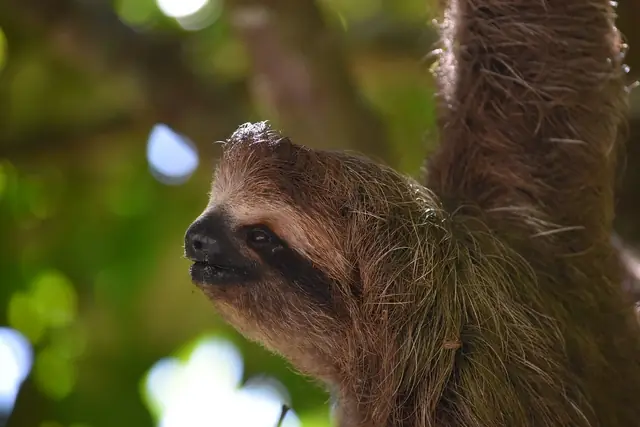
Brown-throated Three-toed Sloth
Bradypus variegatus
Common, and easiest to spot as a dark ball in cecropia crowns along forest roads. Even city parks have them.
-
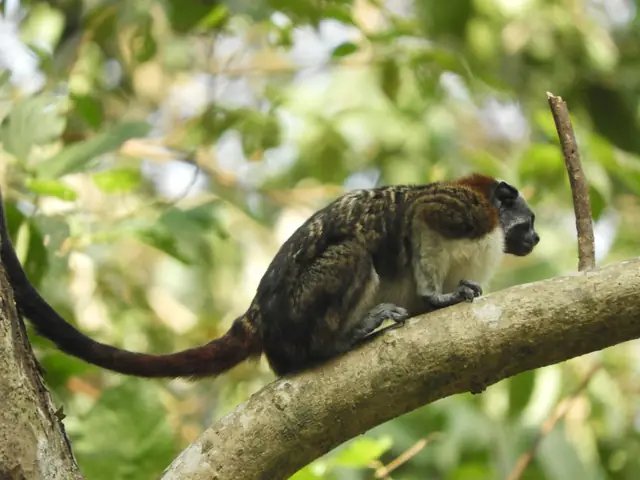
Geoffroy's Tamarin
Saguinus geoffroyi
A tiny monkey with a white crown, in quick groups at forest edges and in gardens. Never feed them.
-
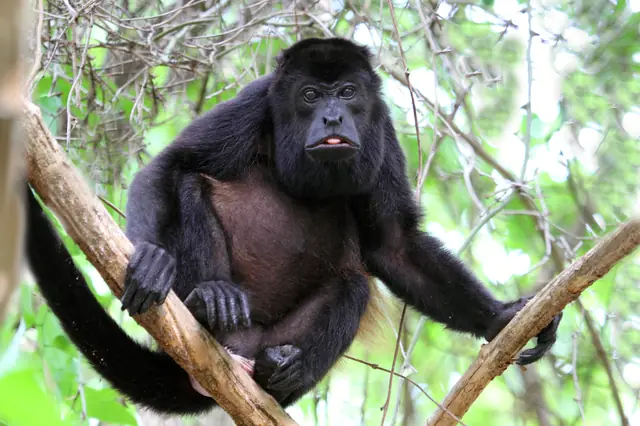
Mantled Howler Monkey
Alouatta palliata
Roaring choruses at dawn carry for kilometres. Troops rest high in the canopy for much of the day.
-
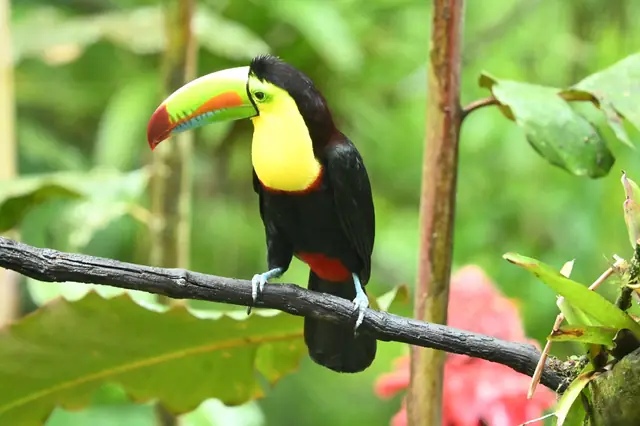
Keel-billed Toucan
Ramphastos sulfuratus
Croaking calls from the canopy. Look in fruiting trees early in the morning, where Yellow-throated Toucans and Collared Araçaris feed too.
-
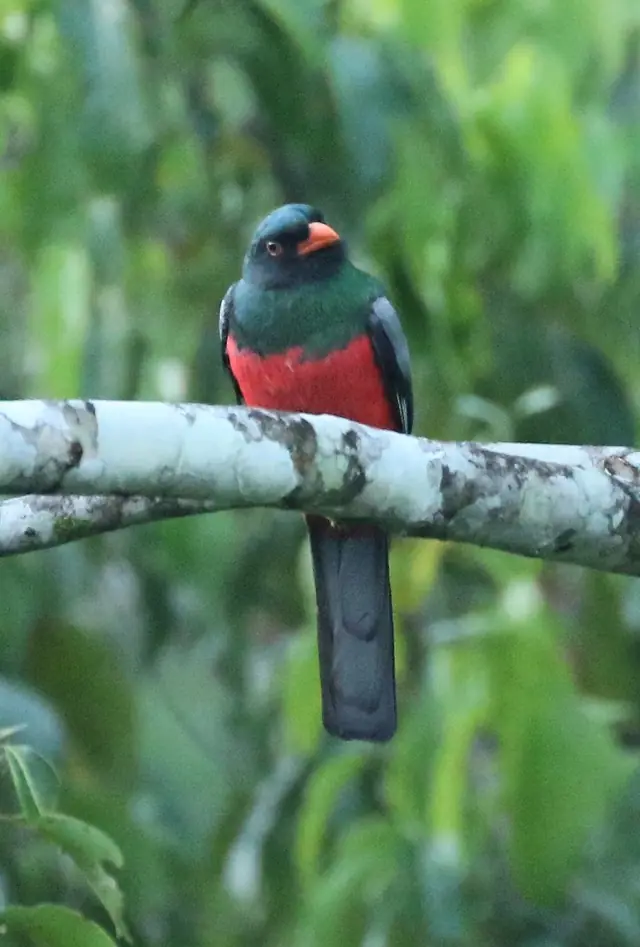
Slaty-tailed Trogon
Trogon massena
Sits still in the mid-storey; follow its slow, barking call.
-
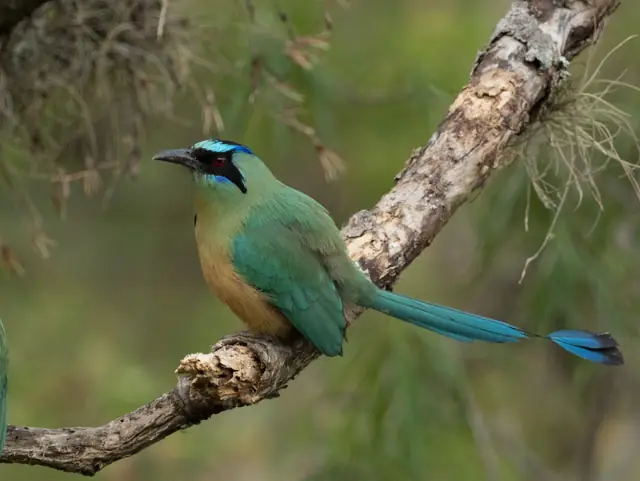
Whooping Motmot
Momotus subrufescens
Perches quietly in shady forest, swinging its racket-tipped tail like a pendulum.
-
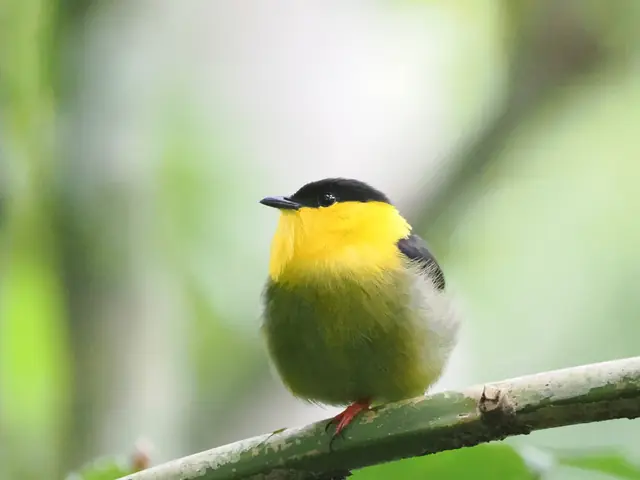
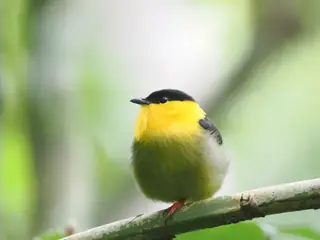
Golden-collared Manakin
Manacus vitellinus
Males snap their wings like firecrackers at display courts in the understorey. Watch from the trail and move on.
-
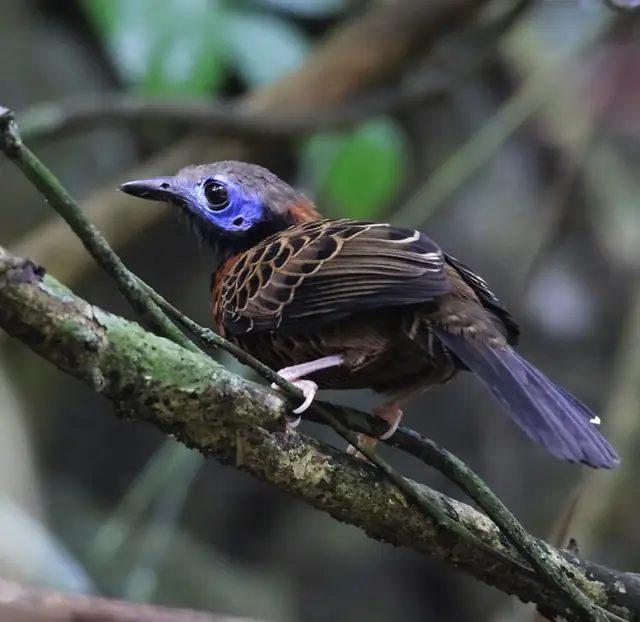
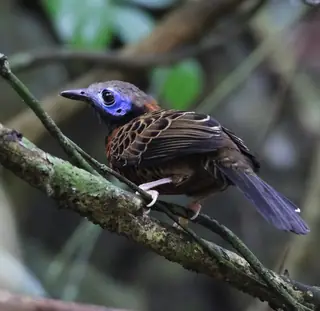
Ocellated Antbird
Phaenostictus mcleannani
Follows army ant swarms with other antbirds to catch fleeing insects. Stand still at a distance and let the swarm pass.
-
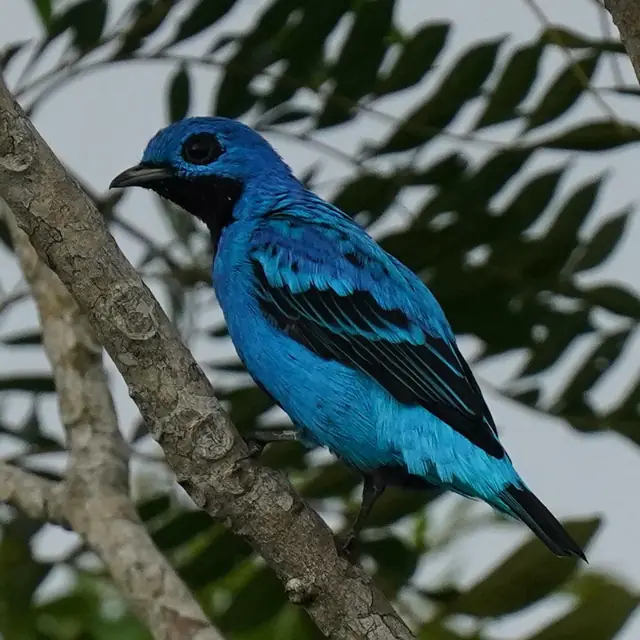
Blue Cotinga
Cotinga nattererii
A glowing blue dot on bare treetops, best seen from a canopy tower.
-
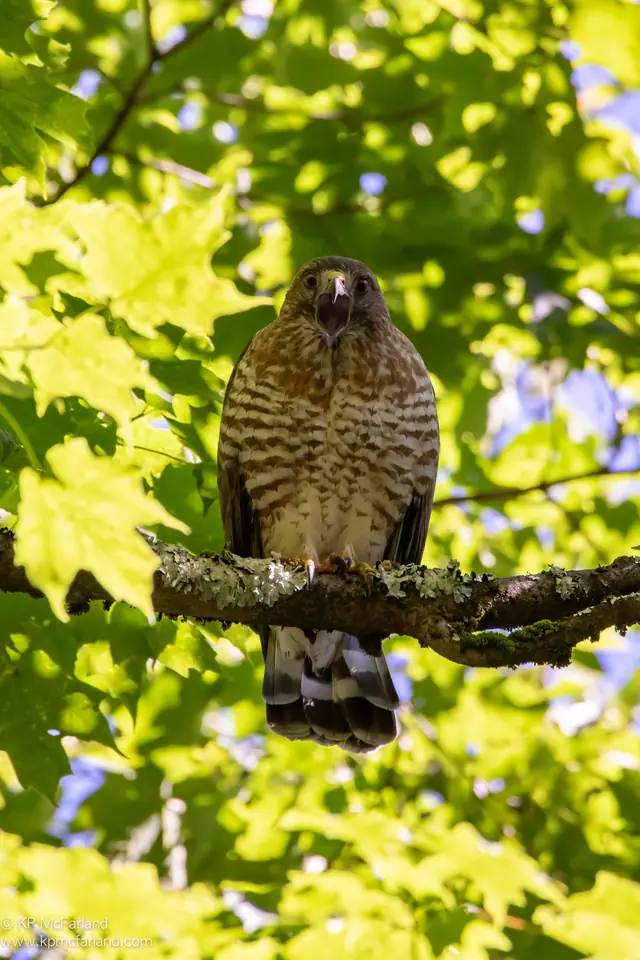
Broad-winged Hawk
Buteo platypterus
Passes in huge flocks in October and again in March and April; some stay for the winter.
-
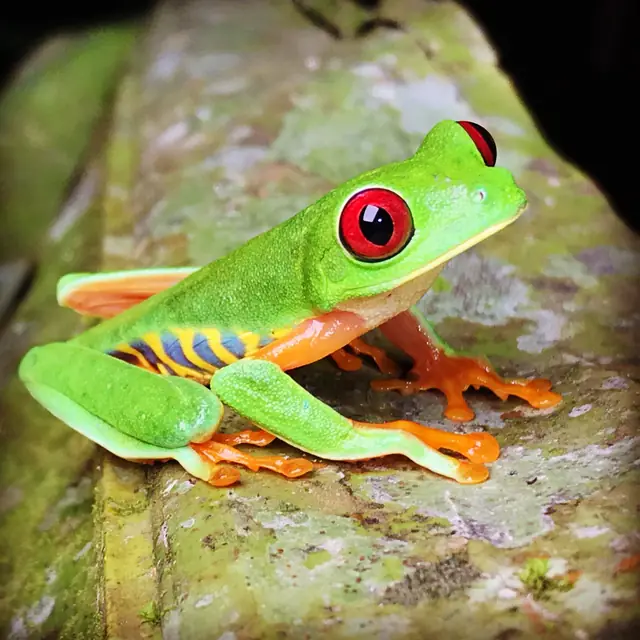
Red-eyed Tree Frog
Agalychnis callidryas
Gathers at ponds on rainy nights, May to November. Look, but never handle frogs.
-
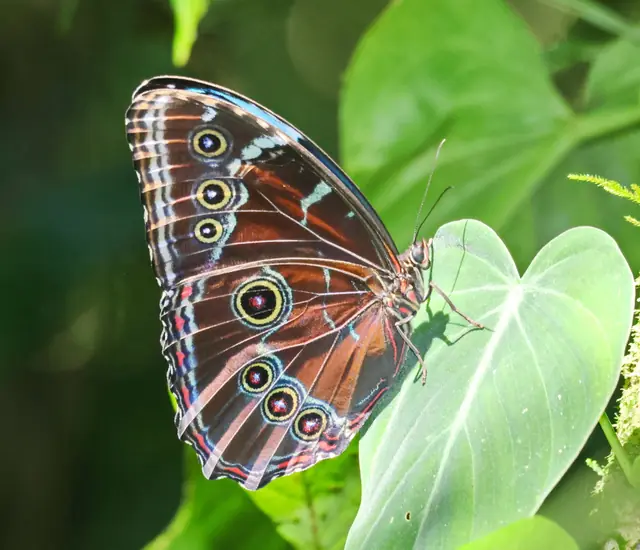
Blue Morpho
Morpho helenor
Flashes of electric blue along forest trails and streams on sunny mornings.
All 141 animals in Panama Canal
Sloths, anteaters and armadillos 5
-
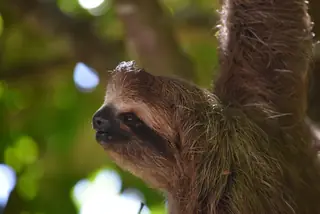 Brown-throated Three-toed Sloth
-
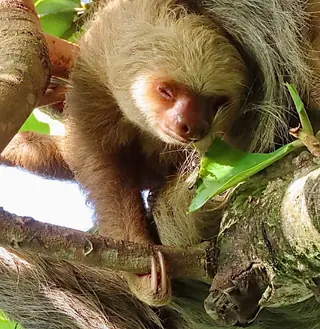 Hoffmann's Two-toed Sloth
-
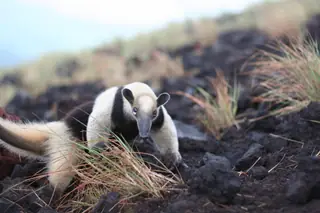 Northern Tamandua
-
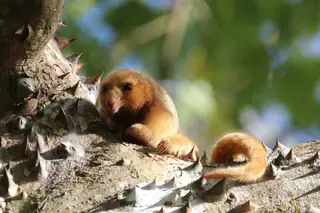 Central American Silky AnteaterRare
-
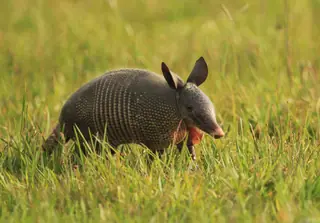 Nine-banded Armadillo
Monkeys 4
-
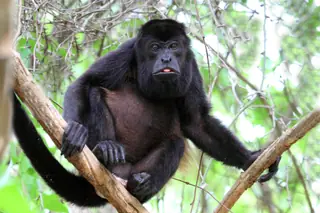 Mantled Howler Monkey
-
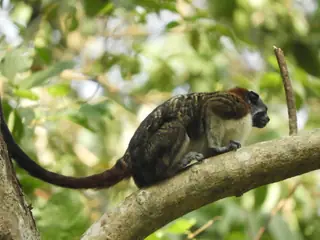 Geoffroy's Tamarin
-
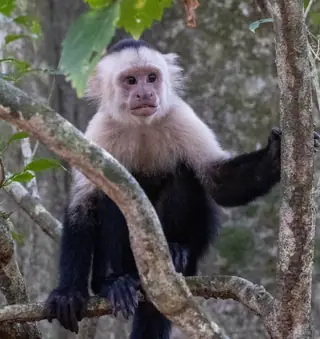 White-faced Capuchin
-
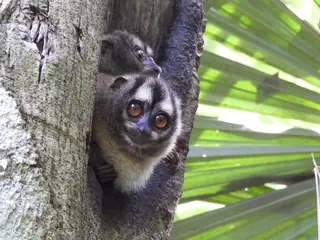 Panamanian Night MonkeyRare
Coatis, agoutis and other mammals 15
-
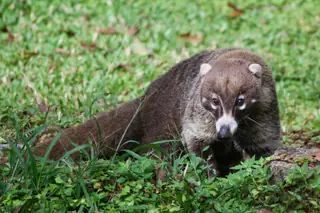 White-nosed Coati
-
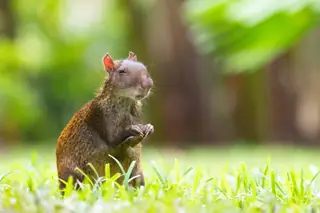 Central American Agouti
-
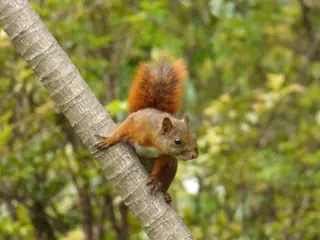 Red-tailed Squirrel
-
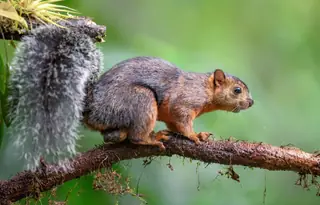 Variegated Squirrel
-
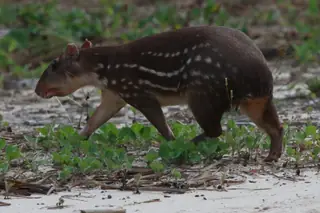 Lowland Paca
-
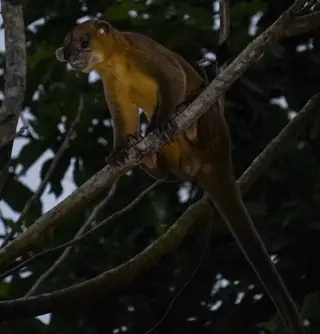 Kinkajou
-
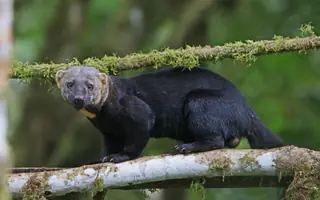 Tayra
-
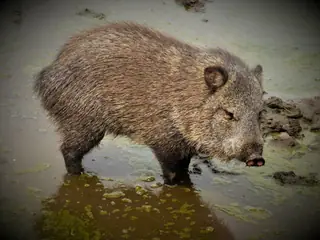 Collared Peccary
-
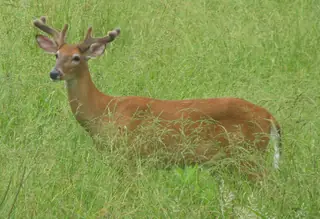 White-tailed Deer
-
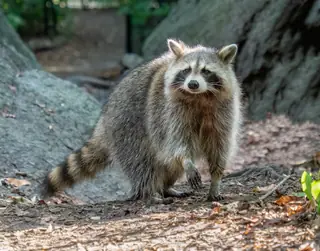 Northern Raccoon
-
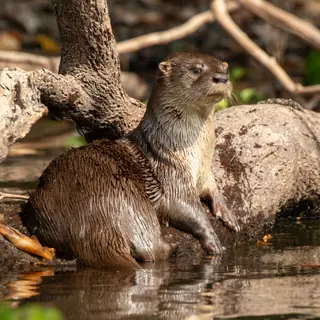 Neotropical OtterRare
-
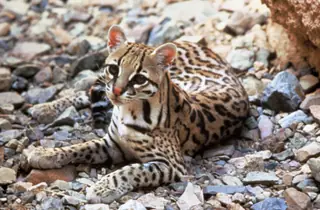 OcelotRare
-
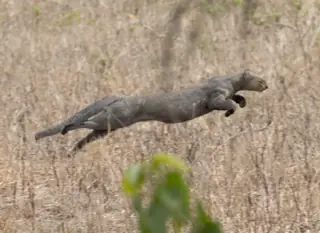 JaguarundiRare
-
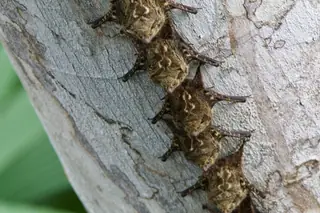 Proboscis Bat
-
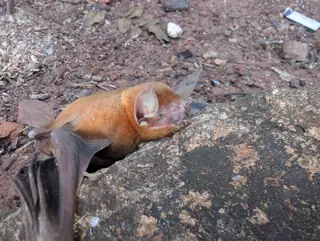 Greater Bulldog Bat
Toucans and woodpeckers 5
-
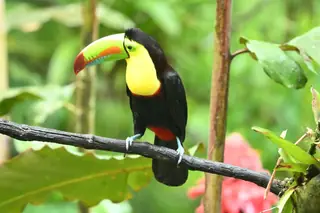 Keel-billed Toucan
-
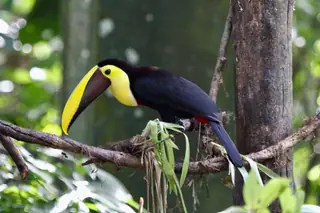 Yellow-throated Toucan
-
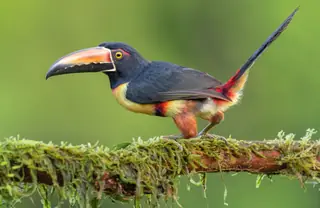 Collared Araçari
-
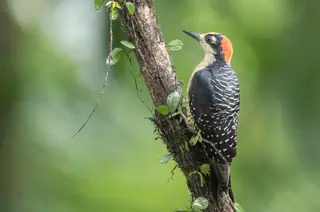 Black-cheeked Woodpecker
-
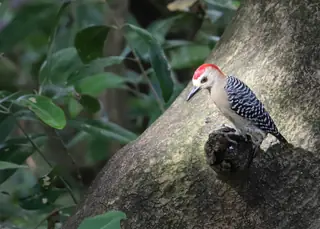 Red-crowned Woodpecker
Trogons, motmots, puffbirds and kingfishers 10
-
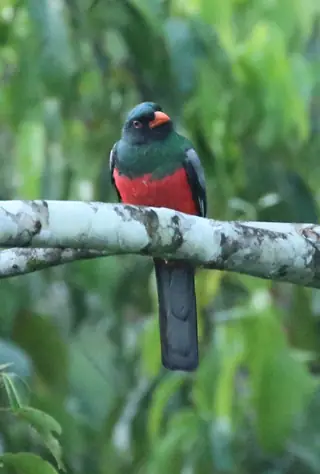 Slaty-tailed Trogon
-
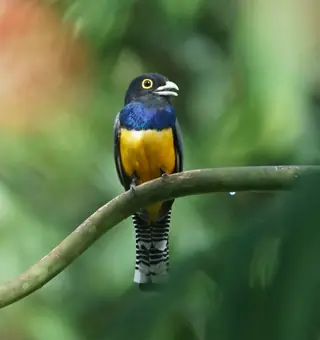 Gartered Trogon
-
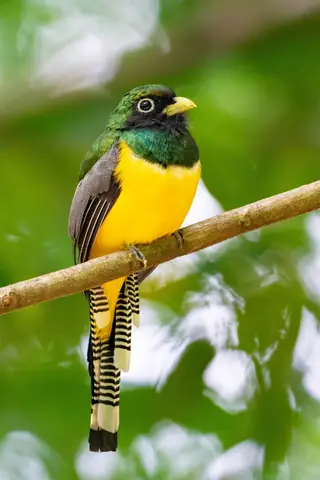 Graceful Black-throated Trogon
-
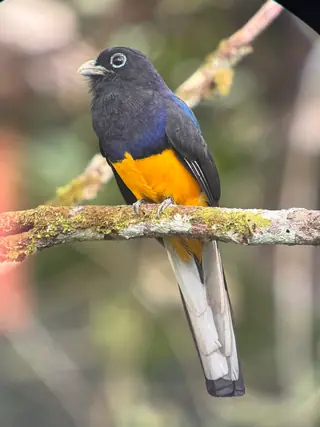 White-tailed Trogon
-
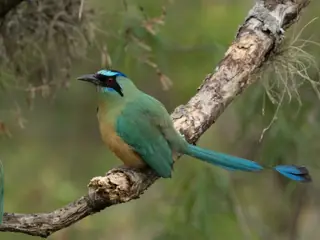 Whooping Motmot
-
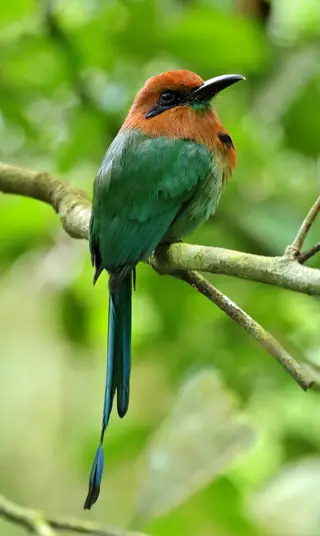 Broad-billed Motmot
-
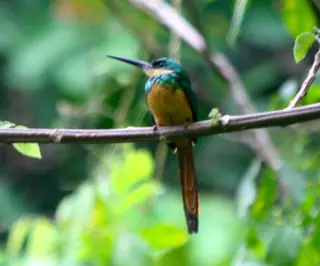 Rufous-tailed Jacamar
-
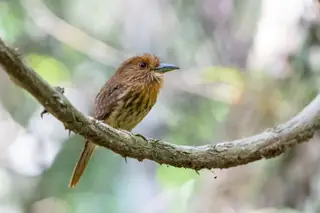 White-whiskered Puffbird
-
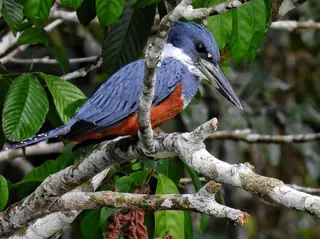 Ringed Kingfisher
-
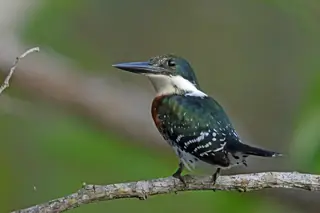 Green Kingfisher
Antbirds 8
-
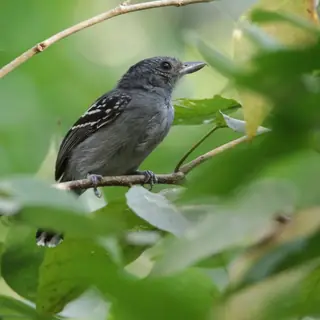 Black-crowned Antshrike
-
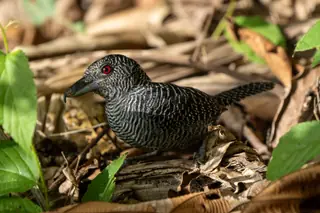 Fasciated Antshrike
-
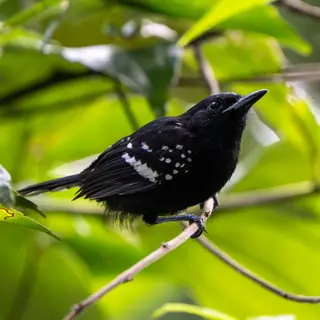 Dot-winged Antwren
-
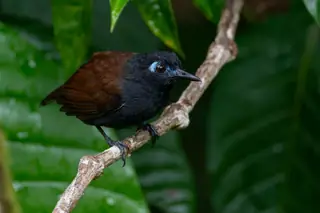 Chestnut-backed Antbird
-
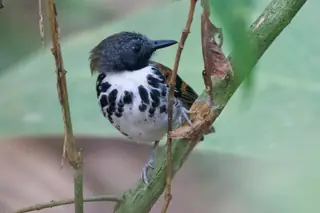 Spotted Antbird
-
 Ocellated AntbirdRare
-
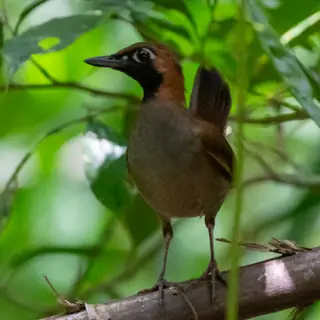 Black-faced Antthrush
-
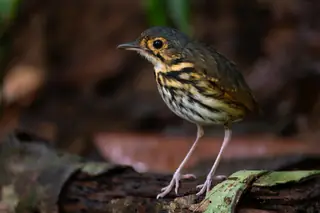 Streak-chested AntpittaRare
Manakins, cotingas and flycatchers 8
-
 Golden-collared Manakin
-
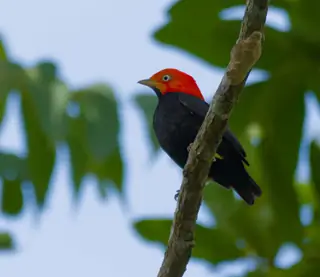 Red-capped Manakin
-
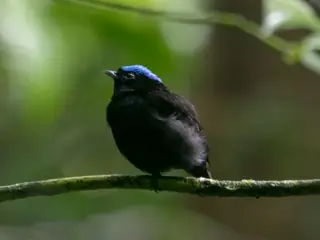 Velvety Manakin
-
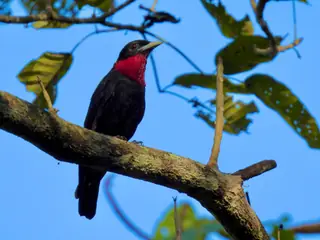 Purple-throated Fruitcrow
-
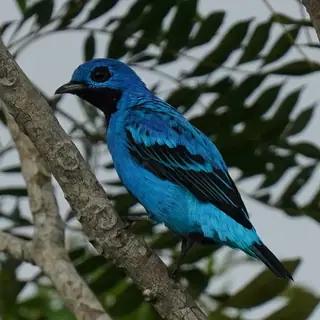 Blue CotingaRare
-
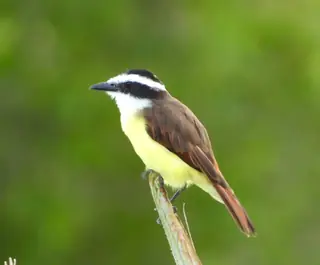 Great Kiskadee
-
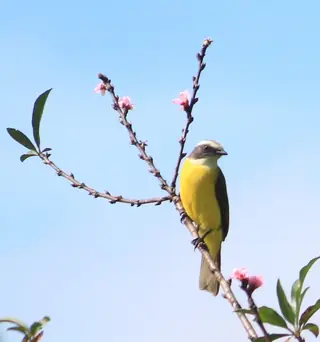 Social Flycatcher
-
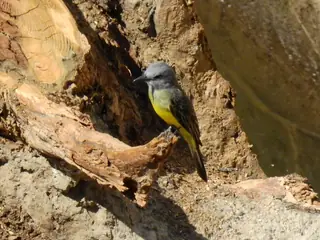 Tropical Kingbird
Tanagers, honeycreepers and oropendolas 11
-
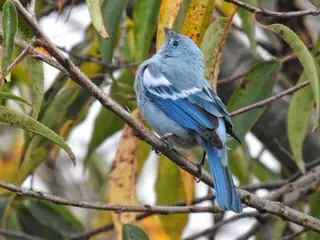 Blue-grey Tanager
-
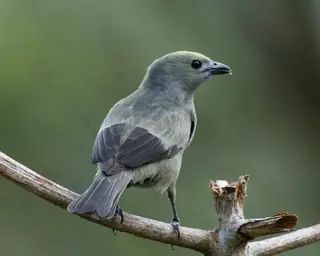 Palm Tanager
-
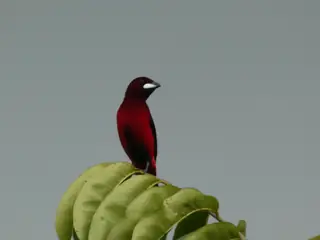 Crimson-backed Tanager
-
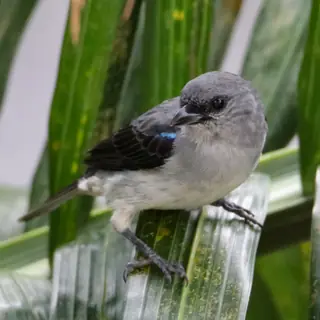 Plain-coloured Tanager
-
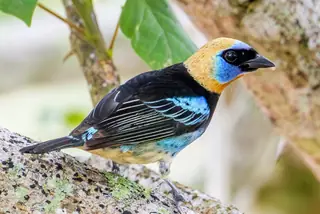 Golden-hooded Tanager
-
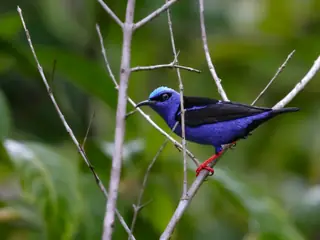 Red-legged Honeycreeper
-
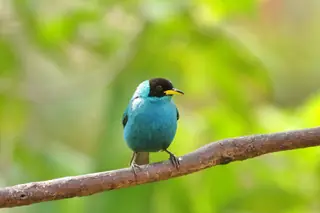 Green Honeycreeper
-
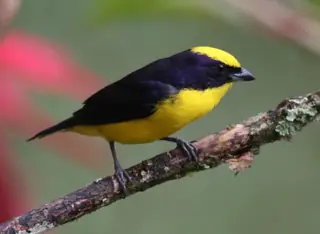 Thick-billed Euphonia
-
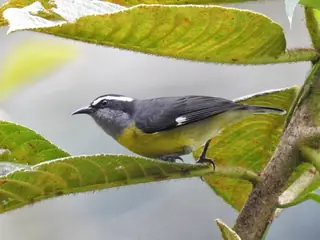 Bananaquit
-
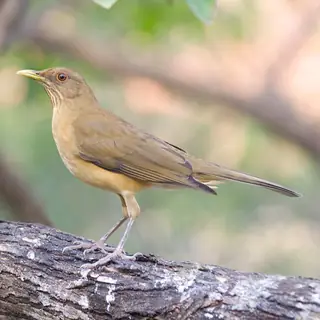 Clay-coloured Thrush
-
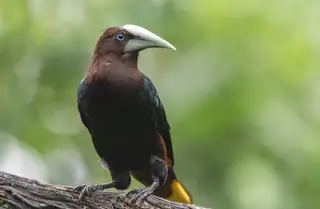 Chestnut-headed Oropendola
Hummingbirds 5
-
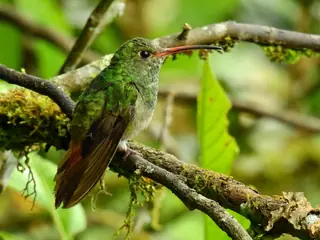 Rufous-tailed Hummingbird
-
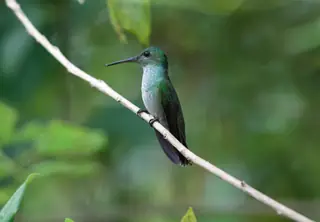 Blue-chested Hummingbird
-
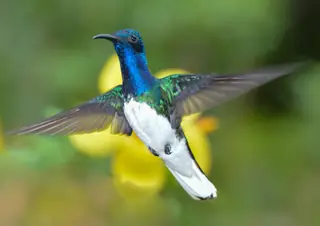 White-necked Jacobin
-
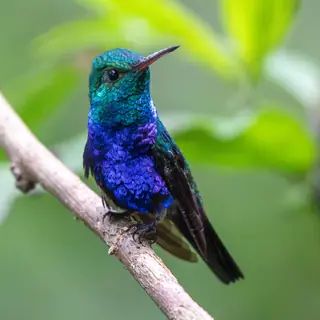 Violet-bellied Hummingbird
-
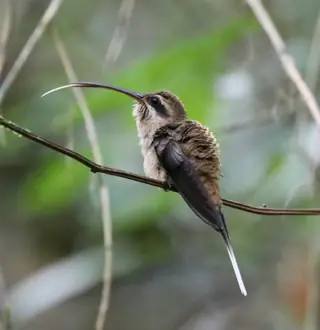 Long-billed Hermit
Parrots, pigeons, cuckoos and gamebirds 11
-
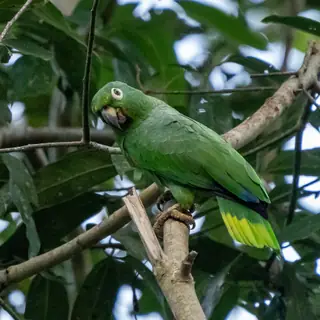 Mealy Amazon
-
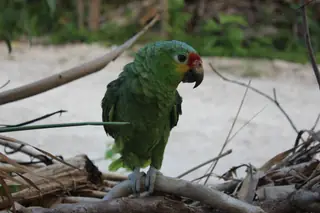 Red-lored Amazon
-
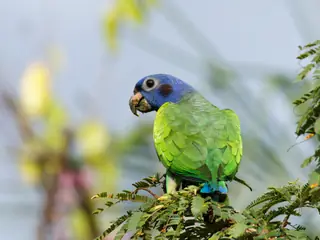 Blue-headed Parrot
-
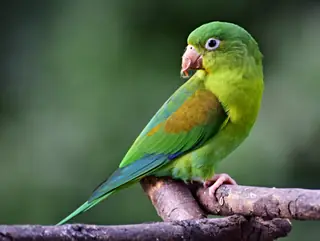 Orange-chinned Parakeet
-
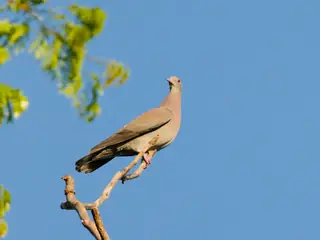 Pale-vented Pigeon
-
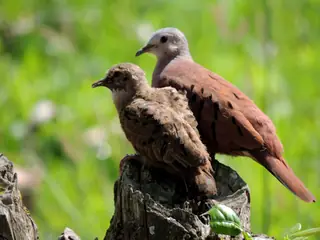 Ruddy Ground Dove
-
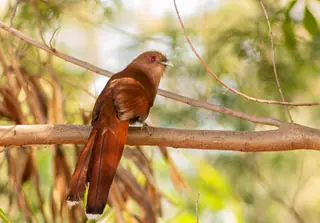 Common Squirrel-cuckoo
-
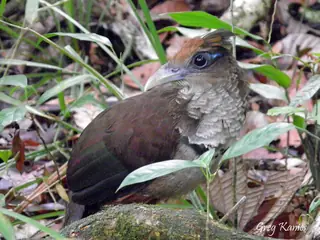 Rufous-vented Ground CuckooRare
-
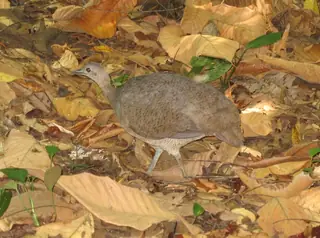 Great Tinamou
-
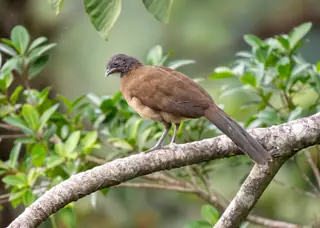 Grey-headed Chachalaca
-
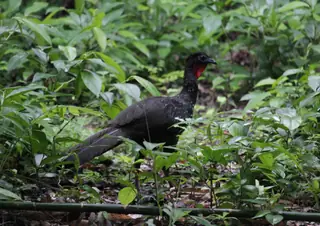 Crested Guan
Birds of prey, owls and potoos 15
-
 Turkey Vulture
-
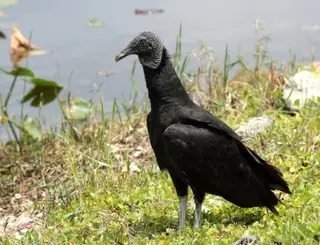 Black Vulture
-
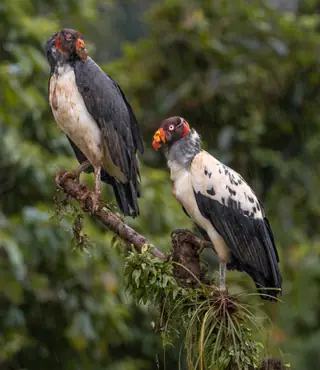 King Vulture
-
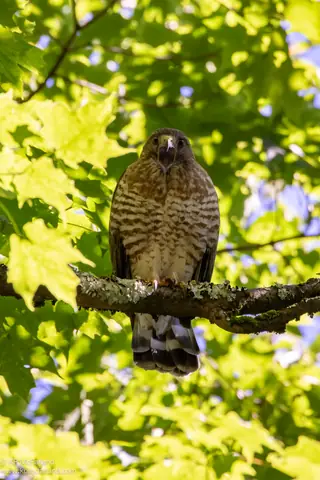 Broad-winged Hawk
-
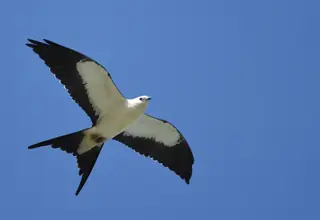 Swallow-tailed Kite
-
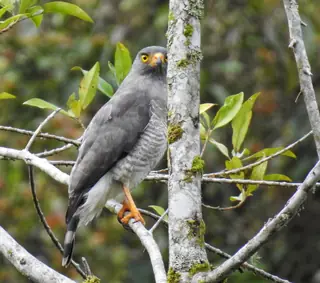 Roadside Hawk
-
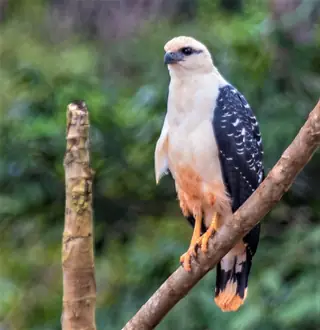 White Hawk
-
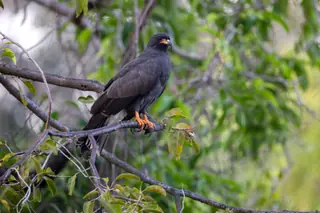 Snail Kite
-
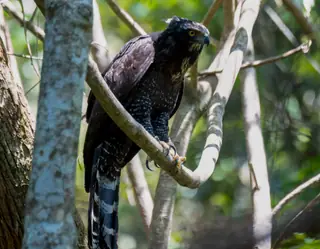 Black Hawk-EagleRare
-
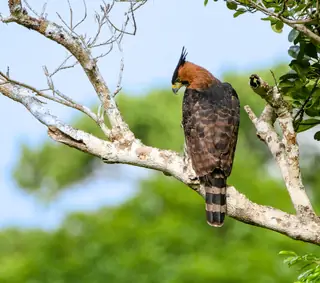 Ornate Hawk-EagleRare
-
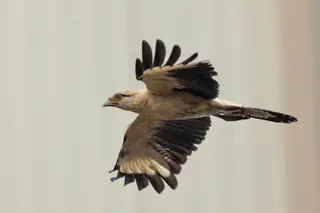 Yellow-headed Caracara
-
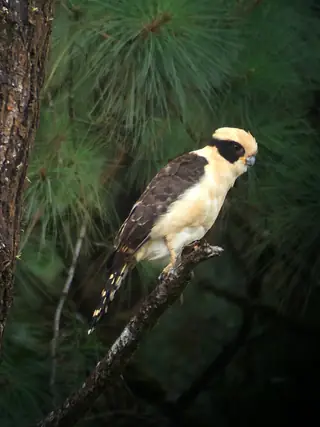 Laughing Falcon
-
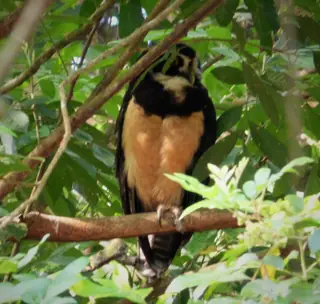 Spectacled OwlRare
-
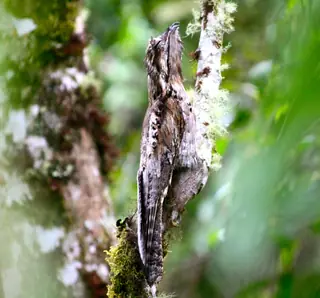 Common Potoo
-
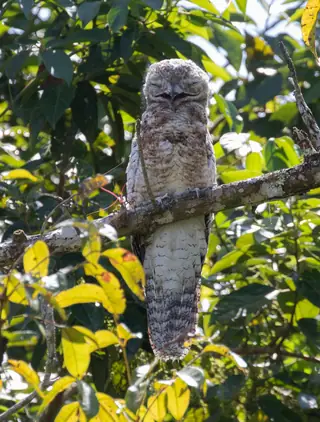 Great PotooRare
Water birds 10
-
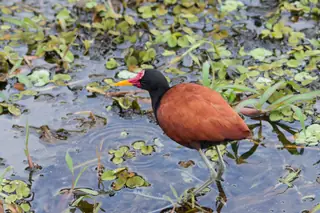 Wattled Jacana
-
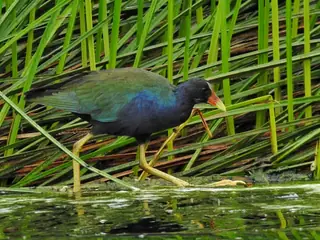 Purple Gallinule
-
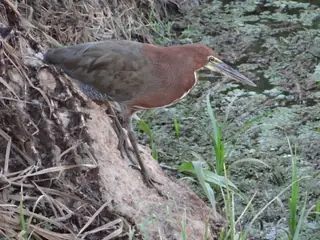 Rufescent Tiger Heron
-
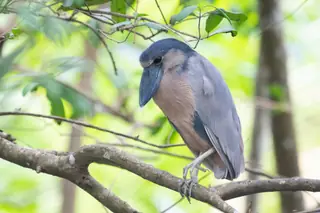 Boat-billed Heron
-
 Great Egret
-
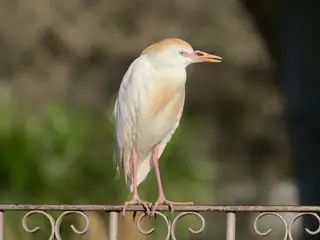 Western Cattle Egret
-
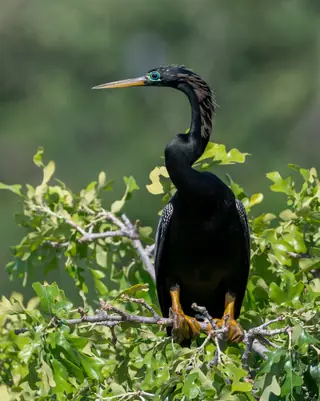 Anhinga
-
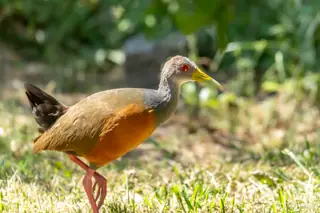 Grey-cowled Wood Rail
-
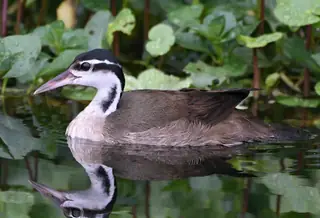 SungrebeRare
-
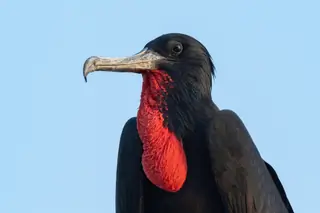 Magnificent Frigatebird
Winter visitors 6
-
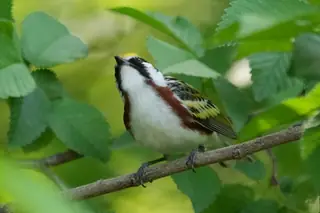 Chestnut-sided Warbler
-
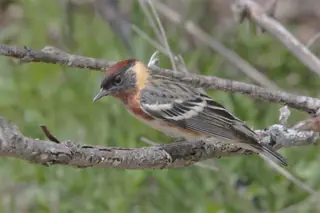 Bay-breasted Warbler
-
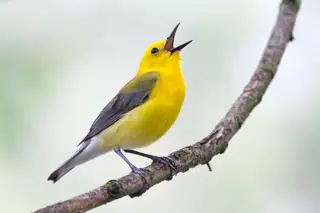 Prothonotary Warbler
-
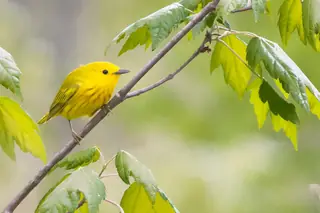 Yellow Warbler
-
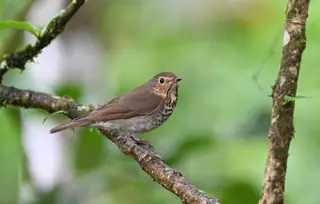 Swainson's Thrush
-
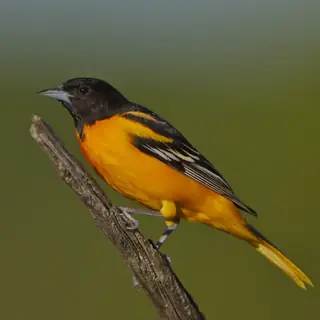 Baltimore Oriole
Reptiles and amphibians 16
-
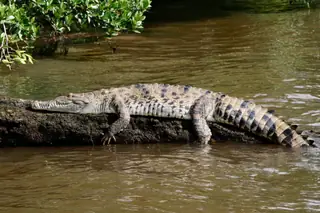 American Crocodile
-
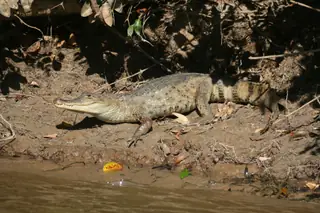 Spectacled Caiman
-
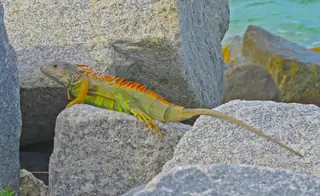 Green Iguana
-
 Common Spiny-tailed Iguana
-
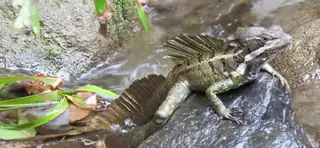 Common Basilisk
-
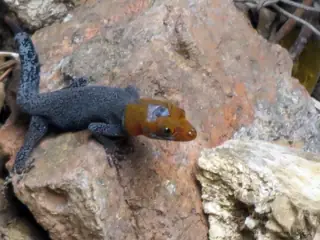 Yellow-headed Gecko
-
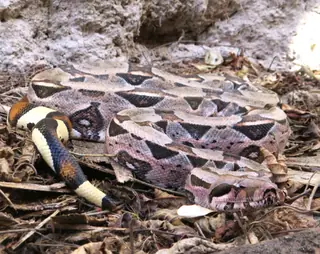 Boa Constrictor
-
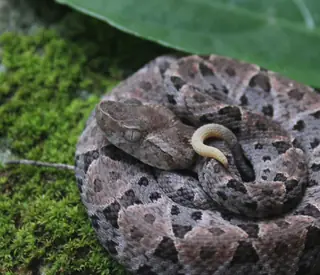 Fer-de-lance
-
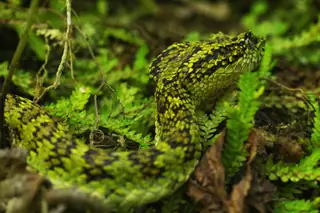 Eyelash ViperRare
-
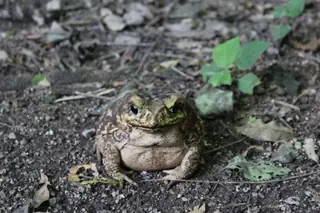 Mesoamerican Cane Toad
-
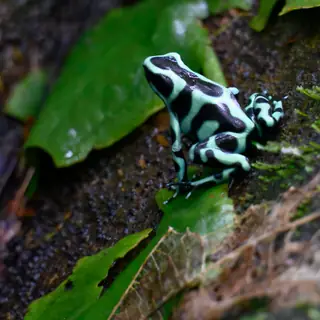 Green-and-black Poison Dart Frog
-
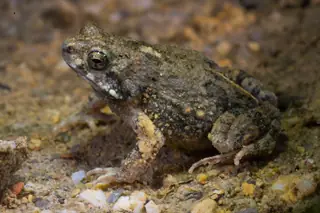 Tungara Frog
-
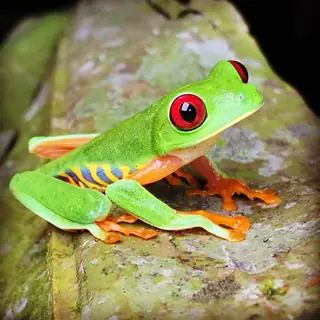 Red-eyed Tree Frog
-
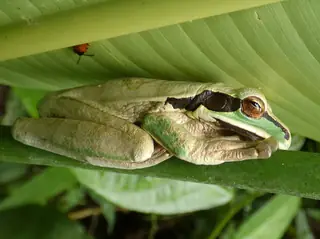 New Granada Cross-banded Treefrog
-
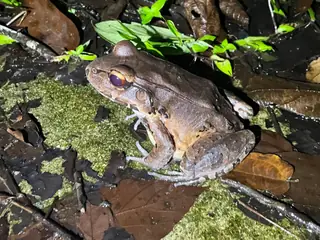 Savage's Thin-toed Frog
-
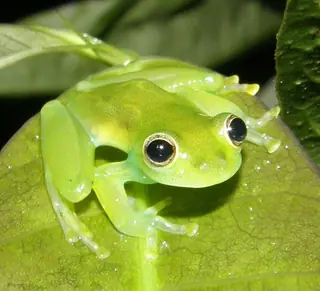 Fleischmann's Glass FrogRare
Butterflies and ants 12
-
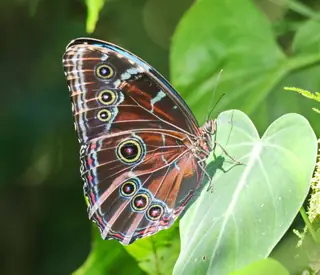 Blue Morpho
-
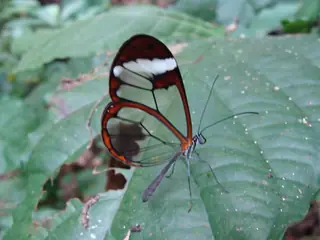 Glasswing
-
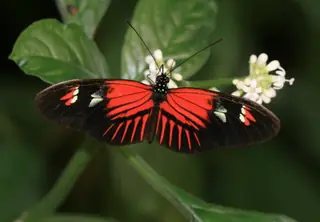 Postman
-
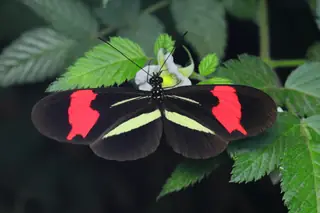 Red Postman
-
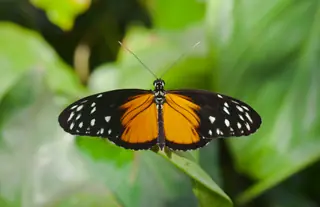 Tiger Longwing
-
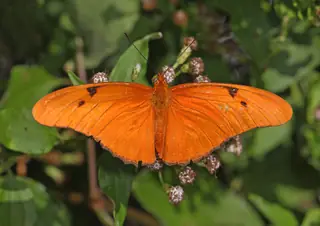 Julia
-
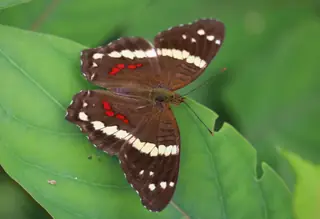 Banded Peacock
-
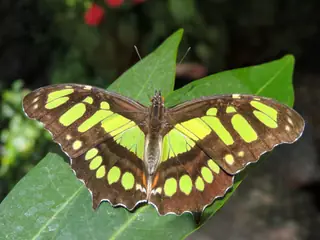 Malachite
-
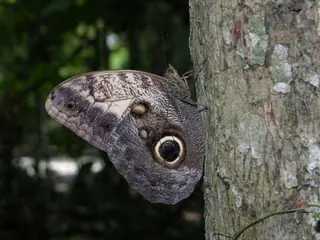 Pale Owl
-
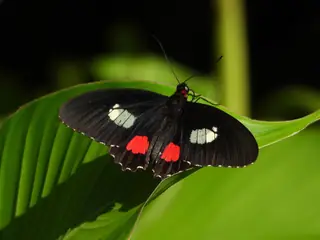 Iphidamas Cattleheart
-
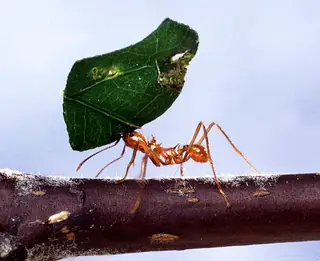 Leafcutter Ant
-
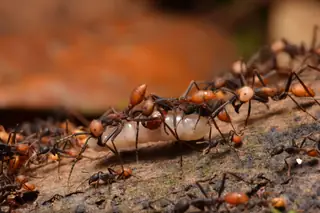 Burchell's Army Ant
Best time to see wildlife in Panama Canal
Sightings by month in Panama Canal
Most records: Nov to AugRecords from GBIF.org, adjusted for how many people record wildlife each month. 100% is the busiest month.
The canal area has two seasons. The dry season, from about mid-December to April, brings sunny days, firmer trails and many trees in flower and fruit, which draws toucans, honeycreepers and tanagers. It is also the busiest time. The rains run from about May to November, usually as afternoon storms; mornings are often clear, the forest is green and frogs call on wet nights. North American migrants, such as Chestnut-sided Warblers, are present from about October to April, and Swainson's Thrushes pass in great numbers in October and April. From early October to mid-November, millions of migrating raptors, mostly vultures and hawks, stream over the isthmus on sunny mornings. Swallow-tailed Kites pass in July and August. Mornings are best for birds in every month.
- Jan to AprDry season; sunny, trees fruiting, migrants present
- May to JunRains begin; frogs active on wet nights
- Jul to SepWet and quiet; Swallow-tailed Kite flocks pass
- Oct to NovWettest; raptor and songbird migration peaks
- DecRains easing; winter migrants settled in
Tips for spotting wildlife in Panama Canal
- 01
Start at first light
Birds and monkeys are busiest in the first hours of daylight, before the heat. On Pipeline Road the first kilometres are good, and the quieter far end rewards a longer walk.
- 02
Climb a canopy tower
The tower at the Rainforest Discovery Center on Pipeline Road puts you level with toucans, cotingas and tanagers. Go early, when the canopy is busiest.
- 03
Wait at army ants
When you meet an army ant swarm, step around it and wait at a distance. Antbirds and antshrikes gather to catch the insects the ants flush.
- 04
Book Barro Colorado ahead
The Smithsonian's guided day visits to Barro Colorado Island leave by boat from Gamboa, must be booked in advance and are for visitors aged 12 and over. Howler monkeys, coatis and agoutis are common there.
- 05
Go on a guided night walk
Night walks with a licensed guide find kinkajous, night monkeys and frogs. Use dim light, keep beams off animals' eyes, and never handle frogs.
- 06
Look up in October
On sunny mornings from early October to mid-November, watch the sky for streams of migrating raptors, including huge flocks of Broad-winged Hawks.

Take Panama Canal with you
Tick off sloths, toucans and antbirds along the Panama Canal with Wilder, even with no signal on Pipeline Road. It is free to start.

Panama Canal wildlife FAQ
What animals can you see near the Panama Canal?
You can see sloths, Geoffroy's tamarins, howler and capuchin monkeys, coatis and agoutis in the forests along the Panama Canal, plus toucans, trogons, motmots, manakins and antbirds. American crocodiles and spectacled caimans live along the water. This checklist covers 141 animals, from mammals and birds to frogs and butterflies.
What is Pipeline Road in Panama?
Pipeline Road is a 17.5 km track through Soberanía National Park near Gamboa, built along a Second World War pipeline and now one of the most famous birding roads in the world, with over 400 bird species recorded. Walk or drive the first stretch; the far end is quieter and better for forest birds.
Can you see sloths in Panama City?
Yes. Brown-throated three-toed sloths live in Metropolitan Natural Park inside Panama City and along forest roads near the canal. Look for a dark, still ball in cecropia trees. Hoffmann's two-toed sloths are there too, but they sleep by day in vine tangles and are harder to find.
When is the best time for birdwatching around the Panama Canal?
The best time for birdwatching around the Panama Canal is the dry season, from about mid-December to April, when mornings are sunny, trails are firm and winter migrants are present. October and November are wetter but bring the autumn raptor migration and many passing songbirds. Mornings are best in any month.
Do you need a guide in Soberanía National Park?
No, you can walk Pipeline Road and the other trails on your own, but a local bird guide will find far more, especially antbirds, manakins and birds known only by call. Night walks are best with a licensed guide, and visits to Barro Colorado Island are always guided.
Sources
- Tourism Panama: Soberanía National Park
- Smithsonian Tropical Research Institute: visit Barro Colorado
- Smithsonian Insider: Panama raptor migration record
- Sightings by month: GBIF.org
Animal photos are from the Wilder catalogue; photo credits.
Similar checklists
All South and Central America-
 National park79animals Corcovado and the Osa Peninsula Osa Peninsula, Puntarenas, Costa Rica Costa Rica's wildest rainforest, running down to empty beaches: tapirs at Sirena, four kinds of monkey and scarlet macaws overhead. Best time Dec to Apr
-
 National park127animals Tortuguero National Park Limón, Costa Rica Canals and flooded rainforest on the Caribbean coast, reached only by boat or plane, where green turtles nest on the beach each summer. Best time Jul to Oct
-
 National park117animals Arenal and La Fortuna La Fortuna, Alajuela, Costa Rica Rainforest on the slopes of Arenal Volcano, where sloths hang over the La Fortuna trails and toucans, motmots and hanging-bridge hummingbirds fill the mornings. Best time Dec to Apr
-
 Region139animals Sierra Nevada de Santa Marta Magdalena, Colombia The world's highest coastal mountains, rising from the dry forest and beaches of Tayrona to cloud forest on the San Lorenzo ridge, with around twenty endemic birds such as the Santa Marta parakeet and brushfinch, plus howler monkeys and iguanas. Best time Dec to Mar