National park · La Fortuna, Alajuela · Costa Rica
Arenal Volcano Wildlife Checklist

Arenal, around the town of La Fortuna in northern Costa Rica, pairs a near-perfect volcano cone with Caribbean-slope rainforest full of sloths, toucans, motmots and hummingbirds. Most visitors combine Arenal Volcano National Park, the hanging bridges and a guided night walk. This checklist covers 117 animals. December to April is driest, but wildlife is good all year.
Tick off all 117 animals in Arenal on your phone, even offline. Launching soon. Free A4 PDF, no sign-up.
Arenal Volcano rises to about 1,670 metres above Lake Arenal, around three hours' drive north-west of San José. Its last big eruptive phase began in 1968 and ended in 2010; today the old lava flows are cloaked in young forest, and the farmland, gardens and reserves around La Fortuna make it one of the easiest places in Costa Rica to see sloths and toucans.
- Animals to find
- 117
- Where
- Costa Rica
- Best time
- Dec to Apr
- Toucans and aracaris
- Four
Popular animals in Arenal
-
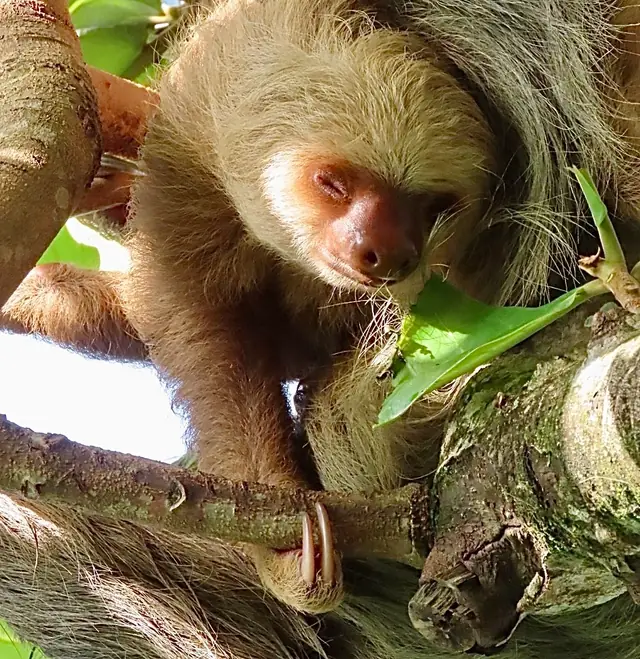
Hoffmann's Two-toed Sloth
Choloepus hoffmanni
The sloth most people see around La Fortuna, curled in a ball in the trees by day. A guided walk on the private sloth trails or at night shows it moving.
-
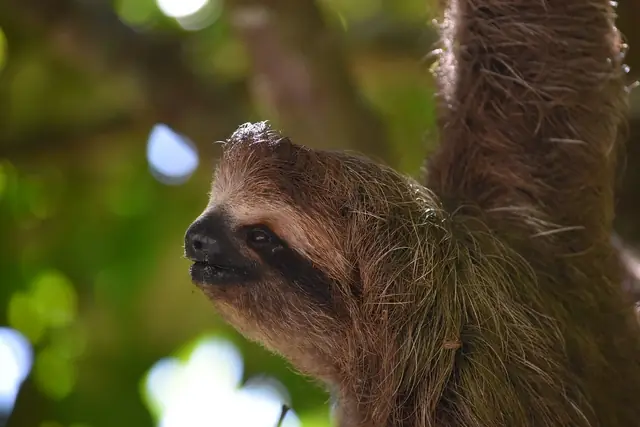
Brown-throated Three-toed Sloth
Bradypus variegatus
Active by day and fond of cecropia trees at forest edges, so it is often easier to watch feeding than the two-toed sloth.
-
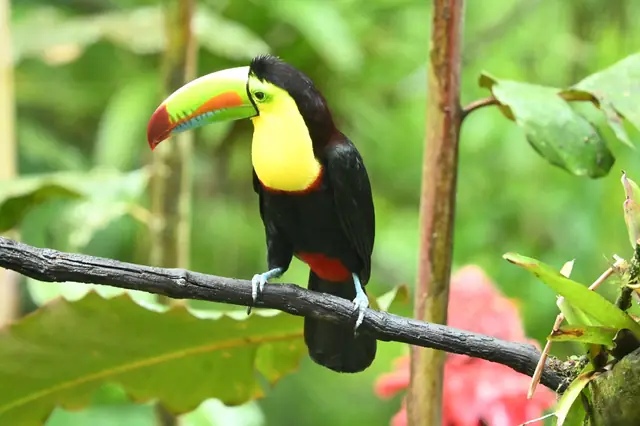
Keel-billed Toucan
Ramphastos sulfuratus
The rainbow-billed toucan of fruiting trees at forest edges and lodge gardens, alongside the larger yellow-throated toucan and the collared araçari.
-
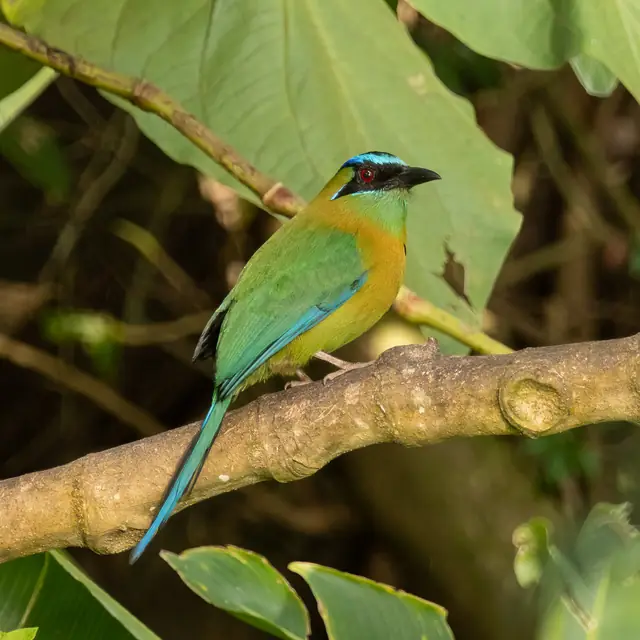
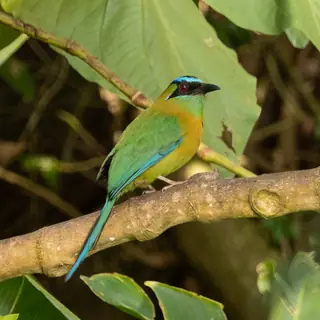
Blue-diademed Motmot
Momotus lessonii
Sits still in the shady understorey and swings its racket-tipped tail like a pendulum. Common on the national park and hanging-bridge trails.
-
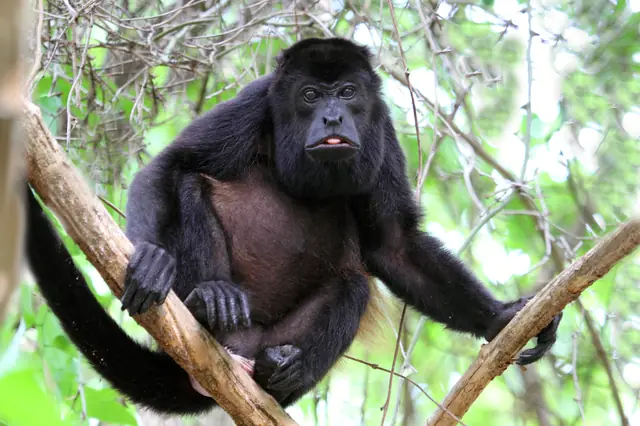
Mantled Howler Monkey
Alouatta palliata
The deep roar at dawn carries across the lake. Troops rest high in the canopy, and white-faced capuchins are often nearby.
-
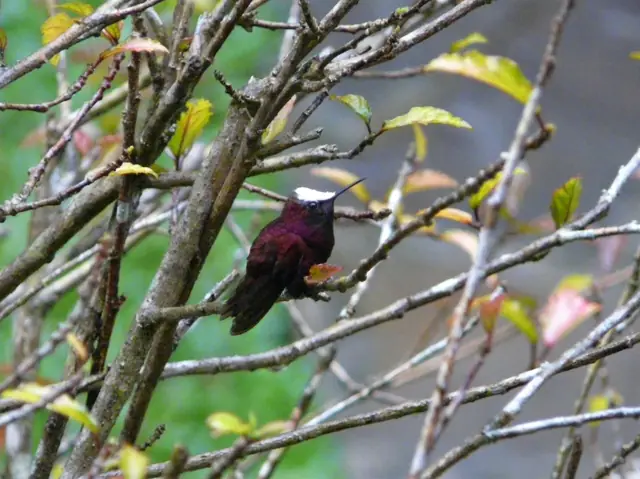
Snowcap
Microchera albocoronata
A tiny wine-red hummingbird with a gleaming white cap, a Caribbean-slope speciality at flowering hedges and forest edges.
-
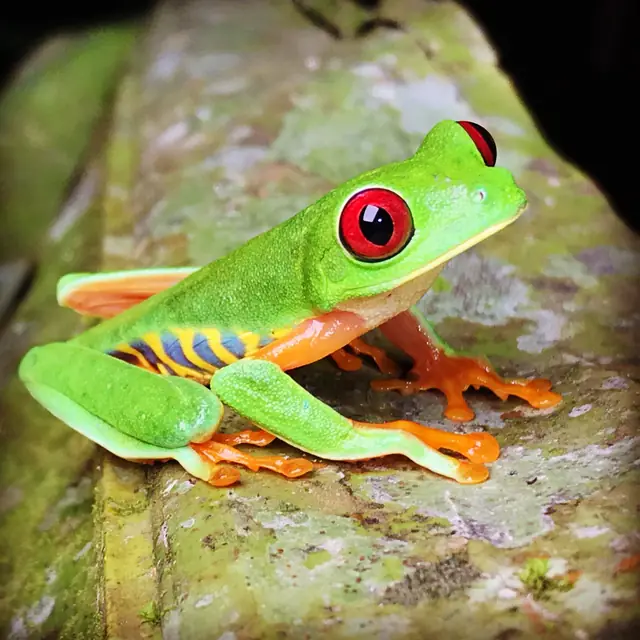
Red-eyed Tree Frog
Agalychnis callidryas
The classic Costa Rican frog, found on leaves near ponds on rainy-season night walks.
-
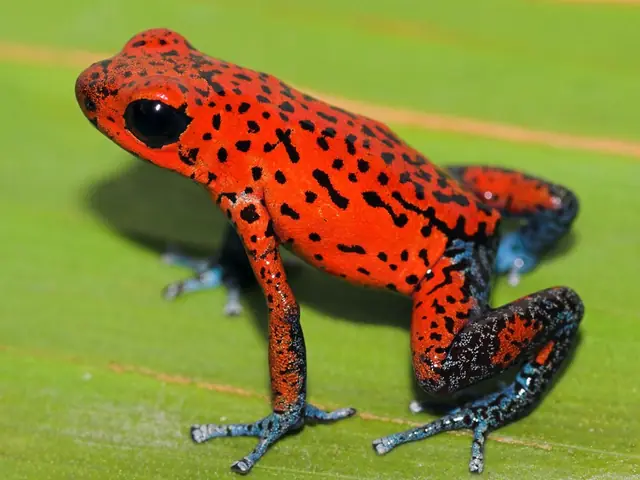
Strawberry Poison Frog
Oophaga pumilio
A thumbnail-sized red frog with blue legs, calling by day from the leaf litter. Look closely, but never touch.
-
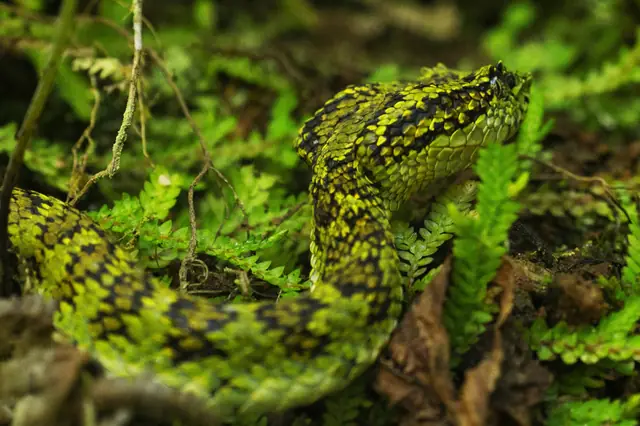
Eyelash Viper
Bothriechis schlegelii
A small pit viper, often bright yellow, coiled on branches beside the trail. Guides spot them; keep well back.
All 117 animals in Arenal
Sloths and monkeys 5
-
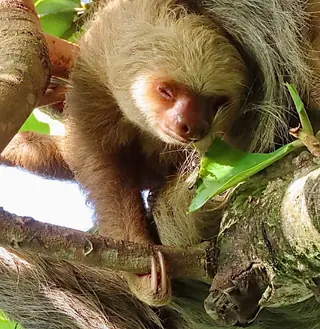 Hoffmann's Two-toed Sloth
-
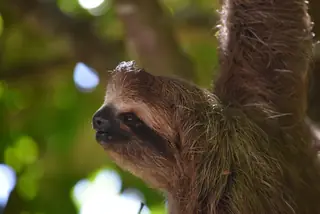 Brown-throated Three-toed Sloth
-
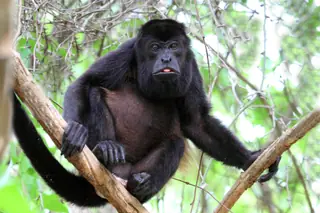 Mantled Howler Monkey
-
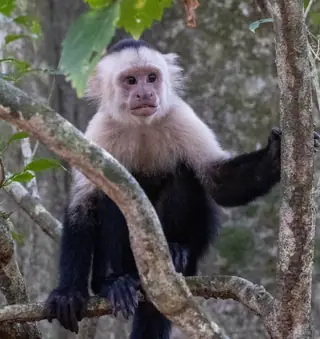 White-faced Capuchin
-
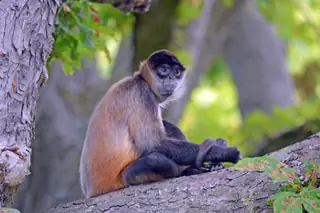 Central American Spider Monkey
Other mammals 17
-
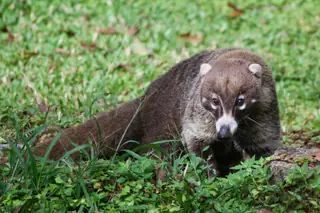 White-nosed Coati
-
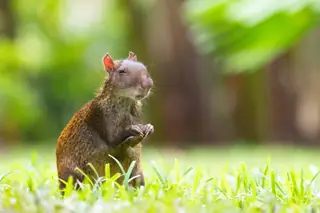 Central American Agouti
-
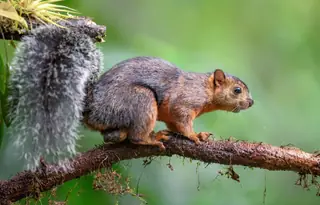 Variegated Squirrel
-
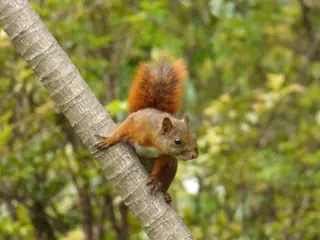 Red-tailed Squirrel
-
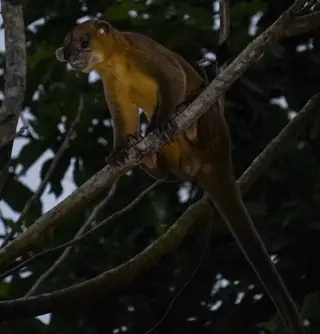 Kinkajou
-
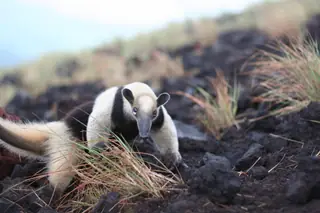 Northern Tamandua
-
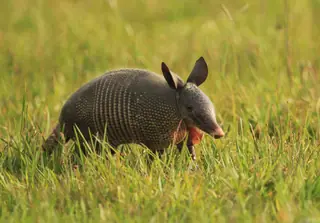 Nine-banded Armadillo
-
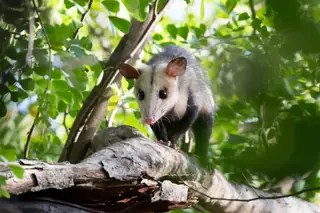 Common Opossum
-
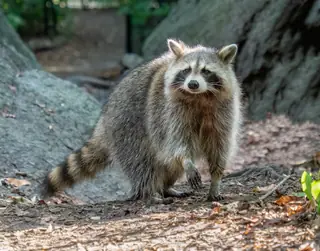 Raccoon
-
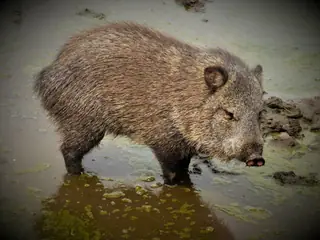 Collared Peccary
-
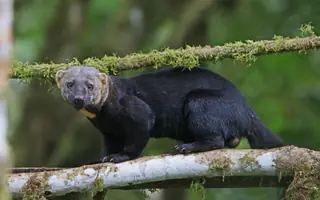 Tayra
-
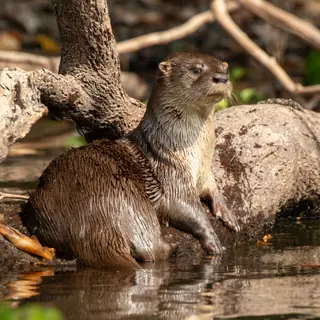 Neotropical OtterRare
-
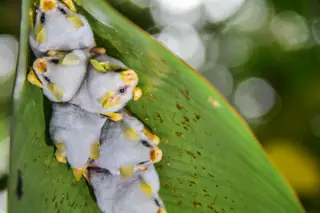 Honduran White Bat
-
 Proboscis Bat
-
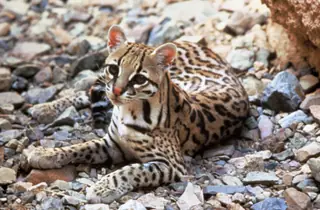 OcelotRare
-
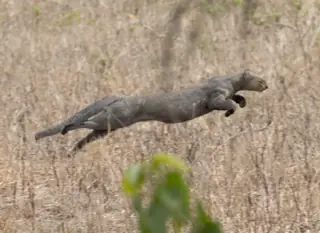 JaguarundiRare
-
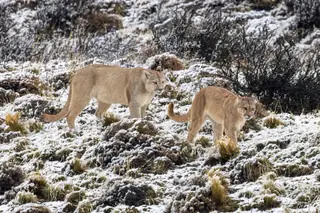 Cougar (Mountain Lion)Rare
Toucans, parrots and big forest birds 13
-
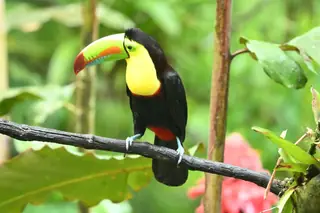 Keel-billed Toucan
-
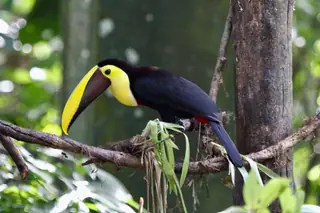 Yellow-throated Toucan
-
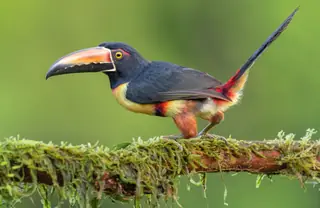 Collared Araçari
-
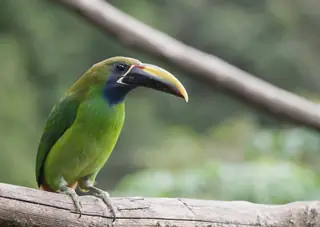 Northern Emerald Toucanet
-
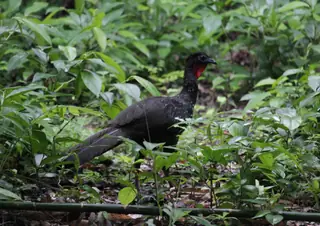 Crested Guan
-
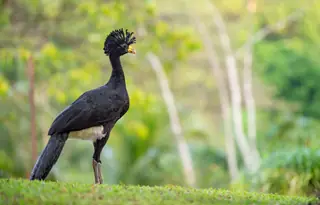 Great Curassow
-
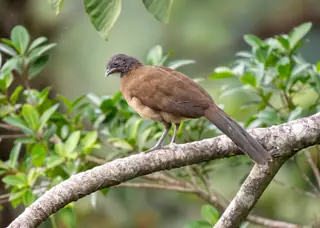 Grey-headed Chachalaca
-
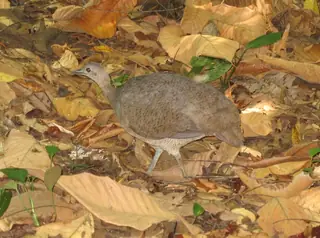 Great Tinamou
-
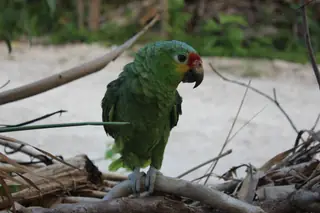 Red-lored Amazon
-
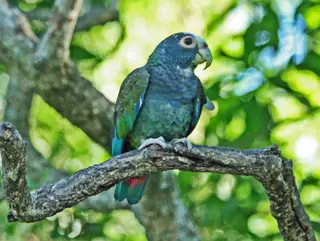 White-crowned Parrot
-
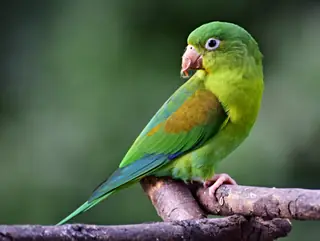 Orange-chinned Parakeet
-
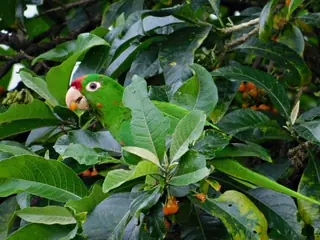 Finsch's Parakeet
-
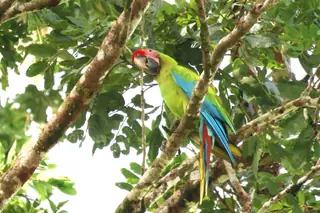 Great Green MacawRare
Motmots, trogons and woodpeckers 10
-
 Blue-diademed Motmot
-
 Rufous Motmot
-
 Broad-billed Motmot
-
 Gartered Trogon
-
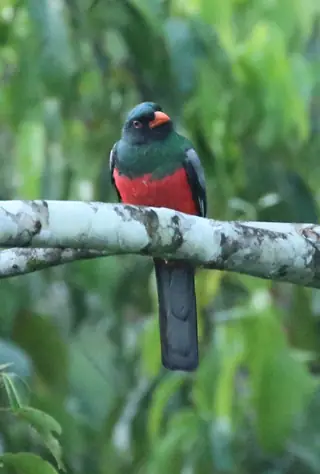 Slaty-tailed Trogon
-
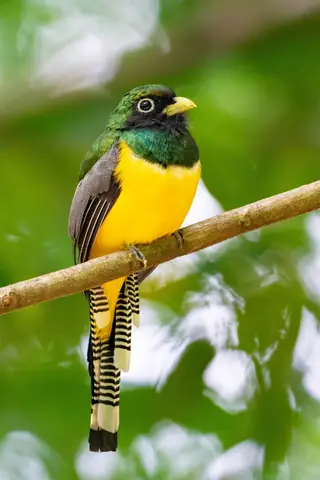 Graceful Black-throated Trogon
-
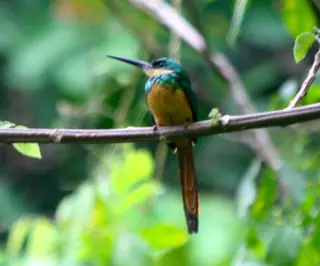 Rufous-tailed Jacamar
-
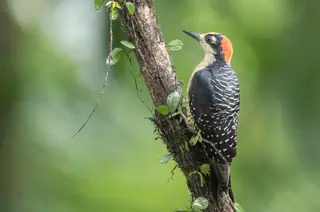 Black-cheeked Woodpecker
-
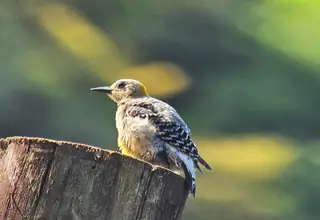 Hoffmann's Woodpecker
-
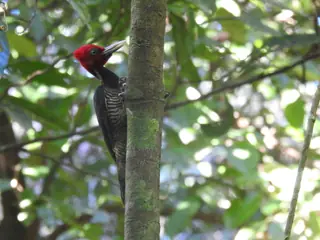 Pale-billed Woodpecker
Hummingbirds 9
-
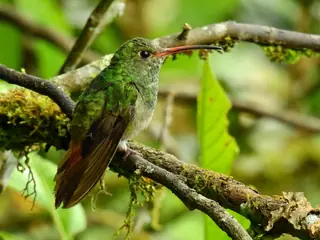 Rufous-tailed Hummingbird
-
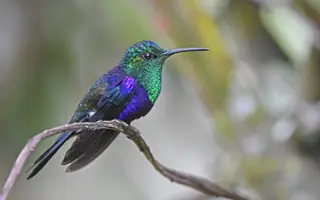 Crowned Woodnymph
-
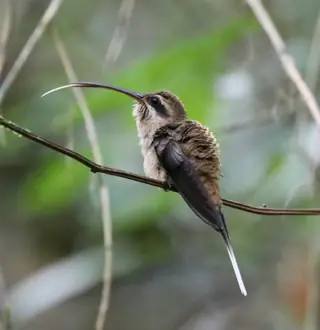 Long-billed Hermit
-
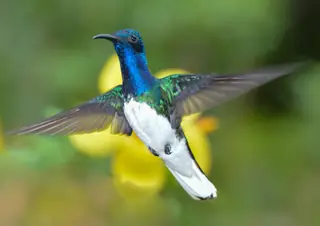 White-necked Jacobin
-
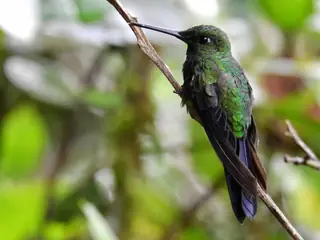 Green-crowned Brilliant
-
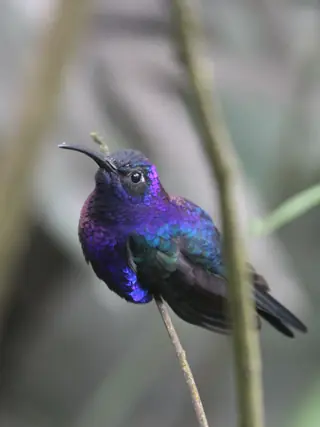 Violet Sabrewing
-
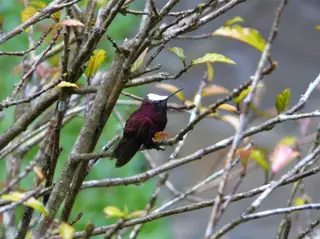 Snowcap
-
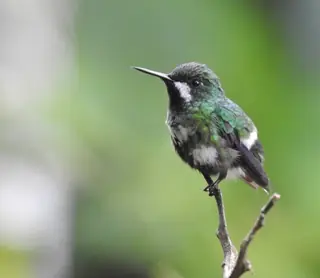 Green Thorntail
-
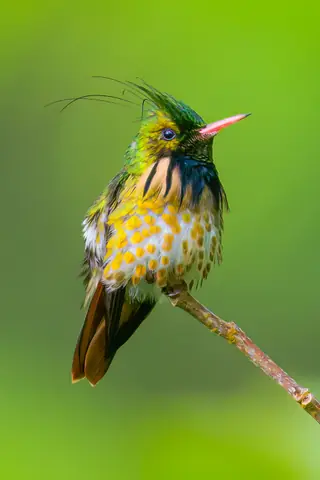 Black-crested CoquetteRare
Cotingas, tanagers and other forest birds 20
-
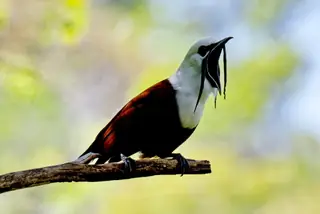 Three-wattled Bellbird
-
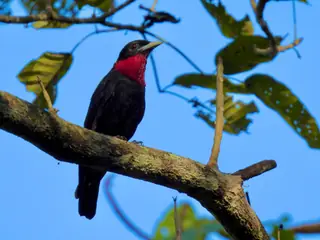 Purple-throated Fruitcrow
-
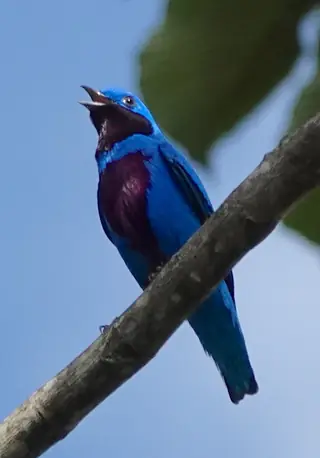 Lovely CotingaRare
-
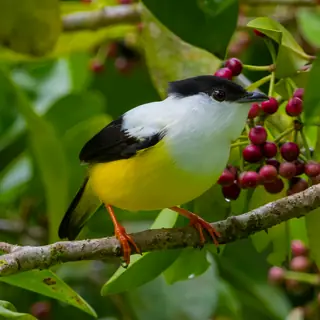 White-collared Manakin
-
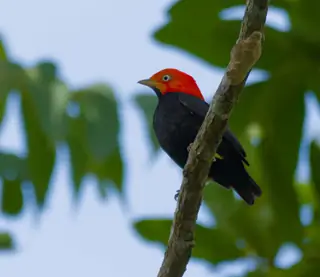 Red-capped Manakin
-
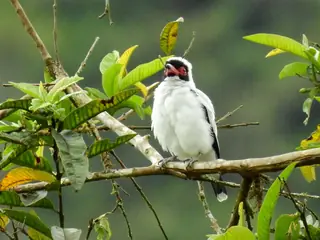 Masked Tityra
-
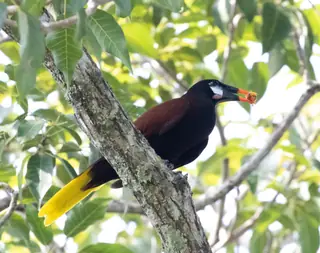 Montezuma Oropendola
-
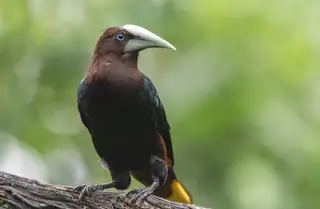 Chestnut-headed Oropendola
-
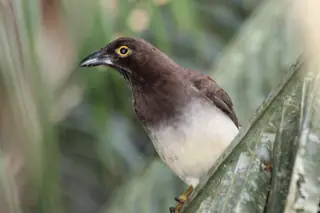 Brown Jay
-
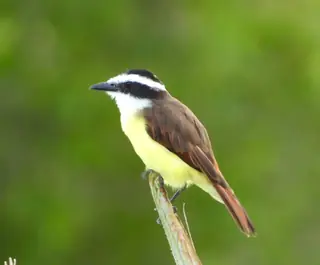 Great Kiskadee
-
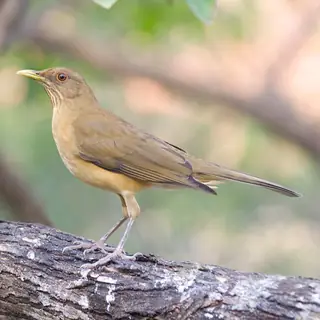 Clay-coloured Thrush
-
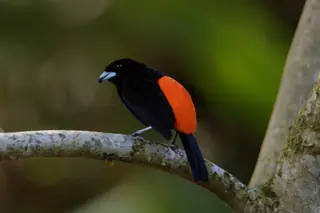 Scarlet-rumped Tanager
-
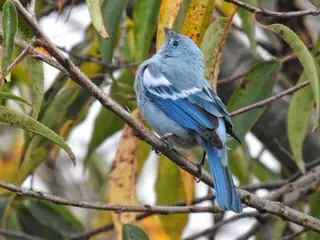 Blue-grey Tanager
-
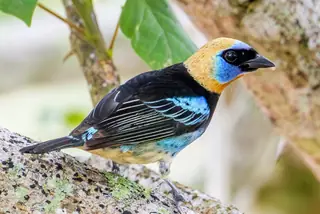 Golden-hooded Tanager
-
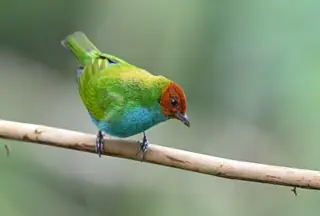 Bay-headed Tanager
-
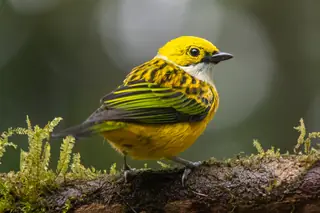 Silver-throated Tanager
-
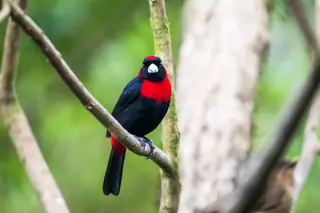 Crimson-collared Tanager
-
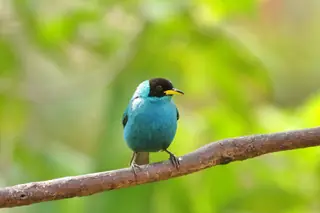 Green Honeycreeper
-
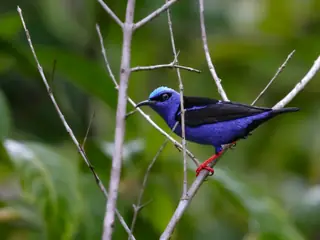 Red-legged Honeycreeper
-
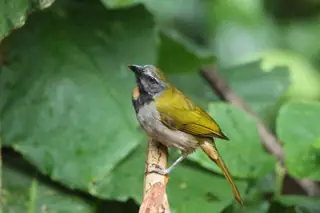 Buff-throated Saltator
Birds of prey and owls 14
-
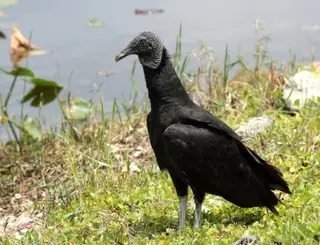 Black Vulture
-
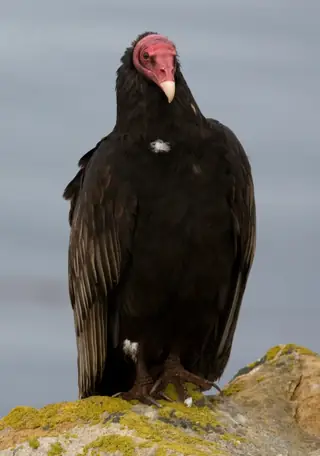 Turkey Vulture
-
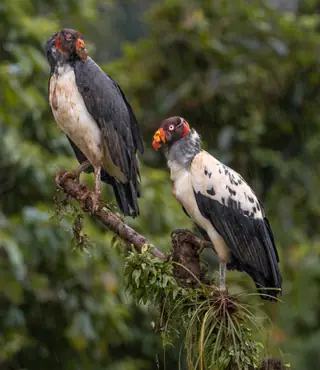 King VultureRare
-
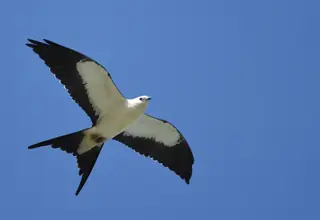 Swallow-tailed Kite
-
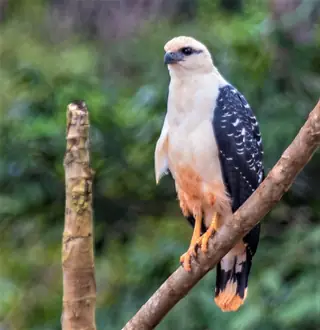 White Hawk
-
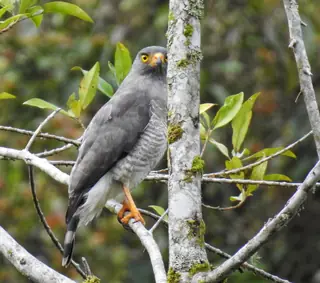 Roadside Hawk
-
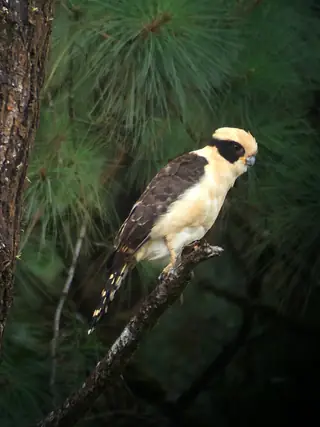 Laughing Falcon
-
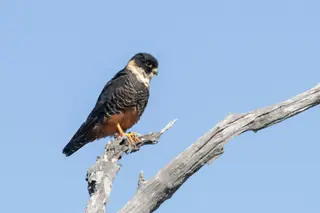 Bat Falcon
-
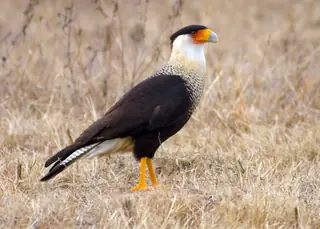 Northern Crested Caracara
-
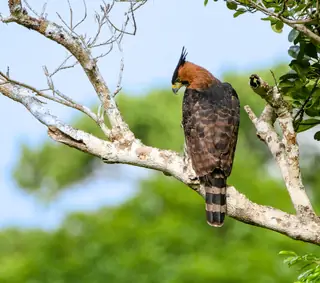 Ornate Hawk-EagleRare
-
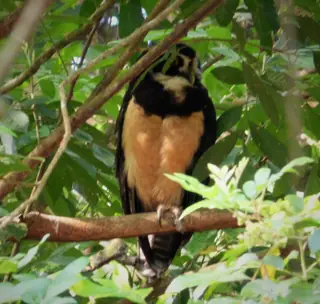 Spectacled Owl
-
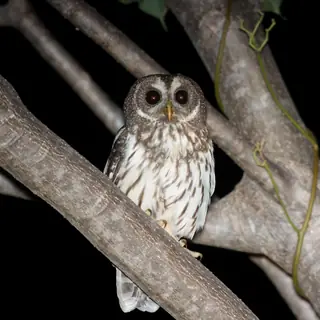 Mottled Owl
-
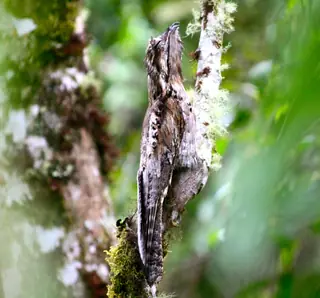 Common Potoo
-
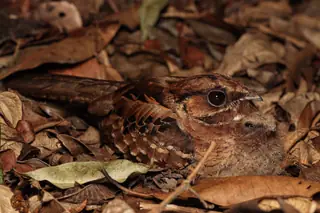 Common Pauraque
Rivers and Lake Arenal 11
-
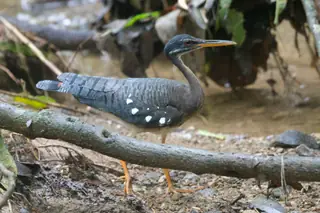 Sunbittern
-
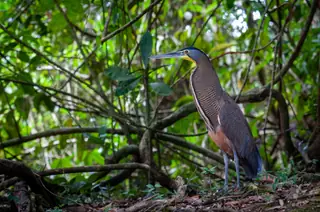 Bare-throated Tiger Heron
-
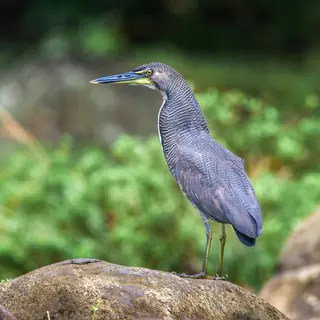 Fasciated Tiger HeronRare
-
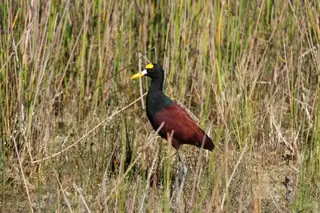 Northern Jacana
-
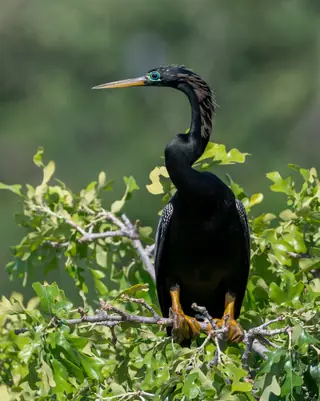 Anhinga
-
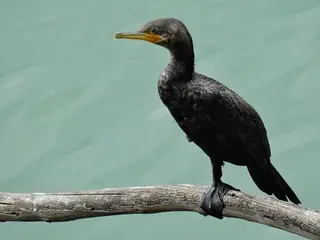 Neotropic Cormorant
-
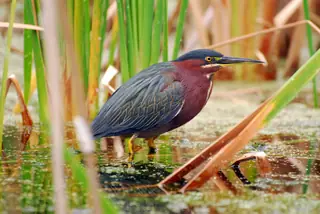 Green Heron
-
 Great Egret
-
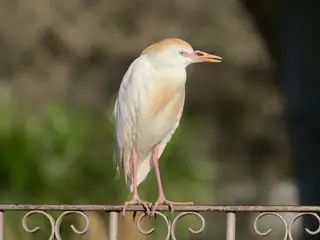 Western Cattle Egret
-
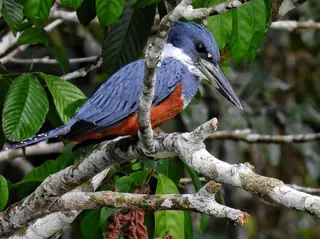 Ringed Kingfisher
-
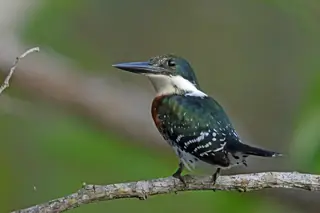 Green Kingfisher
Reptiles and amphibians 14
-
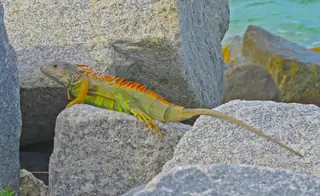 Green Iguana
-
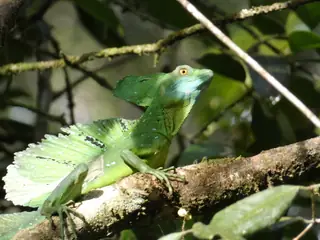 Green Basilisk
-
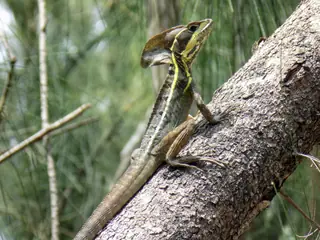 Brown Basilisk
-
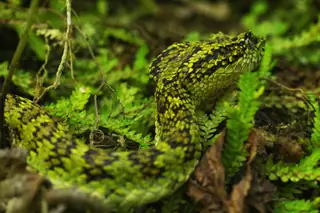 Eyelash Viper
-
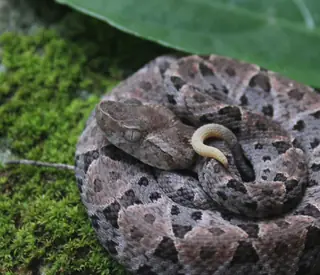 Fer-de-lance
-
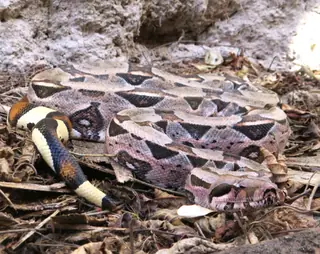 Boa Constrictor
-
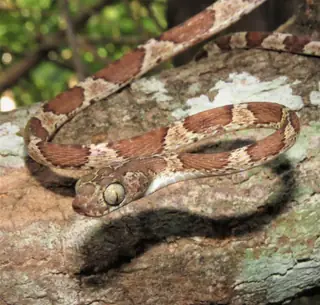 Blunt-headed Treesnake
-
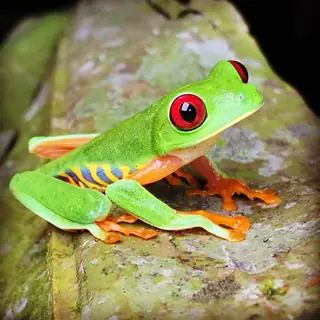 Red-eyed Tree Frog
-
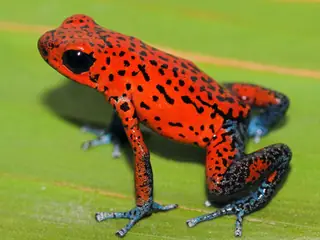 Strawberry Poison Frog
-
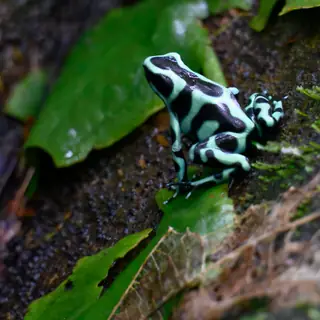 Green-and-black Poison Dart Frog
-
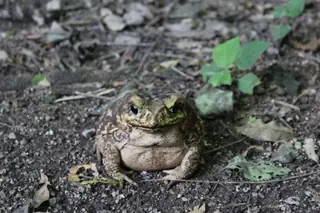 Mesoamerican Cane Toad
-
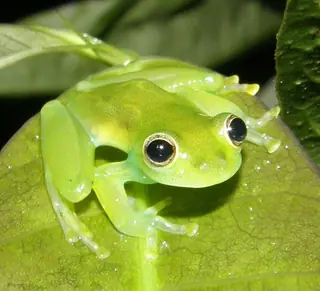 Fleischmann's Glass Frog
-
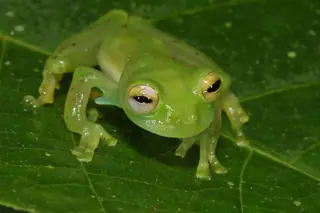 Emerald Glass Frog
-
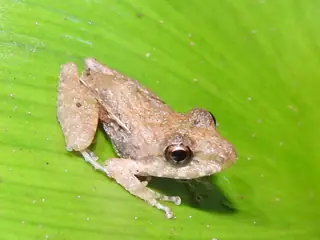 Common Tink Frog
Butterflies and ants 4
-
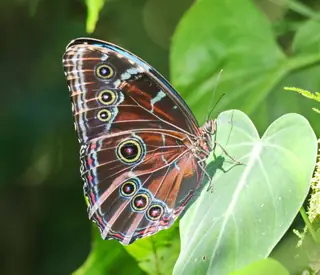 Blue Morpho
-
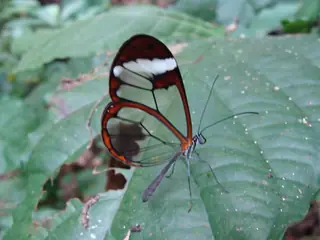 Glasswing
-
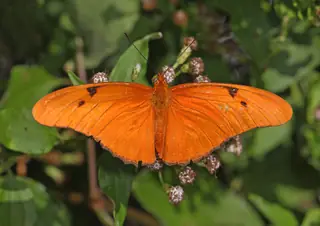 Julia
-
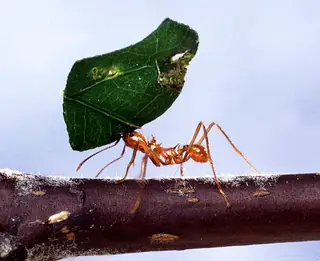 Leafcutter Ant
Best time to see wildlife in Arenal
Sightings by month in Arenal
Most records: Dec to AugRecords from GBIF.org, adjusted for how many people record wildlife each month. 100% is the busiest month.
Arenal sits on the Caribbean side of the mountains, so it is wetter than the Pacific coast and rain can fall in any month. The drier season runs from about December to April, with the best chance of clear views of the volcano's summit, which is often in cloud. May to November is the green season, with afternoon showers and the busiest frog activity on night walks. September and October are often a little drier here than on the Pacific side. Birding is good all year, and northern migrants such as warblers and thrushes are present from October to April. Mornings are the best time for wildlife and for seeing the volcano before cloud builds.
- Dec to AprDriest, best volcano views, busiest
- May to AugGreen season, afternoon rain
- Sep to OctQuieter, often fewer showers than the coast
- NovWet, frogs active, crowds return
Tips for spotting wildlife in Arenal
- 01
Go early to the national park
Arenal Volcano National Park opens at 8am. The first hours on the Heliconias and El Ceibo trails, and in the Peninsula sector by the lake, are best for birds and monkeys.
- 02
Take a guided sloth or night walk
Private reserves around La Fortuna run guided walks where sloths, frogs, snakes and kinkajous are found. Ask your guide to keep torch beams off animals' eyes and keep the group quiet.
- 03
Try the hanging bridges
Suspended bridges at canopy height give eye-level views of toucans, tanagers and hummingbirds, and of eyelash vipers on the branches below.
- 04
Don't feed the coatis
Coatis beg along the roads round the volcano. Feeding them is bad for their health and makes them aggressive, so keep food in the car.
- 05
Bring rain gear whatever the month
Showers can arrive any time on the Caribbean slope. A light waterproof and shoes with grip help on muddy trails.

Take Arenal with you
Tick off sloths, toucans and night-walk frogs around Arenal and La Fortuna with Wilder. It works offline on the trails and is free to start.

Arenal wildlife FAQ
Can you see sloths in Arenal?
Yes. Both Hoffmann's two-toed sloth and the brown-throated three-toed sloth live around La Fortuna and are seen on most visits with a guide. Two-toed sloths sleep by day and move at night, while three-toed sloths feed by day in cecropia trees. Guided sloth walks in private reserves and night walks give the best chances.
What animals can you see in Arenal?
Arenal is good for sloths, howler and capuchin monkeys, coatis and agoutis, plus toucans, motmots, trogons, hummingbirds and parrots. Night walks find frogs, snakes and kinkajous. This checklist covers 117 animals a visitor could realistically find around Arenal Volcano, La Fortuna and Lake Arenal.
Is Arenal Volcano still active?
Arenal is classed as active but has been resting since 2010, after a long eruptive phase that began in 1968. There is no lava to see now, and hiking to the crater is not allowed. The national park trails cross old lava flows that are slowly turning back into forest.
Should I visit Arenal or Monteverde?
Many visitors do both: they are about three to four hours apart by road, or less by the jeep, boat and jeep route across Lake Arenal. Arenal is lower, warmer rainforest with sloths, toucans and hot springs. Monteverde is cooler cloud forest with quetzals, bellbirds and many highland hummingbirds.
When is the best time to visit Arenal for wildlife?
Wildlife is good all year. December to April is driest and best for clear views of the volcano. The rainy months from May to November are greener and quieter, with more frogs on night walks. Early mornings are best for birds and monkeys in every season.
Sources
- Costa Rica Tourism Board (ICT): Northern Plains tourist guide
- Visit Centroamérica: Arenal Volcano and La Fortuna area
- Triptins: Arenal Volcano National Park (hours, sectors, trails)
- Sightings by month: GBIF.org
Animal photos are from the Wilder catalogue; photo credits.
Similar checklists
All South and Central America-
 Reserve107animals Monteverde Cloud Forest Monteverde, Puntarenas, Costa Rica Misty cloud forest on the Continental Divide, home to the resplendent quetzal, the bonging call of the bellbird and hummingbirds by the dozen. Best time Feb to May
-
 National park127animals Tortuguero National Park Limón, Costa Rica Canals and flooded rainforest on the Caribbean coast, reached only by boat or plane, where green turtles nest on the beach each summer. Best time Jul to Oct
-
 National park126animals Manuel Antonio National Park Quepos, Puntarenas, Costa Rica A small park of rainforest and white-sand coves where sloths, squirrel monkeys and capuchins live right above the beach. Best time Dec to Apr
-
 National park79animals Corcovado and the Osa Peninsula Osa Peninsula, Puntarenas, Costa Rica Costa Rica's wildest rainforest, running down to empty beaches: tapirs at Sirena, four kinds of monkey and scarlet macaws overhead. Best time Dec to Apr