Region · North Aegean · Greece
Lesvos Bird and Wildlife Checklist

Lesvos is a large Greek island a few kilometres off the Turkish coast and one of Europe's best places to watch spring migration. Flamingos and waders feed on the Kalloni salt pans. The island is also famous for Eleonora's and red-footed falcons, masked shrikes, and eastern specialities such as Krüper's nuthatch and cinereous bunting. This checklist covers 143 animals. Mid-April to mid-May is best.
Tick off all 143 animals in Lesvos on your phone, even offline. Launching soon. Free A4 PDF, no sign-up.
Most birders base themselves around Skala Kalloni, in the middle of the island, close to the salt pans and river mouths. The west is bare, rocky and volcanic; the east is green with pine, chestnut and olive groves.
- Animals to find
- 143
- Where
- Greece
- Best time
- Apr to May
- Birds recorded
- About 325 species
Popular animals in Lesvos
-
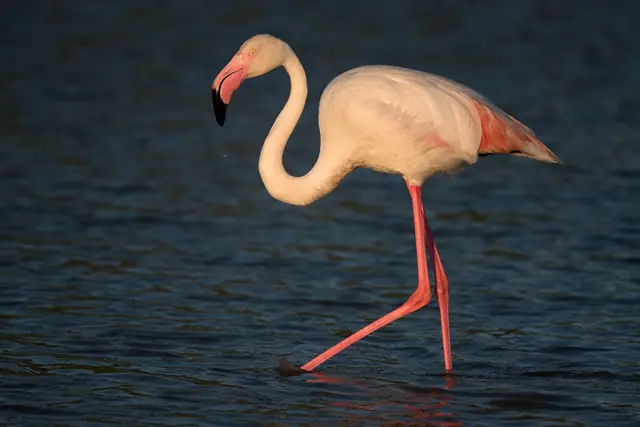
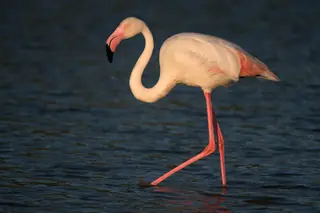
Greater Flamingo
Phoenicopterus roseus
Hundreds feed in the Kalloni salt pans through spring. Watch from the roads and tracks around the pans.
-
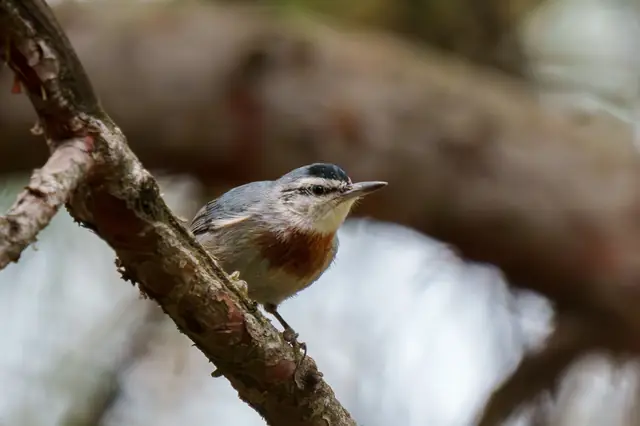
Krüper's Nuthatch
Sitta krueperi
Lesvos is its only home in the European Union. Look in the island's pine forests, where it feeds high on cones; watch quietly and never linger at a nest hole.
-
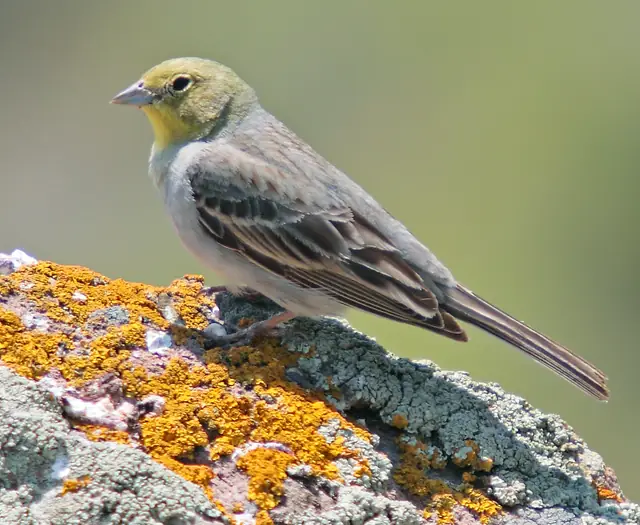
Cinereous Bunting
Emberiza cineracea
A pale, plain bunting with a yellow wash on the head. Males sing from boulders on bare, rocky slopes in the west; keep to tracks so nesting birds are not flushed.
-
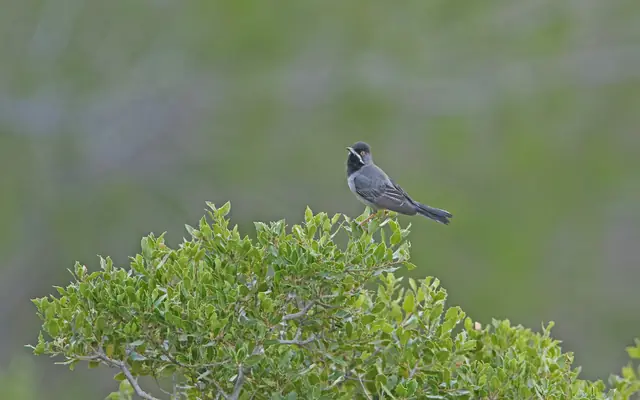
Rüppell's Warbler
Curruca ruppeli
The male has a black head and throat with a bold white moustache. It sings from the tops of low thorny scrub on rocky slopes in the west and north.
-
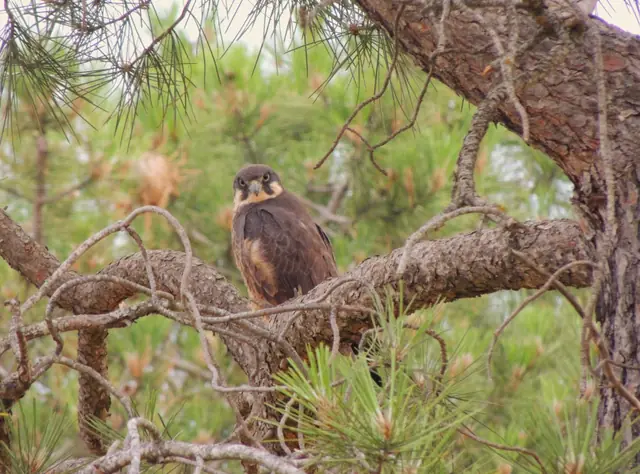
Eleonora's Falcon
Falco eleonorae
A slim, dashing falcon that arrives in late April. In the evening it hunts insects over ridges and coasts, often in loose groups.
-
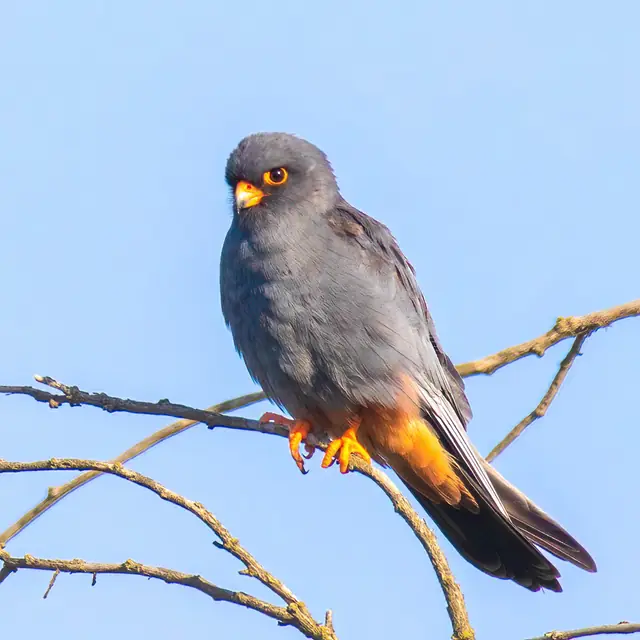
Red-footed Falcon
Falco vespertinus
Migrant flocks hawk insects over fields and wetlands in early May. Males are slate grey with red trousers.
-
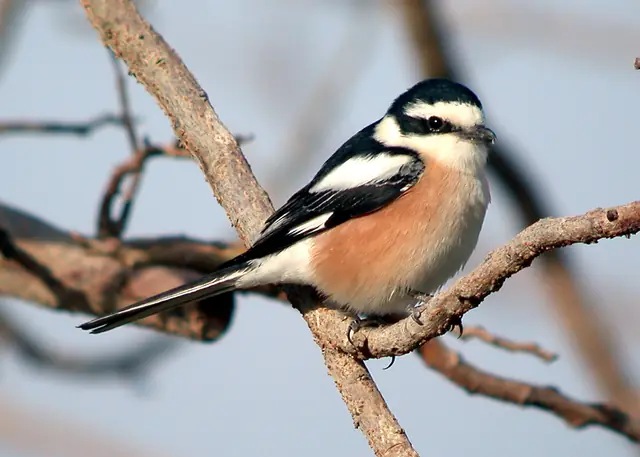
Masked Shrike
Lanius nubicus
Black and white with an orange wash on the flanks. Perches low and quietly in olive groves and at pine edges right across the island.
-
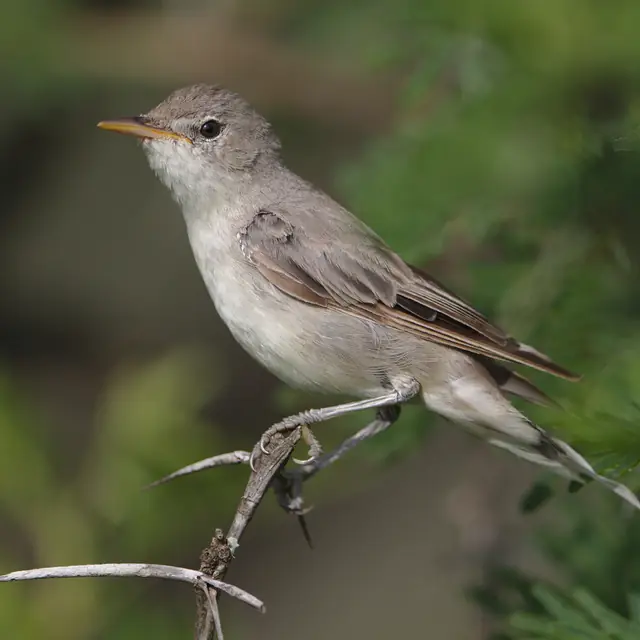
Olive-tree Warbler
Hippolais olivetorum
A big grey warbler that arrives late, from early May, in old olive groves and oak scrub. Listen for its deep, grating song.
-
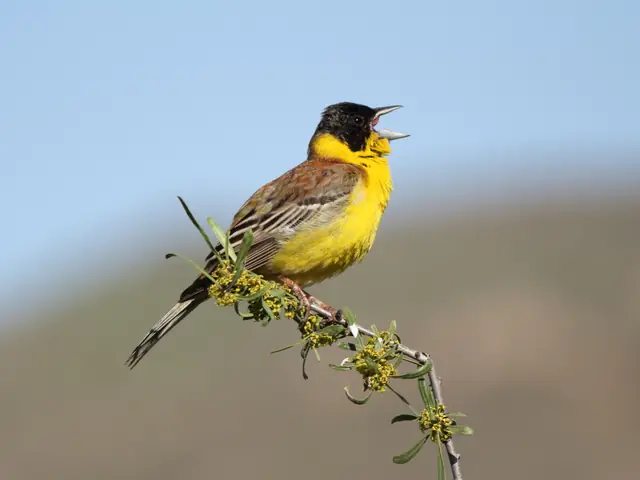
Black-headed Bunting
Emberiza melanocephala
Arrives in late April and sings from bushes and wires across the island.
-
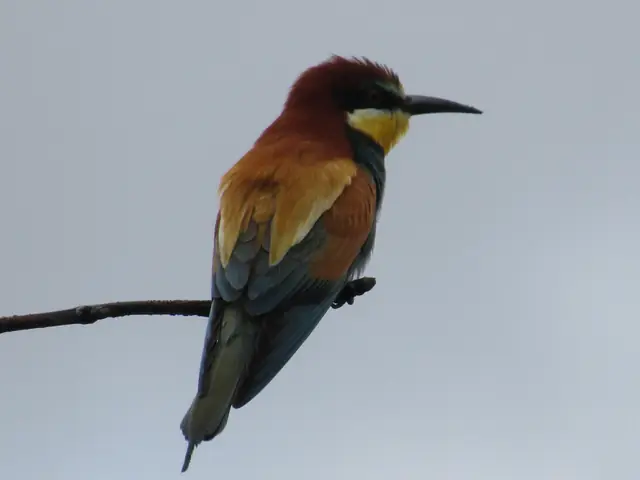
European Bee-eater
Merops apiaster
Colonies nest in sandy banks. Watch from a distance so the birds keep feeding their young.
-
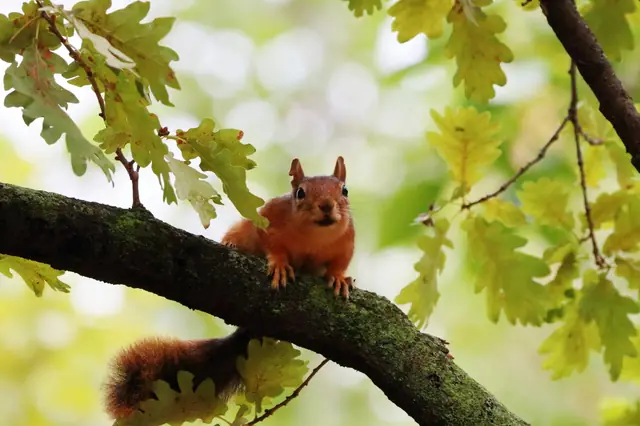
Caucasian Squirrel
Sciurus anomalus
Also called the Persian squirrel. Lesvos is its only home in Europe; look in pine and chestnut woods of the centre and east, mostly in the morning.
All 143 animals in Lesvos
Flamingos, herons and storks 13
-
 Greater Flamingo
-
 Great Egret
-
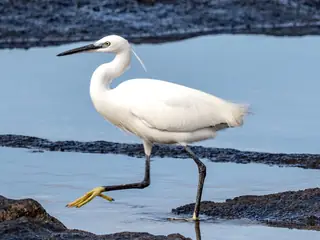 Little Egret
-
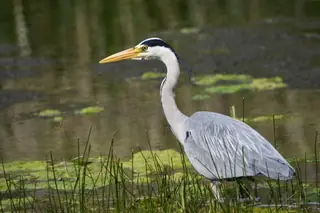 Grey Heron
-
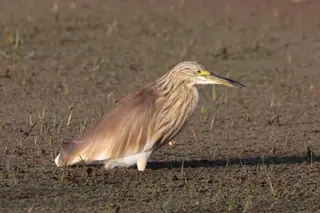 Squacco Heron
-
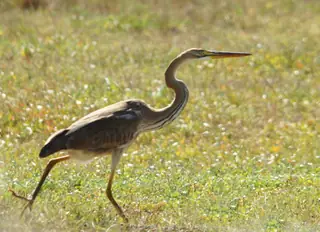 Purple Heron
-
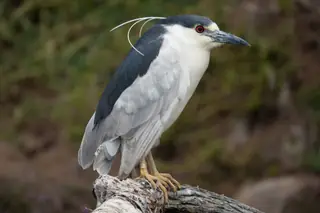 Black-crowned Night Heron
-
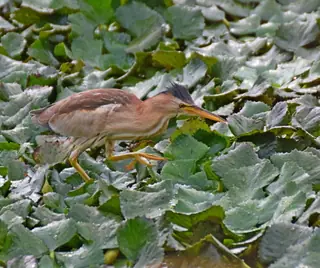 Little Bittern
-
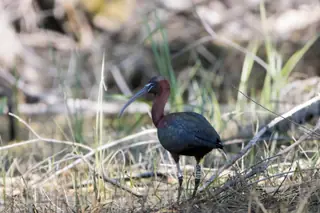 Glossy Ibis
-
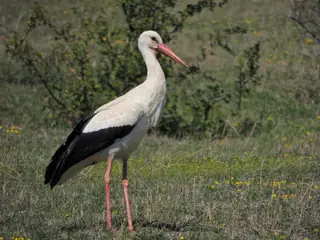 White Stork
-
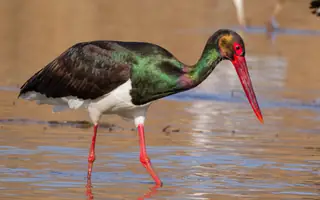 Black Stork
-
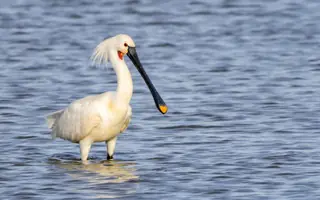 Eurasian Spoonbill
-
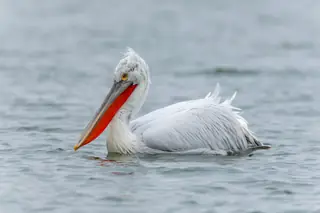 Dalmatian PelicanRare
Waders 14
-
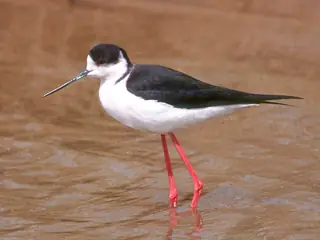 Black-winged Stilt
-
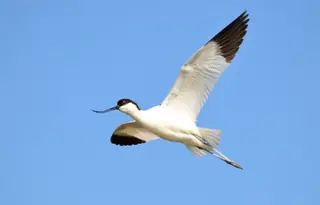 Pied Avocet
-
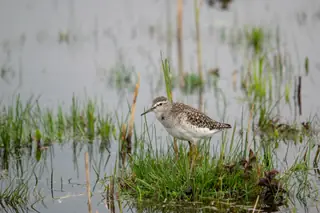 Wood Sandpiper
-
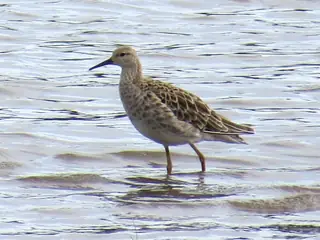 Ruff
-
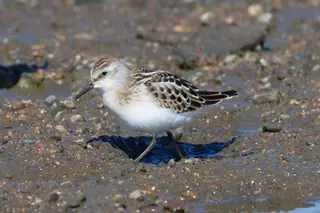 Little Stint
-
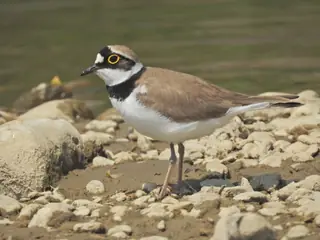 Little Ringed Plover
-
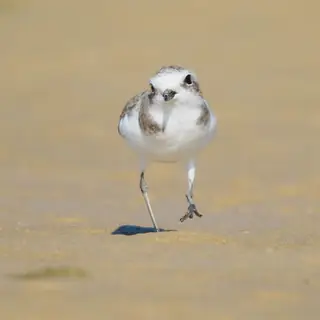 Kentish Plover
-
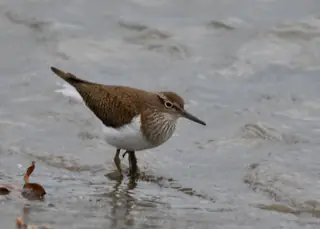 Common Sandpiper
-
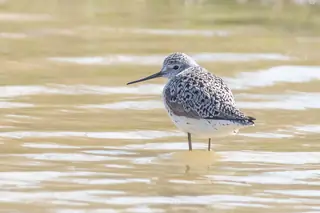 Marsh Sandpiper
-
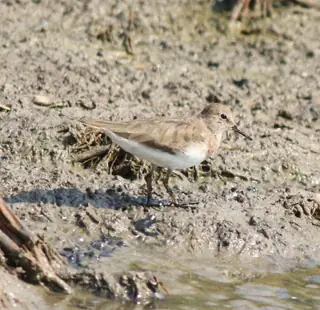 Temminck's Stint
-
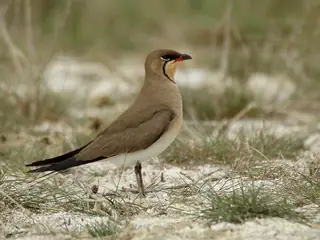 Collared Pratincole
-
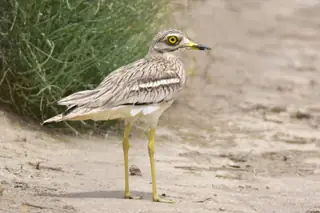 Eurasian Stone-curlew
-
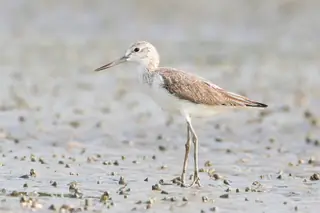 Common Greenshank
-
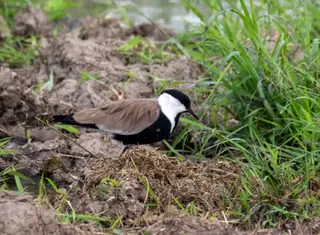 Spur-winged LapwingRare
Ducks, gulls, terns and seabirds 14
-
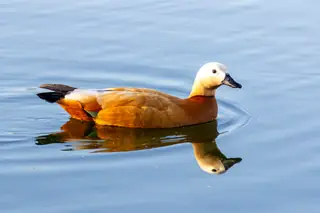 Ruddy Shelduck
-
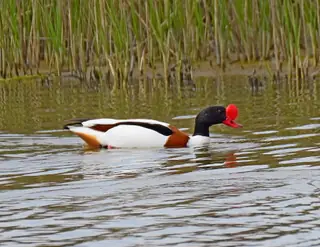 Common Shelduck
-
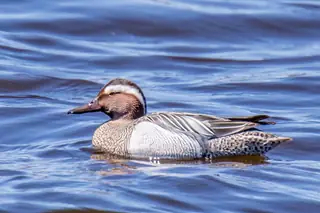 Garganey
-
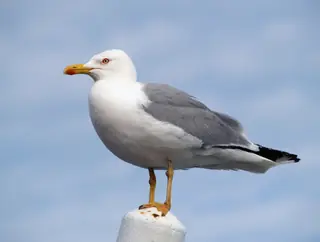 Yellow-legged Gull
-
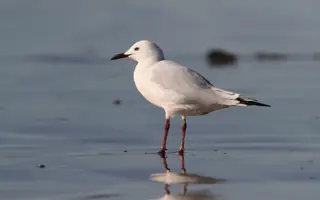 Slender-billed Gull
-
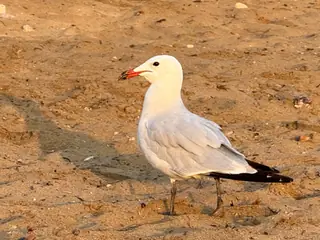 Audouin's Gull
-
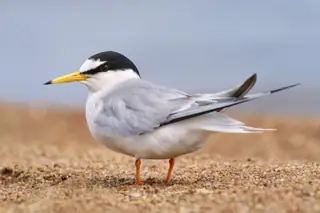 Little Tern
-
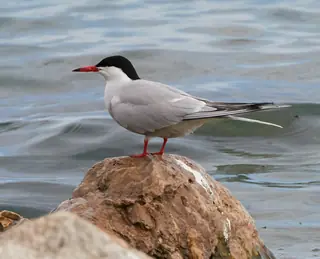 Common Tern
-
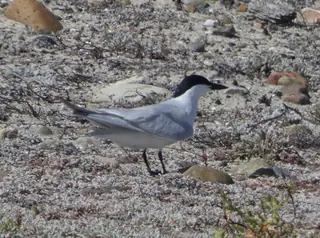 Gull-billed Tern
-
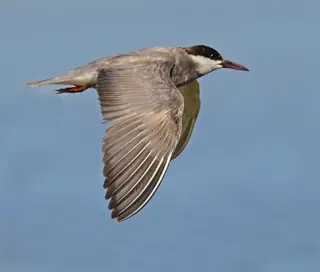 Whiskered Tern
-
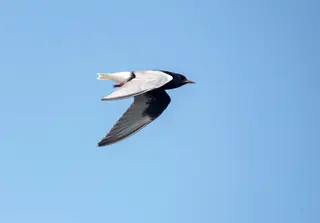 White-winged Tern
-
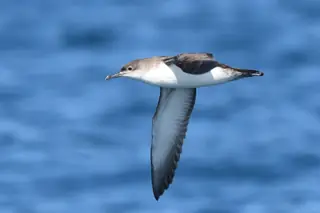 Yelkouan Shearwater
-
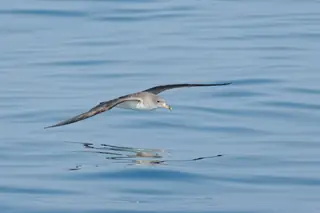 Scopoli's Shearwater
-
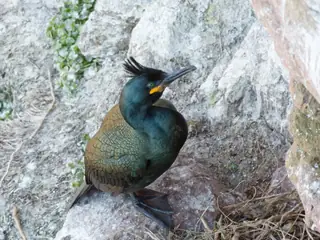 European Shag
Birds of prey and owls 14
-
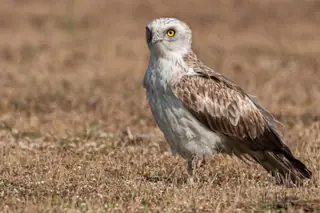 Short-toed Eagle
-
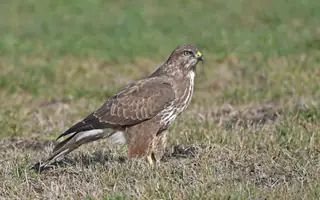 Common Buzzard
-
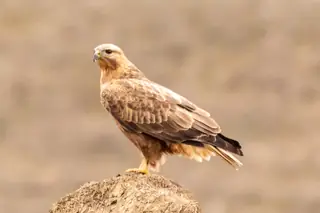 Long-legged Buzzard
-
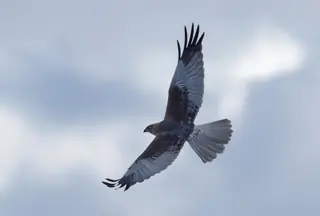 Western Marsh Harrier
-
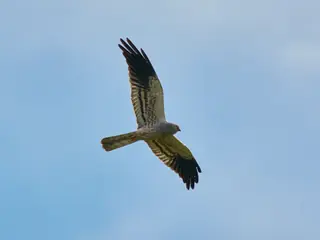 Montagu's Harrier
-
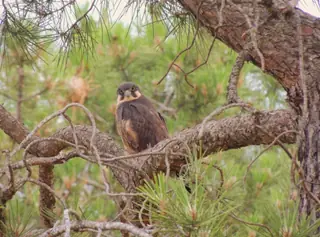 Eleonora's Falcon
-
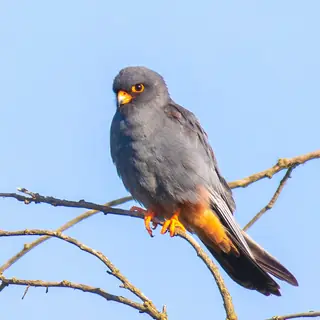 Red-footed Falcon
-
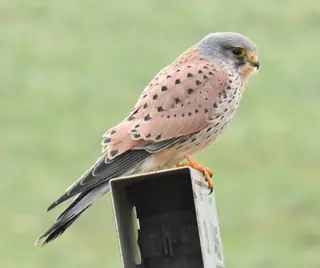 Common Kestrel
-
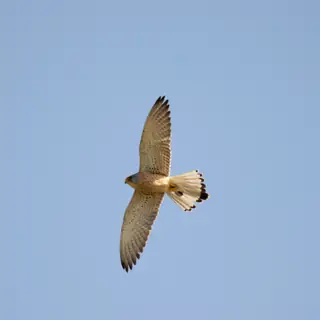 Lesser Kestrel
-
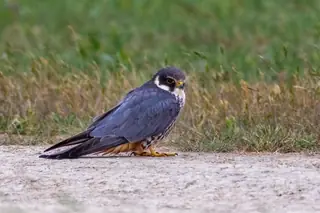 Eurasian Hobby
-
 Peregrine FalconRare
-
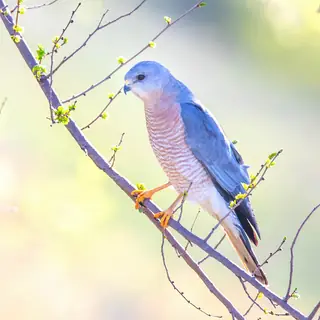 Levant SparrowhawkRare
-
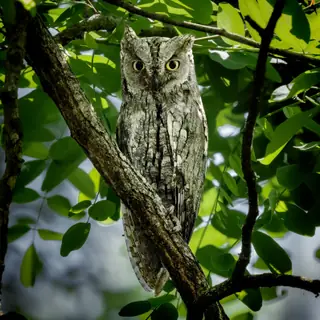 Eurasian Scops Owl
-
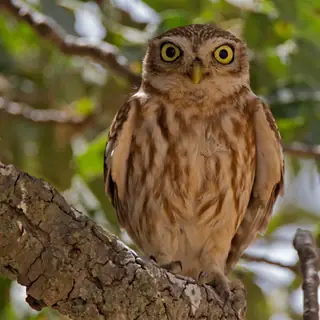 Little Owl
Pinewoods, groves and scrub 20
-
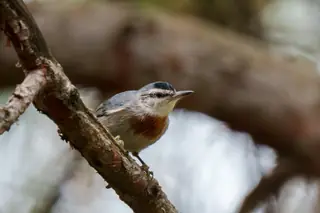 Krüper's Nuthatch
-
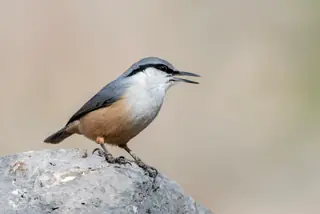 Western Rock Nuthatch
-
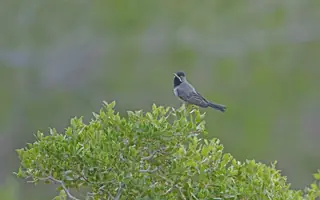 Rüppell's Warbler
-
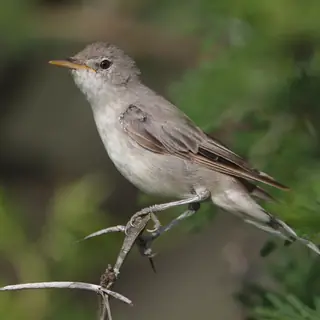 Olive-tree WarblerRare
-
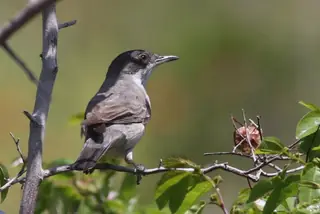 Eastern Orphean Warbler
-
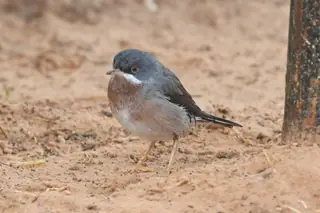 Eastern Subalpine Warbler
-
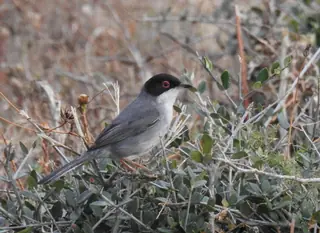 Sardinian Warbler
-
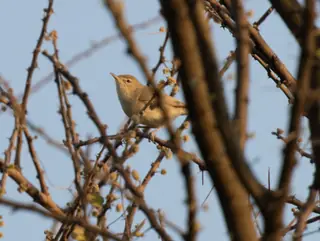 Eastern Olivaceous Warbler
-
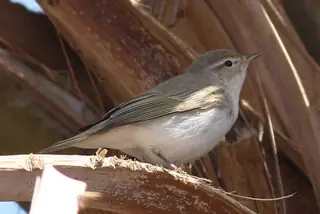 Eastern Bonelli's Warbler
-
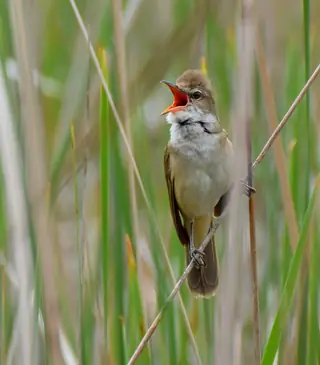 Great Reed Warbler
-
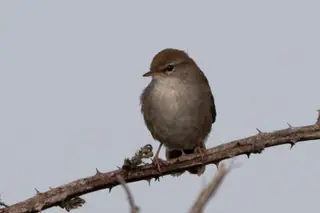 Cetti's Warbler
-
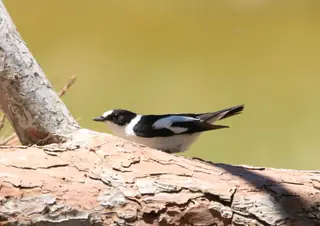 Collared Flycatcher
-
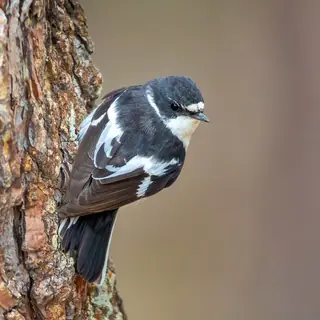 Semicollared FlycatcherRare
-
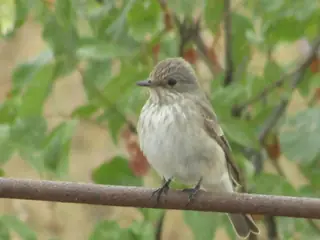 Spotted Flycatcher
-
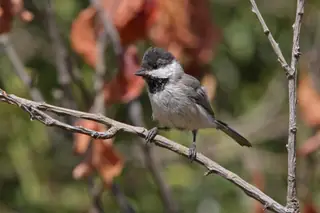 Sombre Tit
-
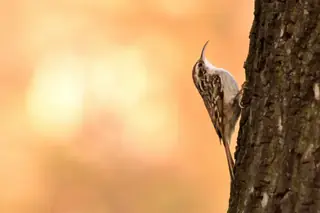 Short-toed Treecreeper
-
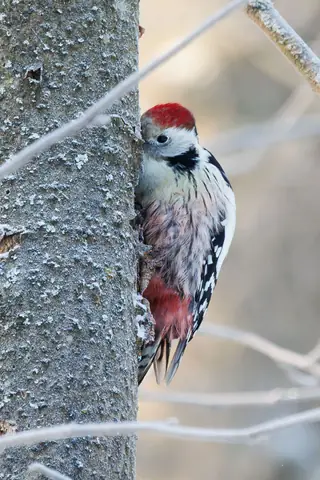 Middle Spotted Woodpecker
-
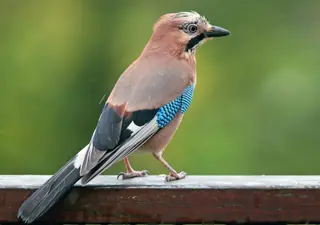 Eurasian Jay
-
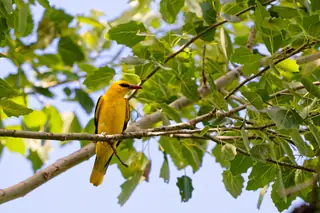 Eurasian Golden Oriole
-
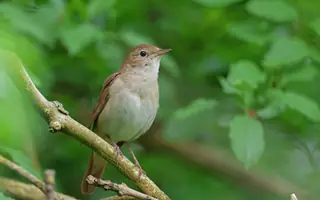 Common Nightingale
Shrikes, wheatears and open country 15
-
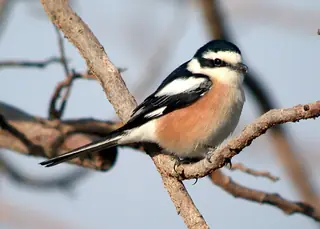 Masked Shrike
-
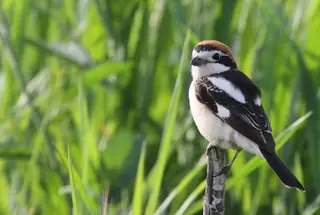 Woodchat Shrike
-
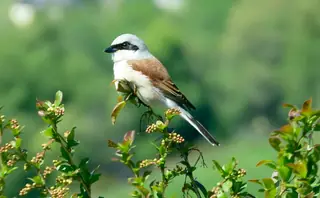 Red-backed Shrike
-
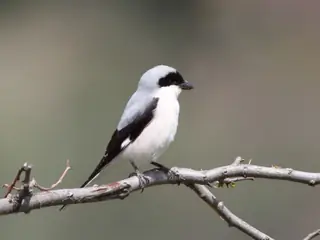 Lesser Grey Shrike
-
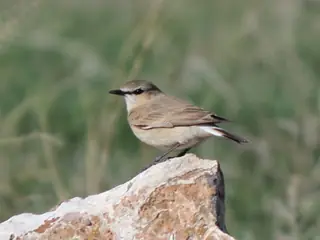 Isabelline Wheatear
-
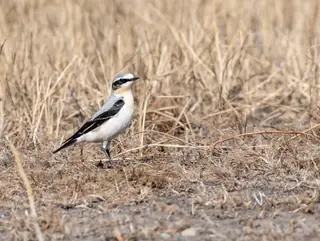 Northern Wheatear
-
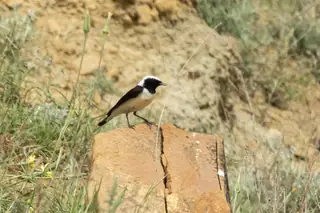 Eastern Black-eared Wheatear
-
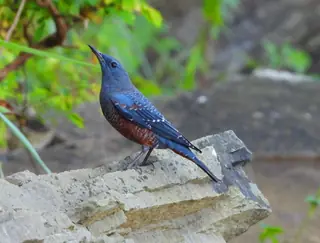 Blue Rock Thrush
-
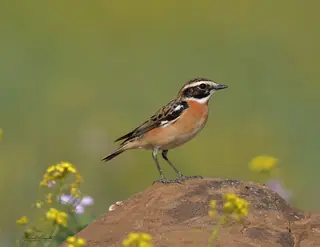 Whinchat
-
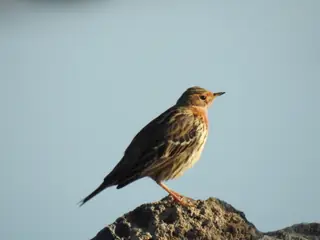 Red-throated Pipit
-
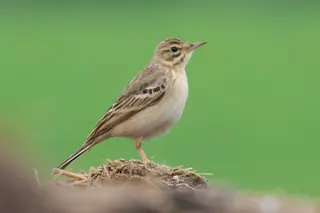 Tawny Pipit
-
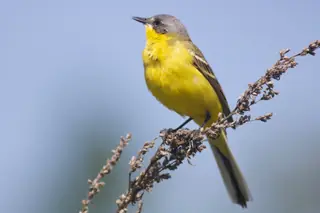 Western Yellow Wagtail
-
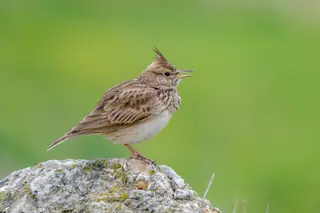 Crested Lark
-
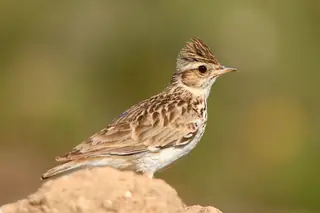 Woodlark
-
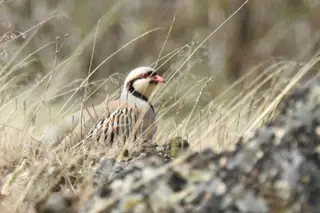 Chukar Partridge
Buntings, sparrows and finches 9
-
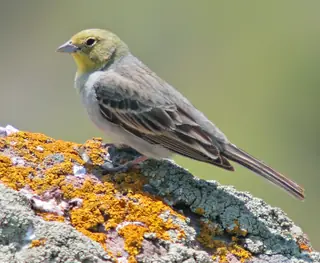 Cinereous Bunting
-
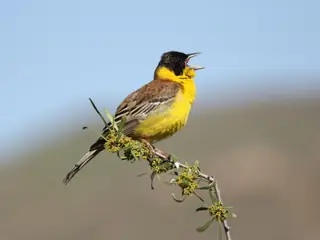 Black-headed Bunting
-
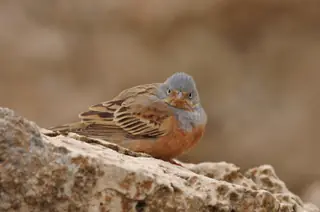 Cretzschmar's Bunting
-
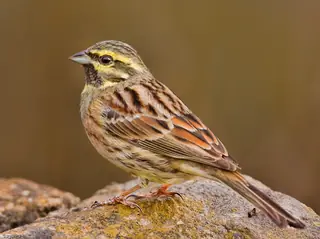 Cirl Bunting
-
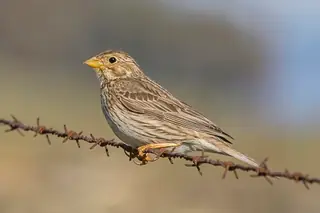 Corn Bunting
-
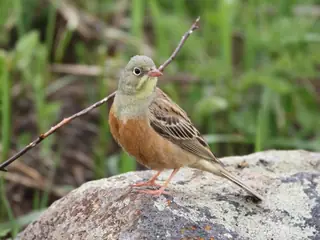 Ortolan BuntingRare
-
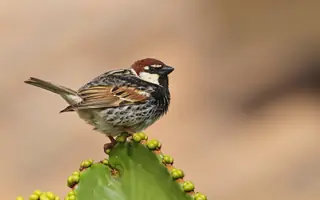 Spanish Sparrow
-
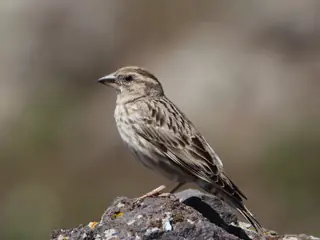 Rock Sparrow
-
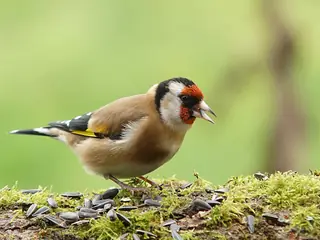 European Goldfinch
Bee-eaters, swifts, swallows and village birds 15
-
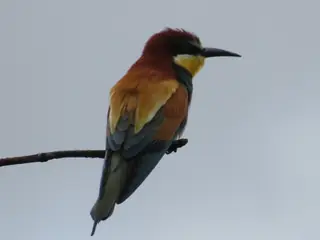 European Bee-eater
-
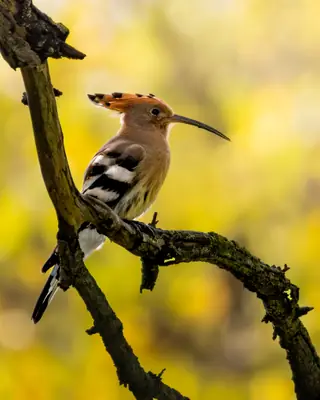 Common Hoopoe
-
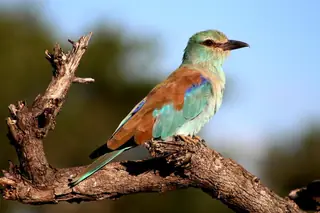 European RollerRare
-
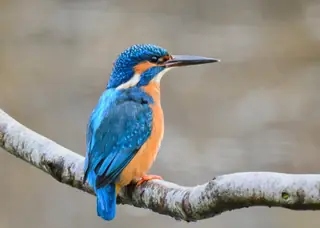 Common Kingfisher
-
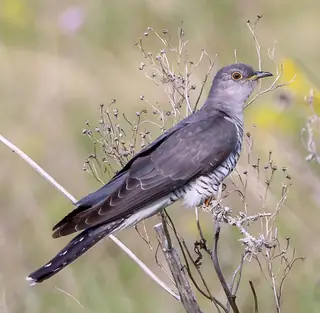 Common Cuckoo
-
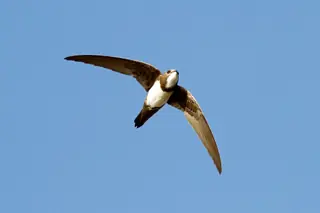 Alpine Swift
-
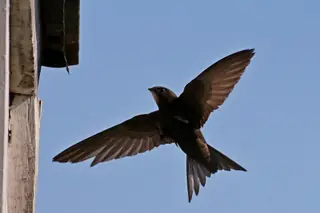 Common Swift
-
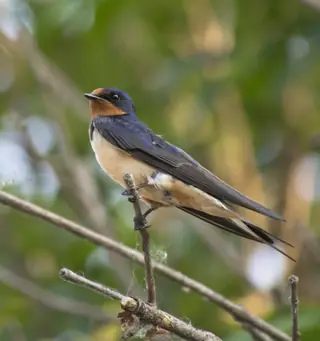 Barn Swallow
-
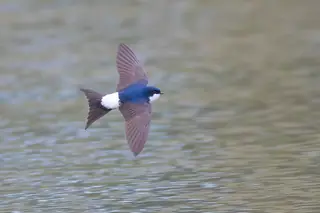 Western House Martin
-
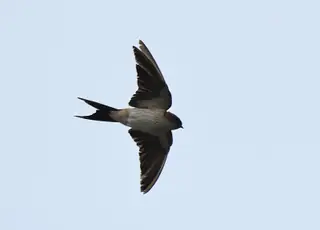 Red-rumped Swallow
-
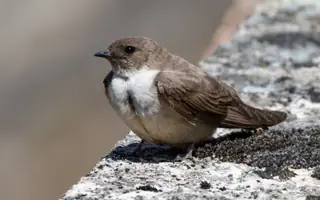 Eurasian Crag Martin
-
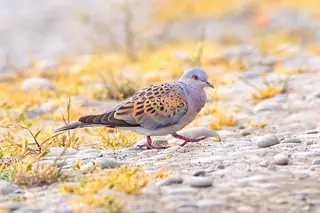 European Turtle Dove
-
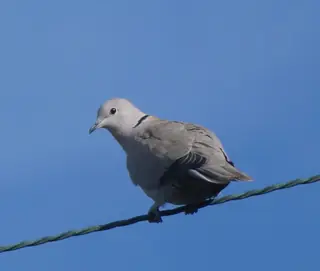 Eurasian Collared Dove
-
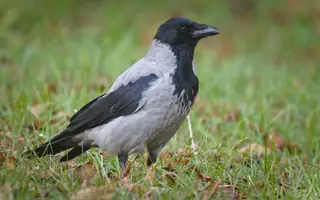 Hooded Crow
-
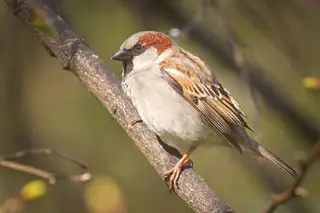 House Sparrow
Mammals 7
-
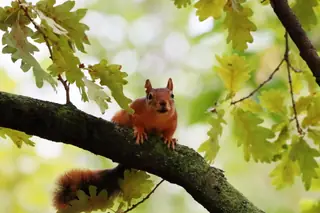 Caucasian Squirrel
-
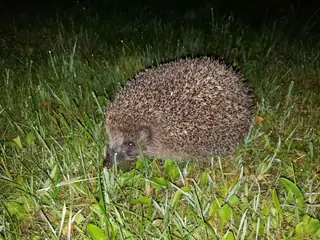 Northern White-breasted Hedgehog
-
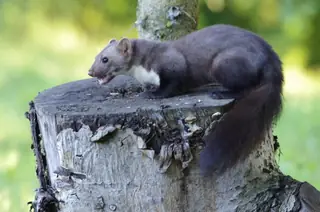 Beech MartenRare
-
 Red FoxRare
-
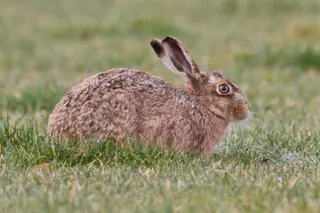 Brown Hare
-
 Kuhl's Pipistrelle
-
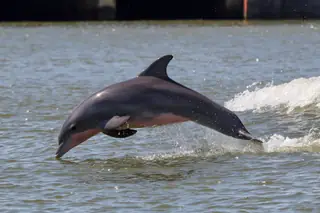 Common Bottlenose DolphinRare
Reptiles and amphibians 13
-
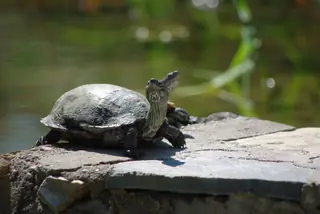 Balkan Pond Turtle
-
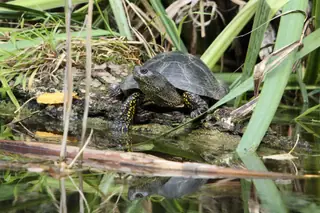 European Pond TurtleRare
-
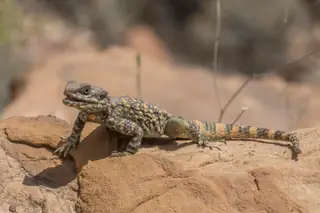 Roughtail Rock Agama
-
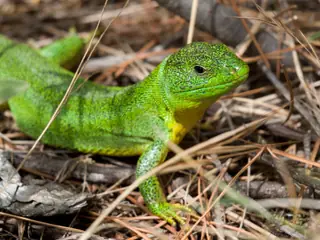 Balkan Green Lizard
-
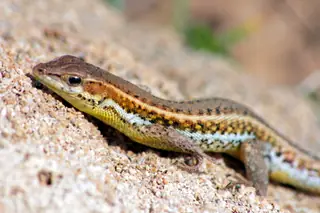 Snake-eyed Lizard
-
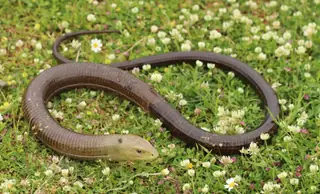 European Glass Lizard
-
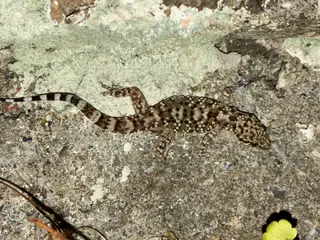 Mediterranean House Gecko
-
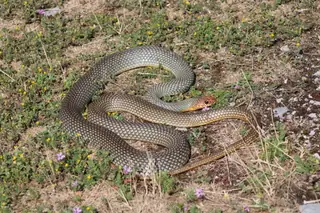 Caspian Whip Snake
-
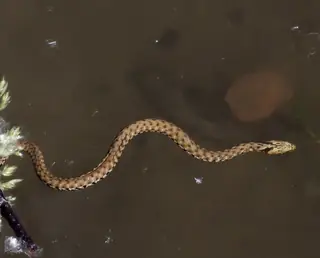 Dice Snake
-
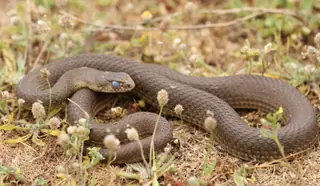 Eastern Montpellier SnakeRare
-
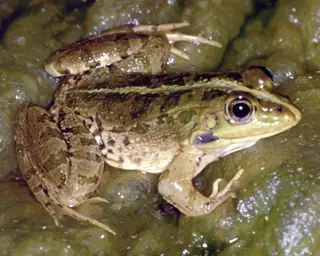 Levant Water Frog
-
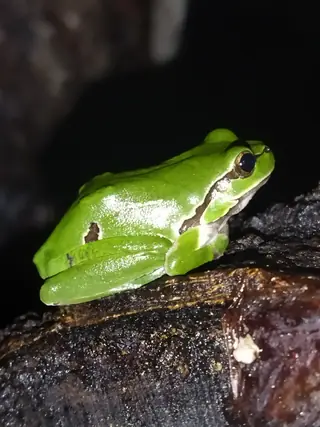 Shelkovnikov's Tree Frog
-
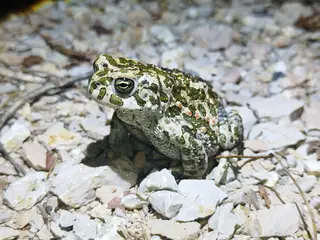 European Green Toad
Butterflies and dragonflies 9
-
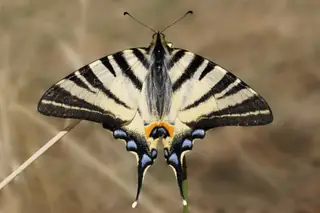 Scarce Swallowtail
-
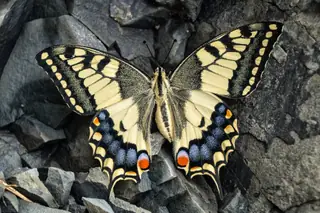 Old World Swallowtail
-
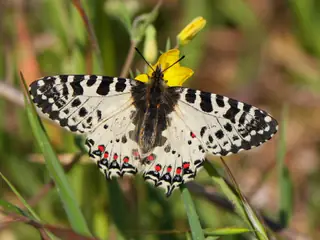 Eastern Festoon
-
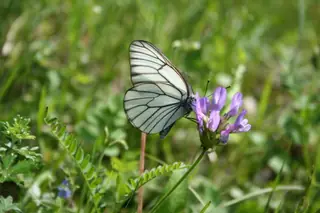 Black-veined White
-
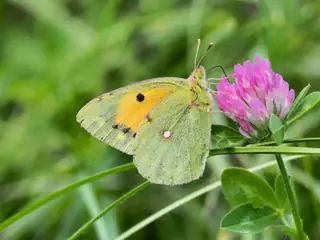 Clouded Yellow
-
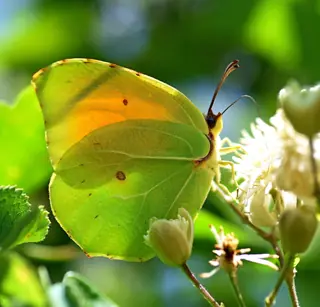 Cleopatra
-
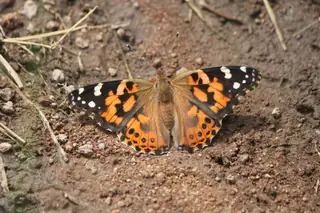 Painted Lady
-
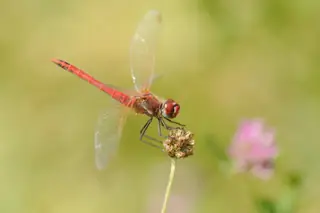 Red-veined Darter
-
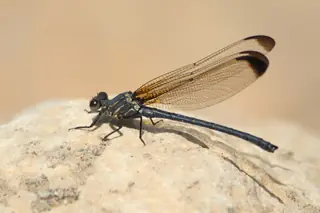 Odalisque
Best time to see wildlife in Lesvos
Sightings by month in Lesvos
Most records: Apr to MayRecords from GBIF.org, adjusted for how many people record wildlife each month. 100% is the busiest month.
Spring is the season on Lesvos. Migration starts in March and builds through April, when herons, waders and the greatest variety of species pass through; late April brings flocks of wood sandpipers, glossy ibises and red-throated pipits on the wet fields. The first half of May is the busiest time for birders, with red-footed falcons, marsh terns and late arrivals such as olive-tree warbler, and the breeding birds are singing everywhere. The island is green and full of flowers, and butterflies and reptiles are out. Summer, June to August, is hot and dry, so go out early and late. September and October bring a quieter autumn passage of raptors and storks. In winter flamingos and ducks gather in the Gulf of Kalloni and on the salt pans.
- MarFirst migrants, flowers and eastern festoon butterflies
- AprMain passage; herons, waders, flycatchers, the most variety mid-month
- MayBusiest fortnight; red-footed falcons, marsh terns, late breeders
- Jun to AugHot and dry; breeding birds, Eleonora's falcons, go out early
- Sep to OctAutumn passage of raptors and storks; quieter and warm
- Nov to FebWinter flamingos and ducks on the gulf and salt pans
Tips for spotting wildlife in Lesvos
- 01
Use the car as a hide at the salt pans
Drive the tracks around the Kalloni salt pans slowly and watch from the car. Waders, stilts, terns and flamingos tolerate a parked vehicle far better than a person on foot.
- 02
Check the river mouths early
The reedy river mouths around the Gulf of Kalloni are best in the first hours of the day, for little bitterns, squacco herons, purple herons and warblers. Find a quiet spot and wait.
- 03
Head west for buntings and warblers
The bare, rocky west around Ipsilou and Sigri holds cinereous and Cretzschmar's buntings, Rüppell's warbler and isabelline wheatears. Keep to tracks and stay off the slopes where birds nest.
- 04
Stay out for the evening falcons
From late April, Eleonora's falcons hunt insects over ridges and headlands in the last hours of daylight. Scan the sea from a western headland at the same time for passing shearwaters.
- 05
Listen after dark
Warm spring nights bring the soft whistle of scops owls, chorusing tree frogs and hunting bats. Listen from where you are staying rather than searching or playing calls.
- 06
Respect the farmland
Much of the island is private olive groves and grazing land. Park off the road, keep gates as you find them and stay on public tracks.

Take Lesvos with you
Birding on Lesvos this spring? Keep this list on your phone and tick off each migrant as it turns up at the salt pans, even with no signal. Wilder is free to start.

Lesvos wildlife FAQ
When is the best time to go birdwatching on Lesvos?
The best time to go birdwatching on Lesvos is mid-April to mid-May, during spring migration. Mid-April has the greatest variety of passage birds, and the first week of May is the busiest, with late arrivals and the breeding birds singing. September and October offer a quieter autumn passage, and winter brings flamingos and wildfowl to the gulf.
What birds can you see on Lesvos?
You can see flamingos, herons, waders, Eleonora's and red-footed falcons, masked shrikes, bee-eaters, rollers and many warblers and buntings on Lesvos. About 325 bird species have been recorded on the island. This checklist covers 143 animals, including mammals, reptiles and butterflies as well as birds.
Where is the best birdwatching on Lesvos?
The best birdwatching on Lesvos is around the Gulf of Kalloni, in the middle of the island, where the salt pans, river mouths and wet fields hold waders, herons and terns. The dry, rocky west is the place for buntings, wheatears and Rüppell's warbler. The wooded east and centre suit woodland birds and the island's squirrels.
Can you see Krüper's nuthatch on Lesvos?
Yes, Lesvos is the only place in the European Union where Krüper's nuthatch breeds. A small population lives in the island's pine forests, feeding high in the trees. Watch quietly from tracks and paths, never wait beside a nest hole, and give the birds space to come and go.
Is there wildlife on Lesvos besides birds?
Yes, Lesvos has wildlife from both Europe and Asia. It is the only place in Europe with the Caucasian (Persian) squirrel, and Balkan pond turtles bask in almost every river. Look for roughtail rock agamas on walls, Balkan green lizards by streams, and in spring plenty of butterflies and dragonflies.
Sources
- BirdLife International: Kalloni Gulf, Lesvos Important Bird Area
- Vrisa Natural History Collection, University of Athens: Lesvos today
- Lesvos.com: Bird watching on Lesvos
- Sightings by month: GBIF.org
Animal photos are from the Wilder catalogue; photo credits.
Similar checklists
All Europe-
 Reserve104animals Danube Delta Biosphere Reserve Tulcea, Romania Europe's largest wetland, where the Danube meets the Black Sea: pelican colonies, reedbeds full of herons and warblers, and rollers and bee-eaters on the sandy ridges. Best time May to Jun
-
 Region103animals Camargue Bouches-du-Rhône and Gard, Provence, France The Rhône delta: lagoons pink with flamingos, reedbeds full of herons and warblers, and salt marshes where bee-eaters and rollers hunt. Best time Apr to Jun
-
 National park72animals Doñana National Park Andalucía, Spain The great marshes of the Guadalquivir: flamingos, spoonbills and imperial eagles, and the best place in the world to hope for an Iberian lynx. Best time Mar to May
-
 Reserve91animals Sierra de Andújar Natural Park Jaén, Andalucía, Spain Granite hills, holm oak dehesa and the Jándula river in the Sierra Morena: the best place in the world to watch a wild Iberian lynx, with imperial eagles and black vultures overhead. Best time Dec to Feb