National park · Hajdú-Bihar · Hungary
Hortobágy Wildlife Checklist

Hortobágy National Park is the great puszta of eastern Hungary, the largest alkaline grassland left in Europe and a UNESCO World Heritage site. In autumn tens of thousands of cranes and wild geese gather on its fishponds and wetlands. In spring and summer it is known for red-footed falcons, rollers, saker falcons, great bustards and busy fishponds full of herons, terns and pygmy cormorants. This checklist covers 146 animals. Mid-April to June and late September to November are best.
Tick off all 146 animals in Hortobágy on your phone, even offline. Launching soon. Free A4 PDF, no sign-up.
Most visitors stay in or around Hortobágy village, by the Nine-Arch Bridge, with Balmazújváros to the east and Tiszafüred and Lake Tisza to the west. The park is a flat mix of short grazed grassland, alkaline flats, marshes and big fishponds, with herds of grey cattle and racka sheep. Much of it is protected and closed, so use the open roads, trails, hides and the park's guided trips.
- Animals to find
- 146
- Where
- Hungary
- Best time
- Apr to Jun, Sept to Nov
- Park area
- Nearly 80,000 ha
Popular animals in Hortobágy
-
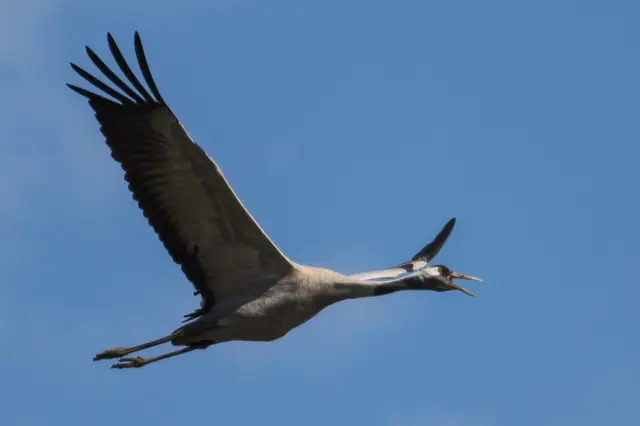
Common Crane
Grus grus
Tens of thousands roost on the fishponds and wetlands from late September to November. Watch the noisy evening flights come in from a road or hide, and never walk out towards feeding flocks.
-
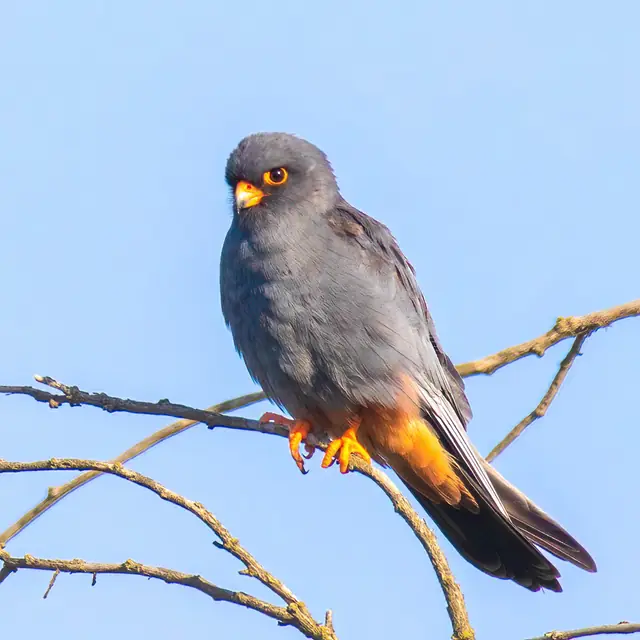
Red-footed Falcon
Falco vespertinus
A small falcon that nests in loose colonies in the tree lines of the puszta, April to September. Slate-grey males with red trousers hover and hunt insects over the grassland.
-
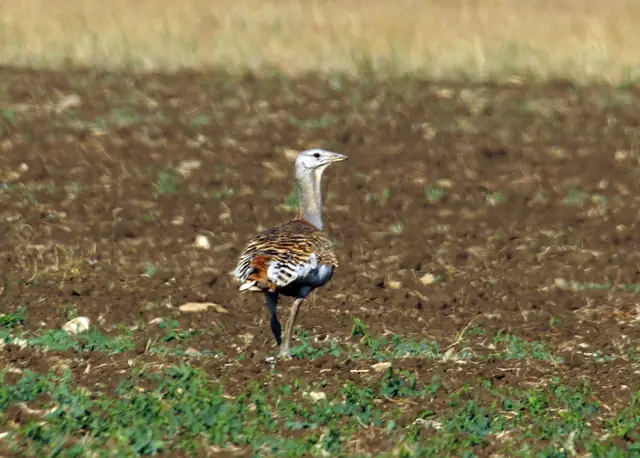
Great Bustard
Otis tarda
One of the heaviest flying birds in the world. A small flock lives on the open grassland; see it on a guided trip with the park, staying in the vehicle, as bustards flush easily.
-
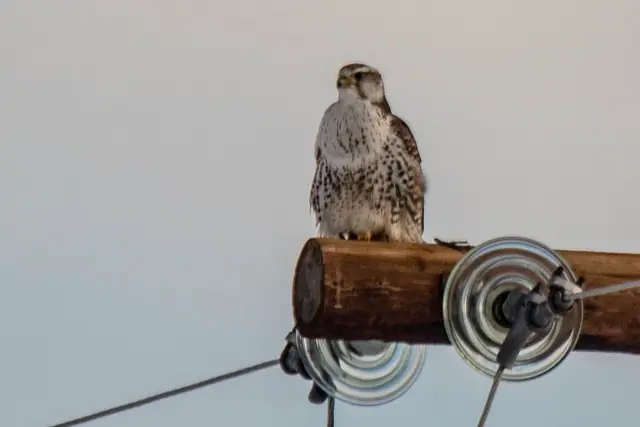
Saker Falcon
Falco cherrug
A big, powerful falcon of the open plains, hunting sousliks and pigeons. Watch from roads and tracks, and keep well away from any nest.
-
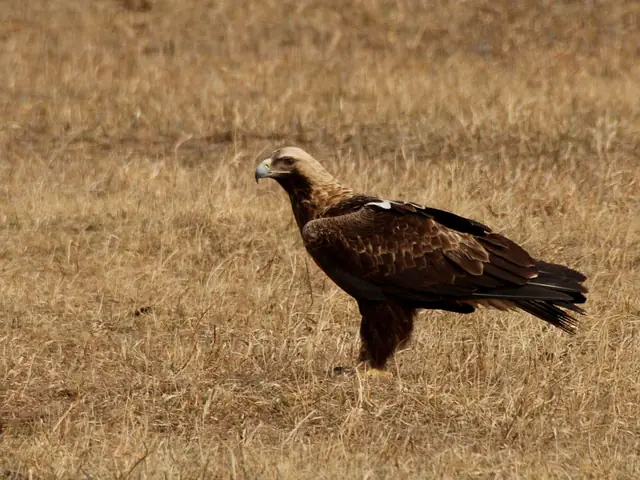
Eastern Imperial Eagle
Aquila heliaca
A dark eagle with a pale crown, perched on lone trees and pylons on the plains. Most often seen in autumn and winter.
-
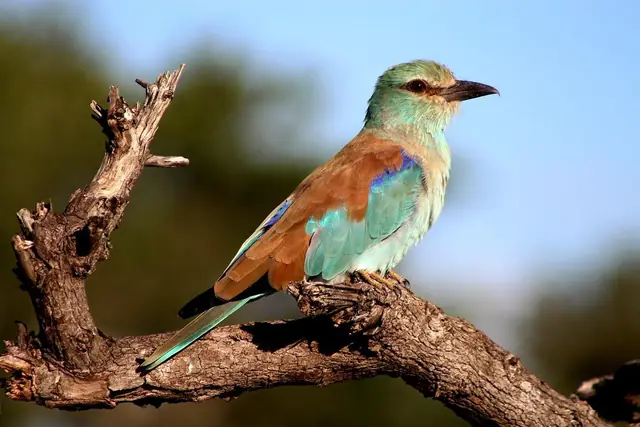
European Roller
Coracias garrulus
A brilliant blue bird on wires and posts across the puszta, May to August. Many nest in boxes put up for them.
-
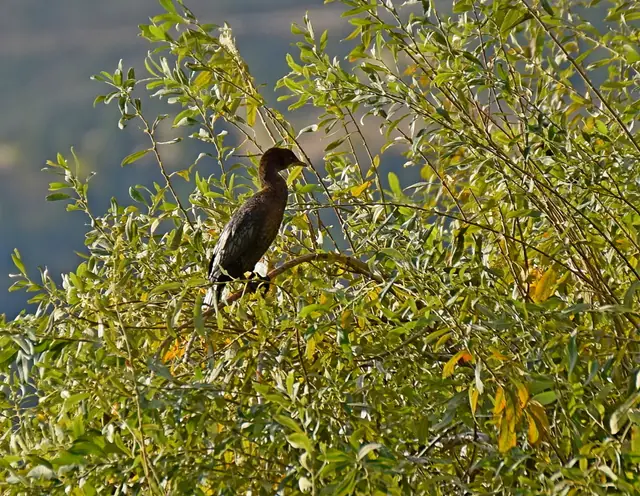
Pygmy Cormorant
Microcarbo pygmaeus
A small, dark cormorant perched on reeds and posts around the fishponds, common in summer and autumn.
-
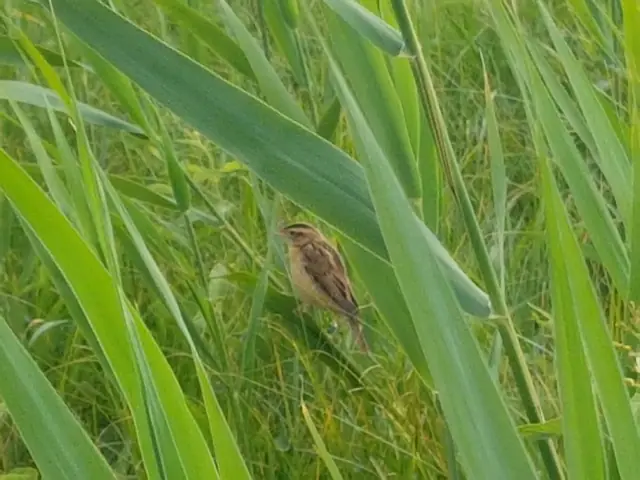
Aquatic Warbler
Acrocephalus paludicola
One of the rarest songbirds in Europe, living in strictly protected sedge marshes. It is only seen on guided visits run by the park in May and June.
-
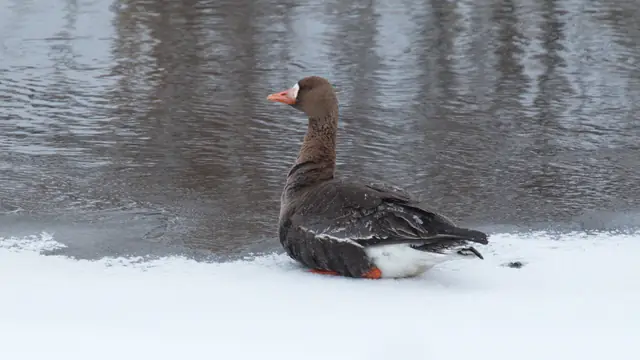
Greater White-fronted Goose
Anser albifrons
Huge flocks arrive in October and fly out to feed at dawn and back to roost at dusk. Scan them for the rare lesser white-fronted goose.
-
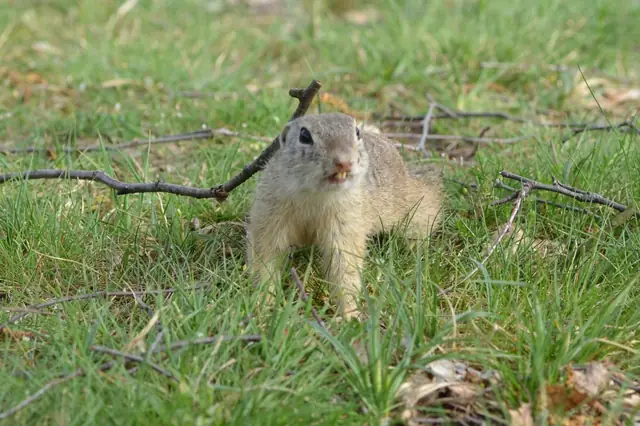
European Ground Squirrel
Spermophilus citellus
Also called the European souslik. Colonies live on short, grazed grassland, where they stand upright by their burrows on sunny days, March to September.
-
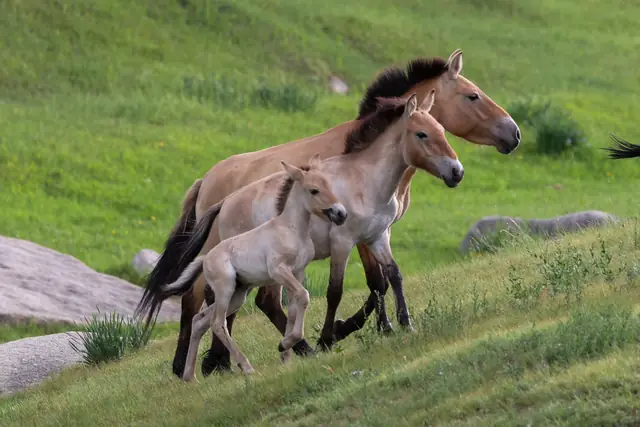
Przewalski's Horse
Equus ferus
The wild horse of the Asian steppes. A large free-living herd roams a fenced reserve inside the park and is seen on guided tours.
All 146 animals in Hortobágy
Cranes, bustards and open plains 14
-
 Common Crane
-
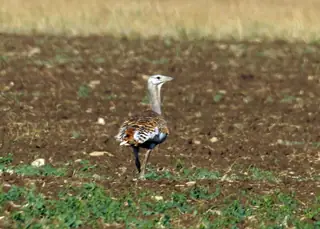 Great BustardRare
-
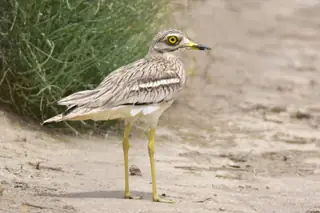 Eurasian Stone-curlew
-
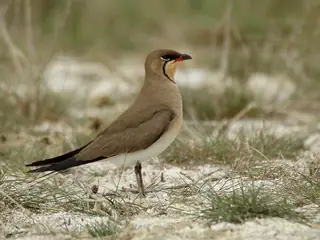 Collared Pratincole
-
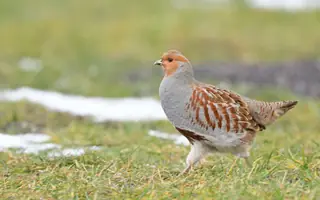 Grey Partridge
-
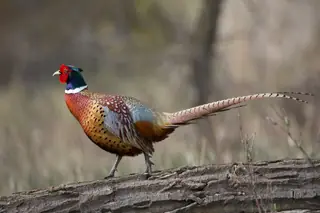 Ring-necked Pheasant
-
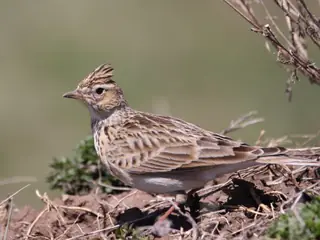 Eurasian Skylark
-
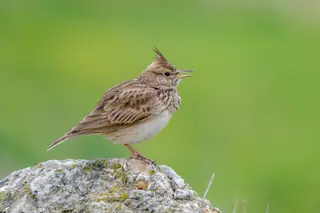 Crested Lark
-
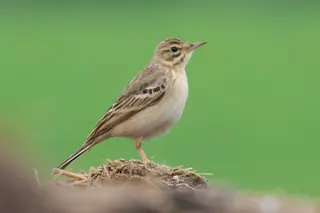 Tawny Pipit
-
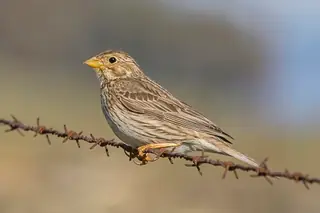 Corn Bunting
-
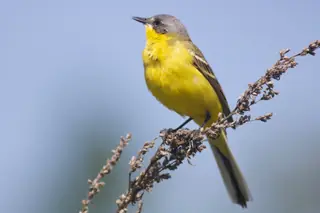 Western Yellow Wagtail
-
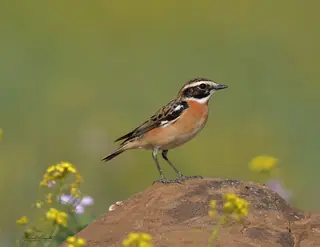 Whinchat
-
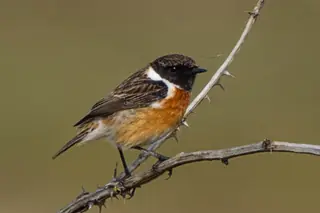 European Stonechat
-
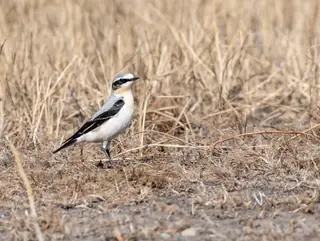 Northern Wheatear
Birds of prey and owls 15
-
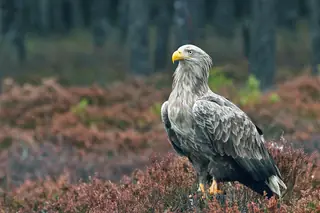 White-tailed Eagle
-
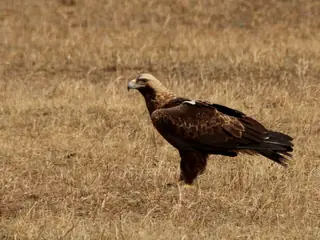 Eastern Imperial Eagle
-
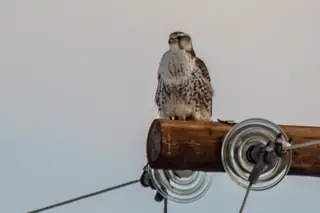 Saker Falcon
-
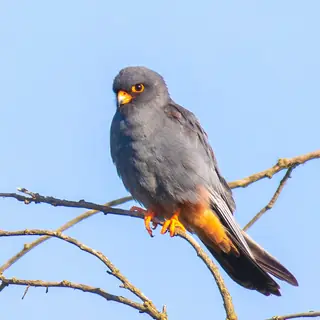 Red-footed Falcon
-
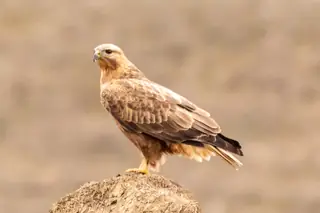 Long-legged Buzzard
-
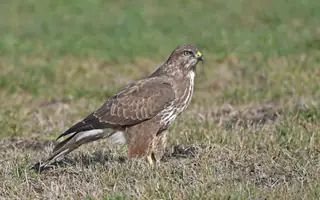 Common Buzzard
-
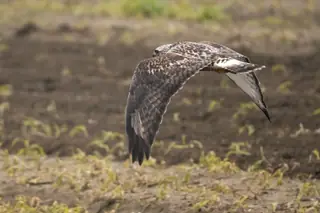 Rough-legged Buzzard
-
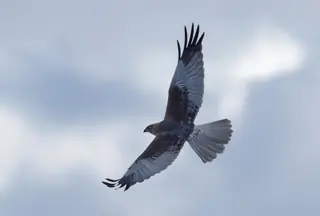 Western Marsh Harrier
-
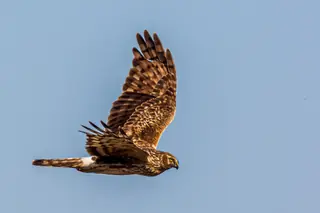 Hen Harrier
-
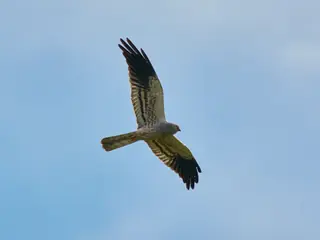 Montagu's Harrier
-
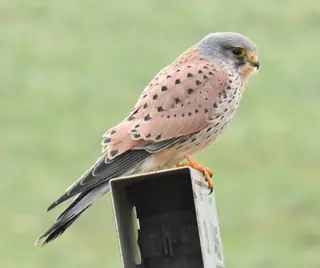 Common Kestrel
-
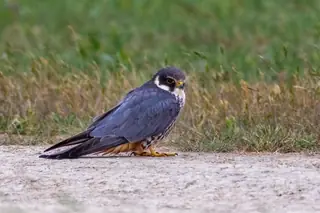 Eurasian Hobby
-
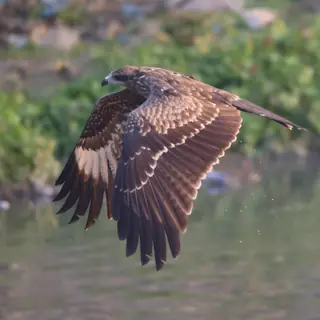 Black Kite
-
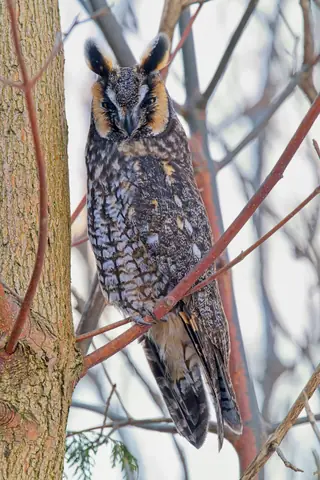 Long-eared Owl
-
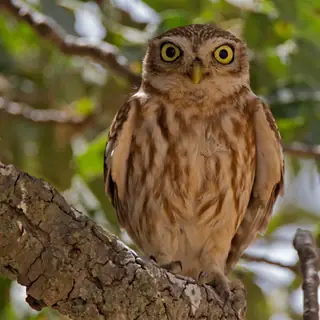 Little Owl
Herons, storks and cormorants 15
-
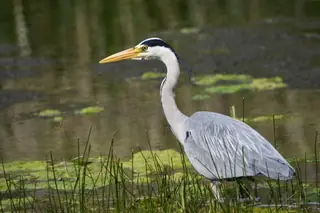 Grey Heron
-
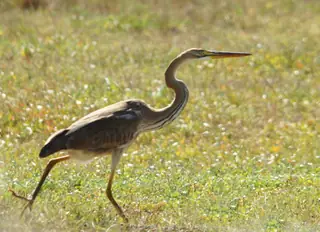 Purple Heron
-
 Great Egret
-
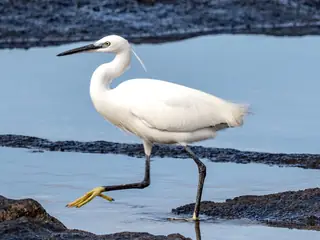 Little Egret
-
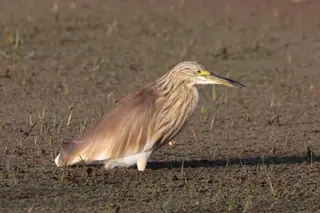 Squacco Heron
-
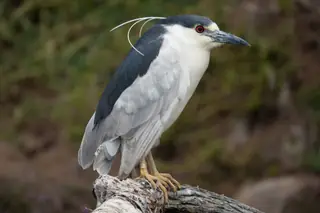 Black-crowned Night Heron
-
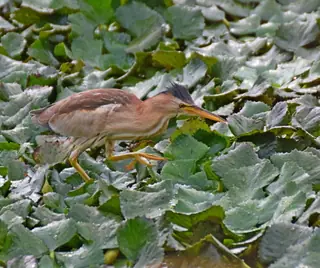 Little Bittern
-
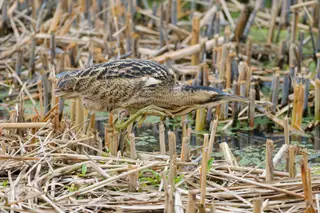 Eurasian Bittern
-
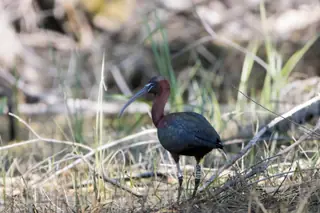 Glossy Ibis
-
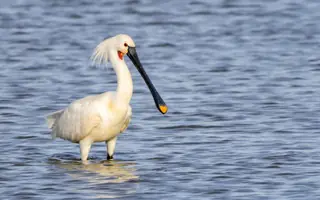 Eurasian Spoonbill
-
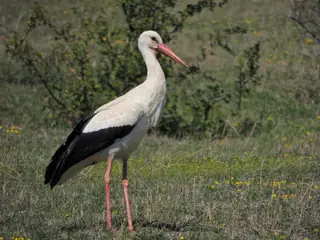 White Stork
-
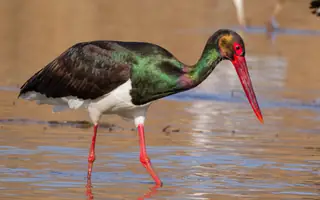 Black Stork
-
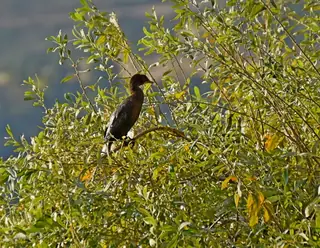 Pygmy Cormorant
-
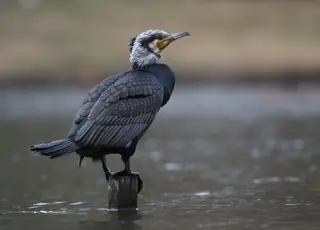 Great Cormorant
-
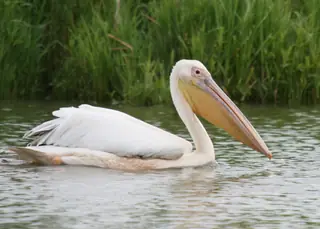 Great White PelicanRare
Geese, ducks, grebes and rails 19
-
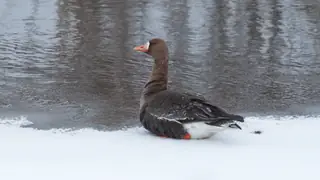 Greater White-fronted Goose
-
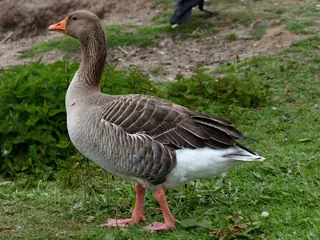 Greylag Goose
-
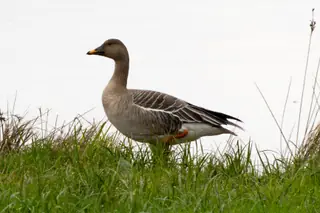 Tundra Bean Goose
-
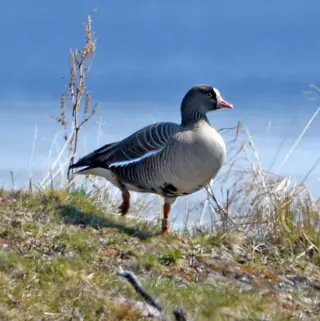 Lesser White-fronted GooseRare
-
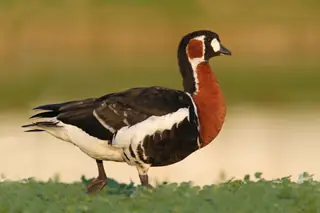 Red-breasted GooseRare
-
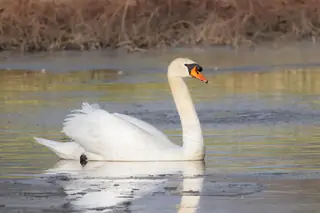 Mute Swan
-
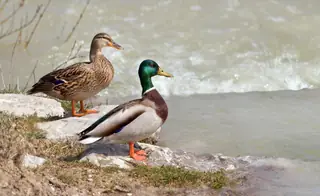 Mallard
-
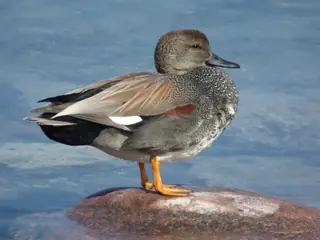 Gadwall
-
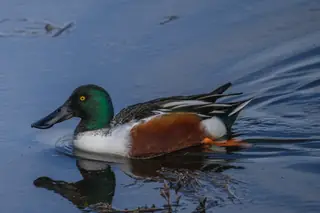 Northern Shoveler
-
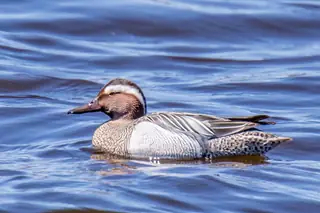 Garganey
-
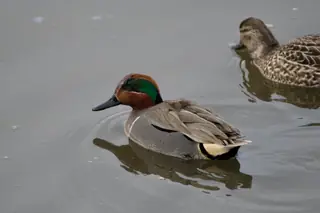 Eurasian Teal
-
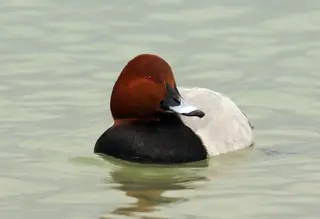 Common Pochard
-
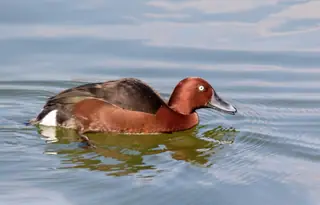 Ferruginous Duck
-
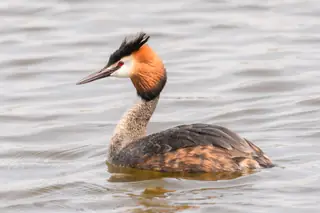 Great Crested Grebe
-
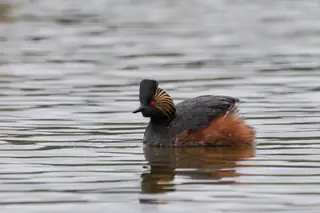 Black-necked Grebe
-
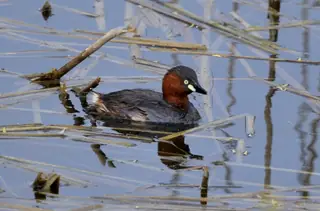 Little Grebe
-
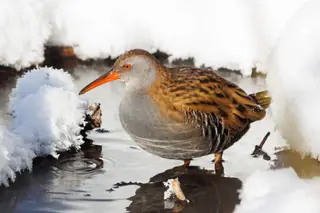 Water Rail
-
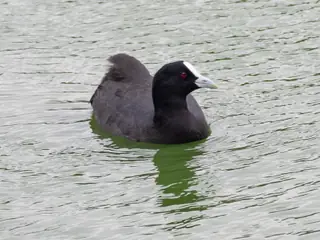 Eurasian Coot
-
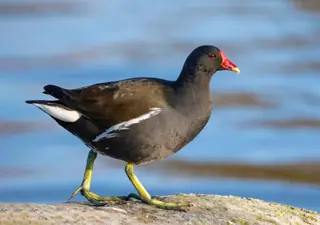 Common Moorhen
Waders, gulls and terns 17
-
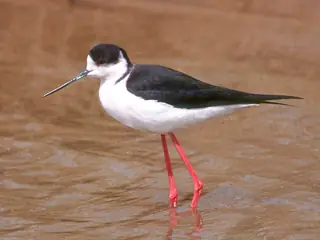 Black-winged Stilt
-
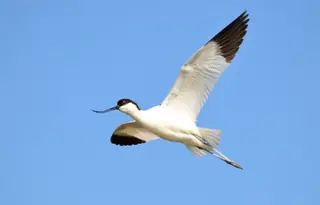 Pied Avocet
-
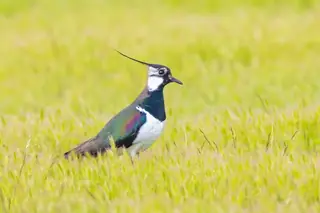 Northern Lapwing
-
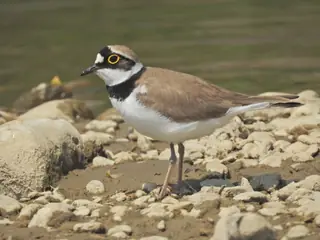 Little Ringed Plover
-
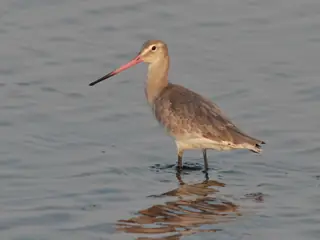 Black-tailed Godwit
-
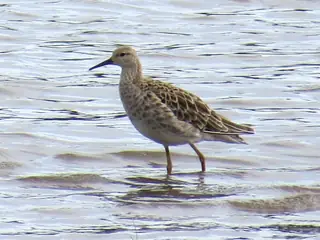 Ruff
-
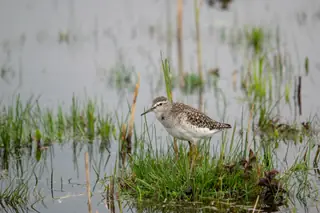 Wood Sandpiper
-
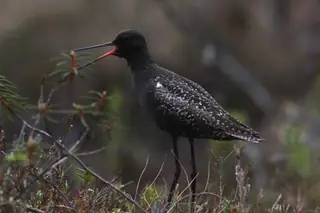 Spotted Redshank
-
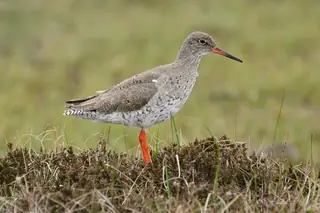 Common Redshank
-
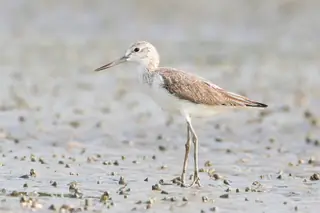 Common Greenshank
-
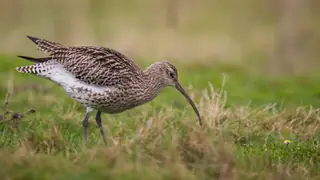 Eurasian Curlew
-
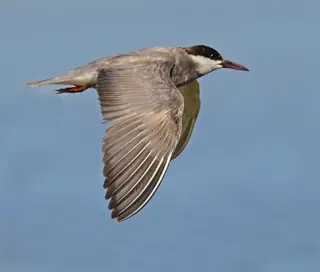 Whiskered Tern
-
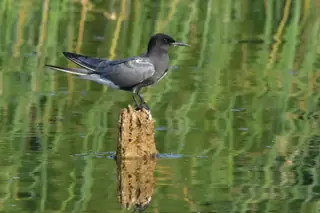 Black Tern
-
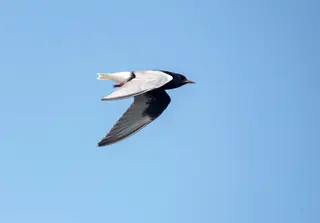 White-winged Tern
-
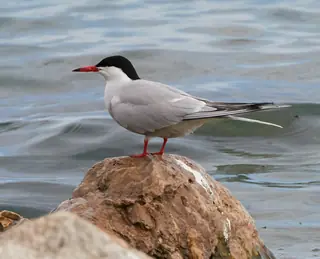 Common Tern
-
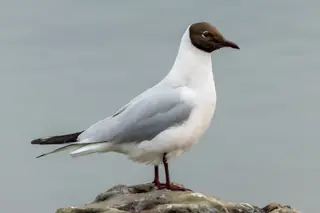 Black-headed Gull
-
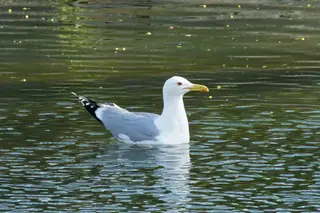 Caspian Gull
Reedbed birds 11
-
 Aquatic WarblerRare
-
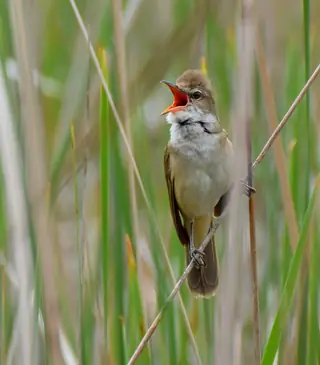 Great Reed Warbler
-
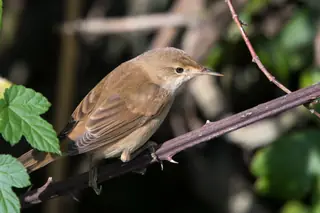 Common Reed Warbler
-
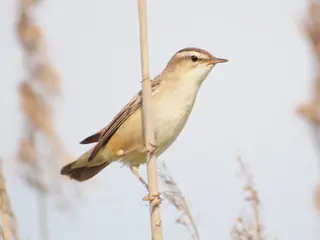 Sedge Warbler
-
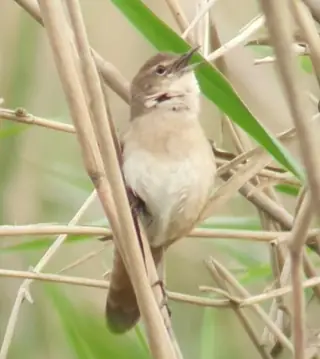 Savi's Warbler
-
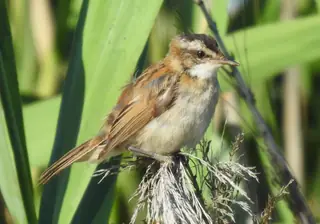 Moustached Warbler
-
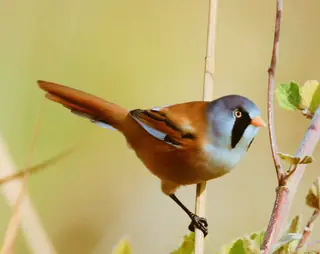 Bearded Reedling
-
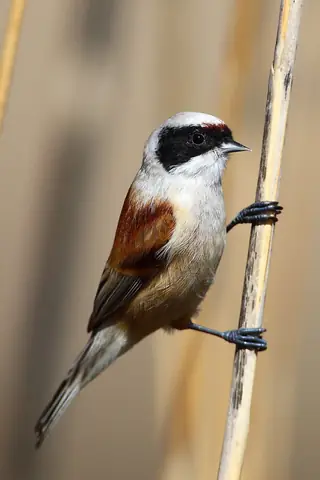 Eurasian Penduline Tit
-
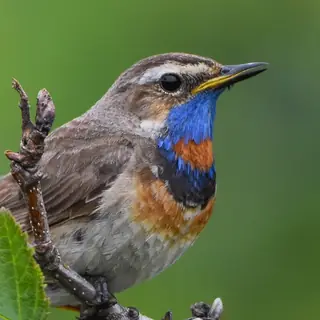 Bluethroat
-
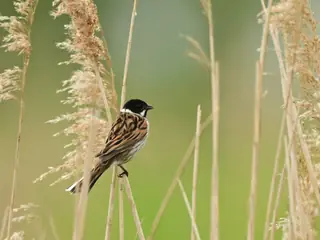 Common Reed Bunting
-
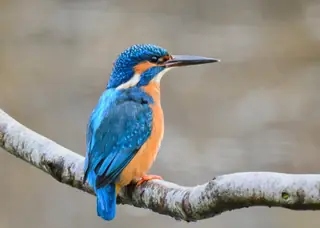 Common Kingfisher
Rollers, shrikes and village birds 25
-
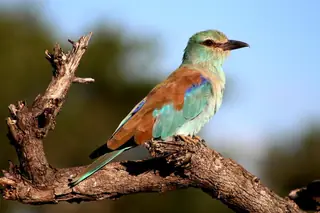 European Roller
-
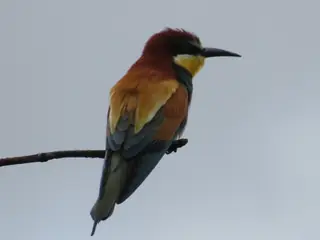 European Bee-eater
-
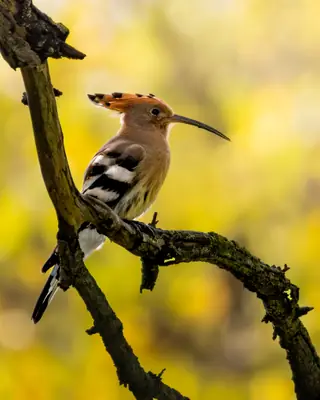 Common Hoopoe
-
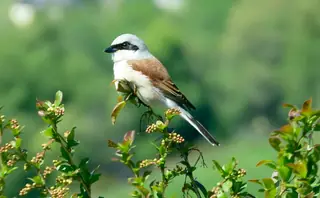 Red-backed Shrike
-
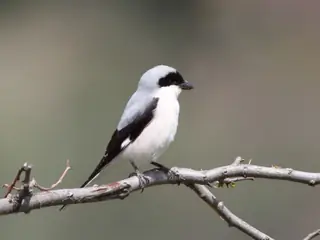 Lesser Grey Shrike
-
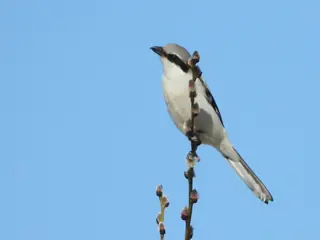 Great Grey Shrike
-
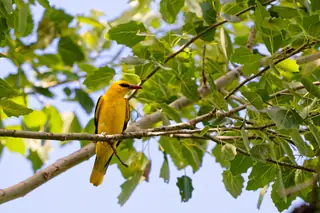 Eurasian Golden Oriole
-
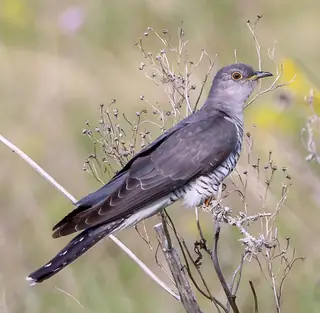 Common Cuckoo
-
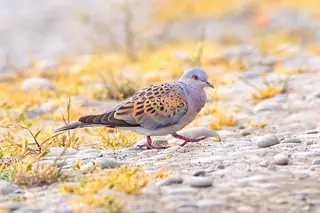 European Turtle Dove
-
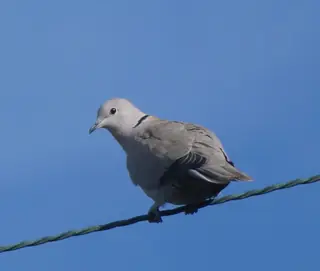 Eurasian Collared Dove
-
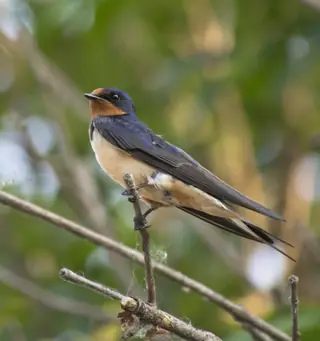 Barn Swallow
-
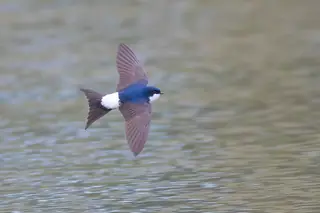 Western House Martin
-
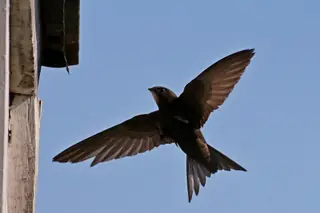 Common Swift
-
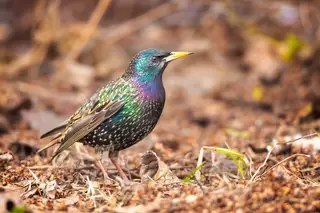 European Starling
-
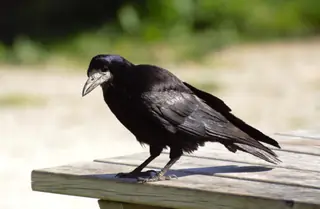 Rook
-
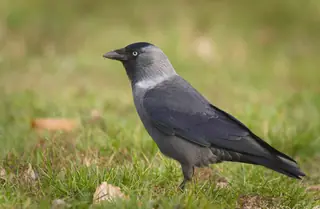 Western Jackdaw
-
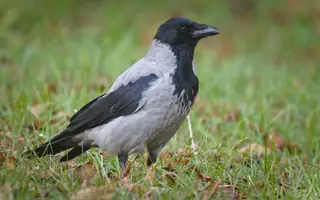 Hooded Crow
-
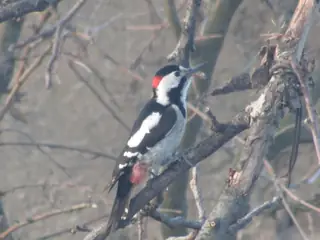 Syrian Woodpecker
-
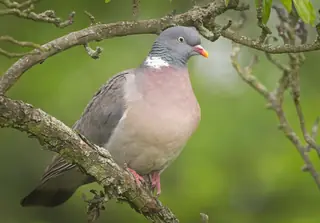 Common Wood Pigeon
-
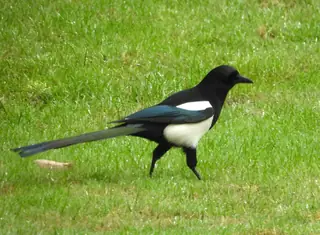 Eurasian Magpie
-
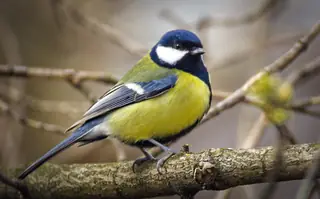 Great Tit
-
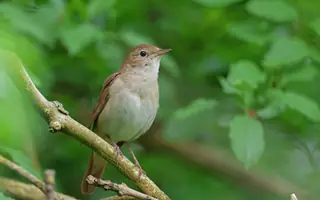 Common Nightingale
-
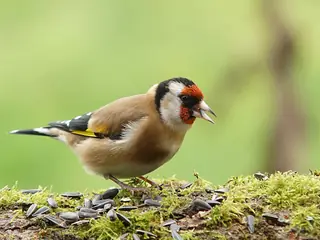 European Goldfinch
-
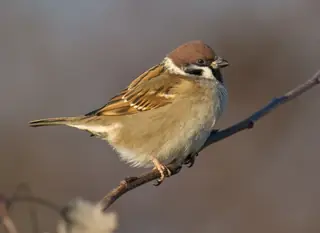 Eurasian Tree Sparrow
-
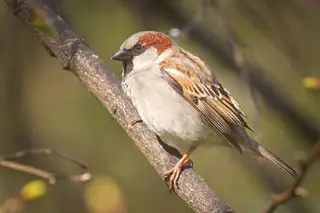 House Sparrow
Mammals 12
-
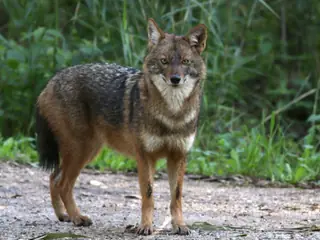 Golden Jackal
-
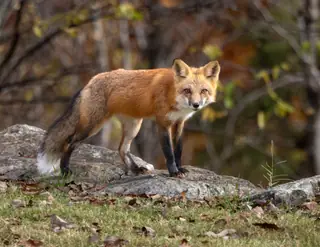 Red Fox
-
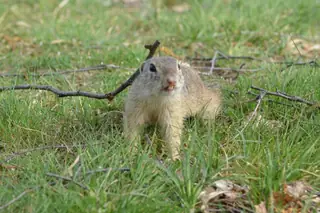 European Ground Squirrel
-
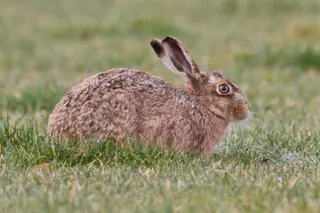 Brown Hare
-
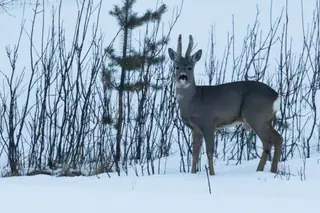 Roe Deer
-
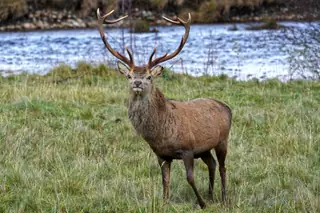 Red Deer
-
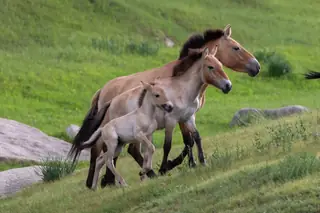 Przewalski's Horse
-
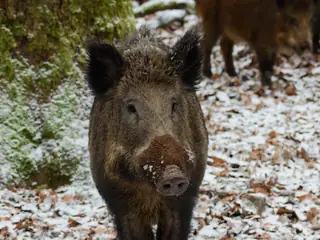 Wild Boar
-
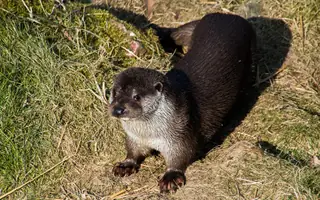 Eurasian Otter
-
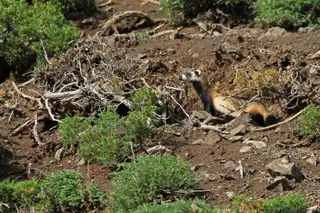 Steppe PolecatRare
-
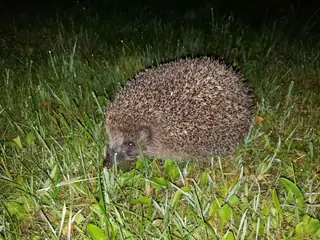 Northern White-breasted Hedgehog
-
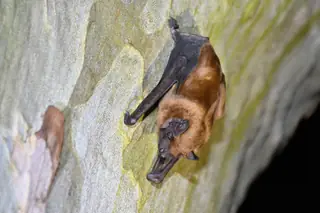 Noctule Bat
Reptiles and amphibians 9
-
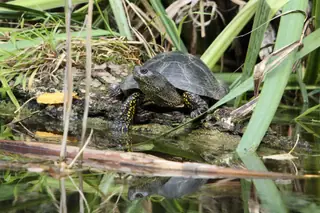 European Pond Turtle
-
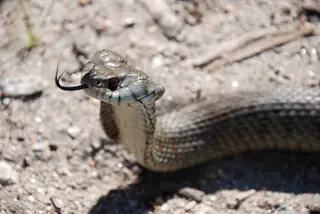 Eastern Grass Snake
-
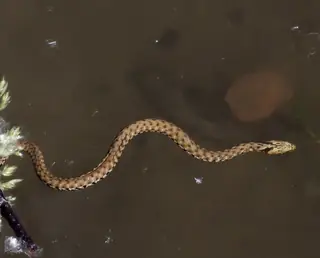 Dice Snake
-
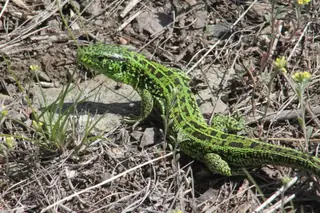 Sand Lizard
-
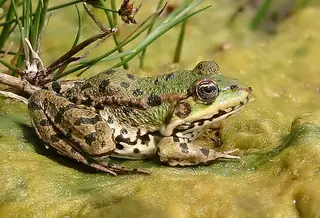 Marsh Frog
-
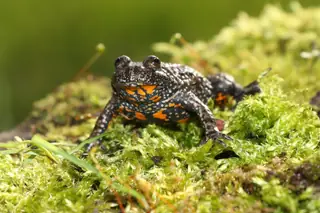 European Fire-bellied Toad
-
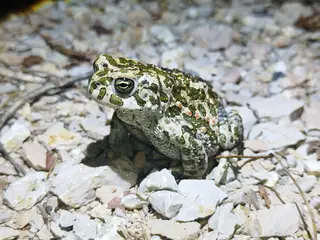 European Green Toad
-
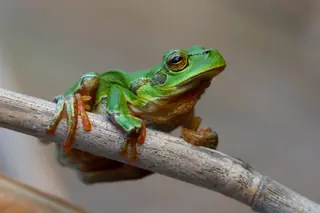 European Tree Frog
-
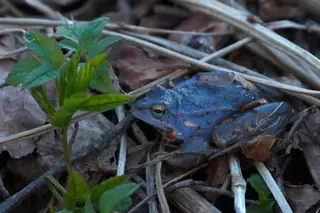 Moor Frog
Butterflies and dragonflies 9
-
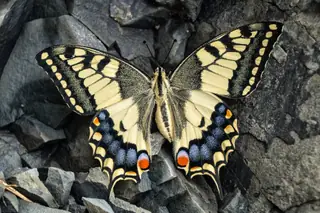 Old World Swallowtail
-
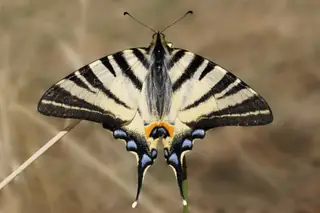 Scarce Swallowtail
-
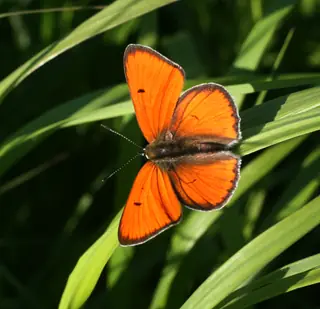 Large Copper
-
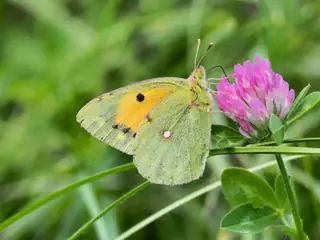 Clouded Yellow
-
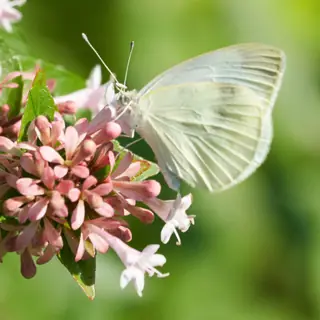 Cabbage White
-
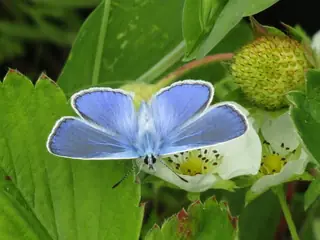 Common Blue
-
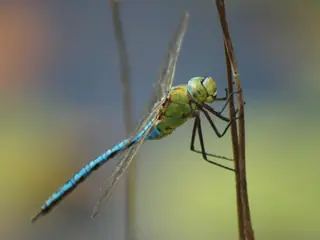 Emperor Dragonfly
-
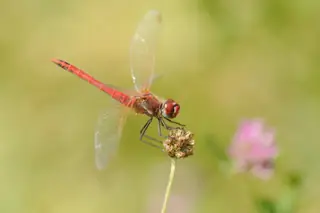 Red-veined Darter
-
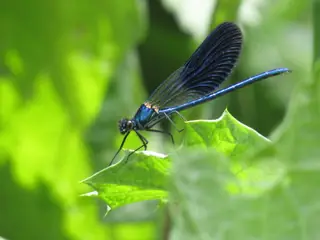 Banded Demoiselle
Best time to see wildlife in Hortobágy
Sightings by month in Hortobágy
Most records: Apr to AugRecords from GBIF.org, adjusted for how many people record wildlife each month. 100% is the busiest month.
Hortobágy has two big seasons. From mid-April to June the breeding birds are back: red-footed falcons and rollers on the plains, herons, spoonbills and terns on the fishponds, warblers singing in the reeds, and waders and marsh terns on flooded grassland. July and August are hot; birds are still busy but best early and late, and drained fishponds start to draw waders. From late September to November the cranes and geese arrive in huge numbers, with the biggest crane counts usually in October, and eagles and buzzards from the north join the resident raptors. Winter is cold and quiet, with white-tailed and imperial eagles, rough-legged buzzards, great grey shrikes and owls roosting in the villages.
- MarFirst cranes and geese heading north; booming bitterns
- Apr to JunBreeding season; falcons, rollers, herons, terns and warblers
- Jul to AugHot; drained fishponds draw waders, go out early
- Sept to NovCranes and geese in their tens of thousands, peaking in October
- Dec to FebEagles, rough-legged buzzards and owl roosts in the villages
Tips for spotting wildlife in Hortobágy
- 01
Watch the crane flights at dusk
In autumn the cranes fly in to roost on the fishponds and wetlands at dusk, and out again at dawn. Choose a spot by a road or a hide, arrive early and stay put; walking towards the flocks only flushes them.
- 02
Book the park's guided trips
Much of the puszta is closed to protect bustards, sakers and nesting birds. The Hortobágy National Park Directorate runs guided trips into these areas, including the bustard grasslands and the Przewalski's horse reserve.
- 03
Use the car as a hide
On the open roads across the plains, many birds tolerate a parked car far better than a person on foot. Pull right off the road, switch off and watch from the window.
- 04
Walk the fishpond trails
The fishponds near Hortobágy village have trails, towers and hides. Go early in the morning for herons, pygmy cormorants, terns and reedbed warblers.
- 05
Bring a telescope in autumn
The crane and goose flocks are big and often distant. A telescope helps you pick out rare geese, eagles and falcons without getting closer.
- 06
Respect the grazing land
The puszta is still a working landscape of cattle, sheep and horses. Keep to roads and marked trails, leave gates as you find them and keep dogs on a lead.

Take Hortobágy with you
Heading to the puszta for the cranes? Keep this list on your phone and tick off each falcon, eagle and goose as it turns up, even with no signal. Wilder is free to start.

Hortobágy wildlife FAQ
When is the best time to see cranes at Hortobágy?
The best time to see cranes at Hortobágy is from late September to November, with the biggest numbers usually in October. Tens of thousands stop on the fishponds and wetlands on their way south. Watch the flights at dawn and dusk from roads or hides, and keep away from feeding flocks.
What animals can you see in Hortobágy National Park?
You can see common cranes, wild geese, red-footed falcons, rollers, saker falcons, eagles, great bustards, herons, terns and pygmy cormorants in Hortobágy National Park. Mammals include golden jackals, European ground squirrels, brown hares, roe deer and a herd of Przewalski's horses. This checklist covers 146 animals.
Can you see great bustards at Hortobágy?
Yes, a small flock of great bustards lives on the open grassland of Hortobágy, but it is shy and the grassland is protected. The best way to see them is on a guided trip with the park, watching from the vehicle so the birds are not flushed.
Where is the best birdwatching at Hortobágy?
The fishponds near Hortobágy village are the best place for herons, terns, pygmy cormorants and reedbed birds, with trails and hides. The open plains around the village and towards Balmazújváros hold red-footed falcons, rollers and raptors. The Egyek-Pusztakócs marshes and the Lake Tisza edge near Tiszafüred are good for wetland birds.
Are there Przewalski's horses at Hortobágy?
Yes, Hortobágy has a large free-living herd of Przewalski's horses in a fenced reserve inside the national park. The reserve is closed to casual visitors, so see them on a guided tour run by the park.
Sources
- UNESCO World Heritage Centre: Hortobágy National Park, the Puszta
- Hortobágy National Park Directorate: The Hortobágy National Park, the Puszta
- Sightings by month: GBIF.org
Animal photos are from the Wilder catalogue; photo credits.
Similar checklists
All Europe-
 Reserve104animals Danube Delta Biosphere Reserve Tulcea, Romania Europe's largest wetland, where the Danube meets the Black Sea: pelican colonies, reedbeds full of herons and warblers, and rollers and bee-eaters on the sandy ridges. Best time May to Jun
-
 National park113animals Białowieża Forest Podlaskie and Brest, Poland and Belarus Europe's last great lowland primeval forest: free-roaming European bison, wolves and lynx, and ten kinds of woodpecker among the giant oaks. Best time Late Apr to Jun
-
 Region103animals Camargue Bouches-du-Rhône and Gard, Provence, France The Rhône delta: lagoons pink with flamingos, reedbeds full of herons and warblers, and salt marshes where bee-eaters and rollers hunt. Best time Apr to Jun
-
 National park72animals Doñana National Park Andalucía, Spain The great marshes of the Guadalquivir: flamingos, spoonbills and imperial eagles, and the best place in the world to hope for an Iberian lynx. Best time Mar to May