Region · Great Ocean Road, Victoria · Australia
Great Ocean Road and Otways Wildlife Checklist

Great Otway National Park and the Great Ocean Road, south-west of Melbourne in Victoria, combine tall wet forest and fern gullies with a wild limestone coast. It is one of the easiest places in Australia to see wild koalas, with lyrebirds in the gullies and southern right whales calving off Warrnambool. This checklist covers 120 animals. June to September is whale season.
Tick off all 120 animals in the Great Ocean Road on your phone, even offline. Launching soon. Free A4 PDF, no sign-up.
The Great Ocean Road runs about 240 km from Torquay to Allansford near Warrnambool, through the Otway Ranges and past the Twelve Apostles. The national park covers most of the ranges and the coast around Cape Otway, with rainforest walks at Maits Rest and Melba Gully.
- Animals to find
- 120
- Where
- Australia
- Best time
- Jun to Sept for whales
- Southern right whales
- Jun to Sept
Popular animals in the Great Ocean Road
-
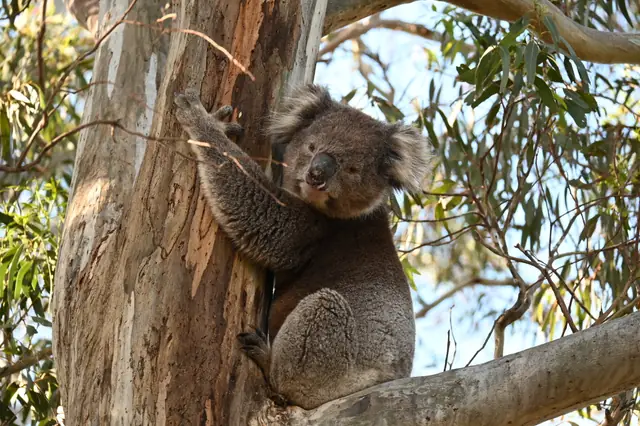
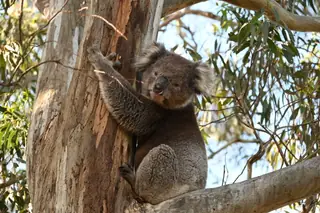
Koala
Phascolarctos cinereus
Wild koalas sleep in the manna gums at Kennett River and along the road to Cape Otway. Park fully off the road, never stop on a bend, and watch quietly from the ground.
-
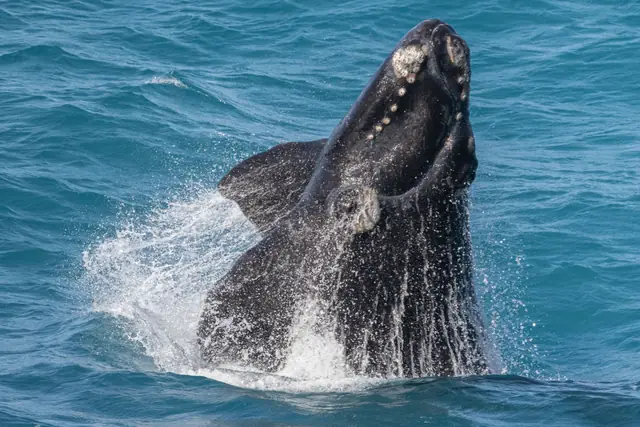
Southern Right Whale
Eubalaena australis
From June to September, mothers come to calve close to shore at Logans Beach, Warrnambool, often within 100 m of the beach. A dune platform gives free views.
-
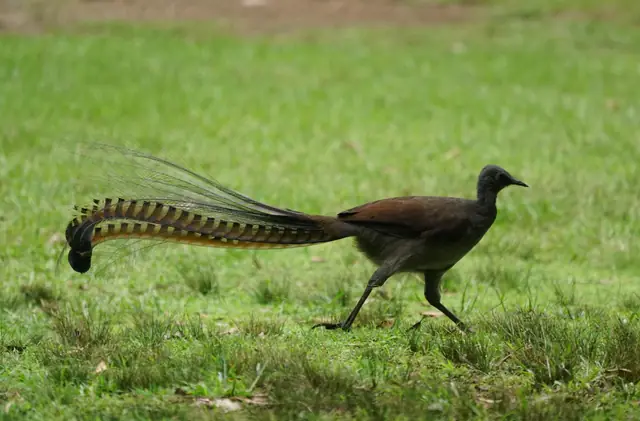
Superb Lyrebird
Menura novaehollandiae
Scratches for food on the floor of the fern gullies at Maits Rest and Melba Gully. Males sing and display in winter, mixing in the calls of other birds.
-
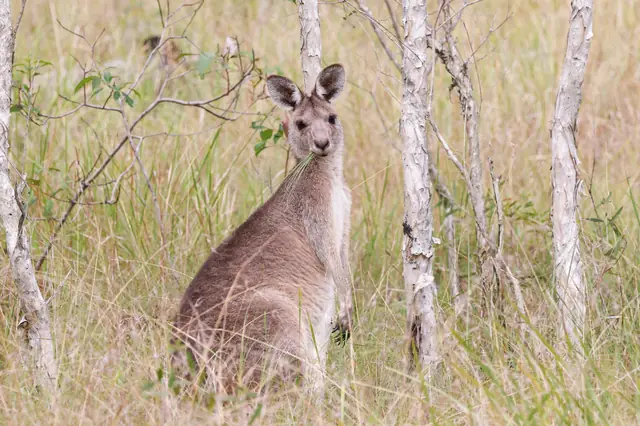
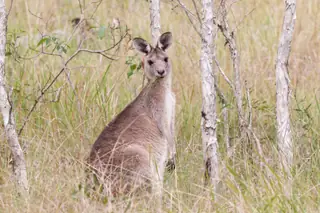
Eastern Grey Kangaroo
Macropus giganteus
Mobs graze open grass around Anglesea at dawn and dusk.
-
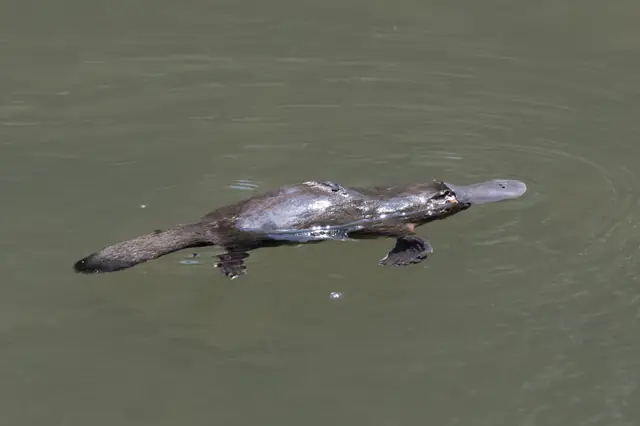
Platypus
Ornithorhynchus anatinus
Lake Elizabeth, in the forest near Forrest, is a good place to wait quietly at dawn or dusk, or to join a guided canoe trip.
-
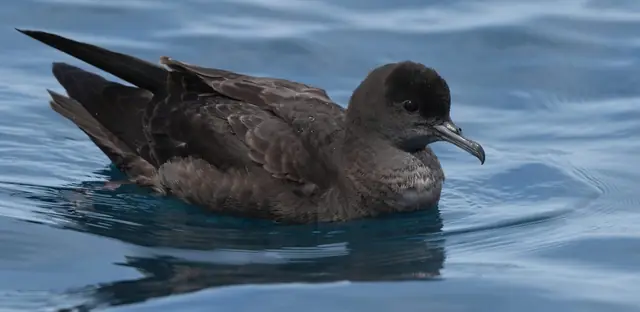
Short-tailed Shearwater
Ardenna tenuirostris
From September to April, thousands return at dusk to Muttonbird Island, watched from the lookouts at Loch Ard Gorge.
-
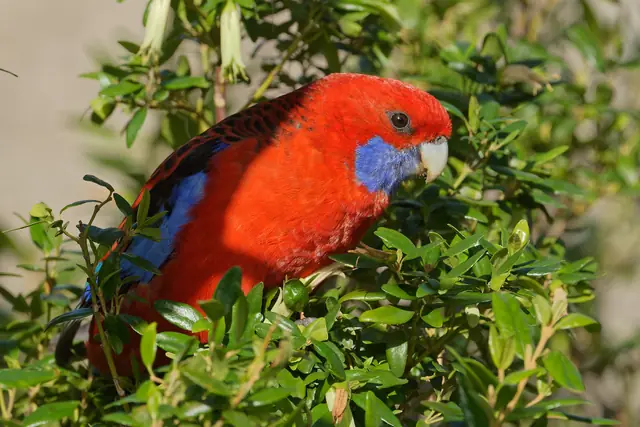
Crimson Rosella
Platycercus elegans
Brilliant red and blue parrots, bold around Kennett River and the picnic areas. Please do not feed them.
-
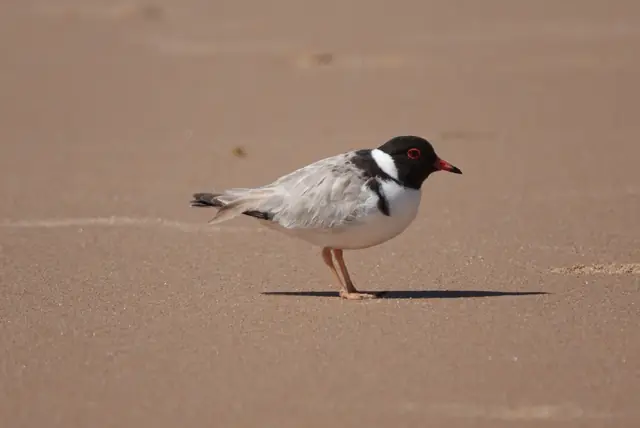
Hooded Plover
Thinornis cucullatus
A threatened beach-nesting plover. From August to March, walk on the wet sand and keep out of fenced nesting areas.
-
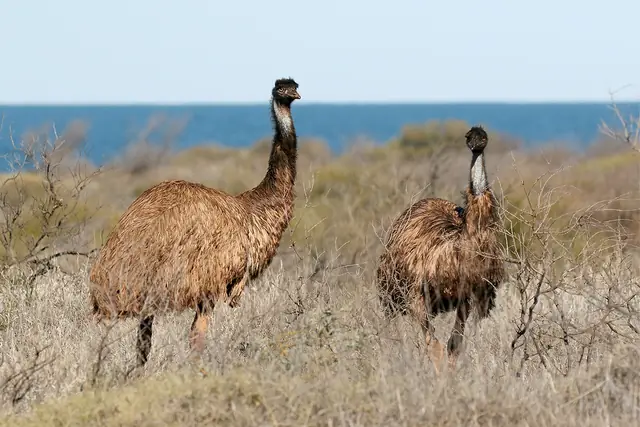
Emu
Dromaius novaehollandiae
Roams free in Tower Hill Wildlife Reserve, a volcanic crater near Warrnambool with boardwalks and koalas too.
All 120 animals in the Great Ocean Road
Koalas, kangaroos and other mammals 17
-
 Koala
-
 Eastern Grey Kangaroo
-
 Swamp Wallaby
-
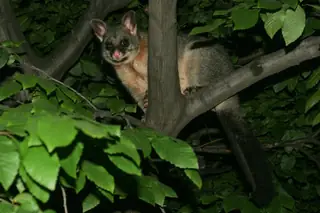 Common Brushtail Possum
-
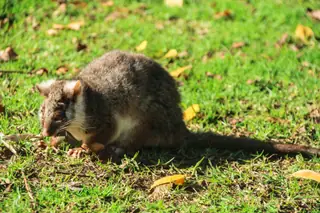 Common Ringtail Possum
-
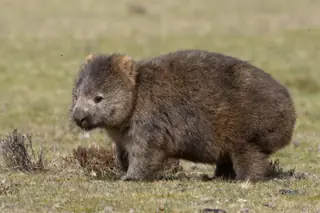 Common Wombat
-
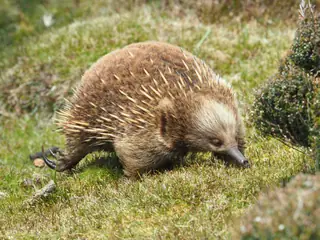 Short-beaked Echidna
-
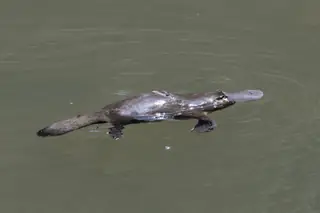 Platypus
-
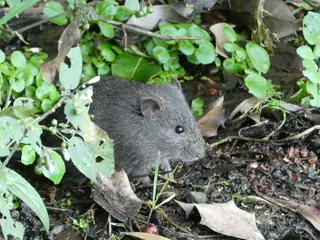 Australian Swamp Rat
-
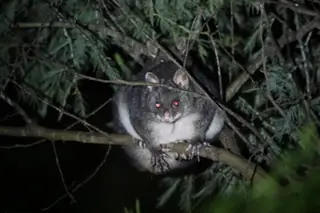 Mountain Brush-tailed Possum
-
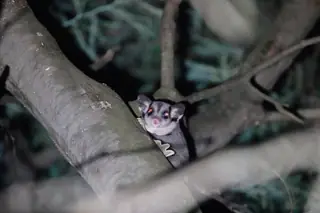 Krefft's Glider
-
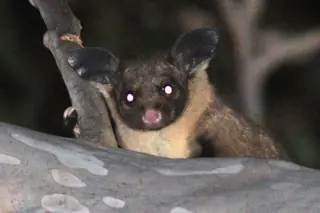 Yellow-bellied GliderRare
-
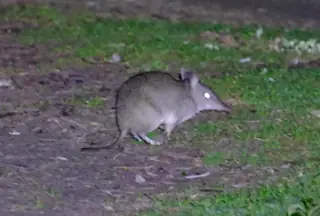 Long-nosed Bandicoot
-
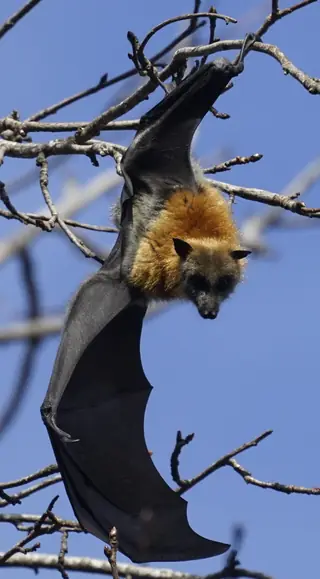 Grey-headed Flying Fox
-
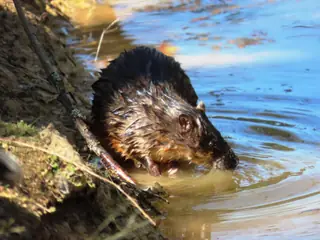 Rakali
-
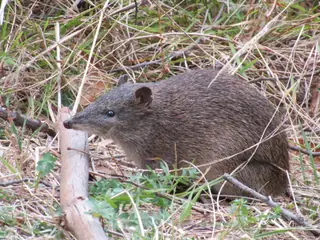 Southern Brown BandicootRare
-
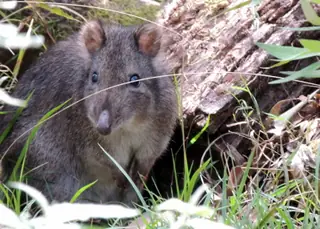 Long-nosed PotorooRare
Whales, seals and dolphins 8
-
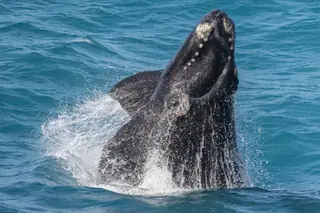 Southern Right Whale
-
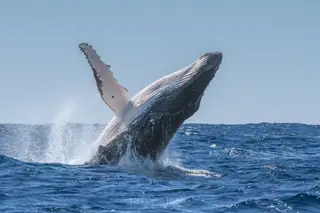 Humpback Whale
-
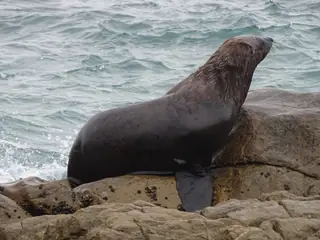 Australian Fur Seal
-
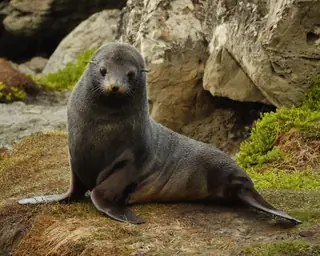 New Zealand Fur Seal
-
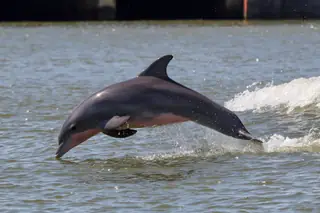 Bottlenose Dolphin
-
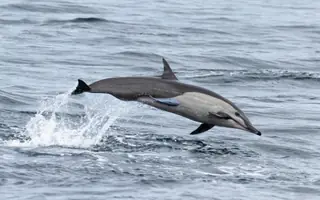 Common Dolphin
-
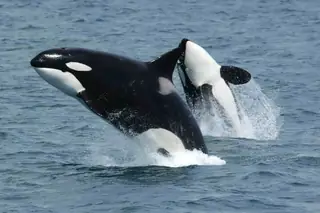 OrcaRare
-
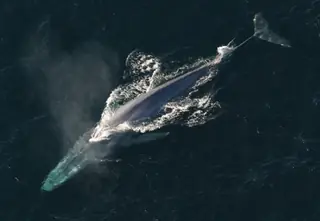 Blue WhaleRare
Coastal and seabirds 18
-
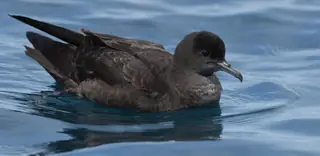 Short-tailed Shearwater
-
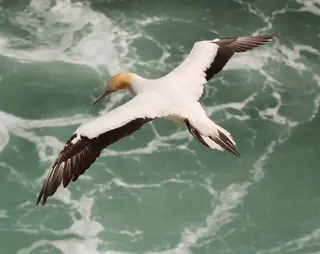 Australasian Gannet
-
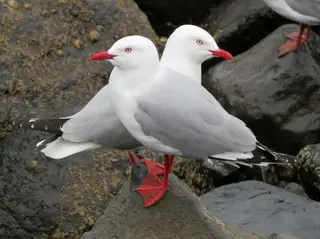 Silver Gull
-
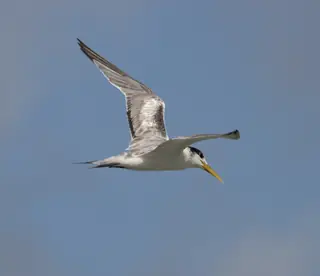 Greater Crested Tern
-
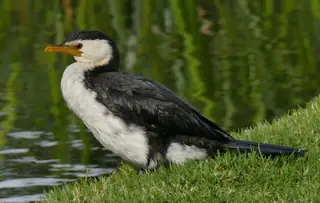 Little Pied Cormorant
-
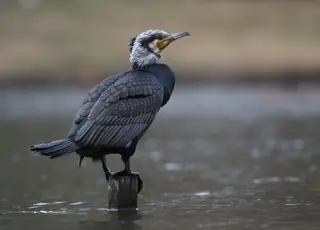 Great Cormorant
-
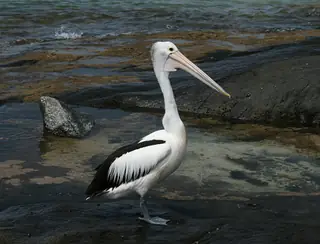 Australian Pelican
-
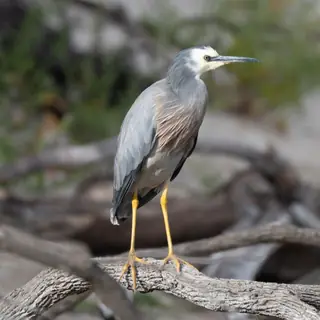 White-faced Heron
-
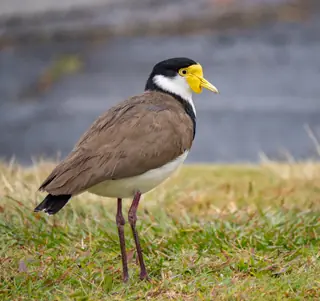 Masked Lapwing
-
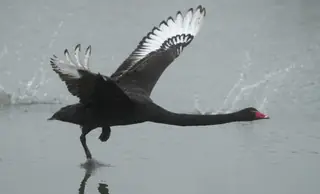 Black Swan
-
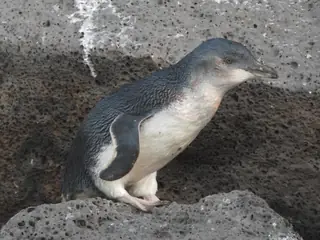 Penguin (Little)
-
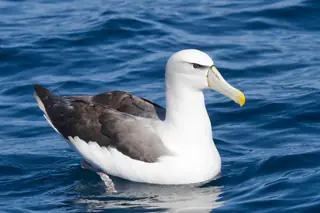 Shy Albatross
-
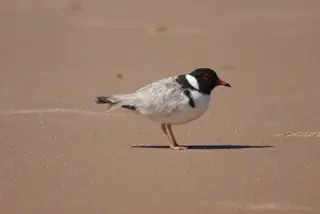 Hooded Plover
-
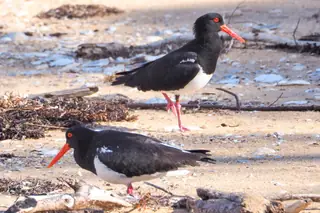 Pied Oystercatcher
-
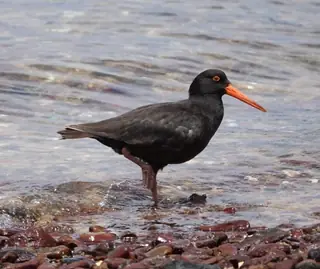 Sooty Oystercatcher
-
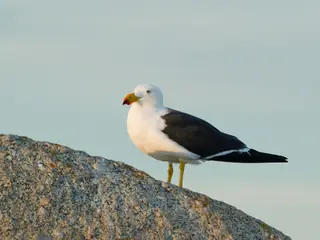 Pacific Gull
-
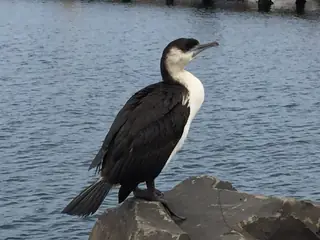 Black-faced Cormorant
-
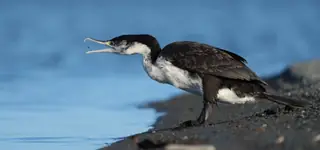 Australian Pied Cormorant
Wetland birds 8
-
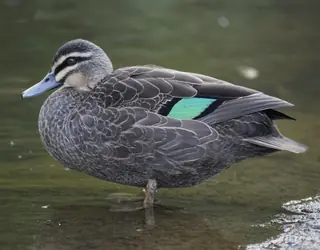 Pacific Black Duck
-
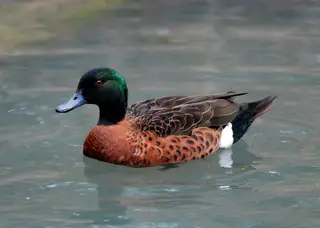 Chestnut Teal
-
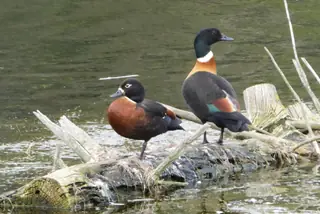 Australian Shelduck
-
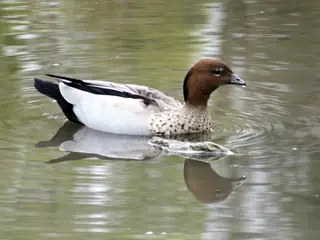 Maned Duck
-
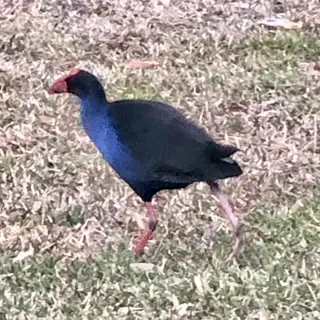 Australasian Swamphen
-
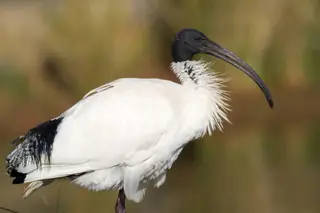 Australian White Ibis
-
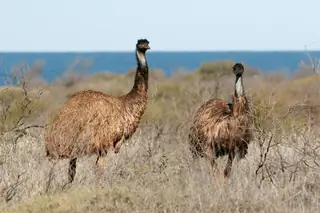 Emu
-
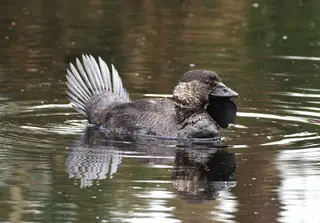 Musk Duck
Lyrebirds, parrots and cockatoos 11
-
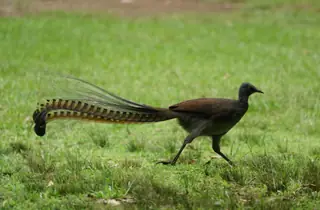 Superb Lyrebird
-
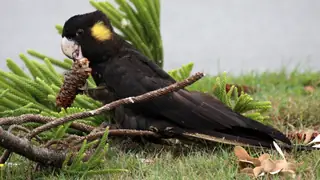 Yellow-tailed Black Cockatoo
-
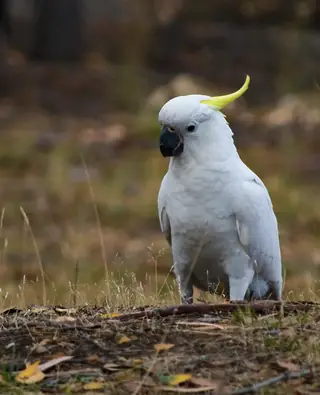 Sulphur-crested Cockatoo
-
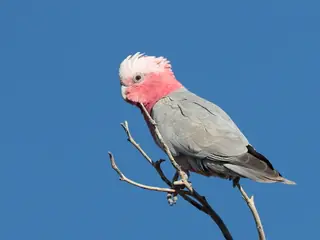 Galah
-
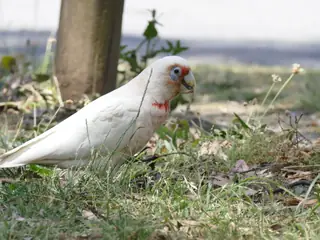 Long-billed Corella
-
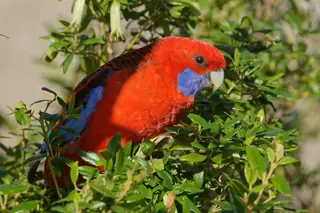 Crimson Rosella
-
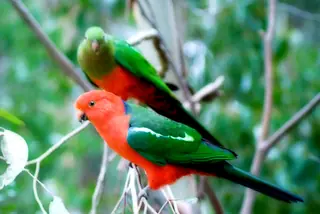 Australian King Parrot
-
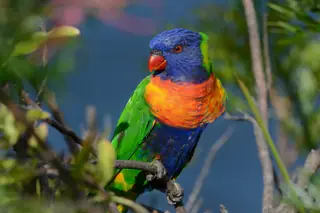 Rainbow Lorikeet
-
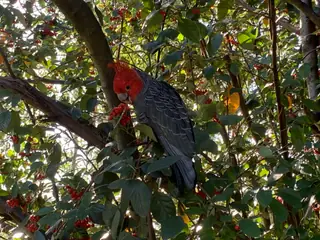 Gang-gang Cockatoo
-
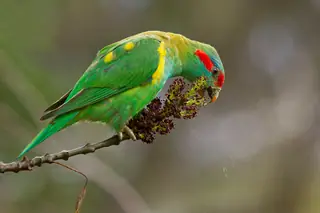 Musk Lorikeet
-
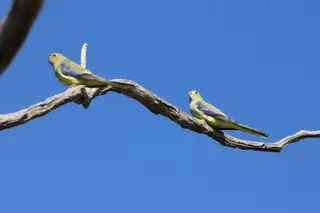 Blue-winged Parrot
Birds of prey and owls 8
-
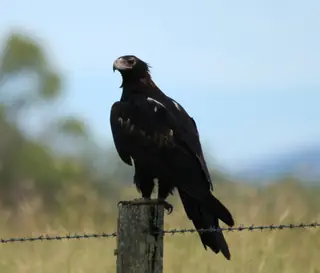 Wedge-tailed Eagle
-
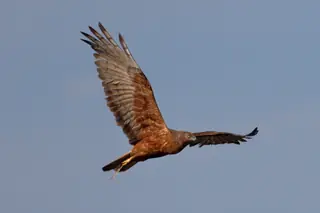 Swamp Harrier
-
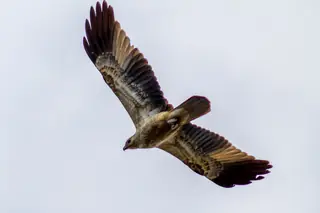 Whistling Kite
-
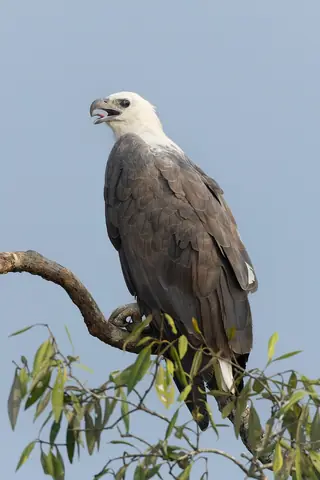 White-bellied Sea Eagle
-
 Peregrine Falcon
-
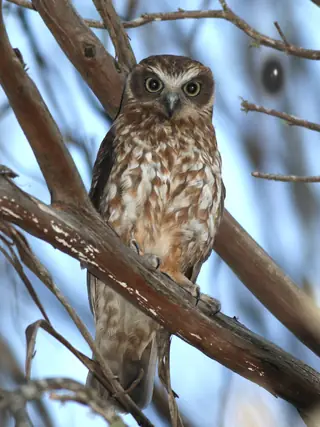 Southern Boobook
-
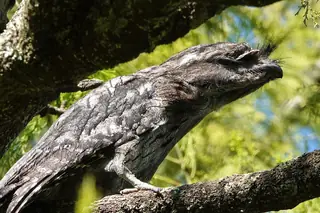 Tawny Frogmouth
-
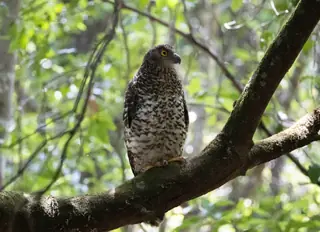 Powerful OwlRare
Forest and heath birds 27
-
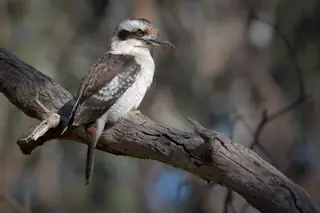 Kookaburra
-
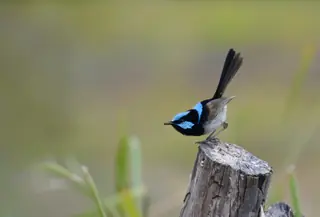 Superb Fairywren
-
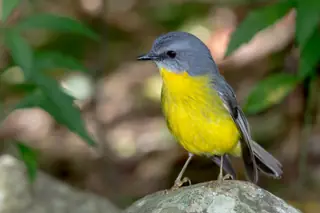 Eastern Yellow Robin
-
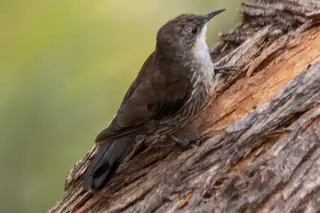 White-throated Treecreeper
-
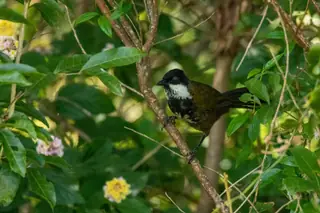 Eastern Whipbird
-
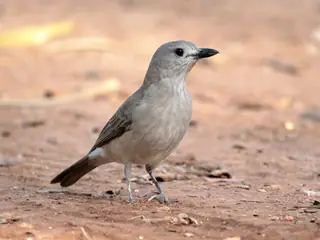 Grey Shrike-thrush
-
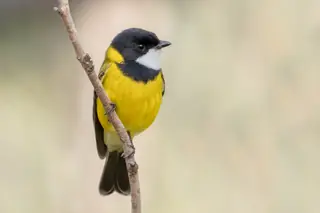 Australian Golden Whistler
-
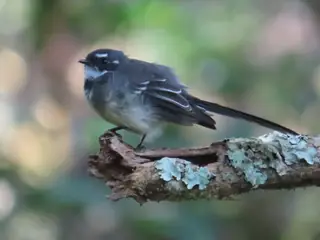 Grey Fantail
-
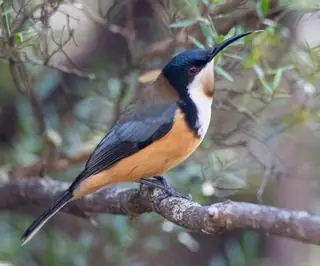 Eastern Spinebill
-
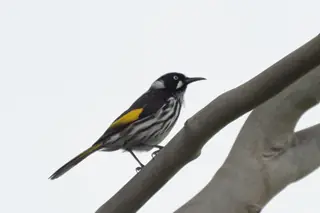 New Holland Honeyeater
-
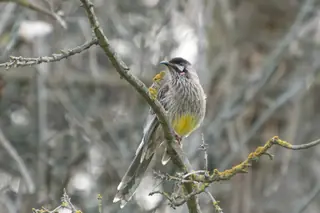 Red Wattlebird
-
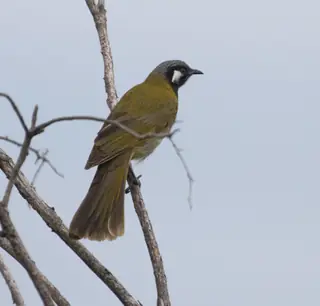 White-eared Honeyeater
-
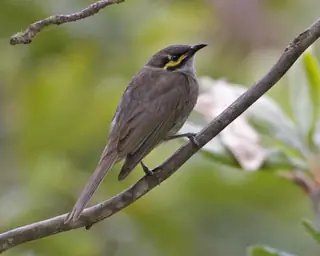 Yellow-faced Honeyeater
-
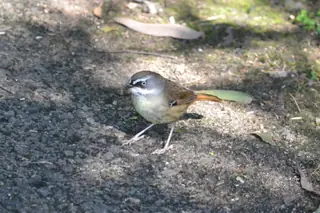 White-browed Scrubwren
-
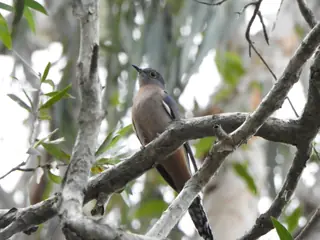 Fan-tailed Cuckoo
-
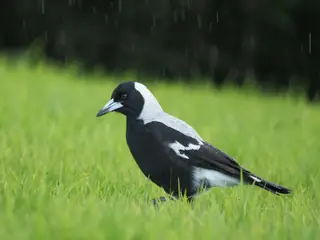 Australian Magpie
-
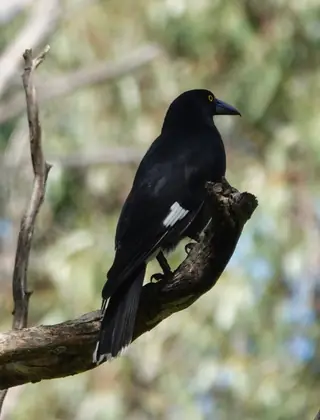 Pied Currawong
-
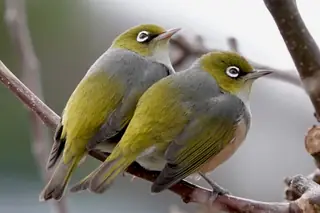 Silvereye
-
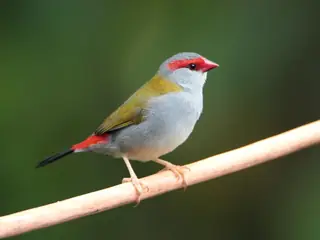 Red-browed Finch
-
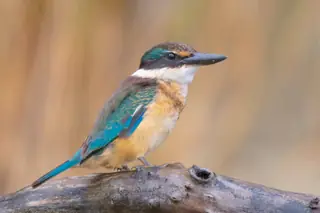 Sacred Kingfisher
-
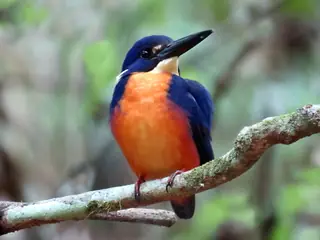 Azure Kingfisher
-
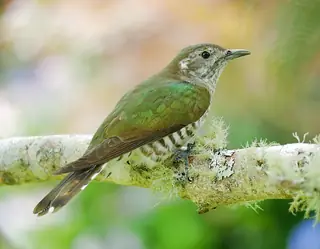 Shining Bronze Cuckoo
-
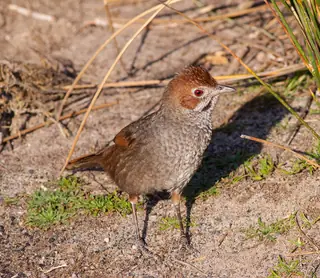 Rufous Bristlebird
-
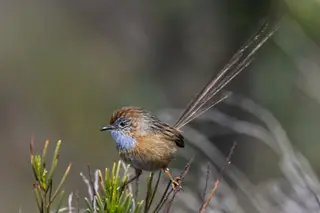 Southern Emu-wren
-
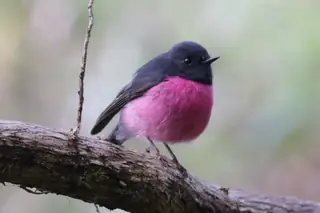 Pink Robin
-
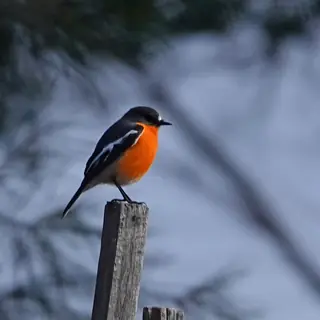 Flame Robin
-
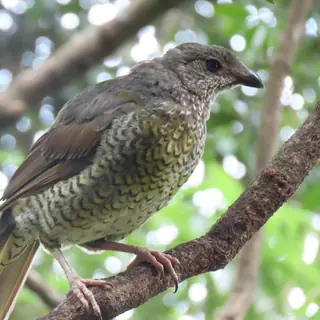 Satin Bowerbird
Reptiles 12
-
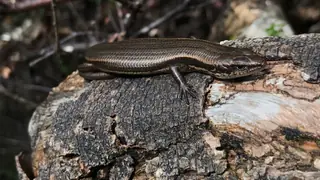 Metallic Skink
-
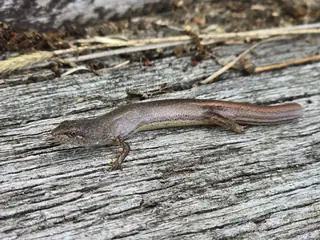 Weasel Shadeskink
-
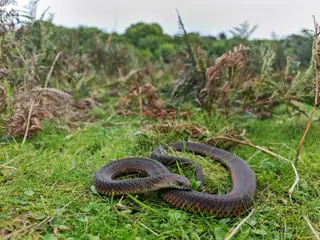 Lowland Copperhead
-
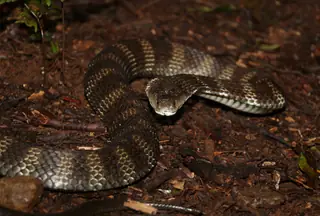 Tiger Snake
-
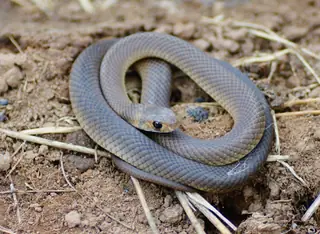 Eastern Brown Snake
-
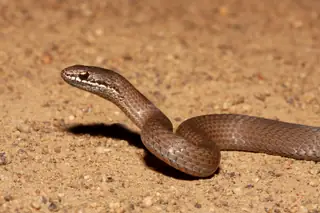 White-lipped Snake
-
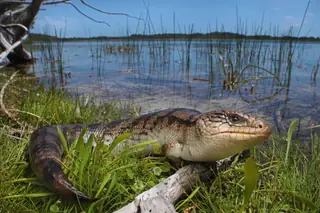 Blotched Blue-tongued Lizard
-
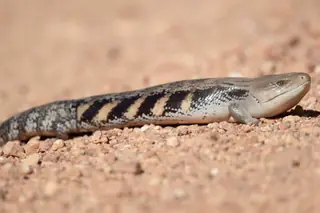 Common Blue-tongued Lizard
-
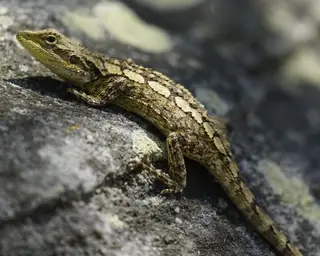 Jacky Lizard
-
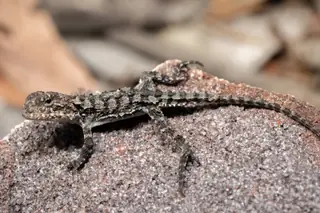 Mountain Heath Dragon
-
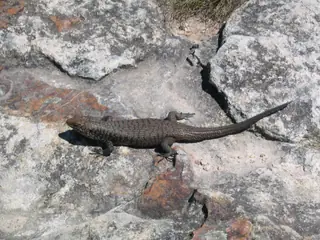 Cunningham's Spiny-tailed Skink
-
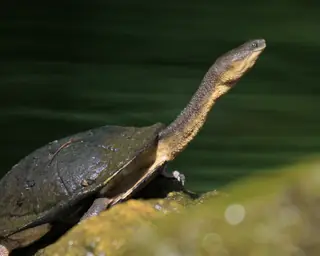 Common Snake-necked Turtle
Frogs 6
-
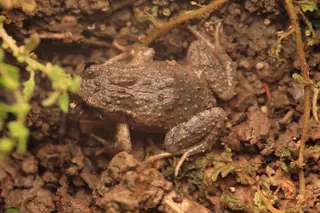 Common Froglet
-
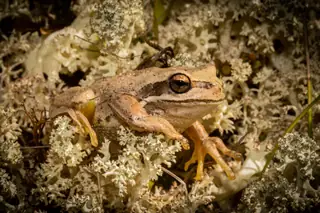 Brown Tree Frog
-
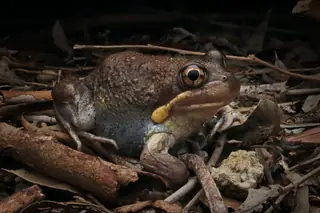 Eastern Banjo Frog
-
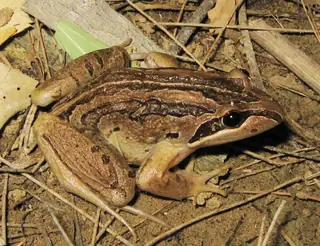 Striped Marsh Frog
-
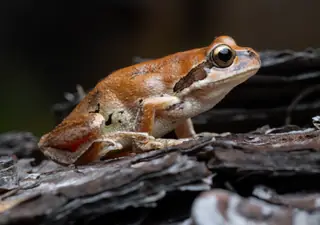 Verreaux's Tree Frog
-
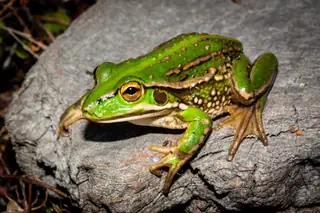 Growling Grass FrogRare
Glow-worms 1
-
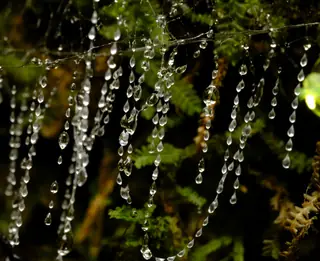 Otway Glow-worm
Sea life 4
-
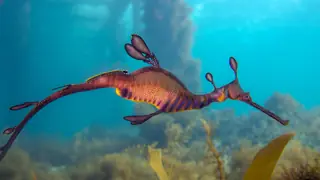 Weedy Seadragon
-
 Smooth Stingray
-
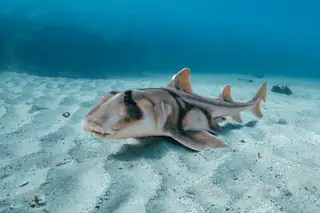 Port Jackson Shark
-
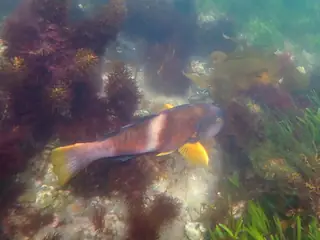 Blue-throated Wrasse
Best time to see wildlife in the Great Ocean Road
Sightings by month in the Great Ocean Road
Most records: All yearRecords from GBIF.org, adjusted for how many people record wildlife each month. 100% is the busiest month.
Koalas, kangaroos and forest birds are here all year. Winter, June to August, is the season for southern right whales at Warrnambool, humpbacks passing the headlands and albatrosses offshore, and for lyrebirds singing in the gullies; it is also cold, wet and windy, with fewer crowds. Spring, September to November, brings shearwaters back to the coast, breeding birds in the forest and wildflowers in the heath. Summer, December to February, is warm and busy, with heavy traffic on the Great Ocean Road and the best weather for walking, though bushfire risk can close tracks. Autumn, March to May, is calm and settled, good for driving the coast and for fungi in the wet forest.
- Jun to SepSouthern right whales, lyrebirds singing
- Sep to NovShearwaters return, breeding birds
- Dec to FebWarm and busy, fire danger days
- Mar to MayCalm and settled, quieter roads
Tips for spotting wildlife in the Great Ocean Road
- 01
Look for koalas safely
On the Cape Otway road and at Kennett River, look for a grey ball in the fork of a manna gum. Pull right off the road, never stop on a bend, and keep voices low.
- 02
Be patient at Logans Beach
Whales are not always in view even in season. Visit at different times of day, bring binoculars, and keep off the dunes.
- 03
Walk the fern gullies early
Maits Rest and Melba Gully are short rainforest walks where lyrebirds, pink robins and whipbirds are easiest in the quiet of early morning.
- 04
Stay for dusk at Loch Ard
On spring and summer evenings, watch the shearwaters stream in to Muttonbird Island from the lookouts, and stay on the paths.
- 05
Drive slowly at night
Wallabies, wombats and possums cross the forest roads after dark. Slow down inland and on the coast road from dusk.

Take the Great Ocean Road with you
Log koalas, lyrebirds and whales on your Great Ocean Road trip in Wilder, and keep going across Australia. Free to start.

Great Ocean Road wildlife FAQ
Where can you see wild koalas on the Great Ocean Road?
Kennett River and the road to Cape Otway lightstation are the best-known spots, with koalas sleeping in the manna gums. Tower Hill Wildlife Reserve near Warrnambool is another good place. Look up into tree forks, park well off the road and never stop on a bend.
When can you see whales on the Great Ocean Road?
Southern right whales come to Logans Beach at Warrnambool to calve from about June to September, often very close to shore. Humpback whales pass the headlands from about May to November. Cape Otway and the cliff-top lookouts are good for scanning the sea.
What wildlife lives in Great Otway National Park?
The park has koalas, eastern grey kangaroos, swamp wallabies, platypus, possums and gliders, with superb lyrebirds, black cockatoos and many honeyeaters in the forest, and seabirds, seals and whales along the coast. This checklist covers 120 animals.
Can you see penguins on the Great Ocean Road?
Little penguins live along this coast but come ashore only after dark, and most colonies are closed to visitors to protect them. For a managed penguin viewing, Phillip Island, east of Melbourne, is the place to go.
Sources
- Parks Victoria: Great Otway National Park
- Great Ocean Road Coast and Parks Authority: National parks
- Warrnambool City Council: Whale watching
- Sightings by month: GBIF.org
Animal photos are from the Wilder catalogue; photo credits.
Similar checklists
All Oceania-
 Island103animals Phillip Island Western Port, Victoria, Australia Two hours from Melbourne: little penguins waddling ashore at dusk, a huge fur seal colony off the Nobbies and koalas in the gums. Best time Nov to Mar
-
 Island103animals Kangaroo Island Off the Fleurieu Peninsula, South Australia, Australia Australia's third-largest island, free of foxes and rabbits: kangaroos, sea lions, echidnas and koalas, with glossy black cockatoos in the sheoaks. Best time Sept to Nov, Mar to May
-
 Island74animals Tasmania The whole state, Australia Wild island at the bottom of Australia: devils, wombats and platypus, with twelve birds found nowhere else. Best time All year
-
 National park123animals Blue Mountains National Park Greater Blue Mountains, New South Wales, Australia Sandstone cliffs and eucalypt valleys west of Sydney: superb lyrebirds in the gullies, kangaroos at dawn and black cockatoos over the canyons. Best time Sept to Nov