Island · Western Port, Victoria · Australia
Phillip Island Wildlife Checklist

Phillip Island, about two hours' drive south-east of Melbourne in Victoria, is famous for the Penguin Parade, where little penguins come ashore every night at sunset. It also has Australia's largest fur seal colony on Seal Rocks, koalas, wallabies and big flocks of shearwaters. This checklist covers 103 animals. Penguins land all year; summer brings the biggest numbers and the shearwaters.
Tick off all 103 animals in Phillip Island on your phone, even offline. Launching soon. Free A4 PDF, no sign-up.
The island sits at the mouth of Western Port and is joined to the mainland by a bridge at San Remo. Much of its wildlife is protected by Phillip Island Nature Parks, which runs the Penguin Parade, the Nobbies, the Koala Conservation Reserve and Churchill Island.
- Animals to find
- 103
- Where
- Australia
- Best time
- Nov to Mar
- Penguin Parade
- Every night
Popular animals in Phillip Island
-
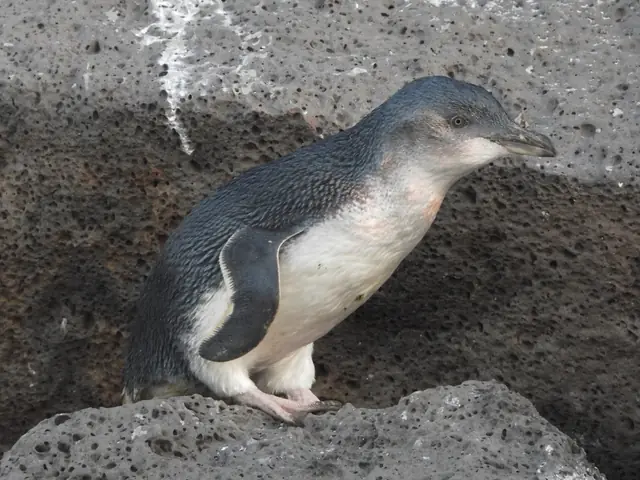
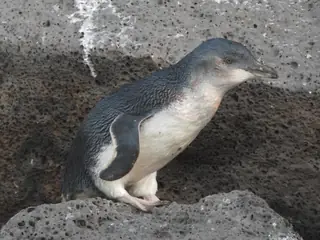
Penguin (Little)
Eudyptula minor
The world's smallest penguin, about 30 cm tall. Each night at sunset, groups waddle up the beach at the Penguin Parade to their burrows in the dunes, watched from stands and boardwalks.
-
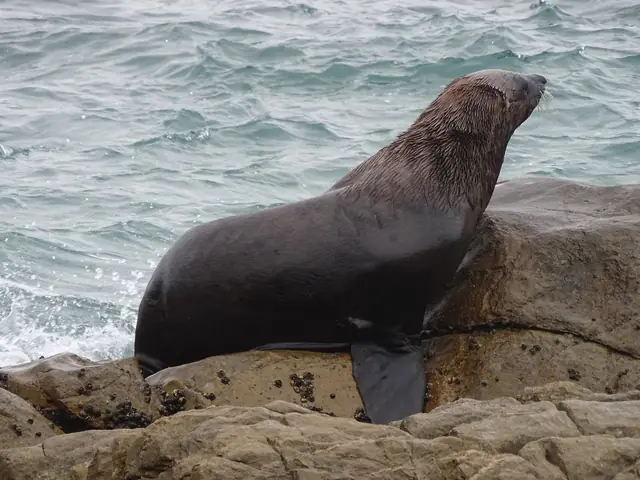
Australian Fur Seal
Arctocephalus pusillus
Seal Rocks, off the Nobbies, holds Australia's largest fur seal colony. Watch from the Nobbies boardwalk with binoculars, or on a licensed cruise.
-
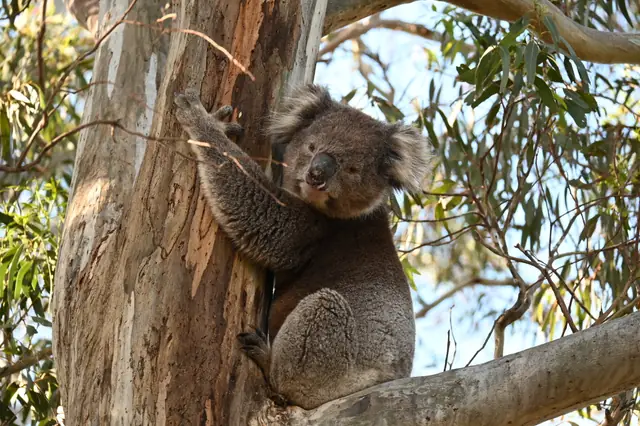
Koala
Phascolarctos cinereus
Treetop boardwalks at the Koala Conservation Reserve take you to eye level with koalas sleeping in the gums.
-
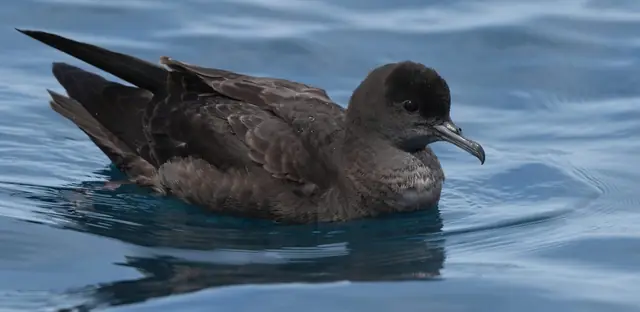
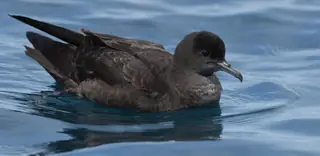
Short-tailed Shearwater
Ardenna tenuirostris
Also called muttonbirds. From late September to April, thousands fly in from the sea at dusk to burrows at Cape Woolamai, after a migration from the North Pacific.
-
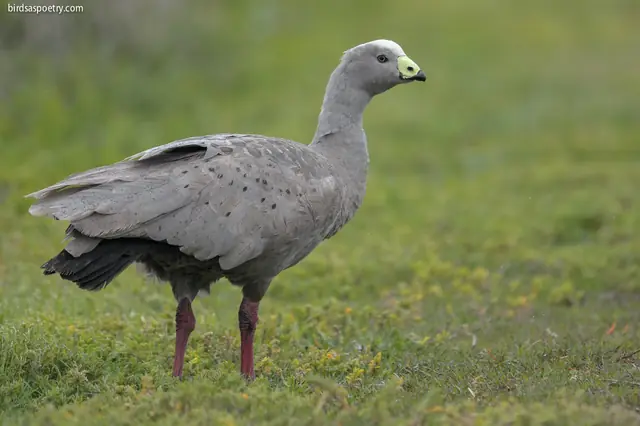
Cape Barren Goose
Cereopsis novaehollandiae
Once one of the world's rarest geese, now grazing on paddocks and roadsides across the island.
-
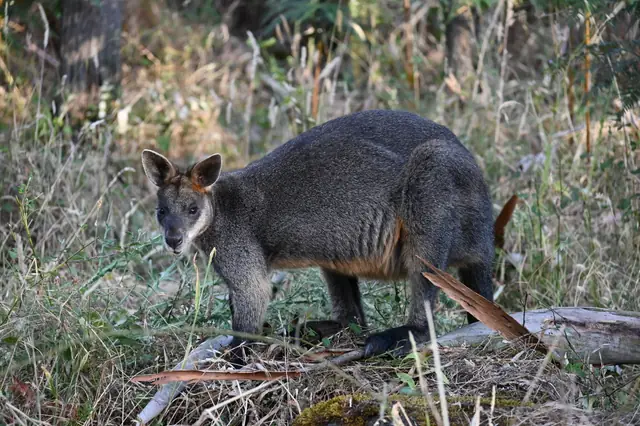
Swamp Wallaby
Wallabia bicolor
A dark, stocky wallaby of the bush edges, often seen at dawn and dusk on the Summerland Peninsula and Churchill Island.
-
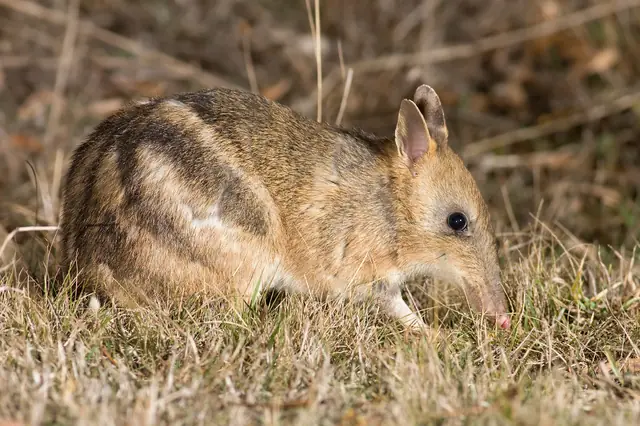
Eastern Barred Bandicoot
Perameles gunnii
Once listed as extinct in the wild, it was released on fox-free Phillip Island in 2017 and has spread from the Summerland Peninsula. It forages on grassy edges after dark.
-
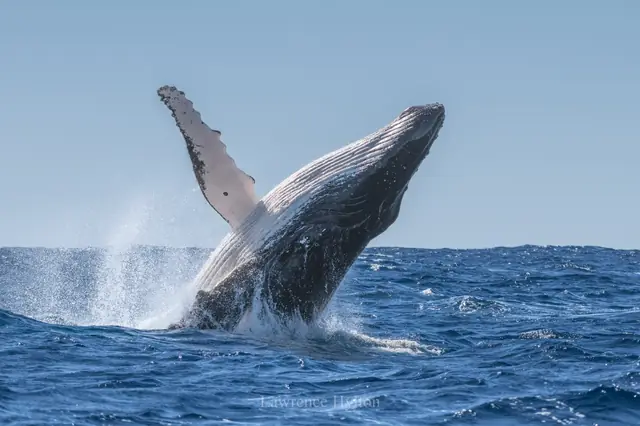
Humpback Whale
Megaptera novaeangliae
Humpbacks pass the Nobbies and Cape Woolamai on migration, from about May to November.
-
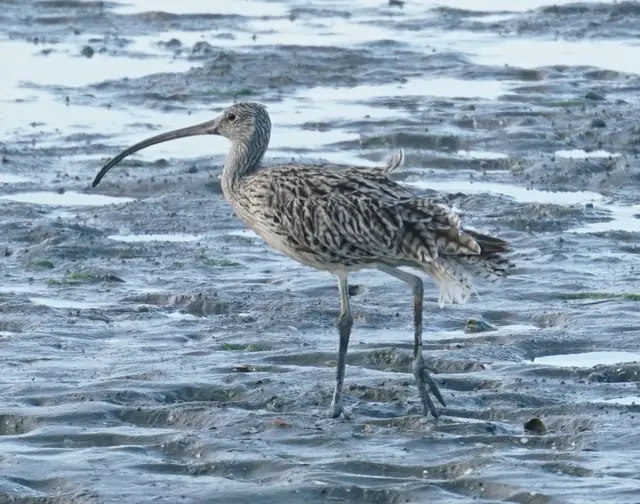
Far Eastern Curlew
Numenius madagascariensis
A critically endangered wader with a huge curved bill. From September to March it feeds on the mudflats of Rhyll Inlet.
All 103 animals in Phillip Island
Penguins and seabirds 4
-
 Penguin (Little)
-
 Short-tailed Shearwater
-
 Australasian Gannet
-
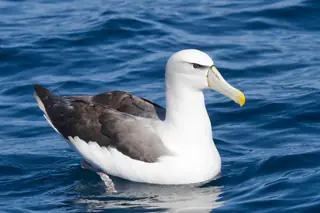 Shy Albatross
Seals, whales and dolphins 8
-
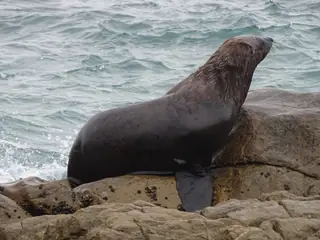 Australian Fur Seal
-
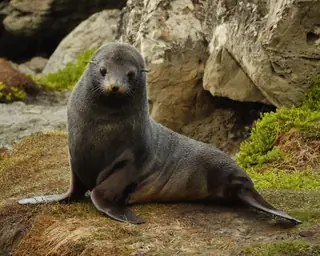 Long-nosed Fur Seal
-
 Humpback Whale
-
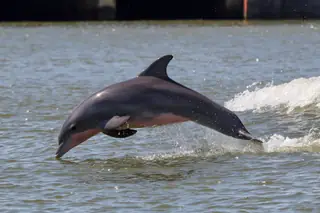 Bottlenose Dolphin
-
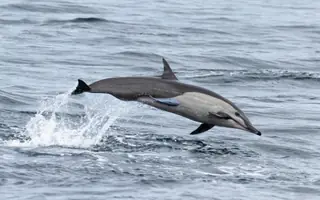 Common Dolphin
-
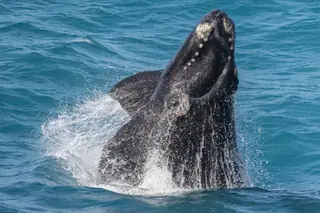 Southern Right WhaleRare
-
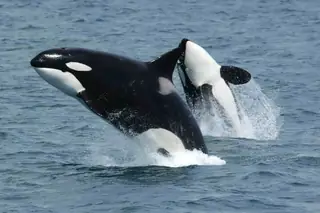 OrcaRare
-
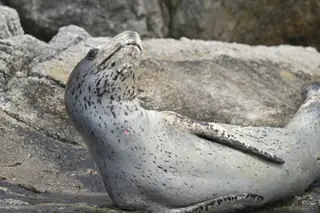 Leopard SealRare
Koalas and other mammals 7
-
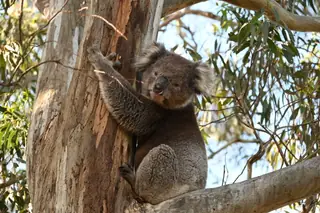 Koala
-
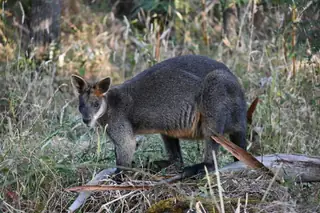 Swamp Wallaby
-
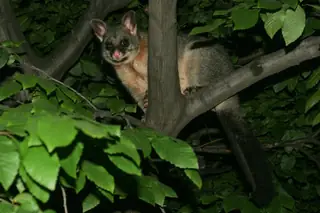 Common Brushtail Possum
-
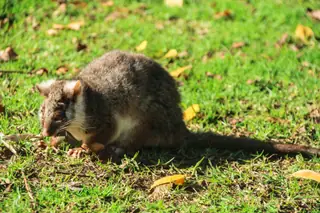 Common Ringtail Possum
-
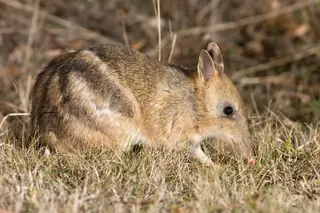 Eastern Barred Bandicoot
-
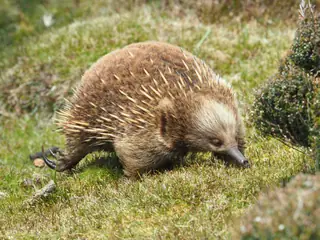 Short-beaked Echidna
-
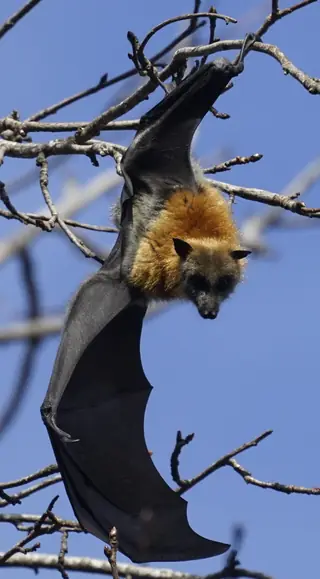 Grey-headed Flying FoxRare
Waterbirds and waders 35
-
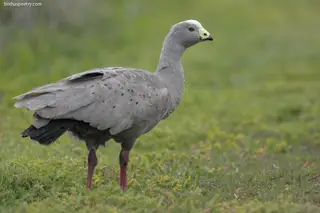 Cape Barren Goose
-
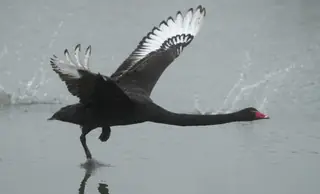 Black Swan
-
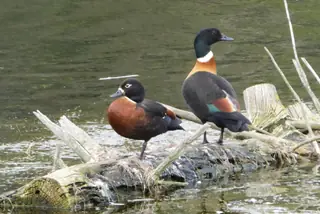 Australian Shelduck
-
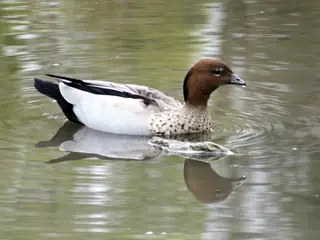 Maned Duck
-
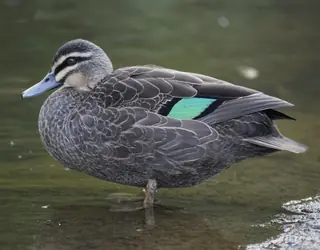 Pacific Black Duck
-
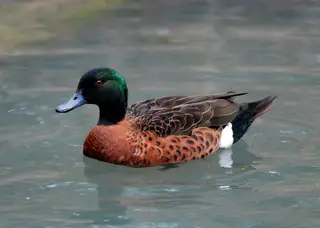 Chestnut Teal
-
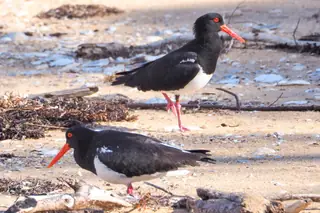 Pied Oystercatcher
-
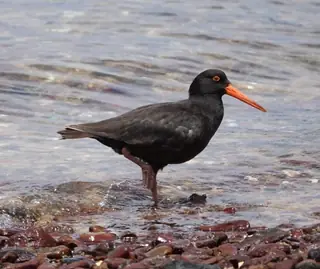 Sooty Oystercatcher
-
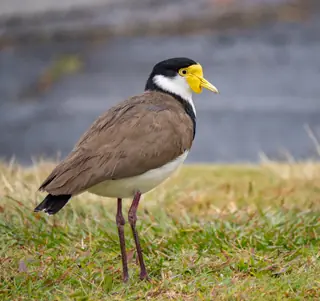 Masked Lapwing
-
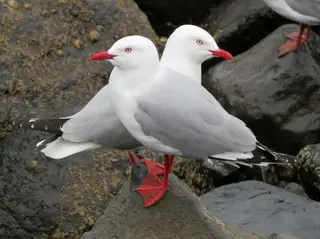 Silver Gull
-
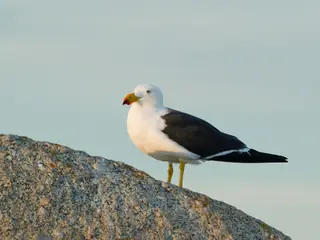 Pacific Gull
-
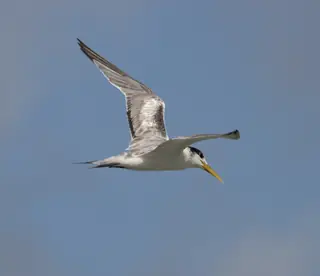 Greater Crested Tern
-
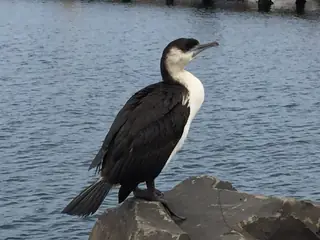 Black-faced Cormorant
-
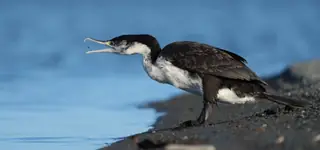 Australian Pied Cormorant
-
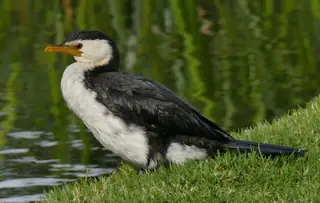 Little Pied Cormorant
-
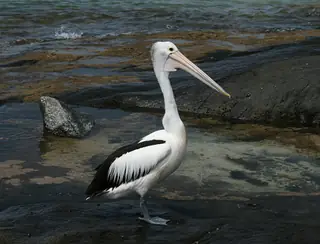 Australian Pelican
-
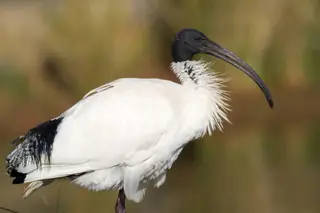 Australian White Ibis
-
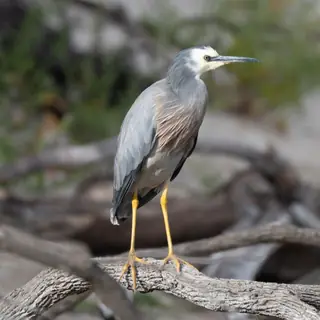 White-faced Heron
-
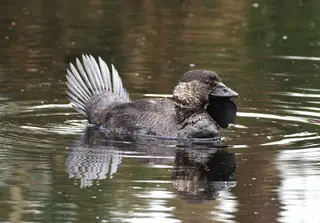 Musk Duck
-
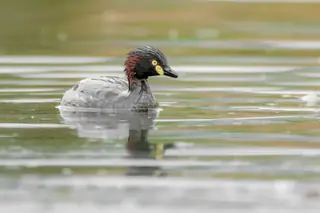 Australasian Grebe
-
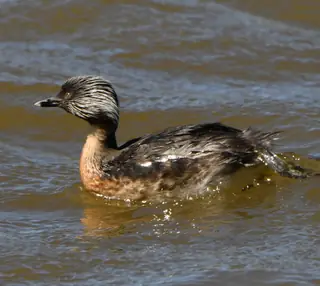 Hoary-headed Grebe
-
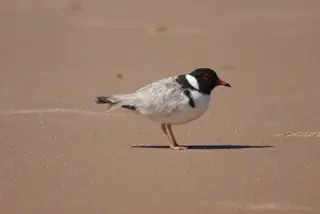 Hooded Plover
-
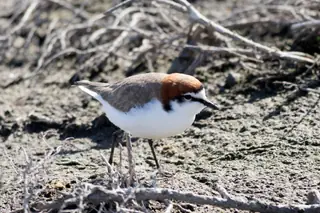 Red-capped Plover
-
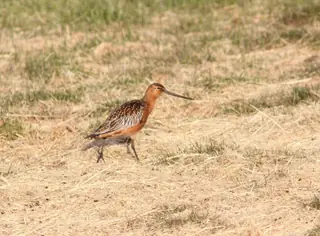 Bar-tailed Godwit
-
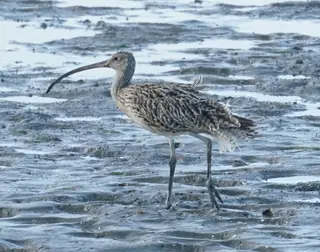 Far Eastern Curlew
-
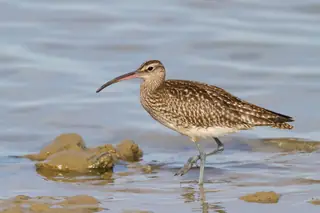 Whimbrel
-
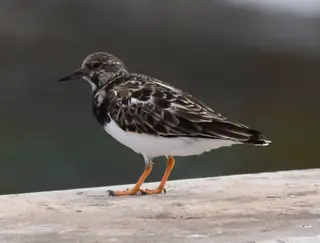 Ruddy Turnstone
-
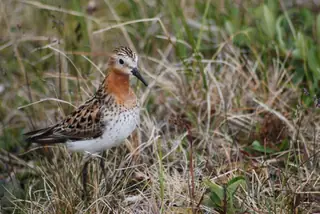 Red-necked Stint
-
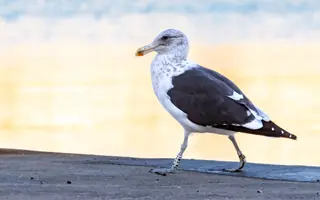 Kelp Gull
-
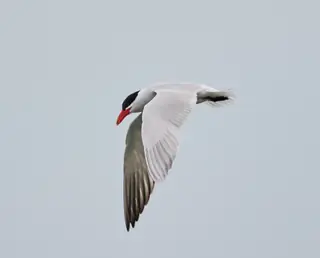 Caspian Tern
-
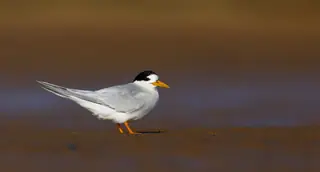 Fairy Tern
-
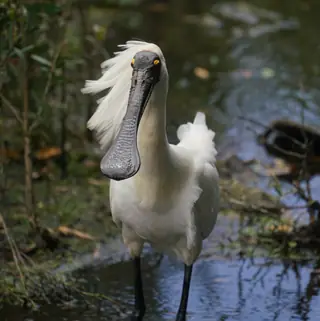 Royal Spoonbill
-
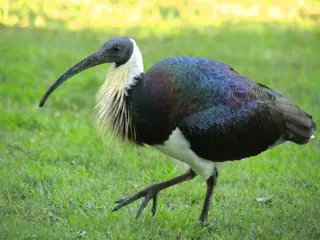 Straw-necked Ibis
-
 Great Egret
-
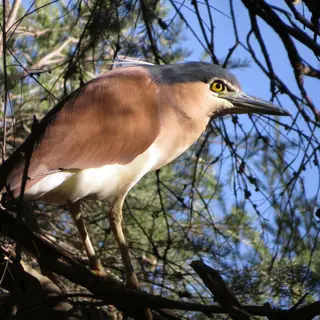 Nankeen Night Heron
Land birds 35
-
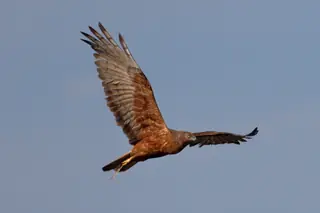 Swamp Harrier
-
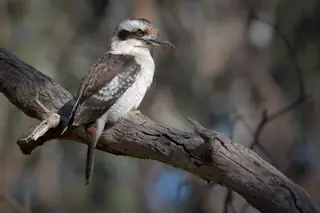 Kookaburra
-
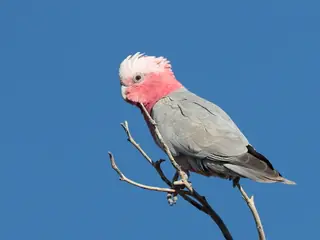 Galah
-
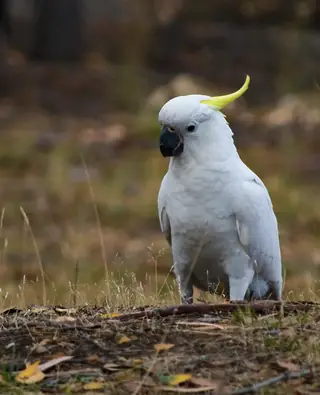 Sulphur-crested Cockatoo
-
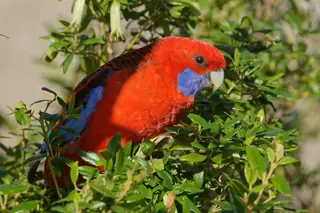 Crimson Rosella
-
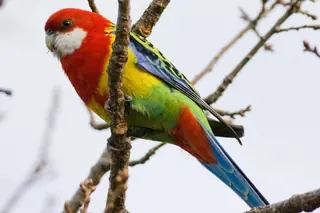 Eastern Rosella
-
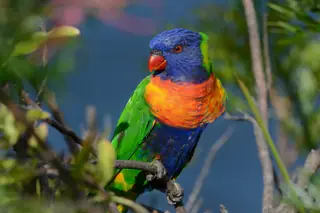 Rainbow Lorikeet
-
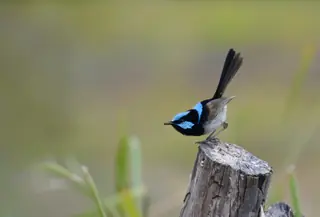 Superb Fairywren
-
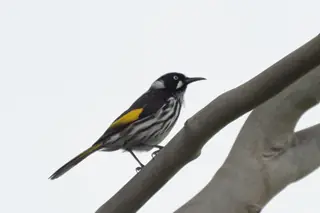 New Holland Honeyeater
-
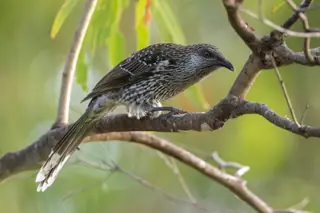 Little Wattlebird
-
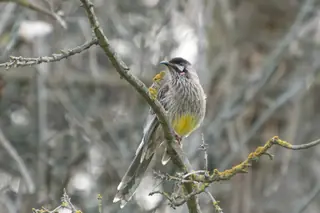 Red Wattlebird
-
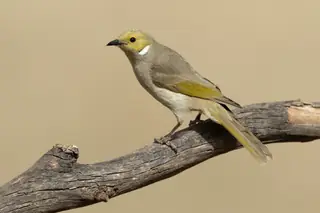 White-plumed Honeyeater
-
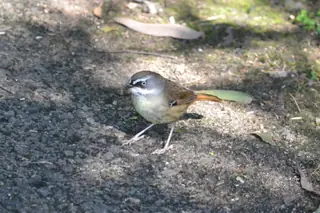 White-browed Scrubwren
-
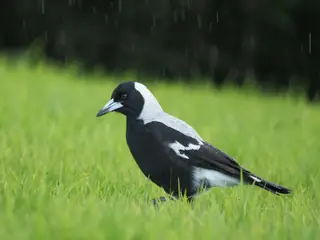 Australian Magpie
-
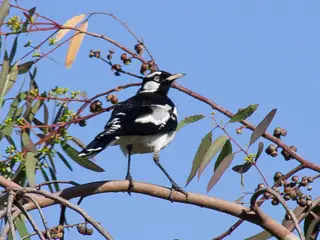 Magpie-lark
-
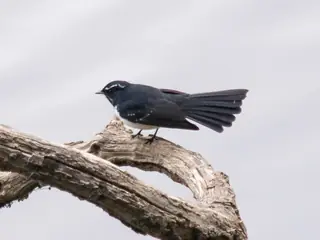 Willie Wagtail
-
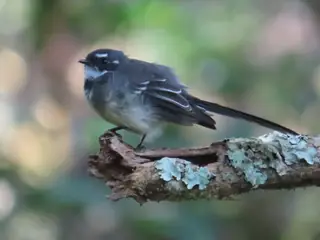 Grey Fantail
-
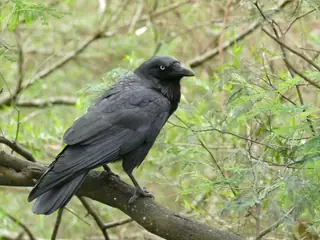 Little Raven
-
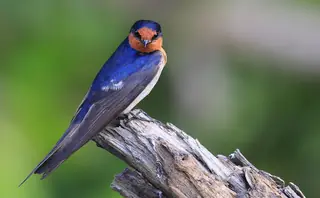 Welcome Swallow
-
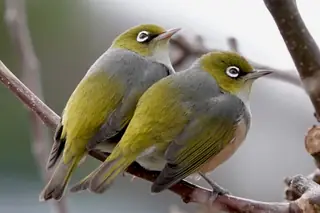 Silvereye
-
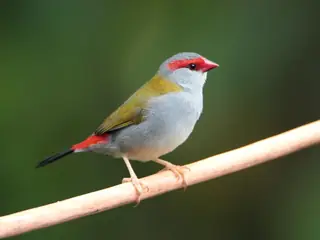 Red-browed Finch
-
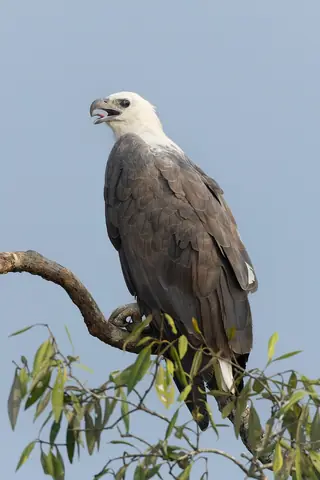 White-bellied Sea Eagle
-
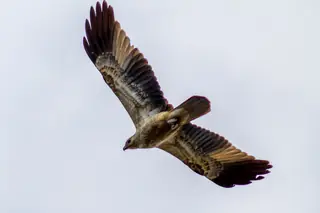 Whistling Kite
-
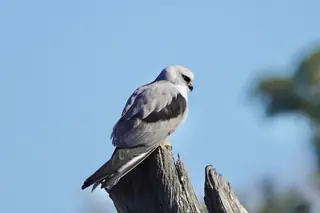 Black-shouldered Kite
-
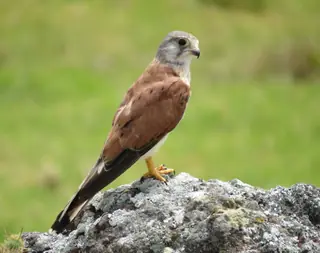 Nankeen Kestrel
-
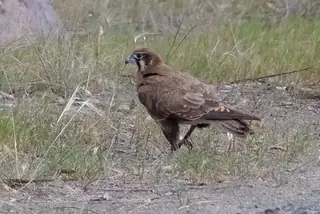 Brown Falcon
-
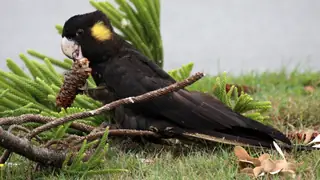 Yellow-tailed Black Cockatoo
-
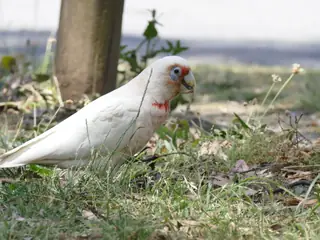 Long-billed Corella
-
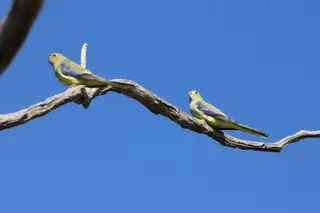 Blue-winged Parrot
-
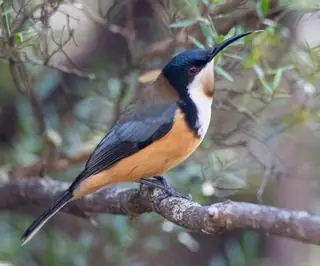 Eastern Spinebill
-
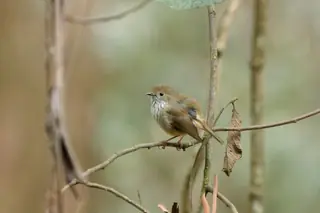 Brown Thornbill
-
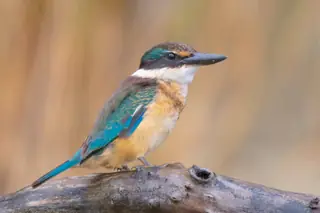 Sacred Kingfisher
-
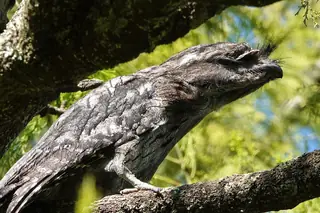 Tawny Frogmouth
-
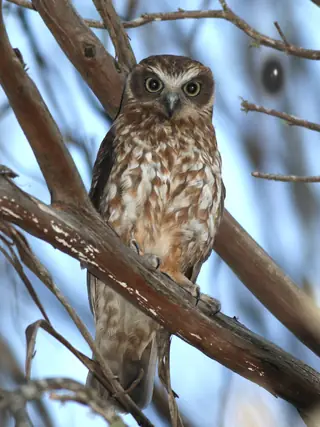 Southern Boobook
-
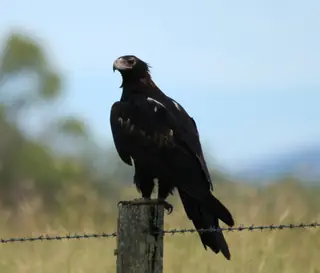 Wedge-tailed EagleRare
Reptiles and frogs 9
-
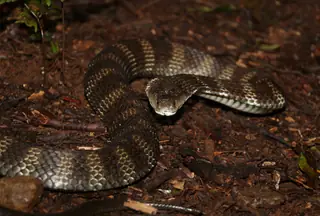 Tiger Snake
-
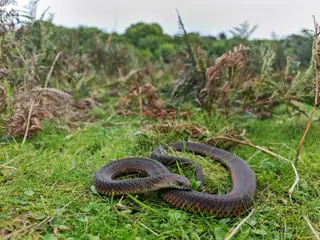 Lowland Copperhead
-
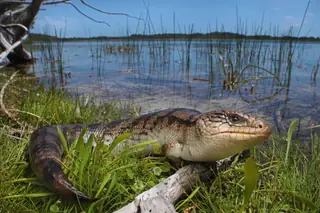 Blotched Blue-tongued Lizard
-
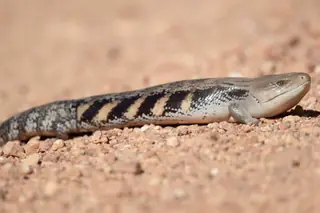 Common Blue-tongued Lizard
-
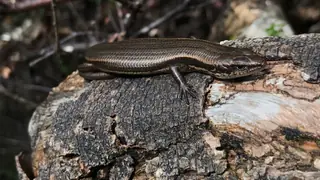 Metallic Skink
-
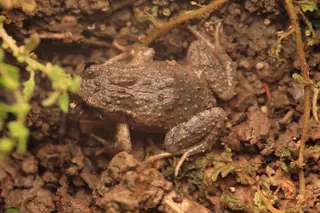 Common Froglet
-
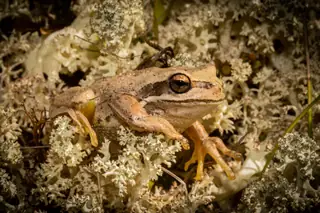 Brown Tree Frog
-
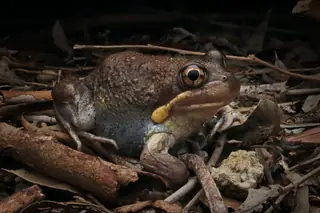 Eastern Banjo Frog
-
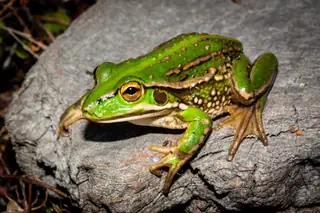 Growling Grass FrogRare
Sea life 5
-
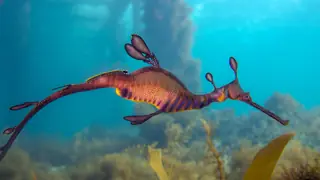 Weedy Seadragon
-
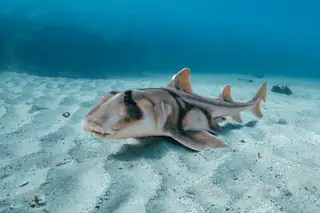 Port Jackson Shark
-
 Smooth Stingray
-
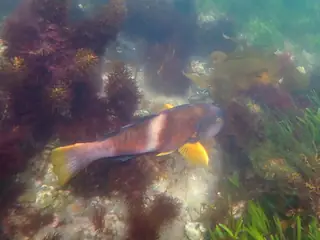 Blue-throated Wrasse
-
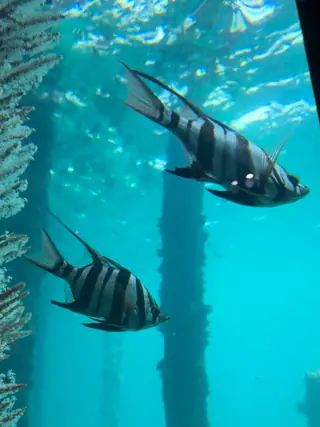 Old Wife
Best time to see wildlife in Phillip Island
Sightings by month in Phillip Island
Most records: All yearRecords from GBIF.org, adjusted for how many people record wildlife each month. 100% is the busiest month.
Phillip Island's penguins come ashore every night of the year, but summer is the busiest season. November to February brings the most penguins, as adults feed hungry chicks, along with warm evenings and the biggest crowds; book the Penguin Parade well ahead. Short-tailed shearwaters arrive in late September, lay in November and leave in April, and migrant waders such as godwits and curlews are on the mudflats from September to March. Autumn, March to May, is calmer and quieter. Winter, June to August, is cold and windy at the Penguin Parade, so dress warmly, but humpback whales pass from about May to November and the fur seals are at Seal Rocks all year.
- Sep to OctShearwaters and waders arrive
- Nov to FebMost penguins, chicks, busiest
- Mar to MayQuieter, shearwaters leave in April
- Jun to AugCold evenings, humpback whales
Tips for spotting wildlife in Phillip Island
- 01
Book the Penguin Parade
Tickets sell out in summer and on holidays. Arrive before sunset, bring warm clothes even in summer, and put your camera away: photos and video are not allowed after sunset, to protect the penguins.
- 02
Check under your car
Penguins sometimes shelter under cars in the Penguin Parade car park and on Summerland roads. Look before you drive off, and drive slowly at dusk.
- 03
Watch shearwaters at Cape Woolamai
On spring and summer evenings, stand on the path above the cliffs at dusk and watch the shearwaters stream in. Stay on the track, because burrows cover the headland.
- 04
Bring binoculars to the Nobbies
The boardwalk looks out to Seal Rocks, where the fur seals live, and over the sea for gannets, albatrosses in winter and passing whales.
- 05
Visit Rhyll Inlet at high tide
The boardwalk and lookout at Rhyll are good for waders, spoonbills and pelicans, especially as the rising tide pushes birds closer.

Take Phillip Island with you
Log penguins, seals and koalas on your Phillip Island trip in Wilder, and keep going across Australia. Free to start.

Phillip Island wildlife FAQ
When is the best time to see the Phillip Island penguins?
Little penguins come ashore every night of the year at sunset, so any evening works. The biggest numbers are usually in summer, from November to February, when adults are feeding chicks. Arrive at least half an hour before sunset. Winter evenings are cold and windy but much quieter, with fewer visitors.
Can you take photos at the Penguin Parade?
No. Photography and filming are not allowed at the Penguin Parade after sunset, because camera flashes can harm the penguins. Phillip Island Nature Parks offers free professional photos instead. You can take photos of the beach and boardwalks before sunset.
What else is there to see on Phillip Island besides penguins?
Phillip Island also has koalas at the Koala Conservation Reserve, Australia's largest fur seal colony on Seal Rocks, swamp wallabies, Cape Barren geese, and shearwaters from September to April. Rhyll Inlet is good for waders, and whales pass from about May to November. This checklist covers 103 animals.
Where can you see koalas on Phillip Island?
The Koala Conservation Reserve is the best place, with treetop boardwalks through a eucalypt woodland where koalas live. They sleep most of the day, so look for a grey shape in the fork of a tree.
Sources
- Phillip Island Nature Parks: Media and filming
- Phillip Island Nature Parks
- Phillip Island Nature Parks: Eastern barred bandicoot research
- Sightings by month: GBIF.org
Animal photos are from the Wilder catalogue; photo credits.
Similar checklists
All Oceania-
 Island103animals Kangaroo Island Off the Fleurieu Peninsula, South Australia, Australia Australia's third-largest island, free of foxes and rabbits: kangaroos, sea lions, echidnas and koalas, with glossy black cockatoos in the sheoaks. Best time Sept to Nov, Mar to May
-
 Island74animals Tasmania The whole state, Australia Wild island at the bottom of Australia: devils, wombats and platypus, with twelve birds found nowhere else. Best time All year
-
 Region85animals Otago Peninsula and Stewart Island Dunedin, Otago and Stewart Island/Rakiura, Southland, New Zealand The far south of New Zealand: royal albatrosses nesting on a mainland headland, rare yellow-eyed penguins, and kiwi feeding on the beaches of Stewart Island. Best time Nov to Mar
-
 Marine park54animals Great Barrier Reef Queensland, Australia The world's biggest coral reef: turtles, reef sharks and manta rays underwater, and seabird islands on top. Best time Jun to Oct