Island · Off the Fleurieu Peninsula, South Australia · Australia
Kangaroo Island Wildlife Checklist

Kangaroo Island, a short ferry ride from Adelaide's Fleurieu Peninsula in South Australia, is one of Australia's easiest places to see native animals in the wild. It has its own kangaroo, Australian sea lions at Seal Bay, echidnas, koalas and the rare glossy black cockatoo, and no foxes or rabbits. This checklist covers 103 animals. Spring and autumn are best; June to September adds whales.
Tick off all 103 animals in Kangaroo Island on your phone, even offline. Launching soon. Free A4 PDF, no sign-up.
Australia's third-largest island is about 150 km long, with a third of it protected as parks. Bushfires burned almost half the island in 2019 and 2020, and the bush and its wildlife are still recovering.
- Animals to find
- 103
- Where
- Australia
- Best time
- Sept to Nov, Mar to May
- No foxes, no rabbits
- So the native animals thrive
Popular animals in Kangaroo Island
-
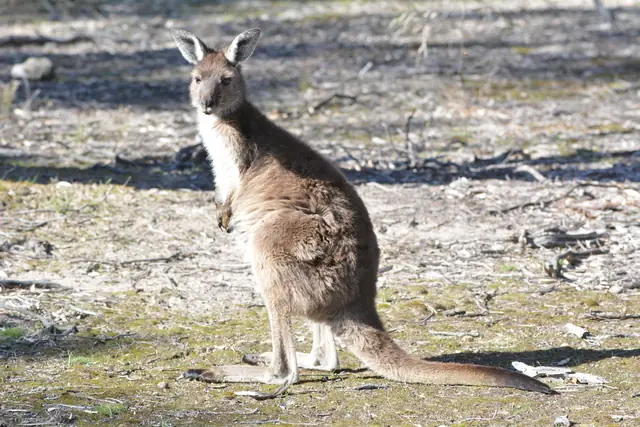
Kangaroo Island Kangaroo
Macropus fuliginosus
The island's own darker, thick-furred form of the western grey kangaroo. Look on grassy edges at dawn and dusk, especially around Flinders Chase.
-
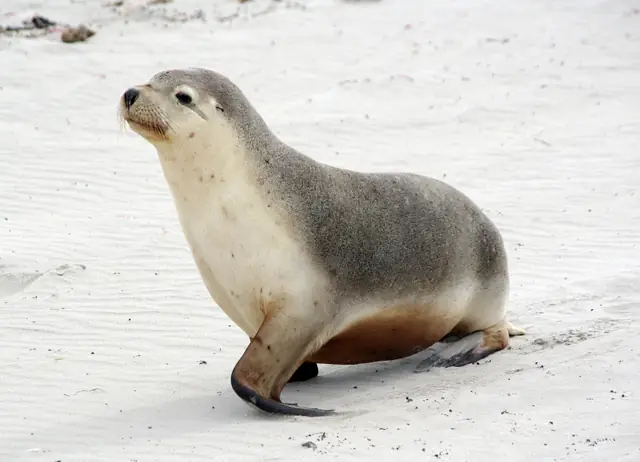
Australian Sea Lion
Neophoca cinerea
One of the world's rarest sea lions. At Seal Bay a boardwalk through the dunes overlooks a colony on the beach, with guides on hand.
-
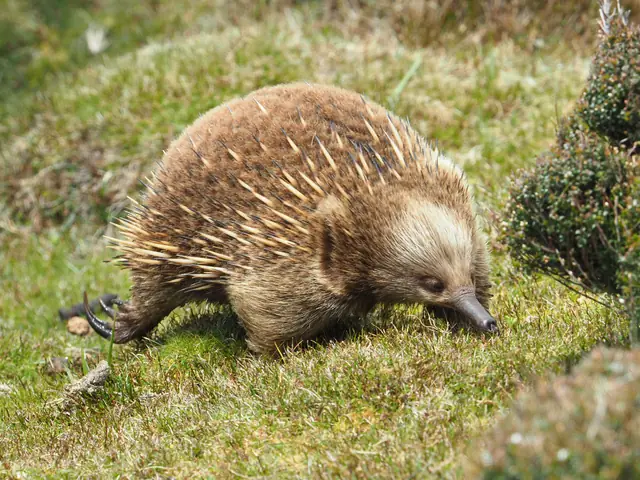
Short-beaked Echidna
Tachyglossus aculeatus
The island form is common and often seen by day, snuffling along roadsides and bush tracks, especially in spring.
-
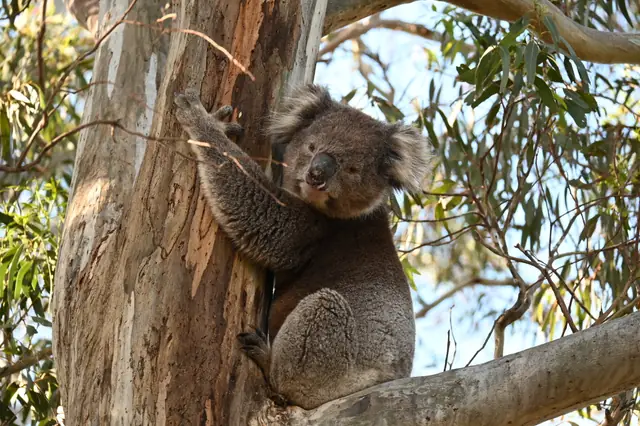
Koala
Phascolarctos cinereus
Introduced in the 1920s and now common in manna gums along creeks. Look for a grey shape wedged in a fork high in the tree.
-
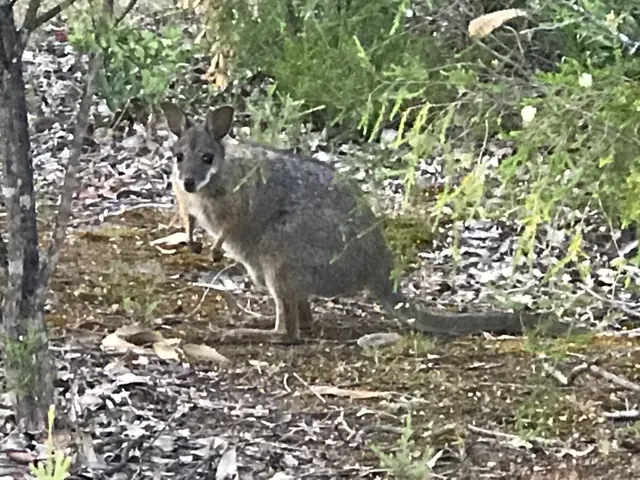
Tammar Wallaby
Notamacropus eugenii
A small wallaby, rare on the mainland, that comes out to graze at dusk along the bush edge.
-
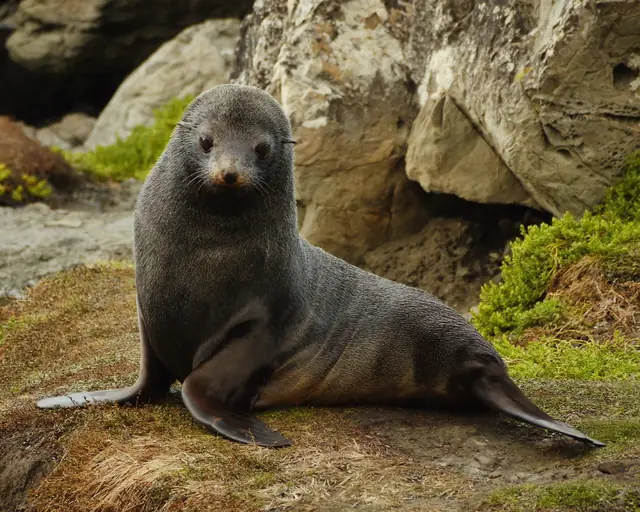
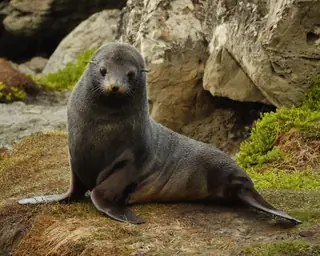
Long-nosed Fur Seal
Arctocephalus forsteri
Also called the New Zealand fur seal. They rest on the rocks below Admirals Arch in Flinders Chase National Park.
-
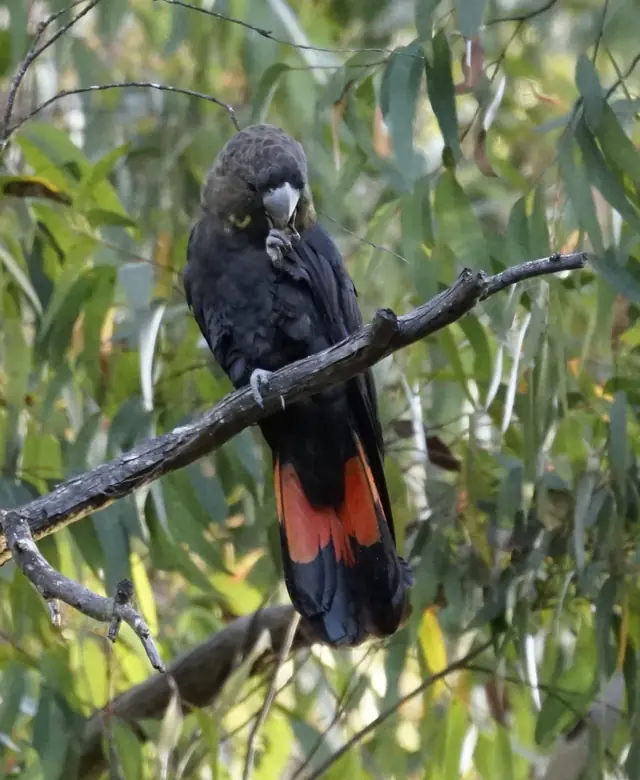
Glossy Black Cockatoo
Calyptorhynchus lathami
An endangered island form that feeds only on the cones of drooping sheoak. Listen for the soft calls and the crunch of cones overhead.
-
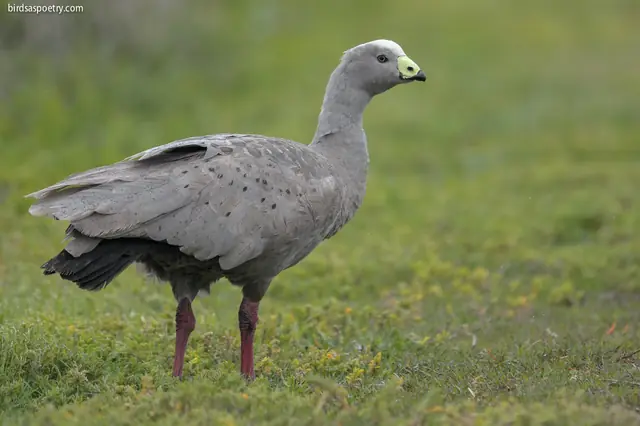
Cape Barren Goose
Cereopsis novaehollandiae
A big, pale grey goose with a lime-green bill, grazing in paddocks, especially in the east of the island.
-
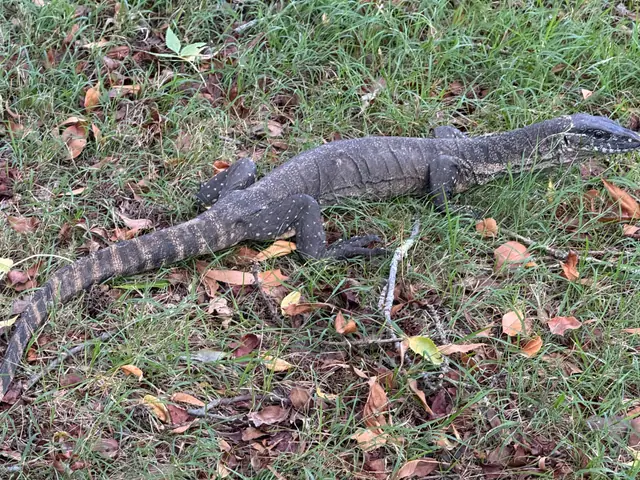
Heath Monitor
Varanus rosenbergi
Also called Rosenberg's goanna. The island is a stronghold, and they bask on tracks and roadsides on warm days.
-
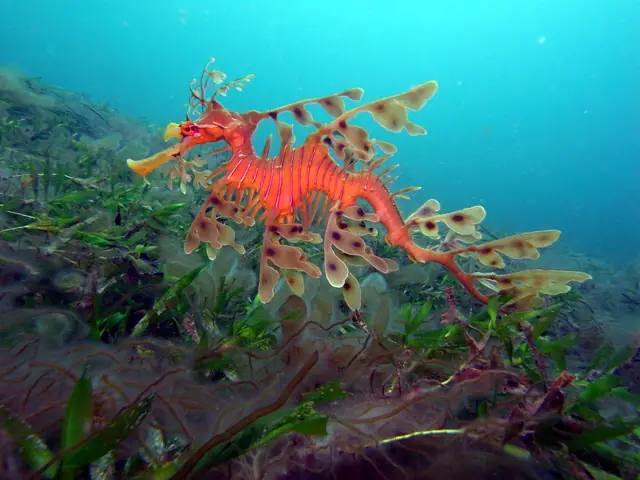
Leafy Seadragon
Phycodurus eques
South Australia's marine emblem, a fish disguised as drifting weed. Snorkellers and divers find them in seagrass near the jetties.
All 103 animals in Kangaroo Island
Kangaroos and other marsupials 9
-
 Kangaroo Island Kangaroo
-
 Tammar Wallaby
-
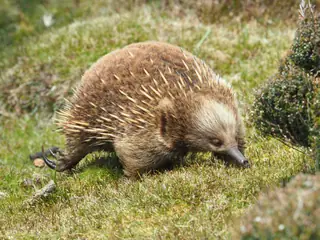 Short-beaked Echidna
-
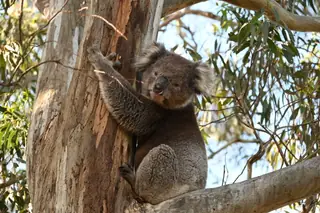 Koala
-
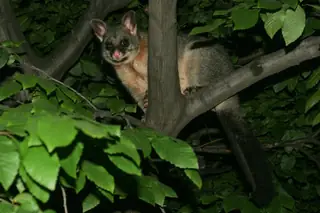 Common Brushtail Possum
-
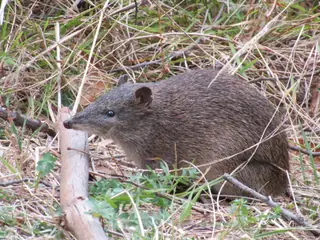 Southern Brown Bandicoot
-
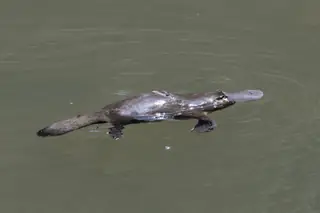 PlatypusRare
-
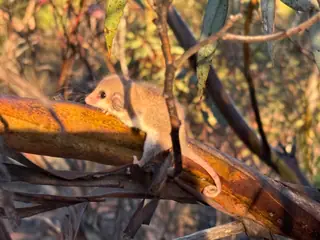 Western Pygmy PossumRare
-
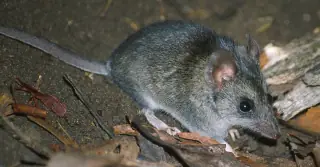 Kangaroo Island DunnartRare
Sea lions, seals and whales 8
-
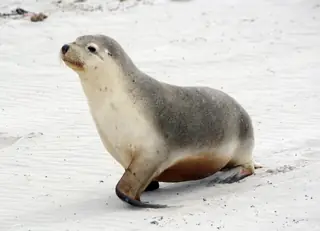 Australian Sea Lion
-
 Long-nosed Fur Seal
-
 Bottlenose Dolphin
-
 Indo-Pacific Bottlenose Dolphin
-
 Common Dolphin
-
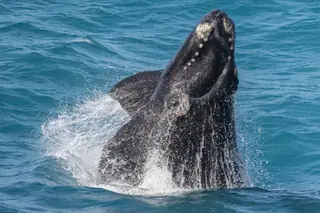 Southern Right Whale
-
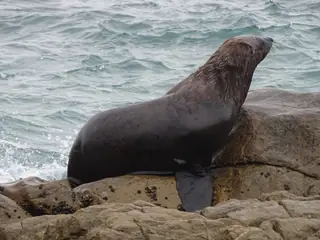 Australian Fur SealRare
-
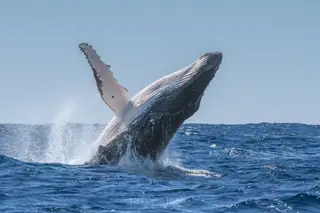 Humpback WhaleRare
Cockatoos, parrots and raptors 14
-
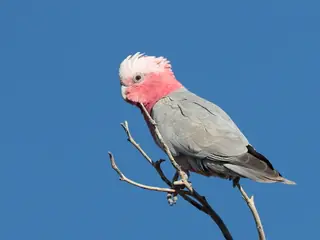 Galah
-
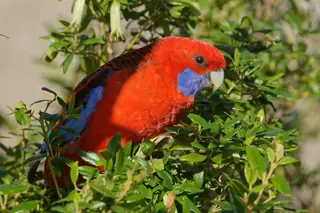 Crimson Rosella
-
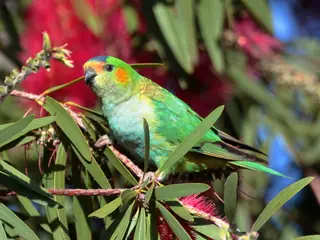 Purple-crowned Lorikeet
-
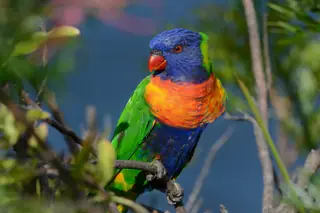 Rainbow Lorikeet
-
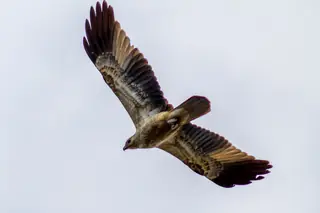 Whistling Kite
-
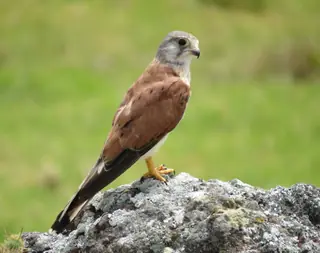 Nankeen Kestrel
-
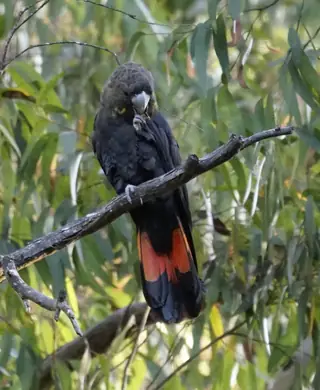 Glossy Black Cockatoo
-
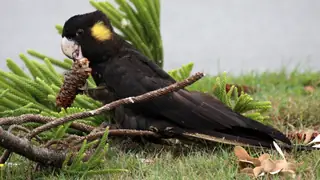 Yellow-tailed Black Cockatoo
-
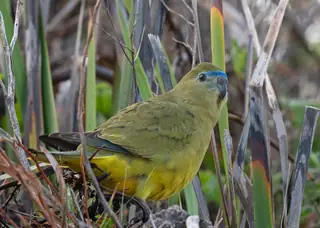 Rock Parrot
-
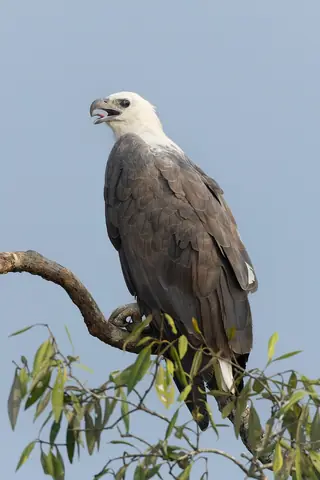 White-bellied Sea Eagle
-
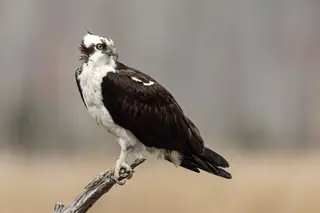 Osprey
-
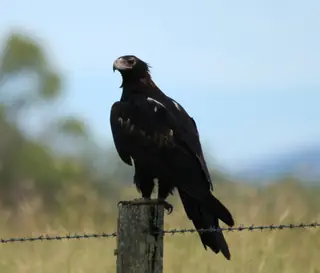 Wedge-tailed Eagle
-
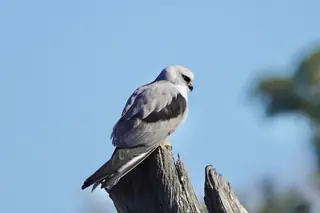 Black-shouldered Kite
-
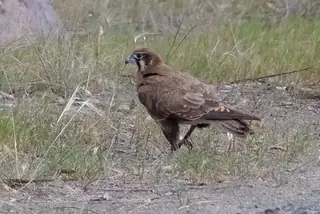 Brown Falcon
Bush and heath birds 32
-
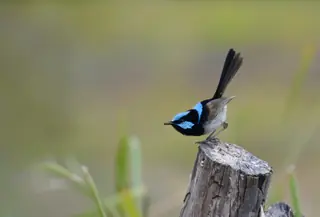 Superb Fairywren
-
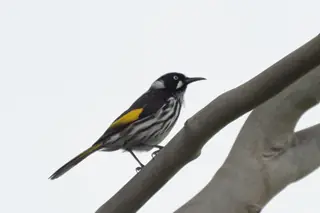 New Holland Honeyeater
-
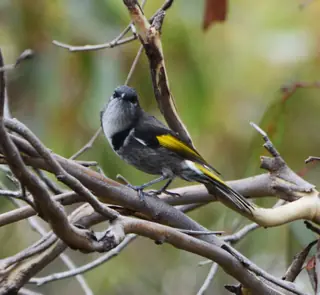 Crescent Honeyeater
-
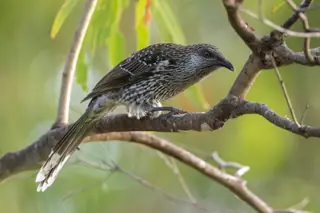 Little Wattlebird
-
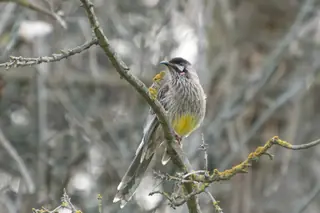 Red Wattlebird
-
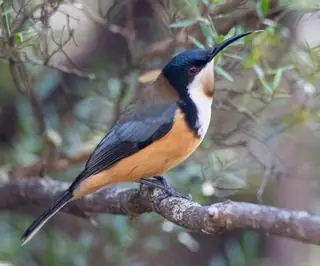 Eastern Spinebill
-
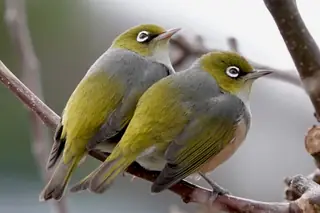 Silvereye
-
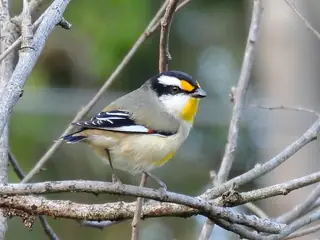 Striated Pardalote
-
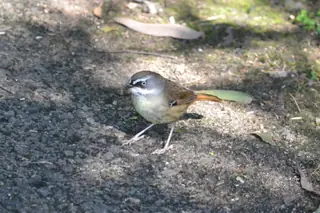 White-browed Scrubwren
-
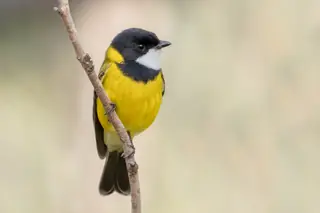 Australian Golden Whistler
-
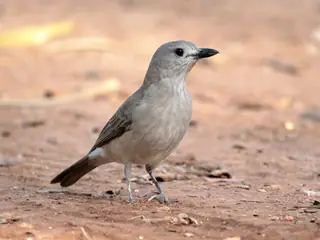 Grey Shrike-thrush
-
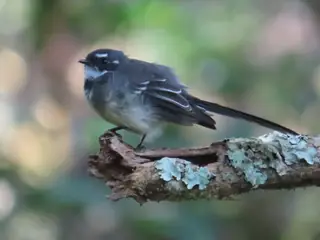 Grey Fantail
-
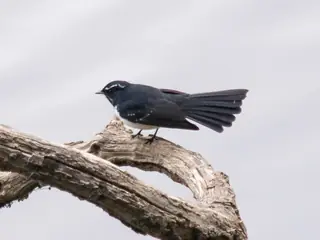 Willie Wagtail
-
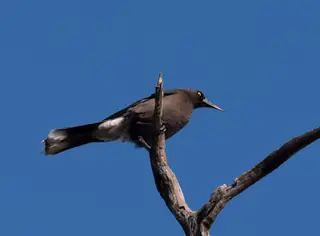 Grey Currawong
-
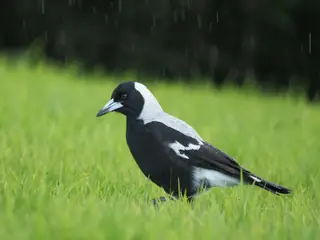 Australian Magpie
-
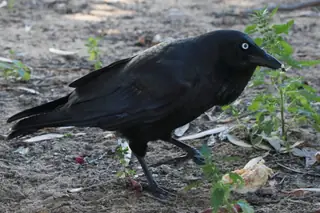 Australian Raven
-
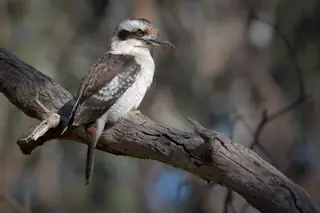 Kookaburra
-
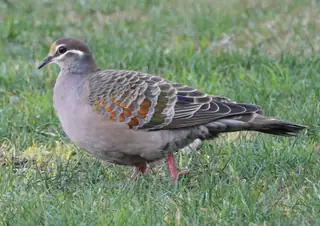 Common Bronzewing
-
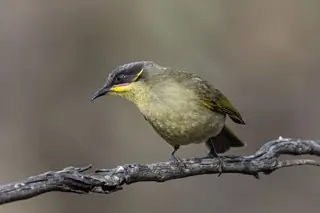 Purple-gaped Honeyeater
-
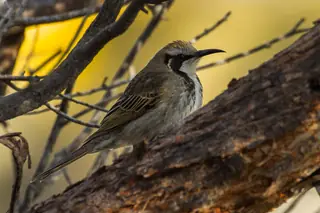 Tawny-crowned Honeyeater
-
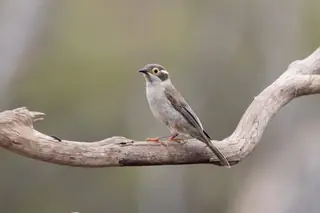 Brown-headed Honeyeater
-
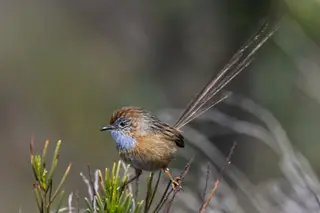 Southern Emu-wren
-
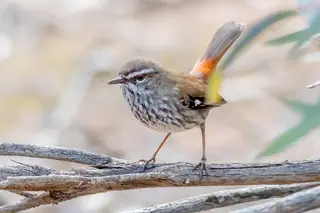 Shy Heathwren
-
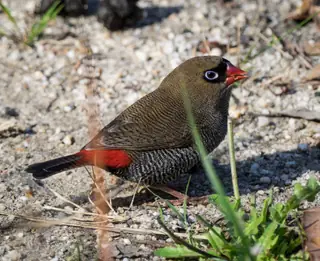 Beautiful Firetail
-
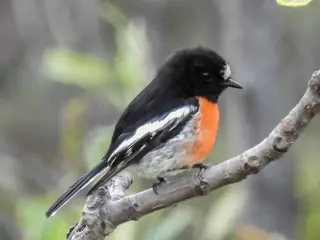 Scarlet Robin
-
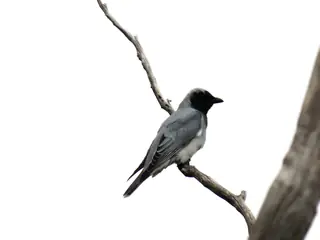 Black-faced Cuckooshrike
-
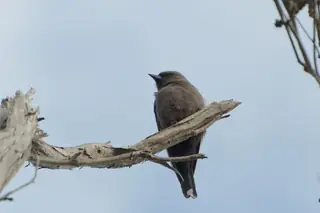 Dusky Woodswallow
-
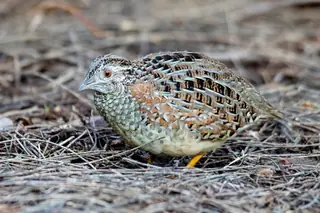 Painted Buttonquail
-
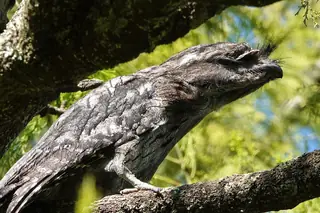 Tawny Frogmouth
-
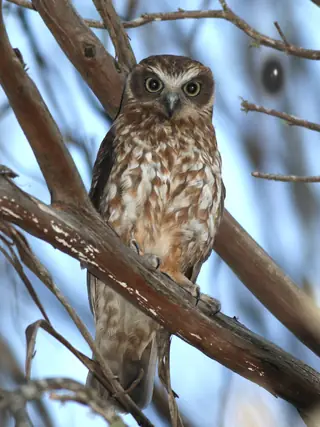 Southern Boobook
-
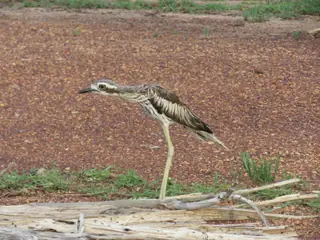 Bush Stone-curlewRare
- White-bellied WhipbirdRare
Coast and wetland birds 25
-
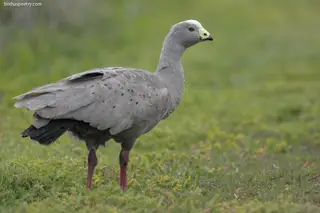 Cape Barren Goose
-
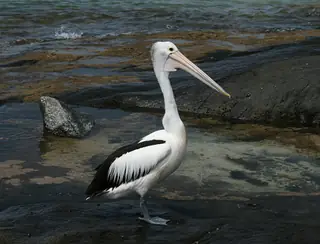 Australian Pelican
-
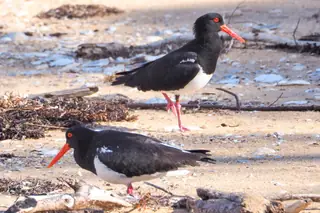 Pied Oystercatcher
-
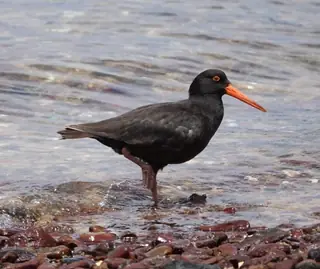 Sooty Oystercatcher
-
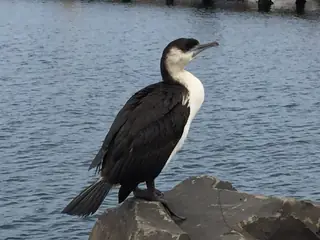 Black-faced Cormorant
-
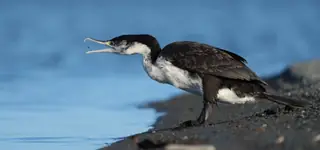 Australian Pied Cormorant
-
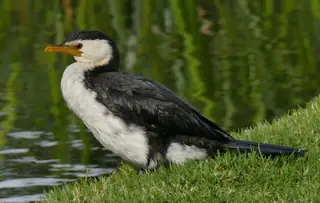 Little Pied Cormorant
-
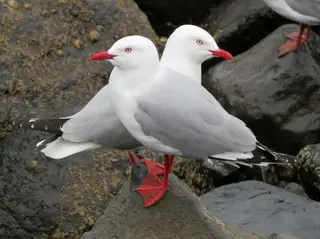 Silver Gull
-
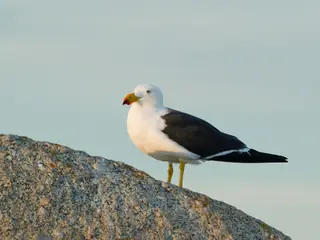 Pacific Gull
-
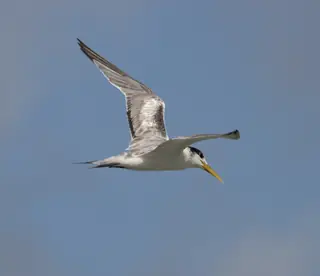 Greater Crested Tern
-
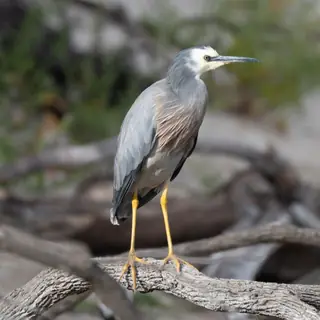 White-faced Heron
-
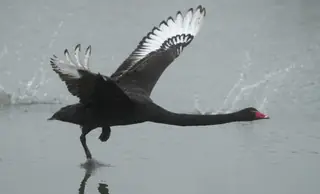 Black Swan
-
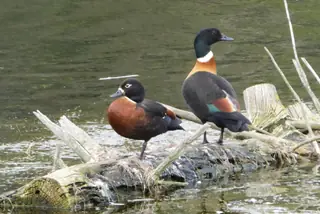 Australian Shelduck
-
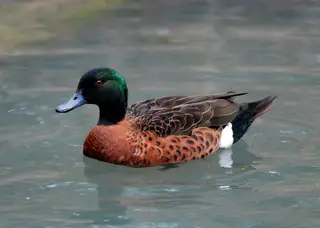 Chestnut Teal
-
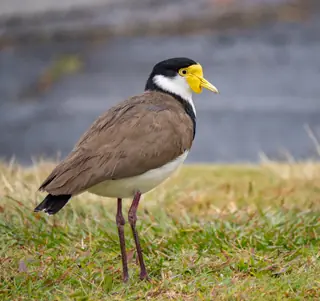 Masked Lapwing
-
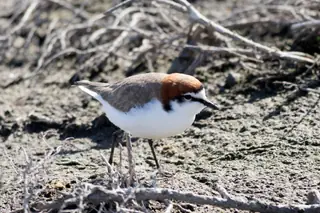 Red-capped Plover
-
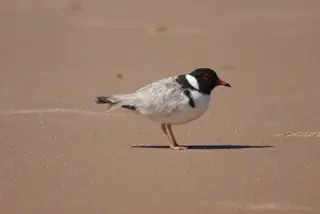 Hooded Plover
-
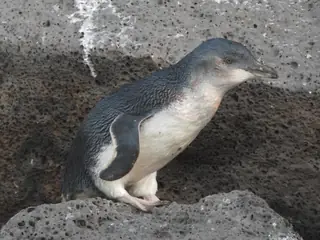 Penguin (Little)
-
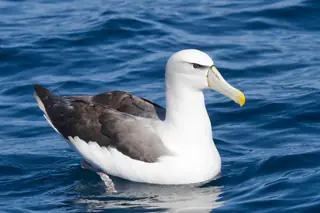 Shy Albatross
-
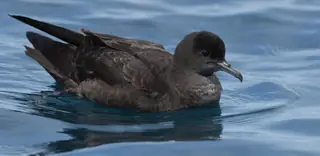 Short-tailed Shearwater
-
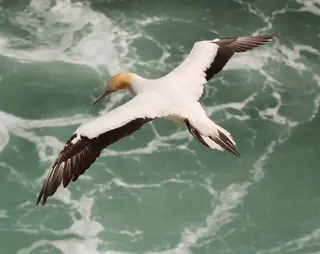 Australasian Gannet
-
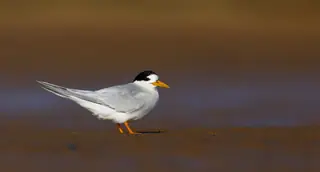 Fairy Tern
-
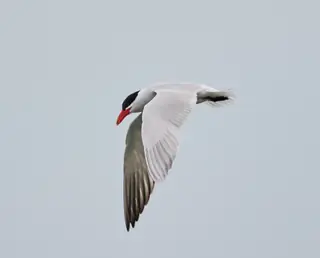 Caspian Tern
-
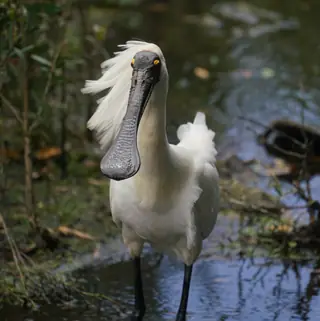 Royal Spoonbill
-
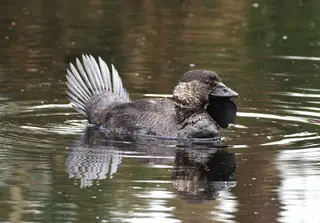 Musk Duck
Reptiles and frogs 9
-
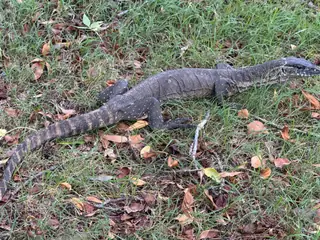 Heath Monitor
-
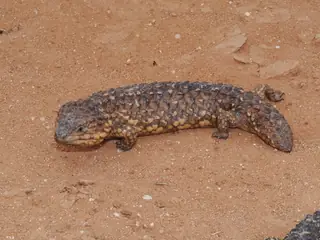 Shingleback Lizard
-
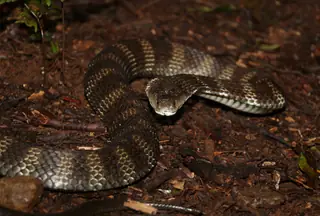 Tiger Snake
-
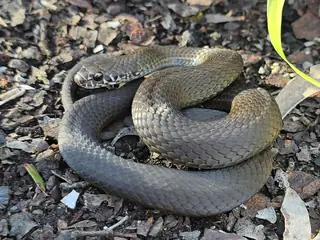 Pygmy Copperhead
-
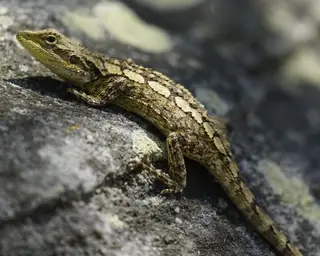 Jacky Lizard
-
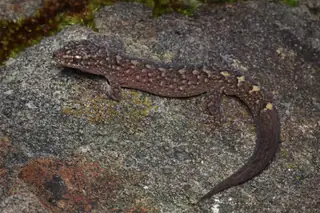 Marbled Southern Gecko
-
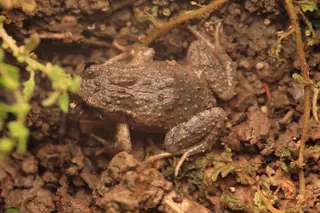 Common Froglet
-
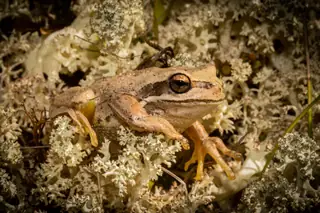 Brown Tree Frog
-
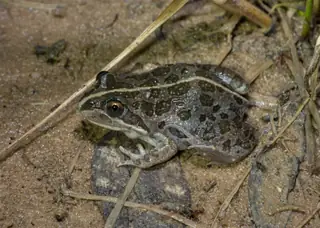 Spotted Grass Frog
Sea life 6
-
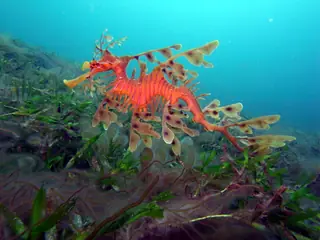 Leafy Seadragon
-
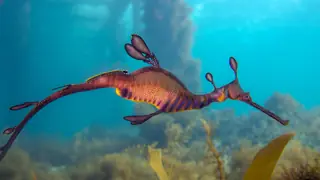 Weedy Seadragon
-
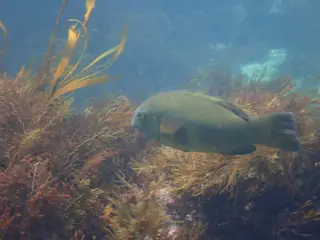 Western Blue Groper
-
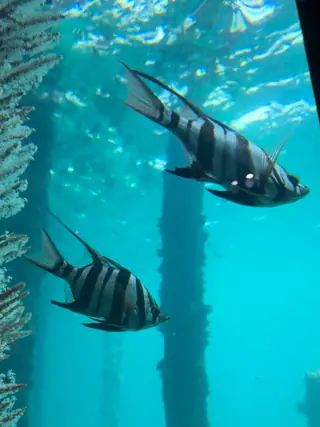 Old Wife
-
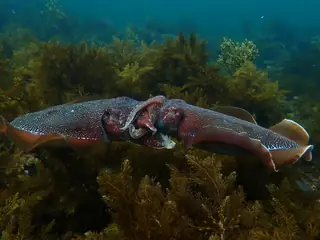 Giant Cuttlefish
-
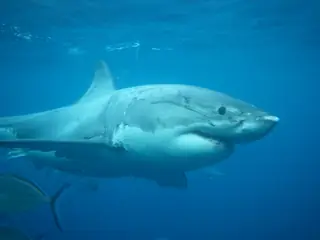 Great White SharkRare
Best time to see wildlife in Kangaroo Island
Sightings by month in Kangaroo Island
Most records: Nov to Apr, Jun to JulRecords from GBIF.org, adjusted for how many people record wildlife each month. 100% is the busiest month.
Kangaroo Island is good all year, and many of its animals are easy to see in any month. Spring, September to November, brings wildflowers, joeys in pouches, echidnas on the move and busy birds in the heath. Summer, December to February, is hot and dry, with the highest fire risk; parks may close on catastrophic fire danger days. Autumn, March to May, is calm and mild, a good time for walking and for watching kangaroos on green pick after the first rains. Winter, June to August, is cooler and wetter, and southern right whales pass along the coast from June to September. Australian sea lions breed on an unusual cycle of about 18 months, so pups can be seen in many months.
- Sep to NovWildflowers, joeys, echidnas
- Dec to FebHot, check fire danger
- Mar to MayCalm and mild, good walking
- Jun to SepSouthern right whales
Tips for spotting wildlife in Kangaroo Island
- 01
Visit Seal Bay
Seal Bay is open daily from 9am to 5pm. Beach access is paused at the time of writing to protect the colony, so you watch from the boardwalk, where guides share what the sea lions are doing.
- 02
Spend dusk in Flinders Chase
Kangaroos, wallabies and echidnas are most active in the last hour of light at the western end of the island. Admirals Arch and Remarkable Rocks are close by.
- 03
Don't drive after dark
Kangaroos, wallabies and possums crowd the roads at night. Plan to arrive before dusk, and slow right down if you must drive.
- 04
Look and listen for black cockatoos
Glossy black cockatoos feed in drooping sheoak woodland. Look quietly from the road or track, and keep away from nest trees.
- 05
Give beach birds room
Hooded plovers nest on open sand from August to March. Walk on the wet sand, keep dogs off the beach and stay out of fenced nest areas.

Take Kangaroo Island with you
Log kangaroos, sea lions and black cockatoos as you explore Kangaroo Island, and see what you still have to find. Wilder is free to start.

Kangaroo Island wildlife FAQ
What animals can you see on Kangaroo Island?
Kangaroo Island has its own kangaroo, plus tammar wallabies, echidnas, koalas, Australian sea lions and long-nosed fur seals. Birds include the endangered glossy black cockatoo, Cape Barren geese, hooded plovers and little penguins. There are no foxes or rabbits, which is one reason wildlife is so easy to see. This checklist covers 103 animals.
Where can you see sea lions on Kangaroo Island?
Seal Bay Conservation Park, on the south coast about 45 minutes from Kingscote, is the place. A 900 m return boardwalk leads to platforms over the colony, with guides on hand. Beach access is paused at the time of writing. Elsewhere, sea lions sometimes rest on quiet beaches: keep well back and never come between a sea lion and the sea.
How do you get to Kangaroo Island?
Most visitors take the car ferry from Cape Jervis, about two hours' drive south of Adelaide, to Penneshaw. The crossing takes about 45 minutes. There are also flights from Adelaide to Kingscote. Bring or hire a car, because the island is large and the best wildlife areas are spread out.
Has Kangaroo Island's wildlife recovered from the bushfires?
Recovery is well under way. The 2019 and 2020 fires burned almost half the island, including most of Flinders Chase National Park, which has since reopened with a new visitor centre. Kangaroos, koalas and many birds are common again, while rarer animals such as the glossy black cockatoo remain the focus of recovery work.
Sources
- National Parks and Wildlife Service South Australia: Seal Bay Conservation Park
- Department for Environment and Water: Kangaroo Island park attractions reopen after bushfire recovery
- Department for Environment and Water: New Flinders Chase visitor centre
- Sightings by month: GBIF.org
Animal photos are from the Wilder catalogue; photo credits.
Similar checklists
All Oceania-
 Island103animals Phillip Island Western Port, Victoria, Australia Two hours from Melbourne: little penguins waddling ashore at dusk, a huge fur seal colony off the Nobbies and koalas in the gums. Best time Nov to Mar
-
 Island74animals Tasmania The whole state, Australia Wild island at the bottom of Australia: devils, wombats and platypus, with twelve birds found nowhere else. Best time All year
-
 Marine park121animals Ningaloo Reef and Exmouth Exmouth and Coral Bay, Western Australia, Australia A fringing reef you can swim to from the beach, where whale sharks gather each autumn, manta rays live all year and red kangaroos graze in the dunes. Best time Mar to Jul
-
 Region88animals Kaikōura Kaikōura coast, Canterbury, New Zealand A deep sea canyon right off the beach brings sperm whales, dusky dolphins and more albatross species than almost anywhere you can reach in a day. Best time All year