Island · The whole state · Australia
Tasmania Animal Checklist

Tasmania, the island state south of mainland Australia, is the only place to see Tasmanian devils in the wild, and one of the easiest places to see wombats, platypus and echidnas. This checklist covers 74 animals, including all twelve of Tasmania's endemic birds. Wildlife is good year-round; summer suits walks at Cradle Mountain and Maria Island, and June to September brings whales.
Tick off all 74 animals in Tasmania on your phone, even offline. Launching soon. Free A4 PDF, no sign-up.
A large share of the island is national park and World Heritage wilderness. Many of its animals are nocturnal, so plan some dusk and night outings.
- Animals to find
- 74
- Where
- Australia
- Best time
- All year
- Endemic birds
- 12
Popular animals in Tasmania
-
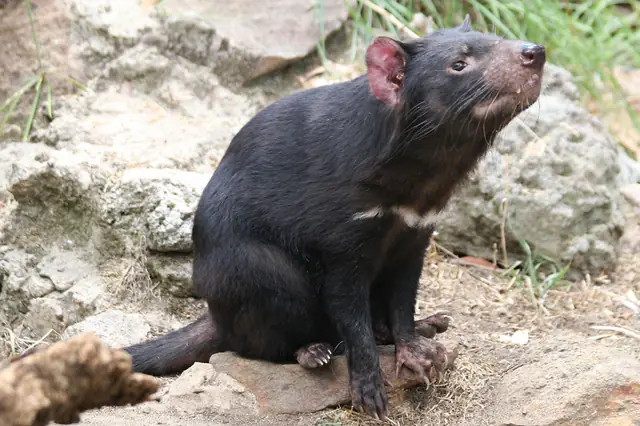
Tasmanian Devil
Sarcophilus harrisii
Wild devils have declined sharply because of devil facial tumour disease. Your best chance is a night tour in the north-west or a stay on Maria Island, where a disease-free population was released in 2012.
-
Wombat
Bare-nosed wombats graze by day around Darlington on Maria Island, and in the late afternoon at Ronny Creek at Cradle Mountain.
-
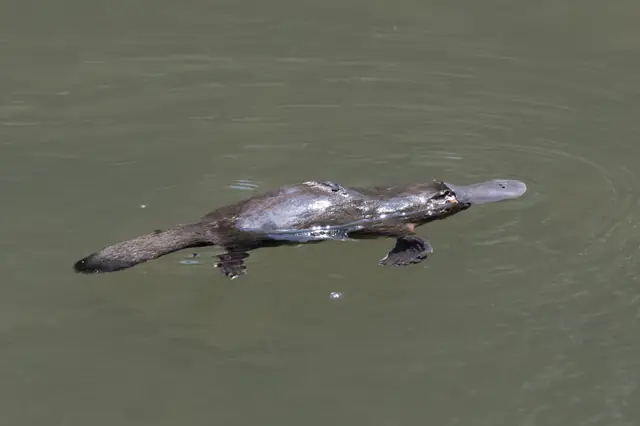
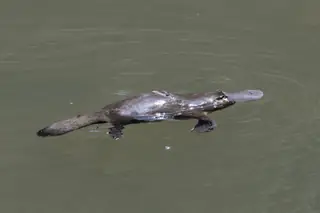
Platypus
Ornithorhynchus anatinus
Watch quiet pools at dawn and dusk. Latrobe calls itself the platypus capital of the world, and Mount Field and the Geeveston river walk are also good.
-
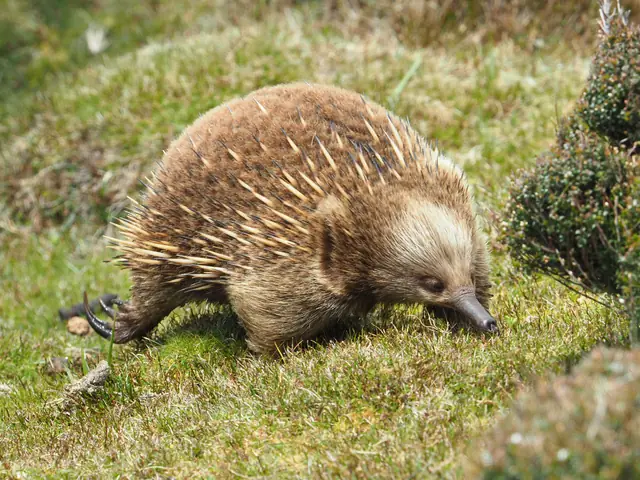
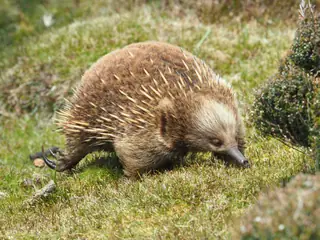
Short-beaked Echidna
Tachyglossus aculeatus
Often seen by day snuffling for ants along tracks and roadsides, especially in spring and summer.
-
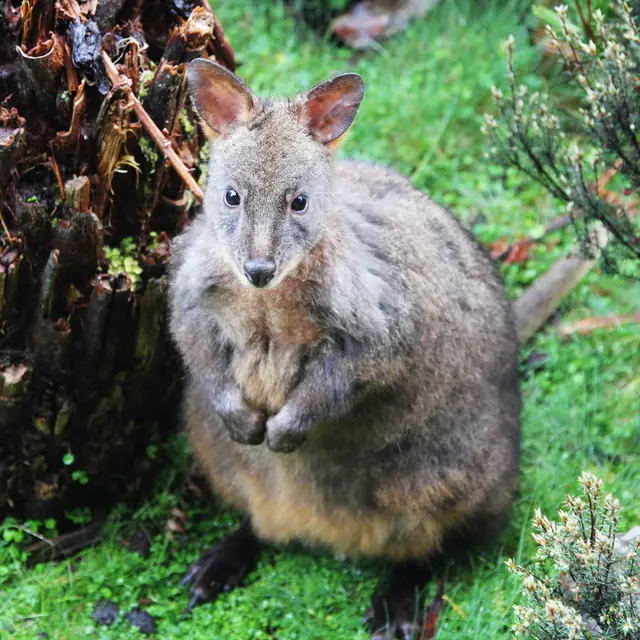
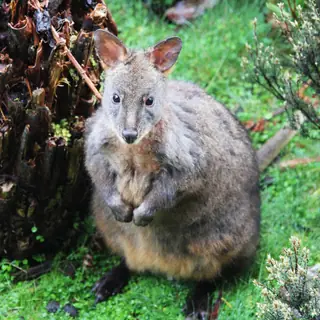
Tasmanian Pademelon
Thylogale billardierii
A small, stocky wallaby that grazes on lawns and forest edges at dusk. Cradle Mountain and Mount Field are full of them.
-
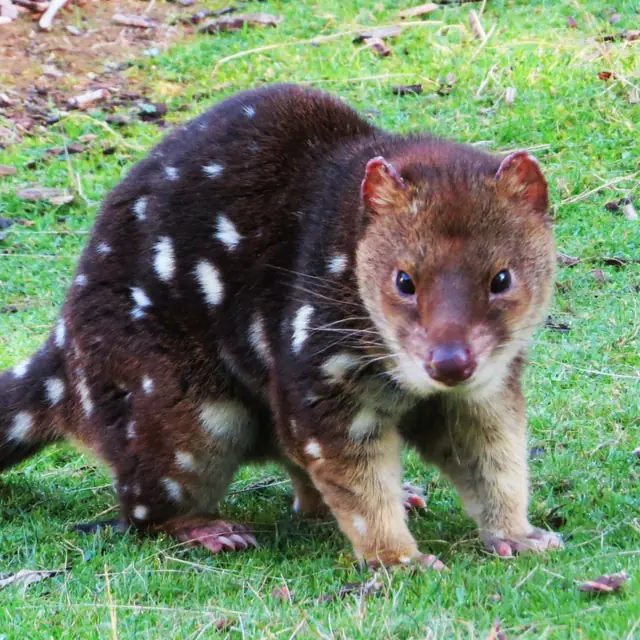
Spotted-tailed Quoll
Dasyurus maculatus
The largest quoll, and rarely seen. Night tours in the north-west give the best chance.
-
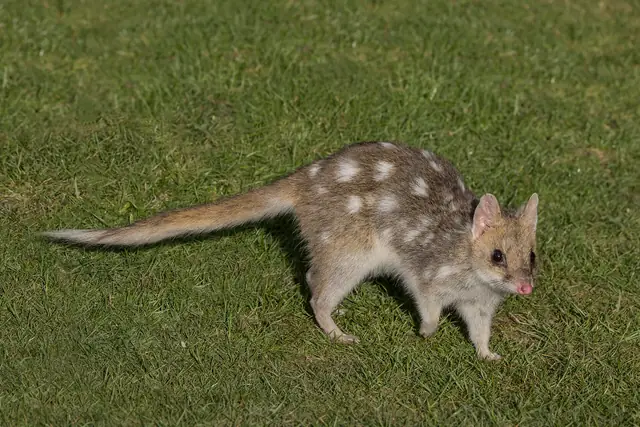
Eastern Quoll
Dasyurus viverrinus
Almost gone from the mainland but still found in Tasmania. Look at night in farmland and grassy woodland.
-
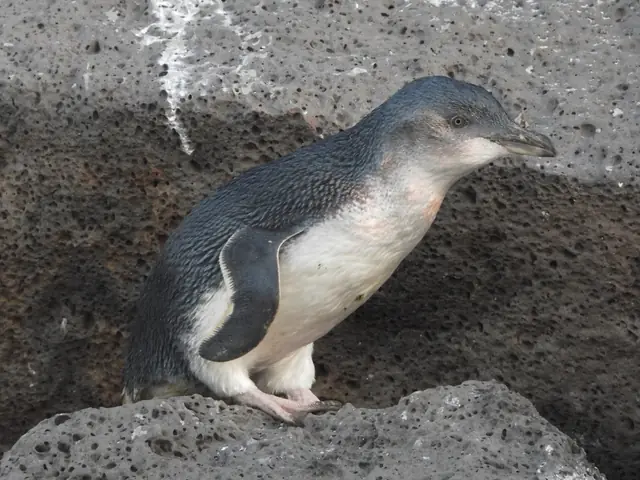
Penguin (Little)
Eudyptula minor
Little penguins come ashore after dark at Bicheno and The Neck on Bruny Island, mainly from spring to autumn. Stay on the viewing platforms.
-
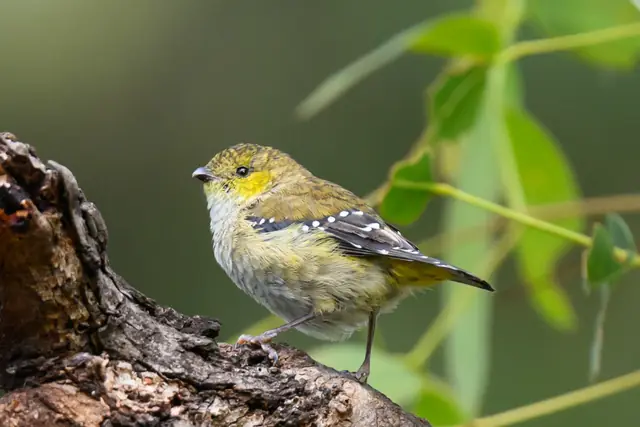
Forty-spotted Pardalote
Pardalotus quadragintus
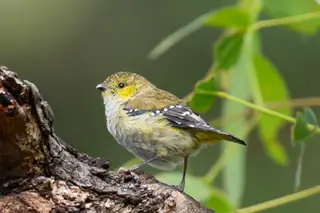
One of the rarest endemic birds, living in white gum woodland on Bruny and Maria islands.
-
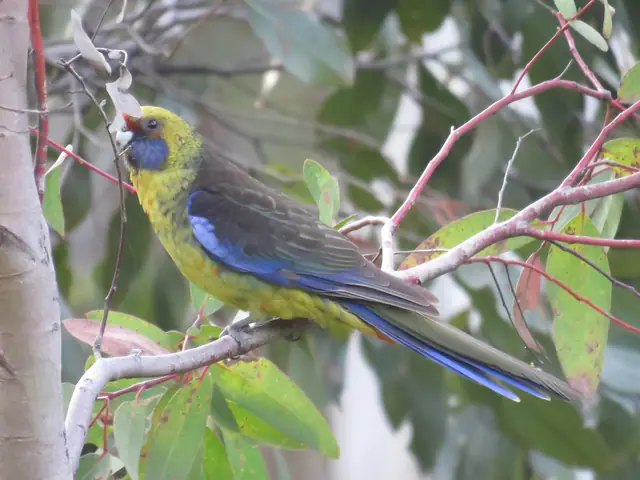
Green Rosella
Platycercus caledonicus
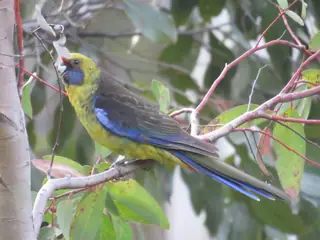
Tasmania's endemic parrot, common in forests and gardens across the state.
All 74 animals in Tasmania
Marsupials and monotremes 15
-
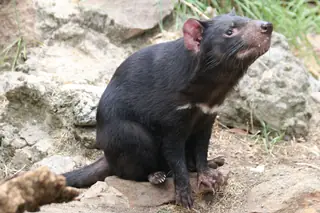 Tasmanian Devil
-
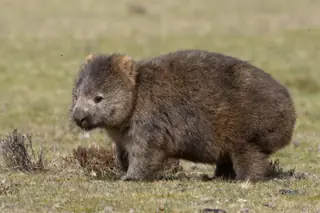 Common Wombat
-
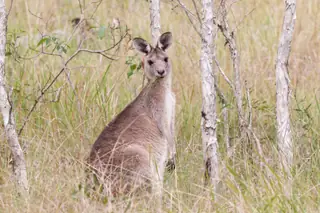 Eastern Grey Kangaroo
-
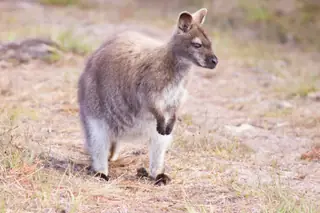 Bennett's Wallaby
-
 Tasmanian Pademelon
-
 Short-beaked Echidna
-
 Platypus
-
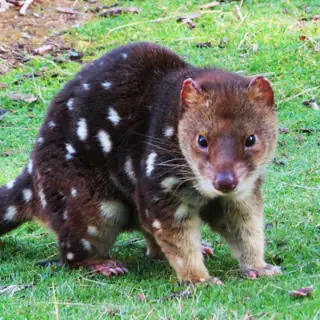 Spotted-tailed QuollRare
-
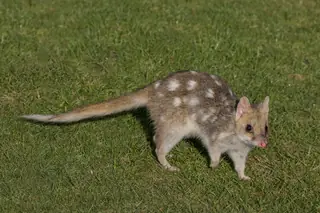 Eastern Quoll
-
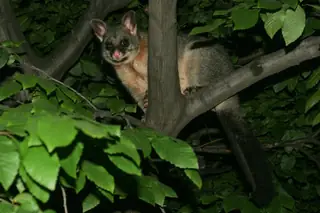 Common Brushtail Possum
-
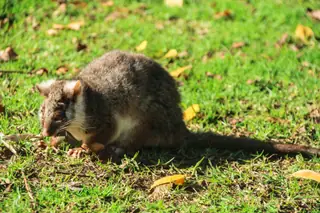 Common Ringtail Possum
-
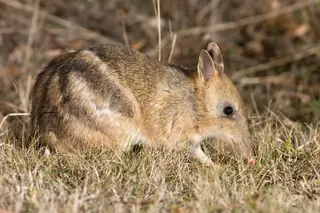 Eastern Barred Bandicoot
-
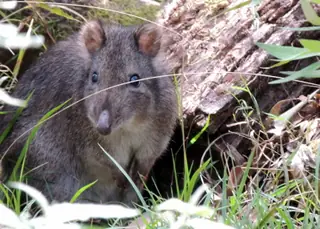 Long-nosed Potoroo
-
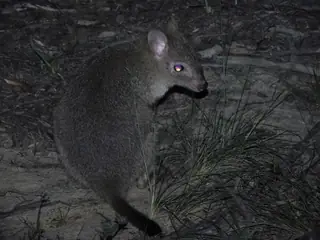 Tasmanian Bettong
-
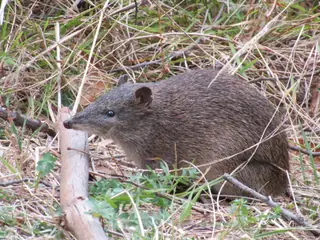 Southern Brown Bandicoot
Sea mammals 7
-
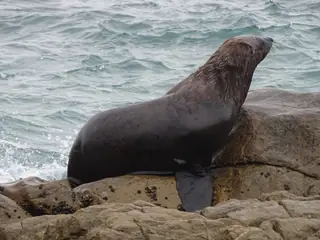 Australian Fur Seal
-
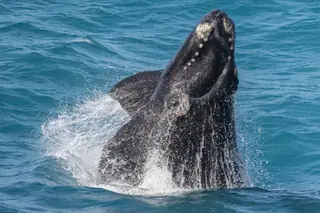 Southern Right WhaleRare
-
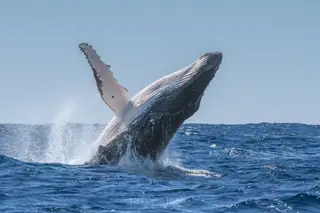 Humpback Whale
-
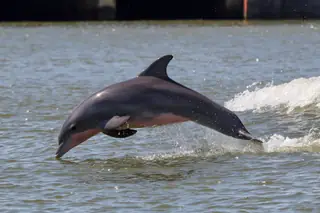 Bottlenose Dolphin
-
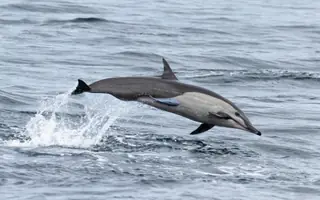 Common Dolphin
-
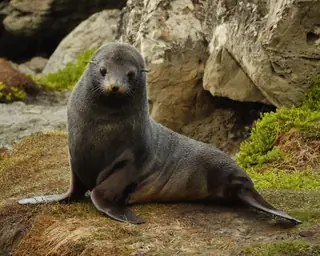 New Zealand Fur Seal
-
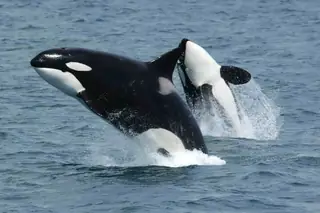 OrcaRare
Endemic birds 12
-
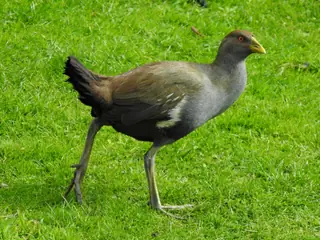 Tasmanian Native-hen
-
 Green Rosella
-
 Black Currawong
-
 Yellow Wattlebird
-
 Forty-spotted Pardalote
-
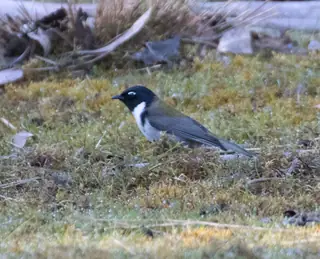 Black-headed Honeyeater
-
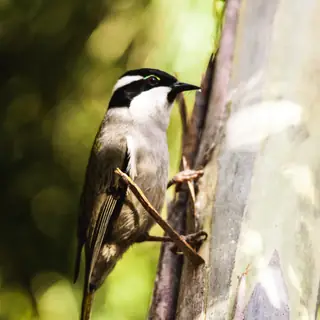 Strong-billed Honeyeater
-
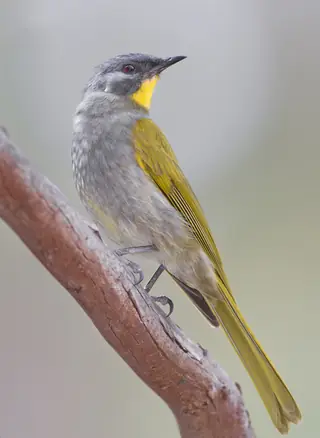 Yellow-throated Honeyeater
-
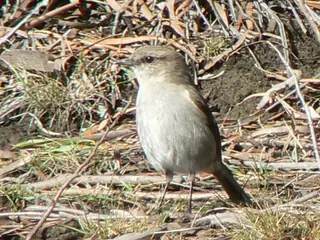 Dusky Robin
-
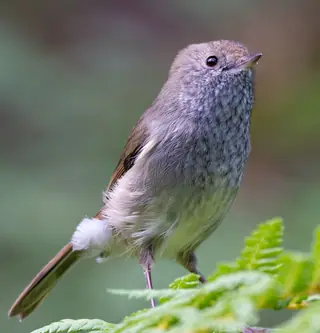 Tasmanian Thornbill
-
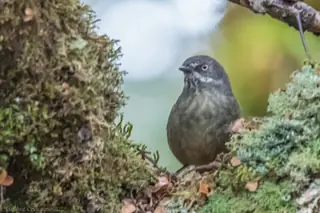 Tasmanian Scrubwren
-
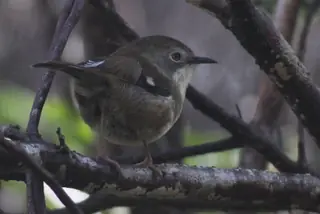 Scrubtit
Other land birds 18
-
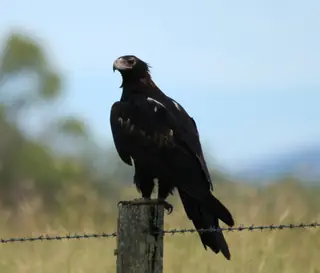 Wedge-tailed Eagle
-
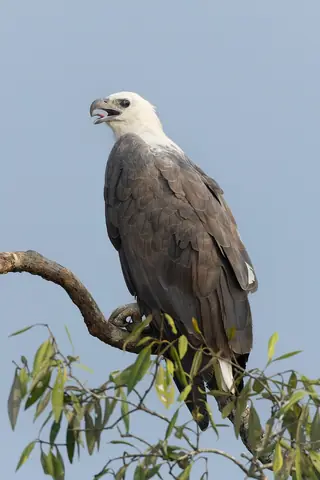 White-bellied Sea Eagle
-
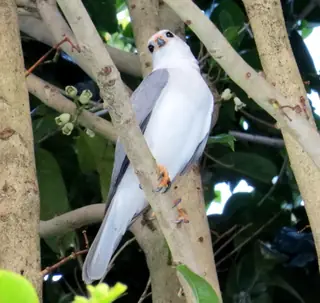 Grey Goshawk
-
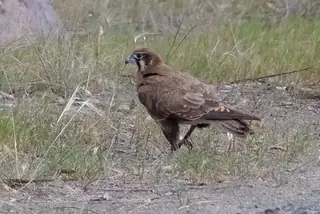 Brown Falcon
-
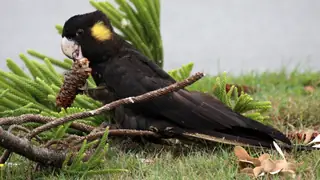 Yellow-tailed Black Cockatoo
-
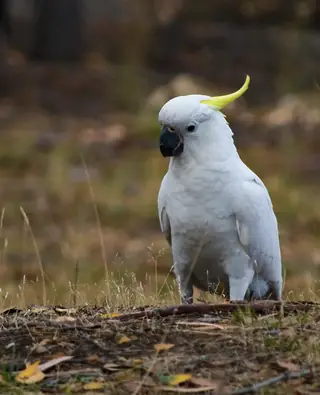 Sulphur-crested Cockatoo
-
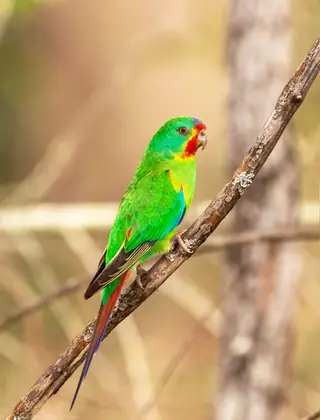 Swift Parrot
-
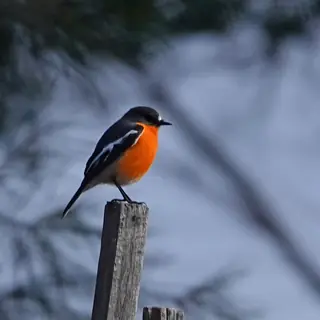 Flame Robin
-
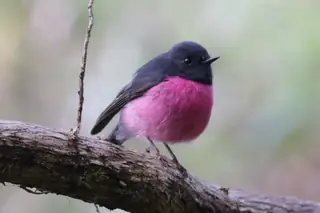 Pink Robin
-
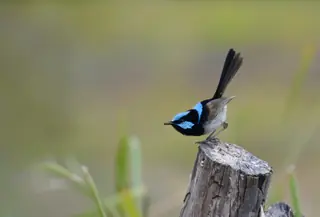 Superb Fairywren
-
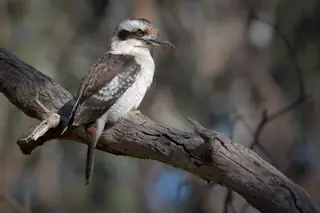 Kookaburra
-
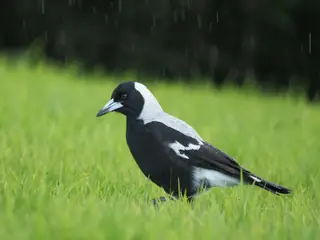 Australian Magpie
-
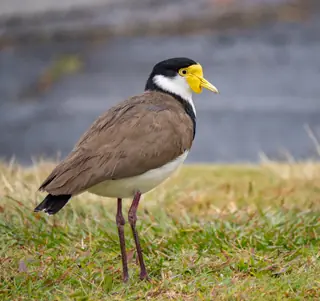 Masked Lapwing
-
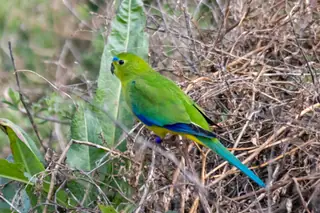 Orange-bellied ParrotRare
-
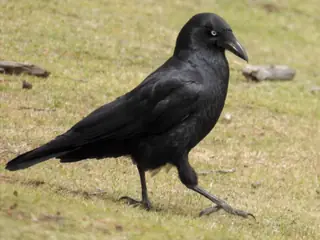 Forest Raven
-
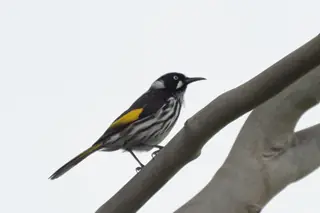 New Holland Honeyeater
-
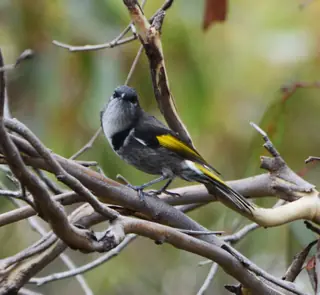 Crescent Honeyeater
-
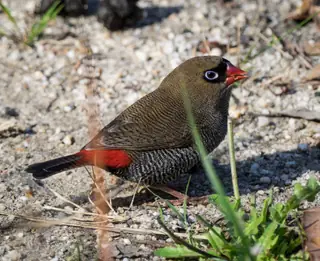 Beautiful Firetail
Sea and shore birds 14
-
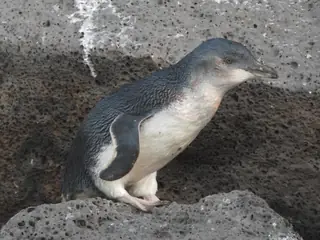 Penguin (Little)
-
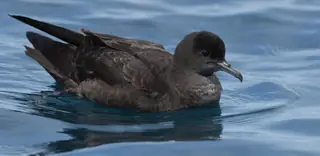 Short-tailed Shearwater
-
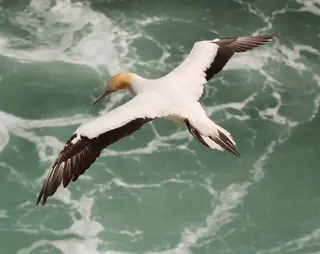 Australasian Gannet
-
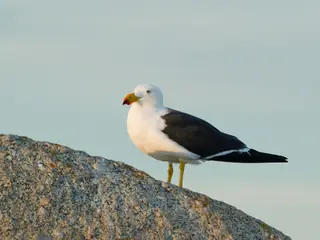 Pacific Gull
-
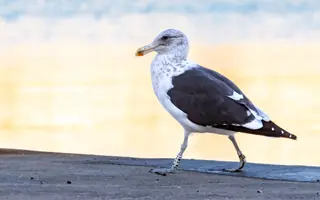 Kelp Gull
-
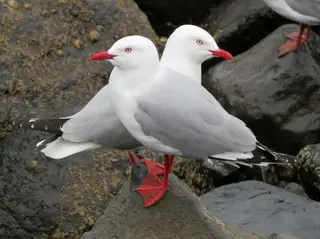 Silver Gull
-
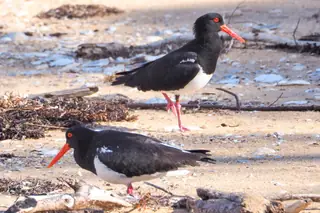 Pied Oystercatcher
-
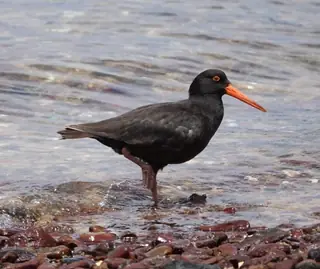 Sooty Oystercatcher
-
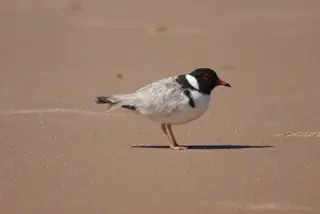 Hooded Plover
-
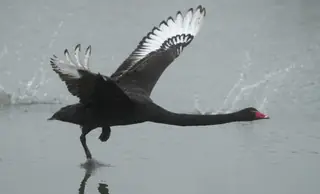 Black Swan
-
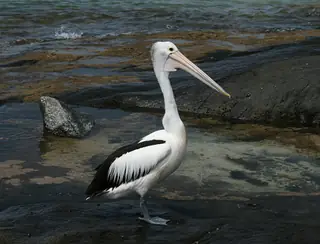 Australian Pelican
-
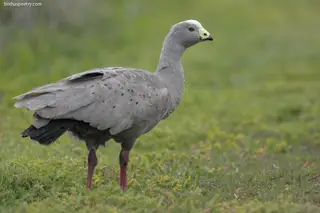 Cape Barren Goose
-
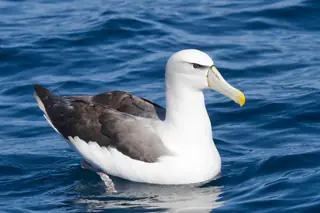 Shy Albatross
-
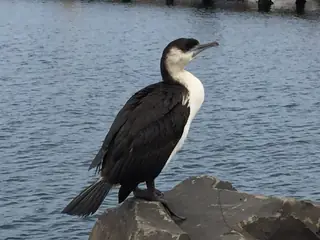 Black-faced Cormorant
Reptiles and amphibians 7
-
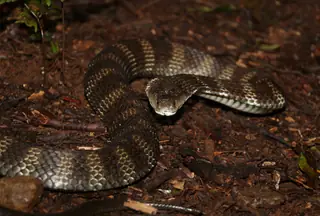 Tiger Snake
-
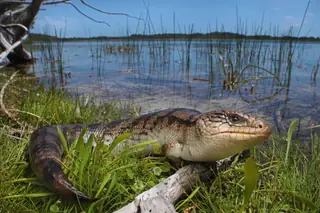 Blotched Blue-tongued Lizard
-
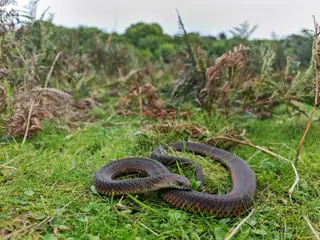 Lowland Copperhead
-
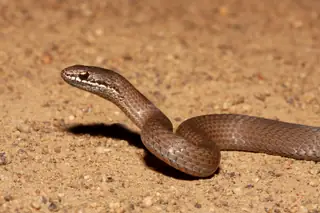 White-lipped Snake
-
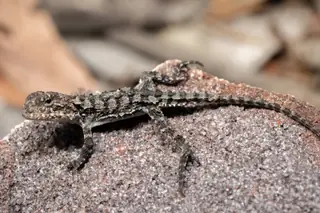 Mountain Heath Dragon
-
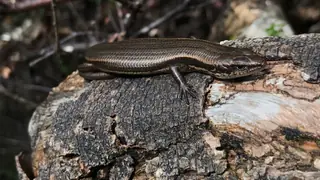 Metallic Skink
-
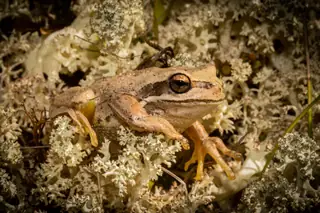 Brown Tree Frog
Sea life 1
-
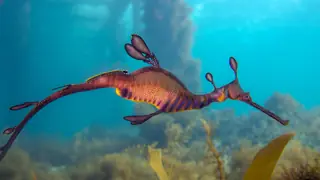 Weedy Seadragon
Best time to see wildlife in Tasmania
Sightings by month in Tasmania
Most records: Oct to Apr, JunRecords from GBIF.org, adjusted for how many people record wildlife each month. 100% is the busiest month.
Tasmania's wildlife is good in every month, and most of it stays put all year. December to March is warm with long evenings, best for walks at Cradle Mountain, Freycinet and Maria Island, for little penguins with chicks, and for short-tailed shearwaters returning to their burrows at dusk. Autumn, March to May, brings calm weather and the turning of the fagus, a native beech, in late April. Winter, June to August, is cold and wet in the west but good for platypus and whales: southern right whales visit the Derwent estuary and humpbacks pass the east coast from May to November. Spring, September to November, brings joeys and migrant birds such as the swift parrot.
- Dec to FebLong walks, penguin chicks
- Mar to MayCalm weather, fagus in late April
- Jun to AugWhales, platypus
- Sep to NovSwift parrots, shearwaters return
Tips for spotting wildlife in Tasmania
- 01
Buy a parks pass
You need a Parks and Wildlife Service pass to enter Tasmania's national parks. The holiday pass covers eight weeks and is the best value for most trips.
- 02
Drive slowly at dusk
Tasmania has some of the worst roadkill rates in the world because so many animals feed on roadsides at night. Avoid driving after dark where you can, and slow down when you do.
- 03
Spend a night on Maria Island
The ferry from Triabunna takes you to a car-free island with wombats, Forester kangaroos, Cape Barren geese and devils. Stay overnight for the best dusk and night sightings.
- 04
Find the endemics on Bruny Island
Bruny Island has all twelve endemic birds, including the forty-spotted pardalote, plus white Bennett's wallabies in the south around Adventure Bay.
- 05
Use red light at night
On spotlighting walks and at penguin colonies, use a red torch and keep it off the animals' eyes. Never use flash on penguins.

Take Tasmania with you
Tick off devils, wombats and all twelve endemic birds as you travel round Tasmania. Wilder is free to start and works offline in the wilderness.

Tasmania wildlife FAQ
What animals can you see in Tasmania?
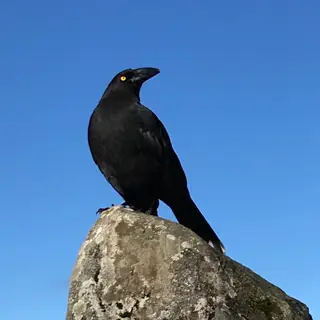
In Tasmania you can see Tasmanian devils, wombats, platypus, echidnas, pademelons, Bennett's wallabies, quolls and possums, along with little penguins, fur seals and, in winter, whales. There are also twelve bird species found nowhere else, including the green rosella and black currawong. Some animals now rare or gone on the mainland, such as the eastern quoll, are still found here.
Where can you see Tasmanian devils in the wild?
The best places to see Tasmanian devils in the wild are the north-west, including the Tarkine and Arthur River area, and Maria Island, where a disease-free population was released in 2012. Devils are nocturnal and shy, so a guided night tour or an overnight stay gives the best chance. Sanctuaries such as Devils@Cradle show them up close, but those aren't wild sightings.
Where is the best place to see wombats in Tasmania?
Maria Island is the best place to see wombats in Tasmania: they graze around Darlington in daylight and are used to walkers. Ronny Creek at Cradle Mountain is also very reliable, especially late in the afternoon, and Narawntapu National Park in the north has them too. Keep your distance and never touch or feed them.
Where can you see platypus in Tasmania?
You can see platypus in quiet streams across Tasmania, with the best odds at dawn and dusk. Try the Warrawee Forest Reserve near Latrobe, the platypus walk in Geeveston and the streams of Mount Field National Park. Stand still, watch for rings spreading on the water, and be patient: a platypus surfaces for only a minute or so.
Sources
- Parks and Wildlife Service Tasmania
- Save the Tasmanian Devil Program
- Discover Tasmania
- BirdLife Australia
- Sightings by month: GBIF.org
Animal photos are from the Wilder catalogue; photo credits.
Similar checklists
All Oceania-
 Island103animals Kangaroo Island Off the Fleurieu Peninsula, South Australia, Australia Australia's third-largest island, free of foxes and rabbits: kangaroos, sea lions, echidnas and koalas, with glossy black cockatoos in the sheoaks. Best time Sept to Nov, Mar to May
-
 Island103animals Phillip Island Western Port, Victoria, Australia Two hours from Melbourne: little penguins waddling ashore at dusk, a huge fur seal colony off the Nobbies and koalas in the gums. Best time Nov to Mar
-
 Region120animals Great Otway National Park and the Great Ocean Road Great Ocean Road, Victoria, Australia Wild koalas in the manna gums, lyrebirds in the fern gullies and southern right whales calving off the beaches along the Great Ocean Road. Best time Jun to Sept for whales
-
 Region85animals Otago Peninsula and Stewart Island Dunedin, Otago and Stewart Island/Rakiura, Southland, New Zealand The far south of New Zealand: royal albatrosses nesting on a mainland headland, rare yellow-eyed penguins, and kiwi feeding on the beaches of Stewart Island. Best time Nov to Mar